



Swipe left or right, or use the buttons. Tap image to zoom.
例句翻译
单词
Lesson 38Lesson 38 - 遮罩切换
|
表情符号
|
单词 | Images | 翻译 | 含义 | 例句 | 例句翻译 | 同义词 | 反义词 | 搭配词 | 助记符 |
|---|---|---|---|---|---|---|---|---|---|---|
|
#741
⚖️
|
/lɔː/
noun
(ló)
••••••
|
- •••••• |
法律
fǎlǜ
••••••
|
a rule or system of rules recognized by a country or community as regulating the actions of its members
••••••
|
Everyone must obey the law.
èvrīwān mǎsǔ óu bèi dē ló
••••••
|
每个人都必须遵守法律。
měi gè rén dōu bìxū zūnshǒu fǎlǜ
••••••
|
rule, regulation, statute, ordinance
••••••
|
lawlessness, anarchy
••••••
|
break the law, obey the law, rule of law
••••••
|
Fǎlǜ = Find a law to use
••••••
|
|
#742
🍃
|
/liːf/
noun
(利夫)
••••••
|
- •••••• |
叶子
yezi
••••••
|
a flattened structure of a higher plant, typically green and blade-like, that is attached to a stem
••••••
|
The autumn leaves are falling from the tree.
迪 奥特姆 利夫斯 阿 放林 弗罗姆 德 特里
••••••
|
秋天的叶子从树上落下。
qiutian de yezi cong shu shang luoxia
••••••
|
foliage, blade, frond
••••••
|
root, trunk, stem
••••••
|
green leaf, falling leaves, leaf node
••••••
|
Leaf → 叶子 (yezi): think of 'yeah-zee' — yeah, see the leaf!
••••••
|
|
#743
🚫⚖️
|
/ˈlɔː.ləs.nəs/
noun
(luo-les-nes)
••••••
|
- •••••• |
无法律
wufalü
••••••
|
absence of law and order; a state where laws do not exist or are not enforced
••••••
|
The city descended into lawlessness after the government collapsed. |
政府崩溃后,城市陷入了无法律的状态。
zhèngfǔ bēngkuì hòu, chéngshì xiànrù le wú fǎlǜ de zhuàngtài
••••••
|
anarchy, chaos, disorder, mayhem
••••••
|
order, law, rule
••••••
|
descend into lawlessness, period of lawlessness
••••••
|
无法律 = 没有规则的混乱
••••••
|
|
#744
📜
|
/ˈliːf.lət/
noun
(lì fú lè tè)
••••••
|
- •••••• |
传单; 宣传单
chuán dān; xuān chuán dān
••••••
|
a printed sheet of paper containing information or advertising and usually distributed free
••••••
|
She handed out leaflets about the environmental campaign. |
她分发了有关环保运动的传单。
ta fen fa le you guan huan bao yun dong de chuan dan
••••••
|
brochure, pamphlet, flyer, handout
••••••
|
book, manual
••••••
|
distribute leaflets, information leaflet, campaign leaflet
••••••
|
Leaflet = 来发 (广告) + 乐 (免费的传单)
••••••
|
|
#745
🏛️
|
/ˈlɔː.meɪ.kər/
noun
(洛梅克斯)
••••••
|
- •••••• |
立法者
lifazhě
••••••
|
a person who writes and passes laws, especially a member of a legislative body
••••••
|
The lawmakers voted on the new education bill. |
立法者对新的教育法案进行了投票。
Lìfǎ zhě duì xīn de jiàoyù fǎ'àn jìnxíngle tóupiào
••••••
|
legislator, politician, congressman, senator
••••••
|
citizen, voter
••••••
|
elected lawmaker, senior lawmaker, federal lawmaker
••••••
|
Lawmaker = 立法者
••••••
|
|
#746
💧
|
/liːk/
noun
(lìkè)
••••••
|
- •••••• |
漏洞; 漏水
loukong; lòushuǐ
••••••
|
a hole in a container or covering through which contents escape or enter accidentally
••••••
|
There is a leak in the water pipe.
水管里有一个漏洞。
••••••
|
水管里有一个漏洞。
Shuǐguǎn lǐ yǒu yī gè lòukǒng.
••••••
|
hole, crack, breach, opening
••••••
|
seal, closure
••••••
|
water leak, gas leak, fix a leak
••••••
|
In Chinese, 'lòu' means leak, much like 'leak' itself.
••••••
|
|
#747
🌱
|
/lɔːn/
noun
(lawn)
••••••
|
- •••••• |
草坪
caoping
••••••
|
an area of short, regularly mown grass in the grounds of a house or in a park
••••••
|
She waters the lawn every morning.
她每天早上浇水给草坪。
••••••
|
她每天早上浇水给草坪。
Ta mei tian zao shang jiao shui gei caoping.
••••••
|
grass, yard, garden, field
••••••
|
pavement, concrete
••••••
|
mow the lawn, green lawn, front lawn
••••••
|
草坪是你可以在家里或者公园看到的绿色区域,整齐修剪的草地。
••••••
|
|
#748
📋
|
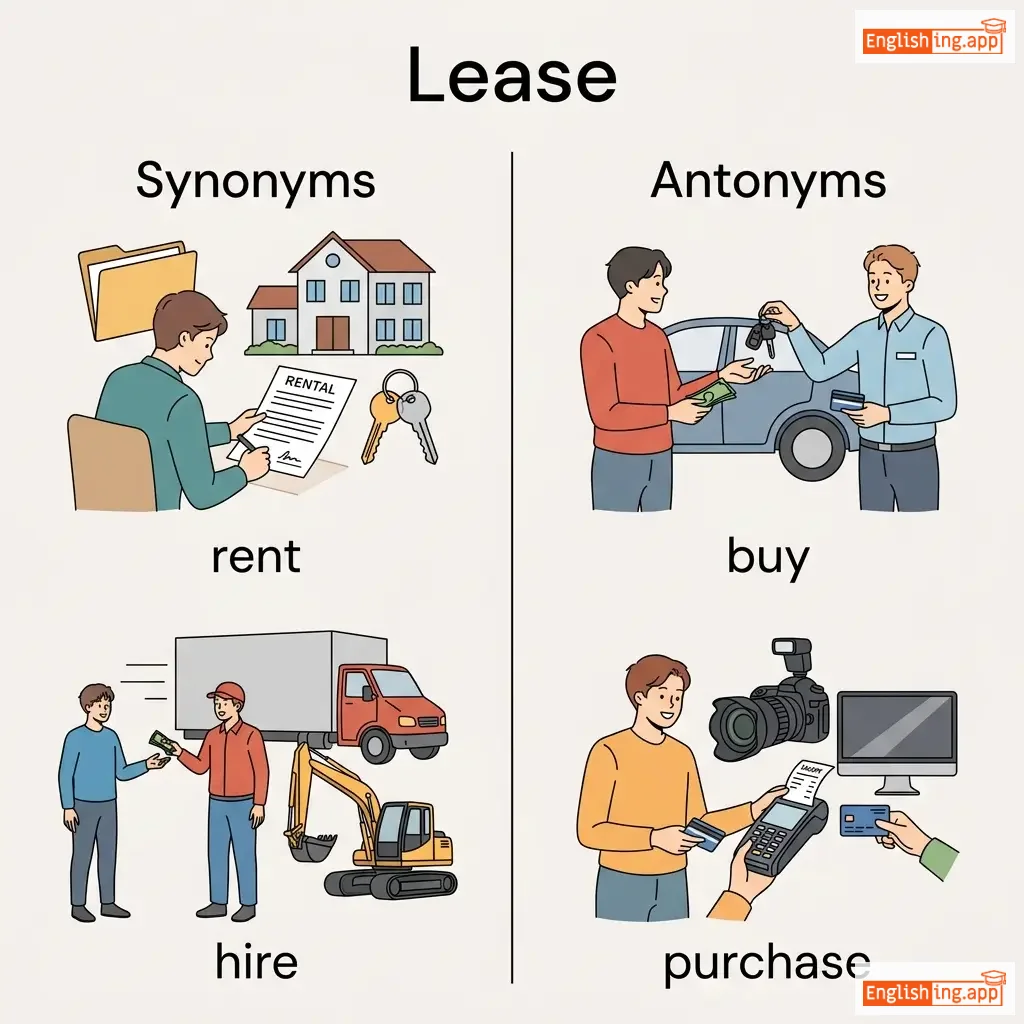
/liːs/
noun
(lìzī)
••••••
|
|
租赁合同
lizi
••••••
|
a contract by which one party conveys land, property, services, etc. to another for a specified time, usually in return for a periodic payment
••••••
|
They signed a two-year lease for the apartment.
他们签署了两年的公寓租赁合同。
••••••
|
他们签署了两年的公寓租赁合同。
Tāmen qiānshǔle liǎng nián de gōngyù zūlìn hé tóng.
••••••
|
rental agreement, contract, tenancy
••••••
|
ownership, purchase
••••••
|
sign a lease, lease agreement, lease term
••••••
|
租赁合同是双方就使用某个财产签订的协议,通常需要按期付款。
••••••
|
|
#749
👨💼
|
/ˈlɔː.jər/
noun
(lɔjɚ)
••••••
|
- •••••• |
律师
lvshi
••••••
|
a person who practices or studies law; an attorney or a counselor
••••••
|
She hired a lawyer to handle her case. |
她雇佣了一位律师来处理她的案件。
Tā gùyōng le yī wèi lǜshī lái chǔlǐ tā de ànjiàn
••••••
|
attorney, advocate, counselor, barrister
••••••
|
client, defendant
••••••
|
hire a lawyer, defense lawyer, corporate lawyer
••••••
|
No •••••• |
|
#750
🦴
|
/ˈleð.ər/
noun
(lèdá)
••••••
|
- •••••• |
皮革
pige
••••••
|
animal skin that has been treated to preserve it and make it suitable for use
••••••
|
He bought a leather jacket from the store.
他在商店里买了一件皮夹克。
••••••
|
他在商店里买了一件皮夹克。
Ta zai shangdian li mai le yijian pijia ke.
••••••
|
hide, skin, pelt
••••••
|
fabric, cloth, synthetic
••••••
|
leather goods, genuine leather, leather jacket
••••••
|
皮革总是坚固且耐用
••••••
|
|
#751
📚
|
/ˈleɪ.ər/
noun
(léi-ěr)
••••••
|
- •••••• |
层; 层次;
lei-er
••••••
|
a sheet, quantity, or thickness of material, typically one of several, covering a surface or body
••••••
|
The cake has three layers of chocolate.
蛋糕有三层巧克力。
••••••
|
蛋糕有三层巧克力。
Dàngāo yǒu sān céng qiǎokèlì.
••••••
|
stratum, level, tier, coating
••••••
|
core, center
••••••
|
thin layer, thick layer, layer of paint
••••••
|
想象一个三层巧克力蛋糕来记住层这个词。
••••••
|
|
#752
🗑️
|
/ˈliː.vɪŋz/
noun
(利文兹)
••••••
|
- •••••• |
剩余物; 残留物
livings
••••••
|
things that have been left behind or remain; remnants or scraps
••••••
|
The leavings from dinner were given to the dog. |
晚餐的剩余物被给了狗。
Wǎncān de shèngyú wù bèi gěile gǒu.
••••••
|
remnants, leftovers, scraps, remains
••••••
|
whole, complete, fresh
••••••
|
food leavings, table leavings
••••••
|
In Chinese, '剩余物' reminds you of leavings as leftovers.
••••••
|
|
#753
🙋♂️
|
/ˈleɪ.mən/
noun
(雷曼)
••••••
|
- •••••• |
外行人; 没有专业知识的人
leiman
••••••
|
a person without professional or specialized knowledge in a particular subject
••••••
|
The doctor explained the procedure in layman's terms. |
医生用通俗的语言解释了这个程序。
Yīshēng yòng tōngsú de yǔyán jiěshìle zhège chéngxù
••••••
|
amateur, non-expert, ordinary person
••••••
|
expert, professional, specialist
••••••
|
layman's terms, ordinary layman
••••••
|
No •••••• |
|
#754
😒
|
/ˈleʧ.ər/
noun
(海皮尼斯)
••••••
|
- •••••• |
好色之徒
haose zhitu
••••••
|
a man who behaves in a sexually inappropriate way towards women
••••••
|
The company fired him for being a lecher.
公司因为他是个好色之徒而解雇了他
••••••
|
公司因为他是个好色之徒而解雇了他。
gongsi yinwei ta shige haose zhitu er jiegule ta
••••••
|
pervert, libertine, womanizer
••••••
|
gentleman, respectful person
••••••
|
old lecher, disgusting lecher
••••••
|
Lecher—remember ‘hao se’ means lustful in Chinese.
••••••
|
|
#755
😴
|
/ˈleɪ.zi.nəs/
noun
(léiziness)
••••••
|
- •••••• |
懒惰
landuo
••••••
|
the quality of being unwilling to work or use energy; idleness
••••••
|
His laziness prevented him from achieving his goals.
his léiziness prevented him from achieving his goals
••••••
|
他的懒惰阻止了他实现目标。
tade landuo zhi zhi le ta shixian mubiao
••••••
|
idleness, sloth, inactivity, lethargy
••••••
|
diligence, industry, activity, energy
••••••
|
overcome laziness, pure laziness
••••••
|
懒惰: 逃避工作,享受休息时光
••••••
|
|
#756
📚
|
/ˈlek.tʃər/
noun
(lèkèchúěr)
••••••
|
- •••••• |
讲座
jiangzuo
••••••
|
an educational talk to an audience, especially to students in a university or college
••••••
|
The professor gave an interesting lecture on history.
教授做了一个有趣的历史讲座。
••••••
|
教授做了一个有趣的历史讲座。
Jiaoshou zuo le yige youqu de lishi jiangzuo.
••••••
|
speech, talk, presentation, discourse
••••••
|
discussion, conversation
••••••
|
attend lecture, give lecture, lecture hall
••••••
|
Lecture - Imagine a professor giving a 'jiangzuo' (lecture in Chinese).
••••••
|
|
#757
👑
|
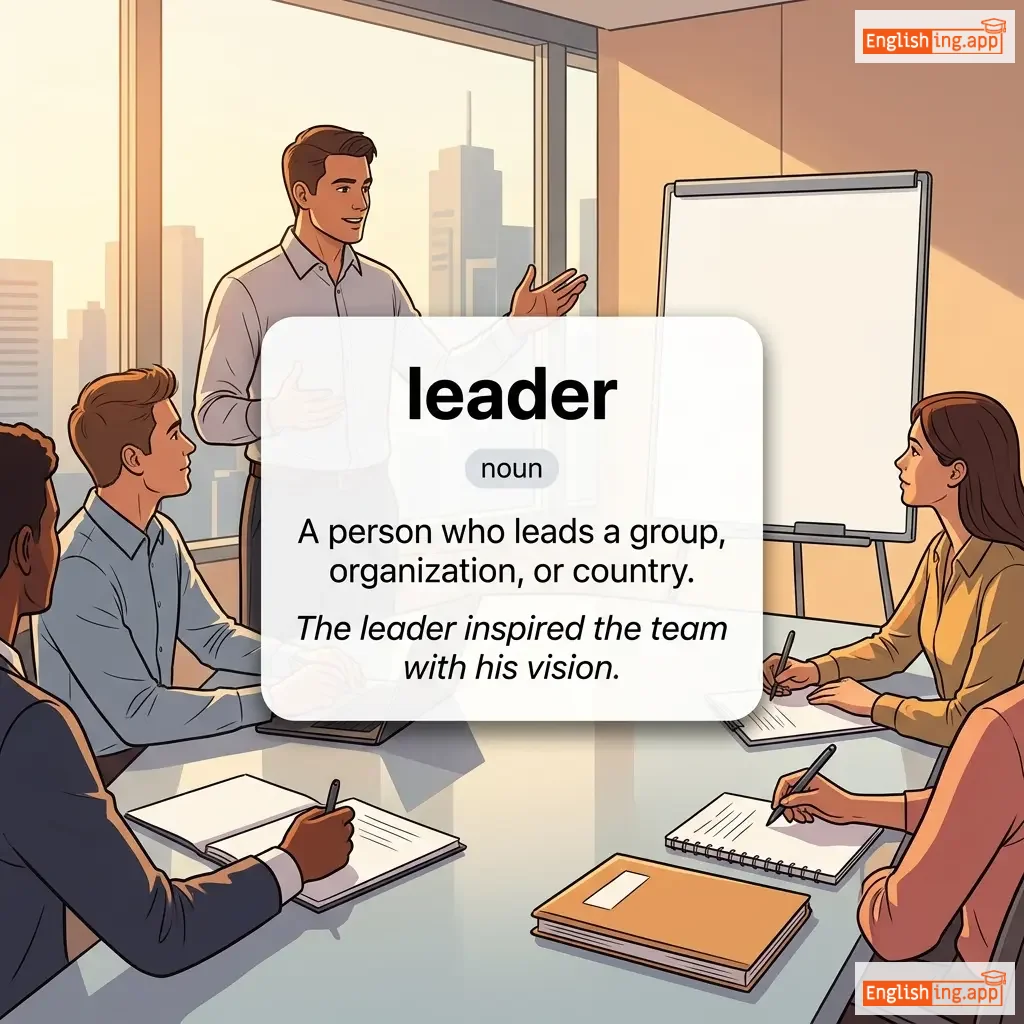
/ˈliː.dər/
noun
(领导者)
••••••
|
|
领导者; 指挥者
ling dao zhe
••••••
|
the person who leads or commands a group, organization, or country
••••••
|
She is a natural leader who inspires others. |
她是一个天生的领导者,激励着他人。
Ta shi yi ge tian sheng de ling dao zhe, ji li zhe ta ren
••••••
|
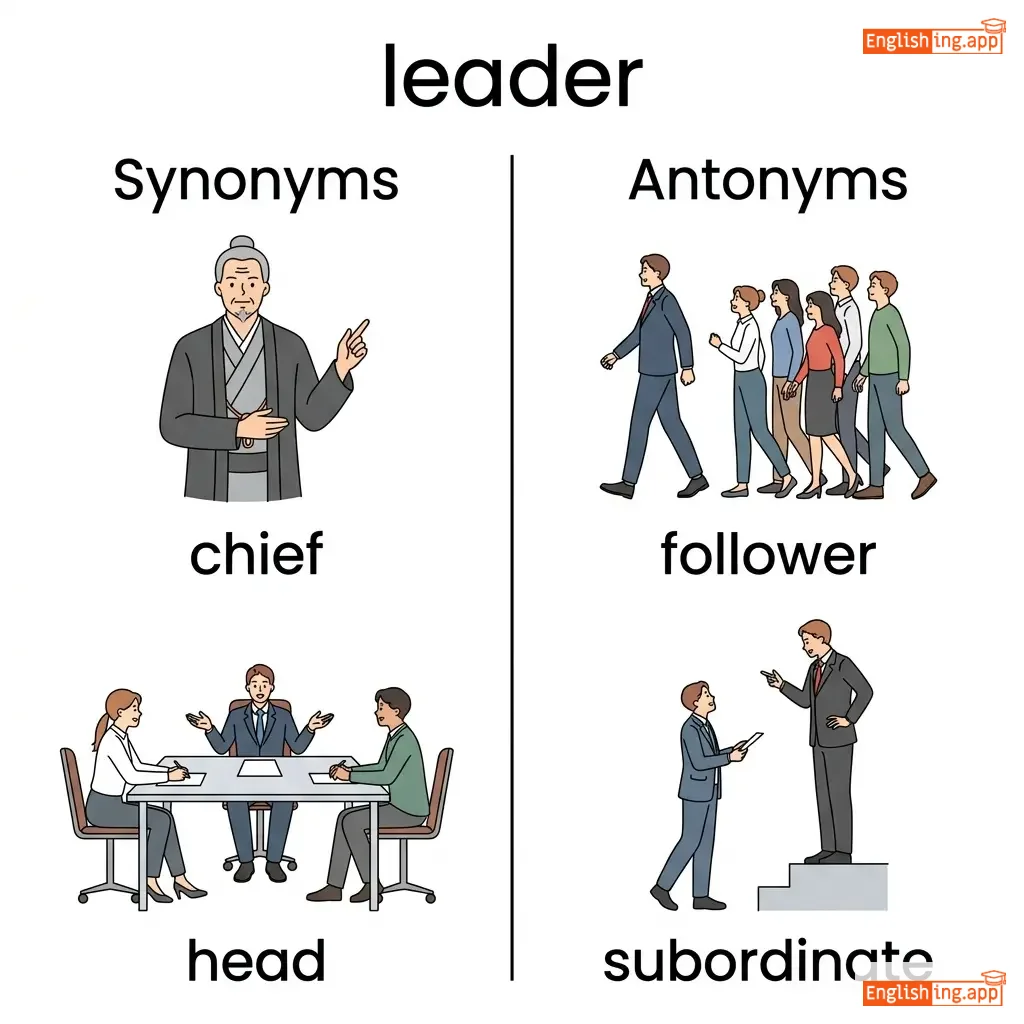
commander, chief, head, director
••••••
|
follower, subordinate
••••••
|
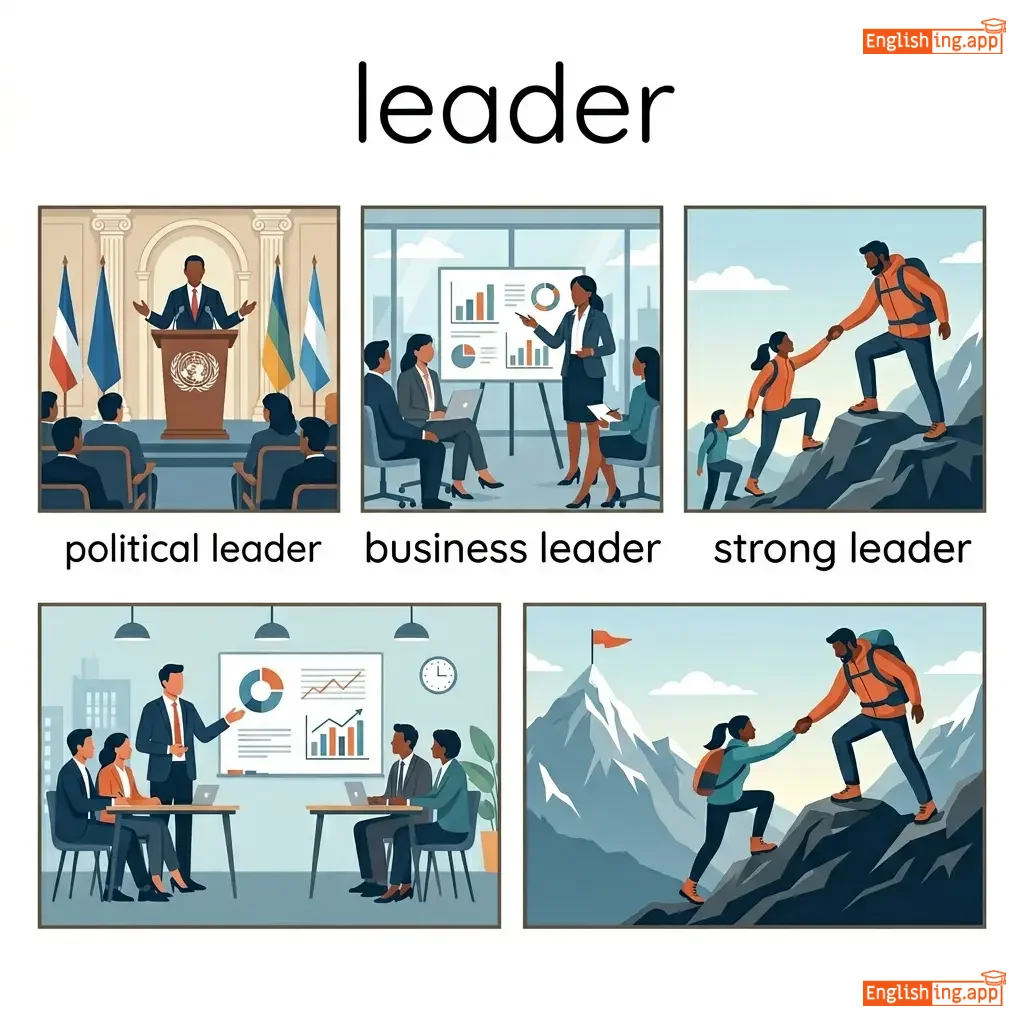
team leader, political leader, world leader
••••••
|
In Chinese, '领导' (ling dao) means leadership, and '者' (zhe) is for the person leading!
••••••
|
|
#758
📊
|
/ˈledʒ.ər/
noun
(莱杰)
••••••
|
- •••••• |
总账
zǒng zhàng
••••••
|
a book or other collection of financial accounts of a particular type
••••••
|
The accountant updated the company ledger daily.
会计每天更新公司的总账。
••••••
|
会计每天更新公司的总账。
Kuàijì měitiān gēngxīn gōngsī de zǒng zhàng.
••••••
|
account book, register, record, journal
••••••
|
invoice, receipt
••••••
|
general ledger, accounting ledger, ledger book
••••••
|
Ledger sounds like '莱杰', which connects to '总账' meaning main financial book in Chinese.
••••••
|
|
#759
🎯
|
/ˈliː.dər.ʃɪp/
noun
(líder-ship)
••••••
|
|
领导力
lingdaoli
••••••
|
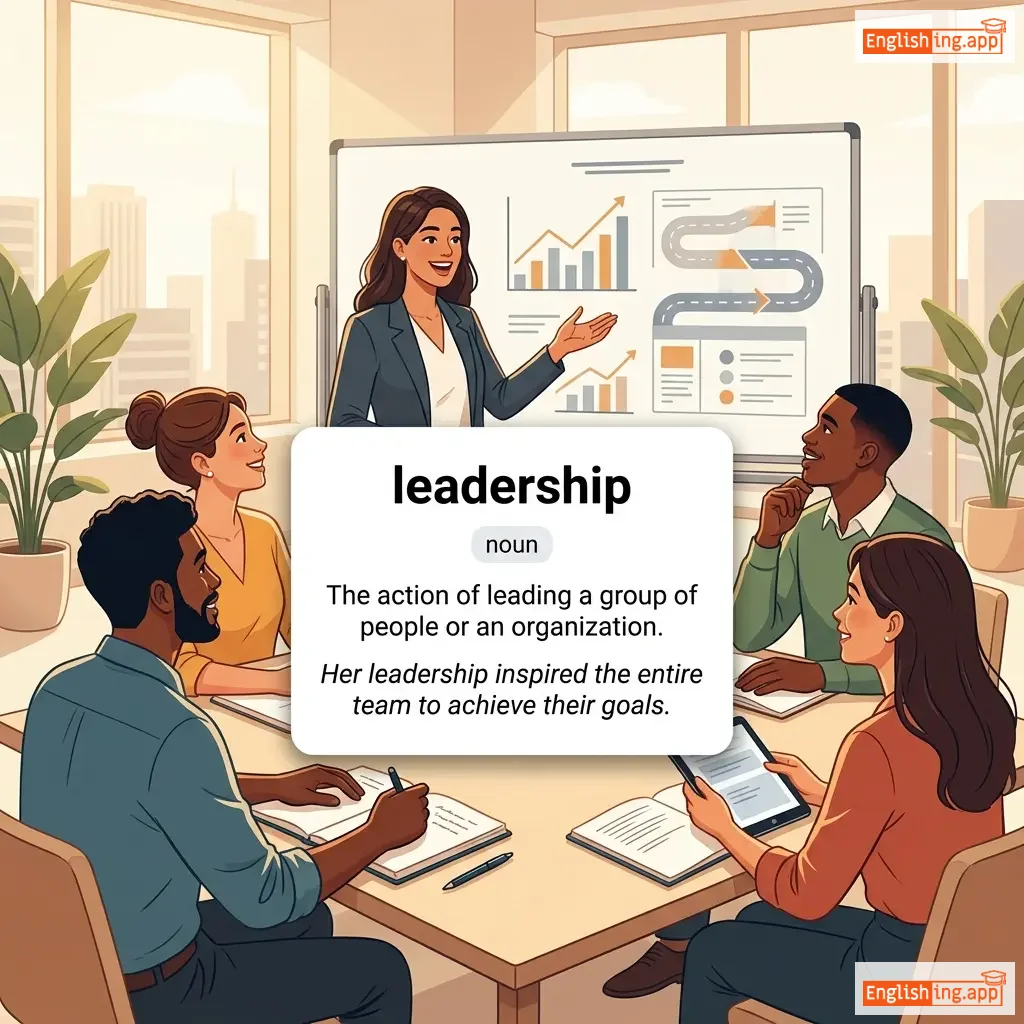
the action of leading a group of people or an organization; the ability to lead
••••••
|
Good leadership is essential for team success.
良好的领导力对团队的成功至关重要。
••••••
|
良好的领导力对团队的成功至关重要。
Lianghao de lingdaoli dui tuandui de chenggong zhiguan zhongyao.
••••••
|
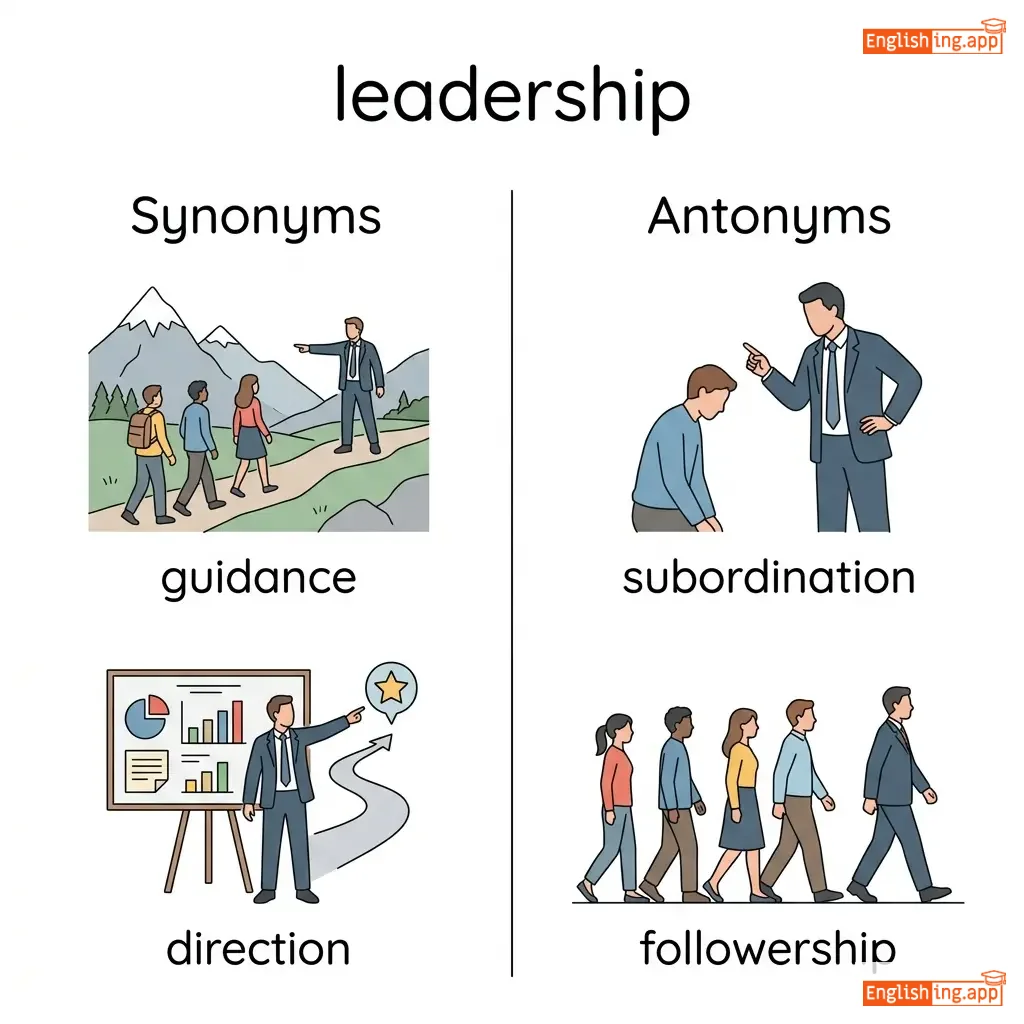
guidance, direction, management, command
••••••
|
followership, subordination
••••••
|
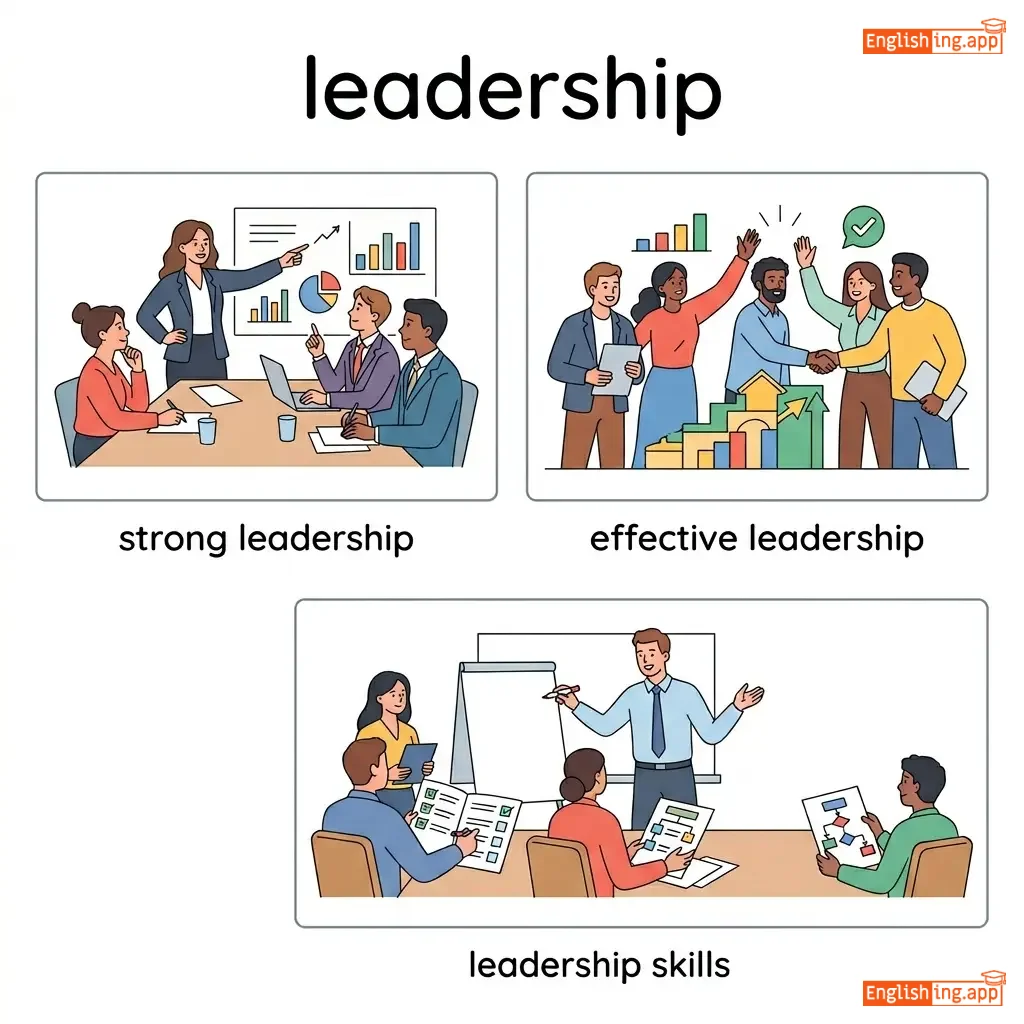
strong leadership, effective leadership, leadership skills
••••••
|
好的领导力带领团队走向成功。
••••••
|
|
#760
🪱
|
/liːtʃ/
noun
(lich)
••••••
|
- •••••• |
水蛭
shui zhi
••••••
|
an aquatic or terrestrial annelid worm with suckers at both ends; metaphorically, a person who extorts profit from others
••••••
|
The leech attached itself to his leg while swimming. |
水蛭在他游泳时附着在他的腿上。
Shui zhi zai ta youyong shi fuzhuo zai ta de tui shang.
••••••
|
bloodsucker, parasite, sponger
••••••
|
benefactor, giver
••••••
|
medical leech, blood leech, leech therapy
••••••
|
水蛭 (吸血) 就像那些从别人那里榨取利益的人。
••••••
|
Vocabulary Quiz
Test your vocabulary by matching words with their translations or meanings.
Login to take the quiz
Comments (0)
Share your thoughts and join the discussion.
Join the discussion by logging in
Login to CommentNo comments yet
Be the first to share your thoughts!