





Swipe left or right, or use the buttons. Tap image to zoom.
例句翻译
单词
Lesson 69Lesson 69 - 遮罩切换
|
表情符号
|
单词 | Images | 翻译 | 含义 | 例句 | 例句翻译 | 同义词 | 反义词 | 搭配词 | 助记符 |
|---|---|---|---|---|---|---|---|---|---|---|
|
#1361
👀
|
/sɜːˈveɪləns/
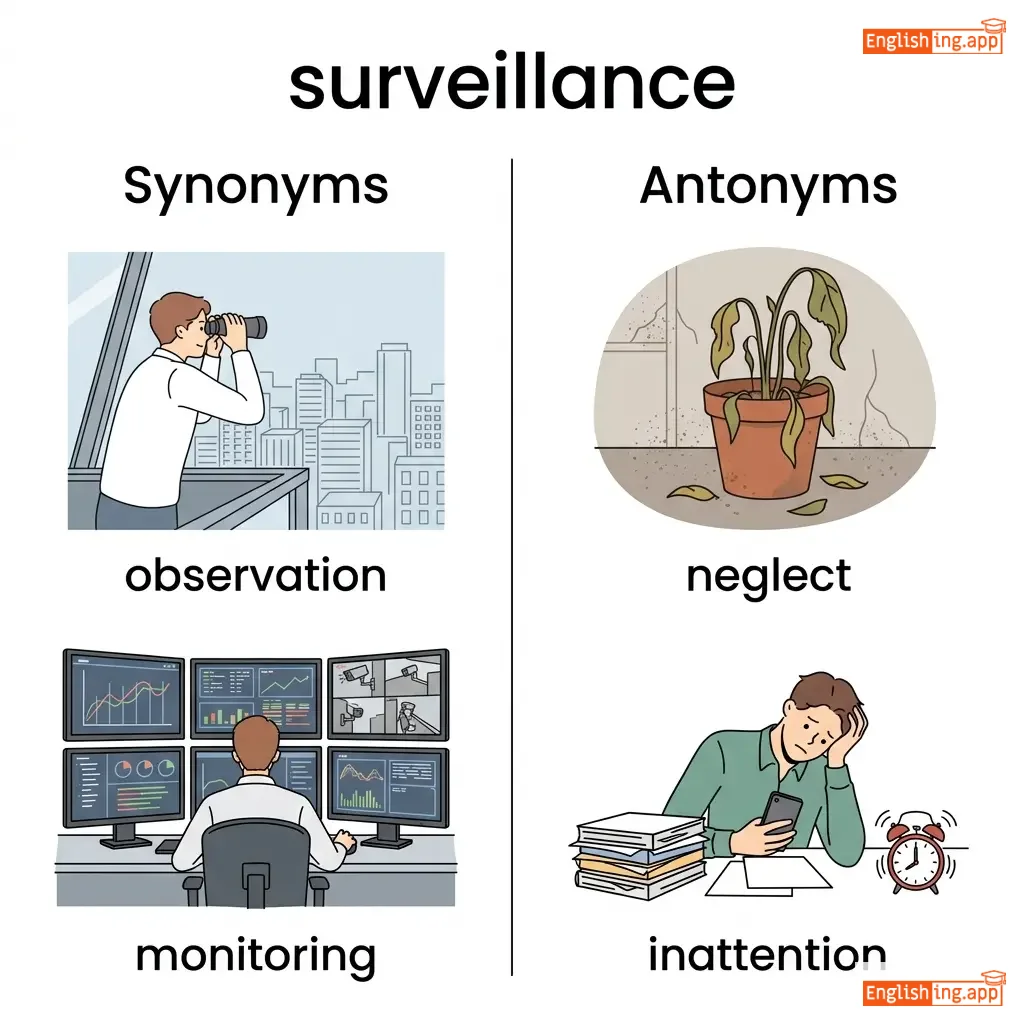
noun
(sɜːˈveɪləns)
••••••
|
|
监视
jiānshì
••••••
|
close observation, especially of a suspected spy or criminal
••••••
|
The police kept the suspect under surveillance for weeks. |
警方对嫌疑人进行了数周的监视。
jǐngfāng duì xiányí rén jìnxíngle shù zhōu de jiānshì.
••••••
|
observation, monitoring, watching, scrutiny
••••••
|
neglect, ignorance, inattention
••••••
|
under surveillance, surveillance camera, surveillance system, police surveillance
••••••
|
监视 = 警察看着每一个可疑的人!
••••••
|
|
#1362
🎯
|
/ˈtæk.tɪk/
noun
(战术)
••••••
|
- •••••• |
策略; 战术
celue; zhanshu
••••••
|
a plan or method for achieving something; a strategy used to accomplish a goal
••••••
|
The coach used a new tactic to win the game. |
教练使用了一种新的战术来赢得比赛。
Jiaolian shiyong le yizhong xinde zhanshu lai yingde bisai.
••••••
|
strategy, approach, method, plan, technique
••••••
|
improvisation, spontaneity
••••••
|
military tactic, defensive tactic, clever tactic, winning tactic
••••••
|
为了赢得比赛,团队需要一种战术。
••••••
|
|
#1363
💪
|
/sərˈvaɪvər/
noun
(生还者)
••••••
|
- •••••• |
一个幸存下来的人,特别是指在其他人死去后仍然活着的人
yī gè xìngcún xiàlái de rén, tèbié shì zhǐ zài qítā rén sǐqù hòu réngrán huózhe de rén
••••••
|
a person who survives, especially a person remaining alive after an event in which others have died
••••••
|
She is a cancer survivor who now helps other patients. |
她是一名癌症幸存者,现在帮助其他病人。
Tā shì yī míng áizhèng xìngcún zhě, xiànzài bāngzhù qítā bìngrén.
••••••
|
victor, overcomer, endurer, fighter
••••••
|
victim, casualty, fatality
••••••
|
cancer survivor, disaster survivor, sole survivor, survivor guilt
••••••
|
生还者,死里逃生,始终活下来的英雄。
••••••
|
|
#1364
🗸
|
/teɪnt/
noun
(teɪnt)
••••••
|
- •••••• |
污点; 污渍; 腐败或污染
wudian; wuzi; fubai huo wuran
••••••
|
a stain or mark that spoils something; corruption or contamination
••••••
|
The scandal left a permanent taint on his reputation.
丑闻在他的声誉上留下了永久的污点。
••••••
|
丑闻在他的声誉上留下了永久的污点。
Chouwen zai tade shengyu shang liuxiala yongjiu de wudian.
••••••
|
stain, blemish, corruption, contamination, stigma
••••••
|
purity, cleanliness, honor
••••••
|
moral taint, permanent taint, taint of corruption
••••••
|
Taint 就像是污点,无法去除,永久地留下。
••••••
|
|
#1365
😰
|
/səˈspens/
noun
(sɪsˈpɛns)
••••••
|
- •••••• |
悬念
xuánniàn
••••••
|
a feeling of excited or anxious uncertainty about what will happen
••••••
|
The movie kept us in suspense until the very end.
电影让我们一直处于悬念中,直到最后。
••••••
|
电影让我们一直处于悬念中,直到最后。
Diànyǐng ràng wǒmen yīzhí chǔyú xuánniàn zhōng, zhídào zuìhòu.
••••••
|
tension, anxiety, uncertainty, anticipation
••••••
|
certainty, relief, resolution, clarity
••••••
|
in suspense, suspense thriller, build suspense, suspense novel
••••••
|
悬念在电影中持续,等待着令人兴奋的结局。
••••••
|
|
#1366
📊
|
/ˈtæl.i/
noun
(tali)
••••••
|
- •••••• |
计数; 记录; 分数
jìshù; jìlù; fēnshù
••••••
|
a count or record of a number or amount; a score or total
••••••
|
Keep a tally of how many books you read this month.
keep a tally of how many books you read this month.
••••••
|
记录你这个月读了多少本书。
Jìlù nǐ zhège yuè dúle duōshǎo běn shū.
••••••
|
count, total, score, record, sum
••••••
|
estimate, guess
••••••
|
running tally, final tally, tally marks, keep tally
••••••
|
记录书籍阅读数量,就像做一个总分记录。
••••••
|
|
#1367
🤔
|
/səˈspɪʃən/
noun
(səsˈpɪʃən)
••••••
|
- •••••• |
怀疑
huái yí
••••••
|
a feeling or thought that someone is guilty of an illegal or dishonest activity
••••••
|
The police arrested him on suspicion of theft.
警方以盗窃嫌疑逮捕了他。
••••••
|
警方以盗窃嫌疑逮捕了他。
Jǐngfāng yǐ dàoqiè xiányí dàibǔle tā.
••••••
|
doubt, mistrust, distrust, wariness
••••••
|
trust, confidence, certainty, faith
••••••
|
under suspicion, suspicion of, arouse suspicion, cast suspicion
••••••
|
怀疑总是让我们保持警觉,不轻信任何人。
••••••
|
|
#1368
🎯
|
/ˈtɑːr.ɡɪt/
noun
(塔吉特)
••••••
|
|
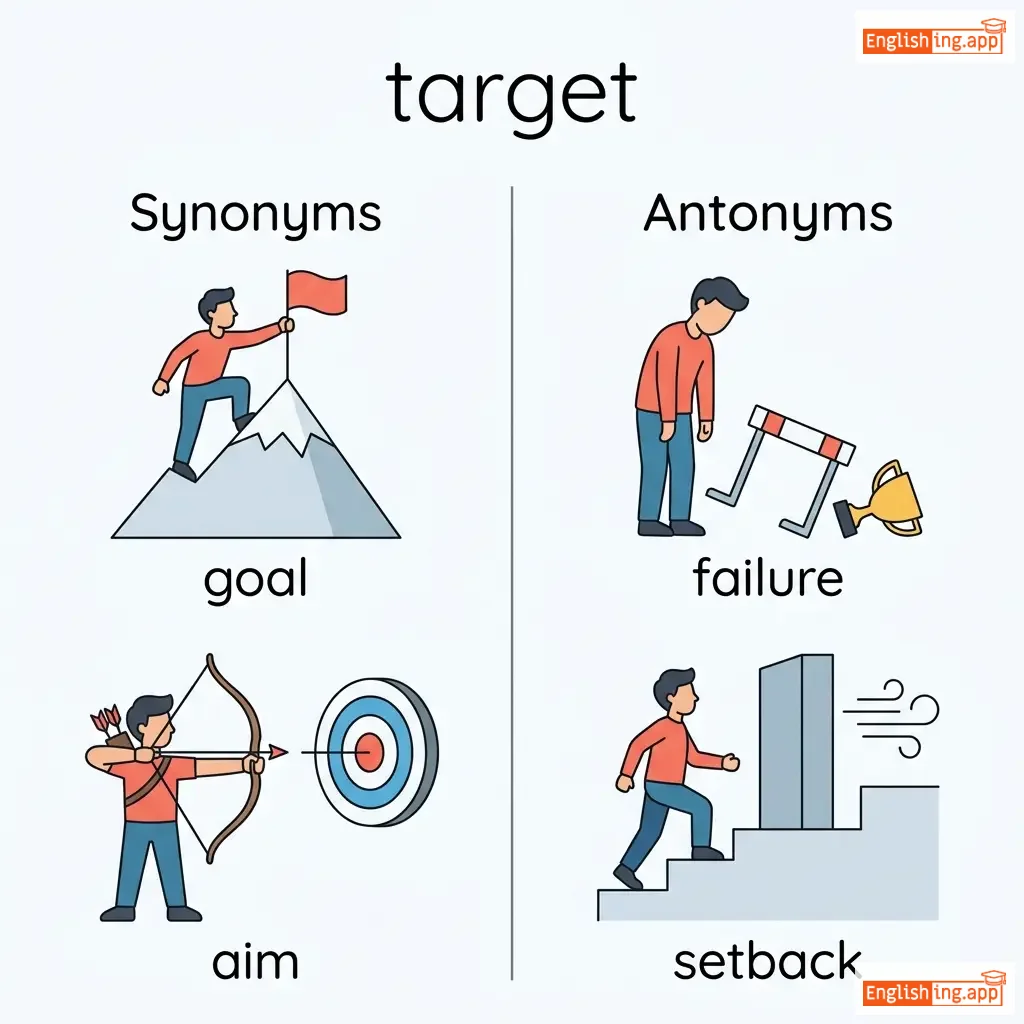
目标
mùbiāo
••••••
|
an object or goal that is aimed at; a person or thing that is the focus of attention or attack
••••••
|
The company set a sales target of one million dollars.
公司设定了一个一百万美元的销售目标。
••••••
|
公司设定了一个一百万美元的销售目标。
Gōngsī shèdìngle yīgè yī bǎi wàn měiyuán de xiāoshòu mùbiāo.
••••••
|
goal, objective, aim, destination, mark
••••••
|
origin, starting point
••••••
|
sales target, moving target, target audience, hit the target
••••••
|
目标 in Chinese reminds you of a target to aim at, like setting a goal.
••••••
|
|
#1369
💦
|
/swet/
noun
(suèt)
••••••
|
- •••••• |
汗水
hànshuǐ
••••••
|
moisture exuded through the pores of the skin, typically as a reaction to heat, physical exertion, fever, or fear
••••••
|
After running for an hour, he was covered in sweat. |
跑了一小时后,他浑身是汗。
Pǎo le yī xiǎoshí hòu, tā húnshēn shì hàn.
••••••
|
perspiration, moisture, dampness
••••••
|
dryness, coolness
••••••
|
break into sweat, sweat glands, cold sweat, sweat profusely
••••••
|
汗水是身体努力的证据
••••••
|
|
#1370
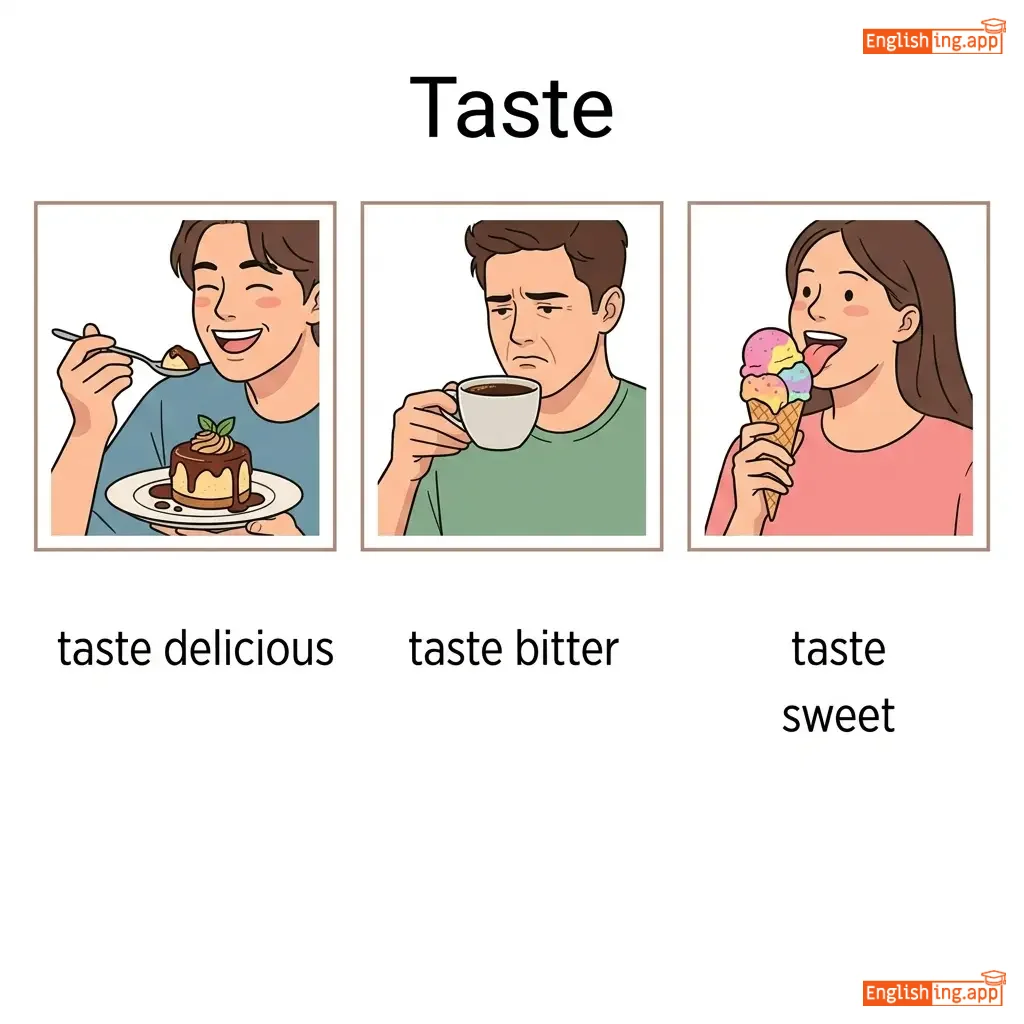
👅
|
/teɪst/
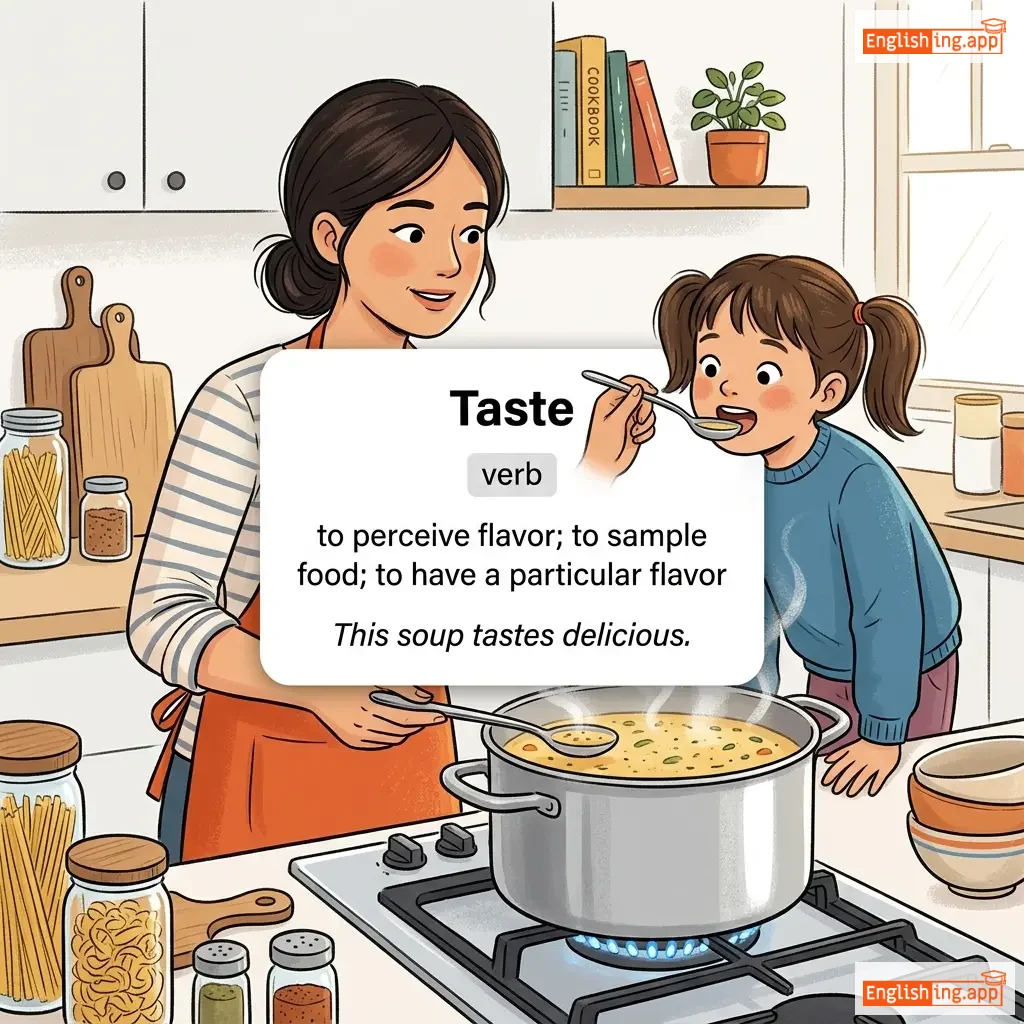
noun
(tèis)
••••••
|
|
味道; 个人喜好
wèidào; gèrén xǐhào
••••••
|
the sensation produced when food touches the tongue; personal preference or liking
••••••
|
This cake has a sweet taste that I really enjoy. |
这个蛋糕有一种我非常喜欢的甜味。
Zhège dàngāo yǒu yī zhǒng wǒ fēicháng xǐhuān de tián wèi.
••••••
|
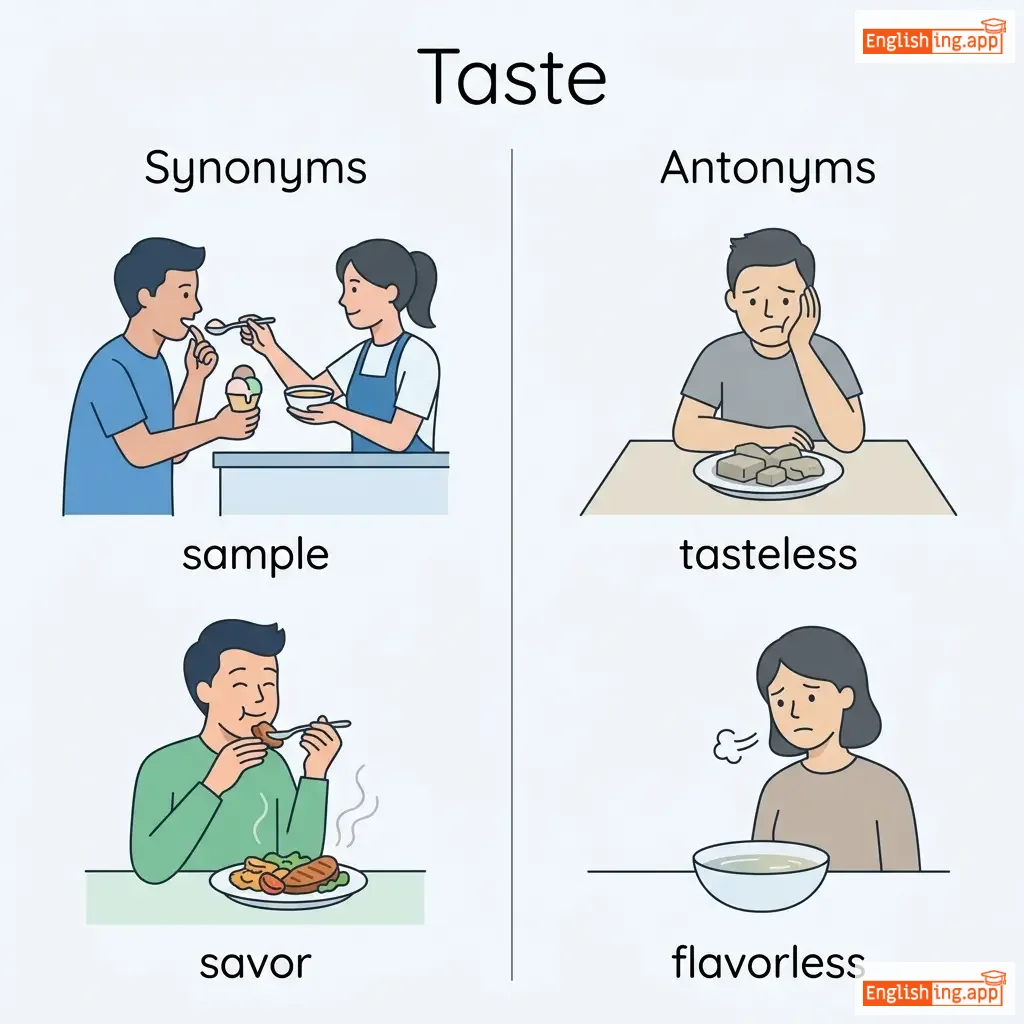
flavor, savor, palate, preference, style
••••••
|
blandness, tastelessness
••••••
|
good taste, bitter taste, taste buds, acquire taste
••••••
|
味道 (wèidào) 和喜好 (xǐhào) 是你每次尝试食物时的感受。
••••••
|
|
#1371
🌀
|
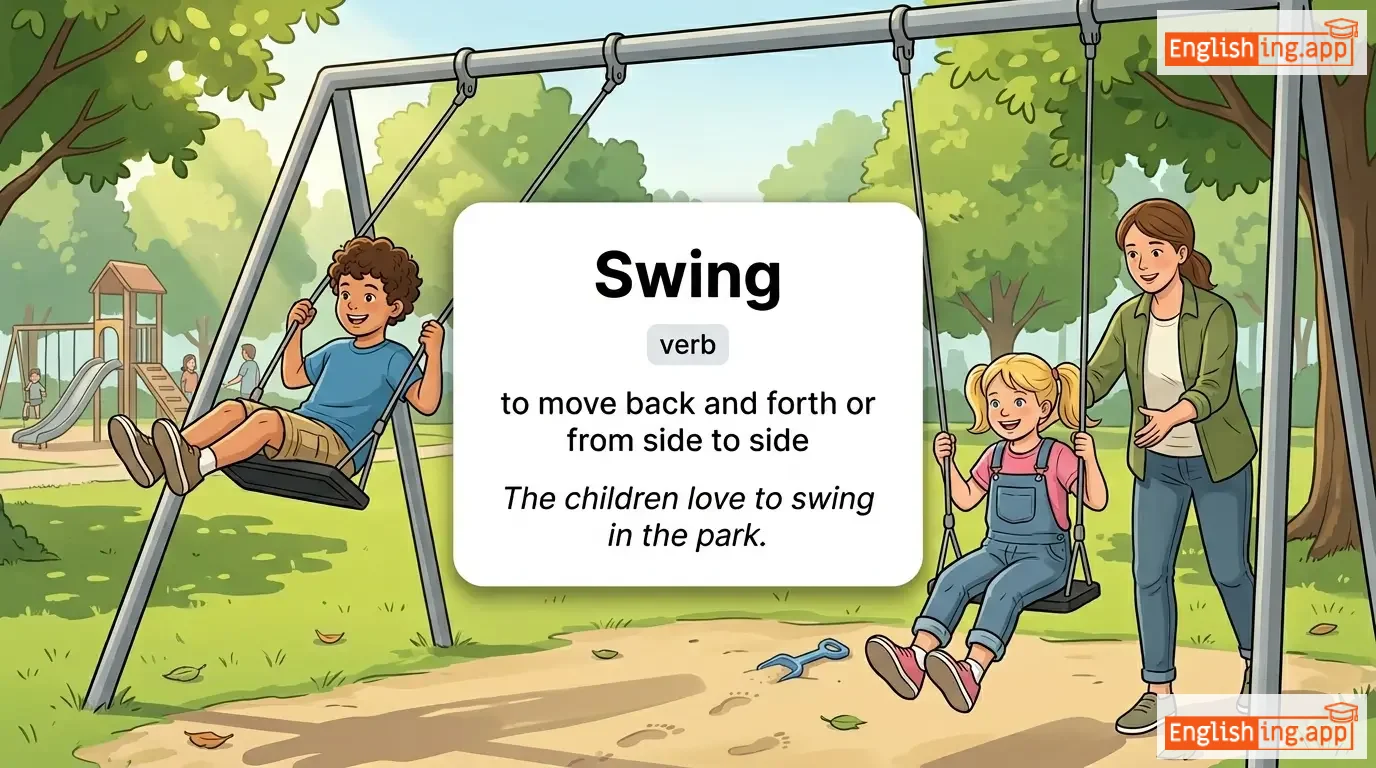
/swɪŋ/
noun
(斯温)
••••••
|
|
秋千
qiū qiān
••••••
|
move or cause to move back and forth or from side to side while suspended or on an axis
••••••
|
The children love to swing in the park.
孩子们喜欢在公园里荡秋千。
••••••
|
孩子们喜欢在公园里荡秋千。
Háizimen xǐhuān zài gōngyuán lǐ dàng qiūqiān.
••••••
|
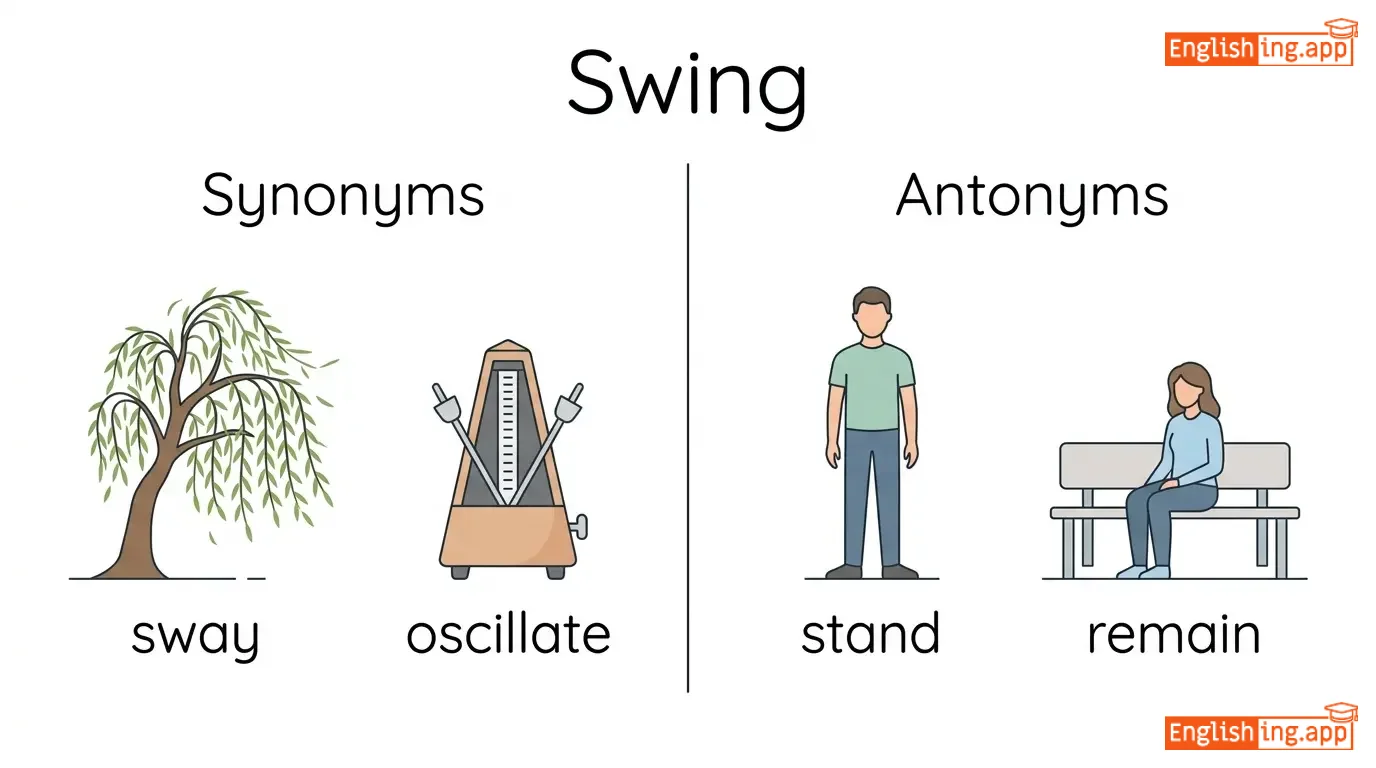
sway, oscillate, rock, pendulate
••••••
|
stillness, stability, fixedness
••••••
|
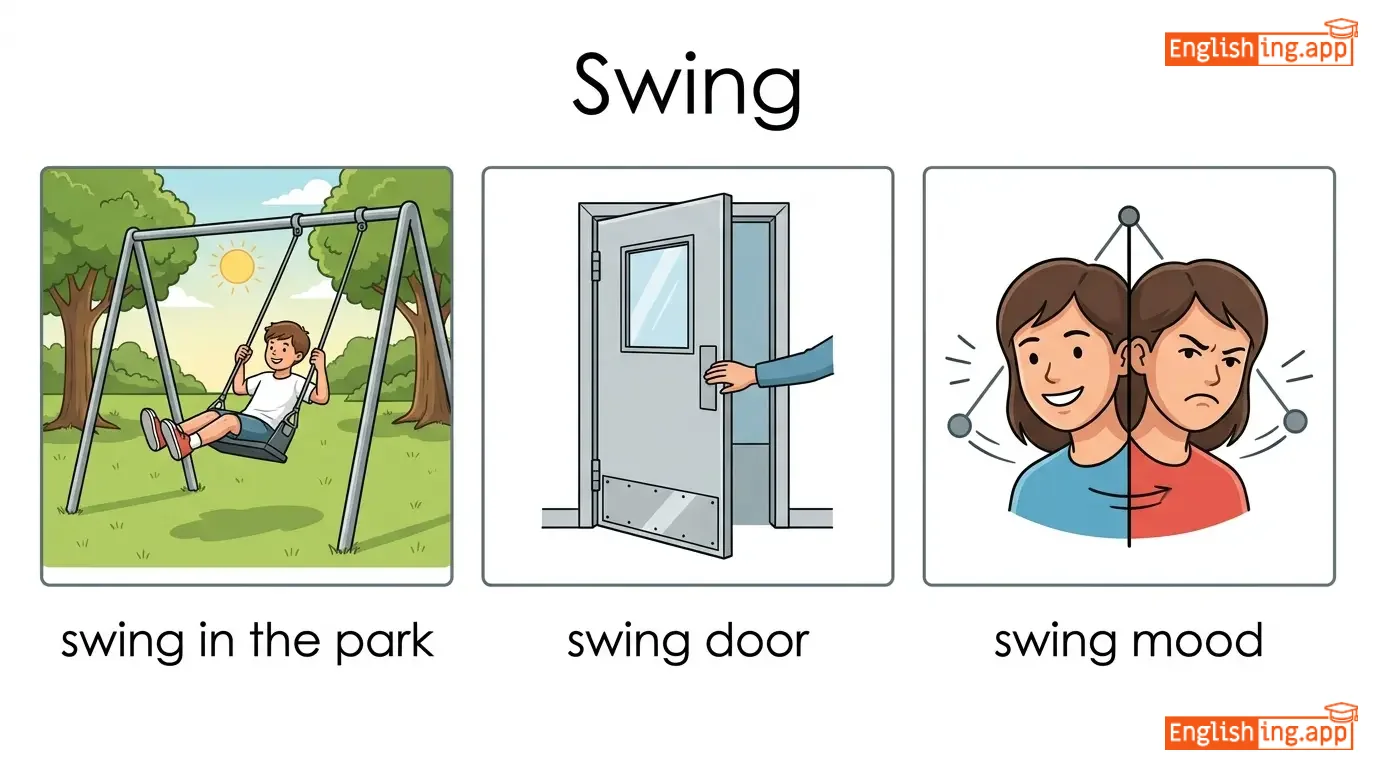
swing back and forth, playground swing, swing music, mood swing
••••••
|
像在秋千上一样在公园里荡来荡去,就像Swing!
••••••
|
|
#1372
😤
|
/ˈtem.pər.ə.mənt/
noun
(气质)
••••••
|
- •••••• |
气质; 性格; 天性
qizhi; xingge; tianxing
••••••
|
a person's natural disposition or mood; characteristic behavior patterns
••••••
|
She has a calm temperament that helps her handle stress well. |
她有一个平静的气质,这帮助她很好地应对压力。
Ta you yige pingjing de qizhi, zhe bangzhu ta henhao de yingdui yali.
••••••
|
disposition, nature, character, personality, mood
••••••
|
inconsistency, variability
••••••
|
calm temperament, fiery temperament, artistic temperament, volatile temperament
••••••
|
气质像清风一样,保持冷静。
••••••
|
|
#1373
🔣
|
/ˈsɪmbəl/
noun
(符号)
••••••
|
- •••••• |
符号
fúhào
••••••
|
a mark or character used as a conventional representation of an object, function, or process
••••••
|
The dove is a symbol of peace.
鸽子是和平的象征。
••••••
|
鸽子是和平的象征。
Gēzi shì hépíng de xiàngzhēng.
••••••
|
sign, emblem, token, representation
••••••
|
reality, substance, literalness
••••••
|
symbol of peace, religious symbol, mathematical symbol, status symbol
••••••
|
象征和平的鸽子符号
••••••
|
|
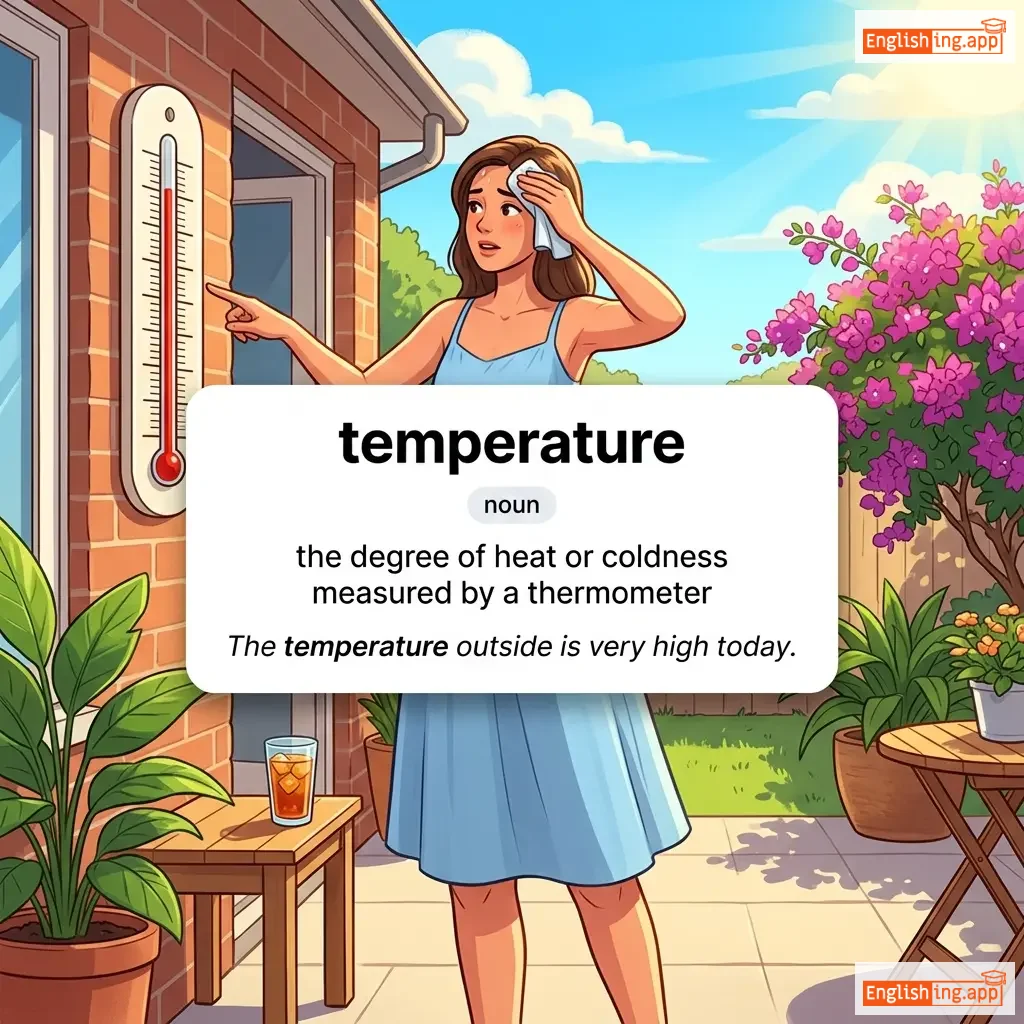
#1374
🌡️
|
/ˈtem.pər.ə.tʃər/
noun
(tèmpèréchā)
••••••
|
|
温度
wendu
••••••
|
the degree of heat or cold in the atmosphere, body, or substance
••••••
|
The temperature today is twenty-five degrees Celsius. |
今天的温度是二十五摄氏度。
Jīntiān de wēndù shì èrshíwǔ shèshìdù.
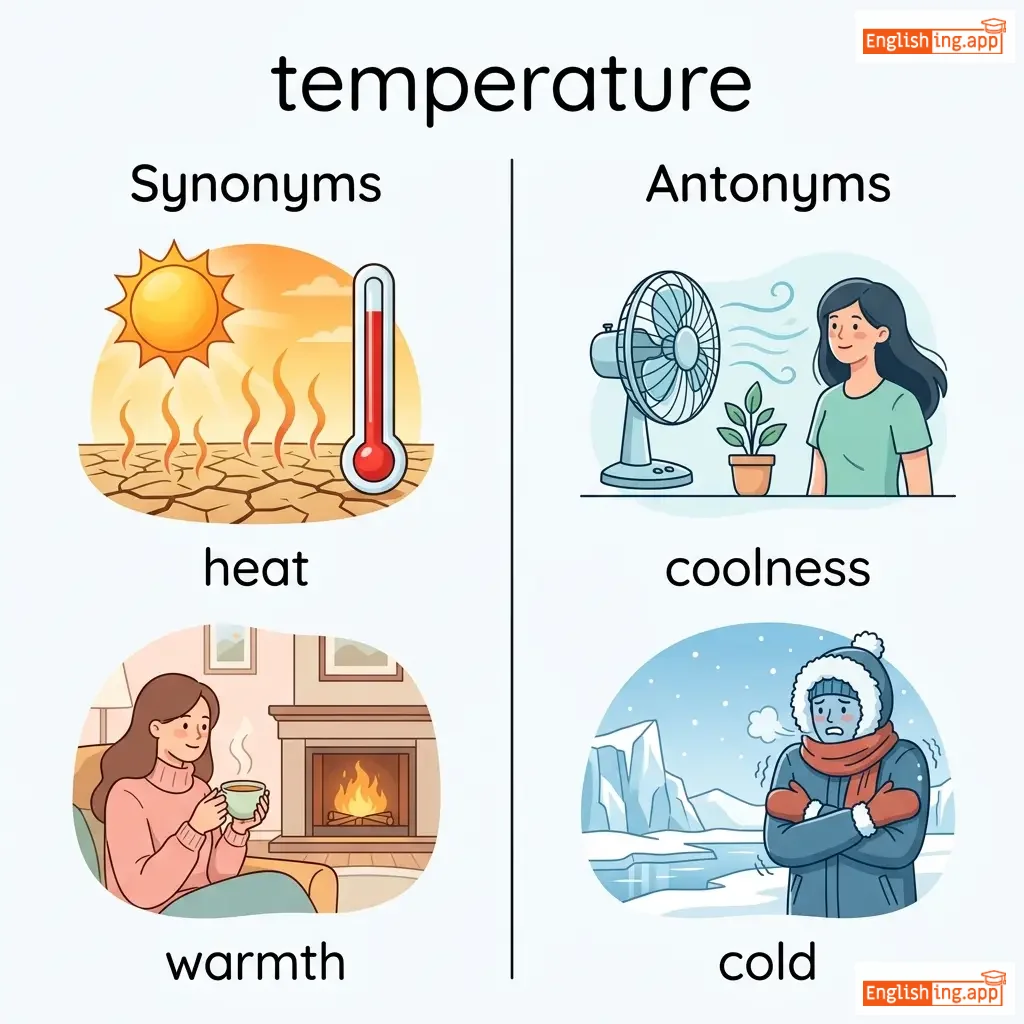
••••••
|
heat, warmth, thermal reading, degree
••••••
|
absolute zero
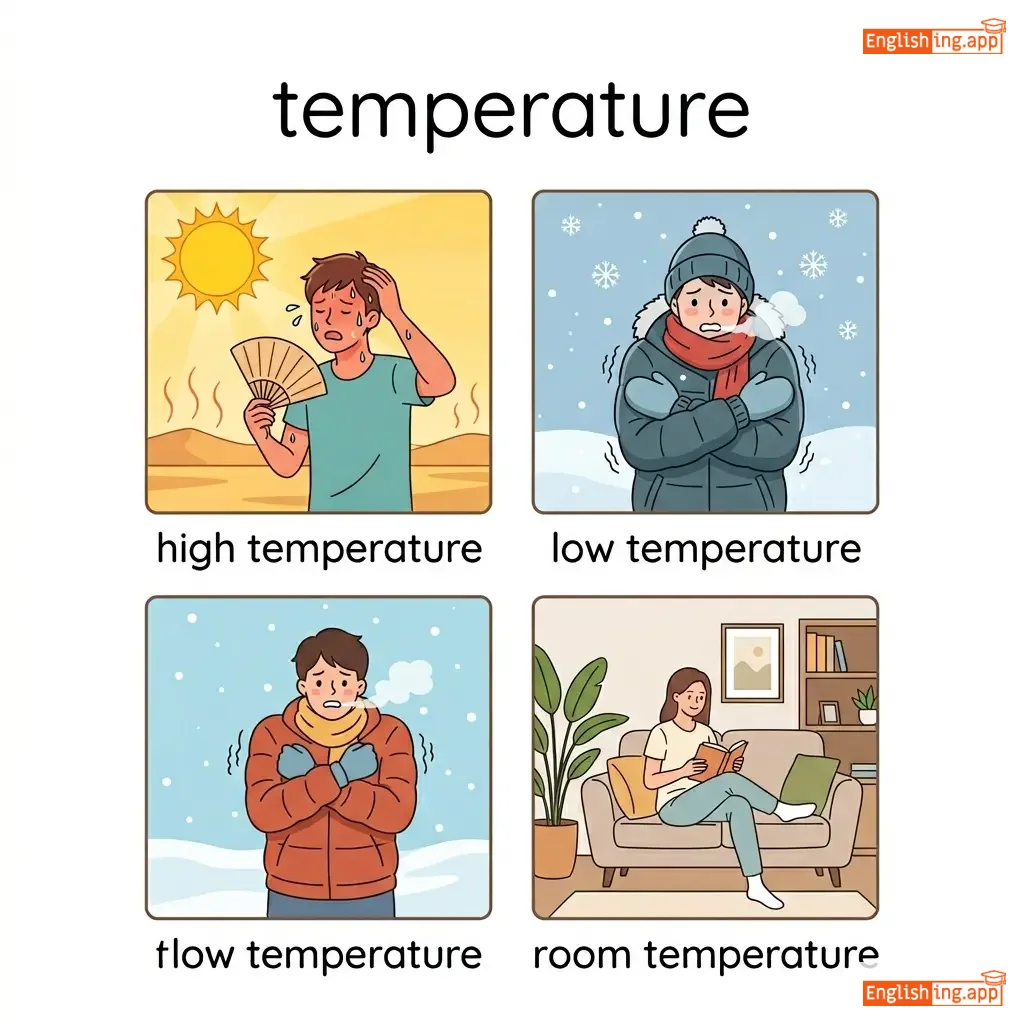
••••••
|
body temperature, room temperature, high temperature, take temperature
••••••
|
温度和英文的temperature相似,记住这个词来描述气温
••••••
|
|
#1375
🤗
|
/ˈsɪmpəθi/
noun
(同情)
••••••
|
- •••••• |
同情
tongqing
••••••
|
feelings of pity and sorrow for someone else's misfortune
••••••
|
She expressed her sympathy for the victims of the accident.
她对事故的受害者表达了同情。
••••••
|
她对事故的受害者表达了同情。
Ta dui shigu de shouhaizhe biaoda le tongqing.
••••••
|
compassion, pity, understanding, empathy
••••••
|
indifference, cruelty, antipathy, hostility
••••••
|
express sympathy, deep sympathy, sympathy card, show sympathy
••••••
|
同情(Tóngqíng)有 '同' 和 '情',提醒你帮助他人的感觉。
••••••
|
|
#1376
⛈️
|
/ˈtem.pɪst/
noun
(tempest)
••••••
|
- •••••• |
暴风雨
baofengyu
••••••
|
a violent storm with strong winds; a state of great disturbance or tumult
••••••
|
The sailors struggled to navigate through the fierce tempest. |
水手们努力在猛烈的暴风雨中航行。
Shuǐshǒumen nǔlì zài měngliè de bào fēngyǔ zhōng hángxíng.
••••••
|
storm, hurricane, gale, typhoon, turbulence
••••••
|
calm, tranquility, stillness
••••••
|
fierce tempest, violent tempest, tempest at sea
••••••
|
像风暴一样的暴风雨
••••••
|
|
#1377
🎼
|
/ˈsɪmfəni/
noun
(西姆福尼)
••••••
|
- •••••• |
交响曲
symphony
••••••
|
an elaborate musical composition for full orchestra, typically in four movements
••••••
|
The orchestra performed Beethoven's Fifth Symphony.
乐团演奏了贝多芬的第五交响曲。
••••••
|
乐团演奏了贝多芬的第五交响曲。
yue tuan yanzoule beidoufen diwu jiaoxiangqu
••••••
|
composition, concerto, orchestral work, musical piece
••••••
|
discord, cacophony, noise
••••••
|
symphony orchestra, classical symphony, symphony hall, perform a symphony
••••••
|
西姆福尼 Four Moves 合奏记, 走进 交响乐的 四段故事
••••••
|
|
#1378
🍎
|
/temp.ˈteɪ.ʃən/
noun
(temptéɪʃən)
••••••
|
- •••••• |
诱惑
yòuhuò
••••••
|
the desire to do something wrong or unwise; an urge to have or do something
••••••
|
He resisted the temptation to eat the entire chocolate cake. |
他抵抗了吃掉整块巧克力蛋糕的诱惑。
Tā dǐkàngle chī diào zhěng kuài qiǎokèlì dàngāo de yòuhuò.
••••••
|
allure, attraction, enticement, lure, seduction
••••••
|
resistance, restraint, self-control
••••••
|
resist temptation, fall to temptation, great temptation, constant temptation
••••••
|
诱惑不应该成为你做决定的理由
••••••
|
|
#1379
📝
|
/ˈsɪnənɪm/
noun
(同义词)
••••••
|
- •••••• |
同义词
tóng yì cí
••••••
|
a word or phrase that means exactly or nearly the same as another word or phrase in the same language
••••••
|
Happy and joyful are synonyms.
幸福和快乐是同义词。
••••••
|
幸福和快乐是同义词。
Xìngfú hé kuàilè shì tóng yì cí.
••••••
|
equivalent, alternative, substitute
••••••
|
antonym, opposite, contrary
••••••
|
synonym for, close synonym, perfect synonym, synonym dictionary
••••••
|
同义词是指意思相同或几乎相同的词,就像'幸福'和'快乐'。
••••••
|
|
#1380
🏠
|
/ˈten.ənt/
noun
(té-nànt)
••••••
|
- •••••• |
租户
zūhù
••••••
|
a person who rents and occupies property owned by someone else
••••••
|
The landlord met with the new tenant to sign the lease agreement. |
房东与新租户见面签署租赁合同。
Fángdōng yǔ xīn zūhù jiànmiàn qiānshǔ zūlìn hétóng.
••••••
|
renter, lessee, occupant, lodger
••••••
|
landlord, owner, lessor
••••••
|
new tenant, former tenant, tenant rights, tenant agreement
••••••
|
租户向房东支付租金
••••••
|
Vocabulary Quiz
Test your vocabulary by matching words with their translations or meanings.
Login to take the quiz
Comments (0)
Share your thoughts and join the discussion.
Join the discussion by logging in
Login to CommentNo comments yet
Be the first to share your thoughts!