

翻訳
過去
過去分詞
三人称単数
動名詞
意味
例文
例文の翻訳
同義語
対義語
コロケーション
ニーモニック




Swipe left or right, or use the buttons. Tap image to zoom.
例文の翻訳
単語
Lesson 69Lesson 69 - マスクトグル
|
絵文字
|
単語 | Images | 翻訳 | 意味 | 例文 | 例文の翻訳 | 同義語 | 対義語 | コロケーション | ニーモニック |
|---|---|---|---|---|---|---|---|---|---|---|
|
#1361
👀
|
/sɜːˈveɪləns/
noun
(サーヴェイランス)
••••••
|
|
監視
kanshi
••••••
|
close observation, especially of a suspected spy or criminal
••••••
|
The police kept the suspect under surveillance for weeks. |
警察は数週間にわたり容疑者を監視していました。
Keisatsu wa suū-shūkan ni watari yōgisha o kanshi shite imashita.
••••••
|
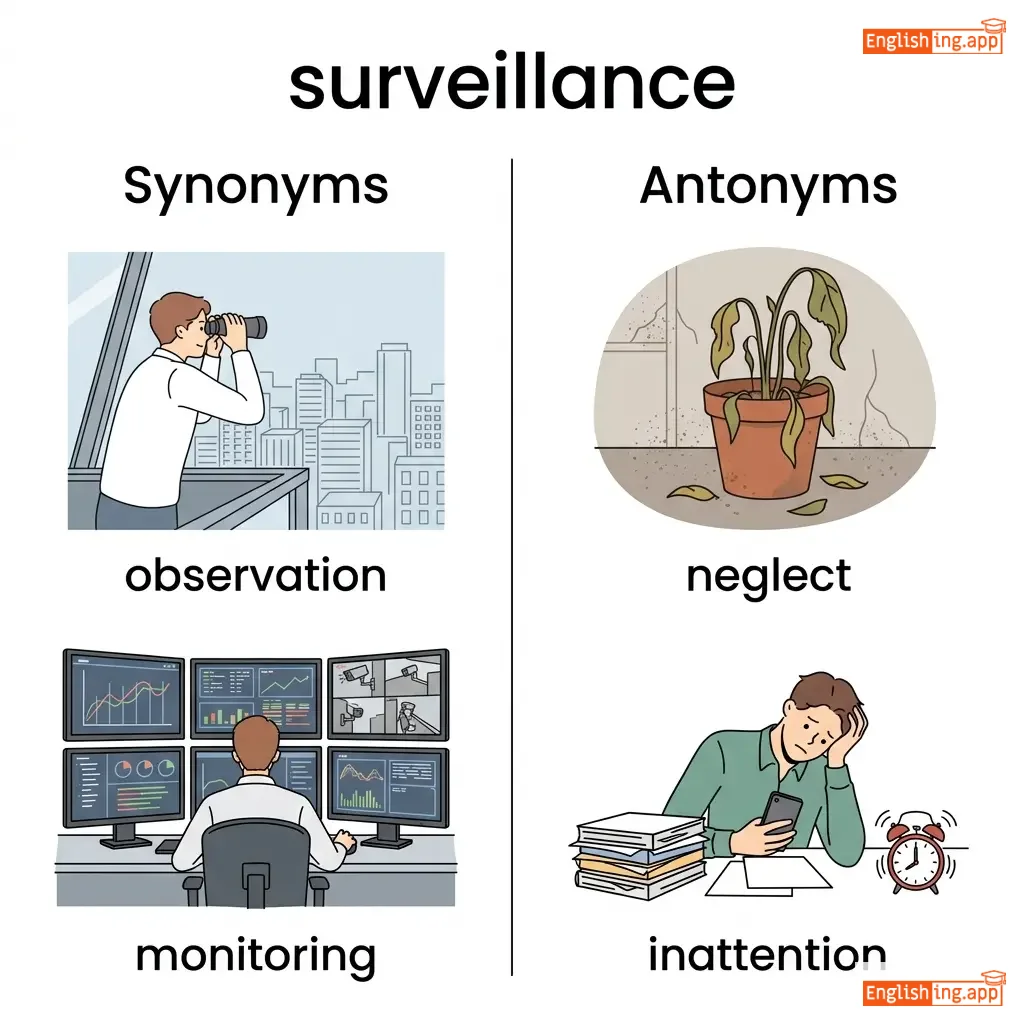
observation, monitoring, watching, scrutiny
••••••
|
neglect, ignorance, inattention
••••••
|
under surveillance, surveillance camera, surveillance system, police surveillance
••••••
|
監視 = 見逃さない警察の目!
••••••
|
|
#1362
🎯
|
/ˈtæk.tɪk/
noun
(タクティク)
••••••
|
- •••••• |
戦術; 戦略
senjutsu; senryaku
••••••
|
a plan or method for achieving something; a strategy used to accomplish a goal
••••••
|
The coach used a new tactic to win the game. |
コーチはゲームに勝つために新しい戦術を使いました。
Kōchi wa gēmu ni katsu tame ni atarashī senjutsu o tsukaimashita.
••••••
|
strategy, approach, method, plan, technique
••••••
|
improvisation, spontaneity
••••••
|
military tactic, defensive tactic, clever tactic, winning tactic
••••••
|
チームが勝つためには戦術が必要です。
••••••
|
|
#1363
💪
|
/sərˈvaɪvər/
noun
(サバイバー)
••••••
|
- •••••• |
生き残った人、特に他の人が亡くなった後に生き残った人
ikinokotta hito, tokuni hoka no hito ga nakunatta ato ni ikinokotta hito
••••••
|
a person who survives, especially a person remaining alive after an event in which others have died
••••••
|
She is a cancer survivor who now helps other patients. |
彼女はがんのサバイバーで、今は他の患者を助けています。
Kanojo wa gan no sabaibā de, ima wa hoka no kanja o tasuketeimasu.
••••••
|
victor, overcomer, endurer, fighter
••••••
|
victim, casualty, fatality
••••••
|
cancer survivor, disaster survivor, sole survivor, survivor guilt
••••••
|
サバイバーは試練を乗り越え、他の人に希望を与える。
••••••
|
|
#1364
🗸
|
/teɪnt/
noun
(テイント)
••••••
|
- •••••• |
汚点; マーク; 腐敗または汚染
oten; maaku; fuhai mata wa osen
••••••
|
a stain or mark that spoils something; corruption or contamination
••••••
|
The scandal left a permanent taint on his reputation.
スキャンダルは彼の評判に永続的な汚点を残しました。
••••••
|
スキャンダルは彼の評判に永続的な汚点を残しました。
Sukyandaru wa kare no hyouban ni eizokuteki na oten o nokoshimashita.
••••••
|
stain, blemish, corruption, contamination, stigma
••••••
|
purity, cleanliness, honor
••••••
|
moral taint, permanent taint, taint of corruption
••••••
|
Taintは汚点のように、すぐに消えることなく残ります。
••••••
|
|
#1365
😰
|
/səˈspens/
noun
(サスペンス)
••••••
|
- •••••• |
サスペンス
sasu pensu
••••••
|
a feeling of excited or anxious uncertainty about what will happen
••••••
|
The movie kept us in suspense until the very end.
映画は最後まで私たちをサスペンスの中に保ちました。
••••••
|
映画は最後まで私たちをサスペンスの中に保ちました。
Eiga wa saigo made watashitachi o sasupensu no naka ni tamochimashita.
••••••
|
tension, anxiety, uncertainty, anticipation
••••••
|
certainty, relief, resolution, clarity
••••••
|
in suspense, suspense thriller, build suspense, suspense novel
••••••
|
サスペンスの中でドキドキしながら待つ、映画のクライマックスを感じている。
••••••
|
|
#1366
📊
|
/ˈtæl.i/
noun
(タリー)
••••••
|
- •••••• |
集計; 記録; スコア
shūkei; kiroku; sukōa
••••••
|
a count or record of a number or amount; a score or total
••••••
|
Keep a tally of how many books you read this month.
keep a tally of how many books you read this month.
••••••
|
今月読んだ本の数を集計してください。
Kongetsu yonda hon no kazu o shūkei shite kudasai.
••••••
|
count, total, score, record, sum
••••••
|
estimate, guess
••••••
|
running tally, final tally, tally marks, keep tally
••••••
|
読書の数を記録して、スコアを集計しよう
••••••
|
|
#1367
🤔
|
/səˈspɪʃən/
noun
(サスピション)
••••••
|
- •••••• |
疑い
utagai
••••••
|
a feeling or thought that someone is guilty of an illegal or dishonest activity
••••••
|
The police arrested him on suspicion of theft.
警察は窃盗の疑いで彼を逮捕しました。
••••••
|
警察は窃盗の疑いで彼を逮捕しました。
Keisatsu wa settō no utagai de kare o taiho shimashita.
••••••
|
doubt, mistrust, distrust, wariness
••••••
|
trust, confidence, certainty, faith
••••••
|
under suspicion, suspicion of, arouse suspicion, cast suspicion
••••••
|
疑いが生じたら、何も信じずに確認しよう。
••••••
|
|
#1368
🎯
|
/ˈtɑːr.ɡɪt/
noun
(ターゲット)
••••••
|
|
ターゲット
tāgetto
••••••
|
an object or goal that is aimed at; a person or thing that is the focus of attention or attack
••••••
|
The company set a sales target of one million dollars.
会社は100万ドルの売上目標を設定しました。
••••••
|
会社は100万ドルの売上目標を設定しました。
Kaisha wa hyaku-man doru no uriage mokuhyō o settei shimashita.
••••••
|
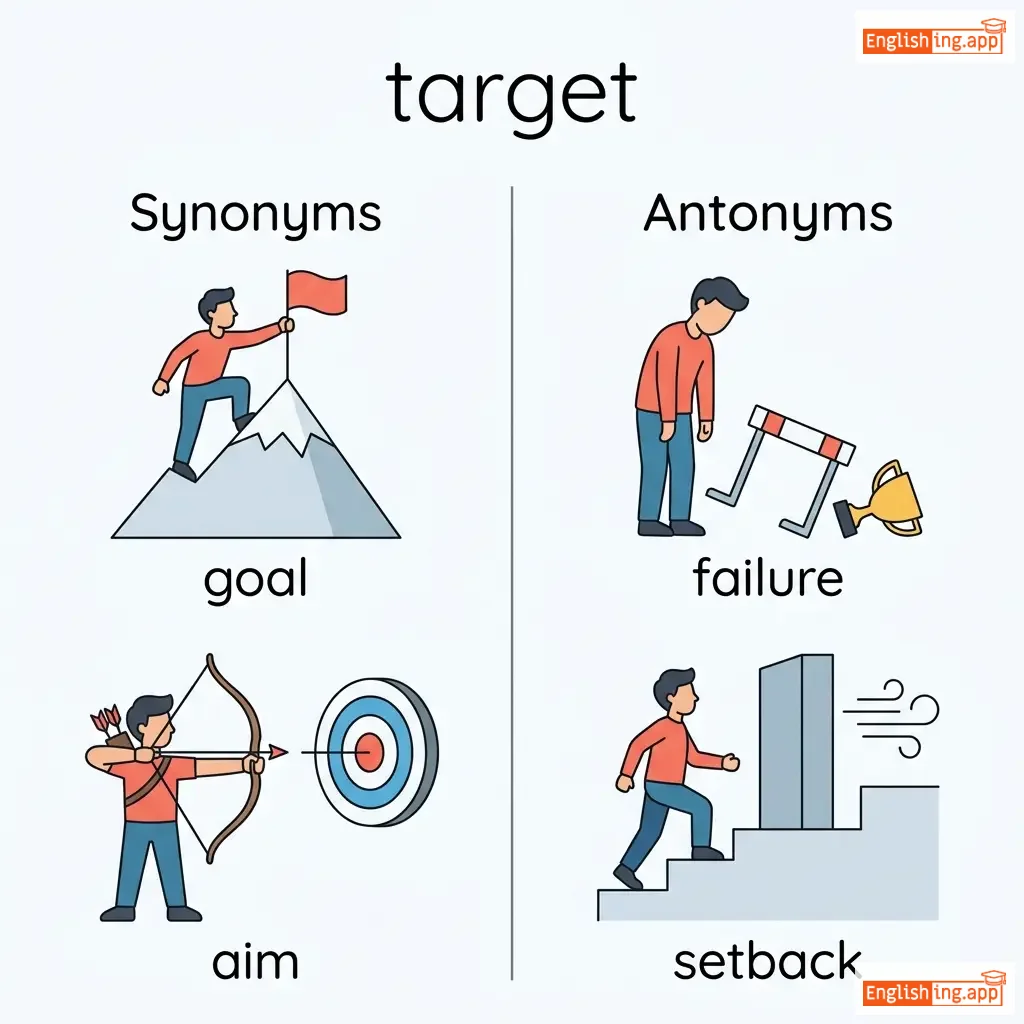
goal, objective, aim, destination, mark
••••••
|
origin, starting point
••••••
|
sales target, moving target, target audience, hit the target
••••••
|
ターゲット in Japanese sounds like a target you're aiming for.
••••••
|
|
#1369
💦
|
/swet/
noun
(suèt)
••••••
|
- •••••• |
汗
ase
••••••
|
moisture exuded through the pores of the skin, typically as a reaction to heat, physical exertion, fever, or fear
••••••
|
After running for an hour, he was covered in sweat. |
1時間走った後、彼は汗だくになっていた。
1 jikan hashitta ato, kare wa ase daku ni natte ita.
••••••
|
perspiration, moisture, dampness
••••••
|
dryness, coolness
••••••
|
break into sweat, sweat glands, cold sweat, sweat profusely
••••••
|
汗は体が一生懸命に働いている証
••••••
|
|
#1370
👅
|
/teɪst/
noun
(テイスト)
••••••
|
|
味; 個人的な好み
aji; kojinteki na konomi
••••••
|
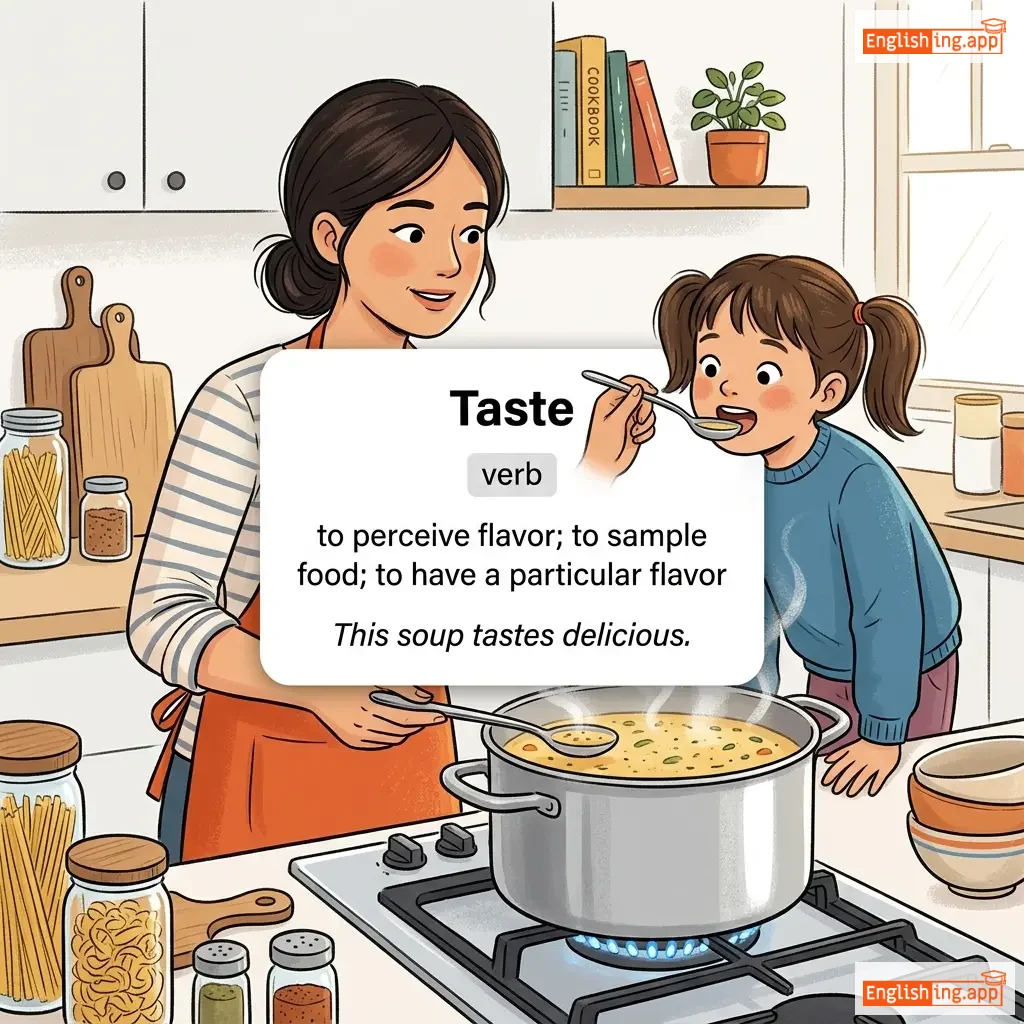
the sensation produced when food touches the tongue; personal preference or liking
••••••
|
This cake has a sweet taste that I really enjoy. |
このケーキは私が本当に楽しんでいる甘い味がします。
Kono kēki wa watashi ga hontōni tanoshinde iru amai aji ga shimasu.
••••••
|
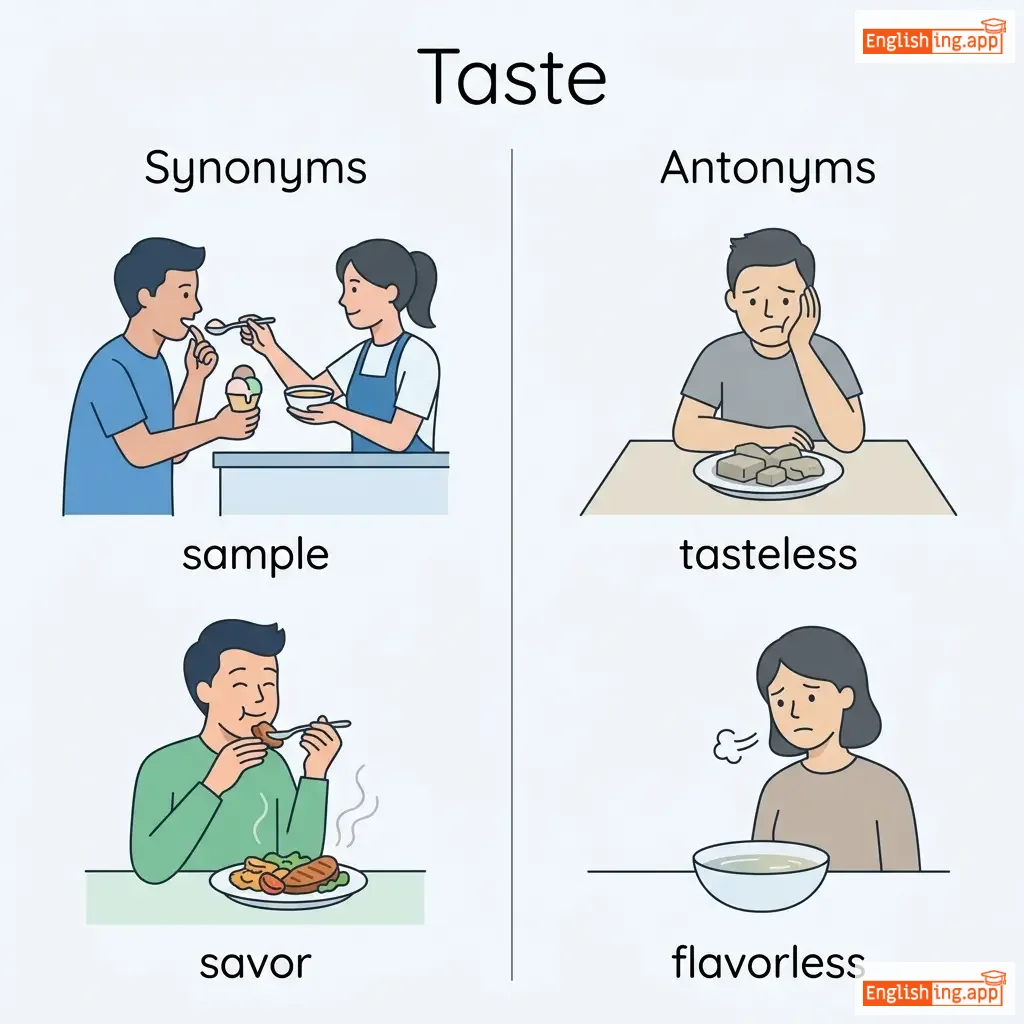
flavor, savor, palate, preference, style
••••••
|
blandness, tastelessness
••••••
|
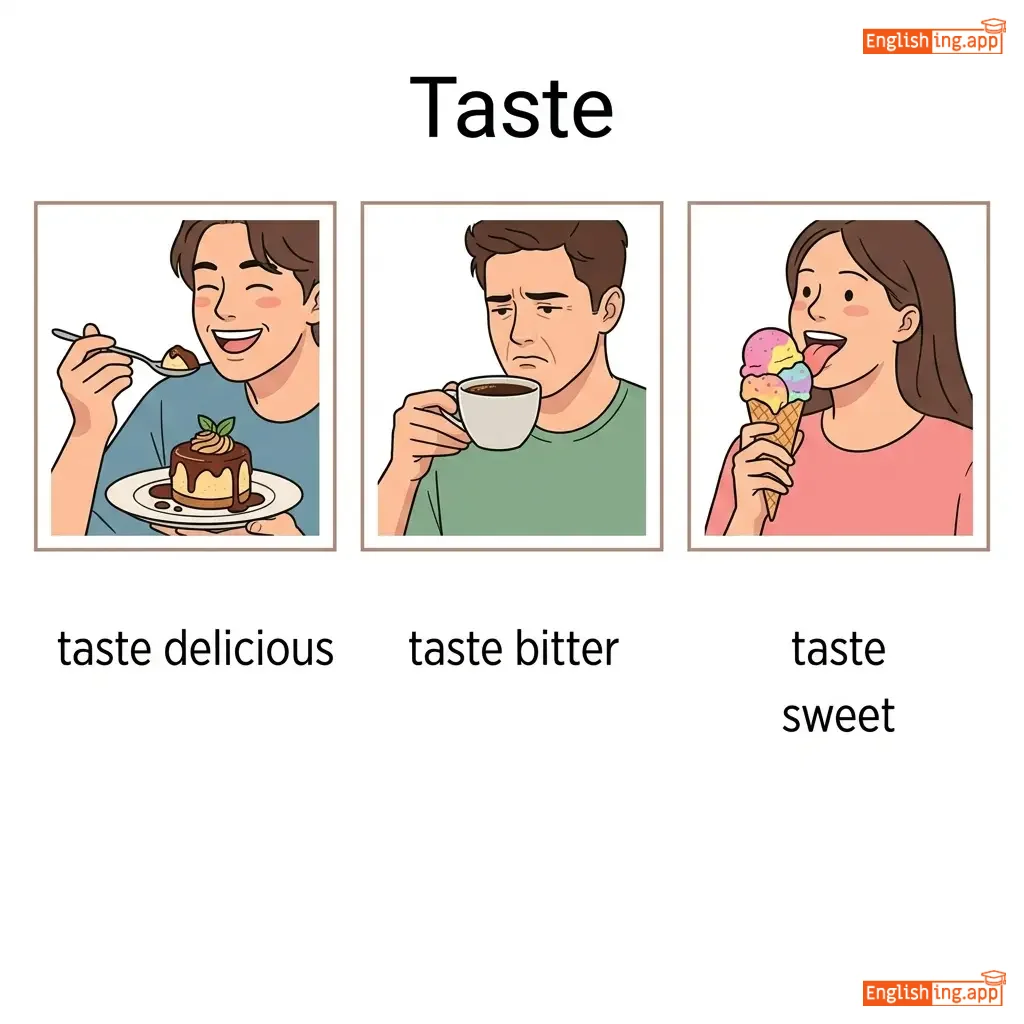
good taste, bitter taste, taste buds, acquire taste
••••••
|
味 (aji) と好み (konomi) は、ケーキを楽しむ時の感覚にぴったりです。
••••••
|
|
#1371
🌀
|
/swɪŋ/
noun
(スウィング)
••••••
|
|
ブランコ
buranko
••••••
|
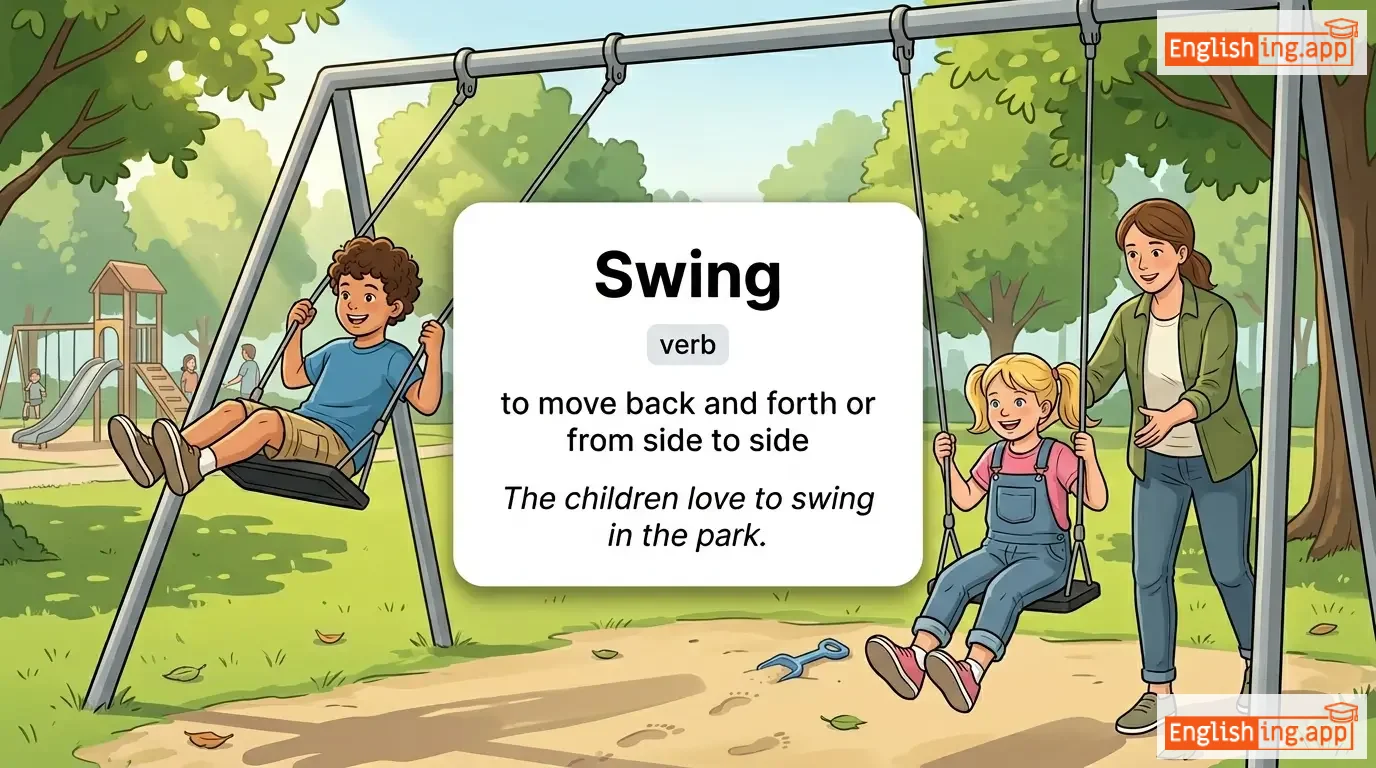
move or cause to move back and forth or from side to side while suspended or on an axis
••••••
|
The children love to swing in the park.
子供たちは公園でブランコをするのが好きです。
••••••
|
子供たちは公園でブランコをするのが好きです。
Kodomotachi wa kōen de buranko o suru no ga suki desu.
••••••
|
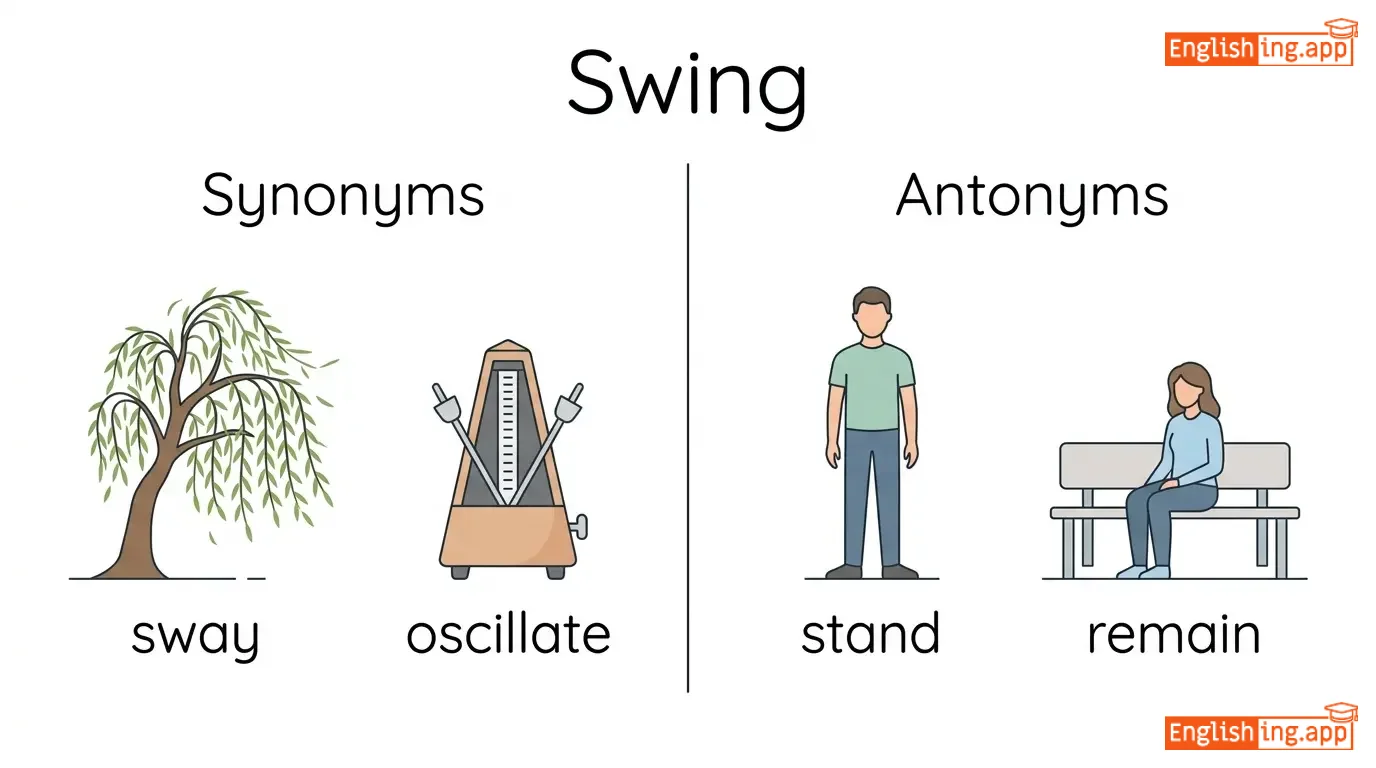
sway, oscillate, rock, pendulate
••••••
|
stillness, stability, fixedness
••••••
|
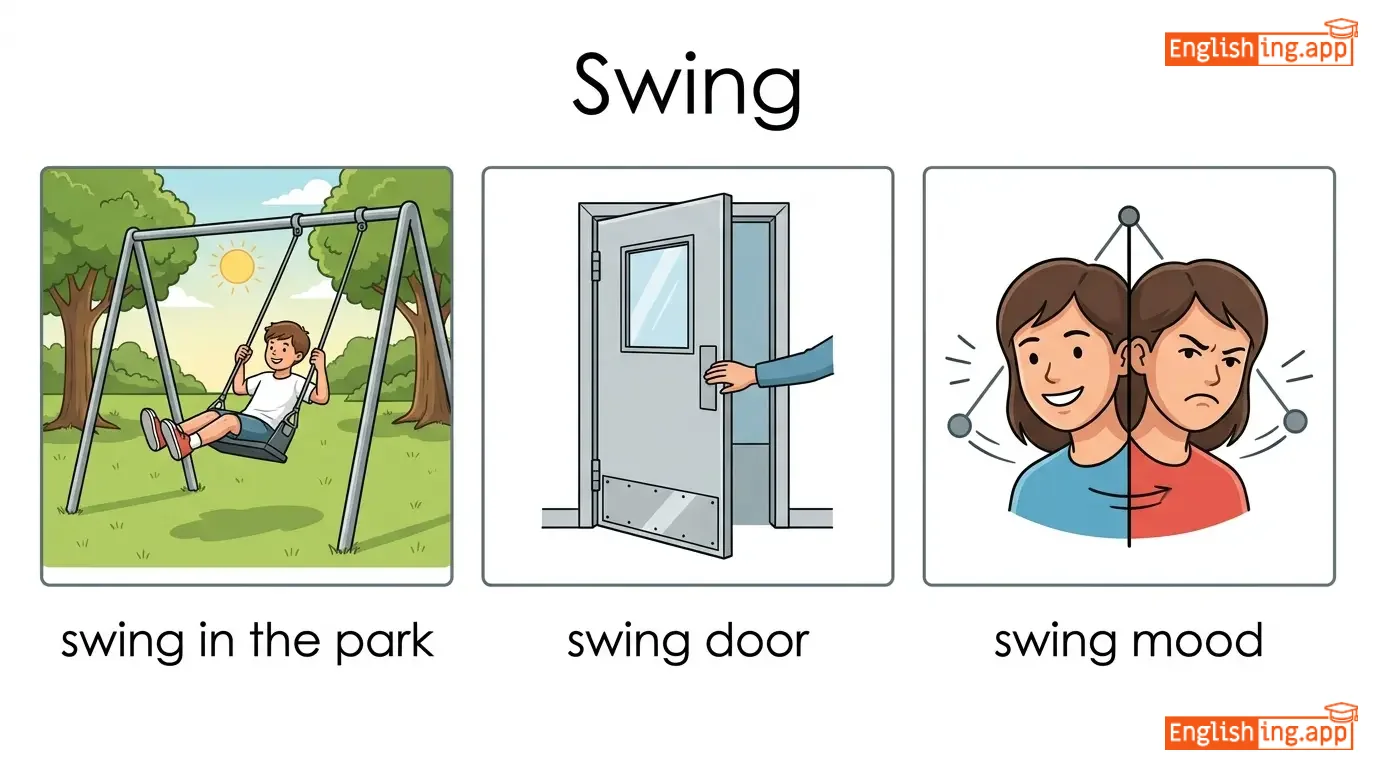
swing back and forth, playground swing, swing music, mood swing
••••••
|
公園でブランコに乗っている子供たちを見て、スウィングと同じです!
••••••
|
|
#1372
😤
|
/ˈtem.pər.ə.mənt/
noun
(テンペラメント)
••••••
|
- •••••• |
気質; 性格; 本性
kishitsu; seikaku; honshou
••••••
|
a person's natural disposition or mood; characteristic behavior patterns
••••••
|
She has a calm temperament that helps her handle stress well. |
彼女は穏やかな気質を持っており、ストレスをうまく処理するのに役立っています。
Kanojo wa odayakana kishitsu wo motte ori, sutoresu wo umaku shori suru no ni yakudatteimasu.
••••••
|
disposition, nature, character, personality, mood
••••••
|
inconsistency, variability
••••••
|
calm temperament, fiery temperament, artistic temperament, volatile temperament
••••••
|
気質は平穏の心でストレスを解消!
••••••
|
|
#1373
🔣
|
/ˈsɪmbəl/
noun
(シンボル)
••••••
|
- •••••• |
シンボル
shinboru
••••••
|
a mark or character used as a conventional representation of an object, function, or process
••••••
|
The dove is a symbol of peace.
鳩は平和の象徴です。
••••••
|
鳩は平和の象徴です。
Hato wa heiwa no shōchō desu.
••••••
|
sign, emblem, token, representation
••••••
|
reality, substance, literalness
••••••
|
symbol of peace, religious symbol, mathematical symbol, status symbol
••••••
|
平和の鳩のシンボル
••••••
|
|
#1374
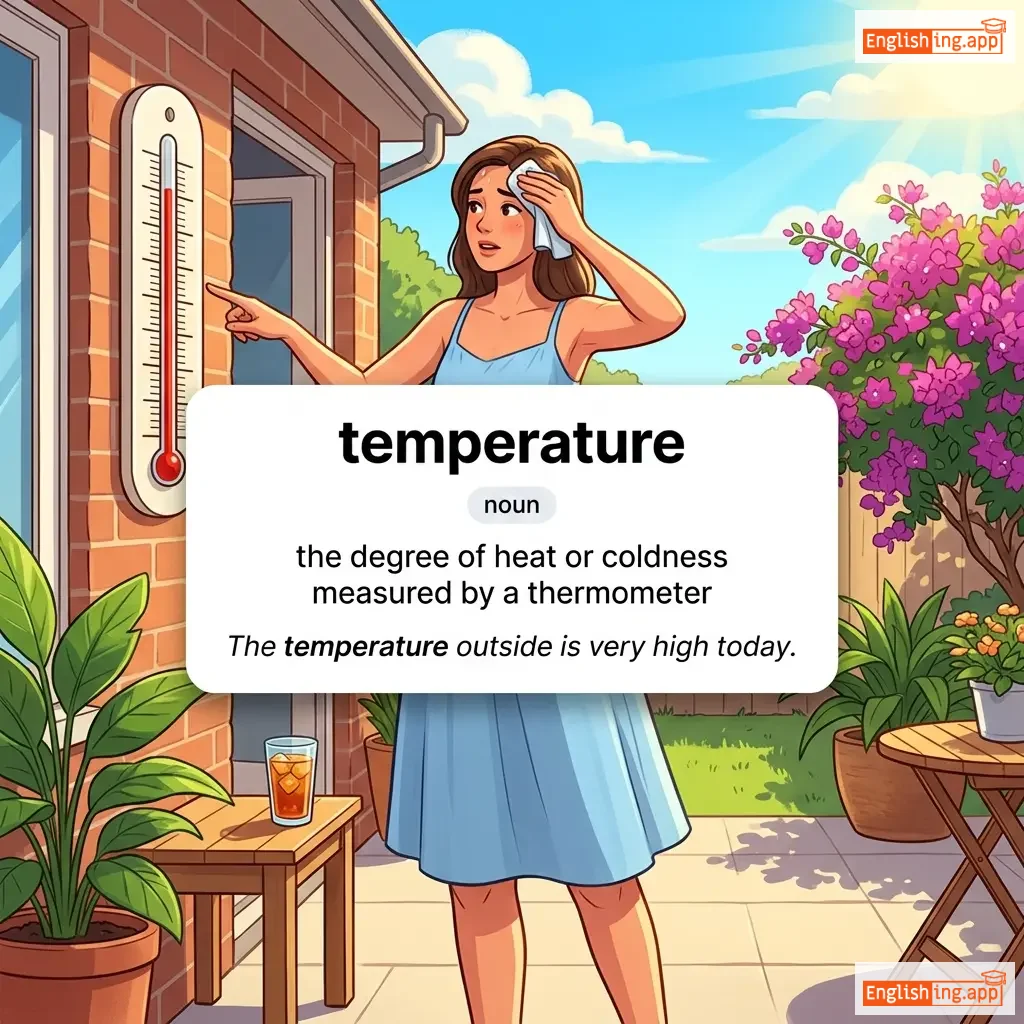
🌡️
|
/ˈtem.pər.ə.tʃər/
noun
(テンペラチャー)
••••••
|
|
温度
ondo
••••••
|
the degree of heat or cold in the atmosphere, body, or substance
••••••
|
The temperature today is twenty-five degrees Celsius. |
今日の温度は25度セルシウスです。
Kyou no ondo wa 25 do Serushiusu desu.
••••••
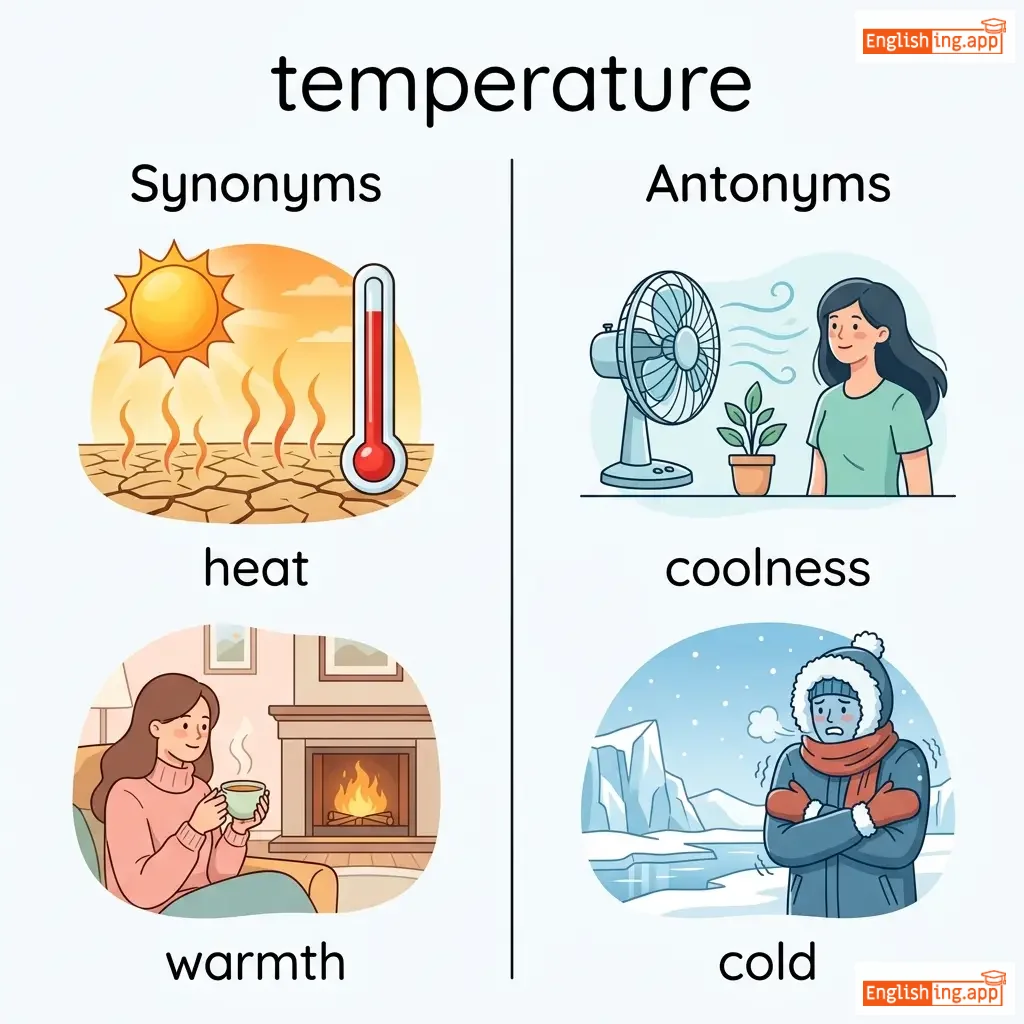
|
heat, warmth, thermal reading, degree
••••••
|
absolute zero
••••••
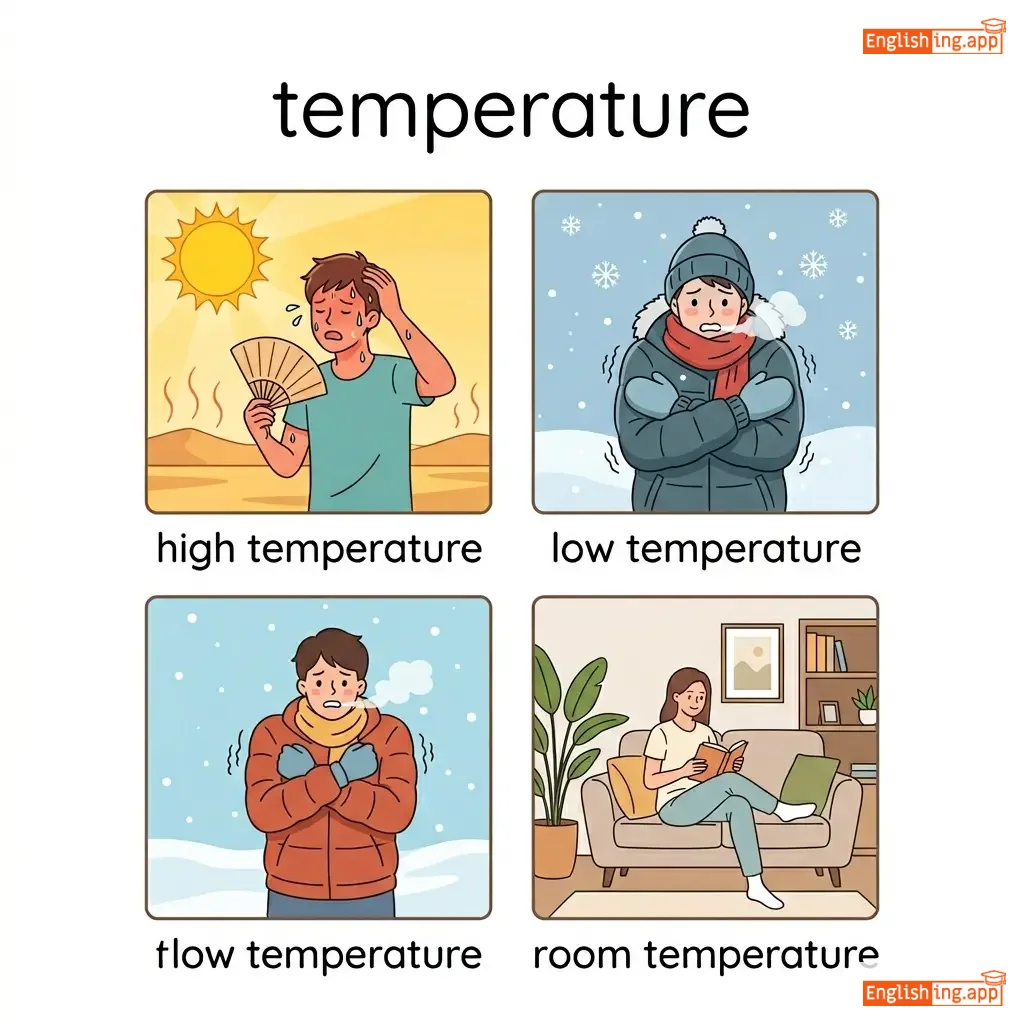
|
body temperature, room temperature, high temperature, take temperature
••••••
|
温度(ondo)を覚えて、英語の'温度(temperature)'を理解しよう
••••••
|
|
#1375
🤗
|
/ˈsɪmpəθi/
noun
(シンパシー)
••••••
|
- •••••• |
同情
doujou
••••••
|
feelings of pity and sorrow for someone else's misfortune
••••••
|
She expressed her sympathy for the victims of the accident.
彼女は事故の被害者に対して同情を表明した。
••••••
|
彼女は事故の被害者に対して同情を表明した。
Kanojo wa jiko no higaisha ni taishite doujou o hyoumei shita.
••••••
|
compassion, pity, understanding, empathy
••••••
|
indifference, cruelty, antipathy, hostility
••••••
|
express sympathy, deep sympathy, sympathy card, show sympathy
••••••
|
同情(doujou)の中には、'同'(ともに)と'情'(感情)が含まれています。
••••••
|
|
#1376
⛈️
|
/ˈtem.pɪst/
noun
(テンペスト)
••••••
|
- •••••• |
嵐
arashi
••••••
|
a violent storm with strong winds; a state of great disturbance or tumult
••••••
|
The sailors struggled to navigate through the fierce tempest. |
船員たちは激しい嵐を乗り越えようと戦った。
Sen'in-tachi wa hageshī arashi o norikoeyō to tatakatta.
••••••
|
storm, hurricane, gale, typhoon, turbulence
••••••
|
calm, tranquility, stillness
••••••
|
fierce tempest, violent tempest, tempest at sea
••••••
|
海の嵐のような激しさ
••••••
|
|
#1377
🎼
|
/ˈsɪmfəni/
noun
(シンフォニー)
••••••
|
- •••••• |
交響曲
shinfonii
••••••
|
an elaborate musical composition for full orchestra, typically in four movements
••••••
|
The orchestra performed Beethoven's Fifth Symphony.
オーケストラはベートーヴェンの交響曲第5番を演奏した。
••••••
|
オーケストラはベートーヴェンの交響曲第5番を演奏した。
ookesutora wa beetoven no koukyoukyoku dai go ban o ensou shita
••••••
|
composition, concerto, orchestral work, musical piece
••••••
|
discord, cacophony, noise
••••••
|
symphony orchestra, classical symphony, symphony hall, perform a symphony
••••••
|
Shin fo nii: Shin (新) means new, fo (フォ) for, nii (ニー) is nee; remember Symphony as Shinfonii, the new tone for the orchestra
••••••
|
|
#1378
🍎
|
/temp.ˈteɪ.ʃən/
noun
(テンプテーション)
••••••
|
- •••••• |
誘惑
yūwaku
••••••
|
the desire to do something wrong or unwise; an urge to have or do something
••••••
|
He resisted the temptation to eat the entire chocolate cake. |
彼は全てのチョコレートケーキを食べる誘惑に抵抗した。
Kare wa subete no chokorēto kēki o taberu yūwaku ni teikō shita.
••••••
|
allure, attraction, enticement, lure, seduction
••••••
|
resistance, restraint, self-control
••••••
|
resist temptation, fall to temptation, great temptation, constant temptation
••••••
|
誘惑に負けず、冷静に判断しよう
••••••
|
|
#1379
📝
|
/ˈsɪnənɪm/
noun
(シノニム)
••••••
|
- •••••• |
同義語
dōgigo
••••••
|
a word or phrase that means exactly or nearly the same as another word or phrase in the same language
••••••
|
Happy and joyful are synonyms.
ハッピーとジョイフルはシノニムです。
••••••
|
ハッピーとジョイフルは同義語です。
Happī to joifuru wa dōgigo desu.
••••••
|
equivalent, alternative, substitute
••••••
|
antonym, opposite, contrary
••••••
|
synonym for, close synonym, perfect synonym, synonym dictionary
••••••
|
同義語は'ハッピー'と'ジョイフル'のように、同じ意味を持つ単語です。
••••••
|
|
#1380
🏠
|
/ˈten.ənt/
noun
(テナント)
••••••
|
- •••••• |
借家人
jakuya jin
••••••
|
a person who rents and occupies property owned by someone else
••••••
|
The landlord met with the new tenant to sign the lease agreement. |
家主は新しい借家人と会って、賃貸契約に署名しました。
Yanushi wa atarashī jakuya jin to atte, chintai keiyaku ni shomei shimashita.
••••••
|
renter, lessee, occupant, lodger
••••••
|
landlord, owner, lessor
••••••
|
new tenant, former tenant, tenant rights, tenant agreement
••••••
|
借家人は家主に家賃を払う
••••••
|
Vocabulary Quiz
Test your vocabulary by matching words with their translations or meanings.
Login to take the quiz
Comments (0)
Share your thoughts and join the discussion.
Join the discussion by logging in
Login to CommentNo comments yet
Be the first to share your thoughts!