

翻訳
過去
過去分詞
三人称単数
動名詞
意味
例文
例文の翻訳
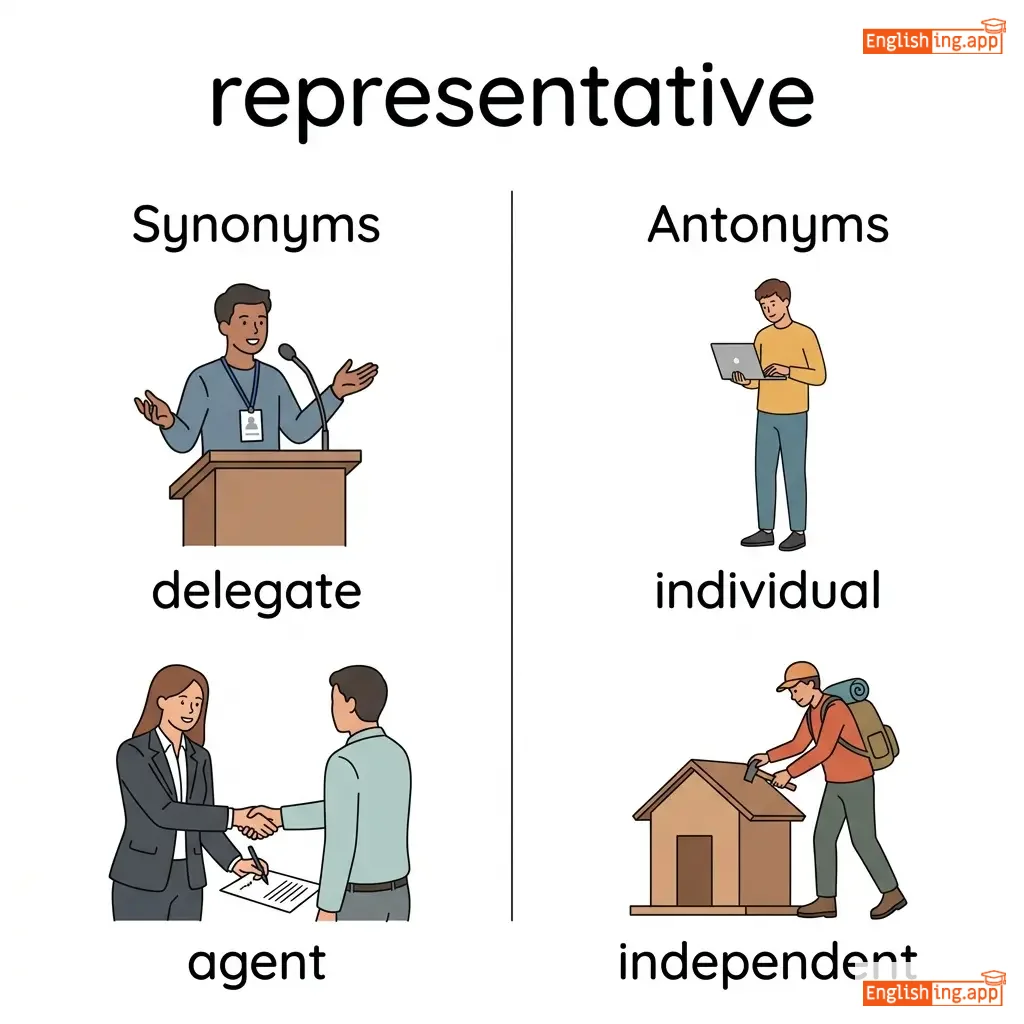
同義語
対義語
コロケーション
ニーモニック

Swipe left or right, or use the buttons. Tap image to zoom.
例文の翻訳
単語
Lesson 59Lesson 59 - マスクトグル
|
絵文字
|
単語 | Images | 翻訳 | 意味 | 例文 | 例文の翻訳 | 同義語 | 対義語 | コロケーション | ニーモニック |
|---|---|---|---|---|---|---|---|---|---|---|
|
#1161
💕
|
/rɪˈleɪ.ʃən.ʃɪp/
noun
(リレーションシップ)
••••••
|
- •••••• |
関係
kankei
••••••
|
the way two people or groups feel and behave towards each other; a connection between two things
••••••
|
They have a very close relationship. |
彼らは非常に親密な関係を持っています。
Karera wa hijō ni shinmitsu na kankei o motteimasu.
••••••
|
connection, bond, association, link
••••••
|
separation, isolation, disconnection
••••••
|
close relationship, personal relationship, working relationship, family relationship
••••••
|
Relationship: 'K' for '関係' in Japanese
••••••
|
|
#1162
🔨
|
/ˌren.əˈveɪ.ʃən/
noun
(リノベーション)
••••••
|
- •••••• |
リノベーション; 改修
rinobeshon; kaishu
••••••
|
the act of renovating; restoration to a former better state
••••••
|
The old house underwent a complete renovation last year. |
その古い家は昨年完全な改修を受けました。
Sono furui ie wa sakunen kanzen na kaishu wo ukemashita.
••••••
|
restoration, refurbishment, modernization, improvement
••••••
|
deterioration, neglect, decay
••••••
|
home renovation, renovation project, complete renovation, renovation work
••••••
|
リノベーションで家を新しくする
••••••
|
|
#1163
🤝
|
/rɪˈlaɪ.əns/
noun
(リライアンス)
••••••
|
- •••••• |
依存
izon
••••••
|
the state of depending on something or someone for support or help
••••••
|
His reliance on technology is concerning. |
技術への依存は懸念すべきことです。
gijutsu e no izon wa kenensubeki koto desu
••••••
|
dependence, trust, confidence, faith
••••••
|
independence, self-reliance, distrust
••••••
|
heavy reliance, reliance on, self-reliance, complete reliance
••••••
|
依存 (izon) – 私たちが進むために頼るもの。
••••••
|
|
#1164
⭐
|
/rɪˈnaʊn/
noun
(レナウン)
••••••
|
- •••••• |
名声; 評判
renown
••••••
|
the condition of being known or talked about by many people; fame
••••••
|
The scientist achieved international renown for her discoveries. |
その科学者は発見によって国際的な名声を得た。
Sono kagakusha wa hakken ni yotte kokusaiteki na meisei o eta.
••••••
|
fame, reputation, celebrity, prominence, distinction
••••••
|
obscurity, anonymity, insignificance
••••••
|
international renown, great renown, achieve renown, artist of renown
••••••
|
科学的発見で国際的な名声を得る
••••••
|
|
#1165
😌
|
/rɪˈliːf/
noun
(リリーフ)
••••••
|
- •••••• |
安心; 安堵; 支援
anshin, ando, shien
••••••
|
a feeling of comfort after worry or distress; assistance given to those in need
••••••
|
She felt great relief when the exam was over.
試験が終わったとき、彼女は大きな安堵感を感じました。
••••••
|
試験が終わったとき、彼女は大きな安堵感を感じました。
Shiken ga owatta toki, kanojo wa ookina andokan o kanjimashita.
••••••
|
comfort, ease, assistance, aid
••••••
|
anxiety, worry, stress, burden
••••••
|
pain relief, relief work, great relief, tax relief
••••••
|
安心感=安堵感!
••••••
|
|
#1166
🏠
|
/rent/
noun
(ハピネス)
••••••
|
- •••••• |
幸せ
shiawase
••••••
|
a payment made periodically by a tenant to a landlord for use of property
••••••
|
The monthly rent for this apartment is quite affordable. |
彼女は賞を受け取ったとき、自分の幸せを隠すことができませんでした。
Kanojo wa shō o uketotta toki, jibun no shiawase o kakusu koto ga dekimasen deshita.
••••••
|
lease, rental, hire, tenancy fee
••••••
|
ownership, purchase, buy
••••••
|
pay rent, monthly rent, rent increase, rent control, house rent
••••••
|
幸せを追い求めて
••••••
|
|
#1167
😕
|
/rɪˈlʌk.təns/
noun
(リラクタンス)
••••••
|
- •••••• |
嫌悪感; ためらい
ken'okan; tamerai
••••••
|
unwillingness to do something; hesitation
••••••
|
He showed reluctance to accept the job offer. |
彼は仕事のオファーを受け入れることに嫌悪感を示した。
Kare wa shigoto no ofā wo ukeireru koto ni ken'okan wo shimeta.
••••••
|
unwillingness, hesitation, resistance, disinclination
••••••
|
eagerness, willingness, enthusiasm, readiness
••••••
|
show reluctance, great reluctance, initial reluctance, overcome reluctance
••••••
|
Reluctance means 嫌悪感 (ken'okan) in Japanese; it's like when you feel hesitation.
••••••
|
|
#1168
💬
|
/ˌrep.ɑːˈtiː/
noun
(レパーティ)
••••••
|
- •••••• |
機知に富んだ返答
kichi ni tonda hento
••••••
|
conversation or speech characterized by quick, witty comments or replies
••••••
|
The dinner party was filled with brilliant repartee between the guests. |
ディナーでは、ゲスト間で素晴らしい機知に富んだ返答が交わされていました。
dinaa de wa, gesuto kan de subarashii kichi ni tonda hento ga kawasarete imashita
••••••
|
banter, wit, wordplay, badinage, riposte
••••••
|
silence, dullness, monotone
••••••
|
witty repartee, brilliant repartee, quick repartee, exchange repartee
••••••
|
機知に富んだ返答 = 迅速で機知に富んだ返答 (quick and witty responses)
••••••
|
|
#1169
📝
|
/rɪˈmeɪn.dər/
noun
(レイマインダー)
••••••
|
- •••••• |
残り; 余り
nokori, amari
••••••
|
the part that is left over; what remains after the other parts have been taken away
••••••
|
The remainder of the food was stored in the refrigerator.
食べ物の残りは冷蔵庫に保管されました。
••••••
|
残りの食べ物は冷蔵庫に保存されました。
Nokori no tabemono wa reizōko ni hozon saremashita.
••••••
|
rest, residue, leftover, balance
••••••
|
whole, entirety, total, complete
••••••
|
the remainder of, small remainder, large remainder, remainder value
••••••
|
残りの部分がレイマインダーです。
••••••
|
|
#1170
🙏
|
/rɪˈpen.təns/
noun
(リペンタンス)
••••••
|
- •••••• |
悔い改め
kuiaratame
••••••
|
the action of repenting; sincere regret or remorse
••••••
|
His genuine repentance moved everyone in the courtroom. |
彼の真摯な悔い改めは、法廷のすべての人々を感動させました。
Kare no shinshi na kuiaratame wa, hōtei no subete no hitobito o kandō saseshimashita
••••••
|
remorse, regret, contrition, penitence, sorrow
••••••
|
impenitence, defiance, stubbornness
••••••
|
genuine repentance, show repentance, act of repentance, deep repentance
••••••
|
Kuiaratame in Japanese refers to repentance
••••••
|
|
#1171
💊
|
/ˈrem.ə.di/
noun
(レメディ)
••••••
|
- •••••• |
薬; 治療; 問題解決の手段
remedi
••••••
|
a medicine or treatment for a disease; a solution to a problem
••••••
|
This herbal remedy helps with headaches.
このハーブの薬は頭痛に効く。
••••••
|
このハーブの薬は頭痛に効く。
kono haabu no kusuri wa zutsuu ni kiku.
••••••
|
cure, treatment, solution, medicine
••••••
|
disease, problem, ailment, poison
••••••
|
home remedy, herbal remedy, legal remedy, effective remedy
••••••
|
Remedy is レメディ, Re = again, Medi = medicine, so imagine medicine returning you to health
••••••
|
|
#1172
⚡
|
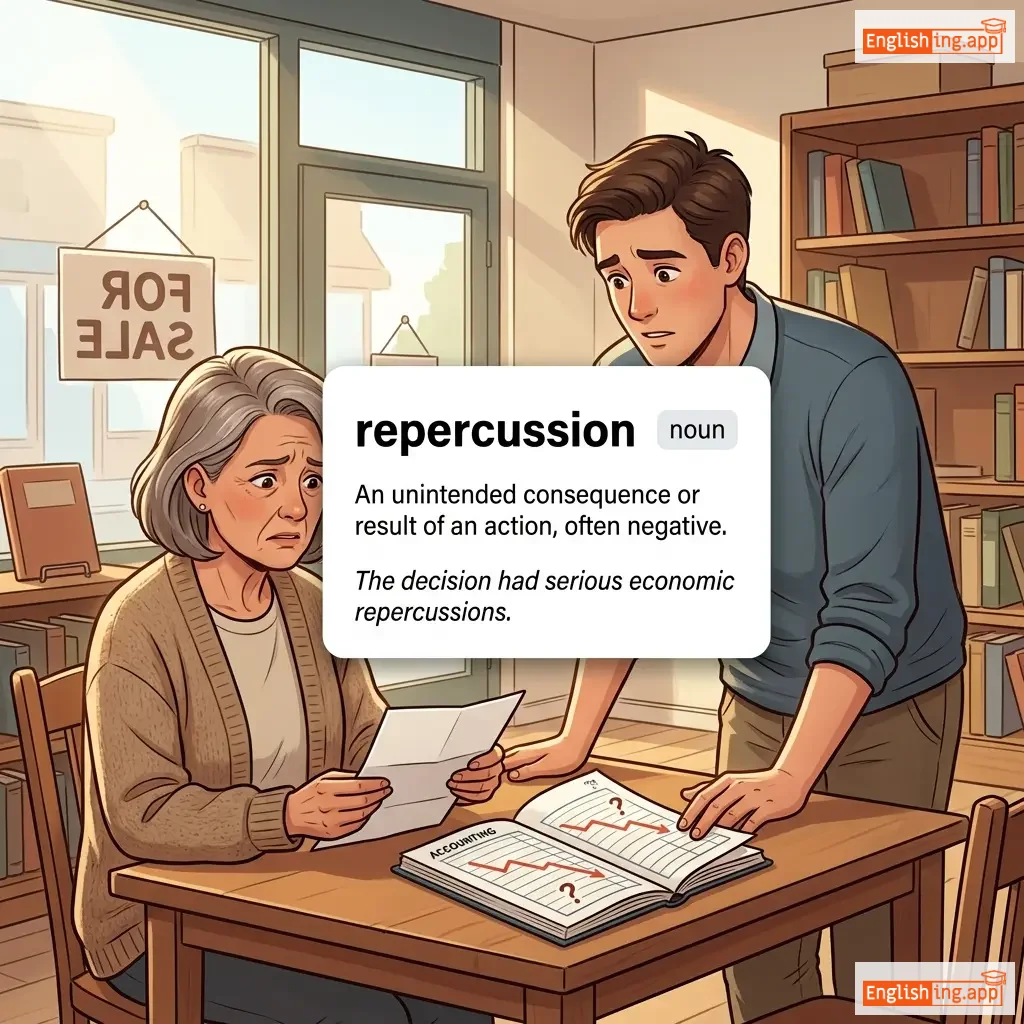
/ˌriː.pəˈkʌʃ.ən/
noun
(リパーカッション)
••••••
|
|
影響
eikyou
••••••
|
an unintended consequence occurring some time after an event or action
••••••
|
The economic policy had serious repercussions for small businesses. |
経済政策は小規模な企業に重大な影響を与えました。
keizai seisaku wa shou kibo na kigyou ni juudaina eikyou wo ataemashita.
••••••
|
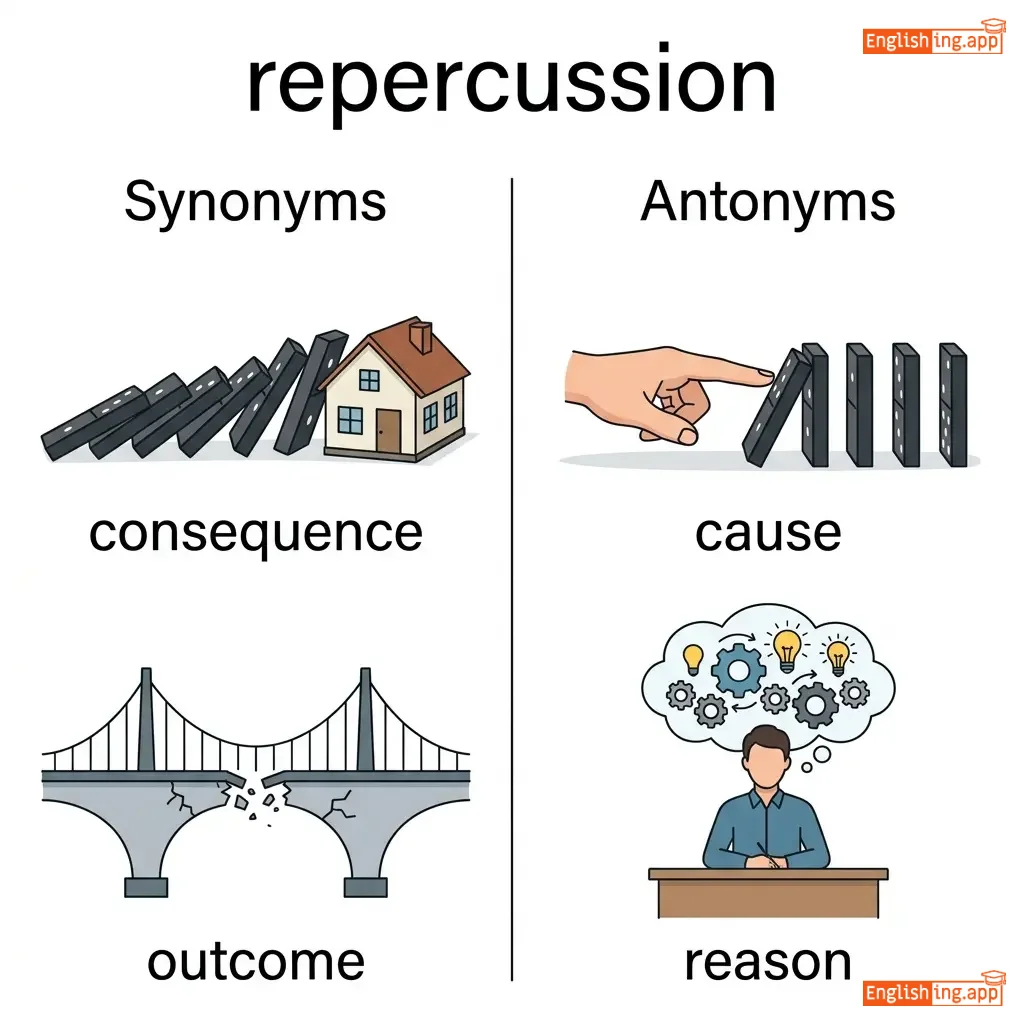
consequence, aftermath, result, effect, outcome
••••••
|
cause, origin, source
••••••
|
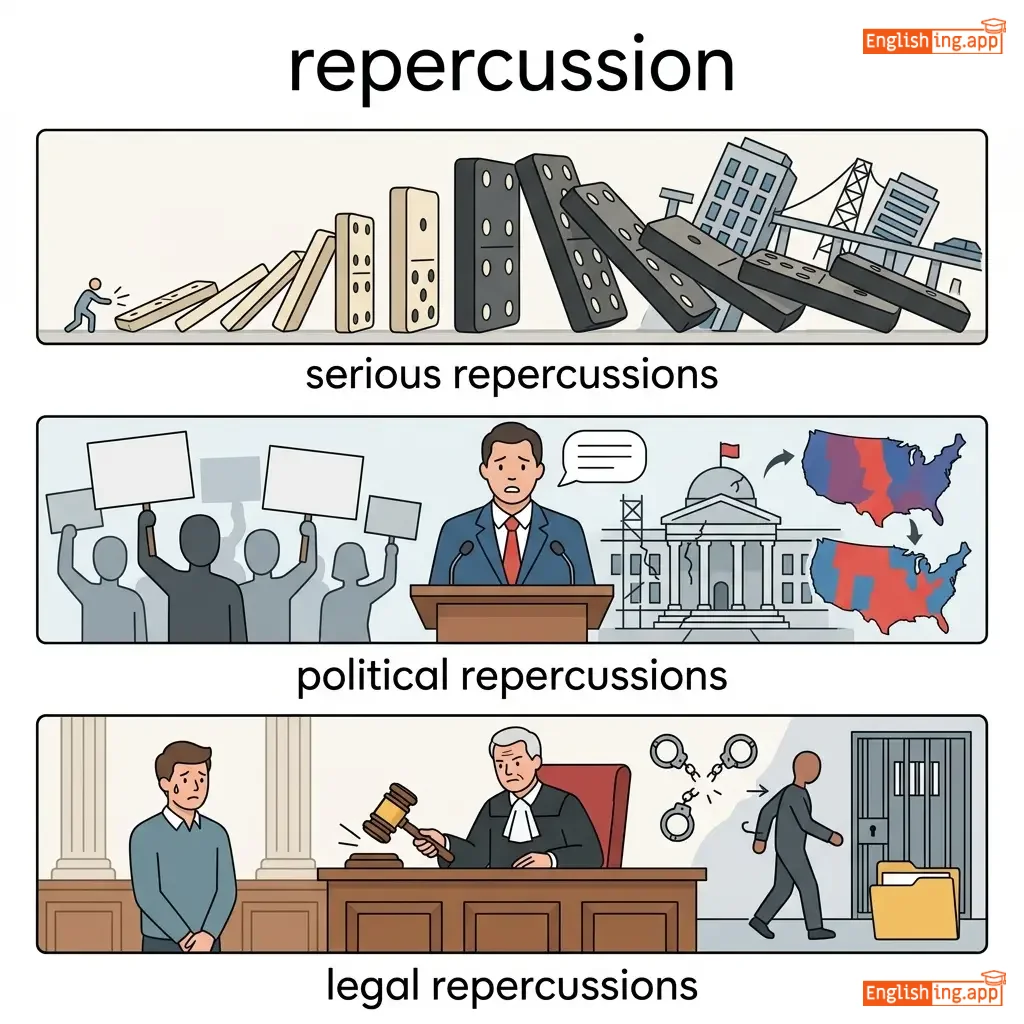
serious repercussions, negative repercussions, legal repercussions, face repercussions
••••••
|
影響は常に出来事の後に続く波のように広がります。
••••••
|
|
#1173
🧩
|
/ˈrem.nənt/
noun
(rem-nant)
••••••
|
- •••••• |
残留物
zanryū-butsu
••••••
|
a small remaining quantity of something; a piece of cloth left over after the main piece has been used
••••••
|
Only a remnant of the ancient wall remains. |
古代の壁の残り物だけが残っています。
kodai no kabe no nokorimono dake ga nokotte imasu.
••••••
|
remainder, leftover, fragment, piece
••••••
|
whole, entirety, complete, total
••••••
|
fabric remnant, last remnant, small remnant, ancient remnant
••••••
|
残留物は、主に使われた後に残ったもの
••••••
|
|
#1174
🔄
|
/ˌrep.ɪˈtɪʃ.ən/
noun
(リピティション)
••••••
|
- •••••• |
繰り返し
kurikaeshi
••••••
|
the action of repeating something that has already been said or written
••••••
|
Constant repetition helps students memorize vocabulary effectively.
コンサントリピティションヘルプス スチューデンツメモライズ ボキャブラリー イフェクティブリー。
••••••
|
継続的な繰り返しは、学生が語彙を効果的に覚えるのを助けます。
Keizokuteki na kurikaeshi wa, gakusei ga goi o kouka teki ni oboeru no o tasukemasu.
••••••
|
reiteration, recurrence, duplication, restatement
••••••
|
originality, novelty, variation
••••••
|
constant repetition, avoid repetition, unnecessary repetition, repetition of words
••••••
|
繰り返す、まるで言葉を繰り返す
••••••
|
|
#1175
😔
|
/rɪˈmɔːrs/
noun
(リモース)
••••••
|
- •••••• |
後悔
kōkai
••••••
|
deep regret or guilt for a wrong committed; bitter regret for something done
••••••
|
He felt deep remorse for his actions. |
彼は自分の行動に対して深い後悔を感じていた。
kare wa jibun no kōdō ni taishite fukai kōkai o kanjite ita
••••••
|
regret, guilt, repentance, sorrow
••••••
|
satisfaction, pride, contentment, joy
••••••
|
deep remorse, feel remorse, show remorse, without remorse
••••••
|
後悔が心を重くする
••••••
|
|
#1176
🔄
|
/ˈrep.lɪ.kə/
noun
(レプリカ)
••••••
|
- •••••• |
レプリカ
repurika
••••••
|
an exact copy or model of something, especially one on a smaller scale
••••••
|
The museum displayed a perfect replica of the ancient statue.
博物館は古代の彫像の完璧なレプリカを展示しました。
••••••
|
博物館は古代の彫像の完璧なレプリカを展示しました。
Hakubutsukan wa kodai no chōzō no kanpeki na repurika o tenji shimashita.
••••••
|
copy, duplicate, reproduction, imitation, model
••••••
|
original, authentic, genuine
••••••
|
exact replica, perfect replica, replica watch, create replica
••••••
|
レプリカ = Exact copy
••••••
|
|
#1177
🗑️
|
/rɪˈmuː.vəl/
noun
(rimūbaru)
••••••
|
- •••••• |
撤去; 除去; 解雇;
tekkyo, jokyo, kaiko
••••••
|
the action of taking something away or eliminating it; dismissal from office
••••••
|
The removal of the old furniture took all day.
古い家具の除去に一日中かかりました。
••••••
|
古い家具の除去に一日中かかりました。
Furui kagu no jokyo ni ichinichijū kakarimashita.
••••••
|
elimination, extraction, dismissal, eviction
••••••
|
installation, addition, appointment, placement
••••••
|
hair removal, waste removal, snow removal, surgical removal
••••••
|
撤去 = 古い家具を撤去して部屋を片付ける。
••••••
|
|
#1178
⚔️
|
/rɪˈpraɪ.zəl/
noun
(リプライザル)
••••••
|
- •••••• |
報復
hōfuku
••••••
|
an act of retaliation; revenge taken for an injury or wrong
••••••
|
The attack was carried out as a reprisal for the earlier bombing. |
この攻撃は以前の爆撃に対する報復として行われました。
Kono kōgeki wa izen no bakugeki ni taisuru hōfuku toshite okonawaremashita.
••••••
|
retaliation, revenge, vengeance, retribution, payback
••••••
|
forgiveness, mercy, pardon
••••••
|
violent reprisal, fear reprisal, reprisal attack, take reprisal
••••••
|
‘報復’ rhymes with ‘hope,’ which can remind you that revenge follows injury or wrong.
••••••
|
|
#1179
💰
|
/rɪˌmjuː.nəˈreɪ.ʃən/
noun
(レムネレーション)
••••••
|
- •••••• |
報酬; 報奨金; 料金
houshu; houshoukin; ryoukin
••••••
|
money paid for work or services; compensation or reward
••••••
|
The job offers excellent remuneration and benefits.
その仕事は優れた報酬と福利厚生を提供します。
••••••
|
その仕事は優れた報酬と福利厚生を提供します。
Sono shigoto wa sugureta houshu to fukuri kousei o teikyō shimasu.
••••••
|
salary, payment, compensation, wage
••••••
|
penalty, fine, cost, expense
••••••
|
fair remuneration, adequate remuneration, executive remuneration, annual remuneration
••••••
|
レムネレーションで仕事の報酬をもらおう!
••••••
|
|
#1180
👨💼
|
/ˌrep.rɪˈzen.tə.tɪv/
noun
(リプレゼンタティブ)
••••••
|
|
代表者
ripurezentatibu
••••••
|
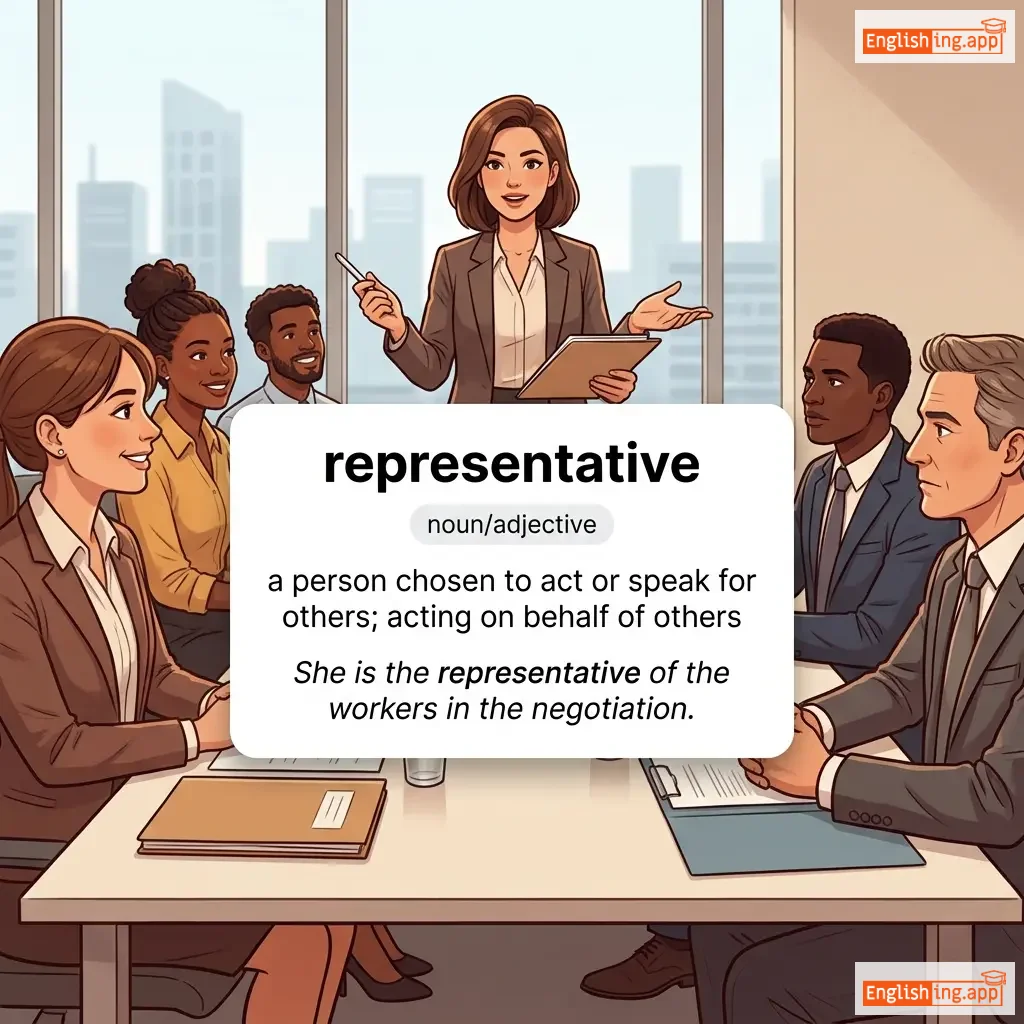
a person chosen or appointed to act or speak for another or others
••••••
|
Each district elects a representative to serve in the parliament.
各選挙区は国会で活動する代表を選出する。
••••••
|
各選挙区は国会で活動する代表を選出する。
Kaku senkyoku wa kokkai de katsudou suru daihyou o senshutsu suru.
••••••
|
delegate, agent, spokesperson, envoy, ambassador
••••••
|
constituent, voter, represented
••••••
|
elected representative, sales representative, government representative, legal representative
••••••
|
Daihyousha = Big sign 表 (hyou) + person. Imagine a big sign with REP held by a person who speaks for others.
••••••
|
Vocabulary Quiz
Test your vocabulary by matching words with their translations or meanings.
Login to take the quiz
Comments (0)
Share your thoughts and join the discussion.
Join the discussion by logging in
Login to CommentNo comments yet
Be the first to share your thoughts!