

翻訳
過去
過去分詞
三人称単数
動名詞
意味
例文
例文の翻訳
同義語
対義語
コロケーション
ニーモニック
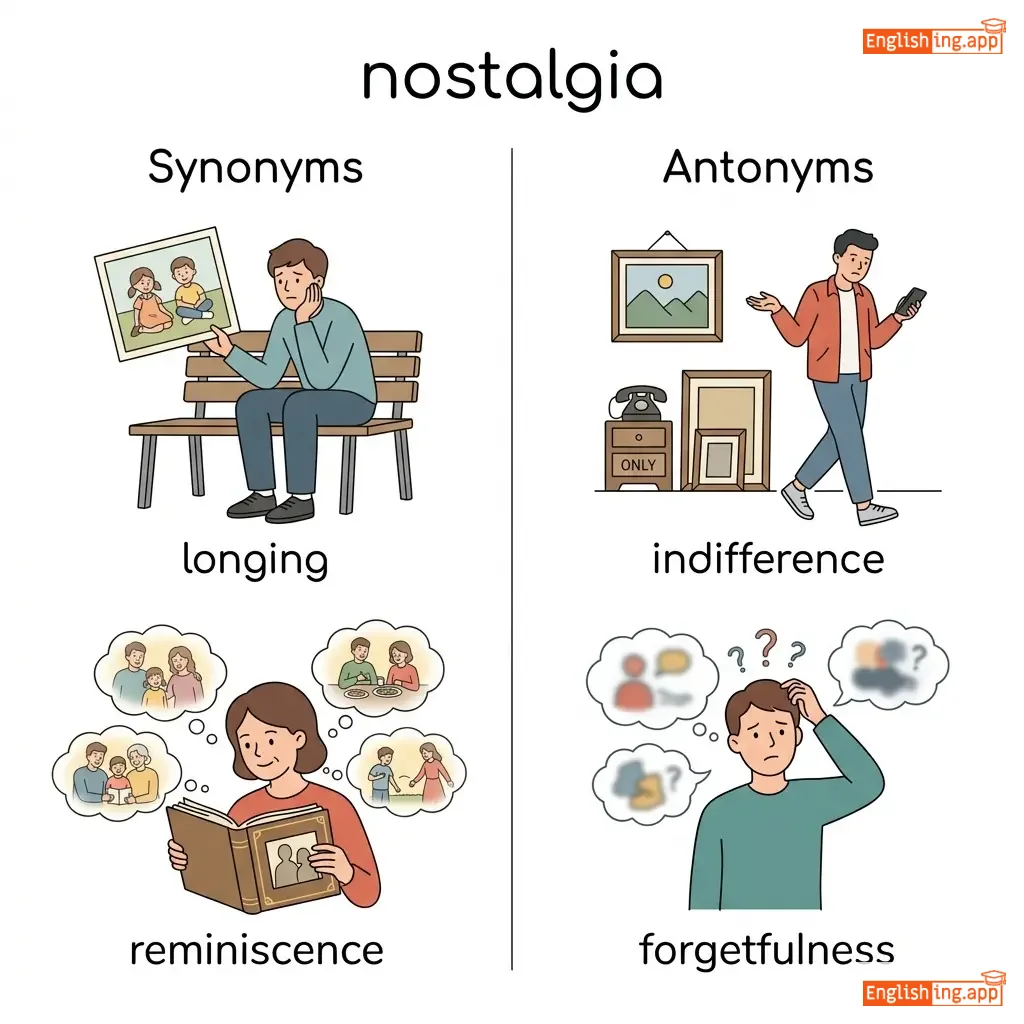
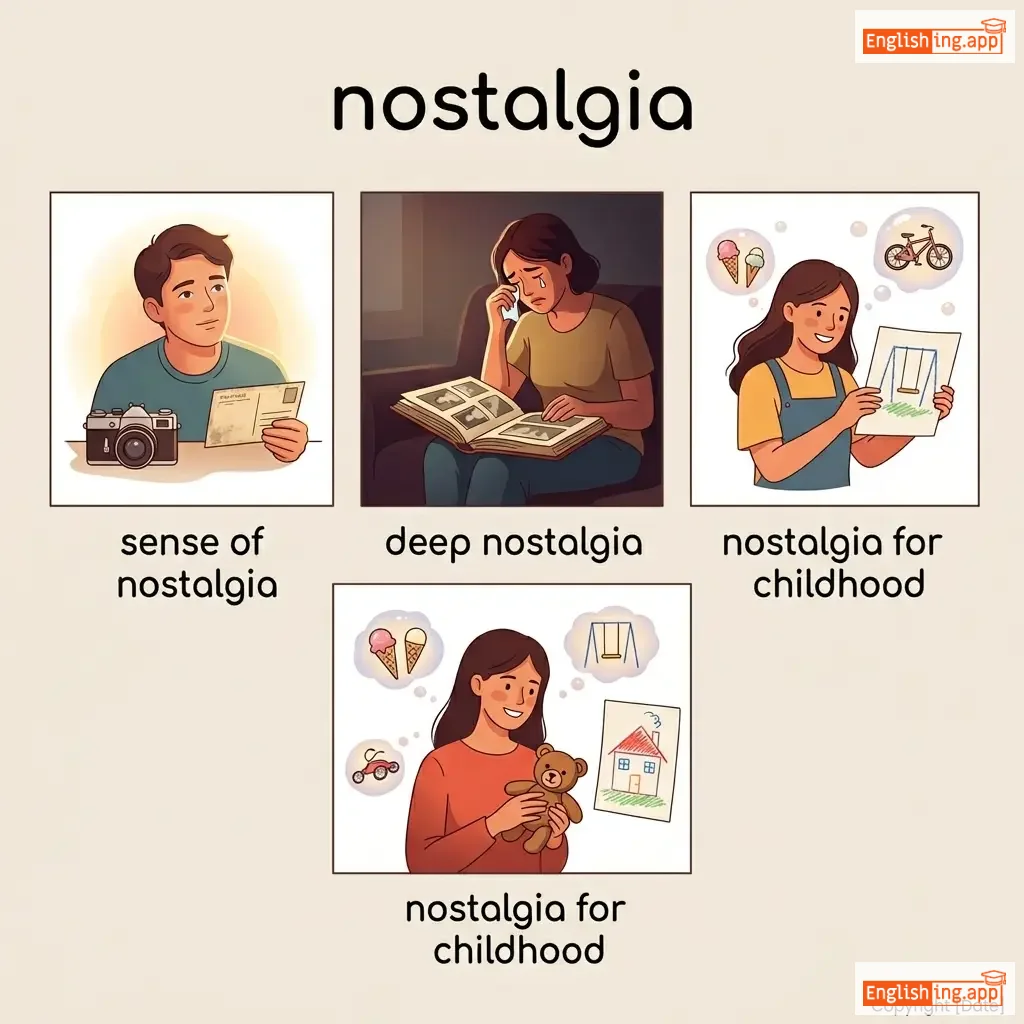
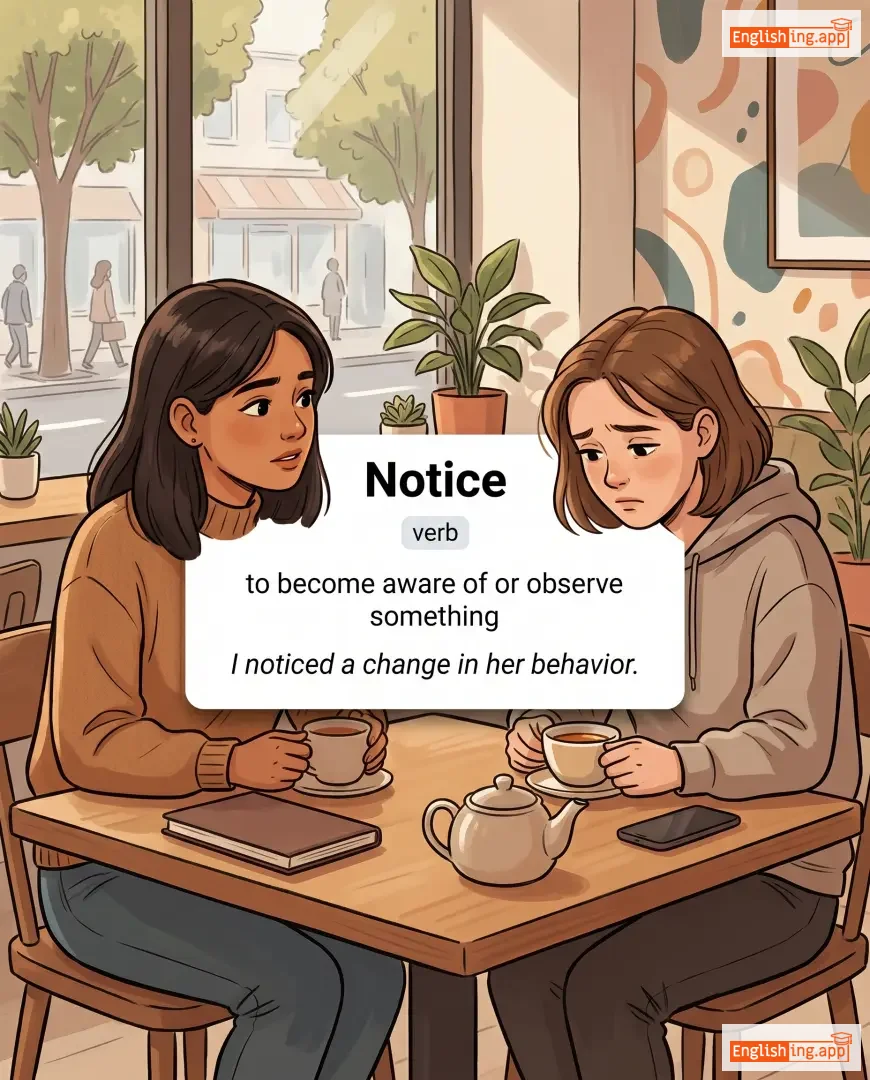
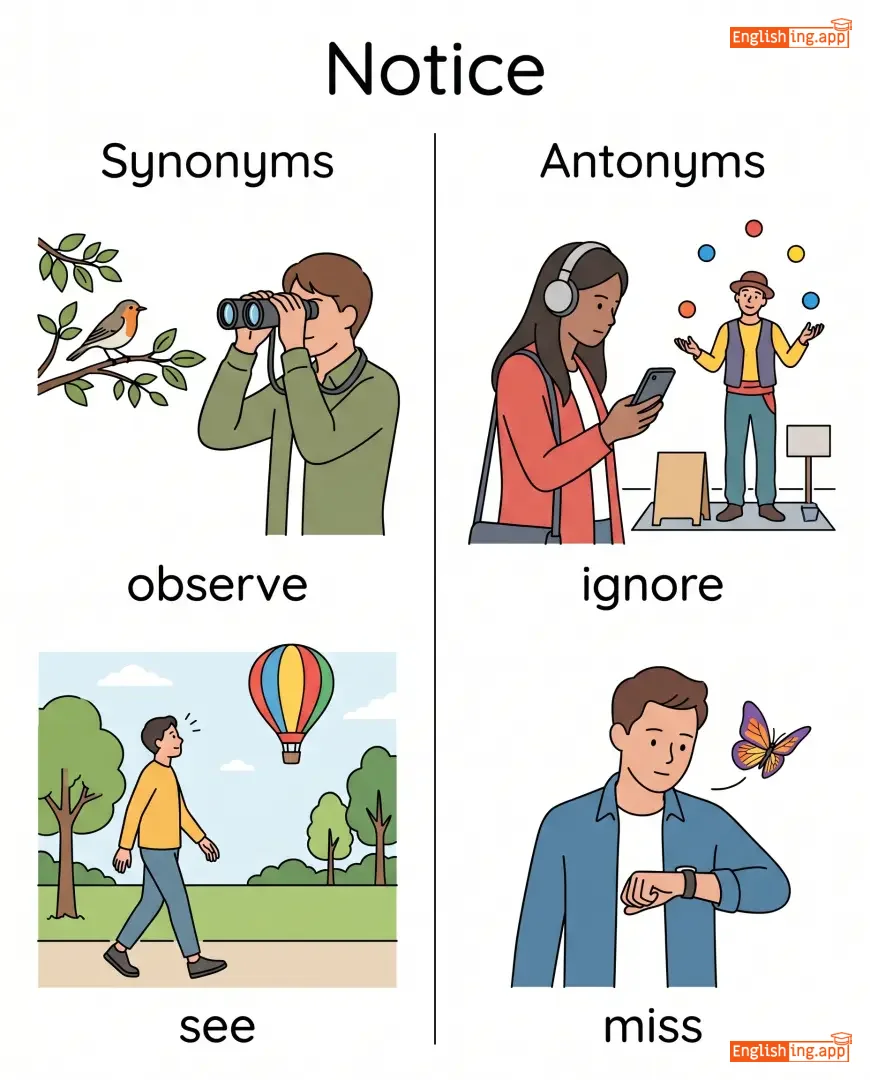
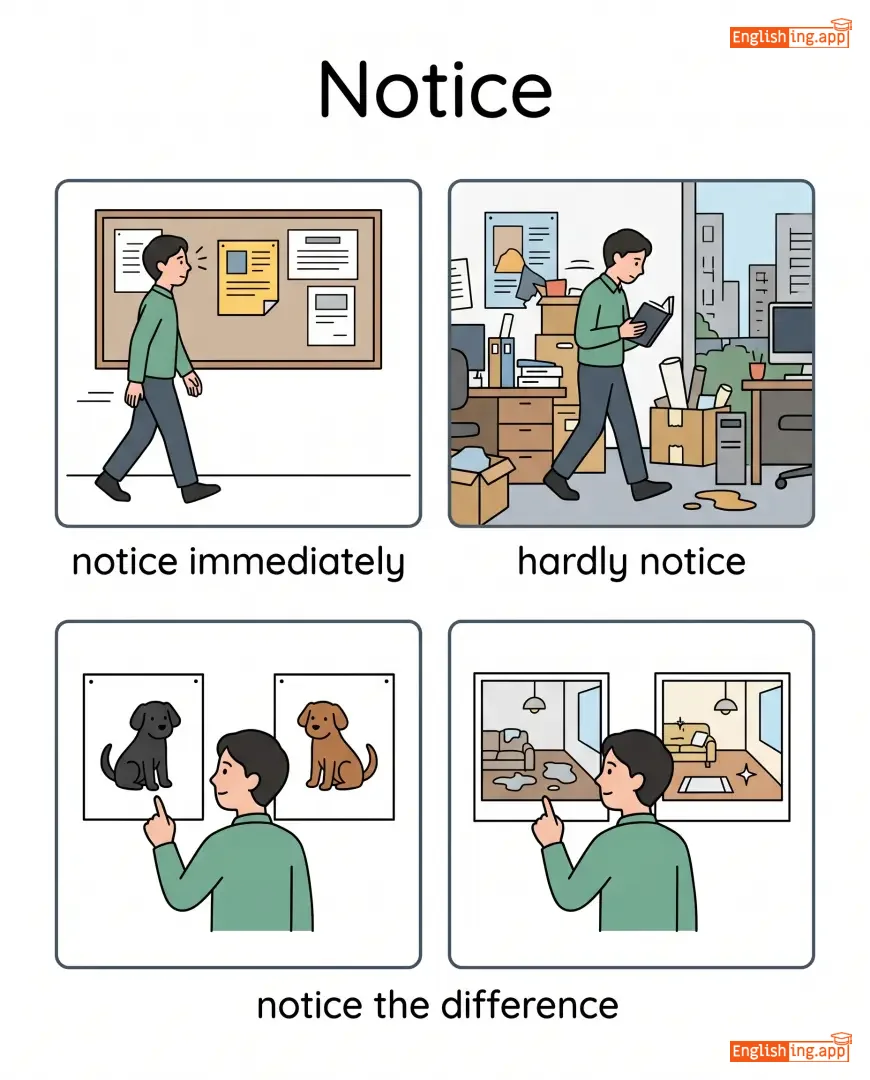
Swipe left or right, or use the buttons. Tap image to zoom.
例文の翻訳
単語
Lesson 47Lesson 47 - マスクトグル
|
絵文字
|
単語 | Images | 翻訳 | 意味 | 例文 | 例文の翻訳 | 同義語 | 対義語 | コロケーション | ニーモニック |
|---|---|---|---|---|---|---|---|---|---|---|
|
#921
🏠
|
/ˈneɪ.bər/
noun
(ネイバー)
••••••
|
- •••••• |
隣人; 近く
rinjin; chikaku
••••••
|
a person who lives near or next to another person
••••••
|
My neighbour is very friendly and helpful.
マイネイバーイズベリーフレンドリーアンドヘルプフル。
••••••
|
私の隣人はとても親切で役に立ちます。
Watashi no rinjin wa totemo shinsetsu de yaku ni tachimasu.
••••••
|
resident, dweller, adjacent person
••••••
|
stranger, distant person
••••••
|
next-door neighbour, good neighbour, noisy neighbour
••••••
|
隣人はいつも近くにいます、まるで親友のように。
••••••
|
|
#922
🔊
|
/nɔɪz/
noun
(noizu)
••••••
|
- •••••• |
騒音
souon
••••••
|
a sound, especially one that is loud or unpleasant
••••••
|
The noise from the construction site was very disturbing.
建設現場からの騒音は非常に迷惑でした。
••••••
|
建設現場からの騒音は非常に迷惑でした。
Kensetsu genba kara no souon wa hijou ni meiwaku deshita.
••••••
|
sound, din, racket, clamor
••••••
|
silence, quiet, peace, stillness
••••••
|
loud noise, background noise, noise pollution
••••••
|
騒音はnoiseと同じように迷惑です。
••••••
|
|
#923
👥
|
/ˈnep.ə.tɪz.əm/
noun
(ネポティズム)
••••••
|
- •••••• |
縁故主義
enkoshugi
••••••
|
the practice of favoring relatives or friends in business or politics
••••••
|
The company was accused of nepotism in its hiring practices.
その会社は採用活動においてネポティズムを行っていると非難された。
••••••
|
その会社は採用活動においてネポティズムを行っていると非難された。
Sono kaisha wa saiyou katsudou ni oite nepotizumu o okonatteiru to hinansareta.
••••••
|
favoritism, bias, partiality, cronyism
••••••
|
merit-based, fairness, impartiality
••••••
|
political nepotism, accused of nepotism, nepotism scandal
••••••
|
縁故主義: 親戚や友人が優先され、他の人が不公平に扱われること。
••••••
|
|
#924
💼
|
/ˌnɑm.əˈni/
noun
(ノミニー)
••••••
|
- •••••• |
ノミネートされた人
nominēto sareta hito
••••••
|
a person who is nominated for an office, award, or honor
••••••
|
She was the nominee for the Best Actress award. |
彼女は最優秀女優賞のノミネートされた人でした。
Kanojo wa sai yūshū joyū shō no nominēto sareta hito deshita.
••••••
|
candidate, contender, designee
••••••
|
disqualified person, rejected candidate
••••••
|
presidential nominee, award nominee, party nominee
••••••
|
ノミネートされた人は大きな賞に選ばれた人です。
••••••
|
|
#925
⚖️
|
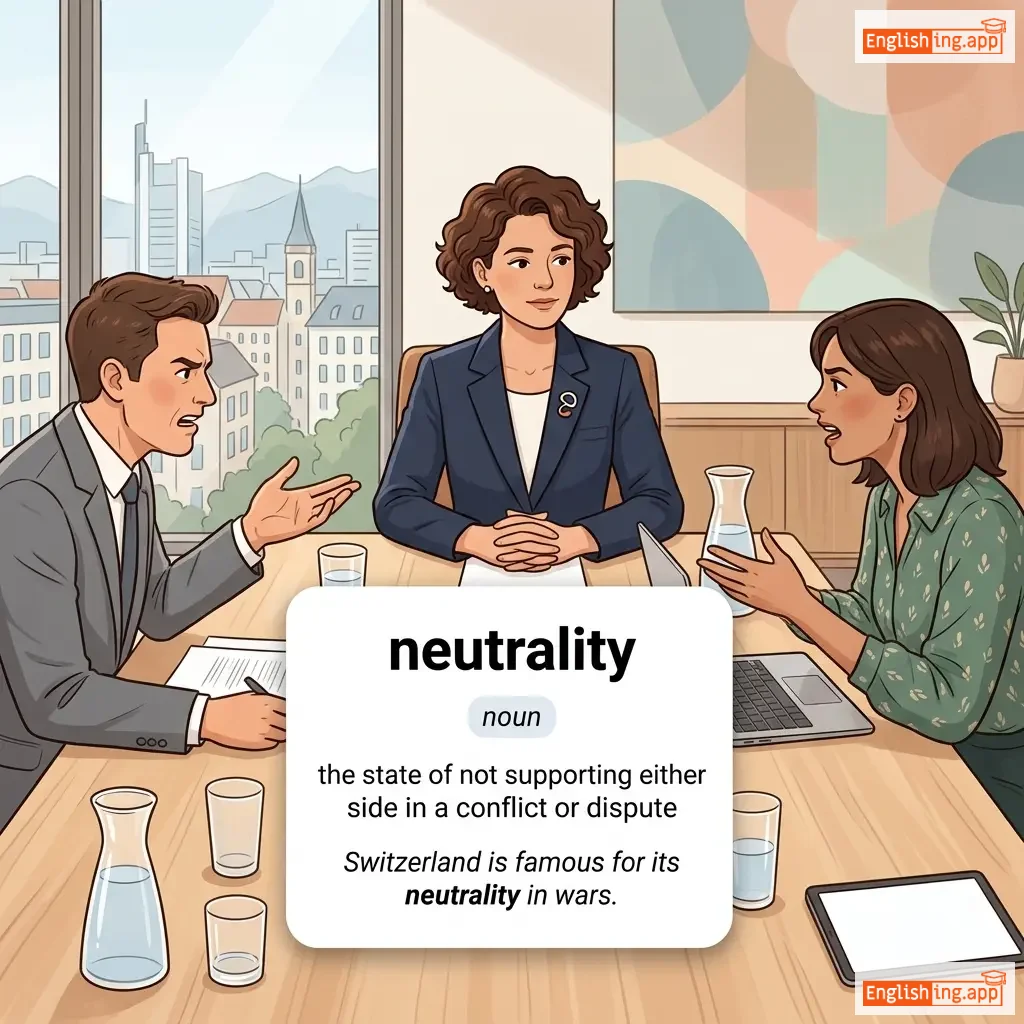
/nuːˈtræl.ə.ti/
noun
(ニュートラリティ)
••••••
|
|
中立
chūritsu
••••••
|
the state of not supporting either side in a conflict or dispute
••••••
|
Switzerland is famous for its neutrality in wars.
スイスは戦争でのニュートラリティで有名です。
••••••
|
スイスは戦争での中立で有名です。
Suisu wa sensō de no chūritsu de yūmei desu.
••••••
|
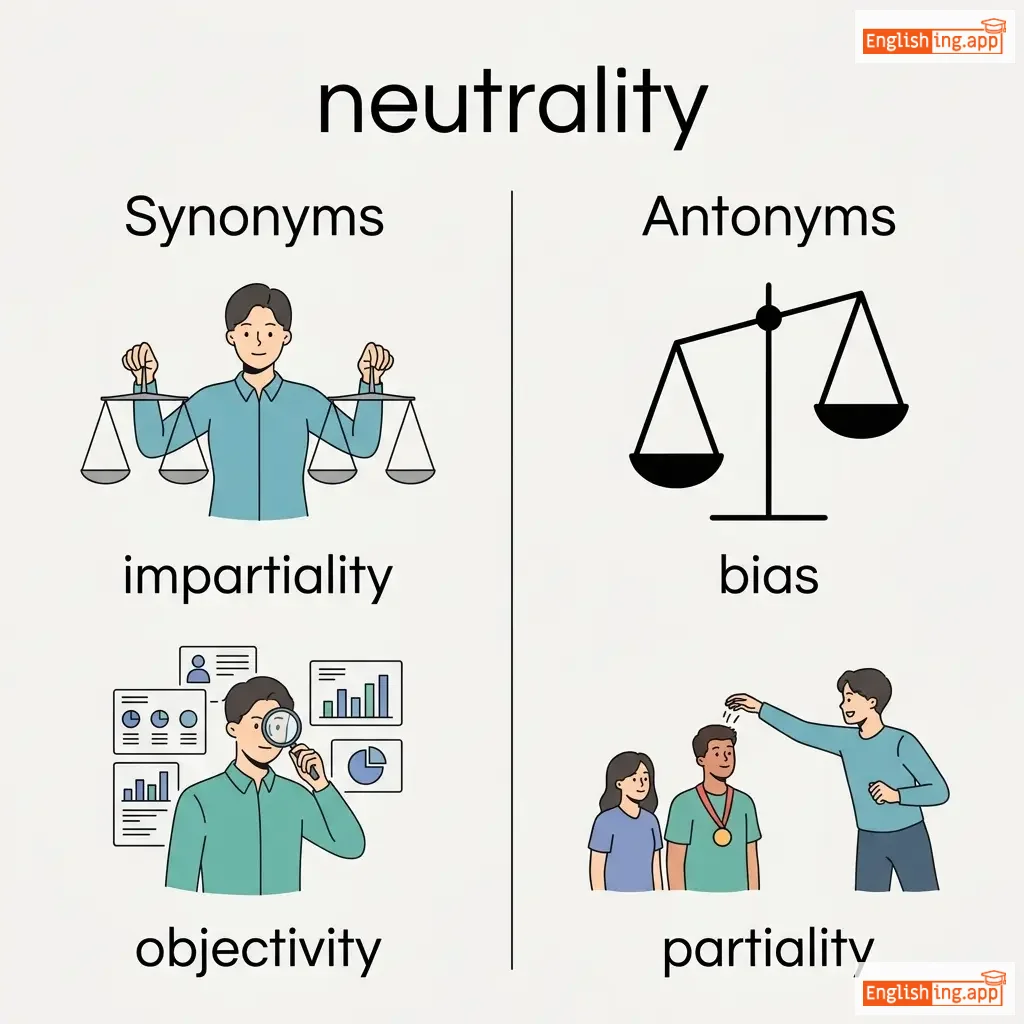
impartiality, objectivity, non-alignment
••••••
|
bias, partiality, involvement, alliance
••••••
|
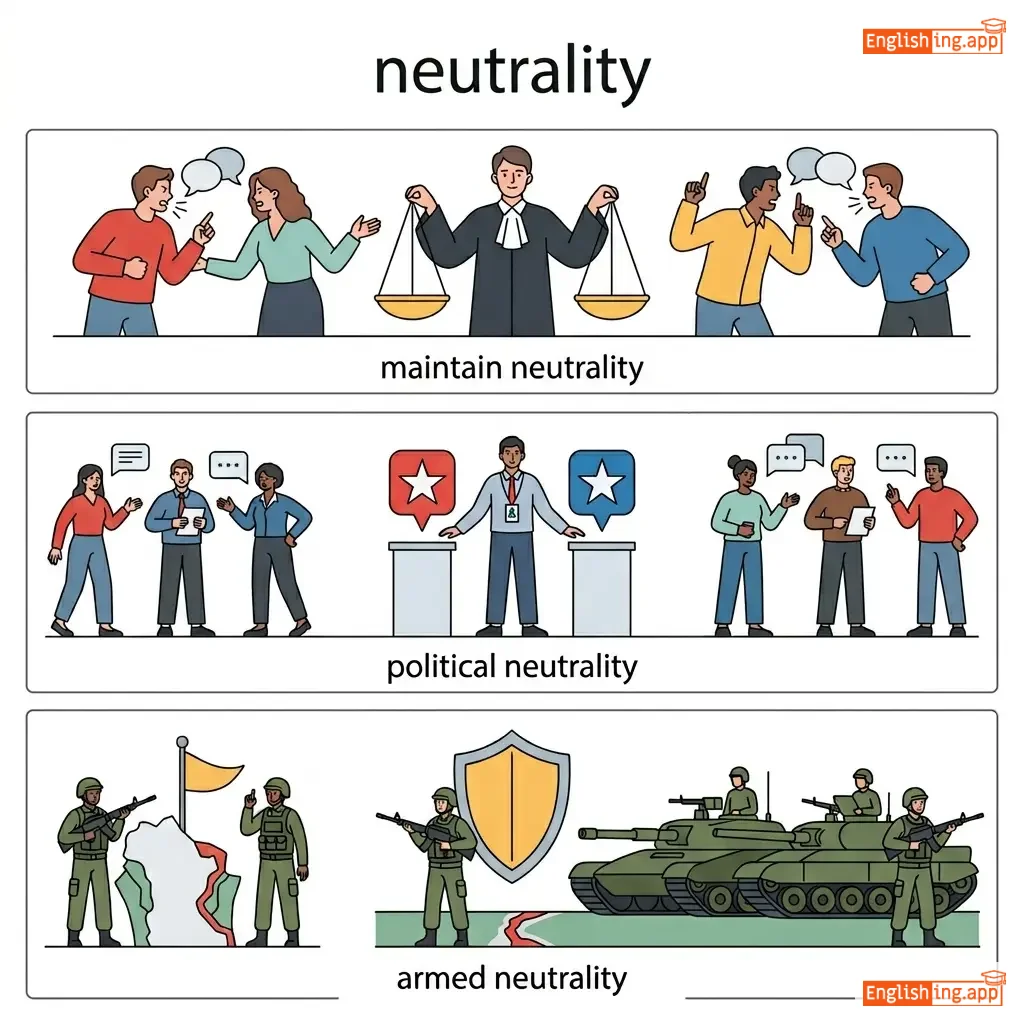
maintain neutrality, political neutrality, armed neutrality
••••••
|
中立 - '中'は真ん中、'立'は立つ意味で、どちらの側にも立たない状態を表します。
••••••
|
|
#926
👶
|
/ˈnɒn.ɪʤ/
noun
(ノネージ)
••••••
|
- •••••• |
未成年
noneeji
••••••
|
the period of being under the legal age of majority; youth or immaturity
••••••
|
During his nonage, all legal decisions were made by his guardian.
彼が未成年であった間、すべての法的決定は保護者によって下された。
••••••
|
彼が未成年であった間、すべての法的決定は保護者によって下された。
Kare ga miseinen deatta aida, subete no houteki kettei wa hogosha ni yotte kudasareta
••••••
|
minority, youth, childhood, immaturity
••••••
|
adulthood, majority, maturity
••••••
|
during nonage, legal nonage, period of nonage
••••••
|
NoAge to Miseinen: imagine a calendar stuck at 未成年, guarded by a guardian
••••••
|
|
#927
👶
|
/ˈnuː.kʌm.ər/
noun
(ニューカマー)
••••••
|
- •••••• |
新参者
shinzan-sha
••••••
|
a person who has recently arrived in a place or joined a group
••••••
|
The newcomer was warmly welcomed by the team.
そのニューカマーはチームによって温かく迎えられました。
••••••
|
その新参者はチームによって温かく迎えられました。
Sono shinzan-sha wa chīmu ni yotte atatakai mukaeraremashita.
••••••
|
new arrival, novice, beginner, fresh face
••••••
|
veteran, old-timer, experienced person
••••••
|
welcome newcomer, help newcomer, newcomer to the area
••••••
|
Shinzan-sha – 新 (new) 参者 (arrived)
••••••
|
|
#928
👻
|
/nɑnˈen.tə.ti/
noun
(ノンエンティティ)
••••••
|
- •••••• |
重要でない人物; 存在しないもの
jūyō denai jinbutsu
••••••
|
a person of no importance or influence; something that does not exist
••••••
|
He felt like a nonentity in the large corporation. |
彼は大企業でノンエンティティのように感じていました。
Kare wa daikigyō de nonentiti no yō ni kanjite imashita.
••••••
|
nobody, insignificant person, zero
••••••
|
somebody, celebrity, important person
••••••
|
political nonentity, complete nonentity, feel like nonentity
••••••
|
ノンエンティティにならないで、影響力を持つ人になろう!
••••••
|
|
#929
🔗
|
/ˈnek.səs/
noun
(ネクサス)
••••••
|
- •••••• |
接続; 結びつき;
setsuzoku; musubitsuki;
••••••
|
a connection or series of connections linking two or more things
••••••
|
There's a clear nexus between education and economic development.
教育と経済発展の間には明確なネクサスがあります。
••••••
|
教育と経済発展の間には明確なネクサスがあります。
Kyouiku to keizai hatten no aida ni wa meikaku na nexus ga arimasu.
••••••
|
connection, link, bond, tie
••••••
|
disconnection, separation, isolation
••••••
|
criminal nexus, nexus between, power nexus
••••••
|
‘ネクサス’は、教育と経済発展のように物事を繋ぐ役割を果たします。
••••••
|
|
#930
🤪
|
/ˈnɑn.sens/
noun
(nonsense)
••••••
|
- •••••• |
ナンセンス
nansensu
••••••
|
words or language that have no meaning; foolish or unacceptable behavior
••••••
|
Stop talking nonsense and be serious! |
ナンセンスなことを言うのはやめて、真剣になりなさい!
Nansensu na koto o iu no wa yamete, shinken ni narinasai!
••••••
|
rubbish, garbage, foolishness, absurdity
••••••
|
sense, logic, reason, wisdom
••••••
|
complete nonsense, utter nonsense, talk nonsense
••••••
|
ナンセンス (Japanese) means nonsense (English)
••••••
|
|
#931
🏷️
|
/ˈnɪk.neɪm/
noun
(ˈnɪkˌneɪm)
••••••
|
- •••••• |
ニックネーム
nikku nēmu
••••••
|
a familiar or humorous name given to a person instead of their real name
••••••
|
His nickname is 'Tiger' because he's so brave. |
彼のニックネームは 'タイガー' です。なぜなら彼はとても勇敢だからです。
kare no nikku nēmu wa 'taigā' desu. nazenara kare wa totemo yūkan dakara desu.
••••••
|
pet name, alias, moniker, sobriquet
••••••
|
real name, formal name, given name
••••••
|
give nickname, earn nickname, childhood nickname
••••••
|
ニックネームは親しい名前、例えば'タイガー'です。
••••••
|
|
#932
⚙️
|
/nuːs/
noun
(ヌース)
••••••
|
- •••••• |
ロープ
rōpu
••••••
|
a loop with a running knot used for hanging; a trap or snare
••••••
|
The cowboy made a noose to catch the wild horse.
カウボーイは野生の馬を捕まえるためにヌースを作りました。
••••••
|
カウボーイは野生の馬を捕まえるためにロープを作りました。
Kaubōi wa yasei no uma o tsukamaeru tame ni rōpu o tsukurimashita.
••••••
|
loop, snare, lasso, trap
••••••
|
freedom, release, escape
••••••
|
tighten noose, escape noose, hang noose
••••••
|
ロープを使ってカウボーイが野生の馬を捕まえる、まるで罠にかけるように。
••••••
|
|
#933
😱
|
/ˈnaɪt.meər/
noun
(ナイトメア)
••••••
|
- •••••• |
悪夢
akumu
••••••
|
a frightening or unpleasant dream; a very unpleasant experience
••••••
|
The exam was a complete nightmare for unprepared students.
試験は準備不足の学生にとって完全な悪夢でした。
••••••
|
試験は準備不足の学生にとって完全な悪夢でした。
shiken wa junbi fusoku no gakusei ni totte kanzen na akumu deshita.
••••••
|
bad dream, horror, ordeal, torment
••••••
|
pleasant dream, good dream, fantasy
••••••
|
recurring nightmare, worst nightmare, living nightmare
••••••
|
悪夢 = Nightmare = 恐怖
••••••
|
|
#934
📊
|
/nɔːrm/
noun
(ノーム)
••••••
|
- •••••• |
規範; 標準; ルール; 伝統
kihan; hyoujun; ruuru; dentou
••••••
|
a standard of behavior; what is typical or expected
••••••
|
Working late has become the norm in this company. |
遅くまで働くことがこの会社の規範になった。
Osokumade hataraku koto ga kono kaisha no kihan ni natta.
••••••
|
standard, rule, convention, practice
••••••
|
exception, deviation, abnormality
••••••
|
social norm, cultural norm, become the norm
••••••
|
遅くまで働くことが規範になると、それが'ノーム'です。
••••••
|
|
#935
✅
|
/nɪl/
noun
(ニル)
••••••
|
- •••••• |
ゼロ; 何もない
zero; nanimo nai
••••••
|
nothing; zero; no amount
••••••
|
His chances of winning were nil after the scandal. |
スキャンダル後、彼の勝つチャンスはゼロになった。
Sukyandaru go, kare no katsu chansu wa zero ni natta.
••••••
|
nothing, zero, none, naught
••••••
|
something, all, everything, many
••••••
|
nil chance, nil result, nil value
••••••
|
ゼロは何もないことを意味します!
••••••
|
|
#936
😢
|
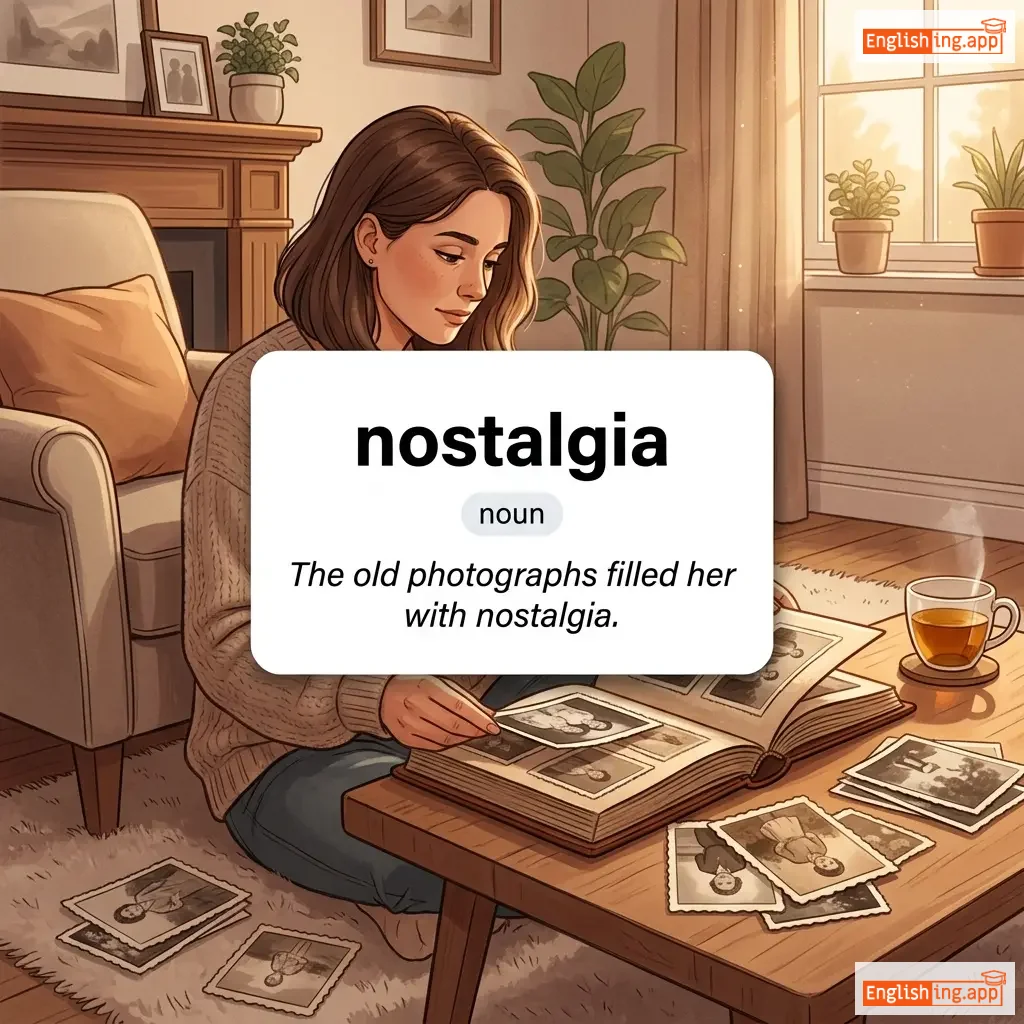
/nəˈstæl.dʒə/
noun
(ノスタルジア)
••••••
|
|
ノスタルジア
nosutarujia
••••••
|
a sentimental longing for the past; wistful affection for a period in the past
••••••
|
Looking at old photos filled her with nostalgia.
古い写真を見て、彼女はノスタルジアを感じた。
••••••
|
古い写真を見て、彼女はノスタルジアを感じた。
Furui shashin o mite, kanojo wa nosutarujia o kanjita.
••••••
|
longing, wistfulness, reminiscence, sentimentality
••••••
|
present focus, future thinking, indifference
••••••
|
wave of nostalgia, childhood nostalgia, feel nostalgia
••••••
|
ノスタルジア = あなたが過去の思い出に浸るとき
••••••
|
|
#937
🥴
|
/ˈnɪn.i/
noun
(ニニー)
••••••
|
- •••••• |
バカ
baka
••••••
|
a silly or foolish person; someone who lacks common sense
••••••
|
Don't be such a ninny, use your brain! |
そんなバカなことをするな、頭を使え!
sonna baka na koto o suru na, atama o tsukae!
••••••
|
fool, idiot, simpleton, dummy
••••••
|
genius, intelligent person, wise person
••••••
|
silly ninny, complete ninny, such a ninny
••••••
|
バカとninnyは日本語と英語で同じ意味です。
••••••
|
|
#938
📝
|
/ˈnoʊ.tɪs/
noun
(ノーティス)
••••••
|
|
通知
tsuuchi
••••••
|
attention to something; a written or printed announcement
••••••
|
The notice on the board announced the school closure.
掲示板の通知が学校の閉鎖を発表しました。
••••••
|
掲示板の通知が学校の閉鎖を発表しました。
Keijiban no tsuuchi ga gakkou no heisa wo happyou shimashita.
••••••
|
announcement, notification, warning, sign
••••••
|
ignorance, oversight, neglect
••••••
|
public notice, advance notice, take notice
••••••
|
通知は掲示板で学校のことを知らせてくれる。
••••••
|
|
#939
👑
|
/noʊˈbɪl.ə.ti/
noun
(ノビリティ)
••••••
|
- •••••• |
高貴さ; 高い階級
kōkisa; takai kaikyū
••••••
|
the quality of being noble in character; people of noble rank
••••••
|
He showed great nobility in forgiving his enemies.
彼は敵を許すことで大きな高貴さを示しました。
••••••
|
彼は敵を許すことで大きな高貴さを示しました。
Kare wa teki o yurusu koto de ōkina kōkisa o shimeshimashita.
••••••
|
honor, dignity, virtue, aristocracy
••••••
|
dishonor, baseness, vulgarity, commoners
••••••
|
true nobility, nobility of character, moral nobility
••••••
|
高貴な人は、敵を許すことでその高貴さを示します。
••••••
|
|
#940
💡
|
/ˈnoʊ.ʃən/
noun
(ノーション)
••••••
|
- •••••• |
概念
gainen
••••••
|
a conception or belief about something; an idea or opinion
••••••
|
She had a strange notion that someone was following her. |
彼女は誰かが彼女を追っているという奇妙な概念を持っていた。
Kanojo wa dareka ga kanojo o otte iru to iu kimyōna gainen o motte ita.
••••••
|
idea, concept, belief, impression
••••••
|
fact, reality, certainty, knowledge
••••••
|
vague notion, strange notion, reject notion
••••••
|
概念 = 使う考え
••••••
|
Vocabulary Quiz
Test your vocabulary by matching words with their translations or meanings.
Login to take the quiz
Comments (0)
Share your thoughts and join the discussion.
Join the discussion by logging in
Login to CommentNo comments yet
Be the first to share your thoughts!