

翻訳
過去
過去分詞
三人称単数
動名詞
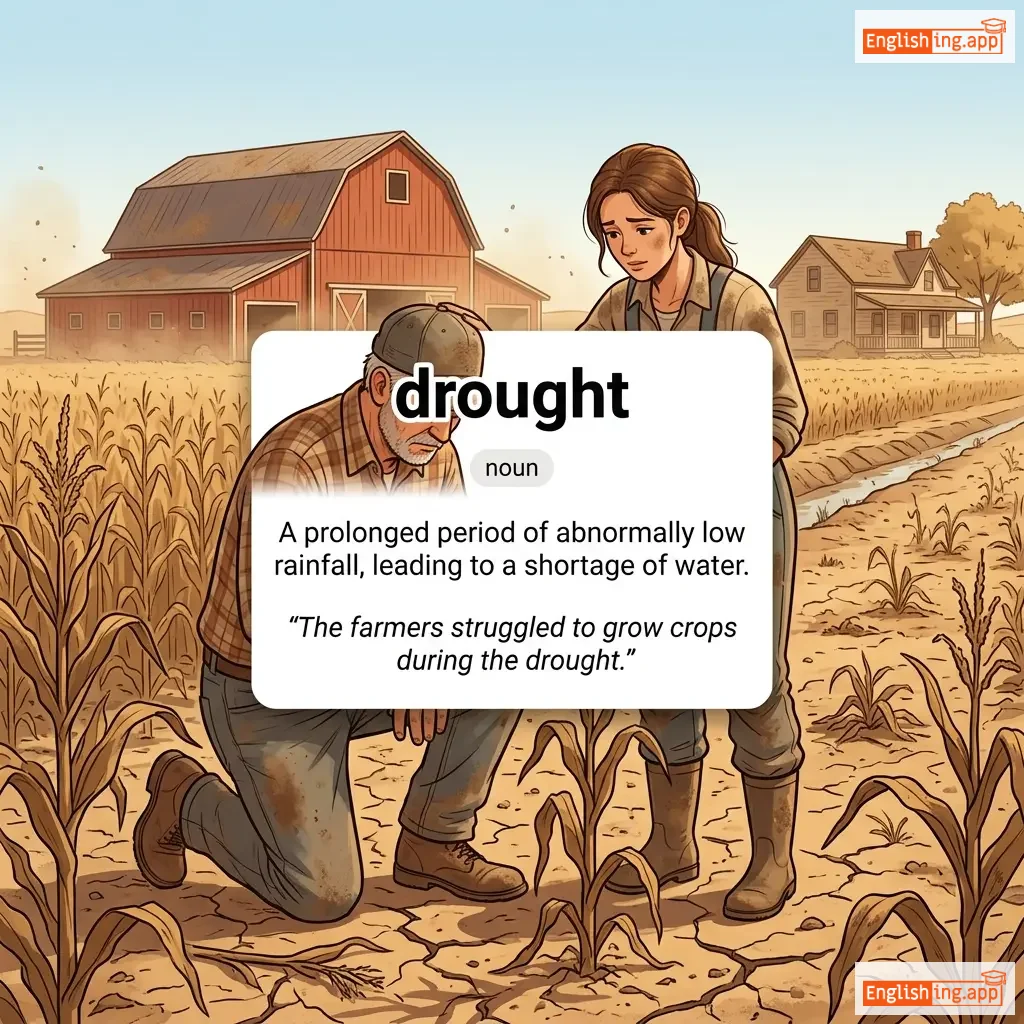
意味
例文
例文の翻訳
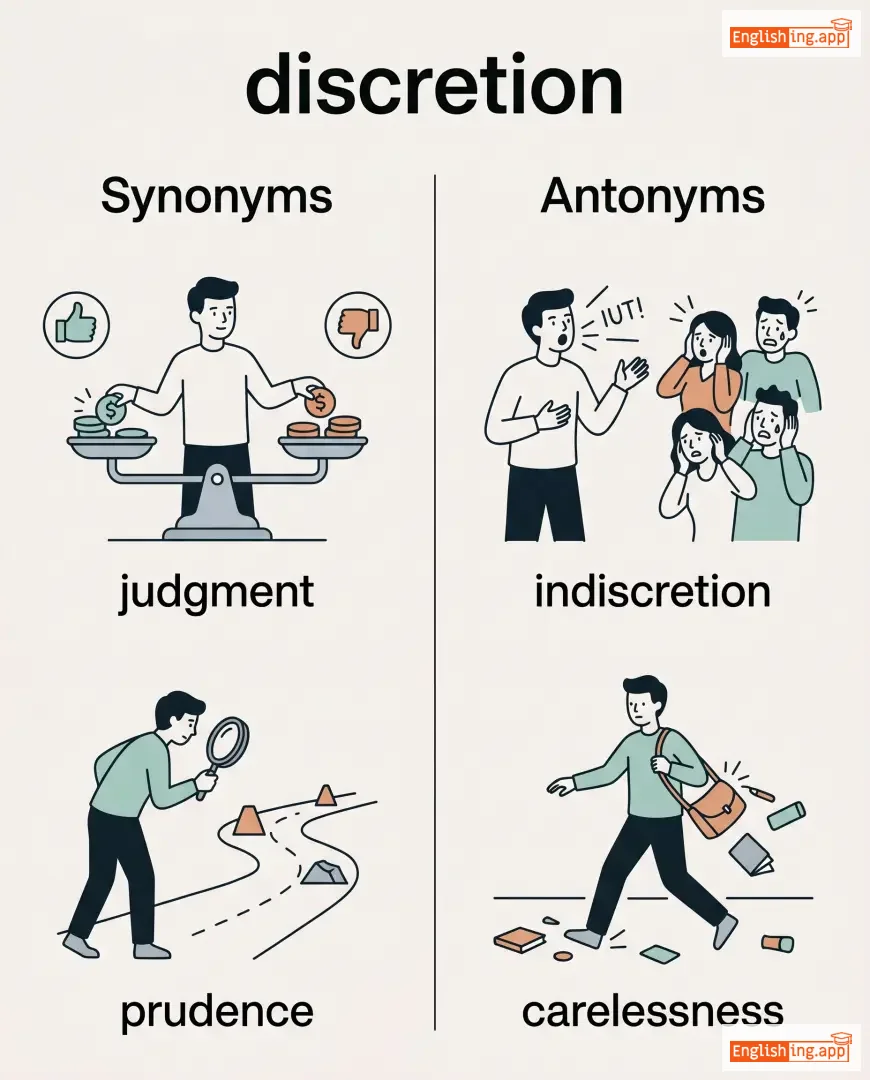
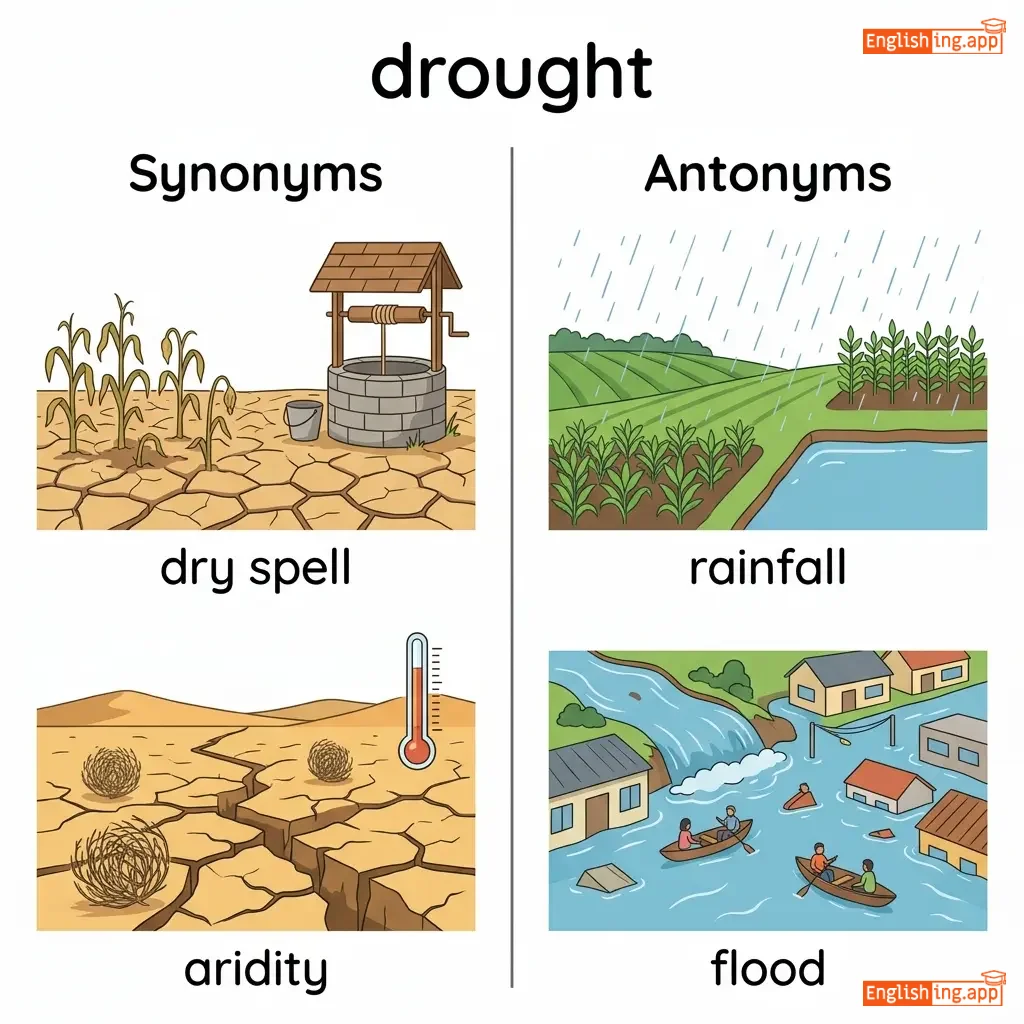
同義語
対義語
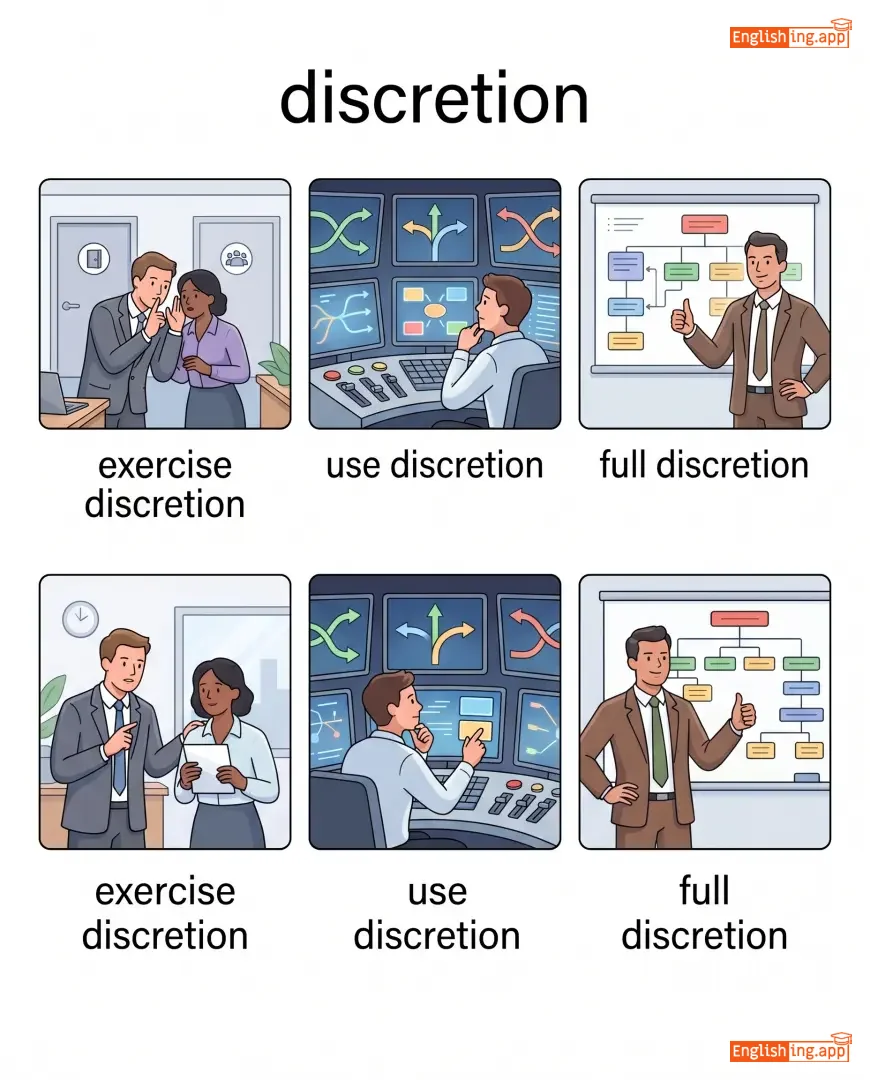
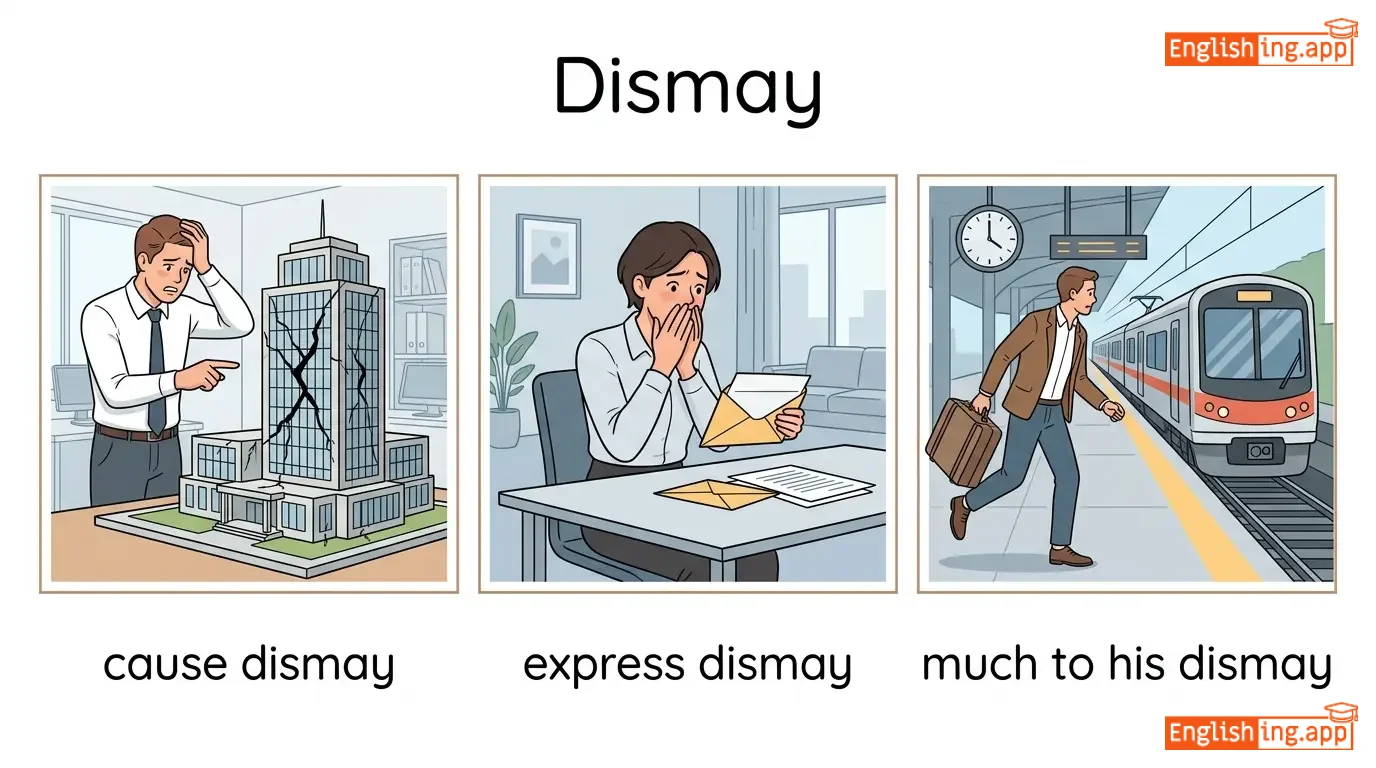
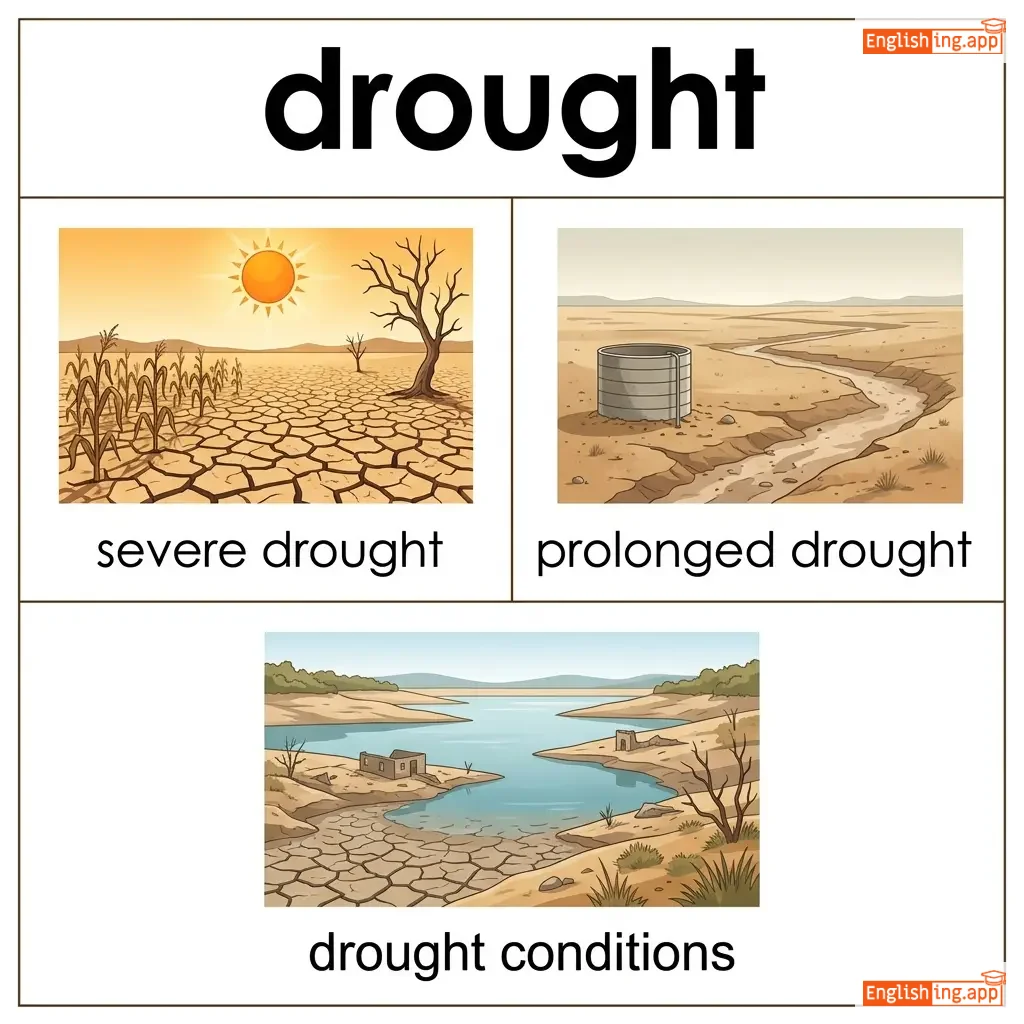
コロケーション
ニーモニック





Swipe left or right, or use the buttons. Tap image to zoom.
例文の翻訳
単語
Lesson 17Lesson 17 - マスクトグル
|
絵文字
|
単語 | Images | 翻訳 | 意味 | 例文 | 例文の翻訳 | 同義語 | 対義語 | コロケーション | ニーモニック |
|---|---|---|---|---|---|---|---|---|---|---|
|
#321
🤐
|
/dɪˈskreʃ.ən/
noun
(ディスクリション)
••••••
|
|
慎重
shinchou
••••••
|
the quality of behaving or speaking in such a way as to avoid causing offense; the freedom to decide what should be done
••••••
|
The matter requires discretion and should not be discussed publicly. |
この問題は慎重に扱う必要があり、公開で議論すべきではありません。
kono mondai wa shinchou ni atsukau hitsuyou ga ari, koukai de giron subeki dewa arimasen.
••••••
|
prudence, judgment, tact, caution
••••••
|
indiscretion, recklessness, carelessness, tactlessness
••••••
|
use discretion, exercise discretion, at your discretion
••••••
|
慎重 = 大切な決定をするために気を使う
••••••
|
|
#322
🚧
|
/daɪˈvɜː.ʃən/
noun
(ダイヴァージョン)
••••••
|
- •••••• |
迂回
ukai
••••••
|
the action of turning something aside from its course; an activity that diverts the mind
••••••
|
The road closure forced a diversion through the countryside for all travelers. |
道路の閉鎖により、すべての旅行者は田舎道を通って迂回することを余儀なくされました。
Douro no heisa ni yori, subete no ryokousha wa inakamichi wo tootte ukai suru koto wo yoginaku saremashita.
••••••
|
detour, distraction, entertainment, redirection
••••••
|
direct route, main path, concentration, focus
••••••
|
traffic diversion, create diversion, temporary diversion
••••••
|
No •••••• |
|
#323
⚖️
|
/dɪˌskrɪm.ɪˈneɪ.ʃən/
noun
(ディスクリミネーション)
••••••
|
- •••••• |
差別; 不公平な扱い; 偏見
sabetsu, fukohei na atsukai, henken
••••••
|
the unjust or prejudicial treatment of different categories of people; recognition of difference
••••••
|
The company was sued for racial discrimination in their hiring practices. |
その企業は採用における人種差別で訴えられました。
Sono kigyou wa saiyou ni okeru jinshu sabetsu de uttae raremashita.
••••••
|
prejudice, bias, unfairness, intolerance
••••••
|
equality, fairness, tolerance, impartiality
••••••
|
racial discrimination, gender discrimination, prevent discrimination
••••••
|
差別は人々を分断し、平等の精神を損なう。
••••••
|
|
#324
💝
|
/doʊˈneɪ.ʃən/
noun
(ドネーション)
••••••
|
- •••••• |
寄付; 貢献
kifu, kōken
••••••
|
something that is given to a charity, especially a sum of money; the act of giving
••••••
|
The generous donation helped the hospital purchase new medical equipment.
寛大な寄付が病院に新しい医療機器を購入するのに役立ちました。
••••••
|
寛大な寄付が病院に新しい医療機器を購入するのに役立ちました。
Kandaina kifu ga byōin ni atarashī iryō kiki o kōnyū suru no ni yakudachimashita.
••••••
|
gift, contribution, offering, charity
••••••
|
taking, receiving, withholding, keeping
••••••
|
charitable donation, blood donation, make donation
••••••
|
In Japanese, 'donation' is '寄付', similar to donating money to a cause.
••••••
|
|
#325
😳
|
/dɪsˈɡreɪs/
noun
(disgreisu)
••••••
|
- •••••• |
恥辱; 不名誉; 恥ずかしい
chijoku, bumiyou, hazukashii
••••••
|
loss of reputation or respect as the result of a dishonorable action; a shameful situation
••••••
|
His arrest brought disgrace upon his entire family and reputation. |
彼の逮捕は彼の家族全体と評判に恥辱をもたらした。
Kare no taiho wa kare no kazoku zentai to hyouban ni chijoku o motarashita.
••••••
|
shame, dishonor, humiliation, scandal
••••••
|
honor, respect, dignity, glory
••••••
|
public disgrace, bring disgrace, fall into disgrace
••••••
|
恥辱 (chijoku) sounds like disgrace (disgrace).
••••••
|
|
#326
💀
|
/ˈduːmz.deɪ/
noun
(ドゥームズデイ)
••••••
|
- •••••• |
世界の終わり; 最後の審判の日
sekai no owari; saigo no shinpan no hi
••••••
|
the last day of the world's existence; a time of catastrophic destruction
••••••
|
The preacher spoke about doomsday and the importance of preparing spiritually. |
伝道師は世界の終わりと霊的な準備の重要性について話しました。
Dendōshi wa sekai no owari to reiteki na junbi no jūyō-sei ni tsuite hanashimashita.
••••••
|
judgment day, apocalypse, end times, armageddon
••••••
|
beginning, creation, genesis, birth
••••••
|
doomsday scenario, doomsday prophecy, doomsday clock
••••••
|
Doomsdayの'日' (hi)は運命の日だ
••••••
|
|
#327
🎭
|
/dɪsˈɡaɪz/
noun
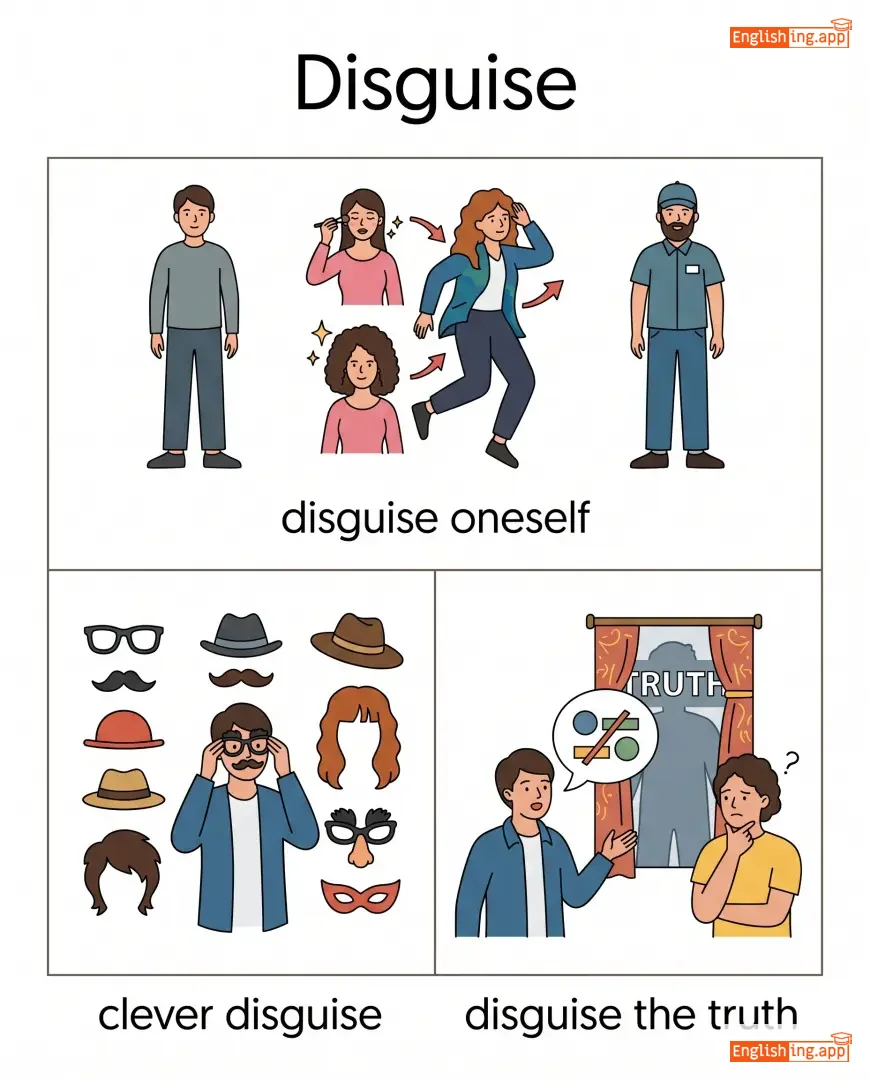
(ディスガイズ)
••••••
|
|
変装; 偽装
hensō, gisō
••••••
|
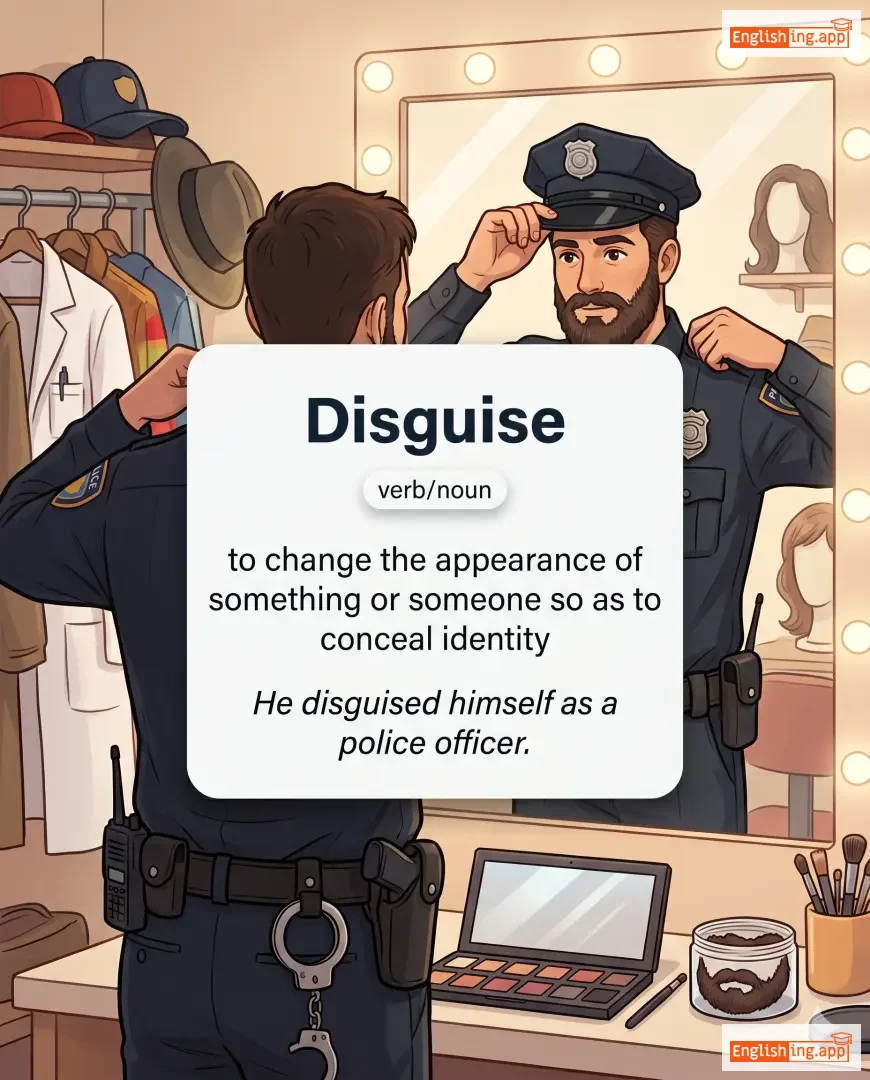
a means of altering one's appearance to conceal one's identity; something that hides the truth
••••••
|
The spy wore an elaborate disguise to avoid being recognized by enemies. |
スパイは敵に認識されないように精巧な変装をしていた。
Supai wa teki ni ninshiki sarenai yō ni seikō na hensō o shite ita.
••••••
|
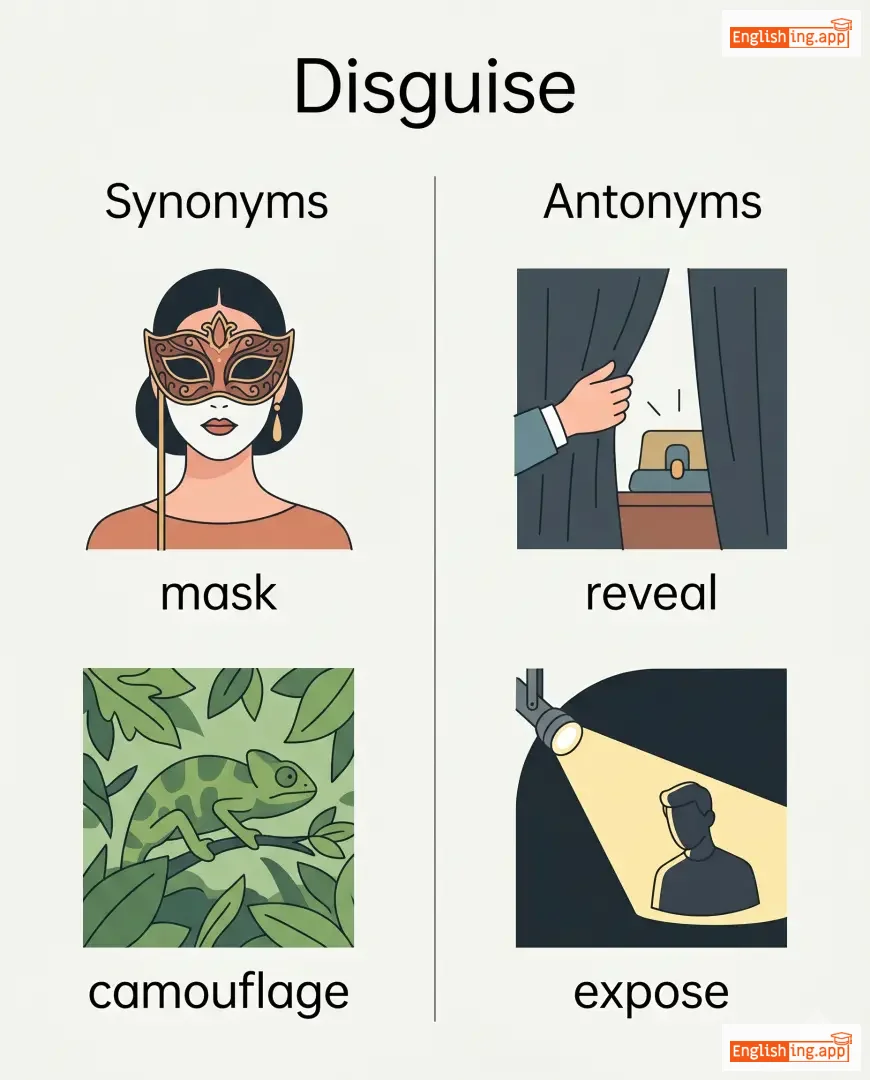
mask, camouflage, cover, costume
••••••
|
revelation, exposure, disclosure, identification
••••••
|
perfect disguise, in disguise, see through disguise
••••••
|
Disguise is like pretending to be someone else.
••••••
|
|
#328
🤔
|
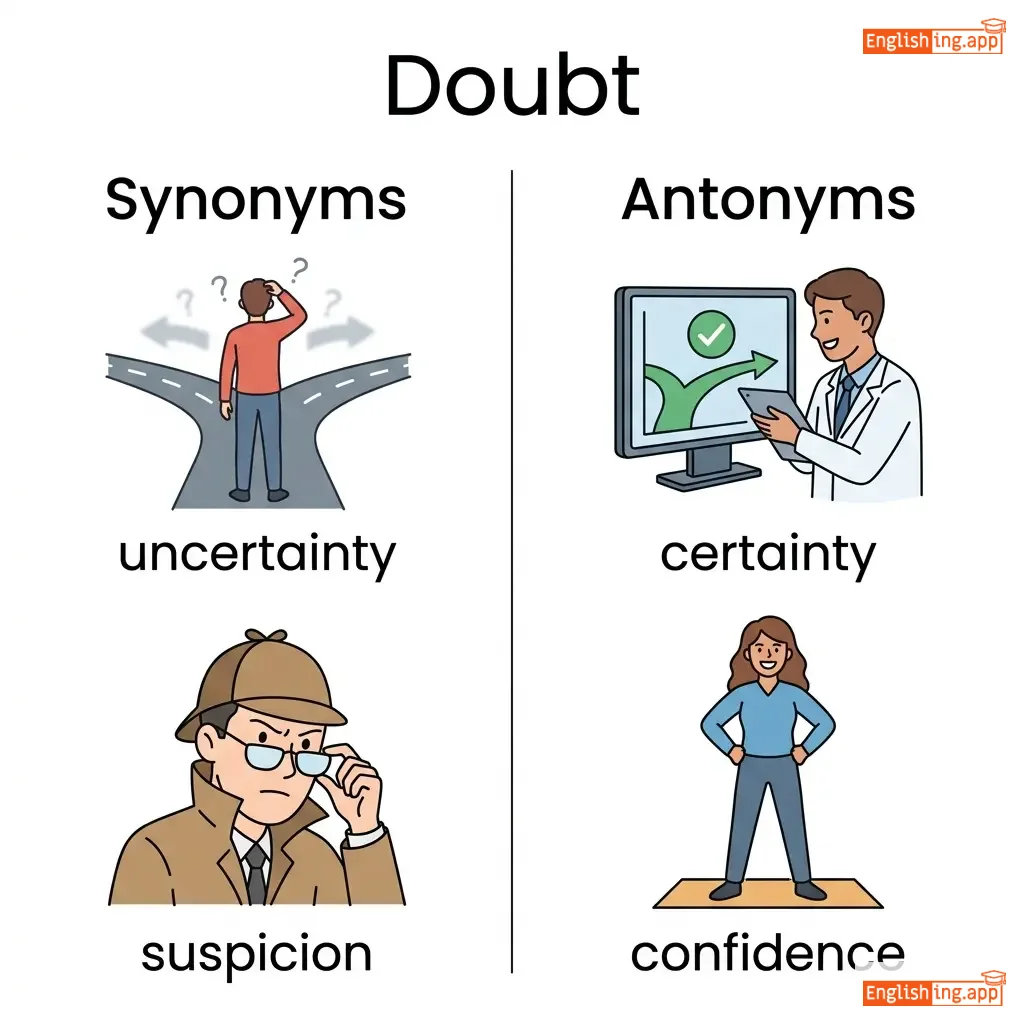
/daʊt/
noun
(dauto)
••••••
|
|
疑い; 不信; 疑念
utagai, fushin, ginen
••••••
|
a feeling of uncertainty or lack of conviction; distrust or suspicion
••••••
|
There was no doubt in her mind that she had made the right decision. |
彼女は自分が正しい決断を下したことに疑いを持っていなかった。
kanojo wa jibun ga tadashii ketsudan o kudashita koto ni utagai o motte inakatta.
••••••
|
uncertainty, skepticism, mistrust, suspicion
••••••
|
certainty, confidence, trust, belief
••••••
|
without doubt, cast doubt, beyond doubt
••••••
|
Doubt in Japanese sounds like '疑い,' which represents the hesitation or uncertainty in your mind.
••••••
|
|
#329
🤢
|
/dɪsˈɡʌst/
noun
(ディスガスト)
••••••
|
- •••••• |
嫌悪
ken'o
••••••
|
a feeling of revulsion or strong disapproval aroused by something unpleasant
••••••
|
She expressed her disgust at the politician's corrupt behavior openly. |
彼女は政治家の腐敗行為に対する嫌悪を公然と表現しました。
Kanojo wa seijika no fuhai kōi ni taisuru ken'o o kōzen to hyōgen shimashita.
••••••
|
revulsion, repugnance, distaste, loathing
••••••
|
delight, pleasure, admiration, approval
••••••
|
utter disgust, express disgust, fill with disgust
••••••
|
嫌悪は、嫌なものを見た時に自然に感じるものです。
••••••
|
|
#330
📉
|
/ˈdaʊn.fɔːl/
noun
(ダウンフォール)
••••••
|
- •••••• |
没落; 失敗; 崩壊
botsuraku, shippai, hōkai
••••••
|
a loss of power, prosperity, or status; the cause of such a loss
••••••
|
His arrogance and pride led to his eventual downfall in business.
彼の傲慢と誇りは、ビジネスにおける彼の最終的な失墜を招いた。
••••••
|
彼の傲慢と誇りは、ビジネスにおける彼の最終的な失墜を招いた。
Kare no gōman to hokori wa, bijinesu ni okeru kare no saishū-tekina shītsui o manekita.
••••••
|
collapse, ruin, destruction, fall
••••••
|
rise, success, triumph, ascent
••••••
|
sudden downfall, political downfall, lead to downfall
••••••
|
Downfall: 傲慢と誇りが引き起こす没落と失敗。
••••••
|
|
#331
💔
|
/dɪsˈɒn.ər/
noun
(ディスオナー)
••••••
|
- •••••• |
不名誉
fumeiyo
••••••
|
a state of shame or disgrace; lack of honor or integrity; failure to fulfill obligations
••••••
|
Breaking his promise brought dishonour to his name and family legacy. |
約束を破ったことが彼の名前と家族の遺産に不名誉をもたらした。
Yakusoku wo yabutta koto ga kare no namae to kazoku no isan ni fumeiyo wo motarashita.
••••••
|
disgrace, shame, discredit, infamy
••••••
|
honor, respect, dignity, integrity
••••••
|
bring dishonour, family dishonour, dishonour one's name
••••••
|
Dishonour in Japanese is '不名誉', linking dishonor with a disgraceful act.
••••••
|
|
#332
🌧️
|
/ˈdaʊn.pɔːr/
noun
(ダウンポア)
••••••
|
- •••••• |
豪雨; 急な大雨
gōu; kyūna ōame
••••••
|
a heavy fall of rain; a sudden heavy rainfall
••••••
|
The sudden downpour caught everyone off guard and soaked the outdoor event.
ザ・サドン・ダウンポア・コート・エヴリワン・オフ・ガード・アンド・ソークド・ザ・アウトドア・イベント。
••••••
|
突然の豪雨でみんなが驚き、屋外イベントはずぶ濡れになった。
Totsuzen no gōu de minna ga odoroki, okugai ibento wa zubunure ni natta.
••••••
|
deluge, torrent, cloudburst, shower
••••••
|
drizzle, drought, clear sky, sunshine
••••••
|
heavy downpour, sudden downpour, tropical downpour
••••••
|
Imagine a downpour as an unexpected rain that soaks an outdoor event and surprises everyone.
••••••
|
|
#333
😰
|
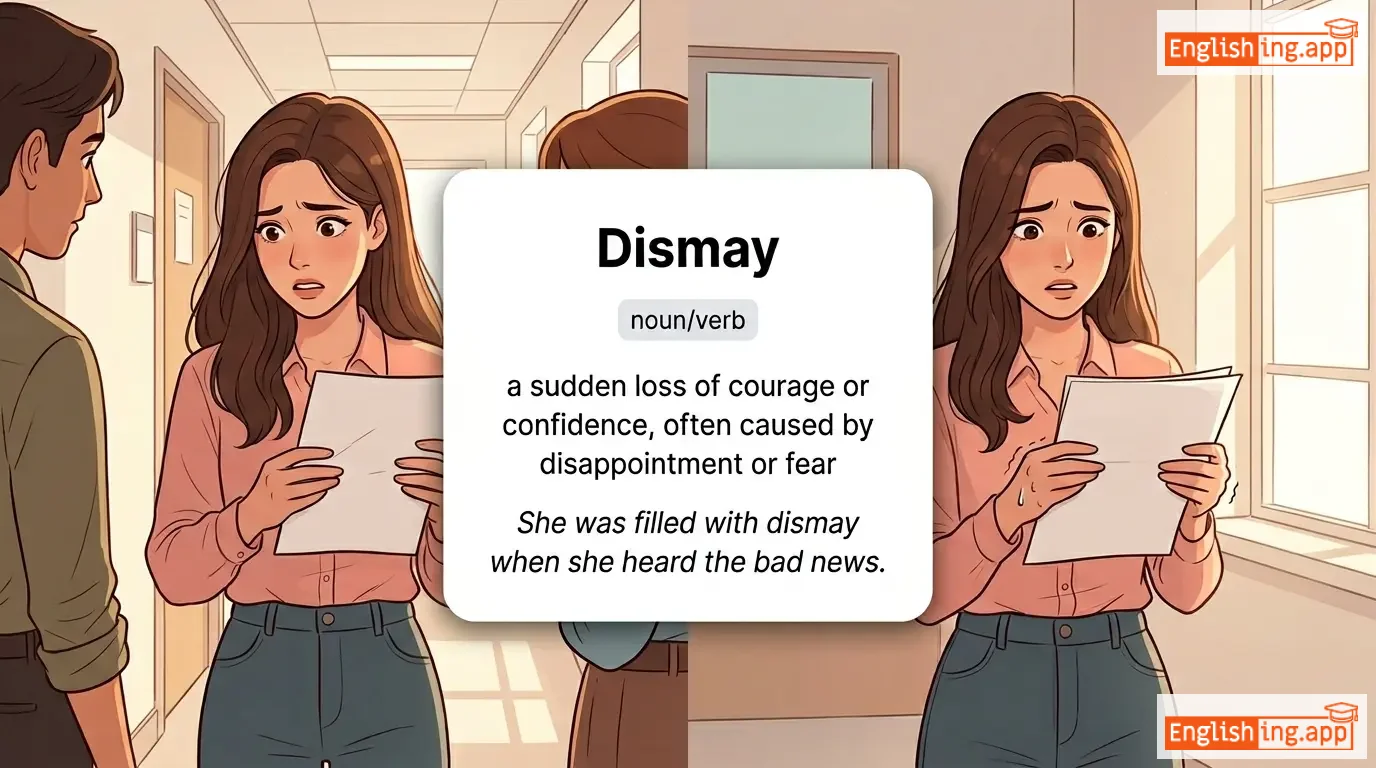
/dɪsˈmeɪ/
noun
(ディスメイ)
••••••
|
|
失望; 驚き
shitsubou; odoroki
••••••
|
concern and distress caused by something unexpected; consternation or alarm
••••••
|
To our dismay, the concert was cancelled due to severe weather conditions. |
私たちの失望の中、コンサートは悪天候のためキャンセルされました。
Watashitachi no shitsubou no naka, konsaato wa akutenkou no tame kyansuru saremashita.
••••••
|
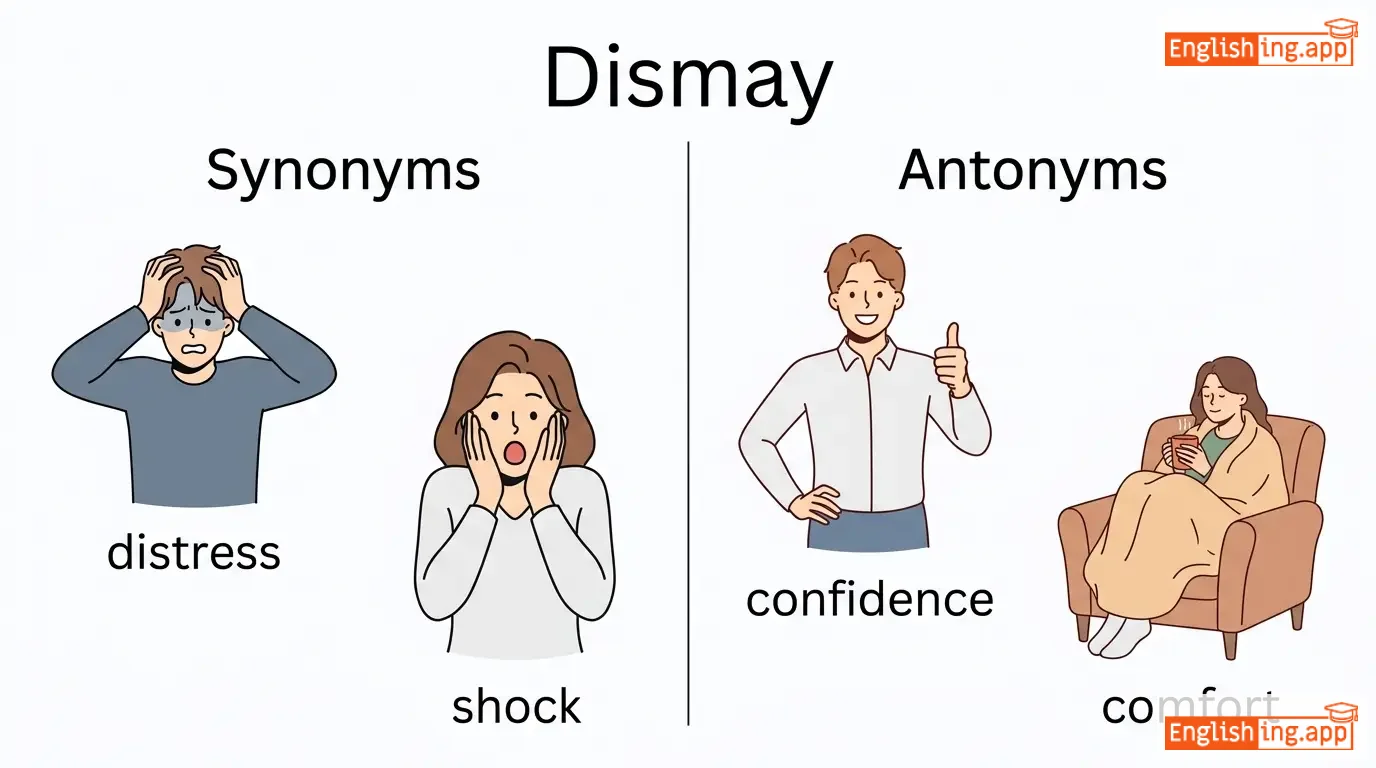
alarm, concern, distress, consternation
••••••
|
relief, comfort, reassurance, delight
••••••
|
much to dismay, express dismay, cause dismay
••••••
|
No •••••• |
|
#334
⚠️
|
/ˈdrɔː.bæk/
noun
(ドロバック)
••••••
|
- •••••• |
欠点; 不利な点; 問題
ketten, furi na ten, mondai
••••••
|
a feature that renders something less acceptable; a disadvantage or problem
••••••
|
The main drawback of living in the city is the high cost of housing. |
都市での生活の主な欠点は高い住宅費です。
Toshi de no seikatsu no omona ketten wa takai jūtaku-hi desu.
••••••
|
disadvantage, hindrance, obstacle, limitation
••••••
|
advantage, benefit, asset, strength
••••••
|
major drawback, serious drawback, main drawback
••••••
|
欠点は街で生活する時の大きな問題点です。
••••••
|
|
#335
📏
|
/ˈdɪs.təns/
noun
(ディスタンス)
••••••
|
- •••••• |
距離
kyori
••••••
|
the length of space between two points; remoteness in place, time, or relationship
••••••
|
The distance between the two cities is approximately three hundred kilometers. |
2つの都市間の距離は約300キロメートルです。
Futatsu no toshikan no kyori wa yaku 300 kiromētoru desu.
••••••
|
space, gap, interval, remoteness
••••••
|
closeness, proximity, nearness, adjacency
••••••
|
long distance, short distance, keep distance
••••••
|
The Japanese word '距離' (kyori) closely resembles the word 'distance', helping you remember it.
••••••
|
|
#336
🌦️
|
/ˈdrɪz.əl/
noun
(ドリズル)
••••••
|
- •••••• |
小雨
kosame
••••••
|
light rain falling in very fine drops; a very light rainfall
••••••
|
The gentle drizzle continued throughout the morning, making everything misty. |
穏やかな小雨は朝の間中続き、すべてが霧のようになりました。
Odayakana kosame wa asa no kanjū tsuzuki, subete ga kiri no yō ni narimashita.
••••••
|
mist, sprinkle, light rain, fine rain
••••••
|
downpour, storm, heavy rain, deluge
••••••
|
light drizzle, continuous drizzle, morning drizzle
••••••
|
小雨は、まるで霧のように静かに降り続けます。
••••••
|
|
#337
🏆
|
/dɪˈstɪŋk.ʃən/
noun
(dɪˈstɪŋkʃən)
••••••
|
- •••••• |
卓越; 優秀; 名誉
taketsu, yūshū, meiyo
••••••
|
a difference or contrast between similar things; excellence that sets someone apart; honor or recognition
••••••
|
She graduated with distinction, earning the highest honors in her class.
彼女は優秀な成績で卒業し、クラスで最も高い栄誉を得ました。
••••••
|
彼女は優秀な成績で卒業し、クラスで最も高い栄誉を得ました。
Kanojo wa yūshū na seiseki de sotsugyō shi, kurasu de mottomo takai eiyo wo emashita.
••••••
|
excellence, honor, recognition, difference
••••••
|
mediocrity, sameness, similarity, ordinariness
••••••
|
earn distinction, with distinction, academic distinction
••••••
|
日本語で '卓越' や '名誉' を連想して、成績や能力が他の人を際立たせる様子を想像してください。
••••••
|
|
#338
🏜️
|
/draʊt/
noun
(ドロウト)
••••••
|
|
干ばつ; 水不足
kanbatsu, mizubusoku
••••••
|
a prolonged period of abnormally low rainfall; a shortage of water
••••••
|
The severe drought lasted for months, destroying crops and affecting agriculture.
The severe drought lasted for months, destroying crops and affecting agriculture.
••••••
|
深刻な干ばつは数ヶ月続き、作物を壊し、農業に影響を与えました。
Shinkoku na kanbatsu wa suukagetsu tsuzuki, sakumotsu o kowashi, nougyou ni eikyou o ataemashita.
••••••
|
dry spell, aridity, water shortage, dryness
••••••
|
flood, rainfall, abundance, moisture
••••••
|
severe drought, prolonged drought, drought conditions
••••••
|
干ばつ – 想像してみて、雨がまったく降らない状態
••••••
|
|
#339
📢
|
/dɪˈstɜː.bəns/
noun
(ディスターブンス)
••••••
|
- •••••• |
騒乱; 邪魔; 不安
souran; jama; fuan
••••••
|
the interruption of a settled and peaceful condition; anxiety or mental uneasiness
••••••
|
The loud music created a disturbance that bothered all the neighbors. |
大きな音楽は、すべての隣人を困らせた騒乱を引き起こしました。
Ooki na ongaku wa, subete no rinjin wo komarase ta souran wo hikiokoshimashita.
••••••
|
disruption, commotion, disorder, interruption
••••••
|
peace, calm, order, tranquility
••••••
|
cause disturbance, public disturbance, noise disturbance
••••••
|
In Japanese, 'souran' means 'causing chaos', just like disturbance!
••••••
|
|
#340
🛡️
|
/ˌdʊr.əˈbɪl.ə.ti/
noun
(デュラビリティ)
••••••
|
|
耐久性
taikyū-sei
••••••
|
the ability to withstand wear, pressure, or damage; lasting quality
••••••
|
The durability of the new smartphone impressed customers with its resistance. |
新しいスマートフォンの耐久性は、その耐性で顧客を驚かせました。
Atarashī sumātofon no taikyū-sei wa, sono taisei de kokyaku o odorokasemashita.
••••••
|
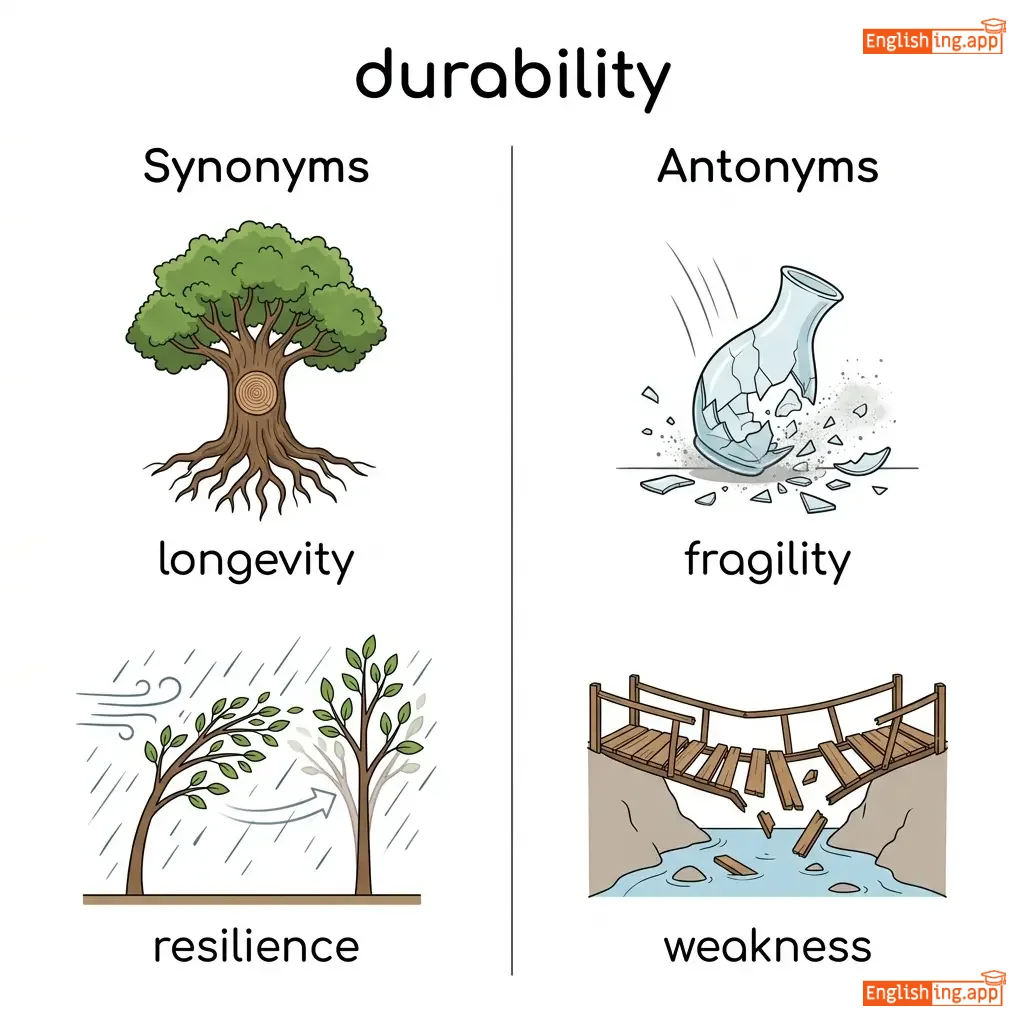
longevity, resilience, strength, endurance
••••••
|
fragility, weakness, brittleness, impermanence
••••••
|
product durability, test durability, improve durability
••••••
|
Durability - 'T' は '耐久' に由来し、 'S' は 'スマートフォン' の頭文字
••••••
|
Vocabulary Quiz
Test your vocabulary by matching words with their translations or meanings.
Login to take the quiz
Comments (0)
Share your thoughts and join the discussion.
Join the discussion by logging in
Login to CommentNo comments yet
Be the first to share your thoughts!