

翻訳
過去
過去分詞
三人称単数
動名詞
意味
例文
例文の翻訳
同義語
対義語
コロケーション
ニーモニック
Swipe left or right, or use the buttons. Tap image to zoom.
例文の翻訳
単語
Lesson 27Lesson 27 - マスクトグル
|
絵文字
|
単語 | Images | 翻訳 | 意味 | 例文 | 例文の翻訳 | 同義語 | 対義語 | コロケーション | ニーモニック |
|---|---|---|---|---|---|---|---|---|---|---|
|
#521
👁️
|
/ɡlɪmps/
noun
(グリンプス)
••••••
|
- •••••• |
一瞥;
ichihen
••••••
|
a momentary or partial view; a brief look or sight of something
••••••
|
Through the window, I caught a glimpse of the beautiful garden behind the house. |
窓を通して、家の後ろにある美しい庭の一瞥を見ました。
Mado o tōshite, ie no ushiro ni aru utsukushī niwa no ichihen o mimashita.
••••••
|
glance, peek, sight, view
••••••
|
long look, scrutiny, examination, stare
••••••
|
catch glimpse, brief glimpse, fleeting glimpse
••••••
|
In Japanese, '一瞥' (ichihen) means a brief glance, linking to 'glimpse'.
••••••
|
|
#522
🌱
|
/ɡræft/
noun
(グラフト)
••••••
|
- •••••• |
接ぎ木; 政治腐敗
tsugiki, seiji fuhai
••••••
|
a shoot or twig inserted into a slit on the trunk of a living tree to form a new growth; corruption in politics or business
••••••
|
The gardener used a graft to combine different varieties of apple trees. |
庭師は異なる種類のリンゴの木を組み合わせるために接ぎ木を使用しました。
Niwashi wa kotonaru shurui no ringo no ki o kumiawaseru tame ni tsugiki o shiyō shimashita.
••••••
|
transplant, implant, corruption, bribery
••••••
|
honesty, integrity, natural growth, original
••••••
|
skin graft, political graft, graft corruption
••••••
|
接ぎ木 (grafting) grows new branches, while腐敗 (fuhai) leads to decay in politics.
••••••
|
|
#523
🌍
|
/ɡloʊb/
noun
(グローブ)
••••••
|
- •••••• |
球形の物体;地球;地球の球形モデル
kyūkei no buttai; chikyū; chikyū no kyūkei moderu
••••••
|
a spherical or rounded object; the earth; a spherical model of the earth
••••••
|
The teacher used a globe to show the students the locations of different countries. |
先生は地球儀を使って、学生たちに異なる国々の位置を示しました。
Sensei wa chikyūgi o tsukatte, gakusei-tachi ni kotonaru kuniguni no ichi o shimeshimashita.
••••••
|
sphere, ball, orb, world
••••••
|
cube, flat surface, square, triangle
••••••
|
snow globe, globe theatre, around globe
••••••
|
地球儀は地球の形をしたモデルです。
••••••
|
|
#524
🌾
|
/ɡreɪn/
noun
(グレイン)
••••••
|
- •••••• |
穀物
kokumotsu
••••••
|
wheat or any other cultivated cereal crop used as food; a single seed of a cereal
••••••
|
The farmer stored large quantities of grain in the barn after the harvest. |
農家は収穫後、大量の穀物を納屋に保管しました。
Nōka wa shūkaku go, tairyo no kokumotsu o naya ni hokan shimashita.
••••••
|
cereal, seed, kernel, crop
••••••
|
chaff, husk, waste, inedible part
••••••
|
grain storage, whole grain, grain harvest
••••••
|
穀物は収穫して食料になる、例えば小麦のように。
••••••
|
|
#525
😔
|
/ɡluːm/
noun
(グルーム)
••••••
|
- •••••• |
暗闇; 悲しみ; 憂鬱
kurayami, kanashimi, yuuutsu
••••••
|
partial or total darkness; a state of dejection or despondency
••••••
|
The thick clouds cast a gloom over the valley, making everything appear dark and dreary.
厚い雲が谷間に暗闇を投げかけ、すべてが暗くて陰気に見えました。
••••••
|
厚い雲が谷間に暗闇を投げかけ、すべてが暗くて陰気に見えました。
Atsui kumo ga tanima ni kurayami wo nagekake, subete ga kurakute inki ni miemashita.
••••••
|
darkness, sadness, depression, melancholy
••••••
|
brightness, joy, happiness, cheerfulness
••••••
|
deep gloom, cast gloom, gloom and doom
••••••
|
Gloom, 暗い雲のように重くて陰気な感じ。
••••••
|
|
#526
🙏
|
/ˈɡreɪt.fəl.nəs/
noun
(グレートフルネス)
••••••
|
- •••••• |
感謝
kansha
••••••
|
the quality of being thankful; readiness to show appreciation for kindness
••••••
|
She expressed her gratefulness to the doctors who saved her life.
彼女は彼女の命を救ってくれた医師たちに感謝の気持ちを表現しました。
••••••
|
彼女は彼女の命を救ってくれた医師たちに感謝の気持ちを表現しました。
kanojo wa kanojo no inochi o sukunatte kureta ishi-tachi ni kansha no kimochi o hyōgen shimashita.
••••••
|
gratitude, thankfulness, appreciation, acknowledgment
••••••
|
ingratitude, unthankfulness, resentment, bitterness
••••••
|
express gratefulness, deep gratefulness, show gratefulness
••••••
|
Japanese '感謝' (kansha) represents the same sentiment of thankfulness found in 'gratefulness.'
••••••
|
|
#527
👑
|
/ˈɡlɔː.ri/
noun
(グローリー)
••••••
|
- •••••• |
栄光; 名誉; 光輝
eikou, meiyo, kouki
••••••
|
magnificent beauty or splendor; praise, honor, and distinction; a state of absolute happiness
••••••
|
The athlete basked in the glory of winning the Olympic gold medal. |
アスリートはオリンピック金メダルを取った栄光に浸った。
Asurīto wa orinpikku kin medaru o totta eikou ni shitatta.
••••••
|
honor, fame, triumph, magnificence
••••••
|
shame, disgrace, defeat, humiliation
••••••
|
moment of glory, glory days, past glory
••••••
|
Glory = 栄光 in Japanese – Glory awaits all who succeed!
••••••
|
|
#528
⚰️
|
/ɡreɪv/
noun
(gu rēvu)
••••••
|
- •••••• |
墓
haka
••••••
|
a hole dug in the ground to receive a coffin; a place of burial; serious or solemn
••••••
|
The family visited the grave of their beloved grandfather every Sunday. |
家族は毎週日曜日に愛する祖父の墓を訪れていました。
Kazoku wa maishuu nichiyoubi ni aisuru sofu no haka o otozurete imashita.
••••••
|
tomb, burial site, sepulcher, serious
••••••
|
birth, life, trivial, lighthearted
••••••
|
dig grave, grave situation, grave concern
••••••
|
Grave means 墓 in Japanese, think of 'haka' as a place of solemnity.
••••••
|
|
#529
✨
|
/ɡlɔːs/
noun
(グロス)
••••••
|
- •••••• |
光沢のあるまたは磨かれた表面; リップグロス
kōtaku no aru matawa migakareta hyōmen; rippu gurosu
••••••
|
a shiny or lustrous surface finish; a superficially attractive appearance; lip gloss
••••••
|
She applied a clear gloss to her lips to give them a shiny, healthy appearance.
彼女は唇に透明なグロスを塗って、健康的で輝く外観を与えました。
••••••
|
彼女は唇に透明なグロスを塗って、健康的で輝く外観を与えました。
Kanojo wa kuchibiru ni tōmei na gurosu o nutte, ken-kō-teki de kagayaku gaiken o ataemashita.
••••••
|
shine, luster, polish, finish
••••••
|
dullness, matte finish, roughness, tarnish
••••••
|
lip gloss, hair gloss, high gloss
••••••
|
グロスは輝きを与えます、リップグロスは唇を美しくします!
••••••
|
|
#530
🪦
|
/ˈɡreɪv.jɑːrd/
noun
(グレイブヤード)
••••••
|
- •••••• |
墓地
bochi
••••••
|
an area of land set aside for burial of the dead; a cemetery
••••••
|
The old graveyard near the church dates back to the 18th century. |
教会近くの古い墓地は18世紀にさかのぼります。
Kyōkai chikaku no furui bochi wa 18 seiki ni sakanoborimasu.
••••••
|
cemetery, burial ground, necropolis, churchyard
••••••
|
birthplace, nursery, playground, living space
••••••
|
old graveyard, church graveyard, graveyard shift
••••••
|
墓地 = 安息の場所
••••••
|
|
#531
📖
|
/ˈɡlɒs.ər.i/
noun
(グロッサリー)
••••••
|
- •••••• |
用語集
yōgoshū
••••••
|
an alphabetical list of terms in a particular domain of knowledge with explanations; a brief dictionary
••••••
|
The textbook includes a helpful glossary at the end to define technical terms. |
教科書の最後には技術的な用語を定義するための役立つ用語集があります。
Kyōkasho no saigo ni wa gijutsuteki na yōgo o teigi suru tame no yakudatsu yōgoshū ga arimasu.
••••••
|
dictionary, vocabulary, lexicon, wordlist
••••••
|
main text, body content, narrative, story
••••••
|
technical glossary, medical glossary, glossary terms
••••••
|
用語集は技術的な用語を理解するための便利な辞書のようなものです。
••••••
|
|
#532
💰
|
/ɡriːd/
noun
(guriido)
••••••
|
- •••••• |
貪欲
tanyoku
••••••
|
intense and selfish desire for something, especially wealth, power, or food
••••••
|
His greed for money led him to make unethical business decisions.
His greed for money led him to make unethical business decisions.
••••••
|
お金に対する貪欲は、彼に非倫理的なビジネス判断をさせた。
Okane ni taisuru tanyoku wa, kare ni hinri teki na bijinesu handan o saseta.
••••••
|
avarice, cupidity, covetousness, rapacity
••••••
|
generosity, selflessness, contentment, moderation
••••••
|
corporate greed, greed for power, overcome greed
••••••
|
貪欲は英語でgreedです。
••••••
|
|
#533
🧴
|
/ɡluː/
noun
(グルー)
••••••
|
- •••••• |
接着剤
setchaku-zai
••••••
|
a sticky substance used for sticking objects or materials together; an adhesive
••••••
|
The children used white glue to attach the colorful paper pieces to their art project. |
子供たちは、色とりどりの紙片をアートプロジェクトに貼り付けるために白い接着剤を使いました。
Kodomotachi wa, iro toridori no shihen o āto purojekuto ni haritsukeru tame ni shiroi setchaku-zai o tsukaimashita.
••••••
|
adhesive, paste, cement, bond
••••••
|
solvent, separator, divider, detacher
••••••
|
wood glue, super glue, glue stick
••••••
|
接着剤は物をくっつける、接着剤で紙片もくっつく。
••••••
|
|
#534
😢
|
/ɡriːf/
noun
(グリーフ)
••••••
|
- •••••• |
深い悲しみ; 哀しみ
fukai kanashimi, kanashimi
••••••
|
deep sorrow, especially that caused by someone's death; trouble or suffering
••••••
|
The family was overwhelmed with grief after losing their beloved pet. |
家族は愛するペットを失った後、深い悲しみに包まれていました。
Kazoku wa aisuru petto o ushinatta ato, fukai kanashimi ni tsutsumarete imashita.
••••••
|
sorrow, anguish, sadness, mourning
••••••
|
joy, happiness, elation, celebration
••••••
|
overcome grief, deep grief, grief counseling
••••••
|
Think of 'grief' as '深い悲しみ' (deep sadness) in Japanese – overwhelming sorrow from loss.
••••••
|
|
#535
🍽️
|
/ˈɡlʌt.ən/
noun
(グラットン)
••••••
|
- •••••• |
大食い
ōgui
••••••
|
a person who regularly eats or drinks more than is necessary; someone who has an excessive appetite
••••••
|
He was known as a glutton who could finish three large pizzas in one sitting. |
彼は一度に三枚の大きなピザを食べきることができる大食いとして知られていました。
Kare wa ichido ni san-mai no ōkina piza o tabekiru koto ga dekiru ōgui toshite shirarete imashita.
••••••
|
overeater, gourmand, epicure, big eater
••••••
|
dieter, abstainer, moderate eater, ascetic
••••••
|
glutton for punishment, food glutton, work glutton
••••••
|
大食いは決して満足しない
••••••
|
|
#536
✊
|
/ɡrɪp/
noun
(グリップ)
••••••
|
- •••••• |
しっかりした握り; 握る力; ハンドルまたはグリップの位置
shikkari shita nigiri; nigiru chikara; handoru matawa gurippu no ichi
••••••
|
a firm hold or grasp; the power of holding something firmly; a handle or handhold
••••••
|
The rock climber lost his grip and fell several feet before the safety rope caught him. |
ロッククライマーはグリップを失い、安全ロープが彼を捕える前に数フィート落ちた。
Rokkukuraimā wa gurippu o ushinai, anzen rōpu ga kare o toraeru mae ni sū fīto ochita.
••••••
|
hold, grasp, clasp, handle
••••••
|
release, let go, slip, loose hold
••••••
|
firm grip, lose grip, get grip
••••••
|
しっかり握って離すな!
••••••
|
|
#537
🎯
|
/ɡoʊl/
noun
(ゴール)
••••••
|
- •••••• |
目標; 目的地;
mokuhyou, mokutekichi
••••••
|
the object of a person's ambition or effort; an aim or desired result; a point scored in sports
••••••
|
Her goal is to become a doctor and help people in underserved communities. |
彼女の目標は医者になり、支援が不足している地域の人々を助けることです。
kanojo no mokuhyou wa isha ni nari, shien ga fusoku shite iru chiiki no hitobito o tasukeru koto desu.
••••••
|
objective, target, aim, purpose
••••••
|
starting point, beginning, origin, aimlessness
••••••
|
life goal, career goal, achieve goal
••••••
|
ゴール = 目標, 例: 医者になる目標
••••••
|
|
#538
👮
|
/ɡɑːrd/
noun
(ガード)
••••••
|
|
警備員; ガード
keibiin; gādo
••••••
|
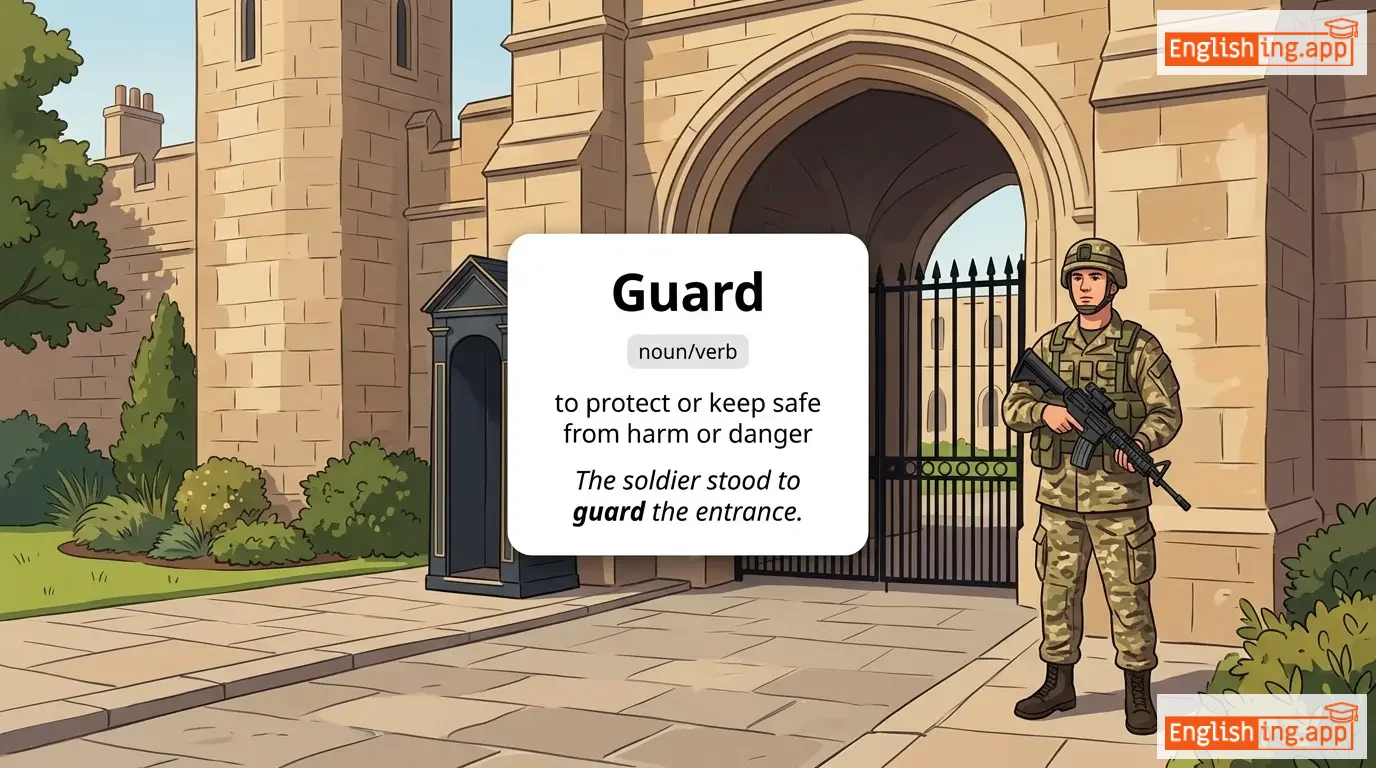
a person who keeps watch, especially a soldier or police officer; a device worn or fitted to prevent injury
••••••
|
The security guard checked everyone's identification before allowing entry to the building. |
セキュリティガードは、ビルに入る前に全員のIDを確認しました。
Sekyuriti gādo wa, biru ni hairu mae ni zen'in no ID o kakunin shimashita.
••••••
|
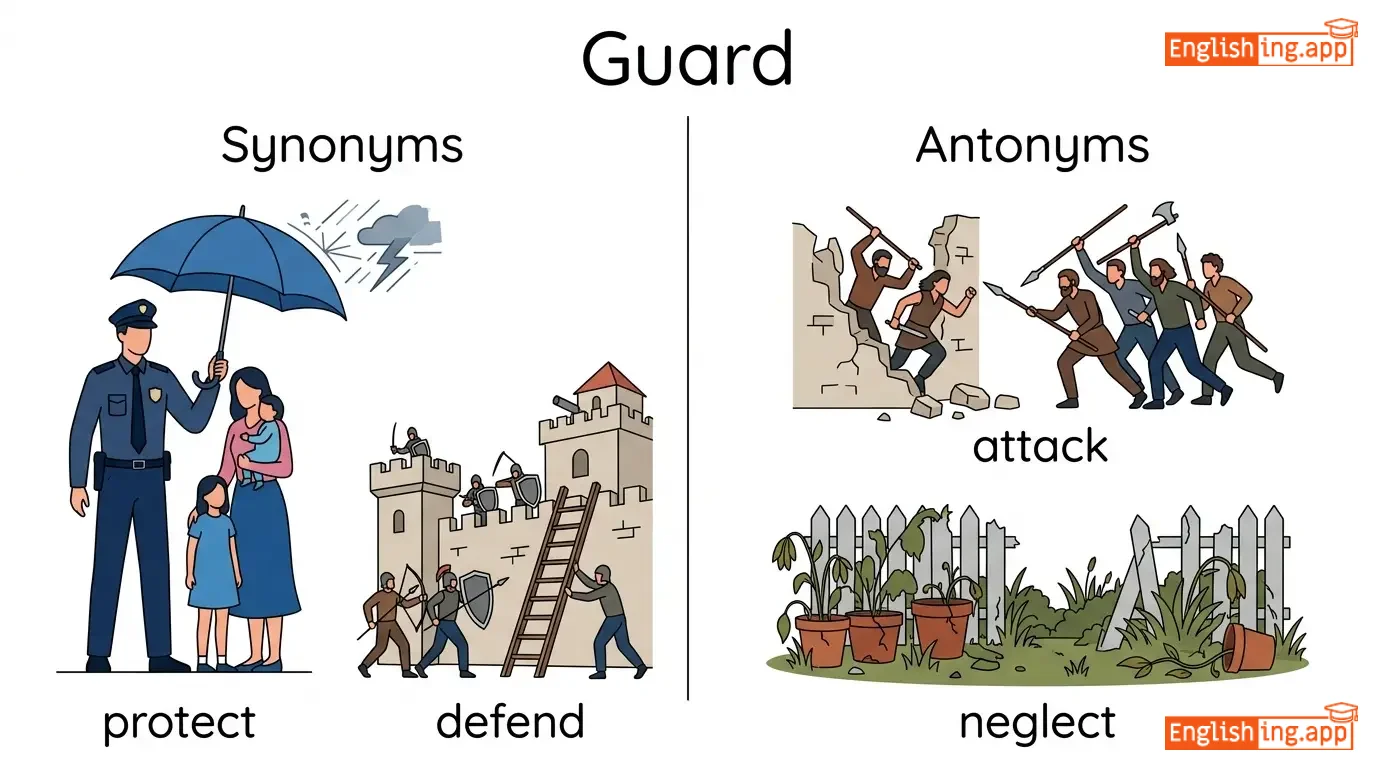
watchman, sentinel, protector, defender
••••••
|
attacker, invader, threat, danger
••••••
|
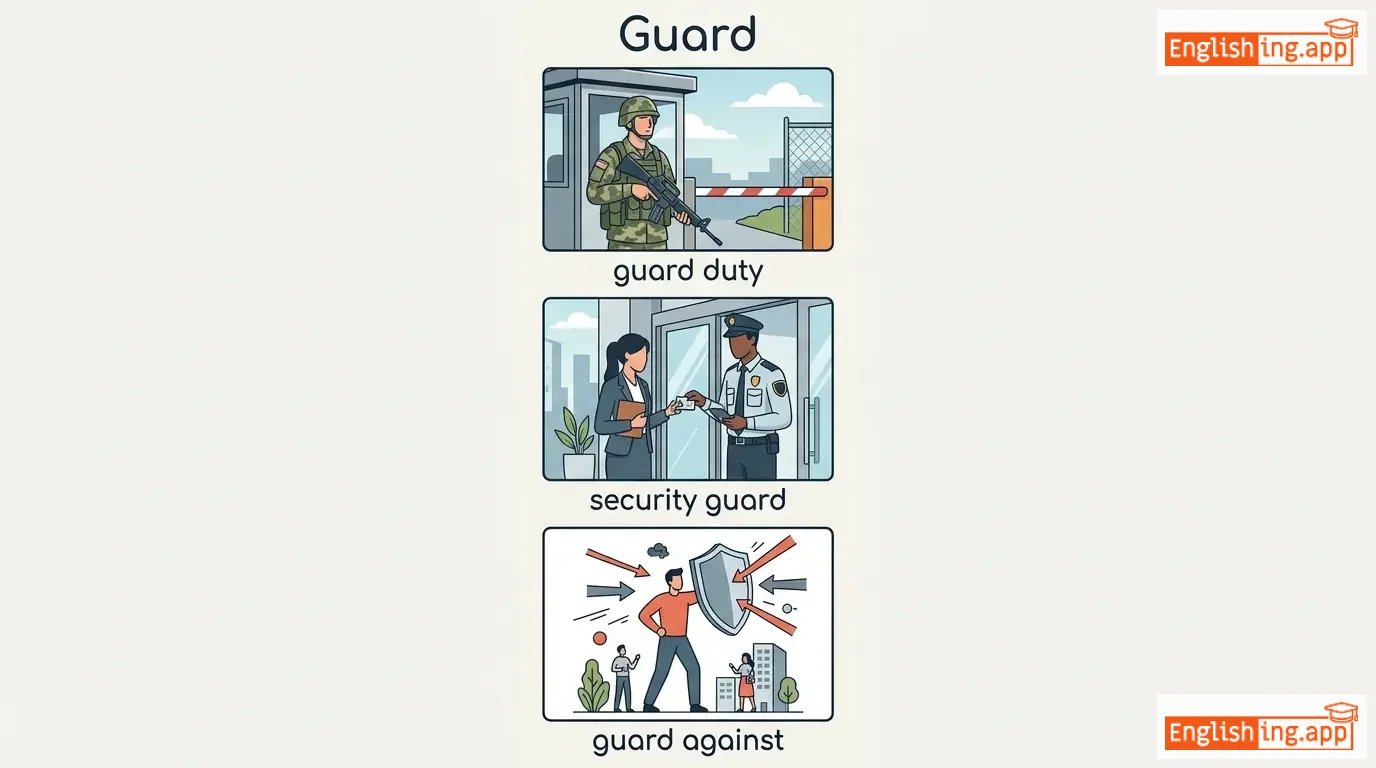
security guard, stand guard, guard duty
••••••
|
ガード (gādo) という言葉が示すように、警備員は安全を守ります。
••••••
|
|
#539
🎨
|
/ɡrəˈfiː.ti/
noun
(グラフィティ)
••••••
|
- •••••• |
公共の場所にある壁やその他の表面に違法に書かれたり描かれたりした文字や絵
gurafiti
••••••
|
writing or drawings scribbled, scratched, or sprayed illicitly on a wall or other surface in a public place
••••••
|
The subway walls were covered with colorful graffiti created by local street artists.
地下鉄の壁は地元のストリートアーティストによって作られたカラフルなグラフィティで覆われていた。
••••••
|
地下鉄の壁は地元のストリートアーティストによって作られたカラフルなグラフィティで覆われていた。
Chikatetsu no kabe wa jimoto no sutoriito aatisuto ni yotte tsukurareta karafuru na gurafiti de owarete ita.
••••••
|
street art, wall writing, spray painting, tagging
••••••
|
clean wall, blank surface, official signage, authorized art
••••••
|
graffiti artist, remove graffiti, graffiti culture
••••••
|
グラフィティは公共の場に描かれた違法なアートです。
••••••
|
|
#540
👨👩👧👦
|
/ˈɡɑːr.di.ən/
noun
(ガーディアン)
••••••
|
- •••••• |
守護者; 後見人
shugosha; kōkennin
••••••
|
a defender, protector, or keeper; a person legally responsible for the care of someone unable to manage their own affairs
••••••
|
After her parents died, her uncle became her legal guardian and took care of her. |
両親が亡くなった後、彼女の叔父は彼女の法的な後見人となり、彼女の世話をしました。
Ryōshin ga nakunatta ato, kanojo no oji wa kanojo no hōteki na kōkennin to nari, kanojo no sewa o shimashita.
••••••
|
protector, custodian, caretaker, trustee
••••••
|
ward, dependent, charge, neglector
••••••
|
legal guardian, guardian angel, appointed guardian
••••••
|
守護者は、困ったときに助けてくれる後見人のようなものです。
••••••
|
Vocabulary Quiz
Test your vocabulary by matching words with their translations or meanings.
Login to take the quiz
Comments (0)
Share your thoughts and join the discussion.
Join the discussion by logging in
Login to CommentNo comments yet
Be the first to share your thoughts!