

翻訳
過去
過去分詞
三人称単数
動名詞
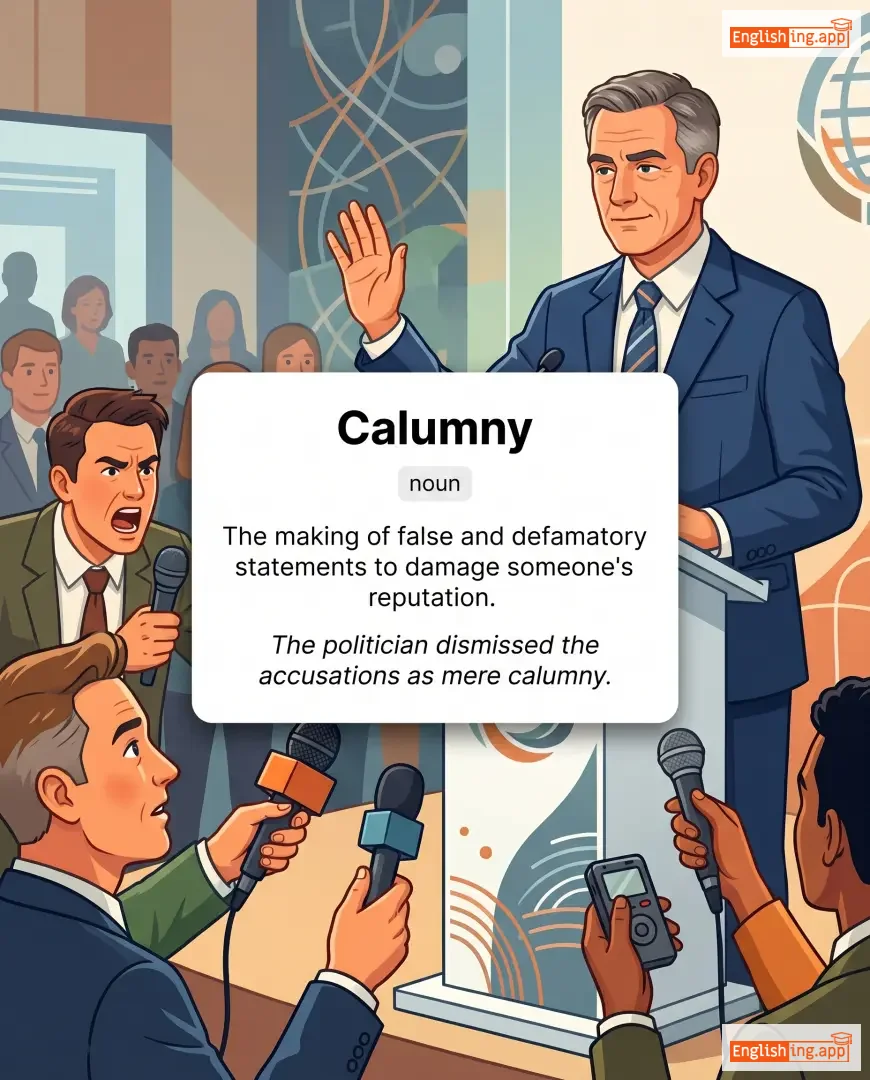
意味
例文
例文の翻訳
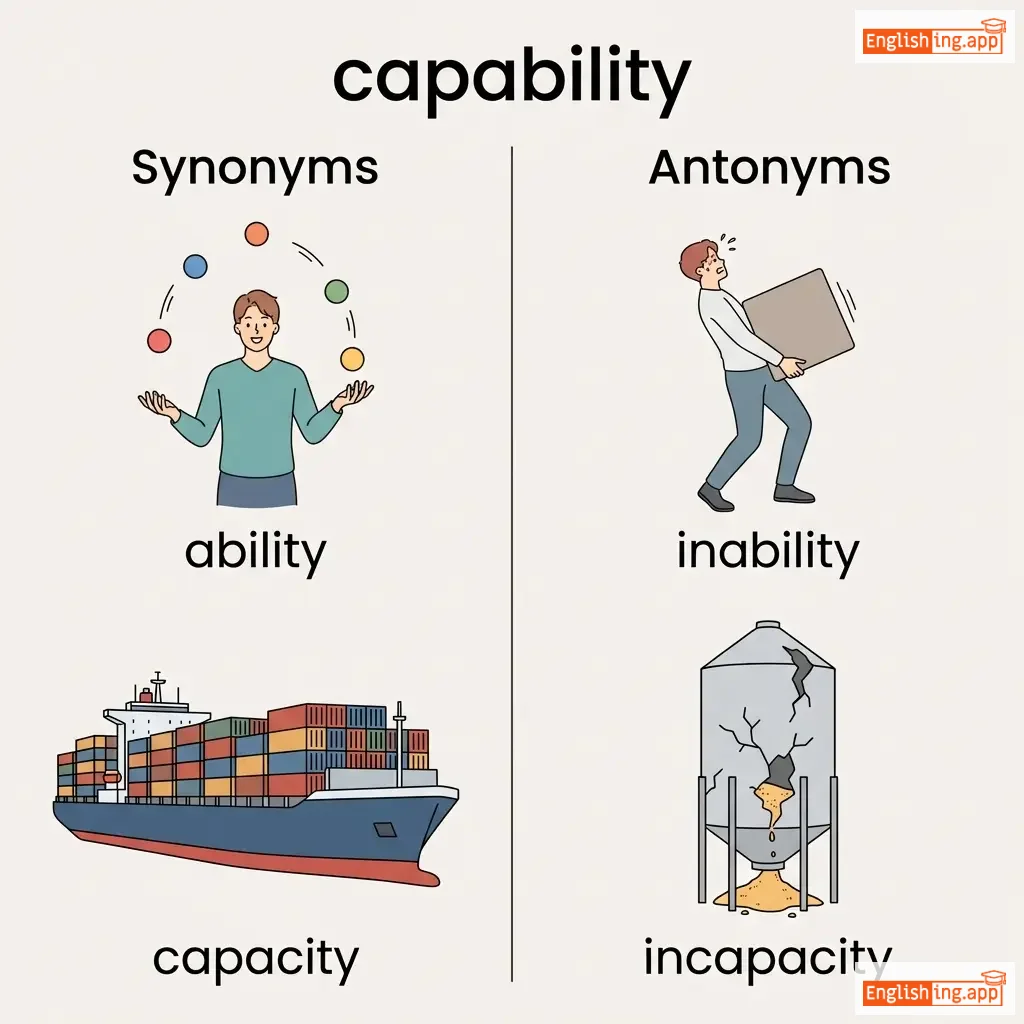
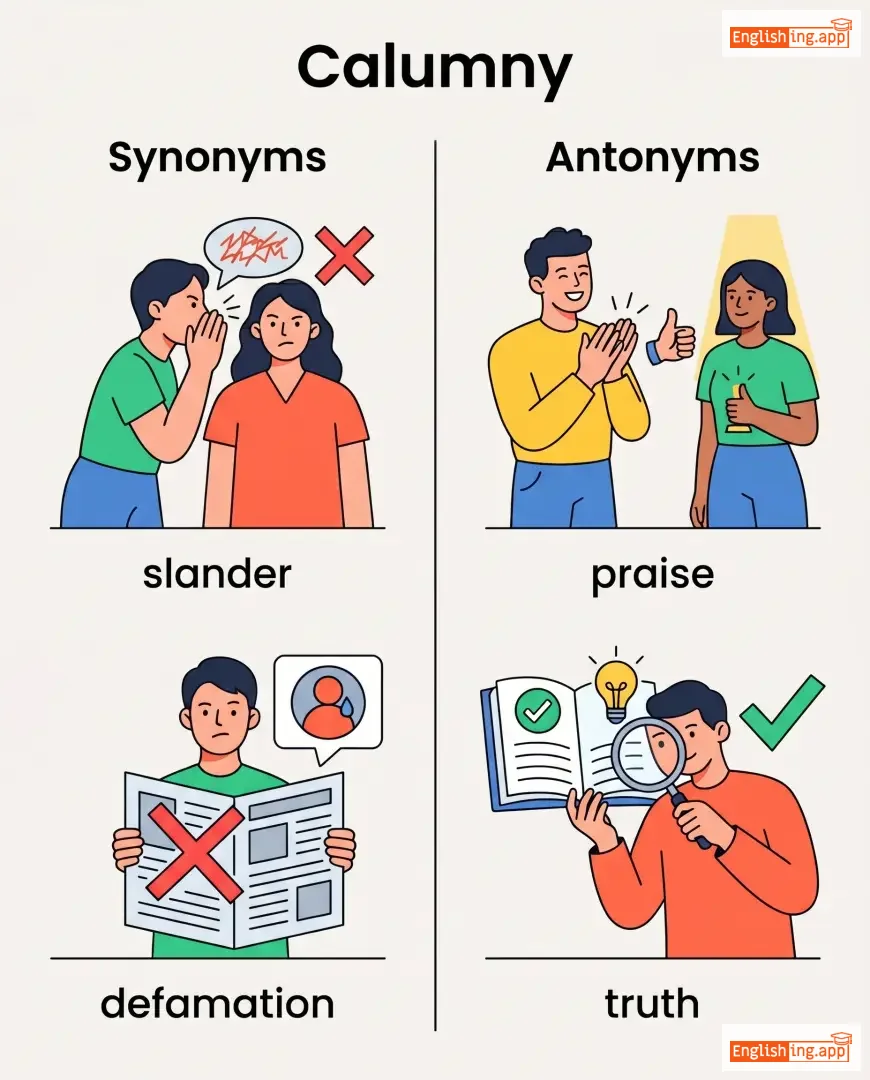
同義語
対義語
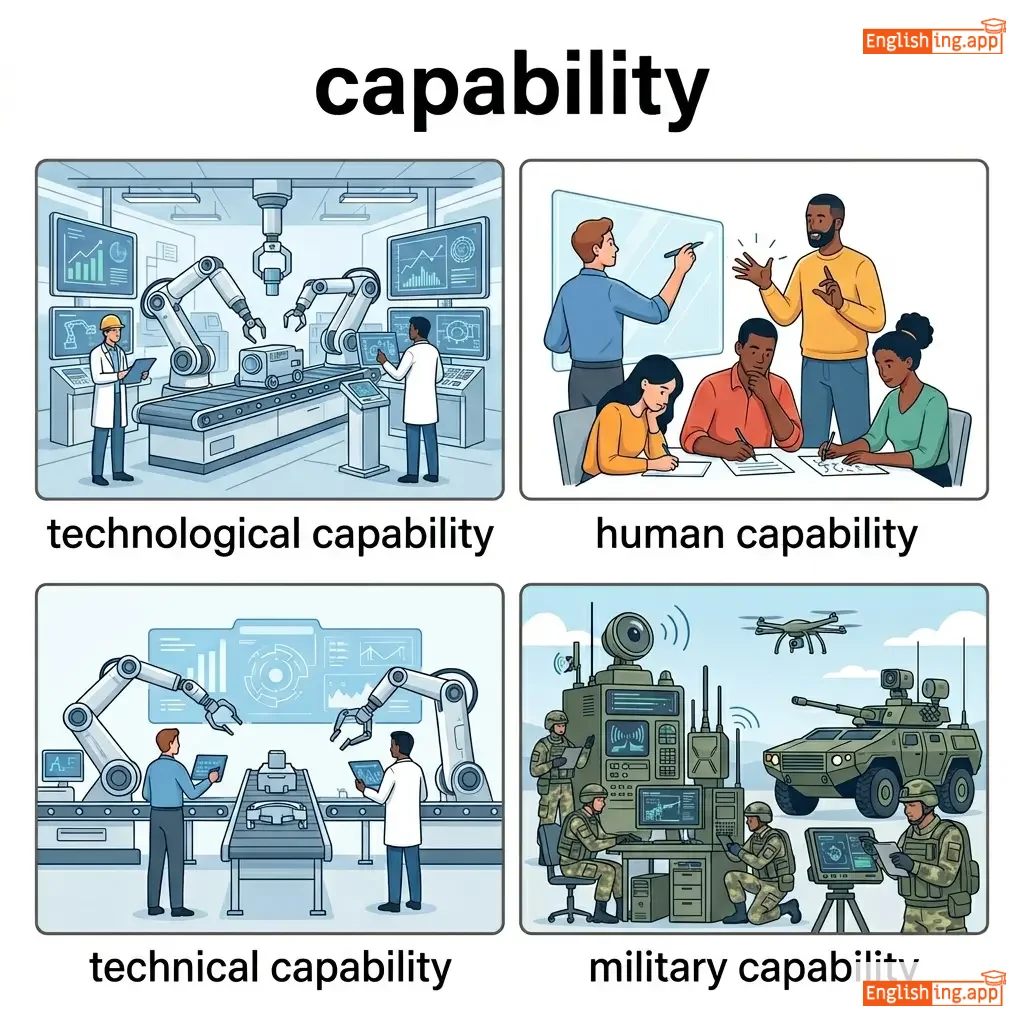
コロケーション
ニーモニック
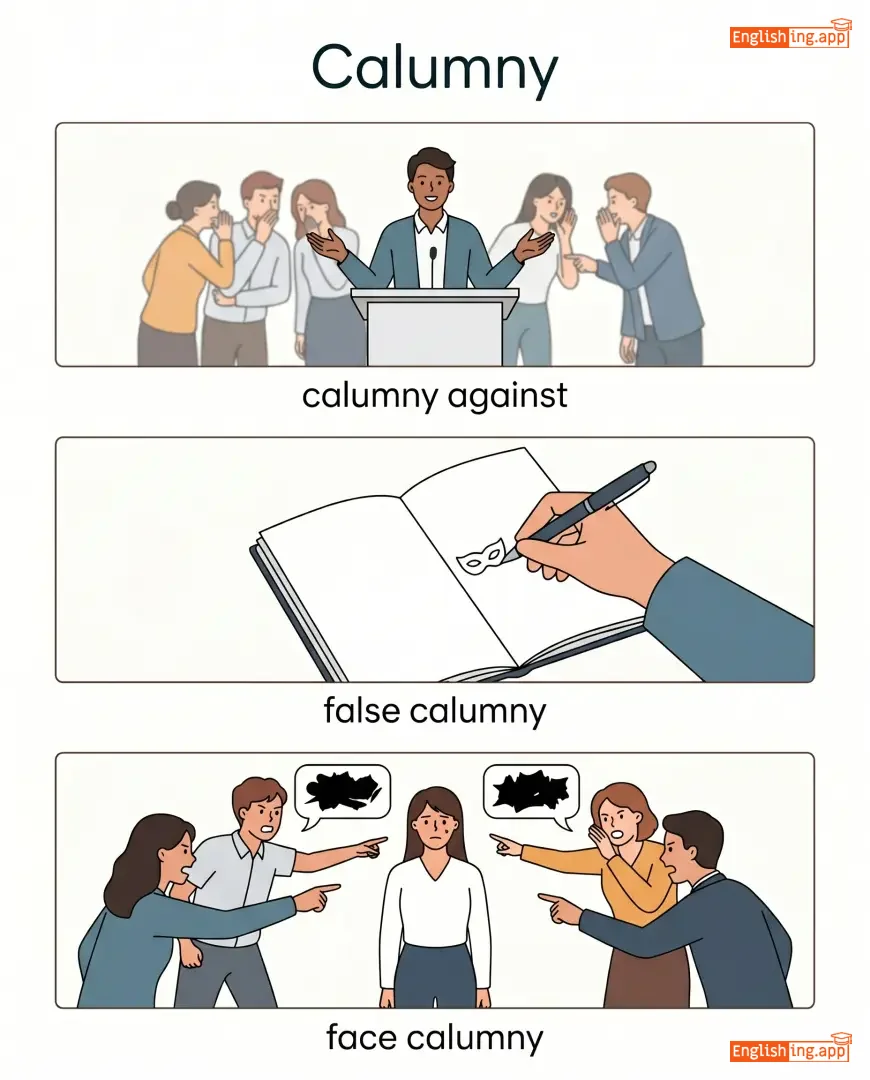
Swipe left or right, or use the buttons. Tap image to zoom.
例文の翻訳
単語
Lesson 8Lesson 8 - マスクトグル
|
絵文字
|
単語 | Images | 翻訳 | 意味 | 例文 | 例文の翻訳 | 同義語 | 対義語 | コロケーション | ニーモニック |
|---|---|---|---|---|---|---|---|---|---|---|
|
#141
🧟
|
/ˈkæn.ɪ.bəl/
noun
(カニバル)
••••••
|
- •••••• |
人食い
hitogui
••••••
|
a person who eats the flesh of other human beings
••••••
|
The explorer's journal described rumors of cannibals living on the remote island. |
探検家の日記には、遠くの島で人食いが生きているという噂が書かれていました。
Tankenka no nikki ni wa, tōku no shima de hitogui ga ikite iru to iu uwasa ga kakarete imashita.
••••••
|
man-eater, anthropophagite
••••••
|
vegetarian, humanitarian
••••••
|
savage cannibal, feared cannibal, cannibal tribe
••••••
|
Hitogui - 'Hito' (human) + 'gui' (eat) = Human eater.
••••••
|
|
#142
🥰
|
/kəˈres/
noun
(カレス)
••••••
|
- •••••• |
愛撫
aibu
••••••
|
a gentle or loving touch
••••••
|
The mother's gentle caress calmed the crying baby.
母親の優しい愛撫が泣いている赤ちゃんを落ち着かせた。
••••••
|
母親の優しい愛撫が泣いている赤ちゃんを落ち着かせた。
Hahaoya no yasashī aibu ga naiteiru akachan o ochitsukase ta.
••••••
|
stroke, pat, cuddle, embrace
••••••
|
slap, hit, roughness
••••••
|
gentle caress, loving caress, tender caress
••••••
|
In Japanese, 'aibu' is a gentle caress that calms the soul.
••••••
|
|
#143
🤦
|
/ˈker.ləs.nəs/
noun
(ケアレスネス)
••••••
|
- •••••• |
不注意; 不注意
fuchūi, fuchūi
••••••
|
failure to give sufficient attention to avoiding harm or errors
••••••
|
His carelessness with money led to serious financial problems. |
彼の金銭への不注意は、深刻な財務問題を引き起こしました。
Kare no kinsei e no fuchūi wa, shinkoku na zaimu mondai o hikiokoshimashita.
••••••
|
negligence, inattention, recklessness
••••••
|
carefulness, attention, diligence
••••••
|
due to carelessness, show carelessness, extreme carelessness
••••••
|
不注意は重大な問題を引き起こす可能性があり、特に財務に関して注意が必要です。
••••••
|
|
#144
❤️
|
/ker/
noun
(ケア)
••••••
|
- •••••• |
ケア; 保護; 配慮
kea, hogo, hairyo
••••••
|
the provision of what is necessary for health, welfare, or protection
••••••
|
The nurse provided excellent care for the elderly patients. |
看護師は高齢の患者に優れたケアを提供しました。
kangoshi wa koureina kanja ni sugureta kea o teikyoushimashita.
••••••
|
attention, concern, protection, treatment
••••••
|
neglect, carelessness, indifference
••••••
|
medical care, child care, take care
••••••
|
ケアは保護と配慮を提供することです。
••••••
|
|
#145
🐪
|
/ˈkær.ə.væn/
noun
(キャラバン)
••••••
|
- •••••• |
キャラバン
kyaraban
••••••
|
a group of people traveling together, especially through desert areas
••••••
|
The merchant caravan crossed the desert with camels carrying precious goods. |
商人のキャラバンは、貴重な商品を運ぶラクダと共に砂漠を越えました。
Shōnin no kyaraban wa, kichōna shōhin o hakobu rakuda to tomo ni sabaku o koemashita.
••••••
|
convoy, procession, expedition
••••••
|
lone traveler, single vehicle
••••••
|
desert caravan, merchant caravan, camel caravan
••••••
|
キャラバン、砂漠を越えて、商人の夢を運ぶ。
••••••
|
|
#146
🔒
|
/kæpˈtɪv.ɪ.ti/
noun
(キャプティビティ)
••••••
|
- •••••• |
監禁
kankin
••••••
|
the condition of being imprisoned or confined
••••••
|
After years of captivity, the prisoner was finally released.
長年の監禁の後、囚人は最終的に解放されました。
••••••
|
長年の監禁の後、囚人は最終的に解放されました。
Naganen no kankin no ato, shuujin wa saishuuteki ni kaihou saremashita.
••••••
|
imprisonment, confinement, detention
••••••
|
freedom, liberty, release
••••••
|
years of captivity, escape captivity, in captivity
••••••
|
監禁は閉じ込められた状態、自由がない状況です。
••••••
|
|
#147
⛓️
|
/ˈkæp.tɪv/
noun
(キャプティブ)
••••••
|
- •••••• |
捕虜
horyo
••••••
|
a person who has been taken prisoner or an animal that has been confined
••••••
|
The captive was held in a small cell for several months.
捕虜は数ヶ月間小さな部屋に閉じ込められていた。
••••••
|
捕虜は数ヶ月間小さな部屋に閉じ込められていた。
Horyo wa suukagetsu kan chiisana heya ni tojikomere rarete ita.
••••••
|
prisoner, hostage, detainee
••••••
|
free person, liberator
••••••
|
hold captive, captive audience, former captive
••••••
|
Horyo (Japanese) means captive, referring to someone confined or imprisoned.
••••••
|
|
#148
🏢
|
/ˈkæp.ɪ.təl/
noun
(キャピタル)
••••••
|
- •••••• |
首都; 資本; 財産
shuto; shihon; zaisan
••••••
|
the most important city or town of a country or region; wealth in the form of money or assets
••••••
|
Paris is the capital of France and also a major financial capital.
パリはフランスの首都であり、また主要な金融の中心地でもあります。
••••••
|
パリはフランスの首都であり、また主要な金融の中心地でもあります。
pari wa furansu no shuto de ari, mata shuyou na kin'yuu no chuushinchi demo arimasu.
••••••
|
metropolis, funds, assets, money
••••••
|
countryside, debt, liability
••••••
|
capital city, financial capital, venture capital
••••••
|
A capital is the place where everything important happens, like Paris being the heart of France.
••••••
|
|
#149
📦
|
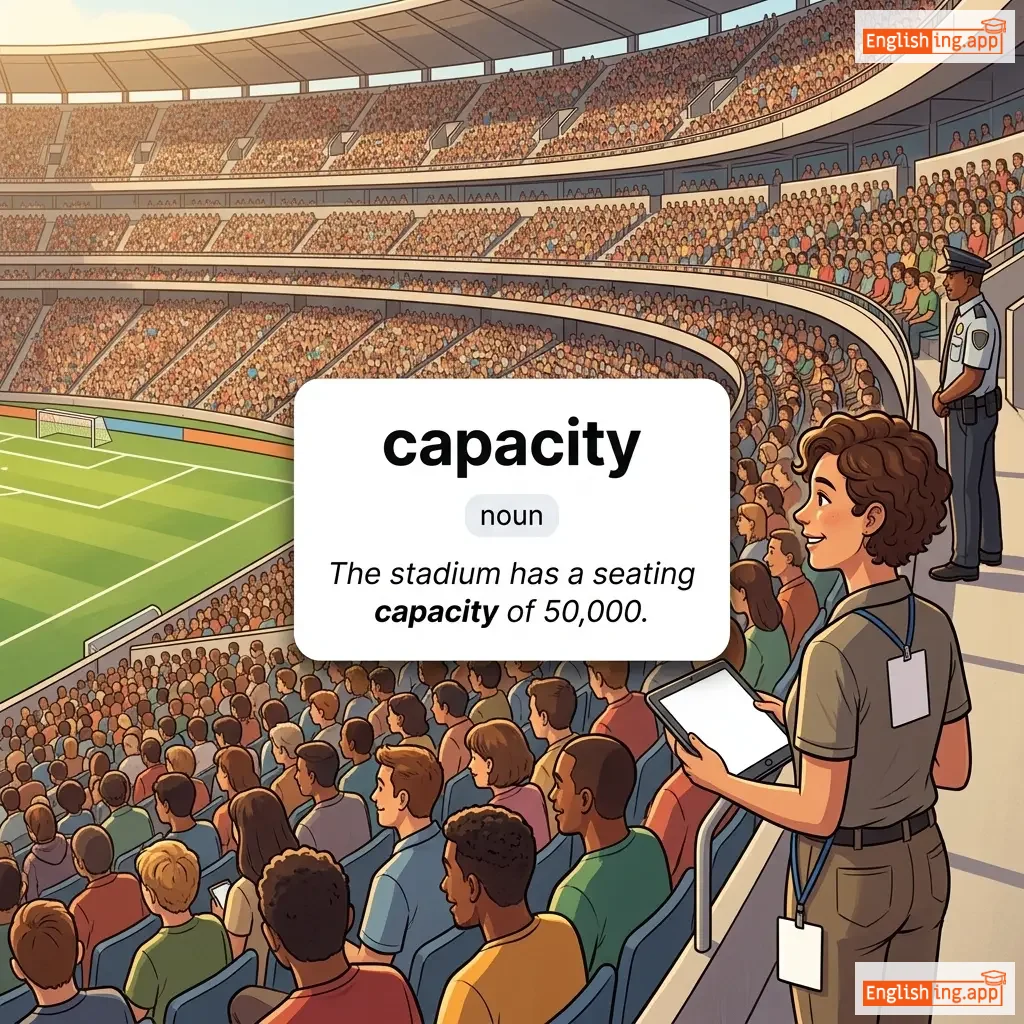
/kəˈpæs.ɪ.ti/
noun
(キャパシティ)
••••••
|
|
容量; 能力
youryou, nouryoku
••••••
|
the maximum amount that something can contain; the ability or power to do something
••••••
|
The stadium has a capacity of fifty thousand spectators. |
そのスタジアムの収容人数は五万人です。
Sono sutajiamu no shuu you ninzu wa goman nin desu.
••••••
|
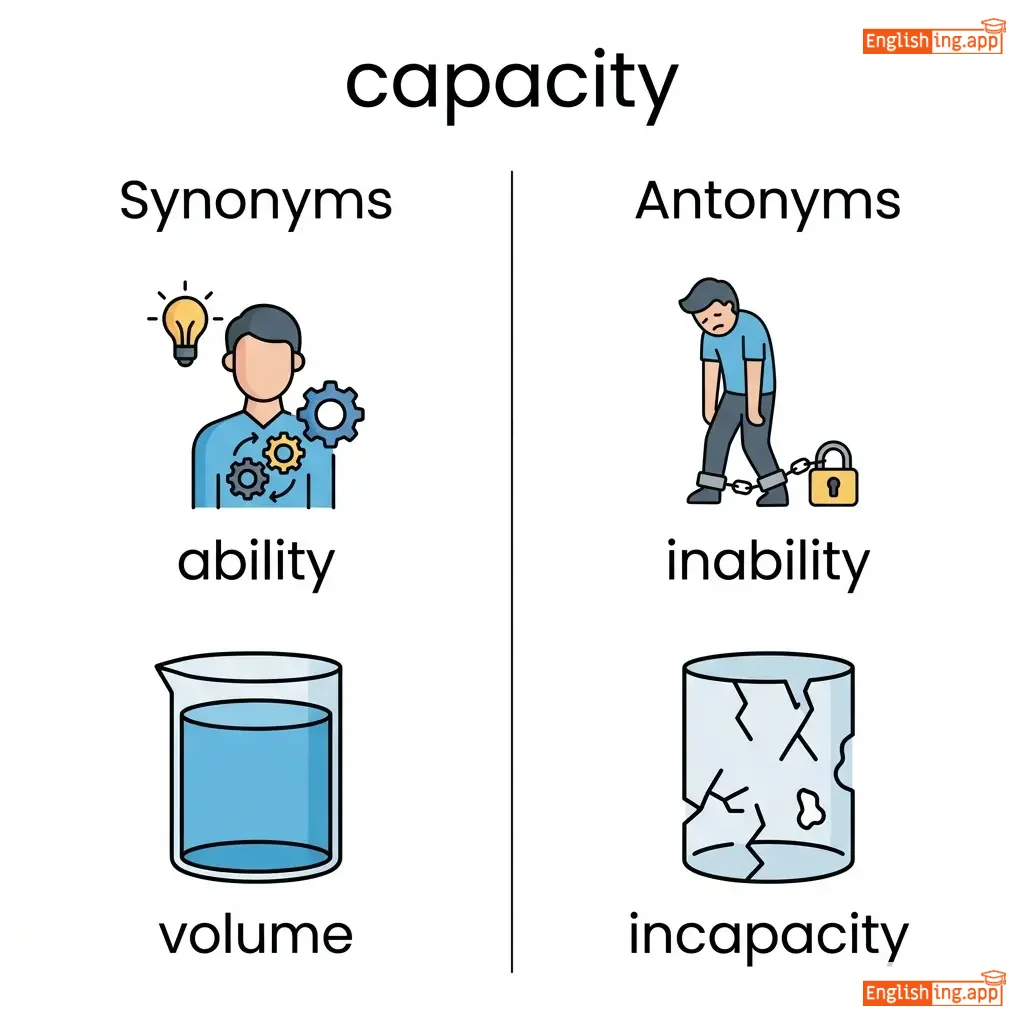
volume, ability, capability, potential
••••••
|
incapacity, inability, limitation
••••••
|
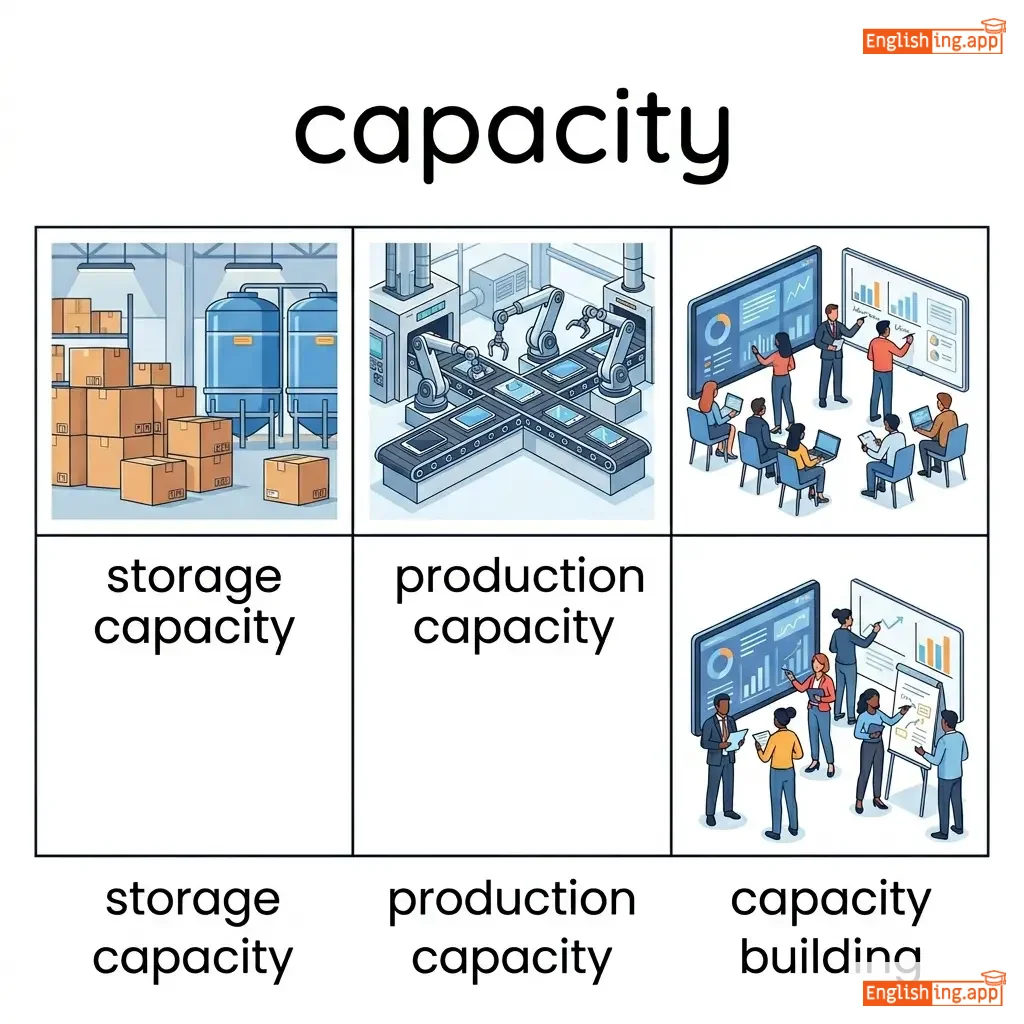
seating capacity, full capacity, mental capacity
••••••
|
キャパシティは、50,000人を収容できる大きな空間
••••••
|
|
#150
💪
|
/ˌkɪ.pəˈbɪl.ɪ.ti/
noun
(キャパビリティ)
••••••
|
|
能力
nouryoku
••••••
|
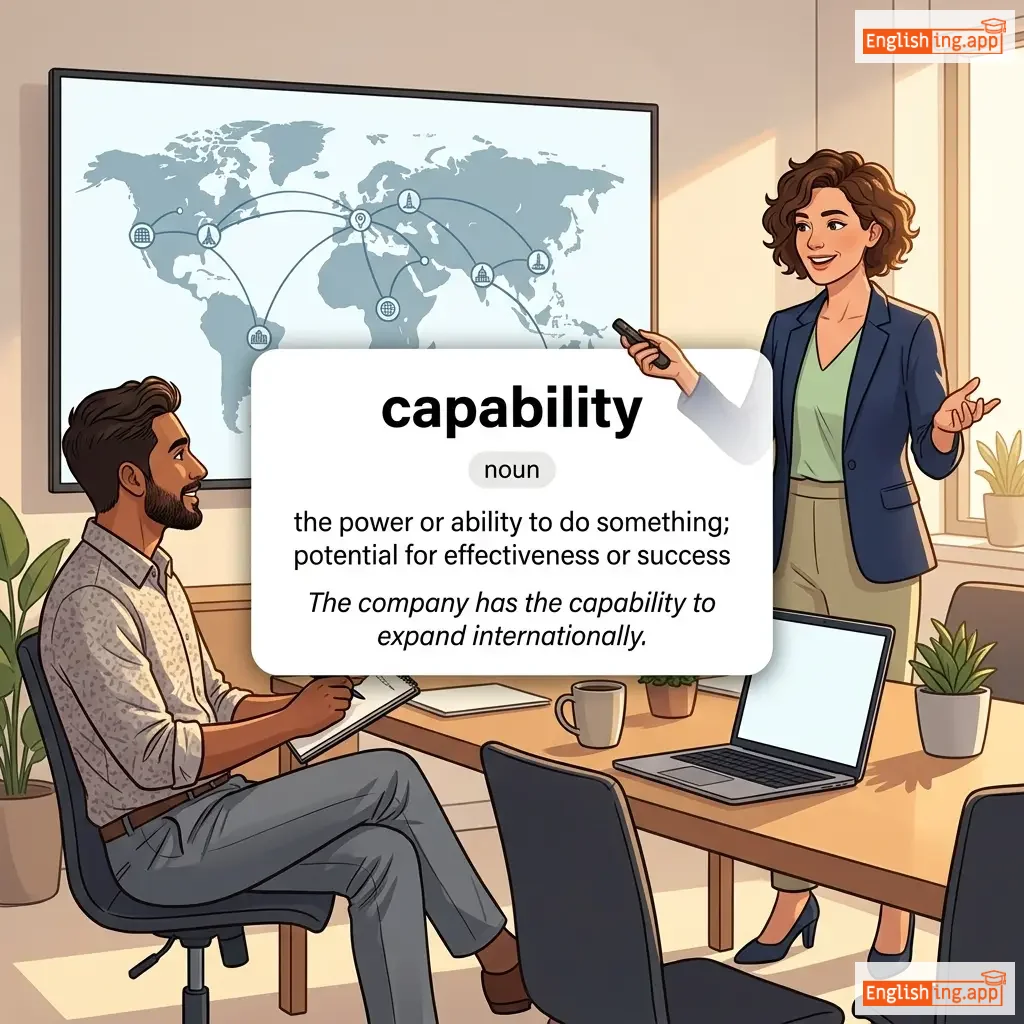
the ability or power to do, experience, or understand something
••••••
|
Her remarkable capability in mathematics earned her a scholarship.
彼女の数学における卓越したキャパビリティが彼女に奨学金をもたらしました。
••••••
|
彼女の数学における卓越したキャパビリティが彼女に奨学金をもたらしました。
Kanojo no suugaku ni okeru takuetsushita kyapabiriti ga kanojo ni shougakukin wo motarashimashita.
••••••
|
ability, capacity, skill, competence
••••••
|
inability, incapacity, incompetence
••••••
|
technical capability, military capability, mental capability
••••••
|
Enhance your キャパビリティ (ability) to get ahead in life.
••••••
|
|
#151
🍇
|
/bʌntʃ/
noun
(バンチ)
••••••
|
- •••••• |
束; 房; 一束
taba, fusa, hitotsuka
••••••
|
a number of things of the same type fastened together or occurring close together
••••••
|
She picked a bunch of flowers from the garden for her mother.
彼女は母親のために庭から花束を摘んできました。
••••••
|
彼女は母親のために庭から花束を摘んできました。
Kanojo wa hahaoya no tame ni niwa kara hanataba o tsunde kimashita.
••••••
|
cluster, group, collection, bundle
••••••
|
single item, individual piece
••••••
|
bunch of flowers, bunch of grapes, bunch of keys
••••••
|
花束は庭から摘んできたものです。
••••••
|
|
#152
📢
|
/kæmˈpeɪn/
noun
(キャンペーン)
••••••
|
- •••••• |
キャンペーン
kyanpēn
••••••
|
an organized course of action to achieve a particular goal; a series of military operations
••••••
|
The environmental campaign successfully raised awareness about climate change. |
環境キャンペーンは気候変動に対する意識を効果的に高めました。
Kankyō kyanpēn wa kikō hendō ni taisuru ishiki o kōka-teki ni takamemashita.
••••••
|
drive, crusade, operation, movement
••••••
|
inaction, passivity
••••••
|
election campaign, advertising campaign, military campaign
••••••
|
キャンペーン (kyanpēn) を使って目標を達成するために必要な活動を思い出してください!
••••••
|
|
#153
🗣️
|
/ˈkæl.əm.ni/
noun
(カラムニー)
••••••
|
|
中傷
chuushou
••••••
|
the making of false and defamatory statements about someone in order to damage their reputation
••••••
|
The politician sued the newspaper for spreading calumny about his personal life. |
その政治家は自分の私生活に関する中傷を広めた新聞に対して訴訟を起こした。
Sono seijika wa jibun no shiseikatsu ni kansuru chuushou o hirome ta shinbun ni taishite sosho o okoshita.
••••••
|
slander, defamation, libel, vilification
••••••
|
praise, commendation, tribute
••••••
|
spread calumny, victim of calumny, malicious calumny
••••••
|
中傷 (chuushou) 他人の評判を傷つけるための虚偽の発言
••••••
|
|
#154
🧮
|
/ˌkæl.kjəˈleɪ.ʃən/
noun
(karyu-reishon)
••••••
|
- •••••• |
計算
keisan
••••••
|
a mathematical determination of the size or number of something
••••••
|
His calculation of the total cost was accurate to the penny.
彼の総費用の計算はペニー単位まで正確でした。
••••••
|
彼の総費用の計算はペニー単位まで正確でした。
kare no souhiyou no keisan wa penii tan'i made seikaku deshita.
••••••
|
computation, reckoning, estimation, arithmetic
••••••
|
guess, estimation without precision
••••••
|
mathematical calculation, quick calculation, accurate calculation
••••••
|
計算 = 数学の正確な決定
••••••
|
|
#155
⚡
|
/kəˈlæm.ɪ.ti/
noun
(カラミティ)
••••••
|
- •••••• |
災害; 大惨事
saigai; daisangi
••••••
|
an event causing great and often sudden damage or distress; a disaster
••••••
|
The earthquake was a terrible calamity that affected thousands of families.
地震は恐ろしいカラミティで、何千人もの家族に影響を与えました。
••••••
|
地震は恐ろしいカラミティで、何千人もの家族に影響を与えました。
Jishin wa osoroshī karamiti de, nan-sen-nin mo no kazoku ni eikyō o ataemashita.
••••••
|
disaster, catastrophe, tragedy, misfortune
••••••
|
blessing, fortune, success
••••••
|
natural calamity, terrible calamity, avoid calamity
••••••
|
カラミティは大惨事を意味する、同じく大きな災害。
••••••
|
|
#156
😡
|
/kæd/
noun
(カッド)
••••••
|
- •••••• |
悪党; 粗野な
akutō, soya na
••••••
|
a man who behaves dishonorably, especially toward women
••••••
|
Everyone at the party avoided him because he was known to be a cad.
パーティーの皆は彼を避けました、なぜなら彼が‘カッド’として知られていたからです。
••••••
|
パーティーの皆は彼を避けました、なぜなら彼が悪党として知られていたからです。
Pātī no mina wa kare o sakemashita, nazenara kare ga akutō toshite shirarete ita kara desu.
••••••
|
scoundrel, rogue, heel, bounder
••••••
|
gentleman, honorable man
••••••
|
complete cad, absolute cad, notorious cad
••••••
|
悪党は女性に対して失礼な行動を取る人です。
••••••
|
|
#157
🥬
|
/ˈkæb.ɪdʒ/
noun
(ケービッジ)
••••••
|
- •••••• |
キャベツ
kyabetsu
••••••
|
a cultivated plant eaten as a vegetable, having thick green or purple leaves surrounding a spherical heart
••••••
|
She chopped the fresh cabbage to make coleslaw for dinner.
彼女は夕食のためにコールスローを作るために新鮮なキャベツを切った。
••••••
|
彼女は夕食のためにコールスローを作るために新鮮なキャベツを切った。
Kanojo wa yūshoku no tame ni kōrusurō o tsukuru tame ni shinsen na kyabetsu o kitta.
••••••
|
cole, brassica
••••••
|
- •••••• |
fresh cabbage, green cabbage, cabbage soup
••••••
|
Kyabetsu = Japanese for cabbage!
••••••
|
|
#158
🤷
|
/kəˈbɑl/
noun
(カバール)
••••••
|
- •••••• |
陰謀団体
inbō dantai
••••••
|
a secret political clique or faction
••••••
|
The journalists exposed a cabal of corrupt politicians working together.
ジャーナリストたちは、共謀している腐敗した政治家たちのカバールを暴露した。
••••••
|
ジャーナリストたちは、共謀している腐敗した政治家たちの陰謀団体を暴露した。
Jānarisuto-tachi wa, kyōbō shite iru fuhai shita seijika-tachi no inbō dantai o bakuro shita.
••••••
|
conspiracy, clique, faction, coterie
••••••
|
open group, public organization
••••••
|
political cabal, secret cabal, powerful cabal
••••••
|
陰謀 + 団体 = 秘密の政治的な集団
••••••
|
|
#159
💼
|
/ˈbɪz.nəs/
noun
(ビジネス)
••••••
|
- •••••• |
ビジネス; 事業; 商業
bijinesu, jigyō, shōgyō
••••••
|
work relating to the production, buying, and selling of goods or services
••••••
|
He started his own business after graduating from university.
彼は大学を卒業後、自分のビジネスを始めました。
••••••
|
彼は大学を卒業後、自分のビジネスを始めました。
Kare wa daigaku o sotsugyōgo, jibun no bijinesu o hajimemashita.
••••••
|
commerce, trade, enterprise, company
••••••
|
hobby, leisure, personal activity
••••••
|
small business, business plan, family business
••••••
|
ビジネスの成功には市場に対する洞察力が必要です。
••••••
|
|
#160
📦
|
/ˈbʌn.dəl/
noun
(バンドル)
••••••
|
- •••••• |
束; バンドル
taba, bandoru
••••••
|
a collection of things or quantity of material tied or wrapped up together
••••••
|
The mailman delivered a bundle of letters to our house.
郵便配達員は家に手紙の束を届けました。
••••••
|
郵便配達員は家に手紙の束を届けました。
Yūbin haitatsuin wa ie ni tegami no taba o todokemashita.
••••••
|
package, parcel, pack, collection
••••••
|
single item, loose objects
••••••
|
bundle of sticks, bundle of clothes, bundle of papers
••••••
|
束は郵便配達員が家に届ける手紙の束です。
••••••
|
Vocabulary Quiz
Test your vocabulary by matching words with their translations or meanings.
Login to take the quiz
Comments (0)
Share your thoughts and join the discussion.
Join the discussion by logging in
Login to CommentNo comments yet
Be the first to share your thoughts!