

翻訳
過去
過去分詞
三人称単数
動名詞
意味
例文
例文の翻訳
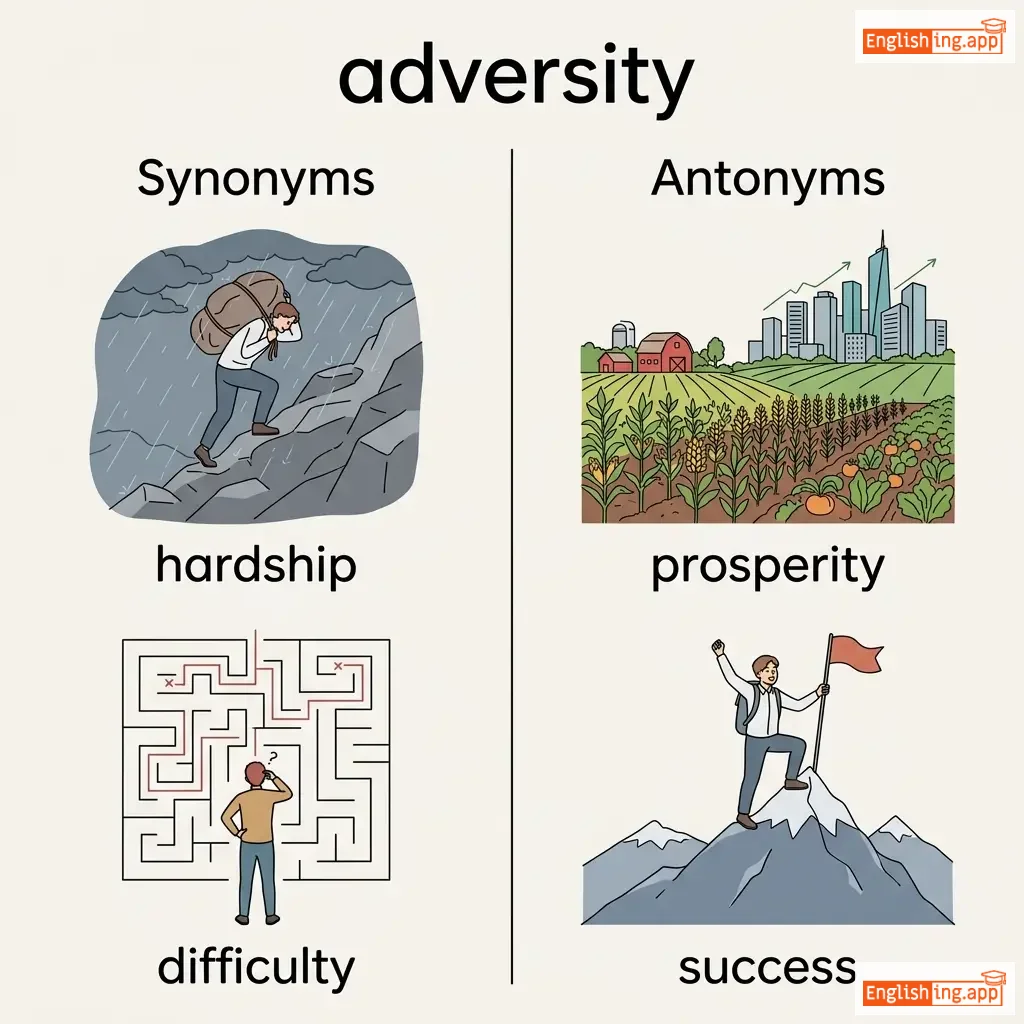
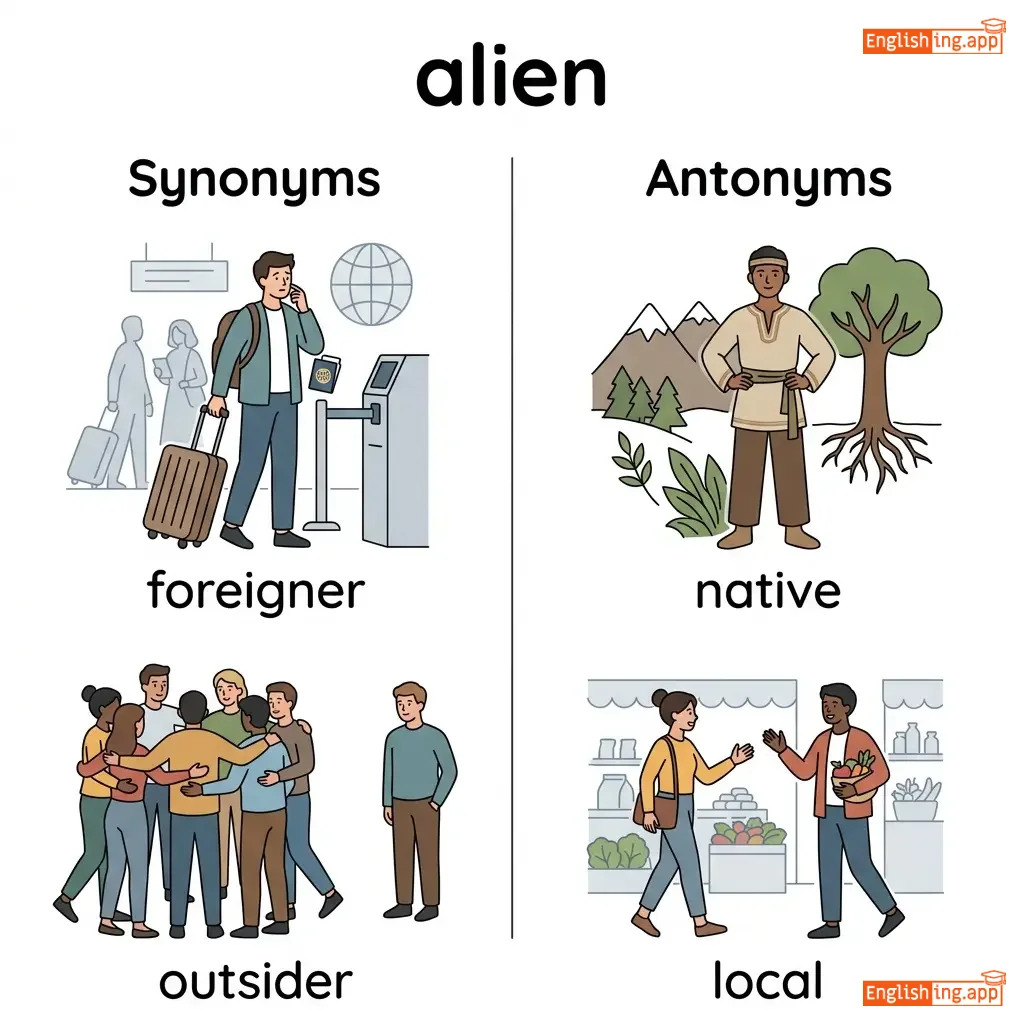
同義語
対義語
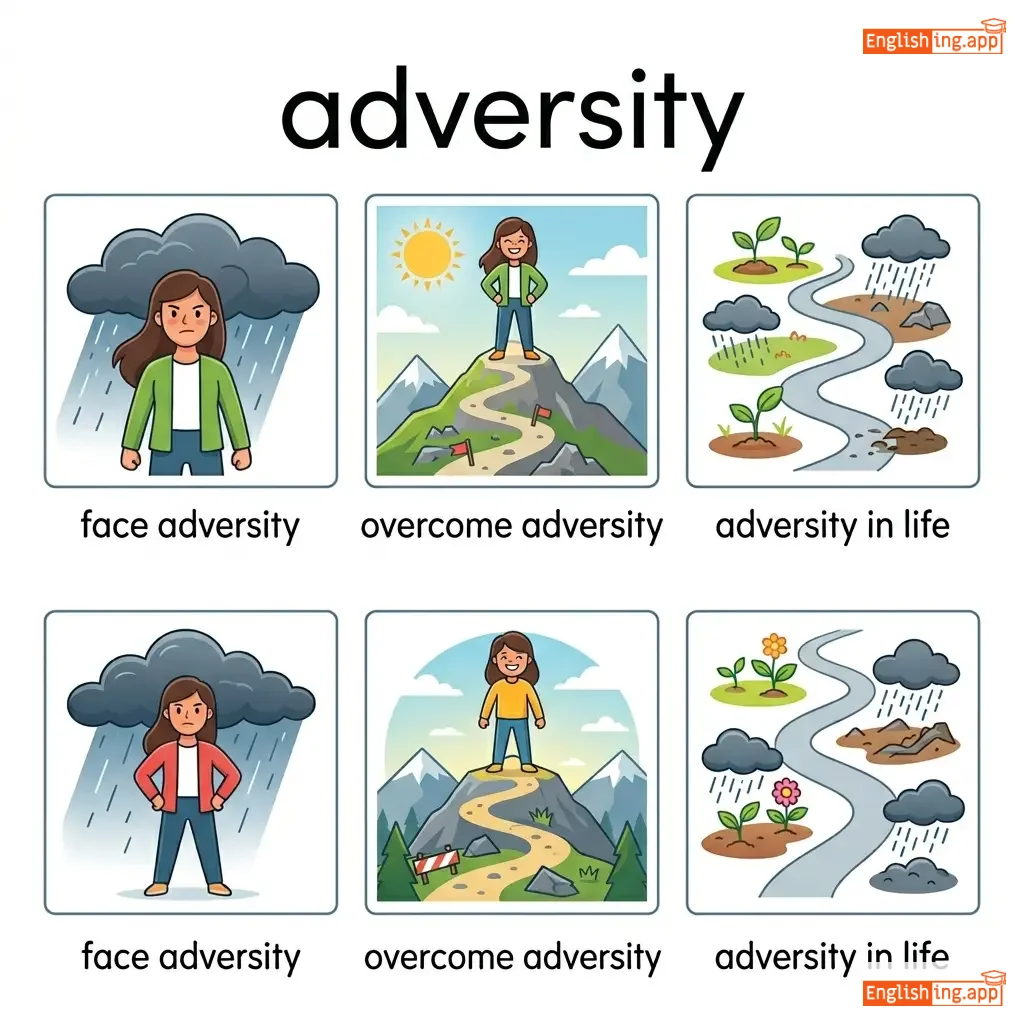
コロケーション
ニーモニック



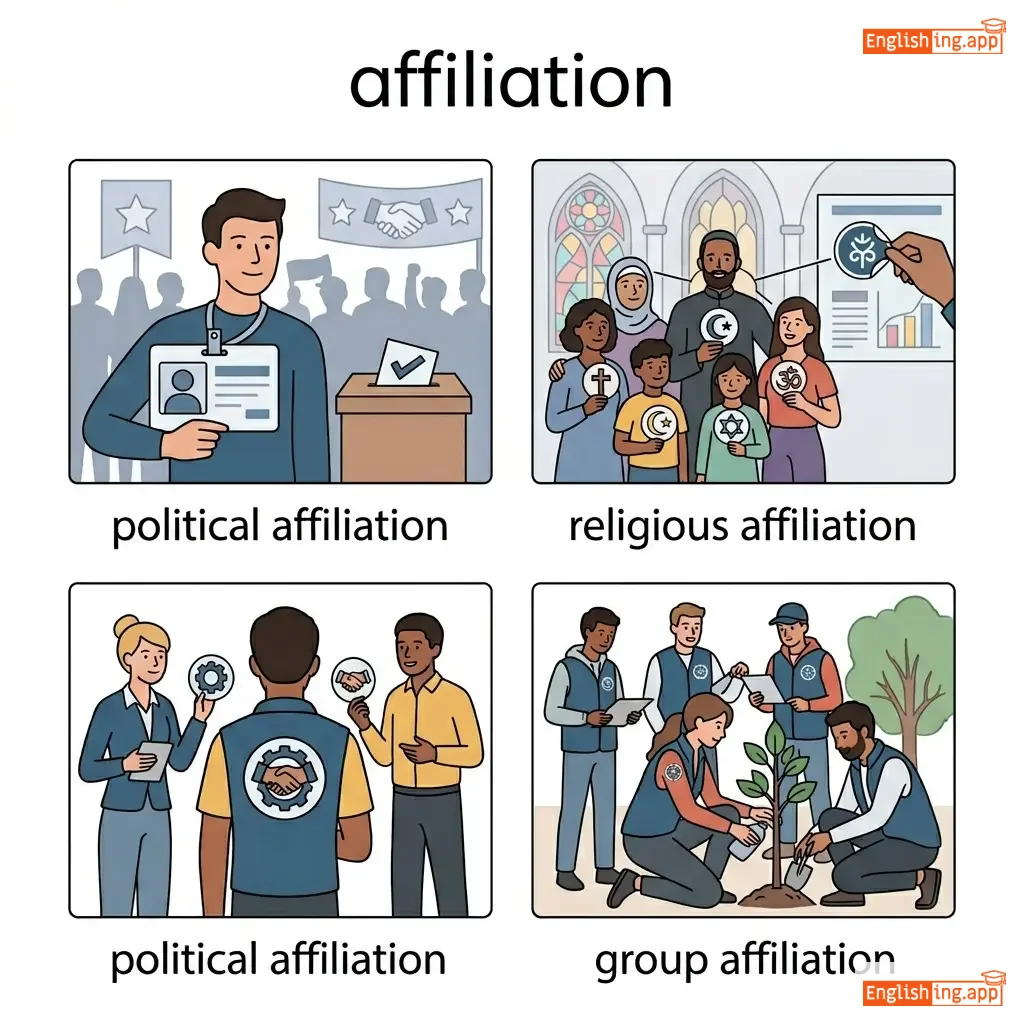
Swipe left or right, or use the buttons. Tap image to zoom.
例文の翻訳
単語
Lesson 2Lesson 2 - マスクトグル
|
絵文字
|
単語 | Images | 翻訳 | 意味 | 例文 | 例文の翻訳 | 同義語 | 対義語 | コロケーション | ニーモニック |
|---|---|---|---|---|---|---|---|---|---|---|
|
#21
🤝
|
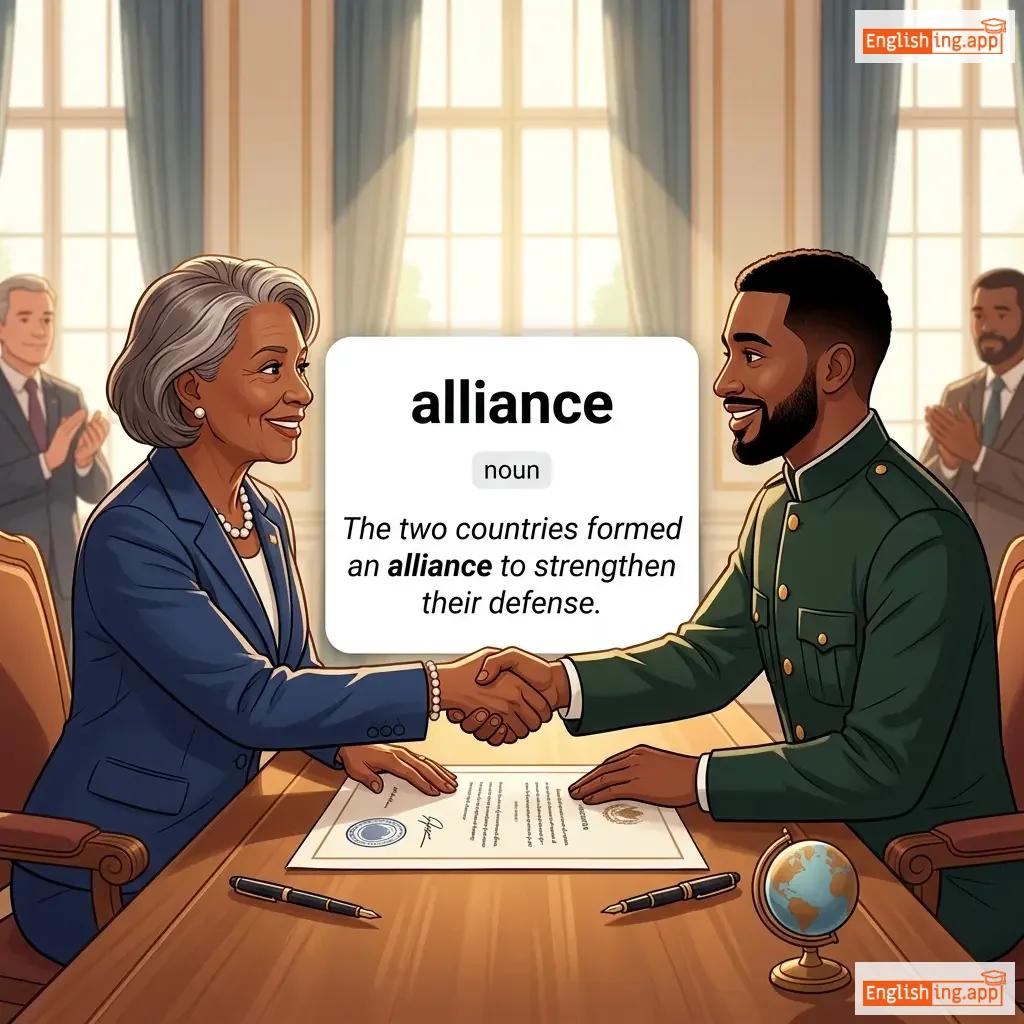
/əˈlaɪəns/
noun
(アライアンス)
••••••
|
|
同盟
dōmei
••••••
|
a union or association formed for mutual benefit, especially between countries or organizations
••••••
|
The two countries formed a strong alliance for trade.
二つの国は貿易のために強力な同盟を結びました。
••••••
|
二つの国は貿易のために強力な同盟を結びました。
Futatsu no kuni wa bōeki no tame ni kyōryoku na dōmei o musubimashita.
••••••
|
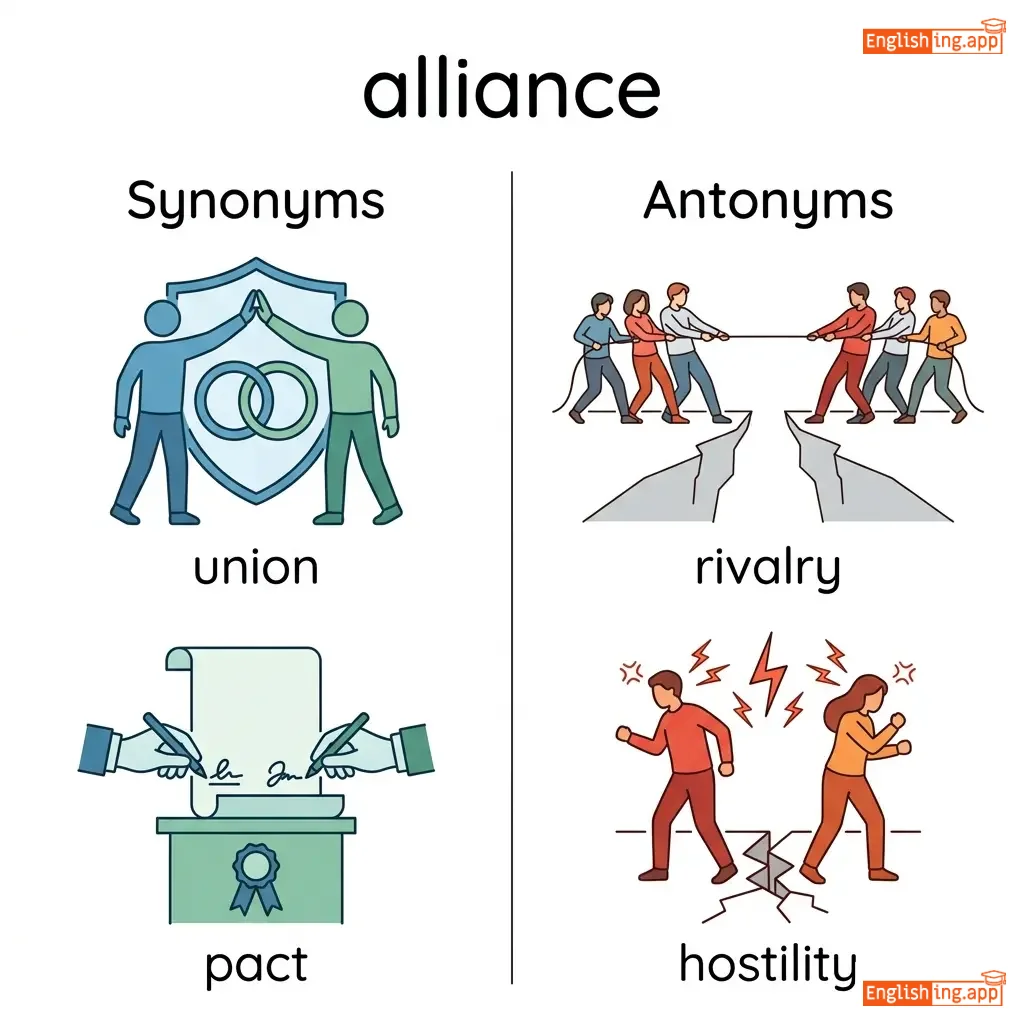
partnership, coalition, union, pact
••••••
|
opposition, rivalry, conflict
••••••
|
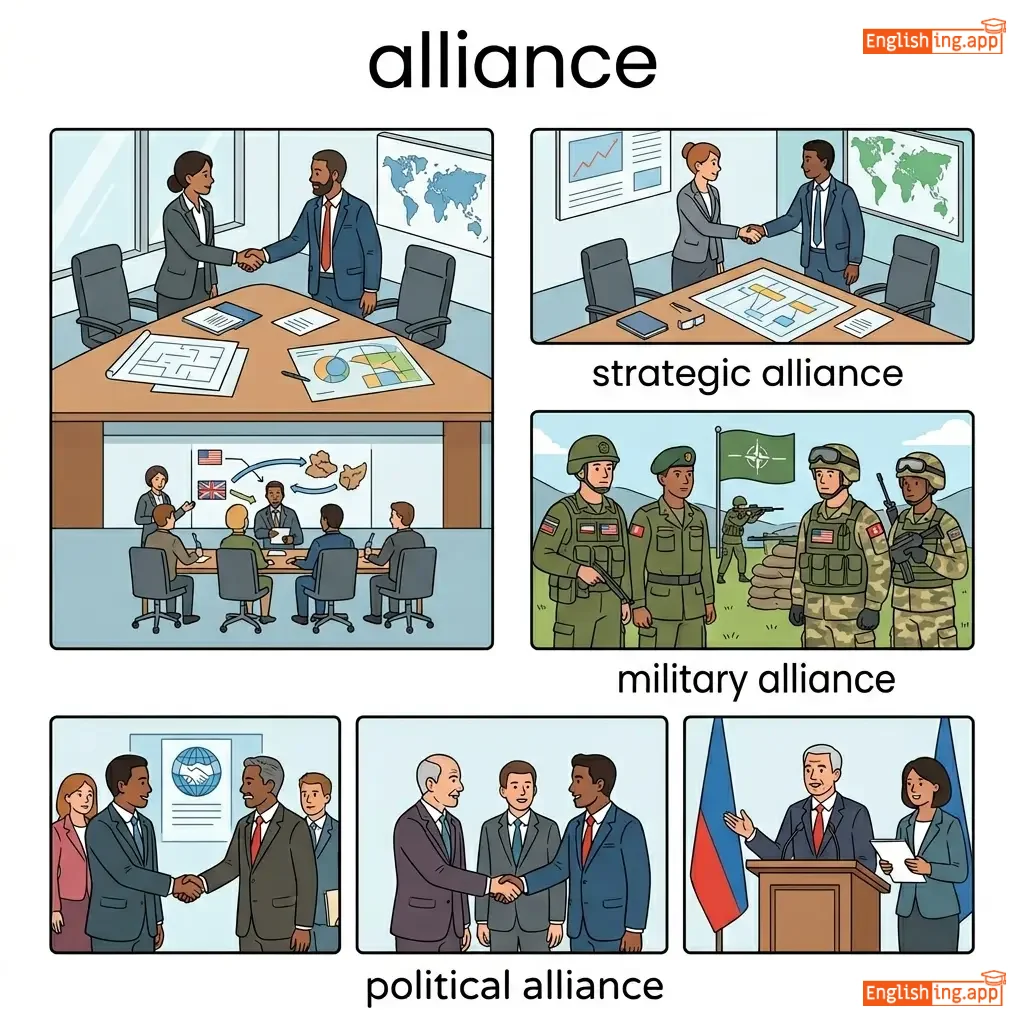
strategic alliance, military alliance, form an alliance
••••••
|
Dōmei in Japanese means alliance, just like in English!
••••••
|
|
#22
⚓
|
/ˈæŋkər/
noun
(アンカー)
••••••
|
- •••••• |
アンカー
ankā
••••••
|
a heavy object used to moor a vessel to the sea bottom; a person or thing that provides stability or confidence
••••••
|
The ship dropped its anchor in the harbor.
船は港にアンカーを下ろしました。
••••••
|
船は港にアンカーを下ろしました。
Fune wa minato ni ankā o oroshimashita.
••••••
|
mooring, support, foundation, mainstay
••••••
|
- •••••• |
drop anchor, weigh anchor, news anchor
••••••
|
アンカーが船を止めるように、思考をしっかりと固定する。
••••••
|
|
#23
👴
|
/ˈænsestər/
noun
(エンセスター)
••••••
|
- •••••• |
先祖
senzo
••••••
|
a person, typically one more remote than a grandparent, from whom one is descended
••••••
|
She researched her family tree to learn about her ancestors.
彼女は家系図を調べて、先祖について学びました。
••••••
|
彼女は家系図を調べて、先祖について学びました。
Kanojo wa kakeizu o shirabete, senzo ni tsuite manabimashita.
••••••
|
forefather, foremother, predecessor, forebear
••••••
|
descendant, offspring, progeny
••••••
|
ancient ancestor, common ancestor, trace ancestors
••••••
|
先祖 (senzo) は家族のルーツです。
••••••
|
|
#24
🔍
|
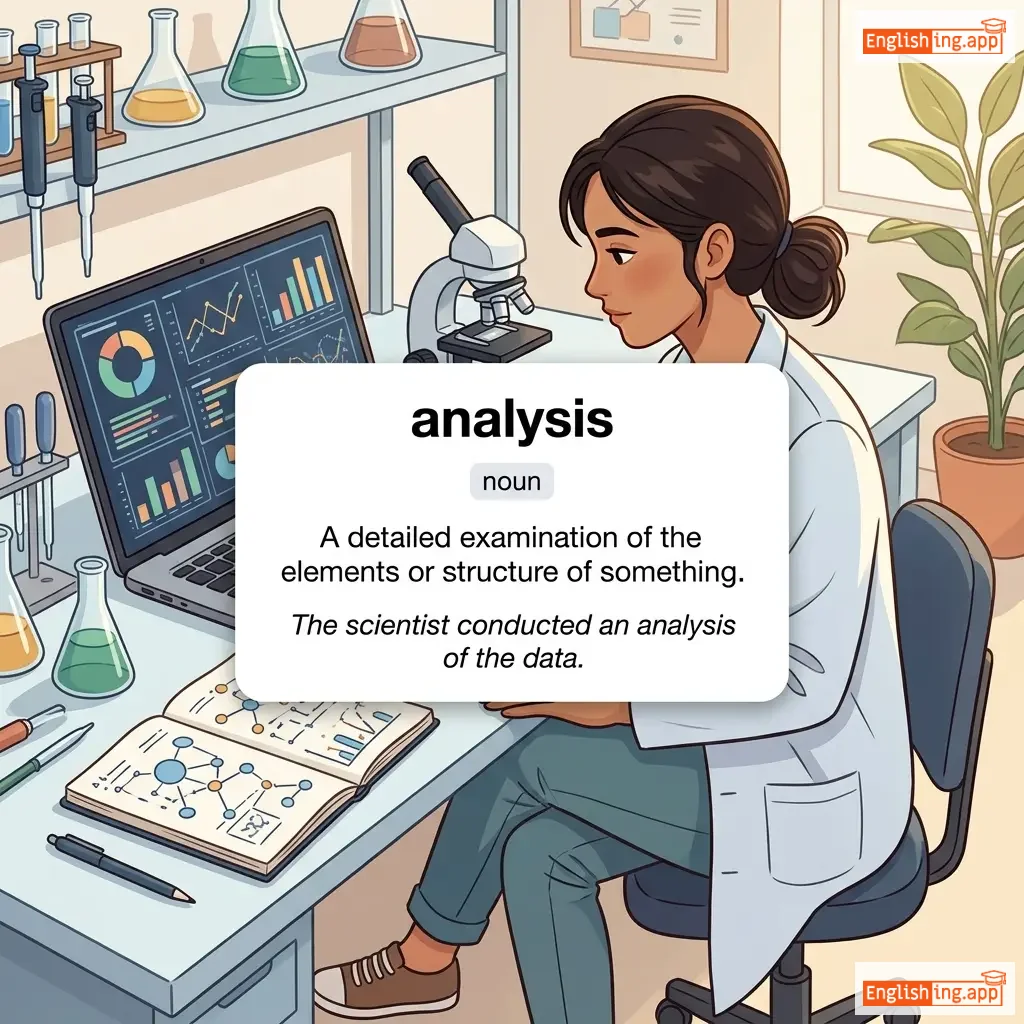
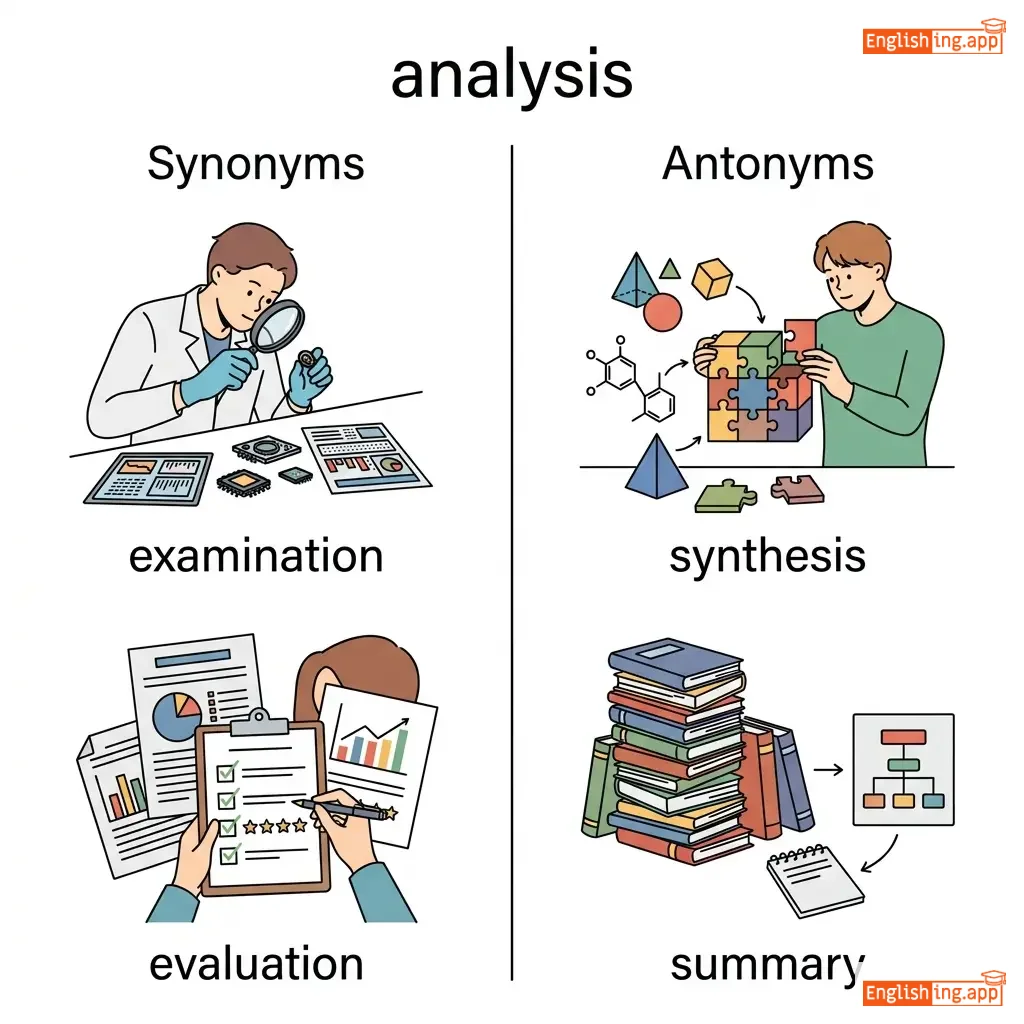
/əˈnæləsɪs/
noun
(アナリシス)
••••••
|
|
分析
bunseki
••••••
|
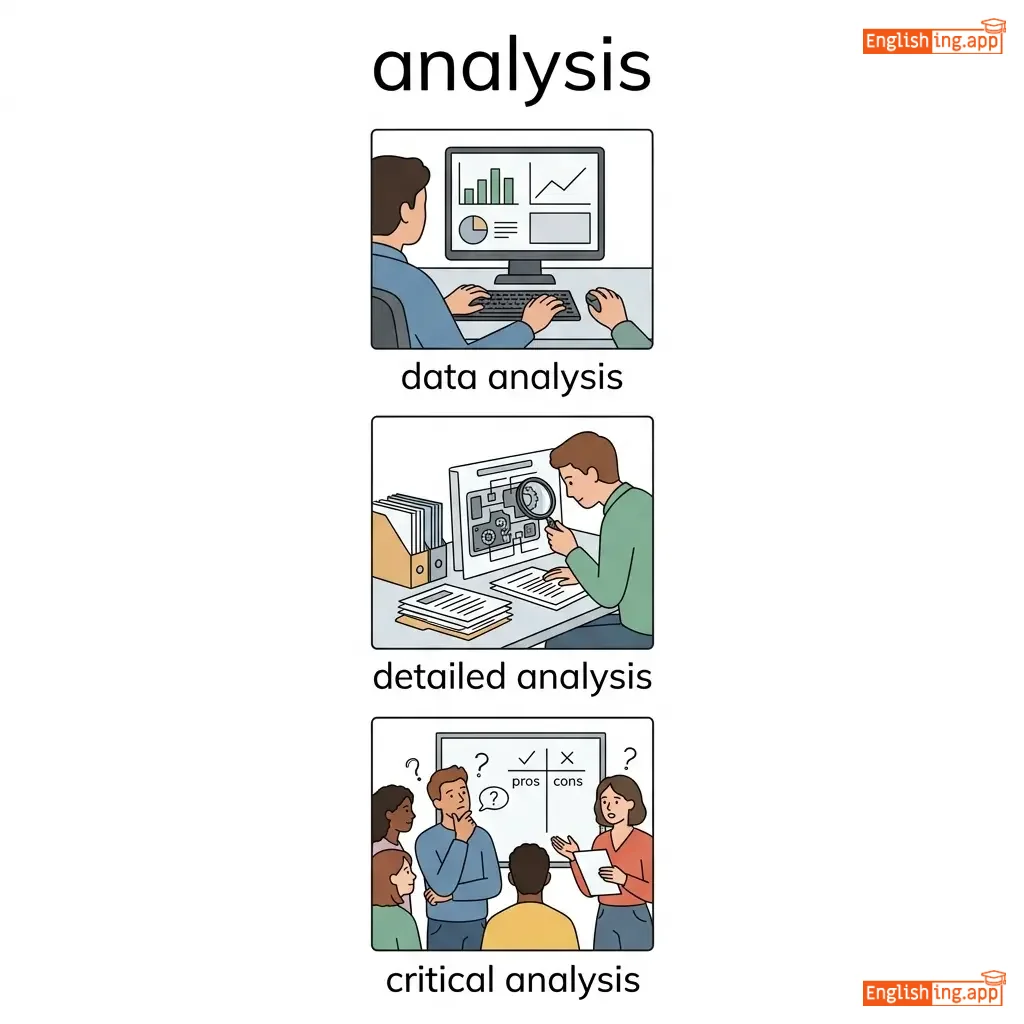
detailed examination of the elements or structure of something
••••••
|
The scientist conducted a thorough analysis of the data. |
科学者はデータの詳細な分析を行いました。
Kagakusha wa dēta no shōsaina bunseki o okonaimashita.
••••••
|
examination, study, investigation, evaluation
••••••
|
synthesis, combination, integration
••••••
|
detailed analysis, data analysis, statistical analysis
••••••
|
日本語の'分析'は英語の'Analysis'に似ている。
••••••
|
|
#25
🎪
|
/əˈmjuːzmənt/
noun
(アミューズメント)
••••••
|
- •••••• |
娯楽; 楽しさ; エンターテイメント
goraku; tanoshisa; entāteimento
••••••
|
the state or experience of finding something funny; entertainment or recreational activities
••••••
|
The children's laughter showed their amusement at the clown's performance.
子供たちの笑いは、クラウンのパフォーマンスに対する楽しさを示しました。
••••••
|
子供たちの笑いは、クラウンのパフォーマンスに対する楽しさを示しました。
Kodomotachi no warai wa, kuraun no pafōmansu ni taisuru tanoshisa o shimashita.
••••••
|
entertainment, enjoyment, fun, pleasure
••••••
|
boredom, displeasure, annoyance
••••••
|
great amusement, public amusement, amusement park
••••••
|
Entertainment is all about fun!
••••••
|
|
#26
🧿
|
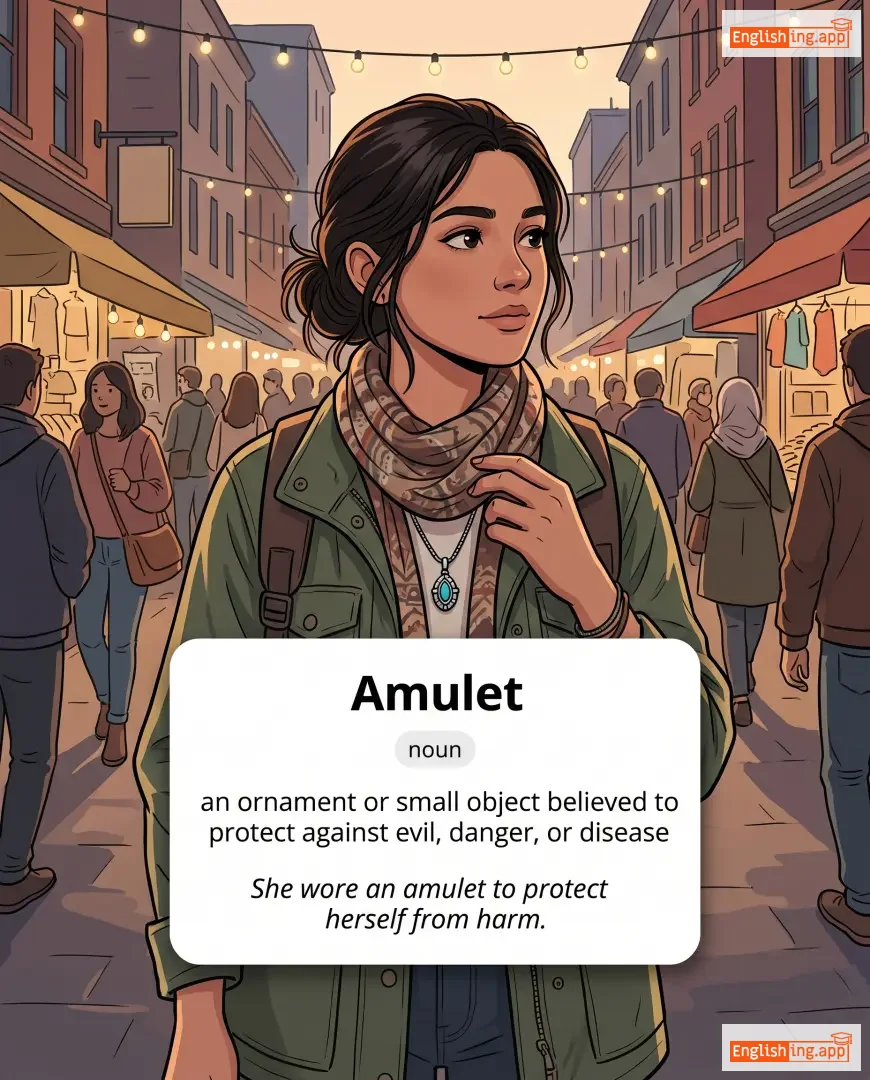
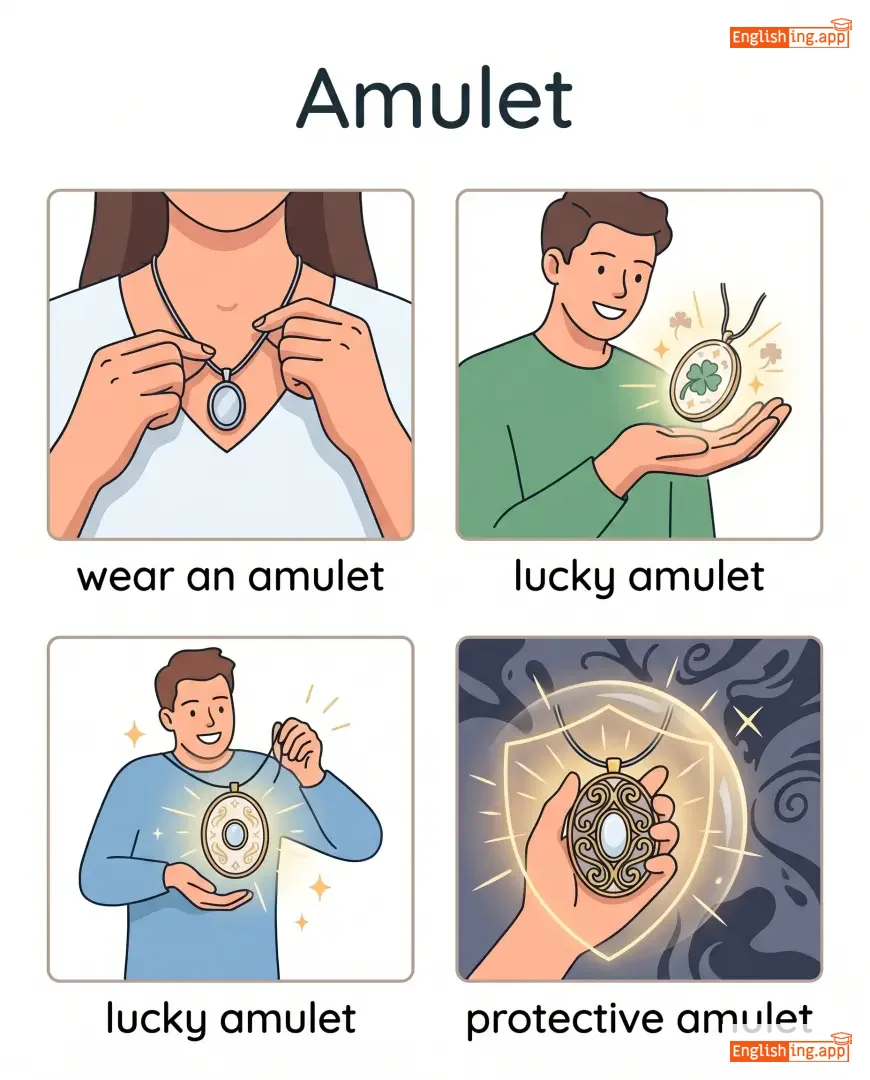
/ˈæmjʊlət/
noun
(アミュレット)
••••••
|
|
お守り; タリスマン
omamori; tarisman
••••••
|
an ornament or small piece of jewelry thought to give protection against evil, danger, or disease
••••••
|
She wore a silver amulet around her neck for good luck.
彼女は幸運のために首に銀のアミュレットを身につけていました。
••••••
|
彼女は幸運のために首に銀のタリスマンを身につけていました。
Kanojo wa kōun no tame ni kubi ni gin no tarisman o mi ni tsukete imashita.
••••••
|
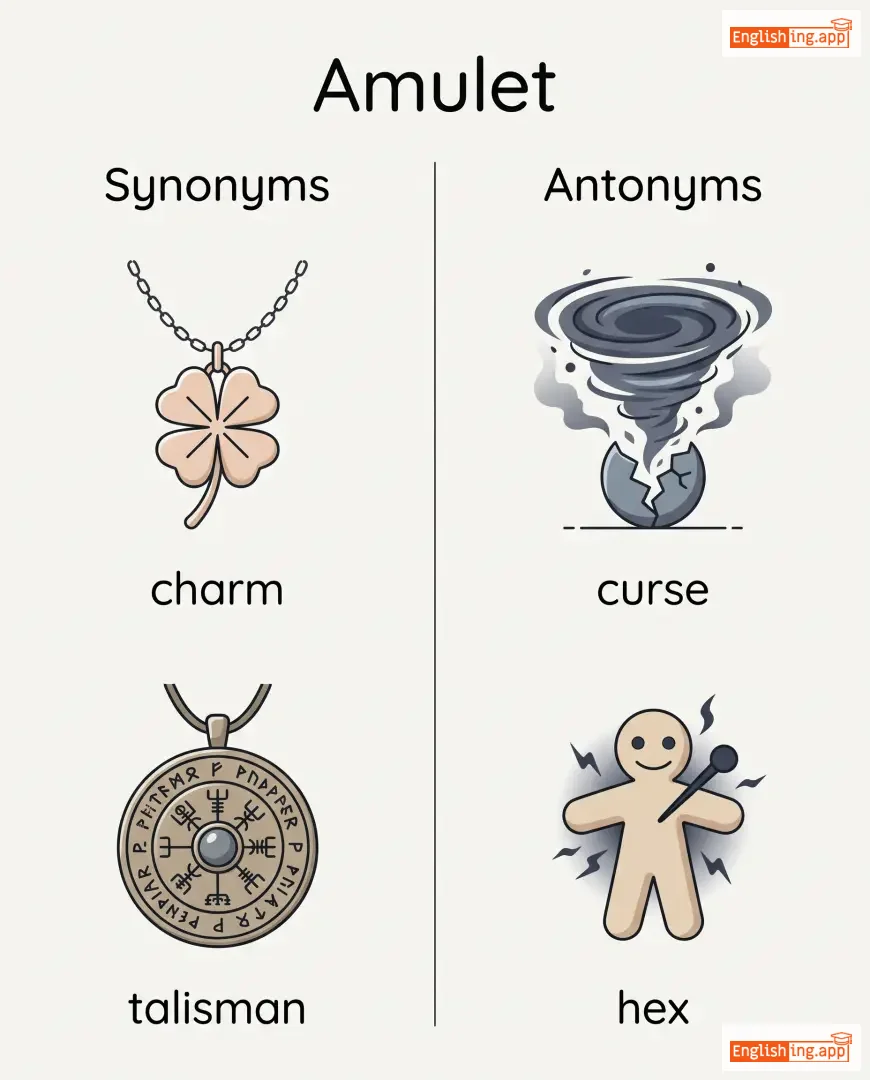
charm, talisman, pendant, lucky charm
••••••
|
- •••••• |
protective amulet, ancient amulet, wear an amulet
••••••
|
アミュレット - お守り、守ってくれるアイテム
••••••
|
|
#27
🎯
|
/æmˈbɪʃən/
noun
(アンビション)
••••••
|
|
野心
yashin
••••••
|
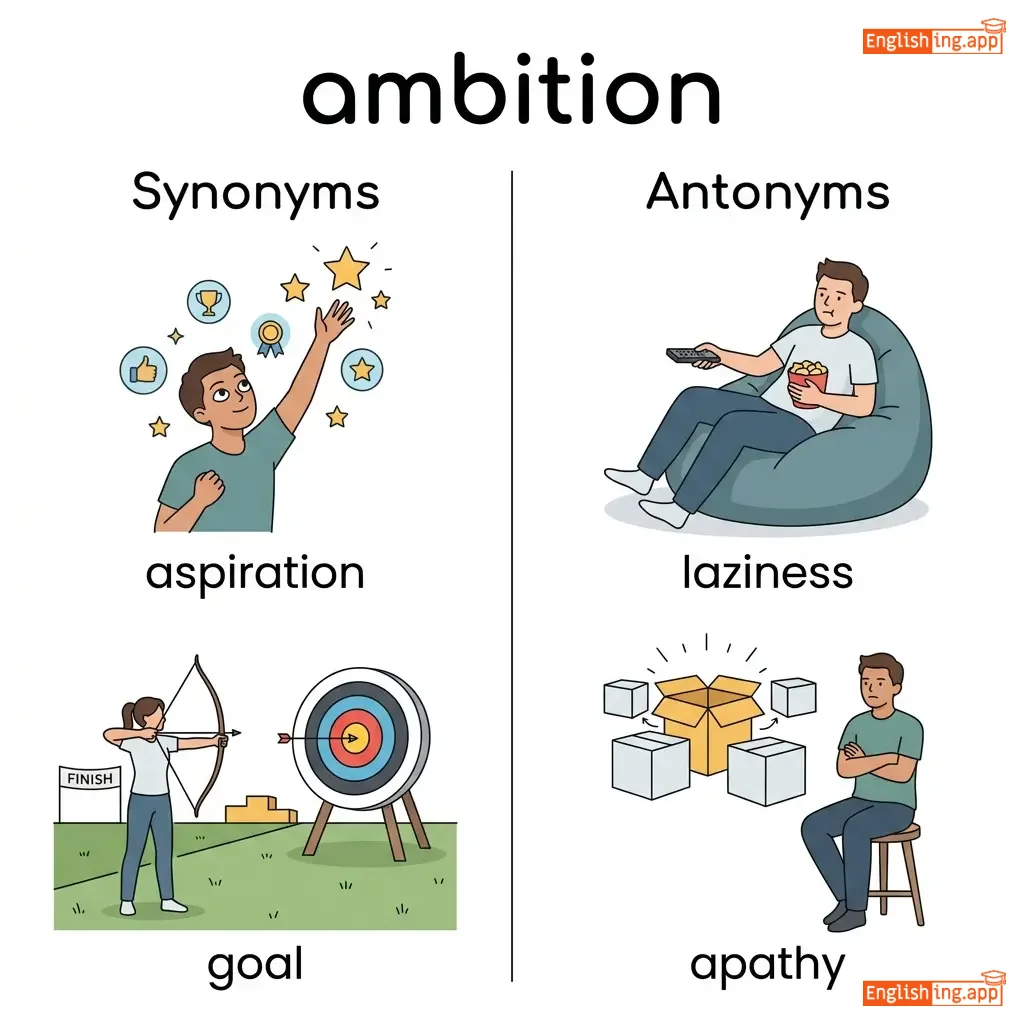
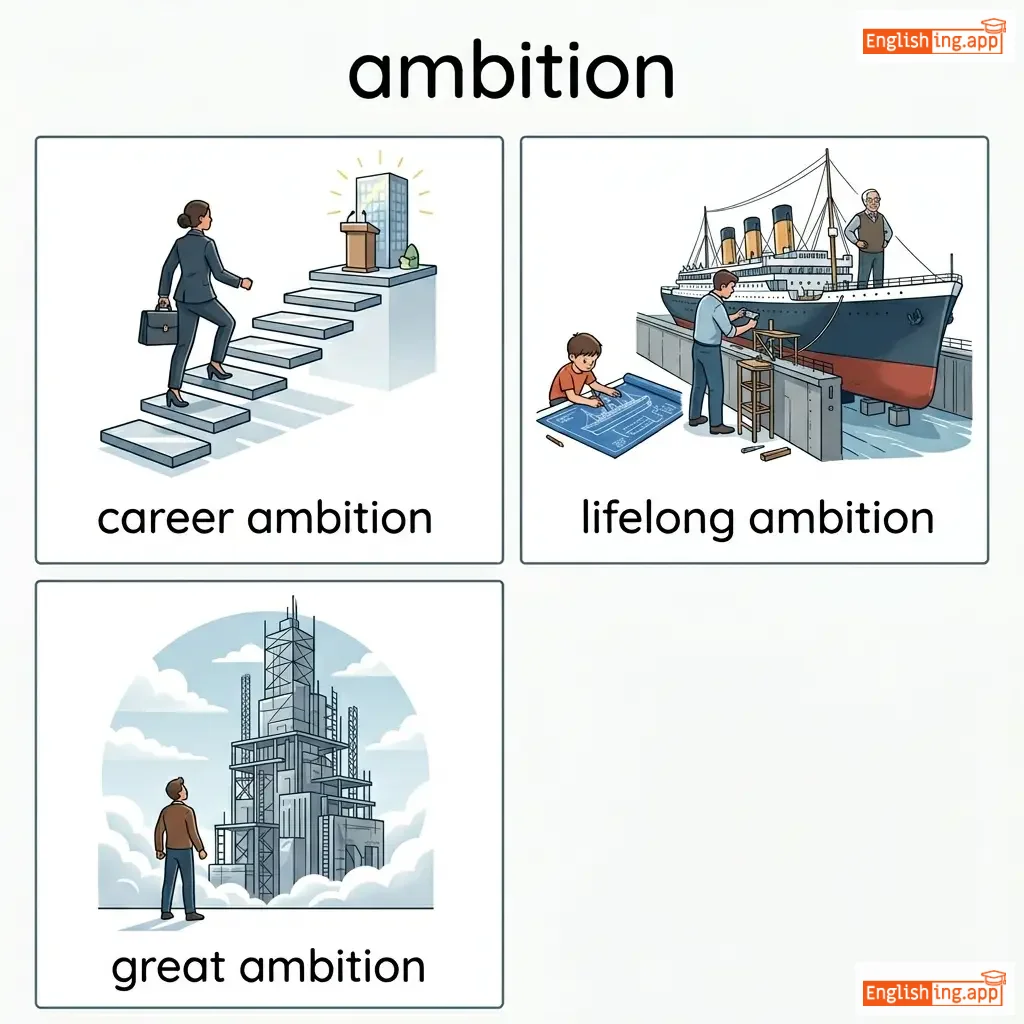
a strong desire to do or to achieve something, typically requiring determination and hard work
••••••
|
Her ambition is to become a successful doctor.
彼女の野心は成功した医者になることです。
••••••
|
彼女の野心は成功した医者になることです。
Kanojo no yashin wa seikou shita isha ni naru koto desu.
••••••
|
aspiration, drive, determination, goal
••••••
|
apathy, laziness, contentment
••••••
|
personal ambition, political ambition, fulfill ambition
••••••
|
Ambition = '野心' in Japanese; keep striving for success, no matter what.
••••••
|
|
#28
🏛️
|
/æmˈbæsədər/
noun
(アンバサダー)
••••••
|
- •••••• |
大使
taishi
••••••
|
an accredited diplomat sent by a country as its official representative to a foreign country
••••••
|
The ambassador met with government officials to discuss trade agreements. |
大使は貿易協定について議論するために政府の役人と会いました。
Taishi wa bōeki kyōtei ni tsuite giron suru tame ni seifu no yakunin to aimashita.
••••••
|
diplomat, envoy, representative, emissary
••••••
|
- •••••• |
foreign ambassador, diplomatic ambassador, appoint an ambassador
••••••
|
大使は国と国の間で取引を行う者です。
••••••
|
|
#29
⛪
|
/ˈɔːltər/
noun
(アルタール)
••••••
|
- •••••• |
祭壇
saidan
••••••
|
a raised structure on which offerings or sacrifices are made to a deity
••••••
|
The bride and groom stood before the altar during the ceremony. |
新郎新婦は式の最中に祭壇の前に立っていました。
shinrō shinpu wa shiki no saichū ni saidan no mae ni tatte imashita.
••••••
|
shrine, sanctuary, platform
••••••
|
- •••••• |
church altar, wedding altar, sacrifice at the altar
••••••
|
日本語の'祭壇'は、宗教儀式で使われる神聖な場所です。
••••••
|
|
#30
💰
|
/əˈlaʊəns/
noun
(アラワンス)
••••••
|
- •••••• |
手当
teate
••••••
|
a sum of money paid regularly to a person; permission to do something
••••••
|
Children receive a weekly allowance for helping with chores. |
子供たちは家事の手伝いをすることで週刊手当を受け取ります。
Kodomotachi wa kaji no tetsudai wo suru koto de shuukan teate wo uketorimasu.
••••••
|
stipend, payment, allocation, quota
••••••
|
prohibition, ban, restriction
••••••
|
monthly allowance, pocket allowance, travel allowance
••••••
|
子供たちの手当
••••••
|
|
#31
⚡
|
/ædˈvɜːr.sə.ti/
noun
(アドバーシティ)
••••••
|
|
逆境; 苦難;
gyakkyo; kunan
••••••
|
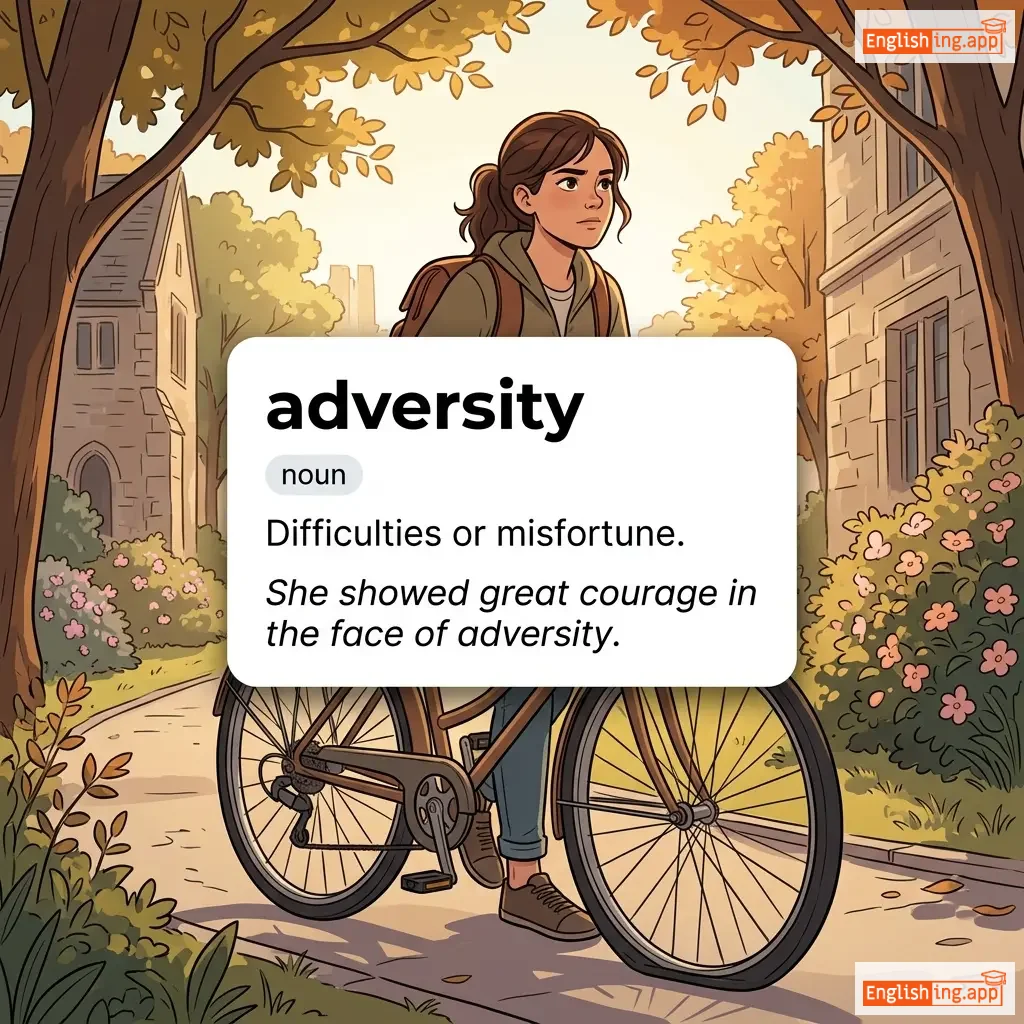
difficulties or misfortune; hardship
••••••
|
She showed great courage in the face of adversity.
彼女は逆境に直面して偉大な勇気を示しました。
••••••
|
彼女は逆境に直面して偉大な勇気を示しました。
Kanojo wa gyakkyo ni chokumen shite idaina yūki o shimeshimashita.
••••••
|
hardship, misfortune, difficulty, trouble
••••••
|
prosperity, fortune, success, ease
••••••
|
face adversity, overcome adversity, in adversity
••••••
|
In Japanese, adversity is written as 逆境 (gyakkyo), which reflects facing hardship.
••••••
|
|
#32
⚖️
|
/ˌæl.əˈɡeɪ.ʃən/
noun
(アレゲーション)
••••••
|
- •••••• |
告発
kokuhatsu
••••••
|
a claim that someone has done something wrong or illegal
••••••
|
The allegation against him was proven false. |
彼に対する告発は虚偽であることが証明された。
Kare ni taisuru kokuhatsu wa kyogi de aru koto ga shōmei sareta.
••••••
|
accusation, charge, claim, assertion
••••••
|
vindication, exoneration, proof of innocence
••••••
|
serious allegation, false allegation, investigate allegation
••••••
|
告発 (Kokuhatsu) — 何か悪いことが行われた場合に告発がなされます。
••••••
|
|
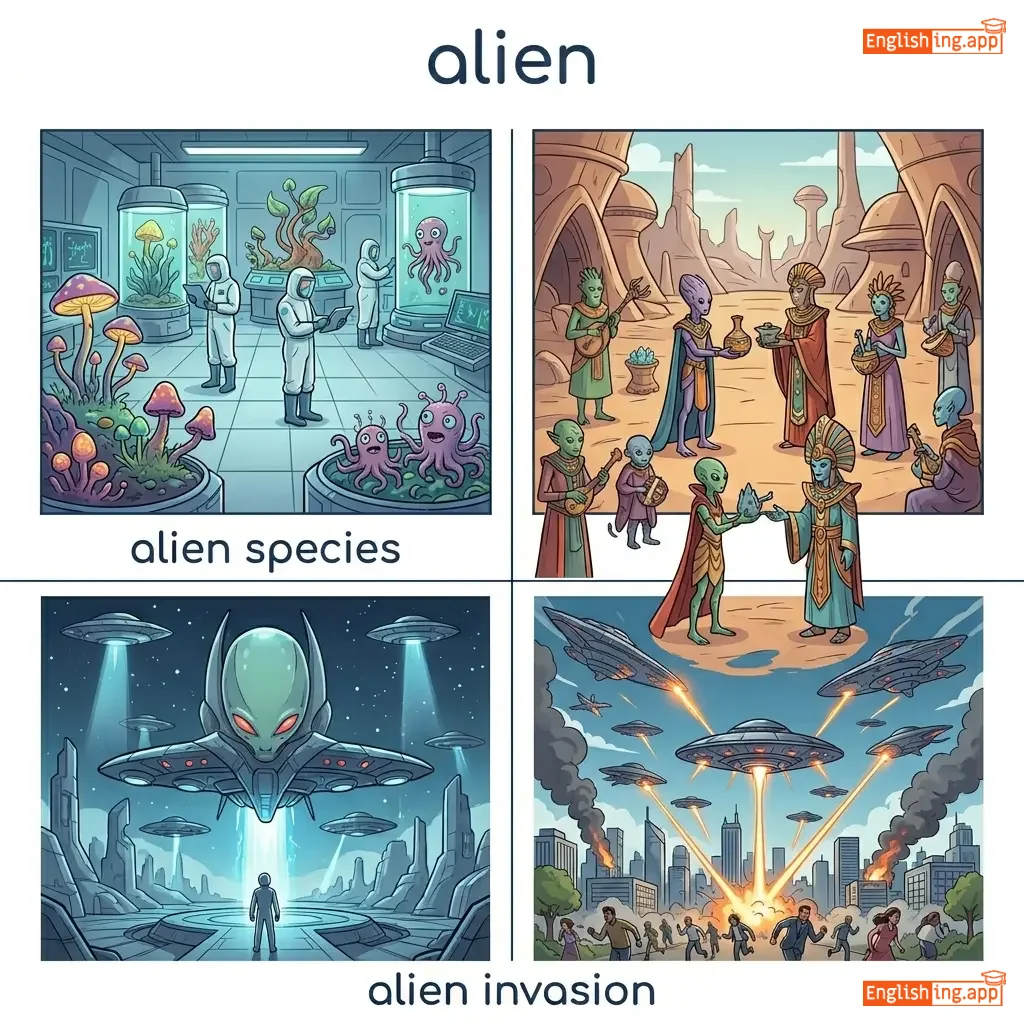
#33
👽
|
/ˈeɪ.li.ən/
noun
(エイリアン)
••••••
|
|
エイリアン; 異星人; 奇妙
Eirian; isei jin; kimyō
••••••
|
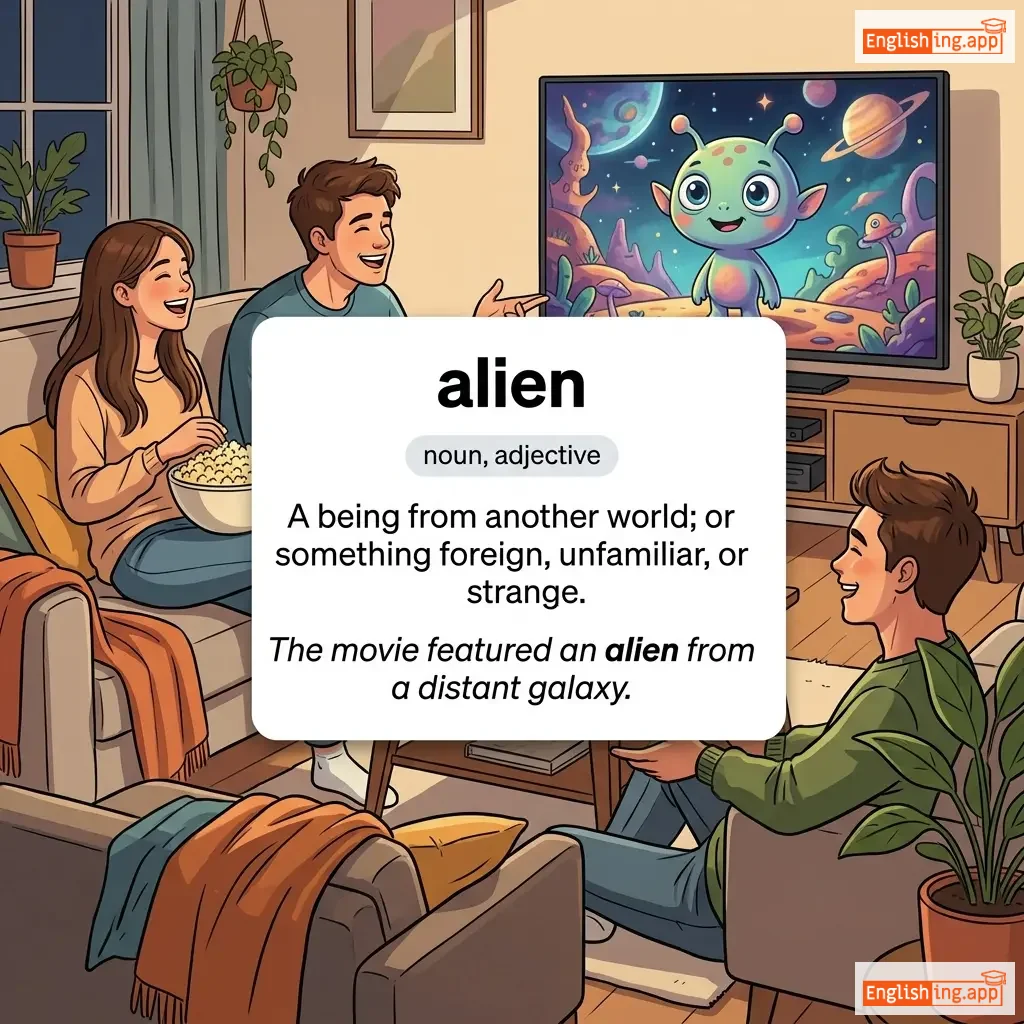
a foreigner; being from another world or place; strange
••••••
|
The customs were alien to their culture.
カスタムは彼らの文化にはエイリアンでした。
••••••
|
カスタムは彼らの文化にはエイリアンでした。
Kasutamu wa karera no bunka ni wa eirian deshita.
••••••
|
foreign, strange, unfamiliar, outsider
••••••
|
native, familiar, domestic, local
••••••
|
alien culture, alien concept, illegal alien
••••••
|
エイリアンのように奇妙で異常な存在。
••••••
|
|
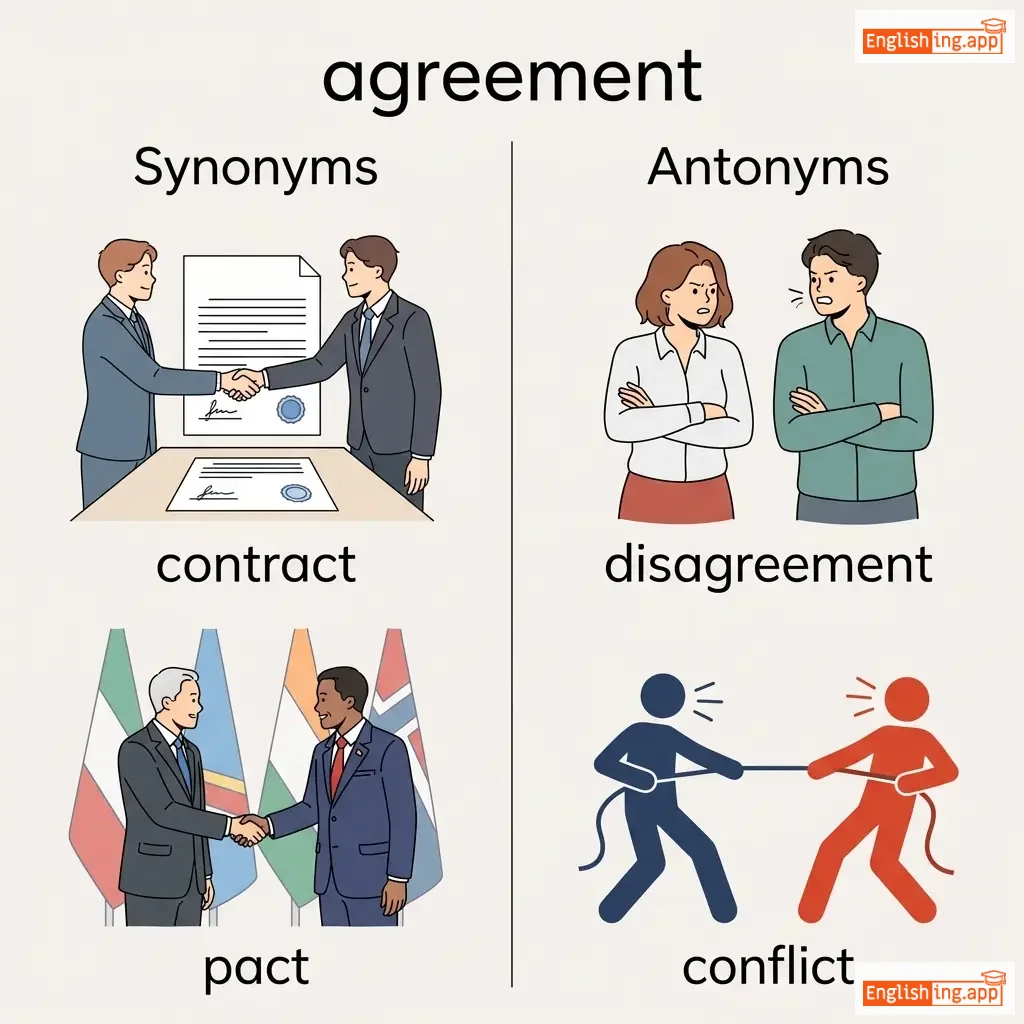
#34
🤝
|
/əˈɡriː.mənt/
noun
(アグリメント)
••••••
|
|
合意; 同意; 合意に達する
goi
••••••
|
a negotiated arrangement between parties; harmony of opinion
••••••
|
They signed a business agreement yesterday. |
彼らは昨日、ビジネス契約に署名しました。
Karera wa kinou, bijinesu keiyaku ni shomei shimashita.
••••••
|
contract, deal, pact, accord
••••••
|
disagreement, conflict, dispute, discord
••••••
|
reach agreement, sign agreement, mutual agreement
••••••
|
ビジネス契約に署名して、Agreementに似た合意を結ぶ
••••••
|
|
#35
😫
|
/ˈæɡ.ə.ni/
noun
(アゴニー)
••••••
|
- •••••• |
極度の肉体的または精神的苦痛; 激しい痛み
kyokudo no nikutai-teki matawa seishinteki kutsuu; hageshii itami
••••••
|
extreme physical or mental suffering; intense pain
••••••
|
He was in agony after the accident.
事故後、彼は激しい痛みに苦しんでいた。
••••••
|
事故後、彼は激しい痛みに苦しんでいた。
jiko go, kare wa hageshii itami ni kurushinde ita.
••••••
|
pain, suffering, torture, anguish
••••••
|
bliss, comfort, relief, pleasure
••••••
|
in agony, agony of defeat, prolonged agony
••••••
|
Agony is a form of extreme pain, physical or mental.
••••••
|
|
#36
📝
|
/əˈdʒen.də/
noun
(アジェンダ)
••••••
|
- •••••• |
アジェンダ
ajenda
••••••
|
a list of items to be discussed at a meeting; a plan of action
••••••
|
The meeting agenda includes budget discussions. |
会議のアジェンダには予算の議論が含まれています。
Kaigi no ajenda ni wa yosan no giron ga fukuma reteimasu.
••••••
|
schedule, program, plan, itinerary
••••••
|
spontaneity, improvisation
••••••
|
meeting agenda, hidden agenda, political agenda
••••••
|
アジェンダは会議の予定表のようなものです。
••••••
|
|
#37
🏢
|
/ˈeɪ.dʒən.si/
noun
(エージェンシー)
••••••
|
- •••••• |
エージェンシー; 代理店のオフィス
ejenshī
••••••
|
a business or organization that provides a particular service
••••••
|
She works for a travel agency downtown. |
彼女はダウンタウンの旅行代理店で働いています。
Kanojo wa dauntaun no ryokō dairi-ten de hataraite imasu.
••••••
|
organization, bureau, company, firm
••••••
|
individual, freelance
••••••
|
travel agency, advertising agency, government agency
••••••
|
Think of an 'ejenshī' helping you organize your travels.
••••••
|
|
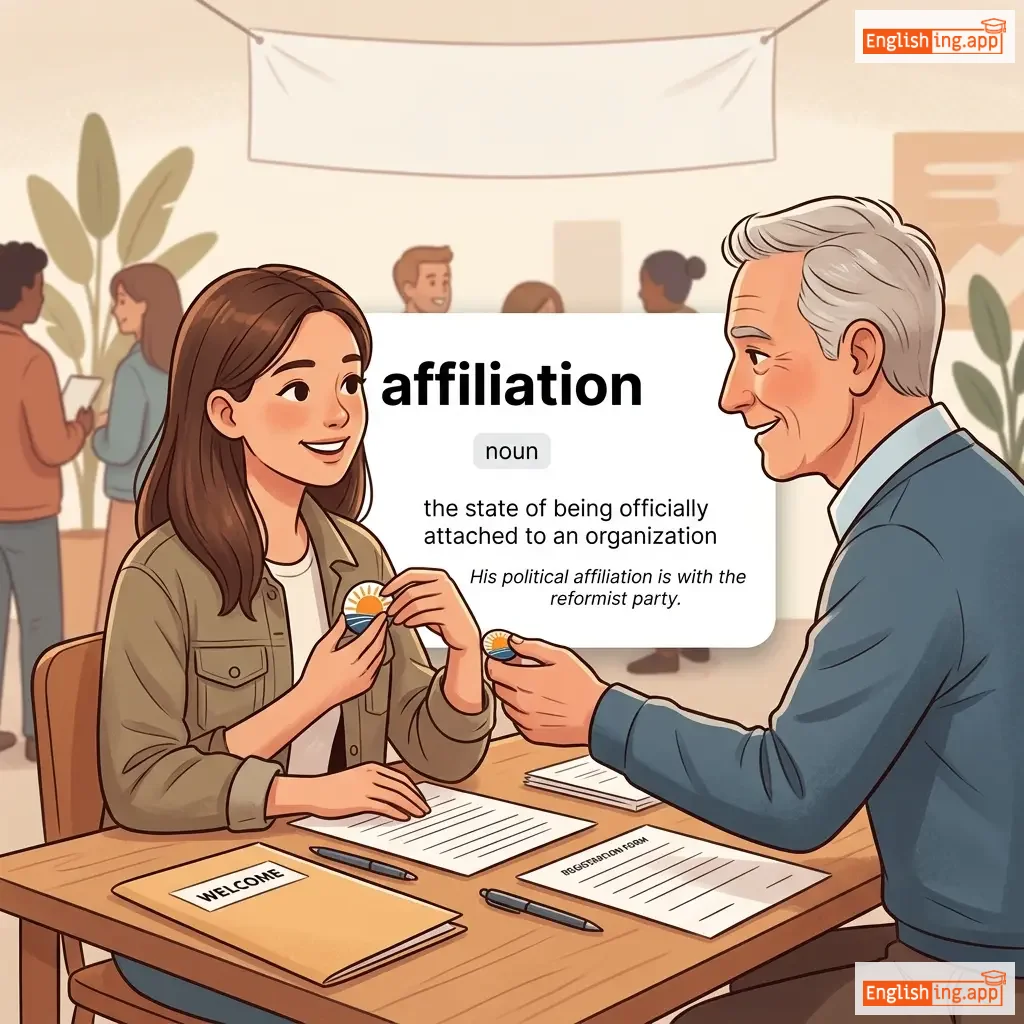
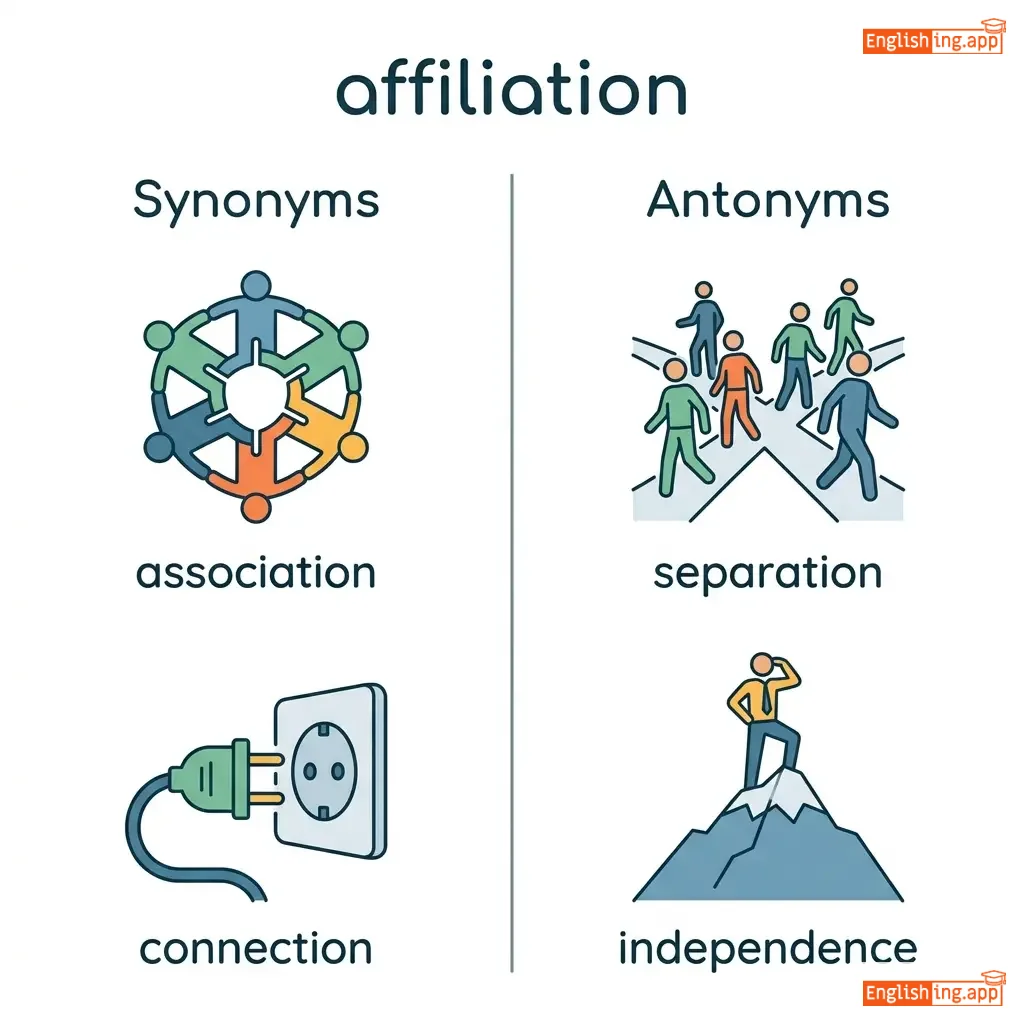
#38
🤝
|
/əˌfɪl.iˈeɪ.ʃən/
noun
(アフィリエーション)
••••••
|
|
組織またはグループとのつながりまたは関連
soshiki matawa gurūpu to no tsunagari matawa kanren
••••••
|
connection or association with an organization or group
••••••
|
His political affiliation influenced his career decisions. |
彼の政治的アフィリエーションは彼のキャリアの決定に影響を与えました。
Kare no seijiteki afirieeshon wa kare no kyaria no kettei ni eikyō o atemashita.
••••••
|
association, connection, membership, alliance
••••••
|
dissociation, separation, independence
••••••
|
political affiliation, religious affiliation, party affiliation
••••••
|
In Japanese, 'アフィリエーション' is a reminder of connection with groups.
••••••
|
|
#39
❤️
|
/əˈfek.ʃən/
noun
(アフェクション)
••••••
|
- •••••• |
愛情; 好意
aijou; koui
••••••
|
a feeling of liking or caring for someone or something
••••••
|
She has deep affection for her grandmother.
彼女は祖母に深い愛情を持っています。
••••••
|
彼女は祖母に深い愛情を持っています。
Kanojo wa sobo ni fukai aijou o motteimasu.
••••••
|
love, fondness, tenderness, care
••••••
|
hatred, dislike, indifference, hostility
••••••
|
deep affection, show affection, feel affection
••••••
|
愛情は心からの深い関心と好意です。
••••••
|
|
#40
📋
|
/əˈfer/
noun
(アフェア)
••••••
|
- •••••• |
事柄; 出来事;
kotogara; dekigoto
••••••
|
an event or situation; a matter that someone deals with
••••••
|
The wedding was a grand affair with hundreds of guests. |
結婚式は何百人ものゲストを招待した壮大な出来事でした。
Kekkonshiki wa nanbyakunin mo no gesuto wo shoutai shita soudaina dekigoto deshita.
••••••
|
matter, business, concern, event
••••••
|
triviality, insignificance
••••••
|
business affair, love affair, family affair
••••••
|
大きな '出来事' は 'アフェア' です。
••••••
|
Vocabulary Quiz
Test your vocabulary by matching words with their translations or meanings.
Login to take the quiz
Comments (0)
Share your thoughts and join the discussion.
Join the discussion by logging in
Login to CommentNo comments yet
Be the first to share your thoughts!