

翻訳
過去
過去分詞
三人称単数
動名詞
意味
例文
例文の翻訳
同義語
対義語
コロケーション
ニーモニック
Swipe left or right, or use the buttons. Tap image to zoom.
例文の翻訳
単語
Lesson 37Lesson 37 - マスクトグル
|
絵文字
|
単語 | Images | 翻訳 | 意味 | 例文 | 例文の翻訳 | 同義語 | 対義語 | コロケーション | ニーモニック |
|---|---|---|---|---|---|---|---|---|---|---|
|
#721
🧪
|
/ləˈbɔːr.ə.tɔːr.i/
noun
(ラボラトリー)
••••••
|
- •••••• |
実験室
jikken shitsu
••••••
|
a room or building equipped for scientific experiments, research, or teaching
••••••
|
The scientists conducted their experiments in the well-equipped laboratory.
科学者たちは設備の整った実験室で実験を行いました。
••••••
|
科学者たちは設備の整った実験室で実験を行いました。
Kagakusha-tachi wa setsubi no totonatta jikken-shitsu de jikken o okonai mashita.
••••••
|
lab, research facility, testing center, workshop
••••••
|
field, natural environment, outdoor space, uncontrolled setting
••••••
|
research laboratory, science laboratory, computer lab
••••••
|
実験室で実験を行うことが学びの場所です
••••••
|
|
#722
🛬
|
/ˈlænd.ɪŋ/
noun
(ランディング)
••••••
|
- •••••• |
着陸
chakuriku
••••••
|
the action of coming to rest on the ground or another surface; a level area at the top of a staircase
••••••
|
The pilot made a smooth landing despite the stormy weather conditions.
パイロットは荒れた天候の中でスムーズなランディングを成功させました。
••••••
|
パイロットは荒れた天候の中でスムーズな着陸を成功させました。
Pairotto wa areta tenkō no naka de sumūzu na chakuriku o seikō sasenimashita.
••••••
|
touchdown, arrival, descent, alighting
••••••
|
takeoff, departure, ascent, launch
••••••
|
smooth landing, emergency landing, airplane landing
••••••
|
ランディングを着陸にして、安全に着地することを思い浮かべてみよう。
••••••
|
|
#723
🌀
|
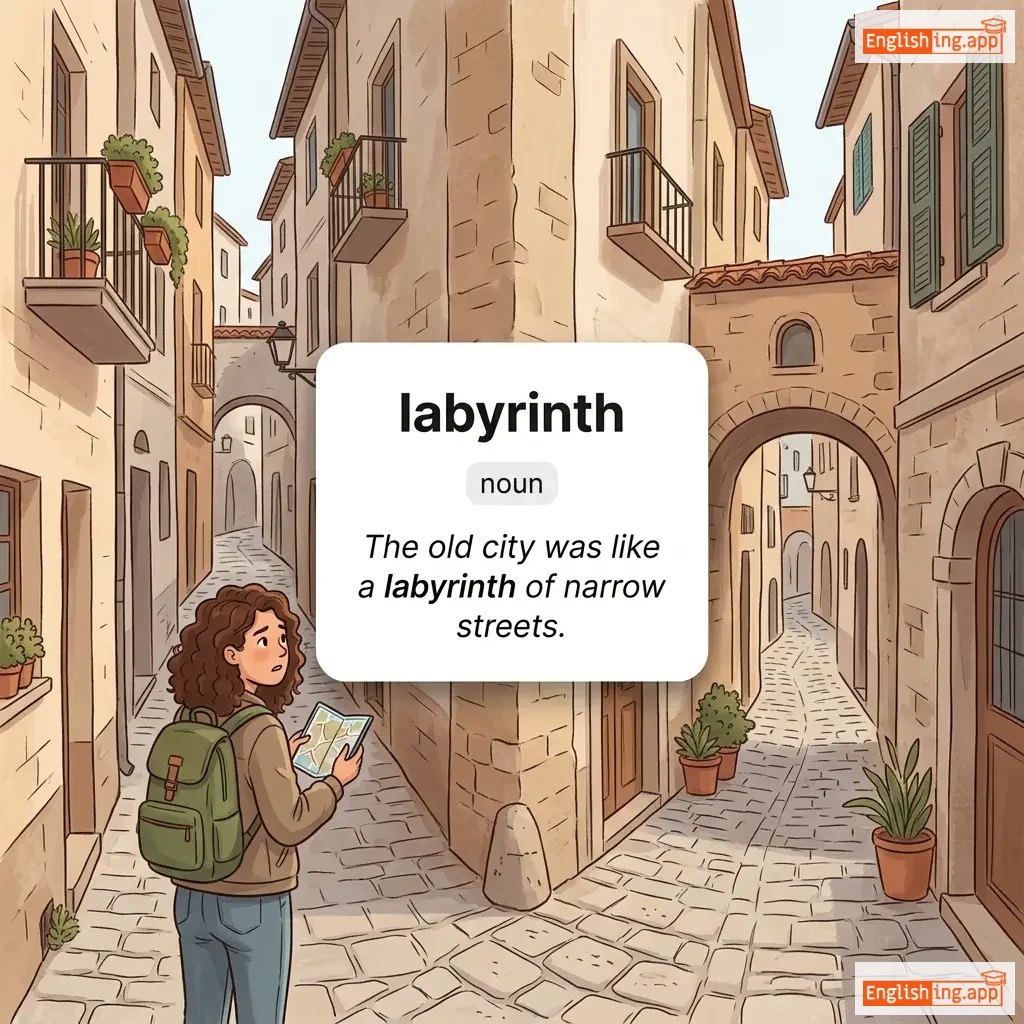
/ˈlæb.ə.rɪnθ/
noun
(ラビリンス)
••••••
|
|
迷宮
meikyuu
••••••
|
a complicated network of paths or passages; a maze
••••••
|
The old castle had a labyrinth of underground tunnels. |
その古い城には地下トンネルの迷宮がありました。
Sono furui shiro ni wa chika tonneru no meikyuu ga arimashita.
••••••
|
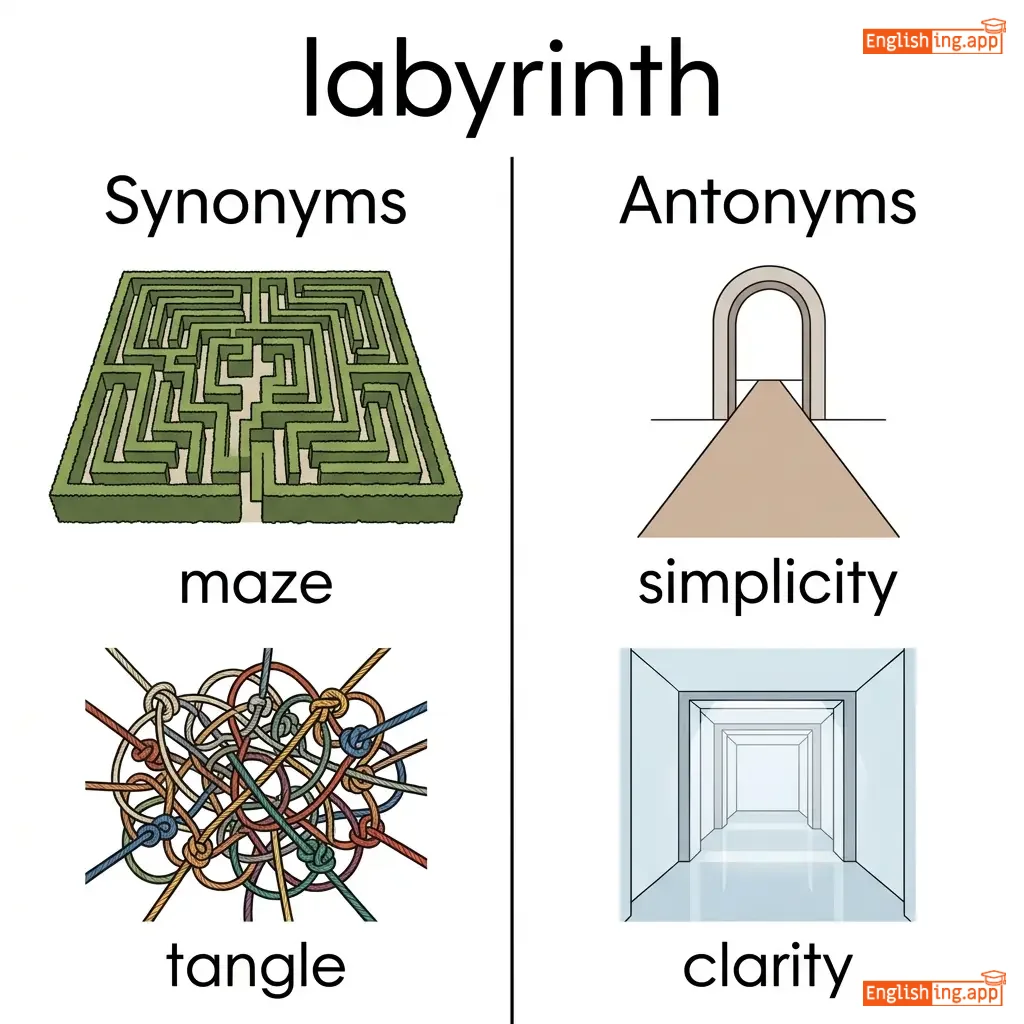
maze, network, tangle, complex
••••••
|
straight path, simple route, clear way, direct passage
••••••
|
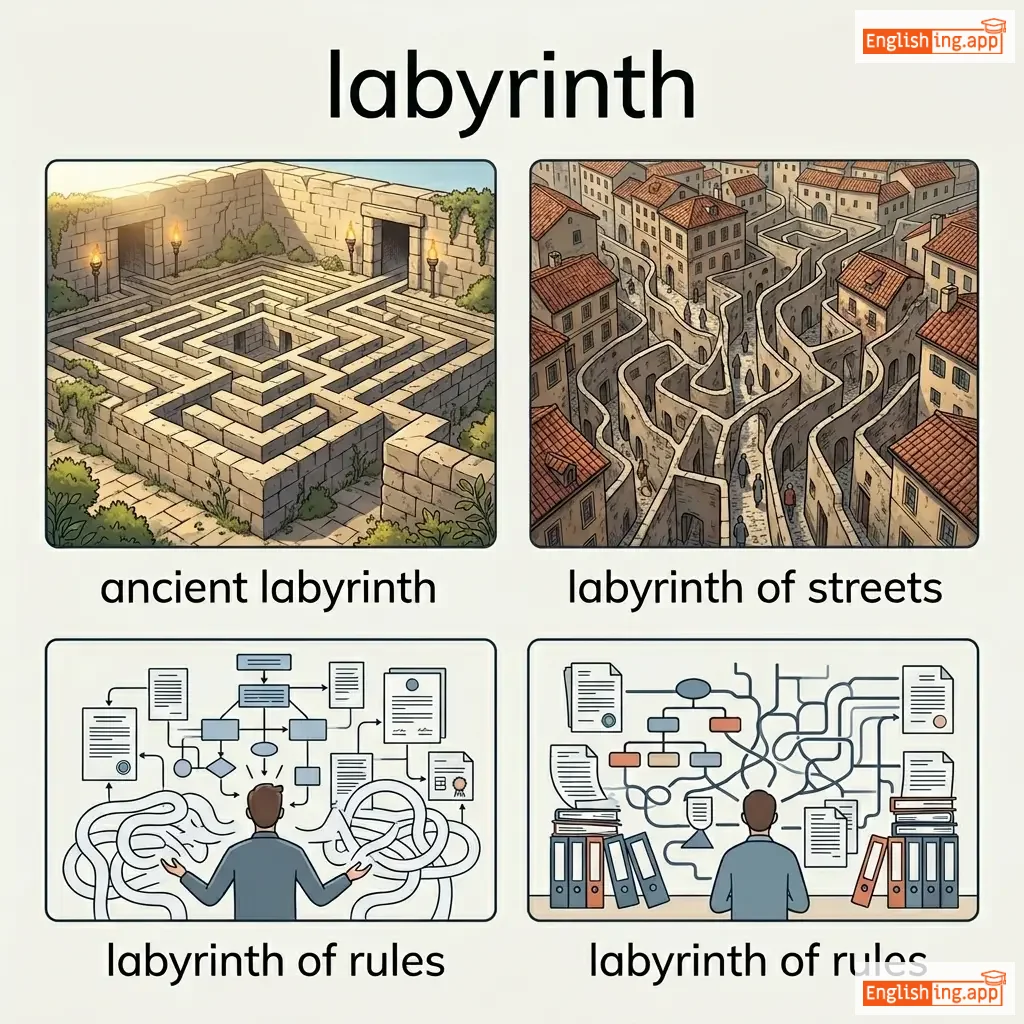
underground labyrinth, complex labyrinth, lost in labyrinth
••••••
|
In Japanese, '迷宮' (meikyuu) makes it easy to imagine a maze or labyrinth to get lost in!
••••••
|
|
#724
👩🏠
|
/ˈlænd.leɪ.di/
noun
(landlady)
••••••
|
- •••••• |
女主人
onnajyurin
••••••
|
a woman who rents out land, a building, or accommodation; a female property owner
••••••
|
The friendly landlady provided fresh towels and showed us around the apartment. |
親切な女主人は新しいタオルを提供し、私たちにアパートを案内してくれました。
Shinsetsuna onnajyurin wa atarashī taoru o teikyō shi, watashitachi ni apāto o annai shite kuremashita.
••••••
|
property owner, lessor, hostess, proprietress
••••••
|
tenant, renter, lodger, guest
••••••
|
friendly landlady, strict landlady, apartment landlady
••••••
|
Think 'onna' (woman) and 'jyurin' (hostess) to recall 'onnajyurin'.
••••••
|
|
#725
🎀
|
/leɪs/
noun
(レース)
••••••
|
- •••••• |
レース
rēsu
••••••
|
a delicate fabric made of yarn or thread in an open weblike pattern; a cord or string for fastening
••••••
|
She wore a beautiful dress decorated with intricate lace patterns. |
彼女は複雑なレース模様で飾られた美しいドレスを着ていた。
Kanojo wa fukuzatsu na rēsu moyō de kazatta utsukushī doresu o kite ita.
••••••
|
trim, edging, cord, string
••••••
|
solid fabric, plain cloth, coarse material, rough textile
••••••
|
lace curtains, shoe lace, lace dress
••••••
|
レース、繊細で美しい
••••••
|
|
#726
👨🏠
|
/ˈlænd.lɔːrd/
noun
(ランドロード)
••••••
|
- •••••• |
家主
yajyu
••••••
|
a man who rents out land, a building, or accommodation; a male property owner
••••••
|
The landlord agreed to fix the broken heating system before winter arrived. |
家主は冬が来る前に壊れた暖房システムを修理することに同意しました。
Yajyu wa fuyu ga kuru mae ni kowareta danbou shisutemu o shuuri suru koto ni doui shimashita.
••••••
|
property owner, lessor, proprietor, host
••••••
|
tenant, renter, lodger, lessee
••••••
|
responsible landlord, apartment landlord, commercial landlord
••••••
|
家主は家を持っている人で、'家'は家を、'主'は所有者を意味します。
••••••
|
|
#727
❌
|
/læk/
noun
(ラック)
••••••
|
- •••••• |
不足; 欠如
fusoku, kenru
••••••
|
the state of being without or not having enough of something; absence or shortage
••••••
|
The lack of rain this summer has caused serious problems for farmers. |
この夏の雨不足が農家に深刻な問題を引き起こしました。
kono natsu no ame fusoku ga nouka ni shinkoku na mondai wo hikiokoshimashita.
••••••
|
absence, shortage, deficiency, want
••••••
|
abundance, plenty, surplus, excess
••••••
|
lack of experience, lack of time, lack of money
••••••
|
ラックの不足、それは全ての欠如を意味する!
••••••
|
|
#728
🏔️
|
/ˈlænd.skeɪp/
noun
(ランドスケープ)
••••••
|
- •••••• |
風景
fūkei
••••••
|
all the visible features of an area of countryside or land; the art of designing outdoor areas
••••••
|
The mountain landscape was breathtaking with its snow-capped peaks and green valleys. |
山の風景は雪で覆われた頂上と緑の谷が息を呑むほど美しかった。
Yama no fūkei wa yuki de ōwareta chōjō to midori no tani ga iki o nomu hodo utsukushikatta.
••••••
|
scenery, terrain, countryside, vista
••••••
|
cityscape, urban area, interior, indoor space
••••••
|
mountain landscape, rural landscape, beautiful landscape
••••••
|
Land (ランド) + scape (風景) = 風景
••••••
|
|
#729
🪜
|
/ˈlæd.ər/
noun
(レーダー)
••••••
|
- •••••• |
はしご
hashigo
••••••
|
a structure consisting of two upright parallel sides connected by rungs, used for climbing up or down
••••••
|
He climbed the ladder to reach the books on the top shelf. |
彼は上の棚の本を取るためにはしごを登った。
Kare wa ue no tana no hon o toru tame ni hashigo o nobotta.
••••••
|
steps, stairway, stepladder, climbing frame
••••••
|
ground level, flat surface, bottom, base
••••••
|
climb ladder, wooden ladder, safety ladder
••••••
|
はしごを登るイメージを覚えよう。
••••••
|
|
#730
🌄
|
/ˈlænd.slaɪd/
noun
(ランドスライド)
••••••
|
- •••••• |
地すべり
jisuberi
••••••
|
a collapse of a mass of earth or rock from a mountain or cliff; an overwhelming victory in an election
••••••
|
Heavy rains triggered a massive landslide that blocked the mountain highway.
ヘビー レインズ トリガード ア マッシブ ランドスライド ザット ブロックド ザ マウンテン ハイウェイ。
••••••
|
大雨が大規模な地すべりを引き起こし、山道をふさいだ。
ooame ga daikibo na jisuberi o hikiokoshi, yamamichi o fusaida.
••••••
|
rockslide, avalanche, mudslide, earthfall
••••••
|
stability, solid ground, firm foundation, secure terrain
••••••
|
massive landslide, prevent landslide, landslide warning
••••••
|
Land sliding in Japan — jisuberi!
••••••
|
|
#731
👩
|
/ˈleɪ.di/
noun
(レディ)
••••••
|
- •••••• |
女性; 上品な女性;
josei, jouhin na josei
••••••
|
a woman, especially one of refined or gentle manners; a polite term for any woman
••••••
|
The elderly lady crossed the street with the help of her walking stick.
高齢の女性は彼女の杖で通りを渡りました。
••••••
|
高齢の女性は彼女の杖で通りを渡りました。
Kōrei no josei wa kanojo no tsue de tōri o watarimashita.
••••••
|
woman, female, gentlewoman, madam
••••••
|
gentleman, man, male, sir
••••••
|
young lady, elderly lady, first lady
••••••
|
Lady = 'J'は上品な女性、'L'でレディ
••••••
|
|
#732
🗣️
|
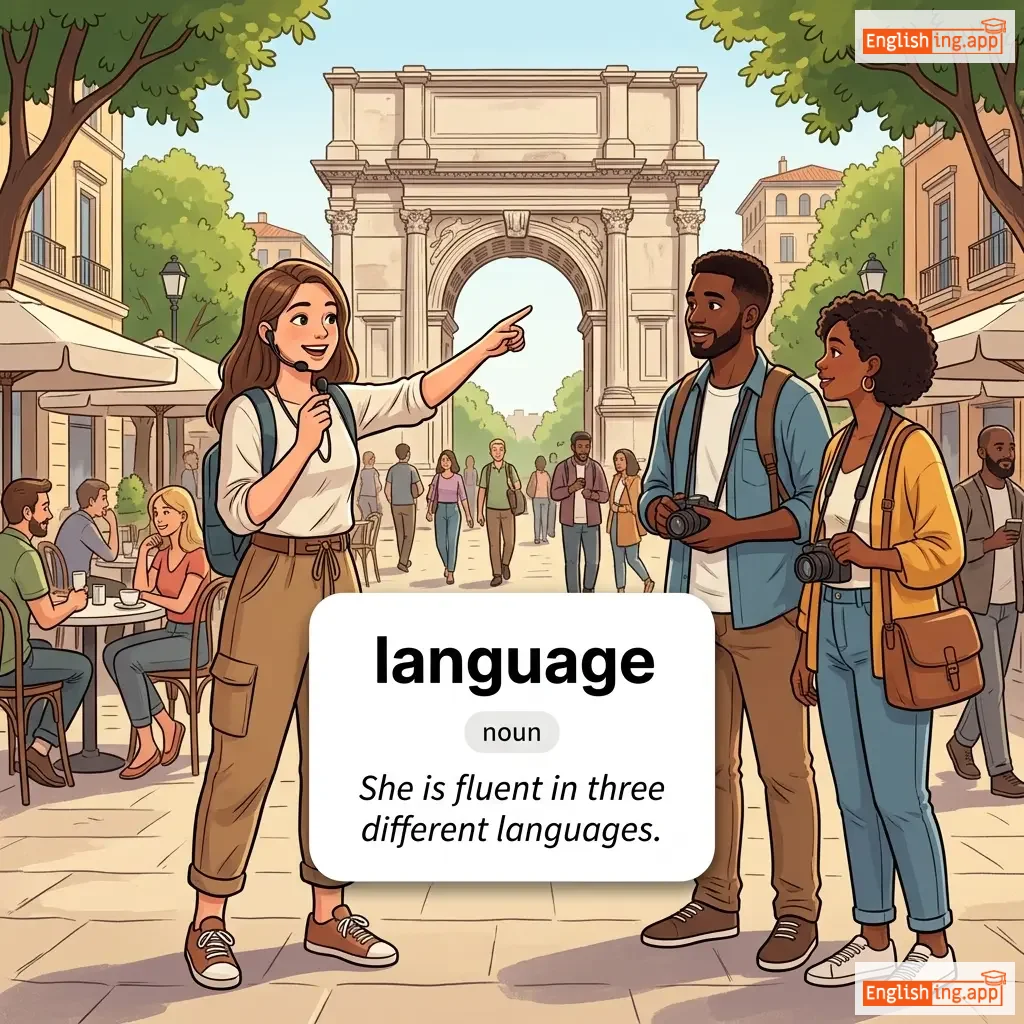
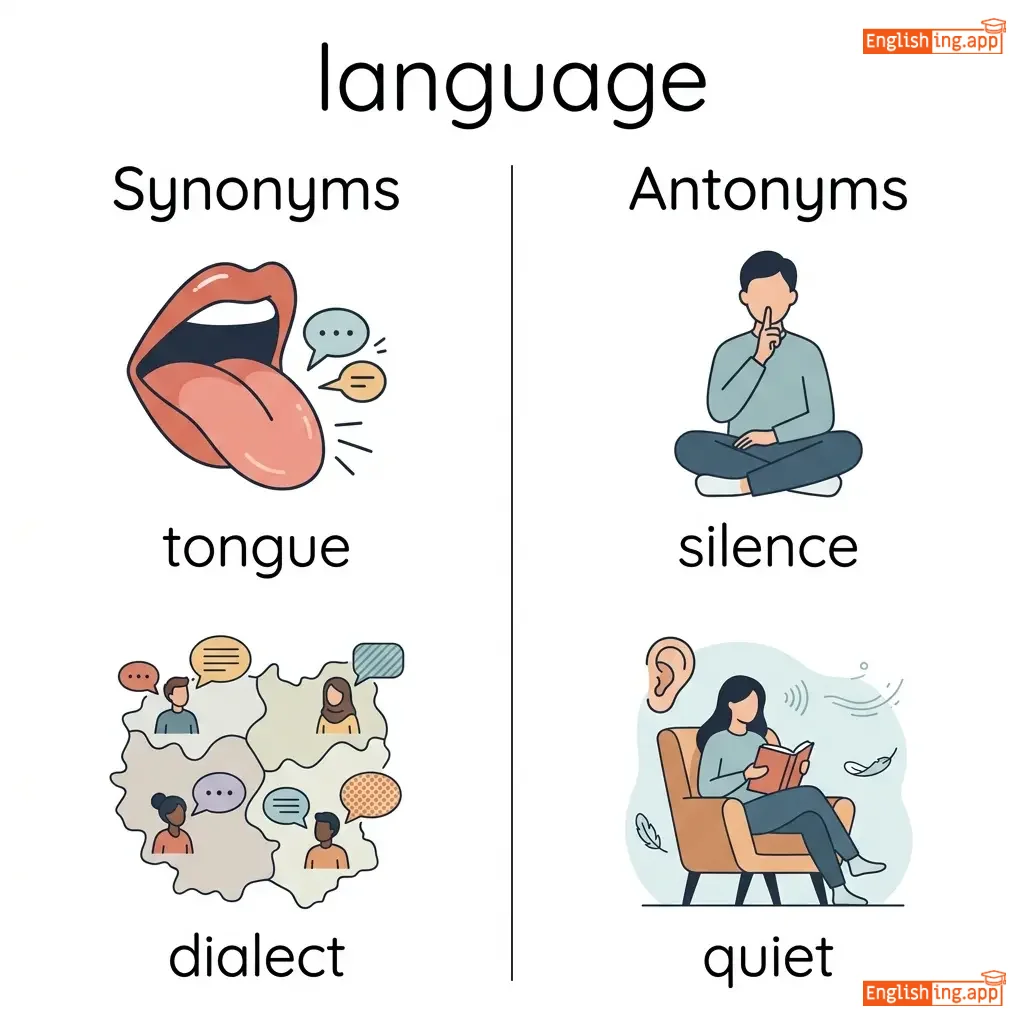
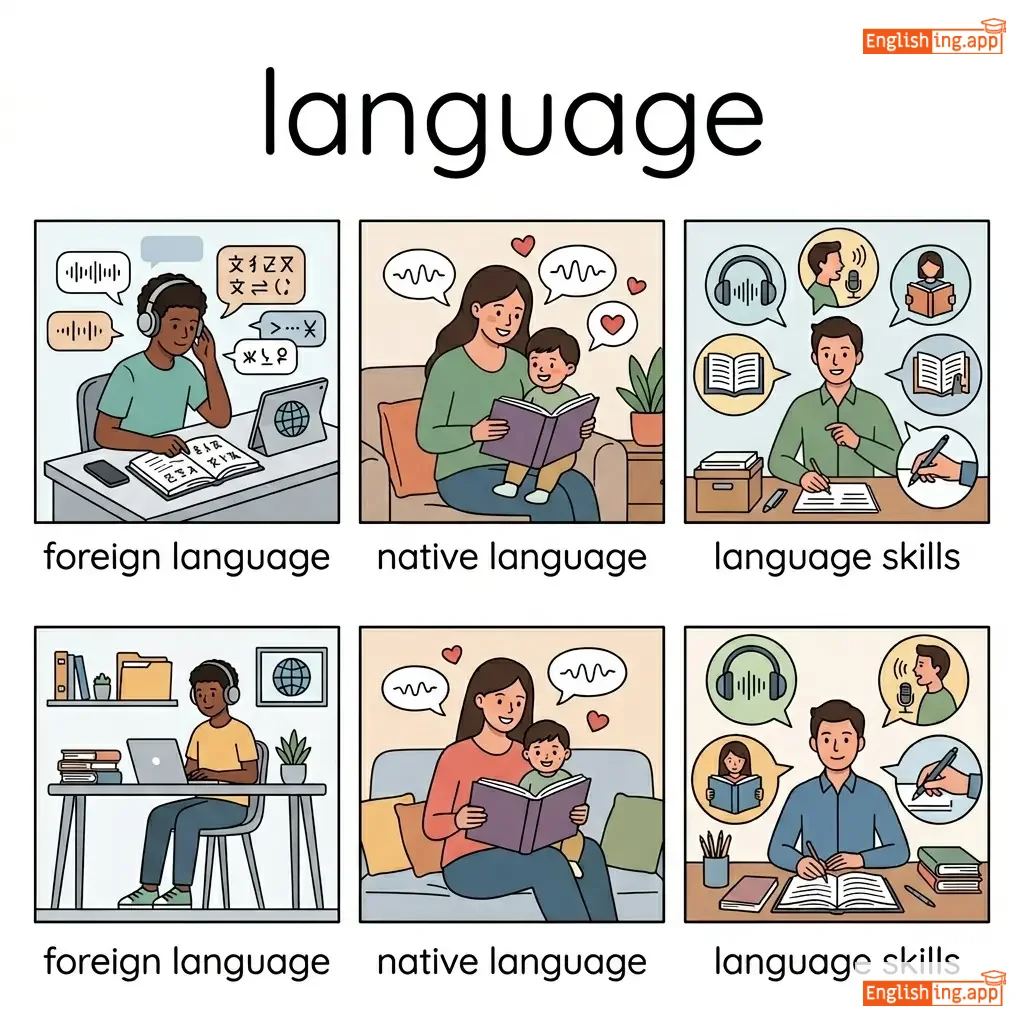
/ˈlæŋ.ɡwɪdʒ/
noun
(renguage)
••••••
|
|
言語
gengo
••••••
|
the method of human communication using words in a structured way; a system of communication
••••••
|
Learning a new language opens doors to different cultures and opportunities. |
新しい言語を学ぶことは、異なる文化や機会への扉を開きます。
atarashii gengo o manabu koto wa, kotonaru bunka ya kikai e no tobira o hirakimasu
••••••
|
tongue, dialect, speech, communication
••••••
|
silence, muteness, non-communication, gesture only
••••••
|
foreign language, native language, programming language
••••••
|
Think of 'gengo' as your way to open doors to the world.
••••••
|
|
#733
🐌
|
/ˈlæɡ.ərd/
noun
(ラガード)
••••••
|
- •••••• |
遅れて進む人; 他の人より遅れを取る人
okurete susumu hito; hoka no hito yori okure o toru hito
••••••
|
a person who makes slow progress and falls behind others; someone who is slow to act
••••••
|
The laggard student finally submitted his assignment after the deadline. |
遅れた学生は締め切り後にようやく課題を提出しました。
Okureta gakusei wa shimekiri go ni youyaku kadai o teishutsu shimashita.
••••••
|
slowpoke, dawdler, straggler, latecomer
••••••
|
leader, front-runner, early bird, prompt person
••••••
|
chronic laggard, academic laggard, team laggard
••••••
|
ラガードは常に遅れ、亀のように遅い。
••••••
|
|
#734
🤱
|
/læp/
noun
(ラップ)
••••••
|
- •••••• |
ひざの上
hiza no ue
••••••
|
the flat area between the waist and knees of a seated person; one circuit of a track or course
••••••
|
The cat curled up comfortably in her lap while she read her book.
ðə kæt kərləd ʌp ˈkəmfərtəbli ɪn hɜr læp waɪl ʃi rɛd hɜr bʊk.
••••••
|
猫は本を読みながら快適に彼女のひざの上で丸くなっていた。
neko wa hon o yominagara kaiteki ni kanojo no hiza no ue de maruku natte ita.
••••••
|
thighs, knees, circuit, round
••••••
|
standing position, back, shoulder, distance
••••••
|
sit on lap, lap of luxury, lap around track
••••••
|
ひざの上で猫と本は最も心地よい!
••••••
|
|
#735
🏞️
|
/leɪk/
noun
(レイク)
••••••
|
- •••••• |
湖
mizuumi
••••••
|
a large body of water completely surrounded by land
••••••
|
The peaceful lake reflected the mountains in its calm waters.
静かな湖は、その穏やかな水の中に山々を映していた。
••••••
|
静かな湖は、その穏やかな水の中に山々を映していた。
Shizukana mizuumi wa, sono odayakana mizu no naka ni yamayama o utsushite ita.
••••••
|
pond, reservoir, lagoon, tarn
••••••
|
ocean, sea, river, stream
••••••
|
mountain lake, artificial lake, frozen lake
••••••
|
湖は山々を映す鏡のようだ。
••••••
|
|
#736
⏱️
|
/læps/
noun
(レップス)
••••••
|
- •••••• |
一時的な失敗; ラプス;
ichijiteki na shippai, rapusu
••••••
|
a temporary failure of concentration, memory, or judgment; the termination of a right or privilege
••••••
|
There was a brief lapse in security that allowed the intruder to enter the building. |
セキュリティに一時的な欠陥があり、それが侵入者を建物に入れることを許可しました。
sekyuritei ni ichijiteki na kekkan ga ari, sore ga shinnyuusha wo tatemono ni ireru koto wo kyoka shimashita.
••••••
|
slip, mistake, error, oversight
••••••
|
attention, focus, concentration, vigilance
••••••
|
memory lapse, security lapse, brief lapse
••••••
|
No •••••• |
|
#737
💡
|
/læmp/
noun
(ランプ)
••••••
|
- •••••• |
ランプ
ranpu
••••••
|
a device for giving light, either one using electricity or burning gas or oil
••••••
|
She turned on the reading lamp to illuminate her book. |
彼女は本を照らすために読書ランプをつけました。
kanojo wa hon o terasu tame ni dokusho ranpu o tsukemashita
••••••
|
light, lantern, bulb, illumination
••••••
|
darkness, shadow, dimness, blackout
••••••
|
table lamp, street lamp, oil lamp
••••••
|
ランプが本を照らす
••••••
|
|
#738
👁️
|
/læʃ/
noun
(ラッシュ)
••••••
|
- •••••• |
まつげ; 鞭打ち
matsuge, muchiuchi
••••••
|
an eyelash; a sharp blow with a whip or rope; to strike forcefully
••••••
|
She carefully applied mascara to make her lashes look longer and darker.
彼女は慎重にマスカラを塗って、自分のまつげを長く、濃く見せようとしました。
••••••
|
彼女は慎重にマスカラを塗って、自分のまつげを長く、濃く見せようとしました。
Kanojo wa shinchou ni masukara o nutte, jibun no matsuge o nagaku, koko miseyou to shimashita.
••••••
|
eyelash, whip, strike, beat
••••••
|
caress, gentle touch, soft stroke, tender pat
••••••
|
long lashes, false lashes, lash out
••••••
|
まつげと鞭打ちを合わせて、Lashが思い出せます!
••••••
|
|
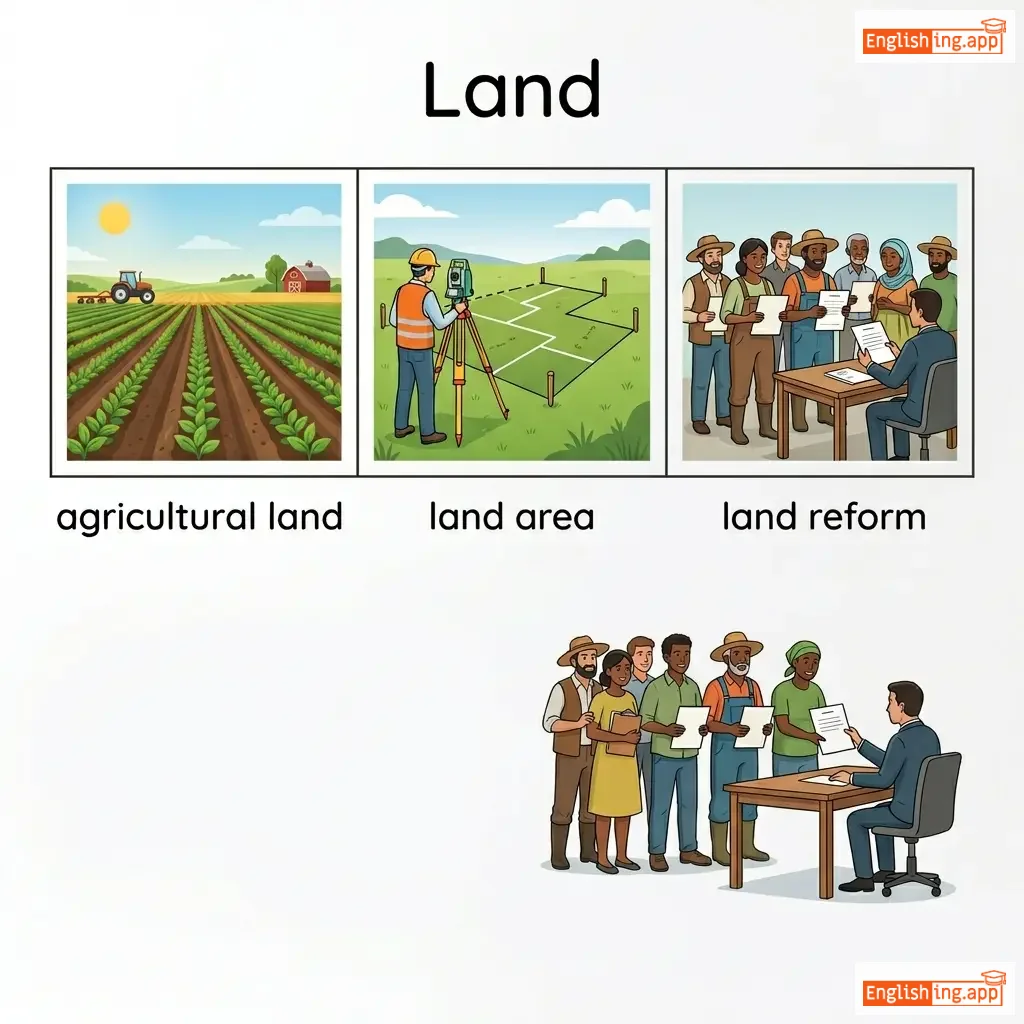
#739
🏞️
|
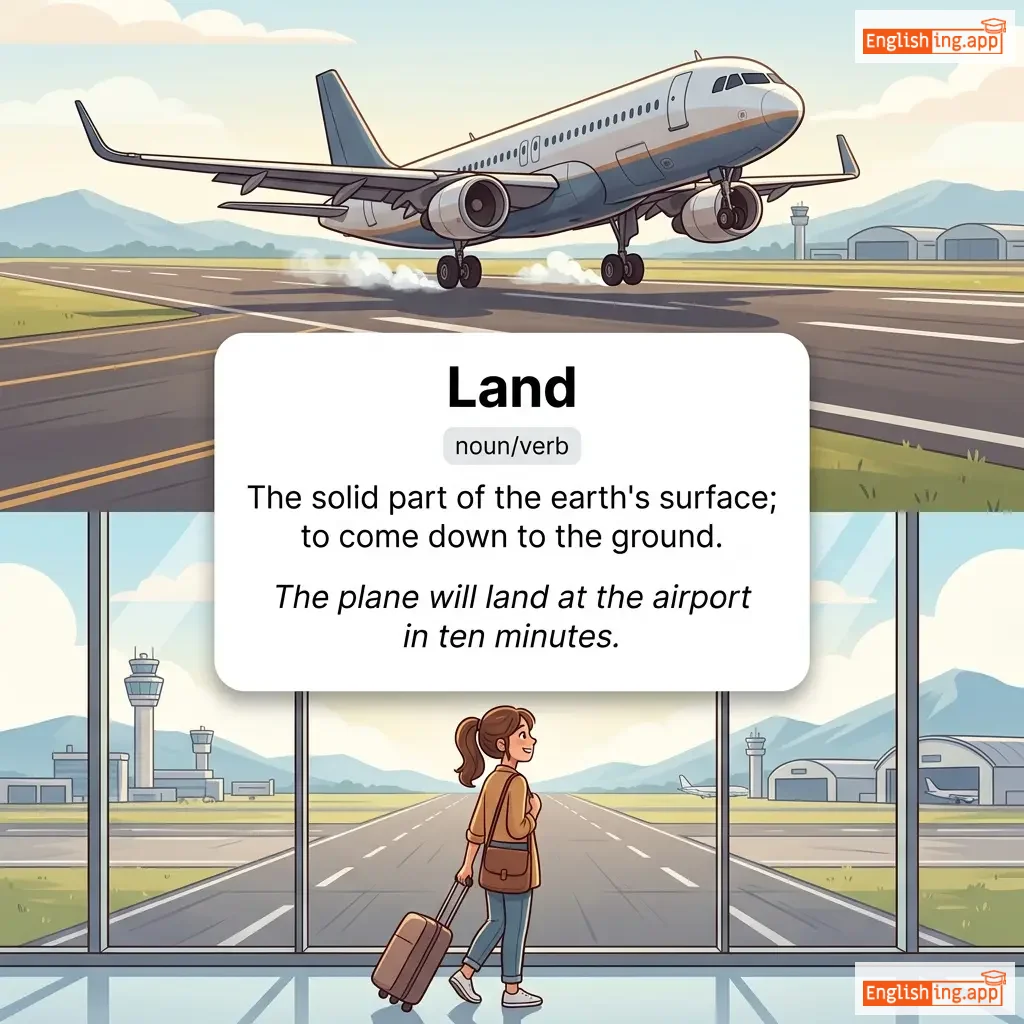
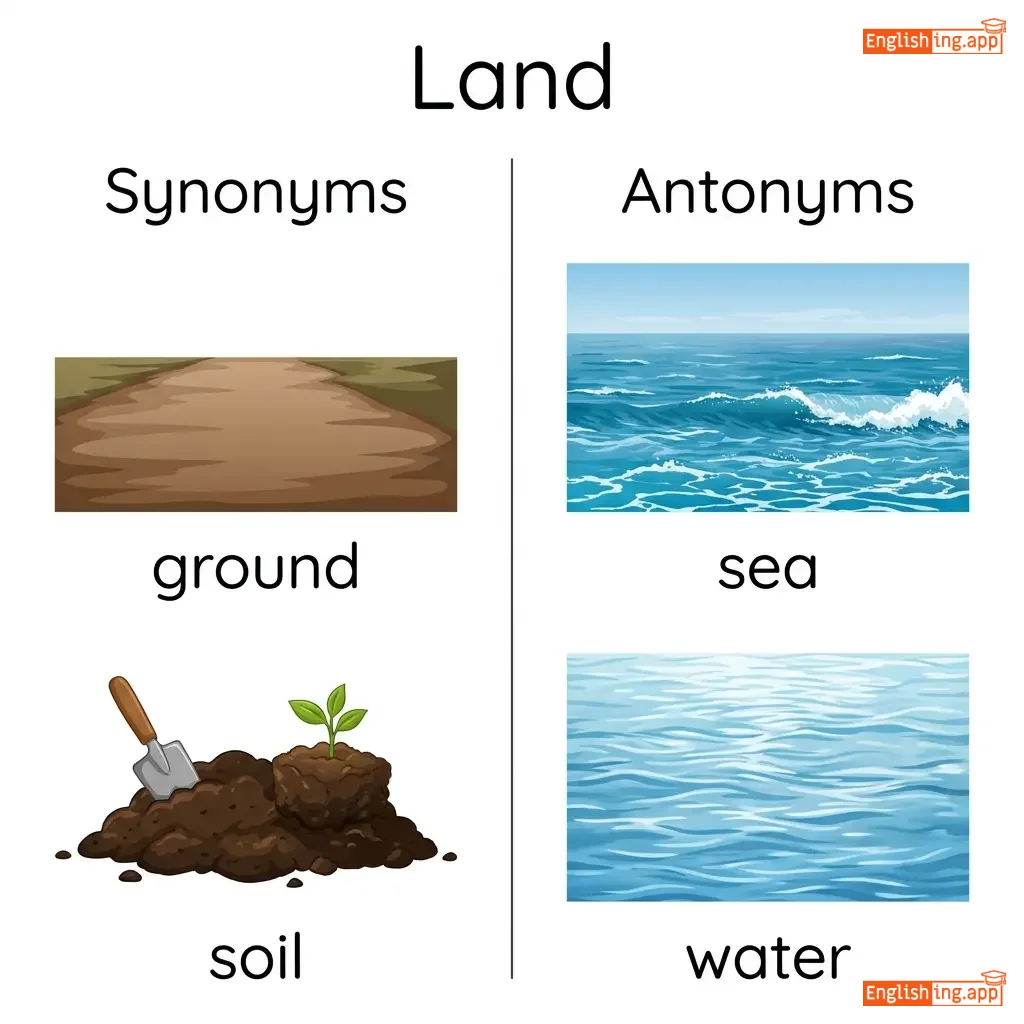
/lænd/
noun
(ランド)
••••••
|
|
土地; 地面
tochi; jimen
••••••
|
the part of the earth's surface that is not covered by water; an area of ground, soil, or earth
••••••
|
The farmer worked hard to cultivate his land and grow healthy crops. |
農家は自分の土地を耕し、健康な作物を育てるために一生懸命働きました。
nōka wa jibun no tochi o tagayashi, kenkōna sakumotsu o sodateru tame ni isshōkenmei hatarakimashita.
••••••
|
ground, soil, earth, territory
••••••
|
water, sea, ocean, sky
••••••
|
fertile land, agricultural land, native land
••••••
|
土地 – 土の上での作業、豊かな収穫。
••••••
|
|
#740
🌍
|
/ˈlæt.ɪ.tuːd/
noun
(緯度)
••••••
|
- •••••• |
緯度
ido
••••••
|
the angular distance of a place north or south of the earth's equator; freedom to act or think
••••••
|
The GPS device showed our exact latitude and longitude coordinates on the map. |
GPSデバイスは地図上に私たちの正確な緯度と経度の座標を示しました。
GPS debaisu wa chizu jō ni watashitachi no seikaku na ido to keido no zahyō o shimeshimashita.
••••••
|
freedom, scope, range, coordinate
••••••
|
longitude, restriction, limitation, constraint
••••••
|
high latitude, northern latitude, latitude and longitude
••••••
|
緯度 = Ido, 同じ発音で覚えやすい。
••••••
|
Vocabulary Quiz
Test your vocabulary by matching words with their translations or meanings.
Login to take the quiz
Comments (0)
Share your thoughts and join the discussion.
Join the discussion by logging in
Login to CommentNo comments yet
Be the first to share your thoughts!