

翻訳
過去
過去分詞
三人称単数
動名詞
意味
例文
例文の翻訳
同義語
対義語
コロケーション
ニーモニック

Swipe left or right, or use the buttons. Tap image to zoom.
例文の翻訳
単語
Lesson 34Lesson 34 - マスクトグル
|
絵文字
|
単語 | Images | 翻訳 | 意味 | 例文 | 例文の翻訳 | 同義語 | 対義語 | コロケーション | ニーモニック |
|---|---|---|---|---|---|---|---|---|---|---|
|
#661
😄
|
/dʒest/
noun
(ジェスト)
••••••
|
- •••••• |
冗談; いたずら
joudan, itazura
••••••
|
a thing said or done for amusement; a joke
••••••
|
His comment was made in jest, not to offend anyone. |
彼のコメントは冗談で言われたもので、誰かを傷つけるためではなかった。
Kare no komento wa joudan de iwareta mono de, dareka o kizutsukeru tame de wa nakatta.
••••••
|
joke, quip, witticism, banter
••••••
|
seriousness, earnestness, gravity
••••••
|
in jest, cruel jest, harmless jest
••••••
|
In Japanese, '冗談' is a jest, light-hearted and fun, just like a playful joke.
••••••
|
|
#662
🕯️
|
/ˈdʒɒs.stɪk/
noun
(ジョス・スティック)
••••••
|
- •••••• |
お香
okou
••••••
|
a thin stick of incense that is burned for its pleasant smell, especially in religious ceremonies
••••••
|
She lit a joss-stick in the temple during her prayers.
彼女は寺院で祈りの間にお香を灯しました。
••••••
|
彼女は寺院で祈りの間にお香を灯しました。
Kanojo wa jiin de inori no aida ni okou o tomoshimashita.
••••••
|
incense stick, agarbatti, dhoop
••••••
|
extinguisher, candle snuffer
••••••
|
light joss-stick, burning joss-stick, temple joss-stick
••••••
|
Joss-stickは日本語で'お香'として知られ、寺院で使用されます。
••••••
|
|
#663
🃏
|
/ˈdʒes.tər/
noun
(ジェスター)
••••••
|
- •••••• |
道化師; ピエロ
dōkashi, piero
••••••
|
a professional joker or fool at a medieval court; someone who jokes a lot
••••••
|
The court jester entertained the king with witty remarks and amusing tricks. |
宮廷の道化師は、鋭いコメントや面白いトリックで王様を楽しませた。
Kyūtei no dōkashi wa, surudoi komento ya omoshiroi torikku de ōsama o tanoshimaseta.
••••••
|
fool, clown, buffoon, comedian
••••••
|
serious person, sage, scholar
••••••
|
court jester, royal jester, wise jester
••••••
|
Jester = 道化師、いつも冗談を言う人。
••••••
|
|
#664
📔
|
/ˈdʒɒt.ər/
noun
(ジョッター)
••••••
|
- •••••• |
メモ帳
memochou
••••••
|
a small notebook for writing quick notes or reminders
••••••
|
The student carried a jotter to write down important points during lectures. |
学生は講義中に重要なポイントを書き留めるためにメモ帳を持っていました。
Gakusei wa kougi-chuu ni juuyou na pointo o kakidomeru tame ni memochou o motte imashita.
••••••
|
notebook, notepad, memo pad, diary
••••••
|
textbook, reference book, manual
••••••
|
small jotter, pocket jotter, spiral jotter
••••••
|
Jotter = メモ帳、簡単に書ける
••••••
|
|
#665
✈️
|
/dʒet/
noun
(ジェット)
••••••
|
- •••••• |
ジェット機
jetki
••••••
|
a rapid stream of liquid, gas, or flame; an aircraft powered by jet engines
••••••
|
The jet took off smoothly and reached cruising altitude quickly.
ジェットは滑らかに離陸し、すぐに巡航高度に達しました。
••••••
|
ジェットは滑らかに離陸し、すぐに巡航高度に達しました。
Jetto wa nameraka ni ririku shi, sugu ni junkou koudou ni tasshimashita.
••••••
|
aircraft, plane, stream, spray
••••••
|
propeller plane, slow flow
••••••
|
jet engine, water jet, jet fuel
••••••
|
ジェット機は速くてスムーズに飛びます。
••••••
|
|
#666
📰
|
/ˈdʒɜːr.nəl/
noun
(ジャーナル)
••••••
|
- •••••• |
ジャーナル
janaru
••••••
|
a newspaper or magazine that deals with a particular subject; a daily record of events
••••••
|
She kept a personal journal to record her thoughts and experiences. |
彼女は自分の思考と経験を記録するために個人的なジャーナルを保っていた。
Kanojo wa jibun no shikō to keiken o kiroku suru tame ni kojinteki na janaru o tamotte ita.
••••••
|
diary, newspaper, magazine, record
••••••
|
fiction, novel, fantasy
••••••
|
academic journal, medical journal, daily journal
••••••
|
No •••••• |
|
#667
🛥️
|
/ˈdʒet.i/
noun
(ジェティ)
••••••
|
- •••••• |
桟橋
sanbashi
••••••
|
a landing stage or small pier at which boats can dock or be moored
••••••
|
The fishing boats were tied up at the wooden jetty near the harbor. |
漁船は港近くの木製の桟橋に係留されていた。
Gyosen wa minato chikaku no mokusei no sanbashi ni keiryuu sarete ita.
••••••
|
pier, dock, wharf, landing stage
••••••
|
shore, mainland, coast
••••••
|
wooden jetty, stone jetty, harbor jetty
••••••
|
桟橋 - ボートが静かに停泊する場所、船のための安全な場所。
••••••
|
|
#668
🧳
|
/ˈdʒɜːr.ni/
noun
(ジャーニー)
••••••
|
- •••••• |
旅
tabi
••••••
|
an act of travelling from one place to another; a long and often difficult process of personal development
••••••
|
Their journey across the country took three weeks to complete.
彼らの国を横断する旅は三週間かかりました。
••••••
|
彼らの国を横断する旅は三週間かかりました。
karera no kuni o ōdan suru tabi wa san-shūkan kakarimashita.
••••••
|
trip, voyage, travel, expedition
••••••
|
destination, arrival, stay
••••••
|
long journey, safe journey, return journey
••••••
|
A long journey (旅) across Japan is an unforgettable adventure.
••••••
|
|
#669
💎
|
/ˈdʒuː.əl/
noun
(ジュエル)
••••••
|
- •••••• |
宝石; 貴重な石; 装飾品
hōseki, kichō na ishi, shōshokuhin
••••••
|
a precious stone, typically a single crystal or piece of a hard lustrous or translucent mineral; a valuable ornament
••••••
|
The crown was adorned with precious jewels from around the world.
王冠は世界中からの貴重な宝石で飾られていました。
••••••
|
王冠は世界中からの貴重な宝石で飾られていました。
Ōkan wa sekai-jū kara no kichō na hōseki de kazararete imashita.
••••••
|
gem, precious stone, diamond, ornament
••••••
|
worthless stone, pebble, glass
••••••
|
precious jewel, crown jewels, family jewel
••••••
|
宝石はジュエリーで、王冠はその美しい場所です。
••••••
|
|
#670
😊
|
/dʒɔɪ/
noun
(ジョイ)
••••••
|
- •••••• |
喜び
yorokobi
••••••
|
a feeling of great pleasure and happiness; a person or thing that causes delight
••••••
|
The children's laughter filled the house with joy during the holiday celebration. |
子供たちの笑い声は、休日の祝賀の間に家を喜びで満たしました。
kodomotachi no waraigoe wa, kyūjitsu no shukuga no aida ni ie o yorokobi de mitashimashita.
••••••
|
happiness, delight, pleasure, bliss
••••••
|
sadness, sorrow, grief, misery
••••••
|
pure joy, great joy, tears of joy
••••••
|
喜び (yorokobi) is the essence of Joy, as both spread happiness.
••••••
|
|
#671
🔔
|
/ˈdʒɪŋ.ɡəl/
noun
(ジングル)
••••••
|
- •••••• |
金属の物体がぶつかり合って発生する軽い音; 短くてキャッチーな歌
jingu-ru
••••••
|
a light ringing sound such as that made by metal objects being shaken together; a short catchy song
••••••
|
The jingle of keys could be heard as she walked down the hallway. |
廊下を歩いているとき、鍵の音が聞こえました。
Rōka o aruite iru toki, kagi no oto ga kikoemashita.
••••••
|
chime, tinkle, ring, melody
••••••
|
silence, quiet, stillness
••••••
|
advertising jingle, bell jingle, key jingle
••••••
|
鍵の音が聞こえると、それはまるで短い歌のようです。
••••••
|
|
#672
🎉
|
/ˈdʒuː.bɪ.liː/
noun
(ジュビリー)
••••••
|
- •••••• |
記念日; 特別な記念式典
jubilee
••••••
|
a special anniversary celebration, especially the 25th, 50th, or 60th anniversary of an important event
••••••
|
The school celebrated its golden jubilee with a grand ceremony. |
学校はその金色の記念日を豪華な式典で祝いました。
Gakkō wa sono kin'iro no kinenbi o gōkana shikiten de iwaimashita.
••••••
|
anniversary, celebration, commemoration, festivity
••••••
|
beginning, inauguration, start
••••••
|
golden jubilee, silver jubilee, diamond jubilee
••••••
|
あなたの'jubilee'を大いに祝おう!
••••••
|
|
#673
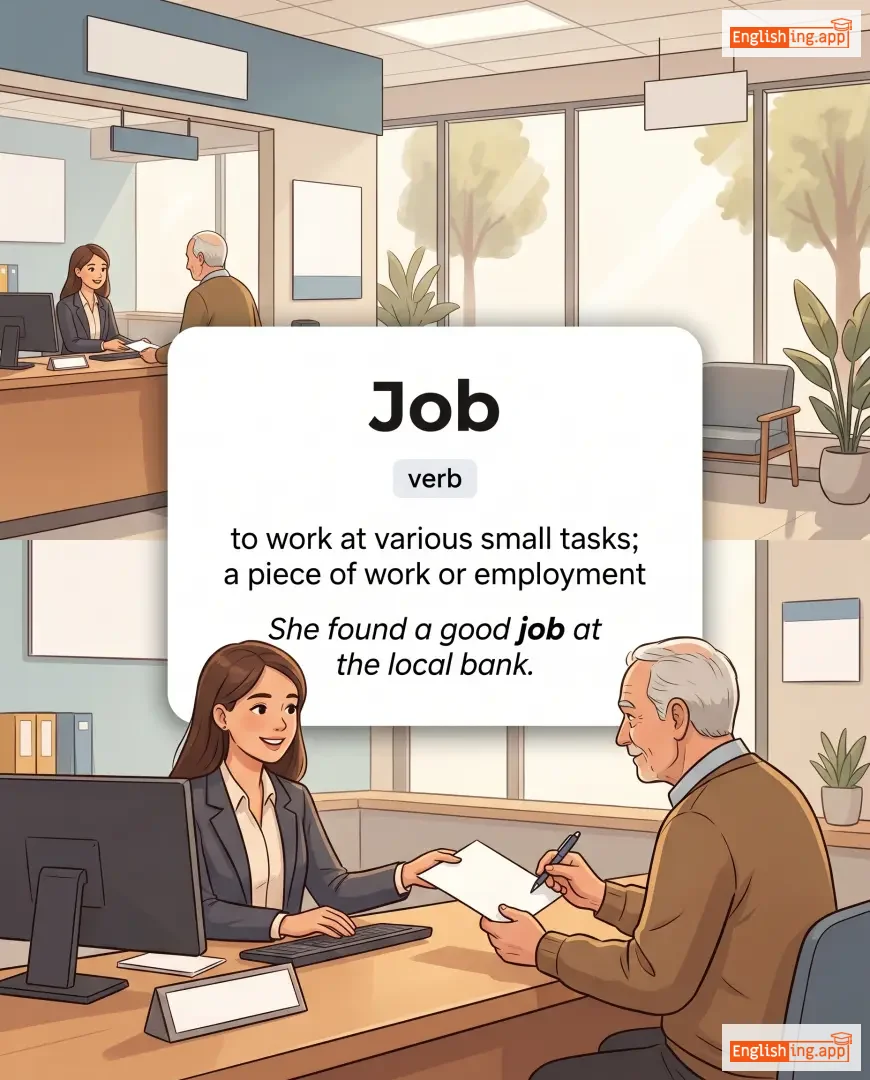
💼
|
/dʒɒb/
noun
(ジョブ)
••••••
|
|
仕事; 職業; ポスト
shigoto, shokugyo, posuto
••••••
|
a paid position of regular employment; a task or piece of work
••••••
|
She found a new job at the technology company after graduation. |
彼女は卒業後、技術会社で新しい仕事を見つけました。
Kanojo wa sotsugyou go, gijutsu kaisha de atarashii shigoto wo mitsukemashita.
••••••
|
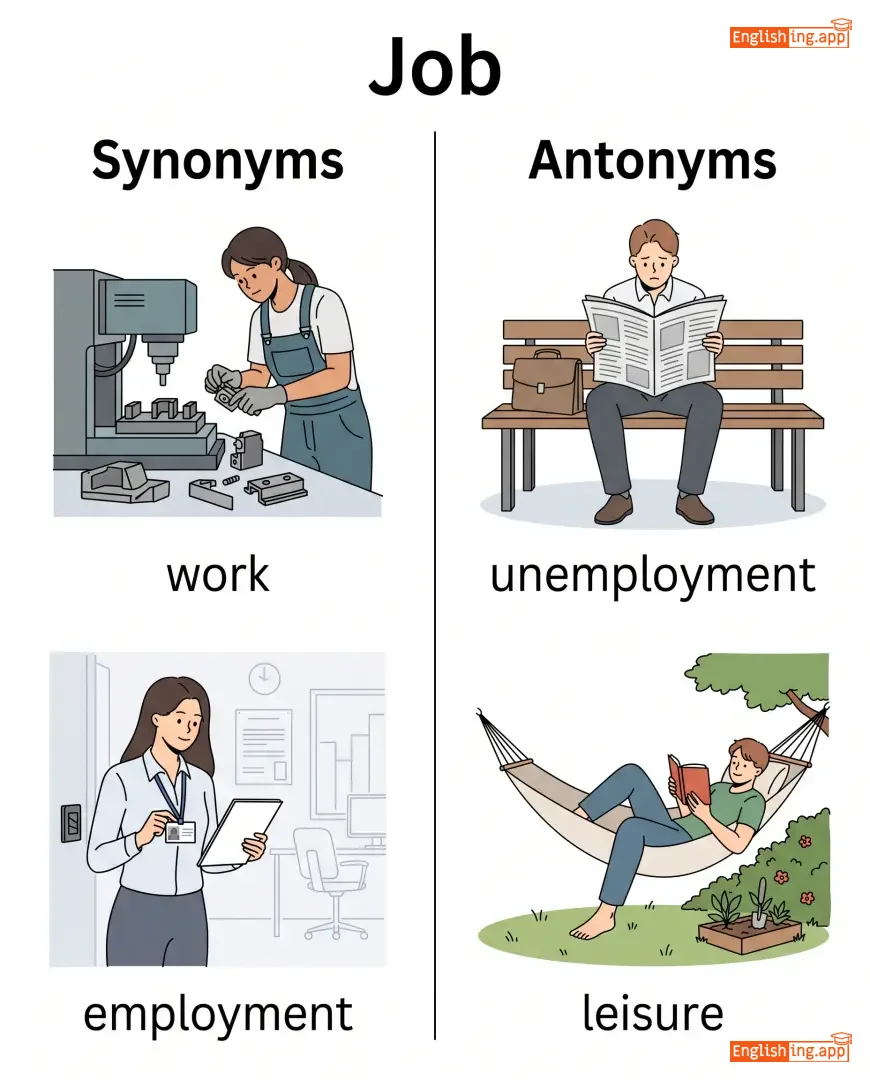
work, employment, occupation, career
••••••
|
unemployment, leisure, retirement
••••••
|
full-time job, dream job, job interview
••••••
|
No •••••• |
|
#674
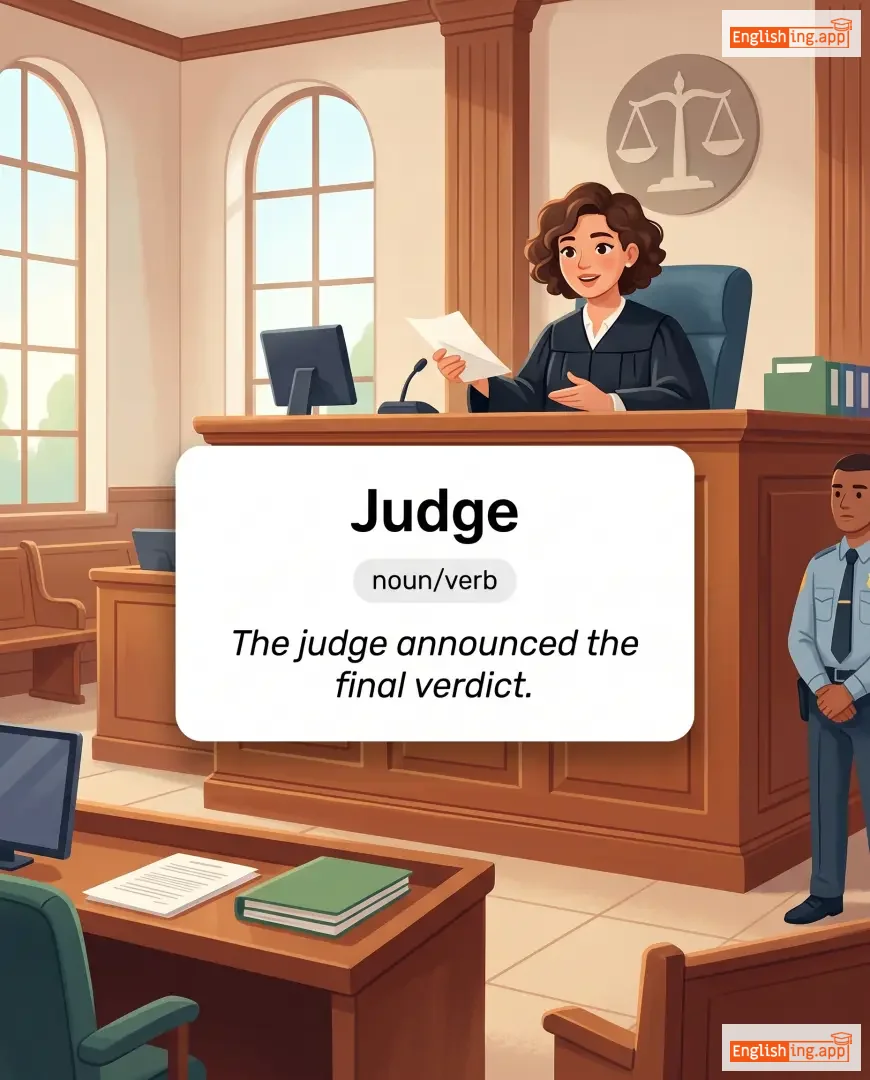
⚖️
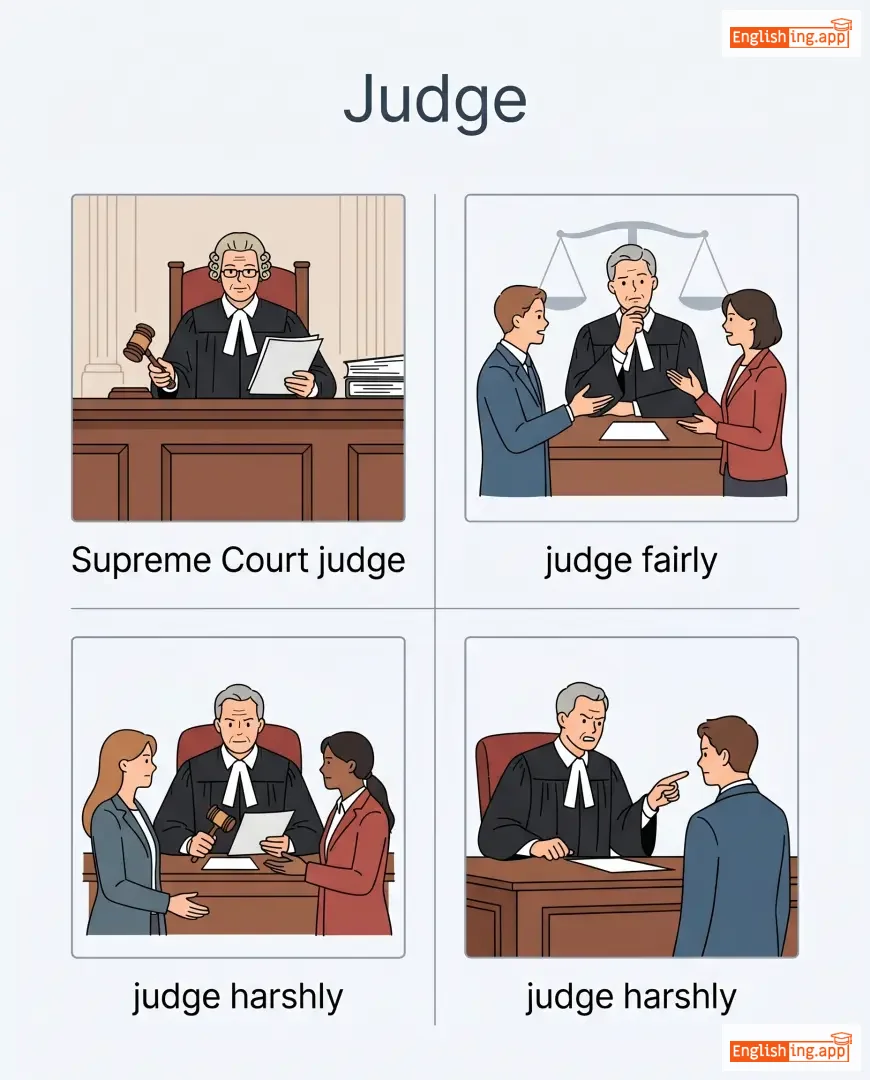
|
/dʒʌdʒ/
noun
(ジャッジ)
••••••
|
|
裁判官; 審判
saibankan, shinpan
••••••
|
a public official appointed to decide cases in a law court; a person who decides the results of a competition
••••••
|
The judge carefully reviewed all the evidence before making a decision.
裁判官は決定を下す前にすべての証拠を慎重に検討しました。
••••••
|
裁判官は決定を下す前にすべての証拠を慎重に検討しました。
Saibankan wa kettei o kudasu mae ni subete no shōko o shinchō ni kentō shimashita.
••••••
|
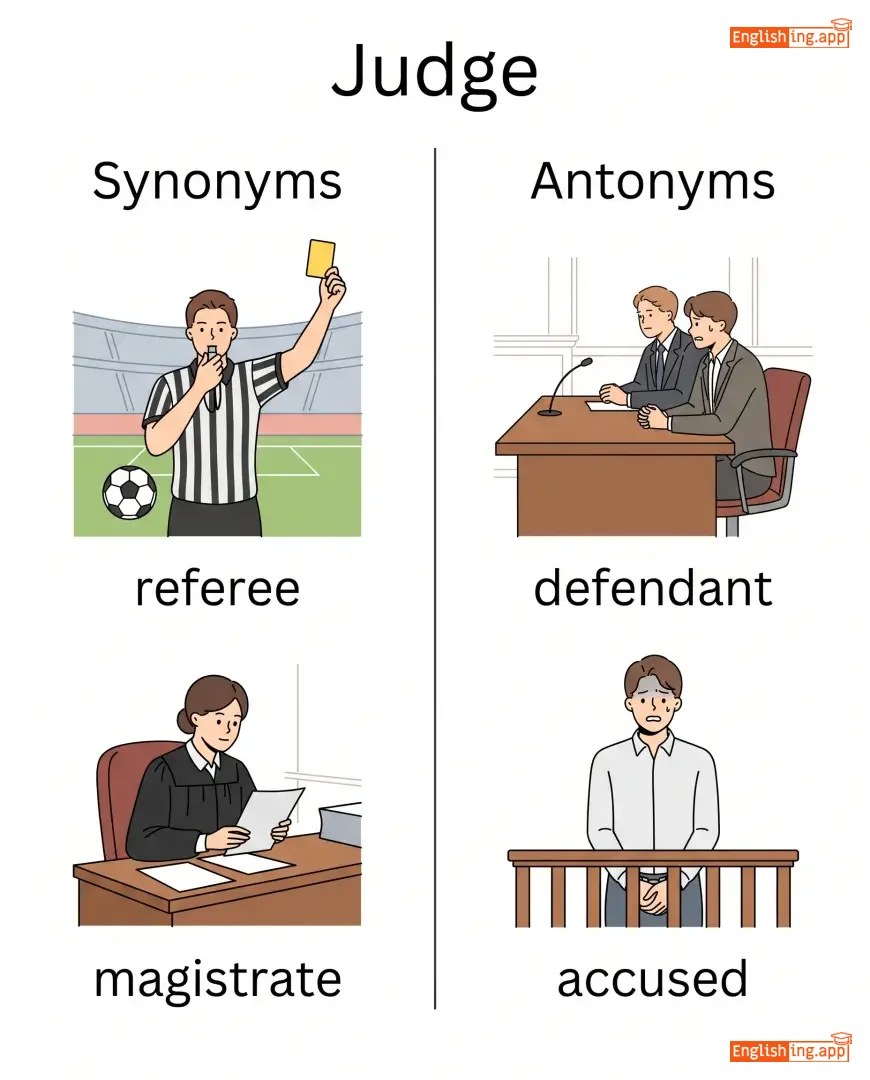
magistrate, justice, referee, arbitrator
••••••
|
defendant, accused, participant
••••••
|
chief judge, trial judge, federal judge
••••••
|
ジャッジは結果を慎重に決めます (Jajji wa kekka o shinchō ni kimemasu)
••••••
|
|
#675
🦴
|
/dʒɔɪnt/
noun
(ジョイント)
••••••
|
- •••••• |
関節; 共同
kansetsu, kyōdō
••••••
|
a point at which parts of the body are connected; shared by two or more people
••••••
|
The joint effort of the team led to the project's success.
チームの共同の努力がプロジェクトの成功を導きました。
••••••
|
チームの共同の努力がプロジェクトの成功を導きました。
Chīmu no kyōdō no doryoku ga purojekuto no seikō o michibikimashita.
••••••
|
connection, union, link, combined
••••••
|
separation, individual, divided
••••••
|
joint venture, knee joint, joint effort
••••••
|
関節のように、共同で成功に向かって一緒に働くことを忘れずに。
••••••
|
|
#676
📜
|
/ˈdʒʌdʒ.mənt/
noun
(ジャッジメント)
••••••
|
- •••••• |
判断; 決定
handan, kettei
••••••
|
the ability to make considered decisions or form sensible opinions; an official decision made by a judge or court
••••••
|
The jury's judgement was based on careful consideration of all the facts. |
陪審員の判断は、すべての事実を慎重に考慮した結果でした。
baishin'in no handan wa, subete no jijitsu wo shinchou ni kouryo shita kekka deshita.
••••••
|
decision, verdict, ruling, opinion
••••••
|
indecision, uncertainty, doubt
••••••
|
court judgement, final judgement, moral judgement
••••••
|
ジャッジメント(Judgement)は、慎重に考えて決定を下すことを意味します。
••••••
|
|
#677
😂
|
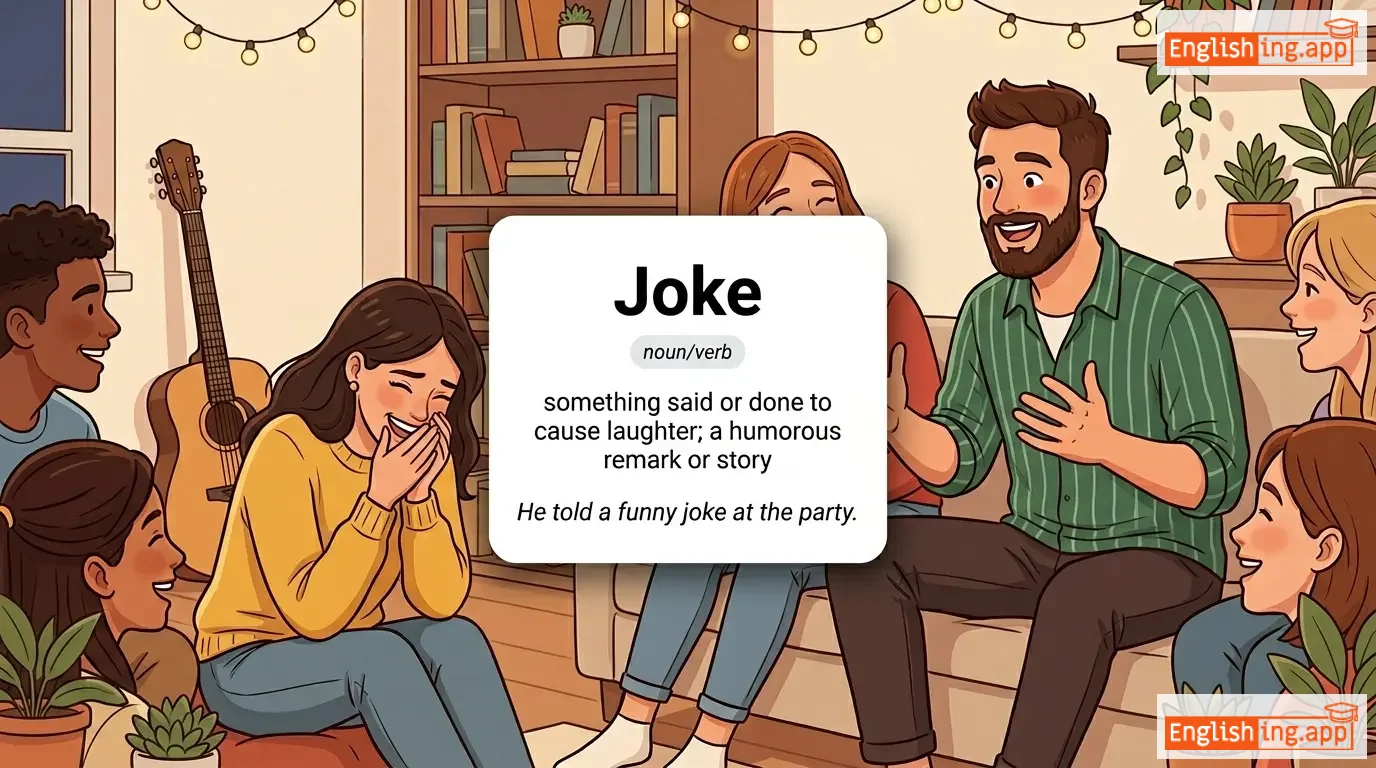
/dʒoʊk/
noun
(ジョーク)
••••••
|
|
冗談; ジョーク; 笑いを引き起こす何か
joudan, jooku, warai o hikiokosu nanika
••••••
|
a thing that someone says to cause amusement or laughter; something not to be taken seriously
••••••
|
Everyone laughed at his funny joke during the dinner party.
ディナーのパーティーで彼の面白いジョークにみんなが笑った。
••••••
|
ディナーのパーティーで彼の面白いジョークにみんなが笑った。
Dinaa no paatii de kare no omoshiroi jooku ni minna ga waratta.
••••••
|
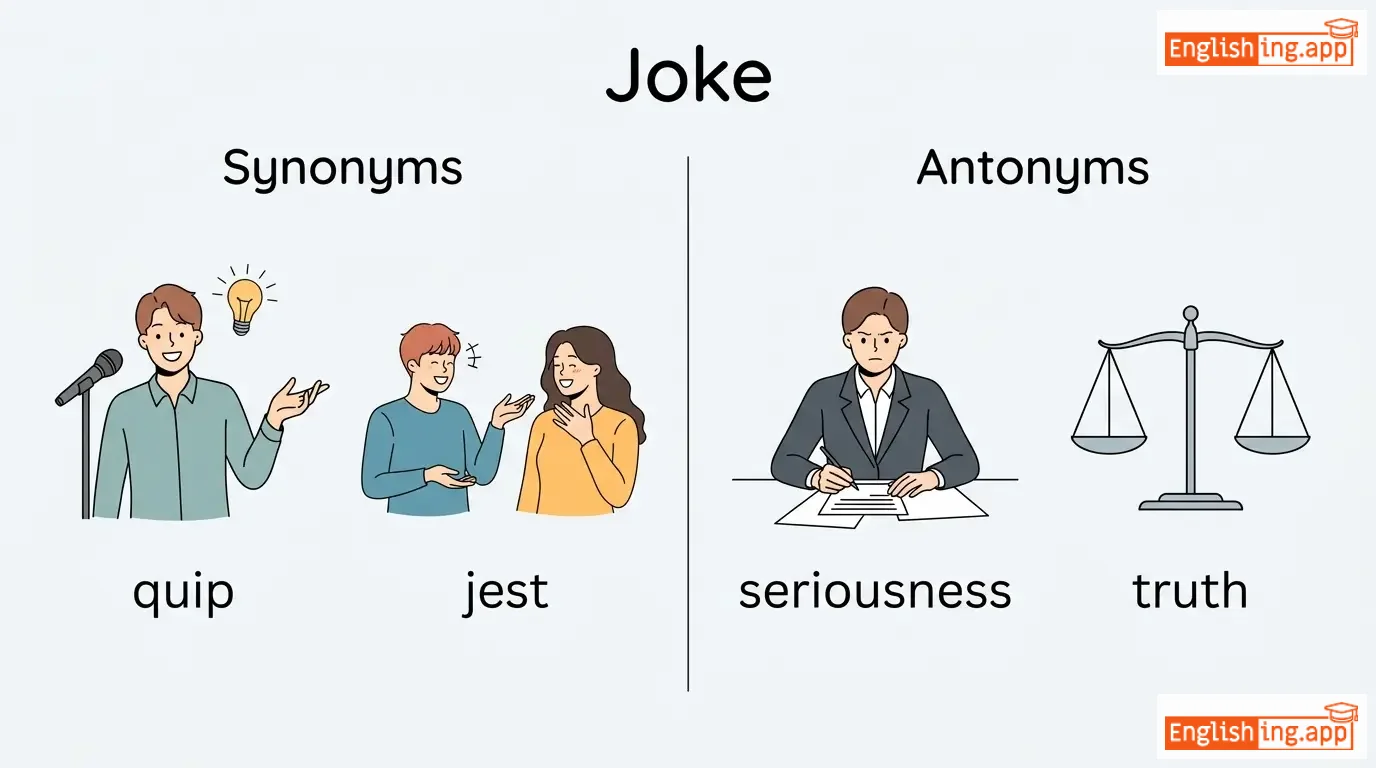
jest, gag, quip, witticism
••••••
|
seriousness, tragedy, solemnity
••••••
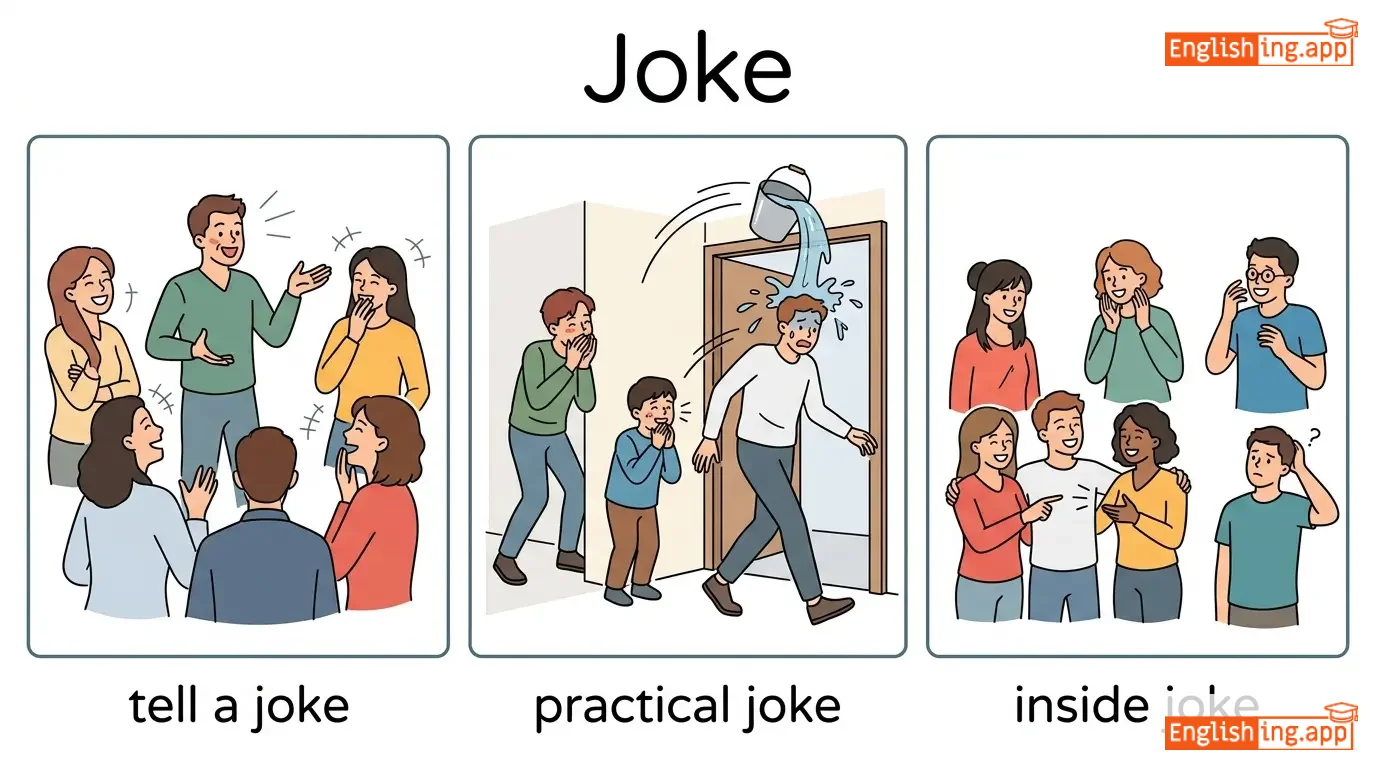
|
funny joke, practical joke, inside joke
••••••
|
冗談でみんなを笑わせる
••••••
|
|
#678
🍶
|
/dʒʌɡ/
noun
(ジャグ)
••••••
|
- •••••• |
水差し
mizusashi
••••••
|
a large container for liquids, with a narrow mouth and a handle
••••••
|
She poured fresh orange juice from the glass jug into her cup. |
彼女はガラスの水差しから新鮮なオレンジジュースをカップに注ぎました。
Kanojo wa garasu no mizusashi kara shinsen na orenji jūsu o kappu ni sosogimashita.
••••••
|
pitcher, vessel, container, pot
••••••
|
cup, glass, mug
••••••
|
water jug, milk jug, ceramic jug
••••••
|
水差しから飲む、すっきりした気分!
••••••
|
|
#679
|
/ˈdʒoʊ.kər/
noun
(ジョーカー)
••••••
|
- •••••• |
ジョーカー
jookaa
••••••
|
a playing card with a picture of a jester, used as a wild card; a person who is fond of joking
••••••
|
He used the joker card to complete his winning hand in the poker game.
彼はポーカーの勝ち手を完成させるためにジョーカーを使った。
••••••
|
彼はポーカーの勝ち手を完成させるためにジョーカーを使った。
Kare wa pokaa no kachite o kansei suru tame ni jookaa o tsukatta
••••••
|
wild card, jester, comedian, prankster
••••••
|
serious person, regular card, standard card
••••••
|
wild joker, red joker, class joker
••••••
|
Joke o kaa: imagine a comedian shouting Joke and stretching 'kaa' to make ジョーカー
••••••
|
|
#680
🧃
|
/dʒuːs/
noun
(ジュース)
••••••
|
- •••••• |
ジュース(果物/野菜または肉から)
juusu (kudamono/yasai matawa niku kara)
••••••
|
the liquid obtained from or present in fruit or vegetables; the liquid that comes from meat when it is cooked
••••••
|
The fresh apple juice was delicious and packed with vitamins. |
新鮮なリンゴジュースは美味しく、ビタミンが豊富でした。
Shinsen na ringo juusu wa oishiku, bitamin ga houfu deshita.
••••••
|
extract, liquid, nectar, essence
••••••
|
pulp, solid, fiber
••••••
|
fruit juice, orange juice, fresh juice
••••••
|
ジュース (ジュース) は果物や野菜から得られる液体です。
••••••
|
Vocabulary Quiz
Test your vocabulary by matching words with their translations or meanings.
Login to take the quiz
Comments (0)
Share your thoughts and join the discussion.
Join the discussion by logging in
Login to CommentNo comments yet
Be the first to share your thoughts!