

翻訳
過去
過去分詞
三人称単数
動名詞
意味
例文
例文の翻訳
同義語
対義語
コロケーション
ニーモニック
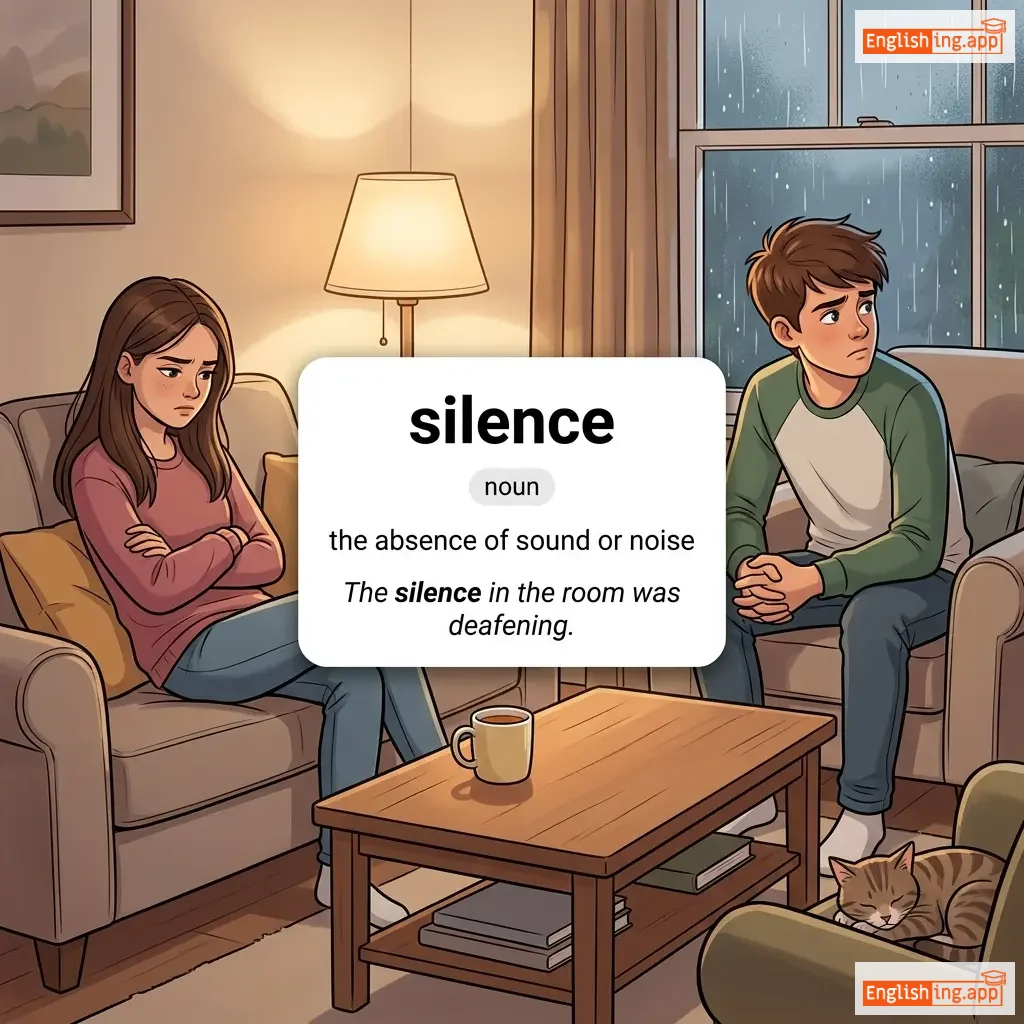
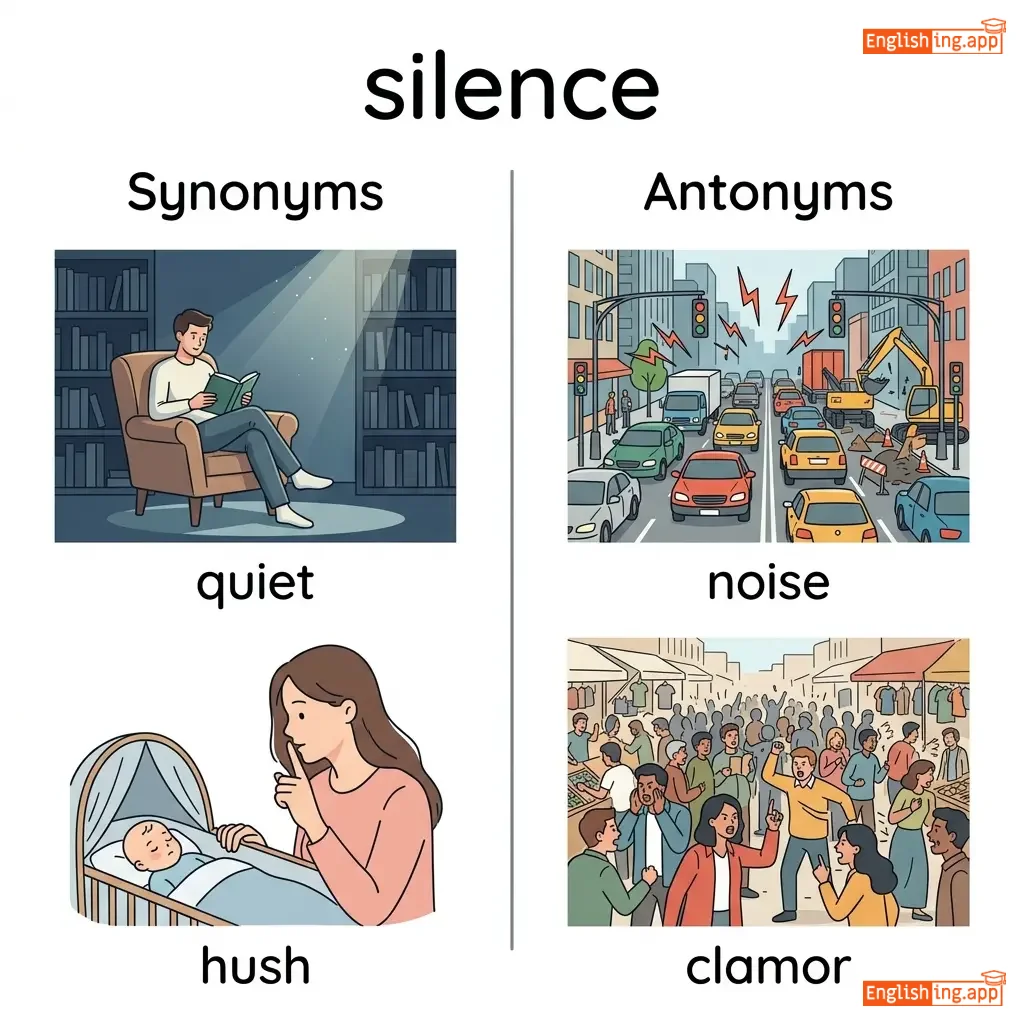
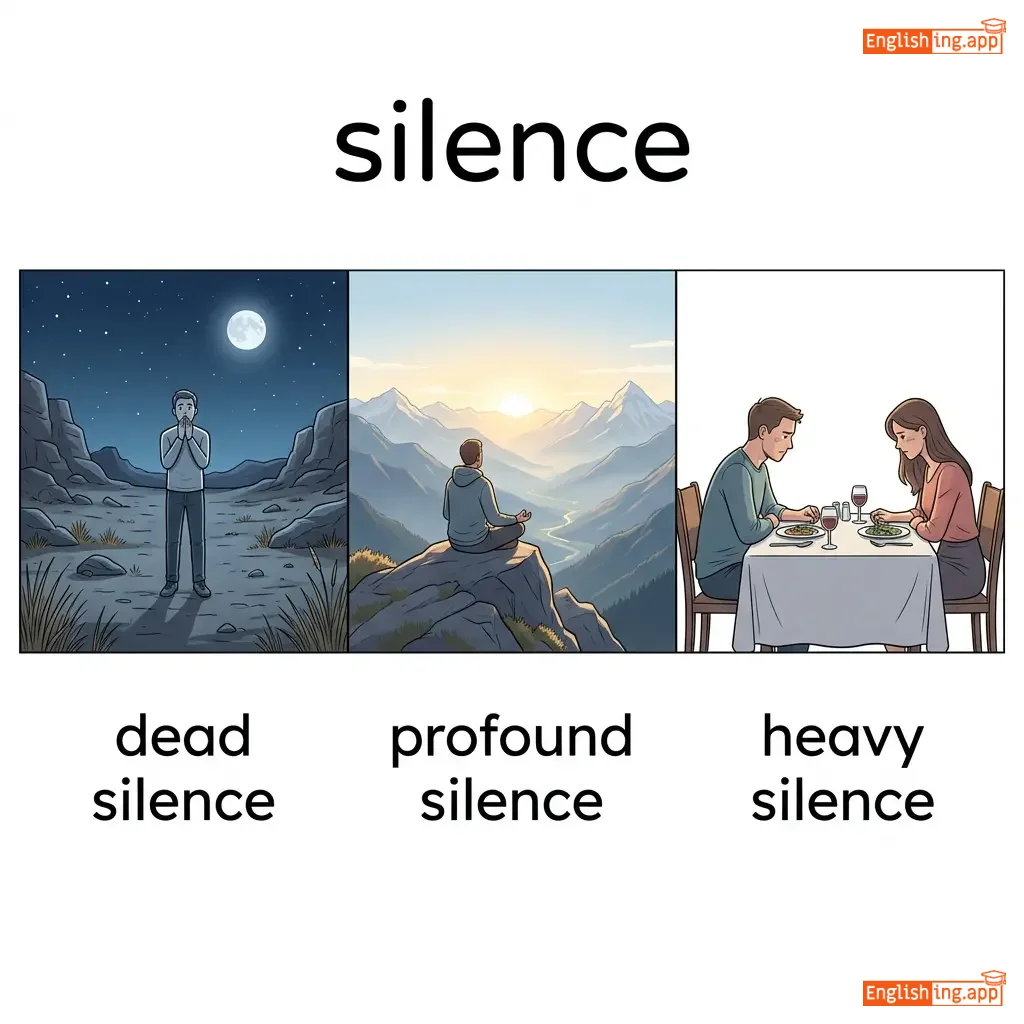
Swipe left or right, or use the buttons. Tap image to zoom.
例文の翻訳
単語
Lesson 65Lesson 65 - マスクトグル
|
絵文字
|
単語 | Images | 翻訳 | 意味 | 例文 | 例文の翻訳 | 同義語 | 対義語 | コロケーション | ニーモニック |
|---|---|---|---|---|---|---|---|---|---|---|
|
#1281
🏖️
|
/ʃɔːr/
noun
(ショア)
••••••
|
- •••••• |
岸; 海岸; ビーチ
shoa
••••••
|
the land along the edge of a sea, lake, or other body of water
••••••
|
We walked along the shore collecting seashells.
私たちはショアを歩きながら貝殻を集めていました。
••••••
|
私たちはショアを歩きながら貝殻を集めていました。
Watashitachi wa shoa o aruki nagara kaigara o atsumete imashita.
••••••
|
coast, beach, waterfront, seashore
••••••
|
inland, interior
••••••
|
sandy shore, rocky shore, opposite shore, lake shore
••••••
|
In Japanese, 'ショア' (shoa) sounds like shore in English, both refer to land by the sea.
••••••
|
|
#1282
🔄
|
/sɪˈmɪlɪtjuːd/
noun
(シミリチュード)
••••••
|
- •••••• |
類似性; 類似
ruijisei; ruiji
••••••
|
the quality or state of being similar; resemblance
••••••
|
The similitude between the two paintings suggested they were by the same artist.
2つの絵の間の類似性は、それらが同じアーティストによって描かれたことを示唆していました。
••••••
|
2つの絵の間の類似性は、それらが同じアーティストによって描かれたことを示唆していました。
Futatsu no e no aida no ruijisei wa, sorera ga onaji aatisuto ni yotte kakareta koto o shisa shiteimashita.
••••••
|
similarity, resemblance, likeness, correspondence
••••••
|
difference, dissimilarity, contrast
••••••
|
bear similitude, exact similitude, close similitude
••••••
|
類似性は2つのアート作品が同じ特徴を持っているようなものです。
••••••
|
|
#1283
📉
|
/ˈʃɔːr.tɪdʒ/
noun
(ショートエイジ)
••••••
|
- •••••• |
不足
shortij
••••••
|
a lack or deficiency of something that is needed or expected
••••••
|
There is a severe water shortage in the region.
その地域では深刻な水不足が起きている。
••••••
|
その地域では深刻な水不足が起きている。
Sono chiiki de wa shinkoku na sui fuzoku ga okite iru.
••••••
|
scarcity, deficit, lack, deficiency
••••••
|
abundance, surplus, excess, plenty
••••••
|
water shortage, food shortage, housing shortage, staff shortage
••••••
|
Few socks in a box equals fusoku; imagine a shortage photo with ふそく, the not enough feeling, Shortage = fusoku
••••••
|
|
#1284
🎯
|
/sɪmˈplɪsɪti/
noun
(シンプリシティ)
••••••
|
- •••••• |
単純さ; 明確さ
tanjunsa; meikakusa
••••••
|
the quality of being simple; lack of complexity or intricacy
••••••
|
The beauty of the design lies in its simplicity. |
デザインの美しさはその単純さにあります。
Dezain no utsukushisa wa sono tanjunsa ni arimasu.
••••••
|
plainness, clarity, straightforwardness, ease
••••••
|
complexity, complication, intricacy
••••••
|
elegant simplicity, deceptive simplicity, apparent simplicity
••••••
|
単純であることが、最も美しいものです。
••••••
|
|
#1285
❌
|
/ˈʃɔːrt.kʌm.ɪŋ/
noun
(ショートカミング)
••••••
|
- •••••• |
欠点; 不足; 短所
kettō; fusoku; tansho
••••••
|
a fault or failure to meet a certain standard; a deficiency
••••••
|
Despite his many talents, he has some shortcomings.
彼の多くの才能にもかかわらず、いくつかの欠点があります。
••••••
|
彼の多くの才能にもかかわらず、いくつかの欠点があります。
Kare no ōku no sainō ni mo kakawarazu, ikutsuka no kettō ga arimasu.
••••••
|
flaw, defect, weakness, fault
••••••
|
strength, virtue, advantage, merit
••••••
|
personal shortcoming, major shortcoming, serious shortcoming, obvious shortcoming
••••••
|
欠点というのは、完璧でないところを指します。
••••••
|
|
#1286
💛
|
/sɪnˈserɪti/
noun
(シンセリティ)
••••••
|
- •••••• |
誠実さ
seijitsusa
••••••
|
the quality of being free from pretense or deceit; honesty
••••••
|
His sincerity in apologizing was evident to everyone.
彼の謝罪の真摯さは、すべての人に明らかだった。
••••••
|
彼の謝罪の真摯さは、すべての人に明らかだった。
Kare no shazai no shinshi-sa wa, subete no hito ni akiraka datta.
••••••
|
honesty, genuineness, truthfulness, authenticity
••••••
|
insincerity, dishonesty, pretense, deception
••••••
|
deep sincerity, absolute sincerity, question sincerity
••••••
|
In Japanese, '誠実さ' reflects sincerity and pure honesty, beyond deceit.
••••••
|
|
#1287
⛩️
|
/ʃraɪn/
noun
(シュライン)
••••••
|
- •••••• |
聖地; 神殿; 祈りの場
seichi; shinden; inori no ba
••••••
|
a holy or sacred place dedicated to a specific deity, ancestor, hero, or saint
••••••
|
Pilgrims visit the shrine to pray for good health.
巡礼者たちは健康を祈るために神殿を訪れます。
••••••
|
巡礼者たちは健康を祈るために神殿を訪れます。
Junreisha-tachi wa kenkou o inoru tame ni shinden o otozuremasu.
••••••
|
temple, sanctuary, altar, chapel
••••••
|
profane place, secular building
••••••
|
holy shrine, sacred shrine, Buddhist shrine, roadside shrine
••••••
|
聖なる場所での祈りは心を満たす。
••••••
|
|
#1288
📍
|
/ˌsɪtʃuˈeɪʃən/
noun
(シチュエーション)
••••••
|
- •••••• |
状況; 事態
joukyou; jitai
••••••
|
a set of circumstances in which one finds oneself; a state of affairs
••••••
|
We need to assess the current situation before making any decisions. |
私たちは、意思決定を行う前に現在の状況を評価する必要があります。
Watashitachi wa, ishi kettei o okonau mae ni genzai no joukyou o hyouka suru hitsuyou ga arimasu.
••••••
|
circumstances, condition, state, position, scenario
••••••
|
resolution, solution, conclusion
••••••
|
difficult situation, current situation, handle situation
••••••
|
状況 = situation
••••••
|
|
#1289
🤒
|
/ˈsɪk.nəs/
noun
(シクネス)
••••••
|
- •••••• |
病気; 疾患
byōki; shikkan
••••••
|
the state of being ill; a disease or illness
••••••
|
She took time off work due to sickness.
彼女は病気のため仕事を休みました。
••••••
|
彼女は病気のため仕事を休みました。
Kanojo wa byōki no tame shigoto o yasumimashita.
••••••
|
illness, disease, ailment, malady
••••••
|
health, wellness, fitness, vigor
••••••
|
motion sickness, morning sickness, chronic sickness, mental sickness
••••••
|
病気は'byōki'と覚えて、体調が悪い時に休むことを思い出す。
••••••
|
|
#1290
🏢
|
/ˈskaɪˌskreɪpər/
noun
(sukāi-sukureipā)
••••••
|
- •••••• |
超高層ビル
chou kousou biru
••••••
|
a very tall building of many stories
••••••
|
The new skyscraper dominates the city's skyline. |
新しい超高層ビルが街のスカイラインを支配しています。
Atarashī chou kousou biru ga machi no sukairain o shihaishiteimasu.
••••••
|
high-rise, tower, building, edifice
••••••
|
bungalow, cottage, low-rise
••••••
|
tall skyscraper, modern skyscraper, glass skyscraper
••••••
|
空を突き刺すほど高いビル!
••••••
|
|
#1291
📶
|
/ˈsɪɡ.nəl/
noun
(シグナル)
••••••
|
- •••••• |
信号
shingou
••••••
|
a gesture, action, or sound that conveys information or instruction
••••••
|
The traffic signal turned red, so we stopped.
信号が赤に変わったので、私たちは止まりました。
••••••
|
信号が赤に変わったので、私たちは止まりました。
shingou ga aka ni kawatta node, watashitachi wa tomarimashita
••••••
|
sign, indication, cue, gesture
••••••
|
silence, stillness, inaction
••••••
|
traffic signal, phone signal, warning signal, clear signal
••••••
|
信号は私たちに次のステップを教えてくれる。
••••••
|
|
#1292
🗣️❌
|
/ˈslændər/
noun
(スランダー)
••••••
|
- •••••• |
中傷
chūshō
••••••
|
the action of making false spoken statements damaging to someone's reputation
••••••
|
The politician sued the newspaper for slander. |
政治家は中傷で新聞を訴えた。
seijika wa chūshō de shinbun o sutaeta.
••••••
|
defamation, libel, calumny, vilification
••••••
|
praise, commendation, tribute
••••••
|
malicious slander, spread slander, slander campaign
••••••
|
中傷: 嘘を言って他人の評判を傷つけること。
••••••
|
|
#1293
✍️
|
/ˈsɪɡ.nə.tʃər/
noun
(シグネチャー)
••••••
|
- •••••• |
署名
shomei
••••••
|
a person's name written in their own handwriting as identification or authorization
••••••
|
Please put your signature at the bottom of the document.
ドキュメントの下部に署名をしてください。
••••••
|
ドキュメントの下部に署名をしてください。
Dokyumento no kabu ni shomei o shite kudasai.
••••••
|
autograph, name, mark, sign
••••••
|
anonymity, unsigned
••••••
|
digital signature, handwritten signature, forged signature, valid signature
••••••
|
署名で本人確認
••••••
|
|
#1294
💬
|
/slæŋ/
noun
(スラング)
••••••
|
- •••••• |
スラング; 不正な言葉
surangu; fusei na kotoba
••••••
|
very informal language that is usually spoken rather than written
••••••
|
The teenagers used slang that their parents couldn't understand.
ティーンエイジャーは親が理解できないスラングを使いました。
••••••
|
ティーンエイジャーは親が理解できないスラングを使いました。
Tīn'eijā wa oya ga rikai dekinai surangu o tsukaimashita.
••••••
|
colloquialism, vernacular, jargon, informal language
••••••
|
formal language, standard language, proper speech
••••••
|
street slang, modern slang, internet slang
••••••
|
In Japanese, 'スラング' (surangu) refers to informal language.
••••••
|
|
#1295
⭐
|
/sɪɡˈnɪf.ɪ.kəns/
noun
(signifikensu)
••••••
|
- •••••• |
重要性
jūyō-sei
••••••
|
the quality of being worthy of attention; importance
••••••
|
The discovery has great significance for medical research.
その発見は医学研究にとって大きな意義があります。
••••••
|
その発見は医学研究にとって大きな意義があります。
Sono hakken wa igaku kenkyū ni totte ōkina igi ga arimasu.
••••••
|
importance, meaning, consequence, relevance
••••••
|
insignificance, irrelevance, triviality
••••••
|
great significance, historical significance, statistical significance, cultural significance
••••••
|
‘重要性’は発見の重要な価値を示す信号として考えてみましょう。
••••••
|
|
#1296
👕
|
/sliːv/
noun
(スリーブ)
••••••
|
- •••••• |
袖
sode
••••••
|
the part of a garment that covers the arm
••••••
|
She rolled up her sleeves before starting to cook. |
彼女は料理を始める前に袖をまくった。
Kanojo wa ryōri o hajimeru mae ni sode o makutta.
••••••
|
arm covering, cuff, armhole
••••••
|
sleeveless, bare arm
••••••
|
long sleeve, short sleeve, roll up sleeves
••••••
|
袖をまくる - 作業を始めるために
••••••
|
|
#1297
🤫
|
/ˈsaɪ.ləns/
noun
(サイレンス)
••••••
|
|
静けさ
shizukesa
••••••
|
complete absence of sound; the refusal to speak or make noise
••••••
|
The teacher asked for silence during the exam. |
教師は試験中に静けさを求めました。
Kyōshi wa shiken-chū ni shizukesa o motomemashita.
••••••
|
quiet, stillness, hush, calm
••••••
|
noise, sound, chatter, commotion
••••••
|
awkward silence, dead silence, moment of silence, break the silence
••••••
|
静けさは心を整え、集中を高める。
••••••
|
|
#1298
🍞
|
/slaɪs/
noun
(スライス)
••••••
|
- •••••• |
スライス; 薄切り
suraizu; usugiri
••••••
|
a thin, flat piece cut from something larger
••••••
|
Would you like a slice of pizza? |
ピザのスライスを一つ食べますか?
Piza no suraizu o hitotsu tabemasu ka?
••••••
|
piece, portion, segment, cut
••••••
|
whole, entirety, complete piece
••••••
|
thin slice, thick slice, slice of bread
••••••
|
スライスのピザ: 薄くて美味しい
••••••
|
|
#1299
👯
|
/ˌsɪm.ɪˈlær.ə.ti/
noun
(シミラリティ)
••••••
|
- •••••• |
類似性; 相似性
similarity
••••••
|
the quality or state of being similar; resemblance
••••••
|
There is a striking similarity between the two paintings.
その2つの絵の間には驚くべき類似性があります。
••••••
|
その2つの絵の間には驚くべき類似性があります。
Sono futatsu no e no aida ni wa odorokubeki ruijisei ga arimasu.
••••••
|
resemblance, likeness, correspondence, parallel
••••••
|
difference, dissimilarity, contrast, distinction
••••••
|
striking similarity, close similarity, remarkable similarity, family similarity
••••••
|
類似性は similarity です
••••••
|
|
#1300
🛝
|
/slaɪd/
noun
(スライド)
••••••
|
- •••••• |
滑り台
suberidai
••••••
|
a smooth surface for sliding down; a piece of playground equipment
••••••
|
The children enjoyed playing on the slide at the park.
子供たちは公園でスライドで遊ぶのを楽しんでいました。
••••••
|
子供たちは公園でスライドで遊ぶのを楽しんでいました。
Kodomotachi wa kōen de suraido de asobu no o tanoshinde imashita.
••••••
|
chute, ramp, slope, glide
••••••
|
climb, ascent, stairs
••••••
|
playground slide, water slide, emergency slide
••••••
|
公園でスライドに乗って遊ぼう
••••••
|
Vocabulary Quiz
Test your vocabulary by matching words with their translations or meanings.
Login to take the quiz
Comments (0)
Share your thoughts and join the discussion.
Join the discussion by logging in
Login to CommentNo comments yet
Be the first to share your thoughts!