

翻訳
過去
過去分詞
三人称単数
動名詞
意味
例文
例文の翻訳
同義語
対義語
コロケーション
ニーモニック
Swipe left or right, or use the buttons. Tap image to zoom.
例文の翻訳
単語
Lesson 28Lesson 28 - マスクトグル
|
絵文字
|
単語 | Images | 翻訳 | 意味 | 例文 | 例文の翻訳 | 同義語 | 対義語 | コロケーション | ニーモニック |
|---|---|---|---|---|---|---|---|---|---|---|
|
#541
🏠
|
/ɡest/
noun
(ɡɛsuto)
••••••
|
- •••••• |
ゲスト
gesuto
••••••
|
a person who is invited to visit someone's home or attend a particular social occasion
••••••
|
We invited several guests to our wedding celebration last weekend. |
私たちは先週末に結婚式の祝賀会に数人のゲストを招待しました。
Watashitachi wa senshūmatsu ni kekkonshiki no shukugakai ni sūnin no gesuto o shoutai shimashita.
••••••
|
visitor, attendee, invitee, caller
••••••
|
host, hostess, resident, owner
••••••
|
house guest, wedding guest, guest room
••••••
|
ゲストは特別な行事に参加するために招待された人です。
••••••
|
|
#542
👁️🗨️
|
/həˌluː.sɪˈneɪ.ʃən/
noun
(ハルシネーション)
••••••
|
- •••••• |
幻覚; 実際には存在しないものを知覚すること
genkaku; jissai ni wa sonzai shinai mono o chikataku suru koto
••••••
|
an experience involving the apparent perception of something not present; a false or distorted perception
••••••
|
The patient experienced visual hallucinations as a side effect of the medication.
患者は薬の副作用として視覚的な幻覚を経験しました。
••••••
|
患者は薬の副作用として視覚的な幻覚を経験しました。
Kanja wa kusuri no fukusayō toshite shikakuteki na genkaku o keiken shimashita.
••••••
|
delusion, mirage, vision, illusion
••••••
|
reality, fact, truth, actuality
••••••
|
visual hallucination, auditory hallucination, drug-induced hallucination
••••••
|
幻覚は目に見えるが実際にはないものです。
••••••
|
|
#543
🧭
|
/ˈɡaɪ.dəns/
noun
(ガイダンス)
••••••
|
- •••••• |
指導; リーダーシップ; アドバイス
shidou, rīdāshippu, adobaisu
••••••
|
advice or information aimed at resolving a problem or difficulty; leadership or direction
••••••
|
The teacher provided valuable guidance to help students choose their career paths. |
先生は学生が自分のキャリアの道を選ぶために貴重な指導を提供しました。
Sensei wa gakusei ga jibun no kyaria no michi wo erabu tame ni kichou na shidou wo teikyō shimashita.
••••••
|
direction, advice, counseling, instruction
••••••
|
confusion, misdirection, neglect, abandonment
••••••
|
career guidance, spiritual guidance, guidance counselor
••••••
|
指導は、道を指し示す光のようなものです。
••••••
|
|
#544
🏘️
|
/ˈhæm.lət/
noun
(ハムレット)
••••••
|
- •••••• |
小さな村
chiisana mura
••••••
|
a small rural settlement, smaller than a village; a small community
••••••
|
The tiny hamlet nestled in the valley had only a dozen houses and one small church. |
谷間にある小さな村には、家が12軒と小さな教会が1つだけあった。
Tanimani aru chiisana mura ni wa, ie ga juuni ken to chiisana kyōkai ga hitotsu dake atta.
••••••
|
village, settlement, community, locality
••••••
|
city, metropolis, urban area, town
••••••
|
small hamlet, rural hamlet, peaceful hamlet
••••••
|
Hamlet - 'Ham' is like '小さな' (small), and 'let' for '村' (village), linking to the rural setting.
••••••
|
|
#545
😰
|
/ɡɪlt/
noun
(ギルト)
••••••
|
- •••••• |
罪悪感
zaiakukan
••••••
|
a feeling of having committed wrong or failed in an obligation; responsibility for wrongdoing
••••••
|
She felt overwhelming guilt after forgetting her mother's birthday.
母親の誕生日を忘れた後、彼女は圧倒的な罪悪感を感じました。
••••••
|
母親の誕生日を忘れた後、彼女は圧倒的な罪悪感を感じました。
Hahaoya no tanjoubi wo wasureta ato, kanojo wa attoutekina zaiakukan wo kanjimashita.
••••••
|
remorse, regret, shame, culpability
••••••
|
innocence, pride, satisfaction, righteousness
••••••
|
feel guilt, guilt trip, overcome guilt
••••••
|
罪悪感 = Guilt
••••••
|
|
#546
🤏
|
/ˈhænd.fʊl/
noun
(ハンドフル)
••••••
|
- •••••• |
ひとつかみ; 小さな数量や数; コントロールが難しいもの
hitotsukami; chiisana suūryō ya kazu; kontorōru ga muzukashī mono
••••••
|
a quantity that fills the hand; a small number or amount; something difficult to control
••••••
|
She grabbed a handful of nuts from the bowl before heading out for her walk. |
彼女は歩きに出かける前に、ボウルからひとつかみのナッツをつかみました。
Kanojo wa aruki ni dekakeru mae ni, bōru kara hitotsukami no nattsu o tsukamimashita.
••••••
|
few, small amount, bit, portion
••••••
|
armful, large amount, abundance, plenty
••••••
|
handful of people, handful of nuts, quite handful
••••••
|
ひとつかみのナッツ、手でつかむが難しい
••••••
|
|
#547
🌊
|
/ɡʌlf/
noun
(ガルフ)
••••••
|
- •••••• |
湾
wan
••••••
|
a deep inlet of the sea almost surrounded by land; a wide gap or difference between people or groups
••••••
|
The Persian Gulf is an important waterway for international shipping and oil transport. |
ペルシャ湾は国際的な輸送と石油輸送の重要な水路です。
Perusha wan wa kokusai-teki na yusō to sekiyu yusō no jūyō na suiro desu.
••••••
|
bay, inlet, waterway, divide
••••••
|
bridge, connection, unity, similarity
••••••
|
Persian Gulf, Gulf Stream, gulf between
••••••
|
Gulfと湾が海でつながっている
••••••
|
|
#548
🎨
|
/ˈhæn.di.krɑːft/
noun
(ハンドクラフト)
••••••
|
- •••••• |
手工芸
tekōgei
••••••
|
an activity involving the making of decorative domestic or other objects with the hands; handmade artistic work
••••••
|
The local market featured beautiful handicrafts made by skilled artisans from the region. |
地元の市場では、その地域の熟練した職人によって作られた美しい手工芸が展示されていました。
Jimoto no shijō de wa, sono chiiki no jukuren shita shokunin ni yotte tsukurareta utsukushī tekōgei ga tenji sarete imashita.
••••••
|
handwork, craftsmanship, artisanship, handiwork
••••••
|
machine-made, factory product, mass production, automation
••••••
|
traditional handicraft, handicraft market, handicraft skills
••••••
|
手工芸は、手から生まれる芸術で、思い出や文化を形にする。
••••••
|
|
#549
💨
|
/ɡʌst/
noun
(ガスト)
••••••
|
- •••••• |
突然の強風
totsuzen no kyōfū
••••••
|
a sudden strong rush of wind; a sudden burst or outburst of feeling
••••••
|
A powerful gust of wind knocked over the outdoor umbrellas at the cafe. |
強い風がカフェの外のパラソルを倒しました。
Tsuyoi kaze ga kafe no soto no parasoru o taoshimashita.
••••••
|
blast, burst, rush, surge
••••••
|
calm, stillness, gentleness, steady breeze
••••••
|
gust of wind, sudden gust, strong gust
••••••
|
Gust = 強風
••••••
|
|
#550
🚪
|
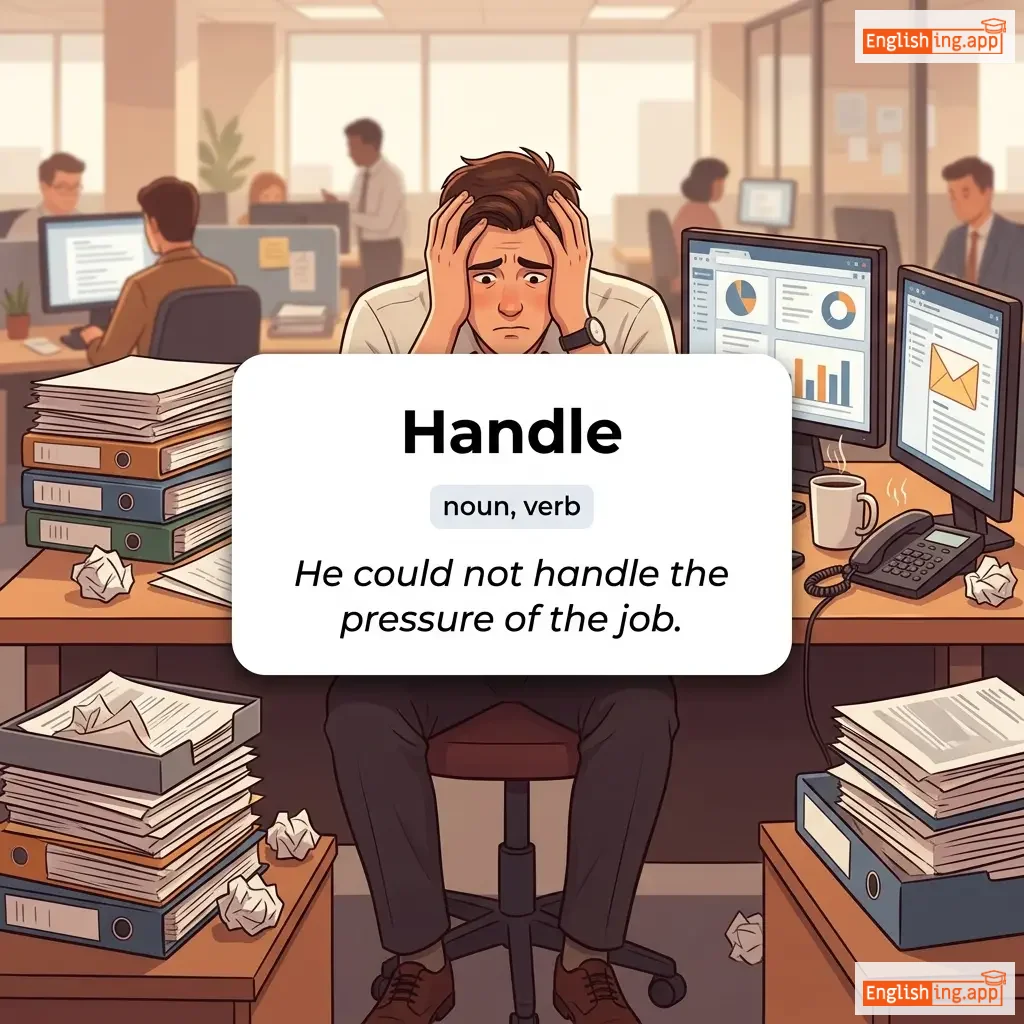
/ˈhæn.dəl/
noun
(ハンドル)
••••••
|
|
取っ手; 握り手; 扱う
totte; nigirite; atsukau
••••••
|
the part by which a thing is held, carried, or controlled; to manage or deal with something
••••••
|
The suitcase has a sturdy handle that makes it easy to carry through the airport. |
スーツケースには空港で運ぶのが簡単な丈夫な取っ手があります。
Sūtsukēsu ni wa kūkō de hakobu no ga kantan na jōbuna totte ga arimasu.
••••••
|
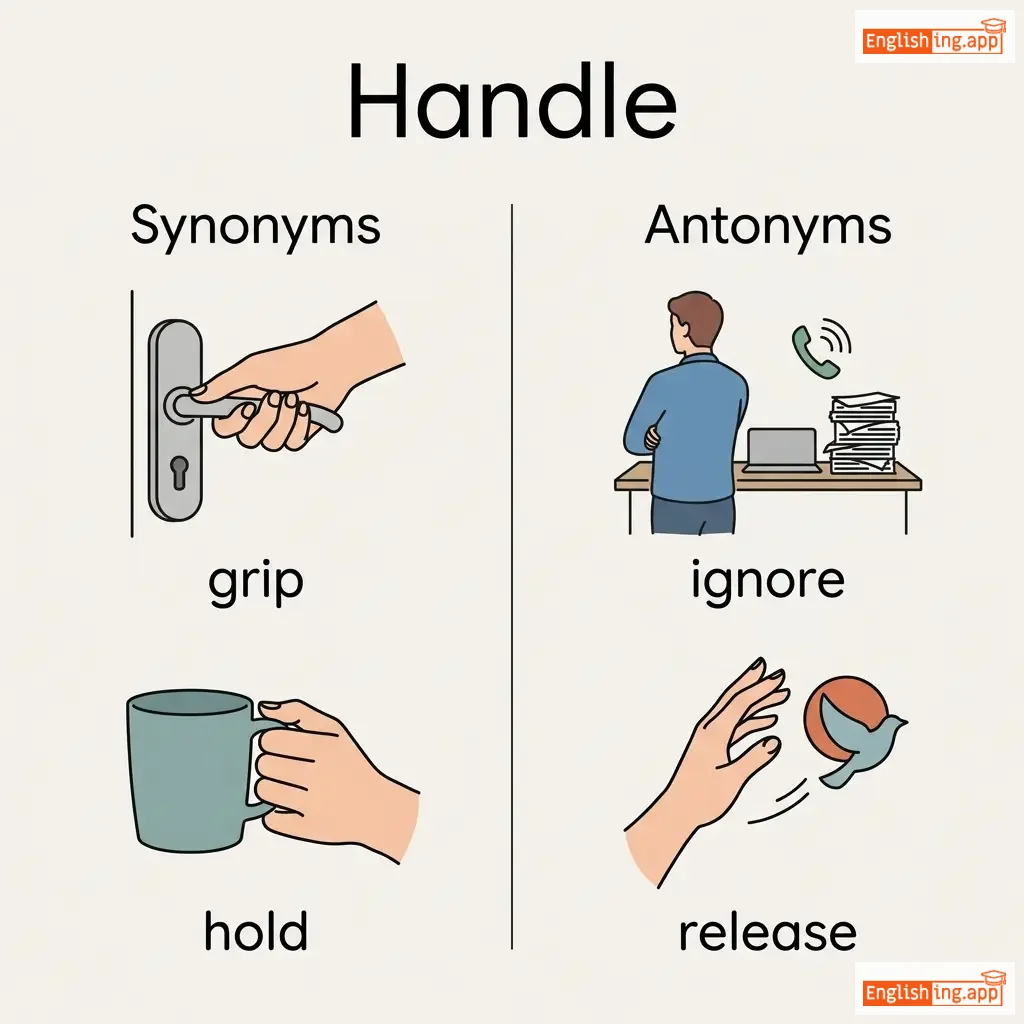
grip, knob, lever, manage
••••••
|
mishandle, fumble, drop, neglect
••••••
|
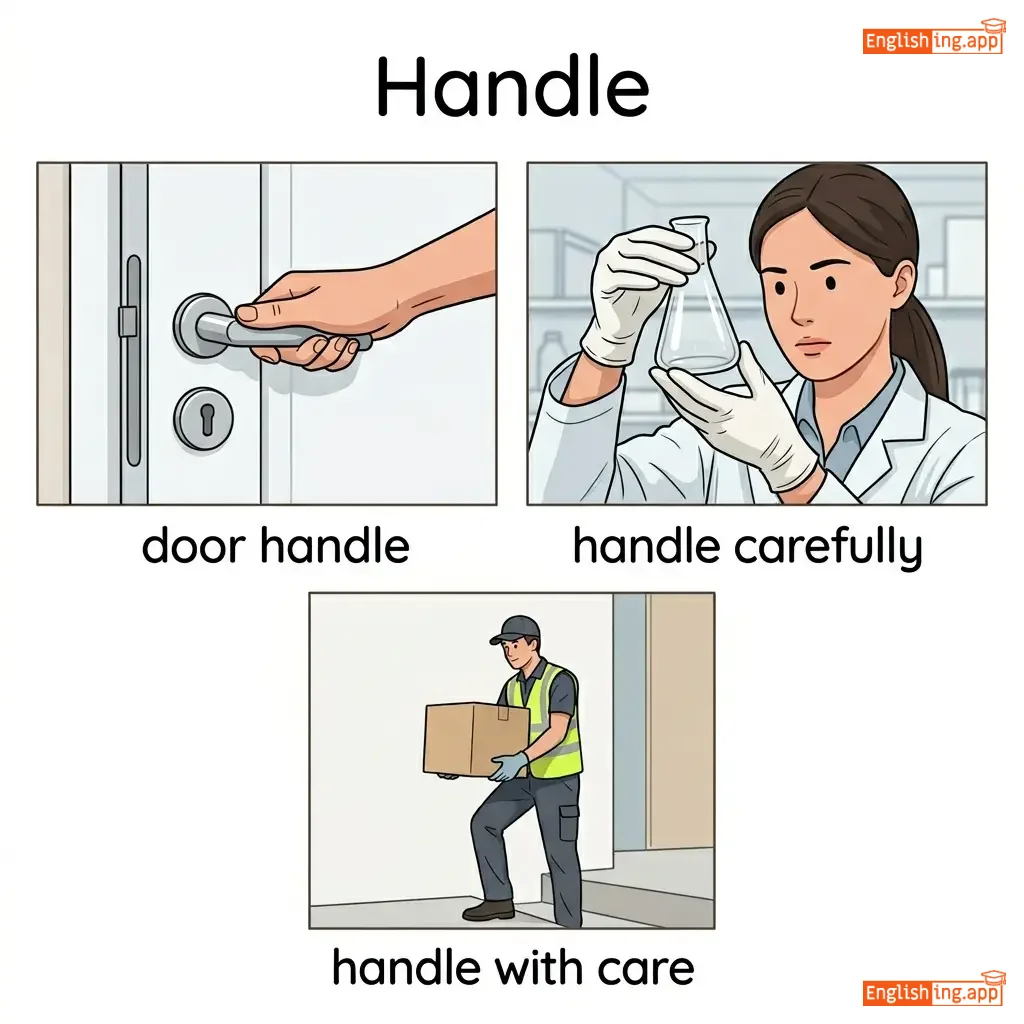
door handle, luggage handle, handle with care
••••••
|
ハンドルで荷物を簡単に運べる!
••••••
|
|
#551
🔄
|
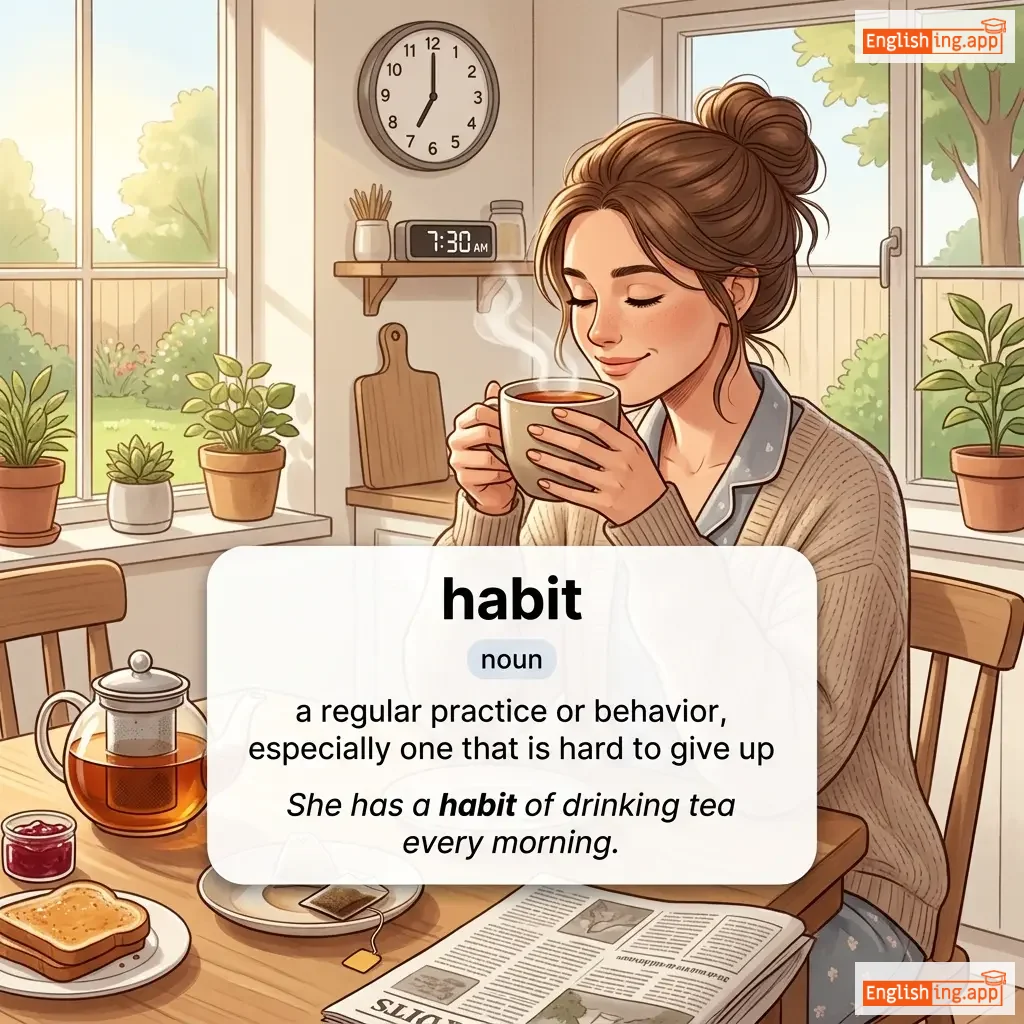
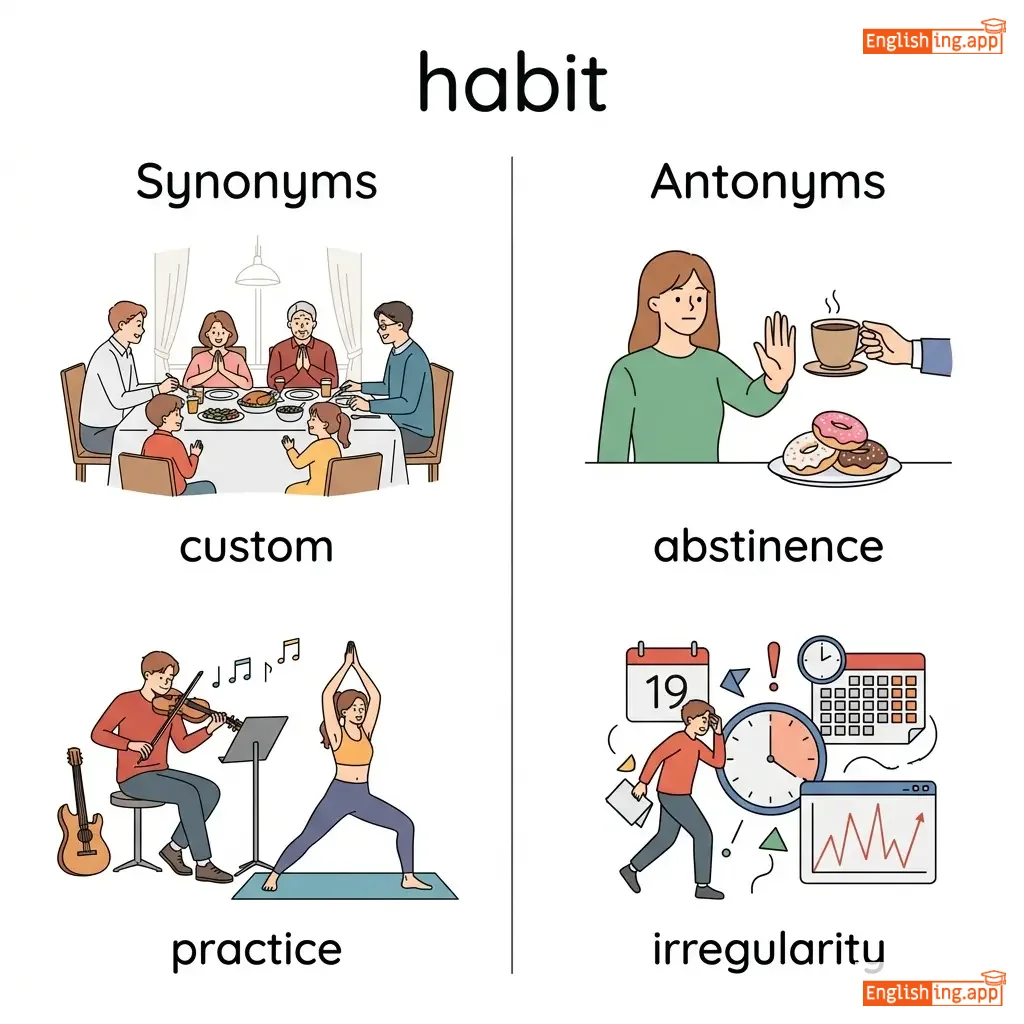
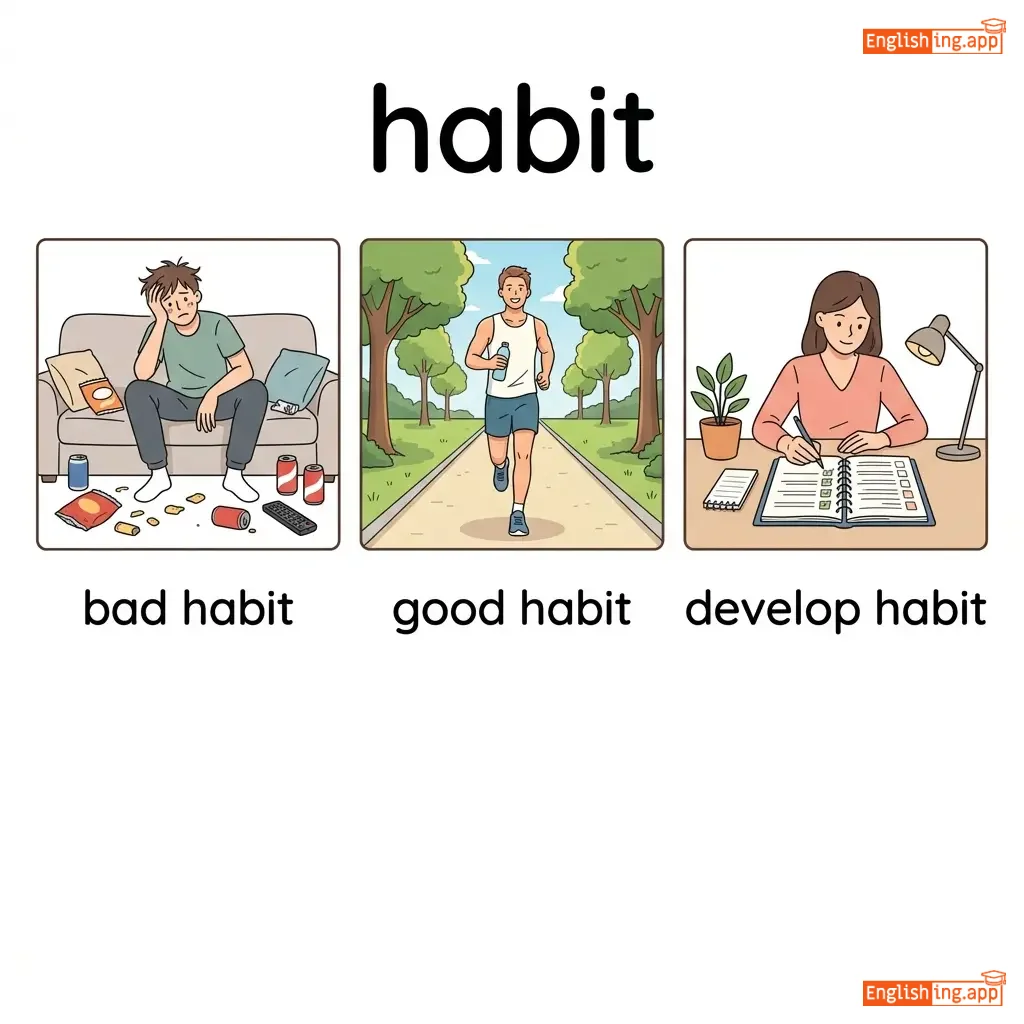
/ˈhæb.ɪt/
noun
(ハビット)
••••••
|
|
習慣; 慣習
shukan, kanshu
••••••
|
a settled or regular tendency or practice, especially one that is hard to give up
••••••
|
Reading before bedtime has become a cherished habit that helps me relax. |
寝る前に本を読むことは、リラックスするのに役立つお気に入りの習慣になりました。
Neru mae ni hon o yomu koto wa, rirakkusu suru no ni yakudatsu okiniiri no shukan ni narimashita.
••••••
|
routine, practice, custom, tendency
••••••
|
irregularity, inconsistency, randomness, spontaneity
••••••
|
good habit, bad habit, daily habit
••••••
|
習慣は続けやすいもの、慣習は文化的に続けることが求められます。
••••••
|
|
#552
✈️
|
/ˈhæŋ.ər/
noun
(ハンガー)
••••••
|
- •••••• |
ハンガー
hangā
••••••
|
a large building with extensive floor area, typically for housing aircraft; an aircraft shelter
••••••
|
The airplane was stored safely in the hangar during the severe thunderstorm. |
飛行機は激しい雷雨の間、安全にハンガーに保管されていました。
Hikōki wa hageshī raiu no aida, anzen ni hangā ni hokan sarete imashita.
••••••
|
aircraft shelter, airplane garage, aviation building, depot
••••••
|
runway, open field, airstrip, tarmac
••••••
|
aircraft hangar, maintenance hangar, airport hangar
••••••
|
ハンガーは飛行機を守る場所
••••••
|
|
#553
🧙♀️
|
/hæɡ/
noun
(ハグ)
••••••
|
- •••••• |
魔女
majo
••••••
|
an ugly old woman, especially a vicious or malicious one; a witch
••••••
|
In the fairy tale, the wicked hag lived alone in a cottage deep in the forest. |
おとぎ話では、邪悪な魔女が森の奥深くの小屋に一人で住んでいた。
Otogibanashi de wa, jaaku na majo ga mori no oku fukaku no koya ni hitori de sunde ita.
••••••
|
witch, crone, sorceress, old woman
••••••
|
beauty, maiden, young woman, angel
••••••
|
old hag, wicked hag, fairy tale hag
••••••
|
In Japanese, 'majo' is a witch, much like the 'hag' in English folklore.
••••••
|
|
#554
👕
|
/ˈhæŋ.ər/
noun
(ハンガー)
••••••
|
- •••••• |
ハンガー
hangā
••••••
|
a shaped piece of wood, plastic, or metal with a hook at the top, used to hang up clothes
••••••
|
She hung her dress on a wooden hanger to prevent it from getting wrinkled. |
彼女はドレスがしわにならないように木のハンガーに掛けました。
Kanojo wa doresu ga shiwa ni naranai yō ni ki no hangā ni kakemashita.
••••••
|
clothes hanger, coat hanger, garment hook, clothing rack
••••••
|
floor, bed, chair, drawer
••••••
|
wire hanger, wooden hanger, plastic hanger
••••••
|
No •••••• |
|
#555
🧊
|
/heɪl/
noun
(ヘイル)
••••••
|
- •••••• |
ひょう
hyou
••••••
|
pellets of frozen rain that fall in showers from cumulonimbus clouds; a greeting or acclaim
••••••
|
The sudden hailstorm damaged many cars in the parking lot with large ice pellets.
突然のひょうの嵐が大きな氷の玉で駐車場の車を多く破壊しました。
••••••
|
突然のひょうの嵐が大きな氷の玉で駐車場の車を多く破壊しました。
Totsuzen no hyou no arashi ga ōkina kōri no tama de chūshajō no kuruma o ōku hakai shimashita.
••••••
|
ice pellets, frozen rain, acclaim, greeting
••••••
|
sunshine, warmth, mild weather, farewell
••••••
|
hail storm, hail damage, hail mary
••••••
|
ひょうは冷たい氷が降る様子で、壊れるほど強いです。
••••••
|
|
#556
💭
|
/ˈhæŋ.kər/
noun
(ハンカー)
••••••
|
- •••••• |
渇望, 欲求
katsubou, yokkyuu
••••••
|
a feeling of yearning or craving; a strong desire for something
••••••
|
After years abroad, she developed a deep hanker for her homeland's traditional cuisine.
海外で何年も過ごした後、彼女は故郷の伝統的な料理への深い渇望を抱きました。
••••••
|
海外で何年も過ごした後、彼女は故郷の伝統的な料理への深い渇望を抱きました。
Kaigai de nannen mo sugoshita ato, kanojo wa kokyou no dentouteki na ryouri e no fukai katsubou wo idakimashita.
••••••
|
craving, yearning, longing, desire
••••••
|
satisfaction, contentment, fulfillment, indifference
••••••
|
hanker for home, hanker after success, deep hanker
••••••
|
Hanker = 何かを欲しがること、好きな食べ物が食べたい時の気持ち。
••••••
|
|
#557
💇
|
/her/
noun
(ヘア)
••••••
|
- •••••• |
髪
kami
••••••
|
any of the fine thread-like strands growing from the skin of humans and animals
••••••
|
She decided to cut her long hair short for a fresh new look this summer. |
彼女はこの夏、さっぱりとした新しい外見のために長い髪を短くすることに決めました。
Kanojo wa kono natsu, sappari to shita atarashii gaiken no tame ni nagai kami wo mijikaku suru koto ni kimemashita.
••••••
|
locks, mane, tresses, strands
••••••
|
baldness, bare skin, hairlessness, smooth surface
••••••
|
long hair, hair color, hair style
••••••
|
髪はあなたの個性を表現する、自然からの贈り物!
••••••
|
|
#558
🎭
|
/ˌhæŋ.ki ˈpæŋ.ki/
noun
(ハンキー・パンキー)
••••••
|
- •••••• |
詐欺; 疑わしい活動; 不道徳な行動; ごまかし
sagi; ugokashii katsudou; fudoutokuna koudou; gomakashi
••••••
|
dishonest or suspicious activity; unethical behavior; trickery or deception
••••••
|
The audit revealed some hanky-panky in the company's financial records. |
監査により、会社の財務記録に詐欺が発覚しました。
kansa ni yori, kaisha no zaimu kiroku ni sagi ga hakken shimashita.
••••••
|
trickery, deception, mischief, fraud
••••••
|
honesty, integrity, transparency, straightforwardness
••••••
|
financial hanky-panky, no hanky-panky, suspected hanky-panky
••••••
|
詐欺は秘密裏に行われ、裏でひそひそ行動する。
••••••
|
|
#559
🏛️
|
/hɔːl/
noun
(ホール)
••••••
|
- •••••• |
ホール; 廊下
hōru, rōka
••••••
|
a large room for meetings, concerts, or other events; a corridor in a building
••••••
|
The graduation ceremony was held in the main hall of the university.
卒業式は大学のメインホールで行われました。
••••••
|
卒業式は大学のメインホールで行われました。
sotsugyōshiki wa daigaku no mein hōru de okonawaremashita.
••••••
|
auditorium, corridor, passageway, chamber
••••••
|
small room, closet, private space, outdoor area
••••••
|
concert hall, dining hall, town hall
••••••
|
ホール (hōru) は大きなイベントが行われる場所です。
••••••
|
|
#560
🔀
|
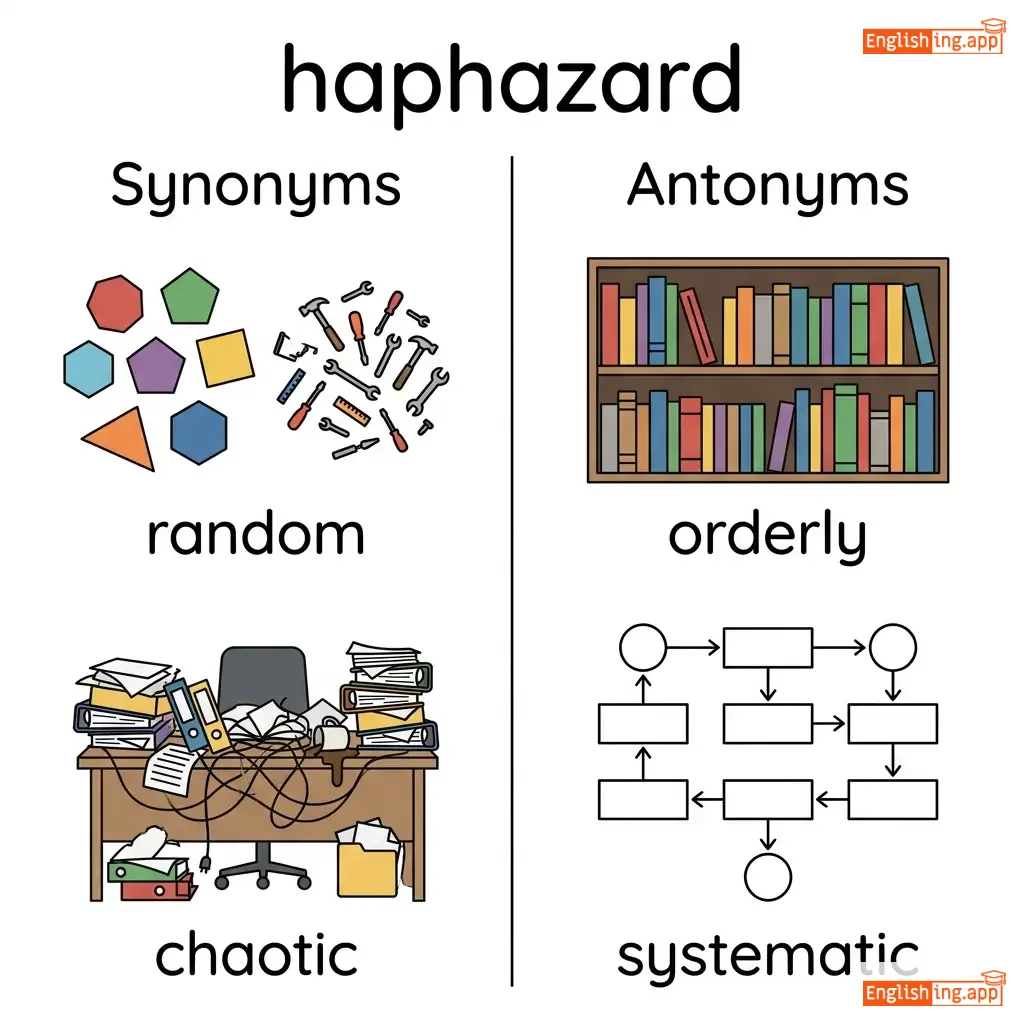
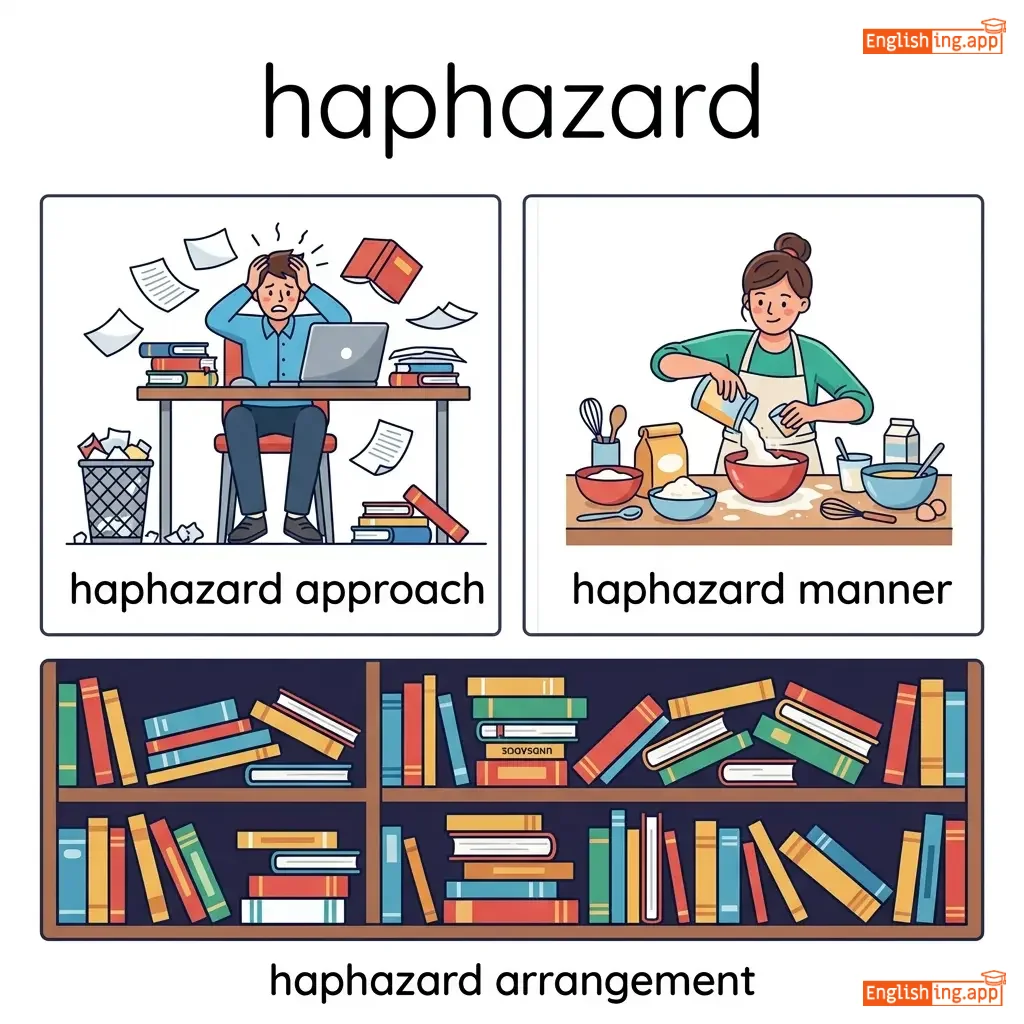
/hæpˈhæz.ərd/
noun
(ハプハザード)
••••••
|
|
無秩序な; ランダムな
muchitsujona; randama
••••••
|
lacking any obvious principle of organization; done or chosen at random; disorganized
••••••
|
His haphazard approach to studying resulted in poor performance on the final exam. |
彼の無秩序な学習方法は、最終試験での成績が悪い結果を招いた。
Kare no muchitsujona gakushū hōhō wa, saishū shiken de no seiseki ga warui kekka o manekita.
••••••
|
random, disorganized, chaotic, unsystematic
••••••
|
organized, systematic, methodical, planned
••••••
|
haphazard manner, haphazard approach, haphazard arrangement
••••••
|
無秩序に行うと、必ず結果も無秩序になる。
••••••
|
Vocabulary Quiz
Test your vocabulary by matching words with their translations or meanings.
Login to take the quiz
Comments (0)
Share your thoughts and join the discussion.
Join the discussion by logging in
Login to CommentNo comments yet
Be the first to share your thoughts!