

翻訳
過去
過去分詞
三人称単数
動名詞
意味
例文
例文の翻訳
同義語
対義語
コロケーション
ニーモニック
Swipe left or right, or use the buttons. Tap image to zoom.
例文の翻訳
単語
Lesson 44Lesson 44 - マスクトグル
|
絵文字
|
単語 | Images | 翻訳 | 意味 | 例文 | 例文の翻訳 | 同義語 | 対義語 | コロケーション | ニーモニック |
|---|---|---|---|---|---|---|---|---|---|---|
|
#861
🎭
|
/maɪm/
noun
(マイム)
••••••
|
- •••••• |
パントマイム; パントマイムの俳優
mime
••••••
|
A performer who acts without words, using only gestures and body movements
••••••
|
The street mime entertained the crowd with his invisible box routine. |
ストリートマイムは、見えない箱のルーチンで群衆を楽しませました。
Sutorīto maimu wa, mienai hako no rūchin de gunshū o tanoshimasemashita.
••••••
|
pantomimist, silent performer, street performer
••••••
|
speaker, narrator, vocal performer
••••••
|
street mime, mime artist, mime performance, invisible box
••••••
|
Mime は言葉を使わず、ジェスチャーで演技する俳優です。
••••••
|
|
#862
😈
|
/ˈmɪs.kri.ənt/
noun
(misukurianto)
••••••
|
- •••••• |
悪党; 犯罪者
miscreant
••••••
|
A person who behaves badly or illegally; a villain or criminal
••••••
|
The miscreant was caught stealing from the store.
その悪党は店で物を盗んでいるところを捕まえられました。
••••••
|
その悪党は店で物を盗んでいるところを捕まえられました。
Sono akutō wa mise de mono o nusunde iru tokoro o tsukamaeraremashita.
••••••
|
villain, criminal, wrongdoer, scoundrel
••••••
|
hero, saint, good person, law-abiding citizen
••••••
|
dangerous miscreant, petty miscreant, notorious miscreant, young miscreant
••••••
|
Miscreant - A criminal. In Japanese, '悪党' refers to a bad person or villain.
••••••
|
|
#863
🔄
|
/ˈmɪm.ɪk/
noun
(ミミック)
••••••
|
- •••••• |
模倣者; 模倣する;
mimikku
••••••
|
A person who copies or imitates the actions, speech, or mannerisms of others
••••••
|
The talented mimic could perfectly imitate famous celebrities.
才能あるミミックは有名人を完璧に模倣できました。
••••••
|
才能ある模倣者は有名人を完璧に模倣できました。
Sainou aru mohosha wa yuumeijin o kanpeki ni moho dekimashita.
••••••
|
imitator, impersonator, copycat, impressionist
••••••
|
original, innovator, creator
••••••
|
talented mimic, voice mimic, animal mimic, perfect mimic
••••••
|
日本語で '模倣者' は他人を模倣する人を指し、英語の 'Mimic' と同じ意味です。
••••••
|
|
#864
❌
|
/ˌmɪsˈdiːd/
noun
(ミスディード)
••••••
|
- •••••• |
悪行; 不正行為
misdeed
••••••
|
A wicked or illegal act; wrongdoing
••••••
|
He regretted his past misdeeds and tried to make amends. |
彼は過去の悪行を後悔し、償いをしようとしました。
Kare wa kako no akugyō o kōkai shi, tsugunai o shiyō to shimashita.
••••••
|
wrongdoing, offense, transgression, crime
••••••
|
good deed, virtue, righteousness, kindness
••••••
|
past misdeed, serious misdeed, minor misdeed, confess misdeed
••••••
|
Misdeed: Mis (悪い) deed (行為) – 悪い行為
••••••
|
|
#865
⬇️
|
/ˈmɪn.ɪ.məm/
noun
(ミニマム)
••••••
|
|
最小値
saishōchi
••••••
|
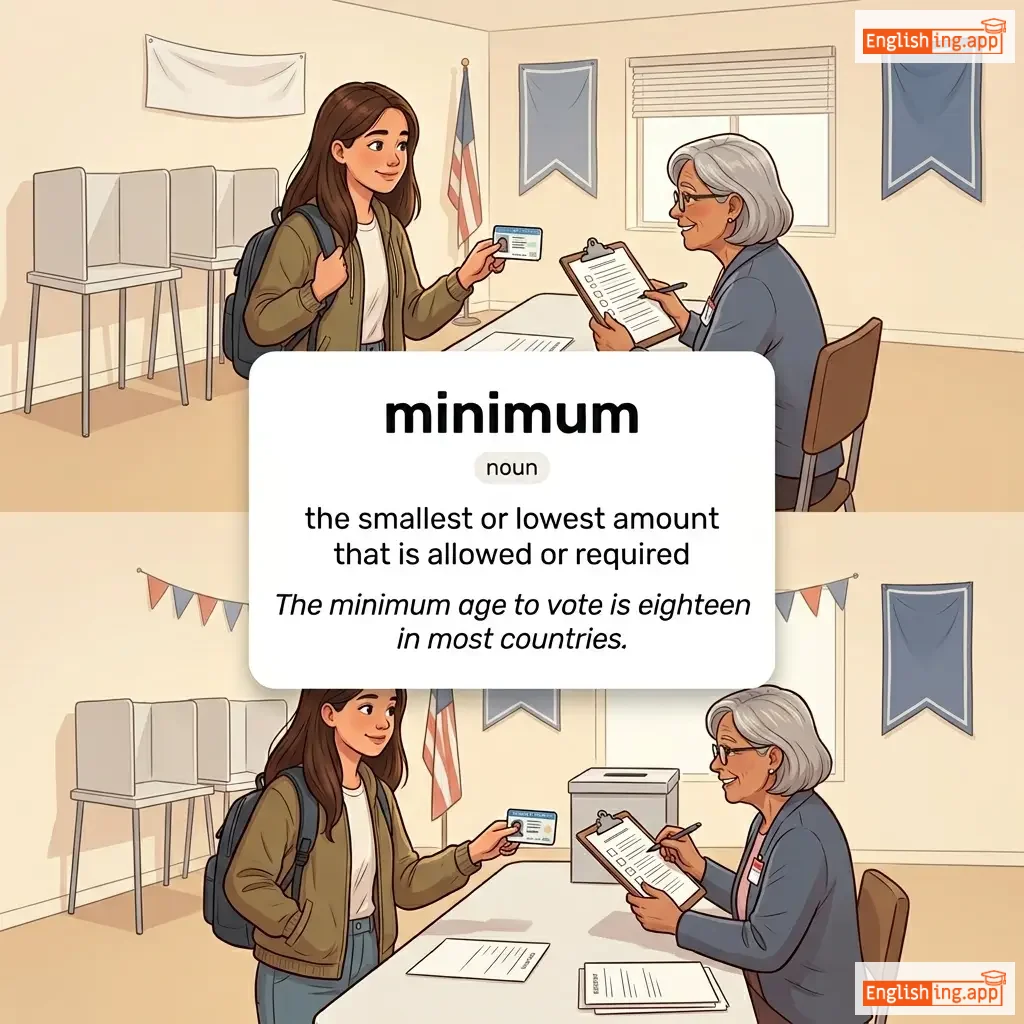
The smallest or lowest amount, degree, or quantity possible or required
••••••
|
The minimum wage was increased to help workers cover basic expenses. |
最低賃金は引き上げられ、労働者が基本的な支出をカバーするのを助けました。
Saitei chingin wa hikiagerare, rōdōsha ga kihonteki na shishutsu o kabā suru no o tasukemashita.
••••••
|
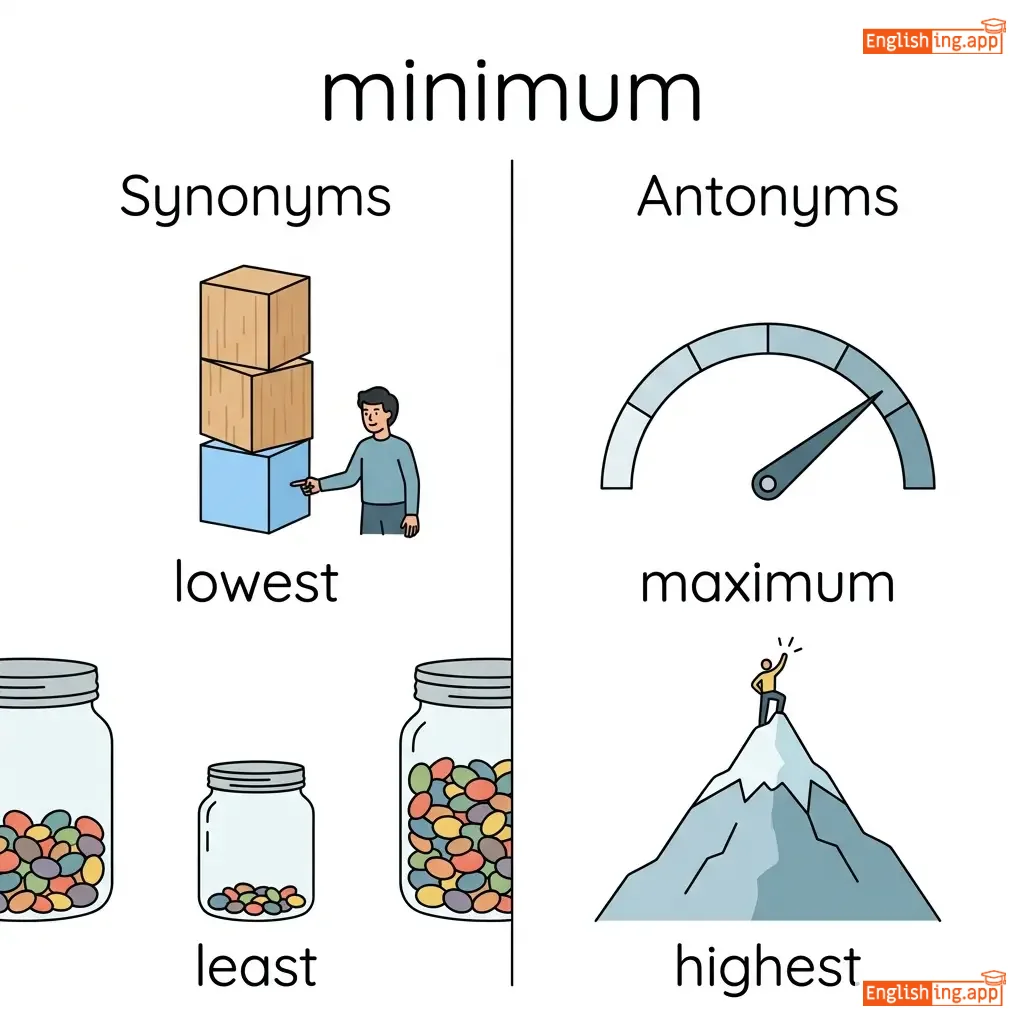
least, lowest, smallest, bottom
••••••
|
maximum, highest, most, peak
••••••
|
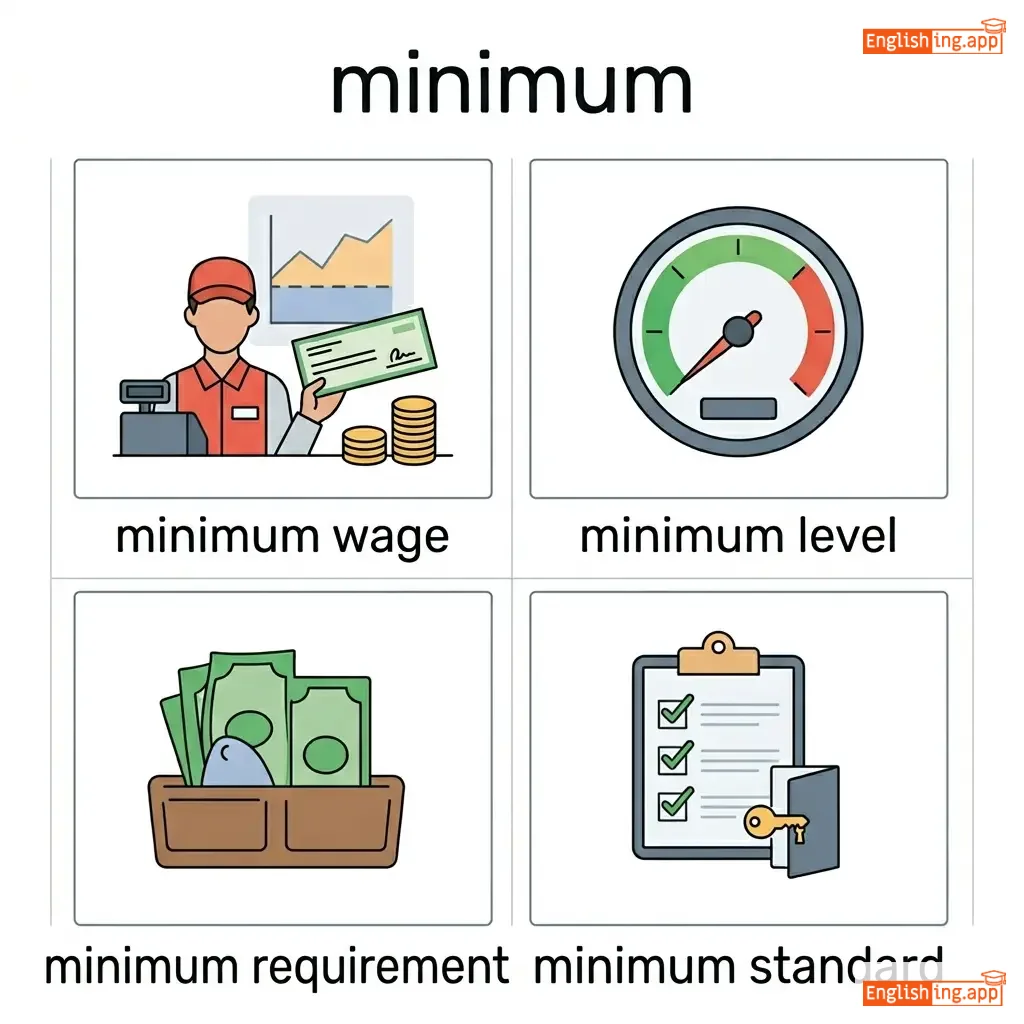
minimum wage, minimum requirement, minimum amount, bare minimum
••••••
|
In Japanese, '最小値' (saishōchi) is similar to the English 'minimum', both meaning the smallest possible amount.
••••••
|
|
#866
😭
|
/ˈmɪz.ər.i/
noun
(ミゼリー)
••••••
|
- •••••• |
苦しみ; 極度の貧困; 苦痛
misery
••••••
|
Great mental or physical suffering; extreme unhappiness or distress
••••••
|
The poor family lived in complete misery after losing their home.
貧しい家族は家を失った後、完全な苦しみに生きていました。
••••••
|
貧しい家族は家を失った後、完全な苦しみに生きていました。
mazushii kazoku wa ie o ushinatta ato, kanzen'na kurushimi ni ikiteimashita.
••••••
|
suffering, anguish, distress, torment
••••••
|
happiness, joy, bliss, contentment
••••••
|
human misery, complete misery, endless misery, cause misery
••••••
|
苦しみは心身を圧倒し、終わりの見えないものです。
••••••
|
|
#867
🏛️
|
/ˈmɪn.ɪ.stri/
noun
(ミニストリー)
••••••
|
- •••••• |
省庁
shōchō
••••••
|
A government department responsible for a particular area of public administration
••••••
|
The Ministry of Education announced new policies for schools. |
教育省は学校のための新しい政策を発表しました。
Kyōiku-shō wa gakkō no tame no atarashī seisaku o happyō shimashita.
••••••
|
department, bureau, office, agency
••••••
|
private sector, corporation, business
••••••
|
government ministry, ministry office, ministry officials, ministry policy
••••••
|
日本語: '省庁' — 政府機関が公共の業務を管理。
••••••
|
|
#868
🤔
|
/mɪsˈɡɪv.ɪŋ/
noun
(ミスギビング)
••••••
|
- •••••• |
疑念; 不安; 不確実
misgiving
••••••
|
A feeling of doubt or apprehension about the outcome or consequences of something
••••••
|
She had serious misgivings about accepting the job offer.
彼女は仕事のオファーを受け入れることに対して重大な疑念を抱いていました。
••••••
|
彼女は仕事のオファーを受け入れることに対して重大な疑念を抱いていました。
Kanojo wa shigoto no ofā o ukeireru koto ni taishite jūdaina ginen o daite imashita.
••••••
|
doubt, apprehension, uncertainty, worry
••••••
|
confidence, certainty, assurance, trust
••••••
|
serious misgiving, grave misgiving, deep misgiving, have misgivings
••••••
|
日本語: '疑念' は確信が持てないという感情で、英語の 'misgiving' と似ています
••••••
|
|
#869
🌿
|
/mɪnt/
noun
(ミント)
••••••
|
- •••••• |
ミント; 金貨の鋳造所
minto; kinka no chūzōsho
••••••
|
An aromatic plant used for flavoring; also a place where money is manufactured
••••••
|
She added fresh mint leaves to the tea for a refreshing taste.
彼女はお茶に新鮮なミントの葉を加えて、さわやかな味を加えました。
••••••
|
彼女はお茶に新鮮なミントの葉を加えて、さわやかな味を加えました。
Kanojo wa ocha ni shinsen na minto no ha o kuwaete, sawayakana aji o kuwaemashita.
••••••
|
peppermint, spearmint, mentha
••••••
|
bitter herb, sour plant
••••••
|
fresh mint, mint leaves, mint tea, mint condition
••••••
|
ミントの爽やかさは、冷たい風のようです。
••••••
|
|
#870
😱
|
/ˈmɪs.hæp/
noun
(ミシャップ)
••••••
|
- •••••• |
災難; 不運; 事故
mishap
••••••
|
An unlucky accident or unfortunate event, typically minor
••••••
|
The cooking mishap resulted in a burnt dinner.
料理のミシャップで、焼け焦げたディナーになった。
••••••
|
料理の失敗で、焼け焦げたディナーになった。
Ryouri no shippai de, yakekogeta dinā ni natta.
••••••
|
accident, misfortune, setback, incident
••••••
|
success, good fortune, blessing
••••••
|
minor mishap, kitchen mishap, traffic mishap, unfortunate mishap
••••••
|
Mishap = 料理の災難
••••••
|
|
#871
✨
|
/ˈmɪr.ɪ.kəl/
noun
(ミラクル)
••••••
|
- •••••• |
奇跡
kiseki
••••••
|
An extraordinary and welcome event that cannot be explained by natural or scientific laws
••••••
|
The patient's recovery was called a miracle by the doctors. |
患者の回復は医師によって奇跡だと呼ばれました。
Kanja no kaifuku wa ishi ni yotte kiseki da to yobaremashita
••••••
|
wonder, marvel, phenomenon, blessing
••••••
|
disaster, catastrophe, misfortune
••••••
|
medical miracle, modern miracle, miracle cure, miracle worker
••••••
|
奇跡 (kiseki) means 'miracle'—an event that amazes and inspires.
••••••
|
|
#872
🎯
|
/ˈmɪʃ.ən/
noun
(ミッション)
••••••
|
- •••••• |
人やグループに与えられた重要な任務または課題;特定の目的や目標
misshon
••••••
|
An important task or assignment given to a person or group; a specific purpose or goal
••••••
|
The astronauts completed their mission to the space station. |
宇宙飛行士たちは宇宙ステーションへの任務を完了しました。
Uchū hikōshi-tachi wa uchū sutēshon e no ninmu o kanryō shimashita.
••••••
|
task, assignment, objective, goal
••••••
|
aimlessness, purposelessness
••••••
|
space mission, rescue mission, secret mission, military mission
••••••
|
Mission in Japanese is 'ミッション', where every mission leads to a specific goal.
••••••
|
|
#873
🏜️
|
/mɪˈrɑːʒ/
noun
(ミラージュ)
••••••
|
- •••••• |
蜃気楼
shinkirou
••••••
|
An optical illusion caused by atmospheric conditions, especially in deserts
••••••
|
The travelers saw a mirage of water in the desert.
旅行者は砂漠で水の蜃気楼を見ました。
••••••
|
旅行者は砂漠で水の蜃気楼を見ました。
Ryokousha wa sabaku de mizu no shinkirou wo mimashita.
••••••
|
illusion, hallucination, phantom, vision
••••••
|
reality, truth, fact
••••••
|
desert mirage, water mirage, optical mirage, distant mirage
••••••
|
蜃気楼(shinkirou)は砂漠で水のように見えるけれど、実際には空想のようなものです。
••••••
|
|
#874
⛪
|
/ˈmɪʃ.ən.ɛr.i/
noun
(ミッションアリー)
••••••
|
- •••••• |
宣教師
sen kyoushi
••••••
|
A person sent on a religious mission to promote their faith in a foreign country
••••••
|
The missionary spent years teaching and helping people in remote villages.
ミッショナリーは遠隔地の村で何年も人々に教え、助けてきました。
••••••
|
宣教師は遠隔地の村で何年も人々に教え、助けてきました。
Sen kyoushi wa enkaku chi no mura de nannen mo hitobito ni oshie, tasukete kimashita.
••••••
|
evangelist, preacher, religious worker, apostle
••••••
|
atheist, non-believer, secular person
••••••
|
Christian missionary, foreign missionary, missionary work, missionary school
••••••
|
宣教師 = 使命 + 教える; 教えの使命を持つ人
••••••
|
|
#875
😡
|
/ˌmɪs.bɪˈheɪ.vjər/
noun
(ミスビヘイビア)
••••••
|
- •••••• |
悪いまたは受け入れられない行動、特に子供によるものや公式の場面で
misbehaviour
••••••
|
Bad or unacceptable behavior, especially by children or in formal situations
••••••
|
The student was punished for his misbehaviour in class.
生徒はクラスでの不適切な行動で罰を受けた。
••••••
|
生徒はクラスでの不適切な行動で罰を受けた。
Seito wa kurasu de no futekisetsu na kōdō de batsu o ukemashita.
••••••
|
misconduct, bad behavior, wrongdoing, naughtiness
••••••
|
good behavior, proper conduct, obedience
••••••
|
student misbehaviour, serious misbehaviour, repeated misbehaviour, classroom misbehaviour
••••••
|
Japanese: 'mis' sounds like '悪い' for bad, and 'behaviour' as '行動'.
••••••
|
|
#876
🤦
|
/mɪˈsteɪk/
noun
(ミステイク)
••••••
|
- •••••• |
間違い; エラー;
machigai; erā;
••••••
|
An action or judgment that is misguided or wrong; an error
••••••
|
Making mistakes is part of the learning process.
メイキング ミステイクス イズ パート オブ ザ ラーニング プロセス。
••••••
|
間違いをすることは学習過程の一部です。
Machigai o suru koto wa gakushū katei no ichibu desu.
••••••
|
error, blunder, fault, slip
••••••
|
correctness, accuracy, success
••••••
|
common mistake, serious mistake, honest mistake, learn from mistakes
••••••
|
間違いが成長をもたらす。
••••••
|
|
#877
😈
|
/ˈmɪs.tʃɪf/
noun
(mishifu)
••••••
|
- •••••• |
いたずら
itazura
••••••
|
Playful behavior that causes minor trouble or annoyance but is not meant to cause serious harm
••••••
|
The children were full of mischief during the summer holidays. |
子供たちは夏休み中、いたずらでいっぱいでした。
Kodomotachi wa natsu yasumi-chū, itazura de ippai deshita.
••••••
|
naughtiness, pranks, trouble, devilry
••••••
|
good behavior, obedience, virtue
••••••
|
childhood mischief, playful mischief, harmless mischief, get into mischief
••••••
|
Mischief(いたずら)で子供たちは夏にいたずらしている。
••••••
|
|
#878
😒
|
/ˌmɪsˈtrʌst/
noun
(ミストラスト)
••••••
|
- •••••• |
不信
fushin
••••••
|
Lack of trust; suspicion or doubt about someone or something
••••••
|
There was deep mistrust between the two political parties. |
二つの政治的政党の間に深い不信があった。
Futatsu no seijiteki seitō no aida ni fukai fushin ga atta.
••••••
|
distrust, suspicion, doubt, wariness
••••••
|
trust, confidence, faith, belief
••••••
|
deep mistrust, mutual mistrust, growing mistrust, mistrust of authority
••••••
|
No trust equals 不信 in Japanese, no room for doubt.
••••••
|
|
#879
⚠️
|
/ˌmɪsˈkɒn.dʌkt/
noun
(misukon dakuto)
••••••
|
- •••••• |
不正行為
fusei kōi
••••••
|
Unacceptable or improper behavior, especially by a professional person
••••••
|
The officer was dismissed for professional misconduct. |
その警官は職業上の不正行為で解雇されました。
sono keikan wa shokugyō-jō no fusei kōi de kaiko saremashita.
••••••
|
wrongdoing, malpractice, impropriety, violation
••••••
|
good conduct, proper behavior, integrity
••••••
|
professional misconduct, serious misconduct, sexual misconduct, academic misconduct
••••••
|
不正行為は職業生活を壊す原因になる
••••••
|
|
#880
🤷
|
/ˌmɪs.ʌn.dəˈstæn.dɪŋ/
noun
(misunderstanding)
••••••
|
- •••••• |
誤解
gokai
••••••
|
A failure to understand something correctly; a disagreement or confusion between people
••••••
|
The argument was caused by a simple misunderstanding. |
その議論は単純な誤解から生じた。
sono giron wa tanjun na gokai kara shōjita.
••••••
|
confusion, miscommunication, mix-up, disagreement
••••••
|
understanding, clarity, agreement, comprehension
••••••
|
clear up misunderstanding, avoid misunderstanding, cultural misunderstanding, serious misunderstanding
••••••
|
誤解が原因で議論が始まる
••••••
|
Vocabulary Quiz
Test your vocabulary by matching words with their translations or meanings.
Login to take the quiz
Comments (0)
Share your thoughts and join the discussion.
Join the discussion by logging in
Login to CommentNo comments yet
Be the first to share your thoughts!