

翻訳
過去
過去分詞
三人称単数
動名詞
意味
例文
例文の翻訳
同義語
対義語
コロケーション
ニーモニック

Swipe left or right, or use the buttons. Tap image to zoom.
例文の翻訳
単語
Lesson 74Lesson 74 - マスクトグル
|
絵文字
|
単語 | Images | 翻訳 | 意味 | 例文 | 例文の翻訳 | 同義語 | 対義語 | コロケーション | ニーモニック |
|---|---|---|---|---|---|---|---|---|---|---|
|
#1461
🏖️
|
/veɪˈkeɪ.ʃən/
noun
(veikeishon)
••••••
|
- •••••• |
休暇
kyuuka
••••••
|
a period of time when someone does not go to work or school but is free to do what they want, such as travel or relax
••••••
|
I'm planning a vacation to the beach next summer.
来年の夏にビーチで休暇を計画しています。
••••••
|
来年の夏にビーチで休暇を計画しています。
Rainen no natsu ni biichi de kyuuka wo keikaku shiteimasu.
••••••
|
holiday, break, leave, trip
••••••
|
work, duty, obligation
••••••
|
summer vacation, family vacation, vacation time, go on vacation
••••••
|
休暇はリラックスと楽しむための完璧な時間です!
••••••
|
|
#1462
🔄
|
/ˌveəriˈeɪʃən/
noun
(バリエーション)
••••••
|
- •••••• |
変動; バリエーション; 条件や量の違い
hendou; bariēshon; jōken ya ryo no chigai
••••••
|
a change or difference in condition, amount, or level; a different or distinct form or version of something
••••••
|
There was a significant variation in temperature throughout the day.
1日の間に気温に顕著なバリエーションがありました。
••••••
|
1日の間に気温に顕著なバリエーションがありました。
1-nichi no aida ni kion ni kencho na bariēshon ga arimashita.
••••••
|
change, difference, modification, alteration
••••••
|
uniformity, consistency, sameness
••••••
|
seasonal variation, price variation, genetic variation
••••••
|
バリエーション = 変動、季節のようなもの。
••••••
|
|
#1463
🤔
|
/ˌvæs.ɪˈleɪ.ʃən/
noun
(ヴェサレーション)
••••••
|
- •••••• |
迷い
mayoi
••••••
|
the inability to decide between different opinions or actions; indecision
••••••
|
His constant vacillation between career choices frustrated his parents.
彼のキャリア選択の間の絶え間ない揺れは、彼の親を困惑させました。
••••••
|
彼のキャリア選択の間の絶え間ない揺れは、彼の親を困惑させました。
Kare no kyaria sentaku no aida no taemai yuure wa, kare no oya wo konwaku sasemashita.
••••••
|
indecision, hesitation, uncertainty, wavering
••••••
|
decisiveness, determination, resolution
••••••
|
constant vacillation, political vacillation, mental vacillation
••••••
|
Japanese '迷い' (mayoi) illustrates indecision and wavering thought.
••••••
|
|
#1464
🌈
|
/vəˈraɪəti/
noun
(ヴァラエティ)
••••••
|
- •••••• |
多様性; 種類
tayousei; shurui
••••••
|
the quality of being different or diverse; a number of things of the same general class that are distinct in character or quality
••••••
|
The restaurant offers a wide variety of international dishes.
レストランは多彩な国際料理を提供しています。
••••••
|
レストランは多彩な国際料理を提供しています。
Resutoran wa tasai na kokusai ryouri wo teikyou shiteimasu.
••••••
|
diversity, range, assortment, selection
••••••
|
monotony, uniformity, sameness
••••••
|
wide variety, variety show, variety pack
••••••
|
多様性はレストランのメニューにある様々な料理のようです。
••••••
|
|
#1465
💉
|
/ˌvæk.sɪˈneɪ.ʃən/
noun
(ワクチン接種)
••••••
|
- •••••• |
ワクチン接種
wakuchin sesshu
••••••
|
the process of giving a vaccine to a person or animal to protect them against a disease
••••••
|
Children receive vaccination against measles at an early age.
子供たちは幼い頃に麻疹の予防接種を受けます。
••••••
|
子供たちは幼い頃に麻疹の予防接種を受けます。
Kodomo-tachi wa osanai koro ni hasen no yobō sesshu o ukemasu.
••••••
|
immunization, inoculation, injection
••••••
|
infection, contamination
••••••
|
childhood vaccination, mass vaccination, vaccination program, vaccination schedule
••••••
|
日本ではワクチン接種が病気を予防するための最も重要な方法です。
••••••
|
|
#1466
🥬
|
/ˌvedʒəˈteəriən/
noun
(ベジタリアン)
••••••
|
- •••••• |
菜食主義者
saishoku shugi sha
••••••
|
a person who does not eat meat or fish; relating to vegetarians or vegetarianism
••••••
|
She became a vegetarian for health and environmental reasons. |
彼女は健康と環境の理由で菜食主義者になりました。
Kanojo wa kenko to kankyō no riyū de saishoku shugi sha ni narimashita.
••••••
|
herbivore, plant-eater, vegan
••••••
|
carnivore, meat-eater, omnivore
••••••
|
strict vegetarian, vegetarian diet, vegetarian restaurant
••••••
|
菜食主義者は肉を食べず、野菜と果物を食べる!
••••••
|
|
#1467
💉
|
/ˈvæk.siːn/
noun
(vakkusīn)
••••••
|
- •••••• |
ワクチン
wakuchin
••••••
|
a substance that is put into the body to prevent a disease
••••••
|
The COVID-19 vaccine has helped reduce severe illness. |
COVID-19ワクチンは重篤な病気を減少させるのに役立っています。
COVID-19 wakuchin wa jūtoku na byōki o genshō saseru no ni yakudatteimasu.
••••••
|
immunization, shot, inoculation
••••••
|
virus, infection, disease
••••••
|
flu vaccine, COVID vaccine, vaccine development, vaccine dose
••••••
|
ワクチンで病気を防ぐことができます。
••••••
|
|
#1468
🔥
|
/ˈviːəməns/
noun
(ビヘメンス)
••••••
|
- •••••• |
激しい感情; 表現の強さ
hageshii kanjou; hyougen no tsuyosa
••••••
|
great forcefulness or intensity of feeling or expression; passionate conviction
••••••
|
He argued with such vehemence that everyone was surprised.
彼はその強い熱意で議論し、皆が驚きました。
••••••
|
彼はその強い熱意で議論し、皆が驚きました。
Kare wa sono tsuyoi netsui de giron shi, mina ga odorokimashita.
••••••
|
intensity, passion, fervor, ardor
••••••
|
mildness, gentleness, calmness
••••••
|
argue with vehemence, speak with vehemence
••••••
|
強い熱意を持って議論する姿を想像してください。
••••••
|
|
#1469
🚶♂️
|
/ˈvæɡ.ə.bɒnd/
noun
(ヴァガボンド)
••••••
|
- •••••• |
浮浪者; 放浪者
hurōsha; hōrōsha
••••••
|
a person who has no home or job and travels from place to place
••••••
|
The old vagabond wandered through the streets looking for food.
年老いたヴァガボンドは食べ物を探して街を歩いていた。
••••••
|
年老いた浮浪者は食べ物を探して街を歩いていた。
Toshi o ita hurōsha wa tabemono o sagashite machi o aruite ita.
••••••
|
wanderer, drifter, homeless person, tramp
••••••
|
resident, homeowner, settled person
••••••
|
old vagabond, wandering vagabond, street vagabond
••••••
|
ヴァガボンドは家を持たずにさまよう人のこと
••••••
|
|
#1470
🚗
|
/ˈviːɪkəl/
noun
(vīkeru)
••••••
|
- •••••• |
車両; 自動車; 手段
sharyou; jidousha; shudan
••••••
|
a thing used for transporting people or goods, especially on land; a means of expressing or displaying something
••••••
|
The electric vehicle is becoming more popular these days.
電気自動車は最近ますます人気が高くなっています。
••••••
|
電気自動車は最近ますます人気が高くなっています。
Denki jidousha wa saikin masumasu ninki ga takaku natte imasu.
••••••
|
transport, conveyance, automobile, car
••••••
|
obstacle, hindrance
••••••
|
motor vehicle, emergency vehicle, commercial vehicle
••••••
|
車両で人々を運ぶ – 乗り物として車を使う。
••••••
|
|
#1471
✅
|
/vəˈlɪd.ɪ.ti/
noun
(バリディティ)
••••••
|
- •••••• |
有効性
yukōsei
••••••
|
the quality of being legally or officially acceptable; the quality of being logically or factually sound
••••••
|
The validity of the contract expires next month.
契約のバリディティは来月に終了します。
••••••
|
契約の有効性は来月に終了します。
Keiyaku no yūkōsei wa raigetsu ni shūryō shimasu.
••••••
|
legitimacy, authenticity, soundness, legality
••••••
|
invalidity, illegitimacy, falseness
••••••
|
legal validity, test validity, validity period, question validity
••••••
|
Japanese '有効性' means validity, just like in English, representing logical and legal acceptance.
••••••
|
|
#1472
👰
|
/veɪl/
noun
(ヴェイル)
••••••
|
- •••••• |
ベール; マスク; 花嫁のベール;
bēru; masuku; hanayome no bēru
••••••
|
a piece of fine material worn to protect or conceal the face; something that conceals or disguises
••••••
|
The bride wore a beautiful white veil during the ceremony.
花嫁は式の間に美しい白いヴェイルを着ていました。
••••••
|
花嫁は式の間に美しい白いベールを着ていました。
Hanayome wa shiki no aida ni utsukushii shiroi bēru o kite imashita.
••••••
|
covering, screen, shroud, mask
••••••
|
exposure, revelation, disclosure
••••••
|
bridal veil, lift the veil, veil of secrecy
••••••
|
In Japanese, 'ベール' means 'veil', covering or hiding the face during special occasions like weddings.
••••••
|
|
#1473
💰
|
/ˌvæl.juˈeɪ.ʃən/
noun
(バリュエーション)
••••••
|
|
評価
hyouka
••••••
|
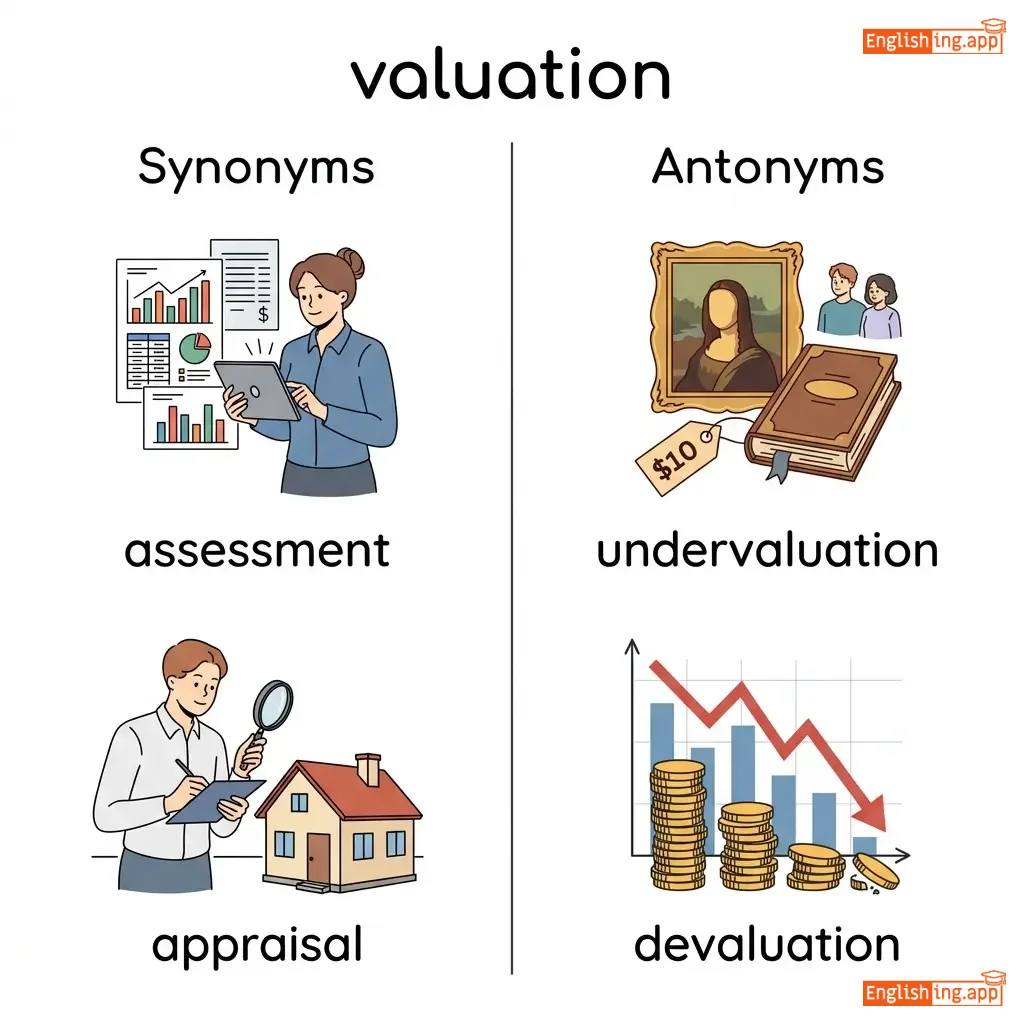
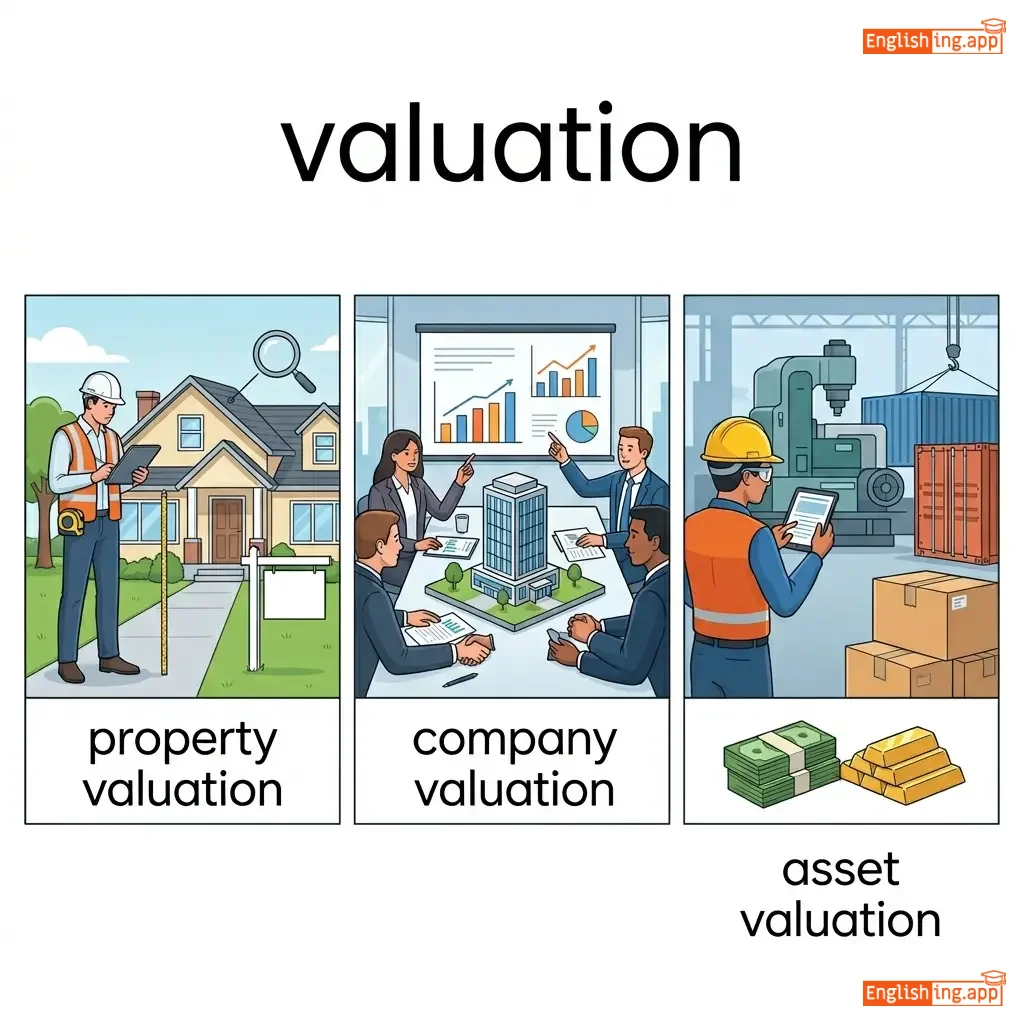
the process of deciding how much money something is worth; an estimated value
••••••
|
The property valuation came in higher than expected. |
不動産の評価は予想より高かった。
Fudousan no hyouka wa yosou yori takakatta.
••••••
|
assessment, appraisal, evaluation, estimation
••••••
|
undervaluation, devaluation
••••••
|
property valuation, company valuation, asset valuation, market valuation
••••••
|
No •••••• |
|
#1474
🛒
|
/ˈvendə(r)/
noun
(ヴェンダー)
••••••
|
- •••••• |
ベンダー
benda
••••••
|
a person or company offering something for sale, especially a trader in the street
••••••
|
The street vendor sold fresh fruits and vegetables. |
街角のベンダーは新鮮な果物と野菜を売っていた。
Machikado no benda wa shinsen na kudamono to yasai o utte ita.
••••••
|
seller, trader, merchant, retailer
••••••
|
buyer, customer, purchaser
••••••
|
street vendor, food vendor, software vendor
••••••
|
Vendor = ベンダー, 通りのベンダーと同じように。
••••••
|
|
#1475
💎
|
/ˈvæl.juː/
noun
(ヴァリュー)
••••••
|
- •••••• |
価値; 価格; 重要性
kachi; kakaku; jūyō-sei
••••••
|
the importance or worth of something; the amount of money that something is worth
••••••
|
This antique vase has great sentimental value to our family.
このアンティークの花瓶は私たちの家族にとって大きな感情的価値があります。
••••••
|
このアンティークの花瓶は私たちの家族にとって大きな感情的価値があります。
Kono antīku no kabin wa watashitachi no kazoku ni totte ōkina kanjō-teki kachi ga arimasu.
••••••
|
worth, importance, significance, price
••••••
|
worthlessness, insignificance
••••••
|
market value, face value, family values, good value
••••••
|
物の価値は、価格だけでなく、それが家族にとってどれだけ意味があるかにもある。
••••••
|
|
#1476
⚔️
|
/ˈvendʒəns/
noun
(ベンジェンス)
••••••
|
- •••••• |
復讐
fukushū
••••••
|
punishment inflicted or retribution exacted for an injury or wrong; revenge
••••••
|
He swore to seek vengeance against those who wronged him.
彼は自分を傷つけた者に復讐すると誓った。
••••••
|
彼は自分を傷つけた者に復讐すると誓った。
Kare wa jibun o kizutsuketa mono ni fukushū suru to chikatta.
••••••
|
revenge, retribution, retaliation, payback
••••••
|
forgiveness, mercy, pardon
••••••
|
seek vengeance, take vengeance, vengeance is mine
••••••
|
Vengeance in Japanese is '復讐', remember it by associating the word 'fukushū' with taking revenge.
••••••
|
|
#1477
🪞
|
/ˈvæn.ɪ.ti/
noun
(ヴァニティ)
••••••
|
- •••••• |
虚栄心
kyoei-shin
••••••
|
excessive pride in one's appearance or achievements; the quality of being worthless or pointless
••••••
|
Her vanity made her spend hours looking at herself in the mirror. |
彼女の虚栄心は、鏡の前で何時間も自分を見つめさせた。
Kanojo no kyoei-shin wa, kagami no mae de nan-jikan mo jibun o mitsume saseta.
••••••
|
pride, conceit, arrogance, narcissism
••••••
|
humility, modesty, selflessness
••••••
|
personal vanity, vanity mirror, wounded vanity, pure vanity
••••••
|
ヴァニティ (vanity) in Japanese directly translates to pride in one’s appearance.
••••••
|
|
#1478
🐍
|
/ˈvenəm/
noun
(ヴェノム)
••••••
|
- •••••• |
毒
doku
••••••
|
a poisonous substance secreted by animals such as snakes; extreme malice and bitterness
••••••
|
The snake's venom can be deadly if not treated quickly.
ヘビの毒は、迅速に治療しないと致命的である可能性があります。
••••••
|
ヘビの毒は、迅速に治療しないと致命的である可能性があります。
Hebi no doku wa, jinsoku ni chiryo shinai to chimiteki de aru kanōsei ga arimasu.
••••••
|
poison, toxin, malice, spite
••••••
|
antidote, cure, kindness
••••••
|
snake venom, spider venom, venomous bite
••••••
|
毒 (doku) と言えば、ヘビの毒が頭に浮かぶ。
••••••
|
|
#1479
💨
|
/ˈveɪ.pər/
noun
(ヴェイパー)
••••••
|
- •••••• |
蒸気
jouki
••••••
|
a substance in the form of a gas, especially when it has changed from a liquid or solid state
••••••
|
Water vapour rose from the hot pavement after the rain. |
雨の後、熱い舗道から水蒸気が立ち上ってきた。
Ame no ato, atsui hodou kara suijouki ga tachiagatte kita.
••••••
|
steam, mist, gas, fume
••••••
|
liquid, solid, condensation
••••••
|
water vapour, vapour pressure, vapour trail, mercury vapour
••••••
|
蒸気が雨上がりに立ち上る
••••••
|
|
#1480
🚀
|
/ˈventʃə(r)/
noun
(ヴェンチャー)
••••••
|
|
リスクのある事業; 冒険
risuku no aru jigyou; bouken
••••••
|
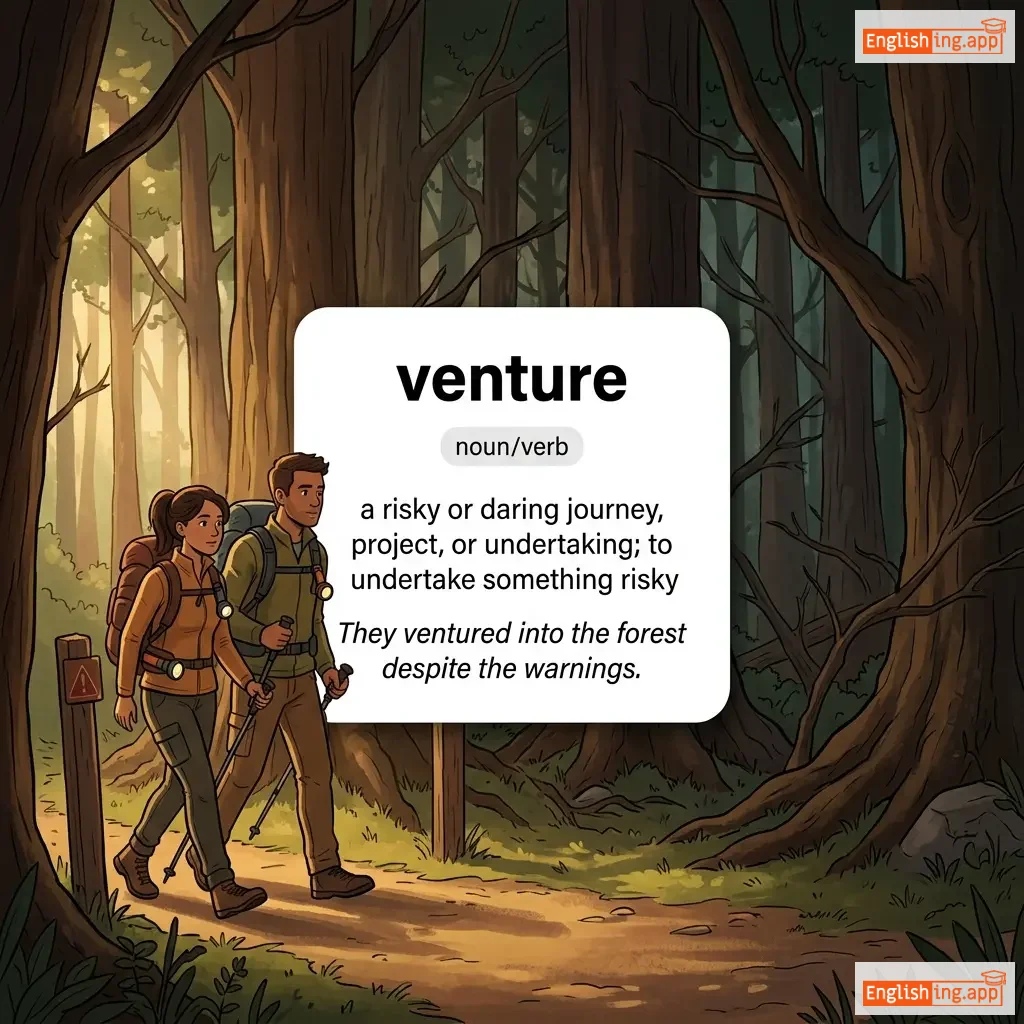
a risky or daring journey or undertaking; a business enterprise involving considerable risk
••••••
|
Starting a new business is always a risky venture.
新しいビジネスを始めることは常にリスクのある冒険です。
••••••
|
新しいビジネスを始めることは常にリスクのある冒険です。
Atarashii bijinesu o hajimeru koto wa itsumo risuku no aru bouken desu.
••••••
|
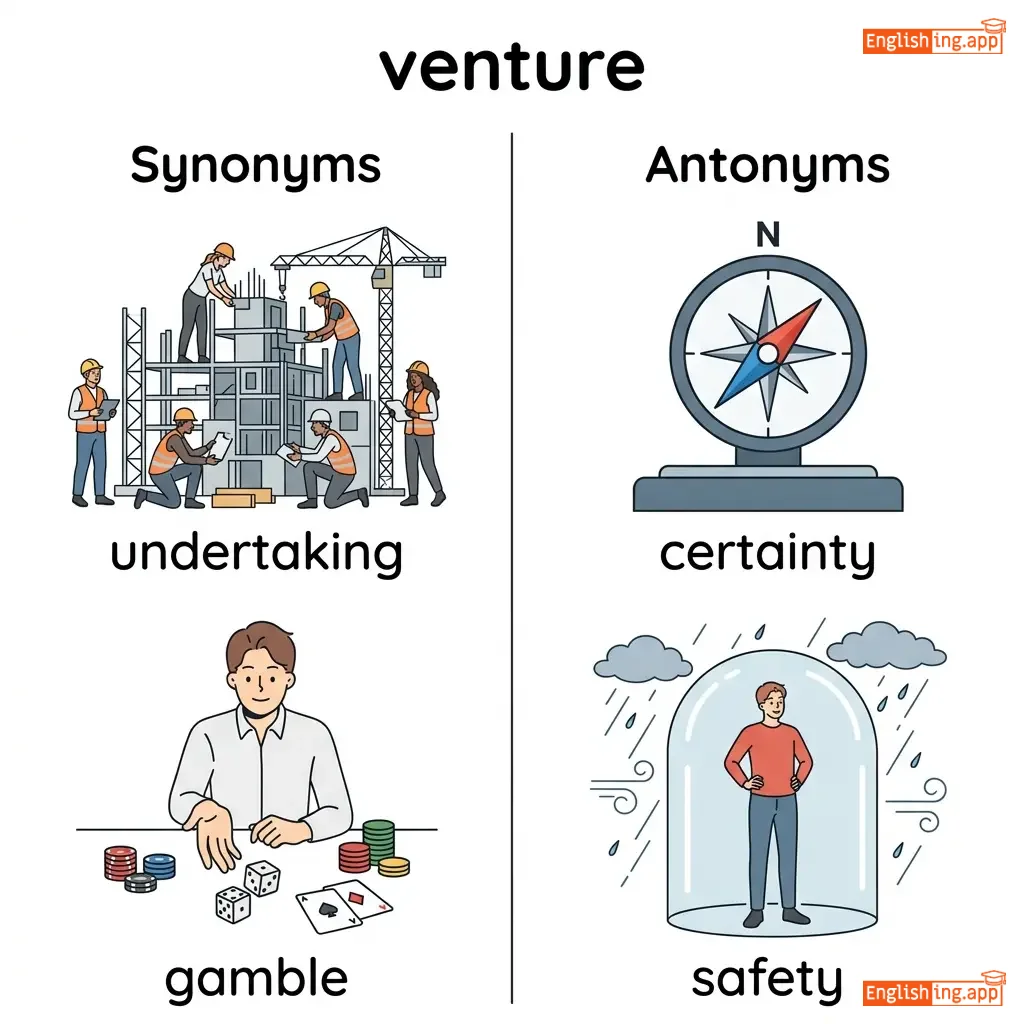
enterprise, undertaking, project, expedition
••••••
|
certainty, safety, security
••••••
|
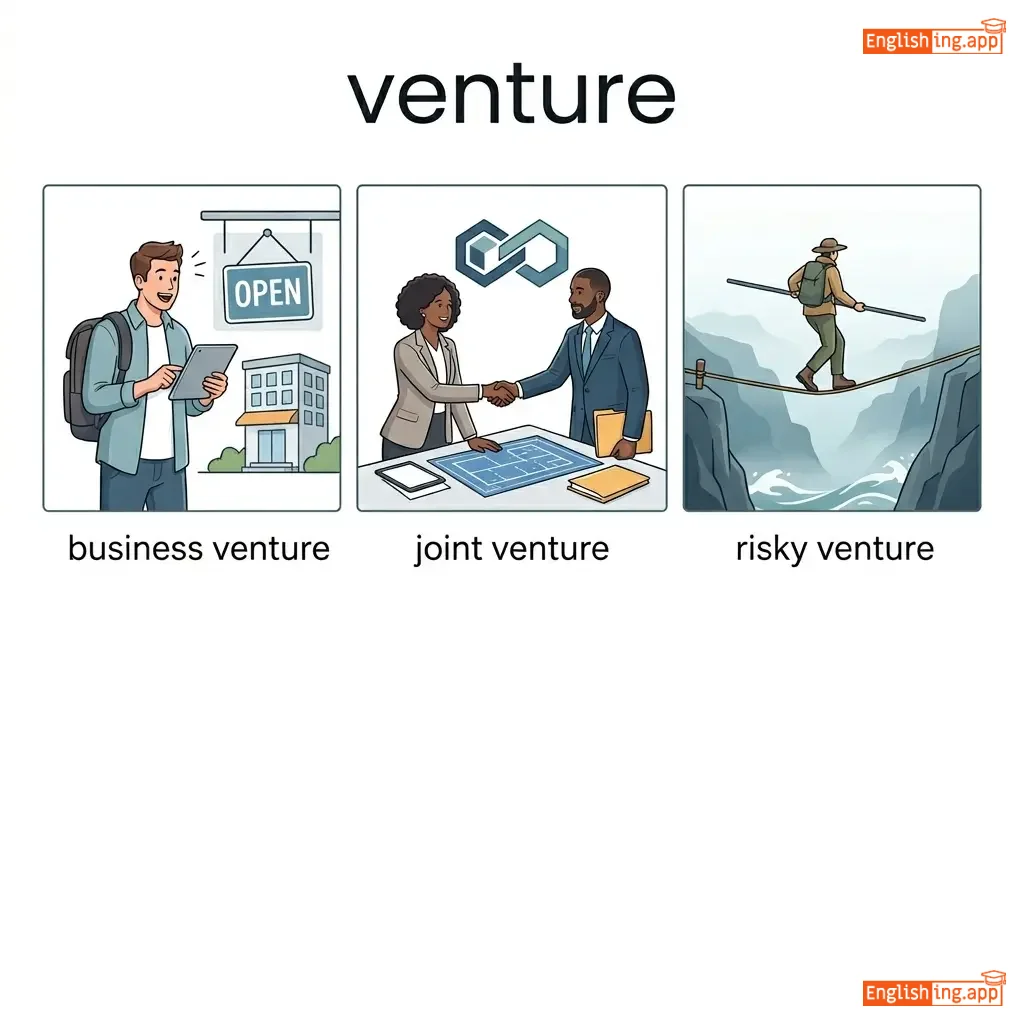
business venture, joint venture, risky venture
••••••
|
Ventureは日本語で冒険という意味を持つ言葉です。
••••••
|
Vocabulary Quiz
Test your vocabulary by matching words with their translations or meanings.
Login to take the quiz
Comments (0)
Share your thoughts and join the discussion.
Join the discussion by logging in
Login to CommentNo comments yet
Be the first to share your thoughts!