

翻訳
過去
過去分詞
三人称単数
動名詞
意味
例文
例文の翻訳
同義語
対義語
コロケーション
ニーモニック



Swipe left or right, or use the buttons. Tap image to zoom.
例文の翻訳
単語
Lesson 71Lesson 71 - マスクトグル
|
絵文字
|
単語 | Images | 翻訳 | 意味 | 例文 | 例文の翻訳 | 同義語 | 対義語 | コロケーション | ニーモニック |
|---|---|---|---|---|---|---|---|---|---|---|
|
#1401
😰
|
/ˈtɔːr.ment/
noun
(トー-メント)
••••••
|
- •••••• |
苦しみ; 苦痛
ku-ru-shi-mi
••••••
|
severe physical or mental suffering; extreme pain or anguish
••••••
|
The prisoner endured years of torment in solitary confinement. |
囚人は独房で何年もの苦しみに耐えました。
Shūjin wa dokubō de nannen mo no kurushimi ni taemashita.
••••••
|
suffering, agony, anguish, torture, pain
••••••
|
comfort, relief, peace, pleasure, joy
••••••
|
mental torment, physical torment, years of torment, endure torment
••••••
|
苦しみは痛みを感じさせる
••••••
|
|
#1402
🔄
|
/ˌtrænsfərˈmeɪʃən/
noun
(トランスフォーメーション)
••••••
|
|
変革
henkaku
••••••
|
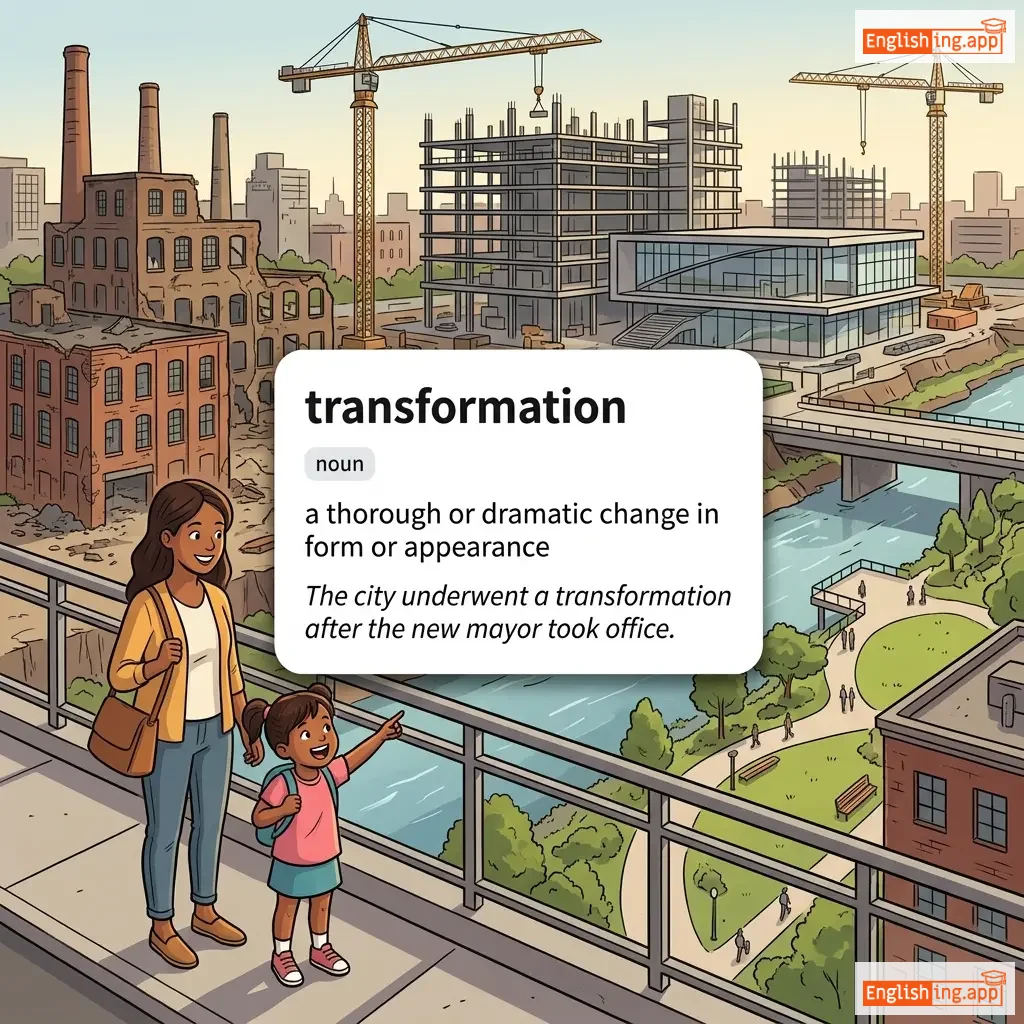
the action or process of changing something into a different form or structure
••••••
|
The transformation of the company took several years to complete.
会社のトランスフォーメーションには数年かかりました。
••••••
|
会社の変革には数年かかりました。
Kaisha no henkaku ni wa suunen kakarimashita.
••••••
|
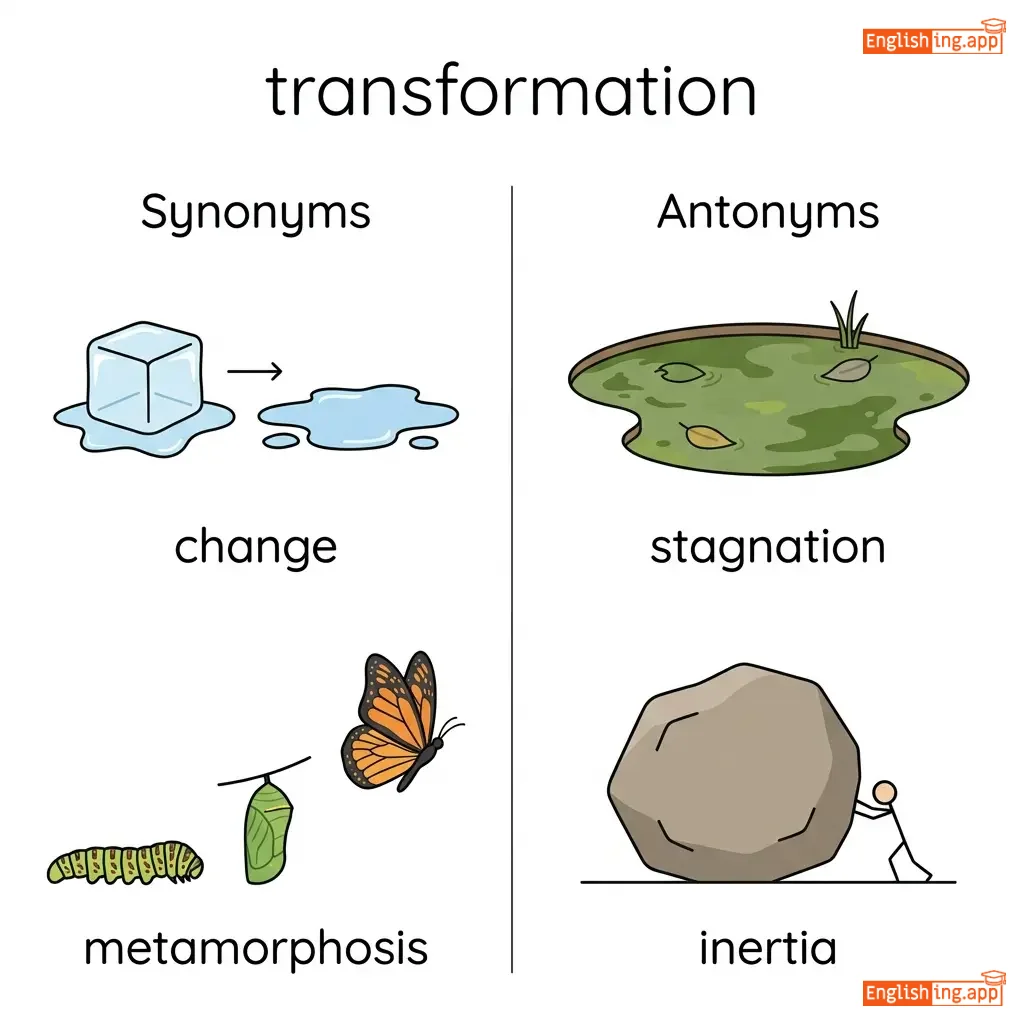
change, conversion, metamorphosis, alteration
••••••
|
stagnation, preservation, maintenance
••••••
|
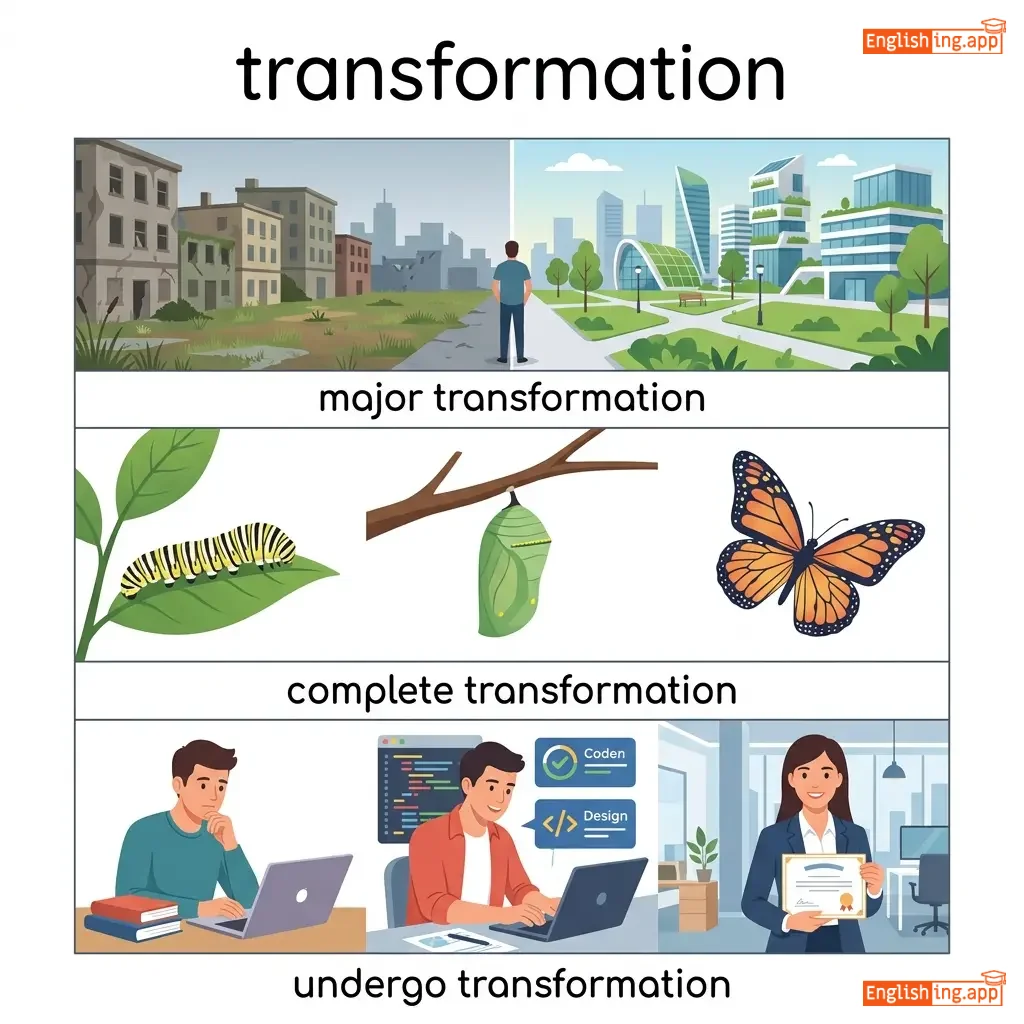
digital transformation, complete transformation, undergo transformation
••••••
|
変革 (変わる) - 何かが変わる過程を思い描いてみてください。
••••••
|
|
#1403
🌊
|
/ˈtɒr.ənt/
noun
(トレント)
••••••
|
- •••••• |
激流; 洪水
torento
••••••
|
a strong and fast-moving stream of water or other liquid; a sudden, violent, and copious outpouring
••••••
|
The heavy rain created a torrent of water rushing down the mountain. |
激しい雨が山を下る水の流れを作り出しました。
Hageshii ame ga yama o kudaru mizu no nagare o tsukuri dashimashita.
••••••
|
flood, stream, rush, cascade, deluge
••••••
|
trickle, drip, drought, shortage
••••••
|
torrent of rain, torrent of abuse, raging torrent, mountain torrent
••••••
|
Torrent は強い水流、山を下る豪雨のようなものです。
••••••
|
|
#1404
🔄
|
/trænˈzɪʃən/
noun
(トランジション)
••••••
|
|
移行
ikou
••••••
|
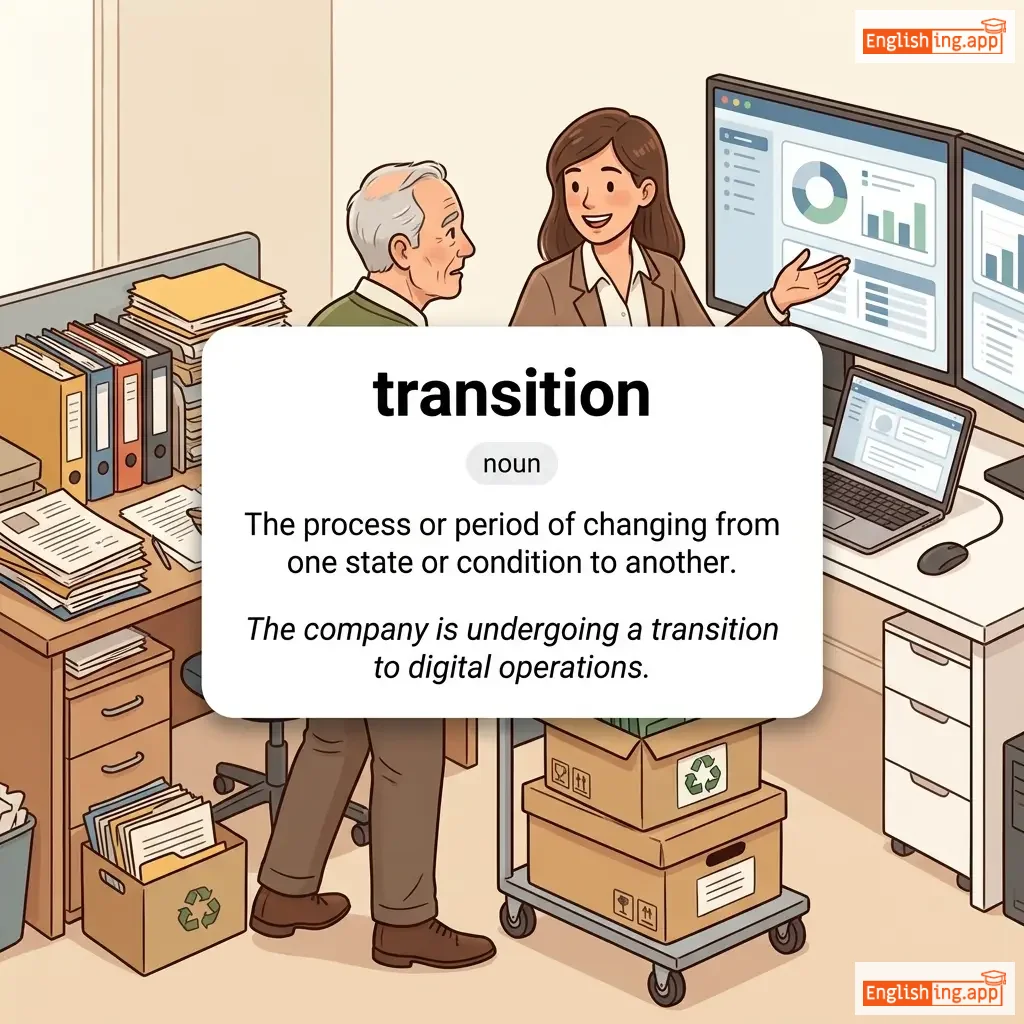
the process or period of changing from one state or condition to another
••••••
|
The transition from school to work can be challenging.
学校から仕事への移行は挑戦的である可能性があります。
••••••
|
学校から仕事への移行は挑戦的である可能性があります。
gakkou kara shigoto e no ikou wa chousenteki de aru kanousei ga arimasu.
••••••
|
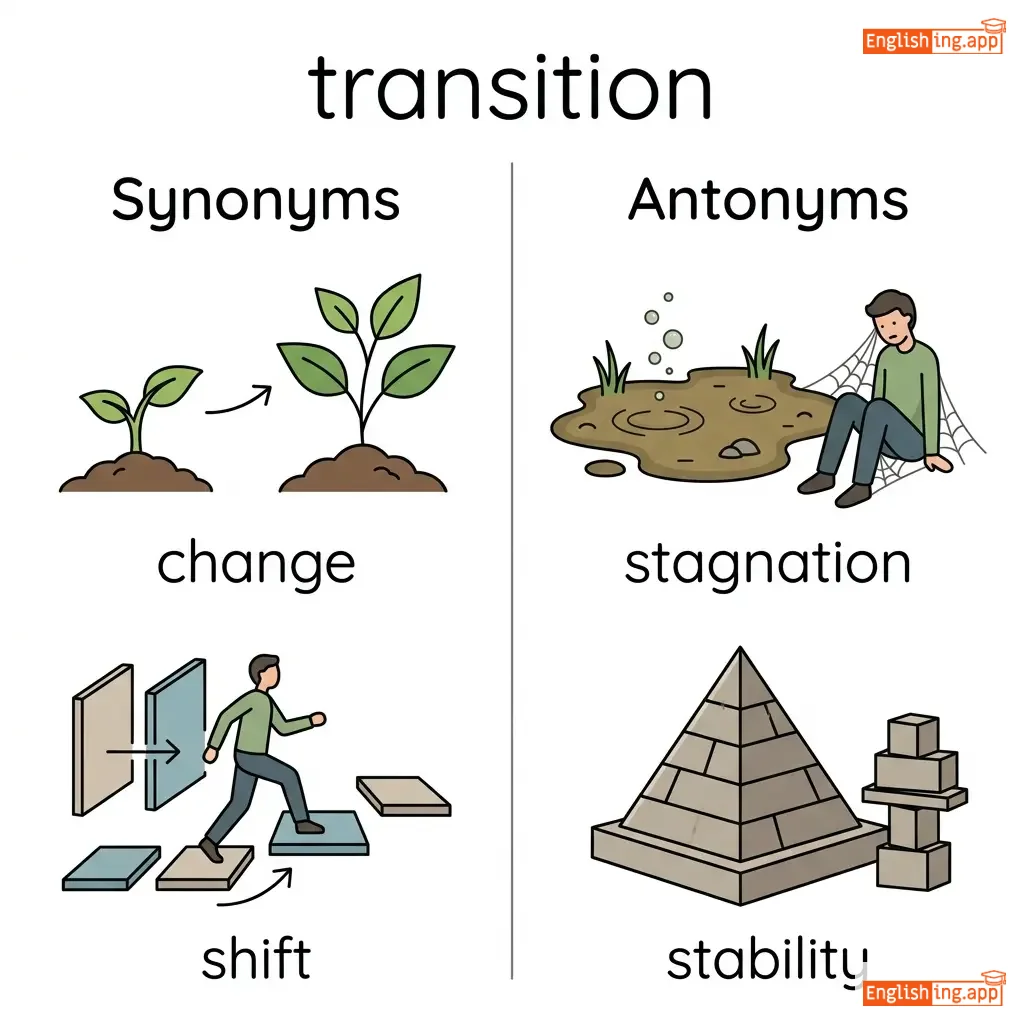
change, shift, passage, conversion
••••••
|
continuity, stability, permanence
••••••
|
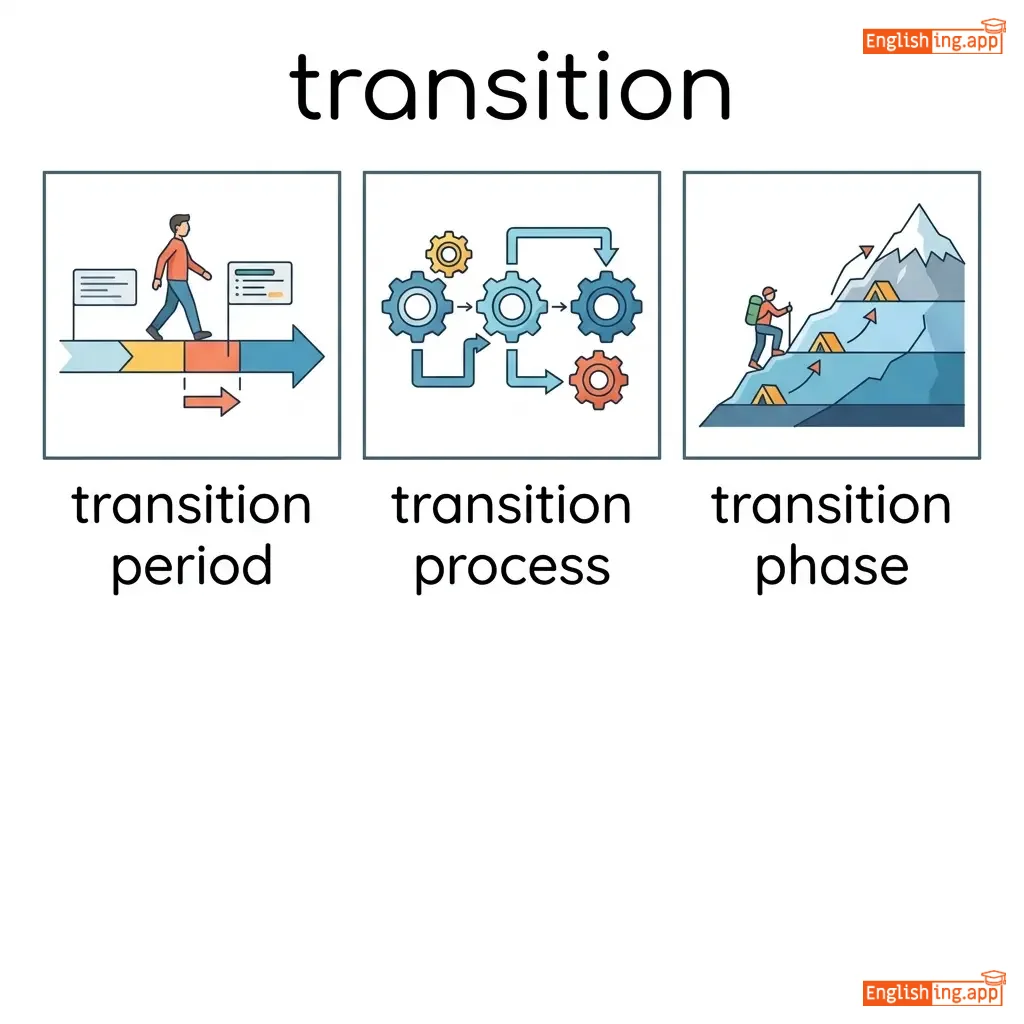
smooth transition, career transition, transition period
••••••
|
In Japanese, '移行' (ikou) captures the idea of transition, just like crossing over to a new stage.
••••••
|
|
#1405
⚖️
|
/ˈtʌtʃ.stoʊn/
noun
(tachston)
••••••
|
- •••••• |
試金石; 基準
tachston
••••••
|
a standard or criterion by which something is judged or recognized; a test of genuineness
••••••
|
His honesty became the touchstone by which all other employees were measured. |
彼の誠実さは、他のすべての従業員が評価される試金石となった。
kare no seijitsusa wa, hoka no subete no jūgyōin ga hyōka sareru tashinton to natta.
••••••
|
standard, criterion, benchmark, yardstick, measure
••••••
|
variable, uncertainty, inconsistency
••••••
|
touchstone of quality, moral touchstone, serve as a touchstone
••••••
|
誠実さを基準にしてすべてを測る
••••••
|
|
#1406
🪤
|
/træp/
noun
(トラップ)
••••••
|
- •••••• |
罠
wana
••••••
|
a device or enclosure designed to catch and retain animals, or a situation from which it is difficult to escape
••••••
|
The mouse was caught in the trap overnight.
ネズミは一晩中トラップにかかっていました。
••••••
|
ネズミは一晩中トラップにかかっていました。
Nezumi wa hitobanjuu torappu ni kakatteimashita.
••••••
|
snare, catch, pitfall, ambush
••••••
|
freedom, escape, release
••••••
|
mouse trap, set a trap, fall into a trap
••••••
|
罠で捕まったネズミのように、‘trap’にかかってしまう。
••••••
|
|
#1407
🛤️
|
/træk/
noun
(トラック)
••••••
|
|
トレース
track
••••••
|
a rough path or minor road; a course or route followed; to follow or trace
••••••
|
The detective was able to track the suspect's movements through the city. |
探偵は街を通して容疑者の動きを追跡することができました。
Tantei wa machi o tōshite yōgisha no ugoki o tsuiseki suru koto ga dekimashita.
••••••
|
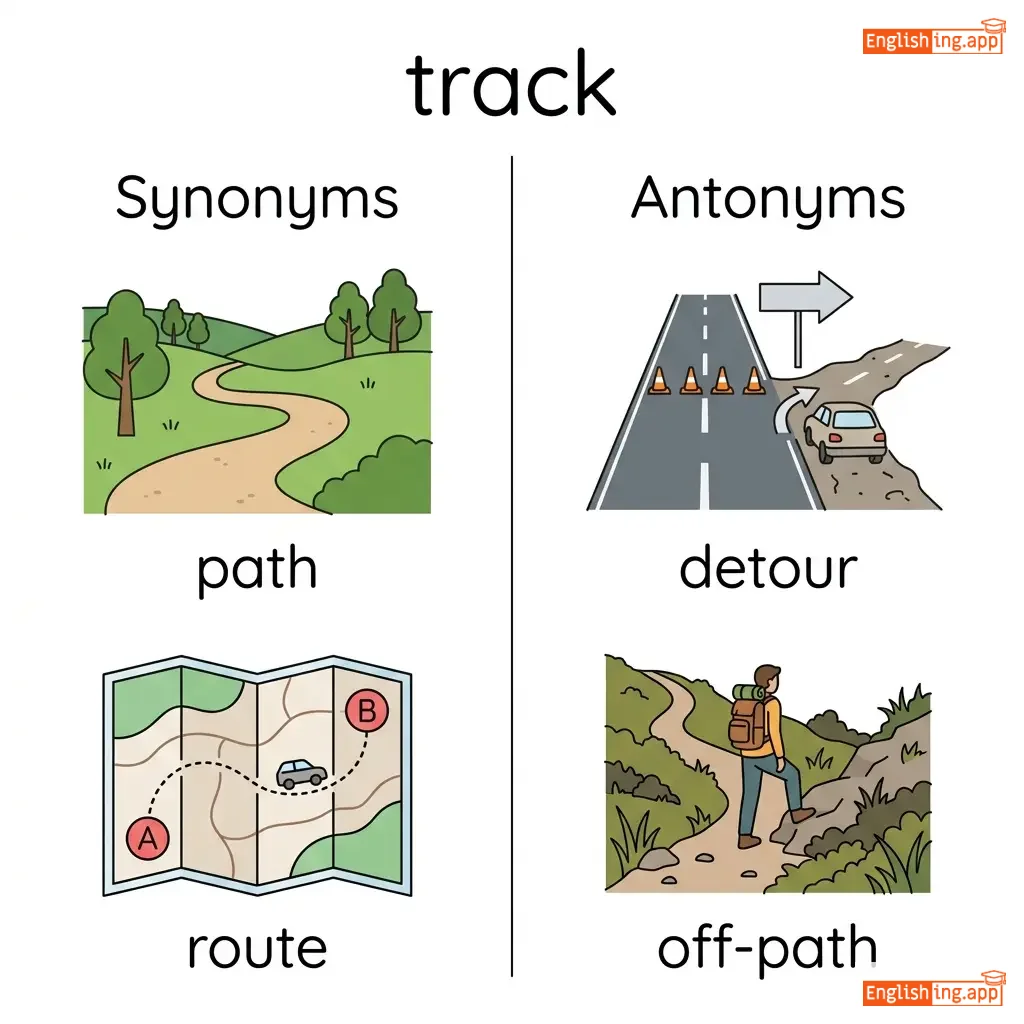
path, trail, route, follow, trace
••••••
|
lose, abandon, ignore
••••••
|
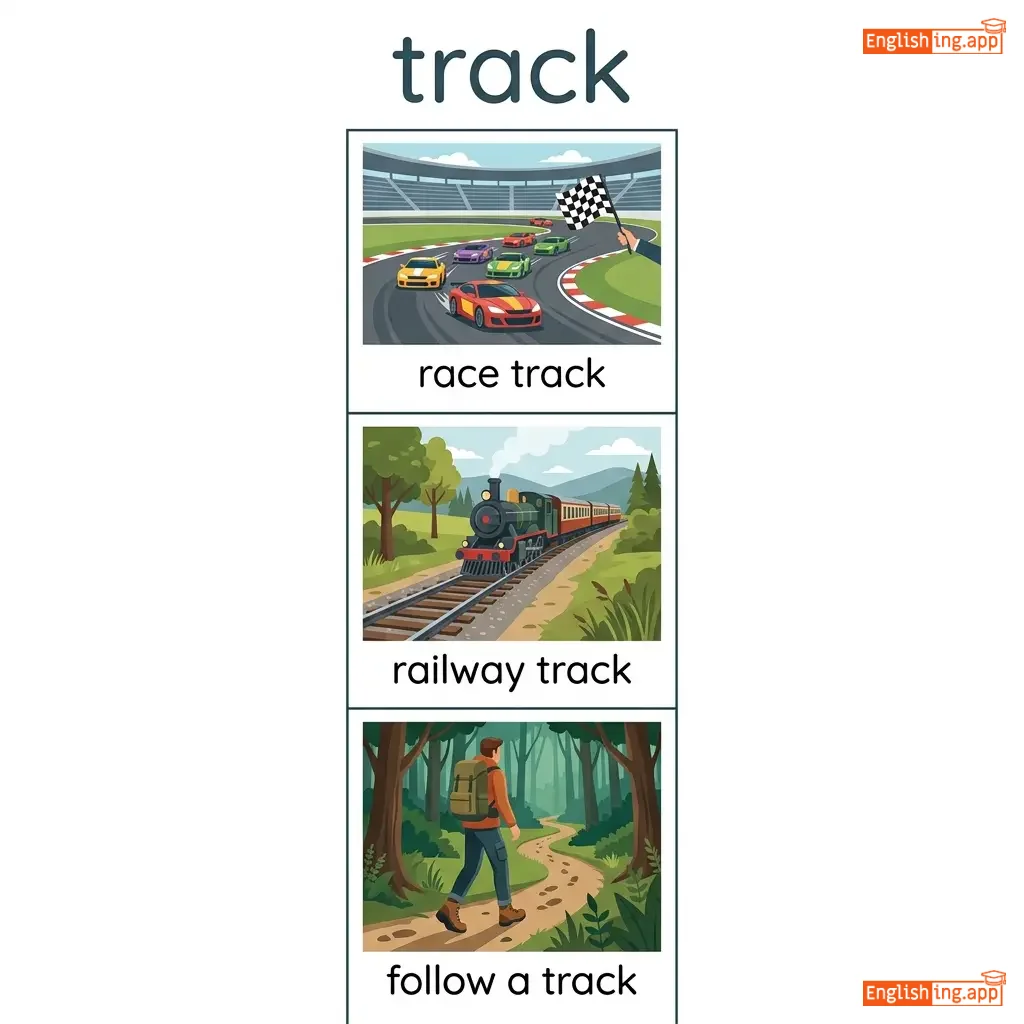
race track, train track, track record, keep track
••••••
|
Track – 道をたどれば、答えが見つかる。
••••••
|
|
#1408
🗑️
|
/træʃ/
noun
(トラッシュ)
••••••
|
- •••••• |
ゴミ; 廃棄物; 低品質または低価値のもの
gomi; haikimono; tei hinshitsu matawa tei kachi no mono
••••••
|
waste material; refuse; something of poor quality or little value
••••••
|
Please take out the trash before you leave. |
出かける前にゴミを出してください。
Dekakeru mae ni gomi o dashite kudasai.
••••••
|
garbage, waste, rubbish, refuse
••••••
|
treasure, valuable, quality
••••••
|
take out trash, trash can, trash bag
••••••
|
ゴミは出発前に必ず出さないといけません
••••••
|
|
#1409
🏛️
|
/trəˈdɪʃ.ən/
noun
(トラディション)
••••••
|
- •••••• |
伝統
dentou
••••••
|
the transmission of customs or beliefs from generation to generation; a long-established custom or belief
••••••
|
It's a family tradition to gather for dinner every Sunday evening.
日曜日の夜に家族全員でディナーを共にするのは、我が家の伝統です。
••••••
|
日曜日の夜に家族全員でディナーを共にするのは、我が家の伝統です。
Nichiyoubi no yoru ni kazoku zen'in de dinaa o tomo ni suru no wa, wagaya no dentou desu.
••••••
|
custom, heritage, convention, practice, ritual
••••••
|
innovation, modernization, change
••••••
|
family tradition, cultural tradition, oral tradition, break tradition
••••••
|
伝統と家族は日曜日のディナーで繋がっている。
••••••
|
|
#1410
⚖️
|
/ˈtriːzən/
noun
(トレイゾン)
••••••
|
- •••••• |
裏切り罪
uragiri zai
••••••
|
the crime of betraying one's country, especially by attempting to kill or overthrow the sovereign or government
••••••
|
He was accused of treason against the state.
彼は国家に対する反逆罪で告発されました。
••••••
|
彼は国家に対する反逆罪で告発されました。
Kare wa kokka ni taisuru hangyakuzai de kokuhatsu saremashita.
••••••
|
betrayal, sedition, treachery, disloyalty
••••••
|
loyalty, patriotism, allegiance
••••••
|
high treason, commit treason, accused of treason
••••••
|
Remember: 'Uragiri' means betrayal in Japanese, think of it as 'betrayal' with a twist.
••••••
|
|
#1411
😢
|
/ˈtrædʒ.ə.di/
noun
(トラジディ)
••••••
|
- •••••• |
悲劇; 災難
higeki
••••••
|
an event causing great suffering, destruction, and distress; a serious drama with an unhappy ending
••••••
|
The earthquake was a tragedy that affected thousands of families.
地震は多くの家族に影響を与えた悲劇でした。
••••••
|
地震は多くの家族に影響を与えた悲劇でした。
Jishin wa ōku no kazoku ni eikyō o ataeta higeki deshita.
••••••
|
disaster, catastrophe, calamity, misfortune, drama
••••••
|
comedy, fortune, blessing, success
••••••
|
great tragedy, personal tragedy, tragic event, family tragedy
••••••
|
Tragedy – 日本では、悲劇という言葉は痛みを伴う出来事を指します。
••••••
|
|
#1412
💎
|
/ˈtreʒər/
noun
(トレジャー)
••••••
|
- •••••• |
宝物
takaramono
••••••
|
a quantity of precious metals, gems, or other valuable objects; something of great worth or value
••••••
|
The pirates buried their treasure on the island. |
海賊たちは島に宝物を埋めました。
Kaizoku-tachi wa shima ni takaramono o umemashita.
••••••
|
wealth, riches, valuables, fortune
••••••
|
trash, worthless, poverty
••••••
|
treasure chest, buried treasure, national treasure
••••••
|
宝物 = 探して見つかる隠された価値
••••••
|
|
#1413
🎓
|
/treɪˈniː/
noun
(トレーニー)
••••••
|
- •••••• |
研修生; 見習い
trainee
••••••
|
a person undergoing training for a particular job or profession; a novice learner
••••••
|
The medical trainee worked long hours to gain practical experience. |
医学研修生は実務経験を積むために長時間働きました。
Igaku kenshūsei wa jitsumu keiken o tsumu tame ni chōjikan hatarakimashita.
••••••
|
apprentice, student, novice, intern, learner
••••••
|
expert, master, veteran, professional
••••••
|
medical trainee, management trainee, trainee program, new trainee
••••••
|
Traineeは'Train'に似ているので、研修生が学びながら列車に乗っているところを想像してください。
••••••
|
|
#1414
💊
|
/ˈtriːtmənt/
noun
(treatment)
••••••
|
- •••••• |
治療
chiryo
••••••
|
medical care given to a patient for an illness or injury; the action of treating someone or something
••••••
|
The doctor recommended a new treatment for her condition.
医者は彼女の状態に新しい治療法を勧めました。
••••••
|
医者は彼女の状態に新しい治療法を勧めました。
Isha wa kanojo no jotai ni atarashii chiryoho o susumemashita.
••••••
|
therapy, care, cure, medication
••••••
|
neglect, harm, damage
••••••
|
medical treatment, receive treatment, effective treatment
••••••
|
治療は病を治します。
••••••
|
|
#1415
🧬
|
/treɪt/
noun
(トレイト)
••••••
|
- •••••• |
特性
tokusei
••••••
|
a distinguishing quality or characteristic of a person; an inherited feature
••••••
|
Patience is an important trait for anyone working with children.
忍耐は子供と一緒に働く上で重要な特性です。
••••••
|
忍耐は子供と一緒に働く上で重要な特性です。
Nintai wa kodomo to issho ni hataraku ue de juuyou na tokusei desu.
••••••
|
characteristic, quality, feature, attribute, property
••••••
|
absence, lack, deficiency
••••••
|
personality trait, genetic trait, positive trait, character trait
••••••
|
特性 = 他の人と一緒に働くために必要な資質
••••••
|
|
#1416
📜
|
/ˈtriːti/
noun
(torīti)
••••••
|
- •••••• |
条約
jōyaku
••••••
|
a formally concluded and ratified agreement between countries or states
••••••
|
The peace treaty was signed after years of negotiations.
平和条約は長年の交渉後に署名されました。
••••••
|
平和条約は長年の交渉後に署名されました。
Heiwa jōyaku wa naganen no kōshōgo ni shomei saremashita.
••••••
|
agreement, pact, accord, contract
••••••
|
war, conflict, disagreement
••••••
|
peace treaty, sign a treaty, international treaty
••••••
|
JŌYAKU (treaty) and SIGN (to sign the treaty)
••••••
|
|
#1417
🗡️
|
/ˈtreɪ.tər/
noun
(トレイター)
••••••
|
- •••••• |
裏切り者
uragirimono
••••••
|
a person who betrays someone or something, such as a friend, cause, or principle
••••••
|
The spy was branded a traitor to his country after being caught.
スパイは捕まった後、国を裏切った者としてレッテルを貼られました。
••••••
|
スパイは捕まった後、国を裏切った者としてレッテルを貼られました。
Supai wa tsukamatta ato, kuni o uragitta mono to shite reteru o hararemashita.
••••••
|
betrayer, turncoat, defector, backstabber, renegade
••••••
|
loyalist, patriot, supporter, ally
••••••
|
branded a traitor, political traitor, traitor to the cause
••••••
|
裏切り者 – 自国や友達を裏切る人
••••••
|
|
#1418
🕳️
|
/trentʃ/
noun
(トレンチ)
••••••
|
- •••••• |
壕
gou
••••••
|
a long, narrow ditch; a deep furrow in the ground, especially one used for military defense
••••••
|
The soldiers dug a trench for protection during the battle.
兵士たちは戦闘中に防護のために壕を掘った。
••••••
|
兵士たちは戦闘中に防護のために壕を掘った。
Heishi-tachi wa sentō-chū ni bōgo no tame ni gou o hotta.
••••••
|
ditch, furrow, channel, excavation
••••••
|
mound, hill, elevation
••••••
|
dig a trench, deep trench, war trench
••••••
|
壕 (gou) sounds like 'Gou' and refers to a trench in a military context.
••••••
|
|
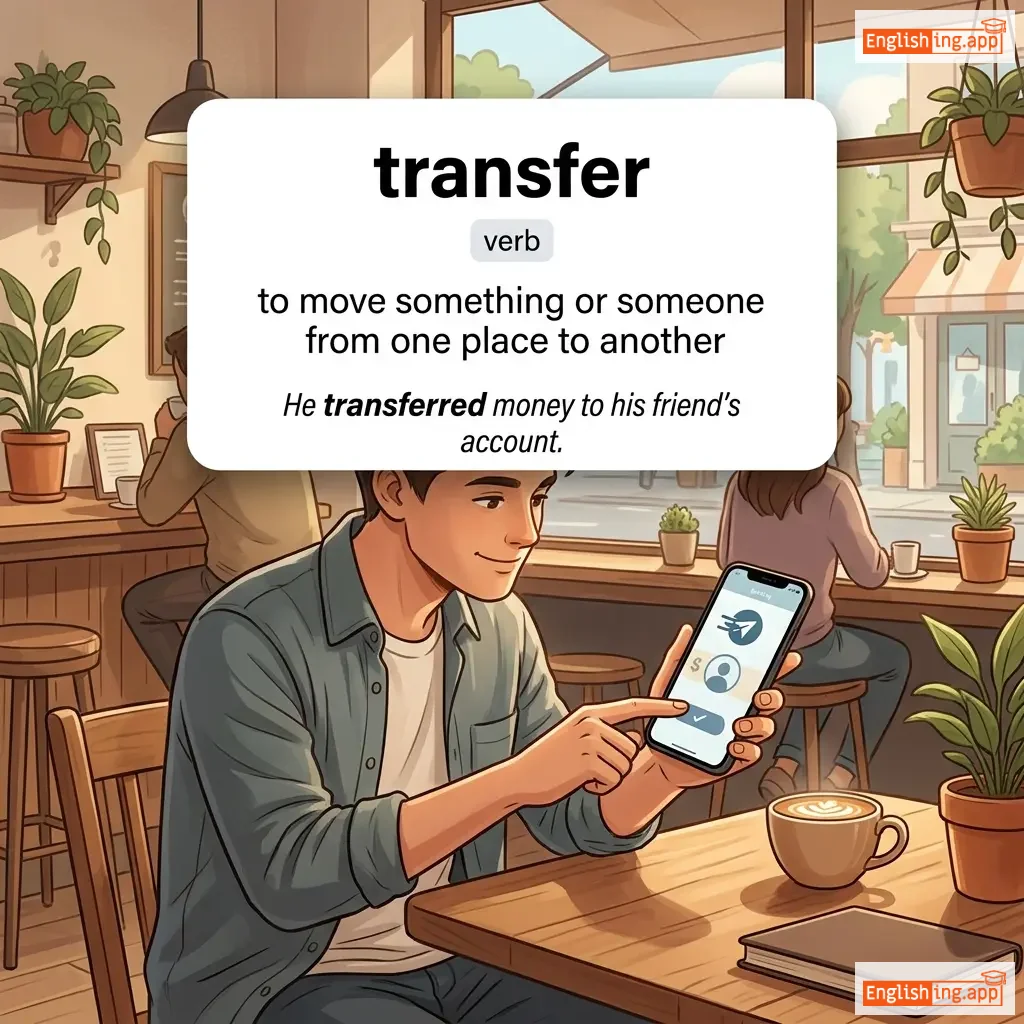
#1419
↔️
|
/ˈtræns.fər/
noun
(トランスファー)
••••••
|
|
転送; 移動
toransufā
••••••
|
to move from one place to another; the action of moving something or someone to a different position
••••••
|
The company decided to transfer him to their branch office in London.
会社は彼をロンドンの支店に転勤させることに決めました。
••••••
|
会社は彼をロンドンの支店に転勤させることに決めました。
Kaisha wa kare o Rondon no shiten ni tenkin saseru koto ni kimemashita.
••••••
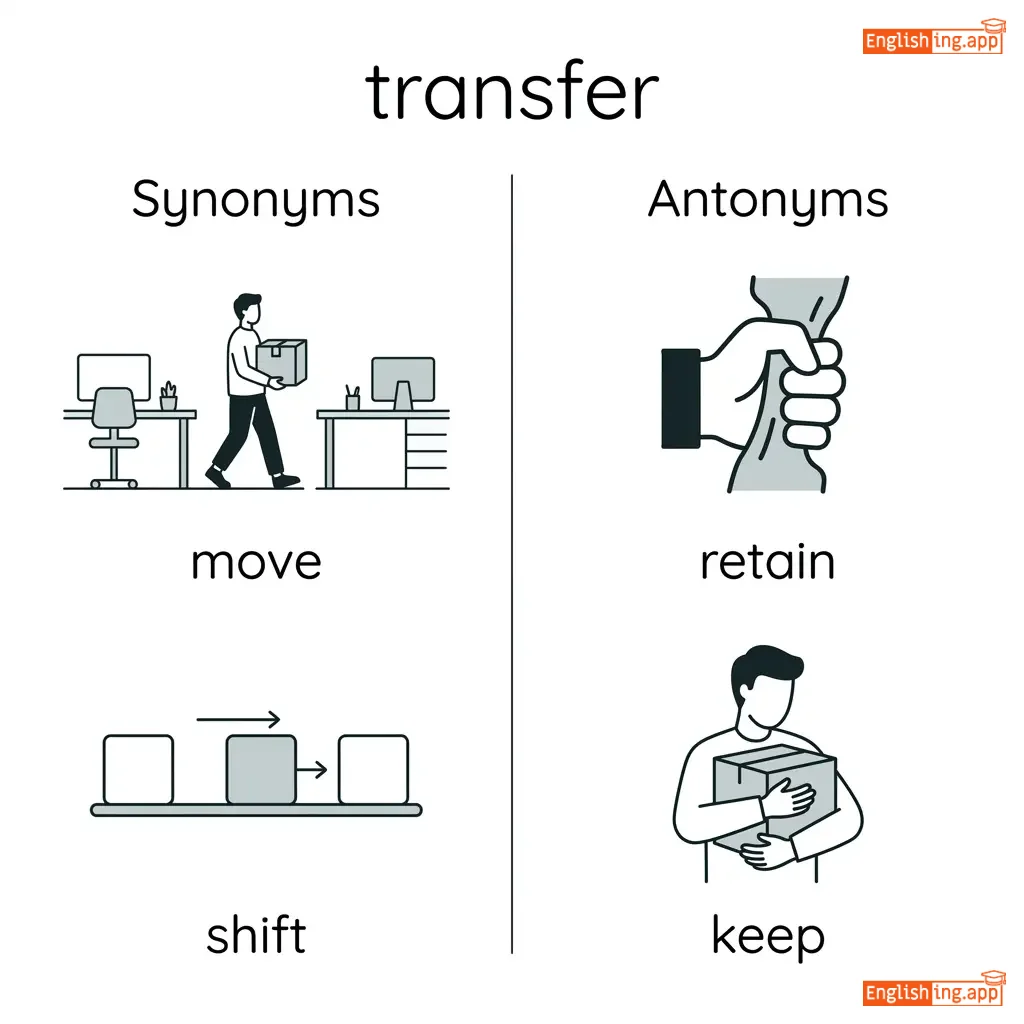
|
move, relocate, shift, transport, convey
••••••
|
retain, keep, maintain, stay
••••••
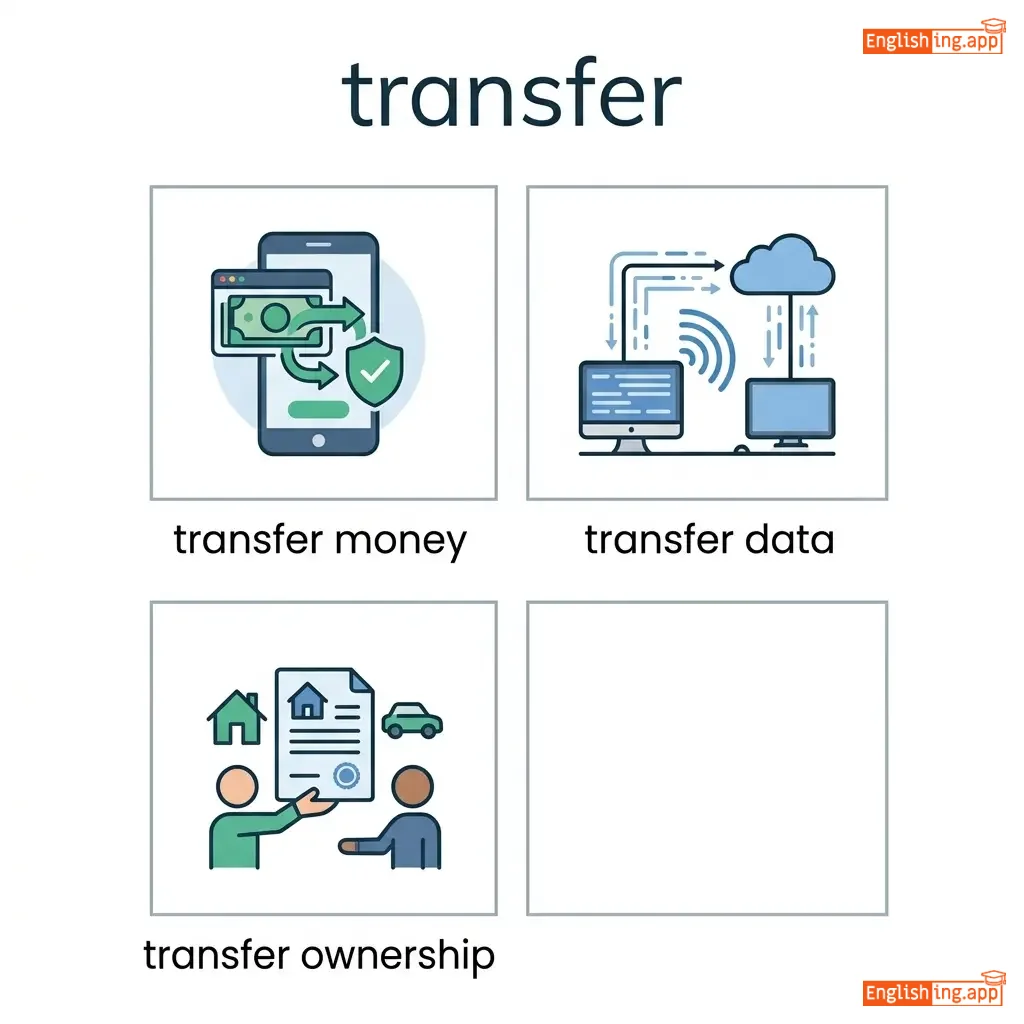
|
bank transfer, data transfer, job transfer, transfer payment
••••••
|
転送する、場所を変える。
••••••
|
|
#1420
📈
|
/trend/
noun
(トレンド)
••••••
|
|
トレンド; 流行; 傾向
torendo; ryūkō; keikō
••••••
|
a general direction in which something is developing or changing; a fashion or style that is popular
••••••
|
The trend towards online shopping continues to grow. |
オンラインショッピングのトレンドは引き続き成長しています。
Onrain shoppingu no torendo wa hikitsuzuki seichō shiteimasu.
••••••
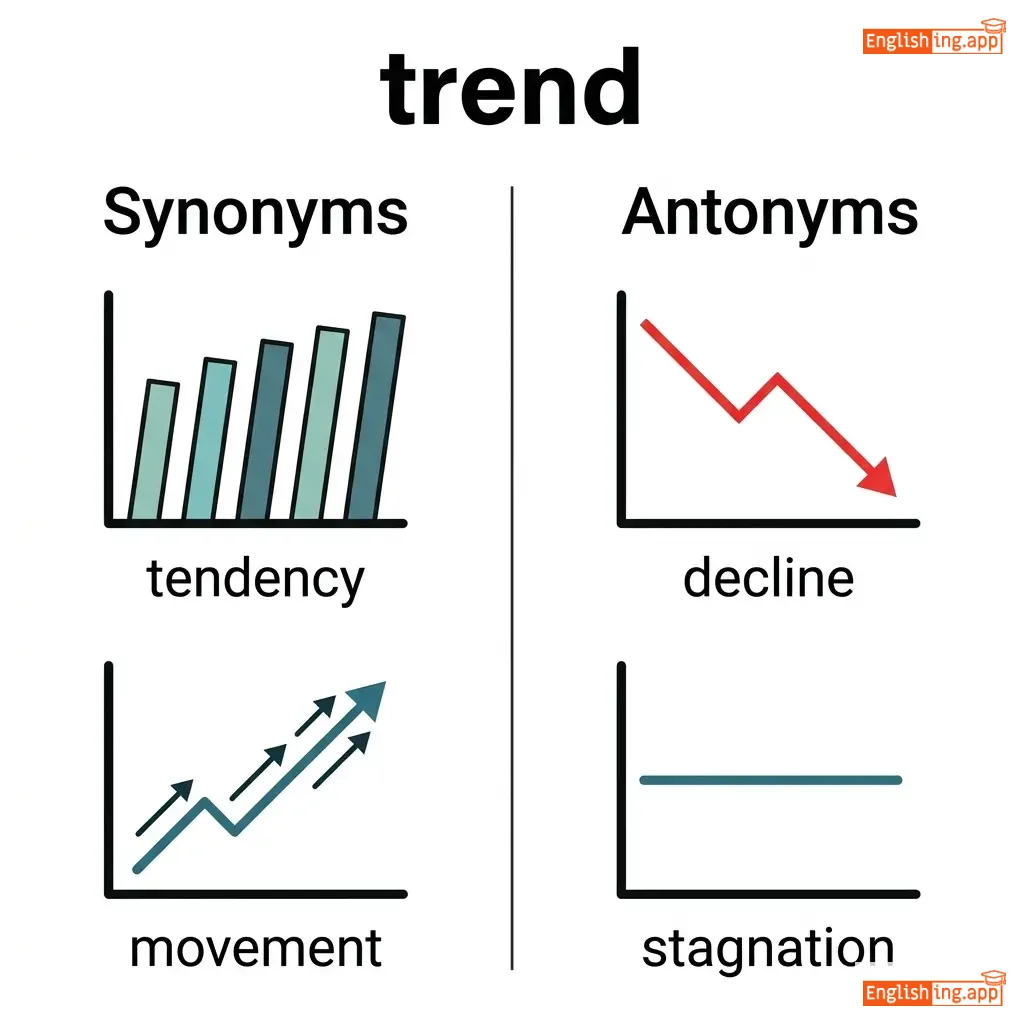
|
tendency, direction, pattern, fashion
••••••
|
stability, constancy, tradition
••••••
|
current trend, fashion trend, market trend
••••••
|
トレンド (torendo) は流行が進む方向
••••••
|
Vocabulary Quiz
Test your vocabulary by matching words with their translations or meanings.
Login to take the quiz
Comments (0)
Share your thoughts and join the discussion.
Join the discussion by logging in
Login to CommentNo comments yet
Be the first to share your thoughts!