

翻訳
過去
過去分詞
三人称単数
動名詞
意味
例文
例文の翻訳
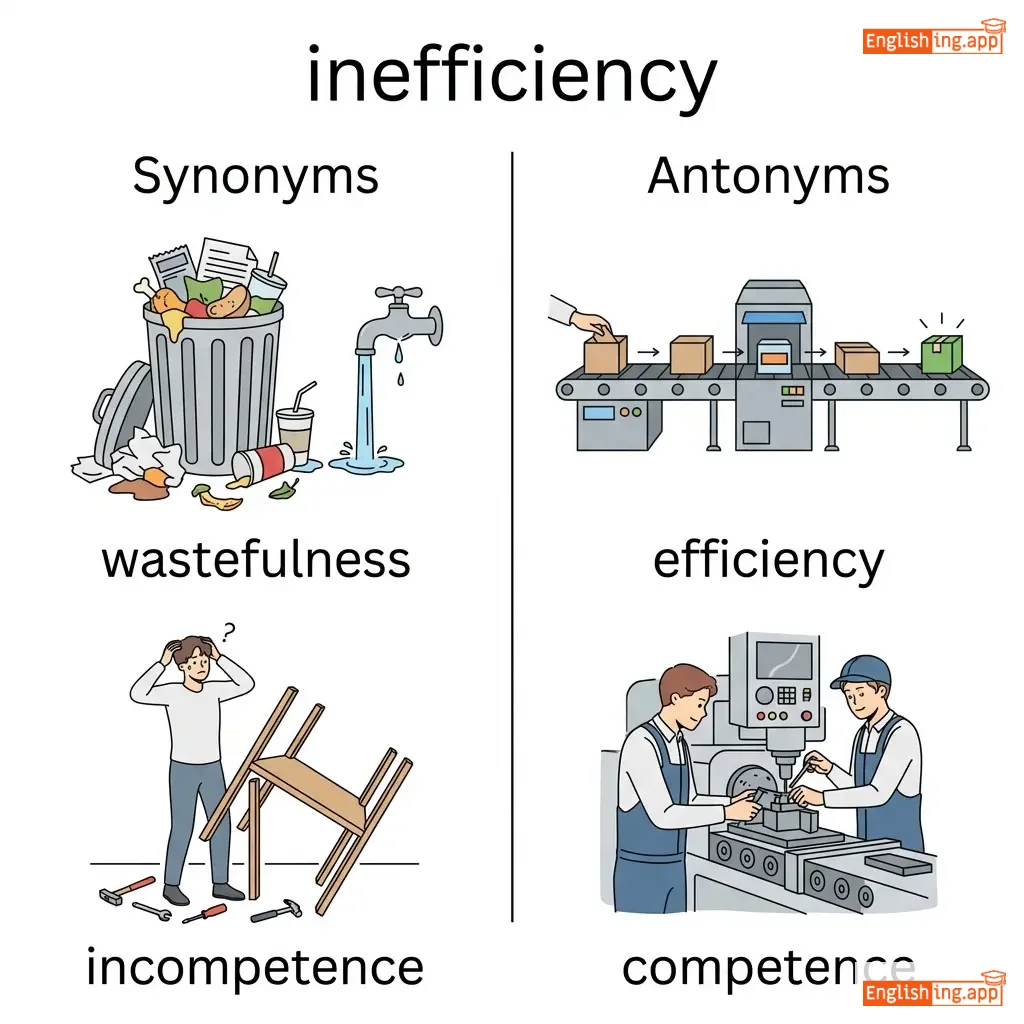
同義語
対義語
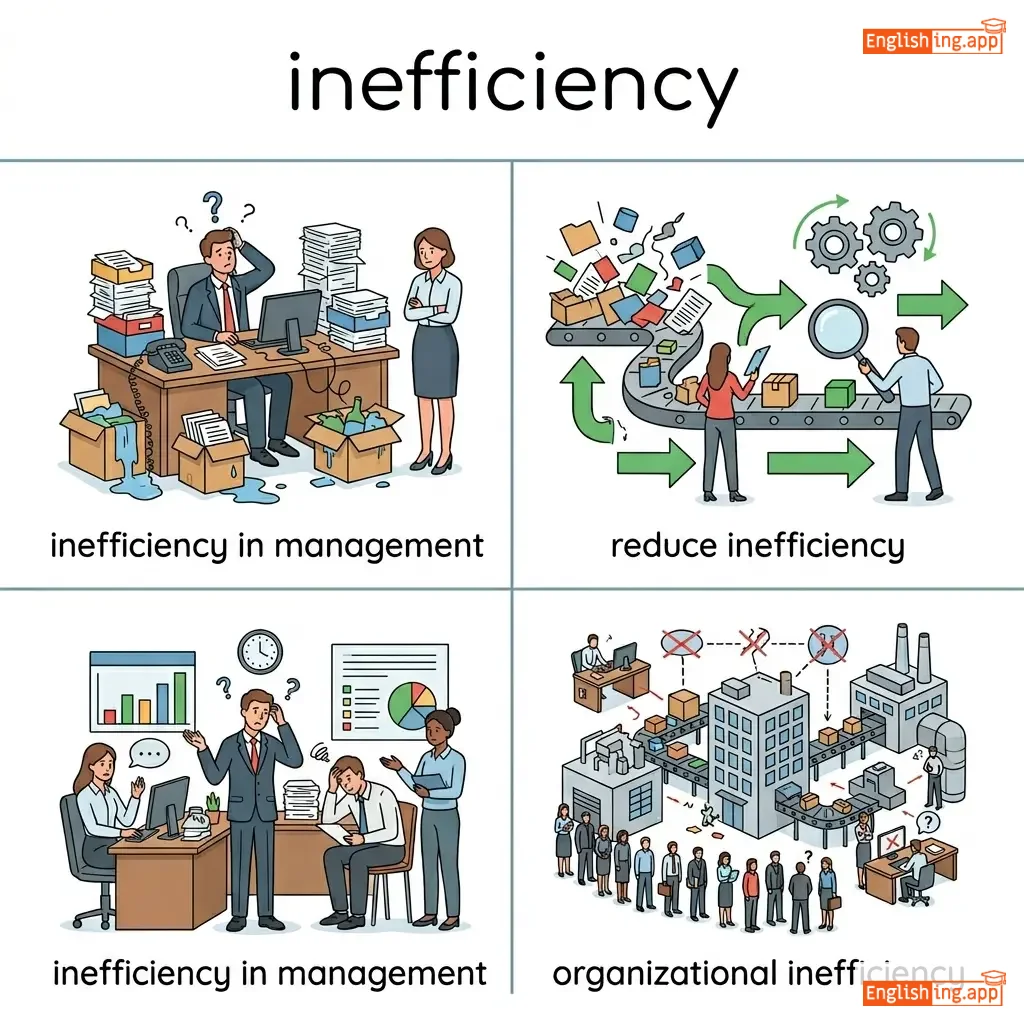
コロケーション
ニーモニック
Swipe left or right, or use the buttons. Tap image to zoom.
例文の翻訳
単語
Lesson 32Lesson 32 - マスクトグル
|
絵文字
|
単語 | Images | 翻訳 | 意味 | 例文 | 例文の翻訳 | 同義語 | 対義語 | コロケーション | ニーモニック |
|---|---|---|---|---|---|---|---|---|---|---|
|
#621
⛪
|
/ɪmˈpaɪ.ə.ti/
noun
(インパイエティ)
••••••
|
- •••••• |
不敬
fukei
••••••
|
lack of piety or reverence, especially for a god; disrespect or irreverence toward religious matters
••••••
|
His impiety shocked the religious community when he mocked their sacred ceremonies.
彼の不敬は、彼が彼らの神聖な儀式を嘲笑したとき、宗教コミュニティを驚かせました。
••••••
|
彼の不敬は、彼が彼らの神聖な儀式を嘲笑したとき、宗教コミュニティを驚かせました。
Kare no fukei wa, kare ga karera no shinsei na gishiki o chōshō shita toki, shūkyō komyuniti o odorokasemashita.
••••••
|
irreverence, blasphemy, sacrilege, ungodliness
••••••
|
piety, reverence, devotion, religiousness
••••••
|
religious impiety, shocking impiety, acts of impiety
••••••
|
不敬は神聖さに対する不尊敬です。
••••••
|
|
#622
💰
|
/ɪnˈdem.nə.ti/
noun
(インデムニティ)
••••••
|
- •••••• |
補償
hoshou
••••••
|
security or protection against a loss or other financial burden; compensation for damage or loss
••••••
|
The insurance company provided full indemnity for the damages caused by the flood.
保険会社は洪水による損害に対して完全なインデムニティを提供しました。
••••••
|
保険会社は洪水による損害に対して完全な補償を提供しました。
Hoken kaisha wa kouzui ni yoru songai ni taishite kanzen na hoshou wo teikyou shimashita.
••••••
|
compensation, reimbursement, restitution, reparation
••••••
|
liability, debt, obligation, penalty
••••••
|
indemnity insurance, full indemnity, indemnity clause
••••••
|
Hoshou = 'Ho sure' – think indemnity as the protection you’re ‘sure’ to need after damage!
••••••
|
|
#623
⚖️
|
/ˌɪm.pəˈzɪʃ.ən/
noun
(インポジション)
••••••
|
- •••••• |
課税; 負担; 不公平な要求
kazei, futan, fukōhei na yōkyū
••••••
|
the action or process of imposing something or of being imposed; an unfair burden or demand
••••••
|
The imposition of new taxes without consultation angered the citizens greatly. |
相談なしに新しい税金が課され、市民は非常に怒りました。
Sōdan nashi ni atarashī zeikin ga kasare, shimin wa hijō ni okorimashita.
••••••
|
burden, enforcement, infliction, requirement
••••••
|
removal, relief, freedom, liberation
••••••
|
tax imposition, unwelcome imposition, imposition of rules
••••••
|
Imposition = 不公平な負担を課すこと
••••••
|
|
#624
👉
|
/ˌɪn.dɪˈkeɪ.ʃən/
noun
(インディケーション)
••••••
|
- •••••• |
指示; 合図
shiji; aizu
••••••
|
a sign or piece of information that indicates something; a suggestion or hint
••••••
|
The dark clouds were a clear indication that a storm was approaching the area. |
暗い雲は嵐がその地域に近づいていることを示す明確な指示でした。
Kurai kumo wa arashi ga sono chiiki ni chikadzuite iru koto o shimesu meikaku na shiji deshita.
••••••
|
sign, signal, clue, evidence
••••••
|
concealment, hiding, obscurity, uncertainty
••••••
|
clear indication, strong indication, early indication
••••••
|
Indication = Indicating a storm's arrival.
••••••
|
|
#625
🎭
|
/ɪmˈpɒs.tər/
noun
(インポスター)
••••••
|
- •••••• |
詐欺師; 偽者
sagishi, nise-mono
••••••
|
a person who pretends to be someone else in order to deceive others; a fraud
••••••
|
The impostor convinced everyone he was a doctor until his fake credentials were discovered.
インポスターは医者だとみんなを納得させましたが、彼の偽の資格が発覚するまでそれが続きました。
••••••
|
詐欺師は医者だとみんなを納得させましたが、彼の偽の資格が発覚するまでそれが続きました。
Sagishi wa isha da to minna o nattoku sasemashita ga, kare no nise no shikaku ga hakkaku suru made sore ga tsuzukimashita.
••••••
|
fraud, fake, charlatan, pretender
••••••
|
genuine person, authentic individual, real doctor, legitimate person
••••••
|
exposed impostor, clever impostor, impostor syndrome
••••••
|
インポスターは他人になりすまし、真実を隠そうとする人です。
••••••
|
|
#626
😐
|
/ɪnˈdɪf.ər.əns/
noun
(インディファレンス)
••••••
|
- •••••• |
無関心; 無関心さ; アパシー
mukanshin, mukanshin-sa, apashī
••••••
|
lack of interest, concern, or sympathy; the state of not caring about something
••••••
|
His indifference to his studies resulted in poor grades throughout the semester. |
彼の学業に対する無関心さが、学期中ずっと悪い成績をもたらした。
kare no gakugyō ni taisuru mukanshin-sa ga, gakki-chū zutto warui seiseki o motarashita.
••••••
|
apathy, unconcern, detachment, disinterest
••••••
|
interest, concern, passion, enthusiasm
••••••
|
complete indifference, show indifference, attitude of indifference
••••••
|
‘インディファレンス’は‘無関心’のような意味
••••••
|
|
#627
🎪
|
/ɪmˈpɒs.tʃər/
noun
(インポスター)
••••••
|
- •••••• |
偽装; 詐欺; 虚偽
gisou, sagi, kyoji
••••••
|
the practice of deceiving others by pretending to be someone else; fraudulent deception
••••••
|
The elaborate imposture lasted for months before investigators uncovered the truth.
その精巧な詐欺は数ヶ月続き、調査員が真実を明らかにするまで続いた。
••••••
|
その精巧な詐欺は数ヶ月続き、調査員が真実を明らかにするまで続いた。
Sono seikou na sagi wa suukagetsu tsuzuki, chousa-in ga shinjitsu wo akiraka ni suru made tsuzuita.
••••••
|
deception, fraud, masquerade, pretense
••••••
|
honesty, authenticity, genuineness, truth
••••••
|
elaborate imposture, criminal imposture, expose imposture
••••••
|
Imposter = 偽装して騙す
••••••
|
|
#628
😤
|
/ɪnˈdɪɡ.nə.ti/
noun
(インディグニティ)
••••••
|
- •••••• |
屈辱
kutsujoku
••••••
|
treatment or circumstances that cause one to feel shame or loss of dignity; humiliation
••••••
|
She refused to suffer the indignity of being searched without proper cause.
彼女は正当な理由もなく荷物検査を受けるという屈辱に耐えることを拒んだ。
••••••
|
彼女は正当な理由もなく荷物検査を受けるという屈辱に耐えることを拒んだ。
Kanojo wa seitō na riyū mo naku kamotsu kensa o ukeru to iu kutsujoku ni taeru koto o kobanda.
••••••
|
humiliation, degradation, shame, dishonor
••••••
|
dignity, honor, respect, esteem
••••••
|
suffer indignity, personal indignity, heap indignity
••••••
|
IN DI GNITY = imagine a NINJA IN CITY losing dignity, and whisper kutsujoku 屈辱
••••••
|
|
#629
🎲
|
/ɪmˌprɒb.əˈbɪl.ə.ti/
noun
(インプロバビリティ)
••••••
|
- •••••• |
不確実性
fukakujitsusei
••••••
|
the quality or state of being improbable; unlikely to be true or to happen
••••••
|
The improbability of winning the lottery twice didn't stop her from buying tickets. |
ロトで二回連続で当選する可能性の低さは、彼女がチケットを買うのを止めませんでした。
roto de nikai renzoku de tōsen suru kanōsei no hikusa wa, kanojo ga chiketto o kau no o tome masen deshita.
••••••
|
unlikelihood, doubtfulness, uncertainty, implausibility
••••••
|
probability, likelihood, certainty, possibility
••••••
|
statistical improbability, sheer improbability, degree of improbability
••••••
|
No •••••• |
|
#630
🍰
|
/ɪnˈdʌl.dʒəns/
noun
(インダルジェンス)
••••••
|
|
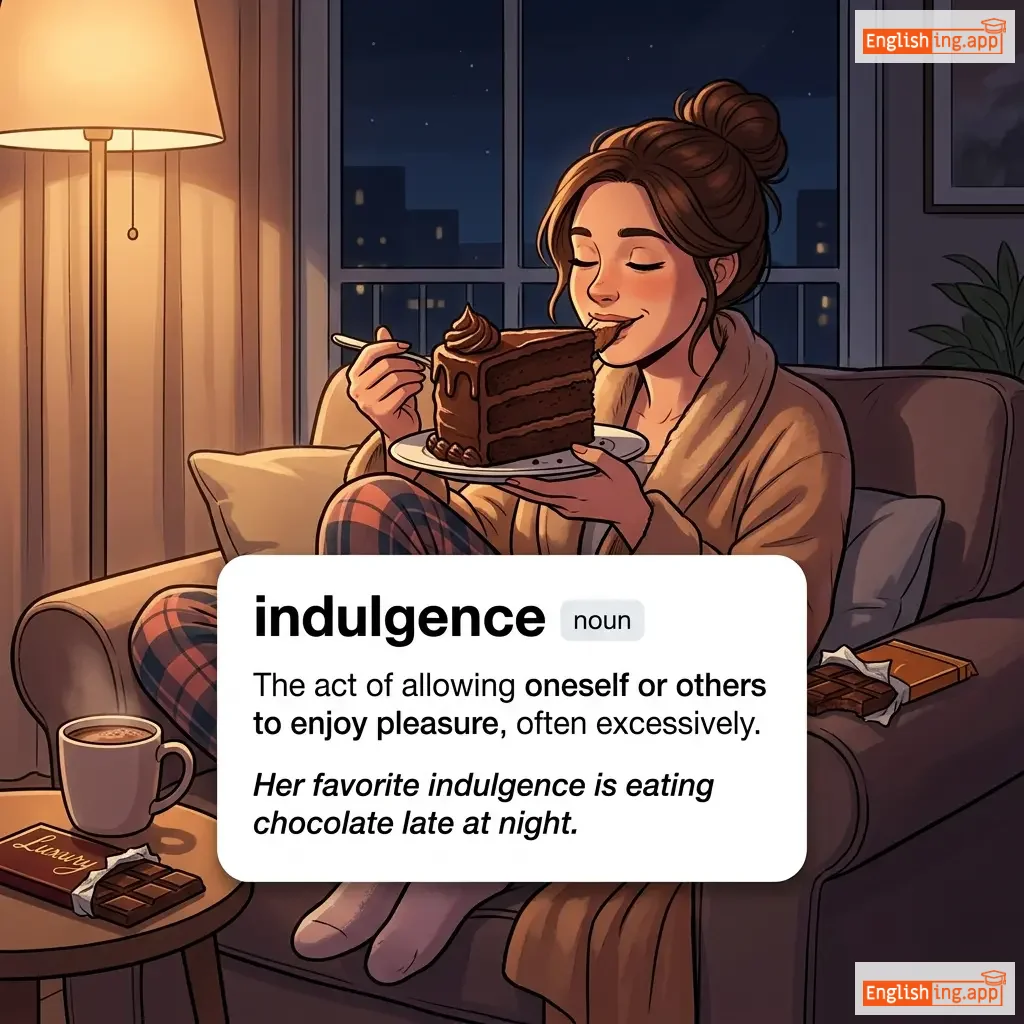
贅沢; 欲望の過度な満足
zeitaku, yokubou no kado na manzoku
••••••
|
the practice of allowing yourself to have something enjoyable; excessive gratification of desires
••••••
|
After months of dieting, she allowed herself the indulgence of a chocolate cake. |
数ヶ月のダイエットの後、彼女はチョコレートケーキの贅沢を許しました。
suukagetsu no daietto no ato, kanojo wa chokoreeto keeki no zeitaku o yurushimashita
••••••
|
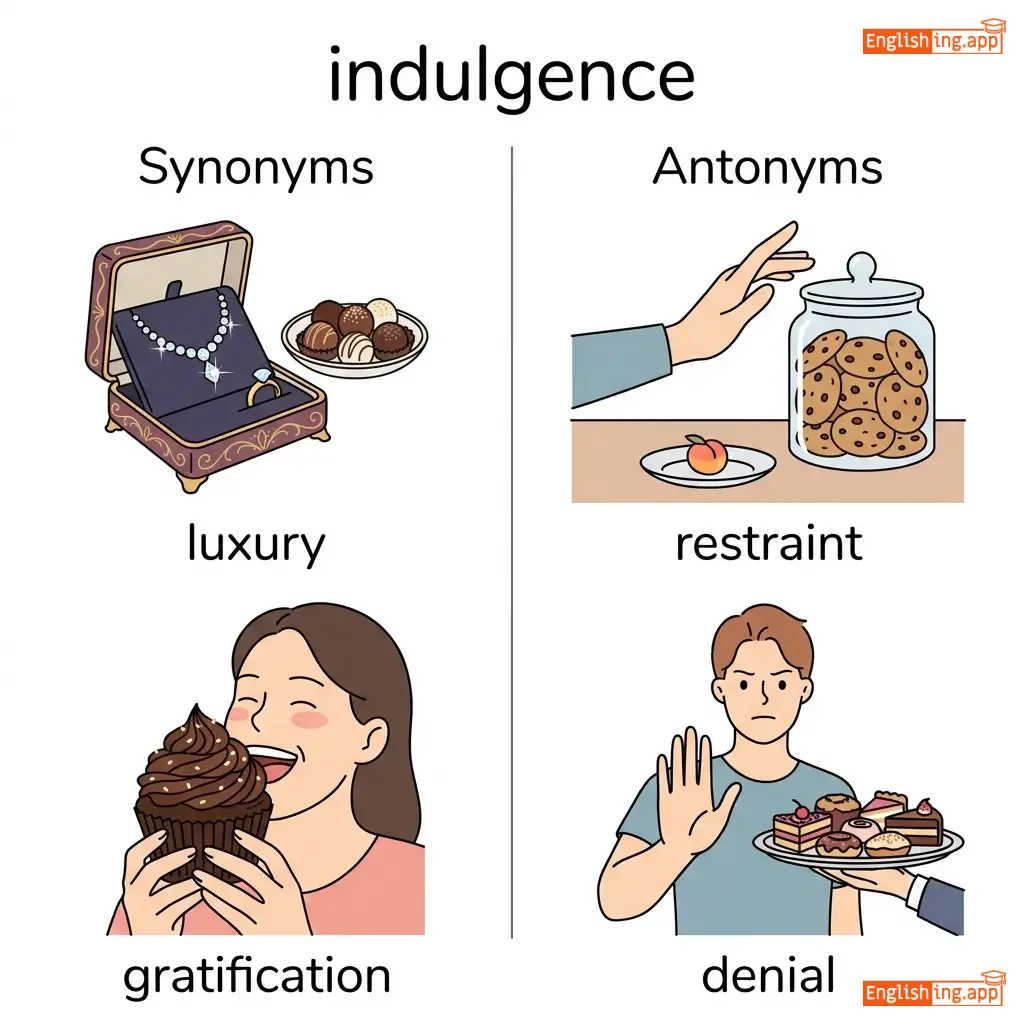
luxury, treat, gratification, excess
••••••
|
restraint, abstinence, moderation, self-denial
••••••
|
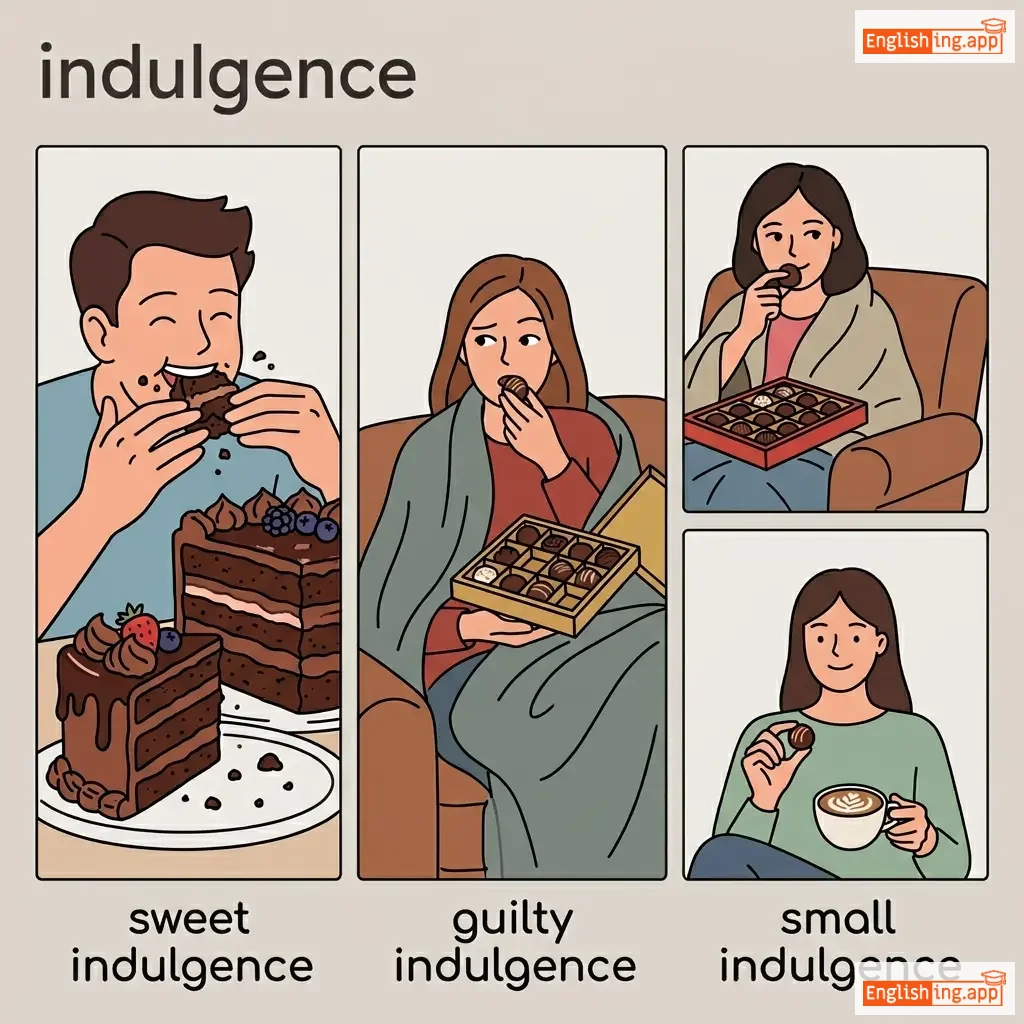
guilty indulgence, sweet indulgence, allow indulgence
••••••
|
No •••••• |
|
#631
⚠️
|
/ɪmˈpruː.dəns/
noun
(インプルーデンス)
••••••
|
- •••••• |
無分別; 不注意; 軽率
mubunbetsu; fuchūi; keisotsu
••••••
|
the quality of being imprudent; lack of care for consequences; recklessness
••••••
|
His financial imprudence led to bankruptcy within just two years. |
彼の財務の無分別は、わずか2年で破産を招いた。
kare no zaimu no mubunbetsu wa, wazuka 2-nen de hasan o manekita.
••••••
|
recklessness, carelessness, foolishness, indiscretion
••••••
|
prudence, caution, wisdom, careful planning
••••••
|
financial imprudence, youthful imprudence, acts of imprudence
••••••
|
Imprudence (無分別) - お金を軽視して破産する!
••••••
|
|
#632
⏰
|
/ˌɪn.ɪˈfɪʃ.ən.si/
noun
(イネフィシエンシー)
••••••
|
|
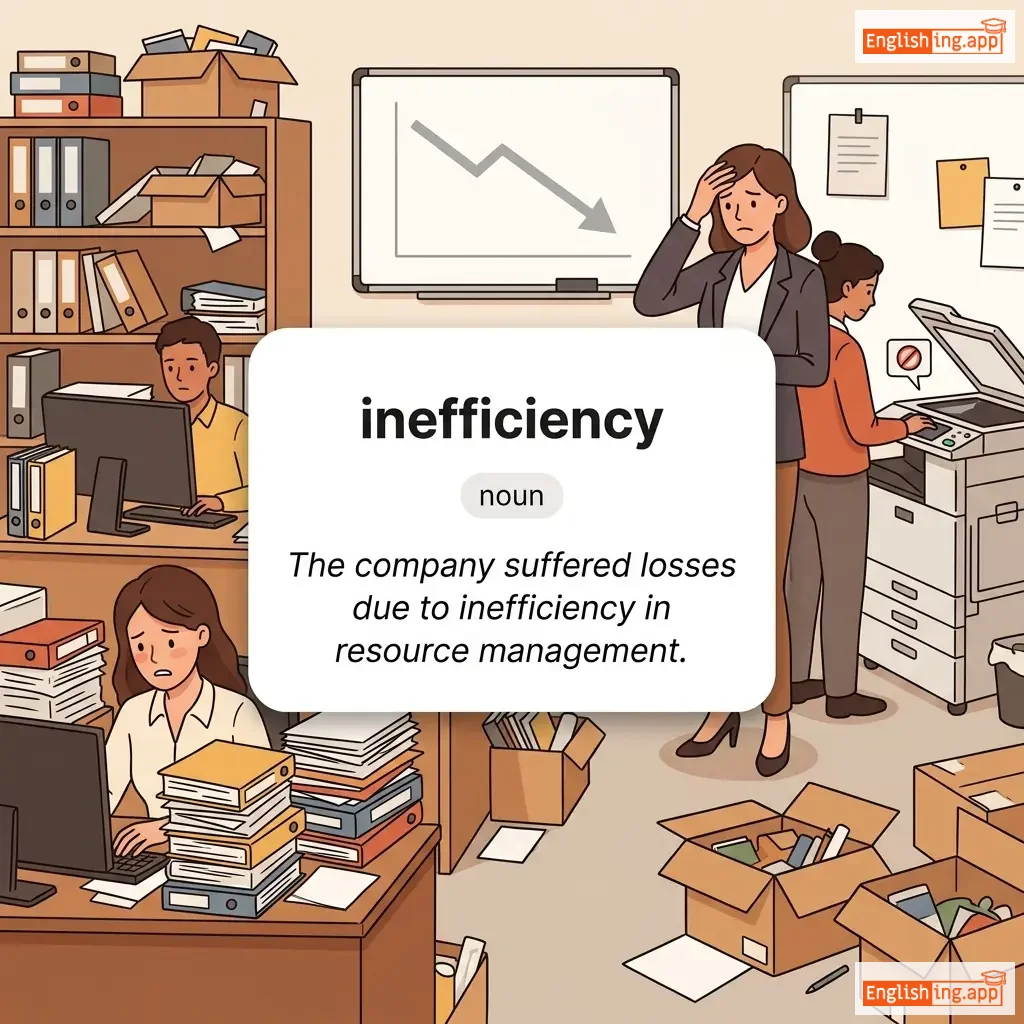
非効率; 資源の無駄使い
hikōritsu; shigen no mudazukai
••••••
|
the state of not achieving maximum productivity; wasteful use of resources
••••••
|
The company's inefficiency led to significant losses and eventual bankruptcy.
会社の非効率性は重大な損失と最終的な倒産を引き起こしました。
••••••
|
会社の非効率性は重大な損失と最終的な倒産を引き起こしました。
Kaisha no hikōritsusei wa jūdaina sonshitsu to saishū-teki na tōsan o hikiokoshimashita.
••••••
|
incompetence, inadequacy, waste, unproductiveness
••••••
|
efficiency, competence, productivity, effectiveness
••••••
|
organizational inefficiency, gross inefficiency, bureaucratic inefficiency
••••••
|
Inefficiencyは日本語で非効率です。生産性が低いことと無駄使いを意味します。
••••••
|
|
#633
⚡
|
/ˈɪm.pʌls/
noun
(インパルス)
••••••
|
- •••••• |
衝動; 突然の欲求
shōdō; totsuzen no yokkyū
••••••
|
a sudden strong and unreflective urge or desire to act; a driving force or motivation
••••••
|
She bought the expensive dress on impulse and later regretted the purchase. |
彼女は衝動で高価なドレスを買い、後でその購入を後悔しました。
Kanojo wa shōdō de kōka na doresu o kai, ato de sono kōnyū o kōkai shimashita.
••••••
|
urge, instinct, whim, compulsion
••••••
|
restraint, deliberation, self-control, careful thought
••••••
|
sudden impulse, impulse buying, resist impulse
••••••
|
No •••••• |
|
#634
🐌
|
/ɪˈnɜː.ʃə/
noun
(慣性)
••••••
|
- •••••• |
慣性; 活動の欠如
kansei, katsudou no ketsujo
••••••
|
a tendency to do nothing or remain unchanged; lack of activity or movement
••••••
|
The team's inertia prevented them from adapting to the rapidly changing market conditions.
チームの慣性は、急速に変化する市場の状況に適応するのを妨げました。
••••••
|
チームの慣性は、急速に変化する市場の状況に適応するのを妨げました。
chiimu no kansei wa, kyūsoku ni henka suru shijō no jōkyō ni tekiou suru no o samatagemashita.
••••••
|
lethargy, sluggishness, passivity, stagnation
••••••
|
activity, momentum, energy, dynamism
••••••
|
overcome inertia, institutional inertia, political inertia
••••••
|
慣性を動かない物体として想像してください。
••••••
|
|
#635
🎯
|
/ɪnˈsen.tɪv/
noun
(インセンティブ)
••••••
|
- •••••• |
インセンティブ; 刺激
insentibu, shigeki
••••••
|
a thing that motivates or encourages someone to do something; a reward or penalty that influences behavior
••••••
|
The company offered a cash incentive to employees who exceeded their sales targets. |
その会社は売上目標を達成した従業員に現金インセンティブを提供しました。
Sono kaisha wa uriage mokuhyō o tassei shita jūgyōin ni genkin insentibu o teikyō shimashita.
••••••
|
motivation, encouragement, stimulus, reward
••••••
|
disincentive, discouragement, deterrent, penalty
••••••
|
financial incentive, performance incentive, tax incentive
••••••
|
インセンティブは目標を達成するための報酬、まるで会社が提供するようなものです。
••••••
|
|
#636
🦠
|
/ɪnˈfek.ʃən/
noun
(インフェクション)
••••••
|
- •••••• |
感染
kansen
••••••
|
the process of infecting or the state of being infected; a disease caused by germs
••••••
|
The doctor prescribed antibiotics to treat the bacterial infection in her throat. |
医師は彼女の喉の細菌感染を治療するために抗生物質を処方しました。
Ishi wa kanojo no nodo no saikin kansen o chiryō suru tame ni kōseibusshitsu o shohō shimashita.
••••••
|
contamination, contagion, disease, illness
••••••
|
health, cure, healing, recovery
••••••
|
bacterial infection, viral infection, prevent infection
••••••
|
感染(kansen)という日本語は、英語の'Infection'に似ていて、覚えやすいです。
••••••
|
|
#637
📈
|
/ˈɪŋ.krə.mənt/
noun
(インクリメント)
••••••
|
- •••••• |
増加
zōka
••••••
|
an increase or addition, especially one of a series on a fixed scale; a regular increase in salary
••••••
|
He received an annual increment of five percent in his salary this year. |
彼は今年、自分の給料に5パーセントの年次増加を受け取った。
kare wa kotoshi, jibun no kyūryō ni go pāsento no nenji zōka o uketotta.
••••••
|
increase, addition, raise, growth
••••••
|
decrease, reduction, cut, decline
••••••
|
salary increment, annual increment, pay increment
••••••
|
Japanese: '増加' (zōka) for increase, English: 'increment' – both related to growth!
••••••
|
|
#638
⛪
|
/ˈɪn.fɪ.del/
noun
(インフィデル)
••••••
|
- •••••• |
異教徒
ikyōto
••••••
|
a person who does not believe in religion or whose religious beliefs differ from one's own
••••••
|
In historical contexts, crusaders often referred to their enemies as infidels. |
歴史的な文脈では、十字軍はしばしば自分たちの敵を異教徒と呼んでいました。
Rekishiteki na bunmyaku de wa, jūjigun wa shibashiba jibuntachi no teki o ikyōto to yondeimashita.
••••••
|
unbeliever, heathen, heretic, non-believer
••••••
|
believer, faithful, devout person, religious person
••••••
|
religious infidel, branded infidel, call someone infidel
••••••
|
A person who does not believe in the same religion as others.
••••••
|
|
#639
🤔
|
/ˌɪn.dɪˈsɪʒ.ən/
noun
(インディシジョン)
••••••
|
- •••••• |
優柔不断; 決断力の欠如; 迷い
yūyūfudan; ketsudanryoku no ketsujo; mayoi
••••••
|
the inability to make decisions quickly; uncertainty about what to do
••••••
|
Her indecision about which job offer to accept caused her to miss both opportunities. |
どの仕事のオファーを受けるかについての優柔不断さが、両方のチャンスを逃す原因となった。
Dono shigoto no ofā o ukeru ka ni tsuite no yūyūfudansā ga, ryōhō no chansu o nogasu gen'in to natta.
••••••
|
uncertainty, hesitation, doubt, vacillation
••••••
|
decisiveness, determination, certainty, resolution
••••••
|
chronic indecision, moment of indecision, paralyzed by indecision
••••••
|
No •••••• |
|
#640
🏥
|
/ɪnˈfɜː.mə.ti/
noun
(インファーミティ)
••••••
|
- •••••• |
虚弱; 病気; 衰弱
kyojaku, byouki, suijaku
••••••
|
physical or mental weakness; a disease or ailment; frailty
••••••
|
Despite his advanced age and various infirmities, he remained mentally sharp and alert.
高齢で多くの病気を抱えていても、彼は精神的に鋭く、警戒心を持ち続けました。
••••••
|
高齢で多くの病気を抱えていても、彼は精神的に鋭く、警戒心を持ち続けました。
Kourei de ooku no byouki wo kakaete ite mo, kare wa seishinteki ni surudoku, keikaishin wo mochitsuzukemashita.
••••••
|
weakness, frailty, ailment, disability
••••••
|
strength, health, vigor, robustness
••••••
|
physical infirmity, age-related infirmity, suffer from infirmity
••••••
|
Infirmity means weak or frail, like how one becomes fragile in Japanese.
••••••
|
Vocabulary Quiz
Test your vocabulary by matching words with their translations or meanings.
Login to take the quiz
Comments (0)
Share your thoughts and join the discussion.
Join the discussion by logging in
Login to CommentNo comments yet
Be the first to share your thoughts!