

翻訳
過去
過去分詞
三人称単数
動名詞
意味
例文
例文の翻訳
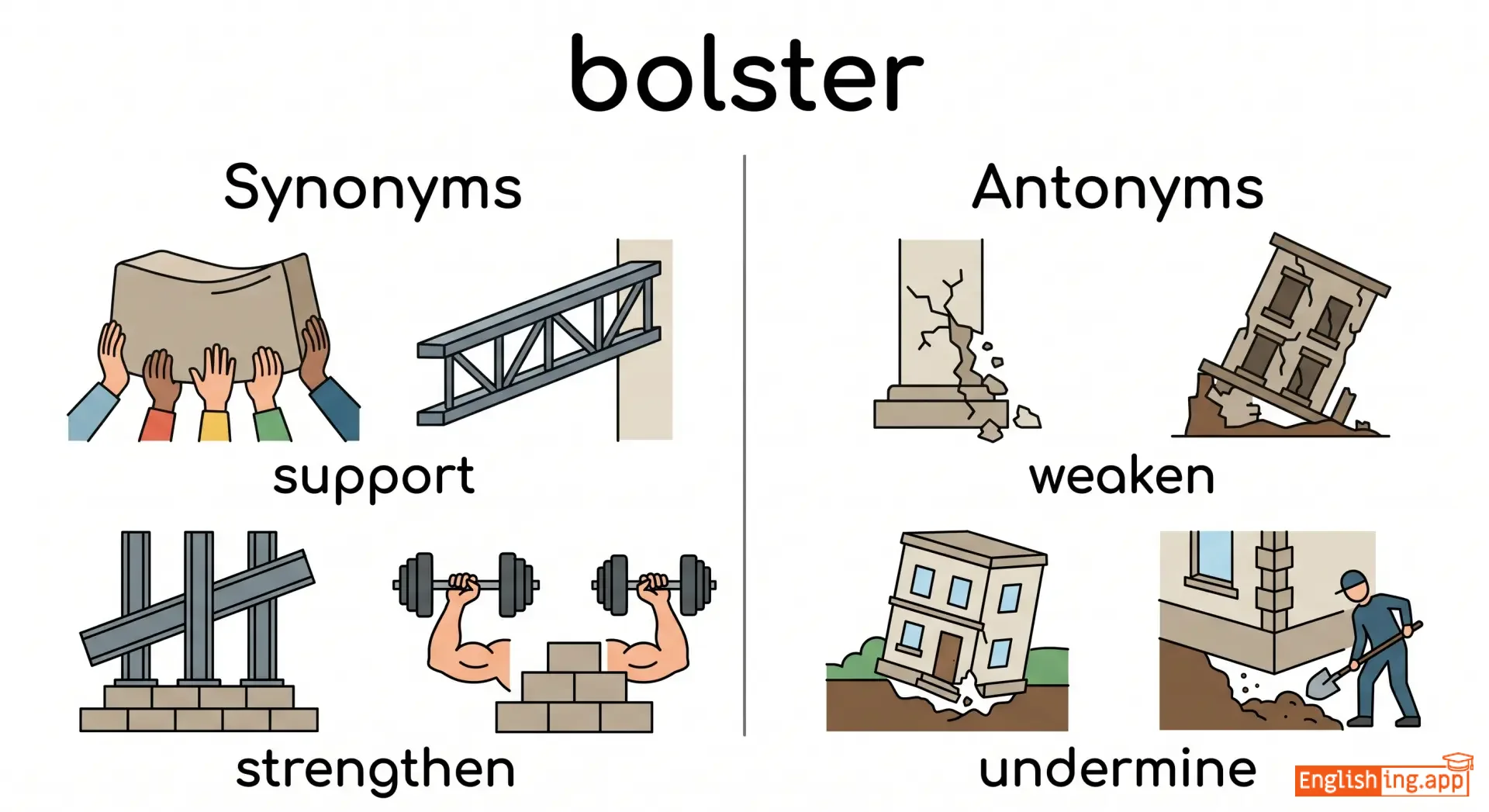
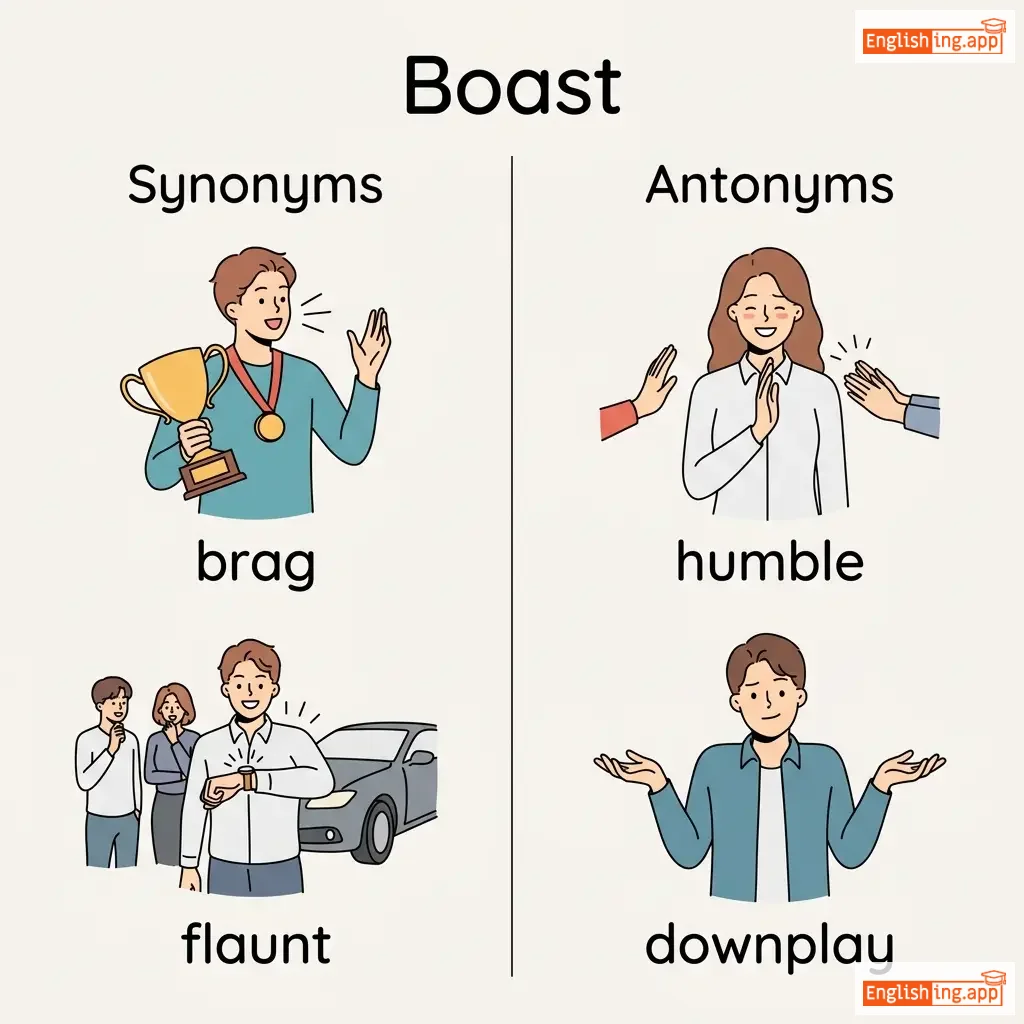
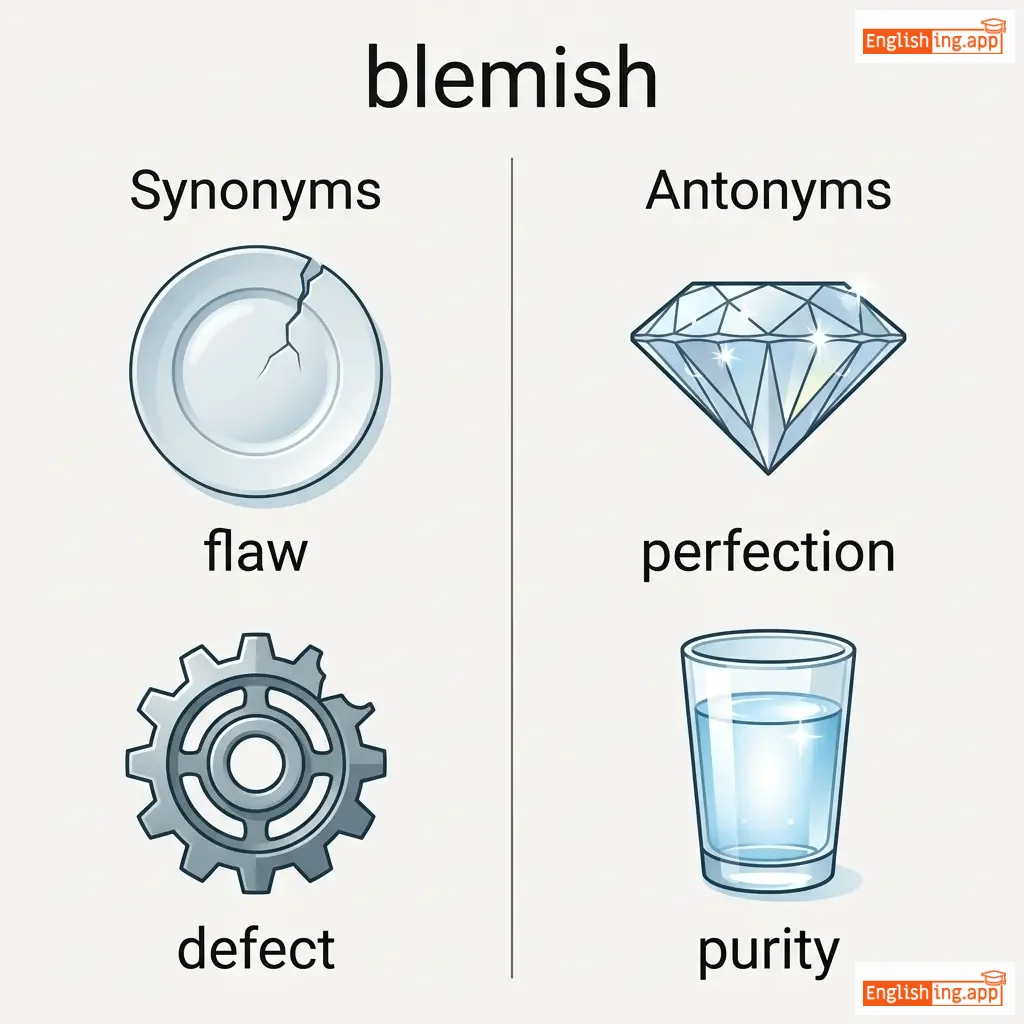
同義語
対義語
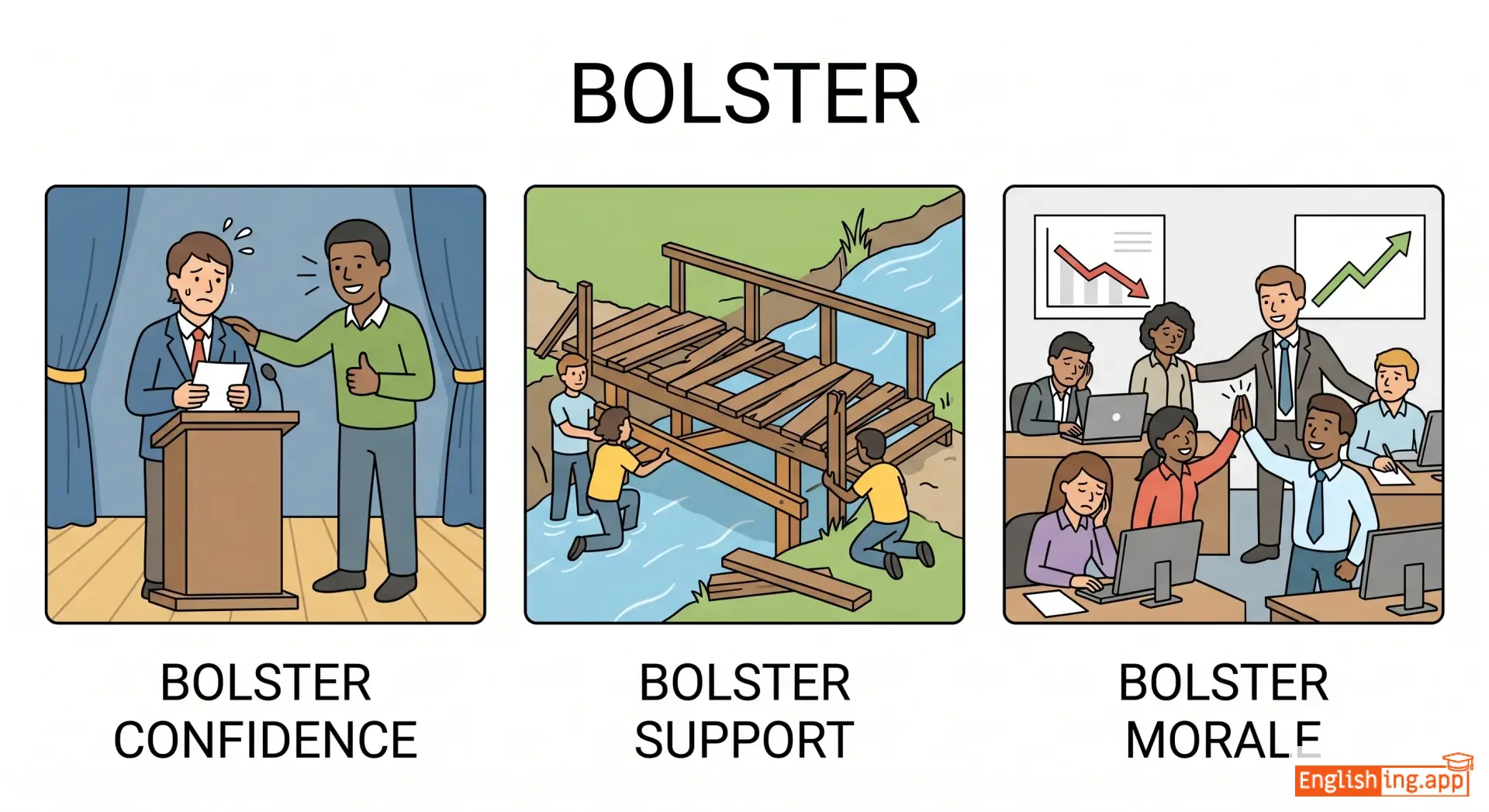
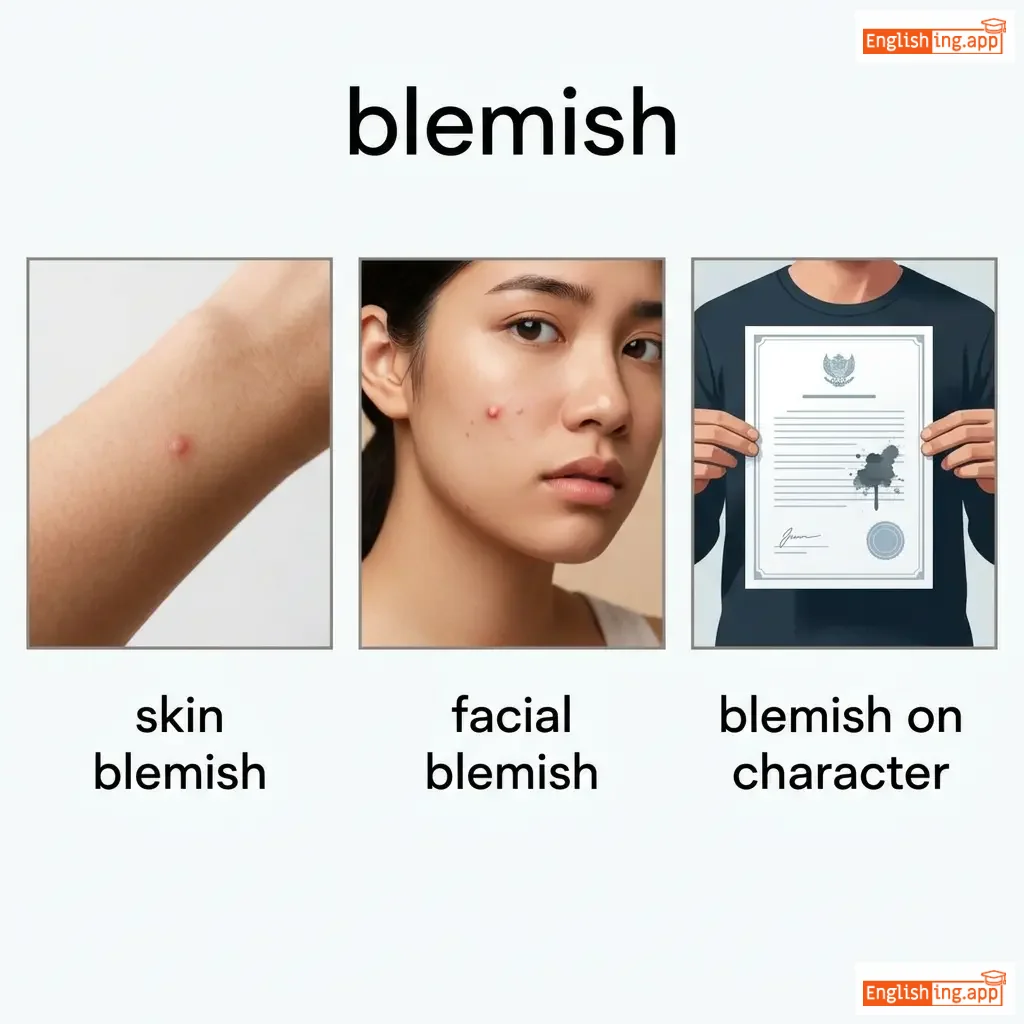
コロケーション
ニーモニック
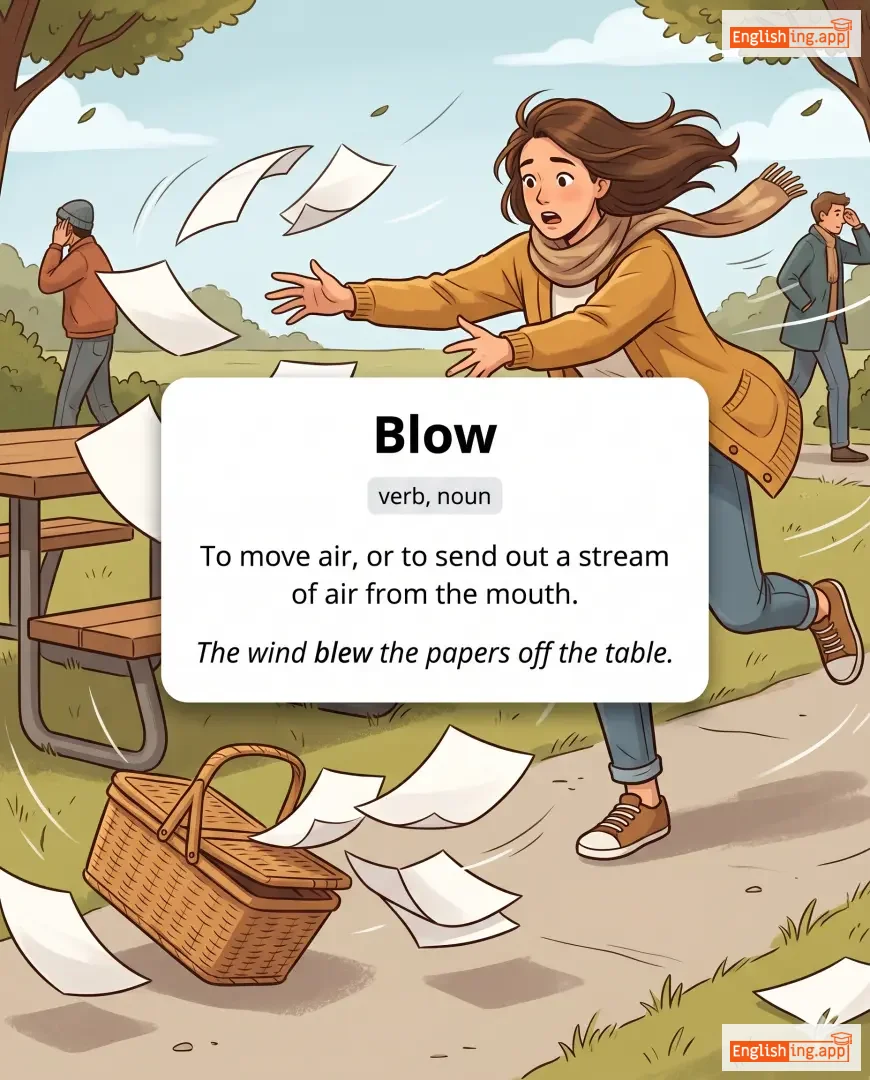
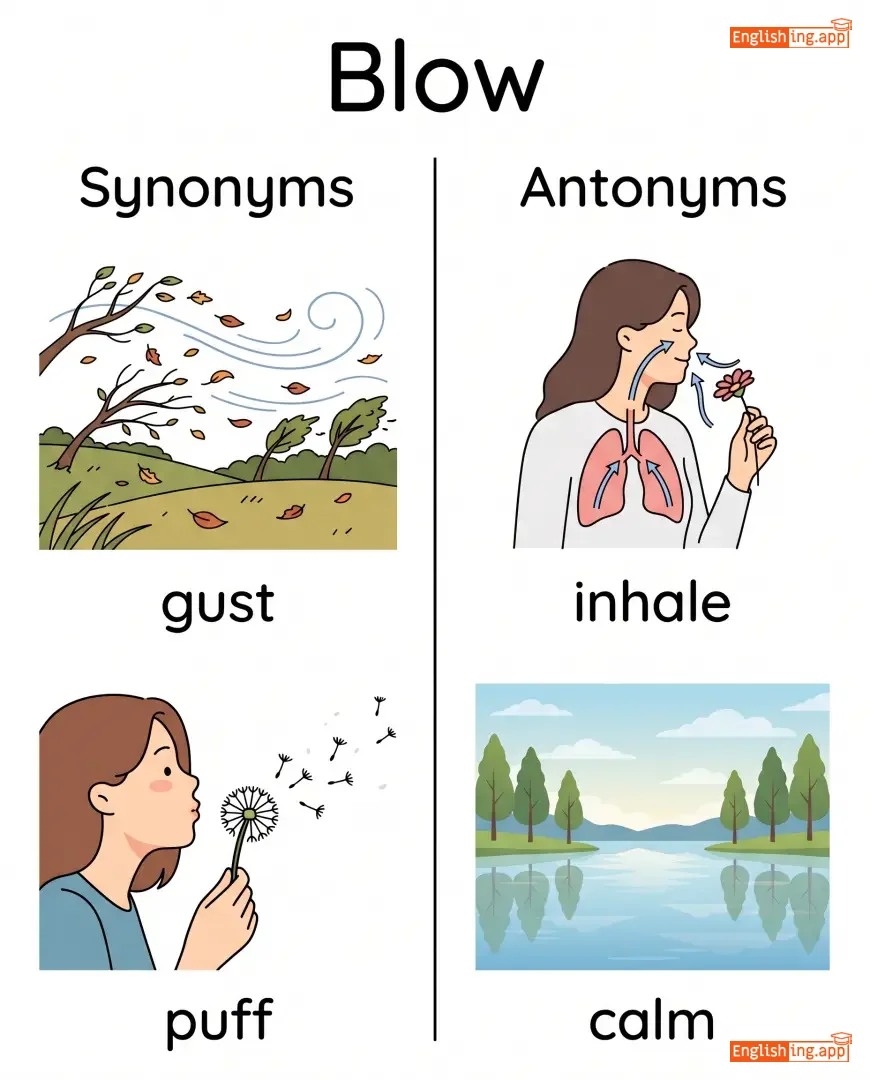
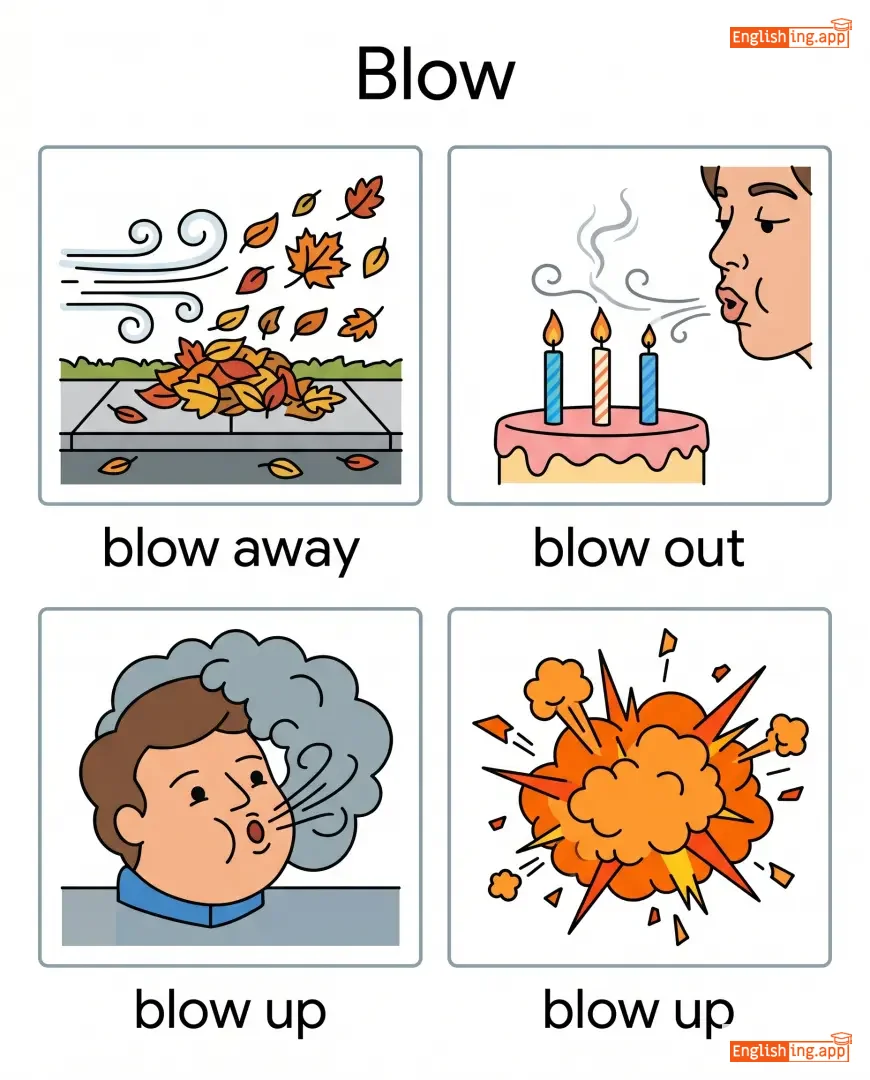
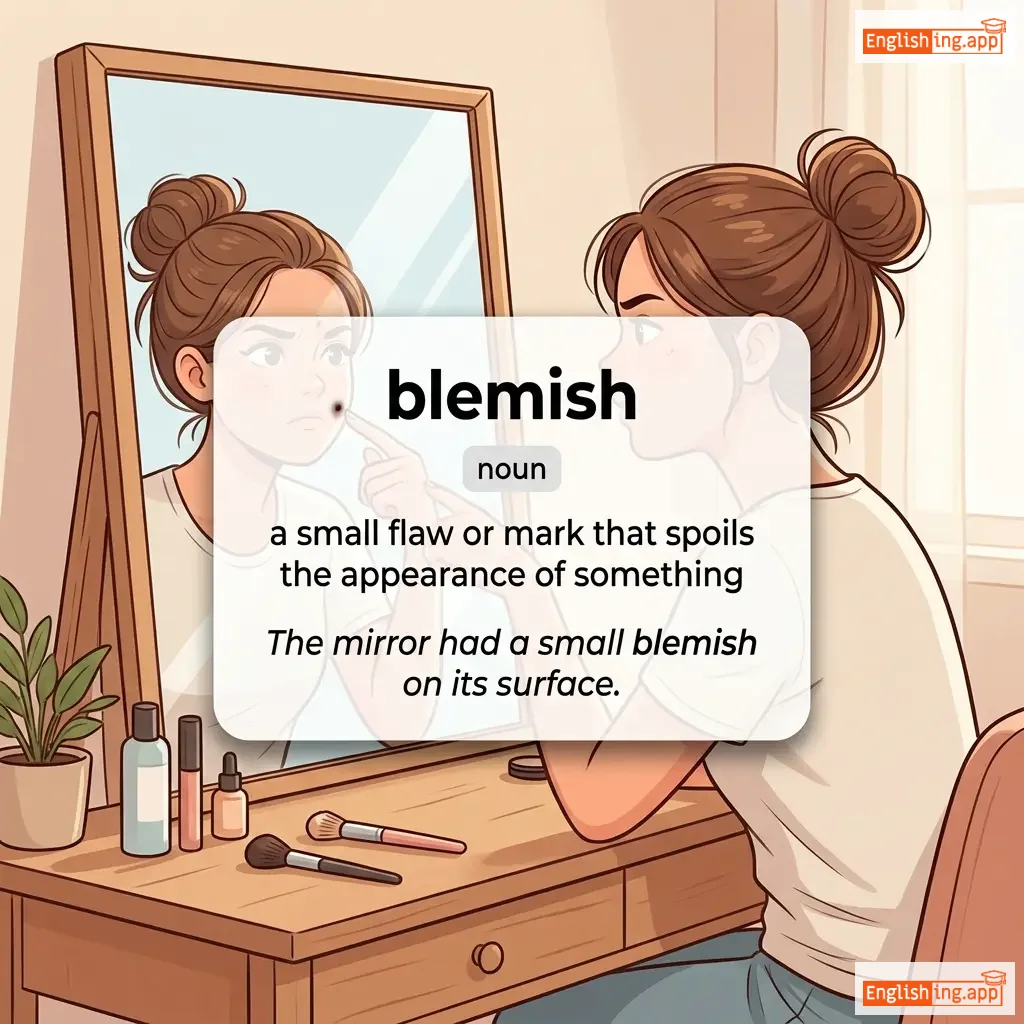
Swipe left or right, or use the buttons. Tap image to zoom.
例文の翻訳
単語
Lesson 6Lesson 6 - マスクトグル
|
絵文字
|
単語 | Images | 翻訳 | 意味 | 例文 | 例文の翻訳 | 同義語 | 対義語 | コロケーション | ニーモニック |
|---|---|---|---|---|---|---|---|---|---|---|
|
#101
🤦
|
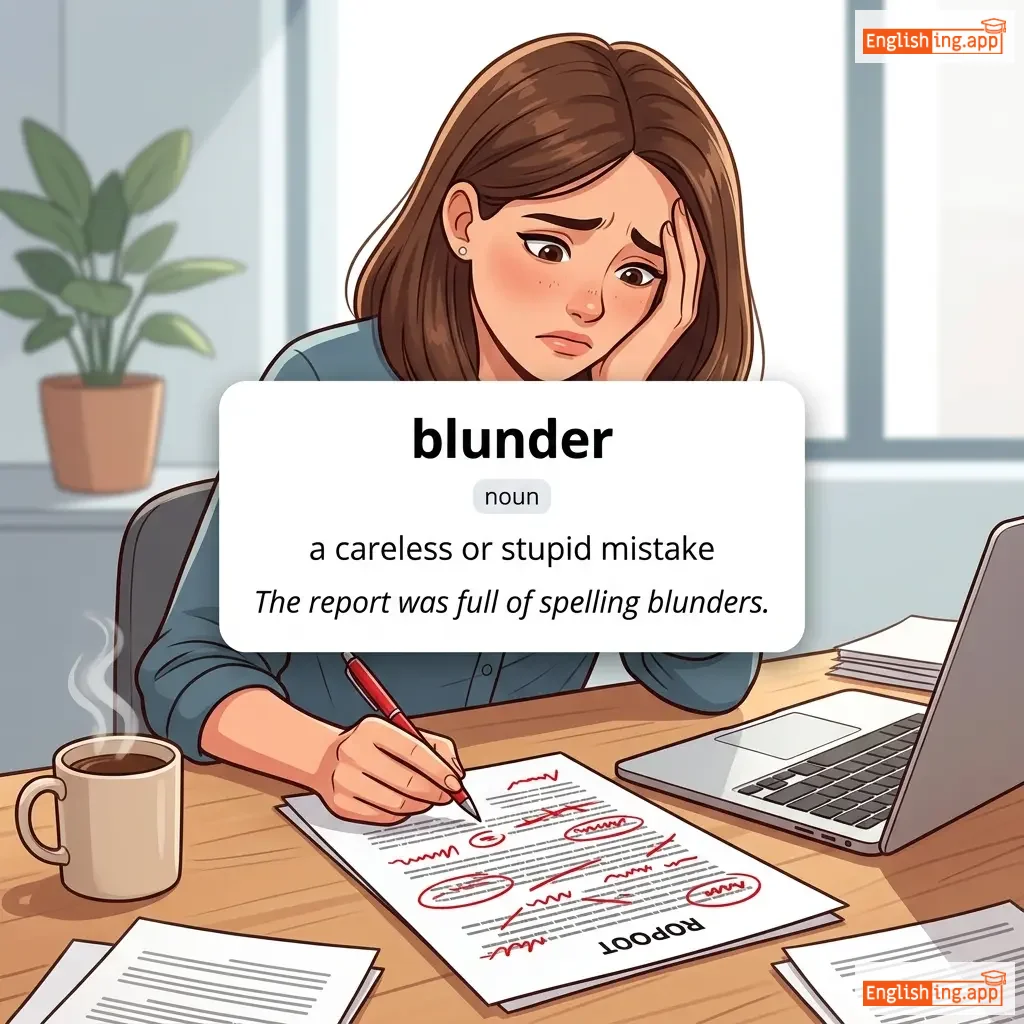
/ˈblʌn.dər/
noun
(ブランダー)
••••••
|
|
大きな誤り; 失敗
ookina ayamari, shippai
••••••
|
a stupid or careless mistake
••••••
|
Making that investment was a terrible blunder that cost him everything.
その投資をすることは、彼にすべてを失わせた大きな過ちでした。
••••••
|
その投資をすることは、彼にすべてを失わせた大きな過ちでした。
Sono tōshi o suru koto wa, kare ni subete o ushinawaseta ōkina ayamari deshita.
••••••
|
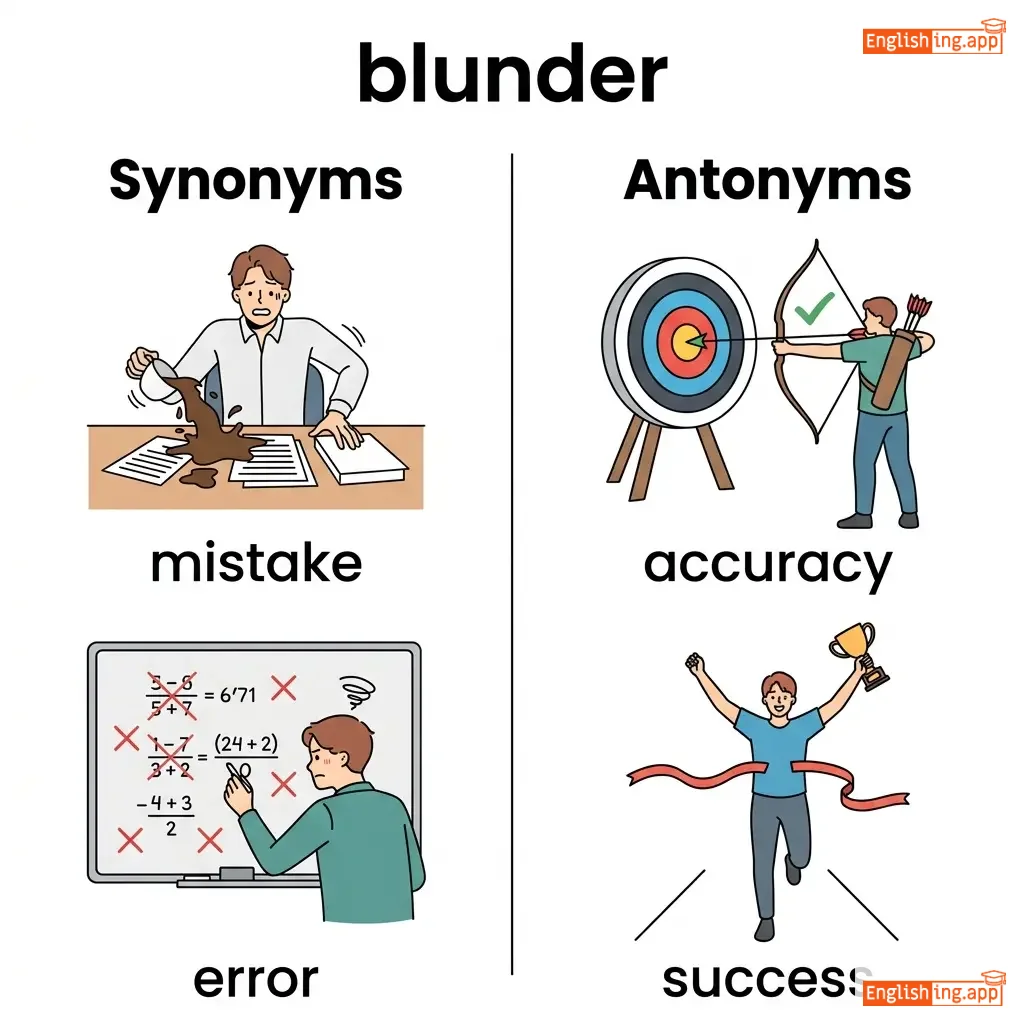
mistake, error, slip-up, gaffe
••••••
|
success, achievement, accuracy
••••••
|
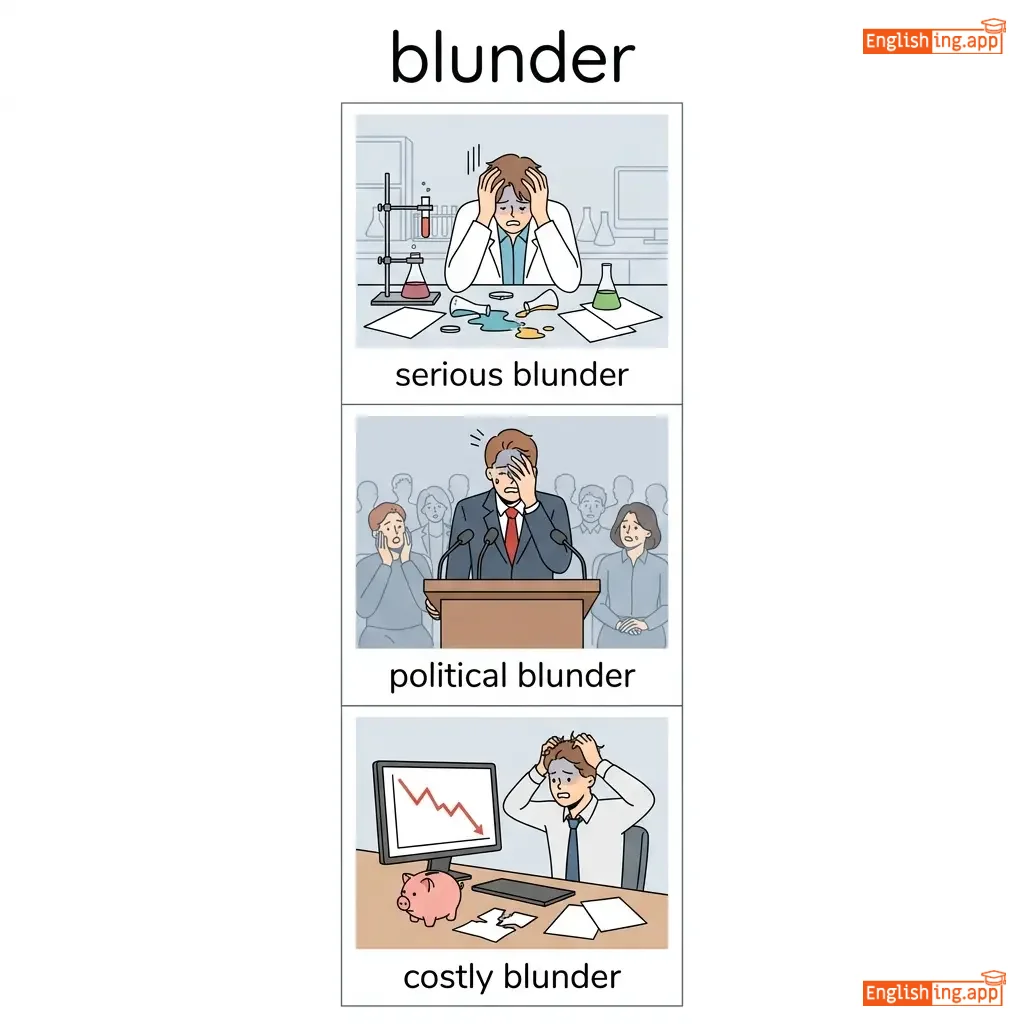
costly blunder, terrible blunder, avoid blunder
••••••
|
'大きな誤り' in Japanese helps link 'Blunder' to a big mistake.
••••••
|
|
#102
💵
|
/ˈboʊ.nəs/
noun
(ボーナス)
••••••
|
- •••••• |
ボーナス
bōnasu
••••••
|
an amount of money added to wages on a seasonal basis, especially as a reward for good performance
••••••
|
She received a year-end bonus for her excellent work performance.
彼女は優れた仕事のパフォーマンスに対する年末ボーナスを受け取った。
••••••
|
彼女は優れた仕事のパフォーマンスに対する年末ボーナスを受け取った。
Kanojo wa sugureta shigoto no pafōmansu ni taisuru nenmatsu bōnasu o uketotta.
••••••
|
reward, incentive, extra payment, gratuity
••••••
|
deduction, penalty, fine
••••••
|
annual bonus, performance bonus, cash bonus
••••••
|
In Japanese, 'bōnasu' is just like 'bonus' – a reward for hard work!
••••••
|
|
#103
🦴
|
/boʊn/
noun
(ボーン)
••••••
|
- •••••• |
骨
hone
••••••
|
any of the hard parts inside a human or animal that make up its frame
••••••
|
The doctor said the bone was completely healed after the fracture. |
医者は、骨が骨折後完全に治癒したと言いました。
Isha wa, hone ga kossetsu go kanzen ni chiyu shita to iimashita.
••••••
|
skeleton, frame, structure
••••••
|
flesh, muscle, tissue
••••••
|
broken bone, bone structure, bone marrow
••••••
|
骨は骨格を形成し、ボーンの役割を果たします。
••••••
|
|
#104
⛓️
|
/ˈbɑn.dɪdʒ/
noun
(ボンデージ)
••••••
|
- •••••• |
奴隷状態; 拘束
dorei joutai, kousoku
••••••
|
the state of being a slave; the state of being under the control of a force or influence
••••••
|
The people fought to escape from the bondage of oppression.
人々は圧政の束縛から逃れるために戦った。
••••••
|
人々は圧政の束縛から逃れるために戦った。
Hitobito wa assē no sokubaku kara nogareru tame ni tatakatta.
••••••
|
slavery, captivity, servitude, subjugation
••••••
|
freedom, liberty, independence
••••••
|
escape bondage, break bondage, in bondage
••••••
|
奴隷状態は拘束のようなもので、他の力に支配されている。
••••••
|
|
#105
🤝
|
/bɑnd/
noun
(ボンド)
••••••
|
- •••••• |
絆; 債券
kizuna; saiken
••••••
|
a close connection joining two or more people; a certificate of debt issued by a government or corporation
••••••
|
The strong bond between the mother and child was evident. |
母親と子供の間の強い絆は明らかでした。
Hahaoya to kodomo no aida no tsuyoi kizuna wa akirakadeshita.
••••••
|
connection, tie, link, relationship
••••••
|
separation, division, disconnect
••••••
|
strong bond, family bond, government bond
••••••
|
Bond - 絆, 母と子の間の強い絆のように。
••••••
|
|
#106
💰
|
/bəˈnæn.zə/
noun
(ボナンザ)
••••••
|
- •••••• |
富、運、または利益の突然の増加を引き起こす状況や出来事
tomi, un, matawa rieki no totsuzen no zōka o hikiokosu jōkyō ya dekigoto
••••••
|
a situation or event that creates a sudden increase in wealth, good fortune, or profits
••••••
|
The oil discovery was a bonanza for the small country. |
石油の発見は小さな国にとってボナンザでした。
Sekiyu no hakken wa chiisana kuni ni totte bonanza deshita.
••••••
|
windfall, jackpot, treasure trove, gold mine
••••••
|
disaster, loss, misfortune
••••••
|
oil bonanza, profit bonanza, unexpected bonanza
••••••
|
ボナンザ:まるで石油の発見のような突然の幸運
••••••
|
|
#107
🛏️
|
/ˈboʊl.stər/
noun
(ボルスター)
••••••
|
|
ボルスター枕
borusutā makura
••••••
|
a long thick pillow that is placed under other pillows for support
••••••
|
She placed a bolster behind her back for extra comfort while reading.
彼女は読書中にもっと快適にするために背中にボルスターを置きました。
••••••
|
彼女は読書中にもっと快適にするために背中にボルスターを置きました。
Kanojo wa dokusho-chū ni motto kaiteki ni suru tame ni senaka ni borusutā o okimashita.
••••••
|
pillow, cushion, support
••••••
|
- •••••• |
bed bolster, neck bolster, support bolster
••••••
|
Bolster = 背中のサポート
••••••
|
|
#108
🦁
|
/ˈboʊld.nəs/
noun
(ボールドネス)
••••••
|
- •••••• |
大胆さ; 勇気
daitan-sa, yūki
••••••
|
willingness to take risks; confidence and courage in behavior
••••••
|
Her boldness in confronting the problem impressed everyone. |
問題に立ち向かう彼女の大胆さは、皆を感動させた。
Mondai ni tachimukau kanojo no daitansa wa, mina o kandō saseta.
••••••
|
courage, bravery, daring, audacity
••••••
|
timidity, cowardice, hesitation
••••••
|
show boldness, act with boldness, surprising boldness
••••••
|
ボールドネス(boldness)は大胆さと勇気を持つことです。
••••••
|
|
#109
🦠
|
/bɔɪl/
noun
(ボイル)
••••••
|
- •••••• |
膿瘍; フロンケル
nōyō, furonkeru
••••••
|
a painful, pus-filled bump under the skin caused by infected hair follicles
••••••
|
The painful boil on his neck required medical treatment. |
彼の首にできた痛みを伴う膿瘍には医療処置が必要だった。
kare no kubi ni dekita itami o tomonau nōyō ni wa iryō shochi ga hitsuyō datta.
••••••
|
abscess, pustule, carbuncle
••••••
|
healthy skin
••••••
|
painful boil, infected boil, treat boil
••••••
|
膿瘍は毛根の感染によって皮膚の下にできる膿の塊で痛みを伴います。
••••••
|
|
#110
💪
|
/boʊst/
noun
(bost)
••••••
|
|
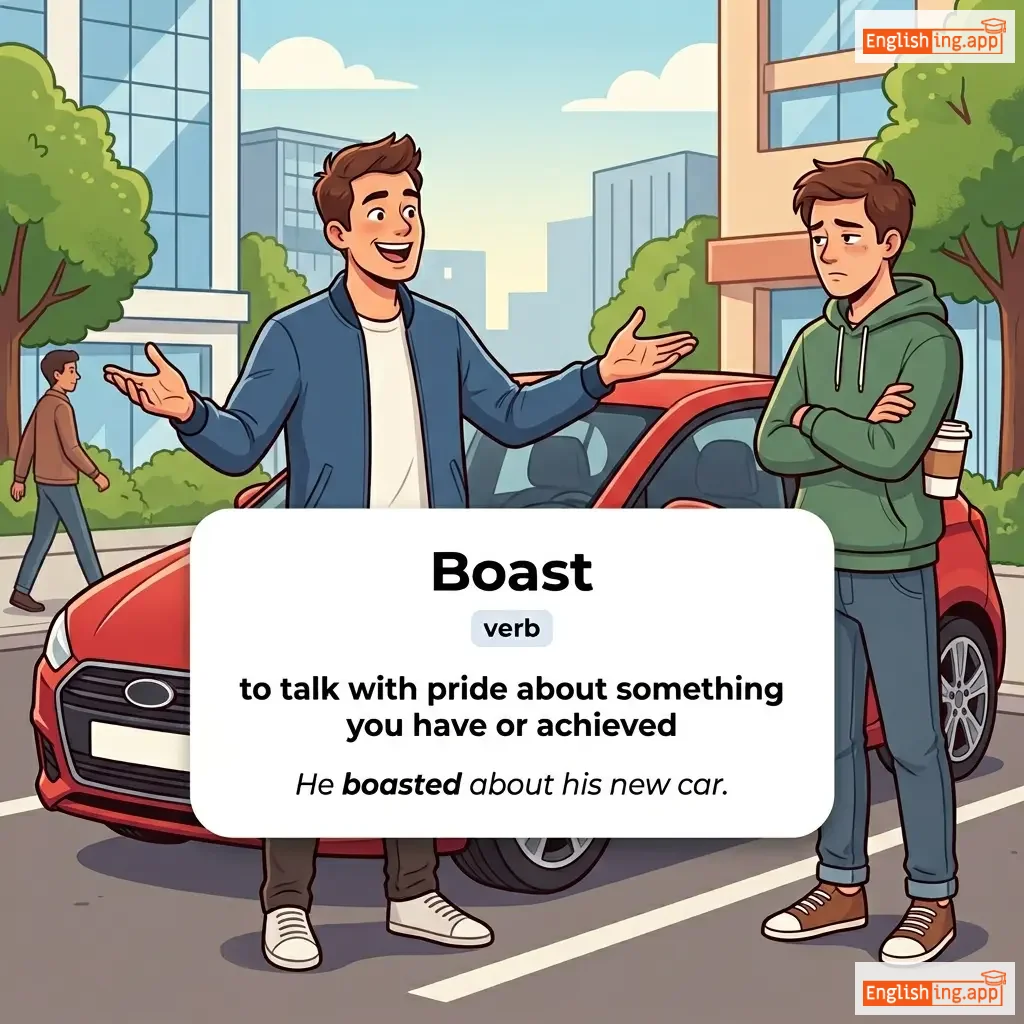
自慢; 自惚れ; 誇り
jiman, jihore, hokori
••••••
|
an act of talking with excessive pride about one's achievements
••••••
|
His constant boast about his wealth annoyed everyone.
His constant boast about his wealth annoyed everyone.
••••••
|
彼の財産についての絶え間ない自慢は、みんなをうんざりさせた。
Kare no zaisan ni tsuite no tae manai jiman wa, minna wo unzari saseta.
••••••
|
brag, pride, show-off, swagger
••••••
|
modesty, humility, understatement
••••••
|
empty boast, idle boast, proud boast
••••••
|
自慢しすぎると、他の人に嫌われることがある。
••••••
|
|
#111
🛏️
|
/ˈblæŋ.kɪt/
noun
(ブランケット)
••••••
|
- •••••• |
毛布
mōfu
••••••
|
a large piece of woolen or similar material used as a covering for warmth
••••••
|
She wrapped herself in a warm blanket on the cold night. |
彼女は寒い夜に暖かい毛布に包まれました。
Kanojo wa samui yoru ni atatakai mōfu ni tsutsumaremashita.
••••••
|
cover, throw, comforter, quilt
••••••
|
- •••••• |
warm blanket, electric blanket, blanket coverage
••••••
|
毛布が寒さから守ってくれる
••••••
|
|
#112
👑
|
/ˌbluː ˈblʌd/
noun
(ブルーブラッド)
••••••
|
- •••••• |
ブルーブラッド
blue-blood
••••••
|
a person of noble birth; aristocrat
••••••
|
She came from a family of blue-bloods with centuries of royal heritage. |
彼女は数世代にわたる王室の遺産を持つブルーブラッドの家族から来ました。
Kanojo wa sūsedai ni wataru ōshitsu no isan o motsu burūburaddo no kazoku kara kimashita.
••••••
|
aristocrat, noble, patrician, elite
••••••
|
commoner, peasant, plebeian
••••••
|
true blue-blood, old blue-blood family
••••••
|
ブルーブラッド (blue-blood) は貴族や王族の血統を意味します。
••••••
|
|
#113
👊
|
/bloʊ/
noun
(ブロー)
••••••
|
|
打撃; 手、武器、または硬い物体での強力な一撃
dageki; te, buki, matawa katai buttai de no kyōryoku na ichigeki
••••••
|
a powerful stroke with a hand, weapon, or hard object
••••••
|
The boxer delivered a devastating blow to his opponent. |
ボクサーは対戦相手に壊滅的な一撃を与えました。
Bokusā wa taisen aite ni kaimetsuteki na ichigeki o ataemashita.
••••••
|
strike, hit, punch, impact
••••••
|
caress, gentle touch
••••••
|
fatal blow, crushing blow, deliver a blow
••••••
|
No •••••• |
|
#114
🩸
|
/ˈblʌd.ʃed/
noun
(ブレッドシェッド)
••••••
|
- •••••• |
流血; 大虐殺
ryūketsu; daigyakusatsu
••••••
|
the killing or wounding of people, typically in large numbers during a conflict
••••••
|
The peace treaty was signed to prevent further bloodshed.
平和条約はさらなる流血を防ぐために署名されました。
••••••
|
平和条約はさらなる流血を防ぐために署名されました。
Heiwa jōyaku wa saranaru ryūketsu o fusegu tame ni shomei saremashita.
••••••
|
carnage, slaughter, violence, killing
••••••
|
peace, harmony, non-violence
••••••
|
prevent bloodshed, avoid bloodshed, end bloodshed
••••••
|
流血 (ryūketsu) という言葉には血が含まれており、血流し (bloodshed) という意味です。
••••••
|
|
#115
🚫
|
/ˈblɒk.ɪdʒ/
noun
(ブロッケージ)
••••••
|
- •••••• |
詰まり
tsumari
••••••
|
an obstruction that makes movement or flow difficult or impossible
••••••
|
The drain blockage caused water to overflow in the kitchen. |
排水の詰まりがキッチンで水があふれた原因となりました。
Haisui no tsumari ga kicchin de mizu ga afureta gen'in to narimashita.
••••••
|
obstruction, clog, jam, barrier
••••••
|
clearance, flow, passage
••••••
|
drain blockage, road blockage, arterial blockage
••••••
|
Tsumari - Blockage in Japanese and English
••••••
|
|
#116
🚧
|
/blɒˈkeɪd/
noun
(burokeido)
••••••
|
- •••••• |
封鎖
fūsa
••••••
|
an act or means of sealing off a place to prevent goods or people from entering or leaving
••••••
|
The naval blockade prevented supplies from reaching the port. |
海上封鎖により物資が港に届くのを防ぎました。
Kaijō fūsa ni yori busshi ga minato ni todoku no o fusegimashita.
••••••
|
siege, embargo, barrier, obstruction
••••••
|
access, opening, passage
••••••
|
naval blockade, economic blockade, lift blockade
••••••
|
No •••••• |
|
#117
🩹
|
/ˈblɪs.tər/
noun
(ブリスター)
••••••
|
- •••••• |
水ぶくれ
mizubukure
••••••
|
a small bubble on the skin filled with serum and caused by friction, burning, or other damage
••••••
|
The new shoes gave her a painful blister on her heel.
新しい靴が彼女のかかとに痛い水ぶくれを作った。
••••••
|
新しい靴が彼女のかかとに痛い水ぶくれを作った。
Atarashī kutsu ga kanojo no kakato ni itai mizubukure o tsukutta.
••••••
|
bubble, sore, lesion
••••••
|
healthy skin
••••••
|
blood blister, water blister, blister pack
••••••
|
水ぶくれは摩擦や熱ででき、痛みを伴います。
••••••
|
|
#118
😇
|
/blɪs/
noun
(ブリス)
••••••
|
- •••••• |
完全な幸せ; 大きな喜び
kanzen na shiawase, ookina yorokobi
••••••
|
perfect happiness; great joy
••••••
|
She felt pure bliss while watching the beautiful sunset.
彼女は美しい夕日を見ながら純粋な幸せを感じました。
••••••
|
彼女は美しい夕日を見ながら純粋な幸せを感じました。
Kanojo wa utsukushii yūhi o minagara junsui na shiawase o kanjimashita.
••••••
|
happiness, joy, ecstasy, rapture
••••••
|
misery, suffering, agony
••••••
|
pure bliss, domestic bliss, ignorance is bliss
••••••
|
Bliss in Japanese is feeling immense joy, just like watching the sunset.
••••••
|
|
#119
🙏
|
/ˈbles.ɪŋ/
noun
(ぶれっしんぐ)
••••••
|
- •••••• |
祝福; 贈り物;
shukufuku, okurimono
••••••
|
a beneficial thing for which one is grateful; divine favor
••••••
|
Having good health is a blessing that we should cherish.
Having good health is a blessing that we should cherish.
••••••
|
良い健康を持つことは、私たちが大切にすべき祝福です。
Yoi kenkō o motsu koto wa, watashitachi ga taisetsu ni subeki shukufuku desu.
••••••
|
benediction, favor, gift, grace
••••••
|
curse, misfortune, burden
••••••
|
divine blessing, count blessings, mixed blessing
••••••
|
祝福は感謝すべき神の贈り物です。
••••••
|
|
#120
🔴
|
/ˈblem.ɪʃ/
noun
(ブレミッシュ)
••••••
|
|
しみ; 傷; 欠陥
shimi, kizu, kekkan
••••••
|
a mark, flaw, or imperfection that spoils the appearance of something
••••••
|
The scar was a small blemish on her otherwise perfect skin.
傷跡は彼女の完璧な肌に小さなシミだった。
••••••
|
傷跡は彼女の完璧な肌に小さなシミだった。
Kizuato wa kanojo no kanpeki na hada ni chiisana shimi datta.
••••••
|
flaw, defect, mark, stain, spot
••••••
|
perfection, beauty, enhancement
••••••
|
skin blemish, minor blemish, without blemish
••••••
|
傷は完璧なものに影響を与えるものです。
••••••
|
Vocabulary Quiz
Test your vocabulary by matching words with their translations or meanings.
Login to take the quiz
Comments (0)
Share your thoughts and join the discussion.
Join the discussion by logging in
Login to CommentNo comments yet
Be the first to share your thoughts!