

翻訳
過去
過去分詞
三人称単数
動名詞
意味
例文
例文の翻訳
同義語
対義語
コロケーション
ニーモニック
Swipe left or right, or use the buttons. Tap image to zoom.
例文の翻訳
単語
Lesson 51Lesson 51 - マスクトグル
|
絵文字
|
単語 | Images | 翻訳 | 意味 | 例文 | 例文の翻訳 | 表現例の翻訳 | 同義語 | 対義語 | コロケーション | ニーモニック |
|---|---|---|---|---|---|---|---|---|---|---|---|
|
#1001
🦴
|
/ˈpɔl.zi/
noun
(パルシー)
••••••
|
- •••••• |
麻痺
mahi
••••••
|
paralysis, especially that which is accompanied by involuntary tremors; loss of muscle control
••••••
|
The elderly man suffered from palsy in his hands.
その高齢者は手の震えによる麻痺に苦しんでいました。
••••••
|
その高齢者は手の震えによる麻痺に苦しんでいました。
Sono kōreisha wa te no furue ni yoru mahi ni kurushinde imashita.
••••••
|
- •••••• |
paralysis, tremor, shaking, weakness
••••••
|
strength, steadiness, control, stability
••••••
|
cerebral palsy, suffer from palsy, hand palsy
••••••
|
麻痺 = 筋肉の動きが止まる、震えを伴う
••••••
|
|
#1002
🧱
|
/pɑrˈtɪʃ.ən/
noun
(pātīshon)
••••••
|
|
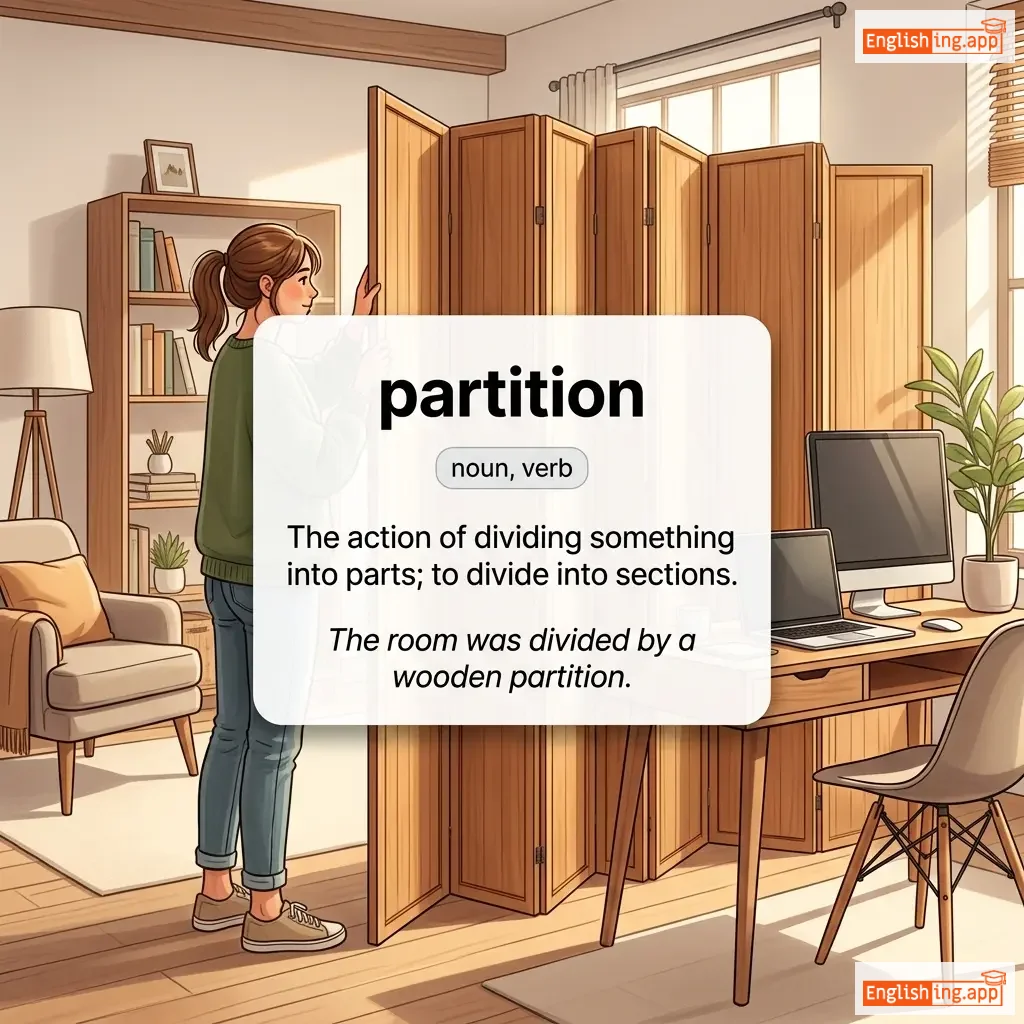
仕切り; 部屋やスペースを分ける壁やスクリーン
shikiri; heya ya supēsu o wakeru kabe ya sukūrīn
••••••
|
a division into parts; a wall or screen that divides a room or space
••••••
|
The partition between offices provided privacy for workers.
オフィス間のパーティションは、作業者にプライバシーを提供しました。
••••••
|
オフィス間のパーティションは、作業者にプライバシーを提供しました。
Ofisu-kan no pāti-shon wa, sagyō-sha ni puraibashī o teikyō shimashita.
••••••
|
- •••••• |
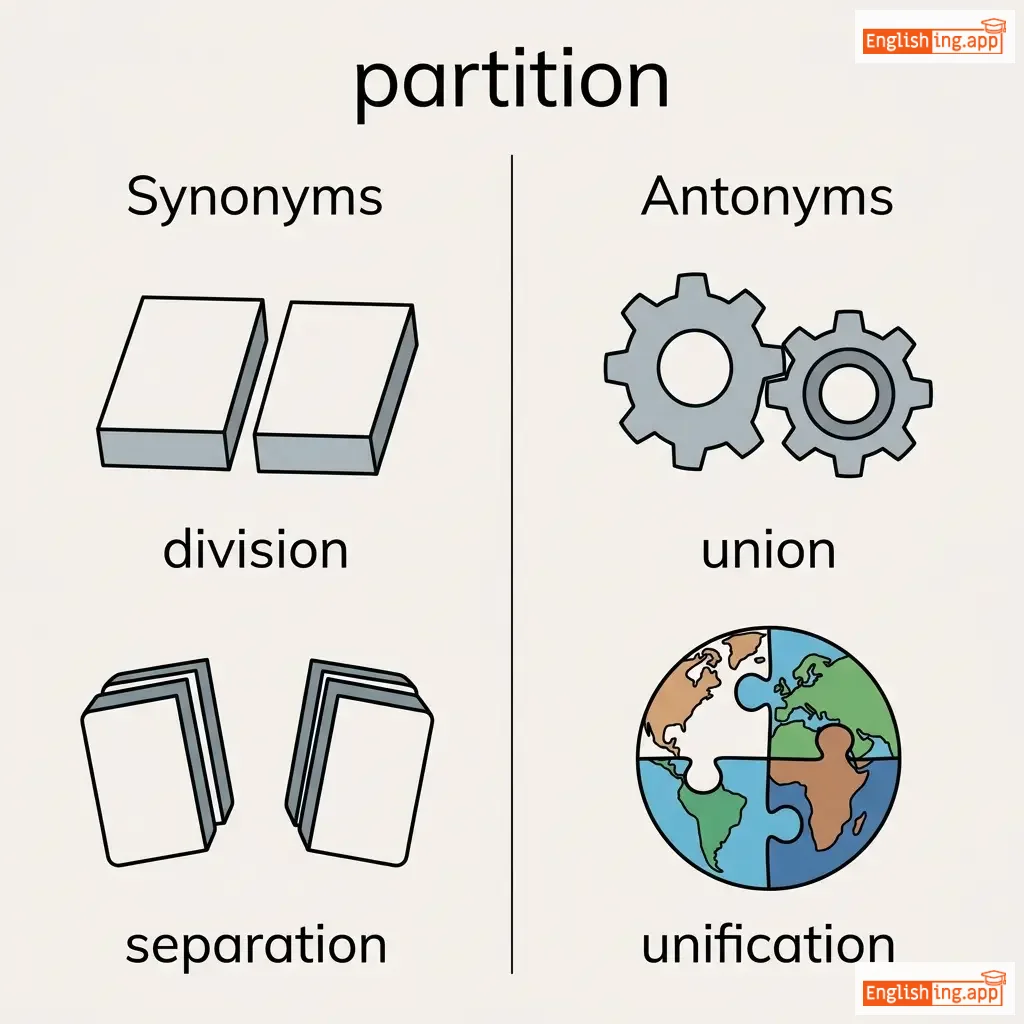
division, separation, wall, barrier
••••••
|
union, connection, integration, merger
••••••
|
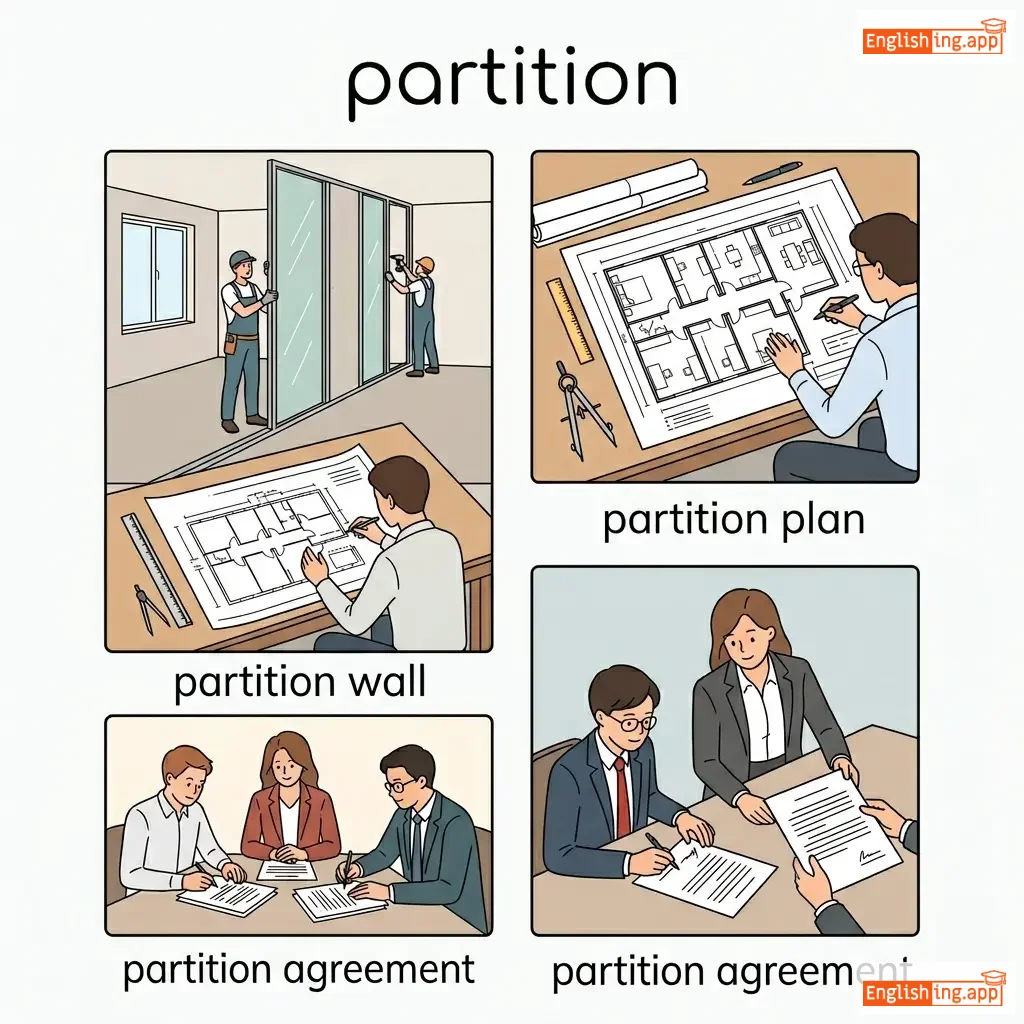
office partition, create partition, remove partition
••••••
|
仕切りを使って、部屋を独立した空間にする。
••••••
|
|
#1003
😱
|
/ˈpæn.ɪk/
noun
(パニック)
••••••
|
- •••••• |
パニック
panikku
••••••
|
sudden uncontrollable fear or anxiety; a state of widespread fear and anxiety
••••••
|
The fire alarm caused panic among the students.
火災警報が学生たちの間にパニックを引き起こしました。
••••••
|
火災警報が学生たちの間にパニックを引き起こしました。
Kasal keihō ga gakusei-tachi no aida ni panikku o hikiokoshimashita.
••••••
|
- •••••• |
terror, fear, alarm, fright
••••••
|
calm, peace, composure, tranquility
••••••
|
panic attack, cause panic, widespread panic
••••••
|
パニックは火災警報が鳴ったときにみんなが感じる恐怖のようなものです。
••••••
|
|
#1004
❤️
|
/ˈpæʃ.ən/
noun
(パッション)
••••••
|
- •••••• |
情熱
jounetsu
••••••
|
strong enthusiasm or excitement for something; intense emotion or feeling
••••••
|
Her passion for music led her to become a professional singer.
音楽への情熱が、彼女をプロの歌手に導いた。
••••••
|
音楽への情熱が彼女をプロの歌手に導いた。
ongaku e no jounetsu ga kanojo wo puro no kashu ni michibiita.
••••••
|
- •••••• |
enthusiasm, fervor, zeal, love
••••••
|
indifference, apathy, coldness, disinterest
••••••
|
burning passion, passion for music, passionate about
••••••
|
Imagine a glowing パッション fire labeled 情熱 guiding you toward your dream stage
••••••
|
|
#1005
🌴
|
/ˈpær.ə.daɪs/
noun
(パラダイス)
••••••
|
- •••••• |
楽園; 完璧な幸せの場所や状態; 理想的な場所
rakuen; kanpeki na shiawase no basho ya joutai; risouteki na basho
••••••
|
heaven; a place or state of perfect happiness; an ideal or perfect place
••••••
|
The tropical island was like paradise for the tourists.
トロピカルアイランドは観光客にとって楽園のようでした。
••••••
|
トロピカルアイランドは観光客にとって楽園のようでした。
Toropikaru airando wa kankoukyaku ni totte rakuen no you deshita.
••••••
|
- •••••• |
heaven, utopia, bliss, perfection
••••••
|
hell, nightmare, misery, suffering
••••••
|
tropical paradise, earthly paradise, lost paradise
••••••
|
Paradise = 楽園 (完璧な幸せを感じる場所)
••••••
|
|
#1006
🎲
|
/ˈpæs.taɪm/
noun
(パスタイム)
••••••
|
- •••••• |
余暇
yoka
••••••
|
an activity done regularly for enjoyment; a hobby or recreational activity
••••••
|
Reading books is her favorite pastime during weekends. |
読書は週末の彼女のお気に入りの余暇活動です。
Dokusho wa shūmatsu no kanojo no okiniiri no yokakatsudō desu.
••••••
|
- •••••• |
hobby, recreation, amusement, leisure activity
••••••
|
work, chore, duty, obligation
••••••
|
favorite pastime, popular pastime, enjoy pastime
••••••
|
余暇活動はリラックスして楽しむために行うことです。
••••••
|
|
#1007
⭐
|
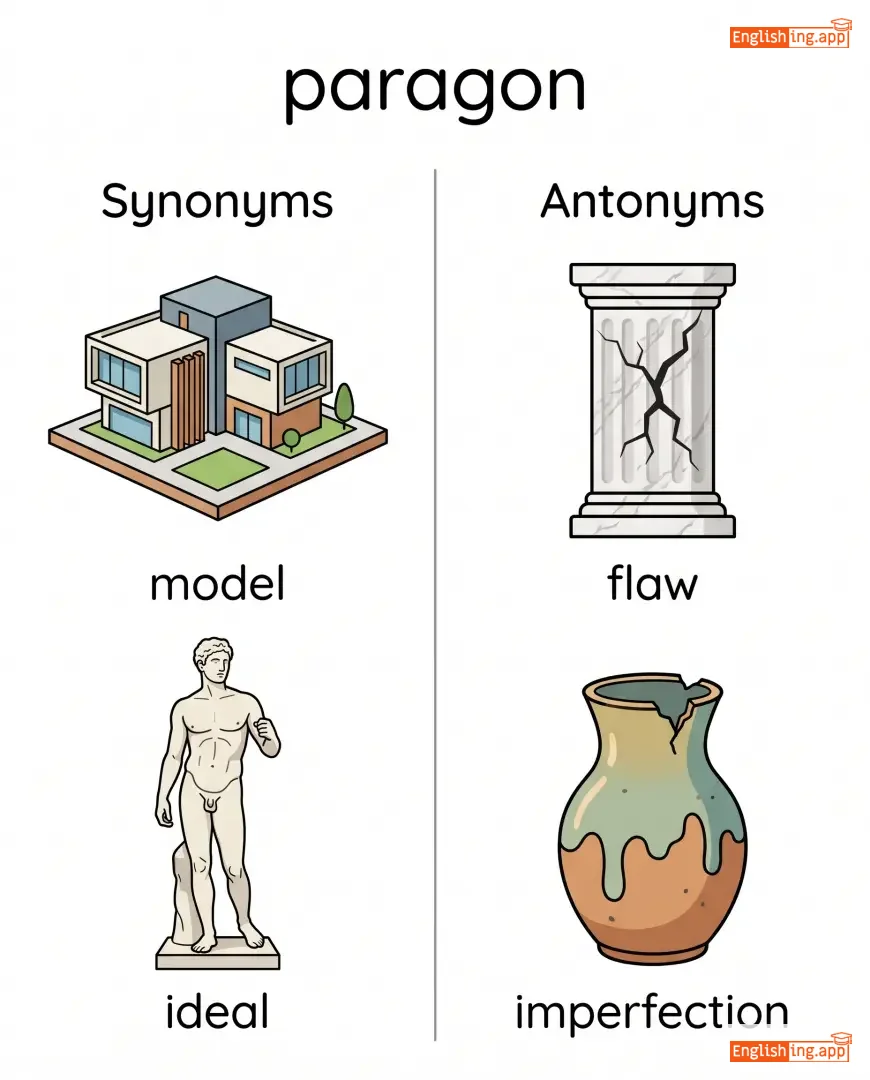
/ˈpær.ə.ɡɑn/
noun
(パラゴン)
••••••
|
|
完璧な見本
kanpeki na mihon
••••••
|
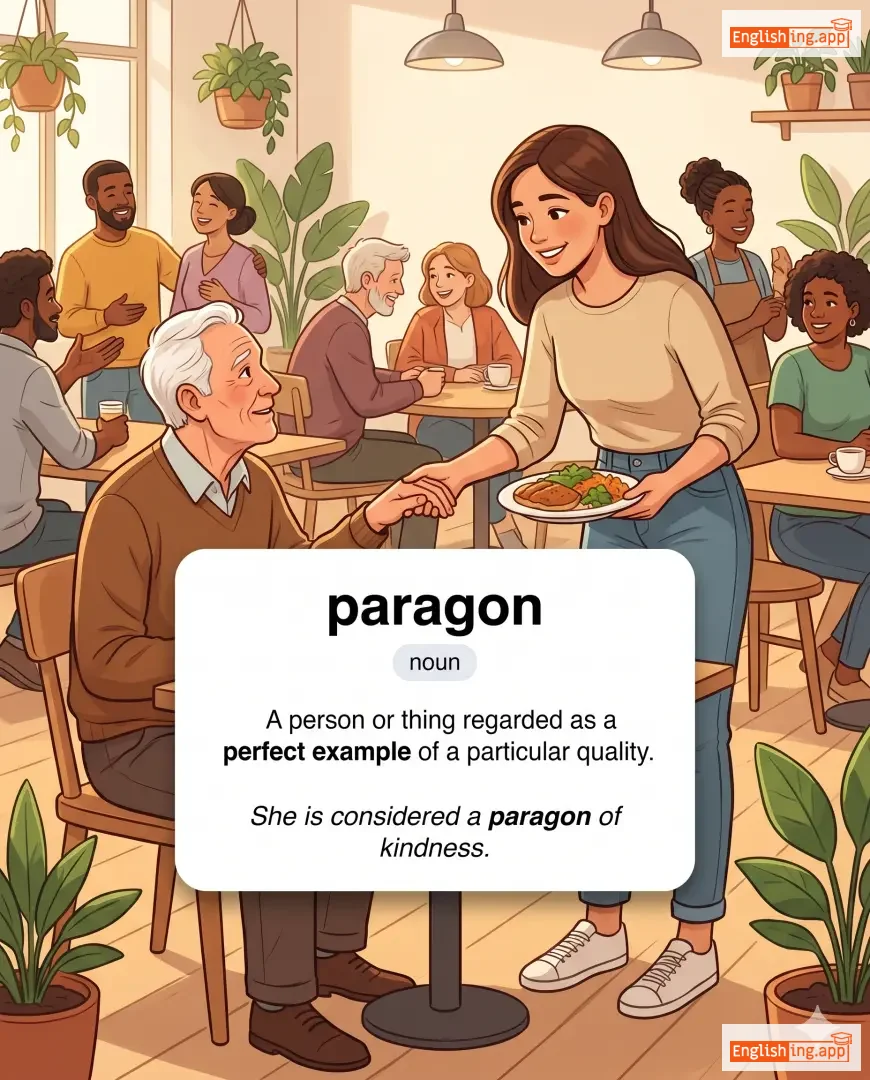
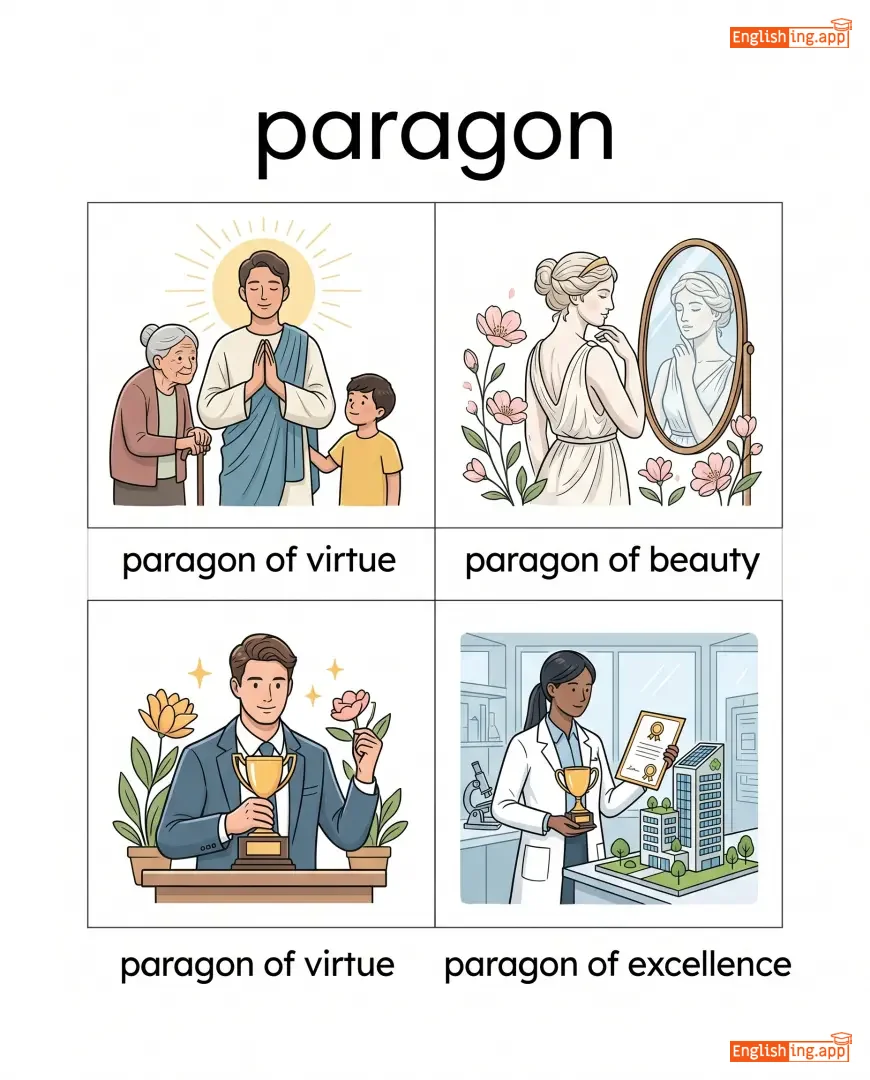
a person or thing regarded as a perfect example of a particular quality; a model of excellence
••••••
|
She was considered a paragon of virtue and kindness. |
彼女は美徳と優しさの完璧な見本と見なされていました。
kanojo wa bitoku to yasashisa no kanpeki na mihon to minasareremashita.
••••••
|
- •••••• |
model, ideal, epitome, exemplar
••••••
|
worst example, failure, disgrace, disappointment
••••••
|
paragon of virtue, perfect paragon, moral paragon
••••••
|
パラゴンは美徳と優しさの完璧な見本です
••••••
|
|
#1008
🩹
|
/pætʃ/
noun
(パッチ)
••••••
|
- •••••• |
パッチ
patch
••••••
|
a small piece of material used to mend a hole; a small area of something different
••••••
|
She sewed a patch over the hole in her jeans. |
彼女はジーンズの穴にパッチを縫い付けました。
Kanojo wa jīnzu no ana ni patchi o nuitsukemashita.
••••••
|
- •••••• |
repair, mend, piece, cover
••••••
|
hole, tear, damage, opening
••••••
|
eye patch, sew patch, cloth patch
••••••
|
ジーンズの穴を修理するために使うパッチ。
••••••
|
|
#1009
🚫
|
/pəˈræl.ə.sɪs/
noun
(麻痺)
••••••
|
- •••••• |
麻痺
mabi
••••••
|
the loss of the ability to move part or all of the body; complete inability to act or function
••••••
|
The accident left him with paralysis in his legs.
事故は彼に足の麻痺を残した。
••••••
|
事故は彼に足の麻痺を残した。
Jiko wa kare ni ashi no mabi o nokoshita.
••••••
|
- •••••• |
immobility, disability, incapacitation, palsy
••••••
|
mobility, movement, function, activity
••••••
|
spinal paralysis, complete paralysis, temporary paralysis
••••••
|
麻痺は身体が完全に動かない状態を想像して、すべてが停止しているように感じます。
••••••
|
|
#1010
🧘
|
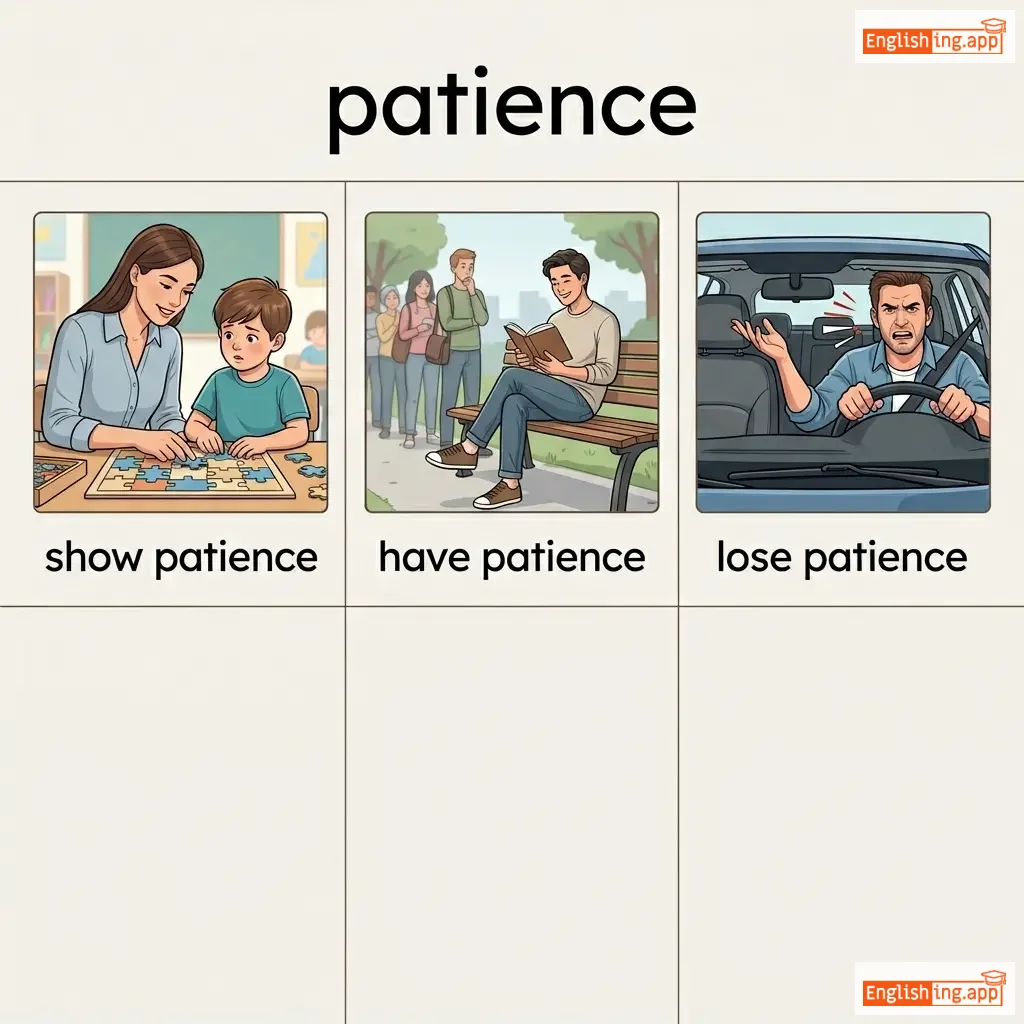
/ˈpeɪ.ʃəns/
noun
(peishensu)
••••••
|
|
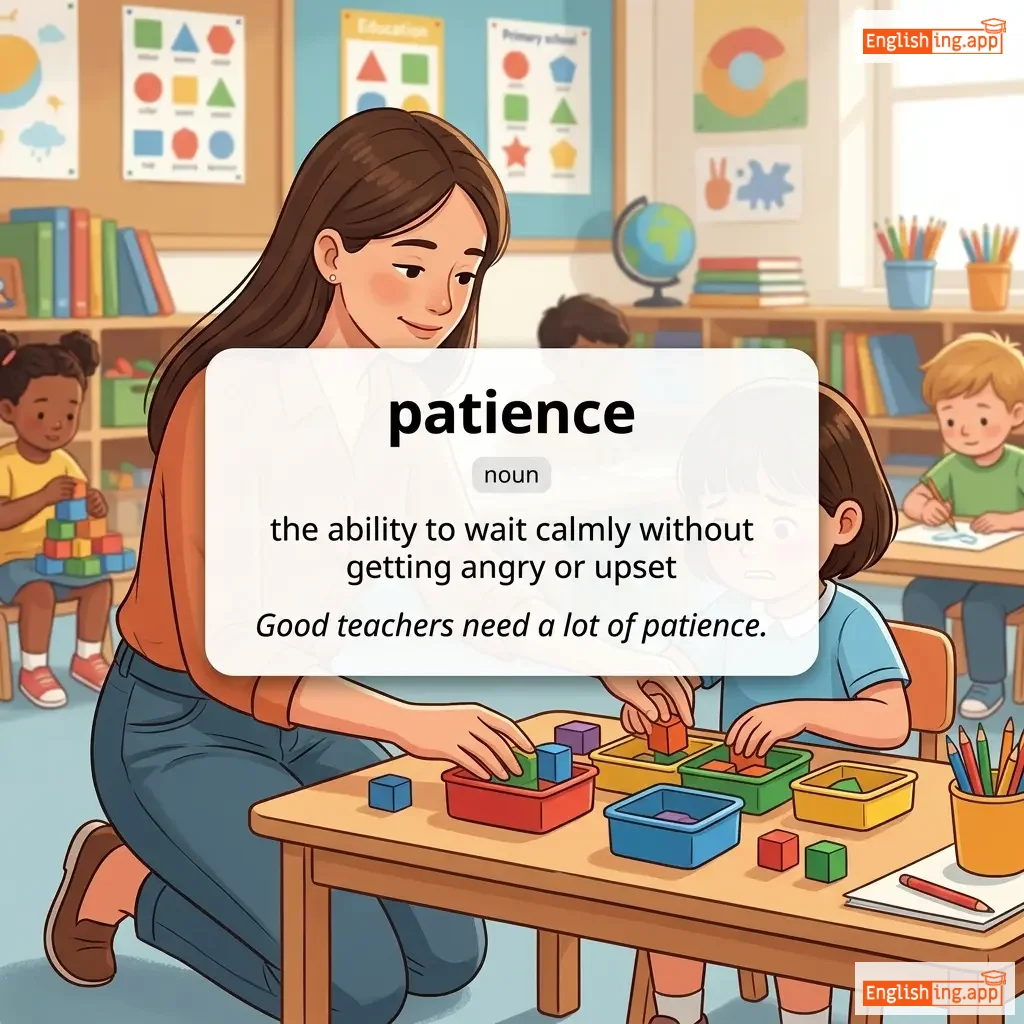
忍耐; 寛容
nintai; kan'yō
••••••
|
the ability to wait calmly without becoming annoyed; tolerance and understanding
••••••
|
Teaching young children requires a lot of patience.
Teaching young children requires a lot of patience.
••••••
|
小さな子供を教えるには、たくさんの忍耐が必要です。
Chīsana kodomo o oshieru ni wa, takusan no nintai ga hitsuyō desu.
••••••
|
- •••••• |
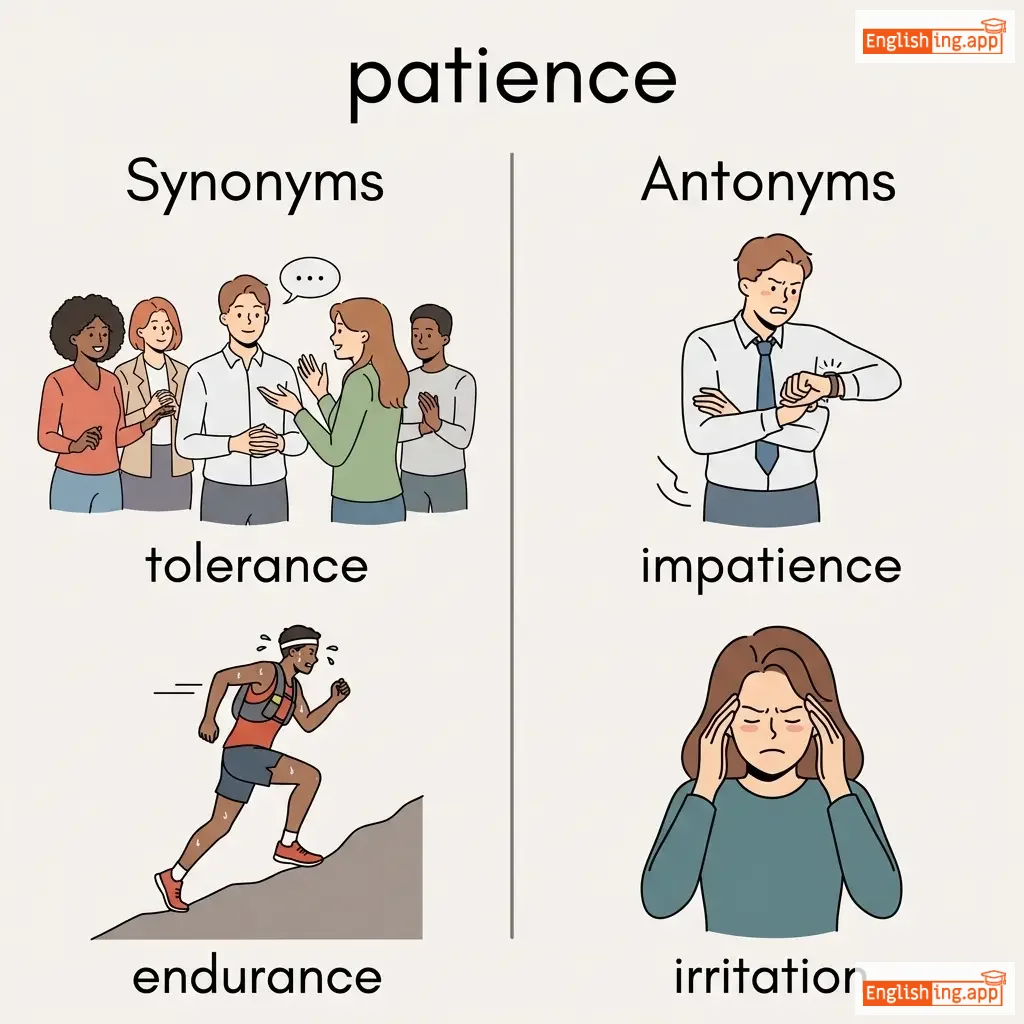
tolerance, endurance, perseverance, calmness
••••••
|
impatience, intolerance, irritability, restlessness
••••••
|
have patience, lose patience, test patience
••••••
|
忍耐力は成功を引き寄せる力です!
••••••
|
|
#1011
🦠
|
/ˈpær.ə.saɪt/
noun
(パラサイト)
••••••
|
- •••••• |
寄生虫
kisēchū
••••••
|
an organism that lives on or in another organism and benefits at its expense; a person who depends on others
••••••
|
The dog was treated for intestinal parasites.
犬は腸内寄生虫の治療を受けました。
••••••
|
犬は腸内寄生虫の治療を受けました。
Inu wa chōnai kisēchū no chiryō o ukemashita.
••••••
|
- •••••• |
bloodsucker, leech, freeloader, dependent
••••••
|
host, provider, benefactor, supporter
••••••
|
intestinal parasite, blood parasite, remove parasite
••••••
|
寄生虫は常に他人に頼って生きている。
••••••
|
|
#1012
📦
|
/ˈpɑr.səl/
noun
(パーセル)
••••••
|
- •••••• |
小包; 土地の一区画
kobako; tochi no ikuka
••••••
|
an object or collection of objects wrapped in paper for carrying or sending by mail; a piece of land
••••••
|
The postman delivered a parcel to our door. |
郵便配達員が私たちのドアに小包を届けました。
Yubin haitatsuin ga watashitachi no doa ni kobako o todokemashita.
••••••
|
- •••••• |
package, bundle, packet, shipment
••••••
|
contents, loose items, unwrapped goods
••••••
|
mail parcel, deliver parcel, wrap parcel
••••••
|
パーセルが郵便配達員からドアに
••••••
|
|
#1013
🙏
|
/ˈpɑr.dən/
noun
(パードン)
••••••
|
- •••••• |
許し; 謝罪;
yurushi
••••••
|
forgiveness; the action of forgiving or being forgiven for an error or offense
••••••
|
I beg your pardon for interrupting the meeting. |
会議を中断したことをお詫び申し上げます。
kaigi o chudan shita koto o owabi moushiagemasu.
••••••
|
- •••••• |
forgiveness, excuse, amnesty, mercy
••••••
|
punishment, condemnation, blame, accusation
••••••
|
beg pardon, grant pardon, presidential pardon
••••••
|
In Japanese, '許し' (yurushi) means forgiveness, just like 'pardon' in English, a polite way to ask for forgiveness.
••••••
|
|
#1014
🎭
|
/ˈpær.ə.di/
noun
(パロディ)
••••••
|
- •••••• |
パロディ
parodi
••••••
|
an imitation of a particular style for comic effect; a humorous exaggerated copy
••••••
|
The comedy show featured a parody of famous politicians.
そのコメディ番組は有名な政治家のパロディを特集した。
••••••
|
そのコメディ番組は有名な政治家のパロディを特集した。
sono komedii bangumi wa yuumeina seijika no parodi o tokushuu shita.
••••••
|
- •••••• |
satire, spoof, mockery, caricature
••••••
|
original, tribute, sincere imitation, homage
••••••
|
musical parody, political parody, create parody
••••••
|
パロディ is PARODY の twin: imagine a stage with PARODY written in English and comedians mirroring famous people in Japanese style to make you laugh
••••••
|
|
#1015
🙋
|
/pɑrˈtɪs.ə.pənt/
noun
(パーティシパント)
••••••
|
- •••••• |
参加者
sankasha
••••••
|
a person who takes part in something; someone who participates in an activity or event
••••••
|
Every participant in the marathon received a medal.
マラソンの参加者は皆、メダルを受け取りました。
••••••
|
マラソンの参加者は皆、メダルを受け取りました。
Marason no sankasha wa mina, medaru o uketorimashita.
••••••
|
- •••••• |
contestant, competitor, member, attendee
••••••
|
observer, spectator, non-participant, bystander
••••••
|
active participant, willing participant, conference participant
••••••
|
参加者は、マラソンのようなイベントに参加する人です。
••••••
|
|
#1016
-
|
noun
(パトリオット)
••••••
|
- •••••• |
愛国者
patoriotto
••••••
|
- •••••• | - •••••• |
He is a patriot who loves his country.
Kare wa jikoku o aisuru aikokusha da.
••••••
|
patriotic spirit
aikokushin
••••••
|
- •••••• | - •••••• | - •••••• |
Patriot = Pat + ri + otto; imagine Pat the hero stepping through torii to protect kuni - パトリオット, 愛国者
••••••
|
|
#1017
-
|
noun
(パターン)
••••••
|
- •••••• |
模様
moyou
••••••
|
- •••••• | - •••••• | - •••••• | - •••••• | - •••••• | - •••••• | - •••••• |
Pattern in Japanese is moyou, think of repeating shapes
••••••
|
|
#1018
-
|
noun
(ポーズ)
••••••
|
|
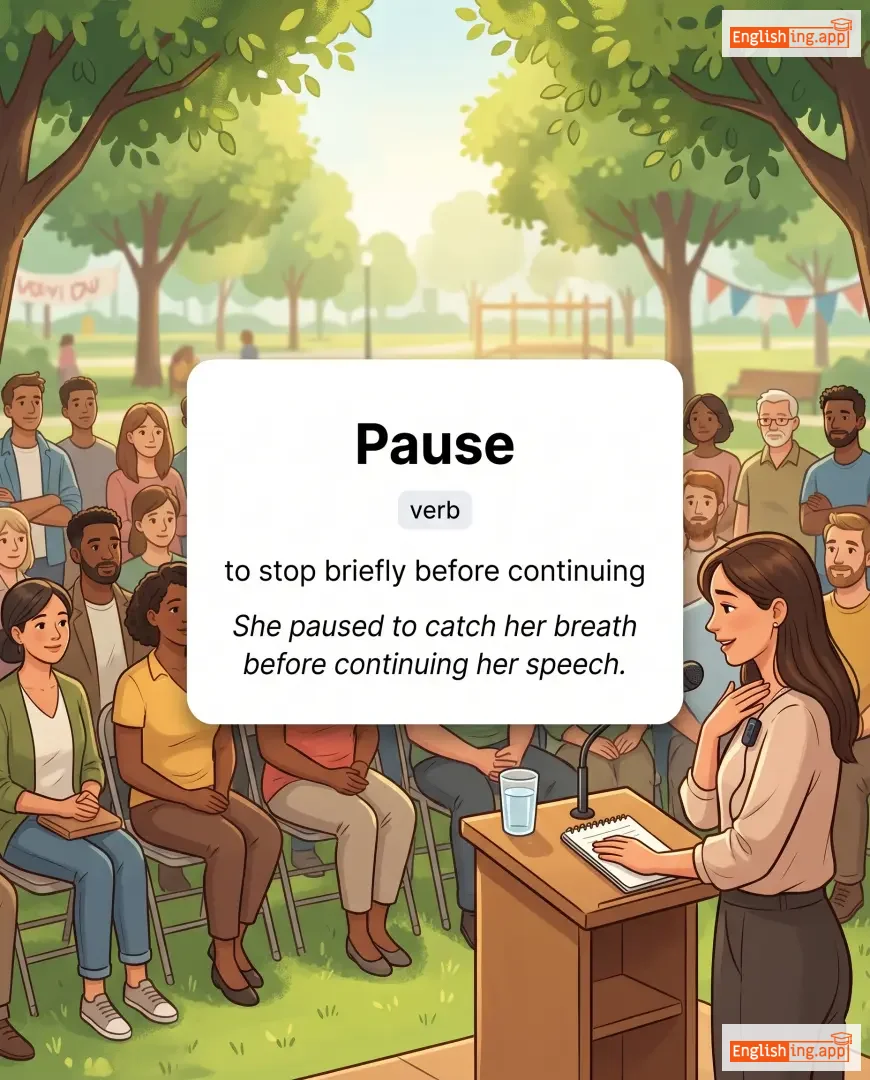
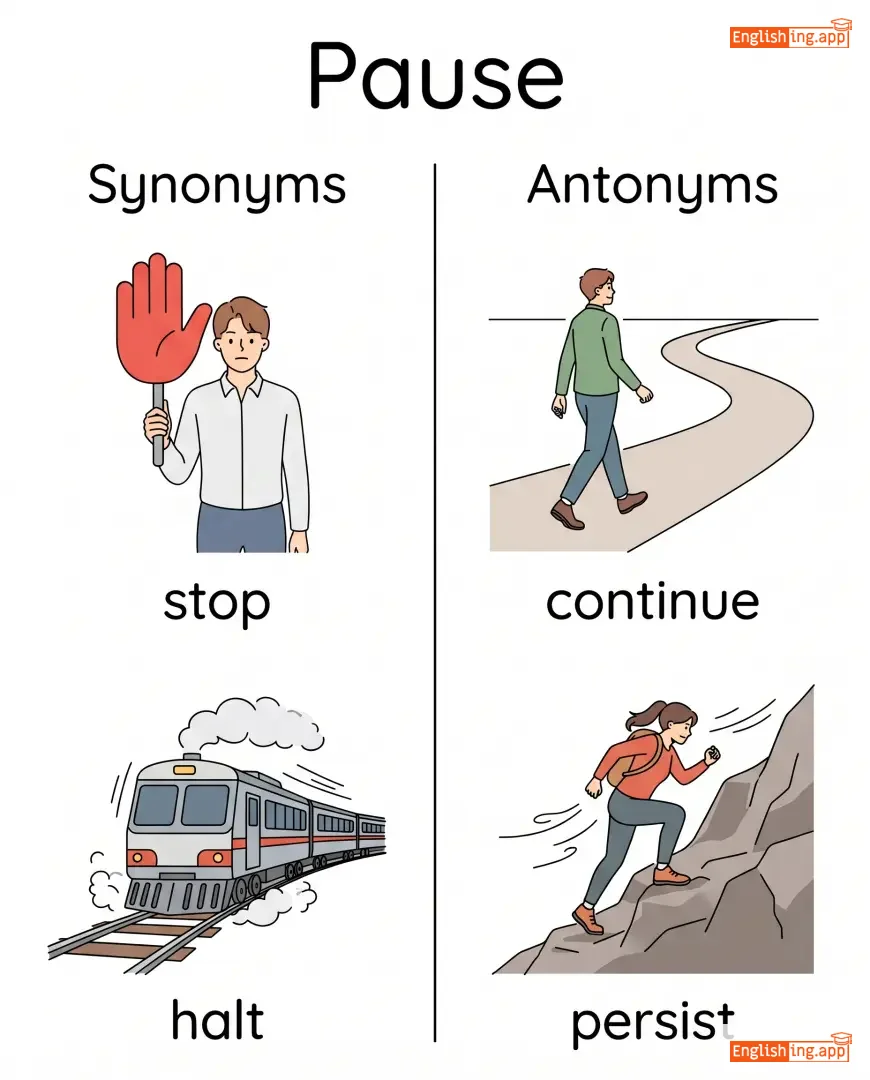
一時停止
ichiji teishi
••••••
|
- •••••• | - •••••• | - •••••• | - •••••• | - •••••• | - •••••• | - •••••• |
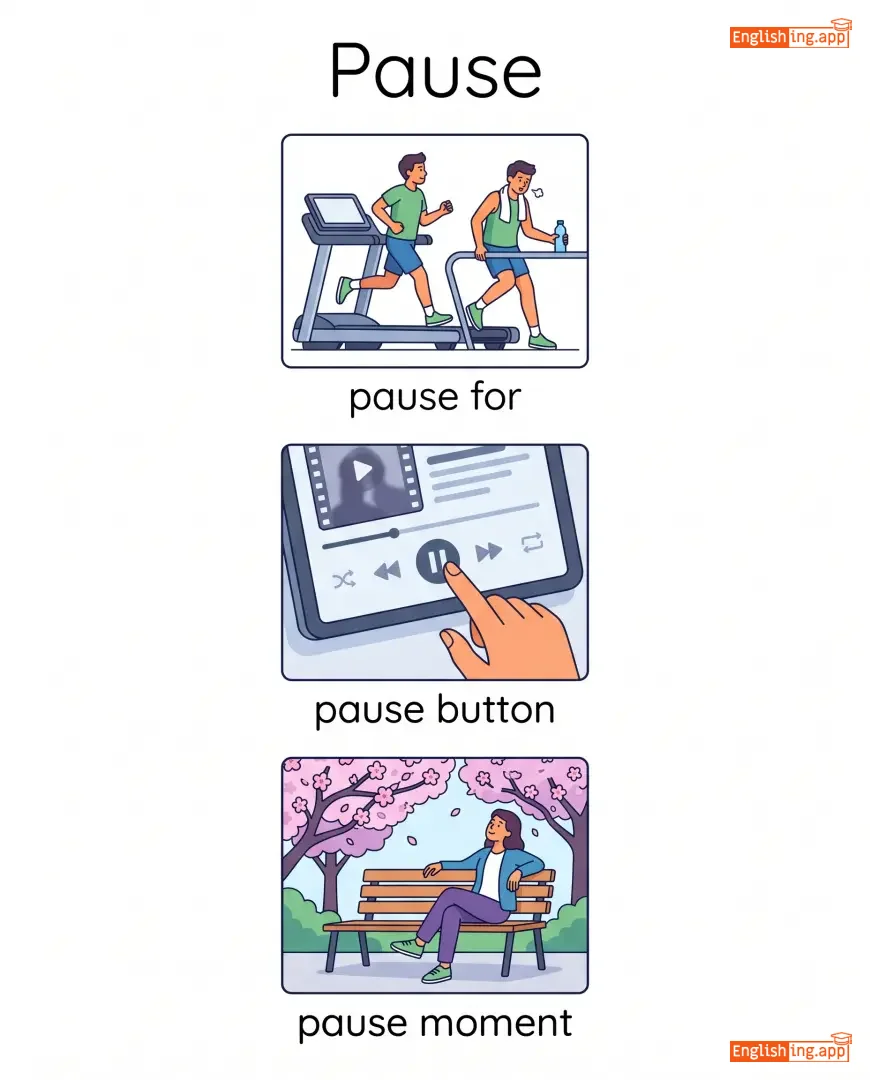
In Japanese, '一時停止' reminds you to take a pause, a moment to rest.
••••••
|
|
#1019
-
|
noun
(ペック)
••••••
|
- •••••• |
つつく
tsutsuku
••••••
|
- •••••• | - •••••• | - •••••• | - •••••• | - •••••• | - •••••• | - •••••• |
鳥が繰り返し何かをつつく – 'tsutsuku'.
••••••
|
|
#1020
-
|
noun
(ペデストリアン)
••••••
|
- •••••• |
歩行者
hokōsha
••••••
|
- •••••• | - •••••• | - •••••• | - •••••• | - •••••• | - •••••• | - •••••• |
In Japanese, '歩行者' (hokōsha) is a person walking on foot.
••••••
|
Vocabulary Quiz
Test your vocabulary by matching words with their translations or meanings.
Login to take the quiz
Comments (0)
Share your thoughts and join the discussion.
Join the discussion by logging in
Login to CommentNo comments yet
Be the first to share your thoughts!