

翻訳
過去
過去分詞
三人称単数
動名詞
意味
例文
例文の翻訳
同義語
対義語
コロケーション
ニーモニック




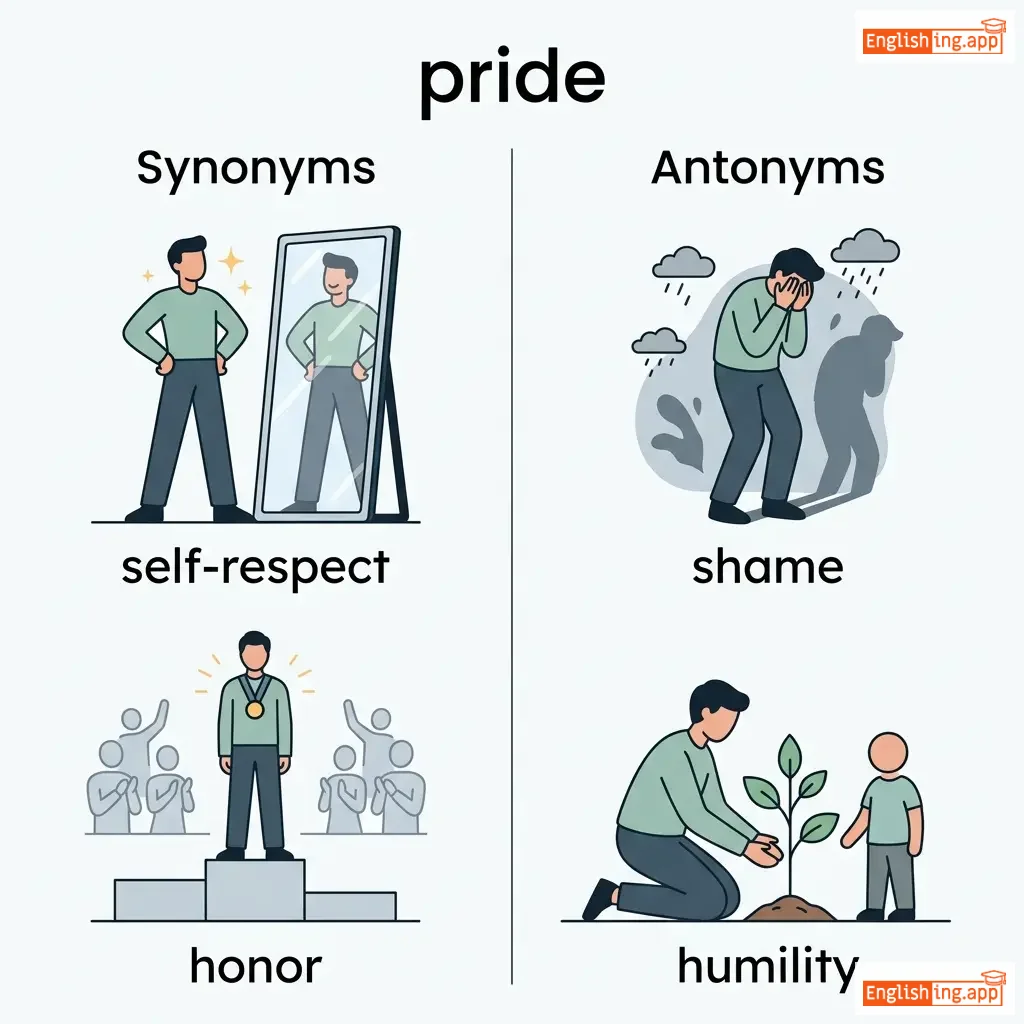
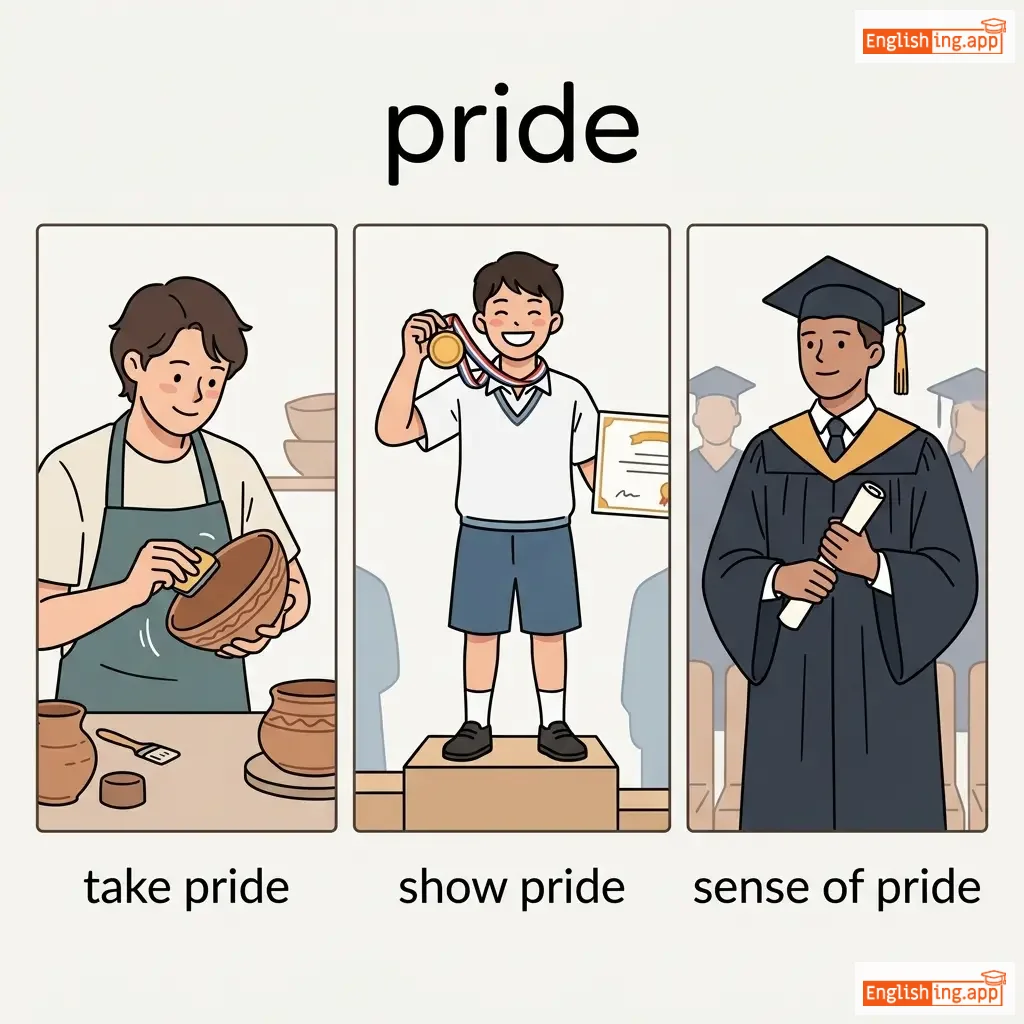
Swipe left or right, or use the buttons. Tap image to zoom.
例文の翻訳
単語
Lesson 54Lesson 54 - マスクトグル
|
絵文字
|
単語 | Images | 翻訳 | 意味 | 例文 | 例文の翻訳 | 同義語 | 対義語 | コロケーション | ニーモニック |
|---|---|---|---|---|---|---|---|---|---|---|
|
#1061
👥
|
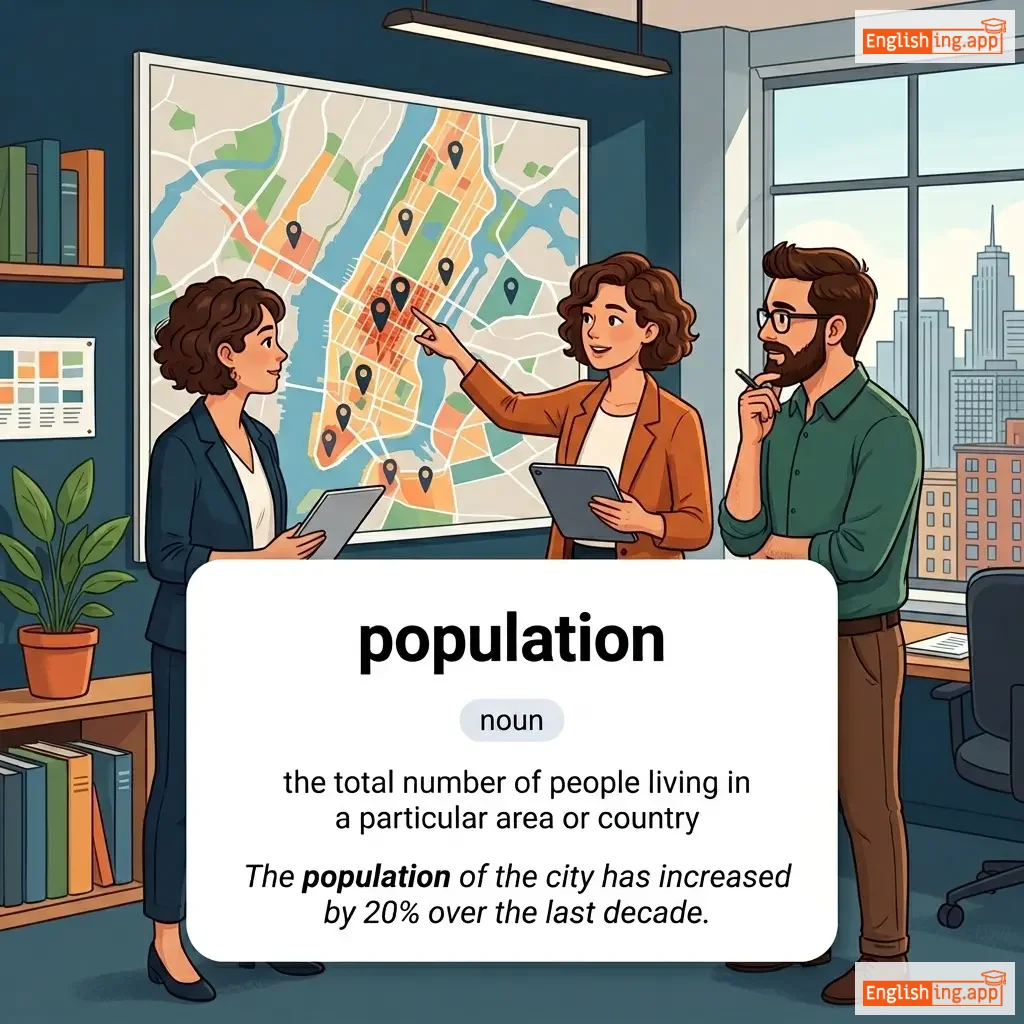
/ˌpɑːp.jəˈleɪ.ʃən/
noun
(ポピュレーション)
••••••
|
|
人口
jinkō
••••••
|
the number of people living in a particular area; all the inhabitants of a particular place
••••••
|
The population of this city has grown rapidly in recent years. |
この都市の人口は最近急速に増加しています。
Kono toshi no jinkō wa saikin kyūsoku ni zōka shiteimasu.
••••••
|
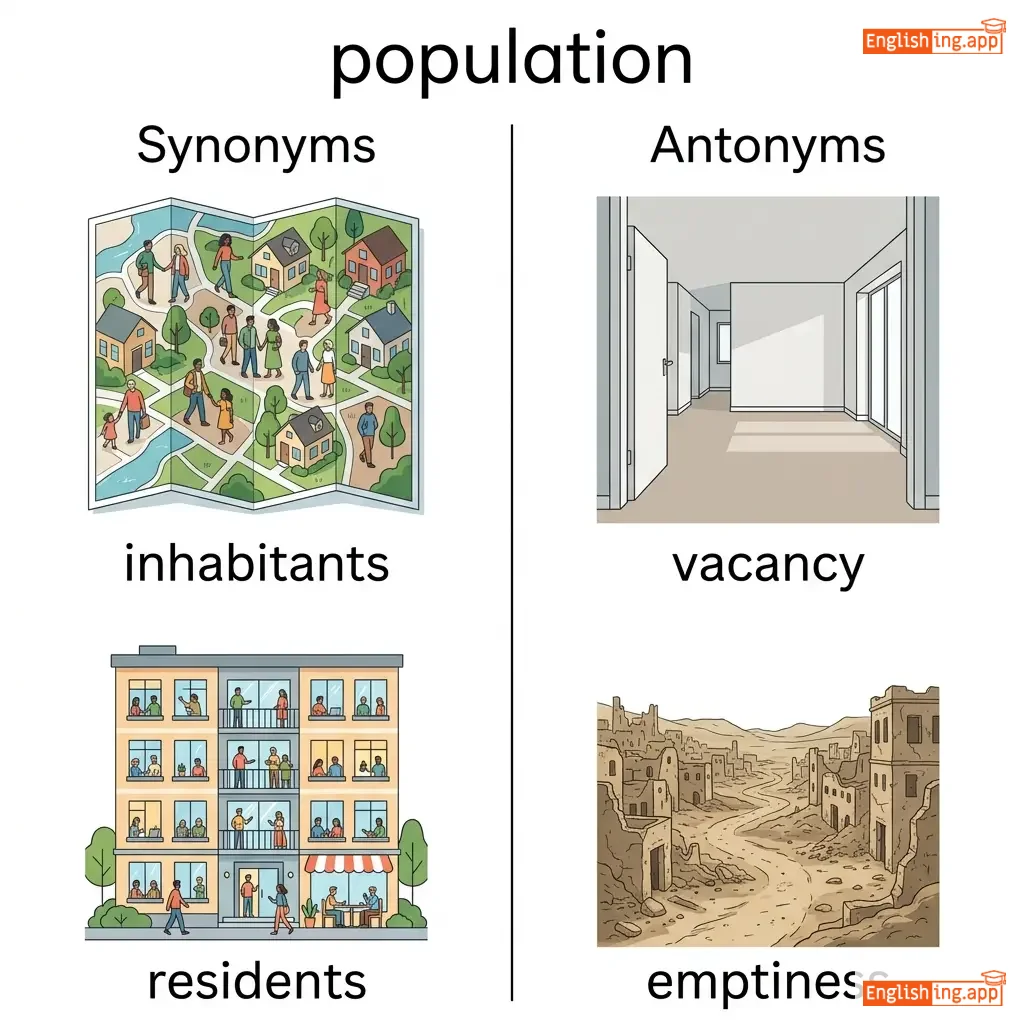
inhabitants, residents, citizens, people
••••••
|
depopulation, evacuation
••••••
|
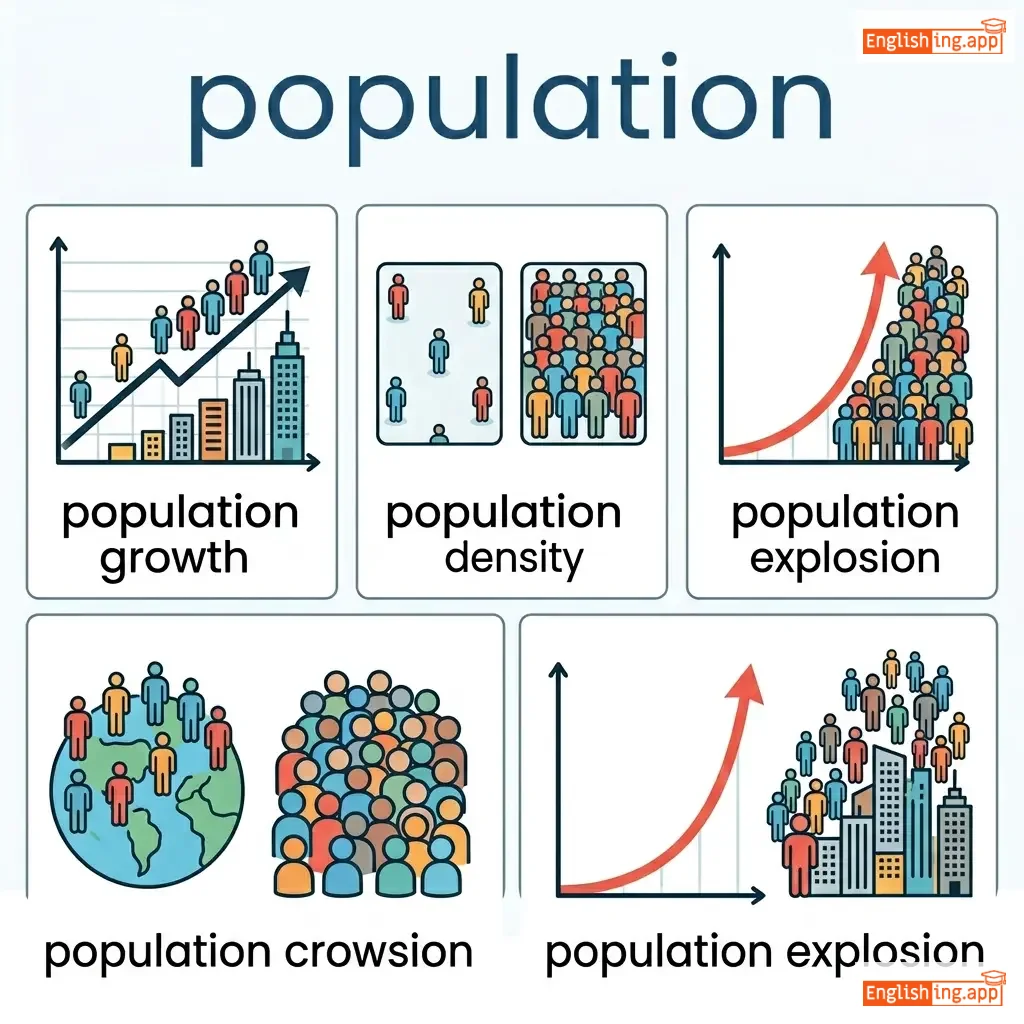
population growth, population density, aging population, urban population
••••••
|
‘人口’ looks like 'Jinko' – imagine a busy city full of people!
••••••
|
|
#1062
👤
|
/ˈpref.ər.əns/
noun
(プレファレンス)
••••••
|
- •••••• |
優先
yusen
••••••
|
a greater liking for one alternative over another or others
••••••
|
She has a preference for classical music over pop music. |
彼女はポップ音楽よりもクラシック音楽を好む。
Kanojo wa poppu ongaku yori mo kurashikku ongaku o konomu.
••••••
|
choice, selection, favor, predilection, inclination
••••••
|
aversion, dislike, rejection
••••••
|
personal preference, strong preference, show preference, state preference
••••••
|
優先 = 好きな音楽を優先する、クラシック音楽!
••••••
|
|
#1063
📍
|
/pəˈzɪʃ.ən/
noun
(ポジション)
••••••
|
|
ポジション; 職位; 位置
pojishon; shokui; ichi
••••••
|
a place where someone or something is located; a job or role; a particular way of thinking about something
••••••
|
She applied for a position as a teacher at the local school.
彼女は地元の学校で教師としてのポジションに応募しました。
••••••
|
彼女は地元の学校で教師としてのポジションに応募しました。
Kanojo wa jimoto no gakkou de kyoushi toshite no pojishon ni oubo shimashita.
••••••
|
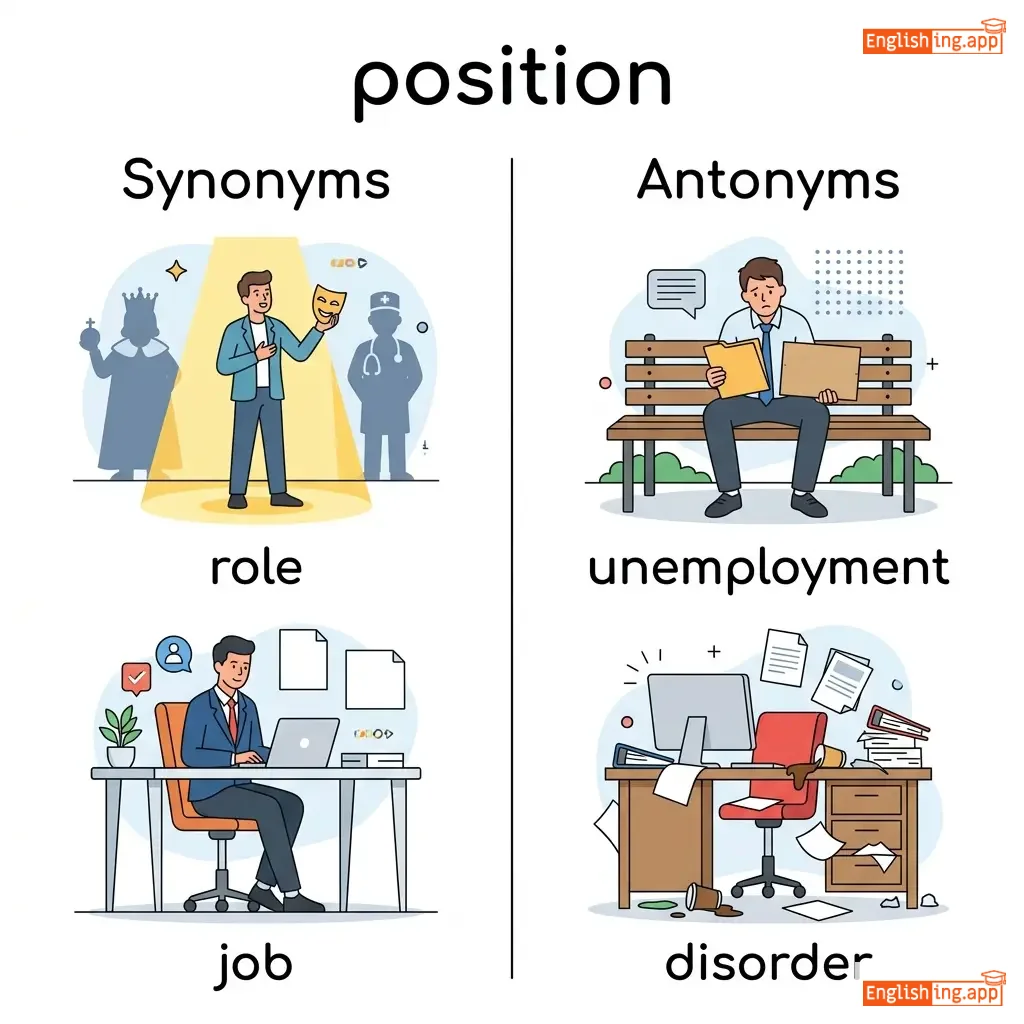
location, place, job, role, stance
••••••
|
displacement, unemployment
••••••
|
position paper, senior position, geographical position, take a position
••••••
|
Position (ポジション) とはあなたの立場や役割、位置のことです!
••••••
|
|
#1064
🚫
|
/ˈpredʒ.ə.dɪs/
noun
(prejudis)
••••••
|
- •••••• |
偏見
henken
••••••
|
preconceived opinion that is not based on reason or actual experience
••••••
|
We must fight against prejudice and discrimination in our society.
私たちは私たちの社会で偏見と差別に立ち向かわなければならない。
••••••
|
私たちは私たちの社会で偏見と差別に立ち向かわなければならない。
Watashitachi wa watashitachi no shakai de henken to sabetsu ni tachimukawana kereba naranai
••••••
|
bias, discrimination, intolerance, bigotry
••••••
|
tolerance, fairness, impartiality, objectivity
••••••
|
racial prejudice, overcome prejudice, fight prejudice, deep prejudice
••••••
|
偏見を 'へん' と 'けん' と覚える
••••••
|
|
#1065
🏠
|
/pəˈzeʃ.ən/
noun
(ポゼッション)
••••••
|
- •••••• |
所有権; 財産; 支配
shoyuken; zaisan; shihai
••••••
|
something that belongs to someone; the state of having or owning something
••••••
|
The house has been in their family's possession for generations.
その家は何世代にもわたって彼らの家族の所有物です。
••••••
|
その家は何世代にもわたって彼らの家族の所有物です。
Sono ie wa nan sedai ni mo watatte karera no kazoku no shoyumotsu desu.
••••••
|
ownership, property, belongings, assets
••••••
|
dispossession, loss
••••••
|
take possession, in possession of, personal possessions, illegal possession
••••••
|
所有は支配を意味する
••••••
|
|
#1066
👥
|
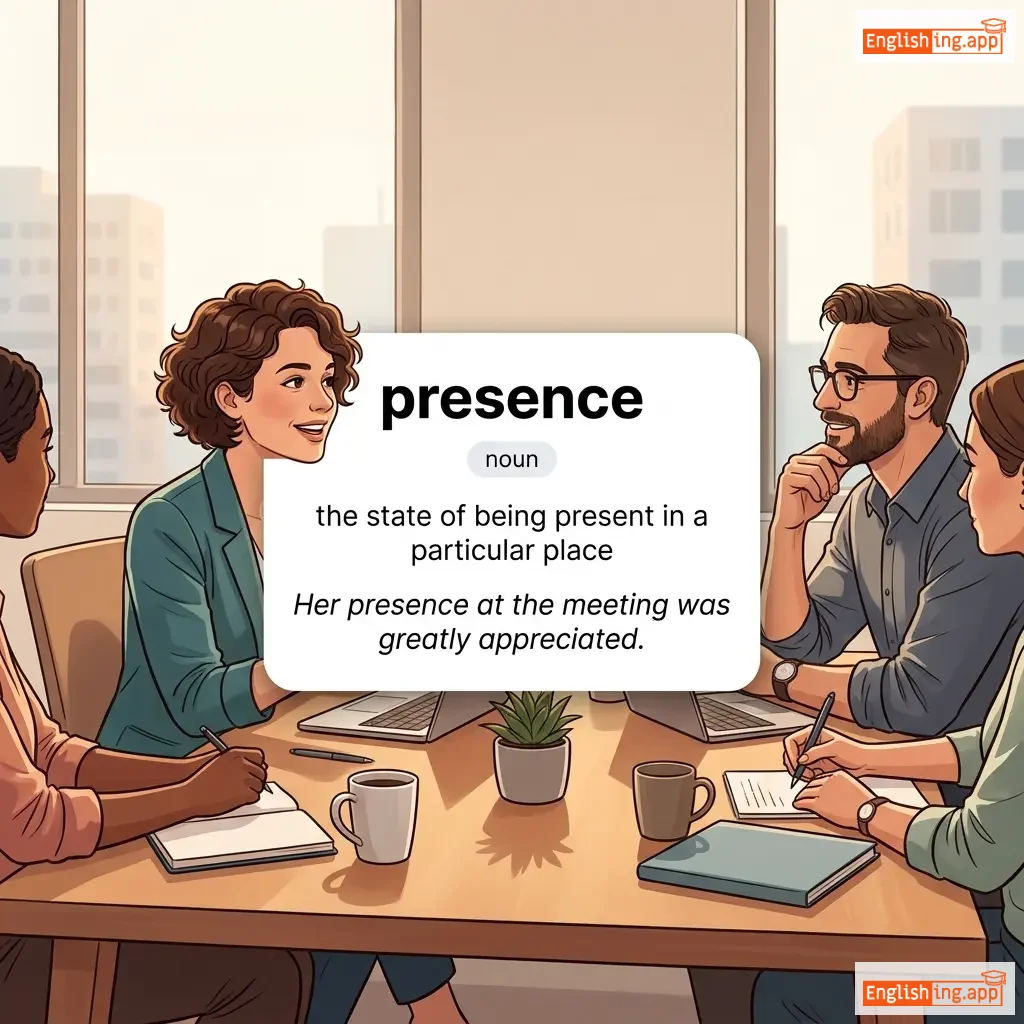
/ˈprez.əns/
noun
(prezensu)
••••••
|
|
出席; 存在
shusseki; sonzai
••••••
|
the fact or condition of being present
••••••
|
Your presence at the meeting is required.
会議におけるあなたの出席が求められています。
••••••
|
会議におけるあなたの出席が求められています。
Kaigi ni okeru anata no shusseki ga motomerareteimasu.
••••••
|
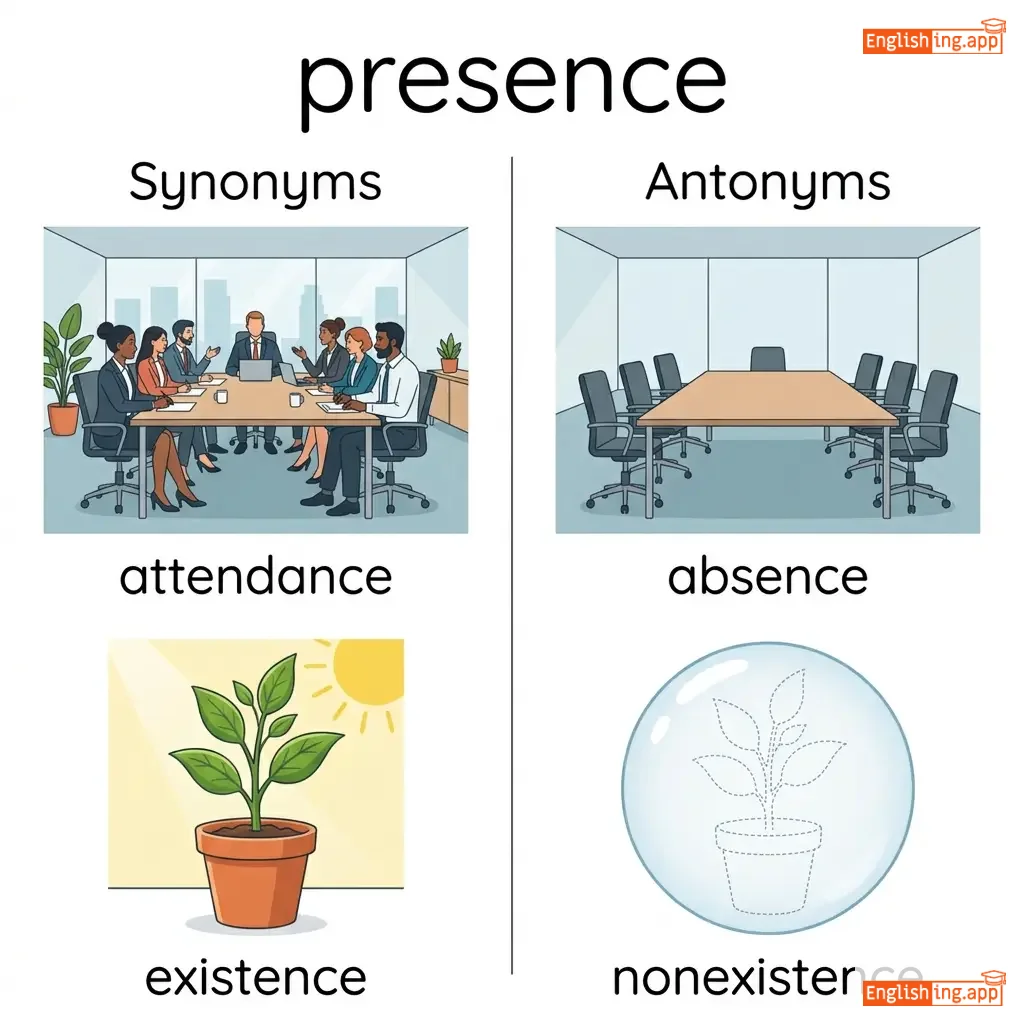
attendance, existence, being, company
••••••
|
absence, nonattendance, departure
••••••
|
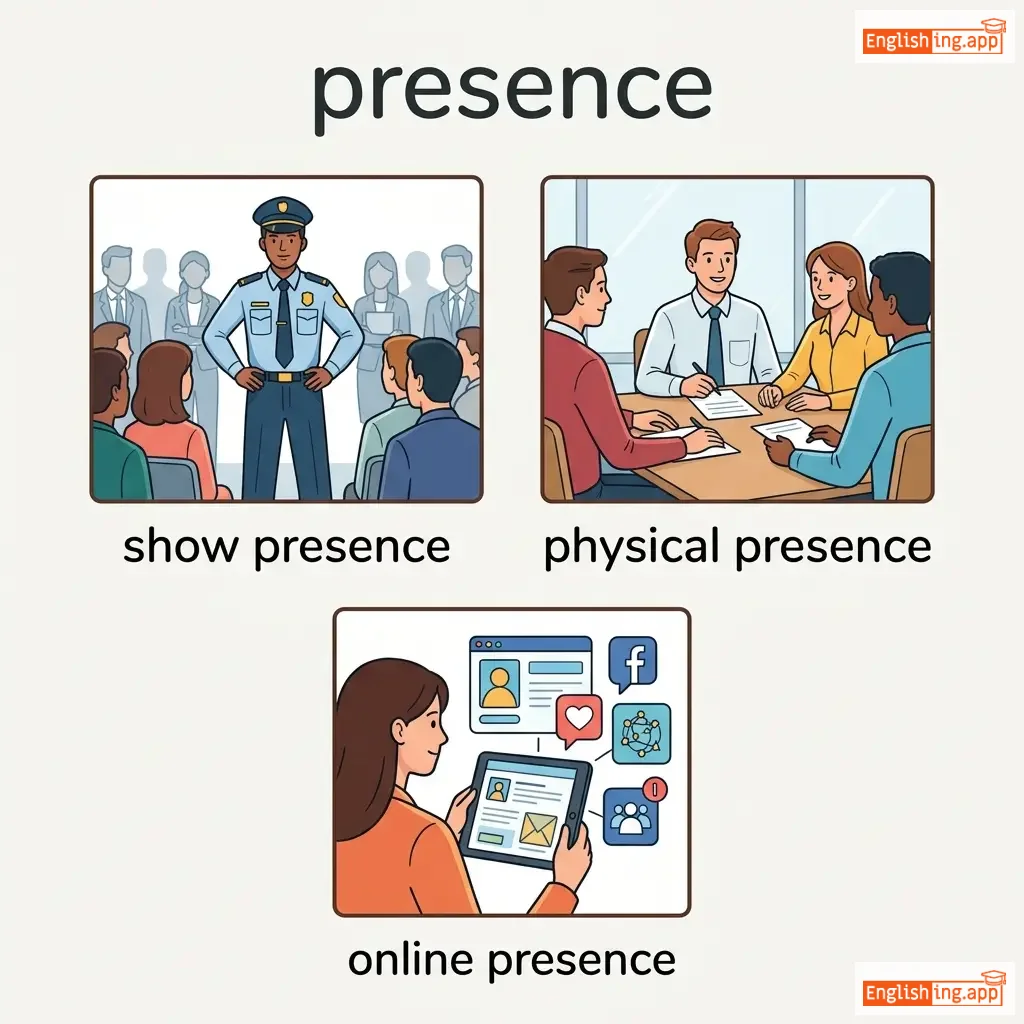
physical presence, strong presence, online presence, feel presence
••••••
|
Presence を日本語で言うと出席や存在を意味します。
••••••
|
|
#1067
🧍
|
/ˈpɑːs.tʃər/
noun
(ハピネス)
••••••
|
- •••••• |
幸福
koufuku
••••••
|
the position in which someone holds their body; a particular attitude or approach
••••••
|
Good posture is important for preventing back pain. |
彼女は賞を受け取ったとき、自分の幸せを隠すことができませんでした。
Kanojo wa shou wo uketotta toki, jibun no koufuku wo kakusu koto ga dekimasen deshita.
••••••
|
stance, position, bearing, attitude
••••••
|
slouch, poor posture
••••••
|
good posture, poor posture, upright posture, defensive posture
••••••
|
No •••••• |
|
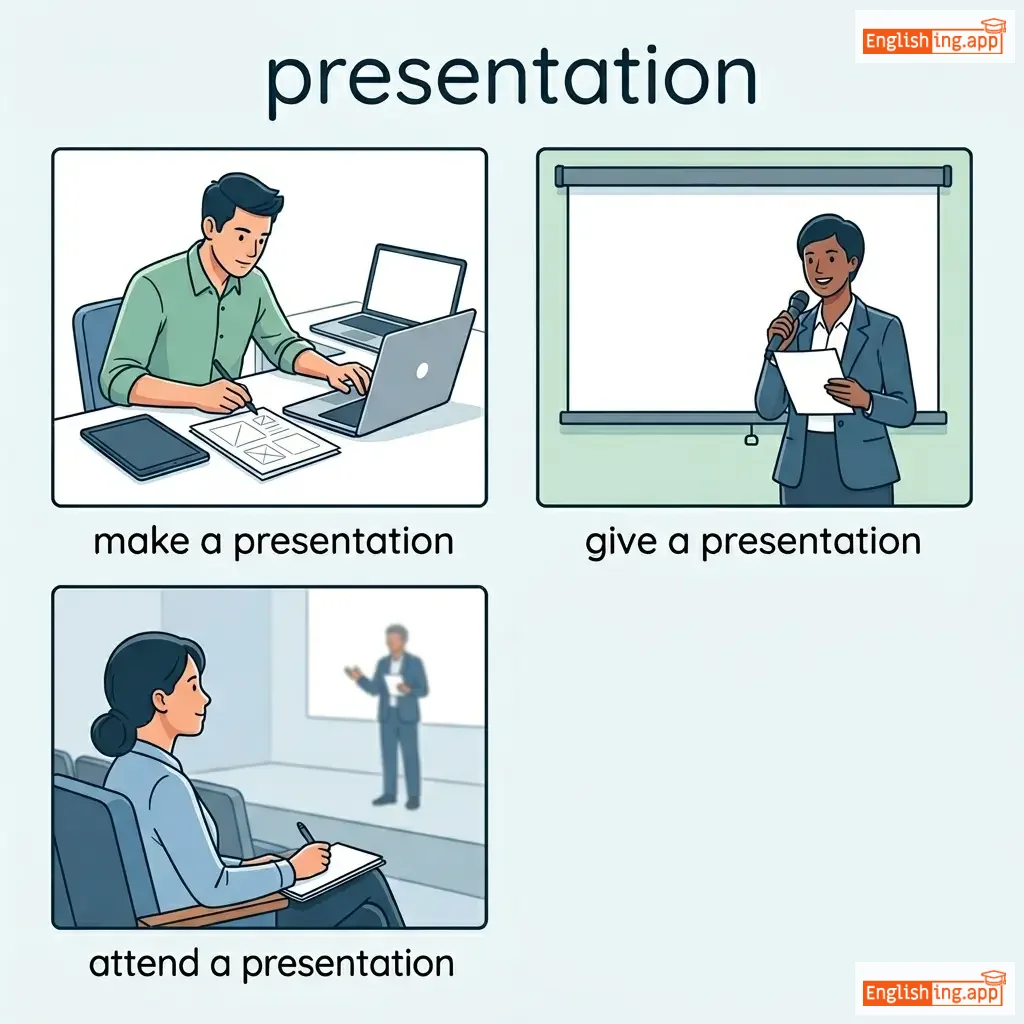
#1068
📊
|
/ˌprez.ənˈteɪ.ʃən/
noun
(プレゼンテーション)
••••••
|
|
プレゼンテーション
purezenteishon
••••••
|
the action of showing or explaining something to a group of people
••••••
|
She gave an excellent presentation about climate change.
彼女は気候変動についての素晴らしいプレゼンテーションを行いました。
••••••
|
彼女は気候変動についての素晴らしいプレゼンテーションを行いました。
Kanojo wa kikou hendou ni tsuite no subarashii purezenteishon o okonaimashita.
••••••
|
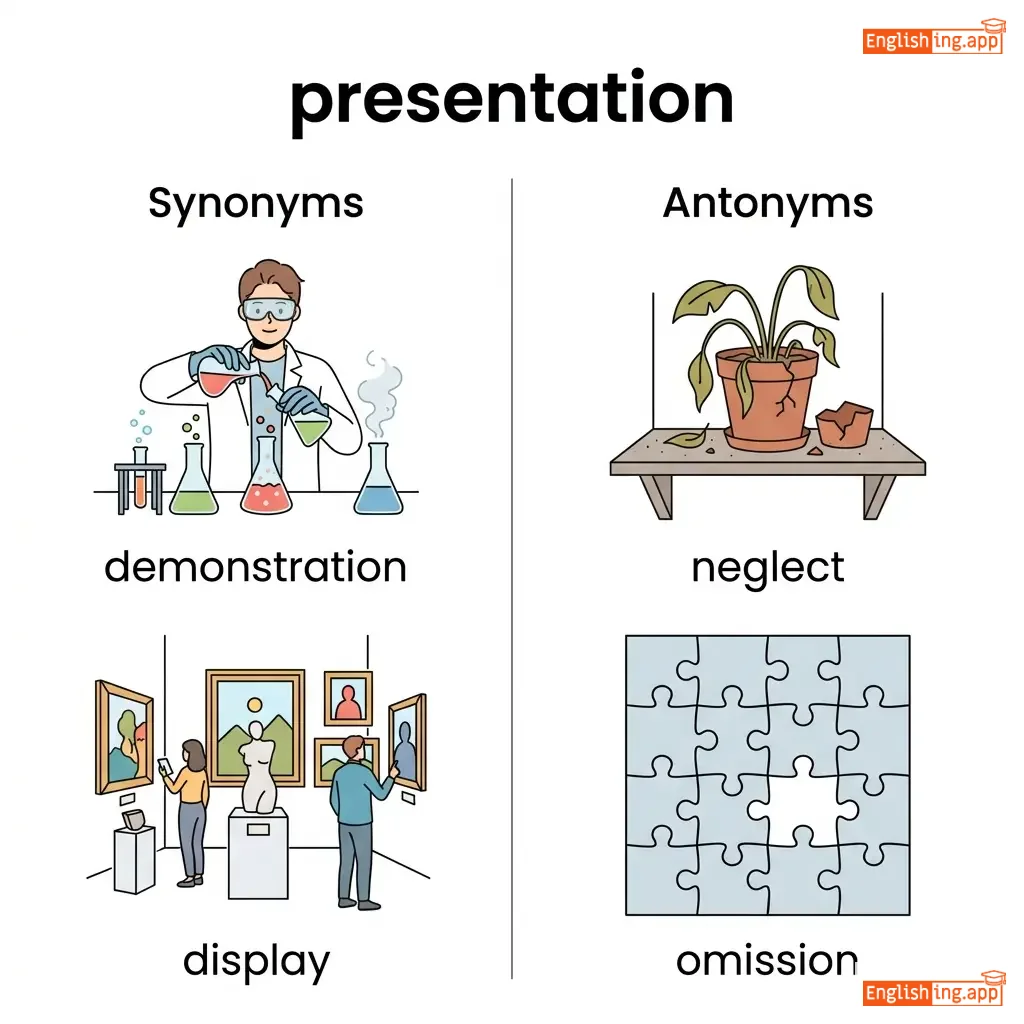
demonstration, display, speech, lecture, exhibition
••••••
|
concealment, hiding, withdrawal
••••••
|
give presentation, deliver presentation, PowerPoint presentation, oral presentation
••••••
|
プレゼンテーションはアイデアを共有するための方法です
••••••
|
|
#1069
💸
|
/ˈpɑː.vər.t̬i/
noun
(貧困)
••••••
|
- •••••• |
貧困; 基本的なニーズの不足
hinkon
••••••
|
the state of being extremely poor; lack of basic necessities
••••••
|
Many organizations work to reduce poverty around the world.
多くの団体が世界中で貧困を減らすために働いています。
••••••
|
多くの団体が世界中で貧困を減らすために働いています。
Ooku no dantai ga sekaijuu de hinkon o herasu tame ni hataraiteimasu.
••••••
|
destitution, hardship, need, want
••••••
|
wealth, prosperity, affluence, riches
••••••
|
extreme poverty, poverty line, fight poverty, alleviate poverty
••••••
|
貧困とは、基本的なものが手に入らない状態です。
••••••
|
|
#1070
🛡️
|
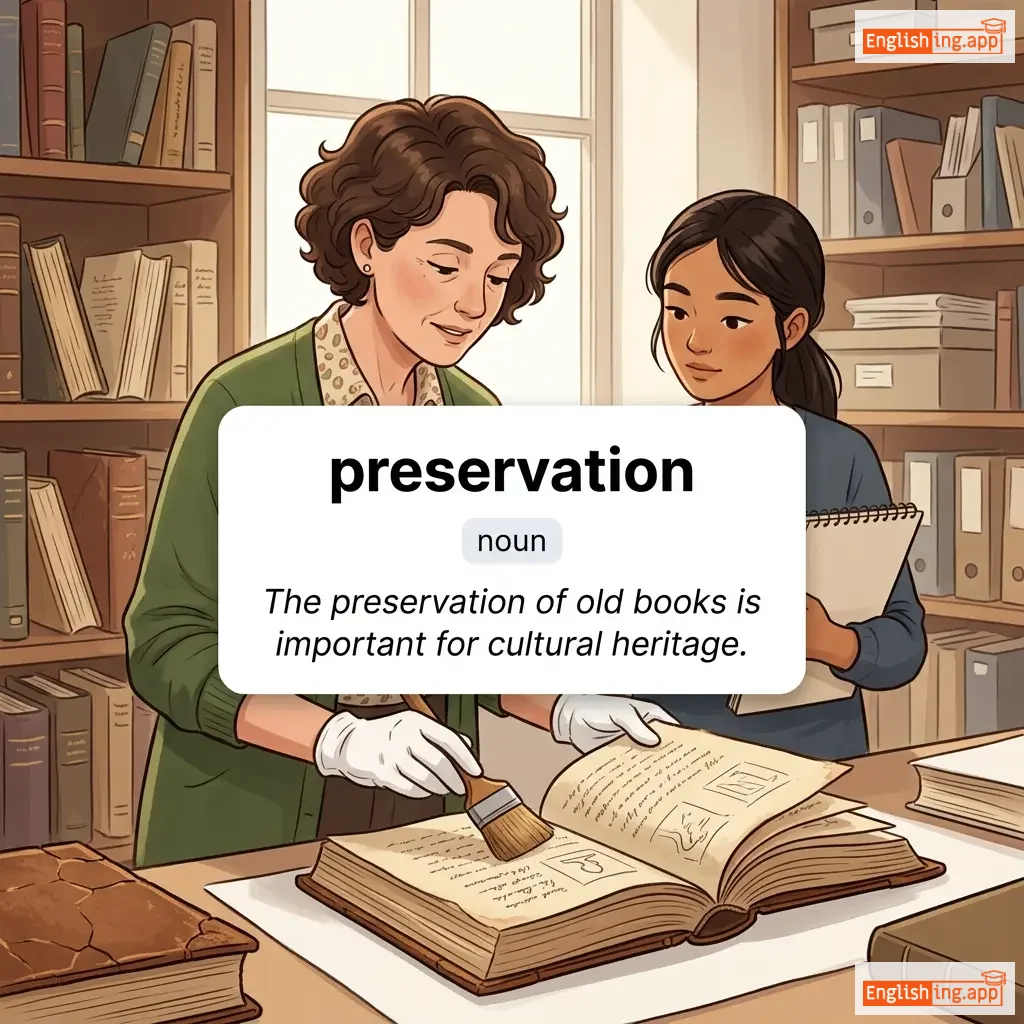
/ˌprez.əˈveɪ.ʃən/
noun
(プレザベーション)
••••••
|
|
保存
hozon
••••••
|
the action of maintaining something in its original or existing state
••••••
|
The preservation of historical buildings is very important.
歴史的建物の保存は非常に重要です。
••••••
|
歴史的建物の保存は非常に重要です。
Rekishi-teki tatemono no hozon wa hijō ni jūyō desu.
••••••
|
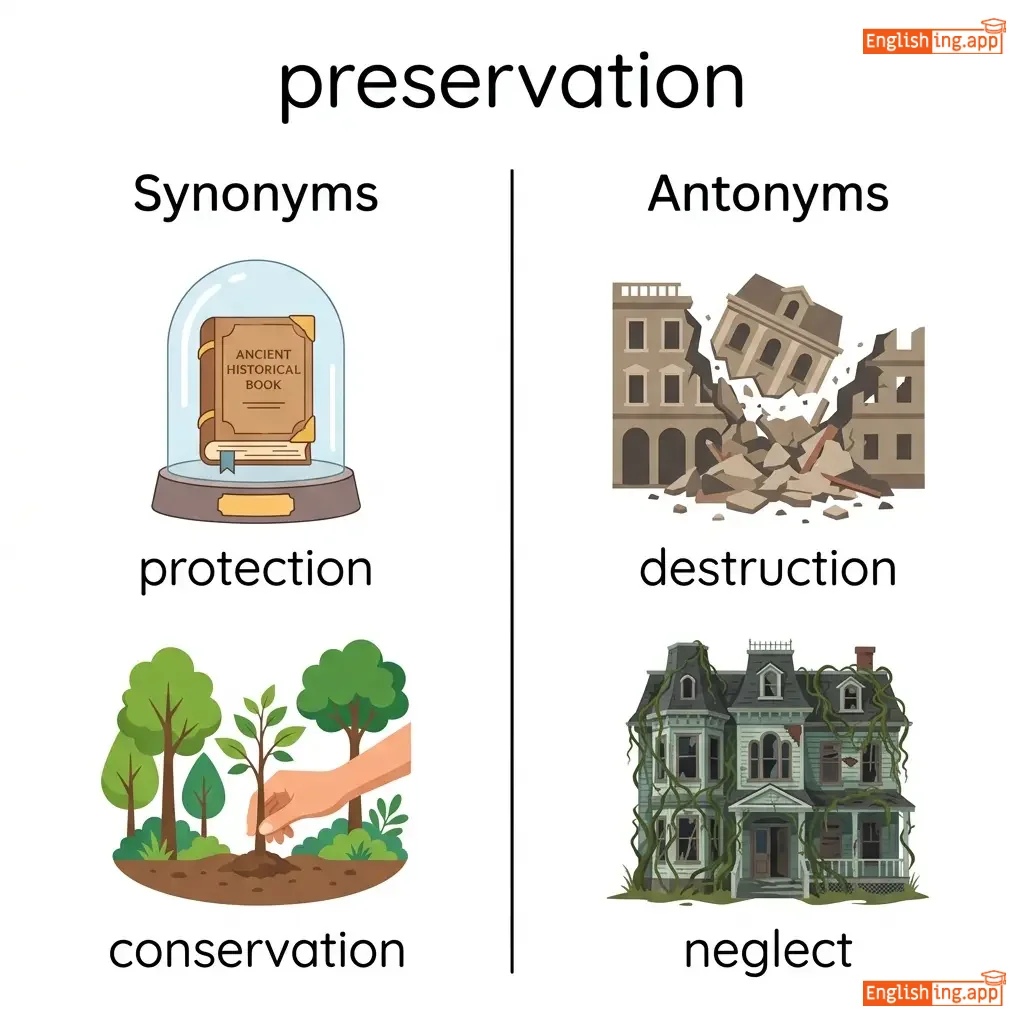
conservation, protection, maintenance, safeguarding
••••••
|
destruction, demolition, deterioration
••••••
|
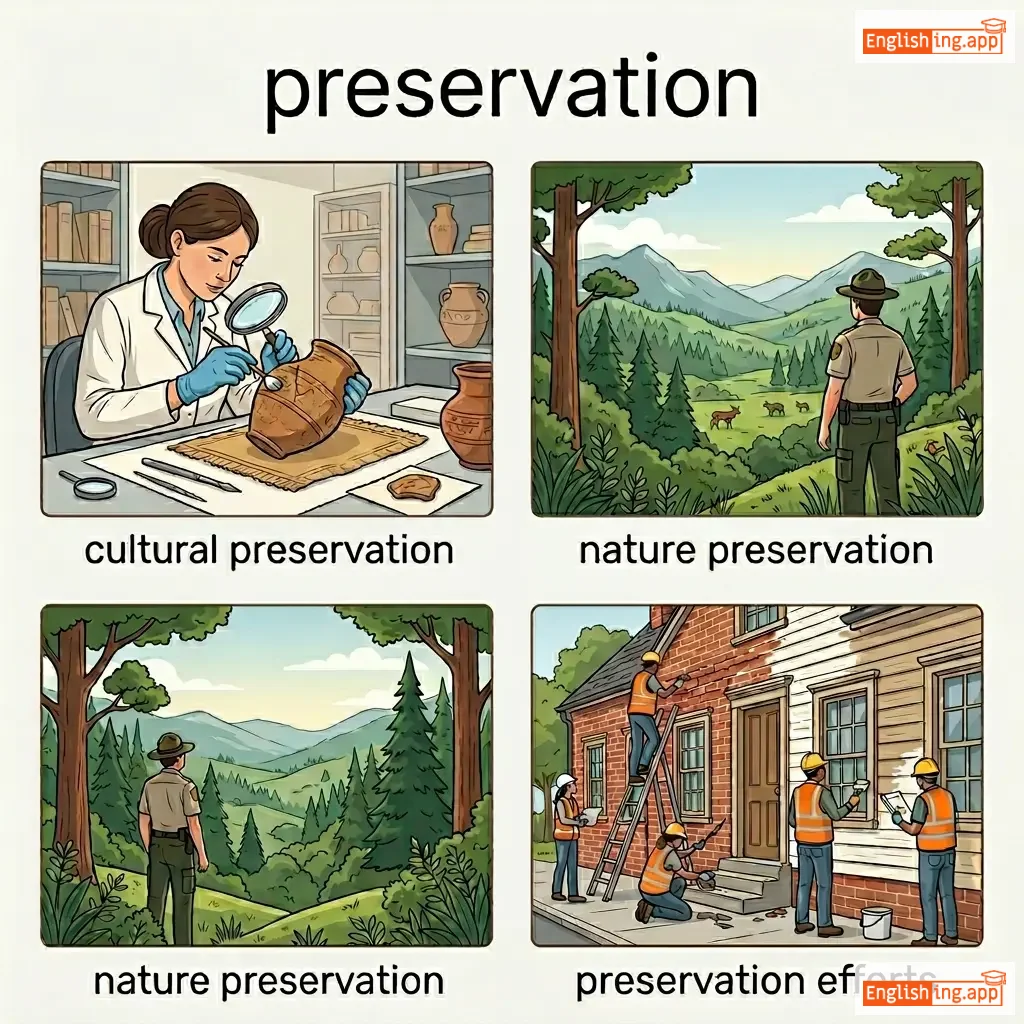
food preservation, wildlife preservation, historical preservation, self-preservation
••••••
|
保存は歴史を未来に繋げる。
••••••
|
|
#1071
👏
|
/preɪz/
noun
(purez)
••••••
|
|
賞賛
shōsan
••••••
|
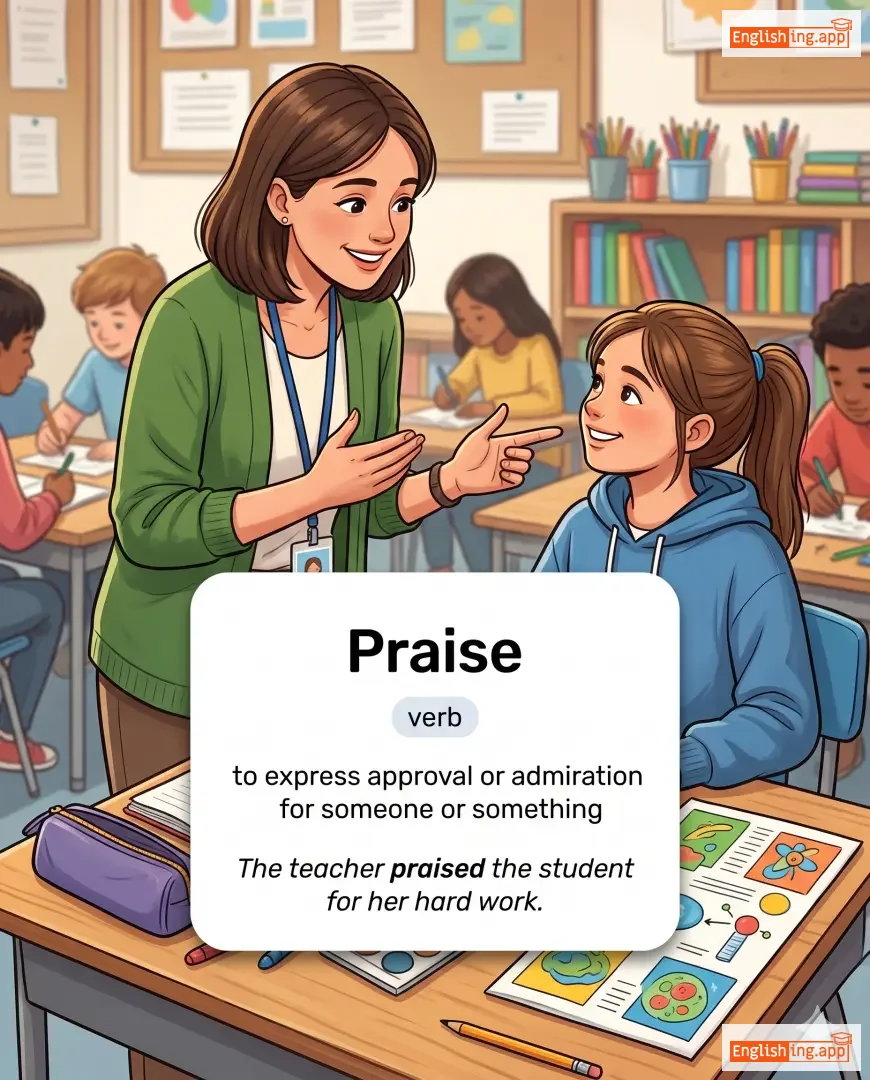
words that show approval or admiration; to express approval or admiration
••••••
|
The teacher gave praise to the students for their hard work. |
教師は学生たちの努力を賞賛しました。
Kyōshi wa gakuseitachi no doryoku o shōsan shimashita.
••••••
|
compliment, commendation, approval, acclaim
••••••
|
criticism, blame, condemnation, disapproval
••••••
|
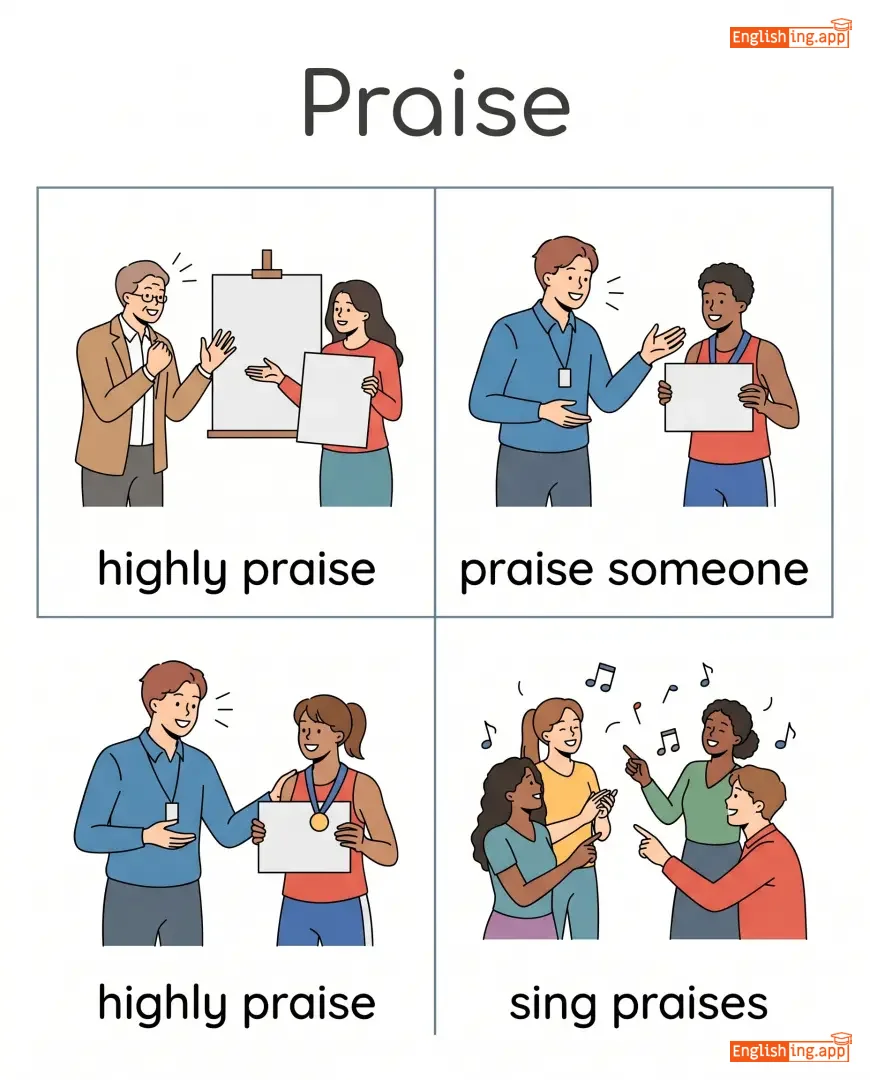
high praise, words of praise, praise someone, deserve praise
••••••
|
賞賛は拍手のようなもの (Shōsan wa hakushu no yōna mono)
••••••
|
|
#1072
🤔
|
/prɪˈzʌmp.ʃən/
noun
(purizampshon)
••••••
|
- •••••• |
推定; 仮定;
suitei
••••••
|
an idea that is taken to be true without proof
••••••
|
There is a presumption of innocence in the legal system.
法的なシステムには無罪の推定があります。
••••••
|
法的なシステムには無罪の推定があります。
Hōteki na shisutemu ni wa muzai no suitei ga arimasu.
••••••
|
assumption, supposition, belief, hypothesis
••••••
|
proof, certainty, fact, evidence
••••••
|
legal presumption, false presumption, reasonable presumption, presumption of innocence
••••••
|
Japanese speakers remember '推定' (suitei) by associating it with '仮定'.
••••••
|
|
#1073
⚠️
|
/prɪˈkɔː.ʃən/
noun
(プレカウション)
••••••
|
- •••••• |
予防措置
yobou sochi
••••••
|
an action taken in advance to prevent something dangerous or unpleasant from happening
••••••
|
As a precaution, we should bring extra water on the hike.
予防措置として、ハイキングに追加の水を持っていくべきです。
••••••
|
予防措置として、ハイキングに追加の水を持っていくべきです。
yobou sochi toshite, haikingu ni tsuika no mizu wo motte iku beki desu.
••••••
|
safeguard, prevention, protection, measure
••••••
|
recklessness, carelessness, negligence
••••••
|
take precautions, safety precaution, as a precaution, precautionary measure
••••••
|
予防措置: 予期しない事態を防ぐために先手を打つこと。
••••••
|
|
#1074
🎭
|
/prɪˈtens/
noun
(プリテンス)
••••••
|
- •••••• |
偽り
itsuwari
••••••
|
an attempt to make something that is not the case appear true
••••••
|
He made no pretence of being interested in the conversation. |
彼は会話に興味があるふりをしなかった。
Kare wa kaiwa ni kyōmi ga aru furi o shinakatta.
••••••
|
pretense, facade, charade, deception, act
••••••
|
honesty, genuineness, sincerity, truth
••••••
|
false pretence, drop pretence, make pretence, under pretence
••••••
|
会話の中で興味を持っていないふりをする、偽りの姿。
••••••
|
|
#1075
🎯
|
/prɪˈsɪʒ.ən/
noun
(プレシジョン)
••••••
|
|
精密
seimitsu
••••••
|
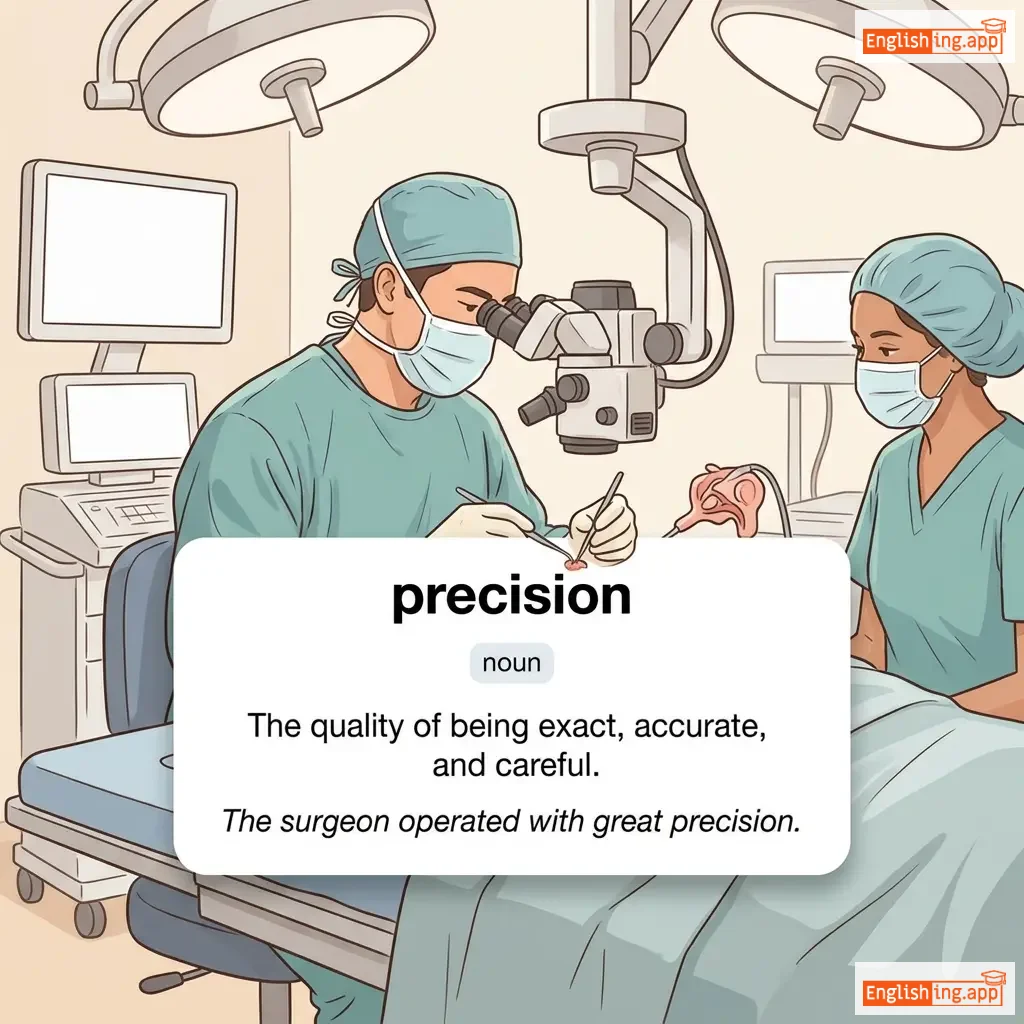
the quality of being exact and accurate; the condition of being precise
••••••
|
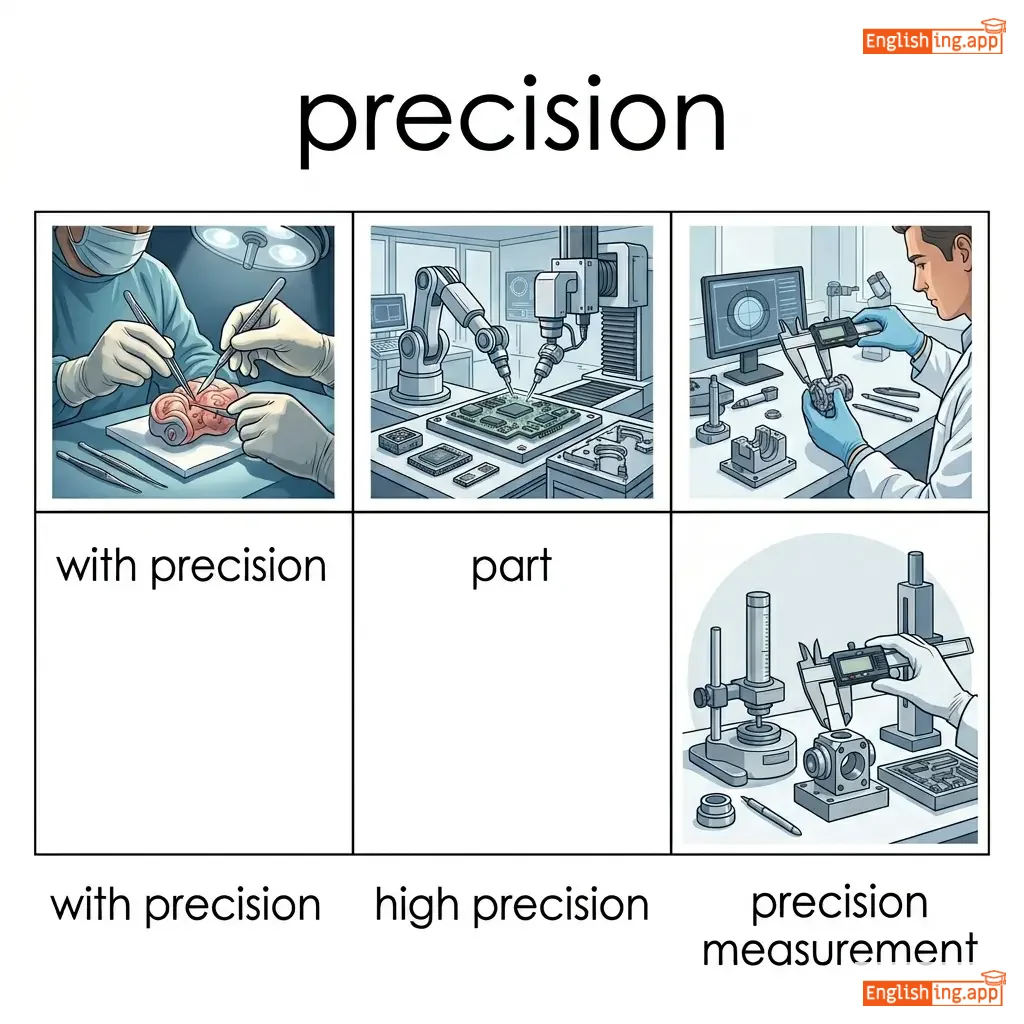
The surgeon operated with great precision and skill. |
外科医は高い精密さと技術で手術を行いました。
Geka-i wa takai seimitsusa to gijutsu de shujutsu o okonaimashita
••••••
|
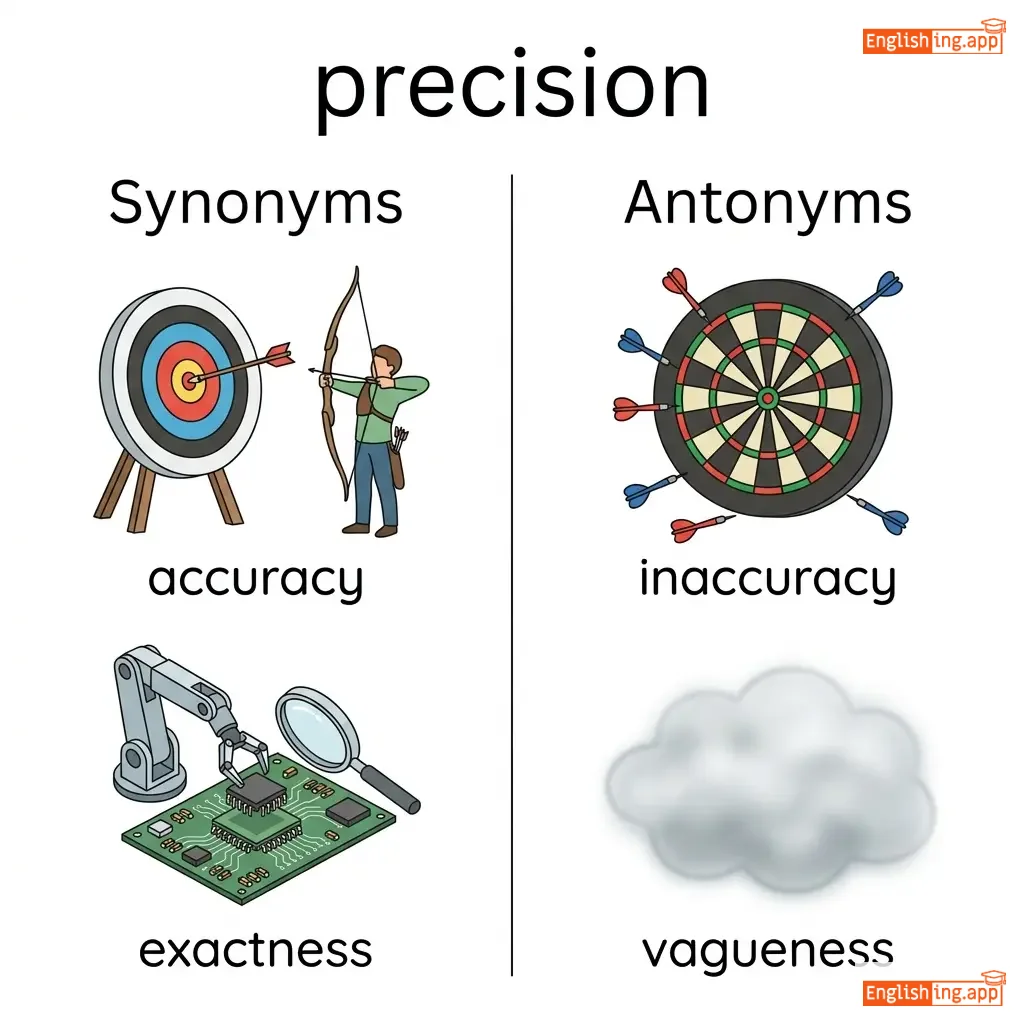
accuracy, exactness, correctness, detail
••••••
|
imprecision, inaccuracy, vagueness
••••••
|
surgical precision, mathematical precision, precision instrument, with precision
••••••
|
精密な操作は正確な手術に似ている。
••••••
|
|
#1076
🎪
|
/ˈpriː.tekst/
noun
(プリテクスト)
••••••
|
- •••••• |
口実
koujitsu
••••••
|
a reason given in justification of a course of action that is not the real reason
••••••
|
He used illness as a pretext to avoid the meeting.
彼は会議を避けるために病気を口実に使った。
••••••
|
彼は会議を避けるために病気を口実に使った。
Kare wa kaigi wo sakeru tame ni byouki wo koujitsu ni tsukatta.
••••••
|
excuse, justification, cover, alibi, front
••••••
|
genuine reason, real motive, truth
••••••
|
under pretext, false pretext, use pretext, provide pretext
••••••
|
Pretext sounds like '口実,' a reason used to avoid doing something.
••••••
|
|
#1077
👤
|
/ˈpred.ə.ses.ər/
noun
(プレデセッサー)
••••••
|
- •••••• |
前任者
zenjinsha
••••••
|
a person who held a job or office before the current holder; something that came before another thing
••••••
|
The new manager learned from his predecessor's mistakes. |
新しいマネージャーは前任者のミスから学びました。
atarashī manējā wa zenjinsha no misu kara manabimashita.
••••••
|
forerunner, antecedent, previous holder, former
••••••
|
successor, follower, descendant
••••••
|
immediate predecessor, worthy predecessor, predecessor company, predecessor's legacy
••••••
|
前任者: 以前の人、あなたの昔の先生のように。
••••••
|
|
#1078
🚧
|
/prɪˈven.ʃən/
noun
(予防)
••••••
|
|
予防
yobou
••••••
|
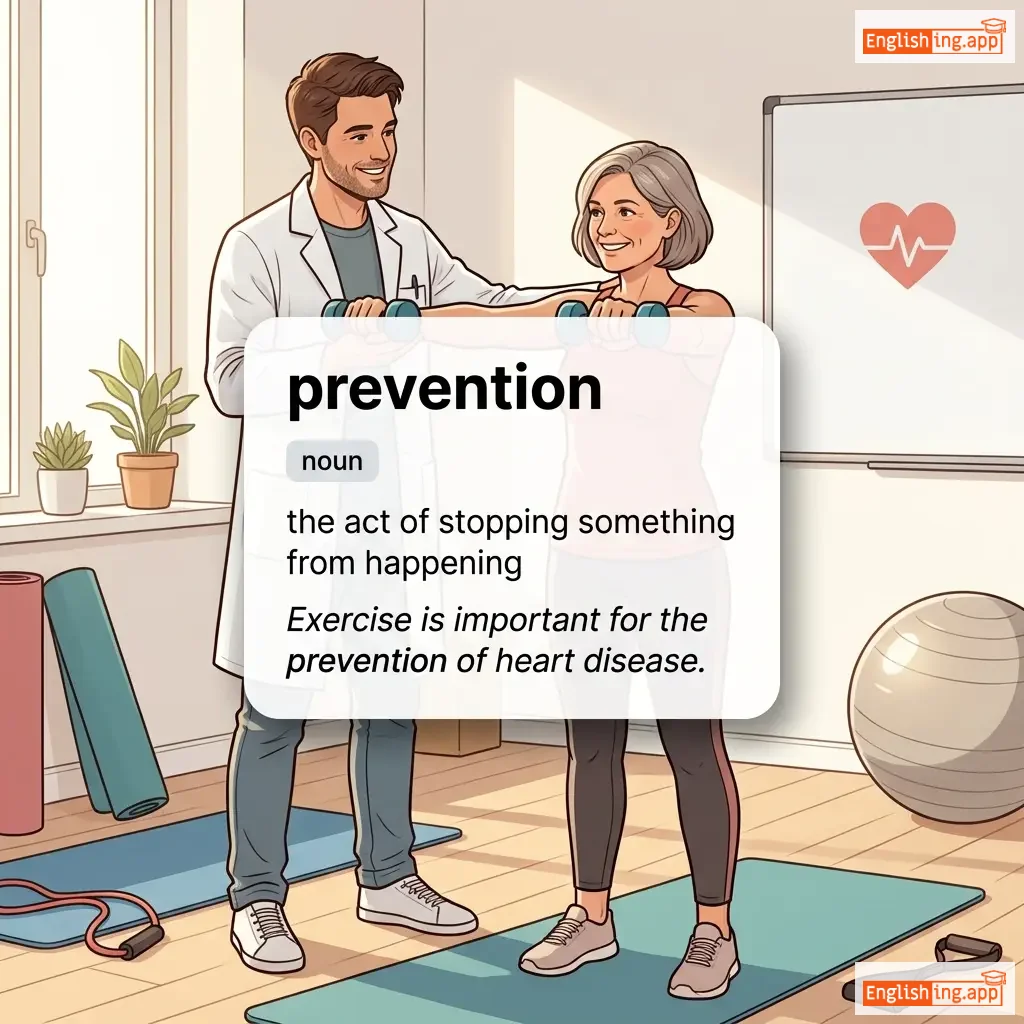
the action of stopping something from happening or arising
••••••
|
Prevention is better than cure when it comes to health.
予防は治療よりも重要です。
••••••
|
予防は治療よりも重要です。
Yobou wa chiryou yori mo juuyou desu.
••••••
|
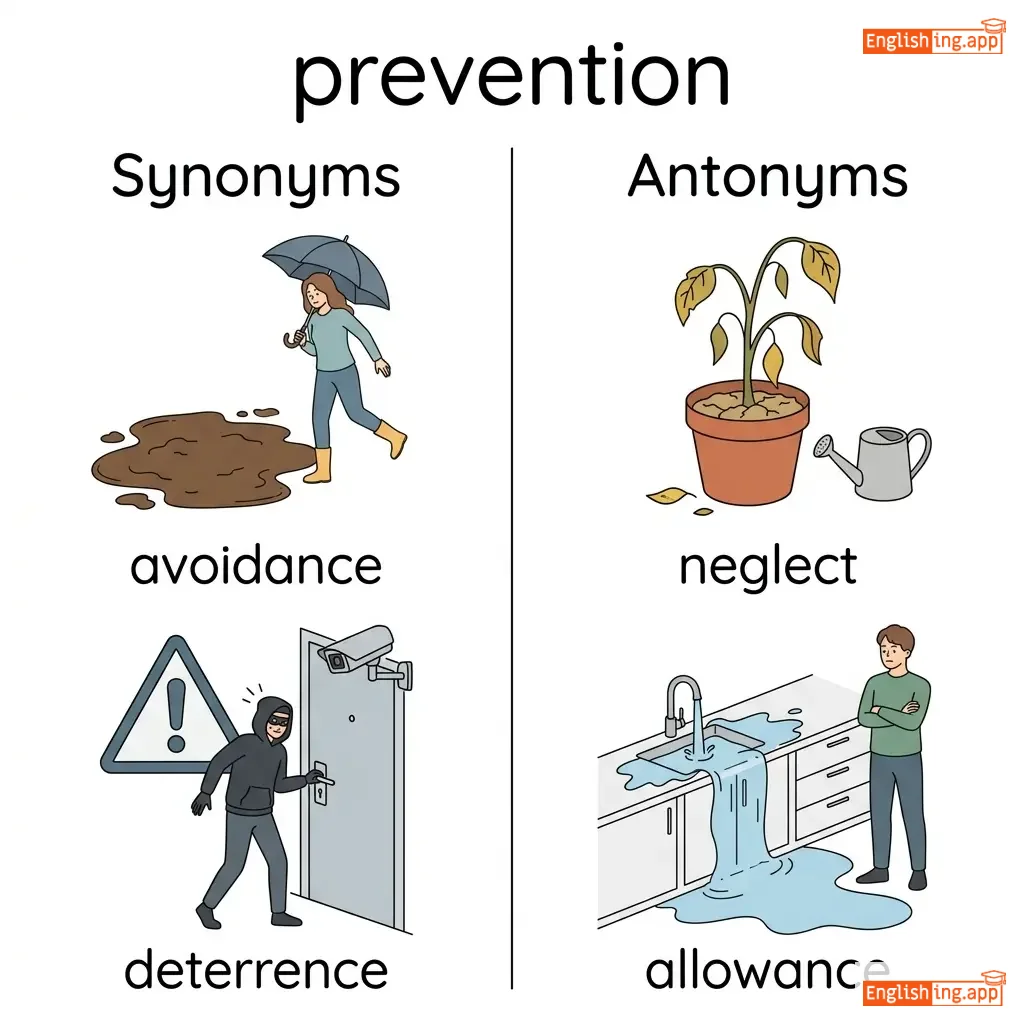
avoidance, deterrence, hindrance, obstruction
••••••
|
causation, encouragement, promotion
••••••
|
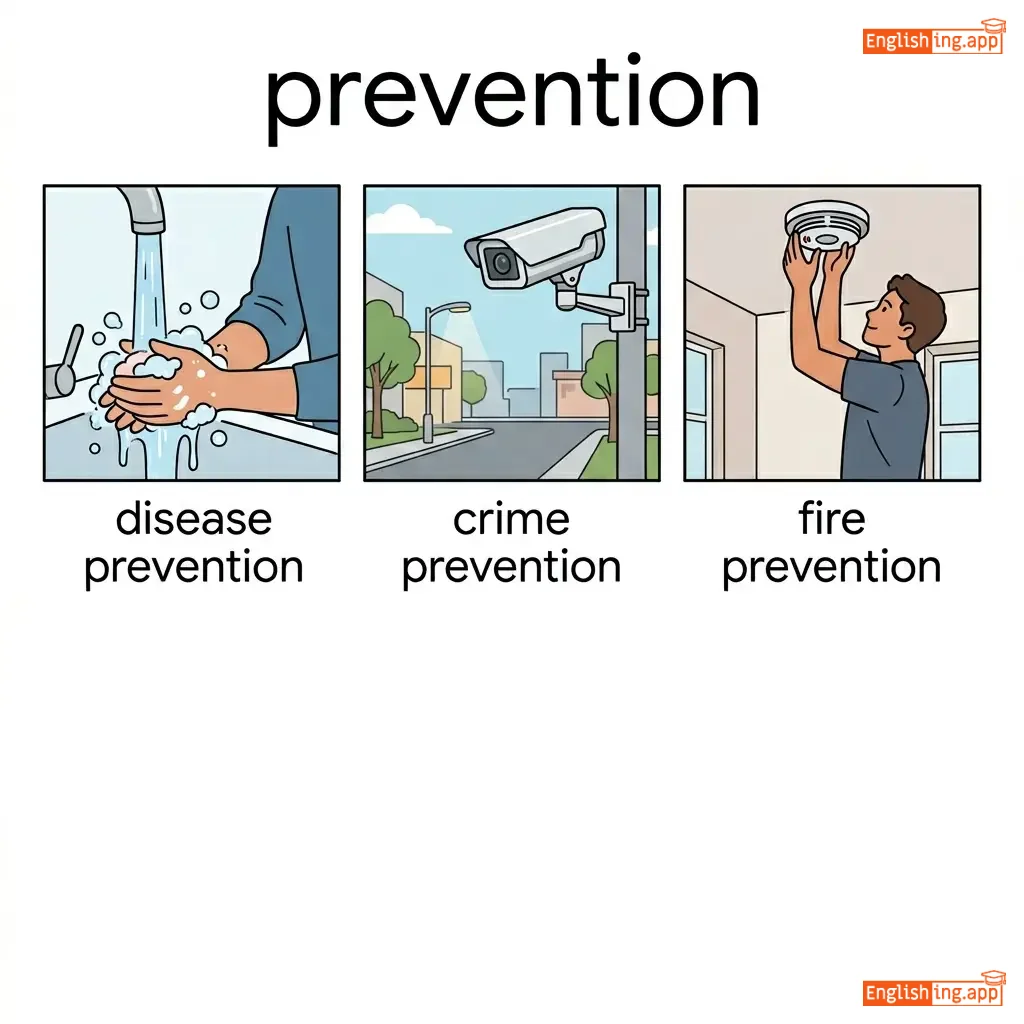
disease prevention, crime prevention, fire prevention, prevention program
••••••
|
予防は健康の鍵です
••••••
|
|
#1079
🔮
|
/prɪˈdɪk.ʃən/
noun
(予測)
••••••
|
- •••••• |
予測
yosoku
••••••
|
a statement about what will happen in the future; a forecast
••••••
|
The weather prediction says it will rain tomorrow.
天気予報は明日雨が降ると言っています
••••••
|
天気予報は明日雨が降ると言っています。
Tenki yohou wa ashita ame ga furu to itteimasu.
••••••
|
forecast, prophecy, projection, prognosis
••••••
|
hindsight, retrospection, past knowledge
••••••
|
weather prediction, accurate prediction, make a prediction, prediction model
••••••
|
予測は未来に起こることを予想することです。
••••••
|
|
#1080
🦁
|
/praɪd/
noun
(プライド)
••••••
|
|
誇り
hokori
••••••
|
a feeling of deep pleasure or satisfaction derived from achievements
••••••
|
She takes great pride in her work.
彼女は自分の仕事に大きな誇りを持っています。
••••••
|
彼女は自分の仕事に大きな誇りを持っています。
Kanojo wa jibun no shigoto ni ookina hokori o motteimasu.
••••••
|
dignity, self-esteem, satisfaction, honor
••••••
|
shame, humility, modesty, disgrace
••••••
|
take pride, feel pride, source of pride, national pride
••••••
|
誇りは成功から生まれる満足感です。
••••••
|
Vocabulary Quiz
Test your vocabulary by matching words with their translations or meanings.
Login to take the quiz
Comments (0)
Share your thoughts and join the discussion.
Join the discussion by logging in
Login to CommentNo comments yet
Be the first to share your thoughts!