

翻訳
過去
過去分詞
三人称単数
動名詞
意味
例文
例文の翻訳
同義語
対義語
コロケーション
ニーモニック

Swipe left or right, or use the buttons. Tap image to zoom.
例文の翻訳
単語
Lesson 3Lesson 3 - マスクトグル
|
絵文字
|
単語 | Images | 翻訳 | 意味 | 例文 | 例文の翻訳 | 同義語 | 対義語 | コロケーション | ニーモニック |
|---|---|---|---|---|---|---|---|---|---|---|
|
#41
✈️
|
/əˈraɪvəl/
noun
(アライバル)
••••••
|
- •••••• |
到着; 到着の行為
tōchaku; tōchaku no kōi
••••••
|
the action or process of arriving; the reaching of a destination
••••••
|
The arrival of the train was delayed by two hours.
列車の到着は2時間遅れました。
••••••
|
列車の到着は2時間遅れました。
Resha no tōchaku wa 2 jikan okuremashita.
••••••
|
coming, advent, appearance, entrance
••••••
|
departure, leaving, exit
••••••
|
arrival time, arrival gate, late arrival, early arrival
••••••
|
列車の到着、幸せが遅れてくるように。
••••••
|
|
#42
😏
|
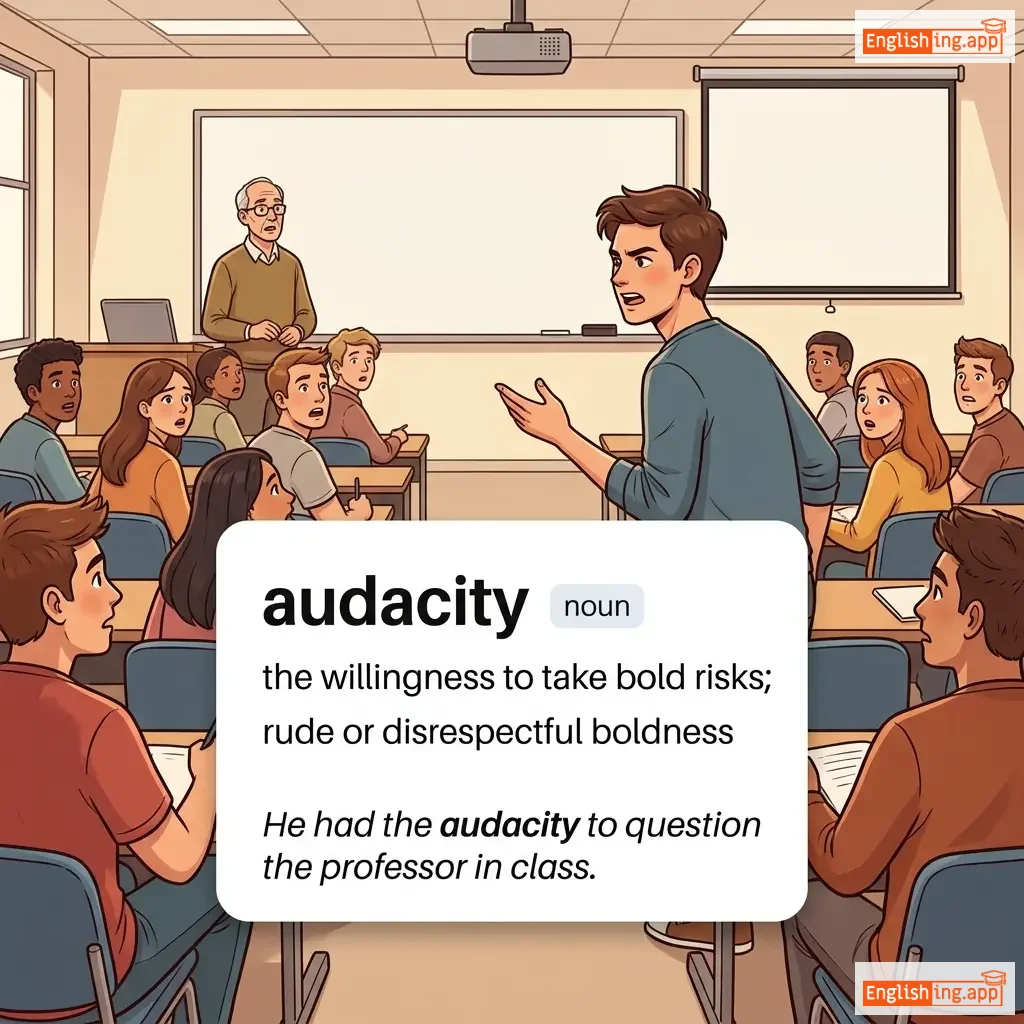
/ɔːˈdæsəti/
noun
(アウダシティ)
••••••
|
|
大胆さ; 厚かましさ;
daitansa; atsukamashisa
••••••
|
willingness to take bold risks; rude or disrespectful behavior; impudence
••••••
|
He had the audacity to ask for a raise after being late every day.
彼は毎日遅刻した後で昇給を求めるアウダシティを持っていた。
••••••
|
彼は毎日遅刻した後で昇給を求めるアウダシティを持っていた。
Kare wa mainichi chikoku shita ato de shoukyuu o motomeru audasiti o motte ita.
••••••
|
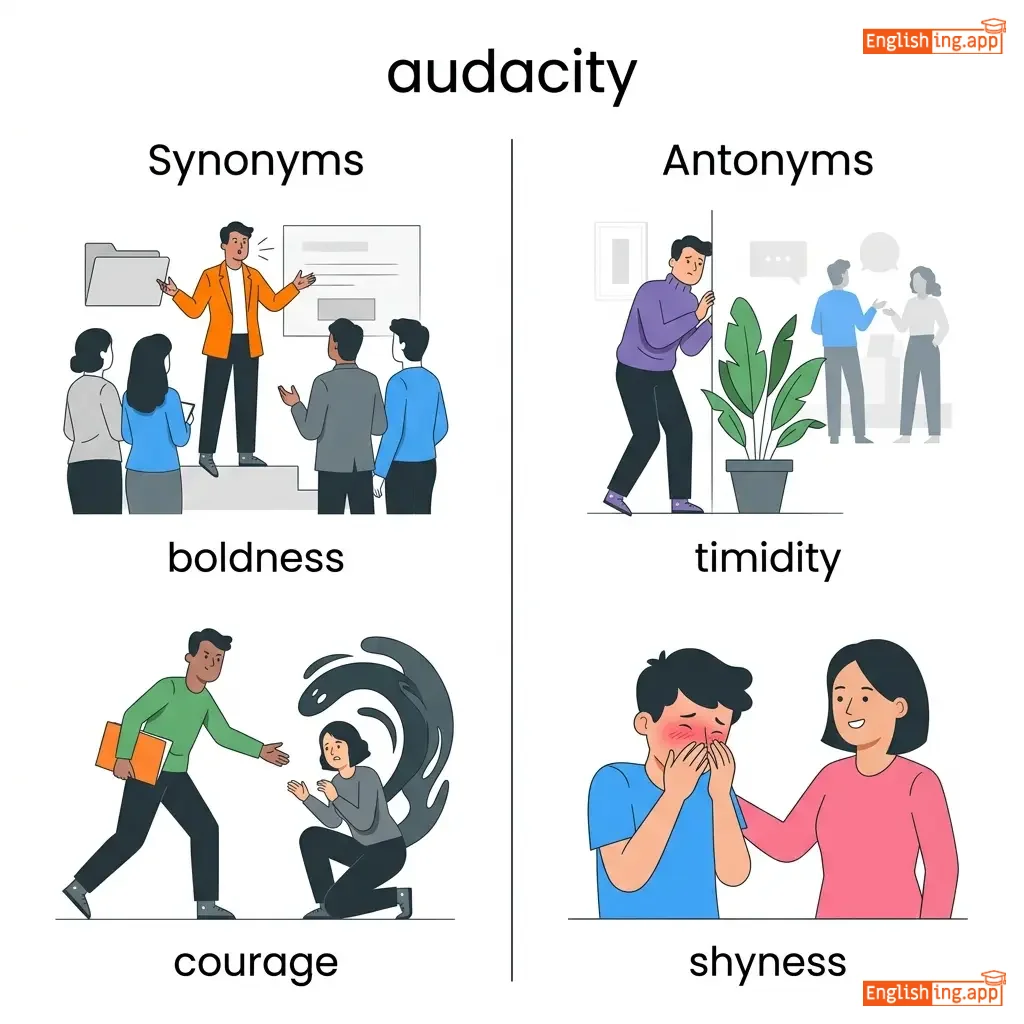
boldness, nerve, impudence, cheek
••••••
|
timidity, respect, politeness, modesty
••••••
|
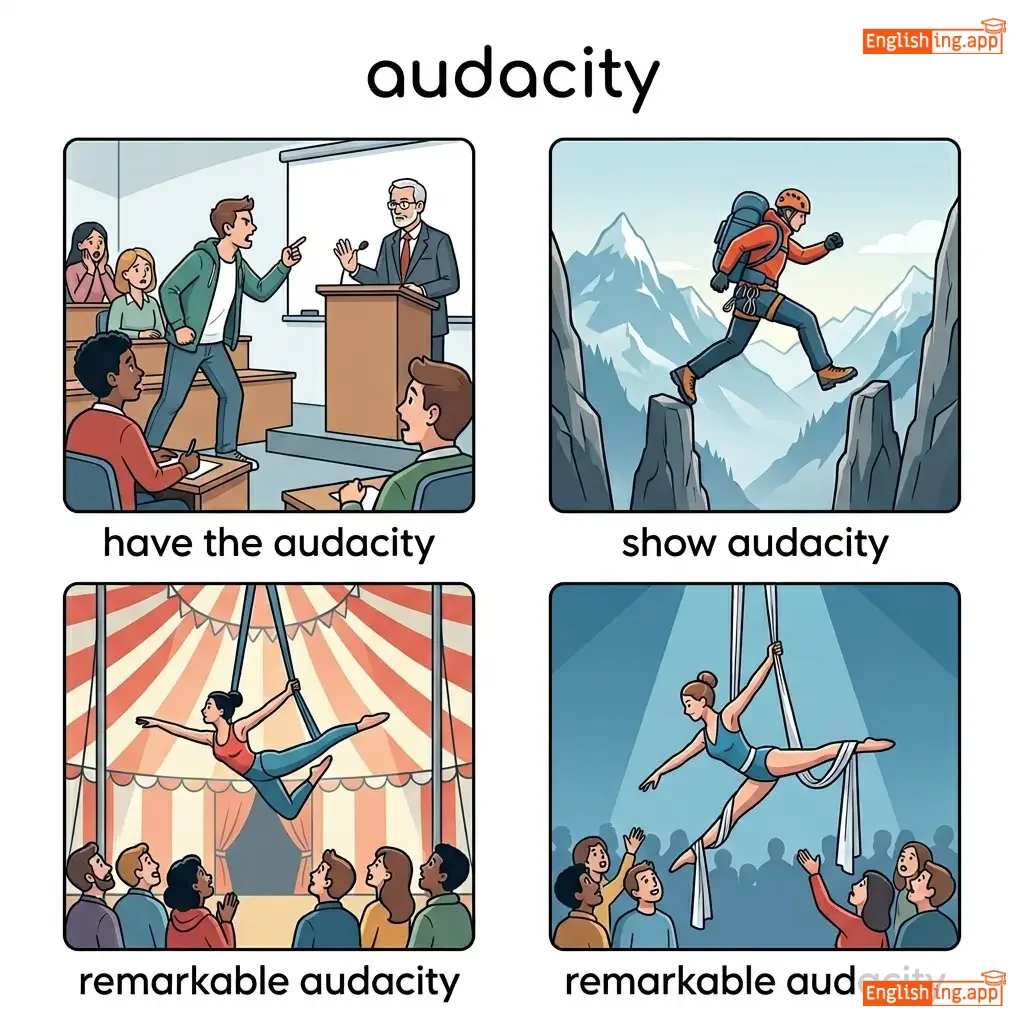
have the audacity, sheer audacity, incredible audacity
••••••
|
日本語-英語: アウダシティ (audacity) – 予期しないことをする勇気。
••••••
|
|
#43
🔨
|
/ˈɔːkʃən/
noun
(オークション)
••••••
|
- •••••• |
オークション
ōkushon
••••••
|
a public sale in which goods or property are sold to the highest bidder
••••••
|
The antique furniture was sold at an auction last weekend.
アンティーク家具は先週末のオークションで売られました。
••••••
|
アンティーク家具は先週末のオークションで売られました。
Antīku kagu wa senshūmatsu no ōkushon de uraremashita.
••••••
|
sale, bidding, public sale
••••••
|
private sale, fixed price sale
••••••
|
auction house, online auction, art auction
••••••
|
Ōkushon to wa, nyūsatsusha ga takaku harau to kangaeru
••••••
|
|
#44
🧲
|
/əˈtrækʃən/
noun
(アトラクション)
••••••
|
- •••••• |
アトラクション; 引力;
atorakushon
••••••
|
the action or power of evoking interest or pleasure in something; a place that draws visitors
••••••
|
The museum is the main attraction for tourists in this city. |
この博物館はこの都市の観光客の主なアトラクションです。
Kono hakubutsukan wa kono toshi no kankōkyaku no omona atarakushon desu.
••••••
|
appeal, draw, magnetism, fascination
••••••
|
repulsion, aversion, deterrent
••••••
|
tourist attraction, main attraction, physical attraction
••••••
|
Japanese 'アトラクション' is a direct borrowing from English 'attraction', making it easy to recall.
••••••
|
|
#45
📋
|
/əˈtendəns/
noun
(アテンデンス)
••••••
|
- •••••• |
出席
shusseki
••••••
|
the action or state of going regularly to or being present at a place or event
••••••
|
The teacher takes attendance at the beginning of each class. |
先生は毎回の授業の始めに出席を取ります。
Sensei wa maikai no jugyou no hajime ni shusseki wo torimasu.
••••••
|
presence, participation, turnout
••••••
|
absence, non-attendance, truancy
••••••
|
school attendance, perfect attendance, take attendance
••••••
|
Attendance = 出席 - 学校で必ず出席することを覚えておこう。
••••••
|
|
#46
✅
|
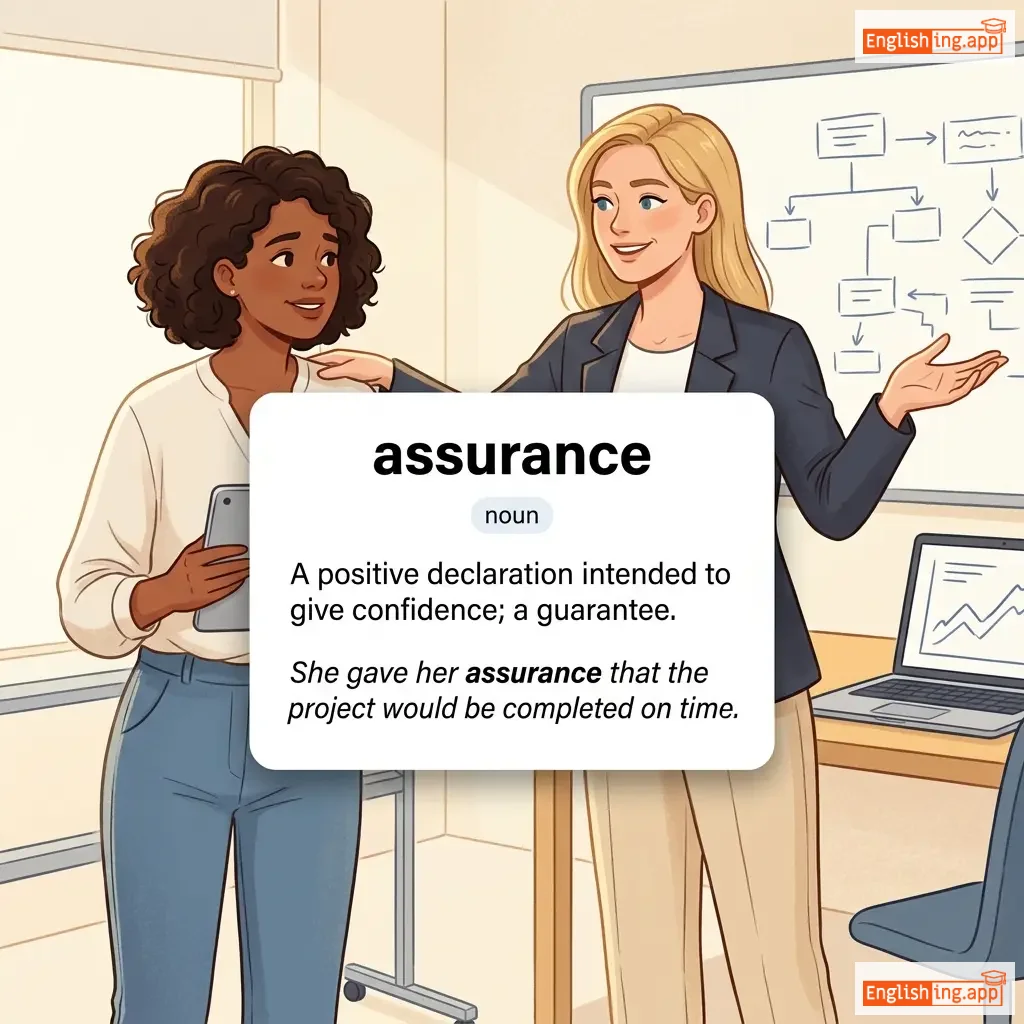
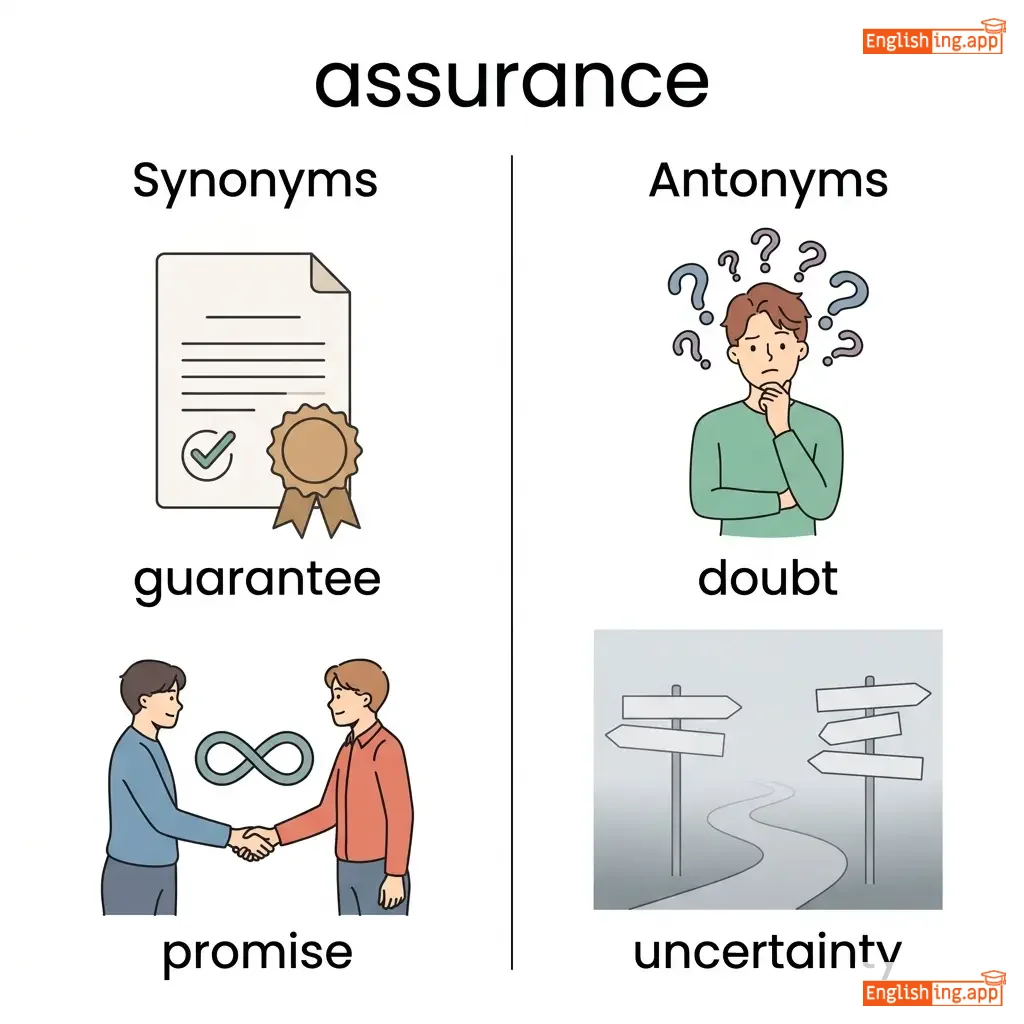
/əˈʃʊrəns/
noun
(アシュアランス)
••••••
|
|
保証; 信頼; 自信
hoshō
••••••
|
a positive declaration intended to give confidence; a promise; confidence in oneself
••••••
|
The manager gave us assurance that the project would be completed on time.
マネージャーは、プロジェクトが時間通りに完了するという保証をしました。
••••••
|
マネージャーは、プロジェクトが時間通りに完了するという保証をしました。
Manējā wa, purojekuto ga jikan dōri ni kanryō suru to iu hoshō o shimashita.
••••••
|
guarantee, promise, pledge, confidence
••••••
|
doubt, uncertainty, insecurity
••••••
|
give assurance, quality assurance, self-assurance
••••••
|
保証で信頼が生まれる
••••••
|
|
#47
🤔
|
/əˈsʌmpʃən/
noun
(アサンプション)
••••••
|
- •••••• |
仮定
katei
••••••
|
a thing that is accepted as true without proof; a supposition
••••••
|
His assumption about the weather proved to be wrong. |
天気に関する彼の仮定は間違っていることが証明されました。
Tenki ni kansuru kare no katei wa machigatte iru koto ga shoumei saremashita.
••••••
|
supposition, presumption, belief, conjecture
••••••
|
fact, certainty, proof, evidence
••••••
|
false assumption, basic assumption, make an assumption
••••••
|
No •••••• |
|
#48
🤝
|
/əˈsɪstəns/
noun
(アシスタンス)
••••••
|
- •••••• |
援助; 支援
enjo; shien
••••••
|
the action of helping someone with a job or task; support
••••••
|
She offered her assistance with the project.
彼女はプロジェクトで援助を提供しました。
••••••
|
彼女はプロジェクトで援助を提供しました。
Kanojo wa purojekuto de enjo o teikyō shimashita.
••••••
|
help, aid, support, service
••••••
|
hindrance, obstruction, interference
••••••
|
provide assistance, need assistance, technical assistance
••••••
|
‘援助’と‘支援’は手伝うという意味で同じです。
••••••
|
|
#49
🗡️
|
/əˈsæsɪn/
noun
(アサシン)
••••••
|
- •••••• |
暗殺者
ansatsusha
••••••
|
a person who murders an important person for political or religious reasons
••••••
|
The president was protected from potential assassins by security guards.
大統領はセキュリティガードによって潜在的なアサシンから守られていた。
••••••
|
大統領はセキュリティガードによって潜在的なアサシンから守られていた。
Daitōryō wa sekyuriti gādo ni yotte senzai-teki na asashin kara mamorarete ita.
••••••
|
killer, murderer, hitman
••••••
|
protector, guardian, defender
••••••
|
hired assassin, political assassin, would-be assassin
••••••
|
アサシンは暗殺をする人という意味です。
••••••
|
|
#50
😤
|
/ˈærəɡəns/
noun
(アロガンス)
••••••
|
- •••••• |
傲慢
oumang
••••••
|
having or revealing an exaggerated sense of one's own importance or abilities
••••••
|
His arrogance made him unpopular among his colleagues.
彼のアロガンスは彼を同僚の中で人気がなくさせました。
••••••
|
彼の傲慢は彼を同僚の中で人気がなくさせました。
Kare no ouman wa kare wo douryou no naka de ninki ga nakusasemashita.
••••••
|
pride, conceit, haughtiness, hubris
••••••
|
humility, modesty, meekness
••••••
|
sheer arrogance, display arrogance, arrogance of power
••••••
|
Japanese: 傲慢 (oumang) - English: arrogance
••••••
|
|
#51
👼
|
/ˈeɪn.dʒəl/
noun
(エンジェル)
••••••
|
- •••••• |
天使
tenshi
••••••
|
a spiritual being believed to act as an attendant, agent, or messenger of God
••••••
|
She looked like an angel in her white dress.
彼女は白いドレスで天使のように見えた。
••••••
|
彼女は白いドレスで天使のように見えた。
Kanojo wa shiroi doresu de tenshi no yō ni mieta.
••••••
|
cherub, seraph, divine messenger
••••••
|
demon, devil, fiend
••••••
|
guardian angel, fallen angel, angel of mercy
••••••
|
天使(てんし)は助ける存在として知られている。
••••••
|
|
#52
👑
|
/əˈrɪs.tə.kræt/
noun
(アリストクラット)
••••••
|
- •••••• |
貴族; 高貴な血筋を持つ人
kizoku; kōki na ketsu-shin o motsu hito
••••••
|
a member of the aristocracy; a person of noble rank or birth
••••••
|
The aristocrat lived in a magnificent castle.
そのアリストクラットは豪華な城に住んでいました。
••••••
|
そのアリストクラットは豪華な城に住んでいました。
Sono aristokuratto wa gōkana shiro ni sundeimashita.
••••••
|
noble, peer, patrician, blue blood
••••••
|
commoner, peasant, plebeian
••••••
|
wealthy aristocrat, old aristocrat, aristocratic family
••••••
|
アリストクラットは必ず豪華な城に住んでいます。
••••••
|
|
#53
🗣️
|
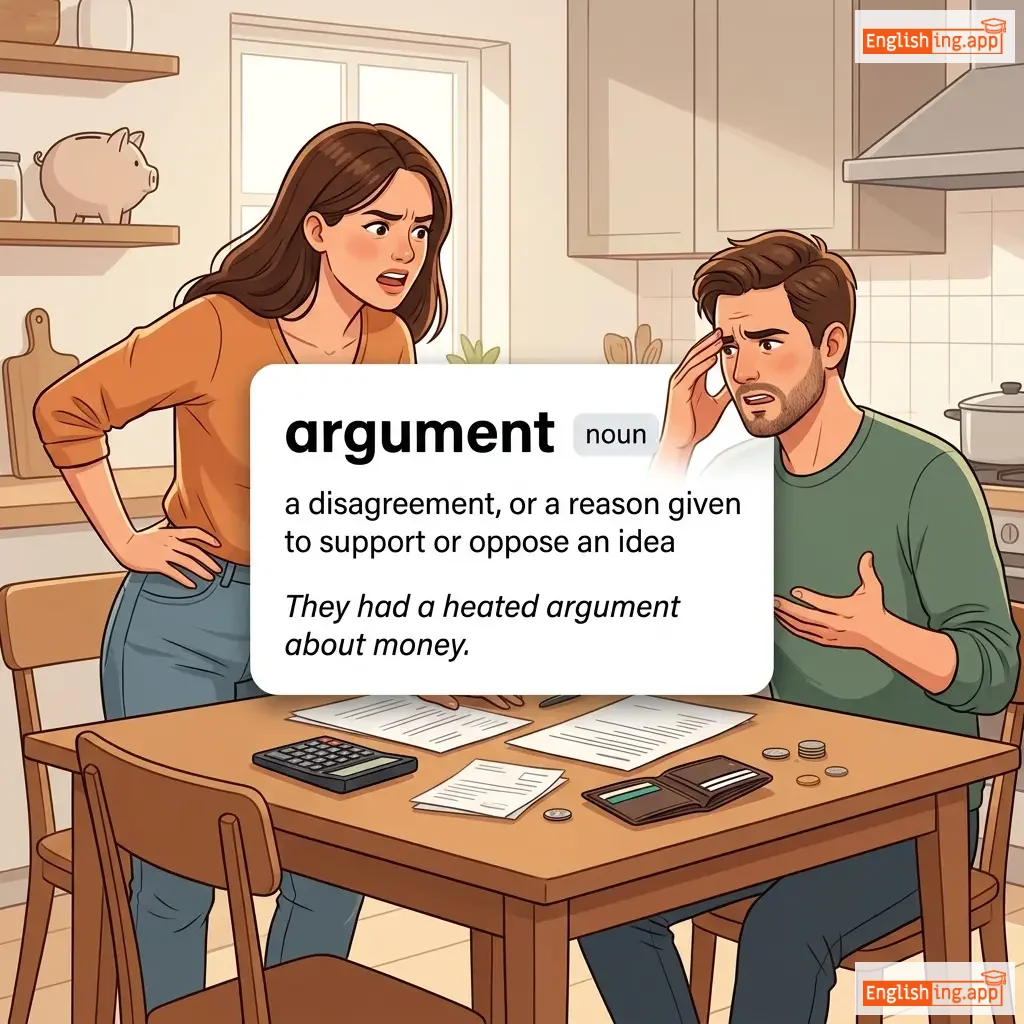
/ˈɑːr.ɡju.mənt/
noun
(アルギュメント)
••••••
|
|
議論; 主張; 理由
giron; shuchou; riyuu
••••••
|
an exchange of diverging or opposite views; a reason or set of reasons given in support of an idea
••••••
|
They had a heated argument about politics. |
彼らは政治について熱い議論を交わした。
Karera wa seiji ni tsuite atsui giron o kawashita.
••••••
|
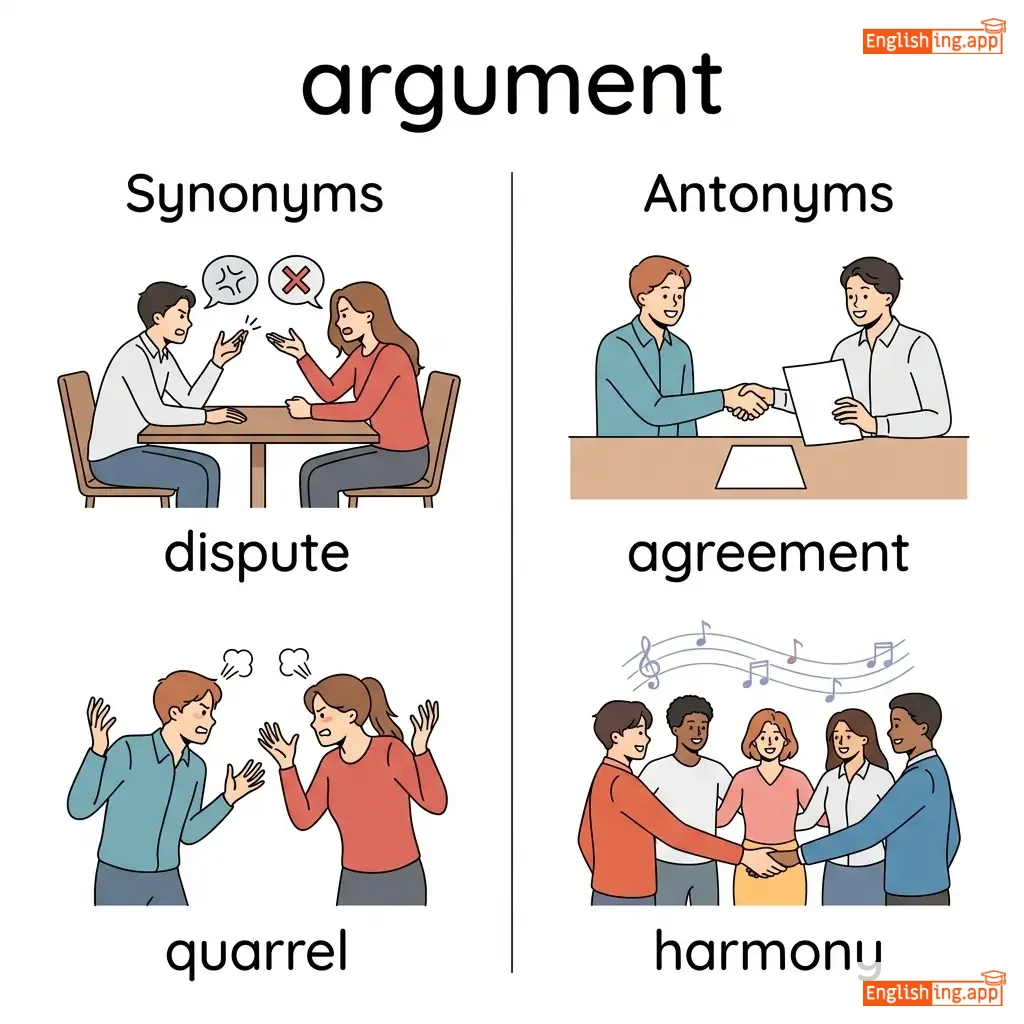
debate, dispute, disagreement, reasoning
••••••
|
agreement, harmony, consensus
••••••
|
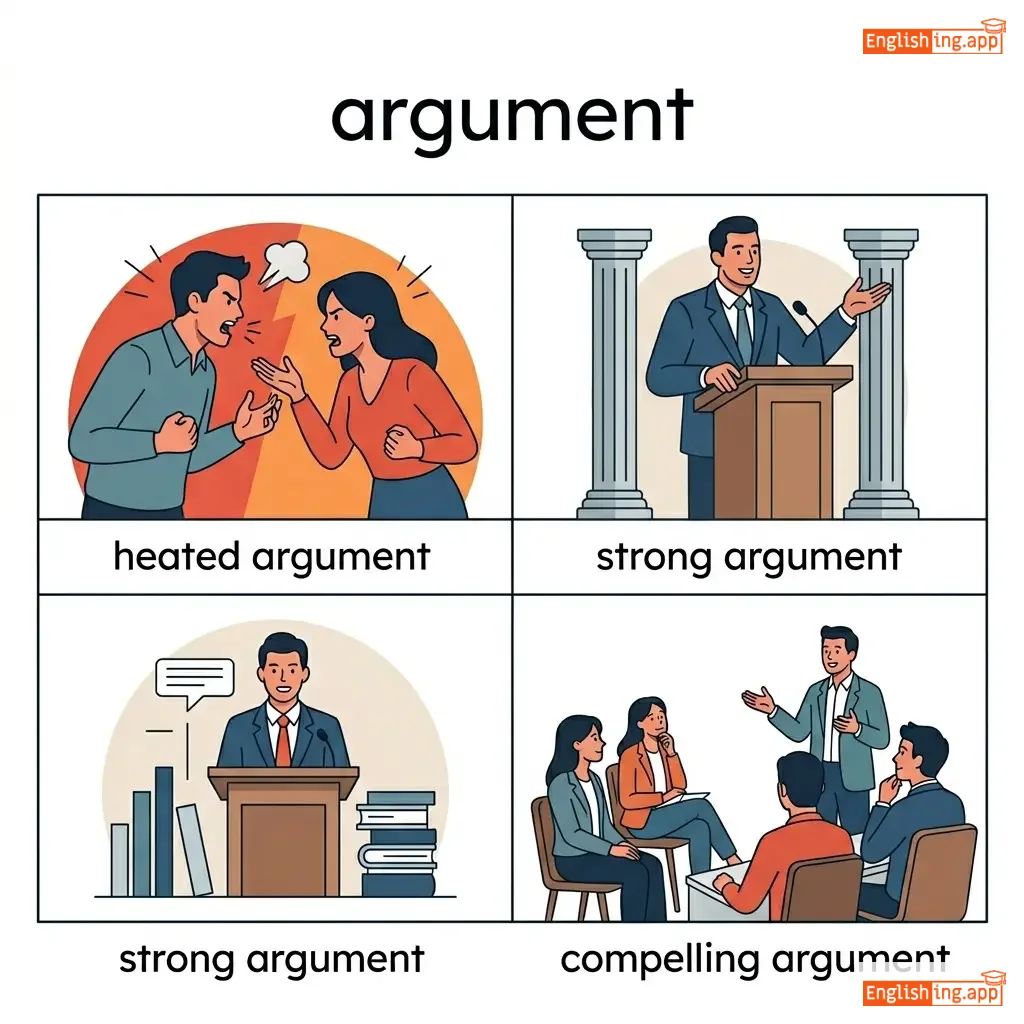
strong argument, heated argument, valid argument
••••••
|
議論 = アイデアを支持するための論争
••••••
|
|
#54
📅
|
/əˈpɔɪnt.mənt/
noun
(アポイントメント)
••••••
|
- •••••• |
約束; 任命;
yakusoku; ninmei
••••••
|
an arrangement to meet someone at a particular time and place; the action of appointing someone to a job or position
••••••
|
I have a doctor's appointment at 3 PM.
午後3時に医者のアポイントメントがあります。
••••••
|
午後3時に医者のアポイントメントがあります。
gogo 3 ji ni isha no apointomento ga arimasu.
••••••
|
meeting, arrangement, engagement, assignment
••••••
|
cancellation, dismissal, discharge
••••••
|
medical appointment, job appointment, keep an appointment
••••••
|
Appointment は予定や職務の割り当てを意味します。
••••••
|
|
#55
👀
|
/əˈpɪə.rəns/
noun
(āpīrensu)
••••••
|
- •••••• |
外見; 出現; 表れ
gaiken; shutsugen; araware
••••••
|
the way that someone or something looks; an act of performing or participating in a public event
••••••
|
Her appearance at the event surprised everyone.
イベントでの彼女の登場は皆を驚かせた。
••••••
|
イベントでの彼女の登場は皆を驚かせた。
Ibento de no kanojo no toujou wa mina o odorokaseta.
••••••
|
look, presence, manifestation, emergence
••••••
|
disappearance, absence, invisibility
••••••
|
physical appearance, public appearance, make an appearance
••••••
|
In Japanese, '外見' means appearance, '外' means outside and '見' means to see.
••••••
|
|
#56
🙏
|
/əˈpiːl/
noun
(アピール)
••••••
|
- •••••• |
アピール; 要請; 魅力
apīru
••••••
|
a serious or urgent request, typically to the public; the quality of being attractive or interesting
••••••
|
The charity made an appeal for donations. |
チャリティーは寄付を呼びかけました。
Charitī wa kifu o yobikakemashita.
••••••
|
request, plea, petition, entreaty
••••••
|
rejection, refusal, denial
••••••
|
appeal for help, court appeal, emotional appeal
••••••
|
Imagine an appeal as strong as a call to donate for a worthy cause!
••••••
|
|
#57
😰
|
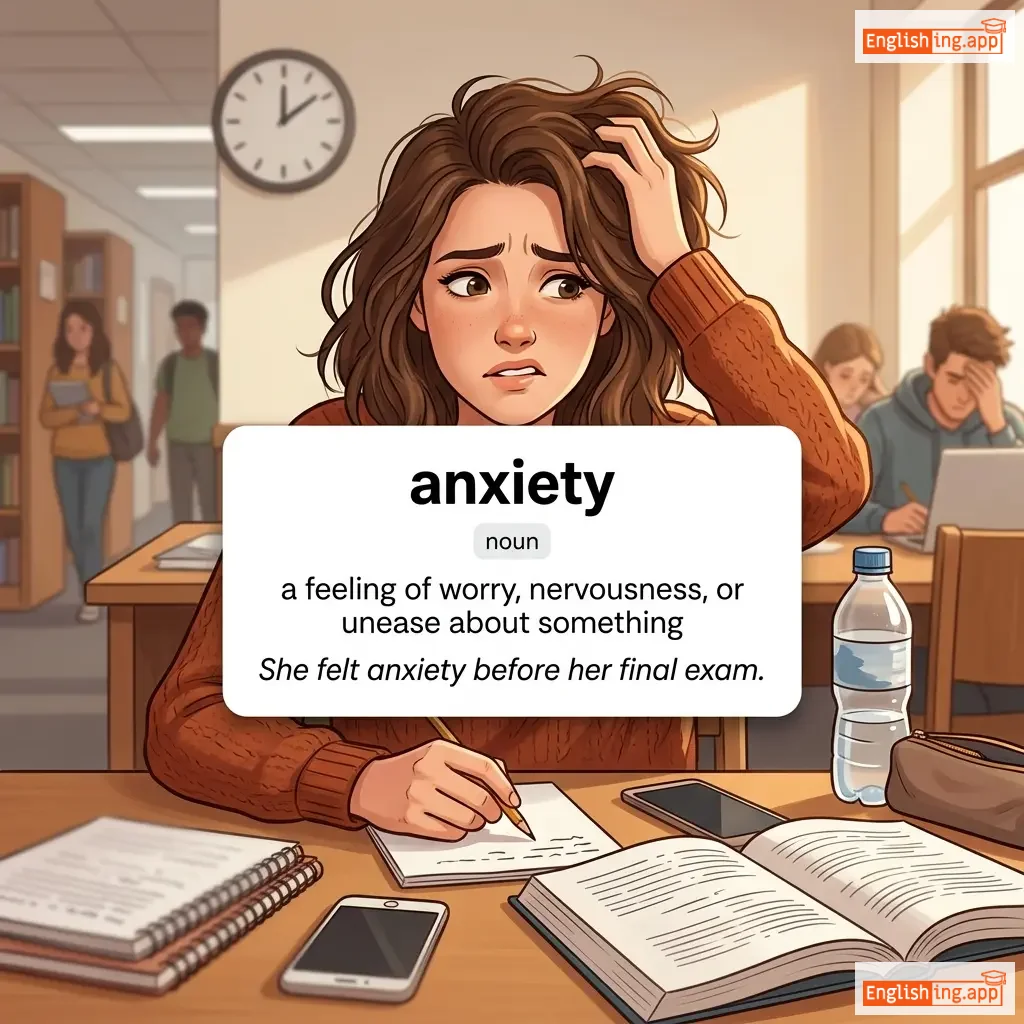
/æŋˈzaɪ.ə.ti/
noun
(エングザイティ)
••••••
|
|
不安; 神経質;
fuan; shinkeishitsu
••••••
|
a feeling of worry, nervousness, or unease about something with an uncertain outcome
••••••
|
She felt anxiety before her job interview.
彼女は面接の前に不安を感じていた。
••••••
|
彼女は面接の前に不安を感じていた。
Kanojo wa mensetsu no mae ni fuan wo kanjite ita.
••••••
|
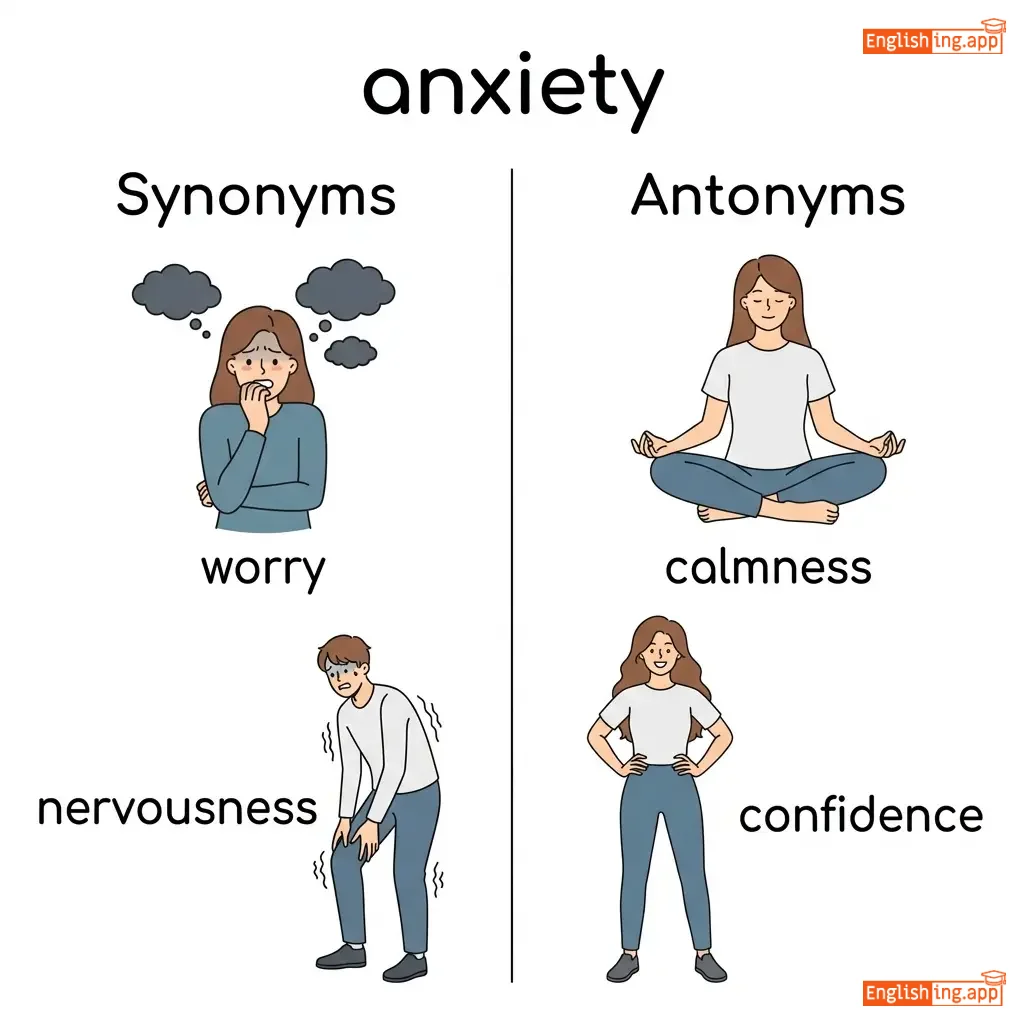
worry, nervousness, unease, concern
••••••
|
calmness, confidence, peace
••••••
|
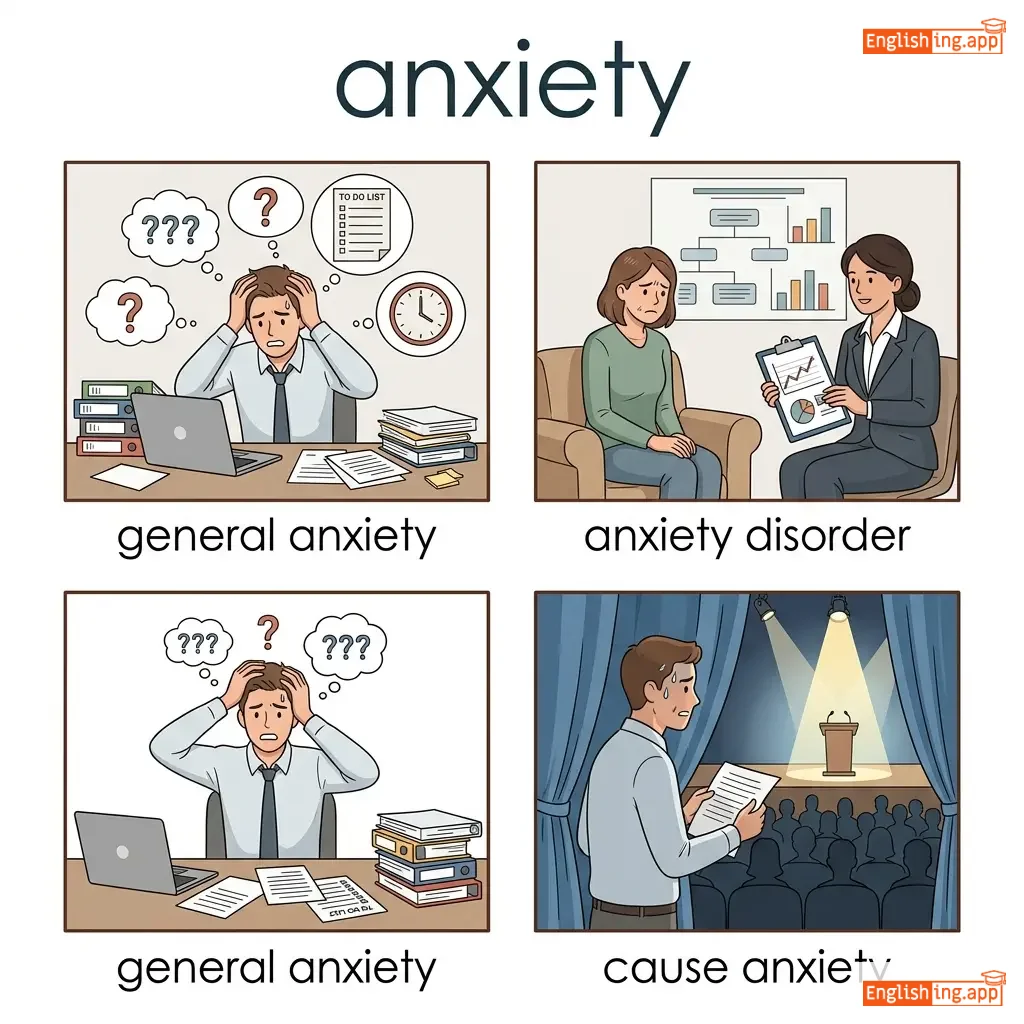
anxiety disorder, anxiety attack, reduce anxiety
••••••
|
不安は予測できない結果に対する恐れから来る。
••••••
|
|
#58
😡
|
/ˌæn.ɪˈmɒs.ə.ti/
noun
(アニモシティ)
••••••
|
- •••••• |
敵意; 憎しみ
teki-i; nikushimi
••••••
|
strong hostility or dislike; active hatred or ill will
••••••
|
There was clear animosity between the two rival teams. |
二つのライバルチーム間には明確な敵意がありました。
Futatsu no raibaru chīmu-kan ni wa meikaku na teki-i ga arimashita.
••••••
|
hostility, hatred, enmity, antagonism
••••••
|
friendship, affection, goodwill
••••••
|
personal animosity, deep animosity, show animosity
••••••
|
アニモシティは憎しみの強い形です
••••••
|
|
#59
🎬
|
/ˌæn.ɪˈmeɪ.ʃən/
noun
(アニメーション)
••••••
|
- •••••• |
アニメーション
animēshon
••••••
|
the technique of making inanimate objects appear to move; liveliness and enthusiasm
••••••
|
The animation in this movie is incredibly detailed.
この映画のアニメーションは信じられないほど詳細です。
••••••
|
この映画のアニメーションは信じられないほど詳細です。
Kono eiga no animēshon wa shinjirarenai hodo shōsai desu.
••••••
|
cartoon, motion picture, liveliness
••••••
|
stillness, lifelessness, inertia
••••••
|
computer animation, stop-motion animation, animated film
••••••
|
アニメーションは日本語でも'animation'と書きます、映画での動きと生命感を示します。
••••••
|
|
#60
😠
|
/ˈæŋ.ɡər/
noun
(エンガー)
••••••
|
- •••••• |
怒り
ikari
••••••
|
a strong feeling of annoyance, displeasure, or hostility
••••••
|
His anger was evident when he slammed the door. |
彼がドアを叩いたとき、彼の怒りは明らかだった。
Kare ga doa o tataita toki, kare no ikari wa akiraka datta.
••••••
|
rage, fury, wrath, irritation
••••••
|
calmness, peace, serenity
••••••
|
express anger, control anger, burst of anger
••••••
|
怒り = Anger, 日本語でも非常に強い感情を表現します
••••••
|
Vocabulary Quiz
Test your vocabulary by matching words with their translations or meanings.
Login to take the quiz
Comments (0)
Share your thoughts and join the discussion.
Join the discussion by logging in
Login to CommentNo comments yet
Be the first to share your thoughts!