

Lesson 36Lesson 36
Details
/
翻訳
••••••
過去
••••••
過去分詞
••••••
三人称単数
••••••
動名詞
••••••
意味
••••••
例文
••••••
例文の翻訳
••••••
同義語
••••••
対義語
••••••
コロケーション
••••••
ニーモニック
••••••
/

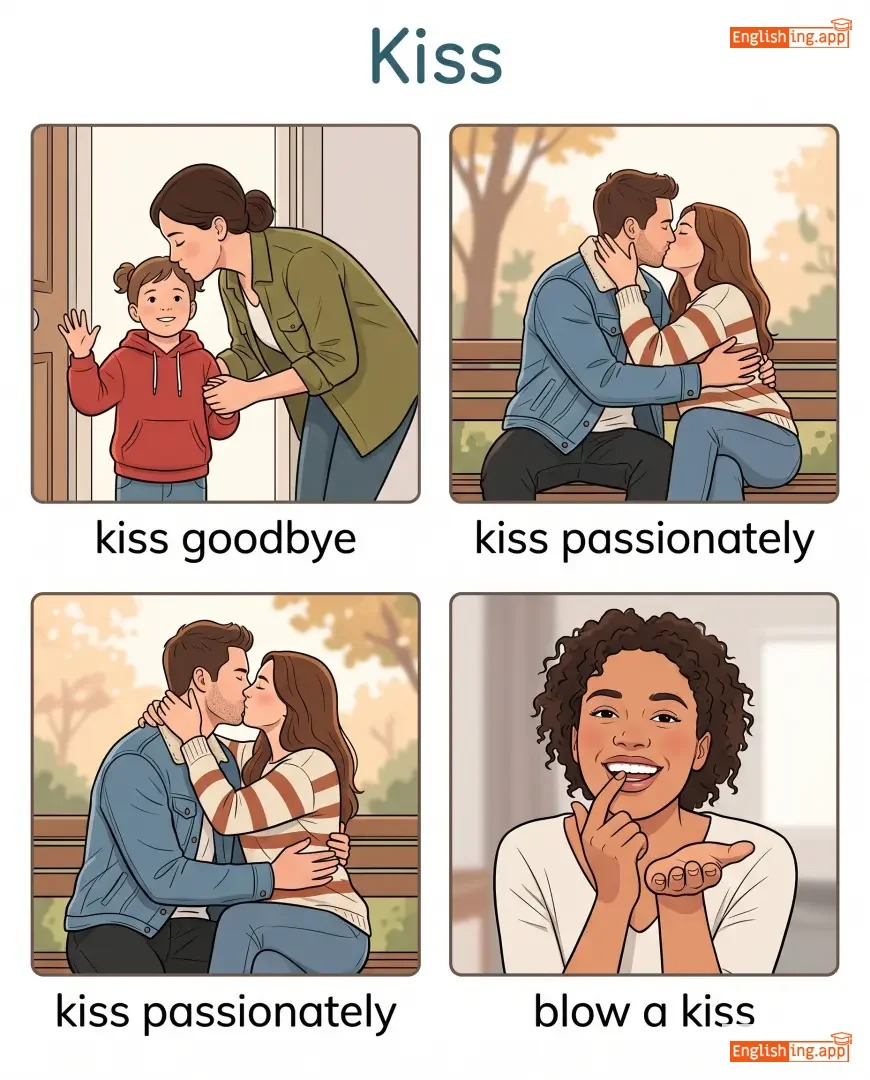
Swipe left or right, or use the buttons. Tap image to zoom.
/
例文の翻訳
••••••
単語
••••••
Lesson 36Lesson 36 - マスクトグル
|
絵文字
|
単語 | Images | 翻訳 | 意味 | 例文 | 例文の翻訳 | 同義語 | 対義語 | コロケーション | ニーモニック |
|---|---|---|---|---|---|---|---|---|---|---|
|
#701
😈
|
/neɪv/
noun
(ネイヴ)
••••••
|
- •••••• |
不正直な人;トランプのジャック
fuseijika na hito; toranpu no jakku
••••••
|
a dishonest person, especially a man; a playing card with a picture of a male servant
••••••
|
The knave tried to cheat the old woman out of her savings. |
その悪党は年老いた女性をだまして、貯金を奪おうとした。
sono akuto wa toshi oita josei o damashite, chokin o ubaou to shita
••••••
|
rogue, scoundrel, rascal, villain
••••••
|
honest person, gentleman, hero
••••••
|
cunning knave, lying knave, card knave
••••••
|
悪党は常に他人をだまして利益を得ようとする
••••••
|
|
#702
🔪
|
/naɪf/
noun
(naifu)
••••••
|
- •••••• |
ナイフ
naifu
••••••
|
a cutting instrument with a sharp blade
••••••
|
She used a sharp knife to cut the vegetables for dinner.
彼女は夕食のために野菜を切るために鋭いナイフを使った。
••••••
|
彼女は夕食のために野菜を切るために鋭いナイフを使った。
Kanojo wa yūshoku no tame ni yasai o kiru tame ni surudoi naifu o tsukatta.
••••••
|
blade, cutter, dagger, cleaver
••••••
|
spoon, fork, blunt tool
••••••
|
sharp knife, kitchen knife, butter knife
••••••
|
ナイフ - 鋭い刃を持つナイフ、切るために必要な道具。
••••••
|
|
#703
♞
|
/naɪt/
noun
(ナイト)
••••••
|
- •••••• |
騎士; 中世の戦士
kishi, chusei no senshi
••••••
|
a man given a rank of honor by a British king or queen; a medieval warrior on horseback
••••••
|
The brave knight rescued the princess from the dragon's castle.
勇敢な騎士はドラゴンの城から姫を助けました。
••••••
|
勇敢な騎士はドラゴンの城から姫を助けました。
yūkan na kishi wa doragon no shiro kara hime o tasukemashita.
••••••
|
warrior, cavalier, champion, nobleman
••••••
|
coward, peasant, commoner
••••••
|
brave knight, medieval knight, knight in armor
••••••
|
A knight is a brave '騎士' who defends the kingdom.
••••••
|
|
#704
🚪
|
/nɒb/
noun
(ノブ)
••••••
|
- •••••• |
ドアや引き出しの丸い取っ手; 機械の小さな丸いスイッチ
Doa ya hikidashi no marui totte; kikai no chiisana marui suitchi
••••••
|
a rounded handle on a door or drawer; a small rounded switch on a machine
••••••
|
He turned the brass knob to open the old wooden door.
彼は古い木の扉を開けるために真鍮のノブを回した。
••••••
|
彼は古い木の扉を開けるために真鍮のノブを回した。
Kare wa furui ki no tobira o akeru tame ni shinchū no nobu o mawashita.
••••••
|
handle, button, switch, control
••••••
|
lever, flat surface, key
••••••
|
door knob, brass knob, turn the knob
••••••
|
ノブを回すことで古い扉が開くイメージを思い出してみてください。
••••••
|
|
#705
✊
|
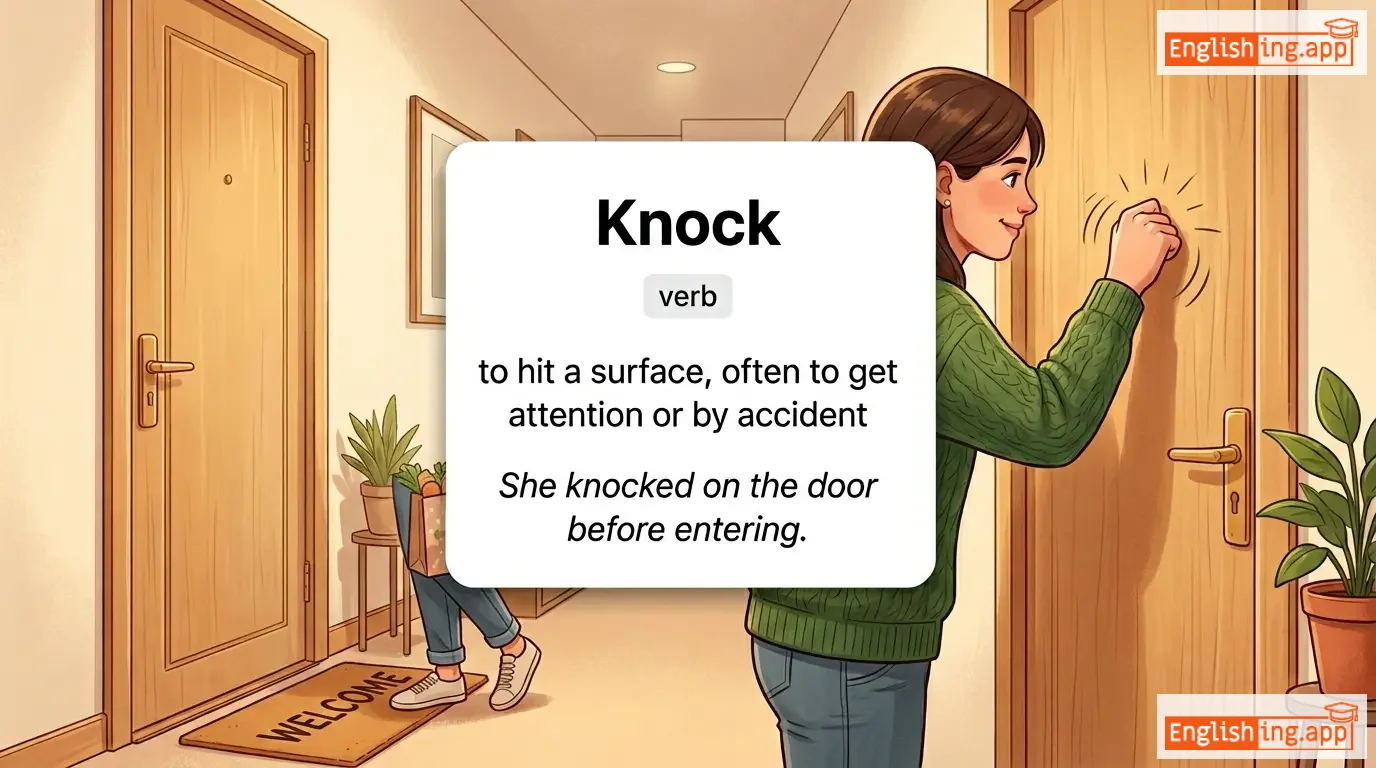
/nɒk/
noun
(ノック)
••••••
|
|
ノック; 叩く
nokku, tataku
••••••
|
a sudden sharp blow; the sound of striking something
••••••
|
There was a loud knock at the door late at night. |
深夜にドアで大きなノックの音がしました。
Shinya ni doa de ōkina nokku no oto ga shimashita.
••••••
|
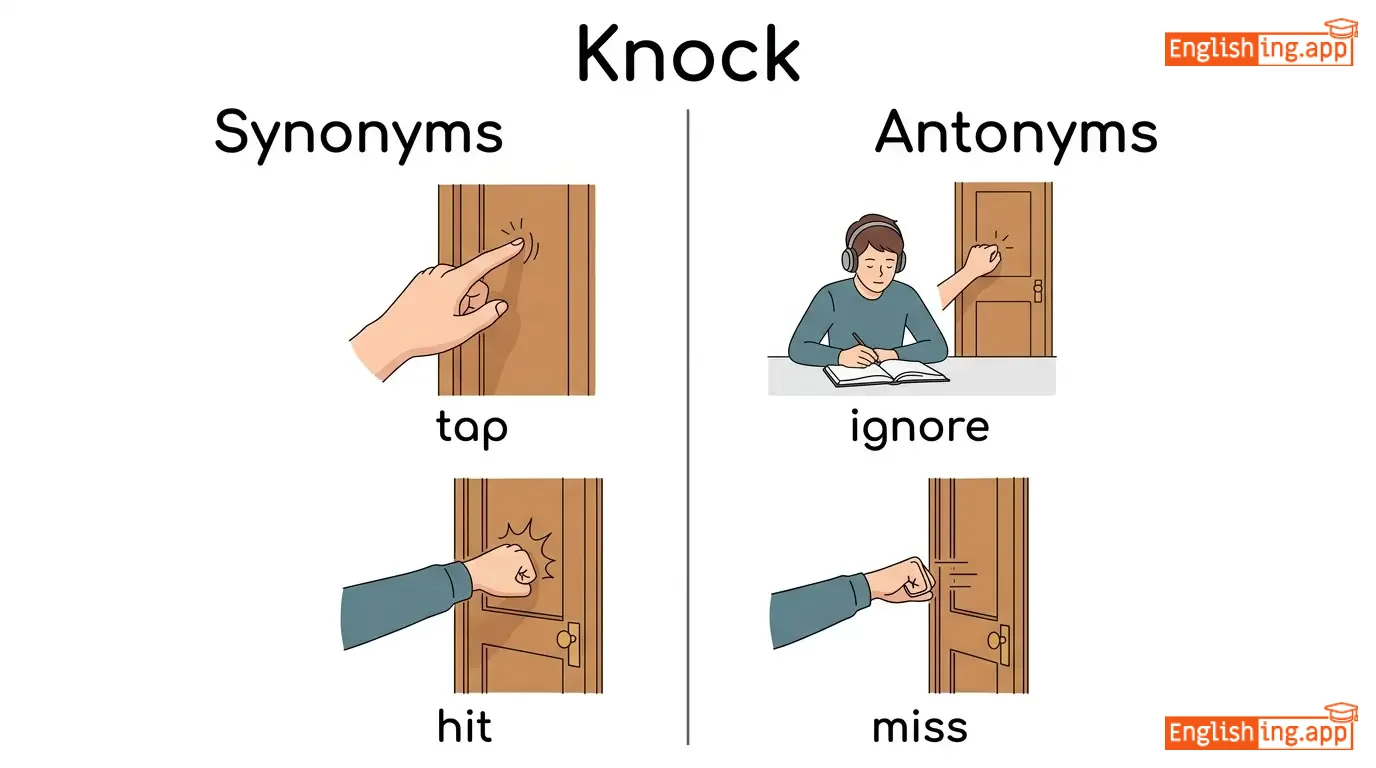
rap, tap, bang, thump
••••••
|
silence, quiet, gentle touch
••••••
|
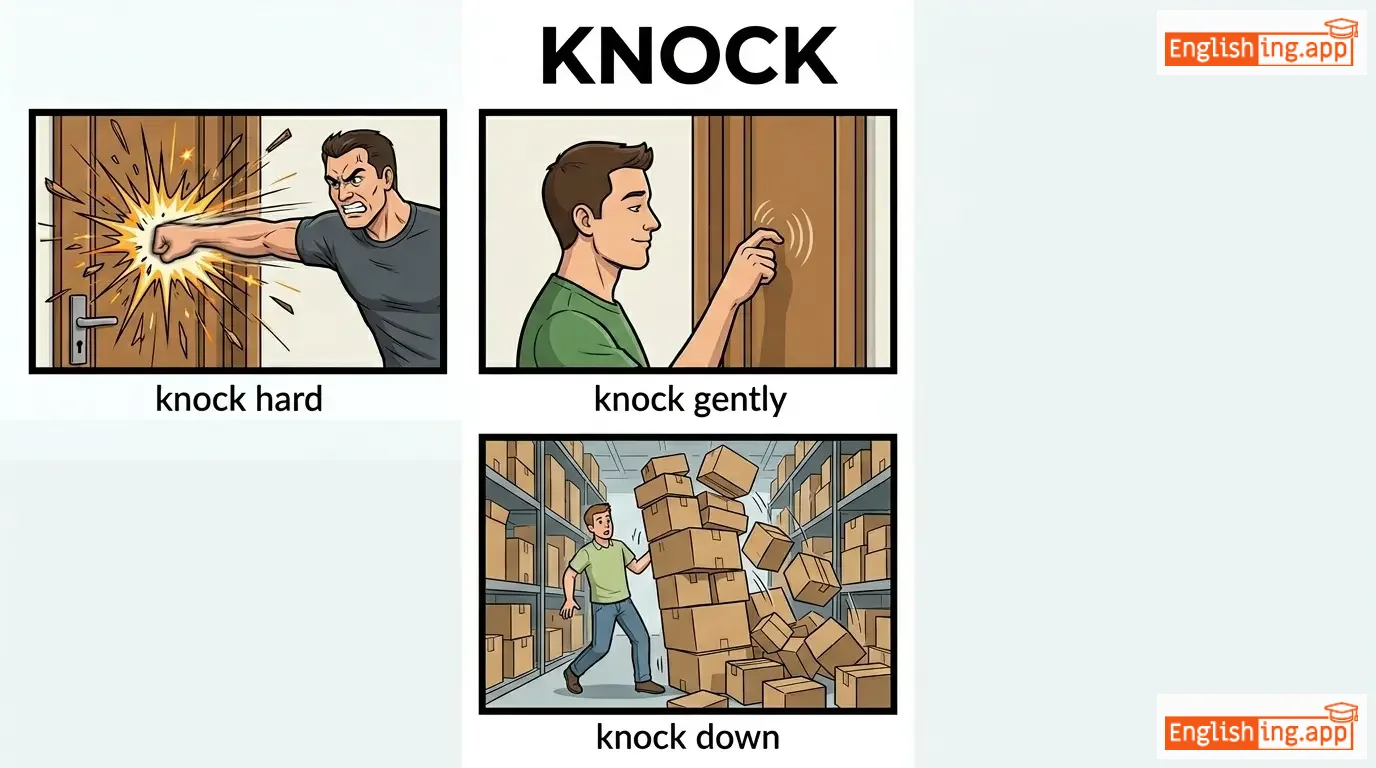
loud knock, gentle knock, knock on the door
••••••
|
衝撃と音- 'ノック' と 'ノック'
••••••
|
|
#706
⛰️
|
/noʊl/
noun
(ノル)
••••••
|
- •••••• |
小さな丘; マウンド
chiisana oka, maundo
••••••
|
a small rounded hill or mound
••••••
|
The old oak tree stood majestically on top of the grassy knoll. |
古いオークの木は、草に覆われた小さな丘の頂上に堂々と立っていました。
Furui ōku no ki wa, kusa ni ōwareta chiisana oka no chōjō ni dōdō to tatte imashita.
••••••
|
hillock, mound, rise, elevation
••••••
|
valley, depression, flat land
••••••
|
grassy knoll, small knoll, wooded knoll
••••••
|
小さな丘を「マウンド」と呼び、丸い小山です。
••••••
|
|
#707
🪢
|
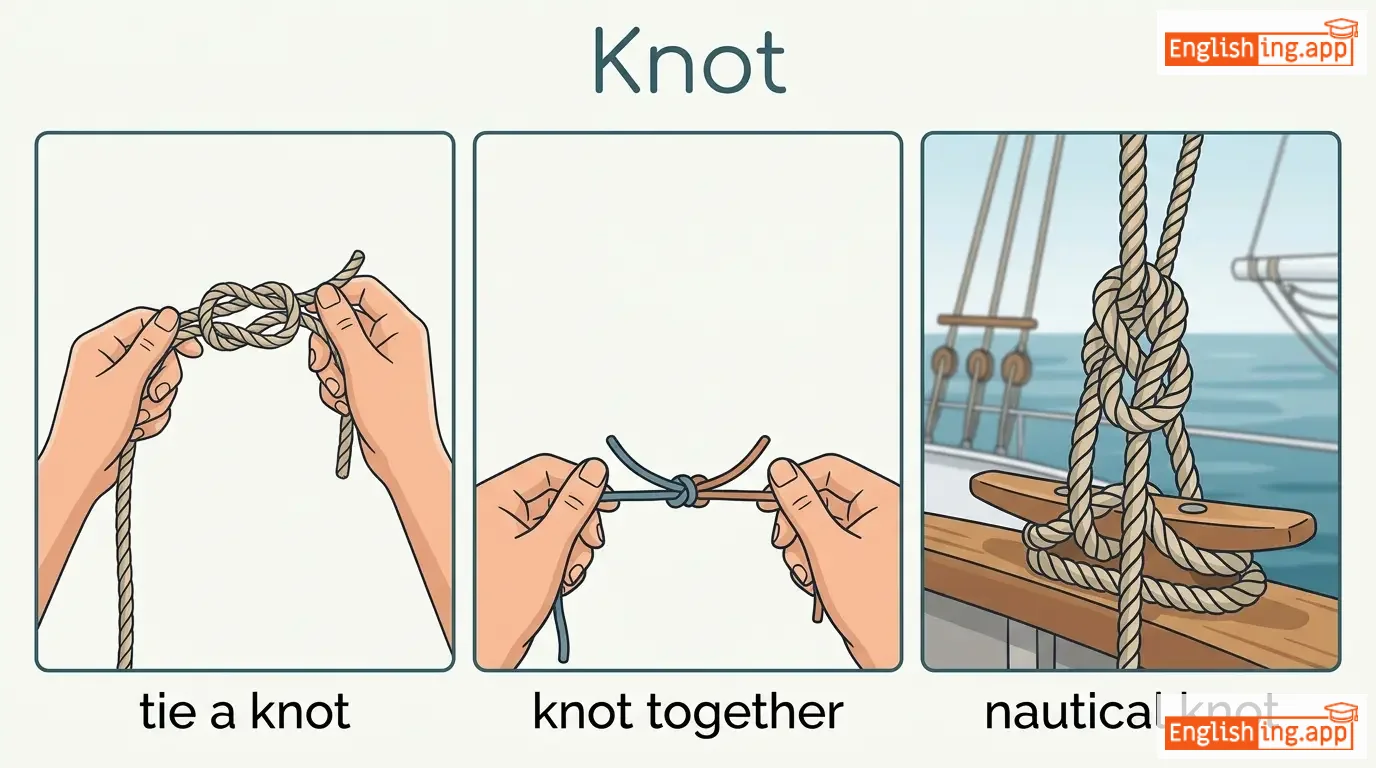
/nɒt/
noun
(ノット)
••••••
|
|
結び目
musubime
••••••
|
a fastening made by tying a piece of string, rope, or something similar; a hard mass in wood
••••••
|
The sailor tied a secure knot to anchor the boat safely.
船乗りはボートを安全に停泊させるためにしっかりとしたノットを結びました。
••••••
|
船乗りはボートを安全に停泊させるためにしっかりとしたノットを結びました。
Funanori wa bo-to o anzen ni teihaku saseru tame ni shikkari to shita notto o musubimashita.
••••••
|
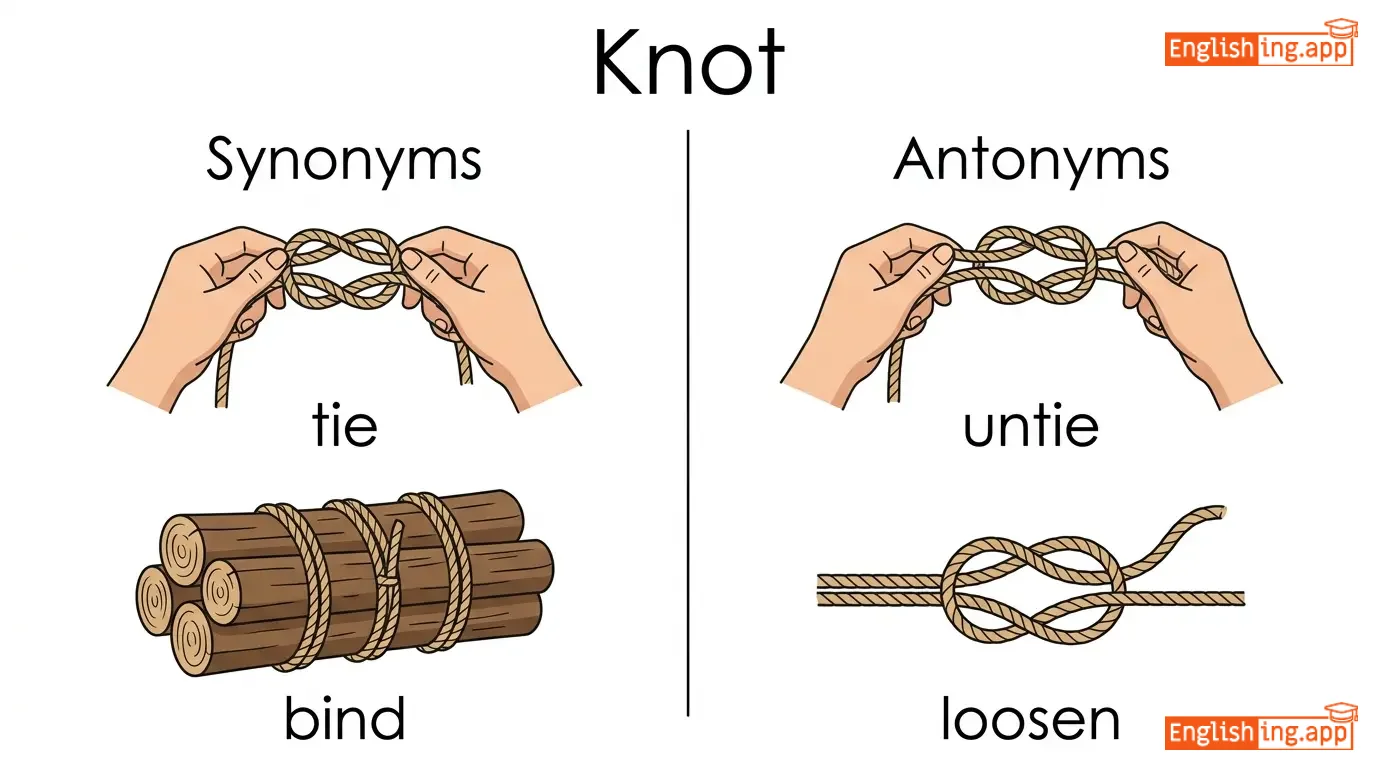
tie, fastening, loop, twist
••••••
|
untied rope, loose end, straight line
••••••
|
tie a knot, tight knot, sailor's knot
••••••
|
結び目がしっかりとした強い結びつきを作るように、物事も強固に結ばれる!
••••••
|
|
#708
📚
|
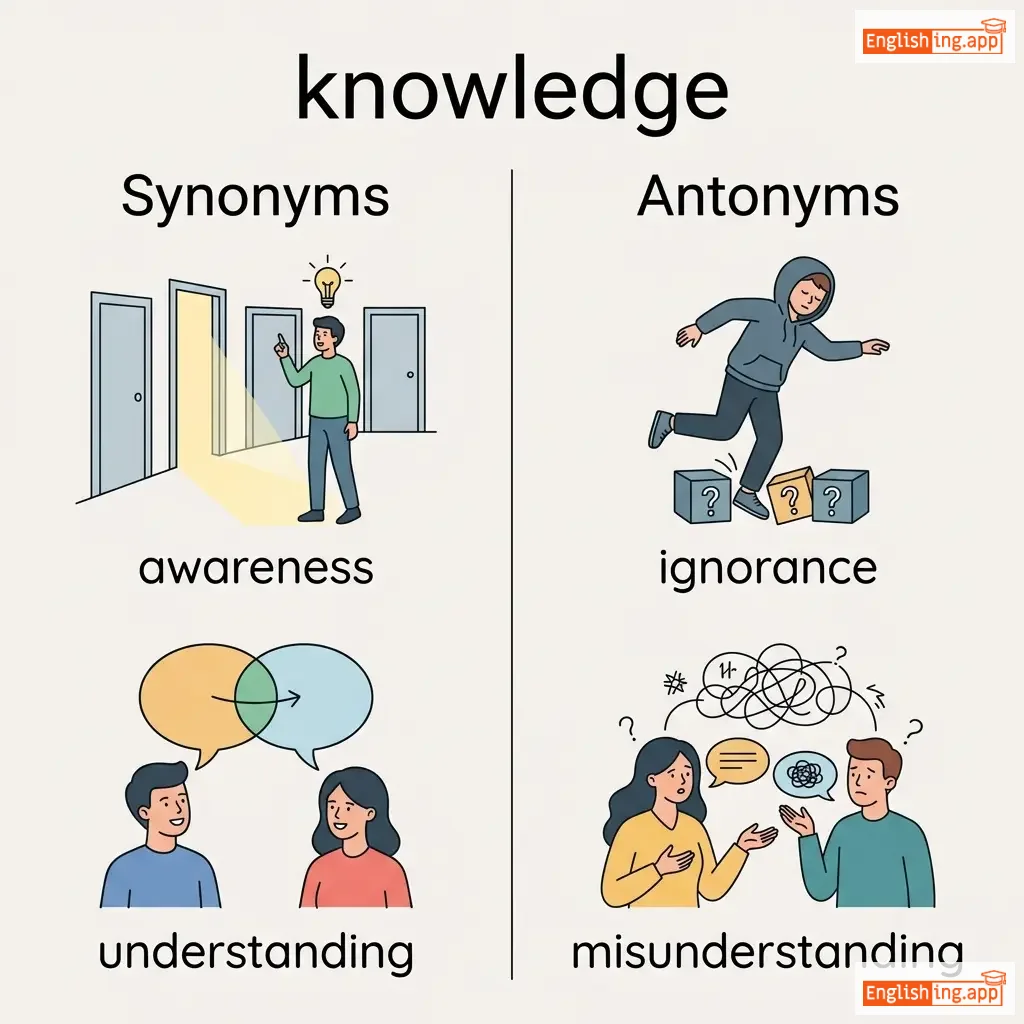
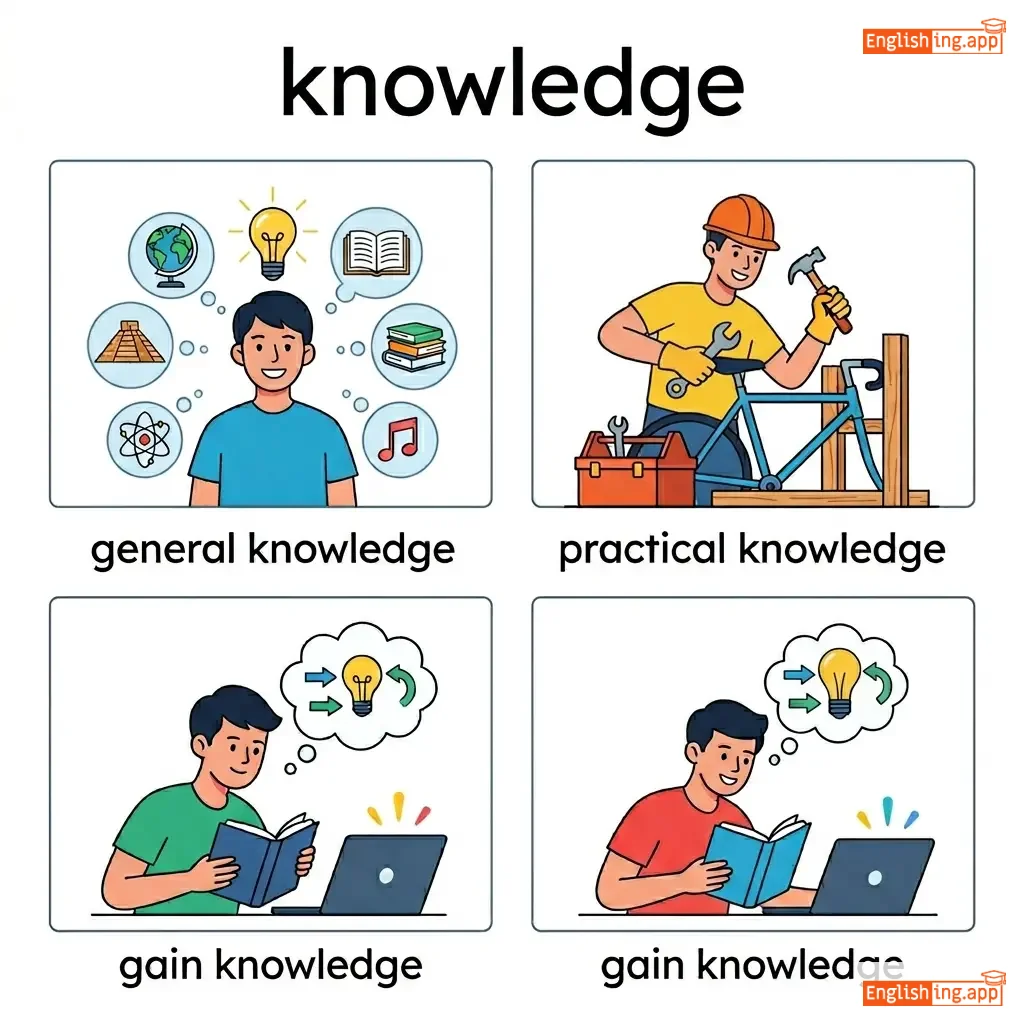
/ˈnɒl.ɪdʒ/
noun
(ノウレッジ)
••••••
|
|
知識; 理解;
chishiki, rikai
••••••
|
facts, information, and skills acquired through experience or education
••••••
|
His extensive knowledge of history impressed the university professors. |
彼の歴史に関する広範な知識は大学の教授たちを感心させた。
Kare no rekishi ni kansuru kouhan na chishiki wa daigaku no kyoushu-tachi wo kanshin saseta.
••••••
|
wisdom, understanding, learning, expertise
••••••
|
ignorance, stupidity, inexperience
••••••
|
vast knowledge, common knowledge, scientific knowledge
••••••
|
知識 (chishiki) はあなたの考え方を深めます。
••••••
|
|
#709
🏷️
|
/ˈleɪ.bəl/
noun
(ラベル)
••••••
|
- •••••• |
ラベル
raberu
••••••
|
a small piece of paper or material attached to something to identify or describe it
••••••
|
Please read the label carefully before taking any medication. |
薬を服用する前に、ラベルを注意深くお読みください。
Kusuri wo fukuyou suru mae ni, raberu wo chuui-bukaku oyomi kudasai.
••••••
|
tag, sticker, mark, identifier
••••••
|
unmarked item, blank surface
••••••
|
price label, warning label, address label
••••••
|
ラベルは、何かが何であるかを教えてくれる小さなタグです。
••••••
|
|
#710
👷
|
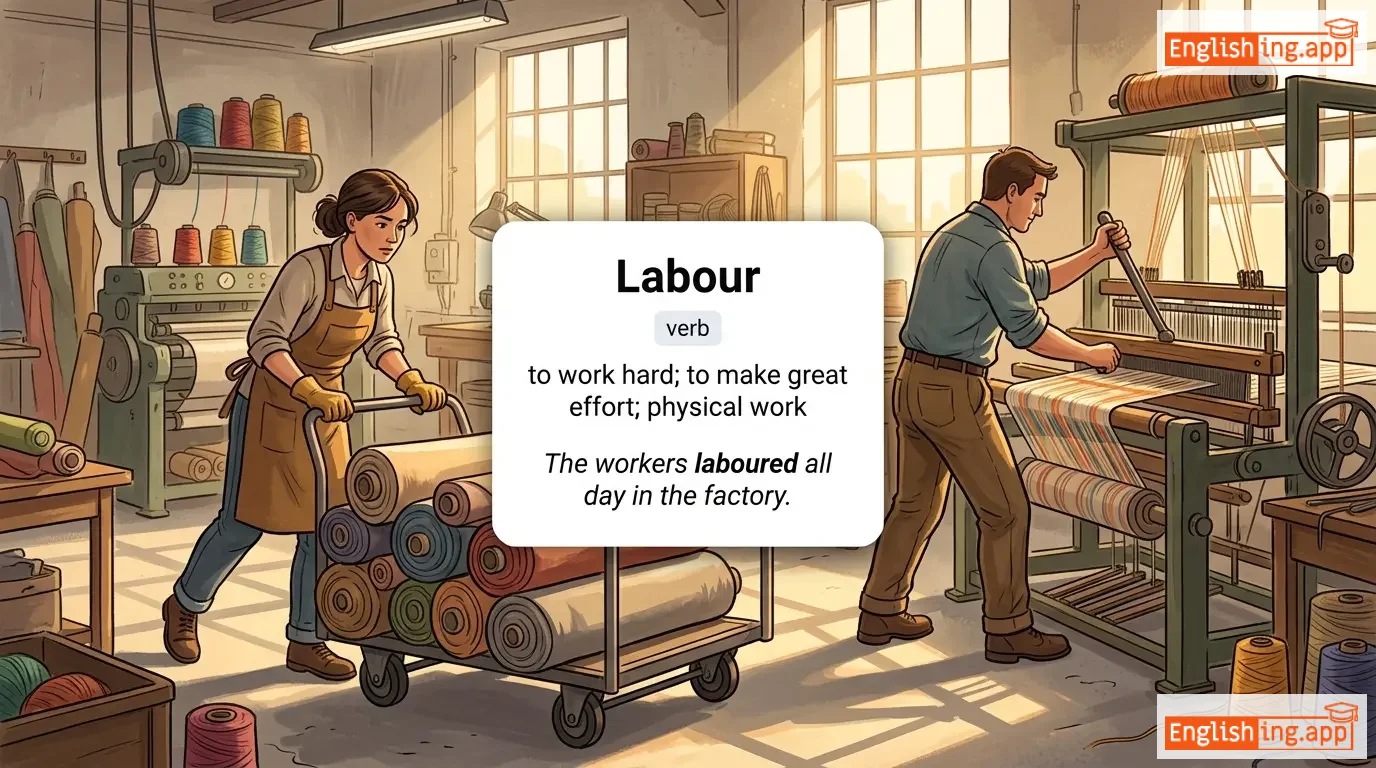
/ˈleɪ.bər/
noun
(レイバー)
••••••
|
|
肉体的または精神的な労働
nikutai-teki mata wa seishin-teki na rōdō
••••••
|
work involving physical or mental effort; workers as a group
••••••
|
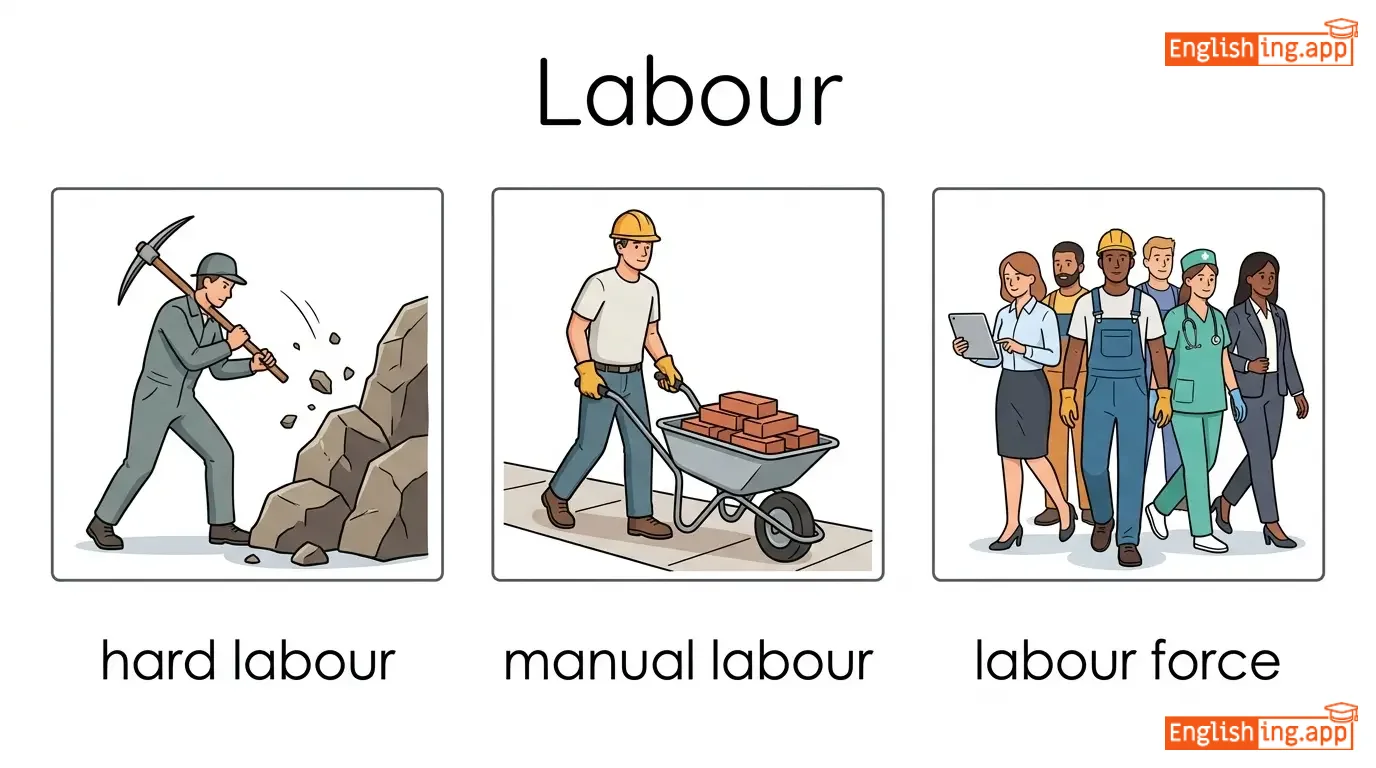
The construction required months of hard labour to complete. |
建設には数ヶ月の厳しい労働が必要でした。
kensetsu ni wa sū-kagetsu no kibishī rōdō ga hitsuyō deshita.
••••••
|
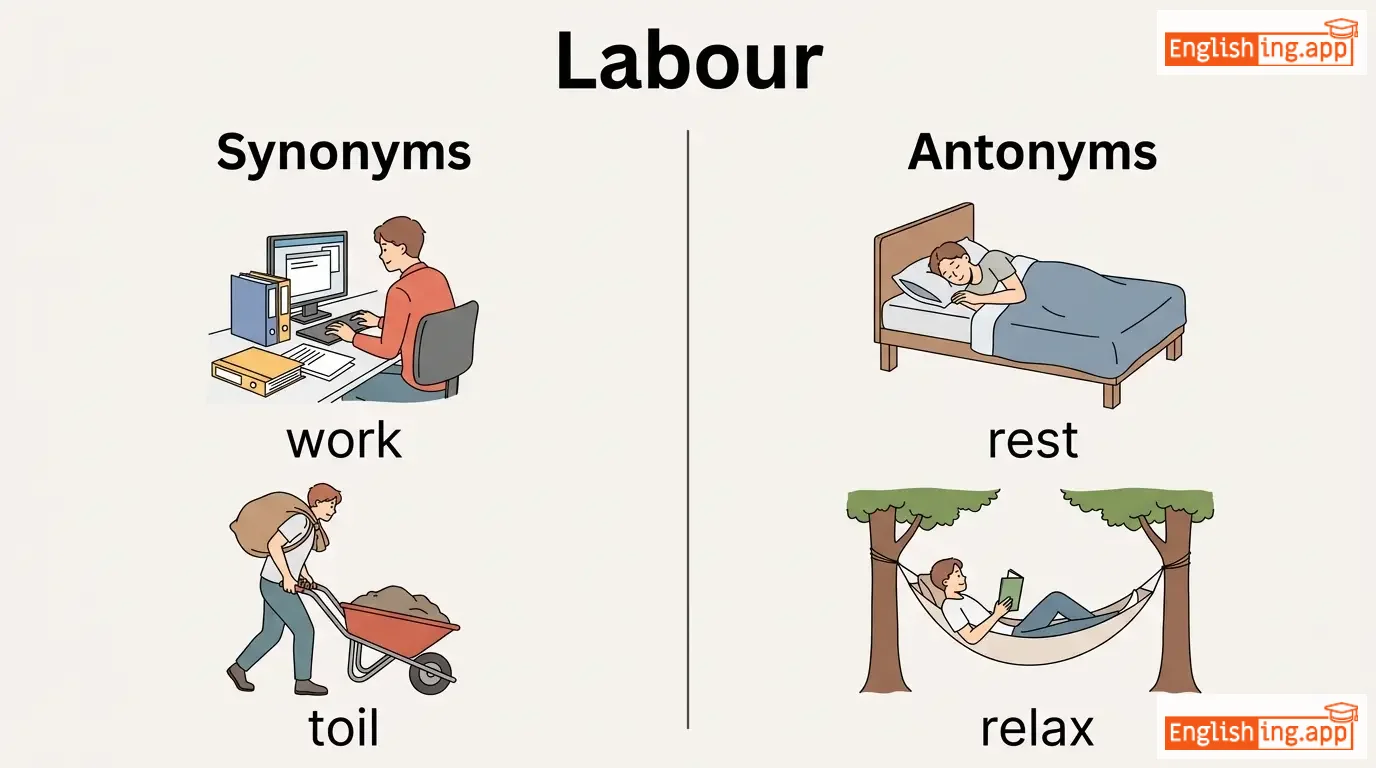
work, toil, effort, employment
••••••
|
leisure, rest, relaxation
••••••
|
manual labour, skilled labour, labour force
••••••
|
Labourは「労働」を意味します。がんばって働こう!
••••••
|
|
#711
-
|
noun
(キン)
••••••
|
- •••••• |
家族; 親戚;
kazoku; shinseki;
••••••
|
- •••••• | - •••••• | - •••••• | - •••••• | - •••••• | - •••••• | No •••••• |
|
#712
-
|
noun
(kaindo)
••••••
|
- •••••• |
種類; タイプ; 種類;
shurui; taipu; shurui;
••••••
|
- •••••• | - •••••• | - •••••• | - •••••• | - •••••• | - •••••• |
Kind means '種類' in Japanese, used to classify or categorize things.
••••••
|
|
#713
-
|
noun
(kaindnesu)
••••••
|
- •••••• |
親切; 優しさ; 思いやり
shinsetsu; yasashisa; omoiyari
••••••
|
- •••••• | - •••••• | - •••••• | - •••••• | - •••••• | - •••••• |
Kindness in Japanese is 'shinsetsu', meaning kindness and consideration.
••••••
|
|
#714
-
|
noun
(キング)
••••••
|
- •••••• |
王様
ousama
••••••
|
- •••••• | - •••••• | - •••••• | - •••••• | - •••••• | - •••••• |
In Japan, the king is called 王様 (ousama).
••••••
|
|
#715
-
|
noun
(キングダム)
••••••
|
- •••••• |
王国
oukoku
••••••
|
- •••••• | - •••••• | - •••••• | - •••••• | - •••••• | - •••••• |
Kingdomは日本語で王国です
••••••
|
|
#716
-
|
noun
(キンズフォーク)
••••••
|
- •••••• |
親戚, 家族
shinseki, kazoku
••••••
|
- •••••• | - •••••• | - •••••• | - •••••• | - •••••• | - •••••• |
Kinsfolk are your family, like '親戚' (relatives) in Japanese.
••••••
|
|
#717
-
|
noun
(kis)
••••••
|
|
キス
kisu
••••••
|
- •••••• | - •••••• | - •••••• | - •••••• | - •••••• | - •••••• |
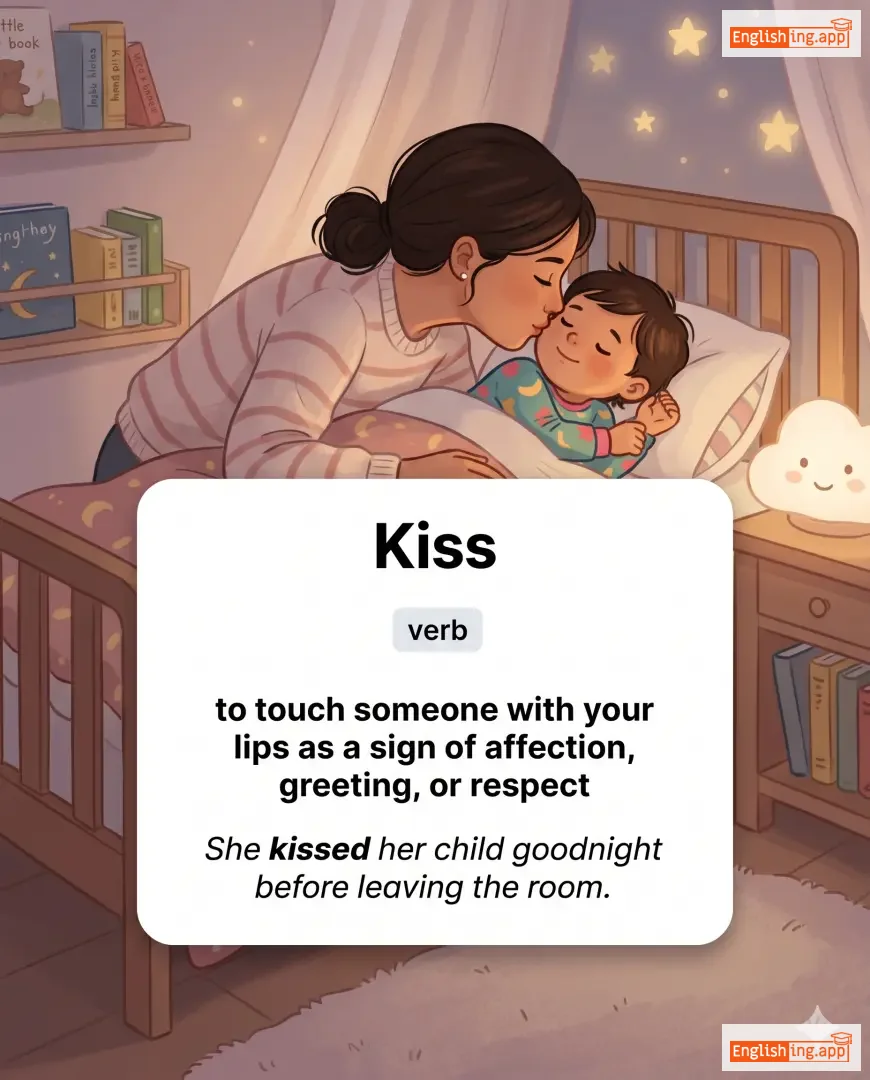
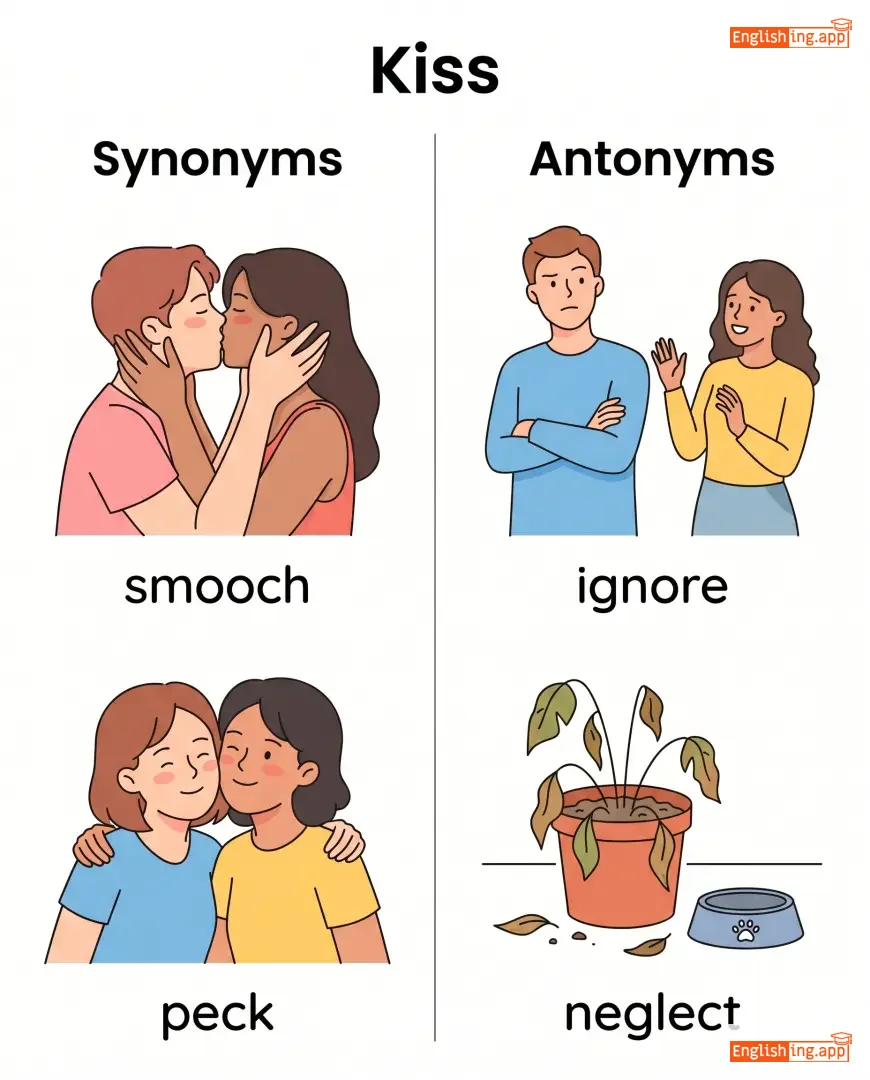
In Japanese, a kiss is 'キス'. Remember it by the simple 'kisu' sound.
••••••
|
|
#718
-
|
noun
(kitchen)
••••••
|
- •••••• |
キッチン
kicchin
••••••
|
- •••••• | - •••••• | - •••••• | - •••••• | - •••••• | - •••••• |
Kicchin in Japanese is where you cook your meals, just like a kitchen.
••••••
|
|
#719
-
|
noun
(kitchen garden)
••••••
|
- •••••• |
キッチンガーデン; キッチンの近くの庭
kitchin gāden; kitchin no chikaku no niwa
••••••
|
- •••••• | - •••••• | - •••••• | - •••••• | - •••••• | - •••••• |
キッチンガーデンは料理に使う食材をすぐに収穫できる便利な場所です。
••••••
|
|
#720
-
|
noun
(カイト)
••••••
|
- •••••• |
凧
tako
••••••
|
- •••••• | - •••••• | - •••••• | - •••••• | - •••••• | - •••••• |
In Japanese, a 'tako' (凧) is a kite, and it's also the word for octopus – perfect for a creative twist!
••••••
|
Vocabulary Quiz
Test your vocabulary by matching words with their translations or meanings.
Login to take the quizコースのレッスン
Mastering the Most Frequent Nouns
(最も頻繁に使われる名詞をマスターする)
/78
1
2
3
4
5
6
7
8
9
10
11
12
13
14
15
16
17
18
19
20
21
22
23
24
25
26
27
28
29
30
31
32
33
34
35
36
37
38
39
40
41
42
43
44
45
46
47
48
49
50
51
52
53
54
55
56
57
58
59
60
61
62
63
64
65
66
67
68
69
70
71
72
73
74
75
76
77
78
Lesson 1: Mastering the Most Frequent Nouns
(レッスン1:最も頻繁に使われる名詞をマスターする)
Lesson 2: Mastering the Most Frequent Nouns
(第2課:最も頻繁に使われる名詞をマスターする)
Lesson 3: Mastering the Most Frequent Nouns
(第3課:最も頻繁に使われる名詞を習得する)
Lesson 4: Mastering the Most Frequent Nouns
(レッスン4:最も頻繁に使われる名詞をマスターする)
Lesson 5: Mastering the Most Frequent Nouns
(レッスン5:最も頻繁に使われる名詞をマスターする)
Lesson 6: Mastering the Most Frequent Nouns
(第6課:最も頻繁に使われる名詞を習得する)
Lesson 7: Mastering the Most Frequent Nouns
(レッスン7:最も頻繁に使われる名詞を習得する)
Lesson 8: Mastering the Most Frequent Nouns
(レッスン8:最も頻繁に使われる名詞をマスターする)
Lesson 9: Mastering the Most Frequent Nouns
(レッスン9:最も頻繁に使われる名詞をマスターする)
Lesson 10: Mastering the Most Frequent Nouns
(第10課:最も頻繁に使われる名詞をマスターする)
Lesson 11: Mastering the Most Frequent Nouns
(第11課:最も頻繁に使われる名詞をマスターする)
Lesson 12: Mastering the Most Frequent Nouns
(レッスン12:最も頻繁に使われる名詞をマスターする)
Lesson 13: Mastering the Most Frequent Nouns
(レッスン13:最も頻繁に使用される名詞をマスターする)
Lesson 14: Mastering the Most Frequent Nouns
(レッスン14:最も頻繁に使われる名詞の習得)
Lesson 15: Mastering the Most Frequent Nouns
(レッスン15:最も頻繁に使われる名詞を習得する)
Lesson 16: Mastering the Most Frequent Nouns
(第16課:最も頻繁に使われる名詞を習得する)
Lesson 17: Mastering the Most Frequent Nouns
(第17課:最も頻繁に使われる名詞をマスターする)
Lesson 18: Mastering the Most Frequent Nouns
(第18課:最もよく使われる名詞を習得する)
Lesson 19: Mastering the Most Frequent Nouns
(第19課:最も頻繁に使われる名詞をマスターする)
Lesson 20: Mastering the Most Frequent Nouns
(第20課:最も頻繁に使われる名詞をマスターする)
Lesson 21: Mastering the Most Frequent Nouns
(レッスン21:最も頻繁に使われる名詞を習得する)
Lesson 22: Mastering the Most Frequent Nouns
(第22課:最も頻繁に使われる名詞をマスターする)
Lesson 23: Mastering the Most Frequent Nouns
(第23課:最も頻繁に使われる名詞をマスターする)
Lesson 24: Mastering the Most Frequent Nouns
(レッスン24:最も頻繁に使われる名詞をマスターする)
Lesson 25: Mastering the Most Frequent Nouns
(レッスン25:最も頻繁に使われる名詞をマスターする)
Lesson 26: Mastering the Most Frequent Nouns
(レッスン26:最も頻繁に使われる名詞を習得する)
Lesson 27: Mastering the Most Frequent Nouns
(第27課:最も頻繁に使われる名詞を習得する)
Lesson 28: Mastering the Most Frequent Nouns
(第28課:最も頻繁に使われる名詞をマスターする)
Lesson 29: Mastering the Most Frequent Nouns
(第29課:最も頻繁に使われる名詞を習得する)
Lesson 30: Mastering the Most Frequent Nouns
(第30課:最も頻繁に使われる名詞をマスターする)
Lesson 31: Mastering the Most Frequent Nouns
(第31課:最も頻繁に使われる名詞をマスターする)
Lesson 32: Mastering the Most Frequent Nouns
(レッスン32:最も頻繁に使われる名詞をマスターする)
Lesson 33: Mastering the Most Frequent Nouns
(第33課:最も頻繁に使われる名詞をマスターする)
Lesson 34: Mastering the Most Frequent Nouns
(レッスン34:最もよく使われる名詞をマスターする)
Lesson 35: Mastering the Most Frequent Nouns
(レッスン35:最も頻繁に使われる名詞をマスターする)
Lesson 36: Mastering the Most Frequent Nouns
(第36課:最も頻繁に使われる名詞をマスターする)
Lesson 37: Mastering the Most Frequent Nouns
(レッスン37:最も頻繁に使われる名詞をマスターする)
Lesson 38: Mastering the Most Frequent Nouns
(レッスン38:最も頻繁に使われる名詞をマスターする)
Lesson 39: Mastering the Most Frequent Nouns
(レッスン39:最も頻繁に使われる名詞をマスターする)
Lesson 40: Mastering the Most Frequent Nouns
(レッスン40:最も頻繁に使われる名詞をマスターする)
Lesson 41: Mastering the Most Frequent Nouns
(レッスン41:最も頻繁に使われる名詞をマスターする)
Lesson 42: Mastering the Most Frequent Nouns
(第42課:最も頻繁に使われる名詞を習得する)
Lesson 43: Mastering the Most Frequent Nouns
(レッスン43:最も頻繁に使われる名詞をマスターする)
Lesson 44: Mastering the Most Frequent Nouns
(レッスン44:最も頻繁に使われる名詞をマスターする)
Lesson 45: Mastering the Most Frequent Nouns
(レッスン45:最もよく使われる名詞をマスターする)
Lesson 46: Mastering the Most Frequent Nouns
(レッスン46:最もよく使われる名詞をマスターする)
Lesson 47: Mastering the Most Frequent Nouns
(レッスン47:最もよく使われる名詞をマスターする)
Lesson 48: Mastering the Most Frequent Nouns
(レッスン48:最も頻繁に使われる名詞の習得)
Lesson 49: Mastering the Most Frequent Nouns
(レッスン49:最もよく使われる名詞をマスターする)
Lesson 50: Mastering the Most Frequent Nouns
(第50課:最も頻繁に使われる名詞をマスターする)
Lesson 51: Mastering the Most Frequent Nouns
(レッスン51:最も頻繁に使われる名詞をマスターする)
Lesson 52: Mastering the Most Frequent Nouns
(レッスン52:最も頻繁に使われる名詞を習得する)
Lesson 53: Mastering the Most Frequent Nouns
(レッスン53:最も頻繁に使われる名詞をマスターする)
Lesson 54: Mastering the Most Frequent Nouns
(レッスン54:最もよく使われる名詞をマスターする)
Lesson 55: Mastering the Most Frequent Nouns
(レッスン55:最も頻繁に使われる名詞を習得する)
Lesson 56: Mastering the Most Frequent Nouns
(レッスン56:最もよく使われる名詞をマスターする)
Lesson 57: Mastering the Most Frequent Nouns
(第57課:最も頻繁に使われる名詞をマスターする)
Lesson 58: Mastering the Most Frequent Nouns
(レッスン58:最も頻繁に使われる名詞をマスターする)
Lesson 59: Mastering the Most Frequent Nouns
(第59課:最も頻繁に使われる名詞をマスターする)
Lesson 60: Mastering the Most Frequent Nouns
(レッスン60:最も頻繁に使われる名詞をマスターする)
Lesson 61: Mastering the Most Frequent Nouns
(レッスン61:最もよく使われる名詞をマスターする)
Lesson 62: Mastering the Most Frequent Nouns
(レッスン62:最も頻繁に使われる名詞をマスターする)
Lesson 63: Mastering the Most Frequent Nouns
(レッスン63:最も頻繁に使われる名詞をマスターする)
Lesson 64: Mastering the Most Frequent Nouns
(第64課:最も頻繁に使われる名詞をマスターする)
Lesson 65: Mastering the Most Frequent Nouns
(レッスン65:最も頻繁に使われる名詞をマスターする)
Lesson 66: Mastering the Most Frequent Nouns
(レッスン66:最も頻繁に使われる名詞を習得する)
Lesson 67: Mastering the Most Frequent Nouns
(第67課:最も頻繁に使われる名詞をマスターする)
Lesson 68: Mastering the Most Frequent Nouns
(第68課:最も頻繁に使われる名詞をマスターする)
Lesson 69: Mastering the Most Frequent Nouns
(レッスン69:最も頻繁に使われる名詞をマスターする)
Lesson 70: Mastering the Most Frequent Nouns
(レッスン70:最も頻繁に使われる名詞をマスターする)
Lesson 71: Mastering the Most Frequent Nouns
(レッスン71:最も頻繁に使われる名詞をマスターする)
Lesson 72: Mastering the Most Frequent Nouns
(第72課:最も頻繁に使われる名詞をマスターする)
Lesson 73: Mastering the Most Frequent Nouns
(レッスン73:最も頻繁に使われる名詞をマスターする)
Lesson 74: Mastering the Most Frequent Nouns
(レッスン74:最もよく使われる名詞をマスターする)
Lesson 75: Mastering the Most Frequent Nouns
(レッスン75:最も頻繁に使われる名詞を習得する)
Lesson 76: Mastering the Most Frequent Nouns
(第76課:最も頻繁に使われる名詞を習得する)
Lesson 77: Mastering the Most Frequent Nouns
(レッスン77:最も頻繁に使われる名詞をマスターする)
Lesson 78: Mastering the Most Frequent Nouns
(レッスン78:最も頻繁に使われる名詞をマスターする)
Comments (0)
Share your thoughts and join the discussion.
Join the discussion by logging in
Login to CommentNo comments yet
Be the first to share your thoughts!