

翻訳
過去
過去分詞
三人称単数
動名詞
意味
例文
例文の翻訳
同義語
対義語
コロケーション
ニーモニック
Swipe left or right, or use the buttons. Tap image to zoom.
例文の翻訳
単語
Lesson 25Lesson 25 - マスクトグル
|
絵文字
|
単語 | Images | 翻訳 | 意味 | 例文 | 例文の翻訳 | 同義語 | 対義語 | コロケーション | ニーモニック |
|---|---|---|---|---|---|---|---|---|---|---|
|
#481
📊
|
/ˈfriː.kwən.si/
noun
(furiːkwɛnsi)
••••••
|
- •••••• |
頻度
hindō
••••••
|
the rate at which something occurs or is repeated over a particular period of time
••••••
|
The frequency of earthquakes in this region has increased dramatically over the past decade. |
この地域の地震の頻度は過去10年間で劇的に増加しました。
Kono chiiki no jishin no hindō wa kako 10-nenkan de gekiteki ni zōka shimashita.
••••••
|
rate, occurrence, regularity, repetition
••••••
|
rarity, infrequency, irregularity, sporadic
••••••
|
high frequency, radio frequency, frequency of visits
••••••
|
頻度は何かが繰り返す頻度を測るもので、時計のようなものです。
••••••
|
|
#482
🌌
|
/ˈɡæl.ək.si/
noun
(銀河系)
••••••
|
- •••••• |
銀河系
ginga kei
••••••
|
a system of millions or billions of stars, together with gas and dust, held together by gravitational attraction
••••••
|
The Milky Way is the galaxy that contains our solar system and Earth.
天の川は私たちの太陽系と地球を含む銀河系です。
••••••
|
天の川は私たちの太陽系と地球を含む銀河系です。
Amanogawa wa watashitachi no taiyōkei to chikyū o fukumu ginga kei desu.
••••••
|
star system, constellation, nebula, universe
••••••
|
void, emptiness, space, vacuum
••••••
|
spiral galaxy, distant galaxy, galaxy cluster
••••••
|
銀河系 - 星々が集まり、夜空に広がる壮大な『銀河』のようです。
••••••
|
|
#483
😱
|
/fraɪt/
noun
(フライト)
••••••
|
- •••••• |
恐怖; 驚き; 驚愕
kyoufu, odoroki, kyougaku
••••••
|
a sudden intense feeling of fear; a shock or surprise that causes fear
••••••
|
The loud thunder gave her such a fright that she dropped her coffee cup. |
大きな雷の音で、彼女は恐怖を感じてコーヒーカップを落としました。
Ookina kaminari no oto de, kanojo wa kyoufu o kanjite koohii kappu o otoshimashita.
••••••
|
fear, terror, alarm, panic
••••••
|
calmness, courage, composure, bravery
••••••
|
get a fright, terrible fright, sudden fright
••••••
|
恐怖 (kyoufu) と驚き (odoroki) のミックス
••••••
|
|
#484
🌬️
|
/ɡeɪl/
noun
(ゲイル)
••••••
|
- •••••• |
暴風; ビューフォートスケールで7から10の強風
bōfū; byūfōtosukēru de 7 kara 10 no kyōfū
••••••
|
a very strong wind; a wind of force 7 to 10 on the Beaufort scale
••••••
|
The fishing boats returned to harbor early due to the approaching gale.
漁船は接近する暴風雨のため、早めに港に戻った。
••••••
|
漁船は接近する暴風雨のため、早めに港に戻った。
Gyosen wa sekkin suru bōfūu no tame, hayame ni minato ni modotta.
••••••
|
storm, tempest, squall, hurricane
••••••
|
calm, stillness, breeze, gentle wind
••••••
|
fierce gale, gale force winds, gale warning
••••••
|
Gale = 暴風、嵐のような風
••••••
|
|
#485
💰
|
/fruːˈɡæl.ə.ti/
noun
(フルガリティ)
••••••
|
|
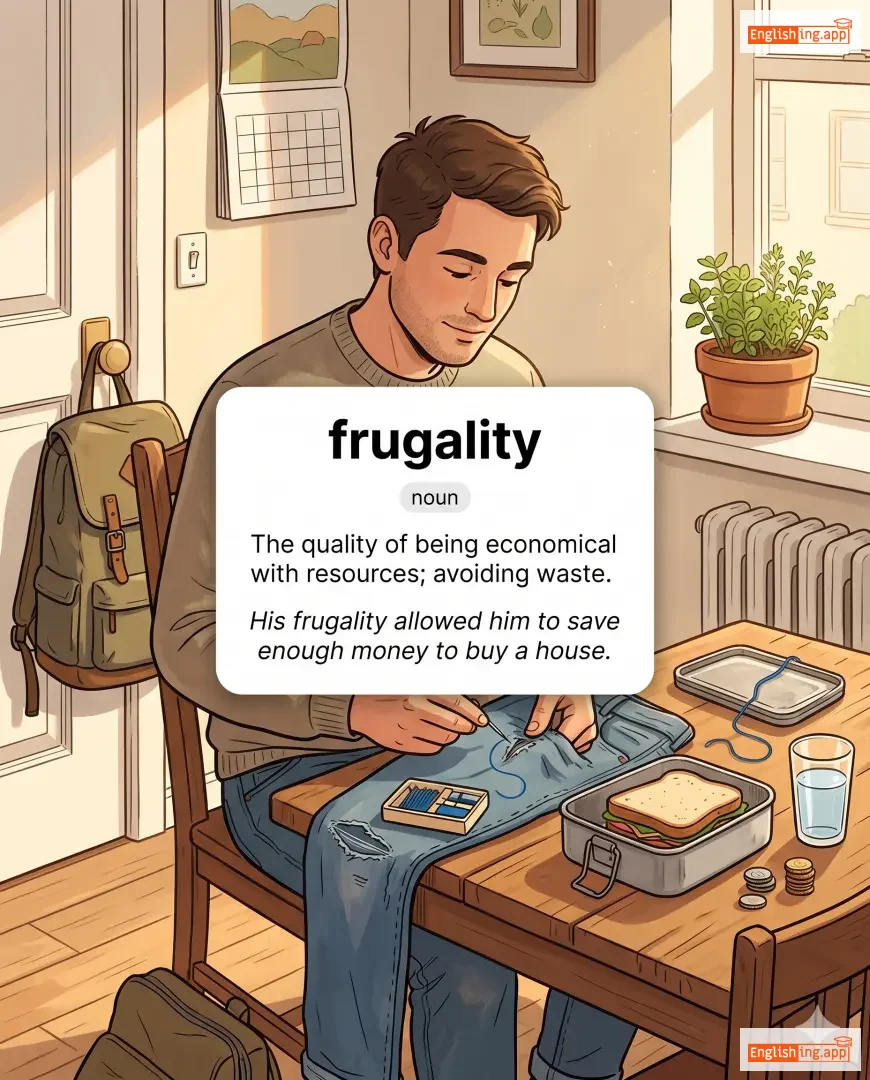
倹約
ken'yaku
••••••
|
the quality of being economical in use or expenditure; not wasteful
••••••
|
His frugality during his youth allowed him to save enough money for retirement. |
若い頃の倹約のおかげで、退職後に十分なお金を貯めることができました。
Wakai koro no ken'yaku no okage de, taishoku go ni juubun'na okane wo tameru koto ga dekimashita.
••••••
|
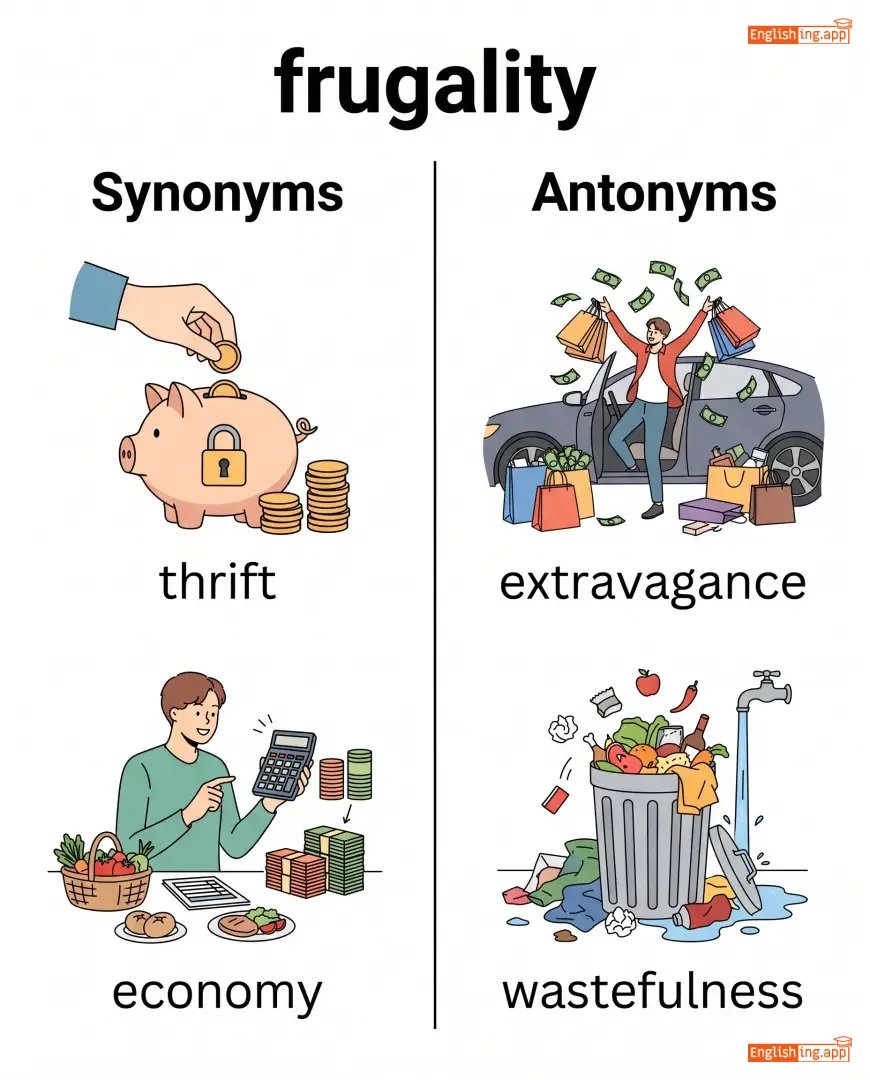
thrift, economy, prudence, saving
••••••
|
extravagance, waste, lavishness, profligacy
••••••
|
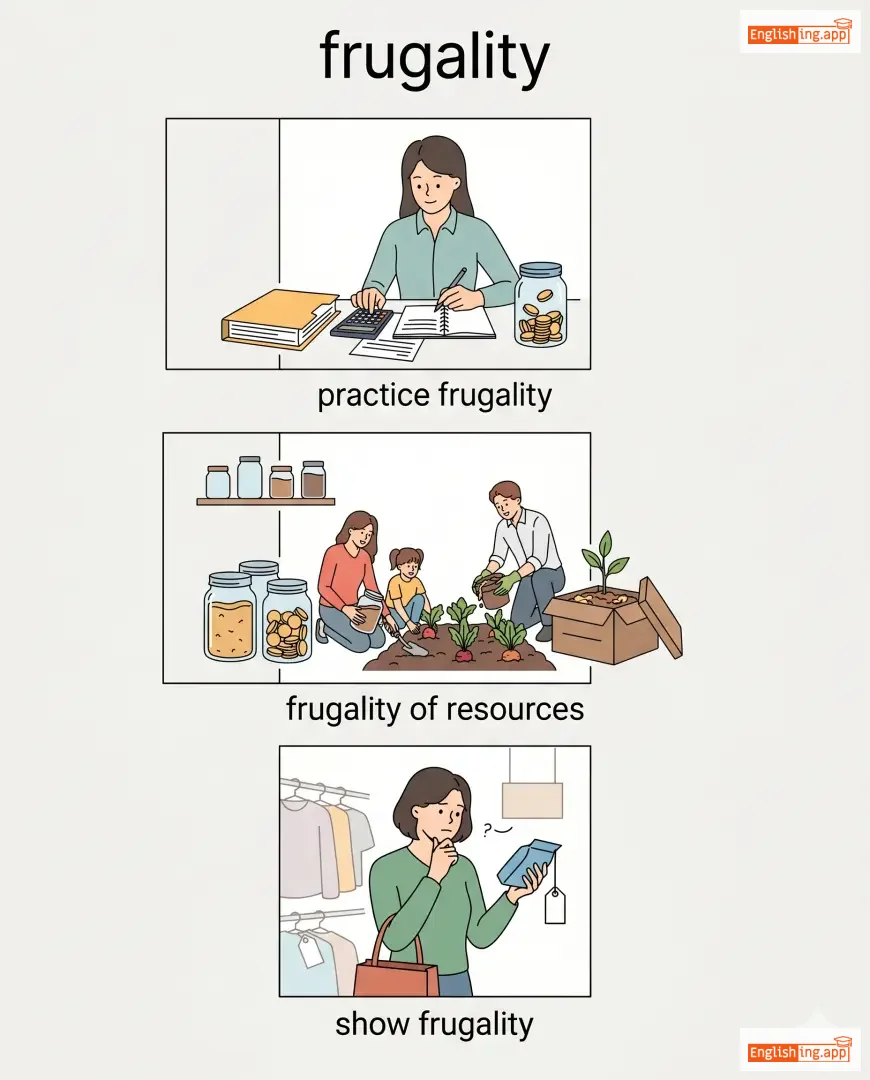
practice frugality, strict frugality, admirable frugality
••••••
|
倹約を実践して未来の安心を手に入れよう。
••••••
|
|
#486
🎨
|
/ˈɡæl.ər.i/
noun
(ギャラリー)
••••••
|
- •••••• |
ギャラリー
gyararī
••••••
|
a room or building for the display or sale of works of art; an area for spectators
••••••
|
The art gallery featured paintings by famous local and international artists.
The art gallery featured paintings by famous local and international artists.
••••••
|
そのアートギャラリーは、地元の有名なアーティストと国際的なアーティストの絵画を展示しました。
Sono āto gyararī wa, jimoto no yūmei na ātisuto to kokusai-teki na ātisuto no kaiga o tenji shimashita.
••••••
|
museum, exhibition hall, showroom, arcade
••••••
|
storage, warehouse, basement, private room
••••••
|
art gallery, photo gallery, gallery opening
••••••
|
ギャラリーは芸術の宝庫です。
••••••
|
|
#487
⛽
|
/ˈfjuː.əl/
noun
(フューエル)
••••••
|
- •••••• |
燃料
nenryou
••••••
|
a material such as coal, gas, or oil that is burned to produce heat or power
••••••
|
The rising cost of fuel has affected transportation and heating expenses worldwide. |
燃料の価格上昇は、世界中の輸送と暖房費に影響を与えました。
Nenyō no kakaku jōshō wa, sekaijū no yusō to danbō-hi ni eikyō o ataemashita.
••••••
|
energy, gasoline, petrol, combustible
••••••
|
extinguisher, cooler, depressant, inhibitor
••••••
|
fossil fuel, fuel consumption, fuel efficiency
••••••
|
Fuelと燃料はエネルギー源、同じような意味です。
••••••
|
|
#488
🎰
|
/ˈɡæm.blər/
noun
(ギャンブラー)
••••••
|
- •••••• |
ギャンブラー
gyanburā
••••••
|
a person who gambles regularly, typically someone who cannot resist the urge to gamble
••••••
|
The experienced gambler knew when to fold his cards and when to bet big. |
経験豊富なギャンブラーは、カードを折る時と大きな賭けをする時を知っていました。
keiken hōfu na gyanburā wa, kādo o oru toki to ōkina kake o suru toki o shitte imashita
••••••
|
bettor, player, speculator, risk-taker
••••••
|
saver, conservative, cautious person, non-risk taker
••••••
|
professional gambler, compulsive gambler, lucky gambler
••••••
|
‘ギャンブラー’は英語の‘gambler’に似た意味を持ち、ギャンブルを行う人を指します。
••••••
|
|
#489
🏃♂️
|
/ˈfjuː.dʒə.tɪv/
noun
(フュージティヴ)
••••••
|
- •••••• |
逃亡者
toubousha
••••••
|
a person who has escaped from a place or is in hiding, especially to avoid arrest
••••••
|
The police launched a manhunt to capture the fugitive who escaped from prison. |
警察は刑務所から逃げた逃亡者を捕まえるために捜索を開始しました。
Keisatsu wa keimusho kara nigeta toubousha o tsukamaeru tame ni sousaku o kaishi shimashita.
••••••
|
escapee, runaway, refugee, outlaw
••••••
|
captive, prisoner, detainee, inmate
••••••
|
fugitive from justice, wanted fugitive, capture fugitive
••••••
|
逃亡者はいつも警察から逃げるために隠れています。
••••••
|
|
#490
🏠
|
/ɡəˈrɑːʒ/
noun
(ガレージ)
••••••
|
- •••••• |
ガレージ
gareeji
••••••
|
a building or space for housing a motor vehicle; a commercial establishment for repairing motor vehicles
••••••
|
He parked his car in the garage to protect it from the hailstorm.
彼は車をガレージに停めて、雹から守りました。
••••••
|
彼は車をガレージに停めて、雹から守りました。
Kare wa kuruma o gareeji ni tomete, hyou kara mamorimashita.
••••••
|
carport, shed, workshop, parking space
••••••
|
street, outdoors, open air, driveway
••••••
|
car garage, garage door, parking garage
••••••
|
日本語の 'ガレージ' は英語の 'garage' と同じ意味で、自動車を保管する場所です。
••••••
|
|
#491
⚱️
|
/ˈfjuː.nər.əl/
noun
(fyūneraru)
••••••
|
- •••••• |
葬式
sōshiki
••••••
|
a ceremony typically held shortly after a person's death, usually including burial or cremation
••••••
|
Hundreds of people attended the funeral to pay their respects to the beloved teacher.
何百人もの人々が葬式に出席し、愛された教師に敬意を表しました。
••••••
|
何百人もの人々が葬式に出席し、愛された教師に敬意を表しました。
Nanbyakunin mo no hitobito ga sōshiki ni shusseki shi, aisareta kyōshi ni keii o hyōshimashita.
••••••
|
burial, memorial service, interment, obsequies
••••••
|
birth, christening, celebration, wedding
••••••
|
funeral service, funeral procession, attend funeral
••••••
|
葬式 - さよならの儀式
••••••
|
|
#492
🗑️
|
/ˈɡɑːr.bɪdʒ/
noun
(ガーベジ)
••••••
|
- •••••• |
ゴミ; 廃棄物
gomi, haikibutsu
••••••
|
waste material; refuse or litter; something worthless or meaningless
••••••
|
Please take out the garbage before the collection truck arrives tomorrow morning.
ゴミ収集車が明日の朝到着する前にゴミを出してください。
••••••
|
ゴミ収集車が明日の朝到着する前にゴミを出してください。
Gomi shūshūsha ga ashita no asa tōchaku suru mae ni gomi o dashite kudasai.
••••••
|
trash, waste, rubbish, refuse
••••••
|
treasure, valuable, useful item, resource
••••••
|
garbage disposal, garbage truck, take out garbage
••••••
|
ゴミは外に出しておくべき、家の中に置いておくと困る。
••••••
|
|
#493
🔴
|
/ˈfjʊr.ʌŋ.kəl/
noun
(fyurankuru)
••••••
|
- •••••• |
ふるんくる; こぶ;
furunkuru, kobu
••••••
|
a painful pus-filled bump under the skin caused by infected, inflamed hair follicles
••••••
|
The doctor prescribed antibiotics to treat the painful furuncle on his neck.
医者は彼の首の痛みを伴うフルンクルを治療するために抗生物質を処方しました。
••••••
|
医者は彼の首の痛みを伴うフルンクルを治療するために抗生物質を処方しました。
Isha wa kare no kubi no itami o tomonau furunkuru o chiryō suru tame ni kōseibusshitsu o shohō shimashita.
••••••
|
boil, abscess, pustule, carbuncle
••••••
|
healthy skin, clear skin, smooth skin, unmarked
••••••
|
painful furuncle, treat furuncle, furuncle infection
••••••
|
Imagine a painful bump under the skin like a 'fur' causing a 'lump' you need to treat.
••••••
|
|
#494
🌸
|
/ˈɡɑːr.dən/
noun
(ガーデン)
••••••
|
- •••••• |
庭園
teien
••••••
|
a piece of ground, often near a house, used for growing flowers, fruit, or vegetables
••••••
|
She spent her morning tending to the roses in her beautiful garden. |
彼女は美しい庭園でバラの手入れをしながら朝を過ごしました。
Kanojo wa utsukushii teien de bara no teire o shinagara asa o sugoshimashita.
••••••
|
yard, plot, orchard, nursery
••••••
|
wasteland, desert, concrete, pavement
••••••
|
flower garden, vegetable garden, botanical garden
••••••
|
Teien = Tei-en (garden in Japanese)
••••••
|
|
#495
😡
|
/ˈfjʊr.i/
noun
(fyūri)
••••••
|
- •••••• |
激しい怒りや暴力的な感情;
hageshii ikari ya bōryokuteki na kanjō
••••••
|
wild or violent anger; extreme intensity of emotion or activity
••••••
|
His fury was evident when he discovered someone had stolen his bicycle.
彼の怒りは彼が自転車を盗まれたことに気づいたときに明らかだった。
••••••
|
彼の怒りは彼が自転車を盗まれたことに気づいたときに明らかだった。
kare no ikari wa kare ga jitensha o nusumareta koto ni kidzuita toki ni akiraka datta.
••••••
|
rage, wrath, anger, outrage
••••••
|
calmness, serenity, peace, tranquility
••••••
|
blind fury, fury of nature, unleash fury
••••••
|
Fury の音と日本語の「怒り」
••••••
|
|
#496
🌺
|
/ˈɡɑːr.lənd/
noun
(ガーランド)
••••••
|
- •••••• |
花冠; ガーランド;
hanakan, gārando
••••••
|
a wreath of flowers and leaves, worn on the head or hung as decoration
••••••
|
The bride wore a beautiful floral garland during the traditional ceremony.
花嫁は伝統的な式典で美しい花の冠を身に着けていました。
••••••
|
花嫁は伝統的な式典で美しい花の冠を身に着けていました。
Hanayome wa dentōteki na shikiten de utsukushī hana no kanmuri o mi ni tsukete imashita.
••••••
|
wreath, lei, chain, crown
••••••
|
bareness, nakedness, plainness, simplicity
••••••
|
flower garland, victory garland, festive garland
••••••
|
花冠 (hanakan) - 美しい花の冠をかぶって、祝う時に使います。
••••••
|
|
#497
😰
|
/fʌs/
noun
(ファス)
••••••
|
- •••••• |
騒ぎ; 無駄な心配
sawagi; muda na shinpai
••••••
|
unnecessary worry or bother about something; agitated excitement over a trivial matter
••••••
|
She made such a fuss about the small stain on her dress that everyone noticed. |
彼女はドレスの小さなシミについてそんなに騒いだので、みんなが気づきました。
Kanojo wa doresu no chiisana shimi ni tsuite sonnani sawanda node, minna ga kizukimashita.
••••••
|
commotion, bother, ado, agitation
••••••
|
calmness, peace, quiet, composure
••••••
|
make fuss, fuss over details, unnecessary fuss
••••••
|
No •••••• |
|
#498
🧄
|
/ˈɡɑːr.lɪk/
noun
(にんにく)
••••••
|
- •••••• |
にんにく
ninniku
••••••
|
a strong-smelling pungent-tasting bulb, used as a flavoring in cooking and in herbal medicine
••••••
|
The recipe calls for three cloves of fresh garlic to enhance the flavor.
風味を引き立てるために、レシピには新鮮なにんにくを三片使います。
••••••
|
風味を引き立てるために、レシピには新鮮なにんにくを三片使います。
fuumi o hikitaseru tame ni, reshipi ni wa shinsen na ninniku o sanpi tsukaimasu.
••••••
|
bulb, clove, seasoning, herb
••••••
|
sweetener, sugar, bland spice, mild herb
••••••
|
fresh garlic, garlic clove, roasted garlic
••••••
|
Imagine a garlic bulb with a neon GARLIC sign and a tiny chef whispering にんにく to flavor every dish.
••••••
|
|
#499
🎉
|
/ˈɡeɪ.ə.ti/
noun
(ゲイエティ)
••••••
|
- •••••• |
歓喜; 祝祭的な雰囲気;
kanki, shukusai teki na funiki
••••••
|
the state or quality of being light-hearted or cheerful; festive atmosphere
••••••
|
The wedding reception was filled with gaiety, laughter, and joyful celebrations.
結婚式のレセプションは喜び、笑い、楽しい祝賀で満たされていました。
••••••
|
結婚式のレセプションは喜び、笑い、楽しい祝賀で満たされていました。
Kekkonshiki no resepushon wa yorokobi, warai, tanoshii shukuga de mitasareteimashita.
••••••
|
merriment, cheerfulness, joy, festivity
••••••
|
sadness, gloom, melancholy, sorrow
••••••
|
atmosphere of gaiety, infectious gaiety, gaiety and laughter
••••••
|
Gaiety in Japanese: 結婚式のように楽しく、嬉しい雰囲気でいっぱい。
••••••
|
|
#500
🗣️
|
/ˈɡær.ə.ləs/
adjective
(ギャルラス)
••••••
|
|
おしゃべりな; うるさい; 話好き
oshaberi na, urusai, hanashizuki
••••••
|
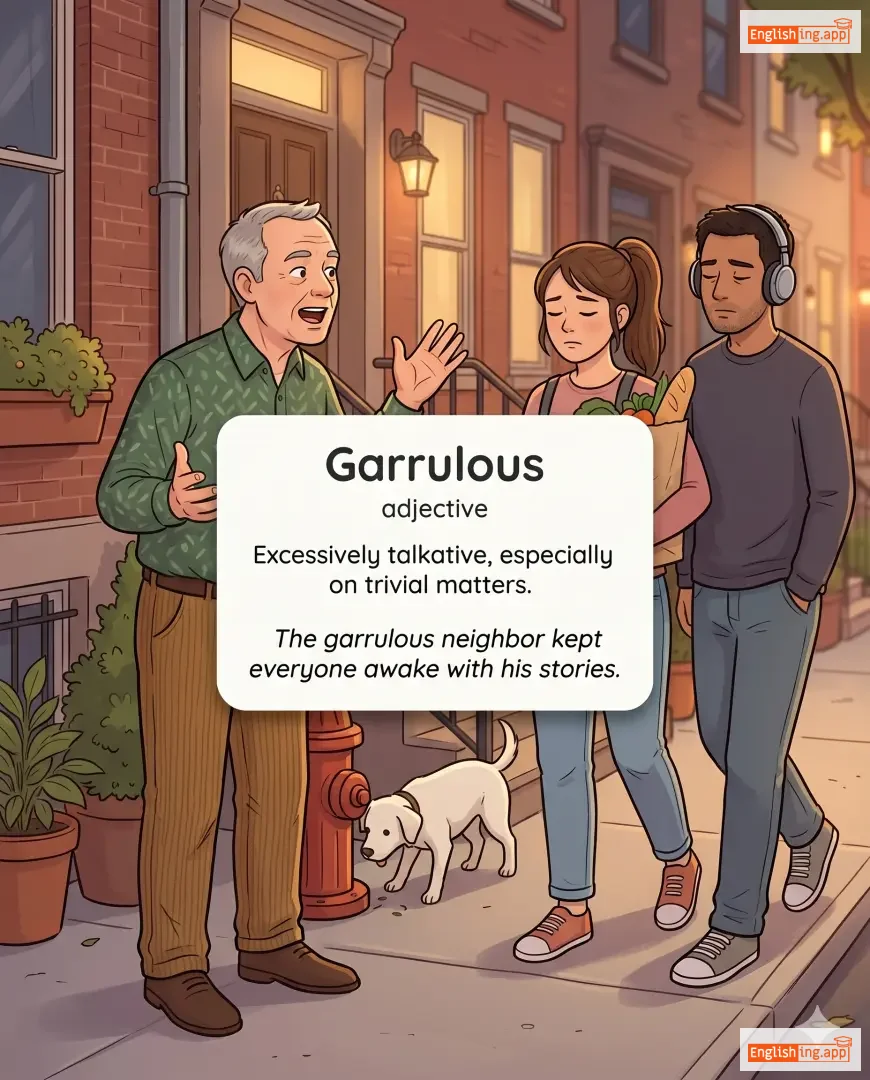
excessively talkative, especially on trivial matters; chatty and rambling in speech
••••••
|
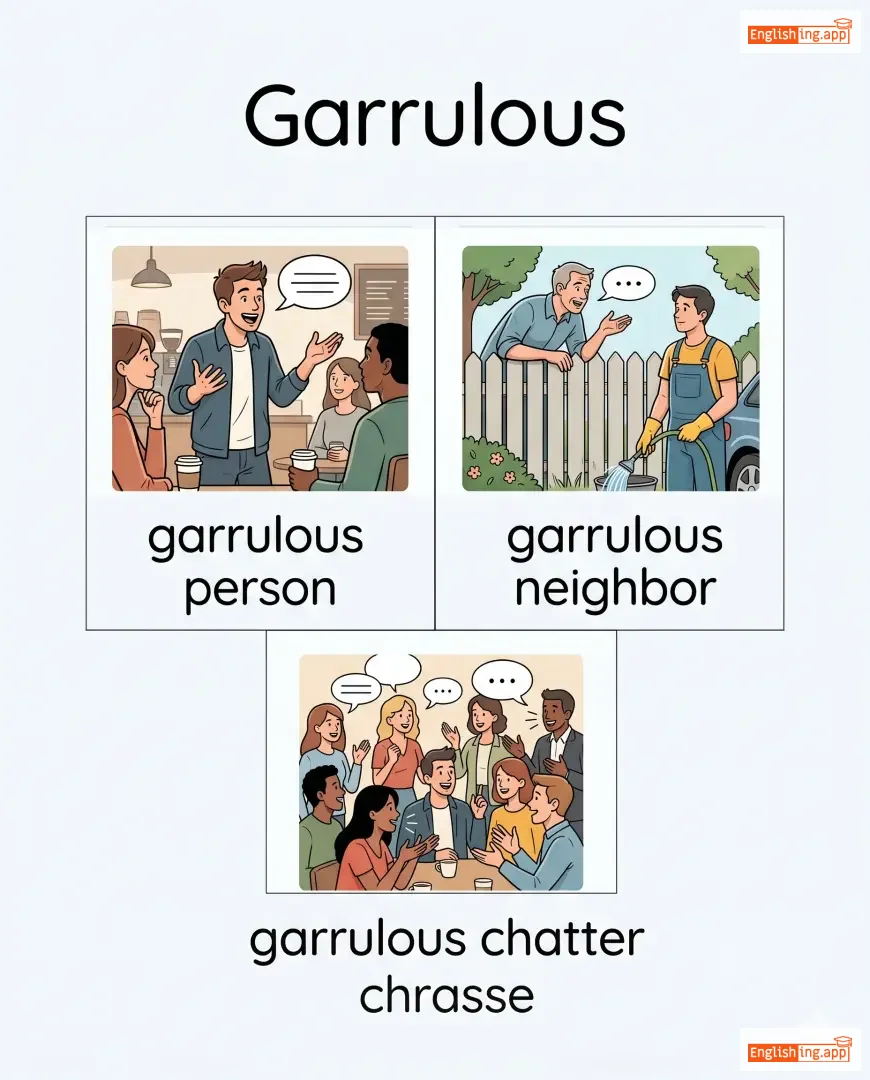
The garrulous old man at the coffee shop would talk for hours about his travels. |
カフェでおしゃべりな年寄りの男は、旅行について何時間も話していた。
kafe de oshaberi na toshiyori no otoko wa, ryokou ni tsuite nan jikan mo hanashiteta.
••••••
|
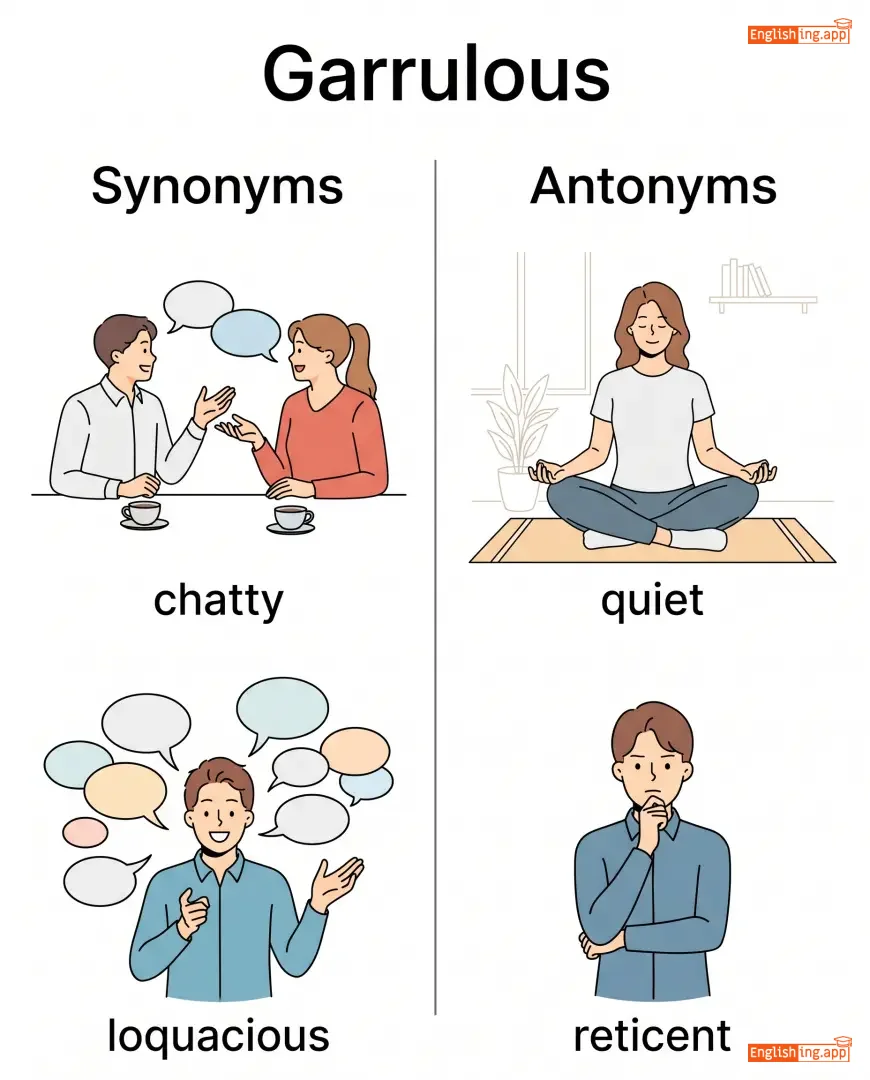
talkative, chatty, loquacious, verbose
••••••
|
quiet, taciturn, silent, reserved
••••••
|
garrulous person, garrulous nature, garrulous conversation
••••••
|
Garrulous は、長時間喋り続けることを意味します。カフェで旅行の話をするおしゃべりな老人のように。
••••••
|
Vocabulary Quiz
Test your vocabulary by matching words with their translations or meanings.
Login to take the quiz
Comments (0)
Share your thoughts and join the discussion.
Join the discussion by logging in
Login to CommentNo comments yet
Be the first to share your thoughts!