

翻訳
過去
過去分詞
三人称単数
動名詞
意味
例文
例文の翻訳
同義語
対義語
コロケーション
ニーモニック

Swipe left or right, or use the buttons. Tap image to zoom.
例文の翻訳
単語
Lesson 29Lesson 29 - マスクトグル
|
絵文字
|
単語 | Images | 翻訳 | 意味 | 例文 | 例文の翻訳 | 同義語 | 対義語 | コロケーション | ニーモニック |
|---|---|---|---|---|---|---|---|---|---|---|
|
#561
🌅
|
/ˈhɑːr.bɪn.dʒər/
noun
(ハービンジャー)
••••••
|
- •••••• |
前兆
zenchou
••••••
|
a person or thing that announces or signals the approach of another; a forerunner of something
••••••
|
The first robin of spring is often considered a harbinger of warmer weather to come. |
春の最初のコマドリは、来るべき暖かい天気の前兆と見なされることがよくあります。
Haru no saisho no komadori wa, kuru beki atatakai tenki no zenchou to minasareru koto ga yoku arimasu.
••••••
|
herald, forerunner, precursor, messenger
••••••
|
follower, aftermath, consequence, result
••••••
|
harbinger of spring, harbinger of change, early harbinger
••••••
|
前兆 (zenchou) = '前' (before) + '兆' (sign)
••••••
|
|
#562
📰
|
/ˈhed.ɪŋ/
noun
(ヘディング)
••••••
|
|
見出し
midashi
••••••
|
a title at the head of a page or section of a book; the direction or course being followed
••••••
|
The newspaper article had a bold heading that immediately caught the reader's attention. |
その新聞記事には太字の見出しがあり、すぐに読者の注意を引きました。
Sono shinbun kiji ni wa fudji no midashi ga ari, sugu ni dokusha no chu-i wo hikimashita.
••••••
|
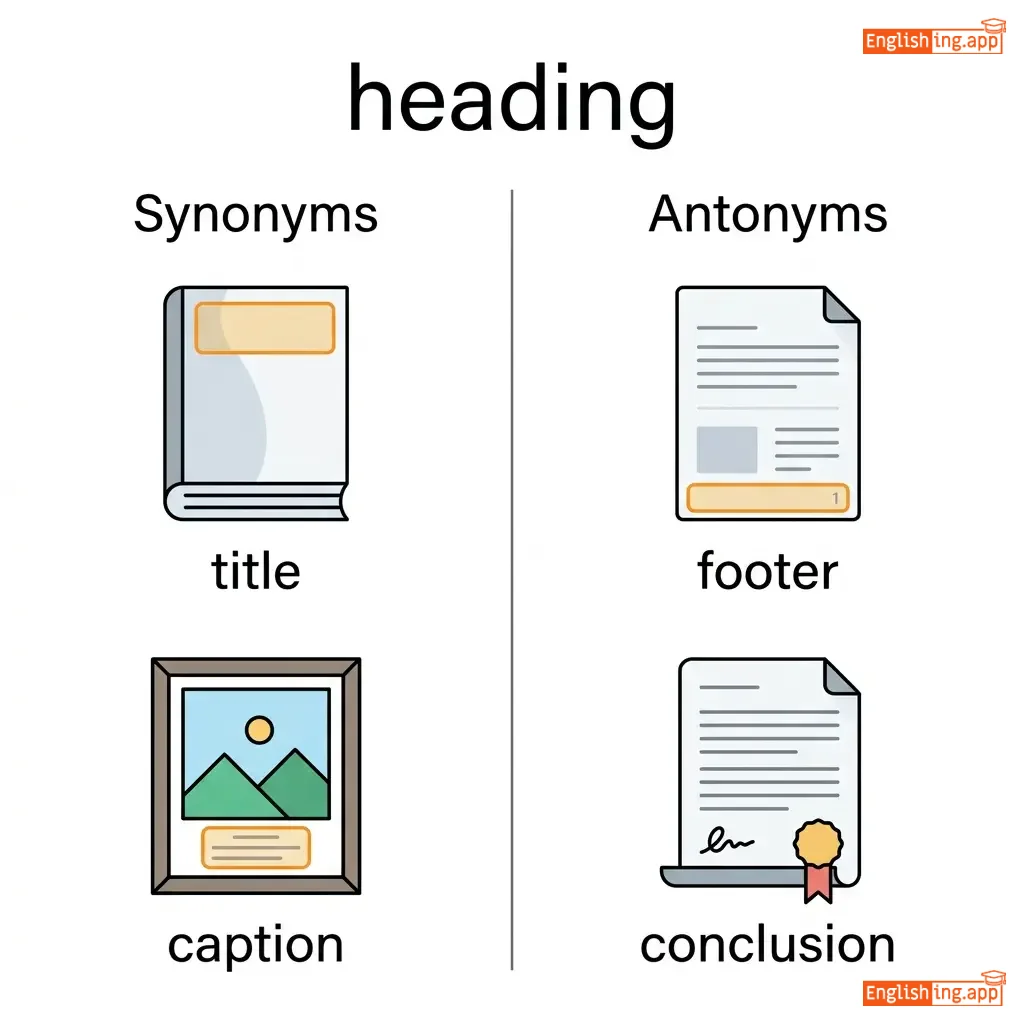
title, caption, header, direction
••••••
|
footer, conclusion, ending, tail
••••••
|
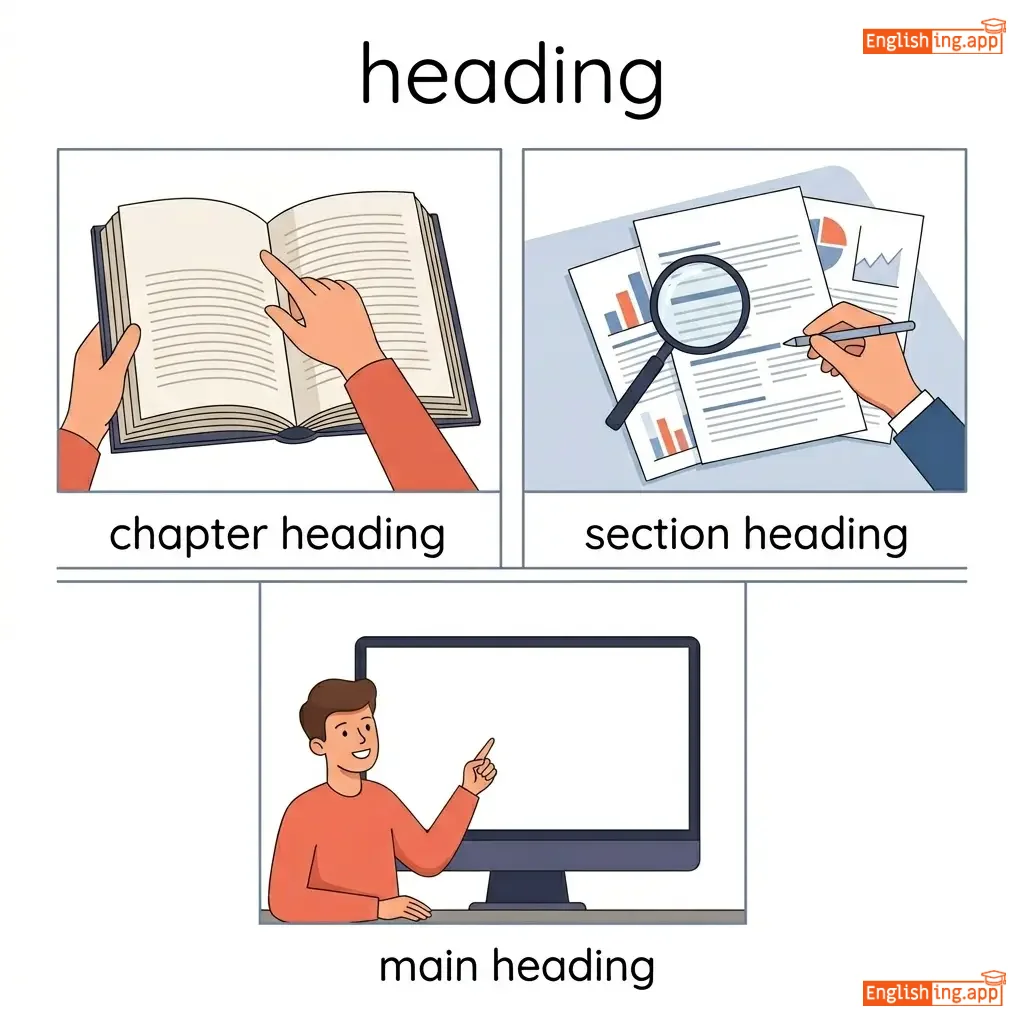
chapter heading, section heading, main heading
••••••
|
見出しは記事のタイトルで、目を引くように強調されています。
••••••
|
|
#563
⚓
|
/ˈhɑːr.bər/
noun
(ハーバー)
••••••
|
- •••••• |
港
minato
••••••
|
a place on the coast where vessels may find shelter; a place of safety or refuge
••••••
|
The fishing boats returned safely to the harbour before the storm hit the coastline. |
漁船は嵐が海岸を襲う前に安全に港に戻りました。
Gyosen wa arashi ga kaigan o osou mae ni anzen ni minato ni modorimashita.
••••••
|
port, haven, marina, dock
••••••
|
open sea, storm, danger, exposure
••••••
|
safe harbour, natural harbour, harbour master
••••••
|
港は船の避難所のような、安全な場所です。
••••••
|
|
#564
📈
|
/ˈhed.weɪ/
noun
(ヘッドウェイ)
••••••
|
- •••••• |
進展; 前進; 発展
shinten, zenshin, hatten
••••••
|
forward movement or progress, especially when this is slow or difficult
••••••
|
Despite the challenges, the research team made significant headway in developing the new vaccine. |
挑戦にもかかわらず、研究チームは新しいワクチンの開発において重要な進展を遂げました。
Chousen ni mo kakawarazu, kenkyuu chiimu wa atarashii wakuchin no kaihatsu ni oite juuyou na shinten o togemashita.
••••••
|
progress, advancement, improvement, development
••••••
|
setback, regression, decline, stagnation
••••••
|
make headway, significant headway, slow headway
••••••
|
No •••••• |
|
#565
😣
|
/ˈhɑːrd.ʃɪp/
noun
(ハードシップ)
••••••
|
- •••••• |
困難、苦難
konnan, kunan
••••••
|
severe suffering or privation; difficulty or distress
••••••
|
Despite facing many hardships during the war, the family remained united and hopeful.
戦争中に多くの困難に直面したにもかかわらず、家族は団結して希望に満ちていました。
••••••
|
戦争中に多くの困難に直面したにもかかわらず、家族は団結して希望に満ちていました。
Sensou-chuu ni ooku no konnan ni chokumen shita ni mo kakawarazu, kazoku wa danketsu shite kibou ni michite imashita.
••••••
|
difficulty, adversity, suffering, trial
••••••
|
comfort, ease, prosperity, luxury
••••••
|
financial hardship, endure hardship, overcome hardship
••••••
|
Hardship は戦争のように苦しい時でも希望を忘れずに生きることだ。
••••••
|
|
#566
👂
|
/ˈhɪr.ɪŋ/
noun
(ヒアリング)
••••••
|
- •••••• |
聴力; ヒアリング
chōryoku; hīringu
••••••
|
the faculty of perceiving sounds; a session in which testimony and arguments are heard
••••••
|
The elderly man's hearing had deteriorated, so he needed to wear a hearing aid. |
高齢者の聴力は低下していたので、補聴器を使う必要があった。
kōrei-sha no chōryoku wa teika shiteita node, hochōki o tsukau hitsuyō ga atta.
••••••
|
audition, listening, trial, tribunal
••••••
|
deafness, silence, muteness, quiet
••••••
|
hearing aid, hearing loss, court hearing
••••••
|
聴力がないと、ヒアリングで問題が発生することがある。
••••••
|
|
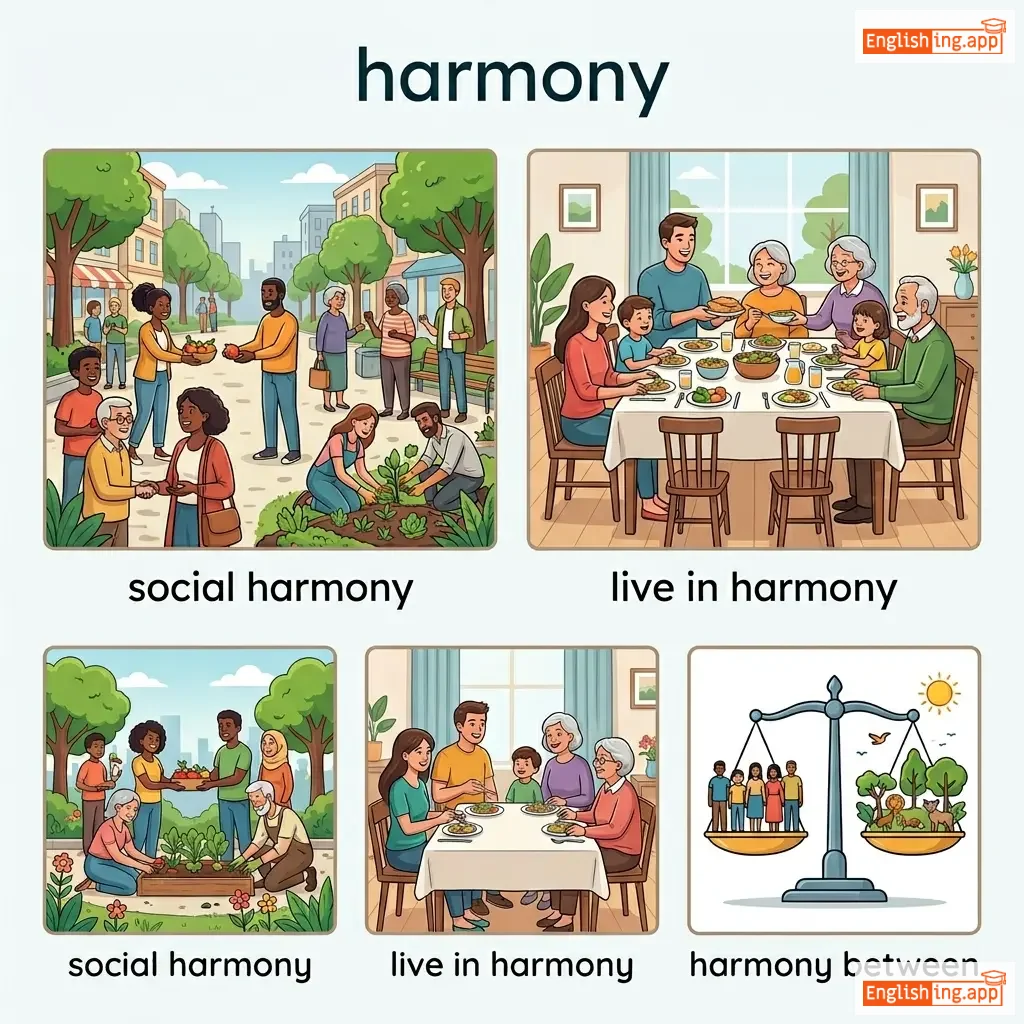
#567
🎵
|
/ˈhɑːr.mə.ni/
noun
(ハーモニー)
••••••
|
|
ハーモニー; 一致; 平和;
haamonii, itchi, heiwa
••••••
|
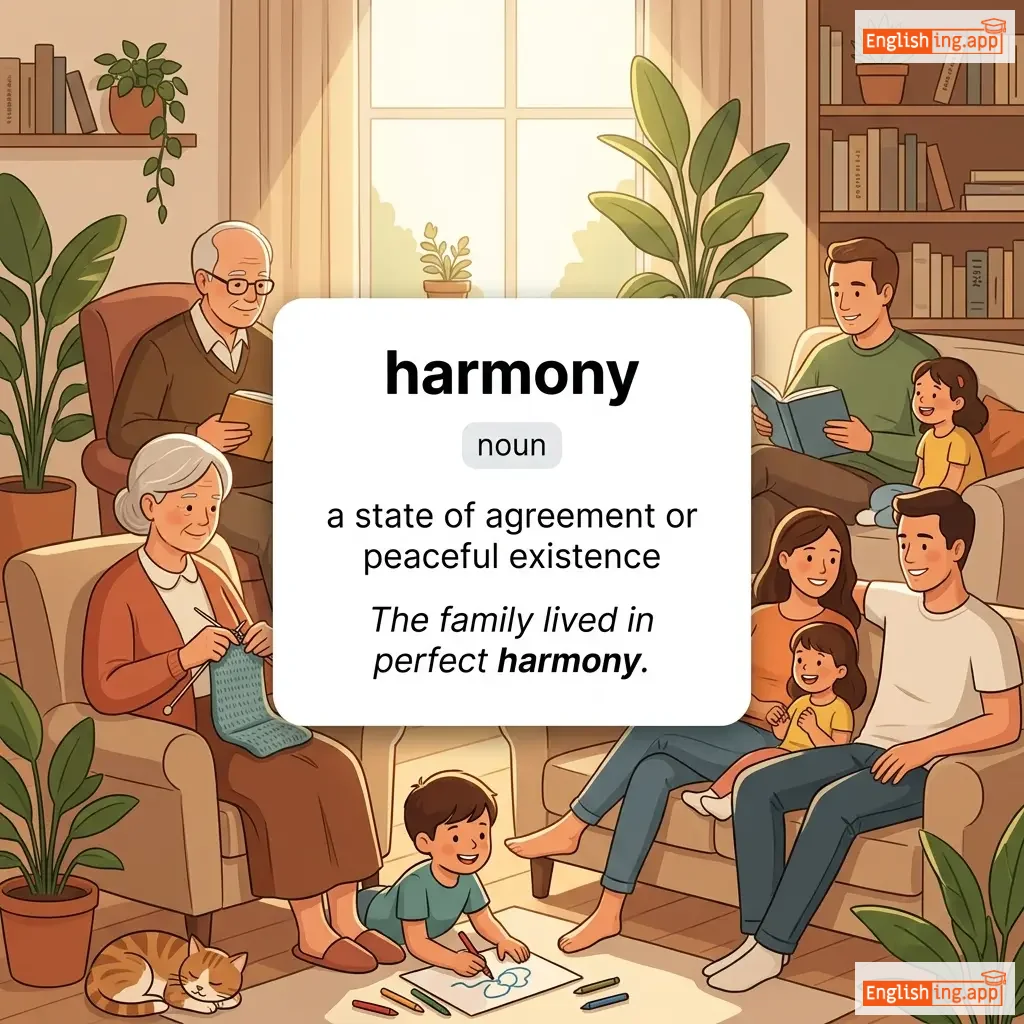
the combination of simultaneously sounded musical notes to produce chords; agreement or concord
••••••
|
The choir sang in perfect harmony, creating a beautiful and peaceful atmosphere.
合唱団は完璧なハーモニーで歌い、美しく平和な雰囲気を作り出しました。
••••••
|
合唱団は完璧なハーモニーで歌い、美しく平和な雰囲気を作り出しました。
Gasshoudan wa kanpeki na haamonii de utai, utsukushiku heiwa na fun'iki wo tsukuri dashimashita.
••••••
|
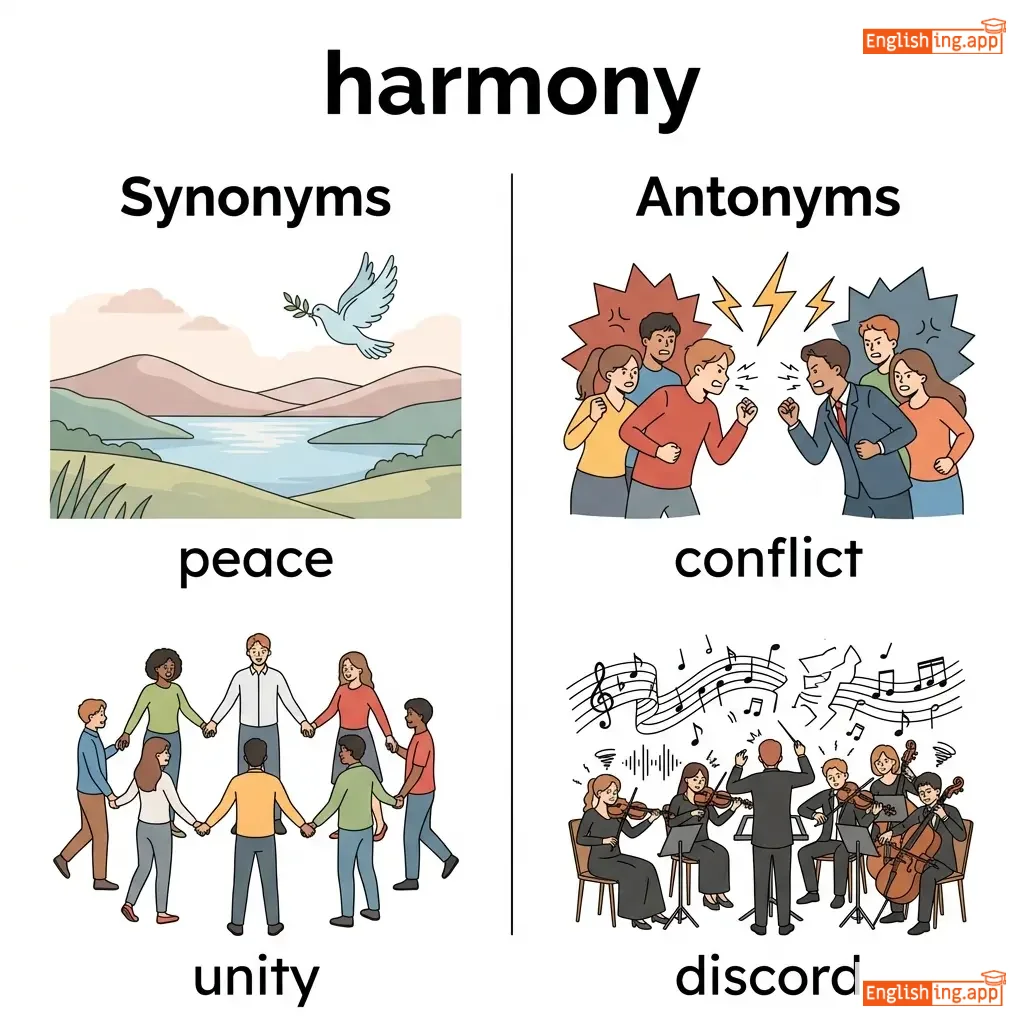
accord, unity, balance, peace
••••••
|
discord, conflict, disagreement, chaos
••••••
|
perfect harmony, live in harmony, social harmony
••••••
|
ハーモニーが音楽と生活に平和をもたらす
••••••
|
|
#568
🗣️
|
/ˈhɪr.seɪ/
noun
(ヒアセイ)
••••••
|
- •••••• |
噂
uwasa
••••••
|
information received from other people that one cannot adequately substantiate; rumor
••••••
|
The accusations were based on hearsay rather than concrete evidence or eyewitness testimony. |
その告発は、具体的な証拠や目撃者の証言ではなく、噂に基づいていました。
Sono kokuhatsu wa, gutai-tekina shouko ya mokugekisha no shougen de wa naku, uwasa ni motozuite imashita.
••••••
|
rumor, gossip, speculation, word of mouth
••••••
|
fact, evidence, proof, testimony
••••••
|
mere hearsay, based on hearsay, hearsay evidence
••••••
|
日本では、噂はすぐに広がります。
••••••
|
|
#569
😤
|
/ˈhæs.əl/
noun
(ハッスル)
••••••
|
- •••••• |
面倒; 困難; 手間
mendou, konnan, teima
••••••
|
irritating inconvenience; trouble or difficulty; a situation causing problems
••••••
|
Booking tickets online can save you the hassle of waiting in long queues at the theater. |
オンラインでチケットを予約すると、劇場で長時間並ぶ手間を省けます。
Onrain de chiketto o yoyaku suru to, gekijou de choujikan narabu temawokabekimasu.
••••••
|
trouble, annoyance, bother, inconvenience
••••••
|
convenience, ease, help, assistance
••••••
|
avoid hassle, unnecessary hassle, too much hassle
••••••
|
ハッスル (hassle) = 面倒
••••••
|
|
#570
⚱️
|
/hɜːrs/
noun
(ハース)
••••••
|
- •••••• |
霊柩車;
reikyūsha
••••••
|
a vehicle for conveying the coffin at a funeral; a funeral car
••••••
|
The black hearse slowly made its way to the cemetery, followed by a procession of mourners. |
黒い霊柩車がゆっくりと墓地に向かい、その後ろに哀悼の列が続いていた。
Kuroi reikyūsha ga yukkuri to bochi ni mukai, sono ushiro ni aitō no retsu ga tsudzuite ita.
••••••
|
funeral car, death wagon, mortuary vehicle, funeral carriage
••••••
|
wedding car, celebration vehicle, ambulance, rescue vehicle
••••••
|
funeral hearse, horse-drawn hearse, black hearse
••••••
|
霊柩車、亡くなった人の最後の旅路を運ぶ車。
••••••
|
|
#571
⏰
|
/heɪst/
noun
(heisuto)
••••••
|
- •••••• |
急ぎ; 焦り
isogi, aseri
••••••
|
swiftness of motion; urgent need of quick action; excessive speed or urgency
••••••
|
In his haste to catch the train, he forgot to take his wallet from the table.
列車に乗るための急いで、テーブルから財布を取るのを忘れました。
••••••
|
列車に乗るための急いで、テーブルから財布を取るのを忘れました。
Resha ni noru tame no isoide, tēburu kara saifu o toru no o wasuremashita.
••••••
|
speed, hurry, rush, urgency
••••••
|
slowness, deliberation, patience, delay
••••••
|
in haste, make haste, haste makes waste
••••••
|
急いで電車に乗る途中で財布を忘れる
••••••
|
|
#572
☁️
|
/ˈhev.ən/
noun
(ヘブン)
••••••
|
- •••••• |
天国
tengoku
••••••
|
a place regarded in various religions as the abode of God and the angels; a place of eternal happiness
••••••
|
Many people believe that good souls go to heaven after they pass away from this world.
多くの人は、善い魂はこの世界を去った後に天国へ行くと信じている。
••••••
|
多くの人は、善い魂はこの世界を去った後に天国へ行くと信じている。
ooku no hito wa, yoi tamashii wa kono sekai o satte ato ni tengoku e iku to shinjite iru.
••••••
|
paradise, afterlife, eternity, bliss
••••••
|
hell, purgatory, damnation, suffering
••••••
|
go to heaven, heaven and earth, seventh heaven
••••••
|
Mnemonic: TEN-GO-KU = Heaven in Japanese. Imagine ten golden goats guarding the gates of Heaven at a celestial gate, and they softly say 'tengoku' as you pass.
••••••
|
|
#573
😡
|
/ˈheɪ.trəd/
noun
(ヘイトレッド)
••••••
|
- •••••• |
憎悪
zōo
••••••
|
intense dislike or ill will; a feeling of strong aversion
••••••
|
His hatred for injustice motivated him to become a human rights lawyer. |
不正義に対する彼の憎悪は、彼を人権弁護士にさせました。
Fuseigi ni taisuru kare no zōo wa, kare o jinken bengoshi ni sasemashita.
••••••
|
loathing, animosity, hostility, resentment
••••••
|
love, affection, admiration, fondness
••••••
|
deep hatred, racial hatred, hatred towards
••••••
|
憎悪 = 強い嫌悪感
••••••
|
|
#574
👑
|
/er/
noun
(エア)
••••••
|
- •••••• |
相続人
souzokunin
••••••
|
a person legally entitled to the property or rank of another on that person's death
••••••
|
The young prince was the rightful heir to the throne and would become king someday. |
若い王子は王位の正当な相続人であり、いつか王になるでしょう。
Wakai ouji wa oui no seitou na souzokunin de ari, itsuka ou ni narudeshou.
••••••
|
successor, inheritor, beneficiary, descendant
••••••
|
predecessor, ancestor, donor, grantor
••••••
|
rightful heir, sole heir, heir apparent
••••••
|
In Japan, 'souzokunin' refers to the heir who inherits the throne, just like this heir.
••••••
|
|
#575
💥
|
/ˈhæv.ək/
noun
(ハヴォック)
••••••
|
- •••••• |
広範囲の破壊; 大きな混乱や無秩序; カオス
kōhan'i no hakai; ōkina konran ya muchitsujo; kaosu
••••••
|
widespread destruction; great confusion or disorder; chaos
••••••
|
The hurricane wreaked havoc on the coastal towns, destroying homes and businesses. |
ハリケーンは沿岸の町で大規模な破壊を引き起こし、家屋やビジネスを破壊しました。
Harikēn wa engan no machi de daikibo na hakai o hikiokoshi, kaoku ya bijinesu o hakai shimashita.
••••••
|
destruction, chaos, devastation, mayhem
••••••
|
order, peace, construction, harmony
••••••
|
wreak havoc, cause havoc, widespread havoc
••••••
|
ハヴォック(破壊)はハリケーンのようなものです。
••••••
|
|
#576
🔥
|
/hel/
noun
(ヘル)
••••••
|
- •••••• |
地獄; 苦痛な状態; 極めて不快な経験
jigoku; kutsū na jōtai; kiwamete fukai na keiken
••••••
|
a place regarded in various religions as a spiritual realm of evil and suffering; an extremely unpleasant experience
••••••
|
Working in the factory during summer was absolute hell due to the extreme heat.
夏に工場で働くことは、極端な暑さのためにまさに地獄のようだった。
••••••
|
夏に工場で働くことは、極端な暑さのためにまさに地獄のようだった。
natsu ni kōjō de hataraku koto wa, kyokutan na atsusa no tame ni masani jigoku no yō datta.
••••••
|
inferno, torment, nightmare, agony
••••••
|
heaven, paradise, bliss, joy
••••••
|
living hell, hell on earth, through hell
••••••
|
地獄はとても暑い場所だと思い、夏の工場のようだと想像してみてください。
••••••
|
|
#577
⚠️
|
/ˈhæz.ərd/
noun
(ハザード)
••••••
|
- •••••• |
危険; リスク
kiken, risuku
••••••
|
a danger or risk; something that poses a threat to safety
••••••
|
Smoking is a serious health hazard that can lead to lung cancer and heart disease.
喫煙は深刻な健康リスクであり、肺癌や心臓病を引き起こす可能性があります。
••••••
|
喫煙は深刻な健康リスクであり、肺癌や心臓病を引き起こす可能性があります。
Kitsuen wa shinkokuna kenkō risuku de ari, haigan ya shinzōbyō o hikiokosu kanōsei ga arimasu.
••••••
|
danger, risk, peril, threat
••••••
|
safety, security, protection, benefit
••••••
|
health hazard, fire hazard, occupational hazard
••••••
|
In Japanese, '危険' (kiken) and 'リスク' (risuku) will remind you of the danger associated with a hazard.
••••••
|
|
#578
⚓
|
/helm/
noun
(ヘルム)
••••••
|
- •••••• |
舵
kada
••••••
|
a tiller or wheel for steering a ship or boat; a position of leadership or control
••••••
|
The experienced captain took the helm and expertly navigated the ship through the storm. |
経験豊富な船長は舵を取って、嵐の中で巧みに船を操縦しました。
Keiken hōfu na senchō wa kada o totte, arashi no naka de takumi ni fune o sōjū shimashita.
••••••
|
steering wheel, rudder, control, leadership
••••••
|
passenger seat, follower position, subordination, guidance
••••••
|
take the helm, at the helm, ship's helm
••••••
|
舵を取ることで船を導く
••••••
|
|
#579
🌫️
|
/heɪz/
noun
(heizu)
••••••
|
- •••••• |
霞
kasa
••••••
|
a slight obscuration of the lower atmosphere, typically caused by fine suspended particles; confusion
••••••
|
The morning haze lifted gradually as the sun rose higher in the sky. |
朝の霞は徐々に晴れ、太陽が空高く昇るにつれて明らかになった。
Asa no kasa wa jojoni hare, taiyō ga sora takaku noboru ni tsurete akiraka ni natta.
••••••
|
mist, fog, vapor, blur
••••••
|
clarity, clearness, brightness, sharpness
••••••
|
morning haze, heat haze, haze of smoke
••••••
|
No •••••• |
|
#580
⛑️
|
/ˈhel.mət/
noun
(ハピネス)
••••••
|
- •••••• |
ヘルメット
herumetto
••••••
|
a hard or padded protective hat worn by motorcyclists, construction workers, or soldiers
••••••
|
The cyclist always wore a bright yellow helmet for safety and visibility while riding.
サイクリストは常に安全性と視認性のために明るい黄色いヘルメットを着用していました。
••••••
|
サイクリストは常に安全性と視認性のために明るい黄色いヘルメットを着用していました。
Saikurisuto wa jōni anzen-sei to shin-in-sei no tame ni akarui kiiroi herumetto o chakuyō shite imashita.
••••••
|
hard hat, protective headgear, safety helmet, crash helmet
••••••
|
bare head, unprotected head, soft hat, cap
••••••
|
safety helmet, bicycle helmet, motorcycle helmet
••••••
|
ヘルメット = サイクリングの際、頭を守るためのヘルメット
••••••
|
Vocabulary Quiz
Test your vocabulary by matching words with their translations or meanings.
Login to take the quiz
Comments (0)
Share your thoughts and join the discussion.
Join the discussion by logging in
Login to CommentNo comments yet
Be the first to share your thoughts!