

翻訳
過去
過去分詞
三人称単数
動名詞
意味
例文
例文の翻訳
同義語
対義語
コロケーション
ニーモニック
Swipe left or right, or use the buttons. Tap image to zoom.
例文の翻訳
単語
Lesson 19Lesson 19 - マスクトグル
|
絵文字
|
単語 | Images | 翻訳 | 意味 | 例文 | 例文の翻訳 | 同義語 | 対義語 | コロケーション | ニーモニック |
|---|---|---|---|---|---|---|---|---|---|---|
|
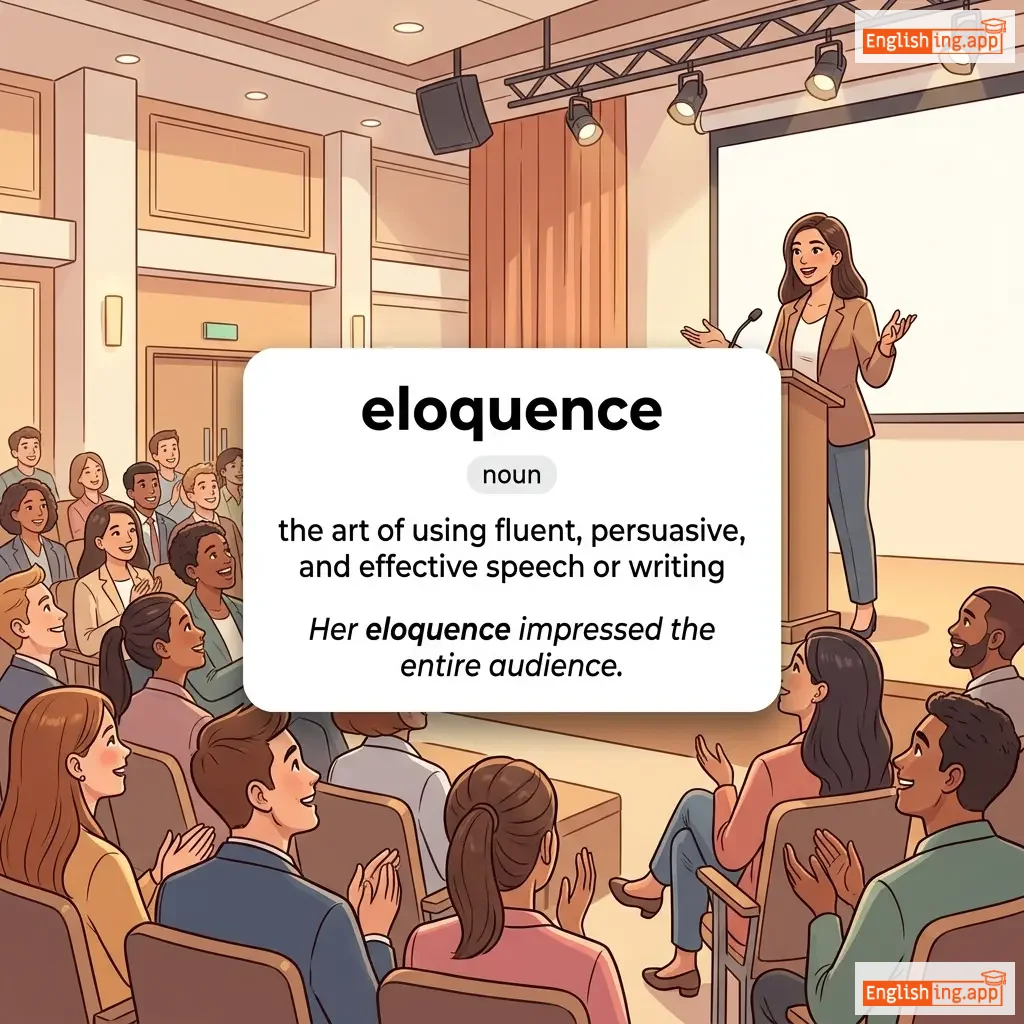
#361
🗣️
|
/ˈel.ə.kwəns/
noun
(エロクエンス)
••••••
|
|
雄弁
yūben
••••••
|
fluent or persuasive speaking or writing; the quality of being eloquent
••••••
|
The lawyer's eloquence convinced the jury of his client's innocence.
弁護士のエロクエンスは陪審員に彼のクライアントの無実を信じさせた。
••••••
|
弁護士の雄弁は陪審員に彼のクライアントの無実を信じさせた。
Bengoshi no yūben wa baishin'in ni kare no kuraianto no mujitsu o shinjisaseta.
••••••
|
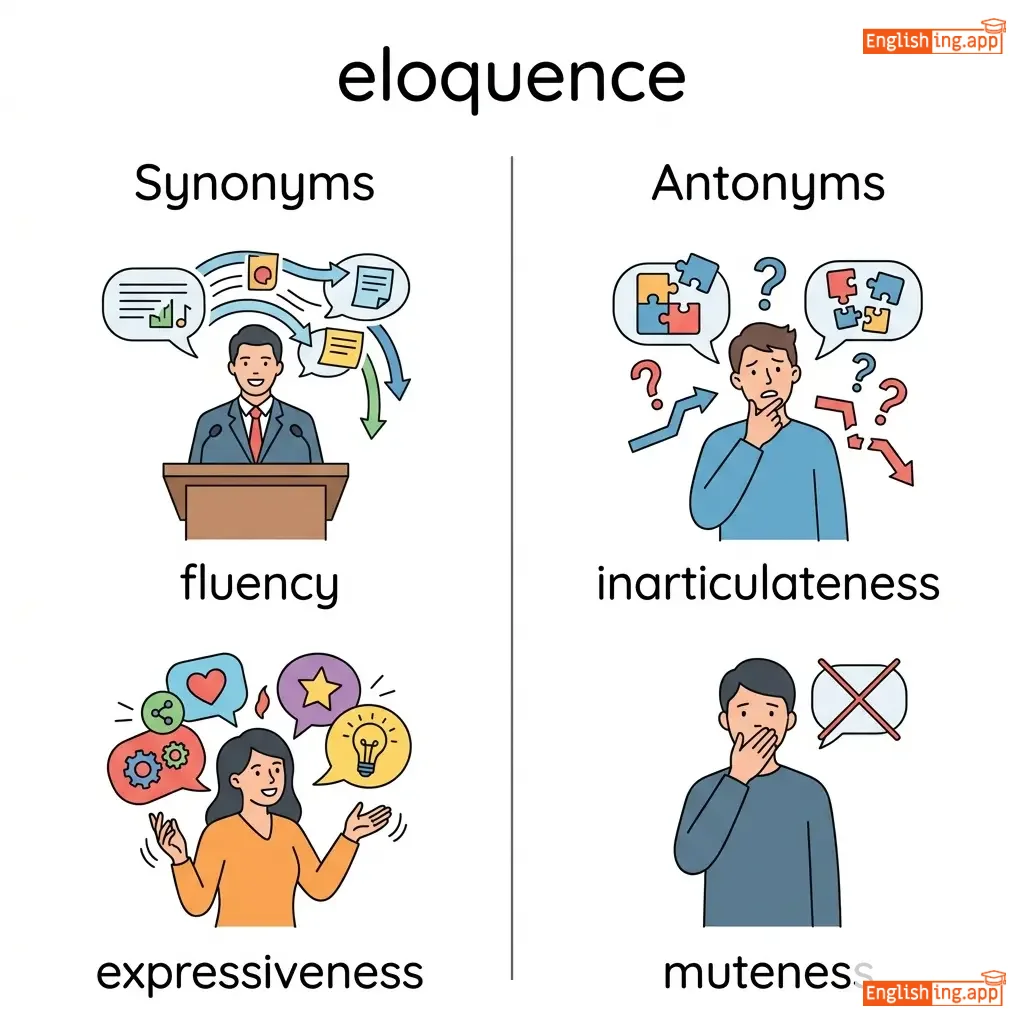
fluency, articulateness, persuasiveness, oratory
••••••
|
inarticulation, stammering, silence, muteness
••••••
|
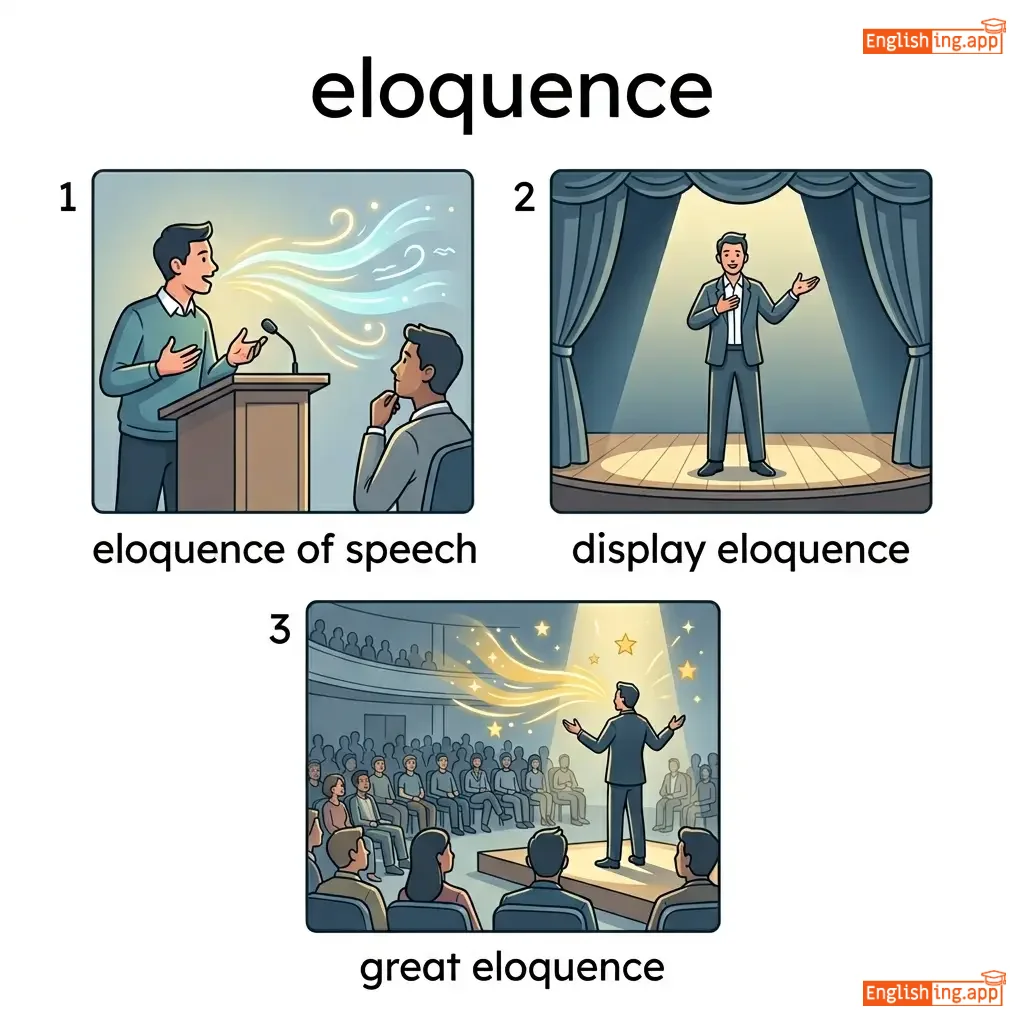
natural eloquence, speak with eloquence, eloquence of speech
••••••
|
雄弁は言葉で人々を動かす力を持っている。
••••••
|
|
#362
😡
|
/ˈen.mə.ti/
noun
(エンミティ)
••••••
|
- •••••• |
敵意
teki-i
••••••
|
a state or feeling of active opposition or hostility
••••••
|
The enmity between the two families lasted for generations. |
二つの家族間の敵意は世代を超えて続きました。
Futatsu no kazoku kan no teki-i wa sedai o koete tsuzukimashita.
••••••
|
hostility, hatred, animosity, antagonism
••••••
|
friendship, love, goodwill, harmony
••••••
|
deep enmity, mutual enmity, personal enmity
••••••
|
Teki (enemy) has teki-i (enmity).
••••••
|
|
#363
🔓
|
/ɪˌmæn.sɪˈpeɪ.ʃən/
noun
(イマンシペーション)
••••••
|
- •••••• |
解放
kaihou
••••••
|
the fact or process of being set free from legal, social, or political restrictions
••••••
|
The emancipation of slaves was a significant moment in American history. |
奴隷解放はアメリカの歴史における重要な瞬間でした。
Dorei kaihou wa Amerika no rekishi ni okeru juuyou na shunkan deshita.
••••••
|
liberation, freedom, release, independence
••••••
|
enslavement, bondage, captivity, oppression
••••••
|
emancipation proclamation, women's emancipation, political emancipation
••••••
|
Japanese and English: '解放' means 'liberation', like 'Emancipation' in English.
••••••
|
|
#364
👨💼
|
/ˌɒn.trə.prəˈnɜːr/
noun
(アントレプレナー)
••••••
|
- •••••• |
ビジネスや複数のビジネスを組織し運営する人
bijinesu ya fukusu no bijinesu o soshiki shi un'ei suru hito
••••••
|
a person who organizes and operates a business or businesses
••••••
|
The young entrepreneur started her own tech company at age 22. |
若い起業家は22歳で自分のテクノロジー企業を立ち上げました。
Wakai kigyōka wa 22-sai de jibun no tekunorojī kigyō o tachiagemashita.
••••••
|
businessperson, innovator, founder, startup owner
••••••
|
employee, worker, follower, dependent
••••••
|
successful entrepreneur, young entrepreneur, serial entrepreneur
••••••
|
アントレプレナーは情熱を持って自分のビジネスを切り開く人です。
••••••
|
|
#365
🏢
|
/ˈen.tə.praɪz/
noun
(エンタープライズ)
••••••
|
- •••••• |
企業、特に大胆で複雑なプロジェクト
kigyō, toku ni daitan de fukuzatsu na purojekuto
••••••
|
a project or undertaking, especially a bold or complex one
••••••
|
The space exploration enterprise required years of planning and preparation.
宇宙探査企業には何年もの計画と準備が必要でした。
••••••
|
宇宙探査企業には何年もの計画と準備が必要でした。
Uchū tansa kigyō ni wa nannen mo no keikaku to junbi ga hitsuyō deshita.
••••••
|
venture, undertaking, business, project
••••••
|
inaction, passivity, idleness, stagnation
••••••
|
business enterprise, private enterprise, joint enterprise
••••••
|
Remember '企業' for enterprise in Japanese, representing a bold or complex venture.
••••••
|
|
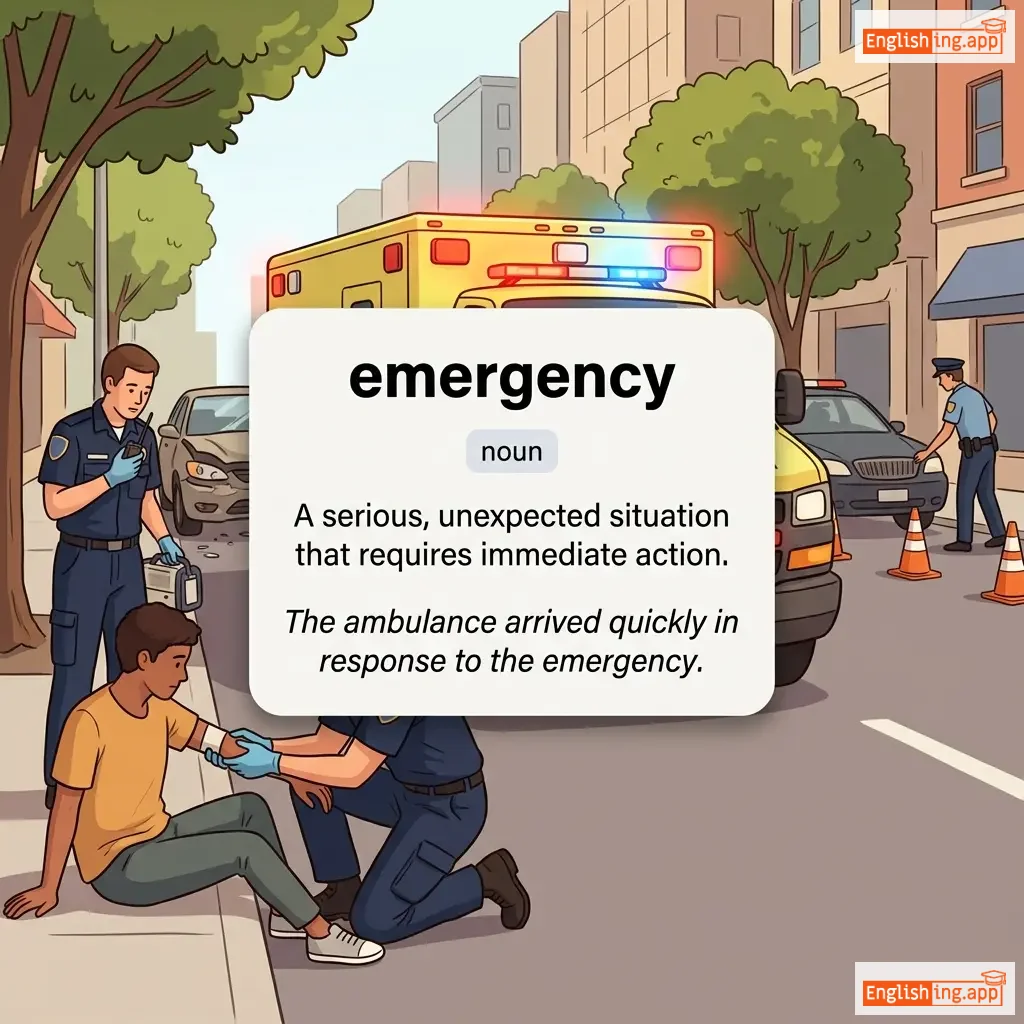
#366
🚨
|
/ɪˈmɜː.dʒən.si/
noun
(緊急事態)
••••••
|
|
緊急事態
kinkyuu jitai
••••••
|
a serious, unexpected, and often dangerous situation requiring immediate action
••••••
|
The hospital was prepared to handle any medical emergency.
病院はどんな医療緊急事態にも対応できるよう準備していました。
••••••
|
病院はどんな医療緊急事態にも対応できるよう準備していました。
Byouin wa donna iryou kinkyuu jitai ni mo taiou dekiru you junbi shiteimashita.
••••••
|
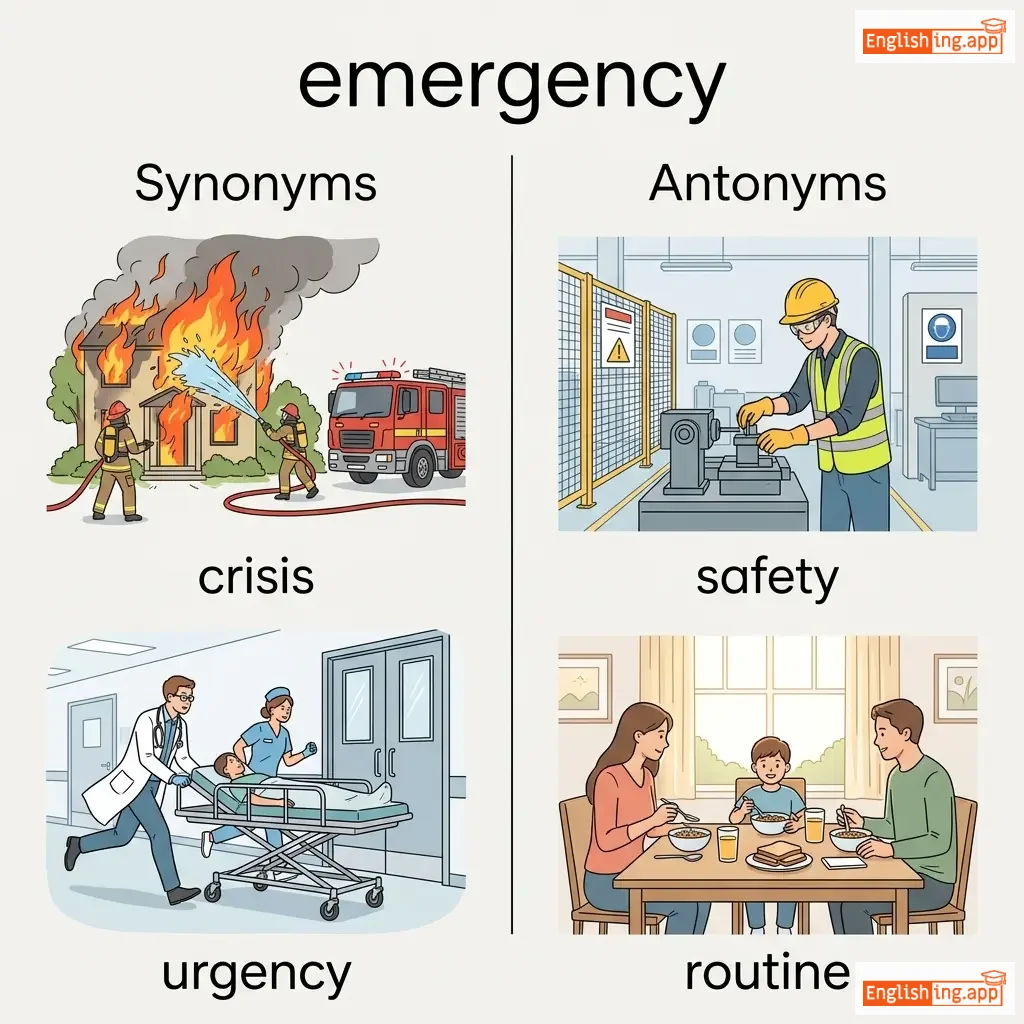
crisis, urgency, disaster, catastrophe
••••••
|
routine, normalcy, calm, stability
••••••
|
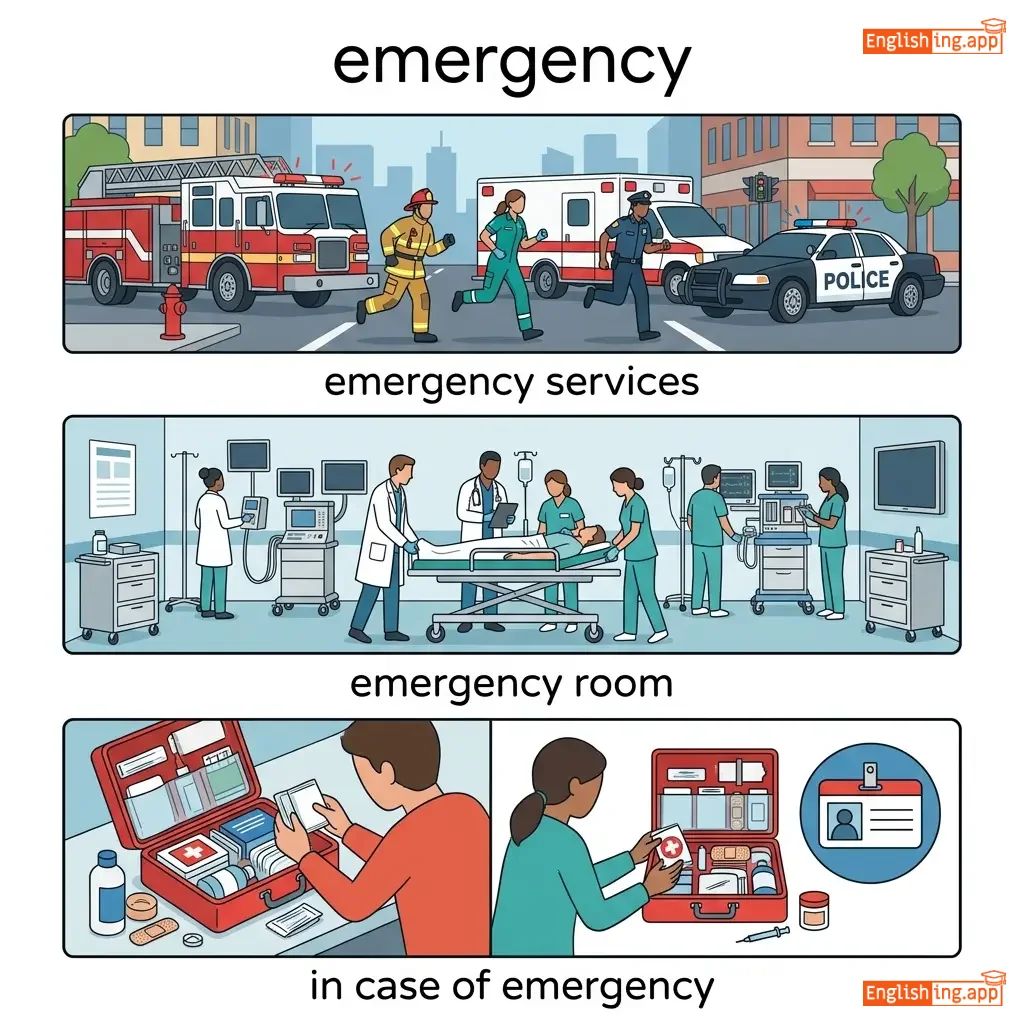
emergency room, state of emergency, emergency services
••••••
|
In Japan, 'kinkyuu jitai' is a serious emergency that hospitals prepare for.
••••••
|
|
#367
🌟
|
/ˈem.ɪ.nəns/
noun
(エミネンス)
••••••
|
- •••••• |
名声; 優越性
meisei, yūetsu-sei
••••••
|
fame or recognized superiority; high rank or status
••••••
|
The professor achieved eminence in the field of quantum physics. |
教授は量子物理学の分野で名声を得ました。
Kyōju wa ryōshi butsurigaku no bunya de meisei o emashita.
••••••
|
distinction, prominence, prestige, renown
••••••
|
obscurity, insignificance, anonymity, mediocrity
••••••
|
achieve eminence, rise to eminence, eminence in field
••••••
|
エミネンスはその分野で名声を得た教授のようなもの
••••••
|
|
#368
🎭
|
/ˌen.təˈteɪn.mənt/
noun
(エンターテインメント)
••••••
|
- •••••• |
エンターテインメント
entāteinmento
••••••
|
the action of providing or being provided with amusement or enjoyment
••••••
|
The concert provided excellent entertainment for the entire family.
コンサートは家族全員に素晴らしいエンターテインメントを提供しました。
••••••
|
コンサートは家族全員に素晴らしいエンターテインメントを提供しました。
Konsāto wa kazoku zen'in ni subarashī entāteinmento wo teikyō shimashita.
••••••
|
amusement, recreation, fun, diversion
••••••
|
boredom, work, duty, seriousness
••••••
|
entertainment industry, live entertainment, family entertainment
••••••
|
エンターテインメントでみんな楽しむ、エンターテインメントが楽しみをくれる。
••••••
|
|
#369
❤️
|
/ɪˈmoʊ.ʃən/
noun
(エモーション)
••••••
|
- •••••• |
感情
kanjou
••••••
|
a strong feeling deriving from one's circumstances, mood, or relationships
••••••
|
Her face showed every emotion she was feeling inside. |
彼女の顔は内面で感じていたすべての感情を示していました。
Kanojo no kao wa naimen de kanjite ita subete no kanjou o shimeshite imashita.
••••••
|
feeling, sentiment, passion, mood
••••••
|
apathy, indifference, numbness, detachment
••••••
|
strong emotion, control emotions, emotional state
••••••
|
感情 (Japanese) – Emotion (English), same feeling but written differently!
••••••
|
|
#370
🔥
|
/ɪnˈθjuː.zi.æz.əm/
noun
(エンタジアズム)
••••••
|
- •••••• |
熱意; 情熱; 熱狂
netsui, jounetsu, nekkyou
••••••
|
intense and eager enjoyment, interest, or approval
••••••
|
Her enthusiasm for the project inspired the entire team.
彼女のプロジェクトへの熱意はチーム全体にインスピレーションを与えました。
••••••
|
彼女のプロジェクトへの熱意はチーム全体にインスピレーションを与えました。
Kanojo no purojekuto e no netsui wa chiimu zentai ni insupirēshon o ataemashita.
••••••
|
passion, excitement, zeal, eagerness
••••••
|
apathy, indifference, disinterest, reluctance
••••••
|
great enthusiasm, show enthusiasm, lack enthusiasm
••••••
|
熱意 - 情熱を持って取り組むことで力が湧く!
••••••
|
|
#371
❗
|
/ˈem.fə.sɪs/
noun
(エンファシス)
••••••
|
|
強調; 重要性; 強調すること
kyoucho, juuyousei, kyouchou suru koto
••••••
|
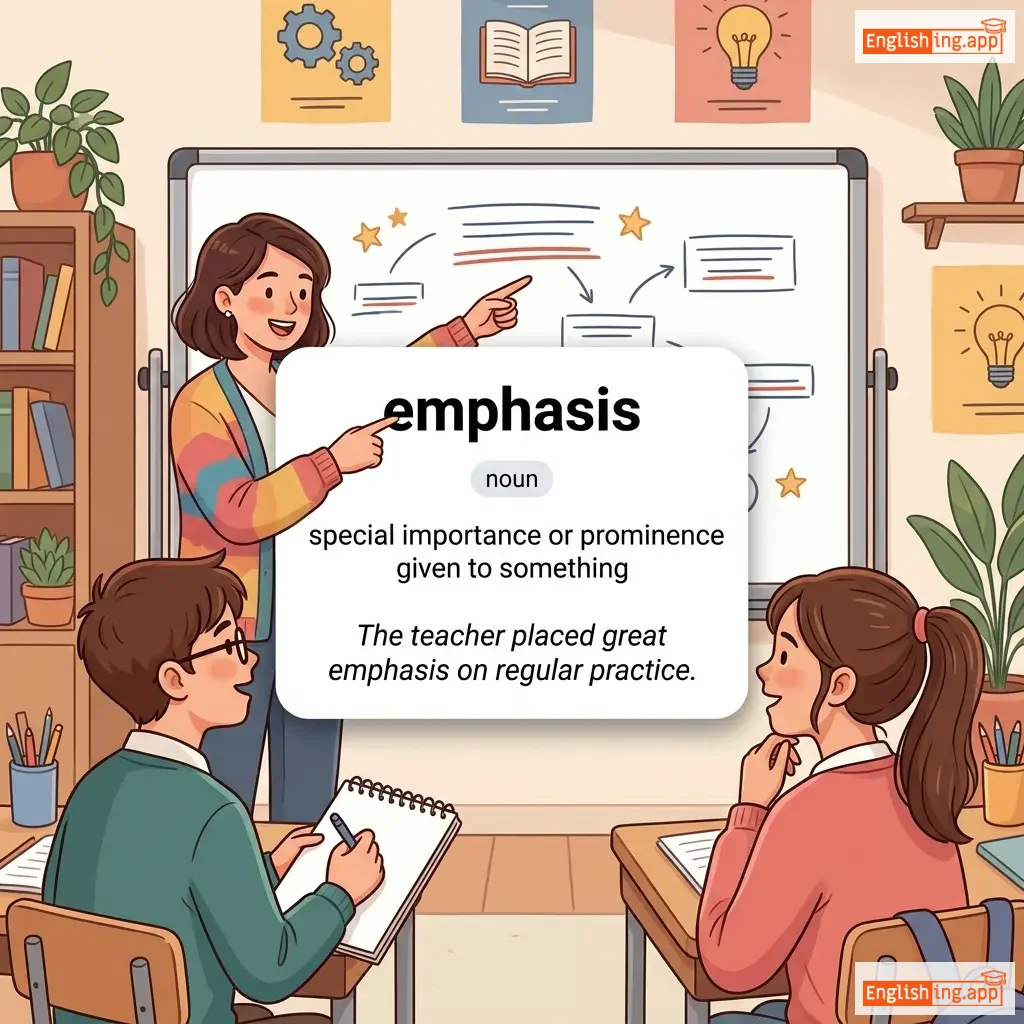
special importance, value, or prominence given to something
••••••
|
The teacher placed emphasis on the importance of regular study habits.
先生は定期的な学習習慣の重要性を強調しました。
••••••
|
先生は定期的な学習習慣の重要性を強調しました。
Sensei wa teikitekina gakushuu shuukan no juuyousei o kyoucho shimashita.
••••••
|
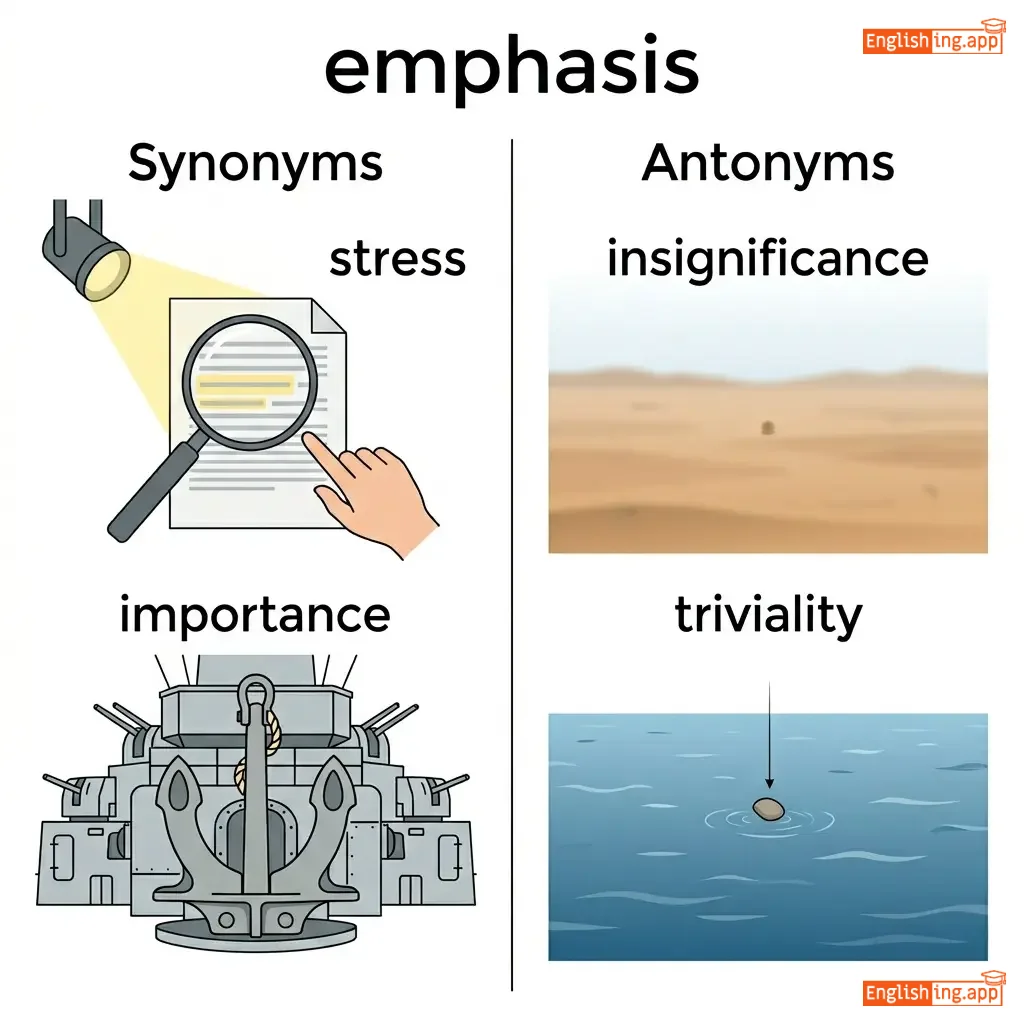
stress, importance, focus, priority
••••••
|
de-emphasis, neglect, understatement, minimization
••••••
|
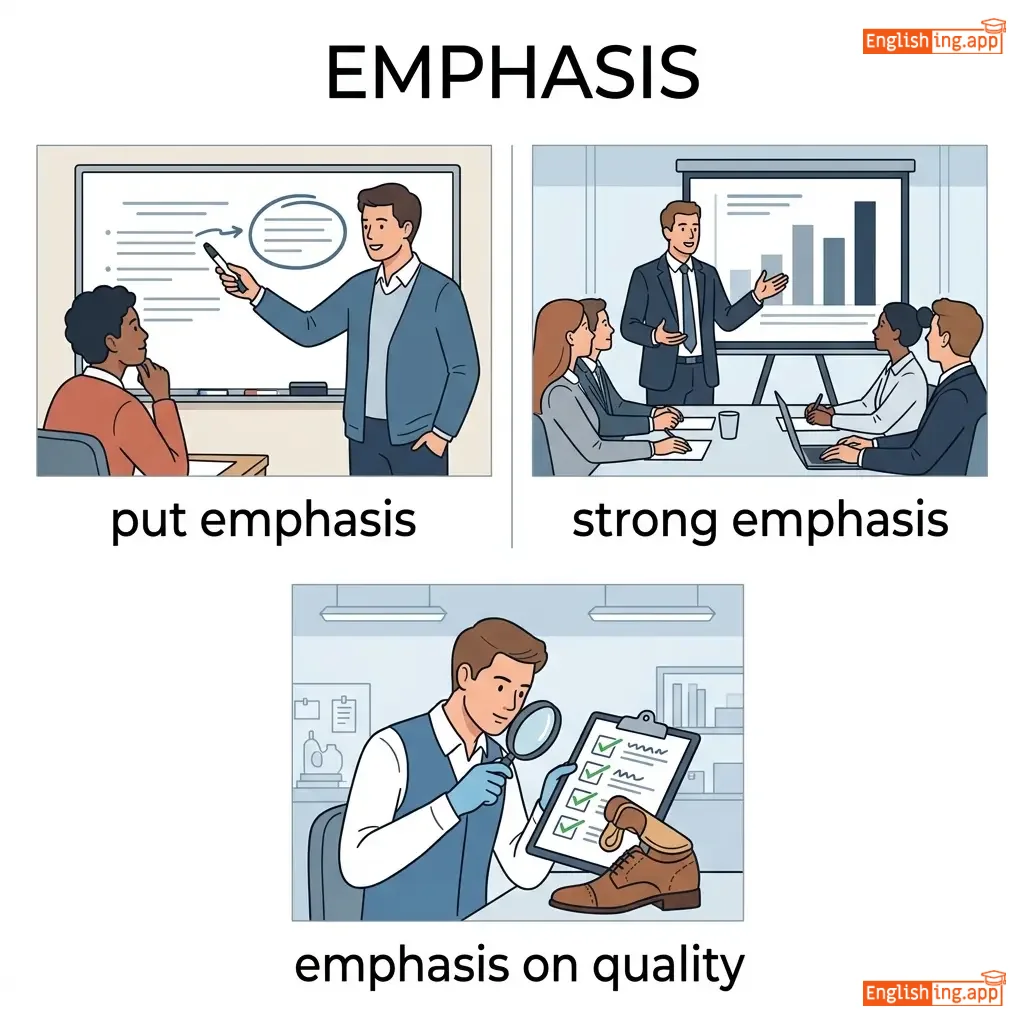
place emphasis, give emphasis, emphasis on
••••••
|
Japanese '強調' ('kyoucho') highlights the same emphasis as in English.
••••••
|
|
#372
🚪
|
/ˈen.trəns/
noun
(entrans)
••••••
|
- •••••• |
入口
iriguchi
••••••
|
an opening that allows access to a place; the action of entering
••••••
|
The main entrance to the building was decorated with beautiful flowers.
ビルのメインエントランスは美しい花で飾られていました。
••••••
|
ビルのメインエントランスは美しい花で飾られていました。
Biru no mein entoransu wa utsukushī hana de kazarareteimashita.
••••••
|
doorway, entry, gateway, access
••••••
|
exit, departure, outlet, egress
••••••
|
main entrance, entrance exam, entrance fee
••••••
|
花で飾られた美しい入り口を通ることを思い浮かべてください。
••••••
|
|
#373
🔚
|
/end/
noun
(エンド)
••••••
|
- •••••• |
終わり; 結末; 終了;
owari, ketsumatsu, shuuryou
••••••
|
the final part of something; termination or conclusion
••••••
|
The end of the movie was unexpected and left everyone surprised.
映画の終わりは予想外で、誰もが驚きました。
••••••
|
映画の終わりは予想外で、誰もが驚きました。
Eiga no owari wa yosougai de, daremo ga odorokimashita.
••••••
|
conclusion, finish, termination, finale
••••••
|
beginning, start, commencement, opening
••••••
|
at the end, come to an end, end result
••••••
|
日本語で 'End' は '終わり' または '結末' と訳されます。
••••••
|
|
#374
📝
|
/ˈen.tri/
noun
(エントリー)
••••••
|
- •••••• |
エントリー; 登録
entorii, tōroku
••••••
|
an act of going or coming in; an item written or printed in a record
••••••
|
His entry into the competition was submitted just before the deadline. |
競技へのエントリーは締め切り直前に提出されました。
Kyōgi e no entorii wa shimekiri chokuzēn ni teishutsu saremashita.
••••••
|
admission, registration, record, submission
••••••
|
exit, withdrawal, removal, departure
••••••
|
data entry, entry point, entry level
••••••
|
エントリーのための登録が必要です。
••••••
|
|
#375
🏃♂️
|
/ɪnˈdʊr.əns/
noun
(エンデュランス)
••••••
|
|
耐久力
taikyūryoku
••••••
|
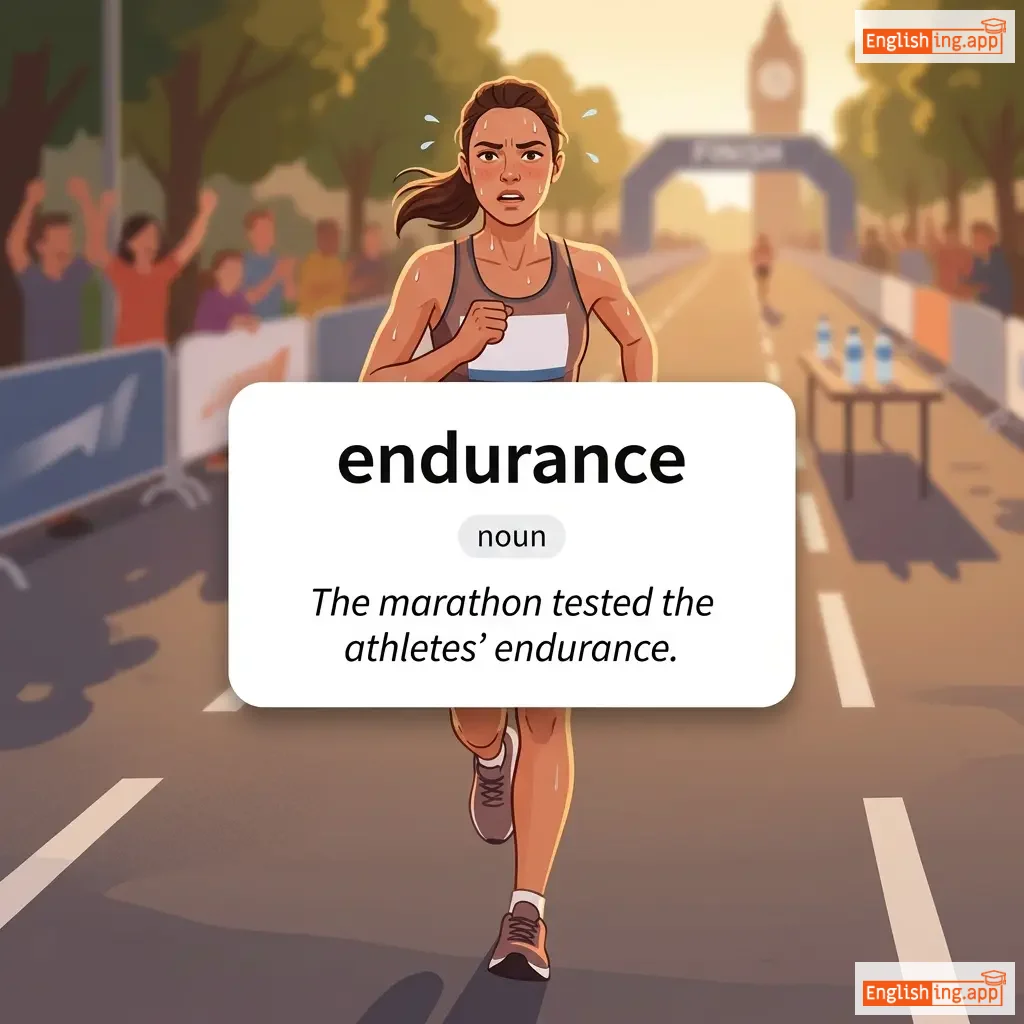
the ability to endure an unpleasant or difficult process without giving way
••••••
|
Marathon runners need exceptional endurance to complete the race. |
マラソンランナーはレースを完走するために並外れた耐久力が必要です。
Marason rannā wa rēsu o kansō suru tame ni namihazureta taikyūryoku ga hitsuyō desu.
••••••
|
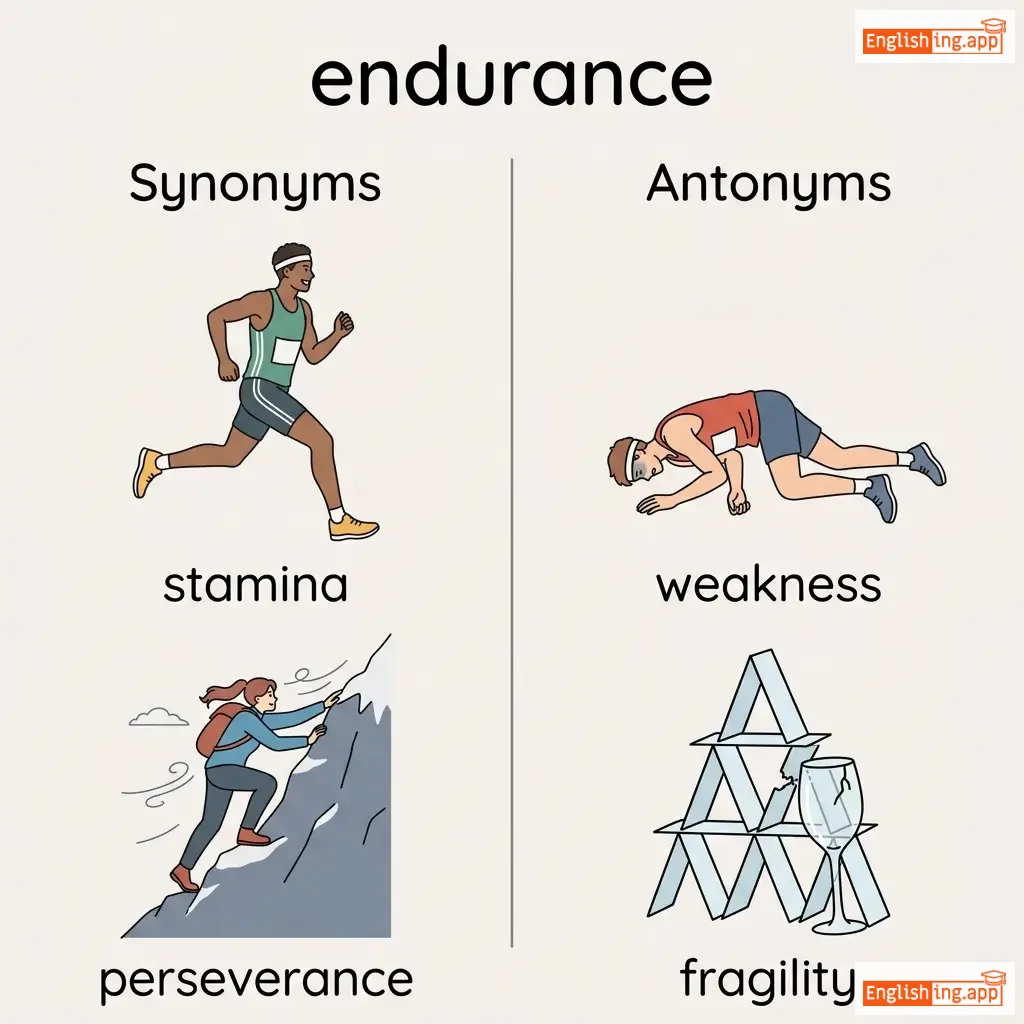
stamina, persistence, resilience, fortitude
••••••
|
weakness, frailty, giving up, quitting
••••••
|
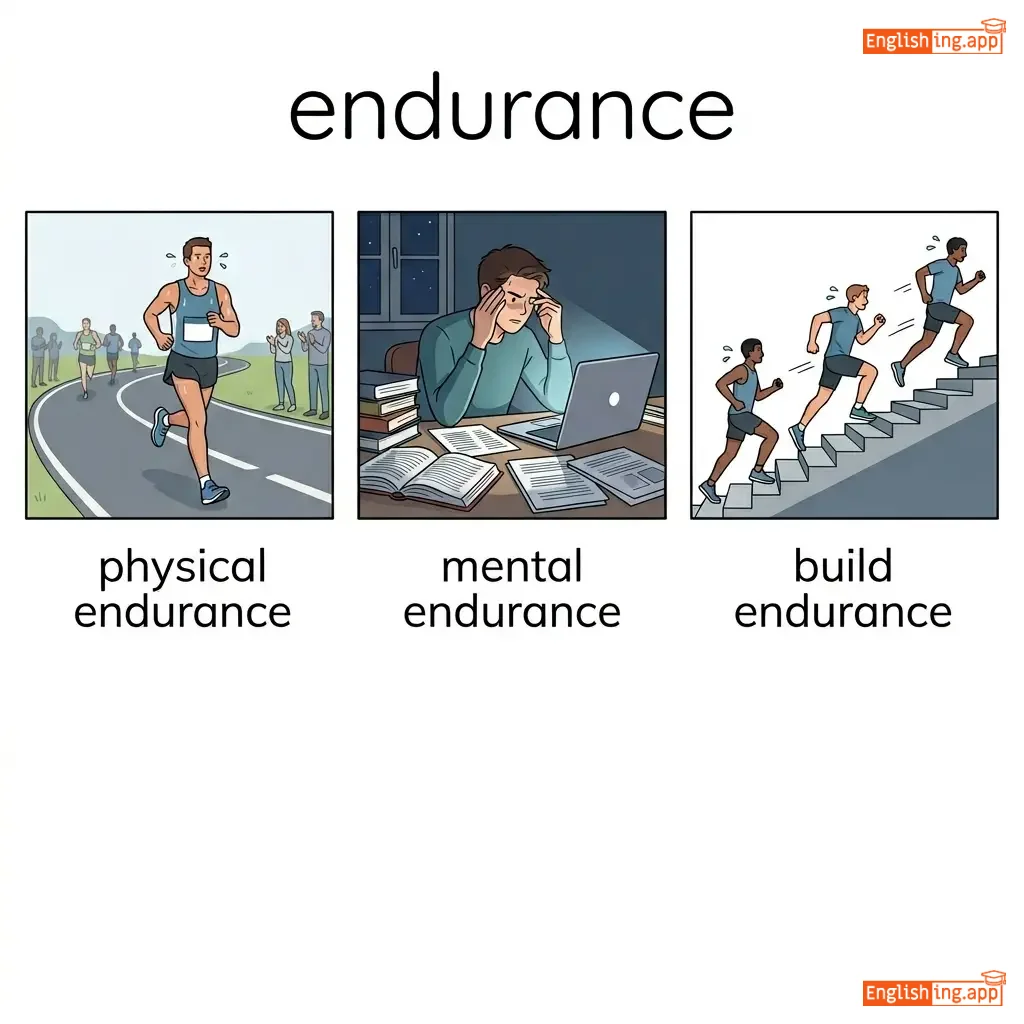
physical endurance, test endurance, build endurance
••••••
|
耐久力があれば、どんな困難も乗り越えられます。
••••••
|
|
#376
🌍
|
/ɪnˈvaɪ.rən.mənt/
noun
(エンバイロンメント)
••••••
|
|
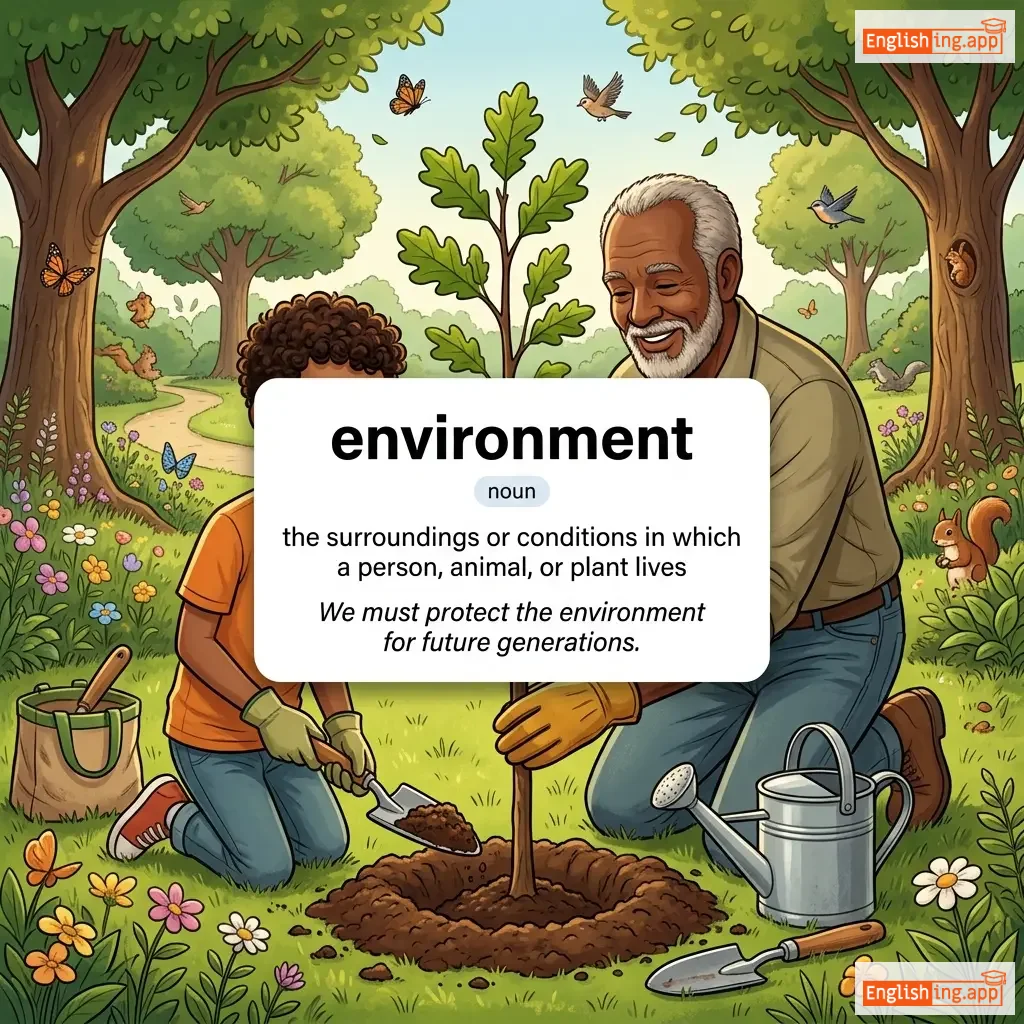
環境
kankyō
••••••
|
the surroundings or conditions in which a person, animal, or plant lives
••••••
|
We must protect the environment for future generations.
私たちは未来の世代のために環境を保護する必要があります。
••••••
|
私たちは未来の世代のために環境を保護する必要があります。
Watashitachi wa mirai no sedai no tame ni kankyō o hogo suru hitsuyō ga arimasu.
••••••
|
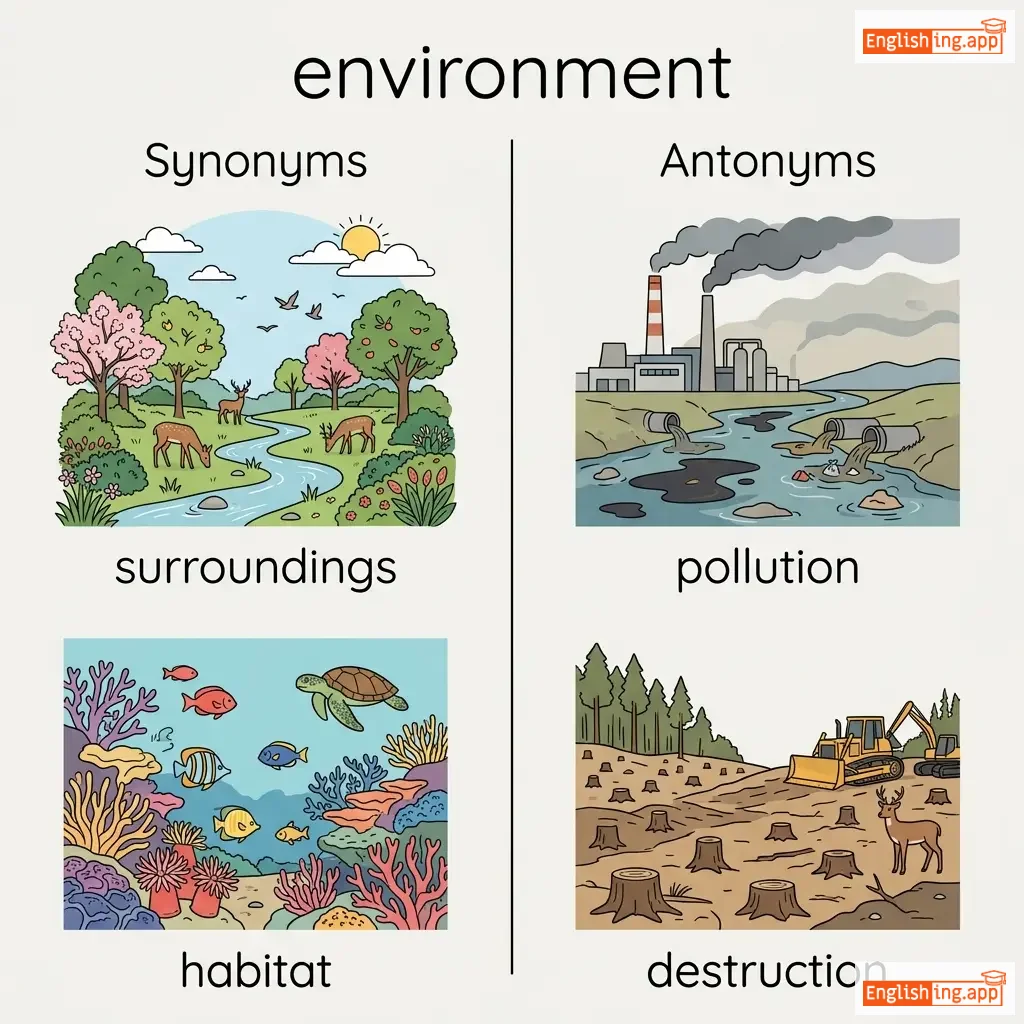
surroundings, habitat, ecosystem, atmosphere
••••••
|
vacuum, isolation, sterility, artificiality
••••••
|
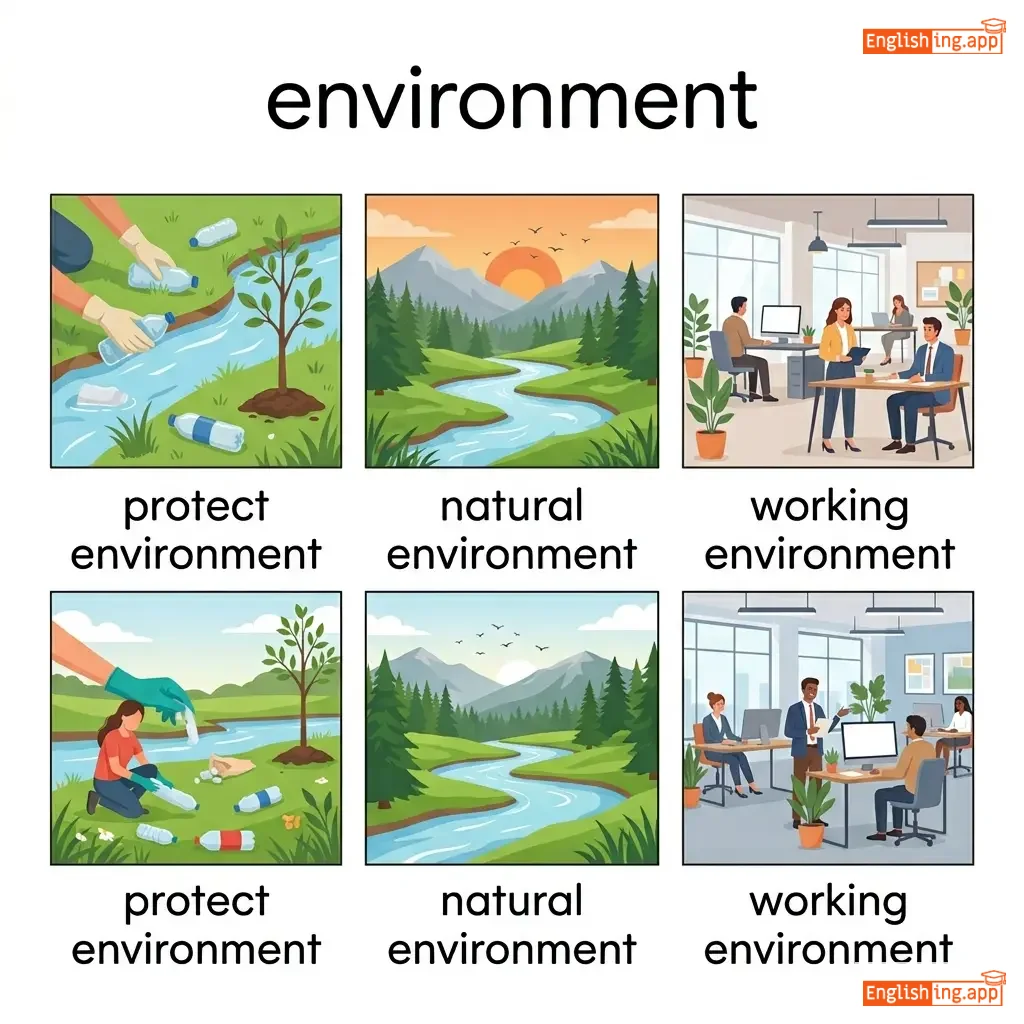
natural environment, work environment, protect environment
••••••
|
環境 (kankyō) - あなたの周りが環境です (anata no mawari ga kankyō desu).
••••••
|
|
#377
⚔️
|
/ˈen.ə.mi/
noun
(エネミー)
••••••
|
- •••••• |
敵
teki
••••••
|
a person who is actively opposed or hostile to someone or something
••••••
|
In the story, the hero had to face his greatest enemy. |
物語の中で、英雄は最も大きな敵に立ち向かわなければならなかった。
monogatari no naka de, eiyū wa mottomo ōkina teki ni tachimukawanakereba naranakatta.
••••••
|
foe, adversary, opponent, rival
••••••
|
friend, ally, supporter, companion
••••••
|
sworn enemy, defeat enemy, enemy territory
••••••
|
敵は英雄にとって常に戦う相手です。
••••••
|
|
#378
📖
|
/ˈep.ɪk/
noun
(エピック)
••••••
|
- •••••• |
叙事詩
jōshishi
••••••
|
a long poem telling of heroic deeds; something heroic or grand in scale
••••••
|
The Iliad is one of the most famous epics in world literature. |
イリアスは世界文学の中で最も有名な叙事詩の一つです。
Iriasu wa sekai bungaku no naka de mottomo yūmei na jōshishi no hitotsu desu.
••••••
|
saga, legend, heroic poem, grand tale
••••••
|
short story, brief tale, minor work, simple narrative
••••••
|
epic poem, epic tale, epic journey
••••••
|
Epic = '叙事詩'は英雄の物語を描いた壮大な詩です。
••••••
|
|
#379
⚡
|
/ˈen.ər.dʒi/
noun
(エナジー)
••••••
|
|
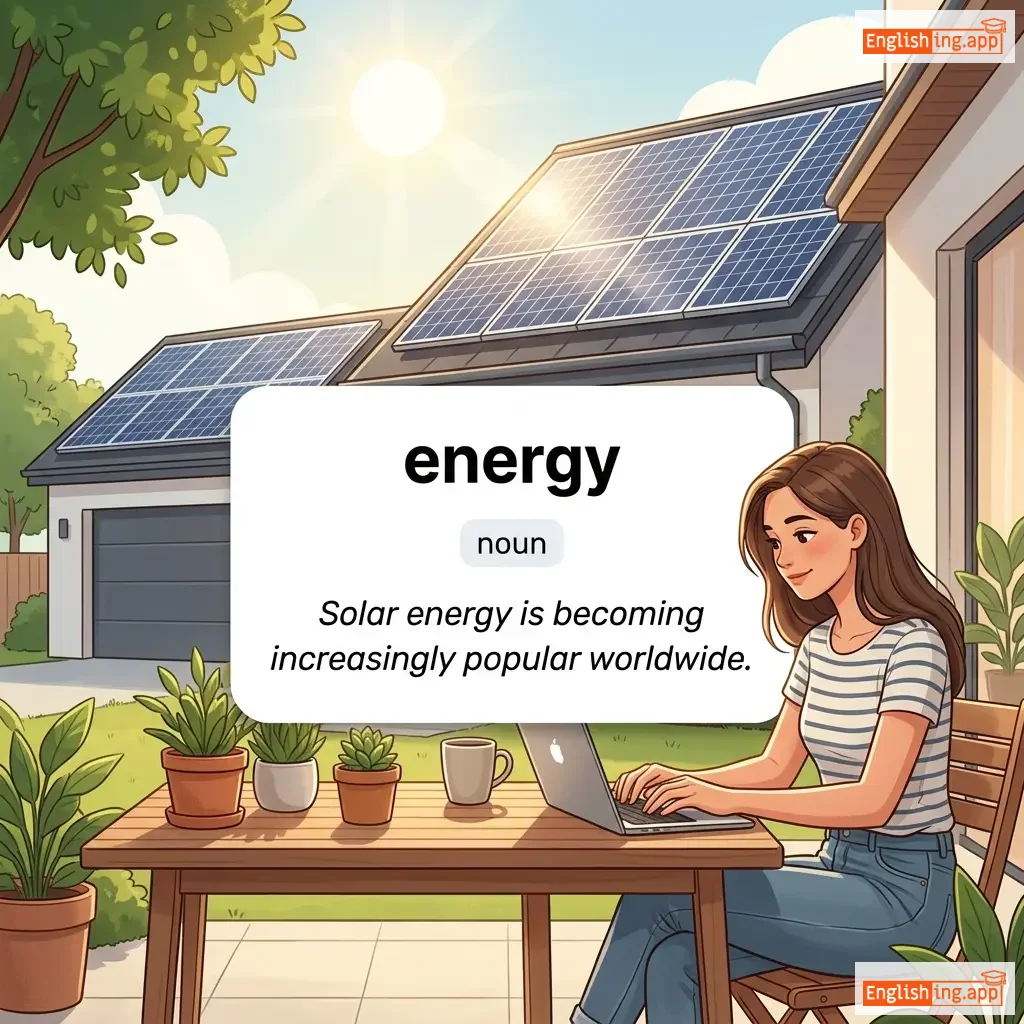
エネルギー
enerugī
••••••
|
the strength and vitality required for sustained physical or mental activity
••••••
|
After drinking coffee, she felt full of energy for the day ahead. |
コーヒーを飲んだ後、彼女は一日を迎えるためのエネルギーを感じた。
kōhī o nonda ato, kanojo wa ichinichi o mukaeru tame no enerugī o kanjita.
••••••
|
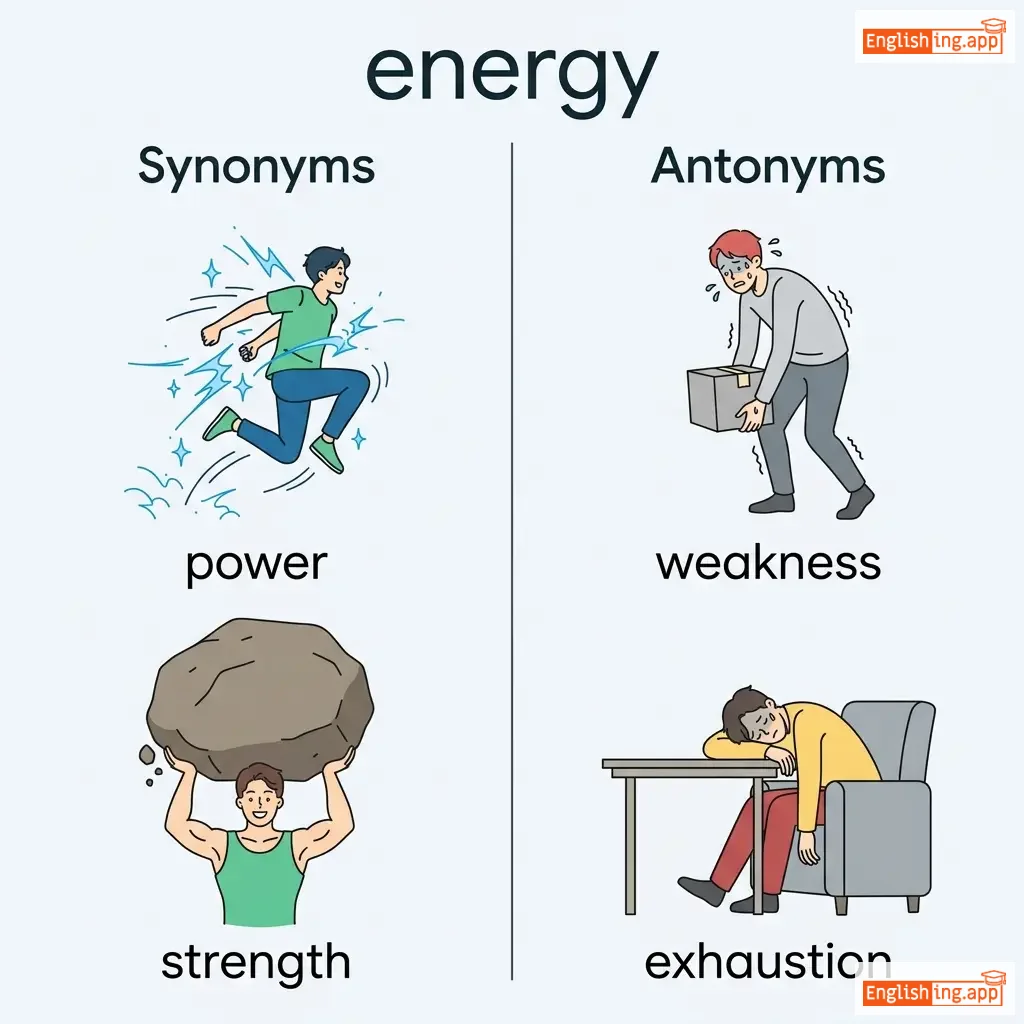
power, vigor, vitality, strength
••••••
|
lethargy, weakness, fatigue, exhaustion
••••••
|
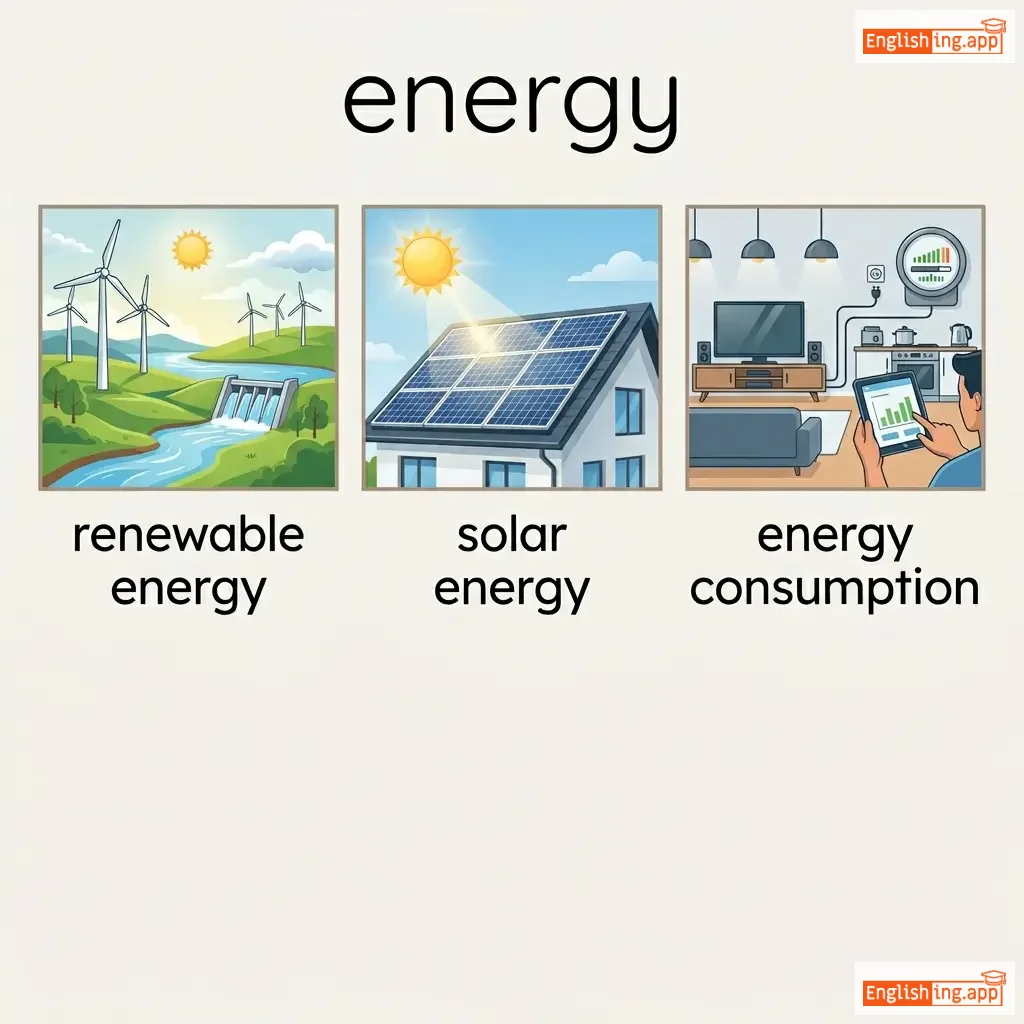
renewable energy, high energy, energy level
••••••
|
エネルギーを持つことで、毎日が活力に満ちる。
••••••
|
|
#380
🦠
|
/ˌep.ɪˈdem.ɪk/
noun
(エピデミック)
••••••
|
- •••••• |
流行病
ryūkōbyō
••••••
|
a widespread occurrence of an infectious disease in a community
••••••
|
The flu epidemic affected thousands of people across the country.
インフルエンザのエピデミックは全国で何千人もの人々に影響を与えました。
••••••
|
インフルエンザのエピデミックは全国で何千人もの人々に影響を与えました。
Infuruenza no epidemikku wa zenkoku de nan-sen-nin mono hitobito ni eikyō o ataemashita.
••••••
|
outbreak, pandemic, plague, contagion
••••••
|
health, wellness, immunity, prevention
••••••
|
flu epidemic, epidemic outbreak, control epidemic
••••••
|
エピデミックは流行病と似ている、流行は伝染する病気。
••••••
|
Vocabulary Quiz
Test your vocabulary by matching words with their translations or meanings.
Login to take the quiz
Comments (0)
Share your thoughts and join the discussion.
Join the discussion by logging in
Login to CommentNo comments yet
Be the first to share your thoughts!