

翻訳
過去
過去分詞
三人称単数
動名詞
意味
例文
例文の翻訳
同義語
対義語
コロケーション
ニーモニック
Swipe left or right, or use the buttons. Tap image to zoom.
例文の翻訳
単語
Lesson 20Lesson 20 - マスクトグル
|
絵文字
|
単語 | Images | 翻訳 | 意味 | 例文 | 例文の翻訳 | 同義語 | 対義語 | コロケーション | ニーモニック |
|---|---|---|---|---|---|---|---|---|---|---|
|
#381
💎
|
/ɪˈpɪt.ə.mi/
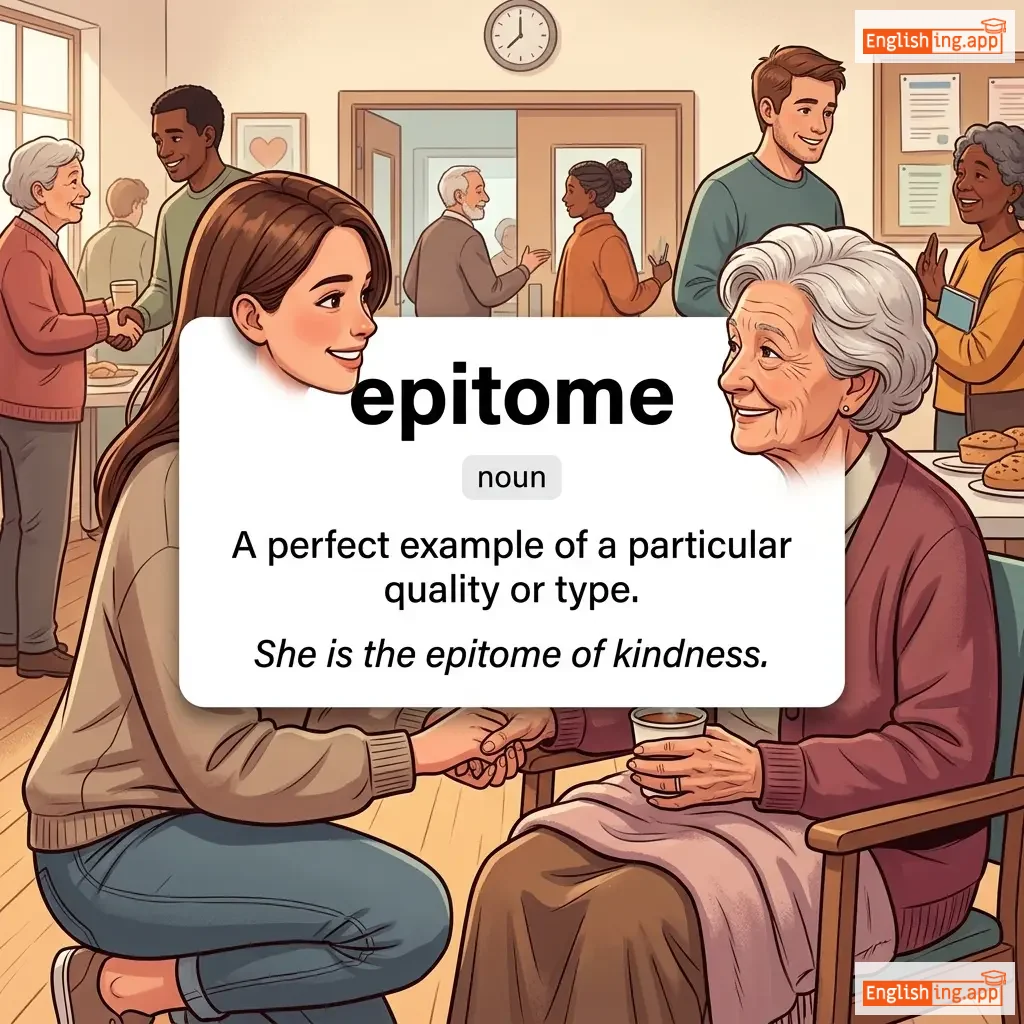
noun
(エピトミー)
••••••
|
|
典型
tenkei
••••••
|
a perfect example of a particular quality or type; a representation in typical fashion
••••••
|
She was the epitome of grace and elegance at the formal dinner. |
彼女は正式なディナーで優雅さとエレガンスの典型でした。
Kanojo wa seishiki na dinā de yūgasa to eregansu no tenkei deshita.
••••••
|
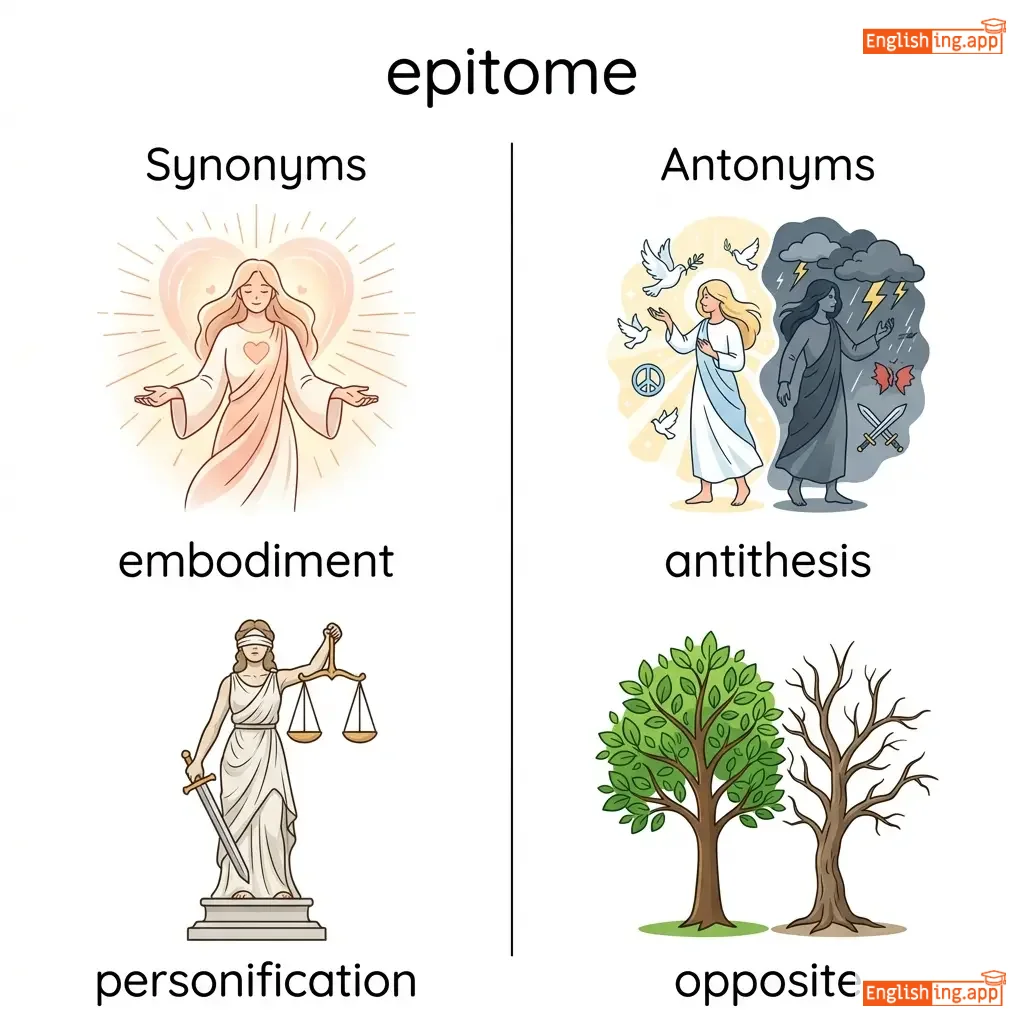
embodiment, example, personification, representation
••••••
|
opposite, antithesis, contradiction, deviation
••••••
|
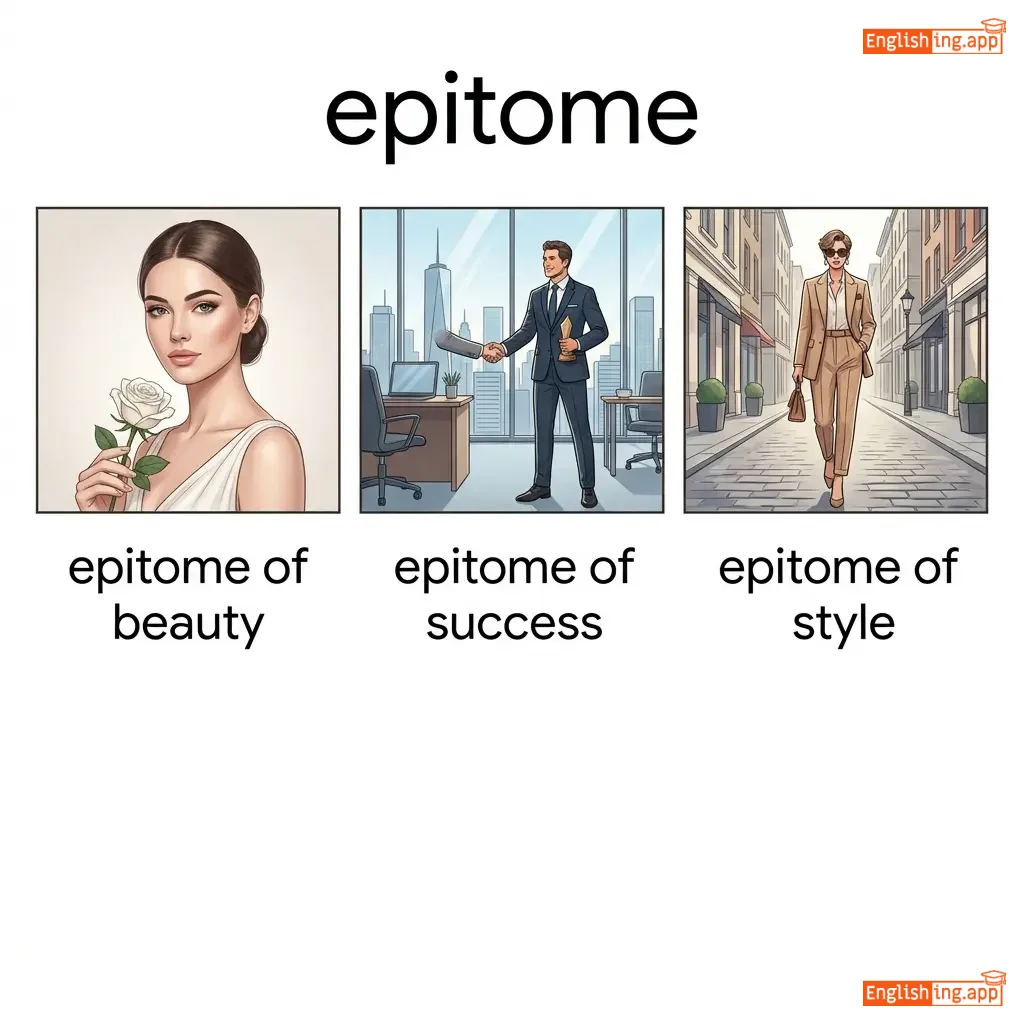
epitome of beauty, epitome of success, perfect epitome
••••••
|
日本語で '典型' は完璧な例を示す言葉です。
••••••
|
|
#382
📈
|
/ɪɡˌzædʒ.əˈreɪ.ʃən/
noun
(イグザジェレーション)
••••••
|
- •••••• |
誇張
kocho
••••••
|
a statement that represents something as better or worse than it really is
••••••
|
His story about the fish he caught was clearly an exaggeration. |
彼が捕まえた魚についての話は明らかに誇張だった。
Kare ga tsukamaeta sakana ni tsuite no hanashi wa akiraka ni kocho datta.
••••••
|
overstatement, hyperbole, amplification, embellishment
••••••
|
understatement, moderation, restraint, accuracy
••••••
|
gross exaggeration, slight exaggeration, without exaggeration
••••••
|
誇張 = 大きく言い過ぎ
••••••
|
|
#383
⏳
|
/ˈɪə.rə/
noun
(エラ)
••••••
|
- •••••• |
時代
jidai
••••••
|
a long and distinct period of history with a particular feature or characteristic
••••••
|
The Renaissance was an era of great artistic and cultural achievement. |
ルネサンスは大きな芸術的および文化的業績の時代でした。
Runesansu wa ookina geijutsuteki oyobi bunkateki gyouseki no jidai deshita.
••••••
|
age, epoch, period, time
••••••
|
moment, instant, brief period, short time
••••••
|
new era, modern era, era of peace
••••••
|
日本語で'時代'は歴史的な期間を指します。例えば、'芸術の時代'。
••••••
|
|
#384
📝
|
/ɪɡˌzæm.ɪˈniː/
noun
(egzaminí)
••••••
|
- •••••• |
受験者
juken-sha
••••••
|
a person who is being tested in an examination
••••••
|
Each examinee was given two hours to complete the test.
イチエグザミニー ワズ ギヴン トゥ アワーズ トゥ コンプリート ザ テスト。
••••••
|
各受験者には試験を完了するために2時間が与えられました。
Kaku juken-sha ni wa shiken o kanryou suru tame ni 2 jikan ga ataeraremashita.
••••••
|
candidate, test taker, student, applicant
••••••
|
examiner, teacher, instructor, assessor
••••••
|
qualified examinee, nervous examinee, examinee number
••••••
|
Juken-sha comes from 'juken' (exam) and 'sha' (person).
••••••
|
|
#385
🌊
|
/ɪˈroʊ.ʒən/
noun
(エロージョン)
••••••
|
|
浸食
shinshoku
••••••
|
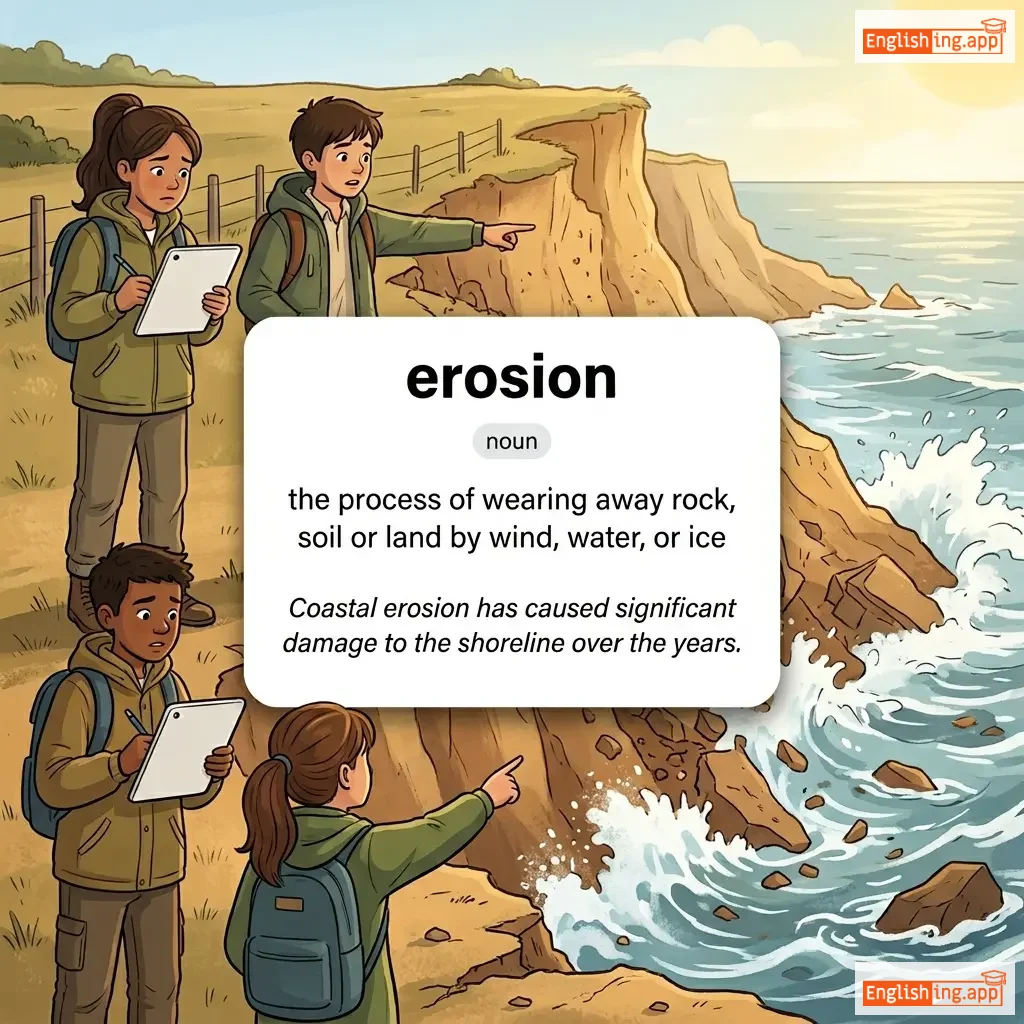
the process of wearing away rock, soil, or land by wind, water, or ice
••••••
|
Coastal erosion has caused significant damage to the shoreline over the years. |
沿岸浸食は何年にもわたり、海岸線に重大な損傷を与えました。
Enkan shinshoku wa nannen ni mo watari, kaigan sen ni juudaina sonshou o ataemashita.
••••••
|
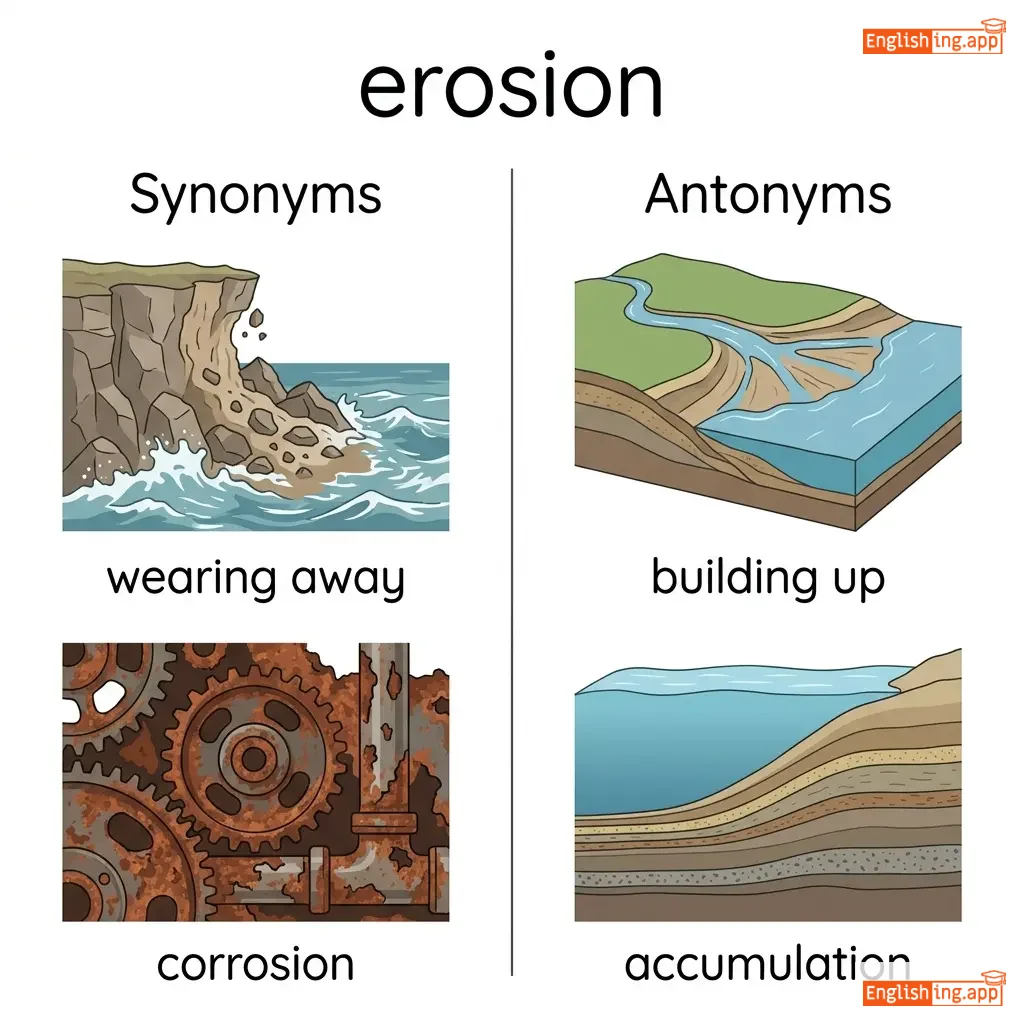
wearing away, corrosion, weathering, deterioration
••••••
|
building up, accumulation, deposition, construction
••••••
|
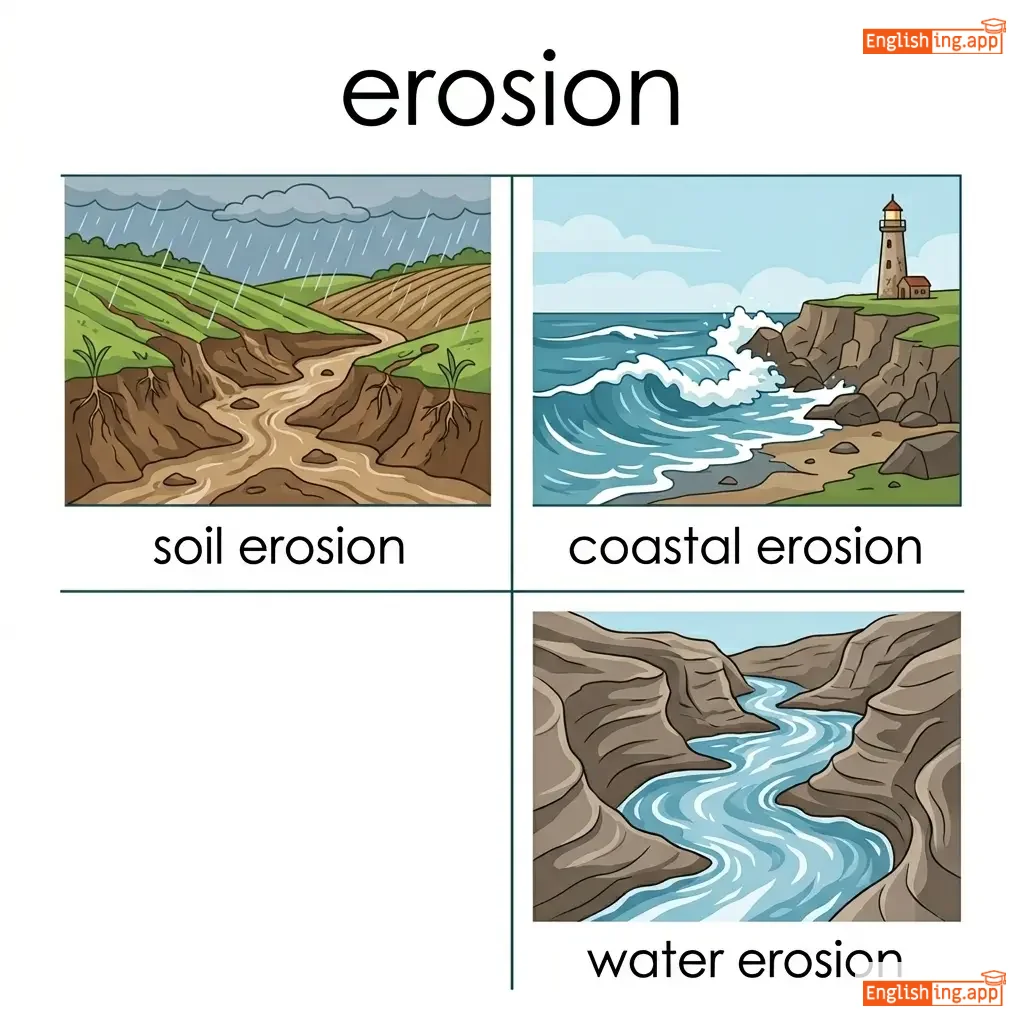
soil erosion, coastal erosion, water erosion
••••••
|
浸食は風と水が土地を少しずつ削るようなものです。
••••••
|
|
#386
🚫
|
/ɪkˈsep.ʃən/
noun
(ɪkˈsɛpʃən)
••••••
|
- •••••• |
例外
reikai
••••••
|
a person or thing that is excluded from a general statement or does not follow a rule
••••••
|
Most students passed the exam, with the exception of a few who were absent. |
ほとんどの学生は試験に合格しましたが、例外的に数人の欠席者がいました。
Hotondo no gakusei wa shiken ni gōkaku shimashita ga, reikai-teki ni sūnin no kessekisha ga imashita.
••••••
|
exclusion, anomaly, deviation, special case
••••••
|
rule, norm, standard, inclusion
••••••
|
without exception, make exception, rare exception
••••••
|
例外 = 通常のルールに従わない
••••••
|
|
#387
❌
|
/ˈer.ər/
noun
(エラー)
••••••
|
- •••••• |
エラー; 間違い
erā, machigai
••••••
|
a mistake; something done incorrectly or wrong
••••••
|
The error in the calculation led to incorrect results.
計算のエラーにより、不正確な結果が出ました。
••••••
|
計算のエラーにより、不正確な結果が出ました。
Keisan no erā ni yori, fuseikaku na kekka ga demashita.
••••••
|
mistake, fault, blunder, inaccuracy
••••••
|
accuracy, correctness, precision, truth
••••••
|
human error, common error, avoid error
••••••
|
エラー (erā) は計算で間違いを引き起こす
••••••
|
|
#388
📊
|
/ɪkˈses/
noun
(エクセス)
••••••
|
- •••••• |
過剰; 余分
kajo, yobun
••••••
|
an amount of something that is more than necessary, permitted, or desirable
••••••
|
The excess food from the party was donated to the local shelter.
パーティーからの余剰食料は地元のシェルターに寄付されました。
••••••
|
パーティーからの余剰食料は地元のシェルターに寄付されました。
Pātī kara no yojō shokuryō wa jimoto no sheratā ni kifu saremashita.
••••••
|
surplus, abundance, overflow, extra
••••••
|
shortage, deficiency, lack, scarcity
••••••
|
excess weight, in excess, excess baggage
••••••
|
Excess in Japanese is '過剰', think of '過' as 'beyond' or 'too much'.
••••••
|
|
#389
🌋
|
/ɪˈrʌp.ʃən/
noun
(エラプション)
••••••
|
- •••••• |
火山の噴火
kazan no funka
••••••
|
a sudden violent occurrence or outburst; volcanic explosion
••••••
|
The volcanic eruption forced thousands of people to evacuate the area. |
火山の噴火は、何千人もの人々にその地域から避難するよう強制した。
Kazan no funka wa, nansen-nin mo no hitobito ni sono chiiki kara hinan suru yō kyōsei shita.
••••••
|
explosion, outbreak, burst, discharge
••••••
|
calm, quiet, suppression, containment
••••••
|
volcanic eruption, skin eruption, sudden eruption
••••••
|
火山の噴火は突発的に起こり、強力で破壊的な力を持つ
••••••
|
|
#390
🔄
|
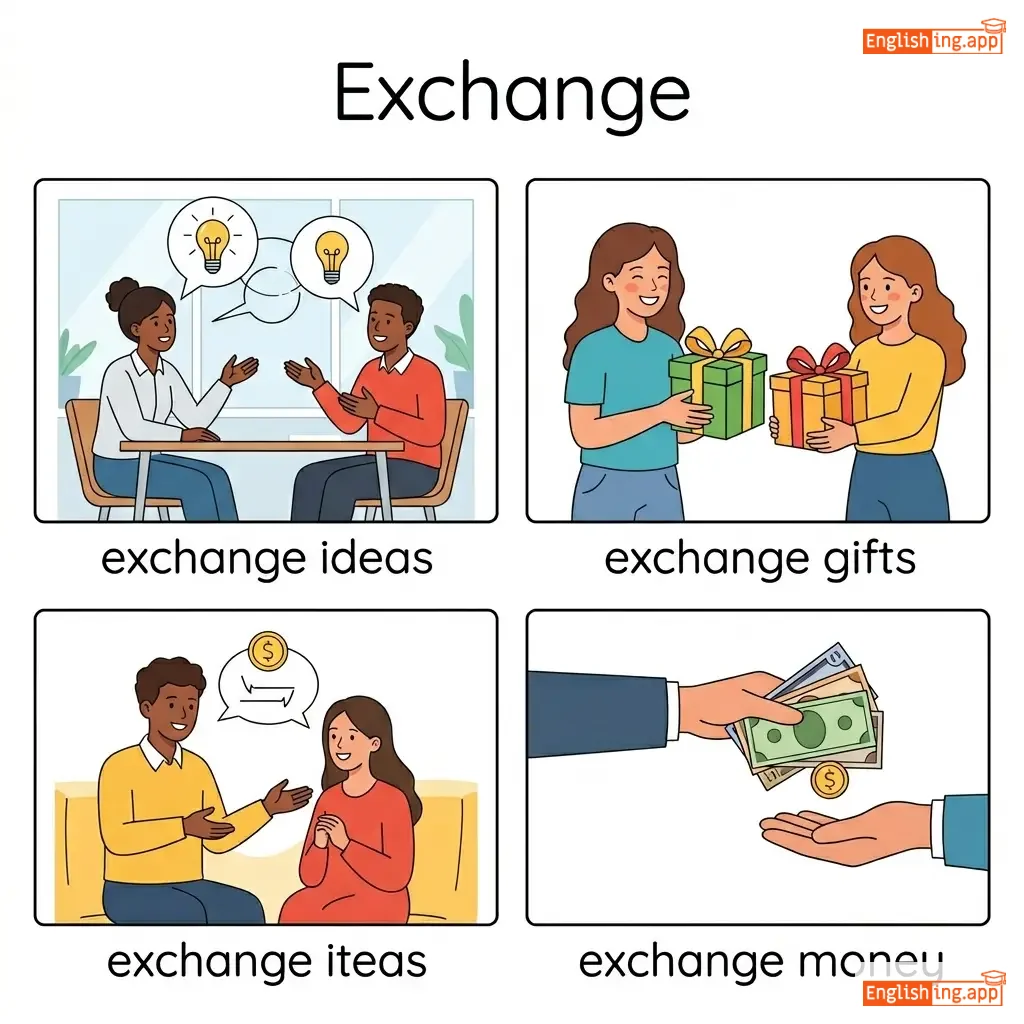
/ɪksˈtʃeɪndʒ/
noun
(エクスチェンジ)
••••••
|
|
交換
koukan
••••••
|
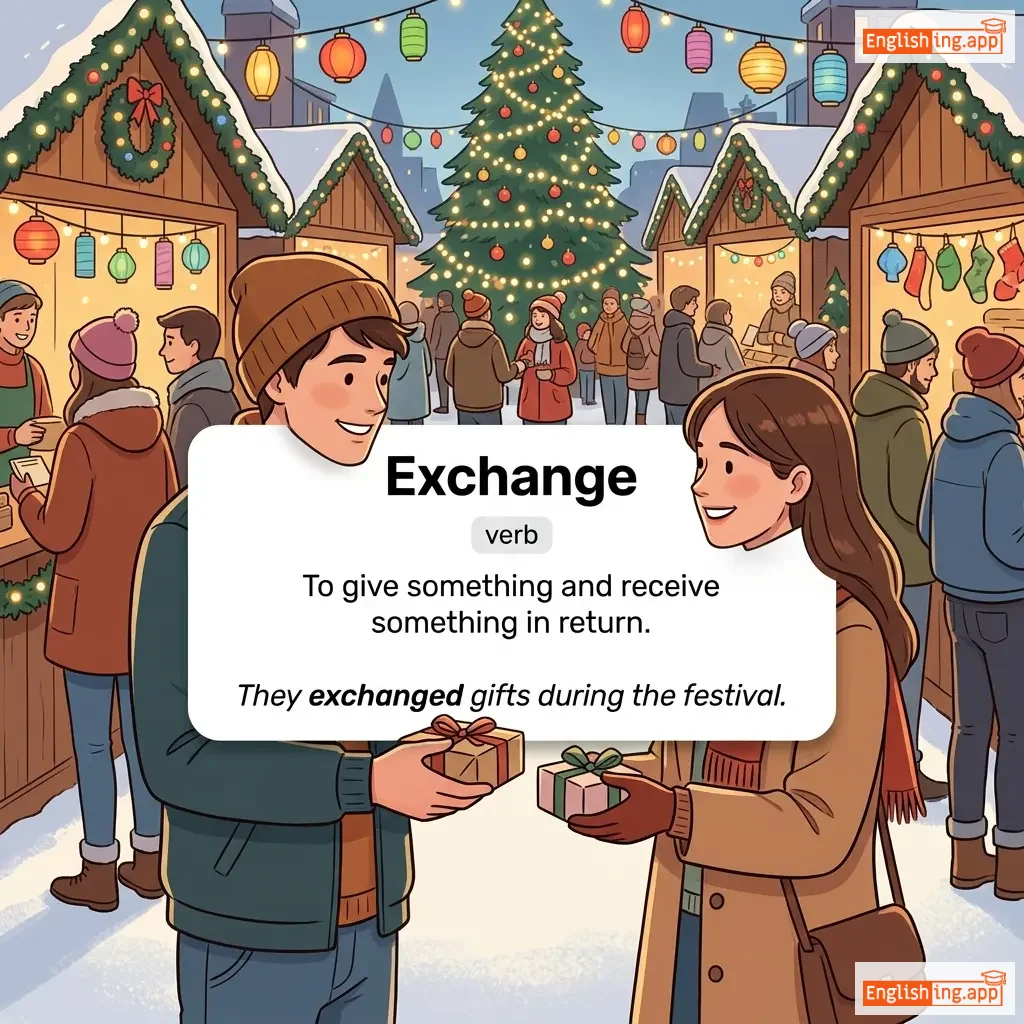
an act of giving one thing and receiving another in return
••••••
|
The exchange of gifts is a common tradition during the holidays.
贈り物の交換は休日に一般的な伝統です。
••••••
|
贈り物の交換は休日に一般的な伝統です。
Okurimono no koukan wa kyuujitsu ni ippanteki na dentou desu.
••••••
|
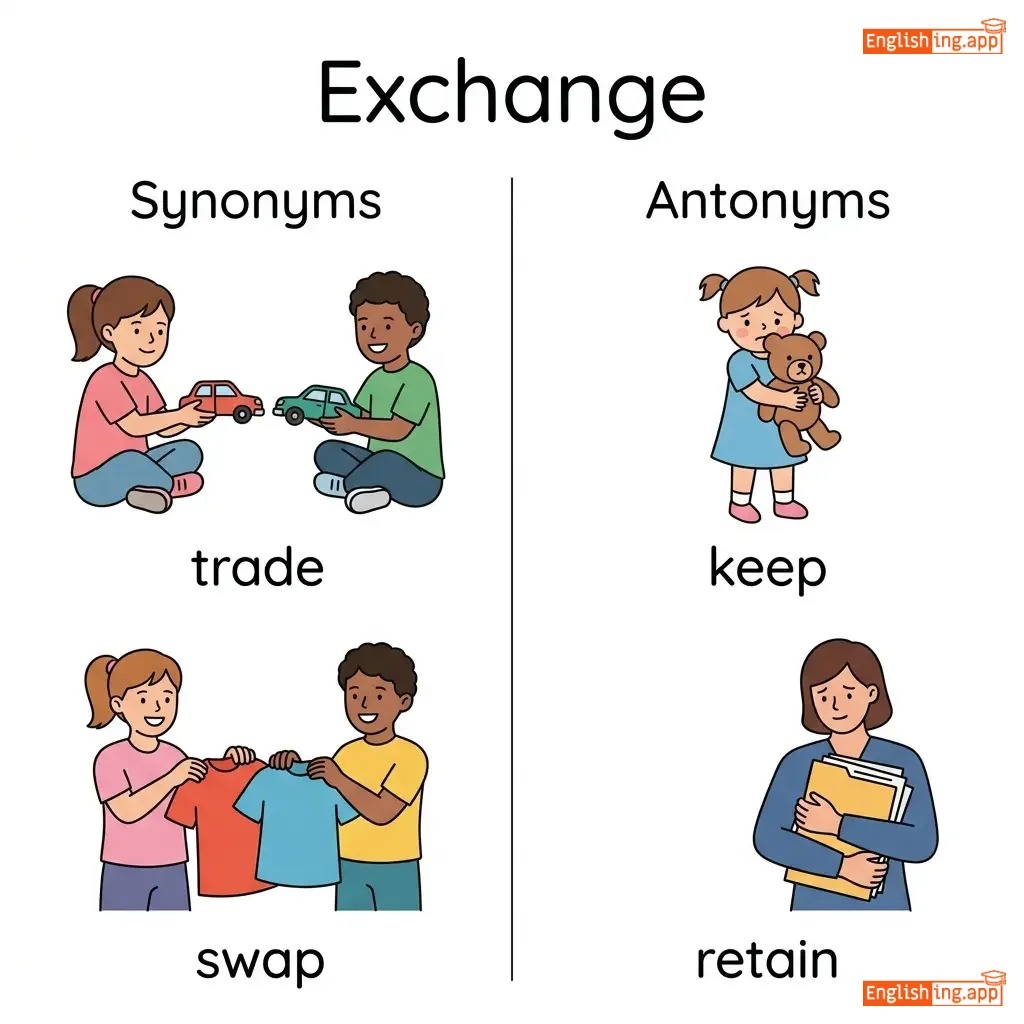
trade, swap, barter, transaction
••••••
|
keeping, retention, hoarding, withholding
••••••
|
currency exchange, student exchange, exchange rate
••••••
|
Think of exchanging gifts with loved ones during the holiday season.
••••••
|
|
#391
🏃♂️
|
/ɪˈskeɪp/
noun
(エスケープ)
••••••
|
- •••••• |
脱出; 逃亡; 解放
dasshutsu, tōbō, kaihō
••••••
|
an act of breaking free from confinement or control; a way out
••••••
|
The prisoner's escape from the jail shocked the authorities. |
囚人の脱出は当局を驚かせた。
Shūjin no dasshutsu wa tōkyoku o odorokaseta.
••••••
|
flight, getaway, breakout, freedom
••••••
|
capture, imprisonment, confinement, entrapment
••••••
|
narrow escape, escape route, escape plan
••••••
|
脱出はEscape、囚人が脱出するように。
••••••
|
|
#392
🎉
|
/ɪkˈsaɪt.mənt/
noun
(エキサイトメント)
••••••
|
- •••••• |
興奮
koufun
••••••
|
a feeling of great enthusiasm and eagerness
••••••
|
The children could barely contain their excitement about the upcoming field trip.
子供たちは次の学校旅行についての興奮を抑えることができなかった。
••••••
|
子供たちは次の学校旅行についての興奮を抑えることができなかった。
Kodomotachi wa tsugi no gakkou ryokou ni tsuite no koufun o osaeru koto ga dekinakatta.
••••••
|
enthusiasm, thrill, exhilaration, elation
••••••
|
boredom, indifference, calm, apathy
••••••
|
great excitement, contain excitement, excitement builds
••••••
|
興奮とexcitementは同じ意味です!
••••••
|
|
#393
💧
|
/ˈes.əns/
noun
(エッセンス)
••••••
|
- •••••• |
本質
honshitsu
••••••
|
the intrinsic nature or indispensable quality of something
••••••
|
The essence of good teaching is the ability to inspire students. |
良い教育の本質は学生を励ます能力です。
Yoi kyouiku no honshitsu wa gakusei o hagemasu nouryoku desu.
••••••
|
core, heart, soul, fundamental nature
••••••
|
superficiality, appearance, exterior, surface
••••••
|
essence of life, capture essence, pure essence
••••••
|
本質的な教育の力は、学生にインスピレーションを与えることです。
••••••
|
|
#394
🚌
|
/ɪkˈskɜː.ʃən/
noun
(エクスカーション)
••••••
|
- •••••• |
遠足; 観光旅行
ensoku, kankō ryokō
••••••
|
a short journey or trip, especially one engaged in as a leisure activity
••••••
|
The school organized an excursion to the science museum for all students. |
学校はすべての学生のために科学博物館への遠足を組織しました。
Gakkō wa subete no gakusei no tame ni kagaku hakubutsukan e no ensoku o soshiki shimashita.
••••••
|
trip, outing, expedition, tour
••••••
|
stay, residence, remaining, stationary
••••••
|
day excursion, school excursion, guided excursion
••••••
|
No •••••• |
|
#395
🤝
|
/ˈet.ɪ.kət/
noun
(エチケット)
••••••
|
- •••••• |
エチケット
echiketto
••••••
|
the customary code of polite behavior in society or among members of a particular profession
••••••
|
Proper etiquette requires standing when a lady enters the room. |
適切なエチケットは、女性が部屋に入るときに立ち上がることを求めます。
tekisetsu na echiketto wa, josei ga heya ni hairu toki ni tachiagaru koto o motomemasu.
••••••
|
manners, protocol, courtesy, civility
••••••
|
rudeness, impoliteness, discourtesy, bad manners
••••••
|
social etiquette, proper etiquette, business etiquette
••••••
|
‘エチケット’は日本語でも‘マナー’や‘礼儀’に関連しています。
••••••
|
|
#396
🤷
|
/ɪkˈskjuːs/
noun
(エクスキューズ)
••••••
|
- •••••• |
言い訳
iiwake
••••••
|
a reason or explanation put forward to defend or justify a fault or offense
••••••
|
Being tired is not a valid excuse for not completing your homework. |
疲れていることは宿題を終わらせなかった理由にはならない。
tsukarete iru koto wa shukudai o owarasenakatta riyū ni wa naranai.
••••••
|
justification, reason, explanation, pretext
••••••
|
accountability, responsibility, admission, confession
••••••
|
make excuse, valid excuse, poor excuse
••••••
|
Japanese '言い訳' (iiwake) means an excuse, closely related to justifying actions.
••••••
|
|
#397
📊
|
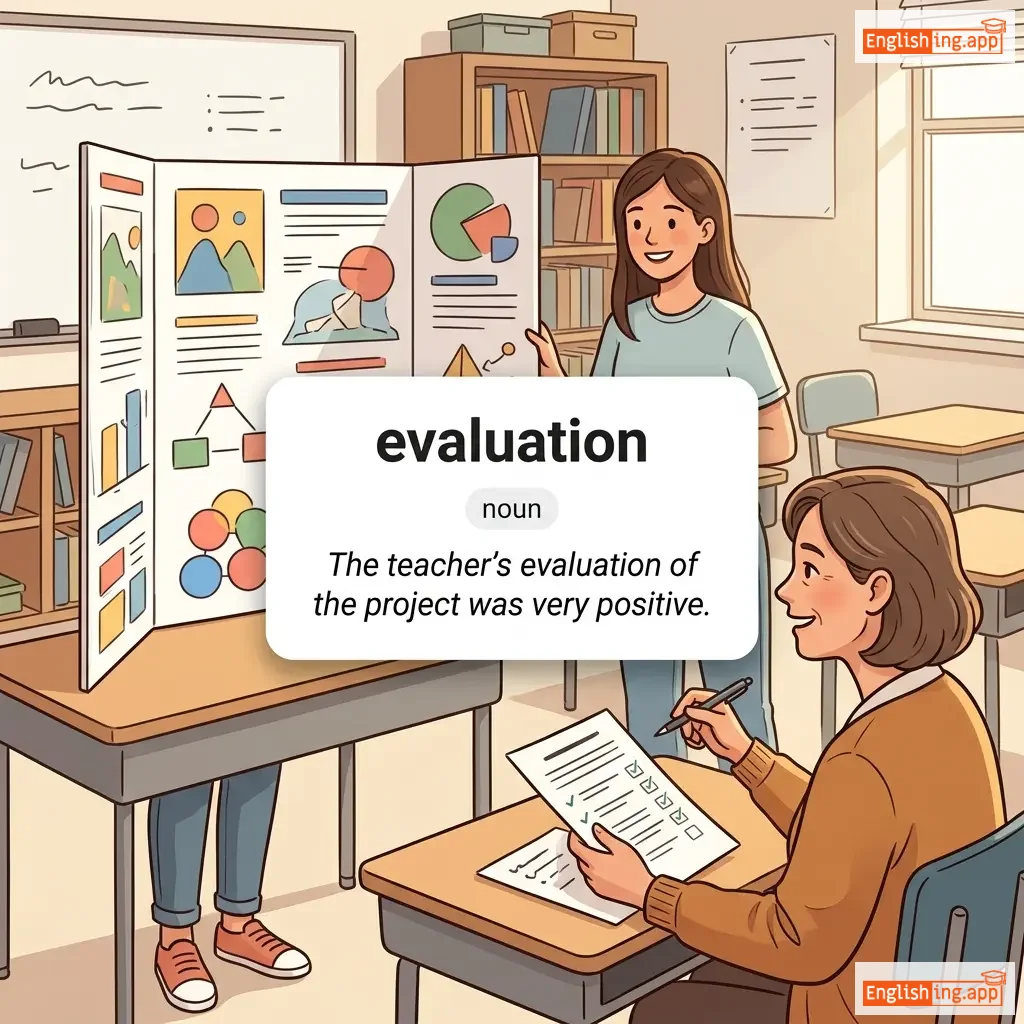
/ɪˌvæl.juˈeɪ.ʃən/
noun
(イブァリューエイション)
••••••
|
|
評価
hyouka
••••••
|
the making of a judgment about the amount, number, or value of something
••••••
|
The teacher's evaluation of the student's work was very thorough.
先生の学生の仕事に対する評価は非常に詳細でした。
••••••
|
先生の学生の仕事に対する評価は非常に詳細でした。
Sensei no gakusei no shigoto ni taisuru hyouka wa hijou ni shousai deshita.
••••••
|
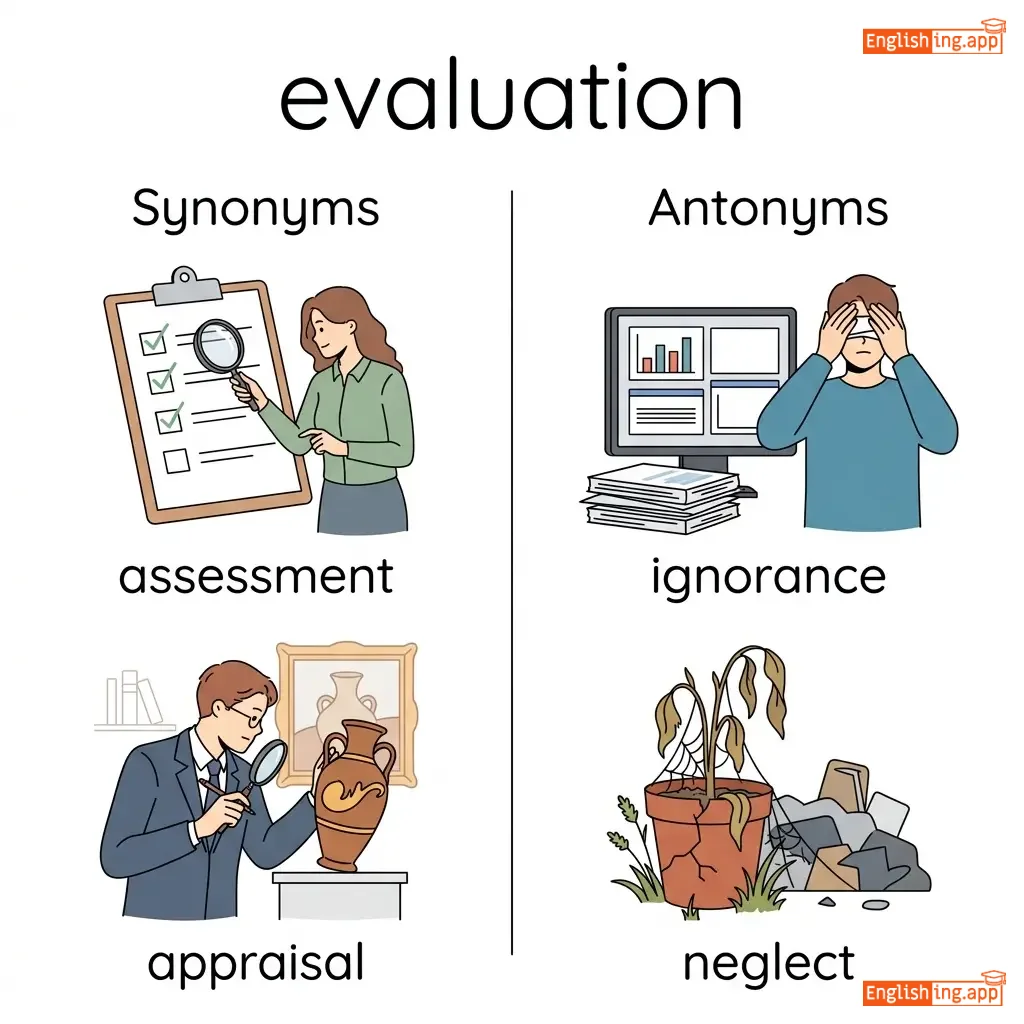
assessment, appraisal, analysis, review
••••••
|
ignorance, neglect, oversight, disregard
••••••
|
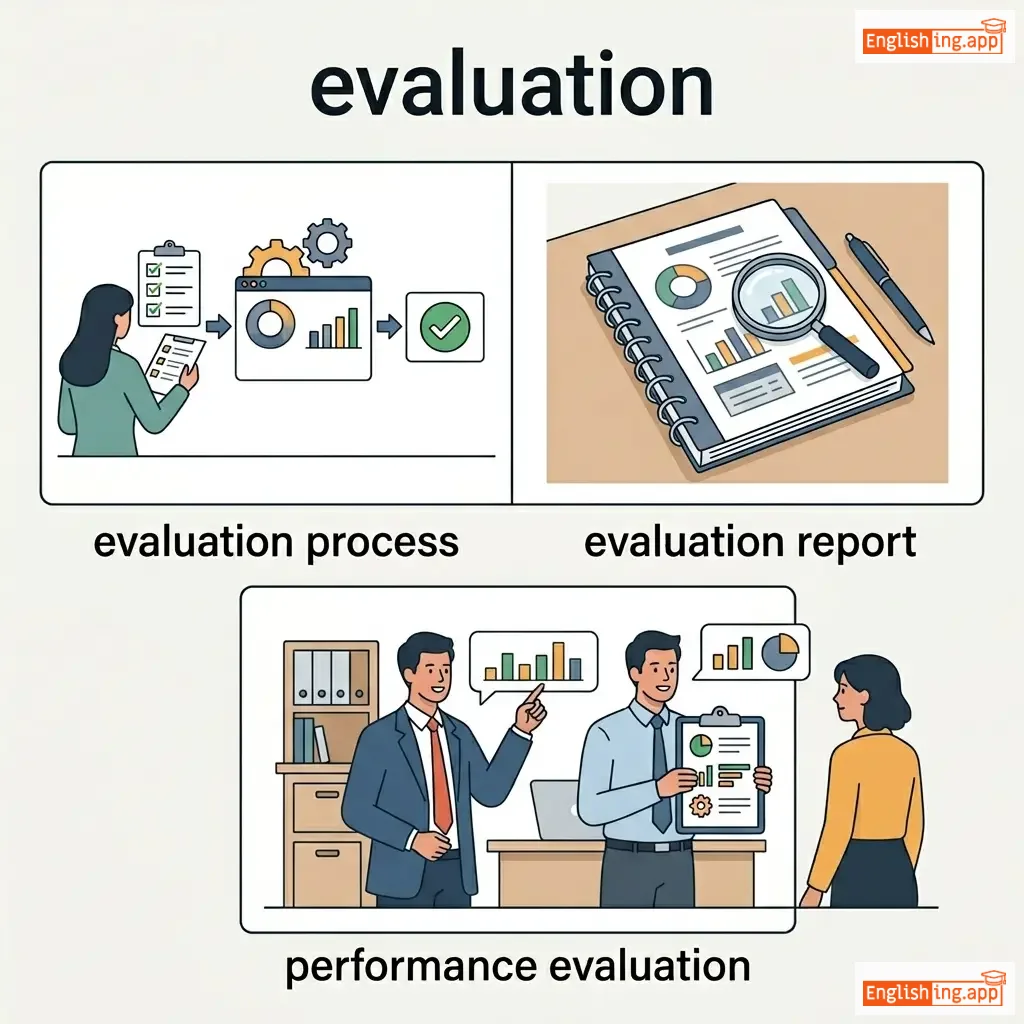
performance evaluation, careful evaluation, evaluation process
••••••
|
評価とは、物事の価値や重要性を判断することです
••••••
|
|
#398
💪
|
/ɪɡˈzɜː.ʃən/
noun
(エクサーション)
••••••
|
|
努力;労力
doryoku, roryoku
••••••
|
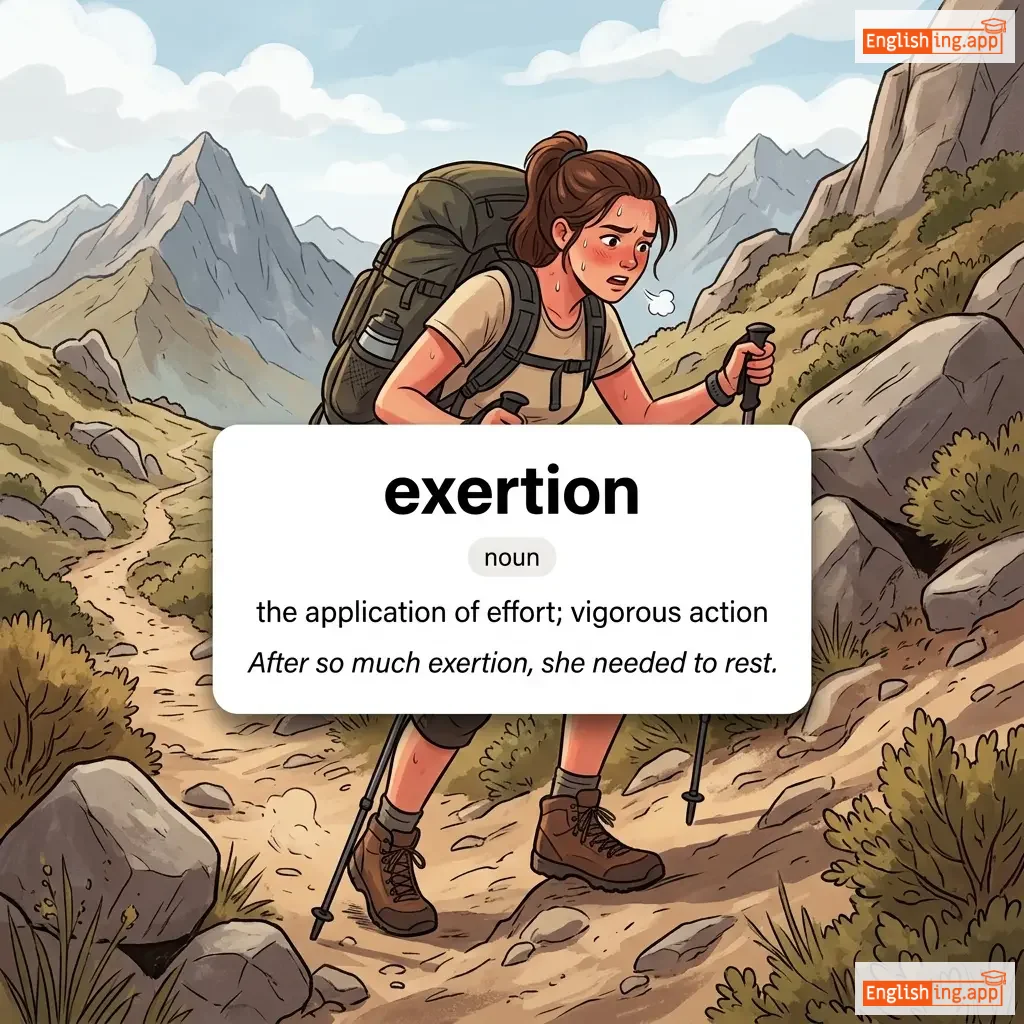
physical or mental effort; the application of force, effort, or pressure
••••••
|
The mountain climb required considerable physical exertion from all the hikers.
山登りはすべての登山者にかなりの体力を必要としました。
••••••
|
山登りはすべての登山者にかなりの体力を必要としました。
Yamanobori wa subete no tozan-sha ni kanari no tairyoku o hitsuyō to shimashita.
••••••
|
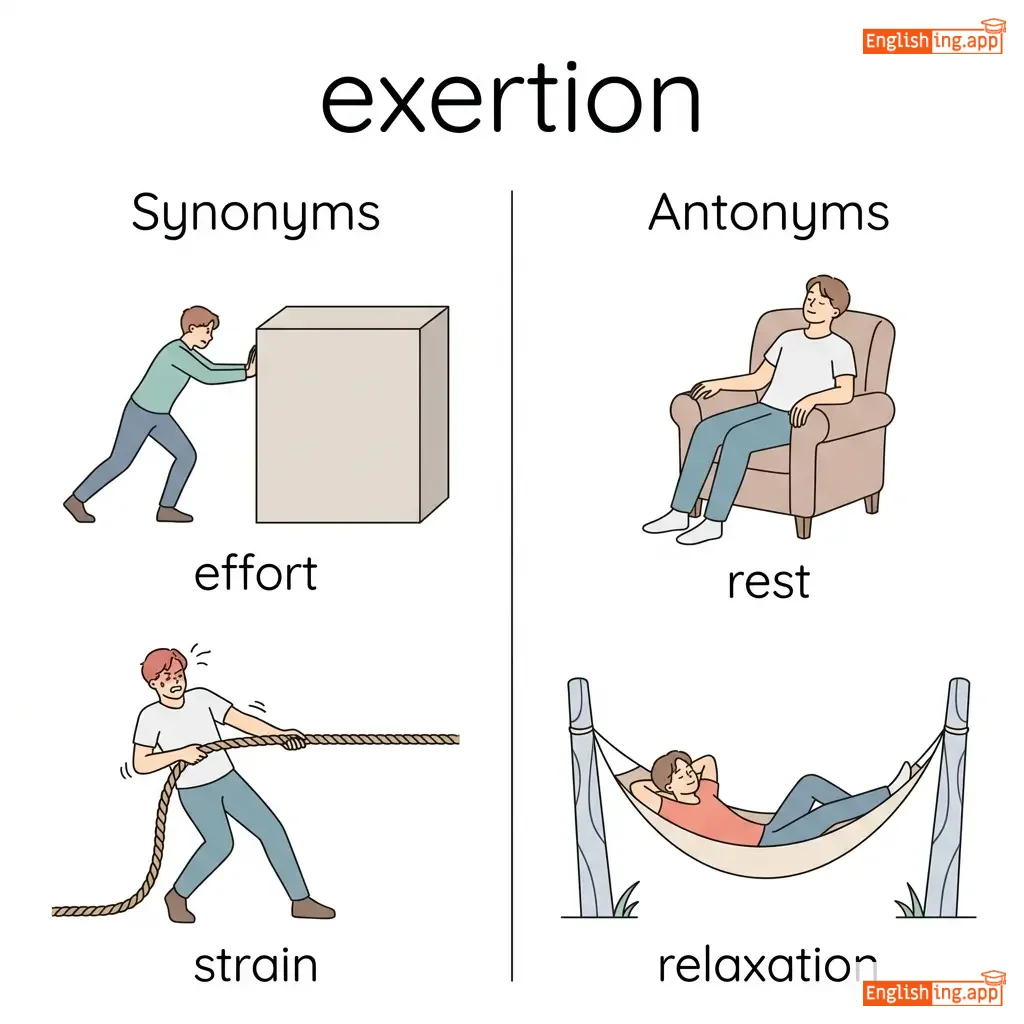
effort, strain, work, labor
••••••
|
rest, relaxation, ease, inactivity
••••••
|
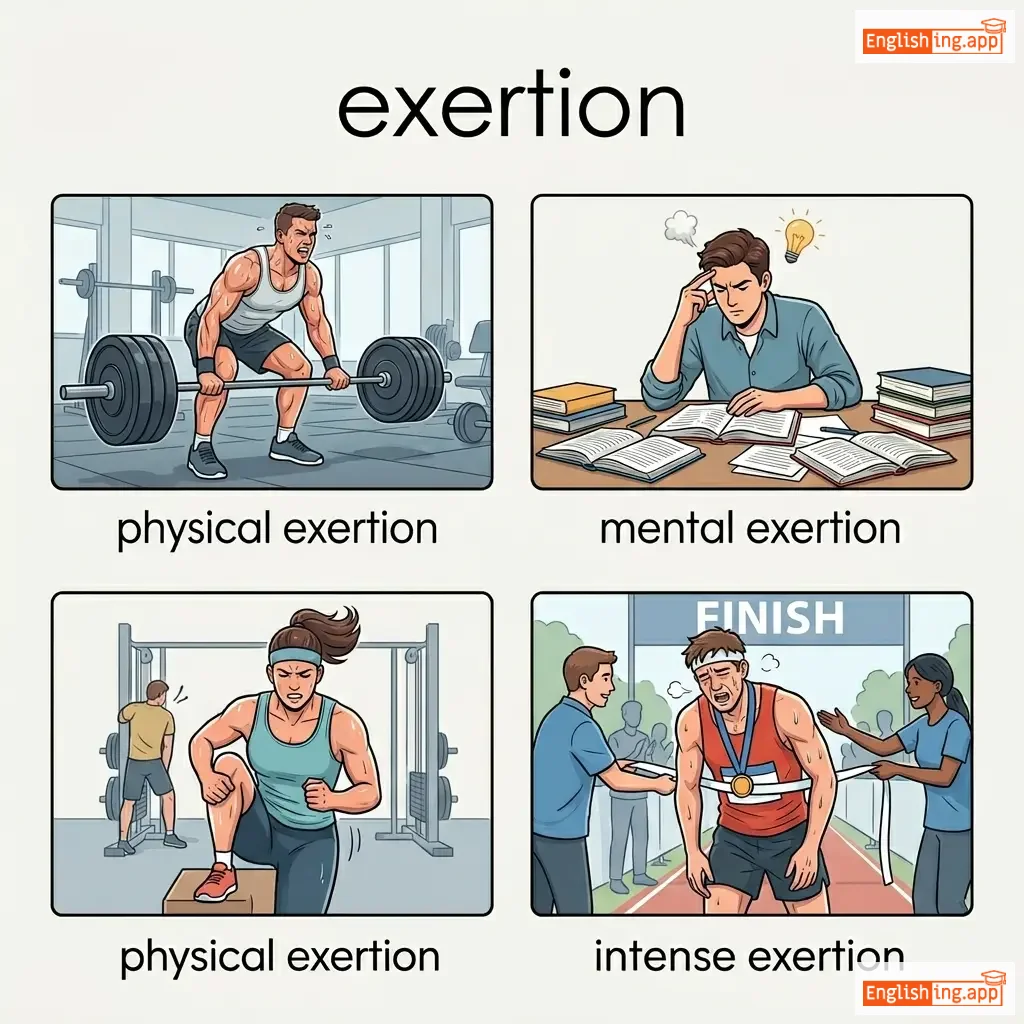
physical exertion, mental exertion, avoid exertion
••••••
|
Exertion! 体力を使って、精神的にも頑張りましょう!
••••••
|
|
#399
🔍
|
/ˈev.ɪ.dəns/
noun
(エビデンス)
••••••
|
- •••••• |
証拠
shōko
••••••
|
the available body of facts or information indicating whether a belief or proposition is true
••••••
|
The detective found crucial evidence that solved the mysterious case. |
探偵はその謎の事件を解決した決定的な証拠を発見しました。
Tantei wa sono nazo no jiken o kaiketsu shita ketteiteki na shōko o hakken shimashita.
••••••
|
proof, testimony, confirmation, documentation
••••••
|
doubt, uncertainty, speculation, assumption
••••••
|
strong evidence, clear evidence, evidence suggests
••••••
|
shōko is the Japanese term for evidence
••••••
|
|
#400
🎨
|
/ˌek.sɪˈbɪʃ.ən/
noun
(ekshibishon)
••••••
|
- •••••• |
展示会
zenshikai
••••••
|
a public display of works of art or other items of interest
••••••
|
The art exhibition featured paintings from local artists throughout the region. |
その美術展は地域の地元アーティストの絵画を展示しました。
Sono bijutsuten wa chiiki no jimoto ātisuto no kaiga o tenji shimashita.
••••••
|
display, show, exposition, presentation
••••••
|
concealment, hiding, storage, private collection
••••••
|
art exhibition, trade exhibition, exhibition hall
••••••
|
Exhibition = 展示会 (展示 = display + 会 = meeting) 'meeting' of displayed works.
••••••
|
Vocabulary Quiz
Test your vocabulary by matching words with their translations or meanings.
Login to take the quiz
Comments (0)
Share your thoughts and join the discussion.
Join the discussion by logging in
Login to CommentNo comments yet
Be the first to share your thoughts!