

翻訳
過去
過去分詞
三人称単数
動名詞
意味
例文
例文の翻訳
同義語
対義語
コロケーション
ニーモニック



Swipe left or right, or use the buttons. Tap image to zoom.
例文の翻訳
単語
Lesson 38Lesson 38 - マスクトグル
|
絵文字
|
単語 | Images | 翻訳 | 意味 | 例文 | 例文の翻訳 | 同義語 | 対義語 | コロケーション | ニーモニック |
|---|---|---|---|---|---|---|---|---|---|---|
|
#741
⚖️
|
/lɔː/
noun
(ロウ)
••••••
|
- •••••• |
法律
hōritsu
••••••
|
a rule or system of rules recognized by a country or community as regulating the actions of its members
••••••
|
Everyone must obey the law.
エヴリーワン マスト オーベイ ザ ロウ
••••••
|
すべての人は法律を守らなければなりません。
subete no hito wa hōritsu o mamoranakereba narimasen
••••••
|
rule, regulation, statute, ordinance
••••••
|
lawlessness, anarchy
••••••
|
break the law, obey the law, rule of law
••••••
|
Hōritsu = Help others follow rules
••••••
|
|
#742
🍃
|
/liːf/
noun
(リーフ)
••••••
|
- •••••• |
葉
ha
••••••
|
a flattened structure of a higher plant, typically green and blade-like, that is attached to a stem
••••••
|
The autumn leaves are falling from the tree.
ジ オータム リーブス ア フォーリング フロム ザ ツリー
••••••
|
秋の葉が木から落ちています。
aki no ha ga ki kara ochiteimasu
••••••
|
foliage, blade, frond
••••••
|
root, trunk, stem
••••••
|
green leaf, falling leaves, leaf node
••••••
|
Leaf → 葉 (ha): think of 'ha!' — the leaf laughs in green.
••••••
|
|
#743
🚫⚖️
|
/ˈlɔː.ləs.nəs/
noun
(ローレスネス)
••••••
|
- •••••• |
無法状態
muhou joutai
••••••
|
absence of law and order; a state where laws do not exist or are not enforced
••••••
|
The city descended into lawlessness after the government collapsed. |
政府の崩壊後、都市は無法状態に陥った。
seifu no hōkai go, toshi wa muhō jōtai ni ochitta
••••••
|
anarchy, chaos, disorder, mayhem
••••••
|
order, law, rule
••••••
|
descend into lawlessness, period of lawlessness
••••••
|
無法状態 = 何もかも無秩序
••••••
|
|
#744
📜
|
/ˈliːf.lət/
noun
(リーフレット)
••••••
|
- •••••• |
チラシ; 広告
chirashi; koukoku
••••••
|
a printed sheet of paper containing information or advertising and usually distributed free
••••••
|
She handed out leaflets about the environmental campaign. |
彼女は環境運動についてのチラシを配布しました。
kanojo wa kankyou undou ni tsuite no chirashi o haifu shimashita
••••••
|
brochure, pamphlet, flyer, handout
••••••
|
book, manual
••••••
|
distribute leaflets, information leaflet, campaign leaflet
••••••
|
Leaflet = リーダー (キャンペーン) + フレット (無料)
••••••
|
|
#745
🏛️
|
/ˈlɔː.meɪ.kər/
noun
(ローメーカーズ)
••••••
|
- •••••• |
立法者
Rippō-sha
••••••
|
a person who writes and passes laws, especially a member of a legislative body
••••••
|
The lawmakers voted on the new education bill. |
立法者たちは新しい教育法案に投票しました。
Rippō-sha-tachi wa atarashī kyōiku hōan ni tōhyō shimashita.
••••••
|
legislator, politician, congressman, senator
••••••
|
citizen, voter
••••••
|
elected lawmaker, senior lawmaker, federal lawmaker
••••••
|
Lawmaker = 立法者
••••••
|
|
#746
💧
|
/liːk/
noun
(リーク)
••••••
|
- •••••• |
漏れ; 穴
mole; ana
••••••
|
a hole in a container or covering through which contents escape or enter accidentally
••••••
|
There is a leak in the water pipe.
水道管にリークがあります。
••••••
|
水道管にリークがあります。
Suido-kan ni rīku ga arimasu.
••••••
|
hole, crack, breach, opening
••••••
|
seal, closure
••••••
|
water leak, gas leak, fix a leak
••••••
|
In Japanese, 'mole' and 'leak' both refer to a hole in something.
••••••
|
|
#747
🌱
|
/lɔːn/
noun
(ロン)
••••••
|
- •••••• |
芝生
shiba fuku
••••••
|
an area of short, regularly mown grass in the grounds of a house or in a park
••••••
|
She waters the lawn every morning.
彼女は毎朝芝生に水をやります。
••••••
|
彼女は毎朝芝生に水をやります。
Kanojo wa mai asa shibafu ni mizu o yarimasu.
••••••
|
grass, yard, garden, field
••••••
|
pavement, concrete
••••••
|
mow the lawn, green lawn, front lawn
••••••
|
芝生はきれいに刈られた草が広がる場所、庭や公園に多く見られます。
••••••
|
|
#748
📋
|
/liːs/
noun
(リース)
••••••
|
|
リース契約
ri-su
••••••
|
a contract by which one party conveys land, property, services, etc. to another for a specified time, usually in return for a periodic payment
••••••
|
They signed a two-year lease for the apartment.
彼らはアパートメントのために2年間のリース契約に署名しました。
••••••
|
彼らはアパートメントのために2年間のリース契約に署名しました。
Karera wa apātomento no tame ni 2-nenkan no rīsu keiyaku ni shomei shimashita.
••••••
|
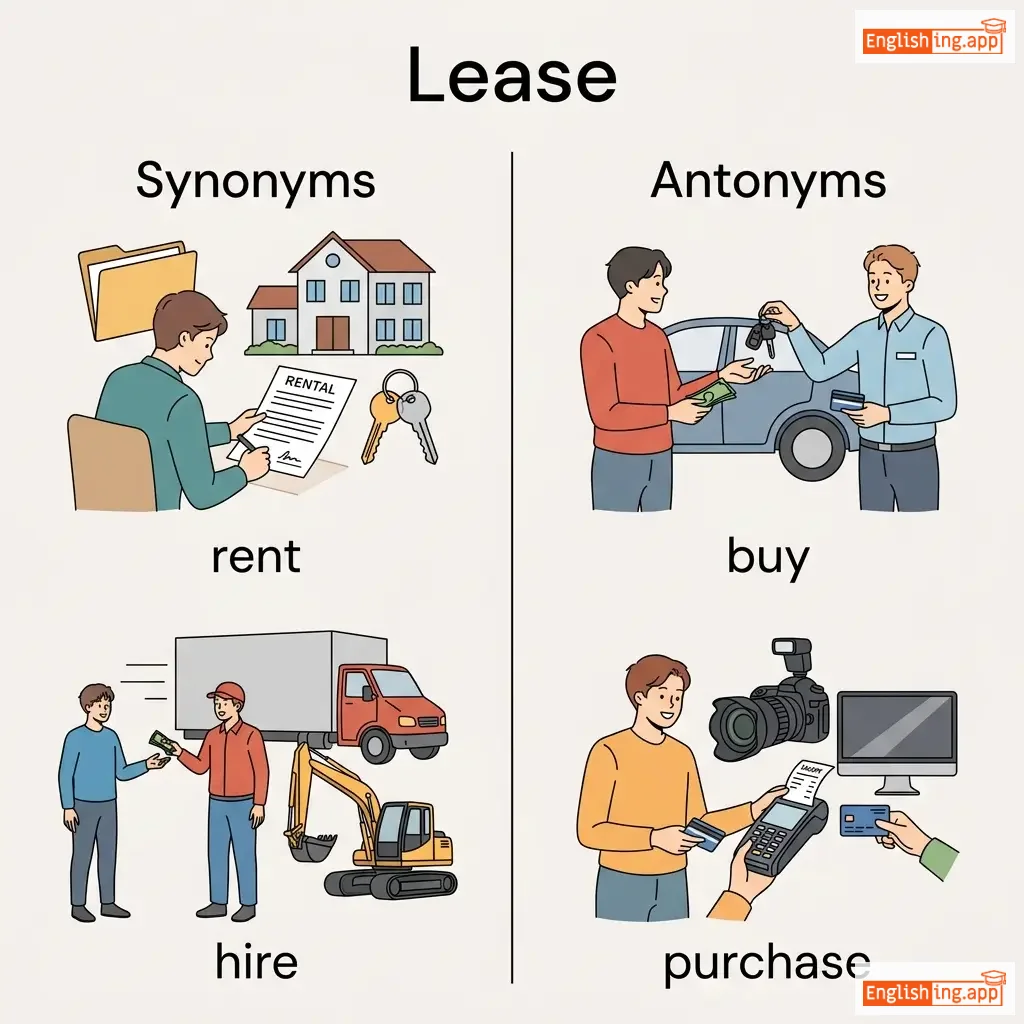
rental agreement, contract, tenancy
••••••
|
ownership, purchase
••••••
|
sign a lease, lease agreement, lease term
••••••
|
リース契約は、一定期間物件を使用するために支払いを行う契約です。
••••••
|
|
#749
👨💼
|
/ˈlɔː.jər/
noun
(ロイヤー)
••••••
|
- •••••• |
弁護士
bengoshi
••••••
|
a person who practices or studies law; an attorney or a counselor
••••••
|
She hired a lawyer to handle her case. |
彼女は自分の案件を処理するために弁護士を雇った。
Kanojo wa jibun no anken o shori suru tame ni bengoshi o yatotta
••••••
|
attorney, advocate, counselor, barrister
••••••
|
client, defendant
••••••
|
hire a lawyer, defense lawyer, corporate lawyer
••••••
|
No •••••• |
|
#750
🦴
|
/ˈleð.ər/
noun
(レザー)
••••••
|
- •••••• |
革
kawa
••••••
|
animal skin that has been treated to preserve it and make it suitable for use
••••••
|
He bought a leather jacket from the store.
彼は店でレザージャケットを買った。
••••••
|
彼は店でレザージャケットを買った。
Kare wa mise de rezā jaketto o katta.
••••••
|
hide, skin, pelt
••••••
|
fabric, cloth, synthetic
••••••
|
leather goods, genuine leather, leather jacket
••••••
|
革はいつも強くて耐久性があります
••••••
|
|
#751
📚
|
/ˈleɪ.ər/
noun
(レイヤー)
••••••
|
- •••••• |
層; 層状;
rei-yā
••••••
|
a sheet, quantity, or thickness of material, typically one of several, covering a surface or body
••••••
|
The cake has three layers of chocolate.
ケーキには三つのチョコレート層があります。
••••••
|
ケーキには三つのチョコレート層があります。
Kēki ni wa mittsu no chokorēto sō ga arimasu.
••••••
|
stratum, level, tier, coating
••••••
|
core, center
••••••
|
thin layer, thick layer, layer of paint
••••••
|
三層のチョコレートケーキを思い出して、層を覚えておきましょう。
••••••
|
|
#752
🗑️
|
/ˈliː.vɪŋz/
noun
(リービングス)
••••••
|
- •••••• |
残り物; 余り物
livings
••••••
|
things that have been left behind or remain; remnants or scraps
••••••
|
The leavings from dinner were given to the dog. |
夕食の残り物は犬に与えられました。
Yūshoku no nokorimono wa inu ni ataemashita.
••••••
|
remnants, leftovers, scraps, remains
••••••
|
whole, complete, fresh
••••••
|
food leavings, table leavings
••••••
|
Japanese '残り物' connects to leavings as leftovers.
••••••
|
|
#753
🙋♂️
|
/ˈleɪ.mən/
noun
(レイマン)
••••••
|
- •••••• |
素人; 専門的な知識のない人
leiman
••••••
|
a person without professional or specialized knowledge in a particular subject
••••••
|
The doctor explained the procedure in layman's terms. |
医師はその手順を素人向けの言葉で説明しました。
Ishi wa sono tejun o shirōto-muke no kotoba de setsumei shimashita
••••••
|
amateur, non-expert, ordinary person
••••••
|
expert, professional, specialist
••••••
|
layman's terms, ordinary layman
••••••
|
No •••••• |
|
#754
😒
|
/ˈleʧ.ər/
noun
(レチャー)
••••••
|
- •••••• |
好色な男
koshokuna otoko
••••••
|
a man who behaves in a sexually inappropriate way towards women
••••••
|
The company fired him for being a lecher.
会社は彼が女たらしだったため、解雇した
••••••
|
会社は彼が好色な男だったため、解雇した。
kaisha wa kare ga koshokuna otoko datta tame kaiko shita
••••••
|
pervert, libertine, womanizer
••••••
|
gentleman, respectful person
••••••
|
old lecher, disgusting lecher
••••••
|
Lecher sounds like ‘recha’—a man with too much ‘rechi’ (lust) in Japanese.
••••••
|
|
#755
😴
|
/ˈleɪ.zi.nəs/
noun
(レイジネス)
••••••
|
- •••••• |
怠惰
taida
••••••
|
the quality of being unwilling to work or use energy; idleness
••••••
|
His laziness prevented him from achieving his goals.
ヒズ レイジネス プリベントゥッド ヒム フロム アチーヴィング ヒズ ゴールズ
••••••
|
彼の怠惰さが彼の目標達成を妨げた。
kare no taida ga kare no mokuhyou tassei o samatageteta
••••••
|
idleness, sloth, inactivity, lethargy
••••••
|
diligence, industry, activity, energy
••••••
|
overcome laziness, pure laziness
••••••
|
怠惰: 何もしないで過ごすこと
••••••
|
|
#756
📚
|
/ˈlek.tʃər/
noun
(レクチャー)
••••••
|
- •••••• |
講義
kougi
••••••
|
an educational talk to an audience, especially to students in a university or college
••••••
|
The professor gave an interesting lecture on history.
教授は歴史について興味深いレクチャーを行いました。
••••••
|
教授は歴史について興味深いレクチャーを行いました。
Kyouju wa rekishi ni tsuite kyōmibukai rekuchā o okonai mashita.
••••••
|
speech, talk, presentation, discourse
••••••
|
discussion, conversation
••••••
|
attend lecture, give lecture, lecture hall
••••••
|
Lecture - Imagine a professor giving a 'kougi' (lecture in Japanese).
••••••
|
|
#757
👑
|
/ˈliː.dər/
noun
(リーダー)
••••••
|
|
リーダー; 指導者
rīdā
••••••
|
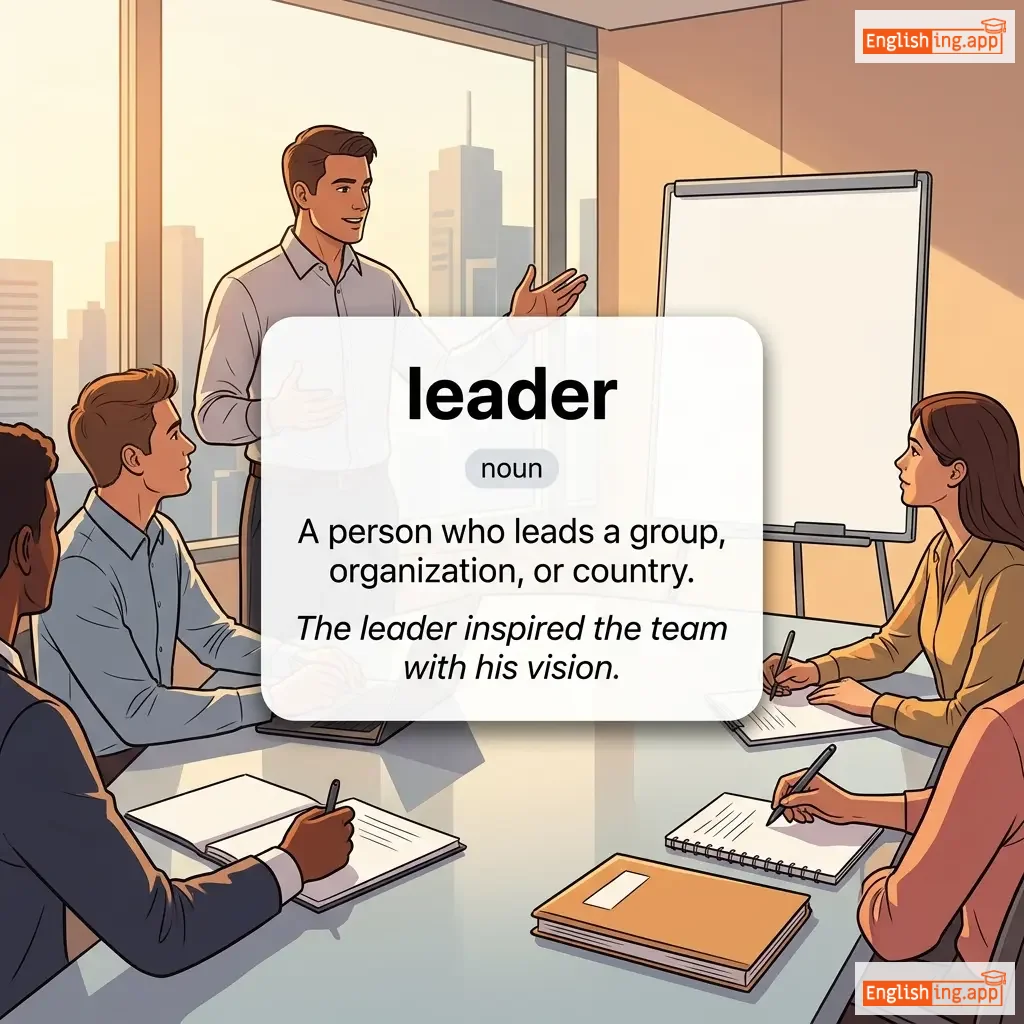
the person who leads or commands a group, organization, or country
••••••
|
She is a natural leader who inspires others. |
彼女は他の人々をインスパイアする自然なリーダーです。
Kanojo wa hoka no hitobito o insupaia suru shizen'na rīdā desu
••••••
|
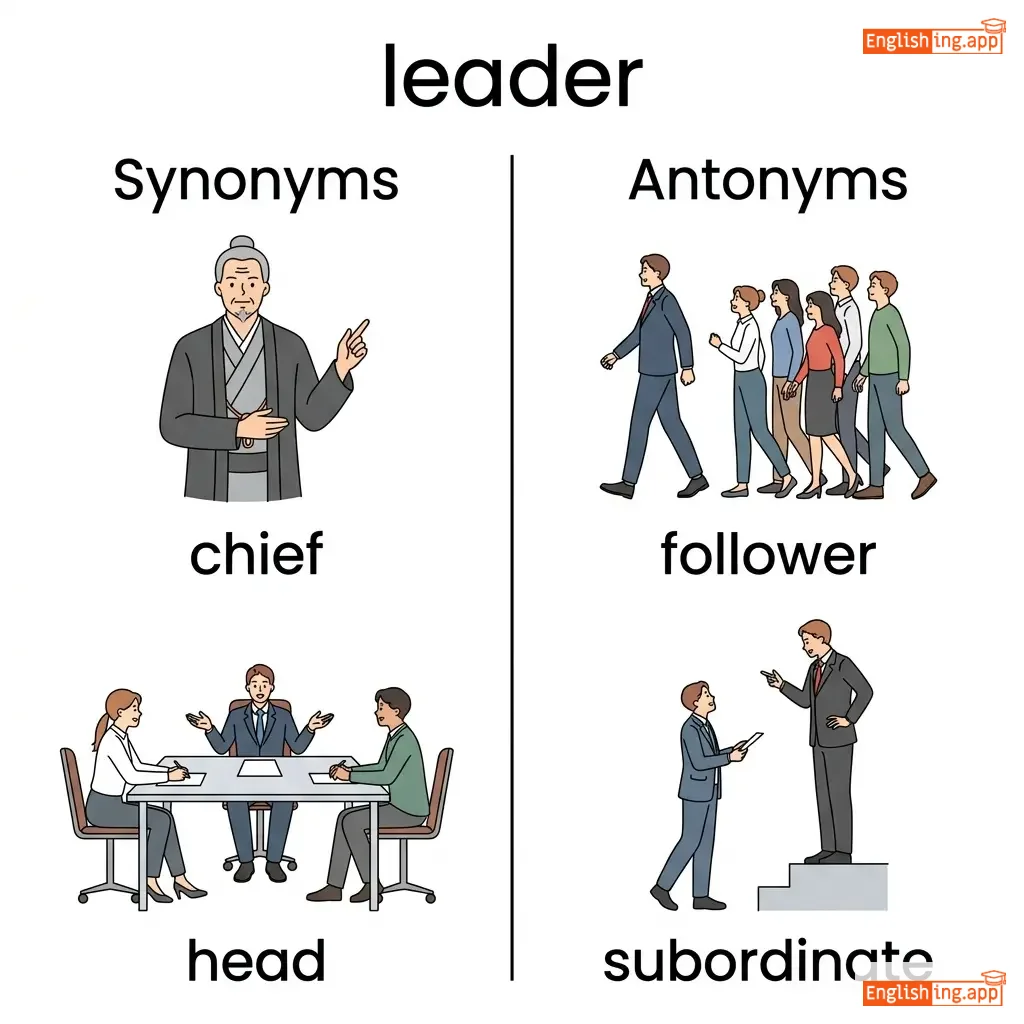
commander, chief, head, director
••••••
|
follower, subordinate
••••••
|
team leader, political leader, world leader
••••••
|
In Japanese, 'リーダー' (rīdā) sounds like 'リーダーシップ' (leadership)!
••••••
|
|
#758
📊
|
/ˈledʒ.ər/
noun
(レジャー)
••••••
|
- •••••• |
元帳
genchou
••••••
|
a book or other collection of financial accounts of a particular type
••••••
|
The accountant updated the company ledger daily.
会計士は毎日会社の元帳を更新しました。
••••••
|
会計士は毎日会社の元帳を更新しました。
Kaikeishi wa mainichi kaisha no genchou o kōshin shimashita.
••••••
|
account book, register, record, journal
••••••
|
invoice, receipt
••••••
|
general ledger, accounting ledger, ledger book
••••••
|
Ledger sounds like 'レジャー', which relates to '元帳' meaning ledger in Japanese.
••••••
|
|
#759
🎯
|
/ˈliː.dər.ʃɪp/
noun
(リーダーシップ)
••••••
|
|
リーダーシップ
rīdāshippu
••••••
|
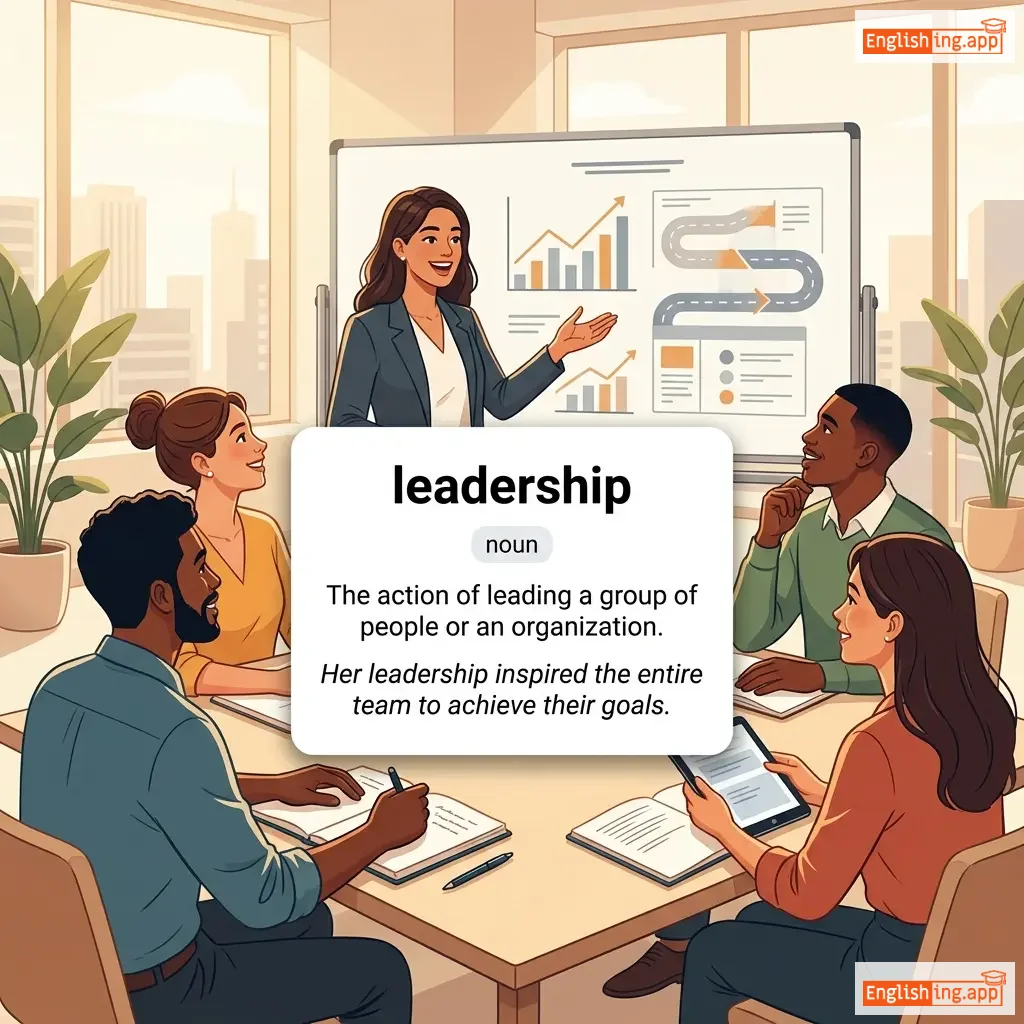
the action of leading a group of people or an organization; the ability to lead
••••••
|
Good leadership is essential for team success.
良いリーダーシップはチームの成功に不可欠です。
••••••
|
良いリーダーシップはチームの成功に不可欠です。
Yoi rīdāshippu wa chīmu no seikō ni fukaketsu desu.
••••••
|
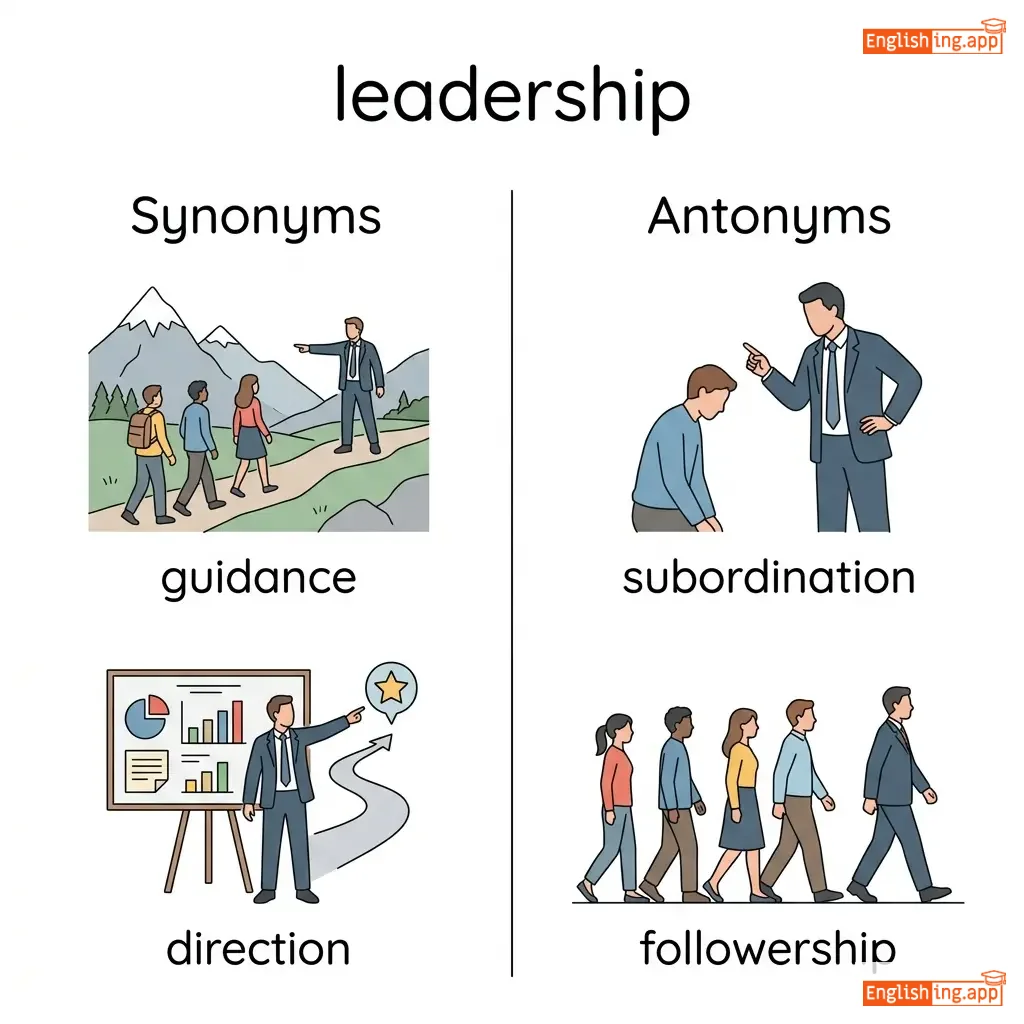
guidance, direction, management, command
••••••
|
followership, subordination
••••••
|
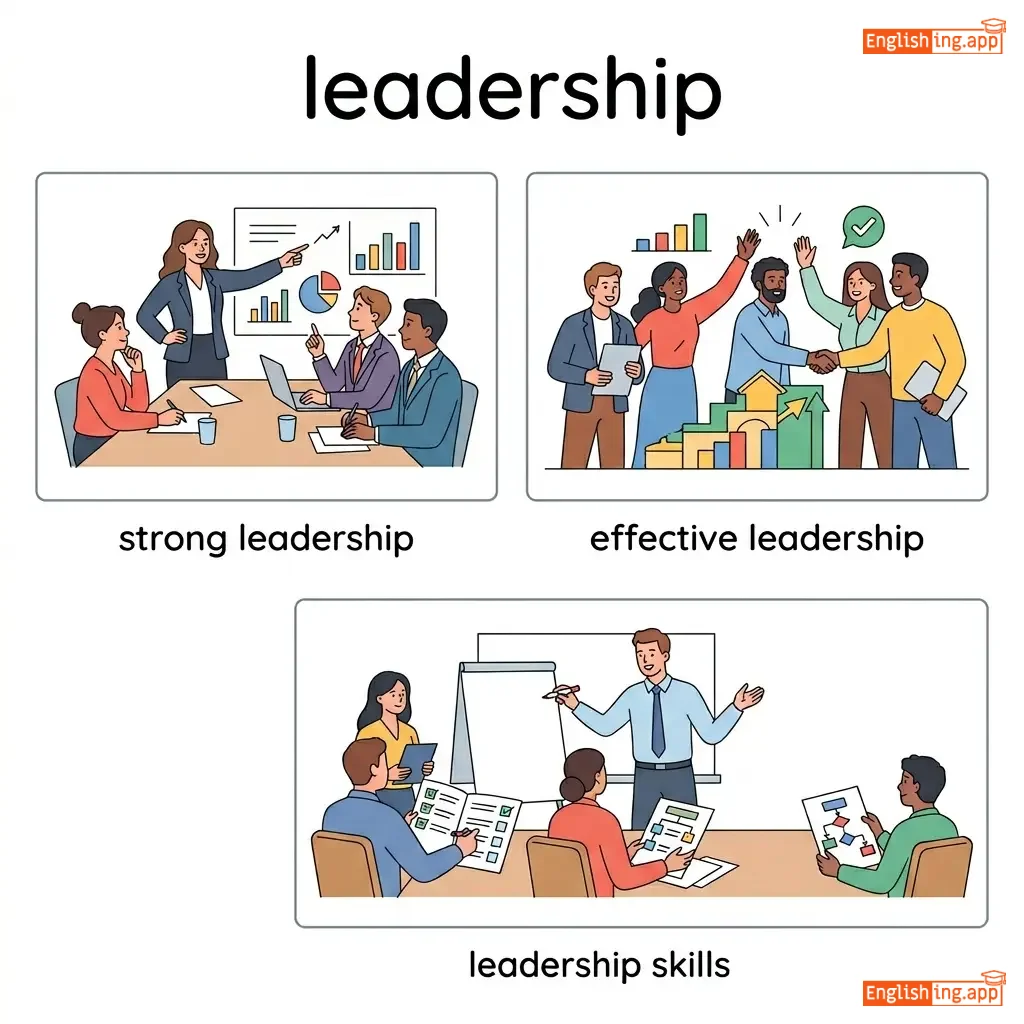
strong leadership, effective leadership, leadership skills
••••••
|
良いリーダーシップがチームの成功を導きます。
••••••
|
|
#760
🪱
|
/liːtʃ/
noun
(リーチ)
••••••
|
- •••••• |
ヒル
hiru
••••••
|
an aquatic or terrestrial annelid worm with suckers at both ends; metaphorically, a person who extorts profit from others
••••••
|
The leech attached itself to his leg while swimming. |
ヒルは泳いでいる間、彼の足にくっついた。
Hiru wa oyoide iru aida, kare no ashi ni kuttsuita.
••••••
|
bloodsucker, parasite, sponger
••••••
|
benefactor, giver
••••••
|
medical leech, blood leech, leech therapy
••••••
|
ヒルは血を吸う、まるで他人から利益を吸い取る人のように。
••••••
|
Vocabulary Quiz
Test your vocabulary by matching words with their translations or meanings.
Login to take the quiz
Comments (0)
Share your thoughts and join the discussion.
Join the discussion by logging in
Login to CommentNo comments yet
Be the first to share your thoughts!