

翻訳
過去
過去分詞
三人称単数
動名詞
意味
例文
例文の翻訳
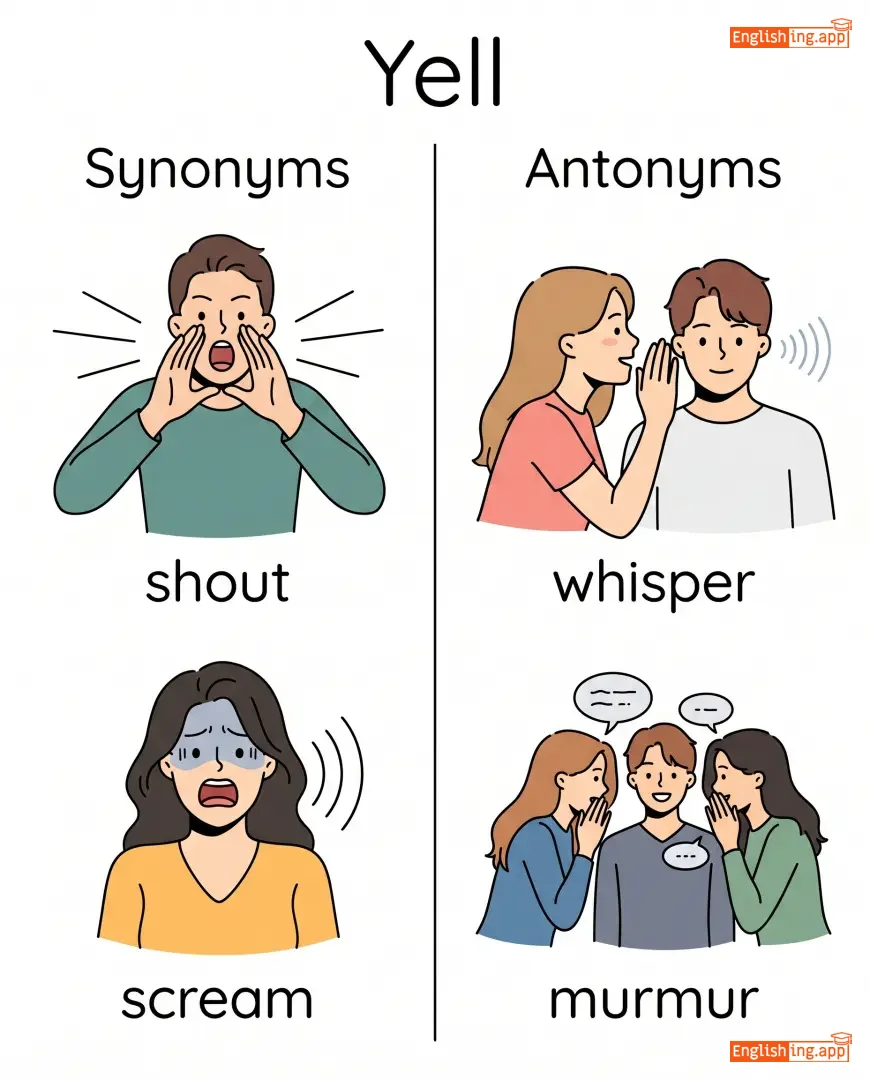
同義語
対義語
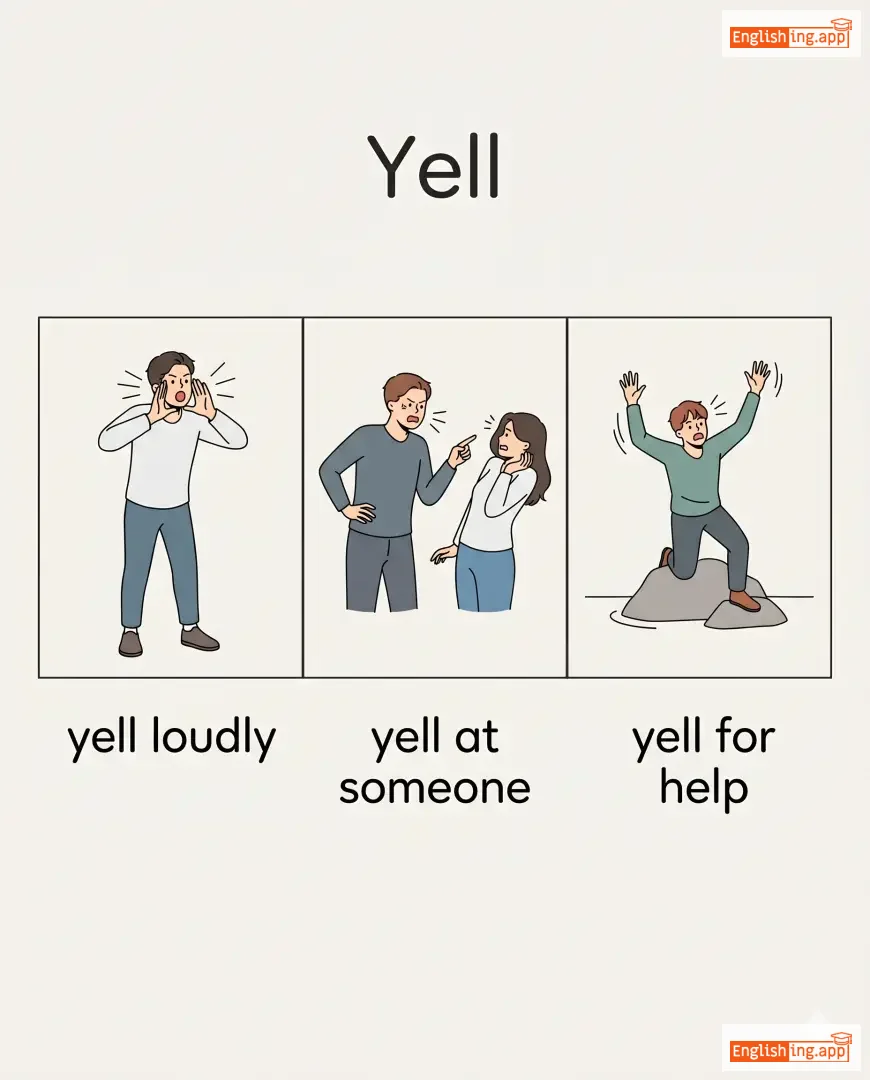
コロケーション
ニーモニック
Swipe left or right, or use the buttons. Tap image to zoom.
例文の翻訳
単語
Lesson 78Lesson 78 - マスクトグル
|
絵文字
|
単語 | Images | 翻訳 | 意味 | 例文 | 例文の翻訳 | 同義語 | 対義語 | コロケーション | ニーモニック |
|---|---|---|---|---|---|---|---|---|---|---|
|
#1541
🚢
|
/rek/
noun
(rek)
••••••
|
- •••••• |
破壊; 車両事故;
hakai; sharyou jiko;
••••••
|
the destruction or disabling of a ship or vehicle; something that has been badly damaged or destroyed
••••••
|
The car wreck blocked the highway for hours.
自動車の事故で高速道路が数時間封鎖された。
••••••
|
自動車の事故で高速道路が数時間封鎖された。
Jidousha no jiko de kousokudouro ga suujikan fūsasareta.
••••••
|
wreckage, ruin, destruction, crash
••••••
|
repair, construction, preservation, restoration
••••••
|
car wreck, ship wreck, train wreck
••••••
|
車両事故は破壊を意味する場合があります。
••••••
|
|
#1542
🤪
|
/ˈzeɪni/
noun
(ゼイニ)
••••••
|
- •••••• |
奇妙な、コメディアン; 遊び心
kimyou na, komedian; asobigokoro
••••••
|
amusingly unconventional and idiosyncratic; a comical person; foolishly playful
••••••
|
He has a zany sense of humor that makes everyone laugh. |
彼は皆を笑わせる奇妙なユーモアのセンスを持っている。
Kare wa mina o warawaseru kimyou na yūmoa no sensu o motte iru
••••••
|
silly, crazy, wacky, comical
••••••
|
serious, solemn, conventional, normal
••••••
|
zany humor, zany antics, zany character
••••••
|
面白くて遊び心満載な人
••••••
|
|
#1543
👵
|
/ˈrɪŋkəl/
noun
(rinkel)
••••••
|
- •••••• |
しわ
shiwa
••••••
|
a small line or fold in something, especially fabric or skin; a crease
••••••
|
She noticed a few wrinkles around her eyes. |
彼女は目の周りにいくつかのしわを見ました。
Kanojo wa me no mawari ni ikutsu ka no shiwa o mimashita.
••••••
|
crease, fold, line, furrow
••••••
|
smoothness, flatness, evenness, youth
••••••
|
facial wrinkles, wrinkle cream, wrinkle-free
••••••
|
しわは時間とともに布にも皮膚にも現れる。
••••••
|
|
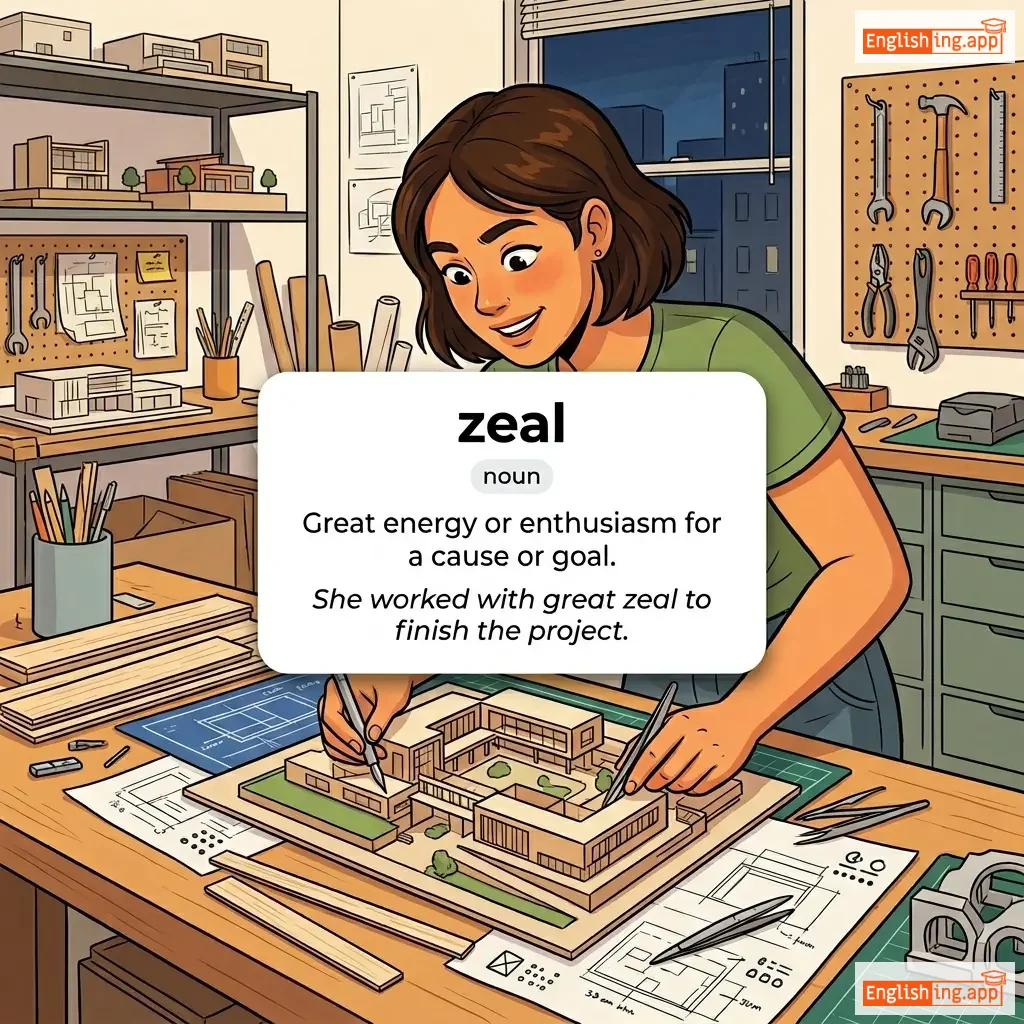
#1544
🔥
|
/ziːl/
noun
(ジール)
••••••
|
|
熱意; 熱心;
netsui; nesshin
••••••
|
great energy or enthusiasm in pursuit of a cause or objective; passionate dedication
••••••
|
She worked with great zeal to help the poor.
彼女は貧しい人々を助けるために熱心に働いていました。
••••••
|
彼女は貧しい人々を助けるために熱心に働いていました。
Kanojo wa mazushī hitobito o tasukeru tame ni nesshin ni hataraiteimashita.
••••••
|
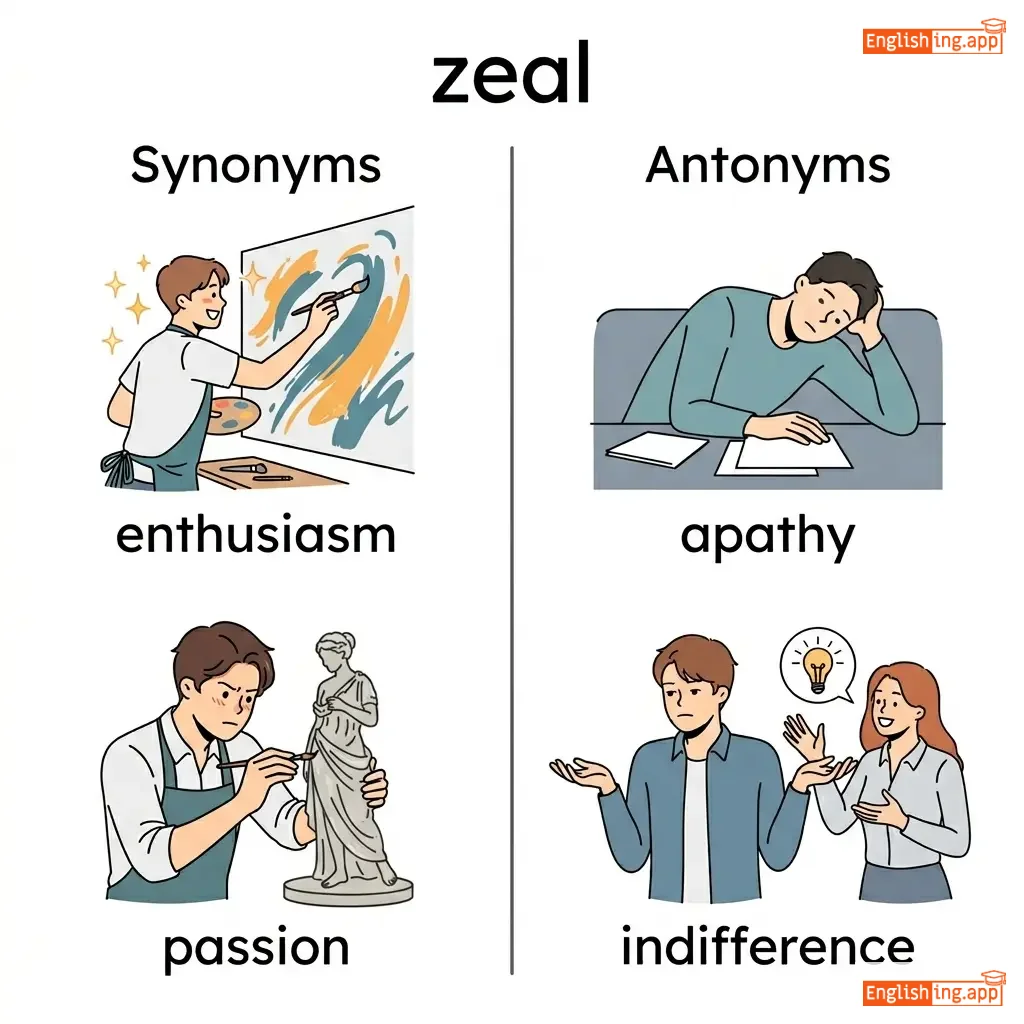
enthusiasm, passion, fervor, dedication
••••••
|
apathy, indifference, lethargy, laziness
••••••
|
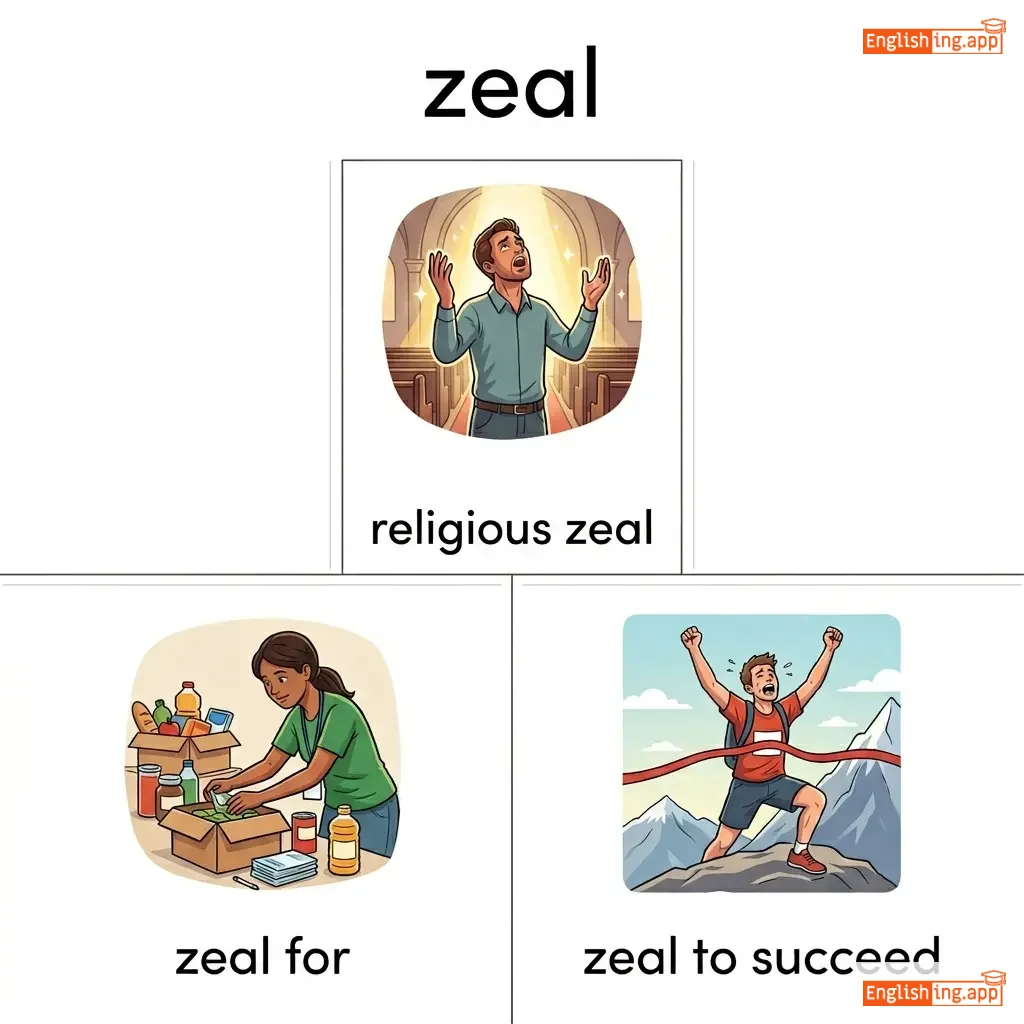
religious zeal, missionary zeal, work with zeal
••••••
|
熱心に働くことで、目標に向かって進み続ける!
••••••
|
|
#1545
🏡
|
/jɑːrd/
noun
(ヤード)
••••••
|
- •••••• |
庭; 家の隣の土地
niwa; ie no tonari no tochi
••••••
|
a unit of linear measure equal to 3 feet; an area of land immediately adjacent to a building
••••••
|
The children played in the back yard. |
子供たちは裏庭で遊んでいました。
Kodomotachi wa uraniwa de asonde imashita
••••••
|
courtyard, garden, measure, enclosure
••••••
|
indoor, interior, inside, building
••••••
|
back yard, front yard, school yard
••••••
|
Yard = 庭、子供たちが裏庭で遊んでいる
••••••
|
|
#1546
🏠
|
/zɪˈnɑːnə/
noun
(ゼナンナ)
••••••
|
- •••••• |
ゼナンナ
zenanna
••••••
|
the part of a house reserved for women; women's quarters in Muslim households; harem
••••••
|
The zenanna was beautifully decorated with intricate patterns. |
ゼナンナは複雑な模様で美しく飾られていました。
Zenanna wa fukuzatsu na moyō de utsukushiku kazatta remashita.
••••••
|
harem, women's quarters, purdah, seraglio
••••••
|
public space, mixed area, open house, common room
••••••
|
traditional zenanna, zenanna system, zenanna quarters
••••••
|
ゼナンナは女性のための空間で、まるでハーレムのようです。
••••••
|
|
#1547
🧶
|
/jɑːrn/
noun
(ヤーン)
••••••
|
- •••••• |
糸
ito
••••••
|
spun thread used for knitting, weaving, or sewing; a long or rambling story
••••••
|
She bought colorful yarn for knitting a sweater. |
彼女はセーターを編むためにカラフルな糸を買いました。
Kanojo wa seetaa wo amu tame ni karafuru na ito wo kaimashita.
••••••
|
thread, fiber, wool, string
••••••
|
fabric, cloth, material, textile
••••••
|
wool yarn, cotton yarn, spin yarn
••••••
|
糸 (ito) を使ってセーターを編むことを思い出してください。
••••••
|
|
#1548
⚡
|
/zest/
noun
(ゼスト)
••••••
|
- •••••• |
熱意;エネルギーと興奮;柑橘類の外皮
netsui
••••••
|
great enthusiasm and energy; excitement and vigor; the outer peel of a citrus fruit
••••••
|
She approached the new job with tremendous zest.
彼女は新しい仕事に非常に熱意を持って取り組んだ。
••••••
|
彼女は新しい仕事に非常に熱意を持って取り組んだ。
Kanojo wa atarashii shigoto ni hijou ni netsui wo motte torikunda.
••••••
|
enthusiasm, vigor, passion, excitement
••••••
|
apathy, lethargy, indifference, boredom
••••••
|
zest for life, with great zest, lemon zest
••••••
|
ゼストがエネルギーと熱意を加える!
••••••
|
|
#1549
😪
|
/jɔːn/
noun
(ヨーン)
••••••
|
- •••••• |
あくび
akubi
••••••
|
an involuntary opening of the mouth and inhalation of air due to tiredness or boredom
••••••
|
She couldn't suppress a yawn during the boring lecture. |
退屈な講義の最中にあくびを抑えることができなかった。
Taikutsu na kougi no saichuu ni akubi o osaeru koto ga dekinakatta.
••••••
|
gape, stretch, drowse, tired breath
••••••
|
alertness, attention, wakefulness, energy
••••••
|
big yawn, suppress a yawn, contagious yawn
••••••
|
あくび(akubi)という言葉は、退屈や疲れを感じたときによくする動作を表します。
••••••
|
|
#1550
⚡
|
/ˈzɪɡzæɡ/
noun
(ジグザグ)
••••••
|
- •••••• |
右と左に急に曲がる交互の線または経路; シャープな曲がりのパターン
migi to hidari ni kyū ni magaru kōgo no sen matawa keiro; shāpu na magari no patān
••••••
|
a line or course having abrupt alternate right and left turns; a pattern of sharp turns
••••••
|
The road follows a zigzag pattern up the mountain.
その道路は山を登る際にジグザグのパターンに沿っています。
••••••
|
その道路は山を登る際にジグザグのパターンに沿っています。
Sono dōro wa yama o noboru sai ni jiguzagu no patān ni sotteimasu.
••••••
|
winding, meandering, serpentine, crooked
••••••
|
straight, direct, linear, smooth
••••••
|
zigzag pattern, zigzag line, zigzag path
••••••
|
ジグザグは行く道が左に右に変わる道のよう
••••••
|
|
#1551
😱
|
/jel/
noun
(yeru)
••••••
|
|
叫び声; 叫ぶ; 怒鳴り声
yell; sakebi; donari koe
••••••
|
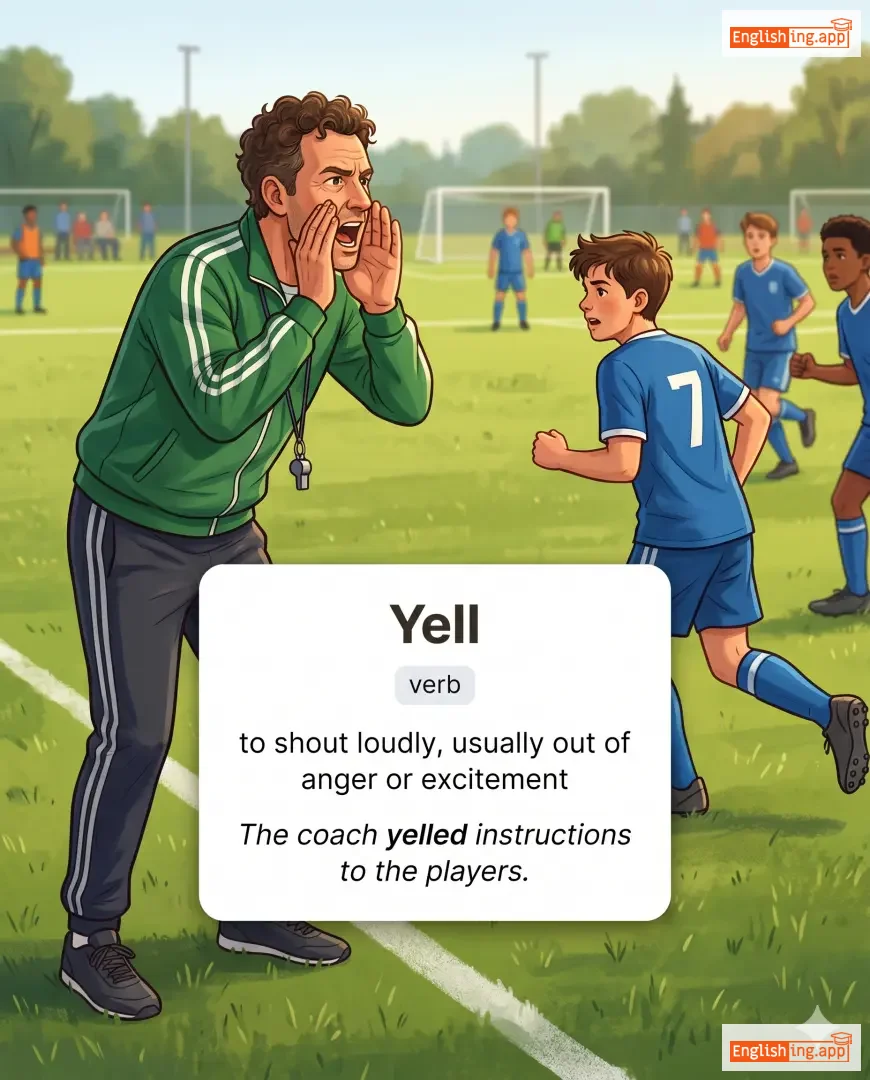
a loud, sharp cry of pain, surprise, or delight; to shout loudly
••••••
|
He let out a yell when he saw the spider. |
彼はクモを見たとき、大声で叫びました。
Kare wa kumo o mita toki, ōgoe de sakebimashita.
••••••
|
shout, scream, cry, howl
••••••
|
whisper, murmur, silence, quiet
••••••
|
loud yell, angry yell, yell for help
••••••
|
Japanese 'sakebi' and English 'yell' both involve loud cries.
••••••
|
|
#1552
♑
|
/ˈzoʊdiæk/
noun
(ゾディアック)
••••••
|
- •••••• |
星座
seiza
••••••
|
a belt of the heavens within which lie the paths of the sun, moon, and planets; the twelve astrological signs
••••••
|
What is your zodiac sign?
あなたの星座は何ですか?
••••••
|
あなたの星座は何ですか?
anata no seiza wa nan desu ka?
••••••
|
horoscope, star signs, astrology, constellation
••••••
|
science, facts, reality, astronomy
••••••
|
zodiac sign, zodiac calendar, Chinese zodiac
••••••
|
Zodiac = Seiza = 星座
••••••
|
|
#1553
🦁
|
/zuː/
noun
(ズー)
••••••
|
- •••••• |
動物園
doubutsuen
••••••
|
an establishment that maintains a collection of wild animals for study, conservation, or display to the public
••••••
|
We visited the zoo to see the lions and elephants.
私たちはライオンと象を見るために動物園を訪れました。
••••••
|
私たちはライオンと象を見るために動物園を訪れました。
Watashitachi wa raion to zou wo miru tame ni doubutsuen wo otozuremashita.
••••••
|
menagerie, wildlife park, safari park, animal park
••••••
|
wild habitat, natural environment, wilderness, freedom
••••••
|
visit the zoo, zoo animals, city zoo
••••••
|
動物園 (どうぶつえん) は、動物を見る場所。英語の‘Zoo’と同じ。
••••••
|
|
#1554
🐄
|
/joʊk/
noun
(ヨーク)
••••••
|
- •••••• |
くびき
kubiki
••••••
|
a wooden crosspiece that is fastened over the necks of two animals and attached to a plow or cart; a burden or oppressive situation
••••••
|
The oxen were joined by a wooden yoke.
牛は木製のくびきでつながれていました。
••••••
|
牛は木製のくびきでつながれていました。
Ushi wa mokusei no kubiki de tsunagarete imashita.
••••••
|
harness, burden, bond, restraint
••••••
|
freedom, liberation, independence, release
••••••
|
wooden yoke, under the yoke, yoke of oppression
••••••
|
Yoke sounds like 'くびき' which helps you visualize the heavy burden.
••••••
|
|
#1555
🍳
|
/joʊlk/
noun
(ヨーク)
••••••
|
- •••••• |
卵黄
tamago no ki
••••••
|
the yellow internal part of a bird's egg, especially a hen's egg, which is rich in protein and fat
••••••
|
She separated the egg white from the yolk. |
彼女は卵白を卵黄から分けました。
Kanojo wa tamago haku o tamago no ki kara wakemashita.
••••••
|
egg center, yellow part, vitellus, nucleus
••••••
|
egg white, albumen, shell, exterior
••••••
|
egg yolk, runny yolk, separate the yolk
••••••
|
Tamago no kiiroi, kiiroi hoshi
••••••
|
|
#1556
🧒
|
/ˈjʌŋstər/
noun
(ヤングスター)
••••••
|
- •••••• |
若者; 子供またはティーンエイジャー; 経験が若い人
wakamono; kodomo mata wa tīneijā; keiken ga wakai hito
••••••
|
a young person; a child or teenager; someone who is young in experience
••••••
|
The youngster showed great talent in sports.
その若者はスポーツで大きな才能を見せました。
••••••
|
その若者はスポーツで大きな才能を見せました。
Sono wakamono wa supōtsu de ōkina sainō o misemashita.
••••••
|
youth, teenager, adolescent, kid
••••••
|
adult, elder, senior, oldster
••••••
|
talented youngster, bright youngster, local youngsters
••••••
|
Youngsters (若者) always have exciting potential in everything they do!
••••••
|
|
#1557
👦
|
/juːθ/
noun
(ユース)
••••••
|
- •••••• |
青春; 若者
seishun; wakamono
••••••
|
the period between childhood and adult age; young people collectively; the state of being young
••••••
|
He spent his youth traveling around the world.
彼は若い頃、世界を旅して過ごしました。
••••••
|
彼は若い頃、世界を旅して過ごしました。
Kare wa wakai koro, sekai o tabi shite sugoshimashita.
••••••
|
adolescence, teenage years, young people, vigor
••••••
|
old age, maturity, elderhood, adulthood
••••••
|
in one's youth, youth culture, eternal youth
••••••
|
青春は日本語でエネルギーと冒険の象徴です!
••••••
|
Vocabulary Quiz
Test your vocabulary by matching words with their translations or meanings.
Login to take the quiz
Comments (0)
Share your thoughts and join the discussion.
Join the discussion by logging in
Login to CommentNo comments yet
Be the first to share your thoughts!