

翻訳
過去
過去分詞
三人称単数
動名詞
意味
例文
例文の翻訳
同義語
対義語
コロケーション
ニーモニック
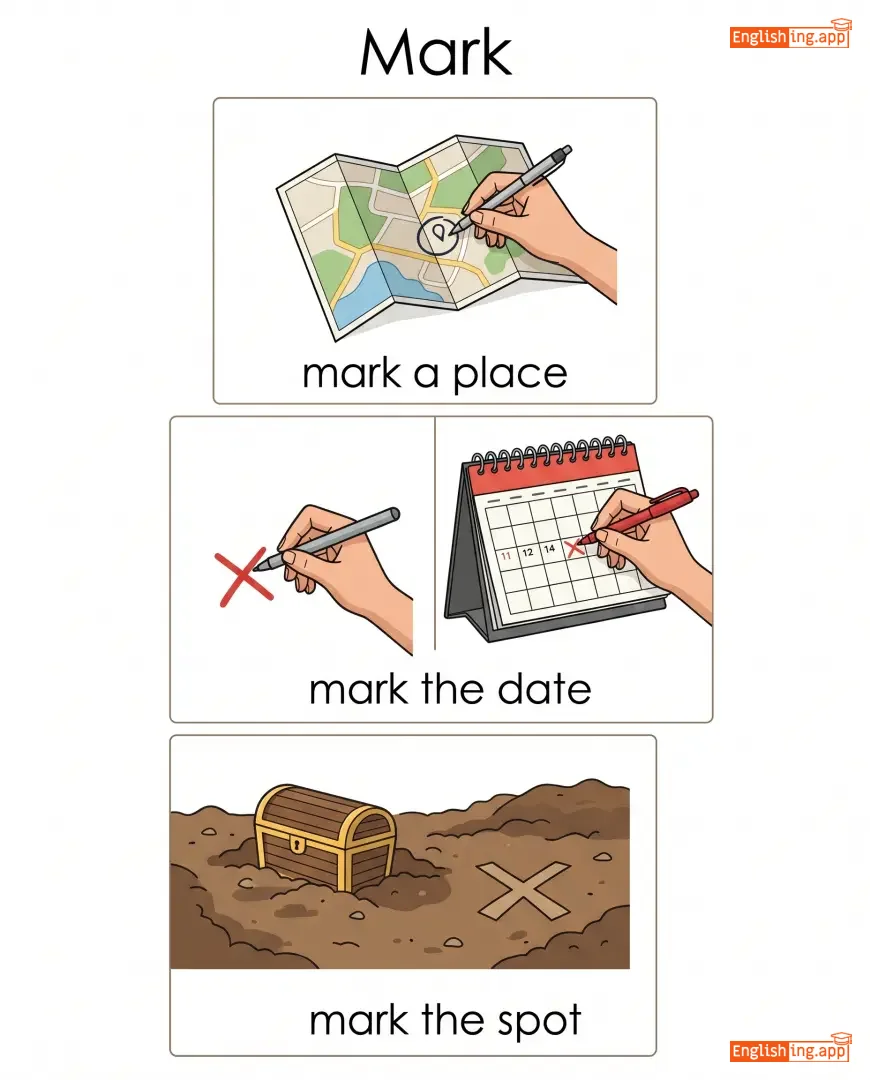
Swipe left or right, or use the buttons. Tap image to zoom.
例文の翻訳
単語
Lesson 42Lesson 42 - マスクトグル
|
絵文字
|
単語 | Images | 翻訳 | 意味 | 例文 | 例文の翻訳 | 同義語 | 対義語 | コロケーション | ニーモニック |
|---|---|---|---|---|---|---|---|---|---|---|
|
#821
🎭
|
/ˈmænəˌrɪzəm/
noun
(マニエリズム)
••••••
|
- •••••• |
癖
heki
••••••
|
A habitual gesture or way of speaking or behaving; an idiosyncrasy
••••••
|
His constant throat clearing had become an annoying mannerism. |
彼の絶え間ない喉の清掃は迷惑な癖になっていた。
Kare no taemai na nodo no seisō wa meiwaku na heki ni natte ita.
••••••
|
habit, quirk, idiosyncrasy, peculiarity, trait
••••••
|
naturalness, spontaneity, genuineness, authenticity
••••••
|
nervous mannerism, annoying mannerism, characteristic mannerism, peculiar mannerism
••••••
|
習慣となり、しばしば他人に不快感を与える行動
••••••
|
|
#822
🎨
|
/ˈmæstərpiːs/
noun
(マスターピース)
••••••
|
- •••••• |
傑作
kessaku
••••••
|
A work of outstanding artistry, skill, or workmanship
••••••
|
The Mona Lisa is considered one of the greatest masterpieces of all time. |
モナリザは、すべての時代で最も偉大な傑作の1つと見なされています。
Monariza wa, subete no jidai de mottomo idaina kessaku no 1tsu to minasa reteimasu.
••••••
|
magnum opus, chef-d'oeuvre, classic, gem, work of art
••••••
|
failure, disaster, botch, mediocrity
••••••
|
artistic masterpiece, literary masterpiece, create a masterpiece, timeless masterpiece
••••••
|
マスターピースは「傑作」を意味し、最高の芸術作品を指します。
••••••
|
|
#823
🚶♂️
|
/mɑːrtʃ/
noun
(マーチ)
••••••
|
- •••••• |
行進
koushin
••••••
|
An act of walking in a regular measured tread; a protest demonstration
••••••
|
The soldiers performed a ceremonial march in front of the palace.
兵士たちは宮殿の前で式典的な行進を行いました。
••••••
|
兵士たちは宮殿の前で式典的な行進を行いました。
Heishi-tachi wa kyūden no mae de shikiten-teki na kōshin o okonaimashita.
••••••
|
parade, procession, demonstration, walk, trek
••••••
|
retreat, withdrawal, standstill, halt
••••••
|
protest march, military march, ceremonial march, forced march
••••••
|
March is '行進' (koushin) in Japanese, reflecting the same ceremonial march.
••••••
|
|
#824
🏆
|
/ˈmæstəri/
noun
(マスタリー)
••••••
|
- •••••• |
熟練; 精通;
masutārī
••••••
|
Great skill or expertise in a subject or activity
••••••
|
His mastery of the violin impressed audiences around the world.
彼のヴァイオリンの腕前は世界中の観客を感動させました。
••••••
|
彼のヴァイオリンの腕前は世界中の観客を感動させました。
kare no vaiorin no udemae wa sekaijū no kankyaku o kandō saseshimashita.
••••••
|
expertise, skill, proficiency, command, competence
••••••
|
incompetence, inexperience, amateurism, ignorance
••••••
|
complete mastery, mastery of language, achieve mastery, demonstrate mastery
••••••
|
マスタリーは練習で得られる!
••••••
|
|
#825
📄
|
/ˈmɑːrdʒɪn/
noun
(マージン)
••••••
|
- •••••• |
余白; 範囲
yohaku; han'i
••••••
|
The edge or border of something; an amount allowed beyond what is needed
••••••
|
Please write your notes in the margin of the page. |
ページの余白にメモを書いてください。
Pēji no yohaku ni memo o kaite kudasai.
••••••
|
edge, border, boundary, rim, periphery
••••••
|
center, middle, core, interior
••••••
|
profit margin, safety margin, narrow margin, wide margin
••••••
|
余白はページの端に書けるスペースです。
••••••
|
|
#826
🧱
|
/məˈtɪəriəl/
noun
(マテリアル)
••••••
|
- •••••• |
素材; 布; 物質
material
••••••
|
The matter from which a thing is or can be made; fabric or cloth
••••••
|
The building was constructed using the finest materials available.
その建物は、最良のマテリアルを使用して建てられました。
••••••
|
その建物は、最良のマテリアルを使用して建てられました。
Sono tatemono wa, sairyō no materiaru o shiyō shite tateraremashita.
••••••
|
substance, matter, fabric, stuff, component
••••••
|
immaterial, spiritual, abstract, intangible
••••••
|
raw material, building material, study material, material wealth
••••••
|
Material is the foundation of everything, just like dreams are the basis of aspirations.
••••••
|
|
#827
✏️
|
/mɑːrk/
noun
(マーク)
••••••
|
|
マーク; 記号; 点数
mark
••••••
|
A sign, symbol, or stain; a grade or score
••••••
|
She received the highest mark in the mathematics examination. |
彼女は数学の試験で最高点を取った。
Kanojo wa suugaku no shiken de saikou ten wo totta.
••••••
|
sign, symbol, trace, score, grade
••••••
|
blank, clean, unmarked, spotless
••••••
|
high mark, passing mark, distinctive mark, birth mark
••••••
|
Mark は日本語で、評価や点数を表すために使われます。
••••••
|
|
#828
💰
|
/məˈtɪəriəlɪzəm/
noun
(マテリアリズム)
••••••
|
- •••••• |
物質主義
busshitsu shugi
••••••
|
A tendency to consider material possessions more important than spiritual values
••••••
|
The rise of materialism in modern society concerns many philosophers. |
現代社会における物質主義の台頭は、多くの哲学者を懸念させています。
gendai shakai ni okeru busshitsu shugi no taitō wa, ōku no tetsugakusha o kenensaseteimasu.
••••••
|
consumerism, greed, acquisitiveness, commercialism
••••••
|
spiritualism, idealism, asceticism, minimalism
••••••
|
rampant materialism, consumer materialism, cultural materialism, fight materialism
••••••
|
物質主義 (materialism) は物質に重きを置き、精神的な価値を無視する
••••••
|
|
#829
🦴
|
/ˈmæroʊ/
noun
(マロウ)
••••••
|
- •••••• |
骨髄
kotsuzui
••••••
|
A soft fatty substance in the cavities of bones; the essence of something
••••••
|
The bone marrow produces blood cells in the human body. |
骨髄は人体で血液細胞を生成します。
Kotsuzui wa jintai de ketsueki saibō o seisei shimasu.
••••••
|
essence, core, heart, pith, substance
••••••
|
surface, exterior, shell, periphery
••••••
|
bone marrow, marrow transplant, spinal marrow, marrow donation
••••••
|
骨髄、血液を作る場所。
••••••
|
|
#830
🤱
|
/məˈtɜːrnəti/
noun
(マタニティ)
••••••
|
- •••••• |
母性
bosei
••••••
|
The state of being a mother; motherhood
••••••
|
The hospital has an excellent maternity ward for new mothers.
その病院は新しい母親のための優れたマタニティ病棟を提供しています。
••••••
|
その病院は新しい母親のための優れたマタニティ病棟を提供しています。
Sono byouin wa atarashii hahaoya no tame no sugureta mataniti byoutou wo teikyou shiteimasu.
••••••
|
motherhood, pregnancy, childbirth, parenthood
••••••
|
paternity, fatherhood, childlessness
••••••
|
maternity leave, maternity ward, maternity clothes, maternity hospital
••••••
|
母性 = 母親の状態、安心できるマタニティ病棟
••••••
|
|
#831
🔴
|
/mɑːrz/
noun
(マーズ)
••••••
|
- •••••• |
火星
Kasei
••••••
|
The fourth planet from the Sun; the Roman god of war
••••••
|
Scientists are planning a manned mission to Mars in the next decade.
科学者たちは次の十年で火星への有人ミッションを計画しています。
••••••
|
科学者たちは次の十年で火星への有人ミッションを計画しています。
Kagakusha-tachi wa tsugi no jūnen de kasei e no yūjin misshon o keikaku shiteimasu.
••••••
|
red planet, fourth planet, Martian world
••••••
|
Earth, Venus, Jupiter, other planets
••••••
|
planet Mars, Mars mission, Mars exploration, Mars rover
••••••
|
火星 (Kasei) in Japanese means Mars, named after the Roman god of war.
••••••
|
|
#832
🌱
|
/məˈtʃʊrəti/
noun
(マチュリティ)
••••••
|
- •••••• |
成熟
seijuku
••••••
|
The state of being mature; full development physically or emotionally
••••••
|
With age comes wisdom and emotional maturity.
年齢とともに知恵と感情的成熟が訪れる。
••••••
|
年齢とともに知恵と感情的成熟が訪れる。
Nenrei to tomoni chie to kanjou-teki seijuku ga otozureru.
••••••
|
adulthood, development, ripeness, wisdom, responsibility
••••••
|
immaturity, childishness, youth, inexperience
••••••
|
emotional maturity, physical maturity, reach maturity, lack maturity
••••••
|
成熟は樹木の成長のようなもので、時間と努力が必要です。
••••••
|
|
#833
🌿
|
/mɑːrʃ/
noun
(マーシュ)
••••••
|
- •••••• |
湿地
shichi
••••••
|
An area of low-lying land that is flooded in wet seasons or at high tide
••••••
|
The endangered birds built their nests in the protected marsh. |
絶滅危惧種の鳥は保護された湿地に巣を作った。
Zetsumetsu kigushu no tori wa hogo sareta shichi ni su o tsukutta
••••••
|
swamp, wetland, bog, fen, mire
••••••
|
desert, highland, mountain, dry land
••••••
|
salt marsh, freshwater marsh, tidal marsh, marsh gas
••••••
|
Marsh in English sounds like '湿地' in Japanese, both mean a wetland area.
••••••
|
|
#834
🌀
|
/meɪz/
noun
(メイズ)
••••••
|
- •••••• |
迷路
meiro
••••••
|
A network of paths designed as a puzzle; a confusing situation
••••••
|
The children got lost in the corn maze at the harvest festival.
子供たちは収穫祭のとうもろこしの迷路で迷子になった。
••••••
|
子供たちは収穫祭のとうもろこしの迷路で迷子になった。
Kodomotachi wa shūkakusa no tōmorokoshi no meiro de maigo ni natta.
••••••
|
labyrinth, puzzle, tangle, web, confusion
••••••
|
straight path, clarity, simplicity, directness
••••••
|
corn maze, hedge maze, navigate a maze, lost in a maze
••••••
|
迷路は迷子になる場所、パズルみたいなもの。
••••••
|
|
#835
⛪
|
/ˈmɑːrtər/
noun
(マーティア)
••••••
|
- •••••• |
殉教者
junkyoosha
••••••
|
A person who is killed because of their religious or political beliefs
••••••
|
He became a martyr for the cause of freedom and democracy.
ヒー ビケイム ア マーティア フォー ザ コーズ オブ フリーダム アンド デモクラシー。
••••••
|
彼は自由と民主主義のために殉教者となった。
kare wa jiyuu to minshu shugi no tame ni junkyoosha to natta
••••••
|
victim, sacrifice, hero, sufferer, saint
••••••
|
persecutor, oppressor, survivor, coward
••••••
|
religious martyr, political martyr, martyr complex, become a martyr
••••••
|
‘Junkyoosha’—think ‘jun’ (pure) and ‘kyo’ (faith)—a pure faith martyr.
••••••
|
|
#836
🌾
|
/ˈmedoʊ/
noun
(メド)
••••••
|
- •••••• |
草地
medo
••••••
|
A piece of grassland, especially one used for hay
••••••
|
The cows grazed peacefully in the green meadow. |
牛は緑の草地で平和に草を食べていた。
Ushi wa midori no kusachi de heiwa ni kusa o tabete ita.
••••••
|
pasture, grassland, field, prairie, lea
••••••
|
desert, wasteland, forest, city
••••••
|
grassy meadow, flower meadow, meadow grass, alpine meadow
••••••
|
草地でのんびりと食べる牛、平和で穏やかな風景
••••••
|
|
#837
🕊
|
/ˈmɑːrtərdəm/
noun
(マーティアドム)
••••••
|
- •••••• |
殉教
junkyō
••••••
|
The suffering of death on account of adherence to a cause or principle
••••••
|
His martyrdom inspired countless others to join the freedom movement.
彼の殉教は、無数の他の人々を自由運動に参加させるインスピレーションとなった。
••••••
|
彼の殉教は、無数の他の人々を自由運動に参加させるインスピレーションとなった。
Kare no junkyō wa, musū no hoka no hitobito o jiyū undō ni sanka saseru insupirēshon to natta.
••••••
|
sacrifice, suffering, death, persecution, torture
••••••
|
survival, escape, comfort, safety, protection
••••••
|
seek martyrdom, embrace martyrdom, martyrdom complex, path to martyrdom
••••••
|
殉教は自由のために命を捧げること
••••••
|
|
#838
💭
|
/ˈmiːnɪŋ/
noun
(ミーニング)
••••••
|
- •••••• |
意味; 目的
meaning
••••••
|
What is meant by a word, text, or concept; significance or purpose
••••••
|
The teacher explained the meaning of the difficult word to the students. |
教師は生徒たちに難しい単語の意味を説明しました。
Kyōshi wa seito-tachi ni muzukashī tango no imi o setsumei shimashita.
••••••
|
sense, significance, definition, interpretation, purpose
••••••
|
meaninglessness, nonsense, confusion, absurdity
••••••
|
true meaning, hidden meaning, deeper meaning, literal meaning
••••••
|
Meaningの意味を理解することが大切
••••••
|
|
#839
🎨
|
/ˈmæstər/
noun
(マスター)
••••••
|
- •••••• |
達人; 専門家;
masutā
••••••
|
A skilled practitioner of a particular art or activity; a teacher or expert
••••••
|
Leonardo da Vinci was a master of both painting and sculpture.
レオナルド・ダ・ヴィンチは絵画と彫刻のマスターでした。
••••••
|
レオナルド・ダ・ヴィンチは絵画と彫刻のマスターでした。
Reonardo da Vinchi wa kaiga to chōkoku no masutā deshita.
••••••
|
expert, professional, guru, teacher, specialist
••••••
|
student, apprentice, novice, beginner, amateur
••••••
|
master craftsman, master plan, master key, chess master
••••••
|
マスター (masutā) はその分野の専門家です。
••••••
|
|
#840
😡
|
/ˈmiːnnəs/
noun
(ミネス)
••••••
|
- •••••• |
意地悪; ケチ
minesu
••••••
|
The quality of being unkind, spiteful, or unfair; stinginess
••••••
|
His meanness towards the poor children shocked everyone in the neighborhood. |
貧しい子供たちに対する彼の意地悪は、近所の誰もが驚きました。
Mazushii kodomotachi ni taisuru kare no ijiwaru wa, kinjo no daremo ga odorokimashita.
••••••
|
cruelty, nastiness, spite, malice, stinginess
••••••
|
kindness, generosity, niceness, goodness, benevolence
••••••
|
sheer meanness, act of meanness, petty meanness, cruel meanness
••••••
|
ミネスは日本語で意地悪やケチという意味があります。
••••••
|
Vocabulary Quiz
Test your vocabulary by matching words with their translations or meanings.
Login to take the quiz
Comments (0)
Share your thoughts and join the discussion.
Join the discussion by logging in
Login to CommentNo comments yet
Be the first to share your thoughts!