

翻訳
過去
過去分詞
三人称単数
動名詞
意味
例文
例文の翻訳
同義語
対義語
コロケーション
ニーモニック


Swipe left or right, or use the buttons. Tap image to zoom.
例文の翻訳
単語
Lesson 39Lesson 39 - マスクトグル
|
絵文字
|
単語 | Images | 翻訳 | 意味 | 例文 | 例文の翻訳 | 同義語 | 対義語 | コロケーション | ニーモニック |
|---|---|---|---|---|---|---|---|---|---|---|
|
#761
⚖️
|
/lɪˈɡæl.ə.ti/
noun
(リーガリティ)
••••••
|
- •••••• |
合法性
gōhō-sei
••••••
|
the quality or state of being legal; accordance with the law
••••••
|
The lawyer questioned the legality of the contract.
弁護士は契約の合法性について疑問を呈しました。
••••••
|
弁護士は契約の合法性について疑問を呈しました。
Bengoshi wa keiyaku no gōhō-sei ni tsuite gimon o teishimashita.
••••••
|
lawfulness, legitimacy, validity
••••••
|
illegality, unlawfulness
••••••
|
question legality, legal legality, establish legality
••••••
|
合法性とリーガリティは同じ、法に従うことを意味する
••••••
|
|
#762
🤥
|
/ˈlaɪ.ər/
noun
(ライヤー)
••••••
|
- •••••• |
嘘つき
usotsuki
••••••
|
a person who tells lies; someone who does not tell the truth
••••••
|
Nobody trusts him because he is a liar.
誰も彼を信じません、彼は嘘つきだからです。
••••••
|
誰も彼を信じません、彼は嘘つきだからです。
Dare mo kare o shinji masen, kare wa usotsuki dakara desu.
••••••
|
deceiver, fibber, fabricator, prevaricator
••••••
|
truth-teller, honest person
••••••
|
compulsive liar, pathological liar, notorious liar
••••••
|
嘘つきはいつかバレる
••••••
|
|
#763
📜
|
/ˈledʒ.ənd/
noun
(レジェンド)
••••••
|
- •••••• |
伝説; 神話
rejendo
••••••
|
a traditional story sometimes popularly regarded as historical but unauthenticated; an extremely famous or notorious person
••••••
|
The legend of King Arthur has inspired many books.
アーサー王の伝説は多くの本にインスピレーションを与えました。
••••••
|
アーサー王の伝説は多くの本にインスピレーションを与えました。
Aasawo no densetsu wa ooku no hon ni insupireeshon wo ataemashita.
••••••
|
myth, folklore, tale, story
••••••
|
fact, history, reality
••••••
|
ancient legend, urban legend, living legend
••••••
|
‘伝説’(デンセツ)は日本の古典的な物語を示します。
••••••
|
|
#764
🕓
|
/ˌlɪb.əˈreɪ.ʃən/
noun
(リベレーション)
••••••
|
|
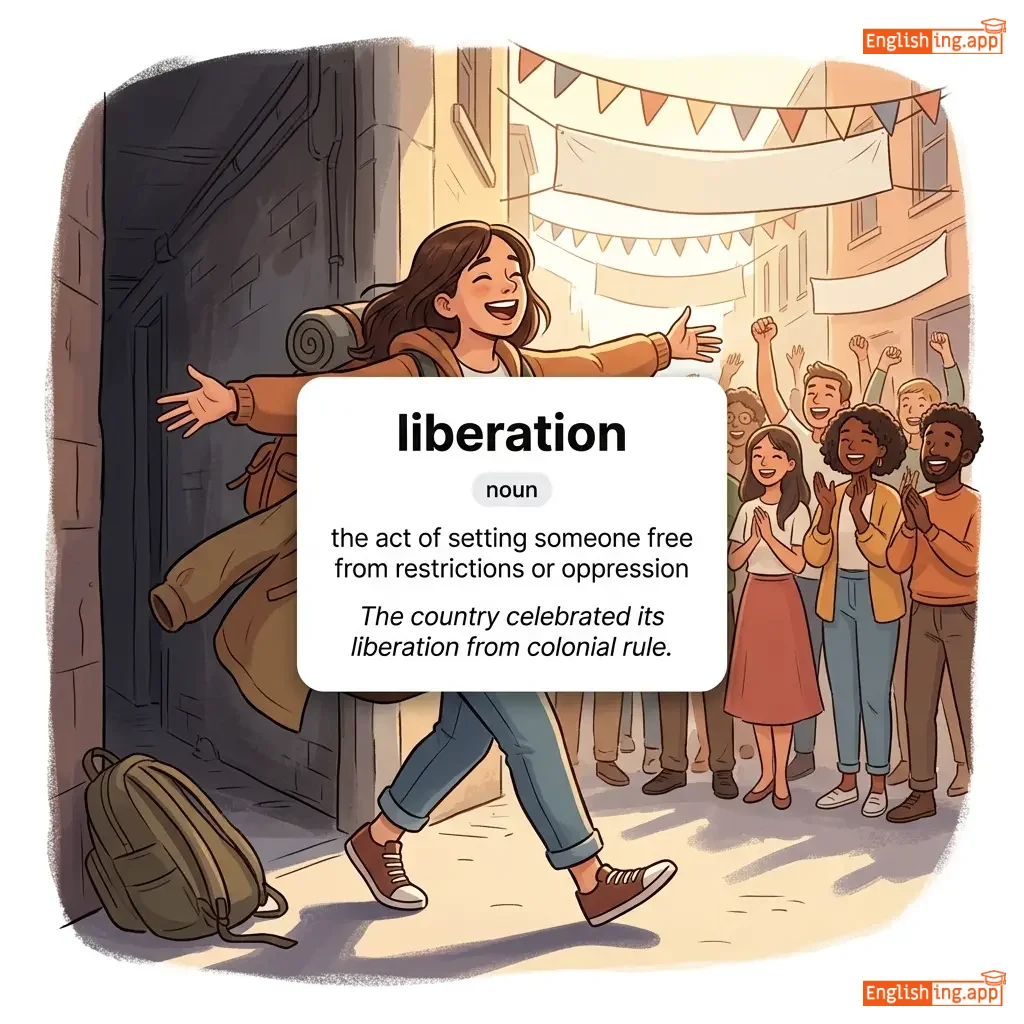
解放; 自由;
ribereshon
••••••
|
the action of setting someone free from imprisonment, slavery, or oppression; release
••••••
|
The liberation of the country took many years. |
その国の解放には多くの年がかかりました。
sono kuni no kaihō ni wa ōku no toshi ga kakarimashita.
••••••
|
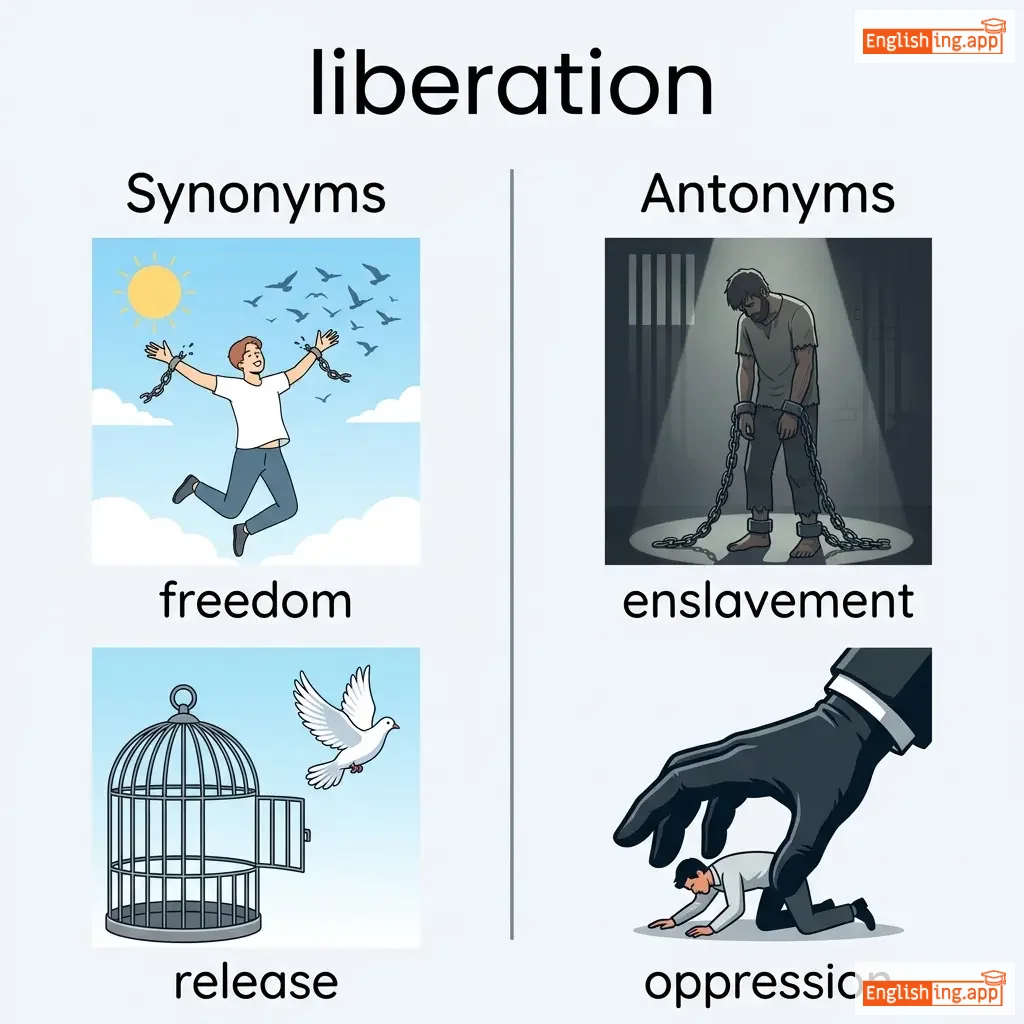
freedom, emancipation, release, independence
••••••
|
oppression, captivity, enslavement
••••••
|
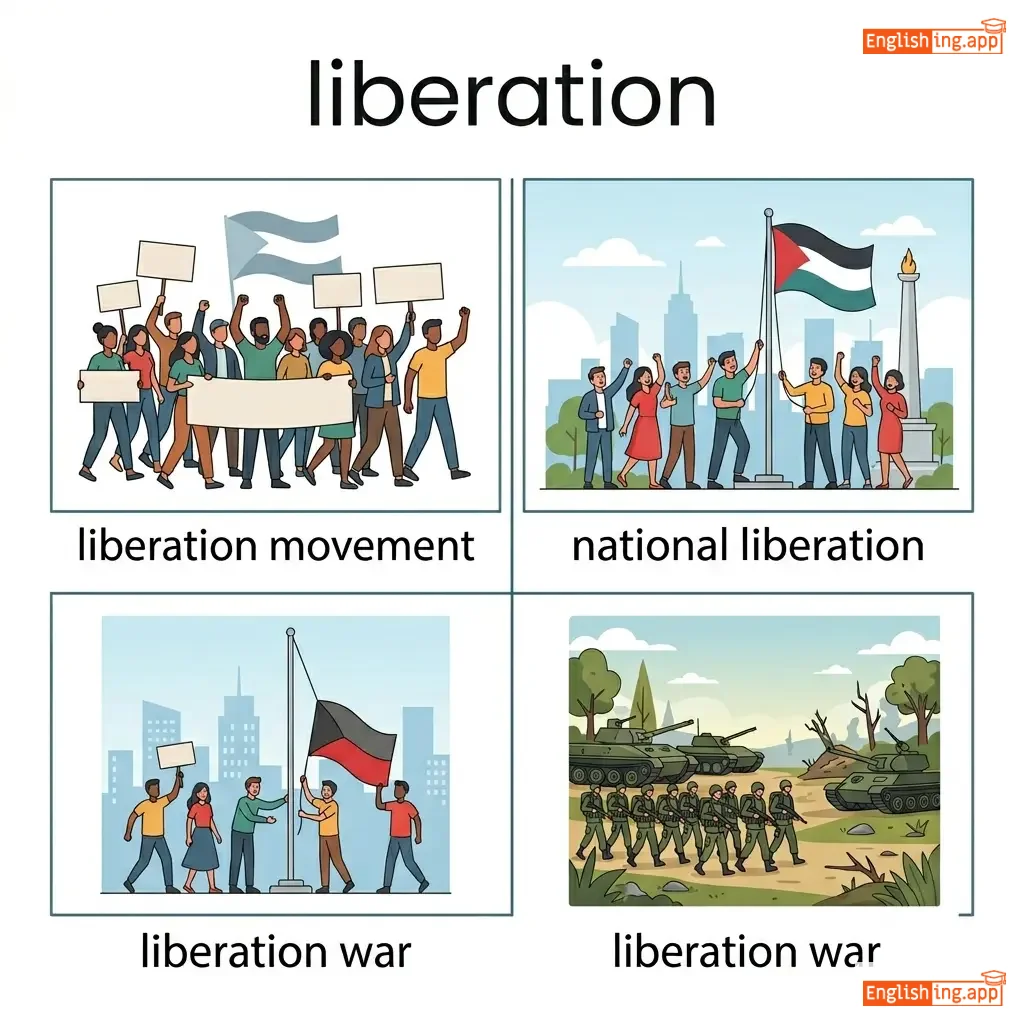
national liberation, women's liberation, liberation movement
••••••
|
In Japanese, '解放' is the act of liberating someone, leading to '自由' (freedom).
••••••
|
|
#765
🏝️
|
/ˈleʒ.ər/
noun
(レジャー)
••••••
|
- •••••• |
レジャー; 自由時間
lejar
••••••
|
time when one is not working or occupied; free time used for enjoyment
••••••
|
She enjoys reading books in her leisure time. |
彼女は自由時間に本を読むのが好きです。
Kanojo wa jiyuu jikan ni hon o yomu no ga suki desu
••••••
|
free time, relaxation, recreation
••••••
|
work, labor, duty
••••••
|
leisure time, leisure activities, at leisure
••••••
|
レジャータイムで本を読んでリラックス
••••••
|
|
#766
🗽
|
/ˈlɪb.ər.ti/
noun
(リバティ)
••••••
|
- •••••• |
自由
jiyuu
••••••
|
the state of being free within society from oppressive restrictions imposed by authority on one's way of life, behavior, or political views
••••••
|
The Statue of Liberty represents freedom and democracy. |
自由の女神は自由と民主主義を象徴しています。
Jiyū no megami wa jiyū to minshushugi o shōchō shiteimasu.
••••••
|
freedom, independence, autonomy
••••••
|
captivity, oppression, tyranny
••••••
|
personal liberty, civil liberties, take liberties
••••••
|
Japanese word '自由' (jiyuu) means liberty. Remember it by thinking of '自由' as a symbol of freedom.
••••••
|
|
#767
📏
|
/leŋθ/
noun
(レングス)
••••••
|
- •••••• |
長さ
nagasa
••••••
|
the measurement or extent of something from end to end; the greater of two or the greatest of three dimensions
••••••
|
The length of the table is two meters. |
テーブルの長さは2メートルです。
Tēburu no nagasa wa 2 mētoru desu
••••••
|
extent, span, distance, measurement
••••••
|
width, breadth, shortness
••••••
|
full length, arm's length, at length
••••••
|
長さ (nagasa) is directly related to length in Japanese.
••••••
|
|
#768
📚
|
/ˈlaɪ.brər.i/
noun
(ライブラリー)
••••••
|
- •••••• |
図書館
tosho kan
••••••
|
a building or room containing collections of books, periodicals, and sometimes films and recorded music for people to read, borrow, or refer to
••••••
|
She goes to the library every weekend to study. |
彼女は毎週末、勉強のために図書館に行きます。
kanojo wa maishūmatsu, benkyō no tame ni toshokan ni ikimasu
••••••
|
archive, repository, collection, reading room
••••••
|
bookstore, market
••••••
|
public library, university library, library card
••••••
|
図書館で本を借りて学ぼう
••••••
|
|
#769
🌱
|
/ˈlen.tɪl/
noun
(レンティル)
••••••
|
- •••••• |
レンズ豆
renzu mame
••••••
|
a high-protein pulse which is dried and then soaked and cooked prior to eating
••••••
|
She cooked red lentils for dinner tonight. |
彼女は今晩の夕食に赤レンズ豆を調理しました。
kanojo wa konban no yūshoku ni aka renzu mame o chōri shimashita
••••••
|
pulse, legume, dal
••••••
|
meat, grain
••••••
|
red lentils, green lentils, lentil soup
••••••
|
レンズ豆は小さくて栄養満点!
••••••
|
|
#770
📋
|
/ˈlaɪ.səns/
noun
(ライセンス)
••••••
|
- •••••• |
ライセンス
raizensu
••••••
|
a permit from an authority to own or use something, do a particular thing, or carry on a trade
••••••
|
You need a driving licence to operate a car.
車を運転するには運転免許証が必要です。
••••••
|
車を運転するには運転免許証が必要です。
Kuruma wo untensuru ni wa unten menkyo-shō ga hitsuyō desu.
••••••
|
permit, authorization, certificate, warrant
••••••
|
prohibition, ban
••••••
|
driving licence, business licence, licence holder
••••••
|
ライセンス - 車を運転するためのライセンス、覚えやすいですね。
••••••
|
|
#771
📚
|
/ˈles.ən/
noun
(レッスン)
••••••
|
- •••••• |
レッスン
ressun
••••••
|
a period of learning or teaching; an experience that teaches you something
••••••
|
Today's math lesson was about fractions. |
今日の数学のレッスンは分数についてでした。
Kyou no suugaku no ressun wa bunsuu ni tsuite deshita
••••••
|
class, instruction, tutorial, teaching
••••••
|
ignorance, confusion
••••••
|
learn lesson, teach lesson, lesson plan
••••••
|
日本語でも英語の'レッスン'と同じ意味です。
••••••
|
|
#772
📄
|
/ˌlaɪ.sənˈsiː/
noun
(ライセンスィ)
••••••
|
- •••••• |
ライセンス保持者
raizensu mochi-sha
••••••
|
a person or organization that holds a license to do something
••••••
|
The licensee is responsible for following all regulations.
ライセンス保持者はすべての規制を遵守する責任があります。
••••••
|
ライセンス保持者はすべての規制を遵守する責任があります。
Raizensu mochi-sha wa subete no kisei o junshu suru sekinin ga arimasu.
••••••
|
permit holder, authorized person
••••••
|
licensor, unauthorized person
••••••
|
software licensee, franchise licensee
••••••
|
In Japanese, 'ライセンス保持者' matches 'licensee' in meaning.
••••••
|
|
#773
😴
|
/ˈleθ.ər.dʒi/
noun
(レタージー)
••••••
|
- •••••• |
倦怠; 疲れと非活動的
retajii
••••••
|
a lack of energy and enthusiasm; tiredness and inactivity
••••••
|
The hot weather caused a feeling of lethargy. |
暑い天気は倦怠感を引き起こしました。
atsui tenki wa kentai kan o hikiokoshimashita
••••••
|
sluggishness, torpor, inertia, fatigue
••••••
|
energy, vigor, vitality, alertness
••••••
|
overcome lethargy, mental lethargy, feeling of lethargy
••••••
|
Letharji - レタージー - 疲れて動きたくないときの感じ
••••••
|
|
#774
🍺
|
/lɪd/
noun
(lid)
••••••
|
- •••••• |
ふた
futa
••••••
|
a removable or hinged cover for the top of a container
••••••
|
Please put the lid back on the jar.
ジャーの蓋を元に戻してください。
••••••
|
ジャーの蓋を元に戻してください。
Jā no futa o moto ni modoshite kudasai.
••••••
|
cover, cap, top
••••••
|
bottom, base
••••••
|
jar lid, pot lid, tight lid
••••••
|
ふた (futa) は lid のように覆います。
••••••
|
|
#775
✉️
|
/ˈlet.ər/
noun
(レター)
••••••
|
- •••••• |
文字; 手紙
retā
••••••
|
a character representing one or more of the sounds used in speech; a written message, typically sent in an envelope
••••••
|
She wrote a letter to her grandmother. |
彼女は祖母に手紙を書きました。
Kanojo wa sobo ni tegami o kakimashita.
••••••
|
character, alphabet, correspondence, note
••••••
|
number, symbol, call
••••••
|
write letter, capital letter, love letter
••••••
|
In Japanese, 'letter' becomes '手紙', which means a letter or message.
••••••
|
|
#776
💡
|
/laɪt/
noun
(lait)
••••••
|
|
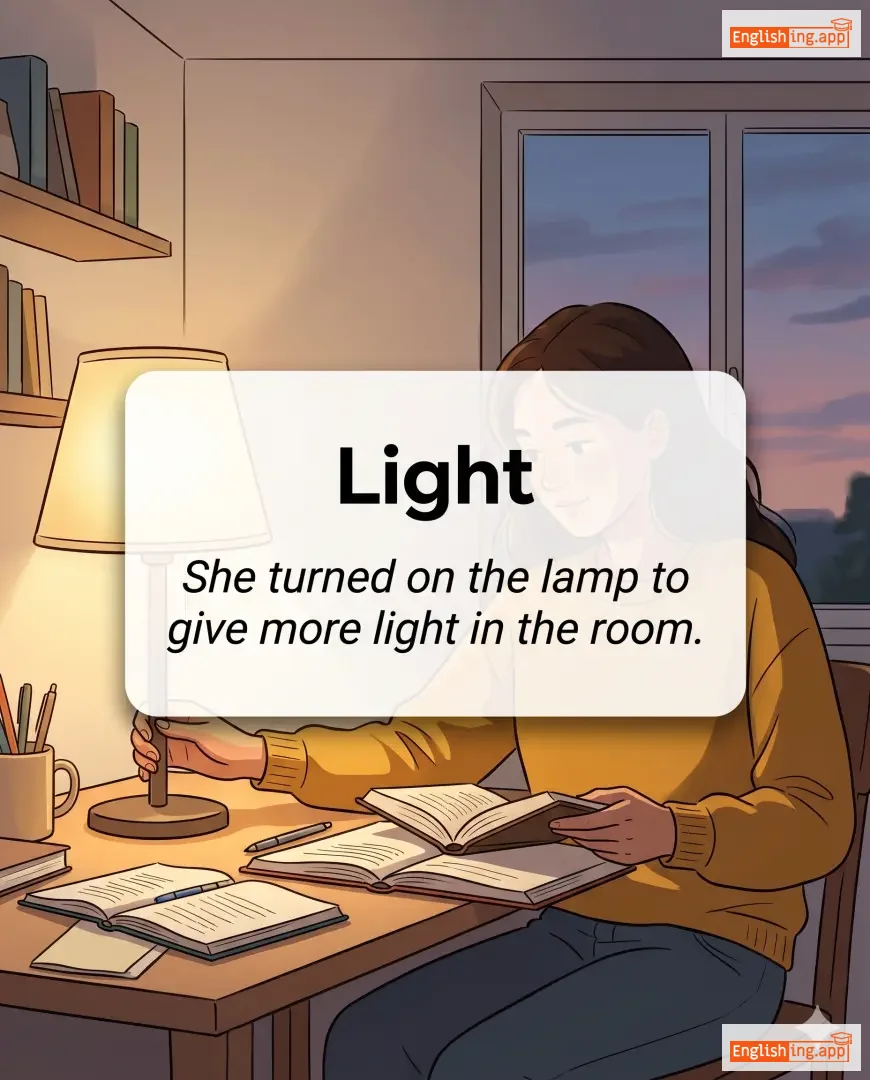
光
hikari
••••••
|
the natural agent that stimulates sight and makes things visible; electromagnetic radiation of any wavelength
••••••
|
Turn on the light, it's getting dark.
turn on the light, it's getting dark
••••••
|
ライトをつけて、暗くなってきました。
raito o tsukete, kuraku natte kimashita
••••••
|
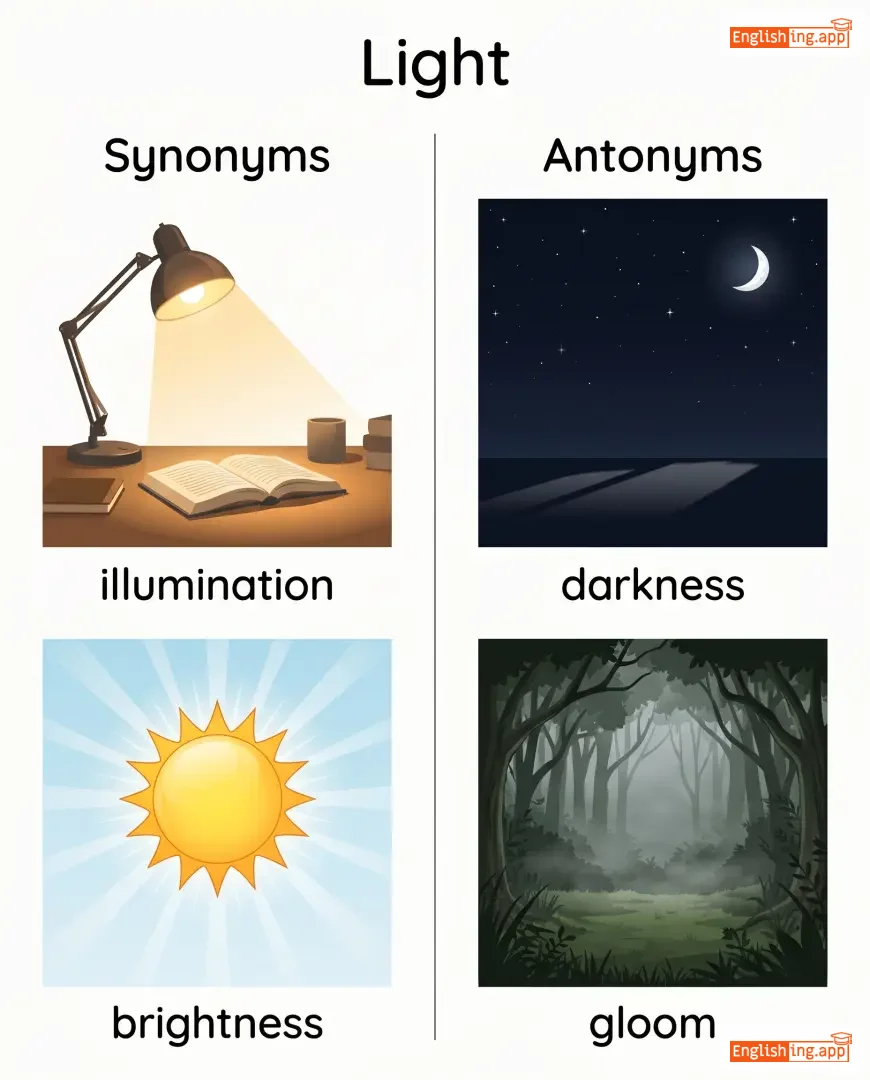
illumination, brightness, radiance, glow
••••••
|
darkness, shadow, gloom
••••••
|
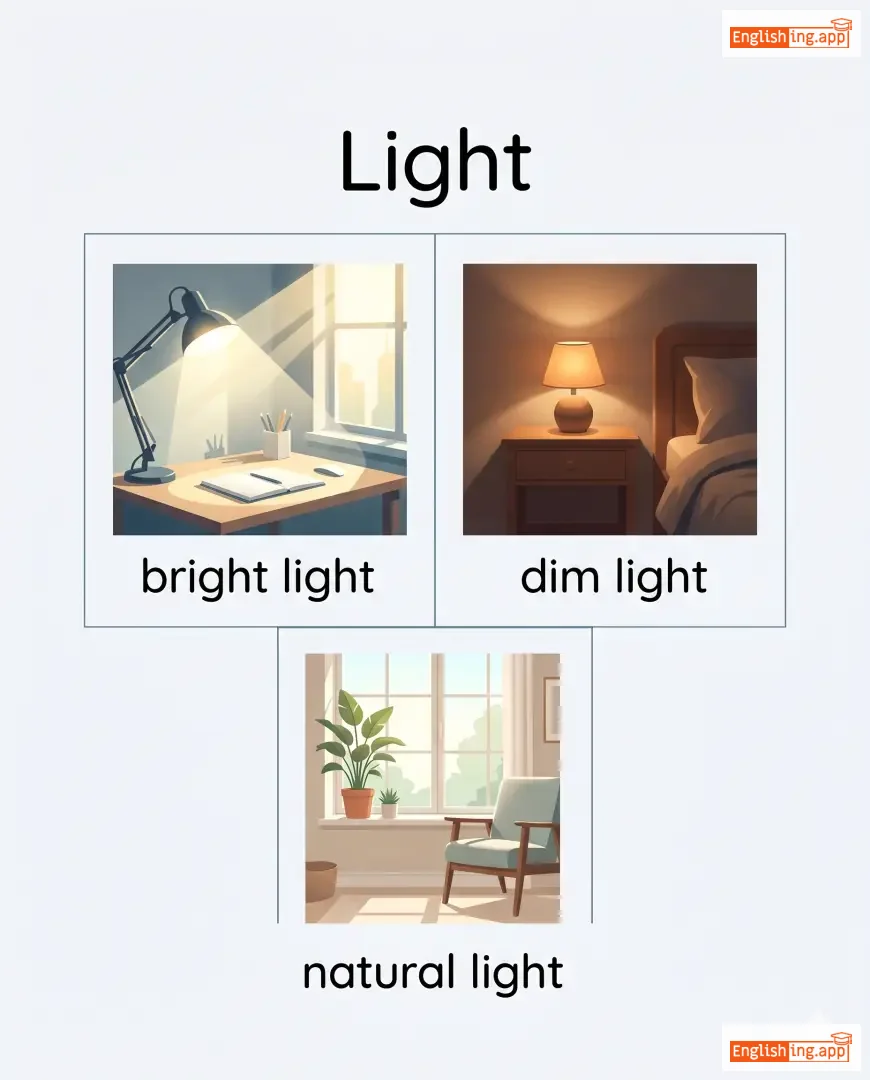
bright light, natural light, light switch
••••••
|
Hikari means light in Japanese, lighting up the world.
••••••
|
|
#777
😄
|
/ˈlev.ɪ.ti/
noun
(レヴィティ)
••••••
|
|
軽薄さ; フリヴォリティ; 尊重の欠如
reviti
••••••
|
humor or frivolity, especially the treatment of a serious matter with humor or in a manner lacking due respect
••••••
|
The levity in the courtroom was inappropriate.
法廷での軽薄さは不適切でした。
••••••
|
法廷での軽薄さは不適切でした。
hōtei de no keihokusa wa futekisetsu deshita.
••••••
|
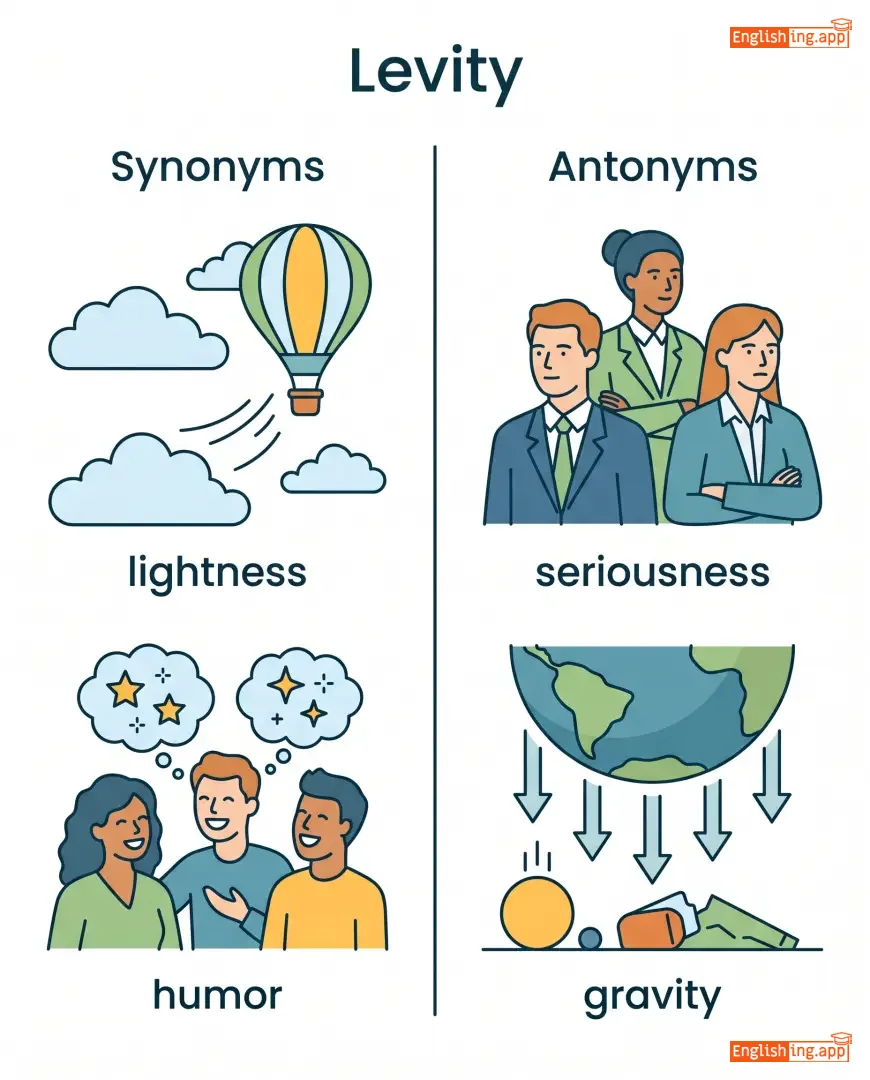
frivolity, humor, lightness, flippancy
••••••
|
gravity, seriousness, solemnity
••••••
|
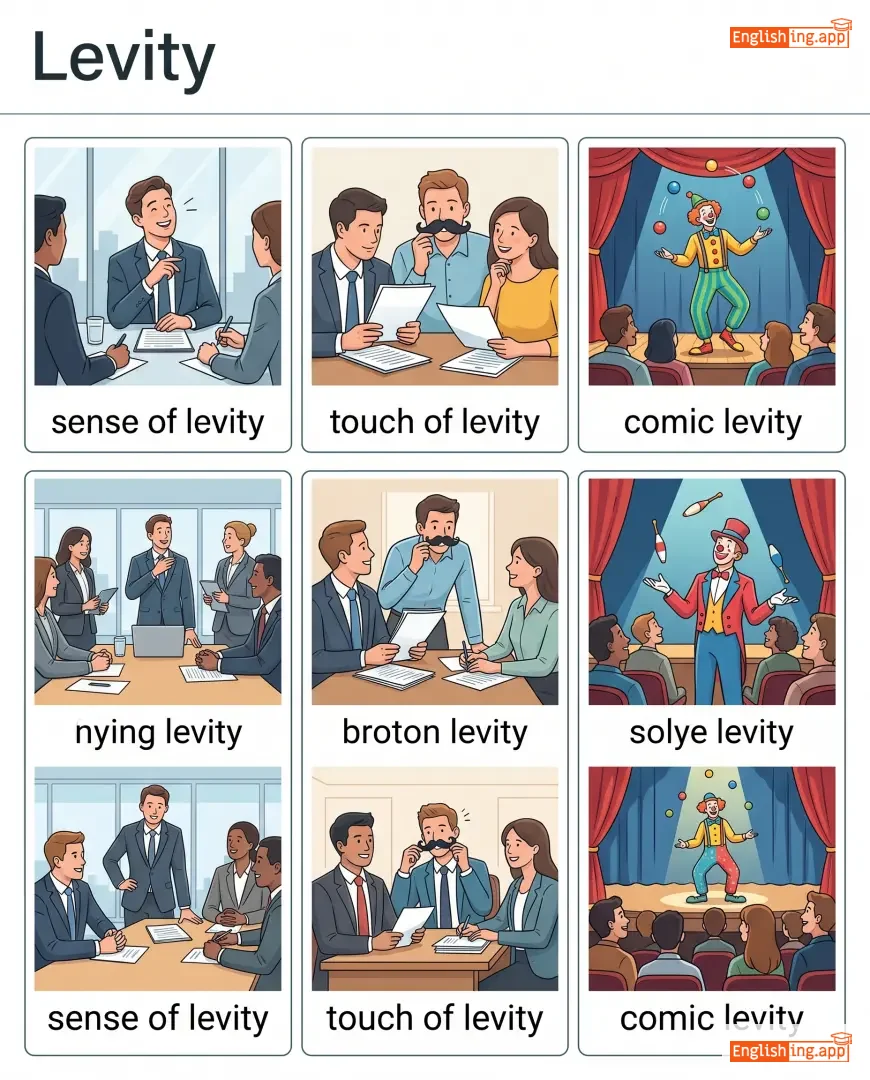
inappropriate levity, moment of levity
••••••
|
軽さとユーモア、でも尊敬を忘れずに
••••••
|
|
#778
🕰️
|
/ˈlaɪk.nəs/
noun
(ˈlaɪk.nəs)
••••••
|
- •••••• |
類似性; 似ていること
likeness
••••••
|
the fact or quality of being alike; resemblance; a portrait or representation
••••••
|
The portrait shows a strong likeness to her grandmother.
ポートレートは彼女の祖母に強い類似性を示しています。
••••••
|
ポートレートは彼女の祖母に強い類似性を示しています。
Pōtoretto wa kanojo no sobo ni tsuyoi ruijisei o shimeshiteimasu.
••••••
|
resemblance, similarity, portrait, image
••••••
|
difference, dissimilarity
••••••
|
striking likeness, family likeness, perfect likeness
••••••
|
祖母との類似性がこのポートレートに現れます
••••••
|
|
#779
💳
|
/ˌlaɪ.əˈbɪl.ɪ.ti/
noun
(ライアビリティ)
••••••
|
|
責任
sekinin
••••••
|
the state of being responsible for something, especially by law; a person or thing whose presence or behavior is likely to cause embarrassment or put one at a disadvantage
••••••
|
The company accepted liability for the accident. |
会社は事故に対する責任を受け入れました。
Kaisha wa jiko ni taisuru sekinin o ukeiremashita
••••••
|
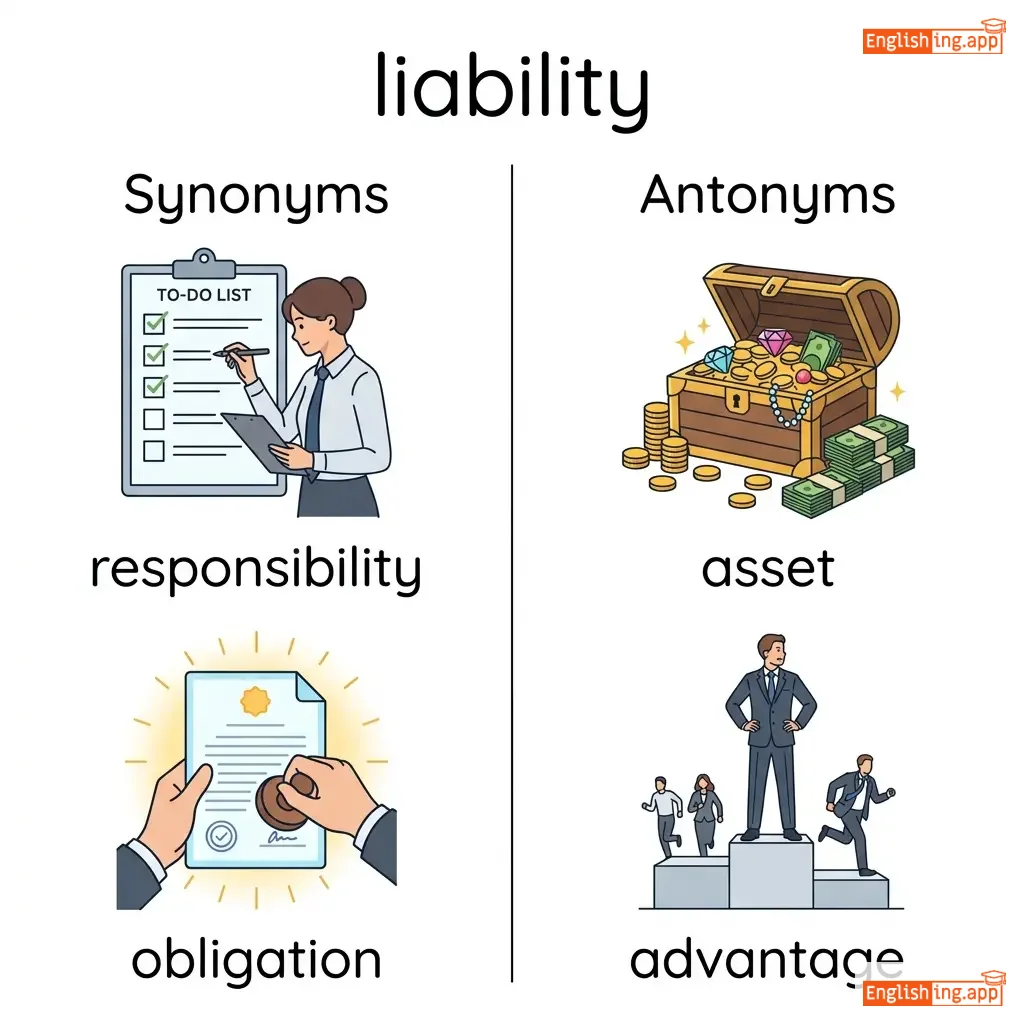
responsibility, obligation, debt, burden
••••••
|
asset, advantage, benefit
••••••
|
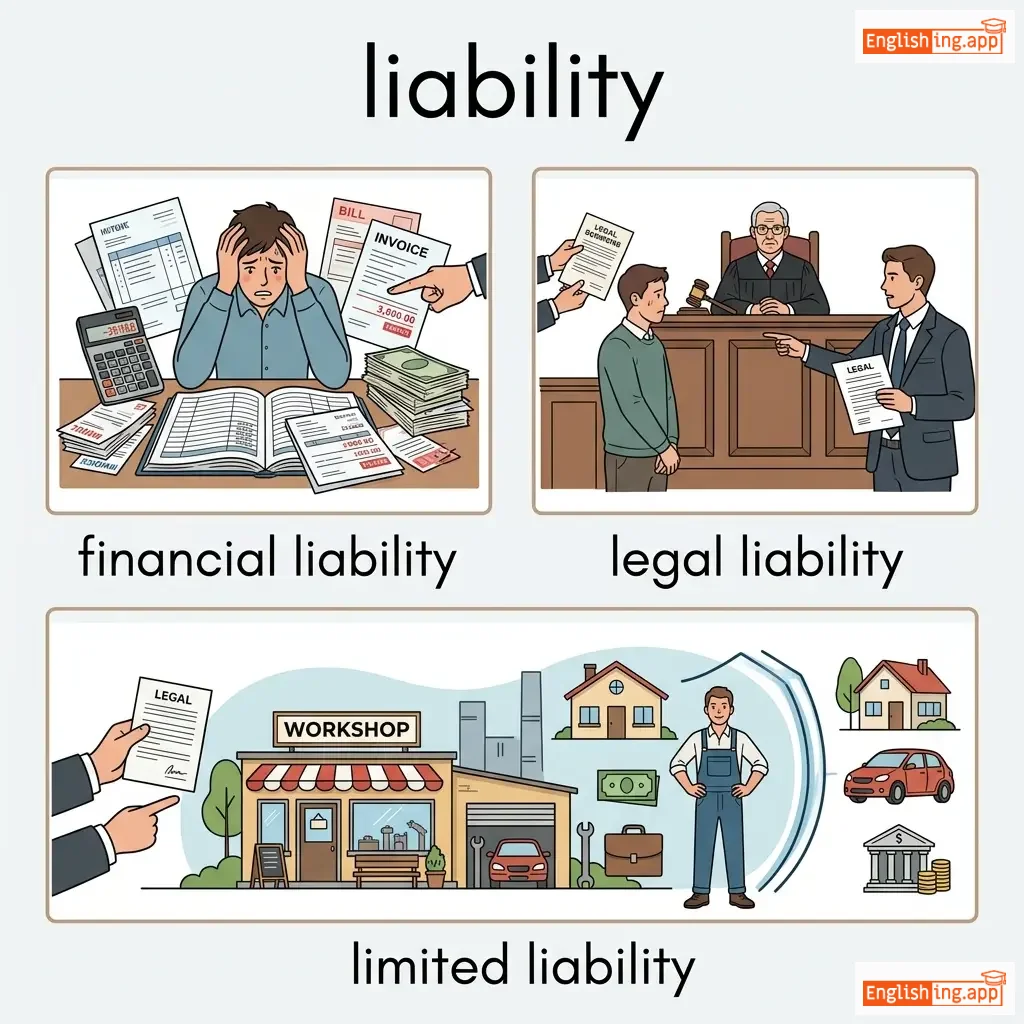
legal liability, financial liability, limited liability
••••••
|
In Japanese, '責任' (sekinin) means responsibility, just like liability.
••••••
|
|
#780
❤️
|
/ˈlaɪ.kɪŋ/
noun
(ライキング)
••••••
|
- •••••• |
好み; 愛好; 傾向
laiking
••••••
|
a feeling of regard or fondness; a preference or taste for something
••••••
|
She has developed a liking for classical music.
she has developed a liking for classical music
••••••
|
彼女はクラシック音楽に対して好みを持つようになった。
Kanojo wa kurashikku ongaku ni taishite konomi o motsu yō ni natta.
••••••
|
fondness, preference, taste, affection
••••••
|
dislike, aversion, hatred
••••••
|
take a liking, develop liking, to your liking
••••••
|
'Liking' は好きなこと、好みを指す言葉で、音楽や趣味に使える!
••••••
|
Vocabulary Quiz
Test your vocabulary by matching words with their translations or meanings.
Login to take the quiz
Comments (0)
Share your thoughts and join the discussion.
Join the discussion by logging in
Login to CommentNo comments yet
Be the first to share your thoughts!