

翻訳
過去
過去分詞
三人称単数
動名詞
意味
例文
例文の翻訳
同義語
対義語
コロケーション
ニーモニック
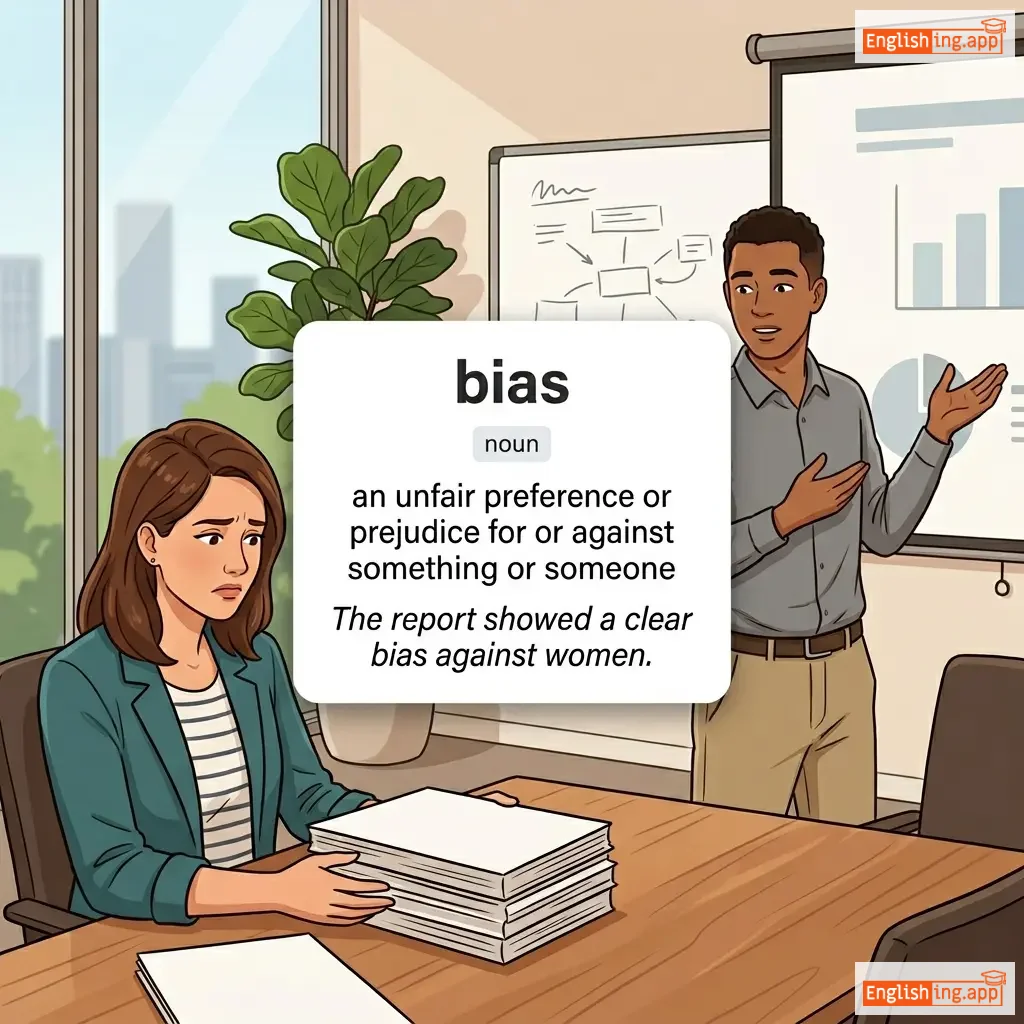
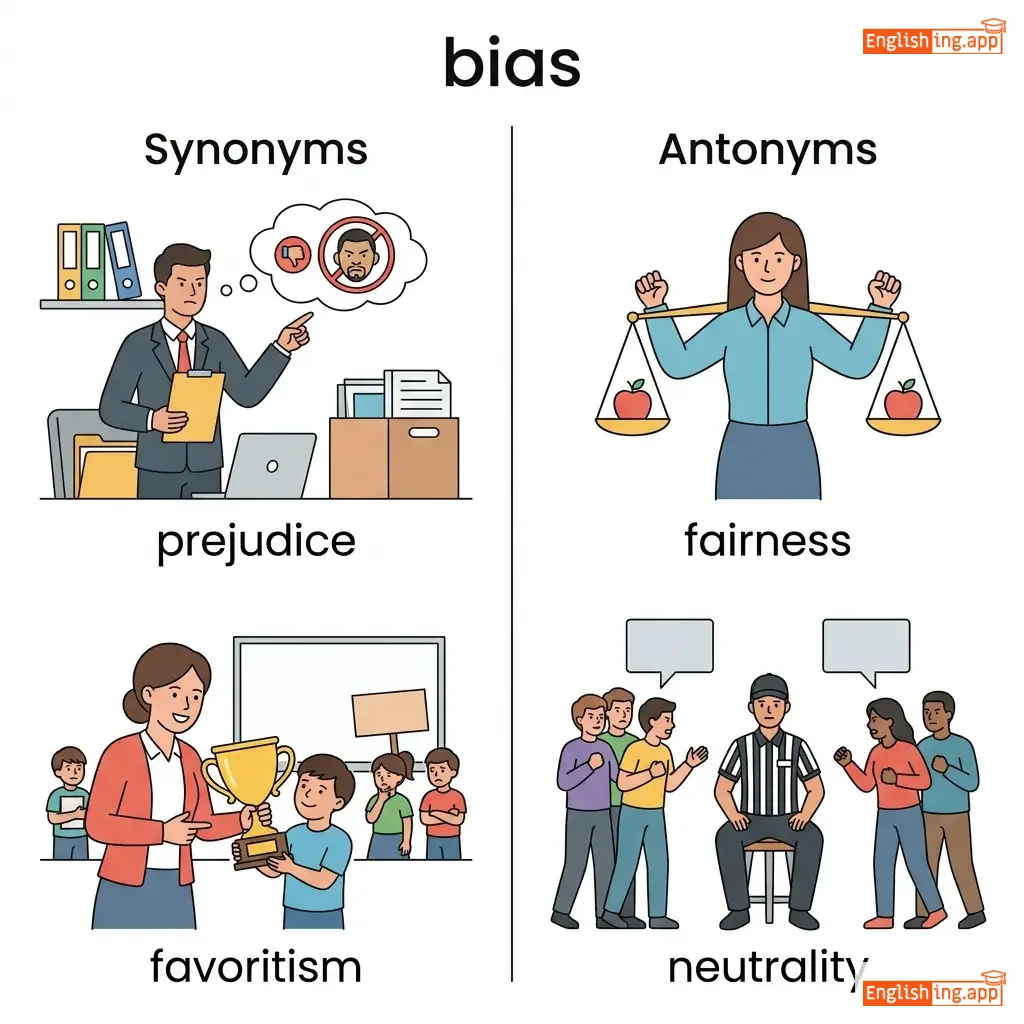
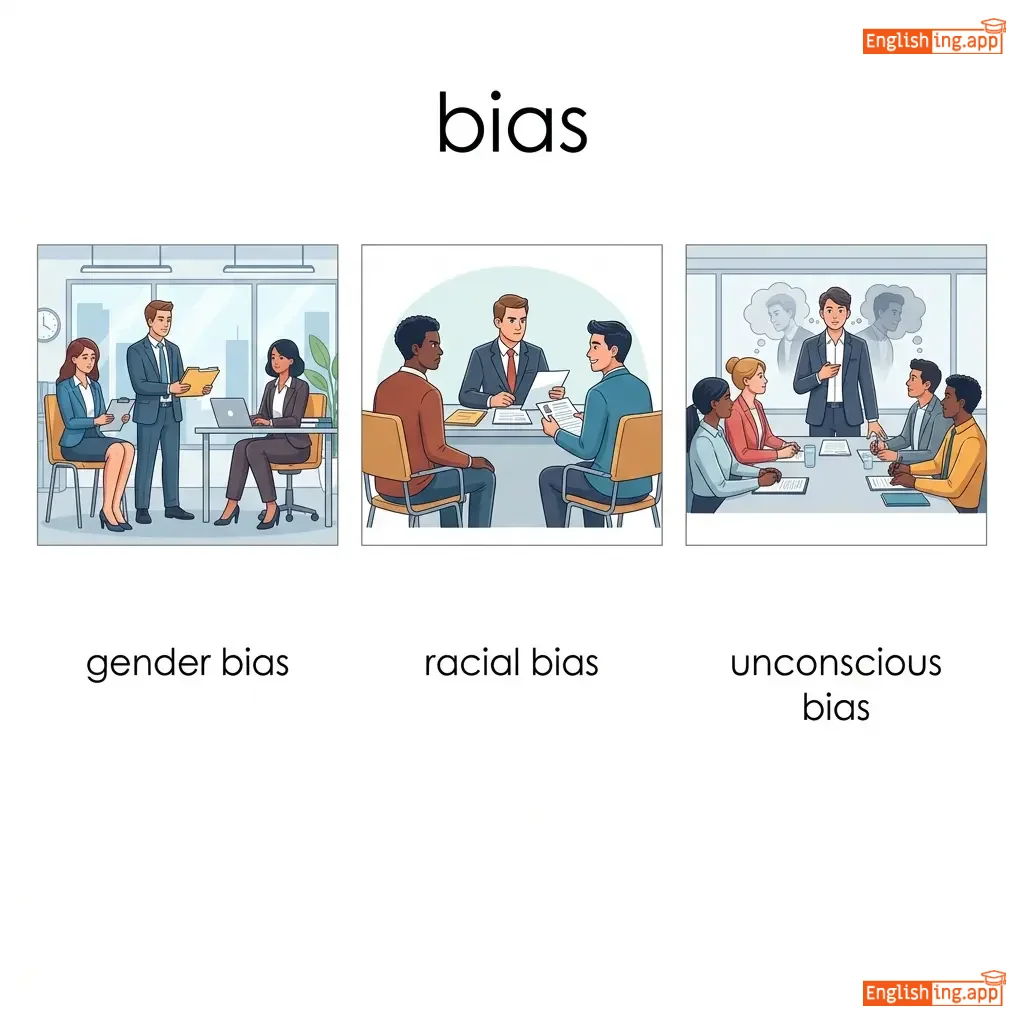
Swipe left or right, or use the buttons. Tap image to zoom.
例文の翻訳
単語
Lesson 5Lesson 5 - マスクトグル
|
絵文字
|
単語 | Images | 翻訳 | 意味 | 例文 | 例文の翻訳 | 同義語 | 対義語 | コロケーション | ニーモニック |
|---|---|---|---|---|---|---|---|---|---|---|
|
#81
🏷️
|
/bɪd/
noun
(ビッド)
••••••
|
- •••••• |
入札; 提案
nyūsatsu; teian
••••••
|
an offer to pay a certain amount for something; an attempt to obtain or achieve something
••••••
|
She made a bid for the antique vase at the auction.
彼女はオークションでそのアンティークの花瓶に入札しました。
••••••
|
彼女はオークションでそのアンティークの花瓶に入札しました。
Kanojo wa ōkushon de sono antīku no kabin ni nyūsatsu shimashita.
••••••
|
offer, proposal, attempt
••••••
|
refusal, rejection
••••••
|
make a bid, bid farewell, highest bid
••••••
|
A 'bid' is like '入札' (nyūsatsu) you place at a Japanese auction.
••••••
|
|
#82
🔴
|
/bleɪn/
noun
(ブレイン)
••••••
|
- •••••• |
水疱
suipō
••••••
|
an inflammatory swelling or sore on the skin; a blister or pustule
••••••
|
The doctor examined the blain on his arm.
医者は彼の腕の水疱を検査しました。
••••••
|
医者は彼の腕の水疱を検査しました。
Isha wa kare no ude no suipō o kensa shimashita.
••••••
|
blister, pustule, sore
••••••
|
healthy skin
••••••
|
painful blain, infected blain, treat blain
••••••
|
Blain, the skin blister, remembered as ‘suipō’ (Japanese) for blister.
••••••
|
|
#83
💼
|
/bɪz/
noun
(ビズ)
••••••
|
- •••••• |
ビジネス
bijinesu
••••••
|
business (informal); commercial enterprise or activity
••••••
|
He's been in the restaurant biz for twenty years. |
彼は20年間、レストランのビジネスをしてきました。
Kare wa 20 nenkan, resutoran no bijinesu o shite kimashita.
••••••
|
business, trade, commerce
••••••
|
hobby, leisure
••••••
|
show biz, restaurant biz, entertainment biz
••••••
|
Biz = ビジネス、レストラン業界で20年働いている人。
••••••
|
|
#84
😤
|
/ˈbɪtərnəs/
noun
(ビターネス)
••••••
|
- •••••• |
苦味
nigami
••••••
|
anger and disappointment at being treated unfairly; resentment; a sharp, unpleasant taste
••••••
|
She spoke with bitterness about her former employer.
彼女は前の雇用主について苦々しさを持って話しました。
••••••
|
彼女は前の雇用主について苦々しさを持って話しました。
Kanojo wa mae no koyōshu ni tsuite nigami o motte hanashimashita.
••••••
|
resentment, acrimony, rancor
••••••
|
sweetness, kindness, forgiveness
••••••
|
feel bitterness, taste of bitterness, overcome bitterness
••••••
|
In Japanese, '苦味' ('nigami') perfectly mirrors bitterness, capturing both the feeling and taste.
••••••
|
|
#85
🐕🦺
|
/bɪtʃ/
noun
(ビッチ)
••••••
|
- •••••• |
雌犬;
meinu
••••••
|
a female dog; an unpleasant or spiteful woman (offensive)
••••••
|
The bitch gave birth to five puppies.
その雌犬は5匹の子犬を産んだ。
••••••
|
その雌犬は5匹の子犬を産んだ。
Sono meinu wa gohiki no koinu o sanda.
••••••
|
female dog
••••••
|
male dog, dog
••••••
|
breeding bitch, guard bitch
••••••
|
雌犬が子犬を産んでいる、そしてそれは侮辱的。
••••••
|
|
#86
🔹
|
/bɪt/
noun
(ビット)
••••••
|
- •••••• |
何かの小さな断片または量; 短い時間または距離
nanika no chiisana danpen matawa ryou; mijikai jikan matawa kyori
••••••
|
a small piece or quantity of something; a short time or distance
••••••
|
Can you wait a bit longer for me? |
もう少し私のために待ってもらえますか?
Mou sukoshi watashi no tame ni matte moraemasu ka?
••••••
|
piece, fragment, portion
••••••
|
whole, entirety, lot
••••••
|
a bit more, bit by bit, every bit
••••••
|
少しの時間か短い距離!
••••••
|
|
#87
👶
|
/bɜːrθ/
noun
(バース)
••••••
|
- •••••• |
誕生; 起源; 始まり;
tanshō; kigen; hajimari
••••••
|
the emergence of a baby or young from the body of its mother; the beginning or origin of something
••••••
|
The birth of their first child was a joyful moment.
彼らの最初の子供の誕生は喜ばしい瞬間でした。
••••••
|
彼らの最初の子供の誕生は喜ばしい瞬間でした。
Karera no saisho no kodomo no tanshō wa yorokobashī shunkan deshita.
••••••
|
delivery, nativity, origin
••••••
|
death, end, conclusion
••••••
|
give birth, birth certificate, birth rate
••••••
|
誕生 (tanshō) は新しい命の始まり (hajimari)
••••••
|
|
#88
🌍
|
/ˈbaɪoʊˌsfɪr/
noun
(バイオスフィア)
••••••
|
- •••••• |
バイオスフィア
baiosufia
••••••
|
the regions of the surface and atmosphere of the earth occupied by living organisms
••••••
|
Climate change is affecting the entire biosphere. |
気候変動はバイオスフィア全体に影響を与えています。
Kikou hendou wa baiosufia zentai ni eikyou o ataeteimasu.
••••••
|
ecosphere, life zone
••••••
|
geosphere, atmosphere
••••••
|
protect biosphere, biosphere reserve, global biosphere
••••••
|
バイオスフィアは地球上で全ての生命が息づく場所、空気も土も海も含む場所です。
••••••
|
|
#89
📖
|
/baɪˈɒɡrəfi/
noun
(バイオグラフィー)
••••••
|
- •••••• |
伝記
denki
••••••
|
an account of someone's life written by someone else; the story of a person's life
••••••
|
I'm reading a fascinating biography of Albert Einstein. |
私はアルバート・アインシュタインの魅力的な伝記を読んでいます。
Watashi wa Arubāto Ainsutain no miryokuteki na denki o yondeimasu.
••••••
|
life story, memoir, profile
••••••
|
fiction, novel
••••••
|
write a biography, read biography, authorized biography
••••••
|
伝記 (denki) in Japanese and Biography in English both refer to the life story of a person.
••••••
|
|
#90
📋
|
/ˈbaɪoʊ ˌdeɪtə/
noun
(バイオデータ)
••••••
|
- •••••• |
履歴書
rirekisho
••••••
|
biographical data; a resume or curriculum vitae containing personal and professional information
••••••
|
Please submit your bio-data along with the job application. |
履歴書を求人応募書類と一緒に提出してください。
Rirekisho wo kyūjin ōbo shorui to issho ni teishutsu shite kudasai.
••••••
|
resume, CV, curriculum vitae
••••••
|
- •••••• |
submit bio-data, personal bio-data, complete bio-data
••••••
|
履歴書 (rirekisho) はあなたの経歴を示す重要なドキュメントです。
••••••
|
|
#91
🌙
|
/bend/
noun
(ベンド)
••••••
|
- •••••• |
カーブ; 曲がり角
kaabu, magarikado
••••••
|
a curved or angled part of something; a turning point in a road or river
••••••
|
There is a sharp bend in the river ahead.
川の先に鋭いカーブがあります。
••••••
|
川の先に鋭いカーブがあります。
kawa no saki ni surudoi kaabu ga arimasu.
••••••
|
curve, turn, twist, corner
••••••
|
straight, line
••••••
|
sharp bend, river bend, road bend, bend in the road
••••••
|
Bend = カーブ (曲がり方と進行方向)
••••••
|
|
#92
⚖️
|
/ˈbaɪəs/
noun
(バイアス)
••••••
|
|
偏見; 傾向; 先入観
henken, keikou, sennukann
••••••
|
prejudice in favor of or against something; an inclination or outlook
••••••
|
The judge showed no bias during the trial proceedings. |
裁判官は裁判中に偏見を示しませんでした。
Saibankan wa saiban-chū ni henken o shimeshimasen deshita.
••••••
|
prejudice, partiality, favoritism, inclination
••••••
|
impartiality, fairness, neutrality, objectivity
••••••
|
cultural bias, unconscious bias, media bias, gender bias
••••••
|
裁判は公平でなければならない、偏見があってはならない!
••••••
|
|
#93
🐍
|
/bɪˈtreɪər/
noun
(betrayer)
••••••
|
- •••••• |
裏切り者; 不忠者
uragirimono, fuchūsha
••••••
|
a person who betrays someone or something; one who is disloyal
••••••
|
The betrayer was exposed and faced severe consequences.
ベトレイヤーは暴露され、厳しい結果に直面しました。
••••••
|
裏切り者は暴露され、厳しい結果に直面しました。
Uragirimono wa bakuro sare, kibishī kekka ni chokumen shimashita.
••••••
|
traitor, turncoat, backstabber, double-crosser
••••••
|
loyalist, faithful person, ally, supporter
••••••
|
expose the betrayer, identify betrayer, betrayer revealed
••••••
|
裏切り者は最終的に報いを受ける。
••••••
|
|
#94
💔
|
/bɪˈtreɪəl/
noun
(ベトレイアル)
••••••
|
- •••••• |
裏切り; 不忠
uragiri; fuchū
••••••
|
the action of betraying one's country, group, or person; disloyalty
••••••
|
His betrayal of their friendship hurt her deeply. |
彼の友情に対する裏切りは、彼女を深く傷つけました。
Kare no yūjō ni taisuru uragiri wa, kanojo o fukaku kizutsukemashita.
••••••
|
treachery, disloyalty, deception, backstabbing
••••••
|
loyalty, faithfulness, devotion, allegiance
••••••
|
act of betrayal, feel betrayed, betrayal of trust
••••••
|
裏切りは友達を裏切ること。
••••••
|
|
#95
🛏️
|
/bɜːrθ/
noun
(バース)
••••••
|
- •••••• |
寝台; 船、列車、または他の乗り物で寝る場所
shindai; fune, ressha, matawa hoka no norimono de neru basho
••••••
|
a sleeping place in a ship, train, or other vehicle; a place where a ship can dock
••••••
|
I booked an upper berth on the overnight train. |
私は夜行列車で上段の寝台を予約しました。
Watashi wa yakou ressha de joudan no shindai o yoyaku shimashita.
••••••
|
bunk, bed, sleeping place, dock, mooring
••••••
|
- •••••• |
upper berth, lower berth, ship berth, train berth
••••••
|
船や列車の寝台は休む場所です
••••••
|
|
#96
🎯
|
/bent/
noun
(ベント)
••••••
|
- •••••• |
傾向; 特徴
keikou, tokuchou
••••••
|
a natural inclination or talent; a strong interest or liking for something
••••••
|
She has a natural bent for music and art. |
彼女は音楽と芸術に自然な傾向があります。
kanojo wa ongaku to geijutsu ni shizen na keikou ga arimasu
••••••
|
inclination, tendency, aptitude, talent, disposition
••••••
|
aversion, dislike, inability
••••••
|
natural bent, artistic bent, bent for learning, musical bent
••••••
|
‘Bent’ は音楽とアートに向かって傾いています。
••••••
|
|
#97
😇
|
/bɪˈnɪɡnɪti/
noun
(ベニグニティ)
••••••
|
- •••••• |
優しさ; 穏やかさ; 良いまたは親切な性質
yasashisa; odayakasa; yoi matawa shinsetsuna seishitsu
••••••
|
kindness; gentleness; the quality of being benign or gracious
••••••
|
Her benignity towards all people made her beloved by everyone.
彼女のベニグニティは、彼女をすべての人々から愛される存在にしました。
••••••
|
彼女の優しさは、彼女をすべての人々から愛される存在にしました。
Kanojo no yasashisa wa, kanojo wo subete no hitobito kara aisareru sonzai ni shimashita
••••••
|
kindness, gentleness, compassion, goodness
••••••
|
malice, cruelty, harshness, unkindness
••••••
|
natural benignity, show benignity, acts of benignity
••••••
|
Think of someone so gentle and kind, everyone calls them 'Benignity'.
••••••
|
|
#98
✅
|
/ˈbenɪfɪt/
noun
(ベネフィット)
••••••
|
- •••••• |
利益; 便益; 利点
rieki; ben'eki; riten
••••••
|
an advantage or profit gained from something; a helpful or good effect
••••••
|
Exercise has many health benefits for your body.
運動は体に多くの健康的な利益をもたらします。
••••••
|
運動は体に多くの健康的な利益をもたらします。
Undou wa karada ni ooku no kenkou teki na rieki wo motarashimasu.
••••••
|
advantage, profit, gain, good, help
••••••
|
disadvantage, harm, loss, detriment
••••••
|
health benefits, mutual benefit, social benefits, economic benefits
••••••
|
運動は健康に利益をもたらす (運動で健康を得る)
••••••
|
|
#99
🤝
|
/ˈbenɪˌfæktər/
noun
(ベネファクター)
••••••
|
- •••••• |
恩人; 支援者; 寄付者
onjin, shien-sha, kifu-sha
••••••
|
a person who gives money or other help to support a person or cause; a patron
••••••
|
The anonymous benefactor donated millions to the hospital.
匿名の寄付者は病院に何百万も寄付しました。
••••••
|
匿名の寄付者は病院に何百万も寄付しました。
Tokumei no kifu-sha wa byōin ni nan hyakuman mo kifu shimashita.
••••••
|
patron, donor, sponsor, supporter, philanthropist
••••••
|
beneficiary, recipient, enemy
••••••
|
anonymous benefactor, generous benefactor, wealthy benefactor
••••••
|
Ben (benevolent) + actor (doing good) = person doing good.
••••••
|
|
#100
🙏
|
/ˌbenɪˈdɪkʃən/
noun
(ベネディクション)
••••••
|
- •••••• |
祝福
shukufuku
••••••
|
a blessing, especially a ceremonial one; an expression of good wishes
••••••
|
The priest gave his benediction to the newlyweds.
神父は新婚夫婦に祝福を与えました。
••••••
|
神父は新婚夫婦に祝福を与えました。
Shinpu wa shinkon fūfu ni shukufuku o ataemashita.
••••••
|
blessing, prayer, invocation, good wishes
••••••
|
curse, malediction, condemnation
••••••
|
give benediction, receive benediction, papal benediction
••••••
|
祝福 (shukufuku) は人生の大切な瞬間で良い願いを表現する言葉です。
••••••
|
Vocabulary Quiz
Test your vocabulary by matching words with their translations or meanings.
Login to take the quiz
Comments (0)
Share your thoughts and join the discussion.
Join the discussion by logging in
Login to CommentNo comments yet
Be the first to share your thoughts!