

翻訳
過去
過去分詞
三人称単数
動名詞
意味
例文
例文の翻訳
同義語
対義語
コロケーション
ニーモニック

Swipe left or right, or use the buttons. Tap image to zoom.
例文の翻訳
単語
Lesson 53Lesson 53 - マスクトグル
|
絵文字
|
単語 | Images | 翻訳 | 意味 | 例文 | 例文の翻訳 | 同義語 | 対義語 | コロケーション | ニーモニック |
|---|---|---|---|---|---|---|---|---|---|---|
|
#1041
🤕
|
/ˈpɪm.pəl/
noun
(ピンプル)
••••••
|
- •••••• |
ニキビ
nikibi
••••••
|
a small, inflamed elevation of the skin; a spot on the skin, especially on the face
••••••
|
She was embarrassed about the pimple on her forehead.
彼女は額のニキビに気まずさを感じていた。
••••••
|
彼女は額のニキビに気まずさを感じていた。
Kanojo wa hitai no nikibi ni kimazusa o kanjite ita.
••••••
|
spot, blemish, zit, acne
••••••
|
clear skin, smooth skin, flawless complexion
••••••
|
facial pimple, pop a pimple, pimple cream
••••••
|
ニキビ – 顔にできたニキビに困る
••••••
|
|
#1042
🌾
|
/ˈplen.ti/
noun
(プレンティ)
••••••
|
- •••••• |
豊富; 十分
hōfu; jūbun
••••••
|
a large or sufficient amount; abundance
••••••
|
There is plenty of food for everyone at the party.
パーティーには皆に十分な食べ物があります。
••••••
|
パーティーには皆に十分な食べ物があります。
Pātī ni wa mina ni jūbun na tabemono ga arimasu.
••••••
|
abundance, ample, sufficient, lots
••••••
|
scarcity, shortage, lack, insufficient
••••••
|
plenty of time, plenty of money, plenty to eat
••••••
|
Plentyは豊富な食べ物を意味し、'パーティーには皆に十分な食べ物があります'。
••••••
|
|
#1043
🚀
|
/ˌpʌɪ.əˈnɪr/
noun
(パイオニア)
••••••
|
- •••••• |
新しい領域を探索または定住する最初の人;新しいアイデアや方法を開発する人
atarashī ryōiki o tansaku matawa teijū suru saisho no hito; atarashī aidea ya hōhō o kaihatsu suru hito
••••••
|
a person who is among the first to explore or settle a new area; someone who develops new ideas or methods
••••••
|
She was a pioneer in the field of computer science.
彼女はコンピュータサイエンスの分野で先駆者でした。
••••••
|
彼女はコンピュータサイエンスの分野で先駆者でした。
Kanojo wa konpyūta saiensu no bunya de senkusha deshita.
••••••
|
innovator, trailblazer, leader, groundbreaker
••••••
|
follower, imitator, traditionalist, conformist
••••••
|
space pioneer, technology pioneer, pioneer spirit
••••••
|
Pioneer - First one to take the path of discovery and exploration!
••••••
|
|
#1044
😰
|
/plaɪt/
noun
(プライト)
••••••
|
- •••••• |
困難; 厳しい状況
konnan; kibishii joukyou
••••••
|
a dangerous, difficult, or unfortunate situation
••••••
|
The refugees were in a desperate plight. |
難民たちは絶望的な困難に直面していました。
Nanmin-tachi wa zetsubou-teki na konnan ni chokumen shite imashita.
••••••
|
predicament, dilemma, trouble, difficulty
••••••
|
fortune, advantage, blessing, prosperity
••••••
|
desperate plight, serious plight, terrible plight
••••••
|
困難な状況に直面したとき、'plight'を思い出してください。
••••••
|
|
#1045
🏴☠️
|
/ˈpaɪ.rə.si/
noun
(パイラシー)
••••••
|
- •••••• |
海賊行為
kaizoku koui
••••••
|
the practice of attacking and robbing ships at sea; the unauthorized use or reproduction of copyrighted material
••••••
|
Software piracy costs companies billions of dollars annually.
ソフトウェアの海賊行為は毎年企業に数十億ドルの損失をもたらします。
••••••
|
ソフトウェアの海賊行為は毎年企業に数十億ドルの損失をもたらします。
sofutowea no kaizoku koui wa maitoshi kigyou ni suujuu oku doru no sonshitsu o motarashimasu
••••••
|
theft, robbery, bootlegging, counterfeiting
••••••
|
legitimacy, authorization, copyright compliance
••••••
|
software piracy, music piracy, combat piracy
••••••
|
Kaizoku koui = Sea pirate code. Imagine a pirate on the deck shouting koui while stealing software, linking sea piracy with copyright infringement
••••••
|
|
#1046
🗺️
|
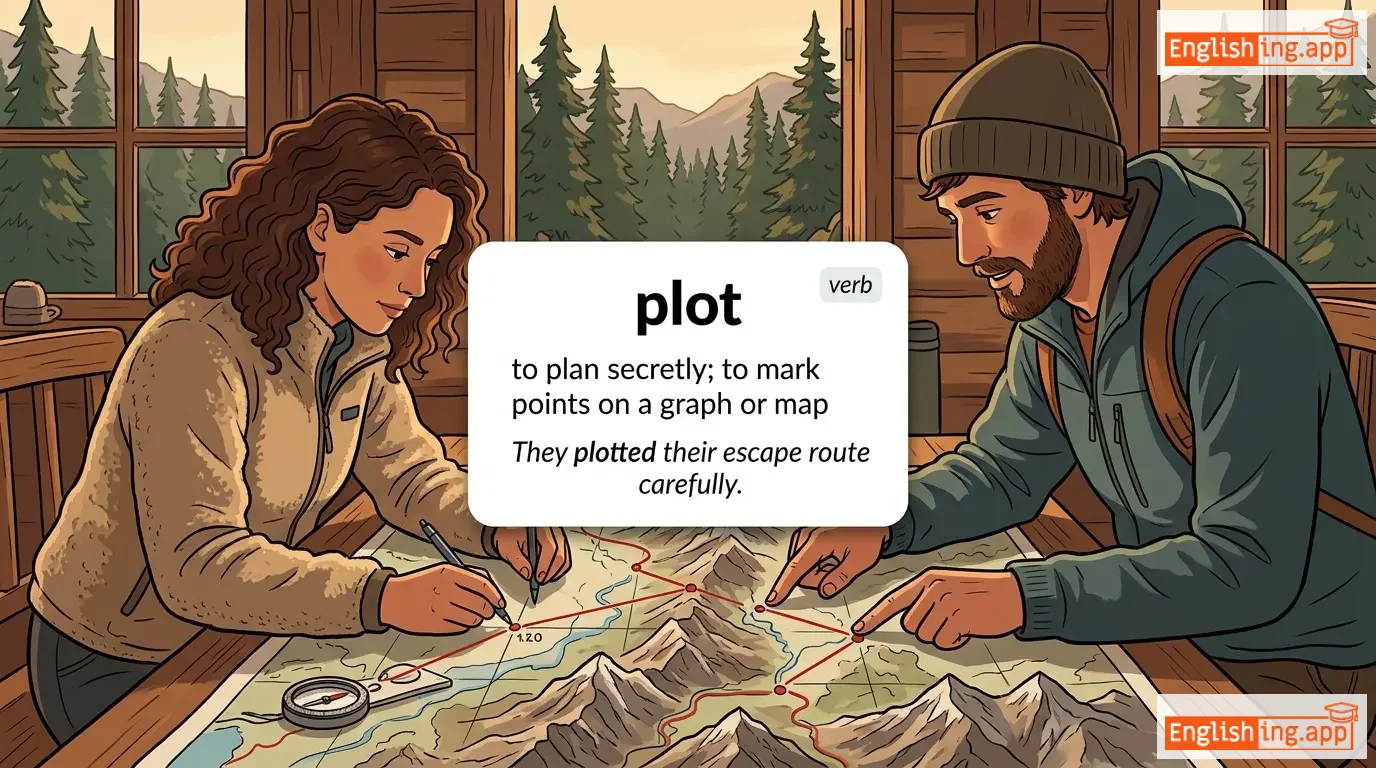
/plɒt/
noun
(プロット)
••••••
|
|
陰謀; 土地の一部; 本や映画の主要な物語
inbou; tochi no ichibu; hon ya eiga no shuuyou na monogatari
••••••
|
a secret plan; a piece of land; the main story of a book or movie
••••••
|
The detective uncovered a plot to steal the diamonds.
探偵はダイヤモンドを盗む陰謀を明らかにしました。
••••••
|
探偵はダイヤモンドを盗む陰謀を明らかにしました。
Tantei wa daiyamondo wo nusumu inbou wo akirakani shimashita.
••••••
|
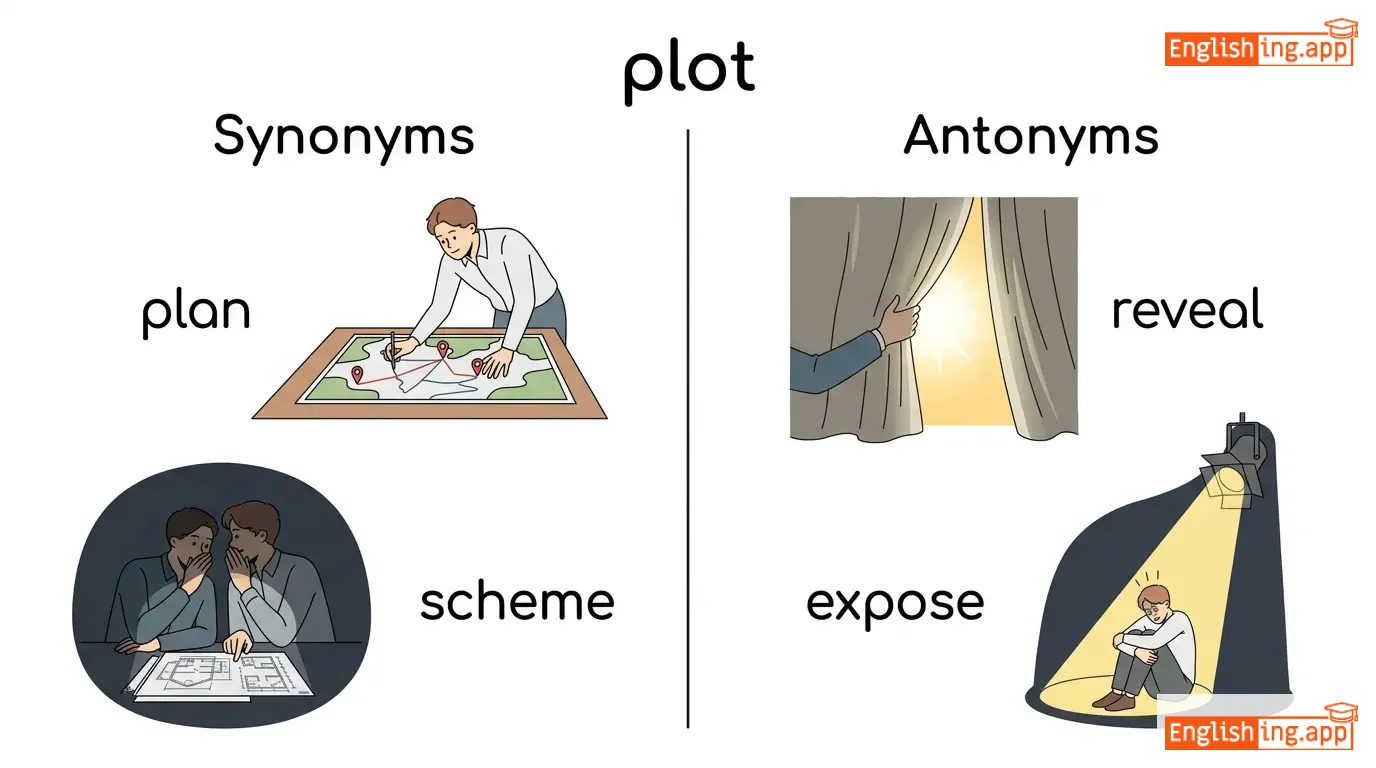
scheme, conspiracy, plan, land
••••••
|
honesty, openness, transparency
••••••
|
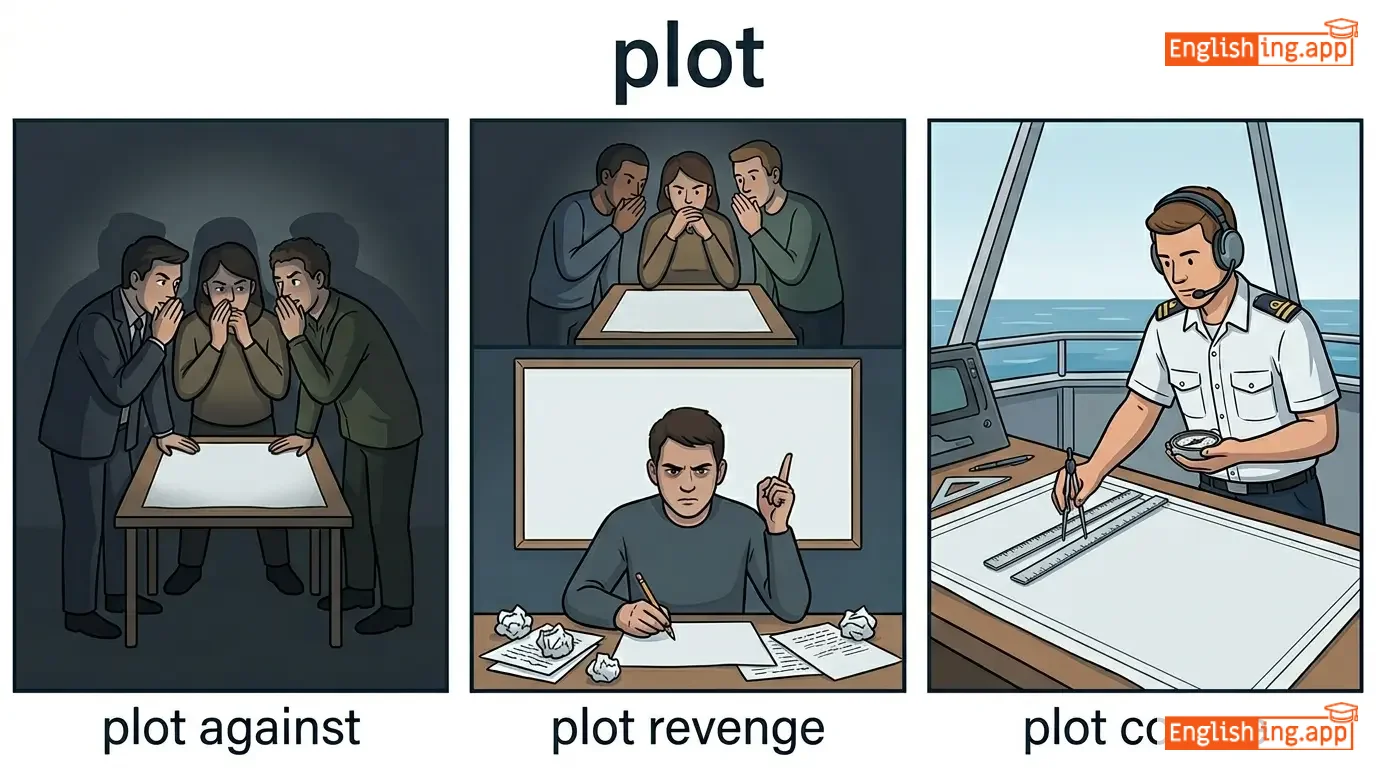
plot twist, building plot, assassination plot
••••••
|
A plot is the backbone of any great story.
••••••
|
|
#1047
🏴☠️
|
/ˈpaɪ.rət/
noun
(パイレート)
••••••
|
- •••••• |
海賊
kaizoku
••••••
|
a person who attacks and robs ships at sea; someone who uses or reproduces copyrighted material illegally
••••••
|
The pirate ship was spotted near the coast.
ザ パイレート シップ ワズ スポッテド ニア ザ コースト。
••••••
|
海賊船が海岸近くで発見された。
kaizokusen ga kaigan chikaku de hakken sareta
••••••
|
buccaneer, corsair, raider, robber
••••••
|
law enforcer, legitimate trader, honest merchant
••••••
|
pirate ship, pirate treasure, software pirate
••••••
|
Pirate sounds like 'パイレート' — remember '海賊 (kaizoku)' from Japanese anime.
••••••
|
|
#1048
🏴☠️
|
/ˈplʌn.dər.ər/
noun
(プランダーラー)
••••••
|
- •••••• |
略奪者
ryakudatsusha
••••••
|
a person who steals goods, especially during war or civil disorder
••••••
|
The plunderers ransacked the village after the battle.
The plunderers ransacked the village after the battle.
••••••
|
戦いの後、略奪者たちは村を荒らしました。
tatakai no ato, ryakudatsusha-tachi wa mura wo arashimashita.
••••••
|
looter, robber, raider, pillager
••••••
|
protector, guardian, defender, savior
••••••
|
village plunderer, ruthless plunderer, armed plunderer
••••••
|
Ryakudatsusha = 戦争後の略奪者
••••••
|
|
#1049
😢
|
/ˈpɪ.ti/
noun
(ピティ)
••••••
|
- •••••• |
憐れみ; 同情;
awaremi; dōjō
••••••
|
a feeling of sadness or sympathy for someone's misfortune; something that causes regret or disappointment
••••••
|
I felt pity for the homeless man in the rain. |
私は雨の中でホームレスの男性に対して憐れみを感じました。
Watashi wa ame no naka de hōmuresu no dansei ni taishite awaremi o kanjimashita.
••••••
|
compassion, sympathy, mercy, empathy
••••••
|
cruelty, indifference, harshness, callousness
••••••
|
feel pity, take pity, pity party
••••••
|
No •••••• |
|
#1050
🏆
|
/ˈpoʊ.di.əm/
noun
(ポディウム)
••••••
|
- •••••• |
ポディウム
podium
••••••
|
a small platform on which a person may stand to be seen by an audience
••••••
|
The winner stood on the podium to receive the gold medal. |
優勝者は金メダルを受け取るためにポディウムに立ちました。
Yūshōsha wa kin medaru o uketoru tame ni podium ni tachimashita.
••••••
|
platform, stage, dais, rostrum
••••••
|
floor, ground, audience area
••••••
|
victory podium, speaker's podium, award podium
••••••
|
ポディウムに立つと、まるで舞台の上のように感じられます。
••••••
|
|
#1051
⚖️
|
/ˈpleɪn.tɪf/
noun
(プレインティフ)
••••••
|
- •••••• |
原告
genkoku
••••••
|
a person who brings a case against another in a court of law; the person who initiates a lawsuit
••••••
|
The plaintiff filed a lawsuit against the company.
原告は会社に対して訴訟を起こした。
••••••
|
原告は会社に対して訴訟を起こした。
Genkoku wa kaisha ni taishite sosou o okoshita.
••••••
|
complainant, claimant, petitioner, accuser
••••••
|
defendant, respondent, accused
••••••
|
lead plaintiff, original plaintiff, individual plaintiff
••••••
|
原告は法廷で正義を求めて戦う。
••••••
|
|
#1052
👉
|
/pɔɪnt/
noun
(ポイント)
••••••
|
- •••••• |
ポイント; 詳細; 目的
pointo
••••••
|
a particular detail, idea, or fact; the sharp end of something
••••••
|
What's the point of arguing about this issue?
この問題について議論する意味は何ですか?
••••••
|
この問題について議論する意味は何ですか?
Kono mondai ni tsuite giron suru imi wa nan desu ka?
••••••
|
detail, fact, idea, tip
••••••
|
whole, entirety, generality
••••••
|
main point, key point, turning point
••••••
|
ポイントを探し、最終的な目的を達成する
••••••
|
|
#1053
📺
|
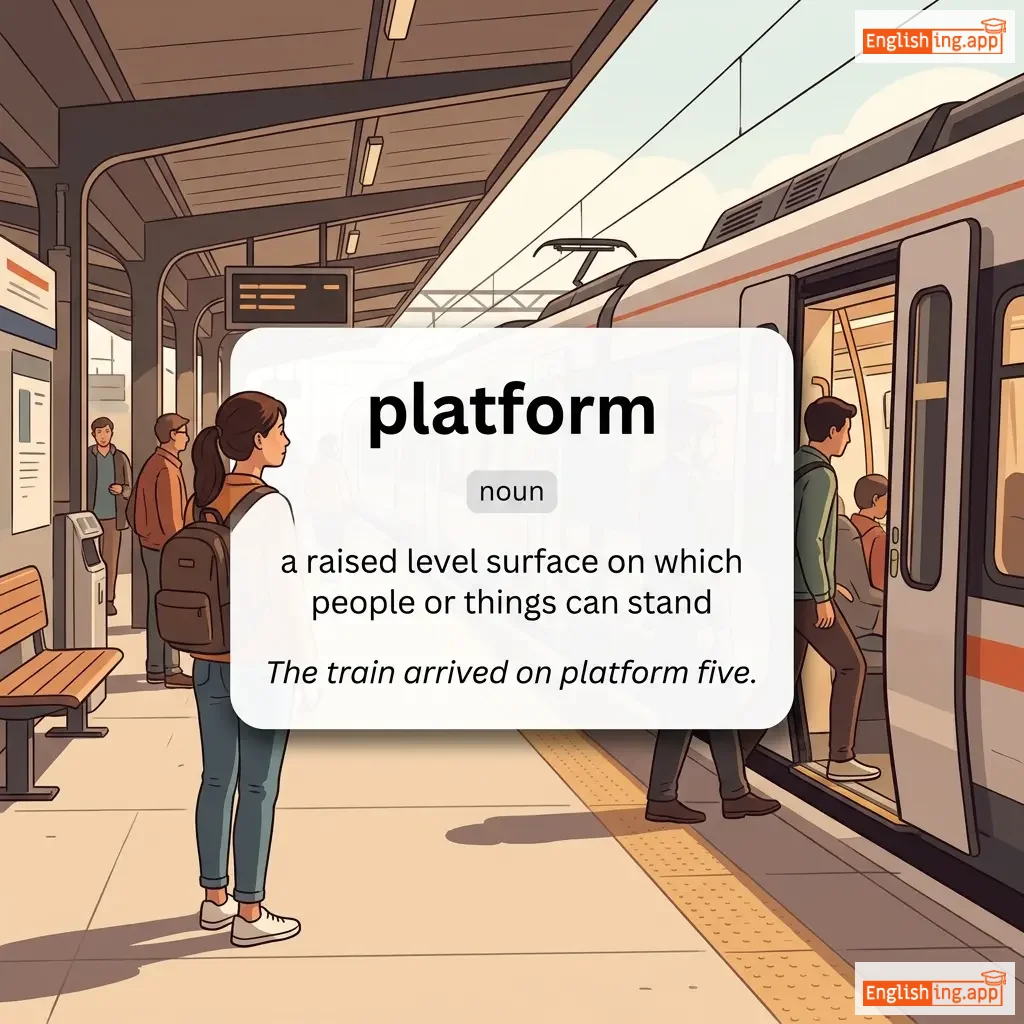
/ˈplæt.fɔrm/
noun
(プラットフォーム)
••••••
|
|
プラットフォーム
purattofōmu
••••••
|
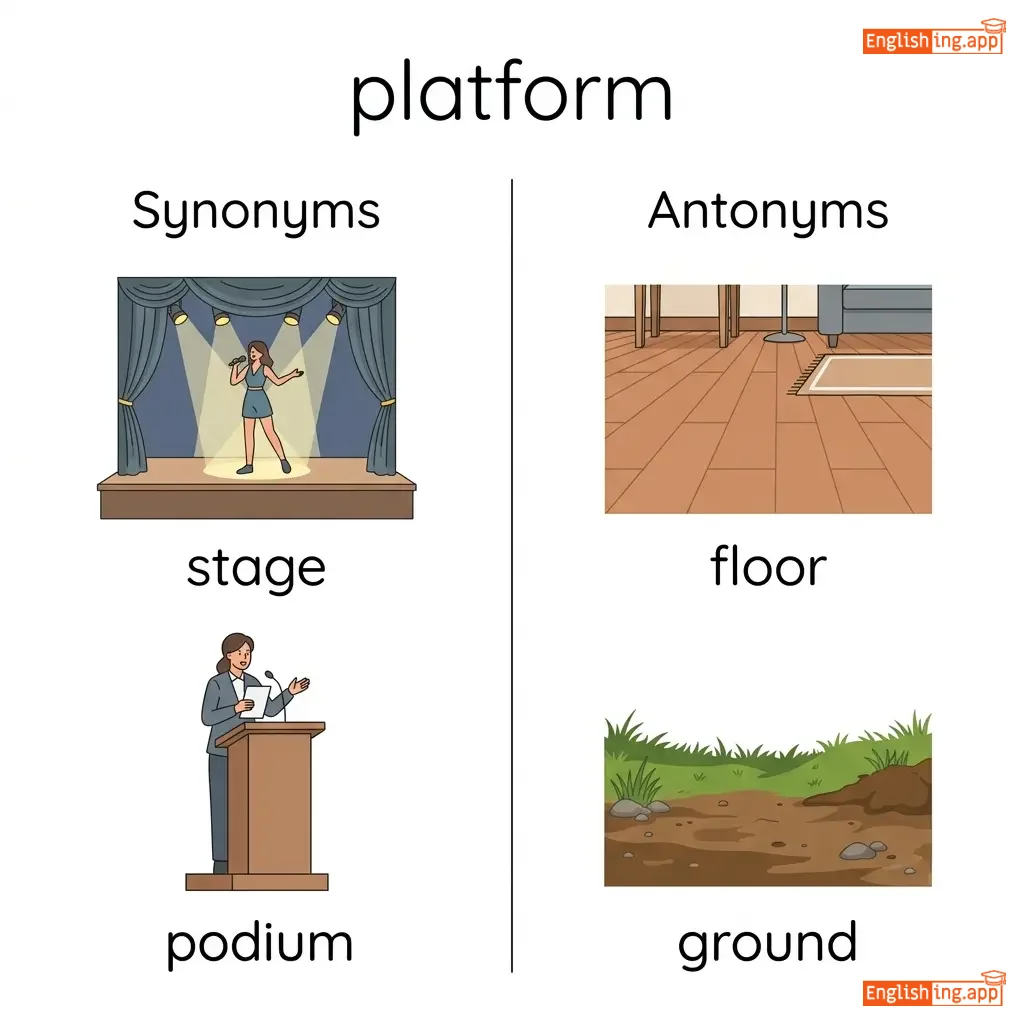
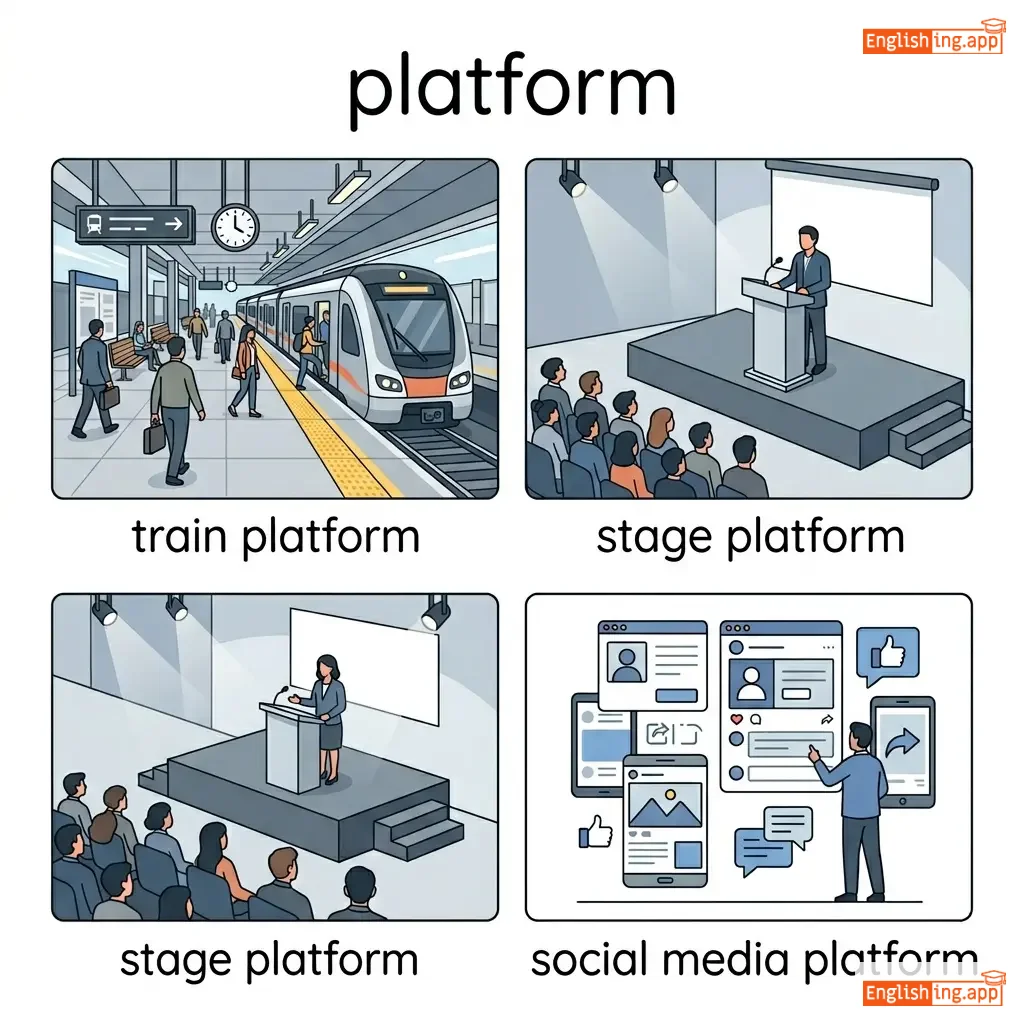
a raised level surface or stage; a digital environment for applications; a set of beliefs or principles
••••••
|
She spoke from the platform at the conference.
彼女は会議でプラットフォームから話しました。
••••••
|
彼女は会議でプラットフォームから話しました。
Kanojo wa kaigi de purattofōmu kara hanashimashita.
••••••
|
stage, podium, base, foundation
••••••
|
ground level, basement, foundation
••••••
|
digital platform, social platform, railway platform
••••••
|
プラットフォーム = Purattofōmu
••••••
|
|
#1054
☠️
|
/ˈpɔɪ.zən/
noun
(ポイズン)
••••••
|
- •••••• |
毒
poizun
••••••
|
a substance that is capable of causing death or illness
••••••
|
The snake's bite contains deadly poison.
蛇の咬傷には致命的な毒が含まれている。
••••••
|
蛇の咬傷には致命的な毒が含まれている。
Hebi no koushou ni wa chimeiteki na doku ga fukumarete iru.
••••••
|
toxin, venom, toxic substance
••••••
|
antidote, cure, medicine, remedy
••••••
|
deadly poison, rat poison, poison control
••••••
|
POI ZEN DOKU: a visual of ポイズン written in a Zen garden next to the kanji 毒 (doku), linking poison to doku.
••••••
|
|
#1055
🙏
|
/pliː/
noun
(プリー)
••••••
|
- •••••• |
請願; 要求; 弁明
seigan; youkyuu; benmei
••••••
|
an urgent and emotional request; a defendant's formal response to a criminal charge; an excuse or justification
••••••
|
She made a plea for help during the emergency. |
緊急時に彼女は助けを求める請願をした。
Kinkyuuji ni kanojo wa tasuke o motomeru seigan o shita.
••••••
|
appeal, request, petition, entreaty
••••••
|
demand, command, order, refusal
••••••
|
guilty plea, emotional plea, plea bargain
••••••
|
Pleaは‘お願い’として覚えられる。
••••••
|
|
#1056
📋
|
/ˈpɒl.ə.si/
noun
(ポリシー)
••••••
|
|
方針
hōshin
••••••
|
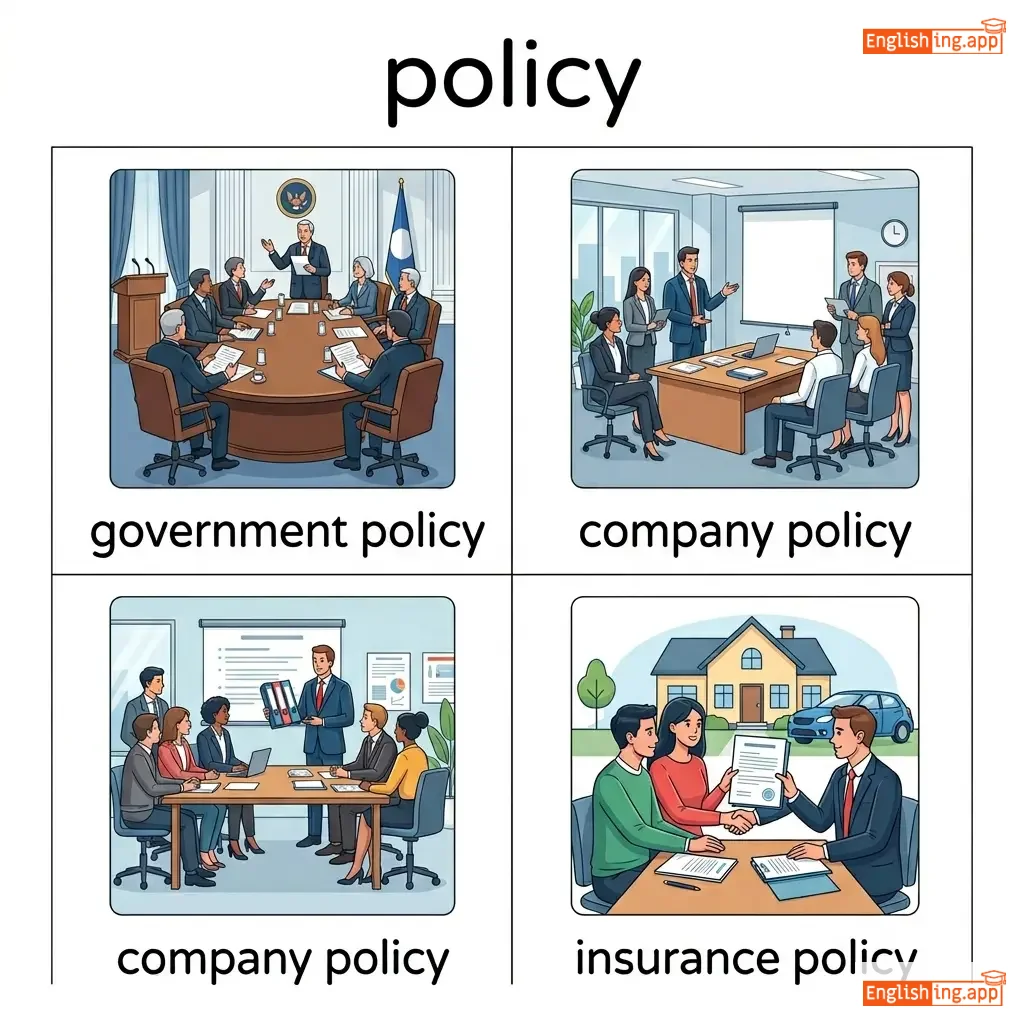
a course of action adopted by a government, organization, or individual
••••••
|
The company has a strict policy against smoking. |
その会社は喫煙に対して厳格な方針を持っています。
Sono kaisha wa kitsuen ni taishite genkaku na hōshin o motteimasu.
••••••
|
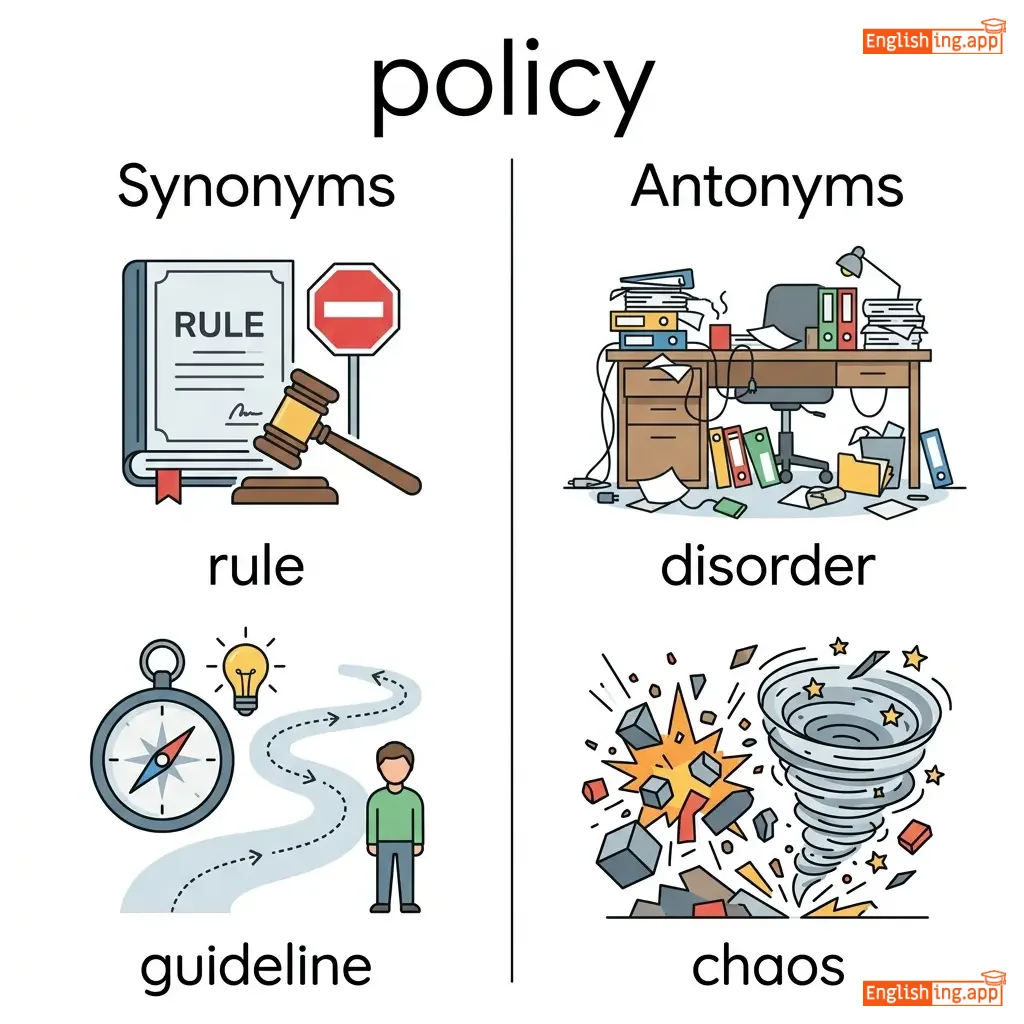
strategy, plan, procedure, guidelines
••••••
|
chaos, disorder, improvisation
••••••
|
foreign policy, company policy, insurance policy
••••••
|
方針 (hōshin) - Think of the policy like a rule book guiding the actions of a business.
••••••
|
|
#1057
😊
|
/ˈplez.ən.tri/
noun
(purēzantrī)
••••••
|
- •••••• |
社交辞令
shakōjōjirei
••••••
|
a remark made in order to be polite or friendly; light conversation or jokes
••••••
|
They exchanged pleasantries before the meeting began. |
彼らは会議が始まる前に社交辞令を交わした。
Karera wa kaigi ga hajimaru mae ni shakōjōjirei o kawashita.
••••••
|
small talk, banter, courtesy, politeness
••••••
|
rudeness, seriousness, formality, hostility
••••••
|
exchange pleasantries, polite pleasantries, social pleasantries
••••••
|
社交辞令は会話をスムーズにする
••••••
|
|
#1058
💒
|
/pəˈlɪɡ.ə.mi/
noun
(ポリガミー)
••••••
|
- •••••• |
ポリガミー
porigamī
••••••
|
the practice of marrying multiple spouses at the same time
••••••
|
Polygamy is illegal in many countries around the world. |
ポリガミーは世界の多くの国で違法です。
Porigamī wa sekai no ōku no kuni de ihō desu.
••••••
|
plural marriage, multiple marriage
••••••
|
monogamy, single marriage
••••••
|
practice polygamy, polygamy laws, polygamy culture
••••••
|
ポリガミーは 'poly'(複数)と 'gamy'(結婚)から来ています
••••••
|
|
#1059
🤝
|
/pledʒ/
noun
(プレッジ)
••••••
|
- •••••• |
誓約; 約束; 保証;
seiyaku; yakusoku; hoshou;
••••••
|
a solemn promise or undertaking; something given as security for a loan; a commitment or guarantee
••••••
|
He made a pledge to donate money to charity. |
彼はチャリティーにお金を寄付する誓約をした。
Kare wa charitī ni okane o kifu suru seiyaku o shita.
••••••
|
promise, vow, commitment, oath
••••••
|
breach, violation, betrayal, denial
••••••
|
pledge allegiance, campaign pledge, pledge drive
••••••
|
誓約は約束や保証の一形態であり、重要な約束が含まれます。
••••••
|
|
#1060
⭐
|
/ˌpɒp.jəˈlær.ə.ti/
noun
(ポピュラリティ)
••••••
|
- •••••• |
人気
ninki
••••••
|
the state of being liked, admired, or supported by many people
••••••
|
The singer's popularity has grown rapidly this year.
歌手の人気は今年急速に増加しました。
••••••
|
歌手の人気は今年急速に増加しました。
Kashu no ninki wa kotoshi kyūsoku ni zōka shimashita.
••••••
|
fame, recognition, acclaim, acceptance
••••••
|
unpopularity, obscurity, rejection, dislike
••••••
|
growing popularity, widespread popularity, peak popularity
••••••
|
スターのように人気が急上昇
••••••
|
Vocabulary Quiz
Test your vocabulary by matching words with their translations or meanings.
Login to take the quiz
Comments (0)
Share your thoughts and join the discussion.
Join the discussion by logging in
Login to CommentNo comments yet
Be the first to share your thoughts!