





Swipe left or right, or use the buttons. Tap image to zoom.
例句翻译
单词
Lesson 53Lesson 53 - 遮罩切换
|
表情符号
|
单词 | Images | 翻译 | 含义 | 例句 | 例句翻译 | 同义词 | 反义词 | 搭配词 | 助记符 |
|---|---|---|---|---|---|---|---|---|---|---|
|
#1041
🤕
|
/ˈpɪm.pəl/
noun
(pímpǔ)
••••••
|
- •••••• |
痘痘
dòu dòu
••••••
|
a small, inflamed elevation of the skin; a spot on the skin, especially on the face
••••••
|
She was embarrassed about the pimple on her forehead.
她因额头上的痘痘而感到尴尬。
••••••
|
她因额头上的痘痘而感到尴尬。
Tā yīn é tóu shàng de dòu dòu ér gǎndào gāngà.
••••••
|
spot, blemish, zit, acne
••••••
|
clear skin, smooth skin, flawless complexion
••••••
|
facial pimple, pop a pimple, pimple cream
••••••
|
痘痘 – 小小的脓包长在你的脸上
••••••
|
|
#1042
🌾
|
/ˈplen.ti/
noun
(plenti)
••••••
|
- •••••• |
丰富; 足够
fengfu; zhuigou
••••••
|
a large or sufficient amount; abundance
••••••
|
There is plenty of food for everyone at the party.
聚会中有足够的食物供每个人享用。
••••••
|
聚会中有足够的食物供每个人享用。
Juhui zhong you zhuigou de shiwun gong meige ren xiangyong.
••••••
|
abundance, ample, sufficient, lots
••••••
|
scarcity, shortage, lack, insufficient
••••••
|
plenty of time, plenty of money, plenty to eat
••••••
|
Plenty意味着充足,如'聚会中有足够的食物'.
••••••
|
|
#1043
🚀
|
/ˌpʌɪ.əˈnɪr/
noun
(pai-o-ni-er)
••••••
|
- •••••• |
在新地区探索或定居的第一个人;开发新思想或方法的人
zai xin diqu tan suo huo ding ju de di yi ge ren; kai fa xin si xiang huo fang fa de ren
••••••
|
a person who is among the first to explore or settle a new area; someone who develops new ideas or methods
••••••
|
She was a pioneer in the field of computer science.
她是计算机科学领域的先驱。
••••••
|
她是计算机科学领域的先驱。
Ta shi jisuanji kexue lingyu de xianqu.
••••••
|
innovator, trailblazer, leader, groundbreaker
••••••
|
follower, imitator, traditionalist, conformist
••••••
|
space pioneer, technology pioneer, pioneer spirit
••••••
|
Pioneer - Person who leads the way in new fields of science and technology!
••••••
|
|
#1044
😰
|
/plaɪt/
noun
(plait)
••••••
|
- •••••• |
困境; 困难的处境
kùnjìng; kùnnán de chùjìng
••••••
|
a dangerous, difficult, or unfortunate situation
••••••
|
The refugees were in a desperate plight. |
难民们处于绝望的困境中。
Nànmínmen chùyú juéwàng de kùnjìng zhōng.
••••••
|
predicament, dilemma, trouble, difficulty
••••••
|
fortune, advantage, blessing, prosperity
••••••
|
desperate plight, serious plight, terrible plight
••••••
|
当你记住困境时,就能理解'plight'的含义。
••••••
|
|
#1045
🏴☠️
|
/ˈpaɪ.rə.si/
noun
(派瑞西)
••••••
|
- •••••• |
海盗行为;盗版
pai rui xi
••••••
|
the practice of attacking and robbing ships at sea; the unauthorized use or reproduction of copyrighted material
••••••
|
Software piracy costs companies billions of dollars annually.
软件盗版每年给公司造成数十亿美元的损失。
••••••
|
软件盗版每年给公司造成数十亿美元的损失。
ruan jian dao ban mei nian gei gong si zao cheng shu shi yi mei yuan de sun shi
••••••
|
theft, robbery, bootlegging, counterfeiting
••••••
|
legitimacy, authorization, copyright compliance
••••••
|
software piracy, music piracy, combat piracy
••••••
|
Pai Rui Xi = Pirates Rise on the Sea, 想象海盗行为与盗版并存, piracy 就是 海盗行为 与 盗版 的统称
••••••
|
|
#1046
🗺️
|
/plɒt/
noun
(普洛特)
••••••
|
|
阴谋; 一块土地; 书籍或电影的主要情节
yinmou; yikuai tianyu; shuju huo dianying de zhuyao qingjie
••••••
|
a secret plan; a piece of land; the main story of a book or movie
••••••
|
The detective uncovered a plot to steal the diamonds.
侦探揭露了一个盗取钻石的阴谋。
••••••
|
侦探揭露了一个盗取钻石的阴谋。
Zhentan jielu le yige daoqi zuanshi de yinmou.
••••••
|
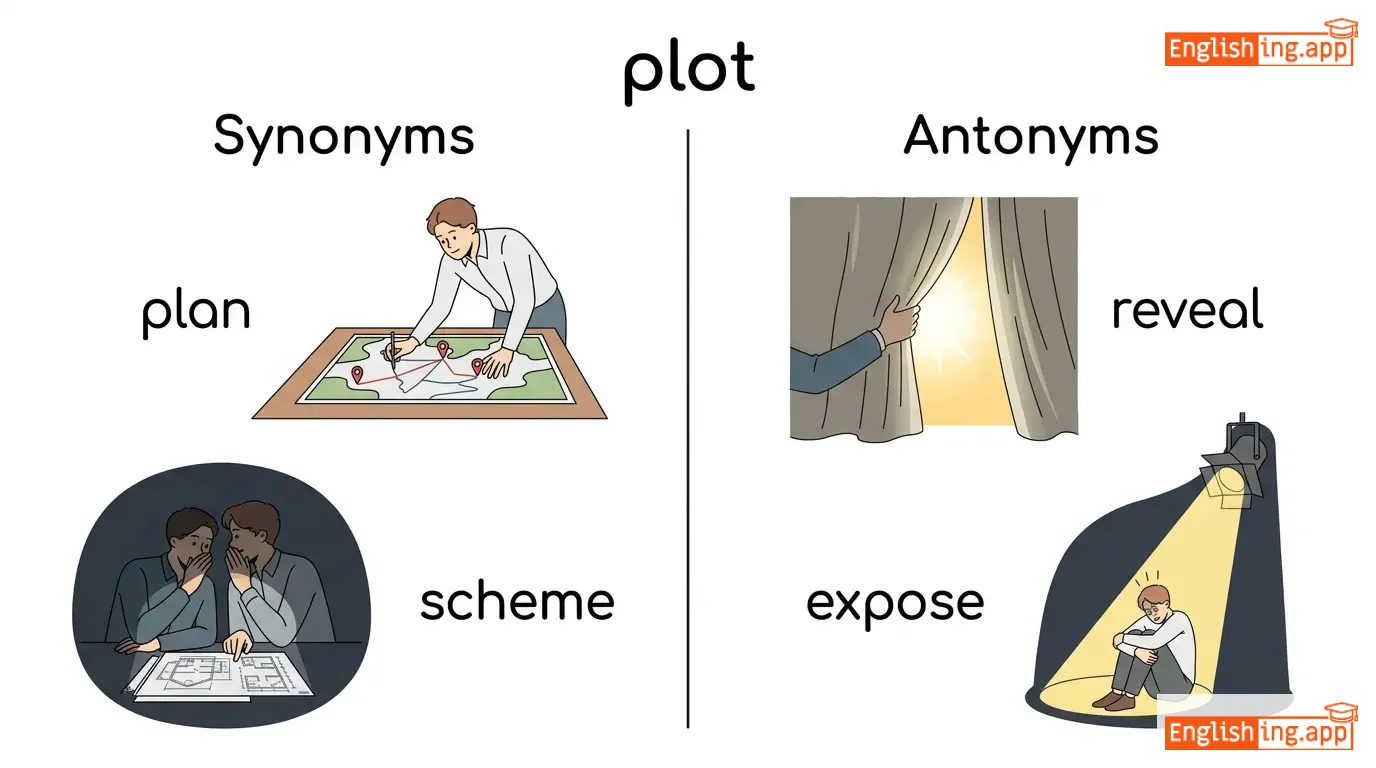
scheme, conspiracy, plan, land
••••••
|
honesty, openness, transparency
••••••
|
plot twist, building plot, assassination plot
••••••
|
Plot drives the action in every story, like a hidden force.
••••••
|
|
#1047
🏴☠️
|
/ˈpaɪ.rət/
noun
(派瑞特)
••••••
|
- •••••• |
海盗
haidau
••••••
|
a person who attacks and robs ships at sea; someone who uses or reproduces copyrighted material illegally
••••••
|
The pirate ship was spotted near the coast.
泽 派瑞特 船 被 发现 在 海岸 附近。
••••••
|
海盗船在海岸附近被发现。
haidau chuan zai haian fujin bei faxian
••••••
|
buccaneer, corsair, raider, robber
••••••
|
law enforcer, legitimate trader, honest merchant
••••••
|
pirate ship, pirate treasure, software pirate
••••••
|
Pirate means '海盗' (haidau) — imagine sea thieves in Chinese tales.
••••••
|
|
#1048
🏴☠️
|
/ˈplʌn.dər.ər/
noun
(plunderer)
••••••
|
- •••••• |
掠夺者
lüè duó zhě
••••••
|
a person who steals goods, especially during war or civil disorder
••••••
|
The plunderers ransacked the village after the battle.
The plunderers ransacked the village after the battle.
••••••
|
掠夺者在战斗后劫掠了村庄。
lüè duó zhě zài zhàn dòu hòu jié luè le cūn zhuāng.
••••••
|
looter, robber, raider, pillager
••••••
|
protector, guardian, defender, savior
••••••
|
village plunderer, ruthless plunderer, armed plunderer
••••••
|
掠夺者 = 战斗后掠夺村庄
••••••
|
|
#1049
😢
|
/ˈpɪ.ti/
noun
(怜悯)
••••••
|
- •••••• |
同情; 怜悯;
tóngqíng; liánmǐn
••••••
|
a feeling of sadness or sympathy for someone's misfortune; something that causes regret or disappointment
••••••
|
I felt pity for the homeless man in the rain. |
我对雨中无家可归的男人感到怜悯。
Wǒ duì yǔ zhōng wú jiā kě guī de nánrén gǎndào liánmǐn.
••••••
|
compassion, sympathy, mercy, empathy
••••••
|
cruelty, indifference, harshness, callousness
••••••
|
feel pity, take pity, pity party
••••••
|
No •••••• |
|
#1050
🏆
|
/ˈpoʊ.di.əm/
noun
(讲台)
••••••
|
- •••••• |
讲台
jiangtai
••••••
|
a small platform on which a person may stand to be seen by an audience
••••••
|
The winner stood on the podium to receive the gold medal. |
获胜者站在讲台上领奖。
Huòshèng zhě zhàn zài jiǎngtái shàng lǐngjiǎng.
••••••
|
platform, stage, dais, rostrum
••••••
|
floor, ground, audience area
••••••
|
victory podium, speaker's podium, award podium
••••••
|
讲台就像一个舞台,帮助人们在大众面前展示自己。
••••••
|
|
#1051
⚖️
|
/ˈpleɪn.tɪf/
noun
(pleɪntɪf)
••••••
|
- •••••• |
原告
yuángào
••••••
|
a person who brings a case against another in a court of law; the person who initiates a lawsuit
••••••
|
The plaintiff filed a lawsuit against the company.
原告对公司提起了诉讼。
••••••
|
原告对公司提起了诉讼。
Yuángào duì gōngsī tíqǐle sùsòng.
••••••
|
complainant, claimant, petitioner, accuser
••••••
|
defendant, respondent, accused
••••••
|
lead plaintiff, original plaintiff, individual plaintiff
••••••
|
原告在法庭上为正义而战。
••••••
|
|
#1052
👉
|
/pɔɪnt/
noun
(point)
••••••
|
- •••••• |
点; 细节; 目的
dian
••••••
|
a particular detail, idea, or fact; the sharp end of something
••••••
|
What's the point of arguing about this issue?
讨论这个问题有什么意义?
••••••
|
讨论这个问题有什么意义?
Tǎolùn zhège wèntí yǒu shénme yìyì?
••••••
|
detail, fact, idea, tip
••••••
|
whole, entirety, generality
••••••
|
main point, key point, turning point
••••••
|
点亮心中的目标
••••••
|
|
#1053
📺
|
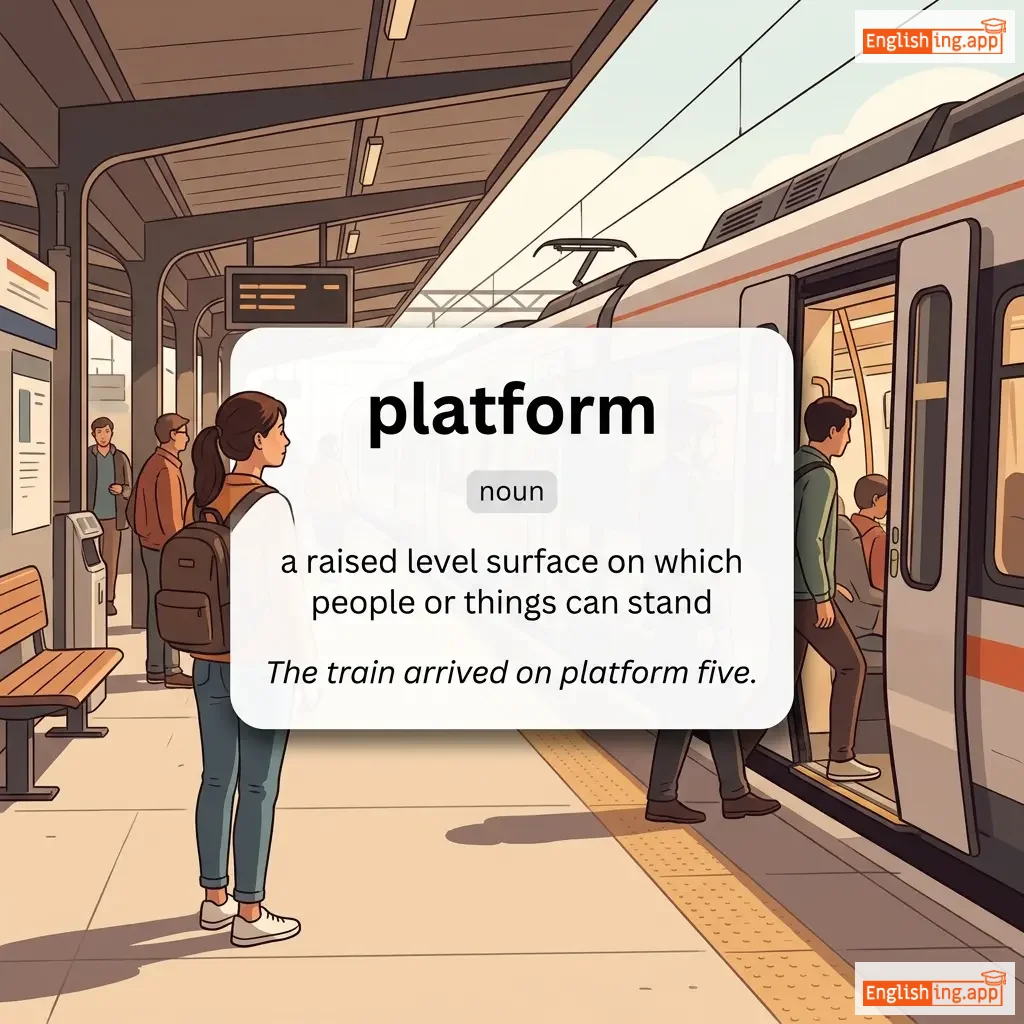
/ˈplæt.fɔrm/
noun
(平台)
••••••
|
|
平台
pingtai
••••••
|
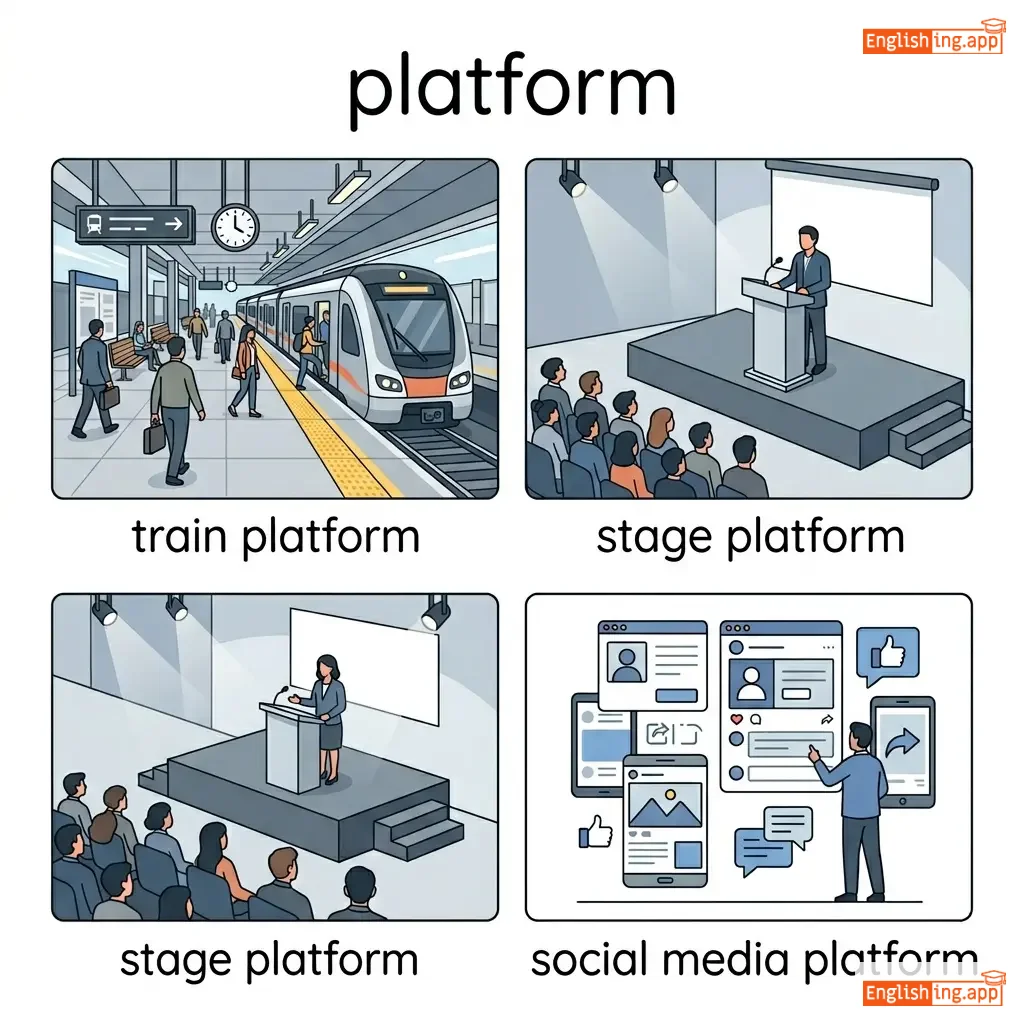
a raised level surface or stage; a digital environment for applications; a set of beliefs or principles
••••••
|
She spoke from the platform at the conference.
她在会议上从平台发言。
••••••
|
她在会议上从平台发言。
Tā zài huìyì shàng cóng píngtái fāyán.
••••••
|
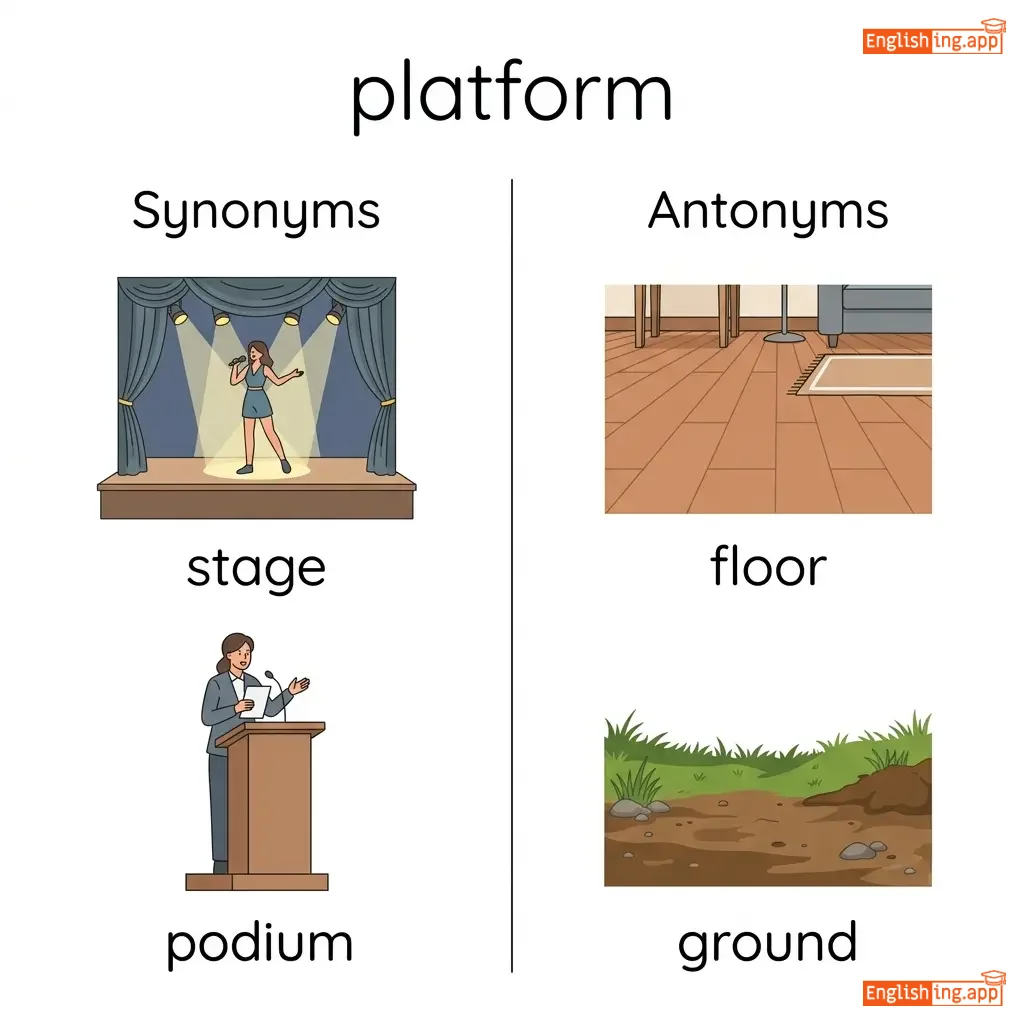
stage, podium, base, foundation
••••••
|
ground level, basement, foundation
••••••
|
digital platform, social platform, railway platform
••••••
|
平台 = Pingtai
••••••
|
|
#1054
☠️
|
/ˈpɔɪ.zən/
noun
(波伊森)
••••••
|
- •••••• |
毒药
du yao
••••••
|
a substance that is capable of causing death or illness
••••••
|
The snake's bite contains deadly poison.
蛇的咬伤含有致命的毒药。
••••••
|
蛇的咬伤含有致命的毒药。
she de yao shang han you zhi ming de du yao
••••••
|
toxin, venom, toxic substance
••••••
|
antidote, cure, medicine, remedy
••••••
|
deadly poison, rat poison, poison control
••••••
|
Poison = 波伊森 想象 波浪里的 伊森 拿着 毒药 记住 Poison 就是 毒药
••••••
|
|
#1055
🙏
|
/pliː/
noun
(puli)
••••••
|
- •••••• |
请求; 呼吁; 辩解
qingqiu; huoyu; bianjie
••••••
|
an urgent and emotional request; a defendant's formal response to a criminal charge; an excuse or justification
••••••
|
She made a plea for help during the emergency. |
在紧急情况下,她请求帮助。
Zai jinji qingkuang xia, ta qingqiu bangzhu.
••••••
|
appeal, request, petition, entreaty
••••••
|
demand, command, order, refusal
••••••
|
guilty plea, emotional plea, plea bargain
••••••
|
Plea 可以记作‘请帮忙’。
••••••
|
|
#1056
📋
|
/ˈpɒl.ə.si/
noun
(政策)
••••••
|
|
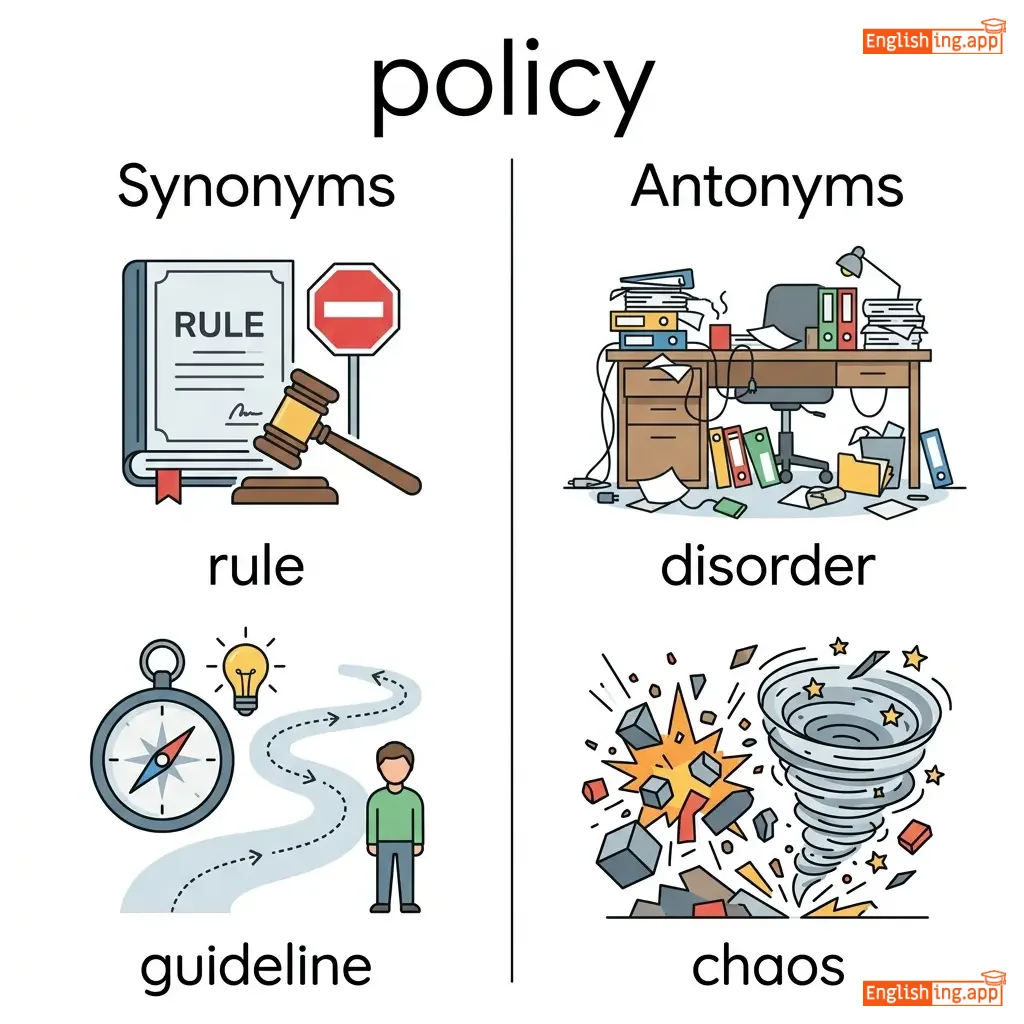
政策
zhèngcè
••••••
|
a course of action adopted by a government, organization, or individual
••••••
|
The company has a strict policy against smoking. |
公司有一项严格的反吸烟政策。
Gōngsī yǒu yī xiàng yángé de fǎn xīyān zhèngcè.
••••••
|
strategy, plan, procedure, guidelines
••••••
|
chaos, disorder, improvisation
••••••
|
foreign policy, company policy, insurance policy
••••••
|
政策 (zhèngcè) - A policy is a government’s action plan, just like a business policy.
••••••
|
|
#1057
😊
|
/ˈplez.ən.tri/
noun
(plézàntrí)
••••••
|
- •••••• |
客套话
kètàohuà
••••••
|
a remark made in order to be polite or friendly; light conversation or jokes
••••••
|
They exchanged pleasantries before the meeting began. |
他们在会议开始前交换了客套话。
Tāmen zài huìyì kāishǐ qián jiāohuànle kètàohuà.
••••••
|
small talk, banter, courtesy, politeness
••••••
|
rudeness, seriousness, formality, hostility
••••••
|
exchange pleasantries, polite pleasantries, social pleasantries
••••••
|
客套话能让场合更轻松
••••••
|
|
#1058
💒
|
/pəˈlɪɡ.ə.mi/
noun
(一夫多妻制)
••••••
|
- •••••• |
一夫多妻制
yī fū duō qī zhì
••••••
|
the practice of marrying multiple spouses at the same time
••••••
|
Polygamy is illegal in many countries around the world. |
一夫多妻制在世界许多国家是非法的。
Yī fū duō qī zhì zài shìjiè xǔduō guójiā shì fēifǎ de.
••••••
|
plural marriage, multiple marriage
••••••
|
monogamy, single marriage
••••••
|
practice polygamy, polygamy laws, polygamy culture
••••••
|
一夫多妻,意思是一个男人有多个妻子
••••••
|
|
#1059
🤝
|
/pledʒ/
noun
(pléj)
••••••
|
- •••••• |
承诺; 保证; 担保;
chéngnuò; bǎozhèng; dānbǎo;
••••••
|
a solemn promise or undertaking; something given as security for a loan; a commitment or guarantee
••••••
|
He made a pledge to donate money to charity. |
他承诺捐款给慈善机构。
Tā chéngnuò juānkuǎn gěi císhàn jīgòu.
••••••
|
promise, vow, commitment, oath
••••••
|
breach, violation, betrayal, denial
••••••
|
pledge allegiance, campaign pledge, pledge drive
••••••
|
承诺是一种庄重的约定,通常涉及到责任和行动。
••••••
|
|
#1060
⭐
|
/ˌpɒp.jəˈlær.ə.ti/
noun
(pòp yù lái dì)
••••••
|
- •••••• |
受欢迎程度
shou huan ying cheng du
••••••
|
the state of being liked, admired, or supported by many people
••••••
|
The singer's popularity has grown rapidly this year.
歌手的流行度今年快速增长。
••••••
|
歌手的流行度今年快速增长。
Ge shou de liu xing du jin nian kuai su zeng zhang.
••••••
|
fame, recognition, acclaim, acceptance
••••••
|
unpopularity, obscurity, rejection, dislike
••••••
|
growing popularity, widespread popularity, peak popularity
••••••
|
就像明星一样流行
••••••
|
Vocabulary Quiz
Test your vocabulary by matching words with their translations or meanings.
Login to take the quiz
Comments (0)
Share your thoughts and join the discussion.
Join the discussion by logging in
Login to CommentNo comments yet
Be the first to share your thoughts!