


Swipe left or right, or use the buttons. Tap image to zoom.
例句翻译
单词
Lesson 7Lesson 7 - 遮罩切换
|
表情符号
|
单词 | Images | 翻译 | 含义 | 例句 | 例句翻译 | 同义词 | 反义词 | 搭配词 | 助记符 |
|---|---|---|---|---|---|---|---|---|---|---|
|
#121
🧱
|
/ˈbrɪk.bæt/
noun
(bǐkèbā)
••••••
|
- •••••• |
一块砖块;严厉的批评或谴责
yi kuai zhuankuai; yanli de piping huo qianze
••••••
|
a piece of brick, especially one used as a missile; harsh criticism or censure
••••••
|
The angry protesters threw brickbats at the building windows. |
愤怒的抗议者将砖块扔向建筑物的窗户。
Fen nu de kangyizhe jiang zhuankuai rengxiang jianzhu wu de chuanghu.
••••••
|
missile, projectile, criticism, censure
••••••
|
praise, compliment, support
••••••
|
throw brickbats, face brickbats, verbal brickbats
••••••
|
想象你在扔砖头,同时进行严厉批评。
••••••
|
|
#122
📦
|
/bʌlk/
noun
(bʌlk)
••••••
|
- •••••• |
大宗; 大部分;
dàzōng, dà bùfen
••••••
|
the mass or size of something large; the greater part or majority of something
••••••
|
The bulk of the work was completed before the deadline. |
大部分工作在最后期限前完成。
Dà bùfen gōngzuò zài zuìhòu qīxiàn qián wánchéng.
••••••
|
majority, mass, volume, size
••••••
|
minority, small part, fraction
••••••
|
bulk of work, in bulk, bulk purchase
••••••
|
Bulk 是大部分,就像工作的大部分是需要做的.
••••••
|
|
#123
🪣
|
/ˈbʌk.ɪt/
noun
(bākèt)
••••••
|
- •••••• |
桶
tǒng
••••••
|
a roughly cylindrical open container with a handle, used to hold and carry liquids
••••••
|
The farmer filled the bucket with fresh water from the well. |
农民用井里的清水填满了桶。
nóngmín yòng jǐng lǐ de qīng shuǐ tián mǎn le tǒng.
••••••
|
pail, container, vessel
••••••
|
cup, small container
••••••
|
water bucket, metal bucket, fill bucket
••••••
|
Tǒng is used to carry liquids, just like a bucket.
••••••
|
|
#124
🧹
|
/brum/
noun
(布鲁姆)
••••••
|
- •••••• |
扫帚
sàozhou
••••••
|
a long-handled brush of bristles or twigs, used for sweeping
••••••
|
She used an old broom to sweep the fallen leaves from the porch.
她用一把旧扫帚清扫从门廊掉落的树叶。
••••••
|
她用一把旧扫帚清扫从门廊掉落的树叶。
Tā yòng yī bǎ jiù sàozhou qīngsǎo cóng ménláng diàoluò de shùyè.
••••••
|
brush, sweeper, besom
••••••
|
vacuum cleaner, mop
••••••
|
old broom, sweep with broom, new broom
••••••
|
扫帚清扫干净一切,从门廊到房间都要清洁!
••••••
|
|
#125
🎩
|
/brɪm/
noun
(brim)
••••••
|
- •••••• |
边缘; 边沿
bianyuan, bianyang
••••••
|
the projecting edge of a hat; the edge or lip of something
••••••
|
The wide brim of his hat protected him from the scorching sun. |
他帽子宽大的边缘保护他免受炽热阳光的照射。
Tā màozi kuāndà de biānyuán bǎohù tā miǎn shòu chìrè yángguāng de zhàoshè.
••••••
|
edge, rim, border, margin
••••••
|
center, middle, interior
••••••
|
hat brim, wide brim, cup brim
••••••
|
帽子边缘 (brim) 保护你免受阳光照射。
••••••
|
|
#126
📄
|
/brif/
noun
(布里夫)
••••••
|
- •••••• |
简短; 简洁
jiǎnduǎn, jiǎnjié
••••••
|
a concise statement of the facts; a set of instructions given to a person about a job or task
••••••
|
The lawyer received a detailed brief about the upcoming court case.
律师收到了关于即将到来的法院案件的详细简报。
••••••
|
律师收到了有关即将到来的法院案件的详细简报。
lǜshī shōudàole guānyú jíjiāng dào lái de fǎyuàn ànjiàn de xiángxì jiǎnbào.
••••••
|
summary, outline, synopsis, instructions
••••••
|
detailed report, lengthy document
••••••
|
legal brief, detailed brief, brief summary
••••••
|
简报 (brief) 是一种简短的概述。
••••••
|
|
#127
🐎
|
/ˈbraɪ.dəl/
noun
(bɹaɪdəl)
••••••
|
- •••••• |
缰绳; 马笼头
jiāngshéng, mǎ lóng tóu
••••••
|
the headgear used to control a horse, consisting of buckled straps and a bit
••••••
|
The rider adjusted the horse's bridle before mounting for the race.
骑手在上马前调整了马的缰绳。
••••••
|
骑手在上马前调整了马的缰绳。
qí shǒu zài shàng mǎ qián tiáo zhěng le mǎ de jiāng shéng.
••••••
|
harness, reins, headgear, restraint
••••••
|
freedom, liberty
••••••
|
horse bridle, leather bridle, pull bridle
••••••
|
想象一个骑马的人调整着马的缰绳,就像婚礼上调整新娘的婚纱。
••••••
|
|
#128
🌉
|
/brɪdʒ/
noun
(bǐlǐzhí)
••••••
|
- •••••• |
桥
qiao
••••••
|
a structure carrying a road, path, railway, etc. across a river, road, or other obstacle
••••••
|
The old stone bridge has connected the two towns for over a century. |
这座古老的石桥已经连接这两个城市超过一个世纪。
Zhe zuo gulao de shiqiao yijing lianjie zhe liang ge chengshi chao guo yige shiji.
••••••
|
span, crossing, overpass, viaduct
••••••
|
barrier, obstacle, gap
••••••
|
stone bridge, suspension bridge, cross bridge
••••••
|
桥 - 连接两岸的结构,跨越障碍
••••••
|
|
#129
🤵
|
/ˈbraɪd.ɡrʊm/
noun
(braidgrum)
••••••
|
- •••••• |
新郎
xinlang
••••••
|
a man on his wedding day or just before and after the event
••••••
|
The nervous bridegroom waited at the altar for his bride to arrive.
紧张的新郎站在祭坛前等着他的新娘到来。
••••••
|
紧张的新郎站在祭坛前等着他的新娘到来。
Jinzhang de xinlang zhan zai jitán qian dengzhe tā de xīnniáng dàolái.
••••••
|
groom, husband-to-be, betrothed
••••••
|
bride
••••••
|
nervous bridegroom, handsome bridegroom, bride and bridegroom
••••••
|
新郎在婚礼前总是紧张。
••••••
|
|
#130
👰
|
/braɪd/
noun
(braɪd)
••••••
|
- •••••• |
新娘
xīnniáng
••••••
|
a woman on her wedding day or just before and after the event
••••••
|
The beautiful bride walked down the aisle in her white wedding dress.
美丽的新娘穿着她的白色婚纱走过过道。
••••••
|
美丽的新娘穿着她的白色婚纱走过过道。
Měilì de xīnniáng chuānzhuó tā de báisè hūnshā zǒuguò guòdào.
••••••
|
newlywed, wife-to-be, betrothed
••••••
|
groom, bridegroom
••••••
|
beautiful bride, blushing bride, bride and groom
••••••
|
In Chinese, '新娘' refers to the bride, walking down the aisle on her big day.
••••••
|
|
#131
😡
|
/bʊr/
noun
(布尔)
••••••
|
- •••••• |
粗人; 粗鲁的人
cū rén, cū lǔ de rén
••••••
|
a rough and bad-mannered person; someone who lacks refinement or culture
••••••
|
The wealthy businessman was actually a boor who showed no respect for others. |
那位富有的商人实际上是一个粗人,根本没有对别人表示尊重。
Nà wèi fù yǒu de shāng rén shí jì shang shì yī gè cū rén, gēn běn méi yǒu duì biérén biǎo shì zūnzhòng
••••••
|
lout, oaf, barbarian, philistine
••••••
|
gentleman, sophisticate, cultured person
••••••
|
complete boor, ignorant boor, ill-mannered boor
••••••
|
Boor – 就像一个粗鲁的人从不尊重别人
••••••
|
|
#132
💰
|
/braɪb/
noun
(braib)
••••••
|
- •••••• |
贿赂
huìlù
••••••
|
a sum of money or something valuable given to someone to persuade them to do something dishonest or illegal
••••••
|
The corrupt official was caught accepting a bribe from the construction company.
那个腐败的官员在接受建筑公司贿赂时被逮捕。
••••••
|
那个腐败的官员在接受建筑公司贿赂时被逮捕。
nàgè fǔbài de guānyuán zài jiēshòu jiànzhù gōngsī huìlù shí bèi dàibǔ.
••••••
|
payoff, kickback, hush money, graft
••••••
|
honesty, integrity, fairness
••••••
|
take bribe, offer bribe, accept bribe
••••••
|
贿赂是非法的,必须避免。
••••••
|
|
#133
🍃
|
/briz/
noun
(breeze)
••••••
|
- •••••• |
微风
wei feng
••••••
|
a gentle wind; something that is achieved with ease
••••••
|
The cool ocean breeze made the hot summer day more pleasant. |
清凉的海风让炎热的夏日更加宜人。
qing liang de hai feng rang yan re de xia ri geng jia yi ren.
••••••
|
wind, draft, gust, air current
••••••
|
storm, gale, hurricane
••••••
|
gentle breeze, cool breeze, ocean breeze
••••••
|
微风带来轻松的舒适感。
••••••
|
|
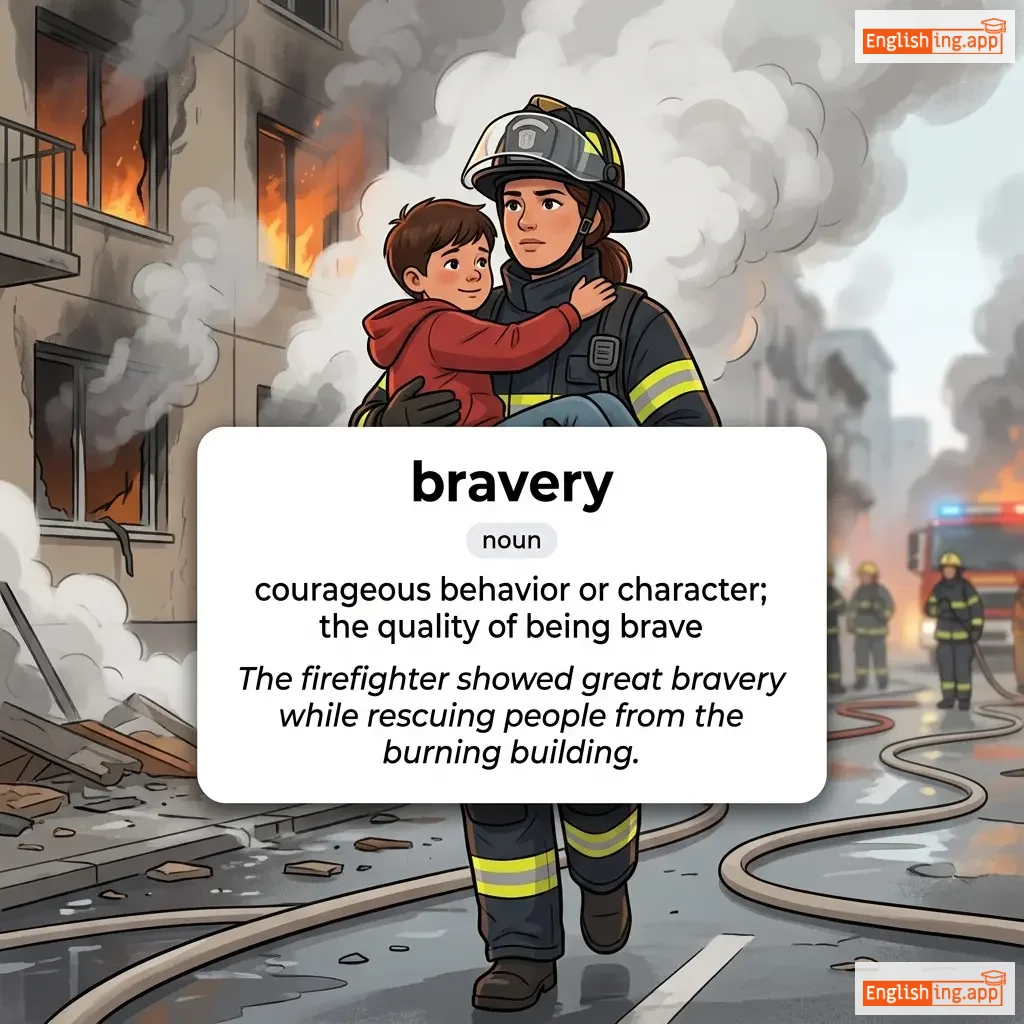
#134
🦁
|
/ˈbreɪ.vər.i/
noun
(bùlèiwǒlì)
••••••
|
|
勇气
yongqi
••••••
|
courageous behavior or character; the quality of being brave
••••••
|
The firefighter showed great bravery while rescuing people from the burning building. |
消防员在从燃烧的大楼中救出人们时表现出极大的勇气。
xiaofangyuan zai cong ranshao de dalou zhong jiuchu renmen shi biaoxian chu jida de yongqi.
••••••
|
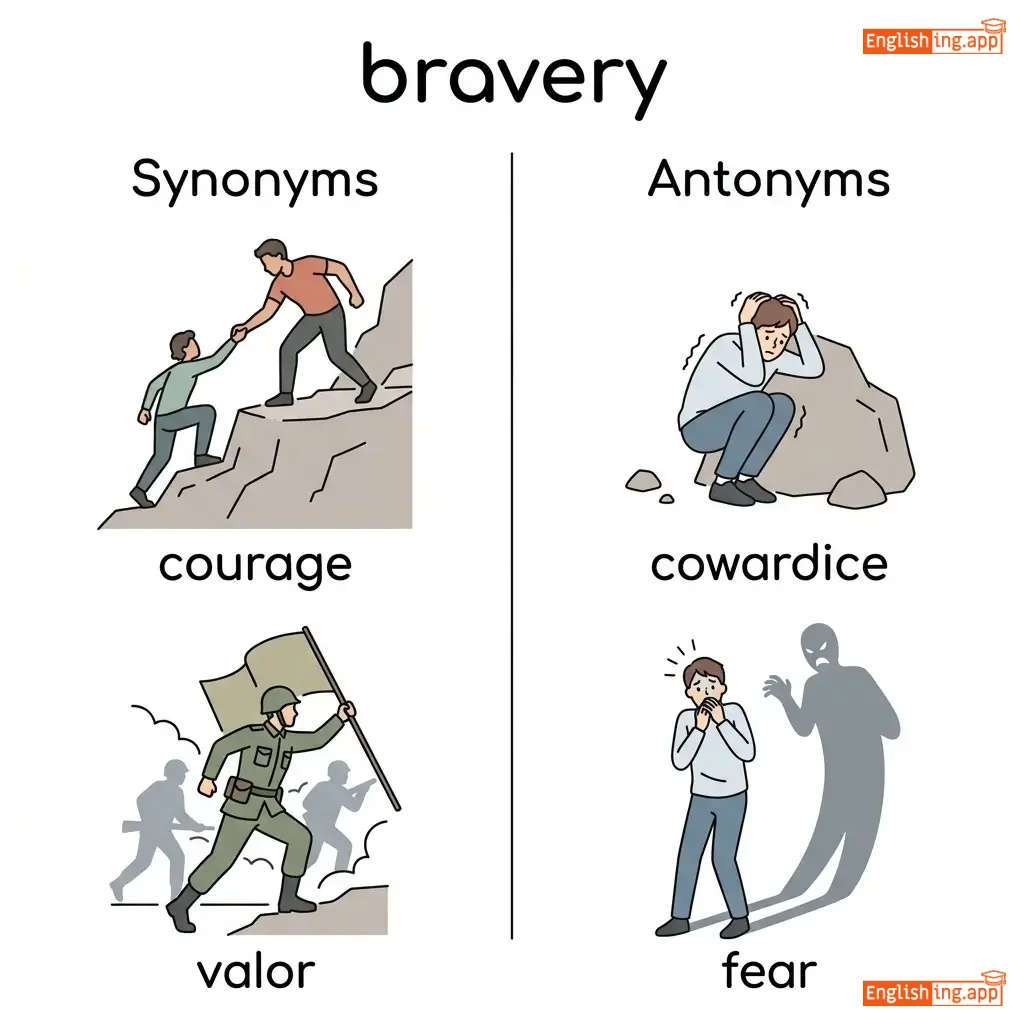
courage, valor, heroism, gallantry
••••••
|
cowardice, fear, timidity
••••••
|
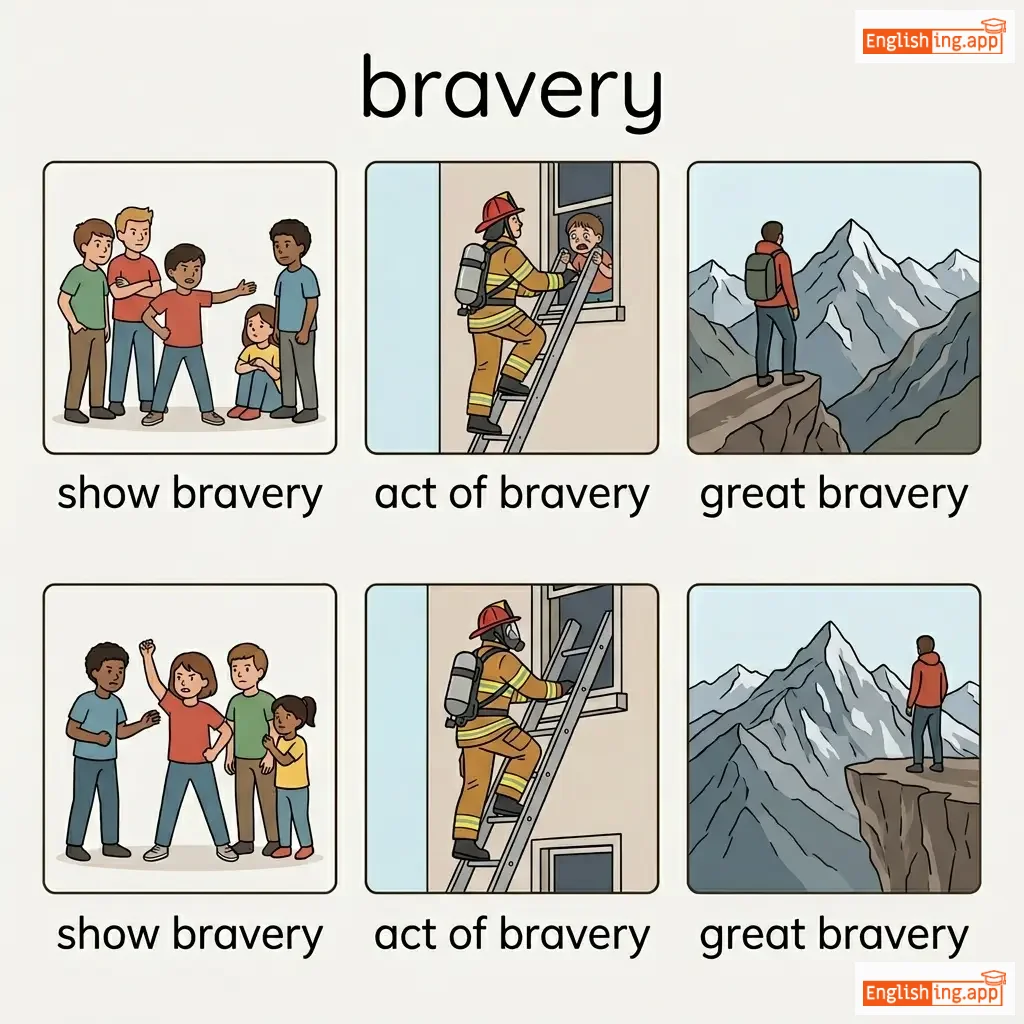
show bravery, act of bravery, great bravery
••••••
|
Bravery helps save lives, like firefighters showing courage in the fire.
••••••
|
|
#135
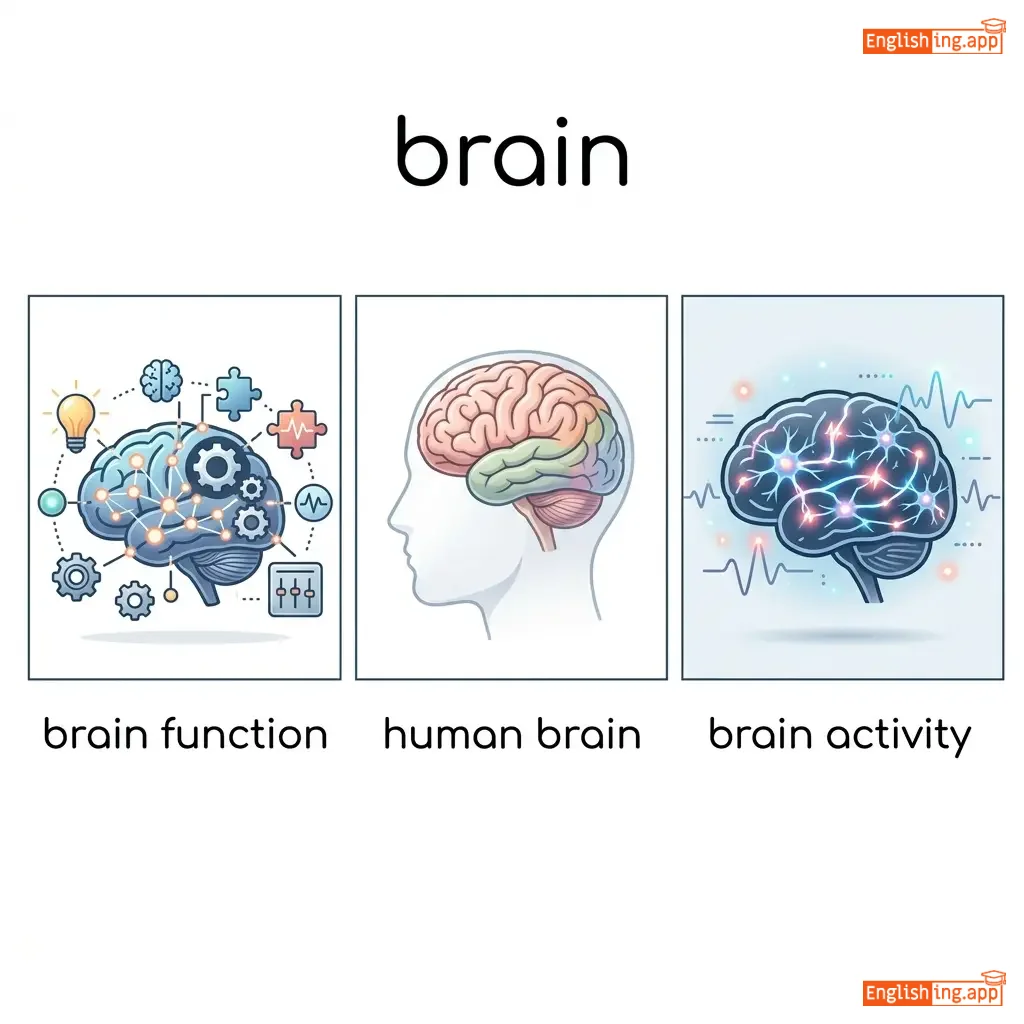
🧠
|
/breɪn/
noun
(bren)
••••••
|
|
大脑
dànǎo
••••••
|
an organ of soft nervous tissue contained in the skull of vertebrates, functioning as the coordinating center of sensation and intellectual activity
••••••
|
The human brain is capable of processing incredible amounts of information. |
人类的大脑能够处理大量的信息。
Rénlèi de dà nǎo nénggòu chǔlǐ dàliàng de xìnxī.
••••••
|
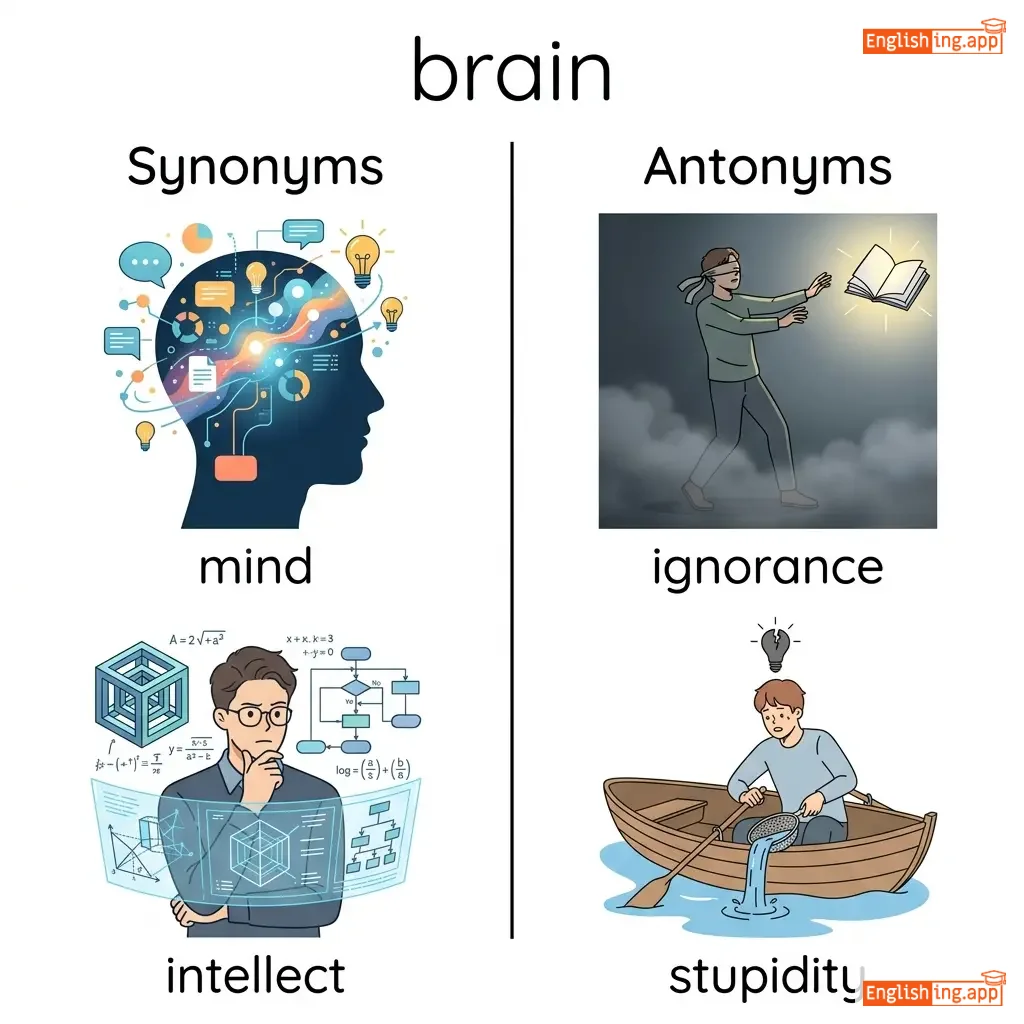
mind, intellect, cerebrum, grey matter
••••••
|
brawn, muscle, body
••••••
|
human brain, brain power, brain function
••••••
|
大脑:处理所有大问题
••••••
|
|
#136
🍲
|
/boʊl/
noun
(bōl)
••••••
|
- •••••• |
碗
wan
••••••
|
a round, deep dish or basin used for food or liquid
••••••
|
She served the soup in a large ceramic bowl.
她把汤端到一个大陶瓷碗里。
••••••
|
她把汤端到一个大陶瓷碗里。
Tā bǎ tāng duān dào yī gè dà táo cí wǎn lǐ.
••••••
|
dish, basin, container, vessel
••••••
|
plate, flat surface
••••••
|
soup bowl, mixing bowl, cereal bowl
••••••
|
碗是常见的餐具,用来盛汤或饭。
••••••
|
|
#137
🥊
|
/baʊt/
noun
(鲍特)
••••••
|
- •••••• |
比赛; 回合; 时期;
bisai, huihe, shiqi
••••••
|
a short period of intense activity of a specified kind; a wrestling or boxing match
••••••
|
After a bout of illness, she finally recovered and returned to work. |
经过一段病痛后,她终于恢复并重返工作。
jingguo yiduan bingtong hou, ta zhongyu huifu bing chongfan gongzuo
••••••
|
episode, spell, attack, period
••••••
|
calm period, stability, wellness
••••••
|
bout of illness, wrestling bout, drinking bout
••••••
|
No •••••• |
|
#138
💐
|
/buˈkeɪ/
noun
(bouquet)
••••••
|
- •••••• |
花束
huā shù
••••••
|
an attractively arranged bunch of flowers, especially one presented as a gift or carried at a ceremony
••••••
|
The bride carried a beautiful bouquet of white roses down the aisle. |
新娘携带着美丽的白玫瑰花束走过过道。
Xīnniáng xiédài zhe měilì de bái méiguī huāshù zǒuguò guòdào.
••••••
|
bunch, arrangement, posy, spray
••••••
|
single flower, wilted flowers
••••••
|
bridal bouquet, flower bouquet, wedding bouquet
••••••
|
花束是送给他人的美丽花卉,通常用于婚礼等庆典。
••••••
|
|
#139
🔽
|
/ˈbɑt.əm/
noun
(bó tām)
••••••
|
- •••••• |
底部;底层
dǐbù; dǐcéng
••••••
|
the lowest point or part of something; the ground under a body of water
••••••
|
The treasure chest was lying at the bottom of the ocean.
宝箱躺在海洋的底部。
••••••
|
宝箱躺在海洋的底部。
Bǎo xiāng tǎng zài hǎi yáng de dǐbù.
••••••
|
base, floor, foundation, depths
••••••
|
top, summit, peak, surface
••••••
|
rock bottom, bottom line, from bottom to top
••••••
|
底部 = 任何物体的最低处。
••••••
|
|
#140
🏴
|
/ˈbɔr.dər/
noun
(边界)
••••••
|
- •••••• |
边界
bianjie
••••••
|
a line separating two political or geographical areas, especially countries
••••••
|
They crossed the border between France and Spain by train. |
他们乘火车穿越了法国和西班牙之间的边界。
Tāmen chéng huǒchē chuānyuèle fàguó hé xībānyá zhījiān de biānjiè.
••••••
|
boundary, frontier, edge, perimeter
••••••
|
center, interior, middle
••••••
|
cross border, international border, border control
••••••
|
边界是两个国家之间的分界线
••••••
|
Vocabulary Quiz
Test your vocabulary by matching words with their translations or meanings.
Login to take the quiz
Comments (0)
Share your thoughts and join the discussion.
Join the discussion by logging in
Login to CommentNo comments yet
Be the first to share your thoughts!