



Swipe left or right, or use the buttons. Tap image to zoom.
例句翻译
单词
Lesson 40Lesson 40 - 遮罩切换
|
表情符号
|
单词 | Images | 翻译 | 含义 | 例句 | 例句翻译 | 示例表达翻译 | 同义词 | 反义词 | 搭配词 | 助记符 |
|---|---|---|---|---|---|---|---|---|---|---|---|
|
#781
🎆
|
/ˈlaɪm.laɪt/
noun
(lǎimàilài)
••••••
|
- •••••• |
公众关注的焦点;通过加热石灰圆筒产生的明亮光
laimlait
••••••
|
the focus of public attention; a bright light produced by heating a cylinder of lime
••••••
|
The celebrity enjoyed being in the limelight.
zhuān yè guān zhù dào liúxíng
••••••
|
明星享受站在聚光灯下。
mingxing xiangshou zhanzai juguangdeng xia
••••••
|
- •••••• |
spotlight, attention, publicity, prominence
••••••
|
obscurity, anonymity
••••••
|
in the limelight, steal the limelight, step into limelight
••••••
|
Lime brightens the spotlight
••••••
|
|
#782
😴
|
/ˈloʊ.fər/
noun
(洛费尔)
••••••
|
- •••••• |
懒人,避免工作或努力的人
luo fei er
••••••
|
a person who avoids work or effort; an idler
••••••
|
Don't be a loafer, help us with the work.
不要做洛费尔,帮我们做工作。
••••••
|
不要做洛费尔,帮我们做工作。
Bùyào zuò Luò fèi ěr, bāng wǒmen zuò gōngzuò.
••••••
|
- •••••• |
idler, sluggard, slacker, bum
••••••
|
worker, industrious person
••••••
|
lazy loafer, idle loafer
••••••
|
洛费尔 - 听起来像'洛',懒得动弹。
••••••
|
|
#783
💰
|
/loʊn/
noun
(lōn)
••••••
|
- •••••• |
贷款
lon
••••••
|
a thing that is borrowed, especially a sum of money that is expected to be paid back with interest
••••••
|
He took a loan to buy a new car.
他为了买新车而借了一笔贷款。
••••••
|
他为了买新车而借了一笔贷款。
Ta weile mai xinche er jie le yī bǐ dàikuǎn.
••••••
|
- •••••• |
debt, credit, advance, mortgage
••••••
|
payment, repayment
••••••
|
bank loan, home loan, loan application
••••••
|
Loan in Chinese, '贷款', is remembered for the loan taken to buy a new car.
••••••
|
|
#784
🧾
|
/ˈlaɪm.stoʊn/
noun
(laim ston)
••••••
|
- •••••• |
石灰岩
shihuīyán
••••••
|
a hard sedimentary rock, composed mainly of calcium carbonate or dolomite, used as building material and in the making of cement
••••••
|
The ancient building was made of limestone blocks.
di énsient bíl-ding wáz méid óf laimstón bloks
••••••
|
这座古老的建筑是用石灰岩块建造的
zhè zuò gǔlǎo de jiànzhú shì yòng shíhuīyán kuài jiànzào de
••••••
|
- •••••• |
calcite, chalk, marble
••••••
|
sandstone, granite
••••••
|
limestone quarry, limestone blocks, limestone caves
••••••
|
石灰岩用于建筑和水泥生产
••••••
|
|
#785
⛔
|
/ˈlɪm.ɪt/
noun
(限制)
••••••
|
- •••••• |
限制; 限度
xianzhi
••••••
|
a point or level beyond which something does not or may not extend or pass; the greatest amount allowed
••••••
|
There is a speed limit on this road. |
这条路上有速度限制。
zhe tiao lu shang you sudu xianzhi
••••••
|
- •••••• |
boundary, restriction, maximum, threshold
••••••
|
freedom, unlimited, boundless
••••••
|
speed limit, time limit, set limit
••••••
|
Limit in Chinese is '限制' (xianzhi), indicating a restriction or boundary.
••••••
|
|
#786
🏠
|
/ˈloʊ.kəl/
noun
(lokal)
••••••
|
- •••••• |
地方的; 区域性的
lokal
••••••
|
belonging or relating to a particular area or neighborhood; a person living in a particular area
••••••
|
The local people are very friendly. |
当地人非常友好。
dāngdì rén fēicháng yǒuhǎo
••••••
|
- •••••• |
regional, neighborhood, community
••••••
|
foreign, distant, national
••••••
|
local people, local government, local area
••••••
|
Local = 位置,像身边的朋友一样亲切。
••••••
|
|
#787
🚫
|
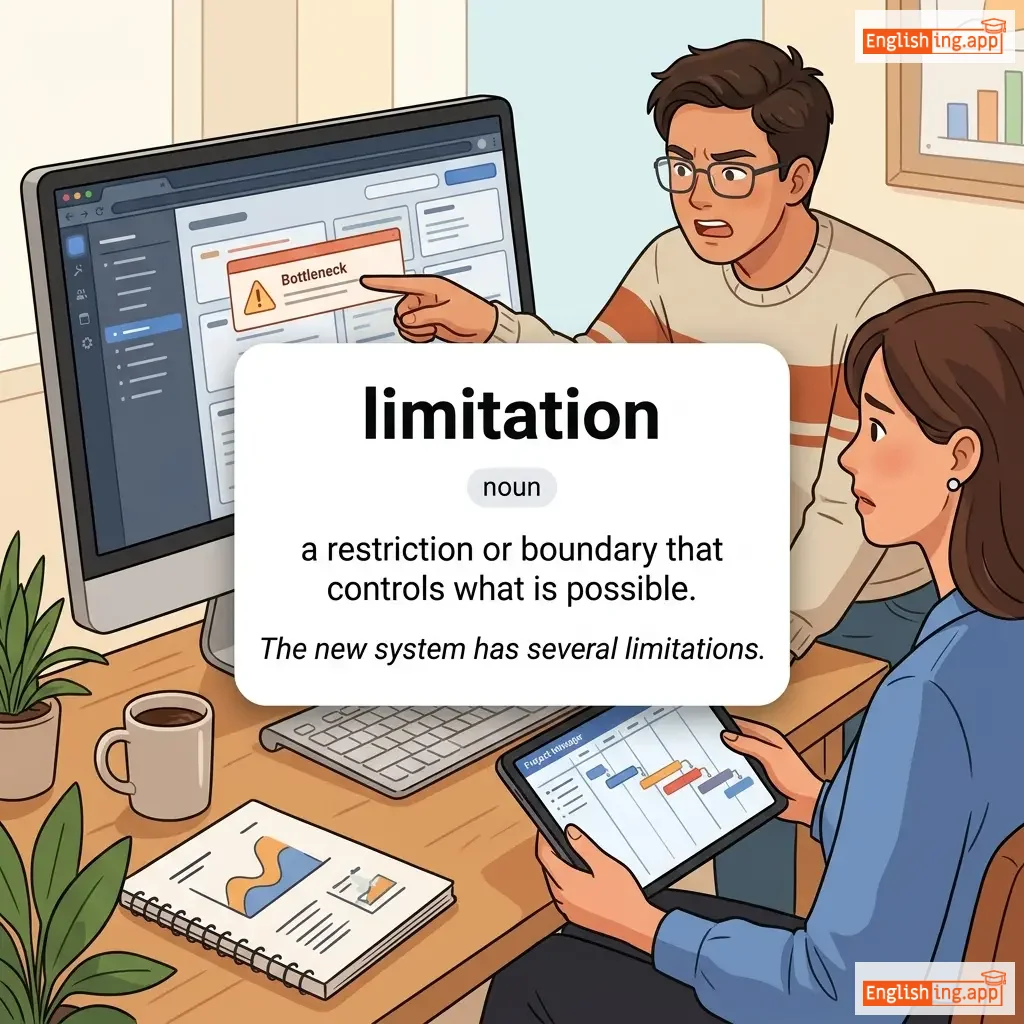
/ˌlɪm.ɪˈteɪ.ʃən/
noun
(lìmǐtèshēn)
••••••
|
|
限制
xianzhi
••••••
|
a limiting rule or circumstance; a restriction; the action of limiting something
••••••
|
The main limitation of this plan is the budget. |
这个计划的主要限制是预算。
Zhège jìhuà de zhǔyào xiànzhì shì yùsuàn.
••••••
|
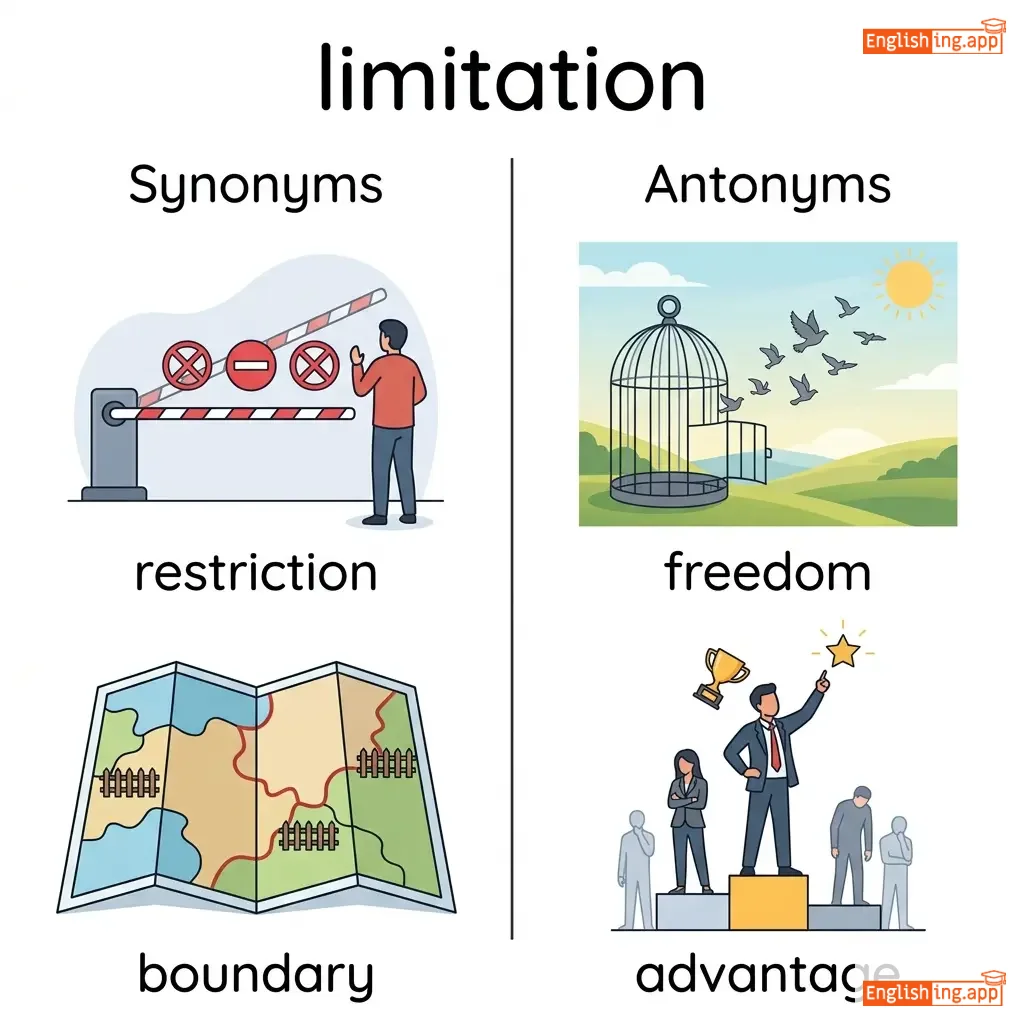
- •••••• |
restriction, constraint, drawback, shortcoming
••••••
|
freedom, advantage, strength
••••••
|
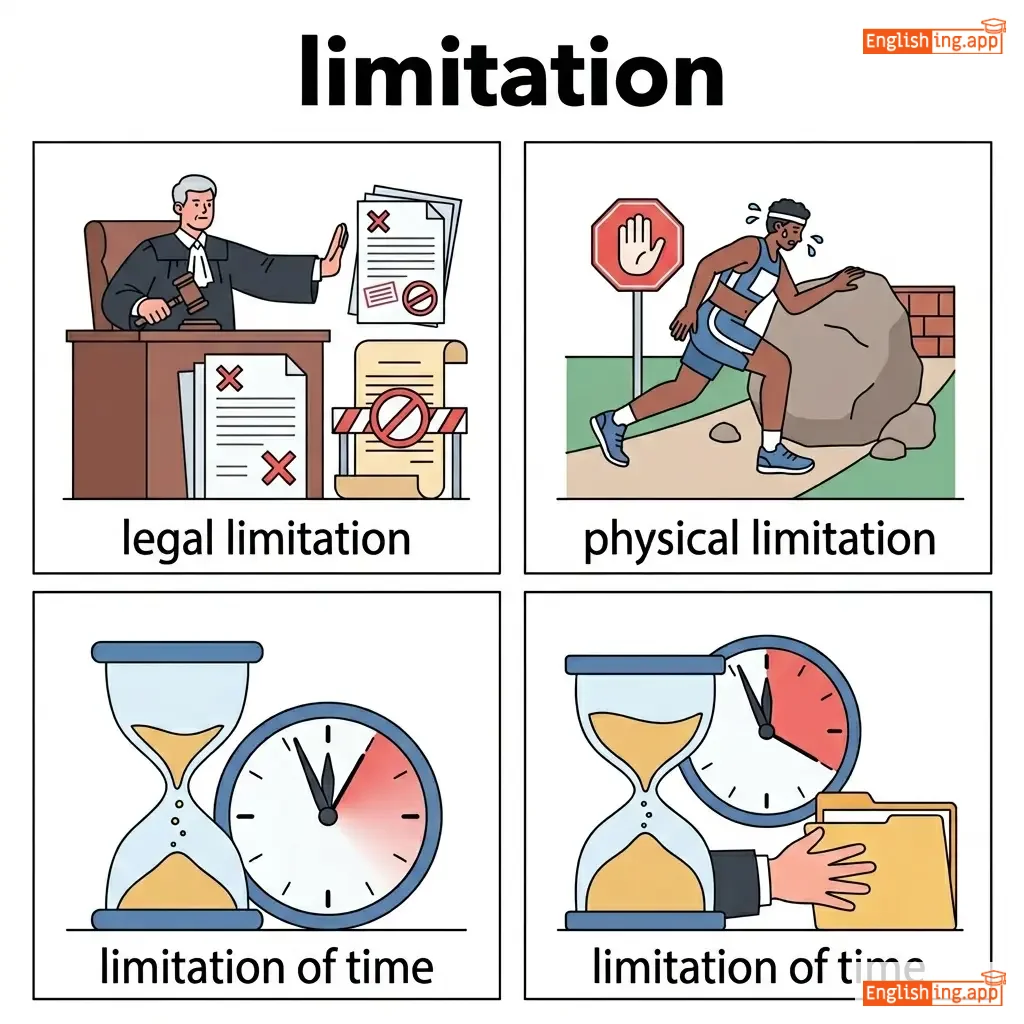
budget limitation, time limitation, overcome limitations
••••••
|
限制在中文表示限制,想象着设定一个框架。
••••••
|
|
#788
🔒
|
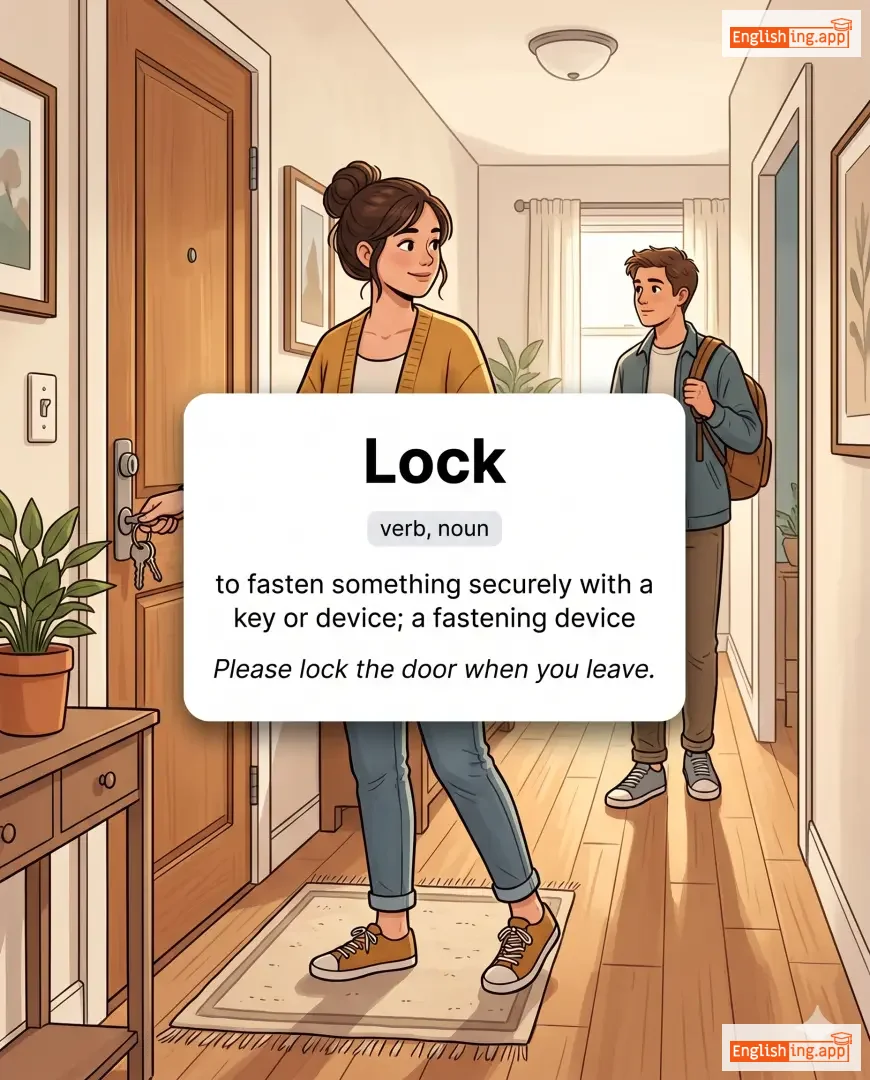
/lɔk/
noun
(lɔk)
••••••
|
|
锁
suǒ
••••••
|
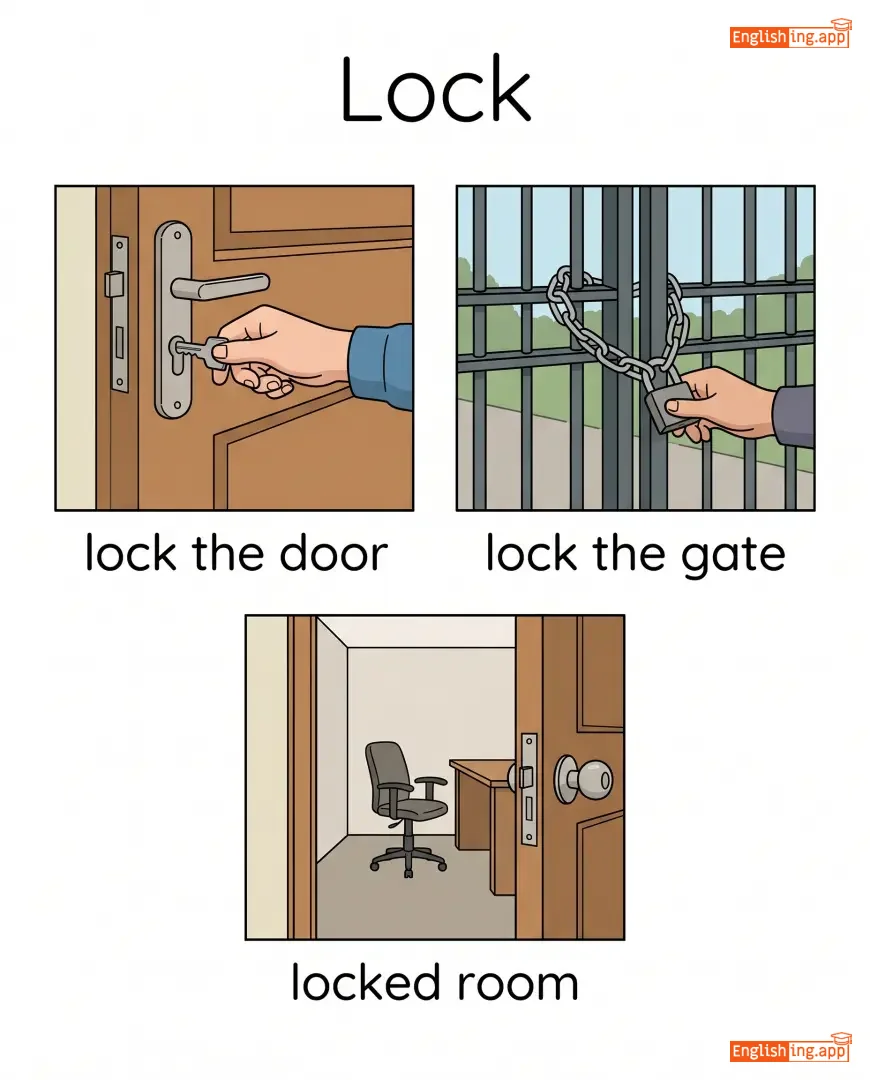
a mechanism for keeping a door, lid, etc., fastened, typically operated only by a key of a particular form
••••••
|
Make sure you lock the door before leaving.
meik shur yu lɔk dhe dɔr bɪfɔr lɪvɪŋ
••••••
|
确保在离开前锁好门。
quèbǎo zài líkāi qián suǒ hǎo mén
••••••
|
- •••••• |
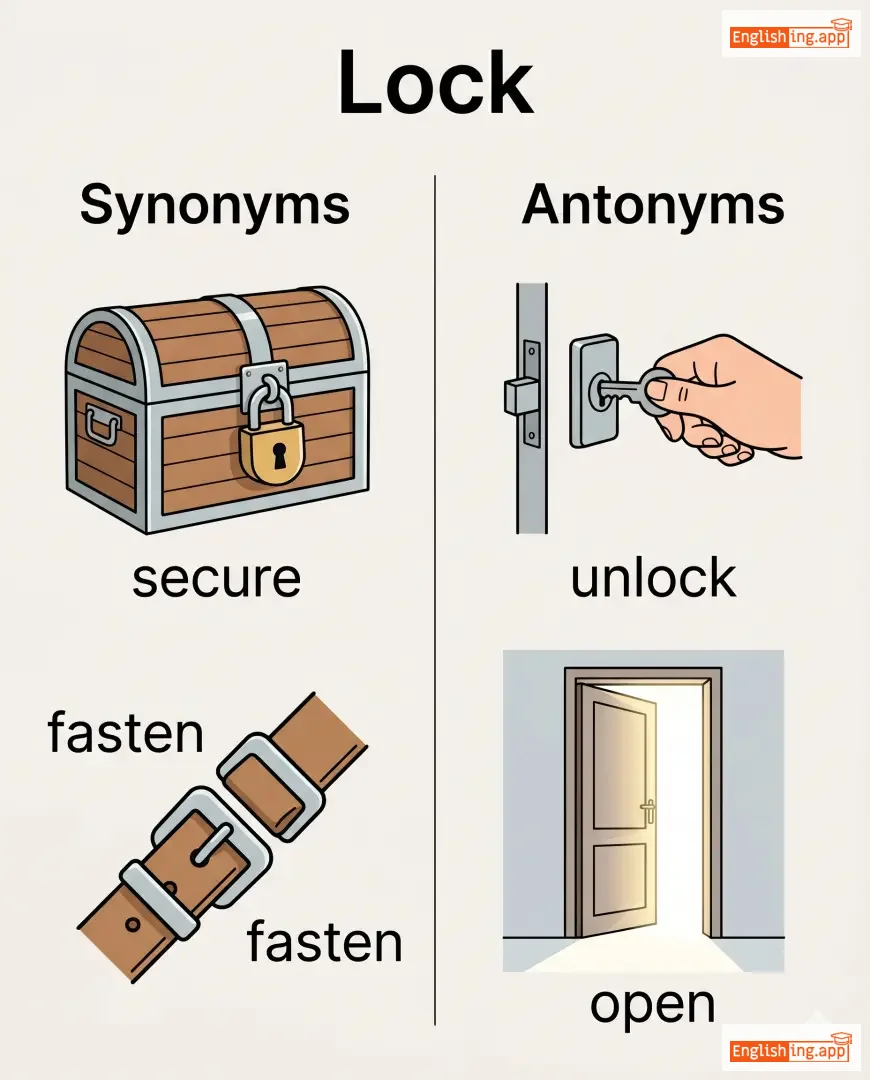
fastener, latch, bolt, padlock
••••••
|
unlock, open
••••••
|
door lock, combination lock, lock and key
••••••
|
Lock = 锁, 锁可以锁住你的门,保持安全
••••••
|
|
#789
🌳
|
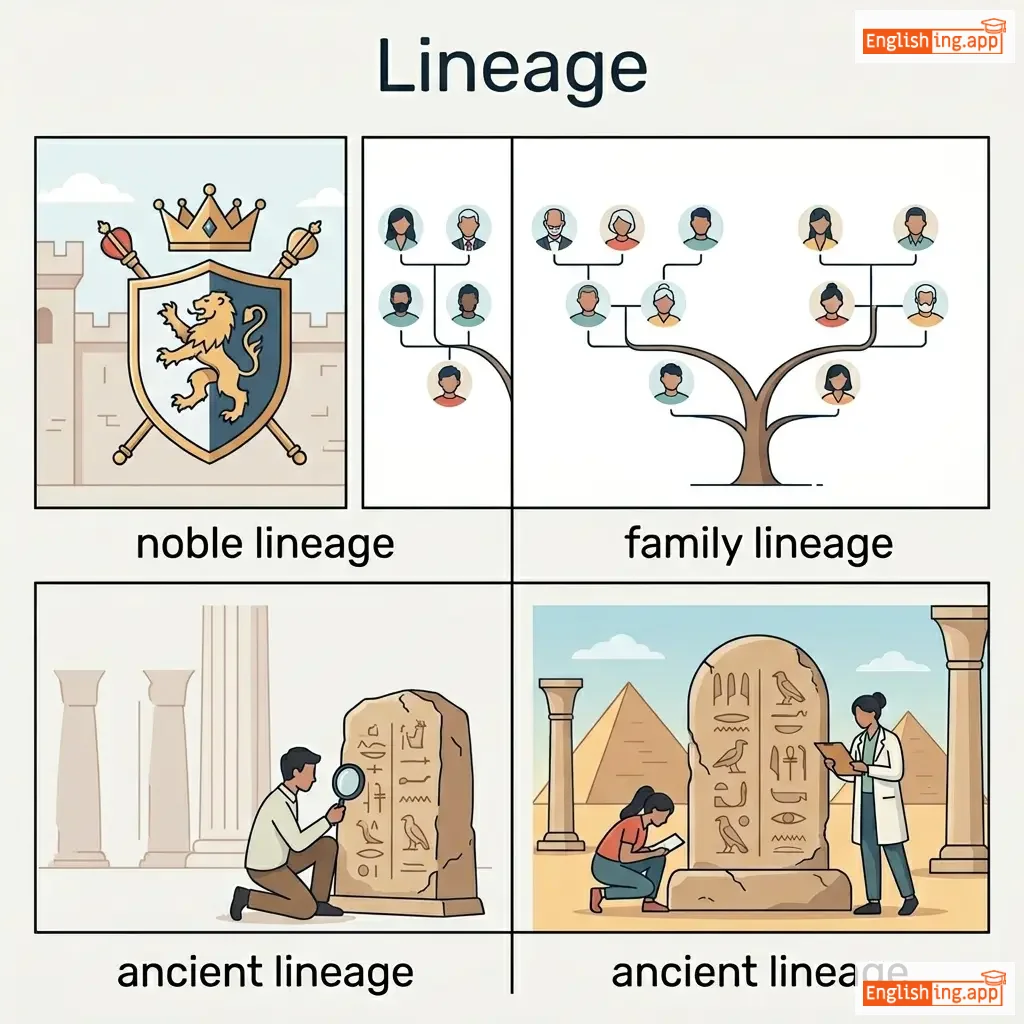
/ˈlɪn.i.ɪdʒ/
noun
(家族谱)
••••••
|
|
家谱; 血统; 族谱;
jiazu pu
••••••
|
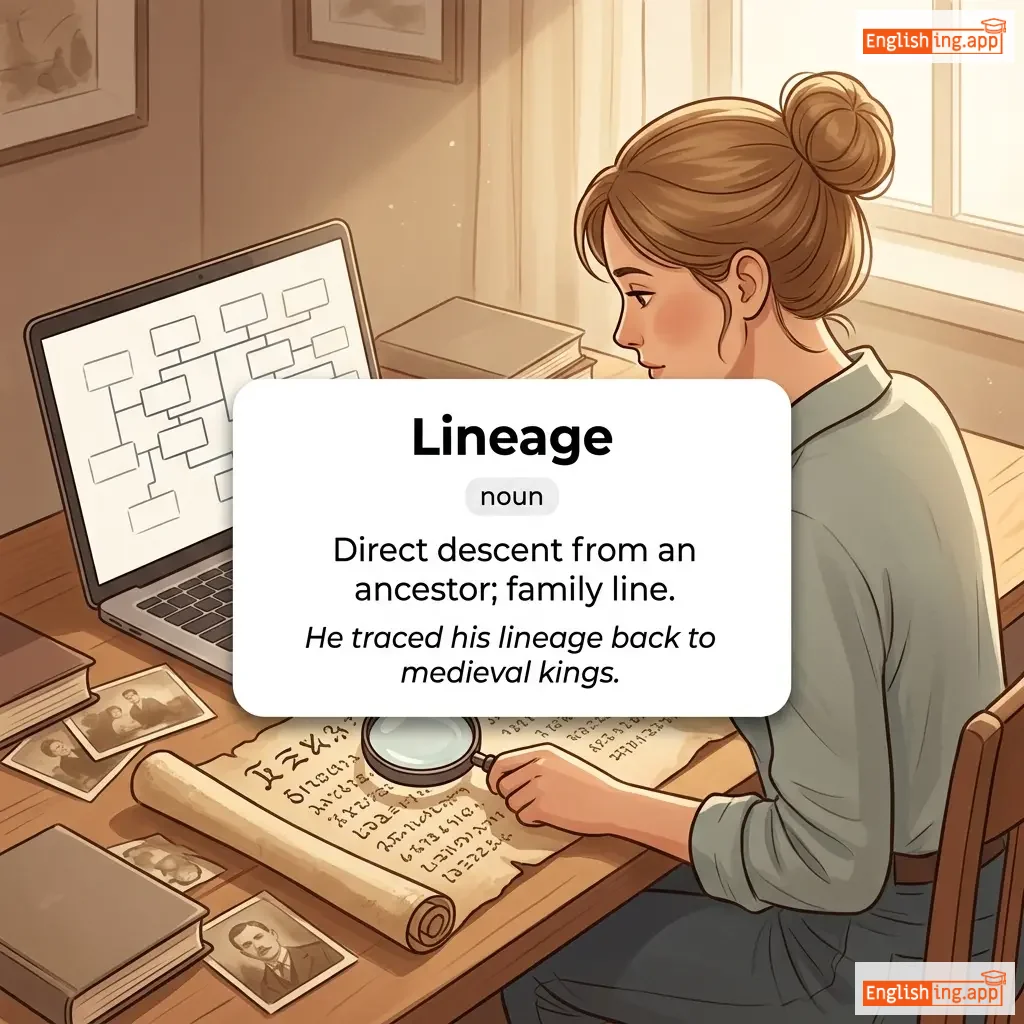
direct descent from an ancestor; ancestry or family tree; a sequence of species each evolved from its predecessor
••••••
|
She can trace her lineage back to the 16th century.
她可以追溯到16世纪的家族谱。
••••••
|
她可以追溯到16世纪的家族谱。
ta keyi zhuisu dao 16 shiji de jiazu pu
••••••
|
- •••••• |
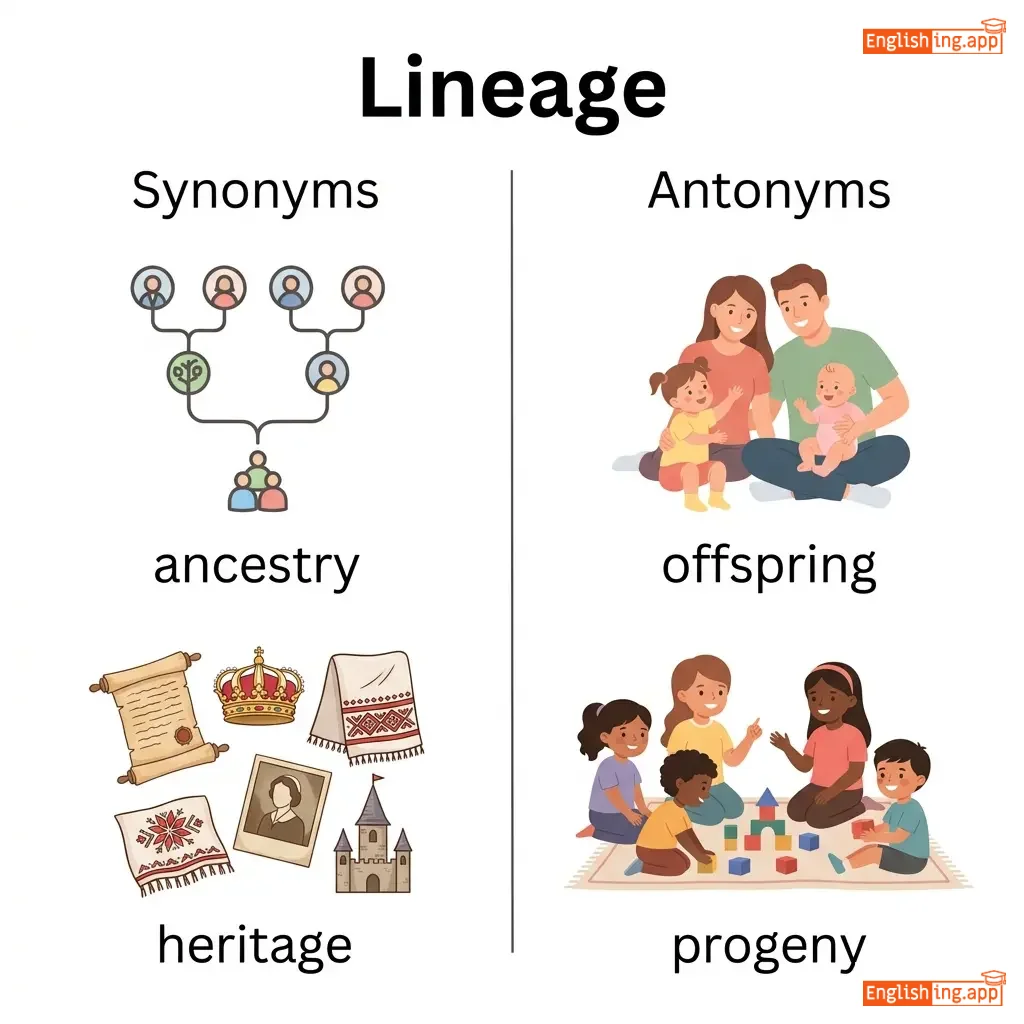
ancestry, heritage, descent, genealogy
••••••
|
descendant, offspring
••••••
|
royal lineage, family lineage, trace lineage
••••••
|
家族谱 - Tracing the family history through generations
••••••
|
|
#790
🪵
|
/lɔːɡ/
noun
(log)
••••••
|
|
木头
mu tou
••••••
|
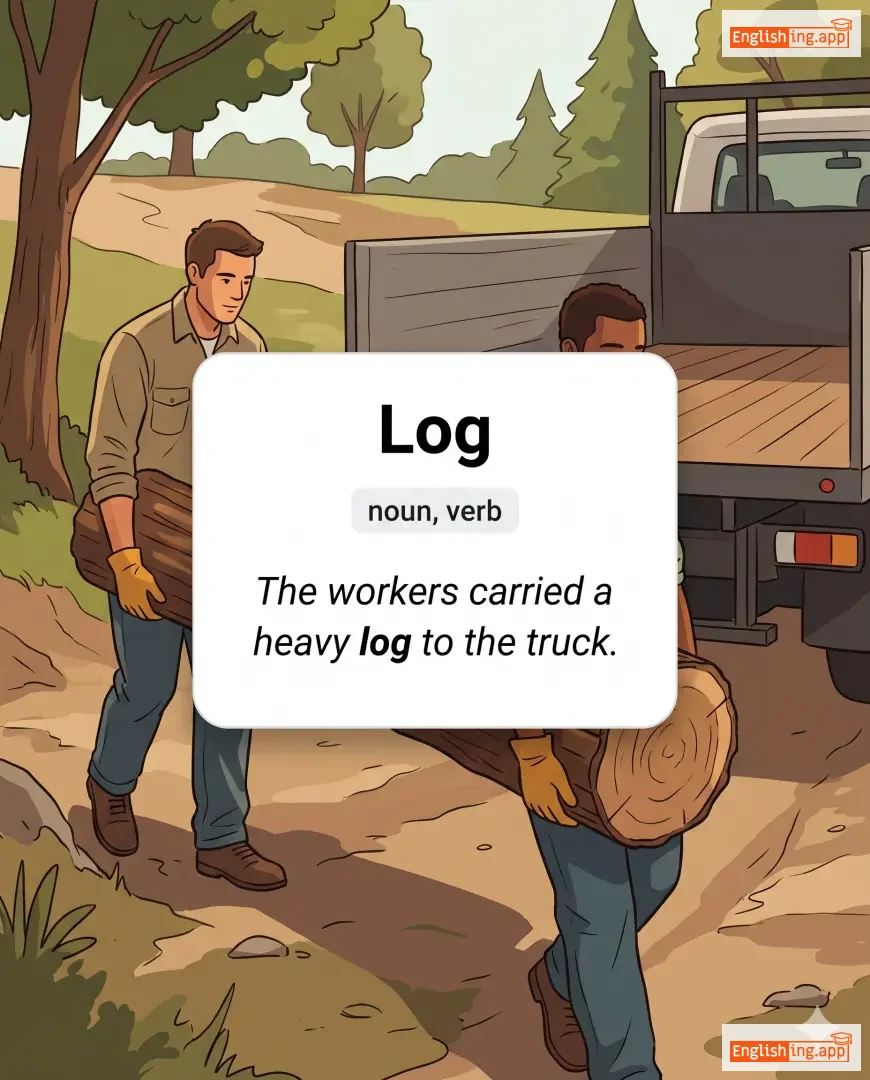
a piece of a dead or felled tree trunk or branch, especially one stripped of bark
••••••
|
They sat on a log by the campfire. |
他们坐在篝火旁的木头上。
ta men zuo zai gou huo pang de mu tou shang
••••••
|
- •••••• |
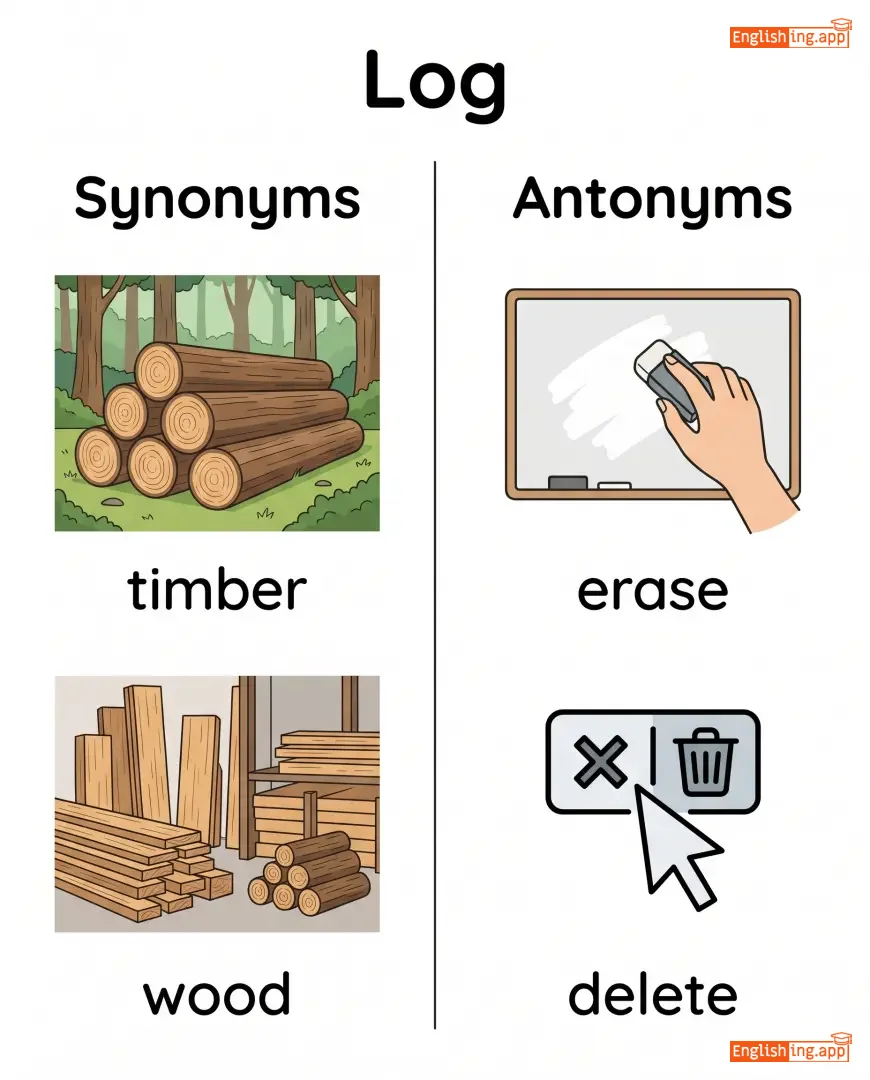
timber, trunk, wood, branch
••••••
|
leaf, twig
••••••
|
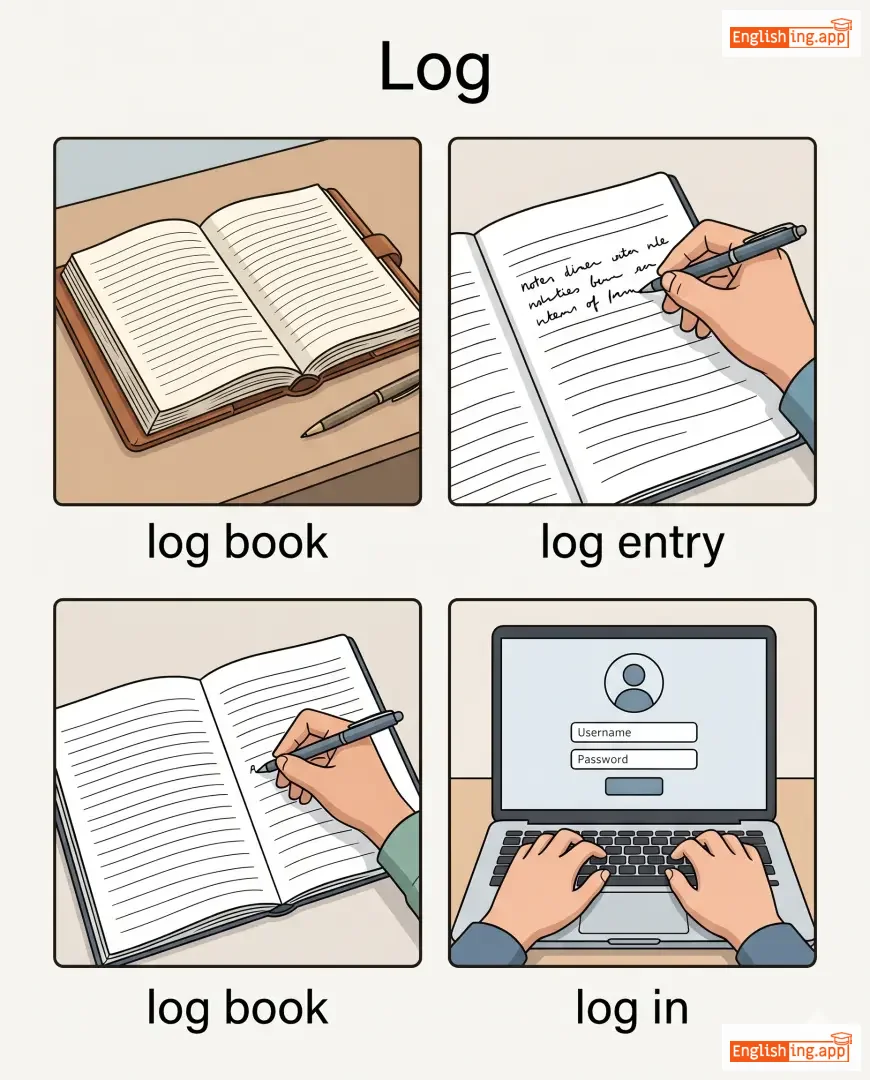
wooden log, fire log, log cabin
••••••
|
联想到篝火旁的木头,帮助记住‘log’。
••••••
|
|
#791
💧
|
/ˈlɪk.wɪd/
noun
(lìqìd)
••••••
|
- •••••• |
液体
yeti
••••••
|
a substance that flows freely but is of constant volume, having a consistency like that of water or oil
••••••
|
Water is a liquid at room temperature.
水在常温下是液体。
••••••
|
水在常温下是液体。
Shuǐ zài chángwēn xià shì yètǐ.
••••••
|
- •••••• |
fluid, solution, beverage
••••••
|
solid, gas, crystal
••••••
|
liquid form, liquid nitrogen, clear liquid
••••••
|
液体 = Yeti (像水或油一样)
••••••
|
|
#792
📄
|
/lɪst/
noun
(lìsītè)
••••••
|
- •••••• |
清单
qingdan
••••••
|
a number of connected items or names written or printed consecutively, typically one below the other
••••••
|
Make a list of things you need to buy. |
制作一个你需要购买的物品清单。
Zhuòzhì yīgè nǐ xūyào gòumǎi de wùpǐn qīngdān.
••••••
|
- •••••• |
catalog, inventory, record, register
••••••
|
random, scattered, disorder
••••••
|
shopping list, to-do list, make a list
••••••
|
Qingdan is your list in Chinese!
••••••
|
|
#793
📚
|
/ˈlɪt.ər.ə.si/
noun
(lɪtərəsi)
••••••
|
- •••••• |
识字
shizi
••••••
|
the ability to read and write; competence or knowledge in a specified area
••••••
|
Adult literacy programs help people learn to read.
成人识字课程帮助人们学习阅读。
••••••
|
成人识字课程帮助人们学习阅读。
Chengren shizi kecheng bangzhu renmen xuexi yuedu.
••••••
|
- •••••• |
education, learning, knowledge, competence
••••••
|
illiteracy, ignorance
••••••
|
adult literacy, digital literacy, literacy rate
••••••
|
记住'识字'作为读写能力的象征。
••••••
|
|
#794
📚
|
/ˈlɪt.ər.ə.ʧər/
noun
(文学)
••••••
|
- •••••• |
文学
wenxue
••••••
|
written works, especially those considered of superior or lasting artistic merit; books and writings published on a particular subject
••••••
|
She studied English literature at university.
她在大学学习了英语文学。
••••••
|
她在大学学习了英语文学。
Ta zai daxue xuexi le yingyu wenxue.
••••••
|
- •••••• |
writings, texts, books, poetry
••••••
|
illiteracy, ignorance
••••••
|
English literature, classical literature, modern literature
••••••
|
文学 (wenxue) 是通向智慧与美的桥梁。
••••••
|
|
#795
💼
|
/ˈlaɪv.li.θʊd/
noun
(lái wù lì hū dé)
••••••
|
|
生计
shengji
••••••
|
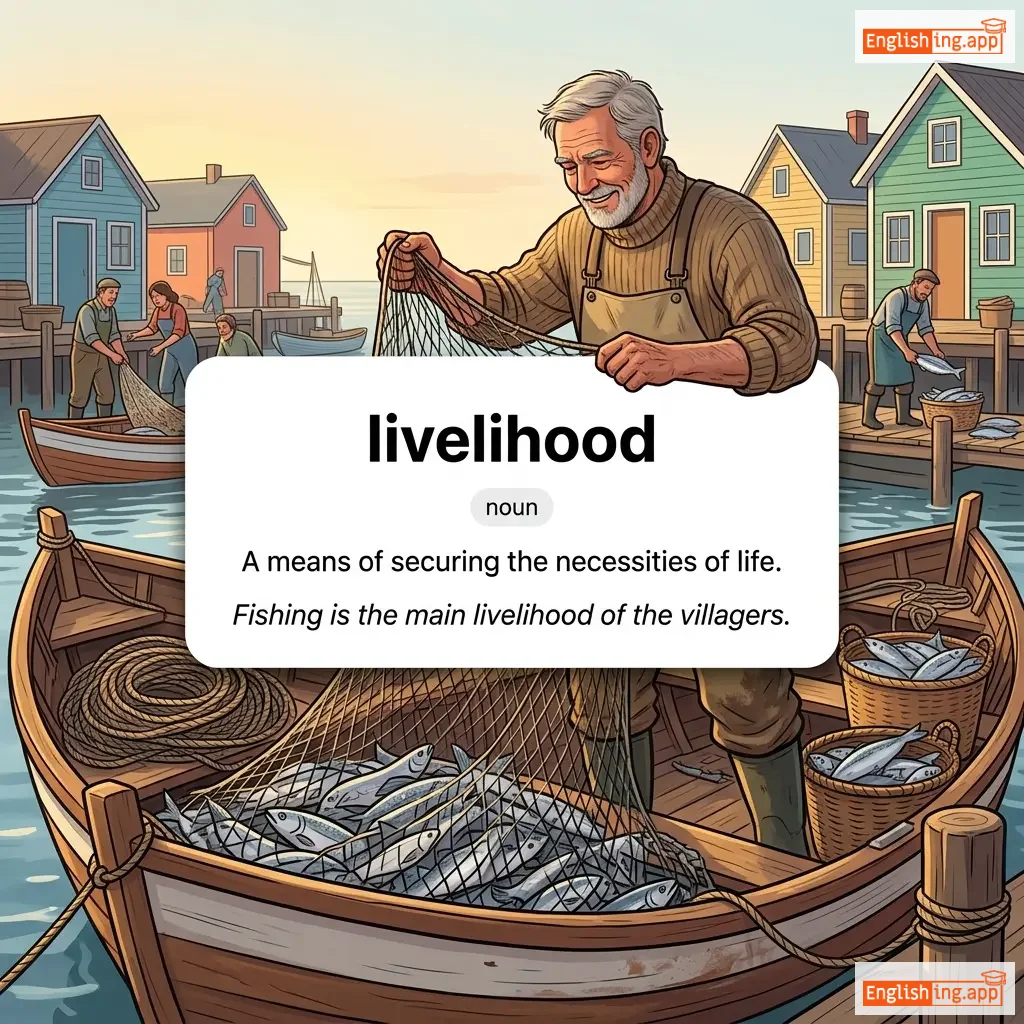
a means of securing the necessities of life; the work that provides income to support oneself and family
••••••
|
Fishing is their main source of livelihood. |
捕鱼是他们的主要生计来源。
bǔ yú shì tāmen de zhǔyào shēngjì láiyuán.
••••••
|
- •••••• |
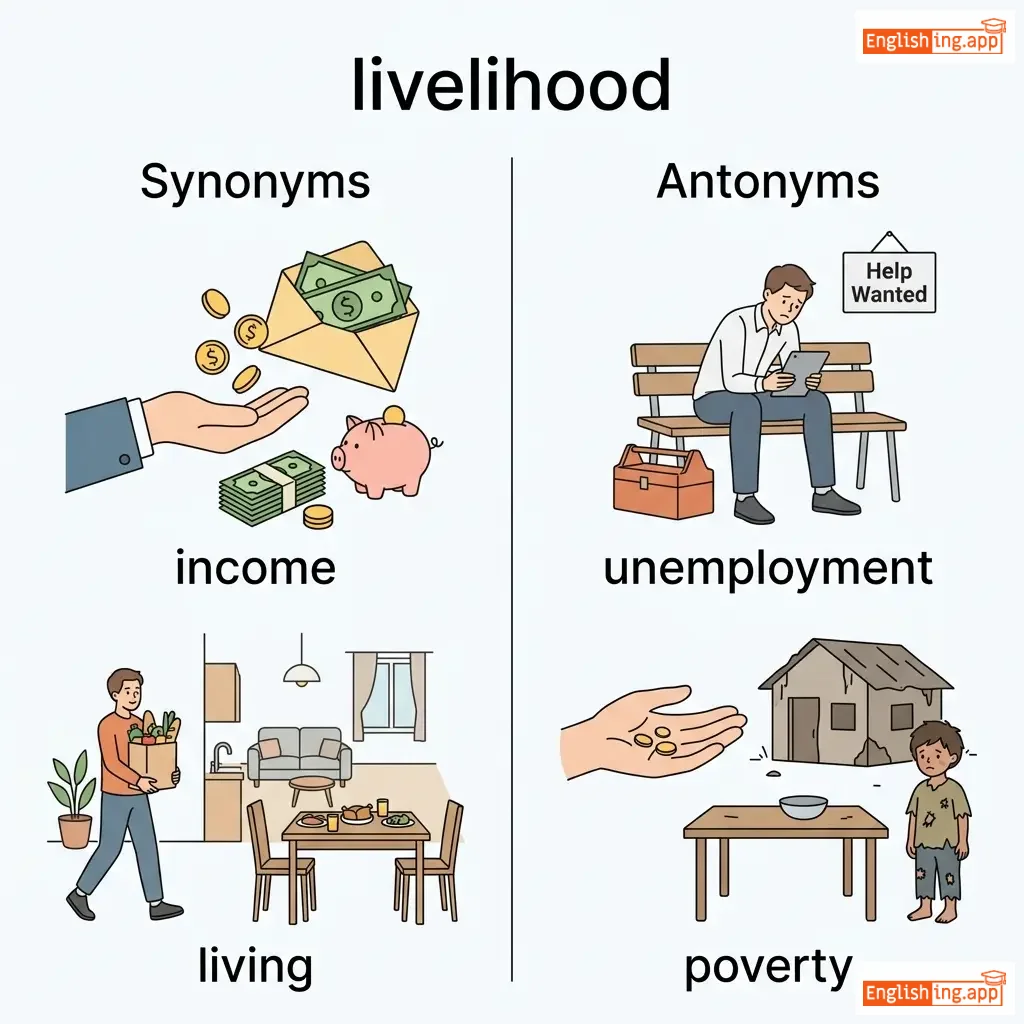
living, subsistence, income, occupation
••••••
|
unemployment, poverty
••••••
|
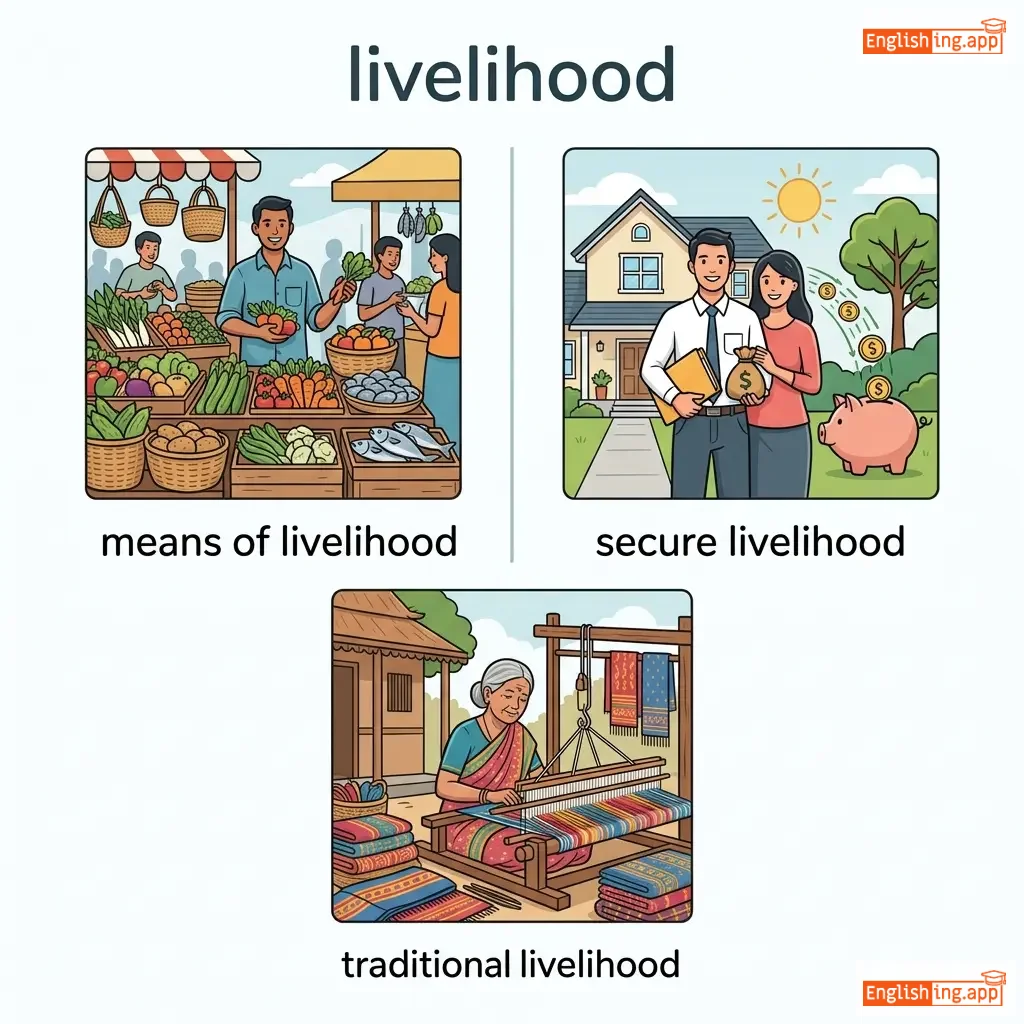
earn livelihood, source of livelihood, sustainable livelihood
••••••
|
‘生计’就是养活家人,比如捕鱼作为生计来源。
••••••
|
|
#796
-
|
noun
(lónlínesī)
••••••
|
- •••••• |
孤独
gūdú
••••••
|
- •••••• | - •••••• | - •••••• | - •••••• | - •••••• | - •••••• | - •••••• |
Gūdú means lonely, reminding of a lonely mood.
••••••
|
|
#797
-
|
noun
(朗宁)
••••••
|
- •••••• |
渴望; 忧郁
kěwàng; yōuyù
••••••
|
- •••••• | - •••••• | - •••••• | - •••••• | - •••••• | - •••••• | - •••••• |
Longing在中文里表示深深的渴望或忧郁的情感,想要得到某些事物或人。
••••••
|
|
#798
-
|
noun
(经度)
••••••
|
- •••••• |
经度
jingdu
••••••
|
- •••••• | - •••••• | - •••••• | - •••••• | - •••••• | - •••••• | - •••••• |
Longitude is measured east-west on the Earth. In Chinese, it's '经度'.
••••••
|
|
#799
-
|
noun
(lùpǔ)
••••••
|
- •••••• |
循环; 回路; 环路
xunhuan; huilu; huanlu
••••••
|
- •••••• | - •••••• | - •••••• | - •••••• | - •••••• | - •••••• | - •••••• |
Loop in Chinese: 环路不断旋转,循环不止。
••••••
|
|
#800
-
|
noun
(洛夫)
••••••
|
|
爱
ai
••••••
|
- •••••• | - •••••• |
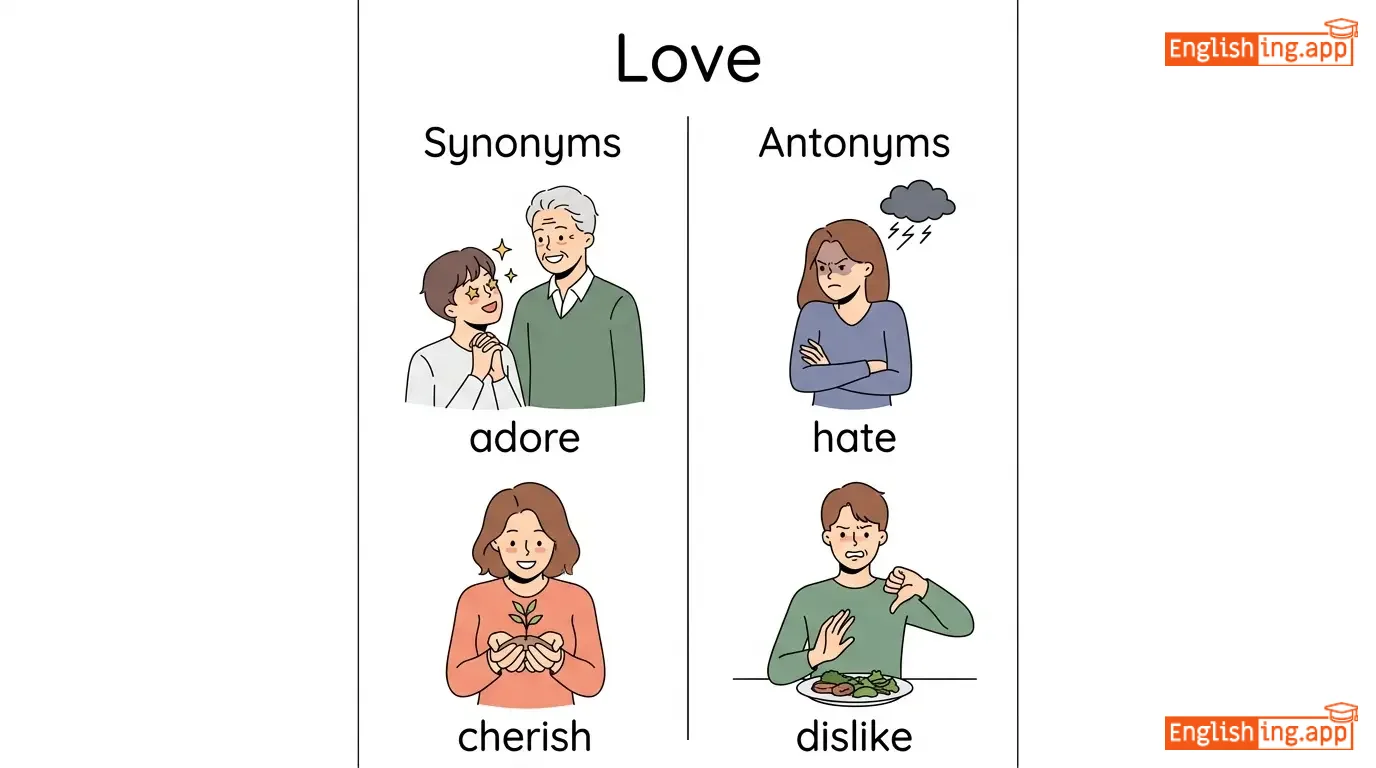
Love is a universal language.
ai shi yi zhong pu bian de yu yan
••••••
|
爱情是盲目的
ai qing shi mang de
••••••
|
- •••••• | - •••••• | - •••••• |
Heart + AI = 爱; Imagine the word Love melting into 爱 with a big red heart
••••••
|
Vocabulary Quiz
Test your vocabulary by matching words with their translations or meanings.
Login to take the quiz
Comments (0)
Share your thoughts and join the discussion.
Join the discussion by logging in
Login to CommentNo comments yet
Be the first to share your thoughts!