



Swipe left or right, or use the buttons. Tap image to zoom.
例句翻译
单词
Lesson 62Lesson 62 - 遮罩切换
|
表情符号
|
单词 | Images | 翻译 | 含义 | 例句 | 例句翻译 | 同义词 | 反义词 | 搭配词 | 助记符 |
|---|---|---|---|---|---|---|---|---|---|---|
|
#1221
🦀
|
/rʌst/
noun
(rust)
••••••
|
- •••••• |
铁锈
tie xiu
••••••
|
reddish-brown coating formed on iron or steel by oxidation; corrosion
••••••
|
The old car was covered in rust after years of neglect.
那辆旧车在多年忽视之后被铁锈覆盖。
••••••
|
那辆旧车在多年忽视之后被铁锈覆盖。
na liang jiu che zai duo nian hu shi zhi hou bei tie xiu fu gai.
••••••
|
corrosion, oxidation, tarnish
••••••
|
polish, shine, gleam
••••••
|
rust prevention, rust remover, iron rust, rust spots
••••••
|
铁锈产生在没有保护的铁表面,长时间暴露在空气和水中。
••••••
|
|
#1222
💰
|
/ˈsæl.ər.i/
noun
(sæləri)
••••••
|
- •••••• |
薪水
xīn shuǐ
••••••
|
a fixed regular payment, typically paid on a monthly basis
••••••
|
She receives a good salary for her work as a teacher. |
她作为教师的工作,得到了很好的薪水。
Tā zuòwéi jiàoshī de gōngzuò, dédàole hěn hǎo de xīn shuǐ
••••••
|
wage, pay, income, earnings
••••••
|
debt, expense, cost
••••••
|
annual salary, monthly salary, basic salary, gross salary
••••••
|
Chinese '薪水' (xīn shuǐ) connects directly to salary, easy for monthly payments.
••••••
|
|
#1223
💧
|
/səˈlaɪ.və/
noun
(萨利瓦)
••••••
|
- •••••• |
唾液
tuo ye
••••••
|
the watery liquid secreted into the mouth by glands
••••••
|
The dentist asked her to rinse the saliva from her mouth.
牙医让她把口腔里的唾液漱掉。
••••••
|
牙医让她把口腔里的唾液漱掉。
ya yi rang ta ba kou qiang li de tuo ye shu diao
••••••
|
spit, spittle, drool
••••••
|
- •••••• |
excess saliva, saliva production, saliva glands
••••••
|
Saliva = 唾液, 想象嘴里有一杯 tea, 这杯 tea 就是 tuo ye 的 liquid in your mouth
••••••
|
|
#1224
💥
|
/ˈrʌp.tʃər/
noun
(rúp-chur)
••••••
|
- •••••• |
破裂; 关系的断裂
pòliè; guānxì de duànliè
••••••
|
breaking or bursting apart; breakdown of relations
••••••
|
The rupture in the pipeline caused a massive oil spill.
管道中的断裂造成了大规模的石油泄漏。
••••••
|
管道中的断裂造成了大规模的石油泄漏。
guǎndào zhōng de duànliè zàochéng le dà guīmó de shíyóu xièlòu
••••••
|
break, tear, split, fracture
••••••
|
repair, mend, unite, join
••••••
|
muscle rupture, rupture point, diplomatic rupture
••••••
|
在中文中,破裂的意思与英文的 'rupture' 相似!
••••••
|
|
#1225
💣
|
/ˈsæb.ə.tɑːʒ/
noun
(萨博塔日)
••••••
|
- •••••• |
破坏
pohuai
••••••
|
deliberate destruction of equipment or disruption of activities
••••••
|
The factory was shut down due to an act of sabotage.
由于破坏行为,工厂被关闭。
••••••
|
由于破坏行为,工厂被关闭。
Yóuyú pòhuài xíngwéi, gōngchǎng bèi guānbì
••••••
|
destruction, vandalism, disruption, undermining
••••••
|
support, assistance, cooperation, help
••••••
|
industrial sabotage, sabotage attempt, economic sabotage
••••••
|
破坏破坏,一切都停止!
••••••
|
|
#1226
🙏
|
/ˌsæl.jʊˈteɪ.ʃən/
noun
(sàlǔtèshēn)
••••••
|
- •••••• |
问候; 善意的表达
wènhòu; shànyì de biǎodá
••••••
|
a greeting; an expression of goodwill
••••••
|
The letter began with a formal salutation.
这封信以正式的问候开始。
••••••
|
这封信以正式的问候开始。
Zhè fēng xìn yǐ zhèngshì de wènhòu kāishǐ.
••••••
|
greeting, welcome, address, hail
••••••
|
farewell, goodbye, dismissal
••••••
|
formal salutation, opening salutation, respectful salutation
••••••
|
中文: 问候 = 一种表达关心的礼貌话语。
••••••
|
|
#1227
🙏
|
/ˈsæk.rɪ.faɪs/
noun
(sā kè rì fā yì sī)
••••••
|
|
牺牲
xīshēng
••••••
|
giving up something valued for the sake of something else; offering to a deity
••••••
|
She made many sacrifices to support her family. |
她做出了很多牺牲来支持她的家人。
Tā zuò chūle hěn duō xīshēng lái zhīchí tā de jiārén.
••••••
|
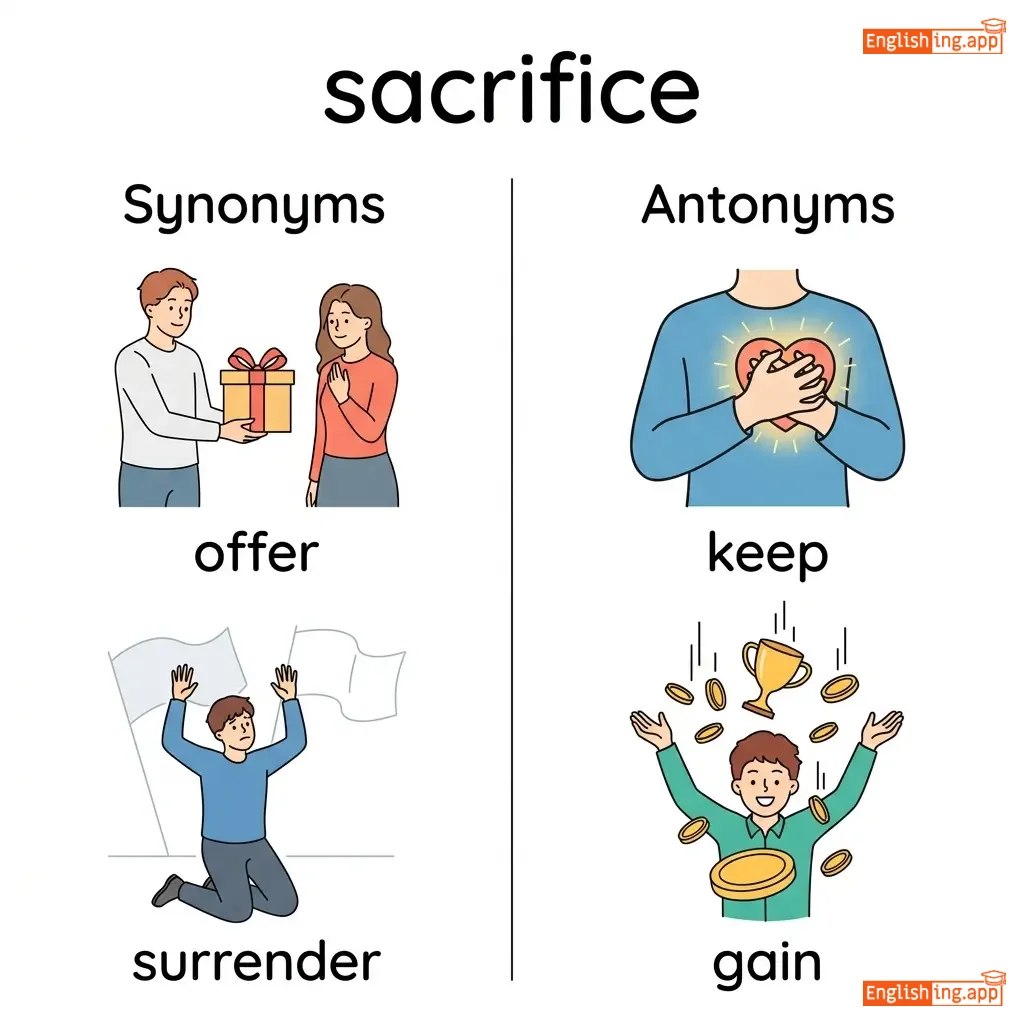
offering, surrender, devotion, selflessness
••••••
|
selfishness, greed, taking, receiving
••••••
|
personal sacrifice, animal sacrifice, ultimate sacrifice
••••••
|
牺牲 = 放弃某些东西以换取更大的目标
••••••
|
|
#1228
✝️
|
/sælˈveɪ.ʃən/
noun
(萨尔维申)
••••••
|
|
拯救
zhengjiu
••••••
|
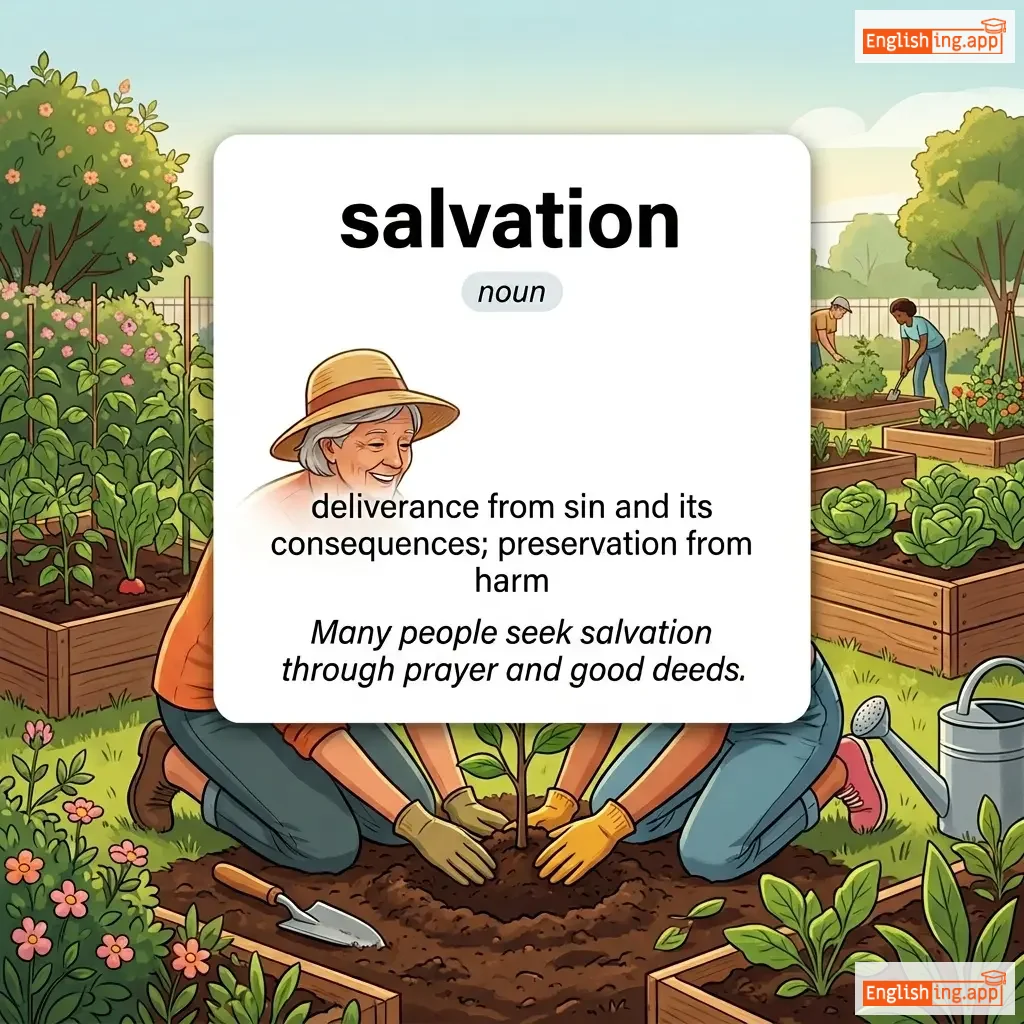
deliverance from sin and its consequences; preservation from harm
••••••
|
Many people seek salvation through prayer and good deeds. |
许多人通过祷告和善行寻求拯救。
xǔduō rén tōngguò dǎogào hé shànxíng xúnqiú zhěngjiù.
••••••
|
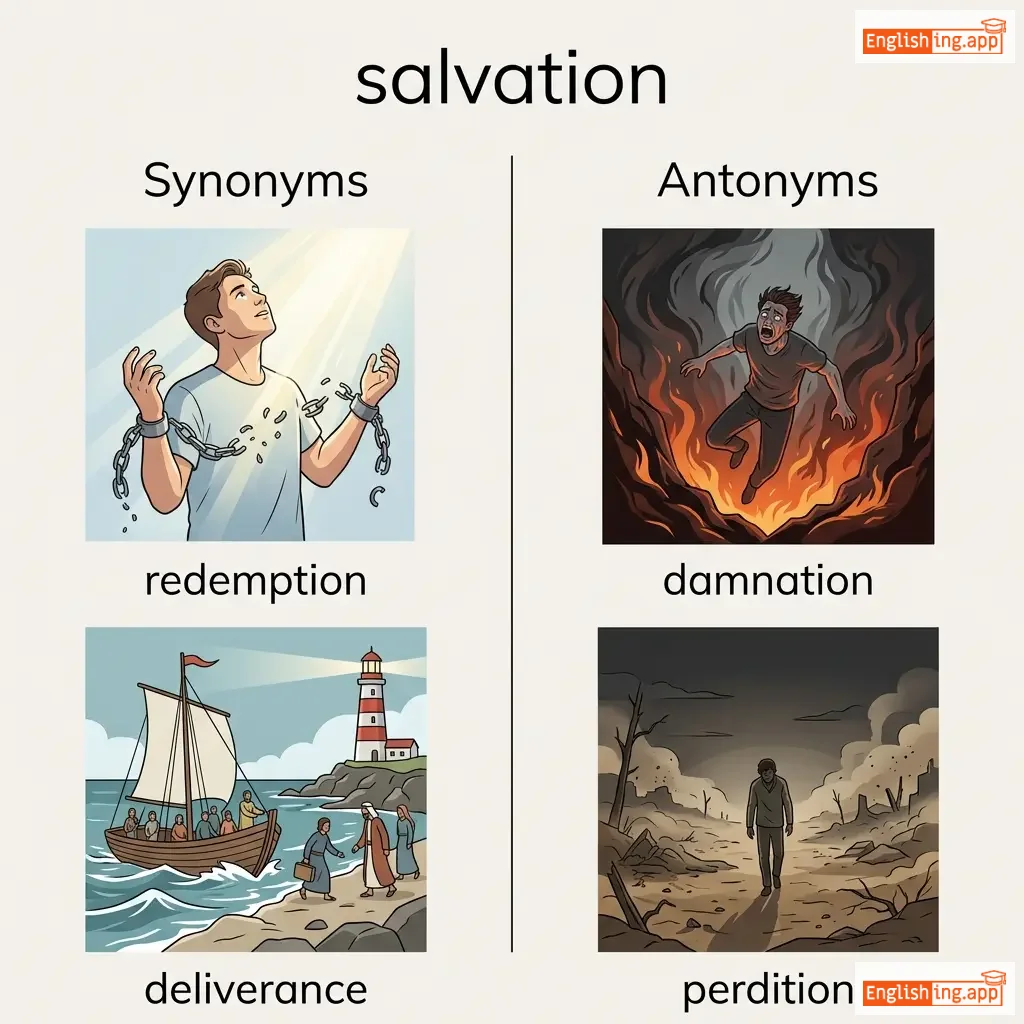
redemption, deliverance, rescue, liberation
••••••
|
damnation, perdition, condemnation
••••••
|
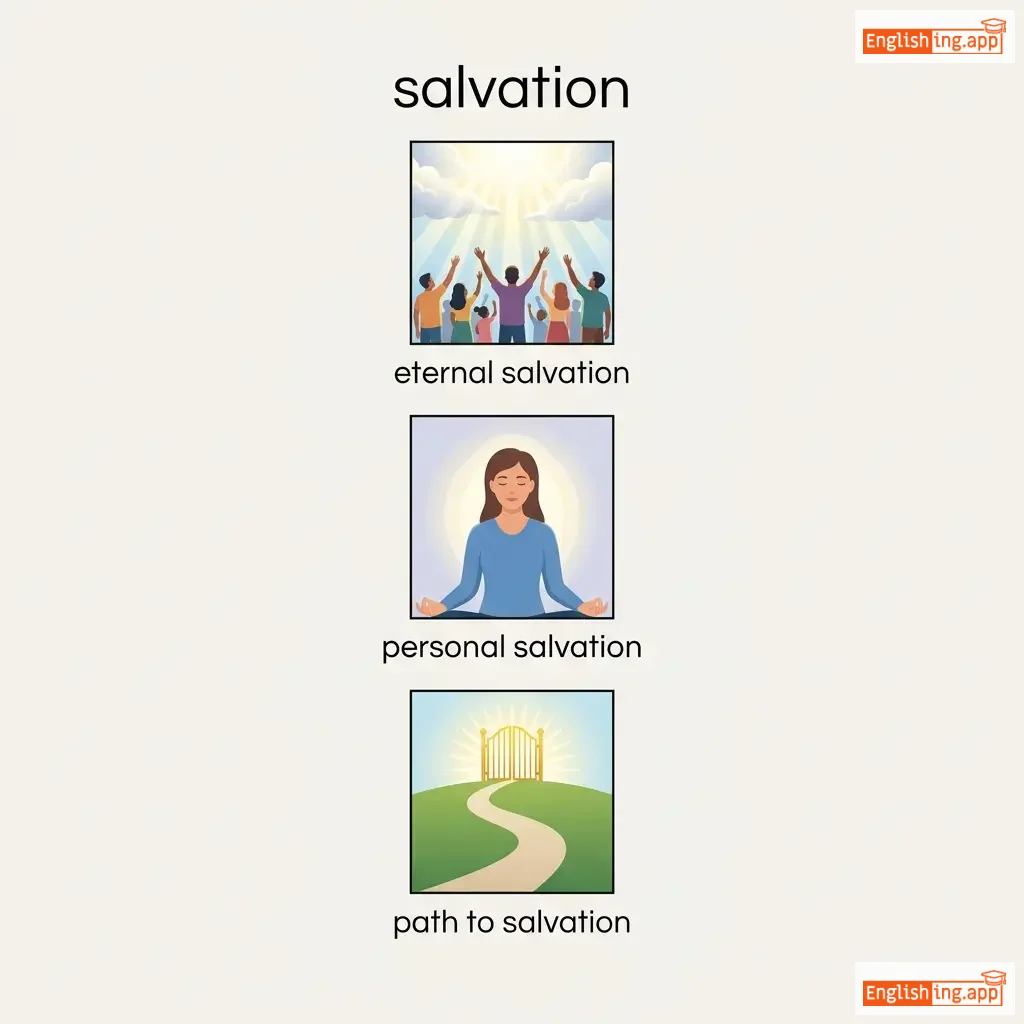
eternal salvation, personal salvation, path to salvation
••••••
|
In Chinese, '拯救' means saving, just like 'Salvation' saves you from harm.
••••••
|
|
#1229
😢
|
/ˈsæd.nəs/
noun
(sādnes)
••••••
|
- •••••• |
悲伤,痛苦,忧郁
bēishāng, tòngkǔ, yōuyù
••••••
|
feeling of sorrow, unhappiness, or grief
••••••
|
Her sadness was evident after hearing the bad news.
她听到坏消息后,她的悲伤显而易见。
••••••
|
她听到坏消息后,她的悲伤显而易见。
Tā tīngdào huài xiāoxī hòu, tā de bēishāng xiǎn'ér yìjiàn.
••••••
|
sorrow, grief, melancholy, depression
••••••
|
happiness, joy, cheerfulness, delight
••••••
|
deep sadness, overwhelming sadness, sadness and grief
••••••
|
悲伤来自坏消息
••••••
|
|
#1230
🔬
|
/ˈsæm.pəl/
noun
(xiǎn-tí)
••••••
|
- •••••• |
样本
yangben
••••••
|
a small part taken as an example of the whole; a specimen
••••••
|
The doctor took a blood sample for testing.
医生取了一个血液样本进行测试。
••••••
|
医生取了一个血液样本进行测试。
Yisheng qule yige xueye yangben jinxing ceshi.
••••••
|
specimen, example, instance, model
••••••
|
whole, entirety, complete set
••••••
|
blood sample, free sample, sample size, random sample
••••••
|
样本作为整体的一部分进行理解。
••••••
|
|
#1231
🔒
|
/seɪf/
noun
(sāi fū)
••••••
|
- •••••• |
保险箱; 保护
bǎoxiǎn xiāng; bǎohù
••••••
|
secure container for storing valuables; protection from danger
••••••
|
He kept his important documents in the office safe. |
他把重要文件放在办公室的保险箱里。
Tā bǎ zhòngyào wénjiàn fàng zài bàngōngshì de bǎoxiǎn xiāng lǐ.
••••••
|
vault, strongbox, security, protection
••••••
|
danger, risk, threat, unsafe
••••••
|
bank safe, fire safe, combination safe, safe deposit
••••••
|
像保险箱一样,它提供保护,像防止危险一样。
••••••
|
|
#1232
⚖️
|
/ˈsæŋk.ʃən/
noun
(桑克申)
••••••
|
|
许可/制裁
xuke/zhicai
••••••
|
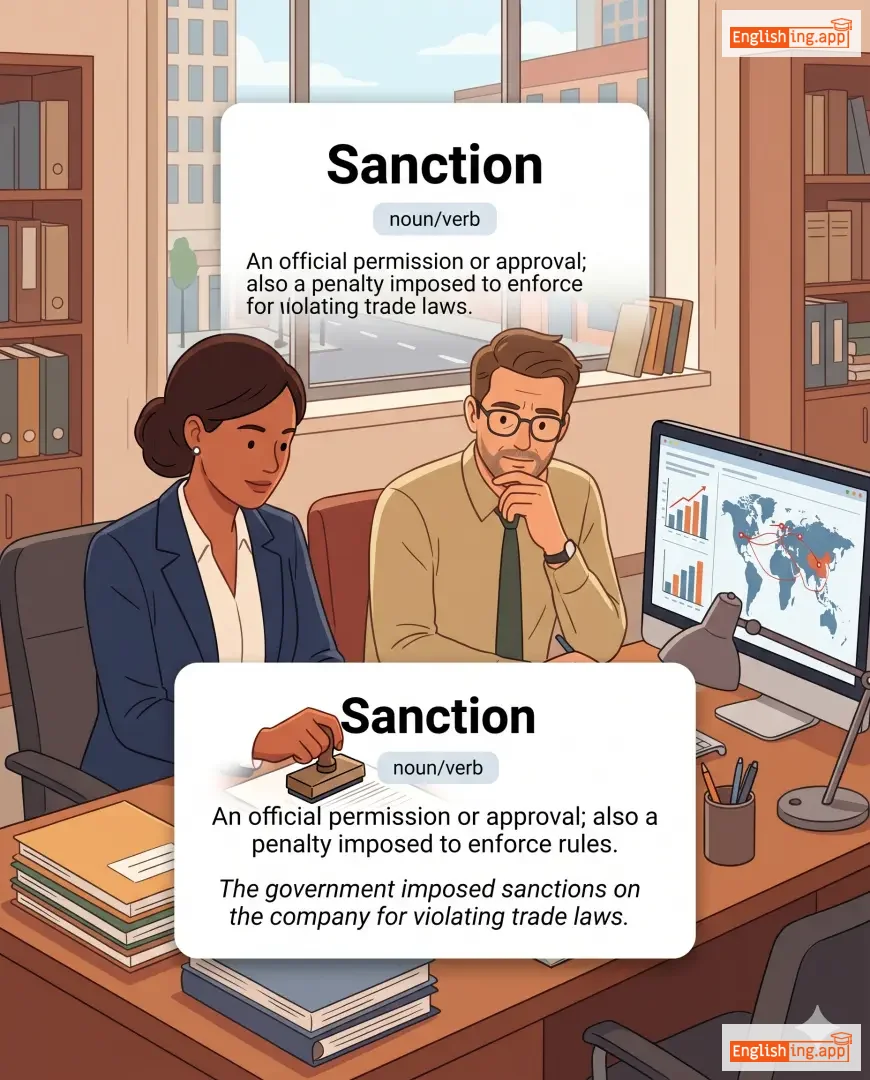
official permission or approval; a penalty for disobeying a rule
••••••
|
The government imposed economic sanctions on the country.
政府对该国实施了经济制裁。
••••••
|
政府对该国实施了经济制裁。
zheng fu dui gai guo shi shi le jing ji zhi cai
••••••
|
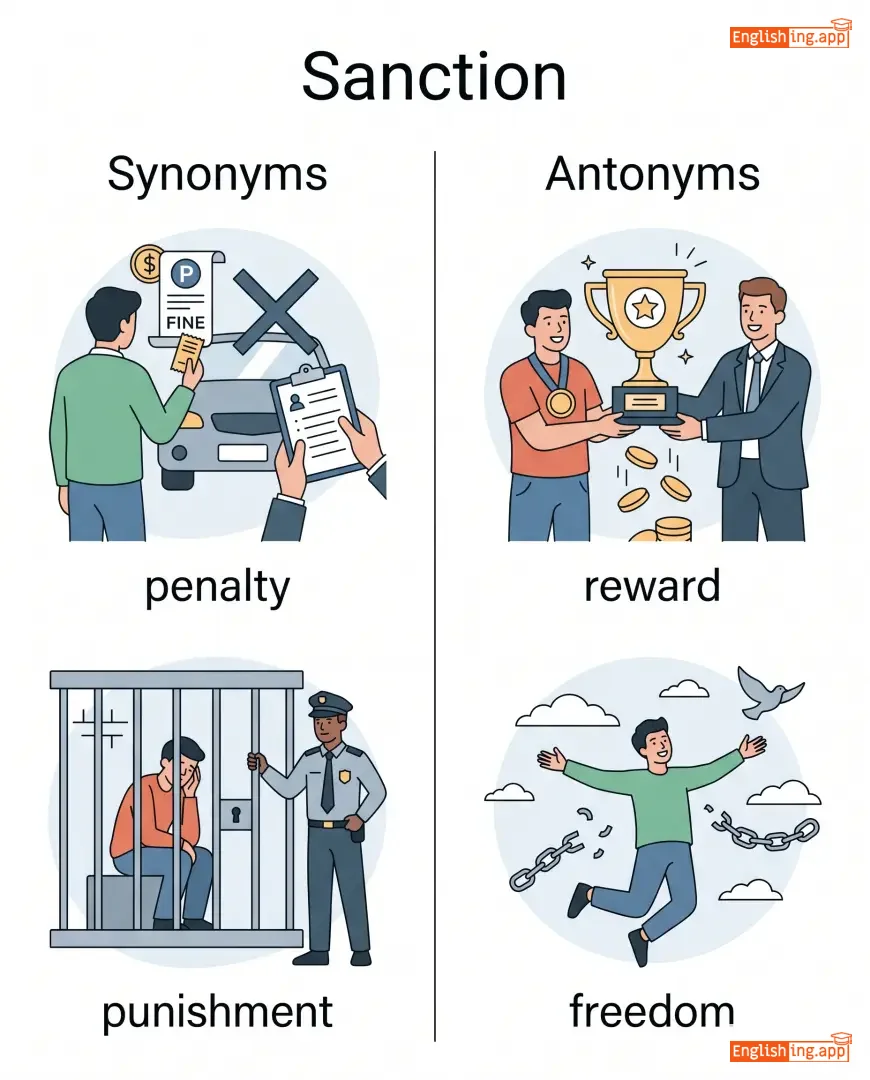
approval, authorization, penalty, punishment
••••••
|
prohibition, ban, reward, encouragement
••••••
|
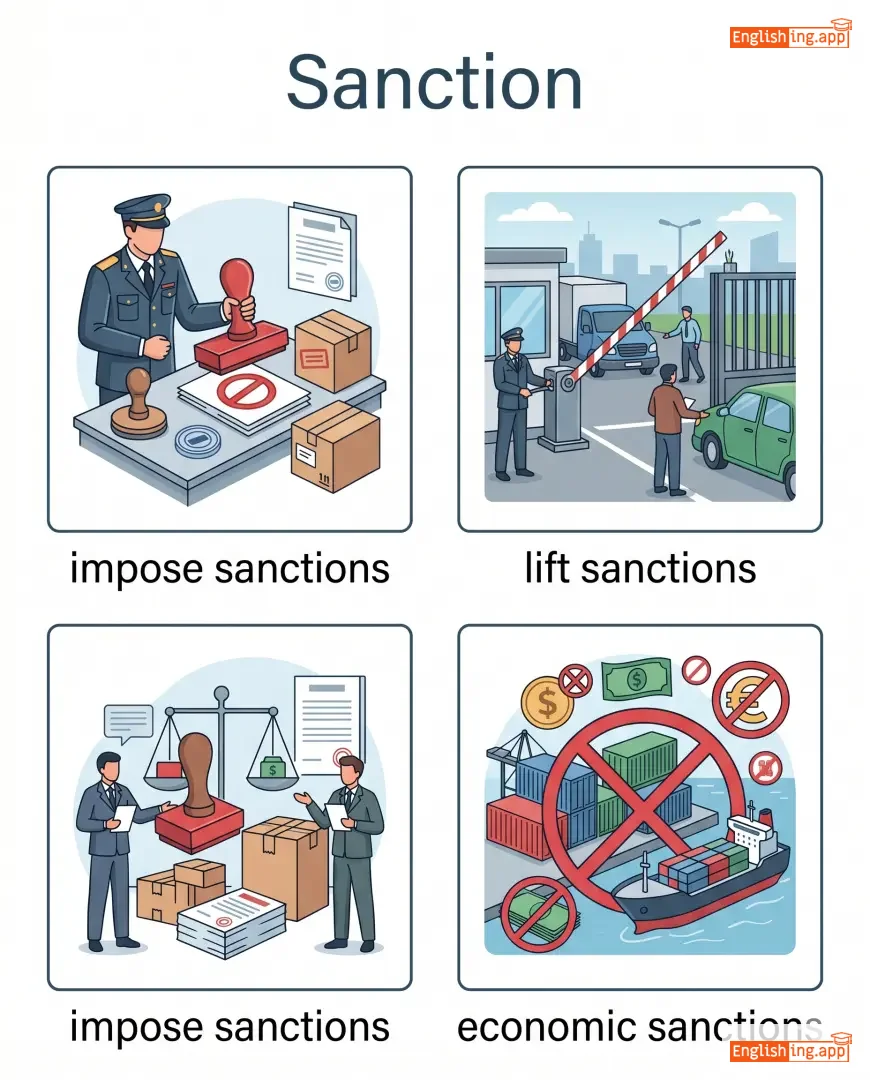
economic sanctions, trade sanctions, impose sanctions
••••••
|
Sanction 记忆牌: Yes 许可 + No 制裁, 想象一个 government 的牌子 上写 Yes 和 No
••••••
|
|
#1233
🛡️
|
/ˈseɪf.ɡɑːrd/
noun
(sāi fù gā ěr dé)
••••••
|
- •••••• |
保护措施
bǎohù cuòshī
••••••
|
measure or action designed to protect someone or something
••••••
|
New safeguards were implemented to prevent data breaches. |
已实施新的保护措施以防止数据泄露。
yǐ shíshī xīn de bǎohù cuòshī yǐ fángzhǐ shùjù xièlòu
••••••
|
protection, shield, defense, security
••••••
|
threat, danger, vulnerability, risk
••••••
|
security safeguards, legal safeguards, environmental safeguards
••••••
|
保护措施防止泄露
••••••
|
|
#1234
🕊️
|
/ˈsæŋk.tɪ.ti/
noun
(海皮尼提)
••••••
|
|
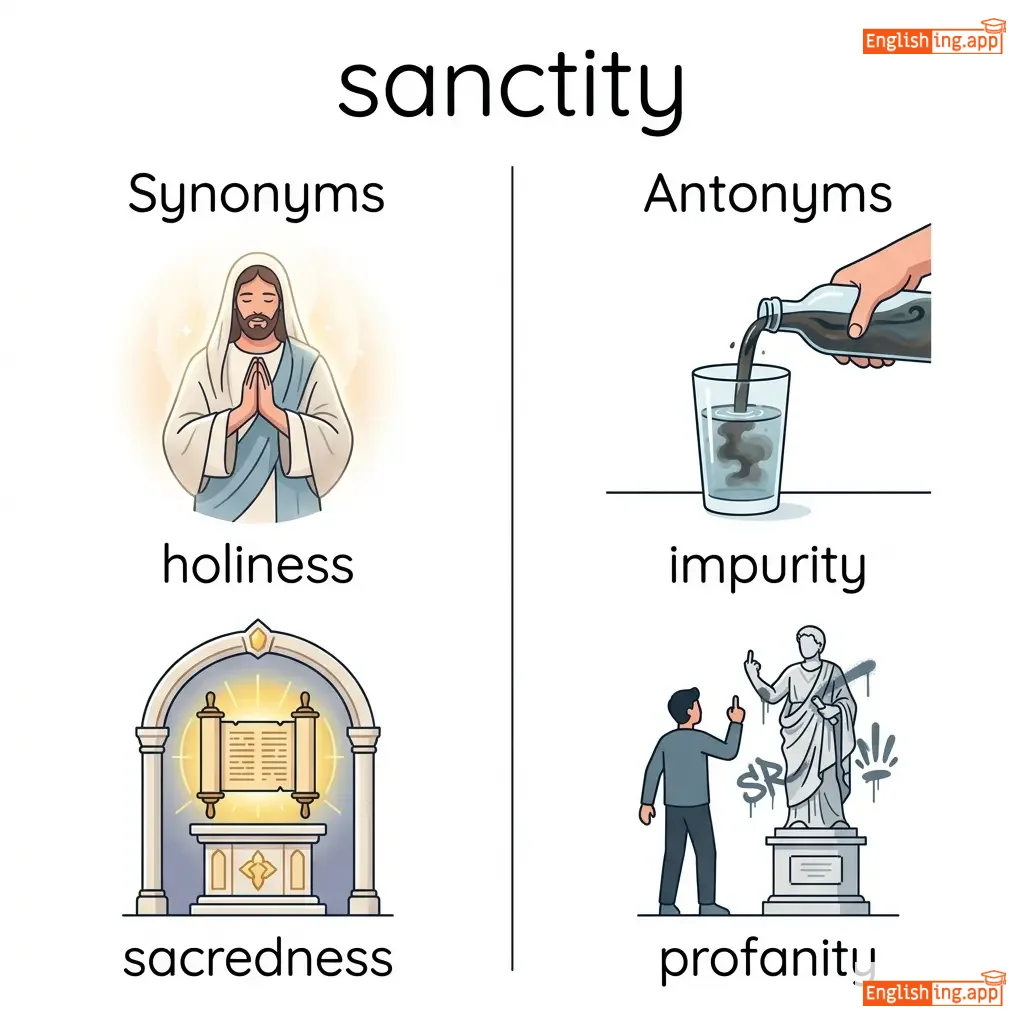
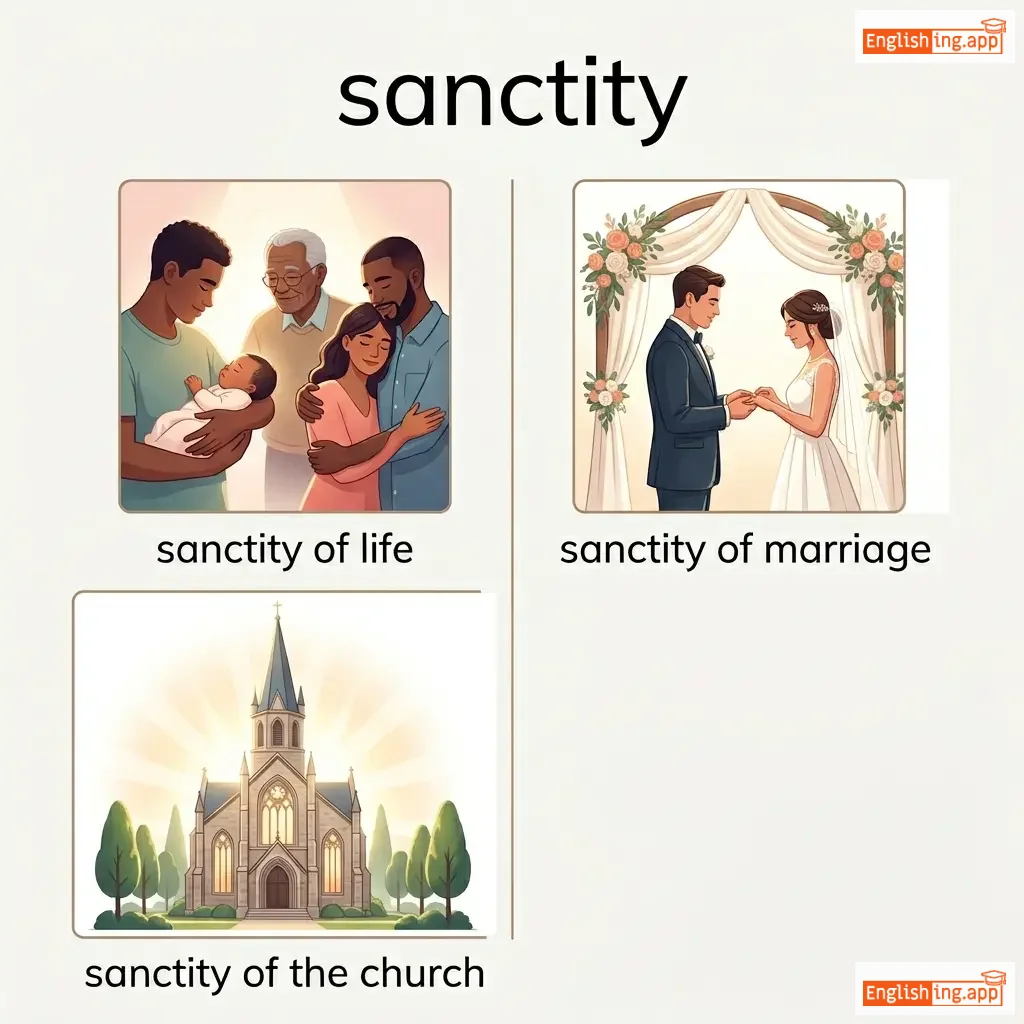
神圣
shen sheng
••••••
|
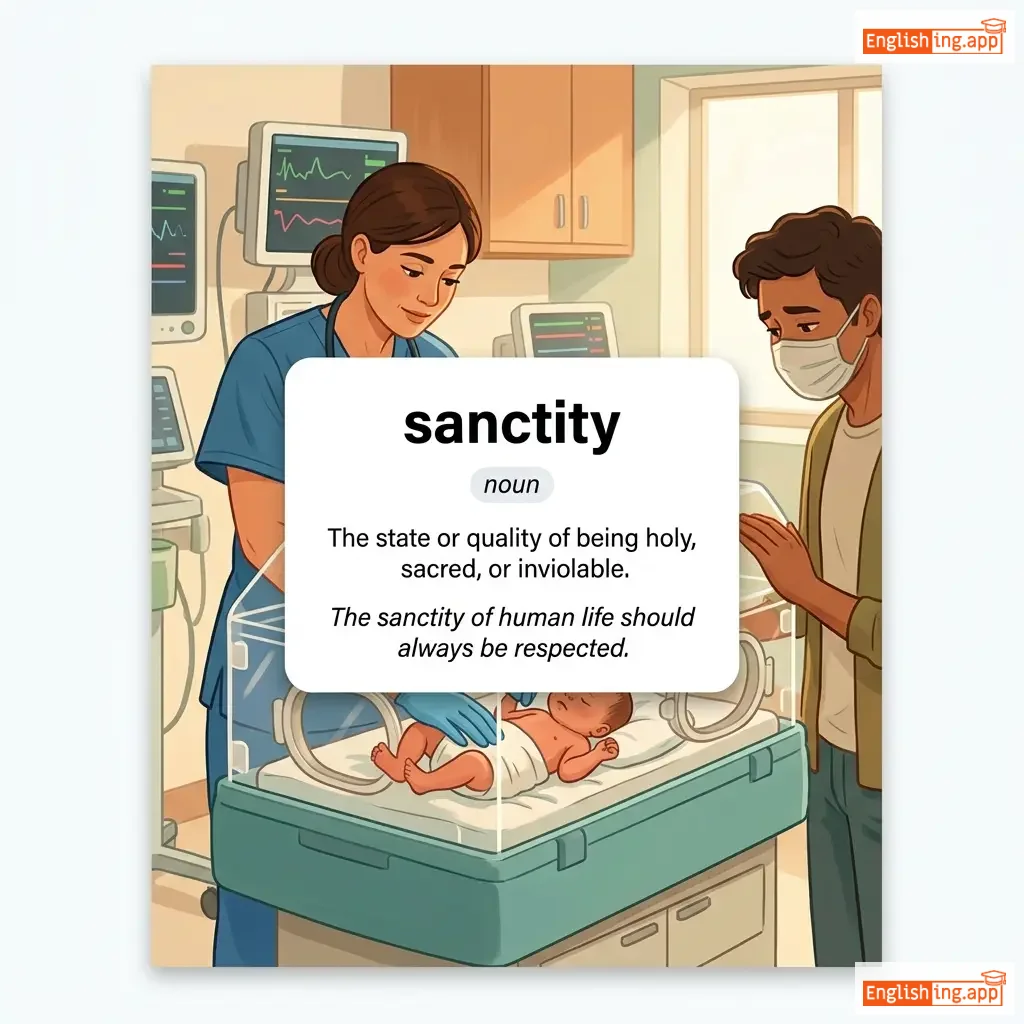
the state of being holy, sacred, or spiritually pure
••••••
|
The sanctity of the temple must be preserved.
寺庙的神圣性必须被保留。
••••••
|
必须维护寺庙的神圣性。
bixu weihu simiao de shensheng xing
••••••
|
holiness, sacredness, purity, inviolability
••••••
|
profanity, impurity, corruption, desecration
••••••
|
sanctity of life, sanctity of marriage, preserve sanctity
••••••
|
Shen sheng sounds like 'saint shang'—holy and pure in spirit.
••••••
|
|
#1235
⚠️
|
/ˈseɪf.ti/
noun
(sāi fēi tī)
••••••
|
- •••••• |
安全
anquan
••••••
|
condition of being protected from danger, risk, or injury
••••••
|
The company prioritizes workplace safety above all else. |
公司将工作场所的安全置于一切之上。
Gōngsī jiāng gōngzuò chǎngsuǒ de ānquán zhì yú yīqiè zhī shàng
••••••
|
security, protection, welfare, well-being
••••••
|
danger, hazard, risk, peril
••••••
|
safety measures, public safety, safety regulations, road safety
••••••
|
安全 = Safety, 在安全中你是最安全的
••••••
|
|
#1236
😈
|
/ˈseɪ.tən/
noun
(撒旦)
••••••
|
- •••••• |
撒旦
Sàdàn
••••••
|
the chief evil spirit; the Devil in Christian and Islamic belief
••••••
|
According to religious texts, Satan tempts people to sin.
根据宗教经典,撒旦诱惑人们犯罪。
••••••
|
根据宗教经典,撒旦诱惑人们犯罪。
Gēnjù zōngjiào jīngdiǎn, Sàdàn yòuhuò rénmen fànzuì.
••••••
|
Devil, Lucifer, Evil One, Beelzebub
••••••
|
God, Angel, Saint, Divine
••••••
|
Satan's temptation, worship Satan, Satan's power
••••••
|
撒旦代表着邪恶,他总是诱惑人类走向罪恶。
••••••
|
|
#1237
😇
|
/seɪnt/
noun
(圣)
••••••
|
- •••••• |
被认为圣洁或道德的人;非常友善或有耐心的人
bèi rènwéi shèngjié huò dàodé de rén; fēicháng yǒushàn huò yǒu nàixīn de rén
••••••
|
person recognized as holy or virtuous; very kind or patient person
••••••
|
Mother Teresa was declared a saint by the Catholic Church.
特雷莎修女被天主教教会宣布为圣人。
••••••
|
特雷莎修女被天主教教会宣布为圣人。
tè léi shā xiū nǚ bèi tiān zhǔ jiào jiào huì xuān bù wéi shèng rén.
••••••
|
holy person, martyr, angel, paragon
••••••
|
sinner, devil, villain, criminal
••••••
|
patron saint, saint's day, canonized saint
••••••
|
圣人由教会宣布并认可
••••••
|
|
#1238
😊
|
/ˌsæt.ɪsˈfæk.ʃən/
noun
(满意)
••••••
|
- •••••• |
满足
mǎnzú
••••••
|
fulfillment of one's wishes, expectations, or needs
••••••
|
She felt great satisfaction after completing the project. |
她在完成项目后感到极大的满足。
Tā zài wánchéng xiàngmù hòu gǎndào jí dà de mǎnzú.
••••••
|
contentment, fulfillment, pleasure, gratification
••••••
|
dissatisfaction, disappointment, frustration
••••••
|
job satisfaction, customer satisfaction, personal satisfaction
••••••
|
Mǎnzú in Chinese is the satisfaction you feel after fulfilling something!
••••••
|
|
#1239
🤝
|
/seɪk/
noun
(seik)
••••••
|
- •••••• |
原因; 理由;
yuanyin; liyou;
••••••
|
purpose or reason for doing something; benefit or interest
••••••
|
She worked overtime for the sake of her family's future.
她为了家人的未来加班。
••••••
|
她为了家人的未来加班。
Ta wei le jiaren de weilai jiaban.
••••••
|
purpose, benefit, interest, welfare
••••••
|
detriment, harm, disadvantage, loss
••••••
|
for the sake of, heaven's sake, goodness sake
••••••
|
Sake = 'Sake' 为了家人的未来
••••••
|
|
#1240
🗣️
|
/ˈsɔː.dər/
noun
(萨德尔)
••••••
|
- •••••• |
奉承; 奉承的话
fèngchéng; fèngchéng de huà
••••••
|
flattering or wheedling talk; soft soap
••••••
|
His sawder couldn't convince anyone of his sincerity.
他的萨德尔无法说服任何人相信他的真诚。
••••••
|
他的奉承无法说服任何人相信他的真诚。
Tā de fèngchéng wúfǎ shuōfú rènhé rén xiāngxìn tā de zhēnchéng.
••••••
|
flattery, cajolery, wheedling, soft soap
••••••
|
honesty, sincerity, straightforwardness
••••••
|
empty sawder, use sawder, sawder and flattery
••••••
|
Sawder 就是奉承话,让你觉得别人真诚,却别有用心。
••••••
|
Vocabulary Quiz
Test your vocabulary by matching words with their translations or meanings.
Login to take the quiz
Comments (0)
Share your thoughts and join the discussion.
Join the discussion by logging in
Login to CommentNo comments yet
Be the first to share your thoughts!