



Swipe left or right, or use the buttons. Tap image to zoom.
例句翻译
单词
Lesson 18Lesson 18 - 遮罩切换
|
表情符号
|
单词 | Images | 翻译 | 含义 | 例句 | 例句翻译 | 同义词 | 反义词 | 搭配词 | 助记符 |
|---|---|---|---|---|---|---|---|---|---|---|
|
#341
🌆
|
/dʌsk/
noun
(dask)
••••••
|
- •••••• |
黄昏; 傍晚
huánghūn, bàngwǎn
••••••
|
the period of the day when daylight is fading; twilight
••••••
|
They walked along the beach during dusk, watching the sunset.
他们在黄昏时分在海滩上走,观看日落。
••••••
|
他们在黄昏时分在海滩上走,观看日落。
Tāmen zài huánghūn shífēn zài hǎitān shàng zǒu, guānkàn rìluò.
••••••
|
twilight, evening, sundown, nightfall
••••••
|
dawn, daybreak, sunrise, morning
••••••
|
at dusk, dusk falls, evening dusk
••••••
|
In Chinese, 黄昏 (huánghūn) captures the fading light at dusk.
••••••
|
|
#342
💰
|
/ɪˈkɒn.ə.mi/
noun
(经济)
••••••
|
|
经济
jingji
••••••
|
the system of trade and industry in a country; careful use of money and resources
••••••
|
The country's economy grew rapidly after the new policies were implemented.
这个国家的经济在新政策实施后迅速增长。
••••••
|
这个国家的经济在新政策实施后迅速增长。
Zhege guojia de jingji zai xin zhengce shishi hou xunsu zengzhang.
••••••
|
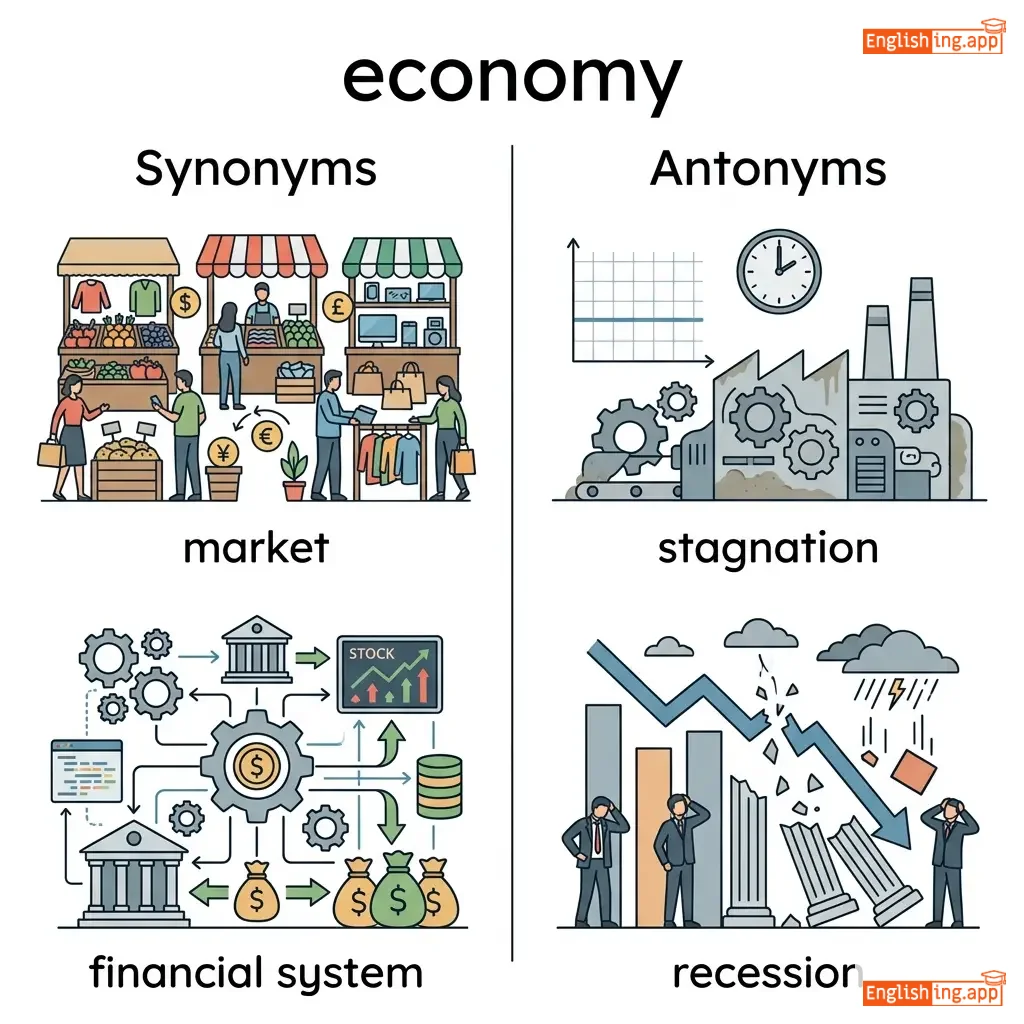
finance, commerce, trade, market
••••••
|
waste, extravagance, squandering, inefficiency
••••••
|
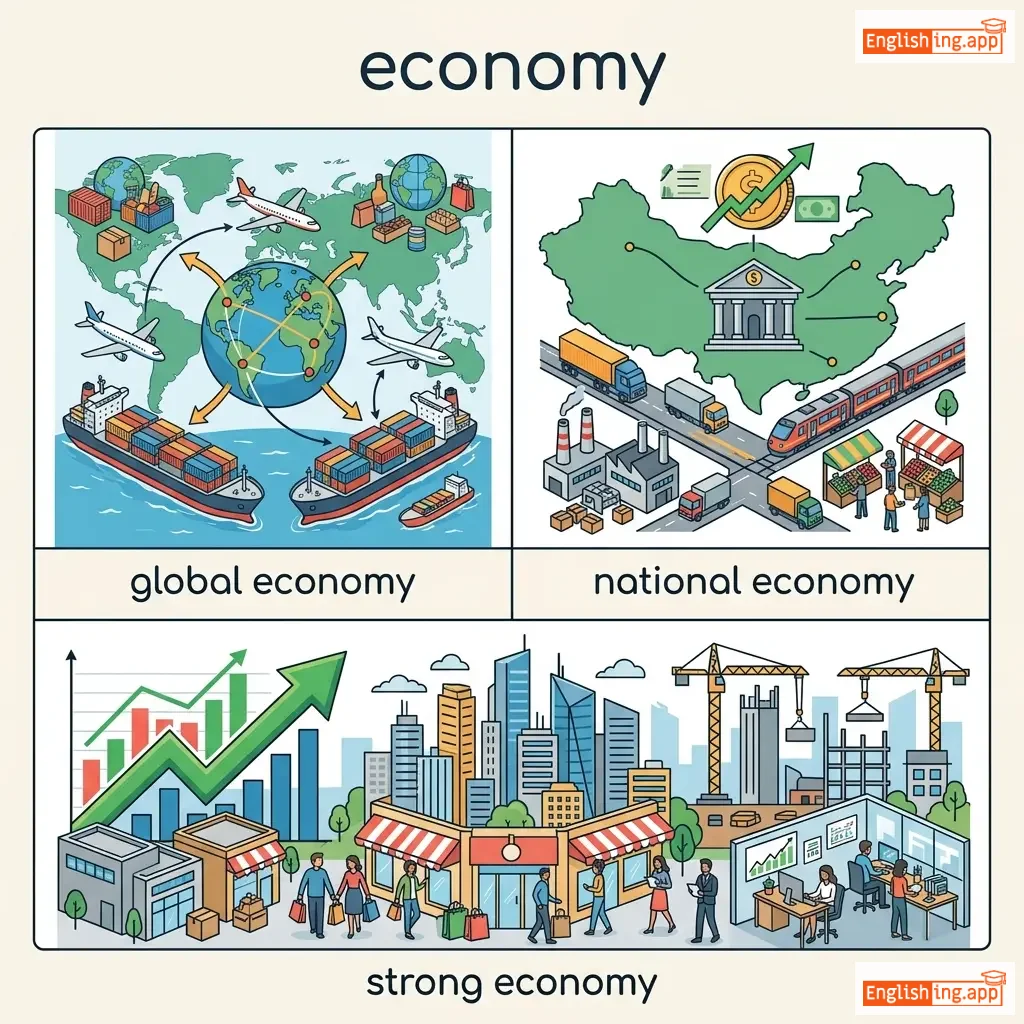
national economy, global economy, economic growth
••••••
|
经济 = 经济 = 像钱一样的经济
••••••
|
|
#343
💨
|
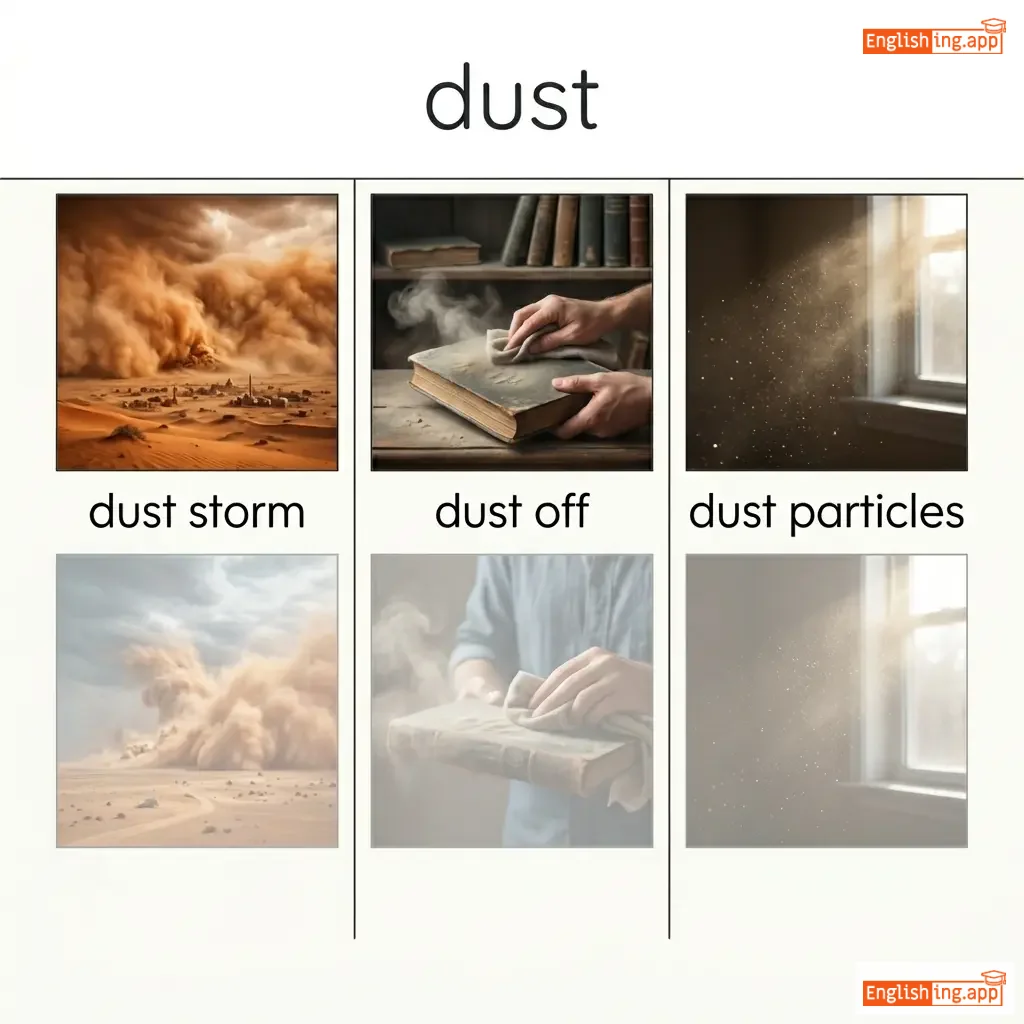
/dʌst/
noun
(dasti)
••••••
|
|
尘土; 干土; 尘埃颗粒
chentu, gantu, chenai keli
••••••
|
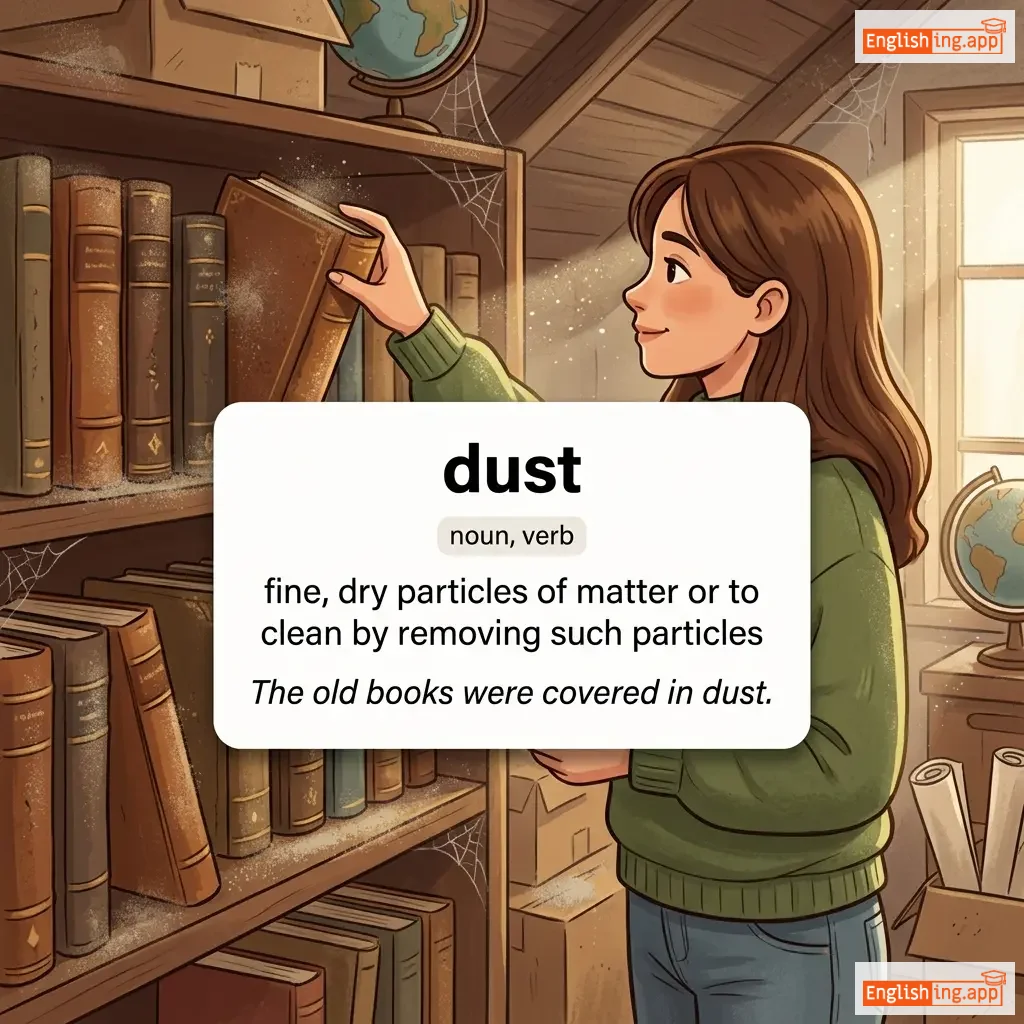
fine particles of matter; dry earth or other matter in fine particles
••••••
|
The old books were covered with a thick layer of dust.
这些旧书被厚厚的尘土覆盖。
••••••
|
这些旧书被厚厚的尘土覆盖。
Zhe xie jiu shu bei hou hou de chen tu fu gai.
••••••
|
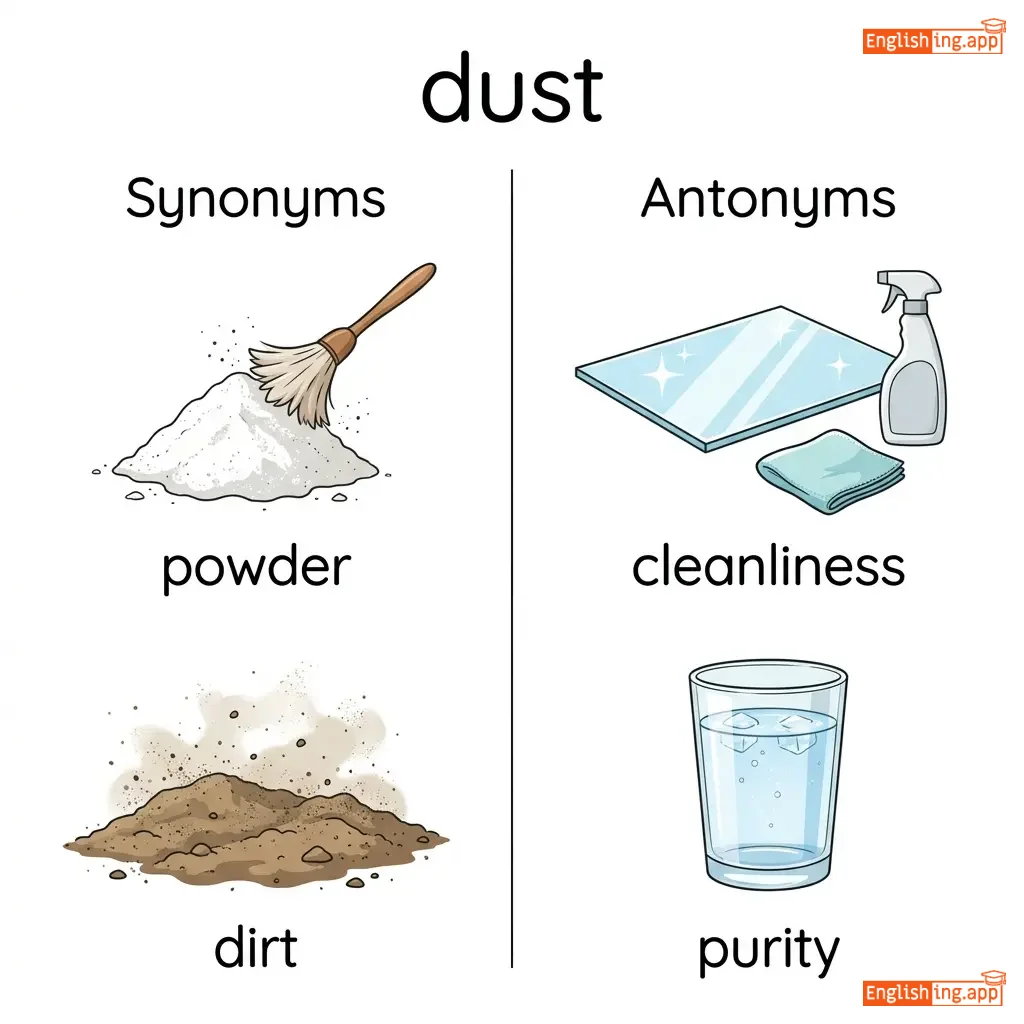
powder, particles, debris, dirt
••••••
|
cleanliness, purity, freshness, clarity
••••••
|
dust particles, collect dust, dust storm
••••••
|
Dust = 尘土, 像书上的尘土
••••••
|
|
#344
😍
|
/ˈek.stə.si/
noun
(ēkèsītè)
••••••
|
- •••••• |
极乐
jile
••••••
|
an overwhelming feeling of great happiness or joyful excitement
••••••
|
She was in complete ecstasy when she heard the good news.
她听到好消息时完全陷入了极乐。
••••••
|
她听到好消息时完全陷入了极乐。
Ta tingdao hao xiaoxi shi wanquan xianru le jile.
••••••
|
bliss, euphoria, rapture, delight
••••••
|
misery, agony, despair, sorrow
••••••
|
pure ecstasy, state of ecstasy, ecstasy of joy
••••••
|
Feel the jile, a state of overwhelming joy and excitement!
••••••
|
|
#345
⚖️
|
/ˈdjuː.ti/
noun
(dùtí)
••••••
|
- •••••• |
责任
zérèn
••••••
|
something that one is expected or required to do; moral or legal obligation
••••••
|
It is our duty as citizens to vote in elections.
作为公民,我们有责任在选举中投票。
••••••
|
作为公民,我们有责任在选举中投票。
Zuòwéi gōngmín, wǒmen yǒu zérèn zài xuǎnjǔ zhōng tóupiào.
••••••
|
responsibility, obligation, commitment, role
••••••
|
freedom, choice, privilege, right
••••••
|
moral duty, civic duty, on duty
••••••
|
责任意味着义务,如在选举中投票。
••••••
|
|
#346
🌺
|
/ˈiː.dən/
noun
(伊甸园)
••••••
|
- •••••• |
伊甸园
Yidian yuan
••••••
|
a place or state of great happiness; paradise
••••••
|
The garden was like Eden, filled with beautiful flowers and peaceful atmosphere. |
这个花园就像伊甸园,充满了美丽的花朵和宁静的气氛。
Zhege huayuan jiuxiang Yidian yuan, chongman le meili de huaduo he ningjing de qifen.
••••••
|
paradise, heaven, utopia, bliss
••••••
|
hell, nightmare, dystopia, misery
••••••
|
Garden of Eden, lost Eden, earthly Eden
••••••
|
伊甸园是一个象征着幸福和宁静的地方。
••••••
|
|
#347
👑
|
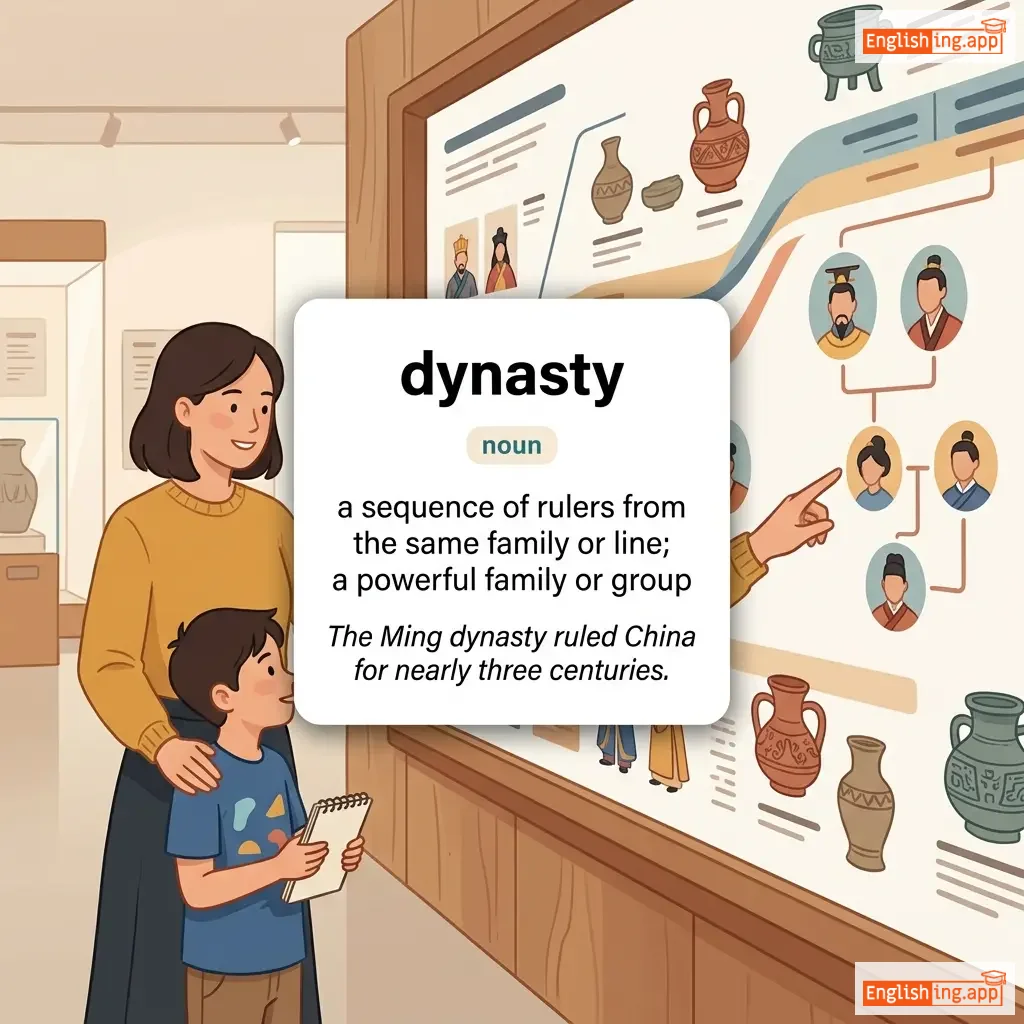
/ˈdaɪ.nə.sti/
noun
(dài-nà-sī)
••••••
|
|
王朝
wangchao
••••••
|
a sequence of rulers from the same family or line; a powerful family or group
••••••
|
The Ming dynasty ruled China for nearly three centuries. |
明朝统治了中国近三百年。
Ming chao tongzhi le Zhongguo jin san bai nian.
••••••
|
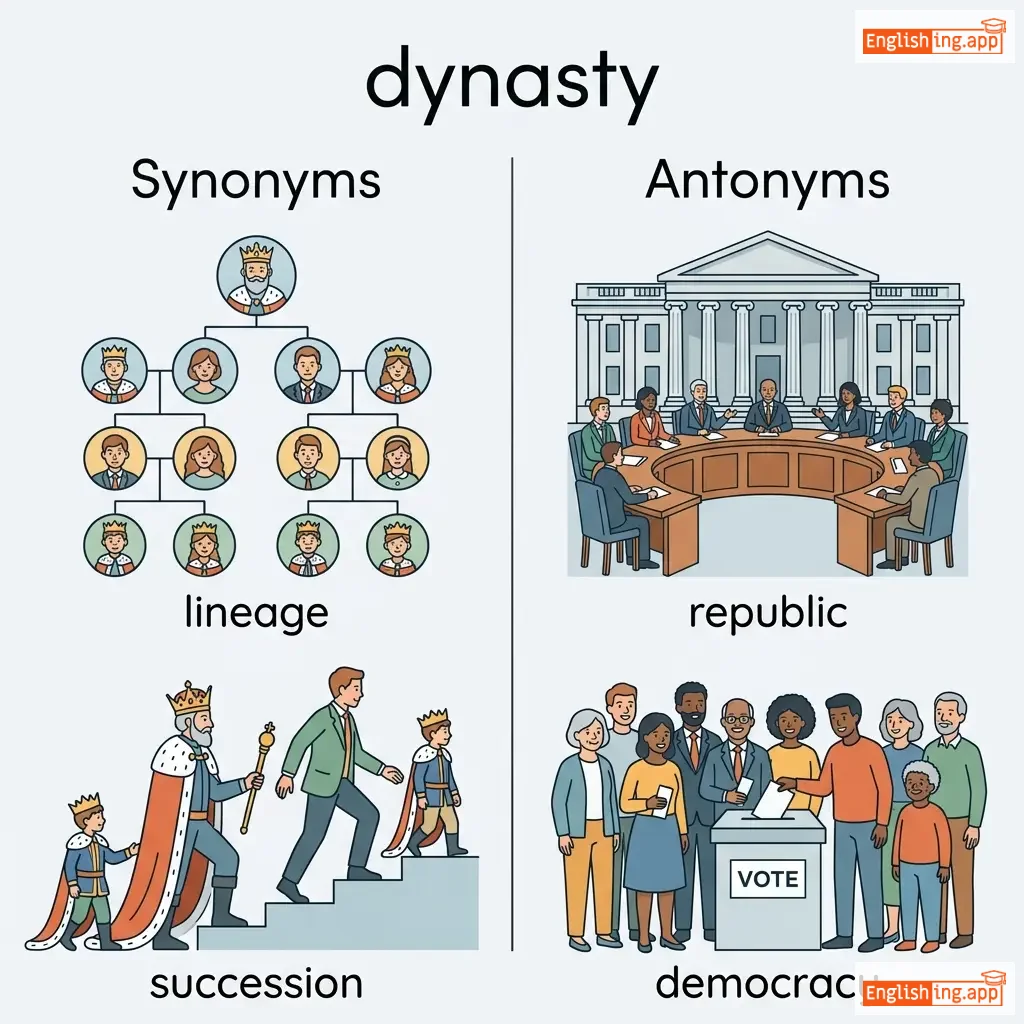
lineage, succession, regime, empire
••••••
|
republic, democracy, anarchy, chaos
••••••
|
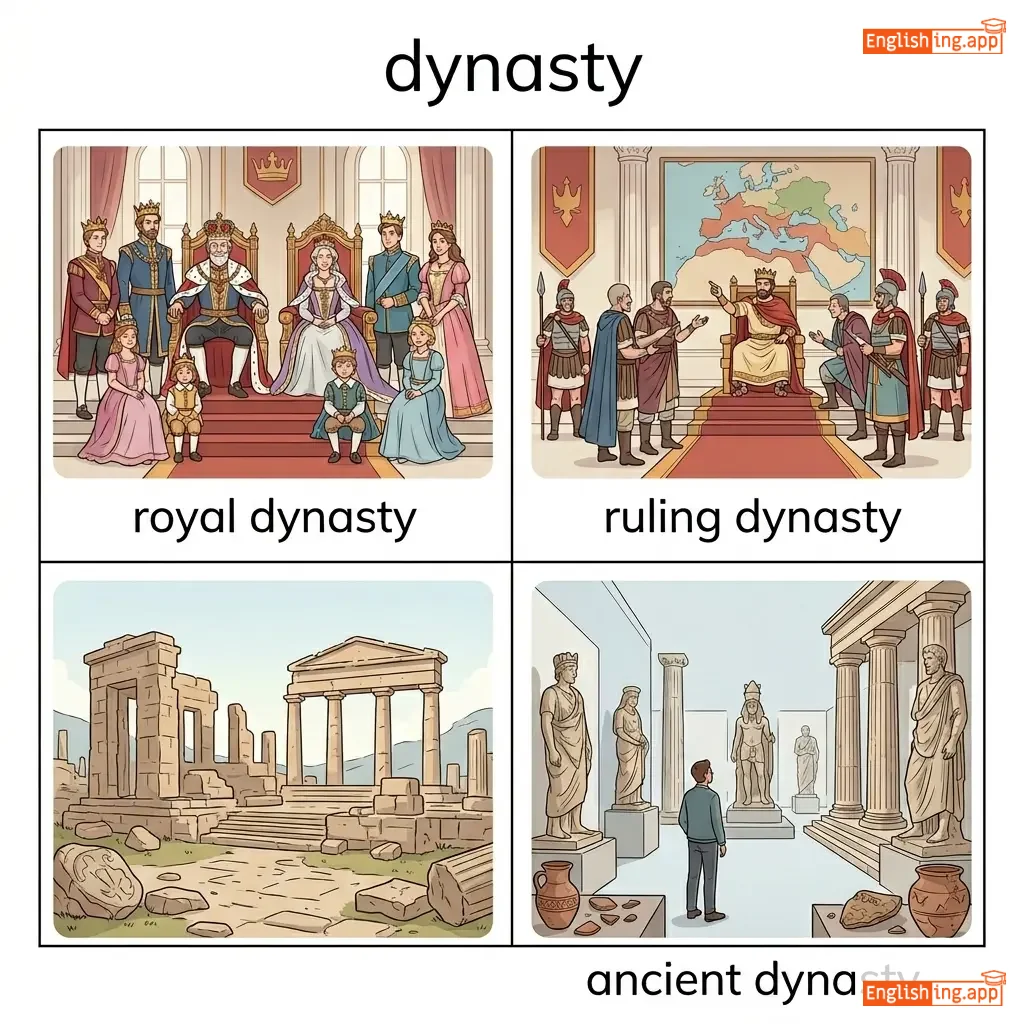
royal dynasty, ruling dynasty, ancient dynasty
••••••
|
Dynasty = 王朝 (Wangchao), 就像一个历史悠久的家族
••••••
|
|
#348
🔪
|
/edʒ/
noun
(èjí)
••••••
|
- •••••• |
边缘; 锋利的边
bianyuan; fengli de bian
••••••
|
the outside limit of an object or area; a sharp side of a blade
••••••
|
Be careful not to cut yourself on the sharp edge of the knife. |
小心不要被刀的锋利边缘割伤。
Xiǎoxīn bùyào bèi dāo de fēnglì biānyuán gē shāng.
••••••
|
border, boundary, margin, rim
••••••
|
center, middle, interior, core
••••••
|
cutting edge, on edge, sharp edge
••••••
|
Edge - 刀片的锋利边缘
••••••
|
|
#349
👂
|
/ɪər/
noun
(耳)
••••••
|
- •••••• |
耳朵; 听力; 听的能力
ěrduo, tīnglì, tīng de nénglì
••••••
|
the organ of hearing; the ability to hear or listen
••••••
|
She whispered something in his ear during the meeting. |
她在会议期间低声在他耳边说了些什么。
Tā zài huìyì qījiān dī shēng zài tā ěrbiān shuōle xiē shénme.
••••••
|
hearing, auditory organ, sense organ, lobe
••••••
|
deafness, silence, muteness, quiet
••••••
|
inner ear, good ear, ear infection
••••••
|
In Chinese, '耳' (ěr) is how you hear!
••••••
|
|
#350
⚡
|
/ɪˈfekt/
noun
(效果)
••••••
|
- •••••• |
效果; 结果; 后果
xiaoguo, jieguo, houguo
••••••
|
a change that is a result or consequence of an action or other cause
••••••
|
The new medicine had a positive effect on the patient's recovery. |
新药物对患者的恢复产生了积极的效果。
Xin yao wu dui huanzhe de huifu chansheng le ji ji de xiaoguo.
••••••
|
result, consequence, outcome, impact
••••••
|
cause, origin, source, beginning
••••••
|
side effect, cause and effect, positive effect
••••••
|
效果是行动之后的结果,能感受到的影响。
••••••
|
|
#351
🌍
|
/ɜːθ/
noun
(èrθ)
••••••
|
- •••••• |
地球; 土壤;
dìqiú, tǔrǎng
••••••
|
the planet on which we live; the ground or soil
••••••
|
The astronauts could see Earth from their spacecraft in orbit.
宇航员们可以从他们的太空船上看到地球。
••••••
|
宇航员们可以从他们的太空船上看到地球。
Yǔhángyuánmen kěyǐ cóng tāmen de tàikōng chuán shàng kàn dào dìqiú.
••••••
|
world, globe, planet, ground
••••••
|
sky, heaven, space, cosmos
••••••
|
planet Earth, Mother Earth, down to earth
••••••
|
Earth in Chinese is '地球' – it's the ground we live on, just like 'dìqiú'.
••••••
|
|
#352
⚙️
|
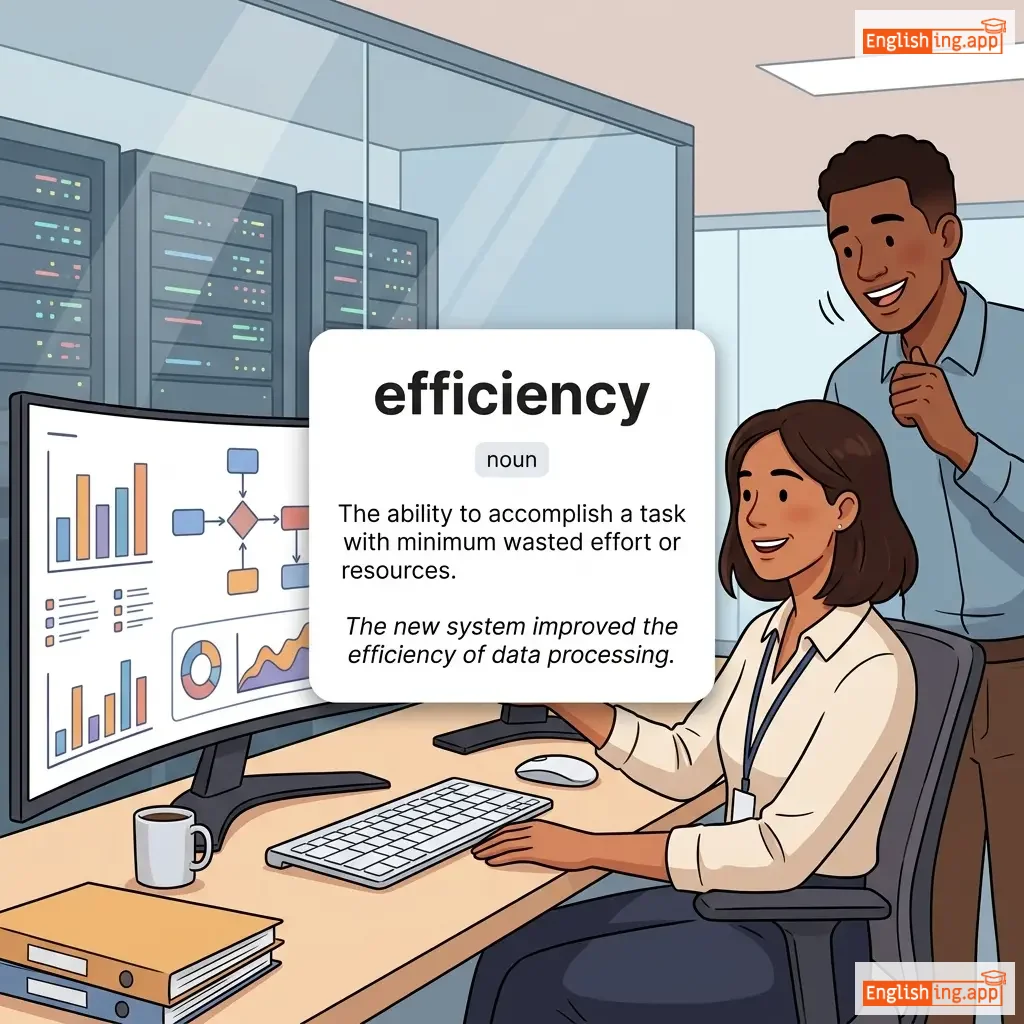
/ɪˈfɪʃ.ən.si/
noun
(高效)
••••••
|
|
效率
xiaolü
••••••
|
the ability to accomplish something with the least waste of time and effort
••••••
|
The new system improved the efficiency of the entire production process.
新系统提高了整个生产过程的效率。
••••••
|
新系统提高了整个生产过程的效率。
Xin xitong tigao le zhengge shengchan guocheng de xiaolv.
••••••
|
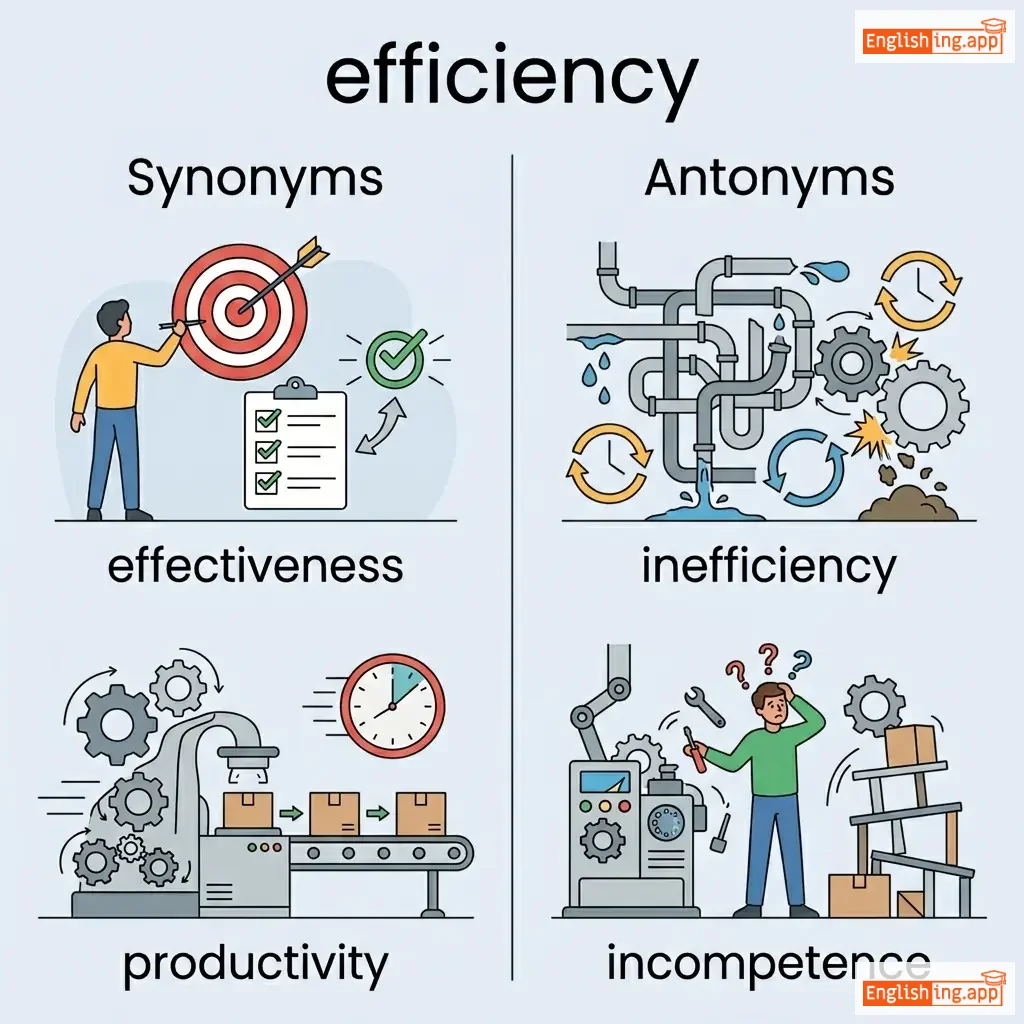
effectiveness, competence, productivity, capability
••••••
|
inefficiency, incompetence, waste, slowness
••••••
|
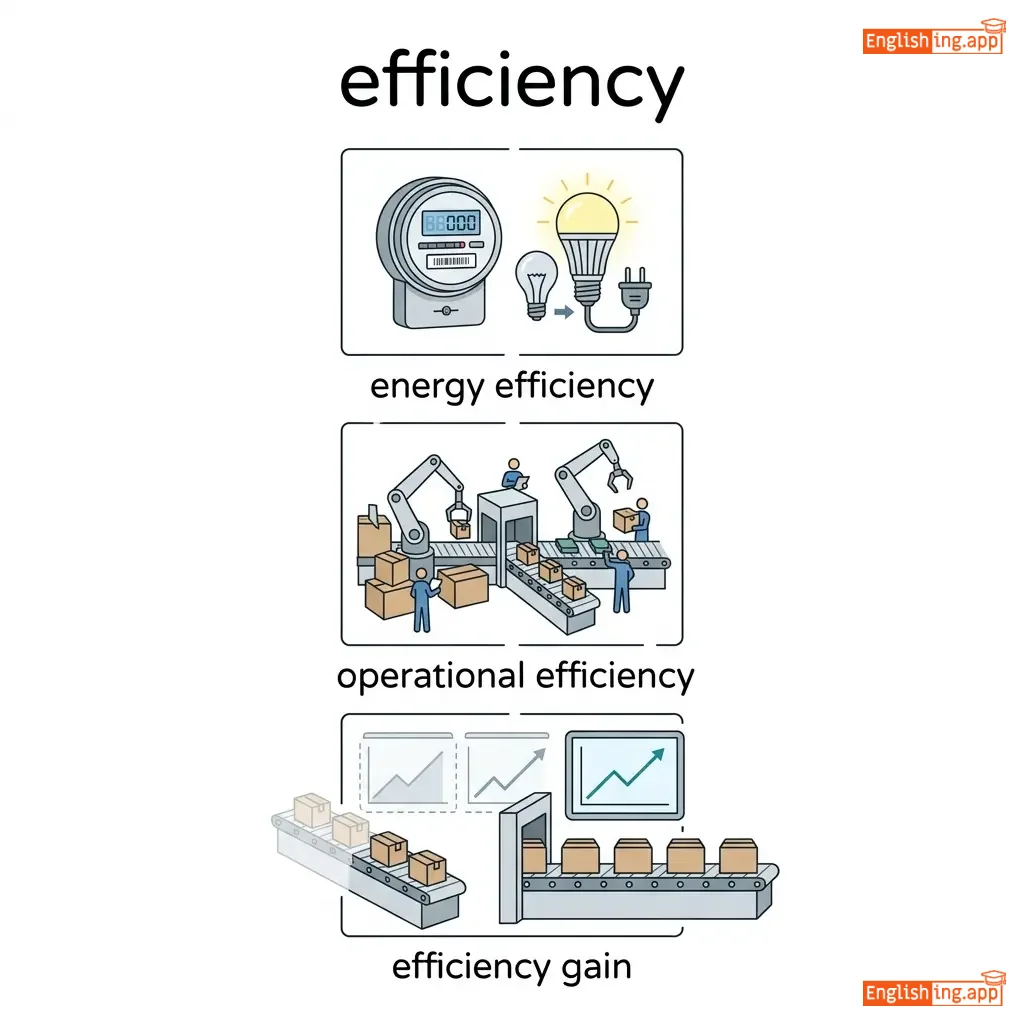
energy efficiency, improve efficiency, high efficiency
••••••
|
高效可以让你以最短的时间完成更多任务。
••••••
|
|
#353
😌
|
/iːz/
noun
(伊兹)
••••••
|
- •••••• |
轻松;舒适
qīngsōng; shūshì
••••••
|
absence of difficulty or effort; comfort and relaxation
••••••
|
After years of practice, she played the piano with great ease. |
经过多年的练习,她弹钢琴时非常轻松。
jīngguò duōnián de liànxí, tā tán gāngqín shí fēicháng qīngsōng.
••••••
|
comfort, relaxation, simplicity, facility
••••••
|
difficulty, struggle, hardship, tension
••••••
|
with ease, at ease, ease of use
••••••
|
轻松 = 轻松的舒适感
••••••
|
|
#354
🗿
|
/ˈef.ɪ.dʒi/
noun
(é fū jī)
••••••
|
- •••••• |
肖像; 抗议模型
xiao xiang, kangyi moxing
••••••
|
a sculpture or model of a person, especially one made as a protest
••••••
|
The protesters burned an effigy of the corrupt politician in the square. |
抗议者在广场上烧毁了腐败政治家的肖像。
Kangyizhe zai guangchang shang shaohui le fubai zhengzhijia de xiaoxiang.
••••••
|
statue, figure, dummy, representation
••••••
|
original, real person, actual being, genuine
••••••
|
burn effigy, effigy burning, make effigy
••••••
|
No •••••• |
|
#355
🌊
|
/eb/
noun
(èb)
••••••
|
- •••••• |
退潮; 海水下降
tuìcháo, hǎishuǐ xiàjiàng
••••••
|
the receding tide; a gradual decline or reduction
••••••
|
The fishermen waited for the ebb before returning to shore.
渔民们在回到岸边之前等待着退潮。
••••••
|
渔民们在回到岸边之前等待着退潮。
Yúmínmen zài huí dào ànbiān zhīqián děngdàizhe tuìcháo.
••••••
|
decline, recession, retreat, decrease
••••••
|
flow, rise, increase, advance
••••••
|
ebb and flow, ebb tide, at low ebb
••••••
|
潮水退去,就像一阵逐渐消失的力量
••••••
|
|
#356
💪
|
/ˈef.ət/
noun
(努力)
••••••
|
- •••••• |
努力
nuli
••••••
|
physical or mental activity needed to achieve something
••••••
|
She put a lot of effort into preparing for the final examination.
她在准备期末考试时付出了很多努力。
••••••
|
她在准备期末考试时付出了很多努力。
Ta zai zhunbei qimou kao shi shi fuchule henduo nuli.
••••••
|
attempt, endeavor, exertion, struggle
••••••
|
ease, rest, inaction, negligence
••••••
|
make effort, joint effort, great effort
••••••
|
努力表示为实现目标付出的奋斗,就像'坚持就是胜利'。
••••••
|
|
#357
🔊
|
/ˈek.oʊ/
noun
(回声)
••••••
|
- •••••• |
回声; 回响
huíshēng; huíxiǎng
••••••
|
a sound that is reflected back; a repetition or imitation
••••••
|
His voice created a clear echo in the empty cathedral.
他的声音在空荡的教堂里产生了清晰的回声。
••••••
|
他的声音在空荡的教堂里产生了清晰的回声。
Tā de shēngyīn zài kōngdàng de jiàotáng lǐ chǎnshēngle qīngxī de huíshēng.
••••••
|
reverberation, repetition, reflection, resonance
••••••
|
silence, original, source, primary
••••••
|
echo back, distant echo, echo effect
••••••
|
Echo in Chinese is '回声', a sound that echoes back to you!
••••••
|
|
#358
🤴
|
/ˈiː.ɡoʊ/
noun
(自我)
••••••
|
- •••••• |
自我; 自尊
ziwo; zizun
••••••
|
a person's sense of self-esteem or self-importance
••••••
|
His big ego prevented him from accepting criticism from others.
他的自大使他无法接受他人的批评。
••••••
|
他的自大使他无法接受他人的批评。
tā de zì dà shǐ tā wúfǎ jiēshòu tārén de pīpíng.
••••••
|
pride, self-esteem, vanity, arrogance
••••••
|
humility, modesty, meekness, selflessness
••••••
|
big ego, bruised ego, ego boost
••••••
|
In Chinese, '自我' (ziwo) sounds like 'z' + 'wo' for ego.
••••••
|
|
#359
🌕
|
/ɪˈklɪps/
noun
(日全食)
••••••
|
- •••••• |
日蚀 (太阳或月亮)
rìshí (tàiyáng huò yuèliàng)
••••••
|
an obscuring of light from one celestial body by another; a decline or loss
••••••
|
The total solar eclipse darkened the sky for several minutes. |
完全的太阳日食让天空暗了好几分钟。
wánquán de tàiyáng rìshí ràng tiānkōng ànle hǎo jǐ fēnzhōng.
••••••
|
obscuration, overshadowing, occultation, blackout
••••••
|
illumination, brightness, revelation, exposure
••••••
|
solar eclipse, lunar eclipse, total eclipse
••••••
|
日食是太阳或月亮被遮挡,形成黑暗的现象。
••••••
|
|
#360
✅
|
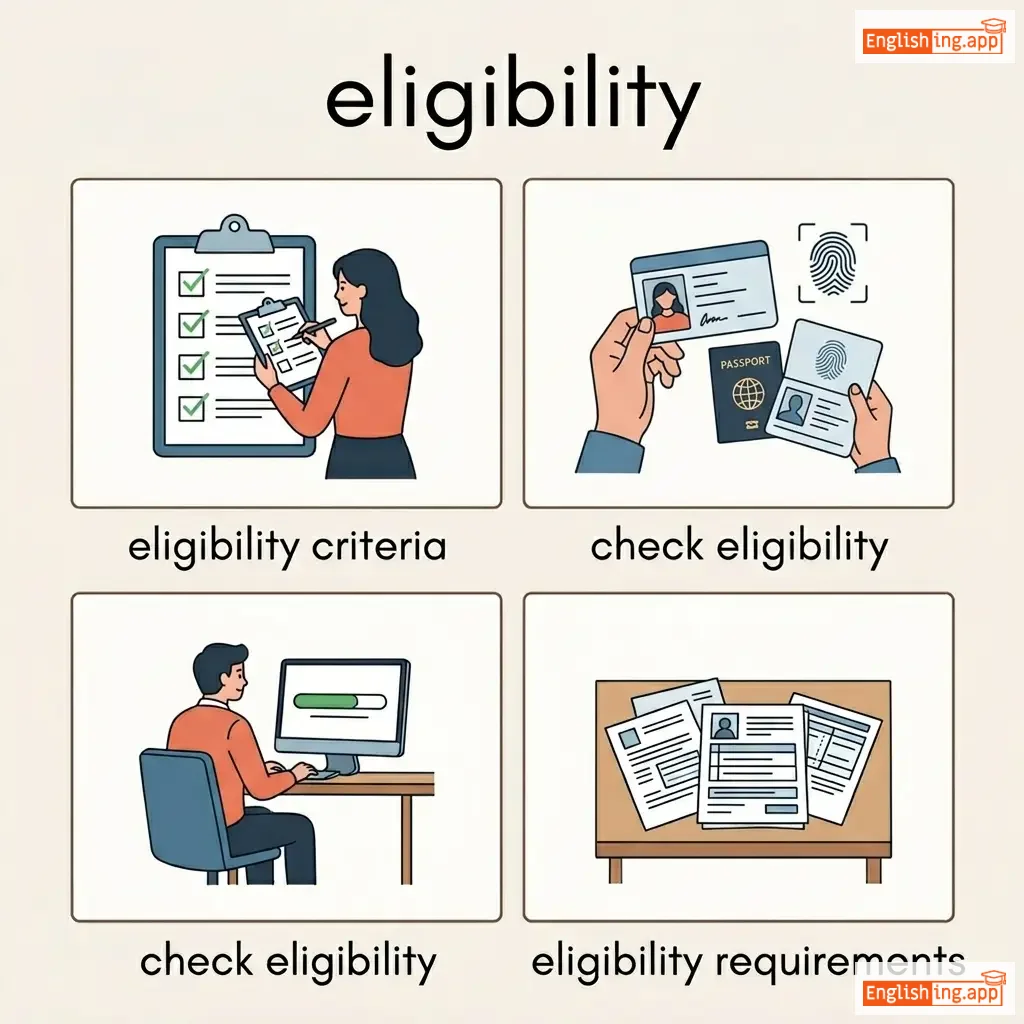
/ˌel.ɪ.dʒəˈbɪl.ə.ti/
noun
(资格)
••••••
|
|
资格
ziga
••••••
|
the state of having the right to do or obtain something
••••••
|
Students must meet certain requirements to maintain their eligibility for the scholarship.
学生必须满足特定要求,以保持他们的奖学金资格。
••••••
|
学生必须满足特定要求,以保持他们的奖学金资格。
Xuéshēng bìxū mǎnzú tèdìng yāoqiú, yǐ bǎochí tāmen de jiǎngxuéjīn zīgé.
••••••
|
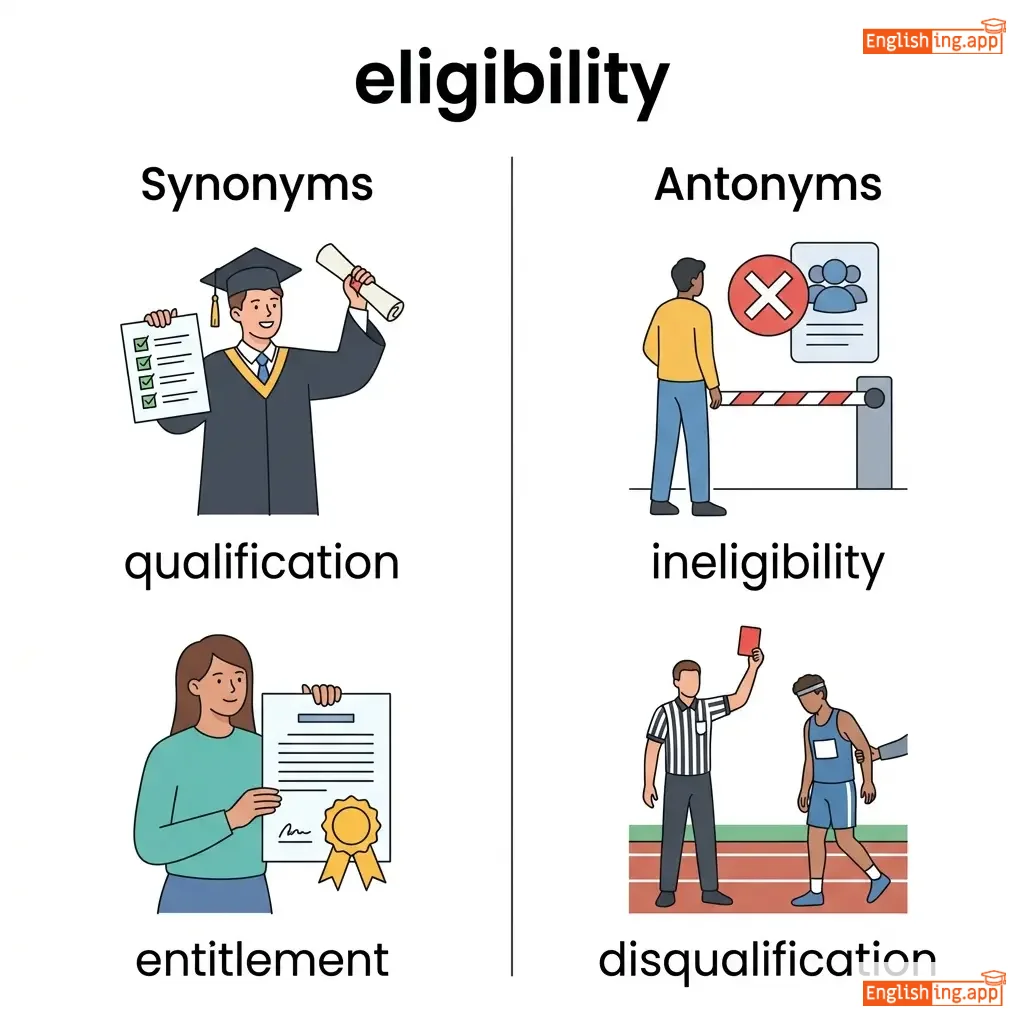
qualification, entitlement, suitability, fitness
••••••
|
ineligibility, disqualification, unsuitability, incompetence
••••••
|
eligibility criteria, check eligibility, eligibility requirements
••••••
|
资格就是拥有做某事的权利,就像获得奖学金的资格。
••••••
|
Vocabulary Quiz
Test your vocabulary by matching words with their translations or meanings.
Login to take the quiz
Comments (0)
Share your thoughts and join the discussion.
Join the discussion by logging in
Login to CommentNo comments yet
Be the first to share your thoughts!