





Swipe left or right, or use the buttons. Tap image to zoom.
例句翻译
单词
Lesson 17Lesson 17 - 遮罩切换
|
表情符号
|
单词 | Images | 翻译 | 含义 | 例句 | 例句翻译 | 同义词 | 反义词 | 搭配词 | 助记符 |
|---|---|---|---|---|---|---|---|---|---|---|
|
#321
🤐
|
/dɪˈskreʃ.ən/
noun
(dɪskreʃən)
••••••
|
|
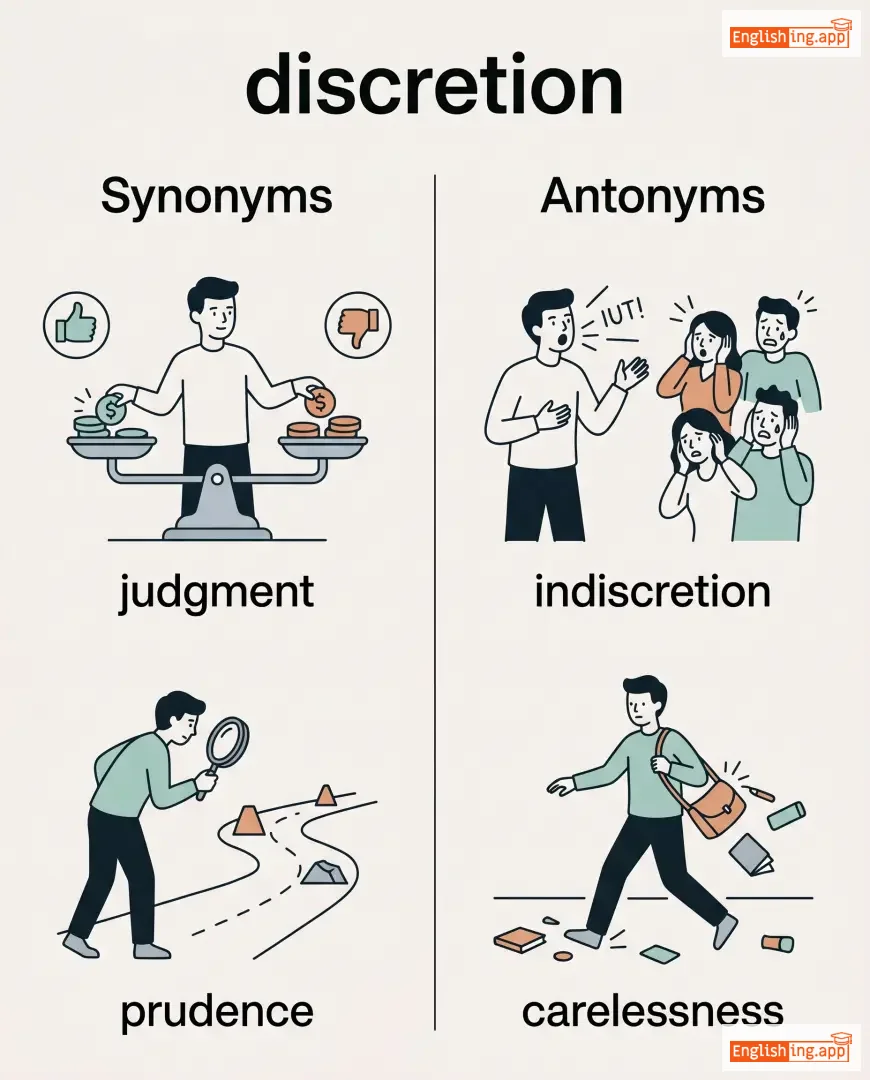
谨慎
jinshen
••••••
|
the quality of behaving or speaking in such a way as to avoid causing offense; the freedom to decide what should be done
••••••
|
The matter requires discretion and should not be discussed publicly. |
此事需要谨慎处理,不能公开讨论。
ci shi xuyao jinshen chuli, buneng gongkai taolun.
••••••
|
prudence, judgment, tact, caution
••••••
|
indiscretion, recklessness, carelessness, tactlessness
••••••
|
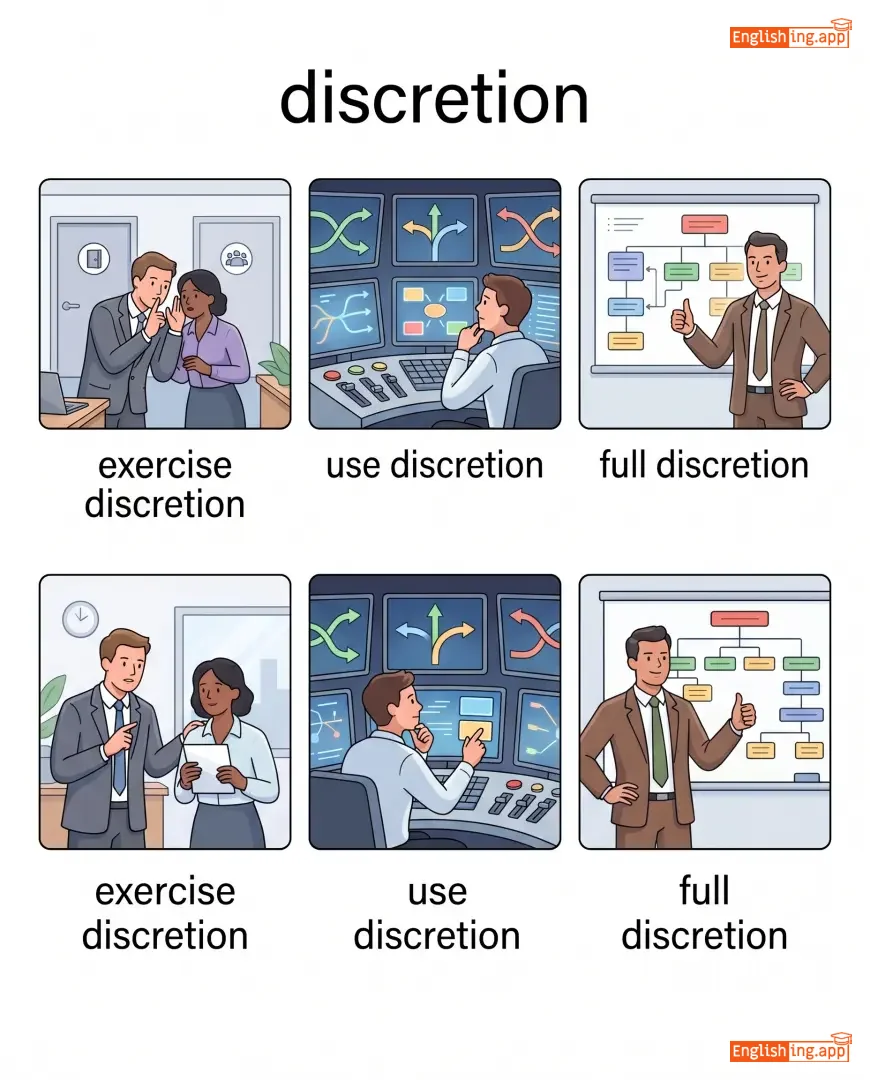
use discretion, exercise discretion, at your discretion
••••••
|
谨慎 = 小心谨慎地做决定
••••••
|
|
#322
🚧
|
/daɪˈvɜː.ʃən/
noun
(daɪˈvɜː.ʃən)
••••••
|
- •••••• |
偏离
pianli
••••••
|
the action of turning something aside from its course; an activity that diverts the mind
••••••
|
The road closure forced a diversion through the countryside for all travelers. |
道路封闭迫使所有旅行者通过乡村绕道而行。
Dao lu fengbi po shi suo you luxingzhe tongguo xiangcun rao dao er xing.
••••••
|
detour, distraction, entertainment, redirection
••••••
|
direct route, main path, concentration, focus
••••••
|
traffic diversion, create diversion, temporary diversion
••••••
|
No •••••• |
|
#323
⚖️
|
/dɪˌskrɪm.ɪˈneɪ.ʃən/
noun
(歧视)
••••••
|
- •••••• |
歧视; 不公正待遇; 偏见
qishi, bugongzheng daiyu, pianjian
••••••
|
the unjust or prejudicial treatment of different categories of people; recognition of difference
••••••
|
The company was sued for racial discrimination in their hiring practices. |
该公司因其招聘中存在种族歧视而被起诉。
Gai gongsi yin qi zhaopin zhong cunzai zhongzu qishi er bei qisu.
••••••
|
prejudice, bias, unfairness, intolerance
••••••
|
equality, fairness, tolerance, impartiality
••••••
|
racial discrimination, gender discrimination, prevent discrimination
••••••
|
歧视是社会不公的根源,记住它带来的是分裂而非和谐。
••••••
|
|
#324
💝
|
/doʊˈneɪ.ʃən/
noun
(捐赠)
••••••
|
- •••••• |
捐赠; 贡献
juānzèng, gòngxiàn
••••••
|
something that is given to a charity, especially a sum of money; the act of giving
••••••
|
The generous donation helped the hospital purchase new medical equipment.
慷慨的捐赠帮助医院购买了新的医疗设备。
••••••
|
慷慨的捐赠帮助医院购买了新的医疗设备。
Kāngkǎi de juānzèng bāngzhù yīyuàn gòumǎi le xīn de yīliáo shèbèi.
••••••
|
gift, contribution, offering, charity
••••••
|
taking, receiving, withholding, keeping
••••••
|
charitable donation, blood donation, make donation
••••••
|
Donation in Chinese is '捐赠', which reminds you of donating to help others.
••••••
|
|
#325
😳
|
/dɪsˈɡreɪs/
noun
(disgreis)
••••••
|
- •••••• |
耻辱; 丢脸; 恥辱
chiruy, diu lian, chiru
••••••
|
loss of reputation or respect as the result of a dishonorable action; a shameful situation
••••••
|
His arrest brought disgrace upon his entire family and reputation. |
他的逮捕给他的整个家庭和声誉带来了耻辱。
Tade daibu gei tade zhengge jiating he shengyu dailai le chiru.
••••••
|
shame, dishonor, humiliation, scandal
••••••
|
honor, respect, dignity, glory
••••••
|
public disgrace, bring disgrace, fall into disgrace
••••••
|
耻辱 (chiruy) sounds like disgrace (disgrace).
••••••
|
|
#326
💀
|
/ˈduːmz.deɪ/
noun
(duːmz.deɪ)
••••••
|
- •••••• |
世界末日; 最后的审判日
shìjiè mò rì; zuìhòu de shěnpàn rì
••••••
|
the last day of the world's existence; a time of catastrophic destruction
••••••
|
The preacher spoke about doomsday and the importance of preparing spiritually. |
传教士谈到了世界末日和灵性准备的重要性。
Chuánjiàoshì tán dào le shìjiè mò rì hé língxìng zhǔnbèi de zhòngyào xìng.
••••••
|
judgment day, apocalypse, end times, armageddon
••••••
|
beginning, creation, genesis, birth
••••••
|
doomsday scenario, doomsday prophecy, doomsday clock
••••••
|
末日 (Mò rì) 就是 'doom' 的天.
••••••
|
|
#327
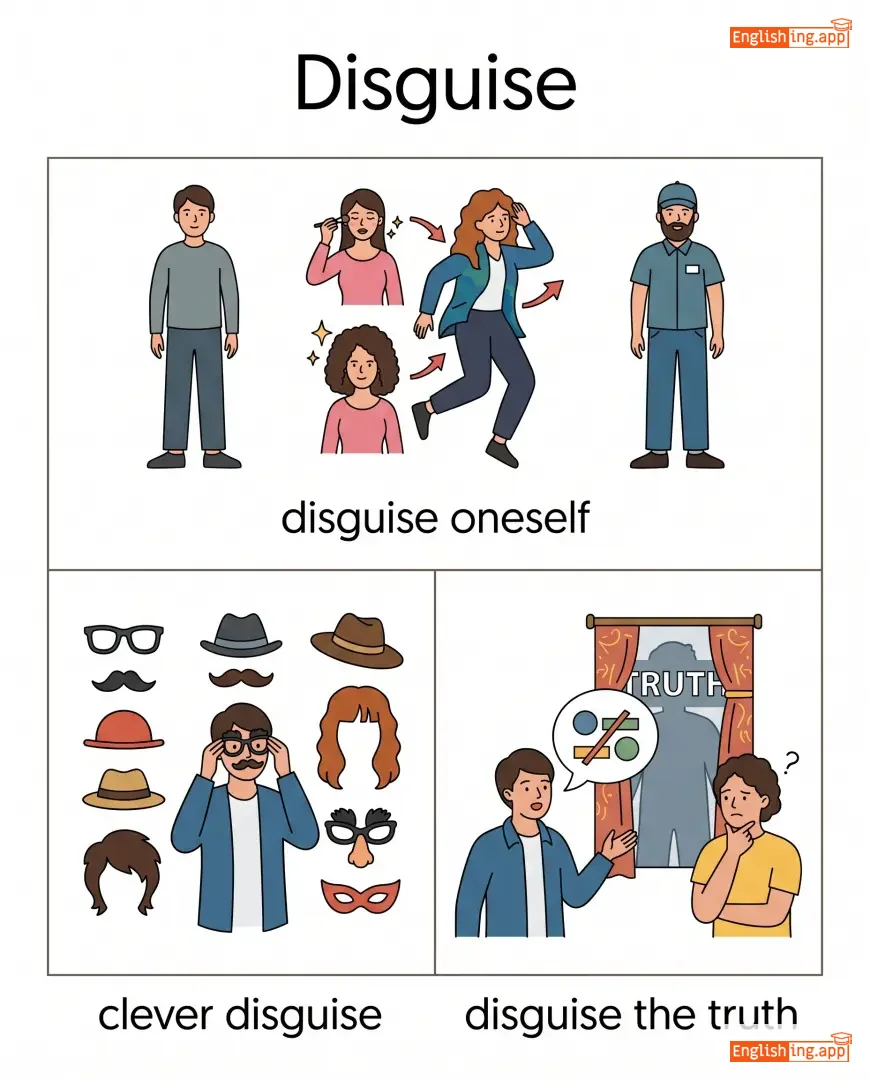
🎭
|
/dɪsˈɡaɪz/
noun
(迪斯盖兹)
••••••
|
|
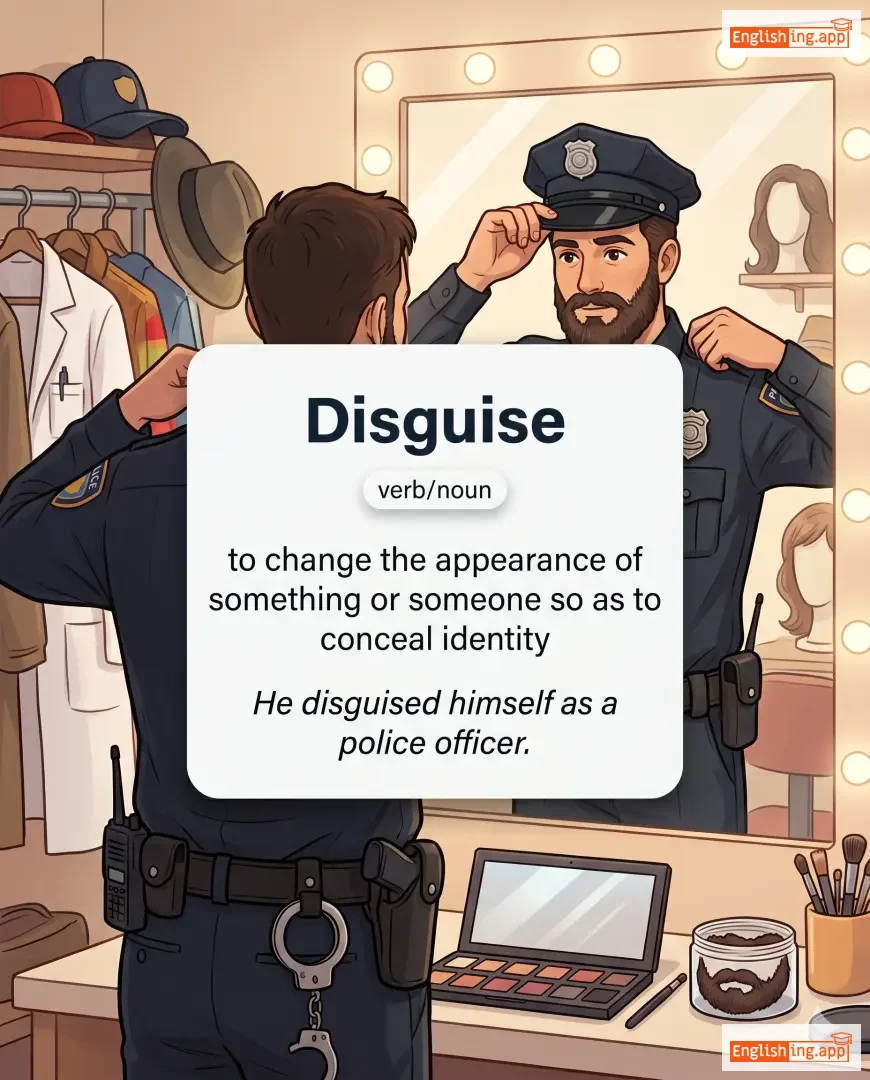
伪装; 掩饰
weizhuang, yanshi
••••••
|
a means of altering one's appearance to conceal one's identity; something that hides the truth
••••••
|
The spy wore an elaborate disguise to avoid being recognized by enemies. |
间谍穿着精心设计的伪装,以避免被敌人认出。
Jiàndié chuānzhuó jīngxīn shèjì de wěizhuāng, yǐ bìmiǎn bèi dírén rènchū.
••••••
|
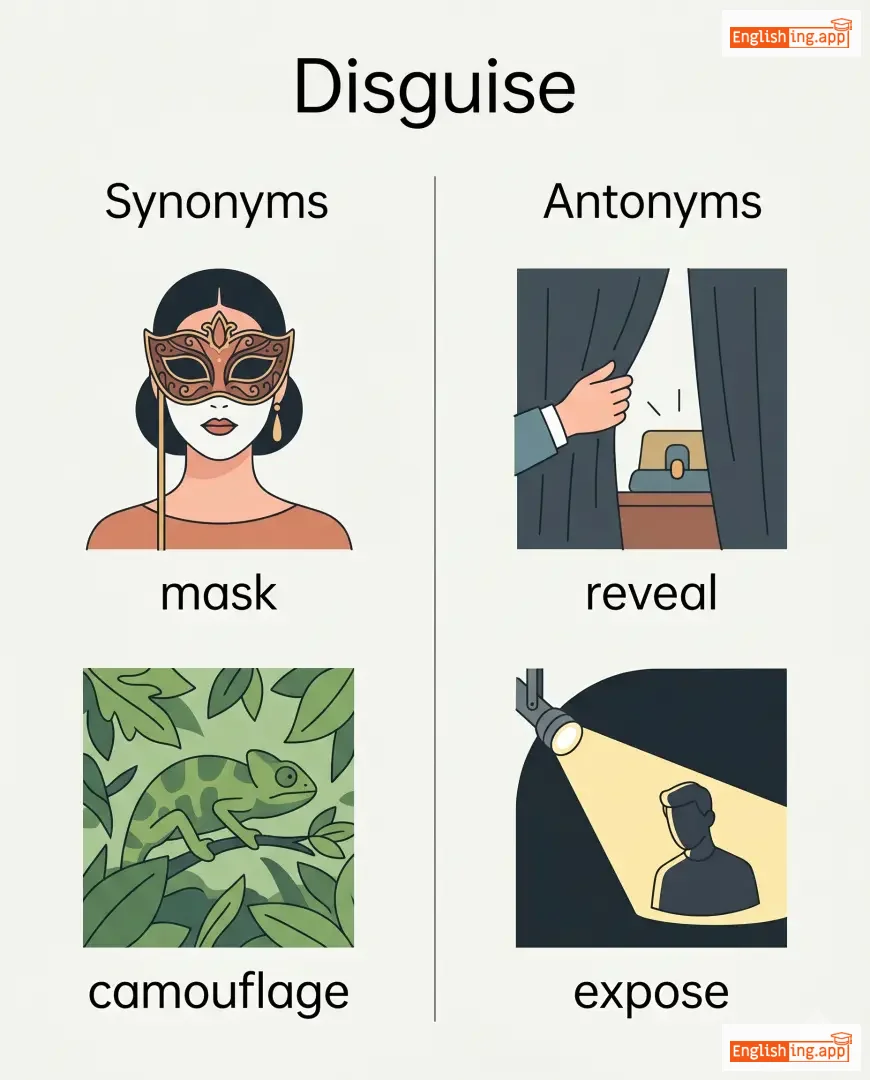
mask, camouflage, cover, costume
••••••
|
revelation, exposure, disclosure, identification
••••••
|
perfect disguise, in disguise, see through disguise
••••••
|
Disguise is like wearing something to confuse others about who you really are.
••••••
|
|
#328
🤔
|
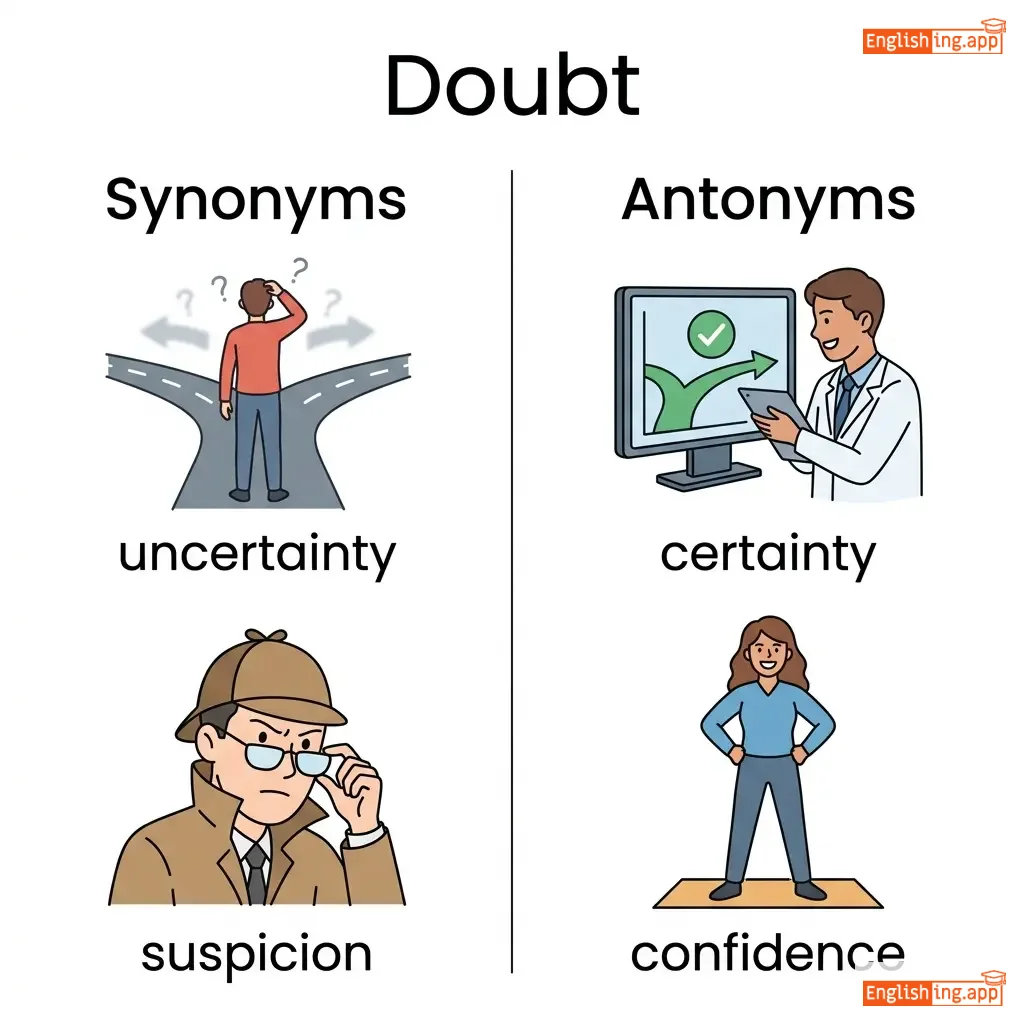
/daʊt/
noun
(dàu tè)
••••••
|
|
怀疑; 不信任; 疑虑
huái yí, bù xìn rèn, yí lǜ
••••••
|
a feeling of uncertainty or lack of conviction; distrust or suspicion
••••••
|
There was no doubt in her mind that she had made the right decision. |
她毫不怀疑自己做出了正确的决定。
tā háo bù huái yí zì jǐ zuò chū le zhèng què de jué dìng.
••••••
|
uncertainty, skepticism, mistrust, suspicion
••••••
|
certainty, confidence, trust, belief
••••••
|
without doubt, cast doubt, beyond doubt
••••••
|
Doubt in Chinese sounds like '怀疑,' which is the feeling of questioning one's actions.
••••••
|
|
#329
🤢
|
/dɪsˈɡʌst/
noun
(迪斯格斯特)
••••••
|
- •••••• |
厌恶
yànwù
••••••
|
a feeling of revulsion or strong disapproval aroused by something unpleasant
••••••
|
She expressed her disgust at the politician's corrupt behavior openly. |
她公开表达了对政治家腐败行为的厌恶。
Ta gongkai biaoda le dui zhengzhijia fubai xingwei de yànwù.
••••••
|
revulsion, repugnance, distaste, loathing
••••••
|
delight, pleasure, admiration, approval
••••••
|
utter disgust, express disgust, fill with disgust
••••••
|
厌恶是对令人讨厌事物的反应,就像看到腐败现象时的反感。
••••••
|
|
#330
📉
|
/ˈdaʊn.fɔːl/
noun
(dàowén fú)
••••••
|
- •••••• |
衰退; 失败; 毁灭
shuāituì, shībài, huǐmiè
••••••
|
a loss of power, prosperity, or status; the cause of such a loss
••••••
|
His arrogance and pride led to his eventual downfall in business.
他的傲慢和自豪导致了他在生意中的最终失败。
••••••
|
他的傲慢和自豪导致了他在生意中的最终失败。
Tā de àomàn hé zìháo dǎozhìle tā zài shēngyì zhōng de zuìzhōng shībài.
••••••
|
collapse, ruin, destruction, fall
••••••
|
rise, success, triumph, ascent
••••••
|
sudden downfall, political downfall, lead to downfall
••••••
|
Downfall: 自负和骄傲导致的衰退和失败。
••••••
|
|
#331
💔
|
/dɪsˈɒn.ər/
noun
(dishonour)
••••••
|
- •••••• |
耻辱
chiru
••••••
|
a state of shame or disgrace; lack of honor or integrity; failure to fulfill obligations
••••••
|
Breaking his promise brought dishonour to his name and family legacy. |
打破诺言给他的名字和家族遗产带来了耻辱。
Dapo nuoyan gei tade mingzi he jiazhu yichan dailaile chiru.
••••••
|
disgrace, shame, discredit, infamy
••••••
|
honor, respect, dignity, integrity
••••••
|
bring dishonour, family dishonour, dishonour one's name
••••••
|
Dishonour in Chinese is '耻辱', symbolizing the shame brought by dishonoring one’s promises.
••••••
|
|
#332
🌧️
|
/ˈdaʊn.pɔːr/
noun
(daunpɔr)
••••••
|
- •••••• |
大雨; 突如其来的暴雨
dà yǔ; tū rú qí lái de bào yǔ
••••••
|
a heavy fall of rain; a sudden heavy rainfall
••••••
|
The sudden downpour caught everyone off guard and soaked the outdoor event.
ðə sʌdn daunpɔr kɔt ɛvrɪwʌn ɔf ɡɑrd ənd soʊkd ðə aʊtdɔr ɪvɛnt.
••••••
|
突如其来的暴雨让所有人措手不及,淋湿了户外的活动。
Tū rú qí lái de bào yǔ ràng suǒyǒu rén cuò shǒu bù jí, lín shī le hùwài de huódòng.
••••••
|
deluge, torrent, cloudburst, shower
••••••
|
drizzle, drought, clear sky, sunshine
••••••
|
heavy downpour, sudden downpour, tropical downpour
••••••
|
Imagine a downpour as a heavy rain that unexpectedly soaks an outdoor event.
••••••
|
|
#333
😰
|
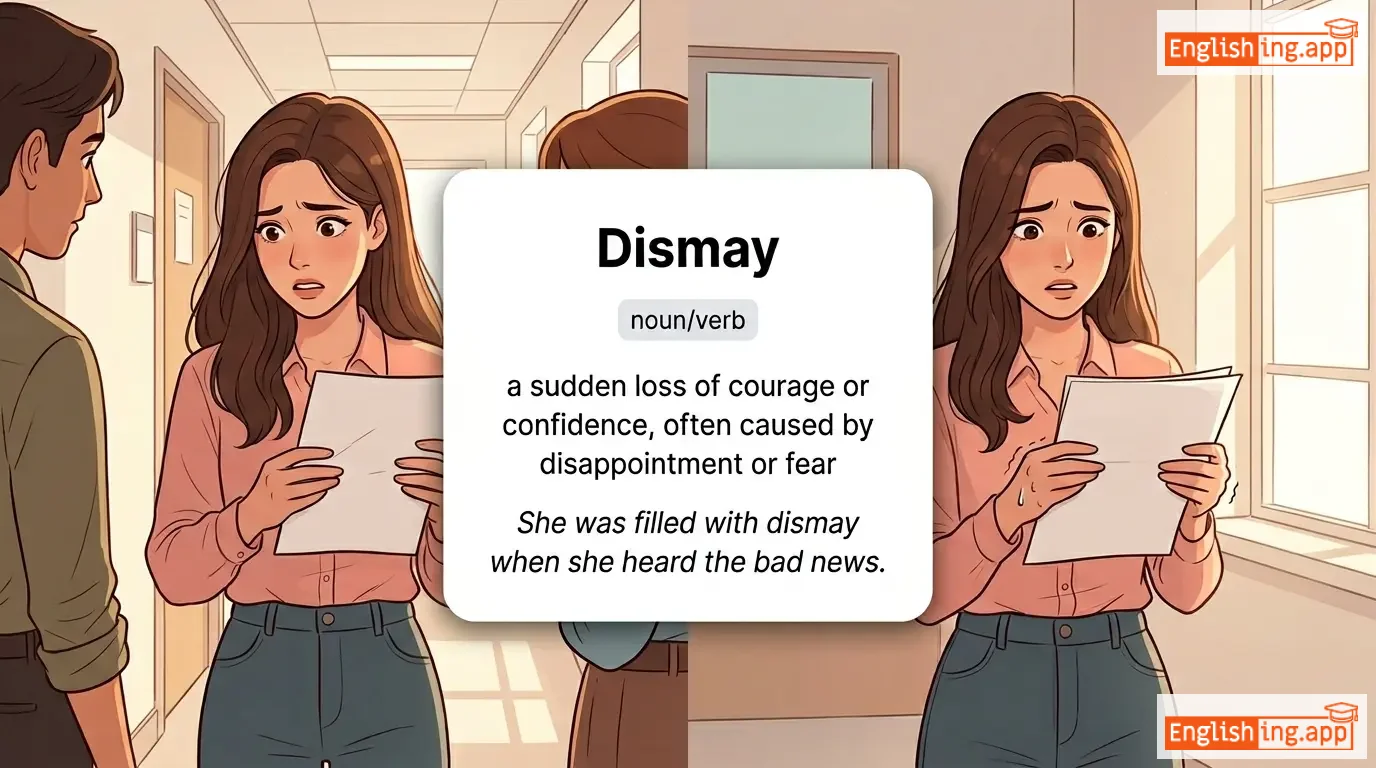
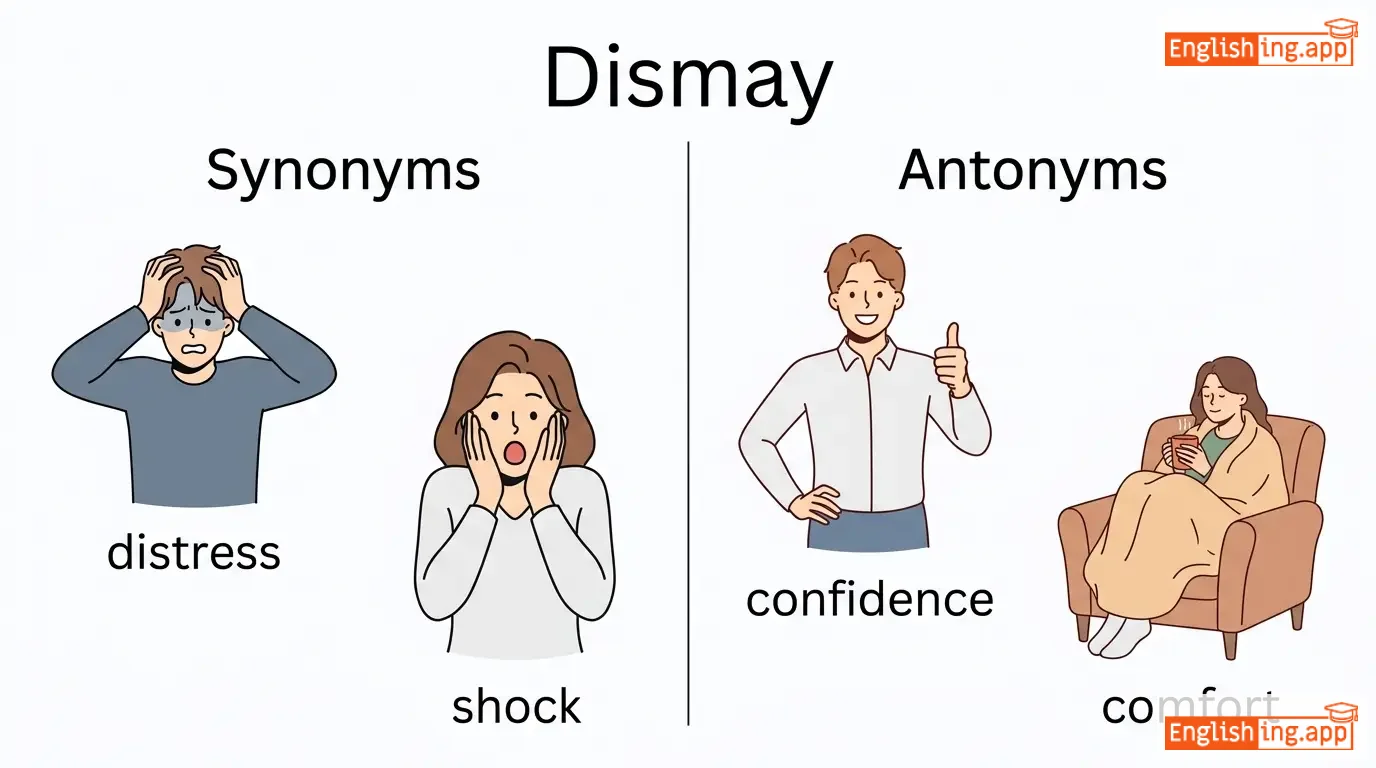
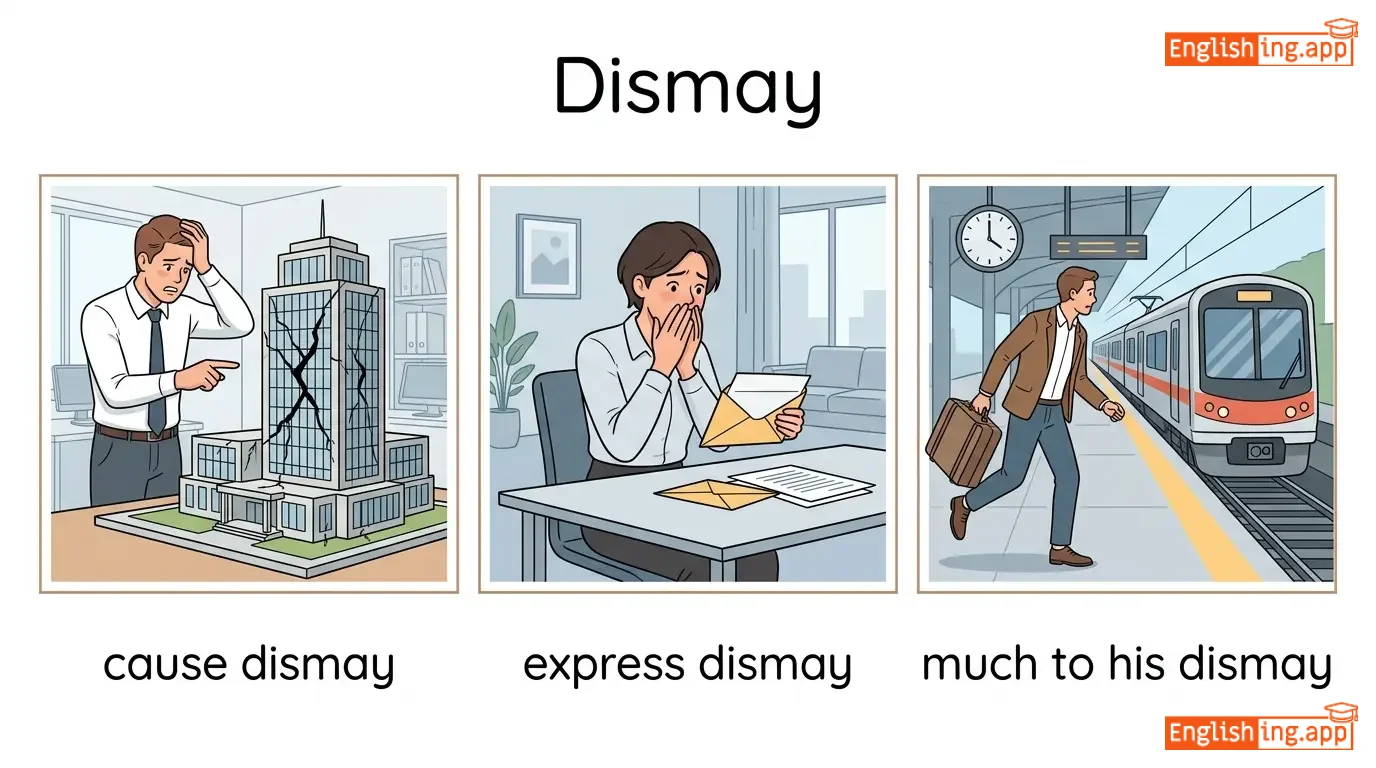
/dɪsˈmeɪ/
noun
(迪斯梅)
••••••
|
|
沮丧; 惊恐
jushang; jingkong
••••••
|
concern and distress caused by something unexpected; consternation or alarm
••••••
|
To our dismay, the concert was cancelled due to severe weather conditions. |
令我们失望的是,由于恶劣天气,音乐会被取消了。
Ling women shiwang de shi, youyu elie tianqi, yinyuehui bei quxiao le.
••••••
|
alarm, concern, distress, consternation
••••••
|
relief, comfort, reassurance, delight
••••••
|
much to dismay, express dismay, cause dismay
••••••
|
No •••••• |
|
#334
⚠️
|
/ˈdrɔː.bæk/
noun
(德罗贝克)
••••••
|
- •••••• |
缺点; 不利因素; 问题
quēdiǎn, bùlì yīnsù, wèntí
••••••
|
a feature that renders something less acceptable; a disadvantage or problem
••••••
|
The main drawback of living in the city is the high cost of housing. |
住在城市的主要缺点是高昂的住房成本。
Zhù zài chéngshì de zhǔyào quēdiǎn shì gāo'áng de zhùfáng chéngběn.
••••••
|
disadvantage, hindrance, obstacle, limitation
••••••
|
advantage, benefit, asset, strength
••••••
|
major drawback, serious drawback, main drawback
••••••
|
缺点,像住房成本的困难
••••••
|
|
#335
📏
|
/ˈdɪs.təns/
noun
(dɪs.təns)
••••••
|
- •••••• |
距离
jùlí
••••••
|
the length of space between two points; remoteness in place, time, or relationship
••••••
|
The distance between the two cities is approximately three hundred kilometers. |
这两座城市之间的距离大约是三百公里。
Zhè liǎng zuò chéngshì zhī jiān de jùlí dàyuē shì sānbǎi gōnglǐ.
••••••
|
space, gap, interval, remoteness
••••••
|
closeness, proximity, nearness, adjacency
••••••
|
long distance, short distance, keep distance
••••••
|
The Chinese word '距离' sounds similar to 'jùlí', which helps you recall 'distance'.
••••••
|
|
#336
🌦️
|
/ˈdrɪz.əl/
noun
(drizzle)
••••••
|
- •••••• |
毛毛雨
maomao yu
••••••
|
light rain falling in very fine drops; a very light rainfall
••••••
|
The gentle drizzle continued throughout the morning, making everything misty. |
温和的毛毛雨持续了整个早晨,使一切都显得有些模糊。
Wenhe de maomao yu chixu le zhengge zaochen, shi yiqie dou xiande youxie mohu.
••••••
|
mist, sprinkle, light rain, fine rain
••••••
|
downpour, storm, heavy rain, deluge
••••••
|
light drizzle, continuous drizzle, morning drizzle
••••••
|
毛毛雨像是空气中漂浮的细小水滴。
••••••
|
|
#337
🏆
|
/dɪˈstɪŋk.ʃən/
noun
(dɪˈstɪŋkʃən)
••••••
|
- •••••• |
优异; 卓越; 荣誉
yōu yì, zhuó yuè, róng yù
••••••
|
a difference or contrast between similar things; excellence that sets someone apart; honor or recognition
••••••
|
She graduated with distinction, earning the highest honors in her class.
她以优异的成绩毕业,获得了班级最高荣誉。
••••••
|
她以优异的成绩毕业,获得了班级最高荣誉。
Tā yǐ yōu yì de chéng jì bì yè, huò dé le bān jí zuì gāo róng yù.
••••••
|
excellence, honor, recognition, difference
••••••
|
mediocrity, sameness, similarity, ordinariness
••••••
|
earn distinction, with distinction, academic distinction
••••••
|
记住 '优异',意味着别人以卓越表现脱颖而出,得到荣誉和奖励。
••••••
|
|
#338
🏜️
|
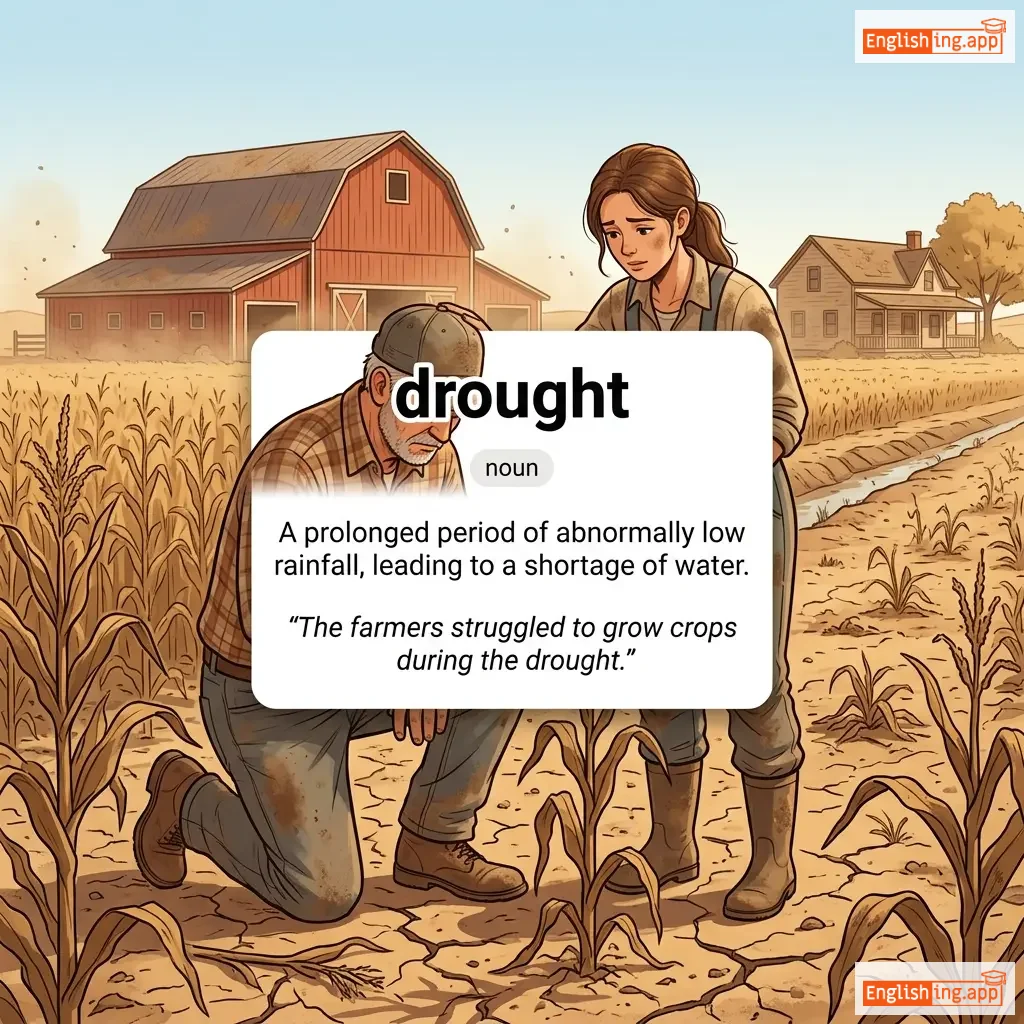
/draʊt/
noun
(drought)
••••••
|
|
干旱; 水资源短缺
gānhàn, shuǐzīyuán duǎnquē
••••••
|
a prolonged period of abnormally low rainfall; a shortage of water
••••••
|
The severe drought lasted for months, destroying crops and affecting agriculture.
The severe drought lasted for months, destroying crops and affecting agriculture.
••••••
|
严重干旱持续了几个月,摧毁了农作物并影响了农业。
Yánzhòng gānhàn chíxùle jǐ gè yuè, cuīhuǐle nóngzuòwù bìng yǐngxiǎngle nóngyè.
••••••
|
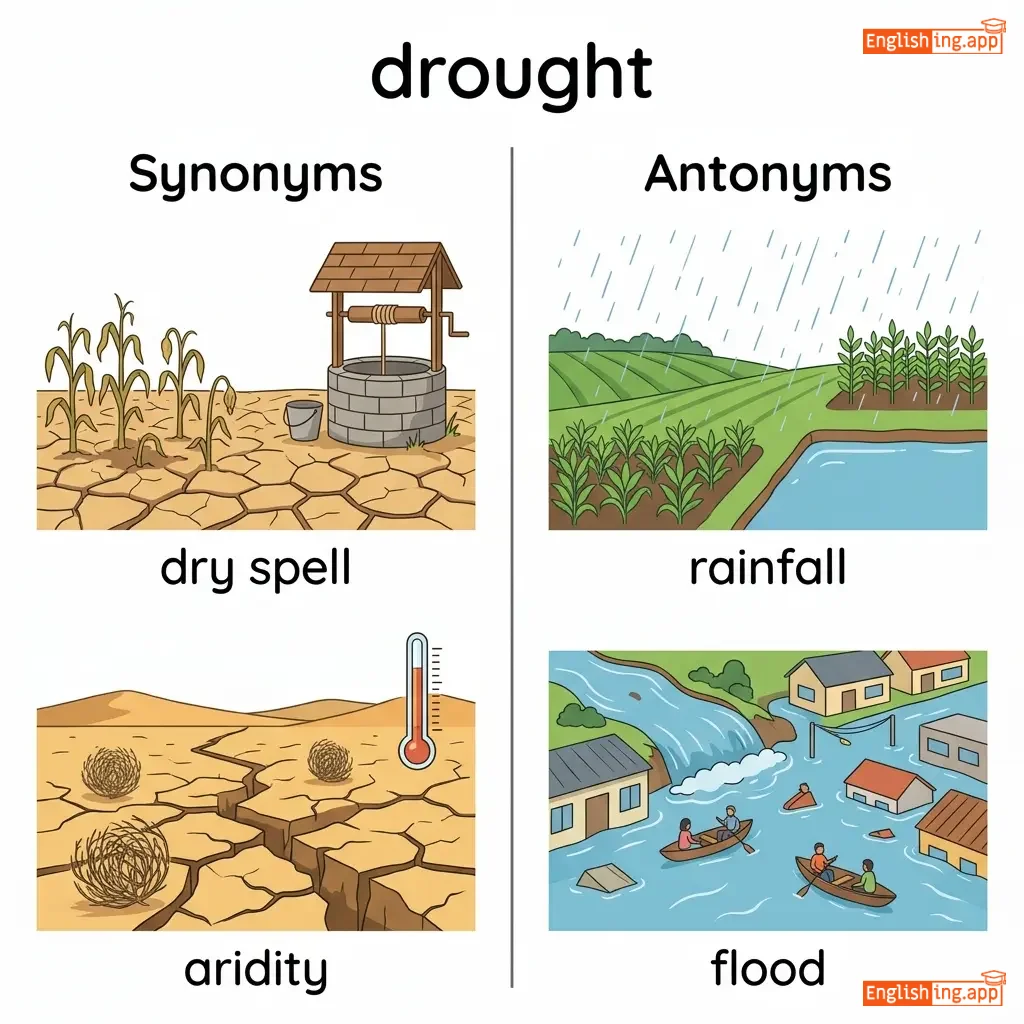
dry spell, aridity, water shortage, dryness
••••••
|
flood, rainfall, abundance, moisture
••••••
|
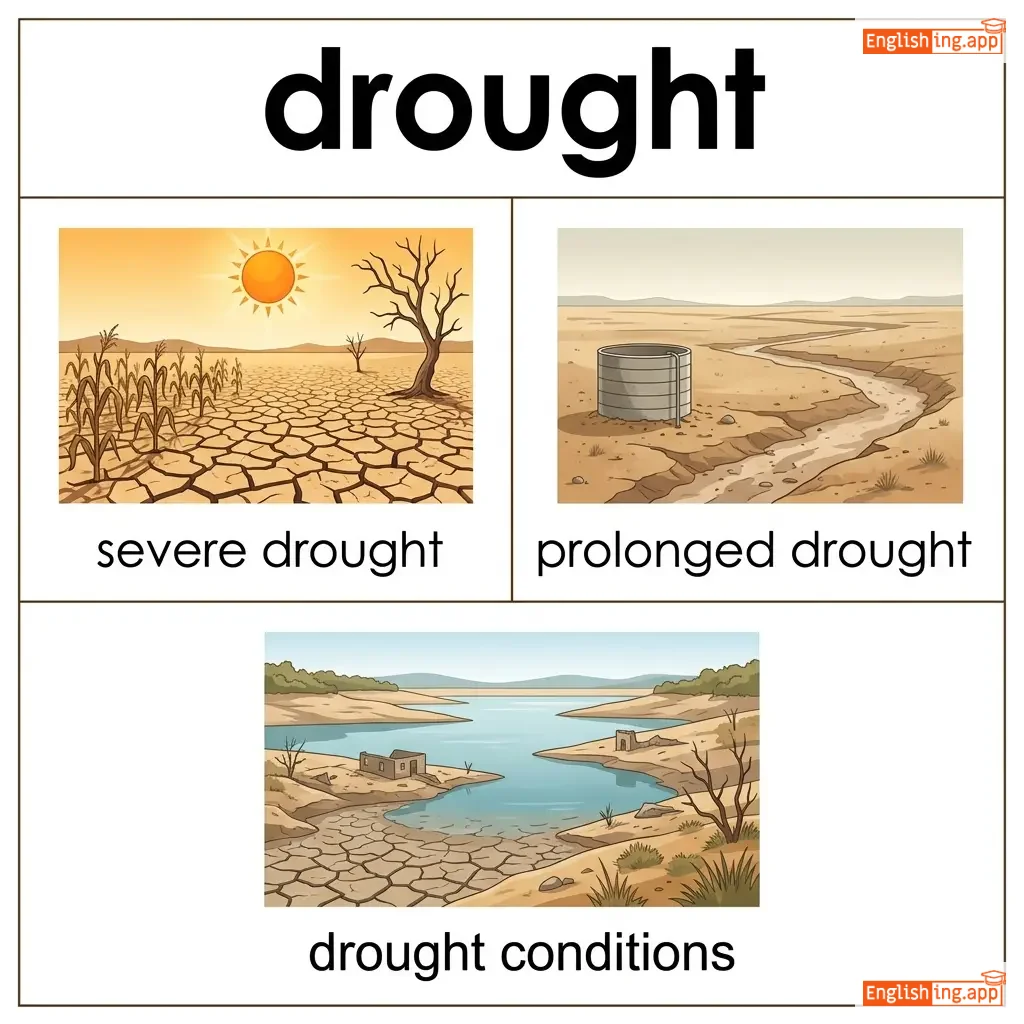
severe drought, prolonged drought, drought conditions
••••••
|
干旱 – 想象水源匮乏的场景
••••••
|
|
#339
📢
|
/dɪˈstɜː.bəns/
noun
(dɪsˈtɜː.bəns)
••••••
|
- •••••• |
干扰; 打扰; 不安
ganrao; darao; bu'an
••••••
|
the interruption of a settled and peaceful condition; anxiety or mental uneasiness
••••••
|
The loud music created a disturbance that bothered all the neighbors. |
大声的音乐制造了一个干扰,打扰了所有邻居。
Dasheng de yinyue zhizao le yi ge ganrao, darao le suoyou linju.
••••••
|
disruption, commotion, disorder, interruption
••••••
|
peace, calm, order, tranquility
••••••
|
cause disturbance, public disturbance, noise disturbance
••••••
|
Think of 'ganrao' in Chinese as 'causing a stir'!
••••••
|
|
#340
🛡️
|
/ˌdʊr.əˈbɪl.ə.ti/
noun
(耐用性)
••••••
|
|
耐用性
naiyongxing
••••••
|
the ability to withstand wear, pressure, or damage; lasting quality
••••••
|
The durability of the new smartphone impressed customers with its resistance. |
新智能手机的耐用性以其抗压能力打动了客户。
Xin zhineng shouji de nai yongxing yi qi kangya nengli dadong le kehu.
••••••
|
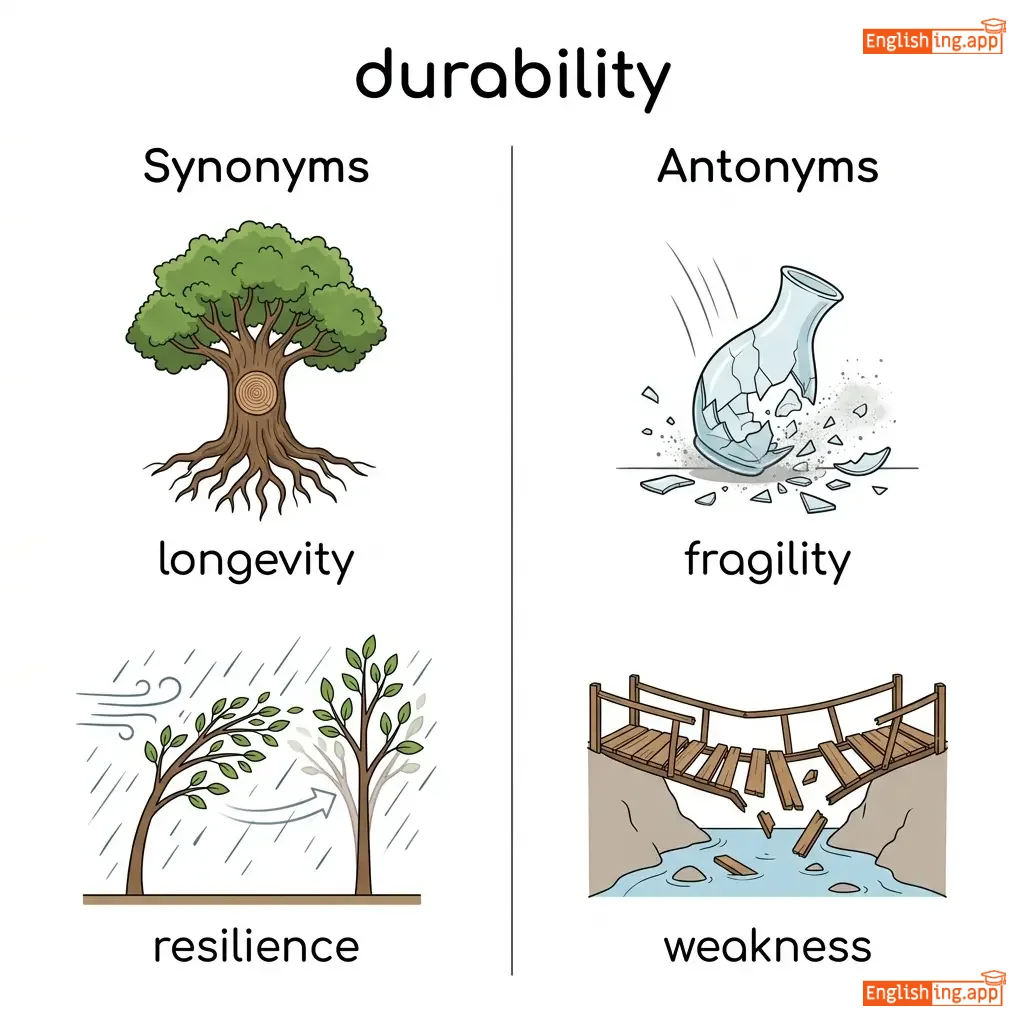
longevity, resilience, strength, endurance
••••••
|
fragility, weakness, brittleness, impermanence
••••••
|
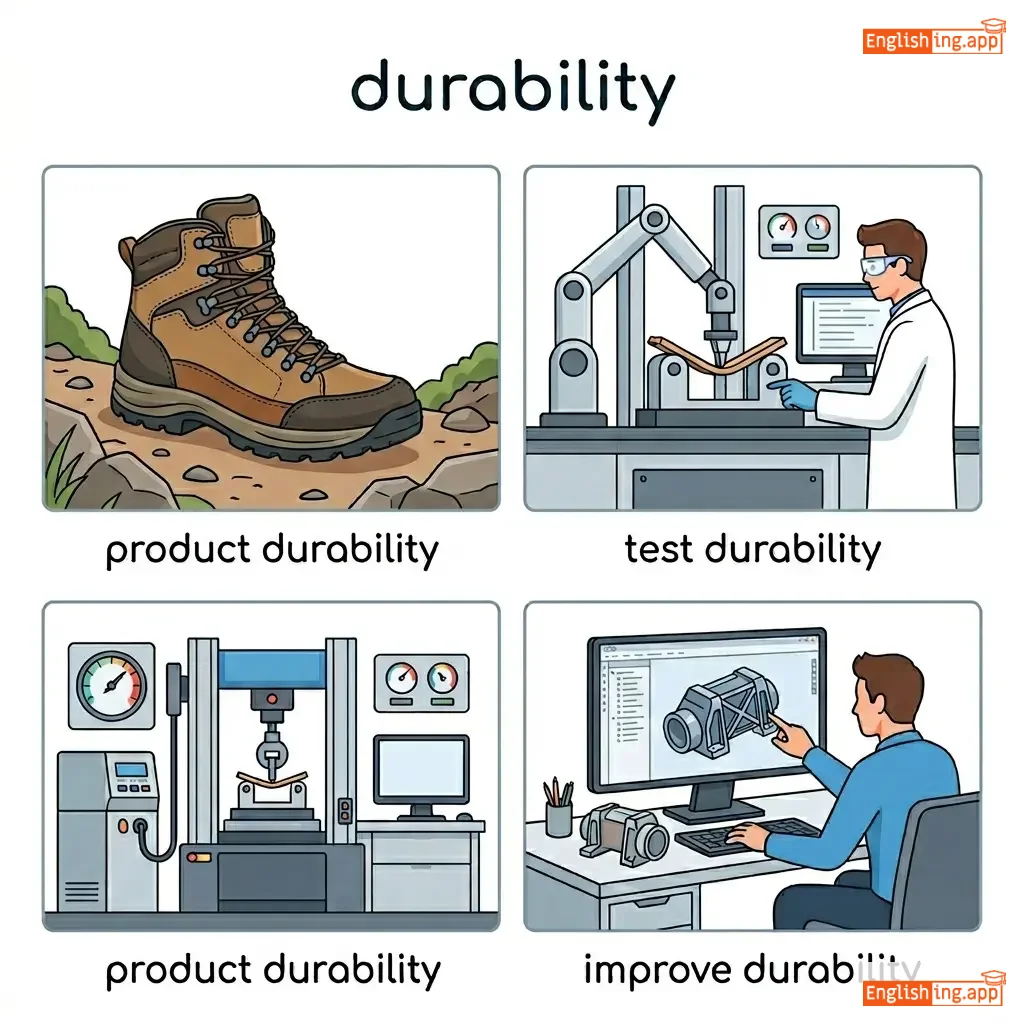
product durability, test durability, improve durability
••••••
|
Durability - 'N' 为耐用,'X' 为性格强。
••••••
|
Vocabulary Quiz
Test your vocabulary by matching words with their translations or meanings.
Login to take the quiz
Comments (0)
Share your thoughts and join the discussion.
Join the discussion by logging in
Login to CommentNo comments yet
Be the first to share your thoughts!