

Swipe left or right, or use the buttons. Tap image to zoom.
例句翻译
单词
Lesson 46Lesson 46 - 遮罩切换
|
表情符号
|
单词 | Images | 翻译 | 含义 | 例句 | 例句翻译 | 同义词 | 反义词 | 搭配词 | 助记符 |
|---|---|---|---|---|---|---|---|---|---|---|
|
#901
🏠
|
/ˈmɔːr.ɡɪʤ/
noun
(mɔːtɪɡɛɪʐ)
••••••
|
- •••••• |
按揭
ànjiē
••••••
|
a legal agreement by which a bank lends money to buy property
••••••
|
They took out a mortgage to buy their first house. |
他们拿出按揭贷款买了第一套房子。
Tāmen ná chū ànjiē dàikuǎn mǎile dì yī tào fángzi.
••••••
|
home loan, housing loan, property loan
••••••
|
cash purchase, outright ownership
••••••
|
mortgage payment, mortgage rate, apply for mortgage
••••••
|
按揭 - 想象‘按’代表银行‘借’的概念。
••••••
|
|
#902
👨
|
/məˈstɑːʃ/
noun
(莫斯塔奇)
••••••
|
- •••••• |
胡须
húxū
••••••
|
hair that grows on the upper lip of men
••••••
|
He grew a thick moustache for the play.
他为剧本长出了浓密的胡子。
••••••
|
他为剧本长出了浓密的胡子。
Tā wèi jùběn zhǎng chūle nóngmì de húxū.
••••••
|
mustache, whiskers, facial hair
••••••
|
clean-shaven, beardless
••••••
|
thick moustache, trim moustache, handlebar moustache
••••••
|
The Chinese word for moustache, 'húxū,' sounds similar to 'hue,' linking it to facial hair!
••••••
|
|
#903
🌿
|
/mɔːs/
noun
(摩丝)
••••••
|
- •••••• |
苔藓
taixian
••••••
|
a small flowerless plant that grows in clumps in moist places
••••••
|
Green moss covered the old stone wall.
绿色的苔藓覆盖了古老的石墙。
••••••
|
绿色的苔藓覆盖了古老的石墙。
lǜsè de tàixiǎn fùgài le gǔlǎo de shíqiáng.
••••••
|
bryophyte, lichen, algae
••••••
|
flowering plant, tree
••••••
|
green moss, rock moss, moss-covered
••••••
|
苔藓喜欢湿润的环境,像绿色的地毯覆盖在石墙上。
••••••
|
|
#904
🎨
|
/ˈmjʊr.əl/
noun
(壁画)
••••••
|
- •••••• |
壁画
bihua
••••••
|
a painting or artwork applied directly on a wall or ceiling
••••••
|
The artist painted a beautiful mural on the school wall.
艺术家在学校的墙上画了一幅美丽的壁画。
••••••
|
艺术家在学校的墙上画了一幅美丽的壁画。
Yìshùjiā zài xuéxiào de qiáng shàng huàle yī fú měilì de bìhuà.
••••••
|
wall painting, fresco, wall art
••••••
|
easel painting, canvas art
••••••
|
wall mural, street mural, colorful mural
••••••
|
壁画 = 墙上的艺术
••••••
|
|
#905
👩👶
|
/ˈmʌð.ər.hʊd/
noun
(mātèrúhù)
••••••
|
- •••••• |
母性
mǔxìng
••••••
|
the state of being a mother; the qualities of a mother
••••••
|
She embraced the joys and challenges of motherhood.
她拥抱了母性的快乐和挑战。
••••••
|
她拥抱了母性的快乐和挑战。
Tā yōngbào le mǔxìng de kuàilè hé tiǎozhàn.
••••••
|
maternity, parenting, maternal role
••••••
|
childlessness, non-motherhood
••••••
|
embrace motherhood, early motherhood, single motherhood
••••••
|
妈妈 (mā) + 生命 (shēngmìng) = 母性
••••••
|
|
#906
🔍
|
/ˈmɪs.tər.i/
noun
(mì shì lǐ)
••••••
|
- •••••• |
谜; 无法理解的事情
mi
••••••
|
something that is difficult or impossible to understand or explain
••••••
|
The disappearance of the plane remains a mystery.
飞机失踪仍然是一个谜。
••••••
|
飞机失踪仍然是一个谜。
Feiji shizong rengran shi yige mi.
••••••
|
puzzle, enigma, riddle, secret
••••••
|
certainty, clarity, solution, answer
••••••
|
solve mystery, unsolved mystery, mystery novel
••••••
|
一个无人能解的谜题。
••••••
|
|
#907
🏴
|
/ˈmʌð.ər.lænd/
noun
(māðərlænd)
••••••
|
- •••••• |
祖国; 祖国
zuguo
••••••
|
the country where one was born or has citizenship; homeland
••••••
|
He always spoke fondly of his motherland.
他总是充满感情地谈论他的祖国。
••••••
|
他总是充满感情地谈论他的祖国。
Ta zongshi chongman ganqing de tanlun tade zuguo.
••••••
|
homeland, fatherland, native country, birthplace
••••••
|
foreign land, adopted country
••••••
|
love motherland, defend motherland, return to motherland
••••••
|
Zuguo = Homeland, Think of 'Zu' (ancestral) and 'Guo' (country)
••••••
|
|
#908
😂
|
/ˈmɒk.ər.i/
noun
(莫克瑞)
••••••
|
- •••••• |
嘲笑; 讽刺;
chaoxiao; fengci
••••••
|
teasing and contemptuous language or behavior; ridicule
••••••
|
His speech was met with mockery from the audience. |
他的演讲遭到了观众的嘲笑。
tade yanjiang zaodao le guanzhong de chaoxiao.
••••••
|
ridicule, scorn, derision, teasing
••••••
|
respect, admiration, praise, honor
••••••
|
face mockery, make mockery, cruel mockery
••••••
|
Chinese for 'mockery' sounds like 'chaoxiao' – 'chaoxiao' means mock.
••••••
|
|
#909
➡️
|
/ˈmoʊ.ʃən/
noun
(móushēn)
••••••
|
- •••••• |
运动; 移动的动作
yùndòng; yídòng de dòngzuò
••••••
|
the action of moving or being moved; a formal proposal
••••••
|
The car was in constant motion during the journey.
这辆车在整个旅程中一直处于运动状态。
••••••
|
这辆车在整个旅程中一直处于运动状态。
Zhè liàng chē zài zhěnggè lǚchéng zhōng yīzhí chǔyú yùndòng zhuàngtài.
••••••
|
movement, action, mobility, proposal
••••••
|
stillness, rest, immobility, stagnation
••••••
|
in motion, slow motion, set in motion
••••••
|
运动就像一条奔跑的河流,永不停歇!
••••••
|
|
#910
🌳
|
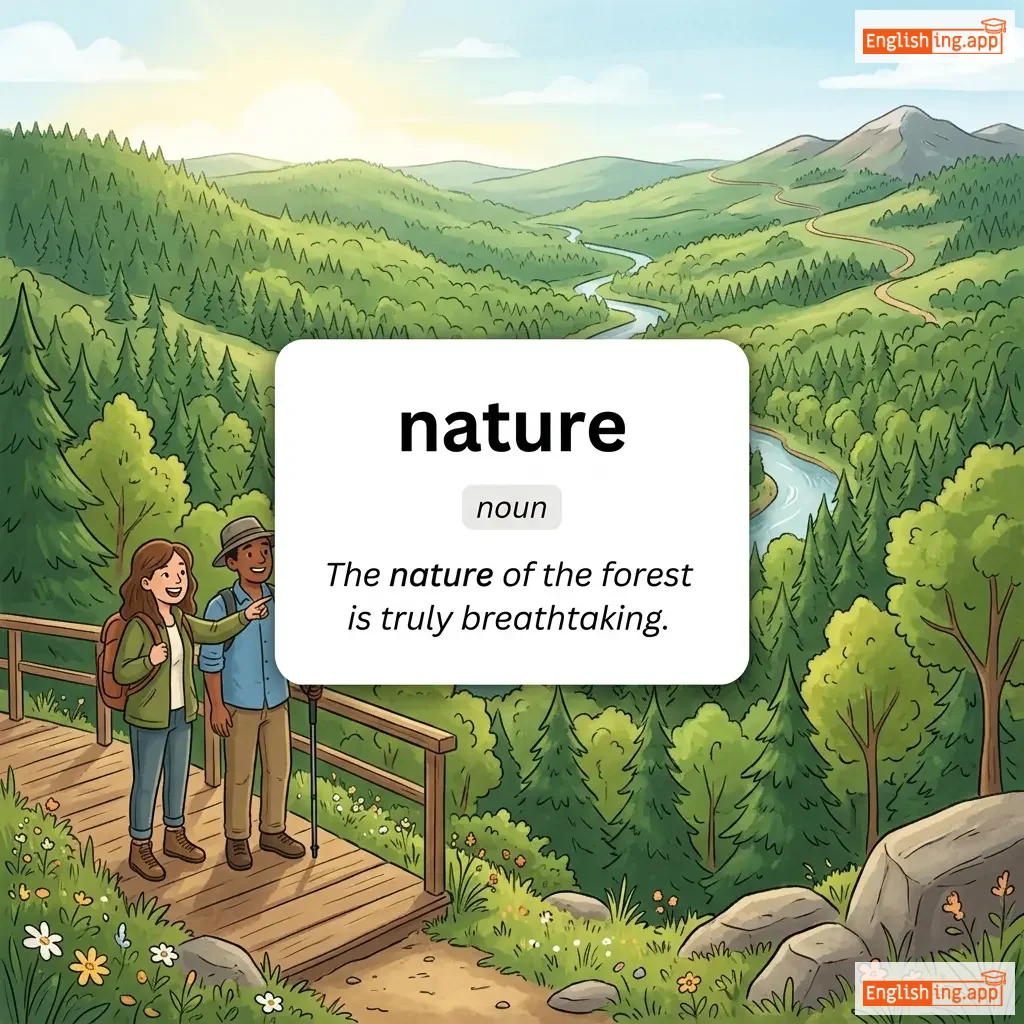
/ˈneɪ.tʃər/
noun
(自然)
••••••
|
|
自然界; 自然世界; 某物的特性或基本品质
ziranjie; ziran shijie; mou wu de texing huo jiben pinzhi
••••••
|
the natural world; the character or basic qualities of something
••••••
|
Children should spend more time in nature. |
孩子们应该在大自然中度过更多时间。
Haizimen yinggai zai da ziran zhong duoguo geng duo shijian.
••••••
|
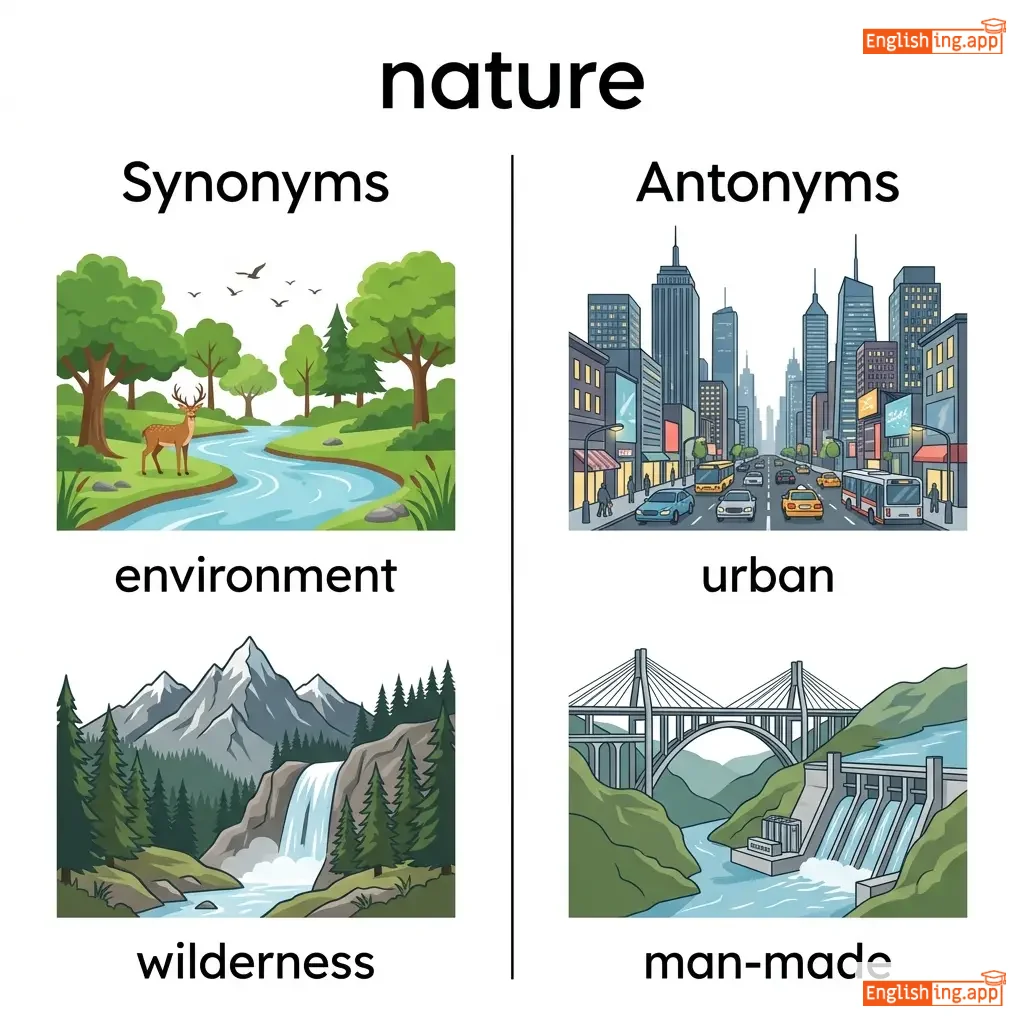
environment, wilderness, outdoors, character
••••••
|
artificiality, civilization, indoors
••••••
|
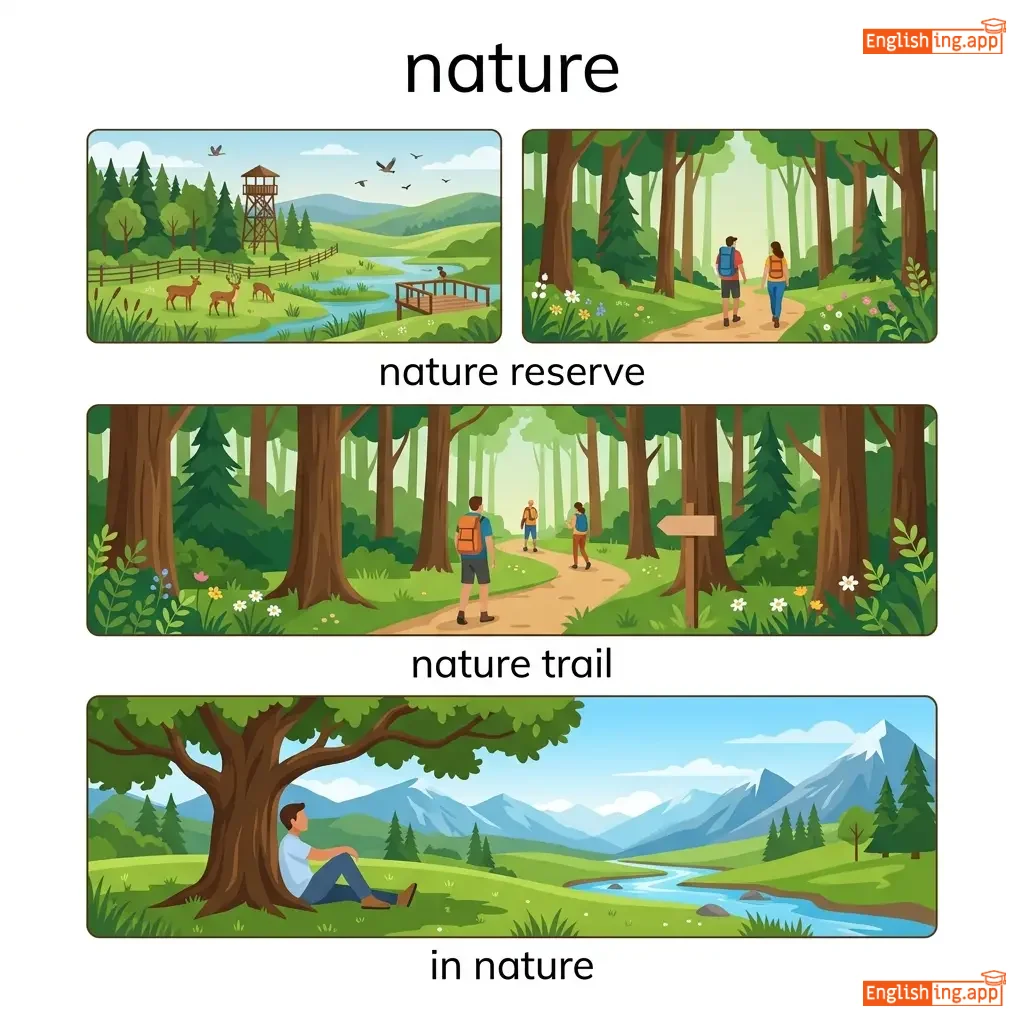
human nature, mother nature, laws of nature
••••••
|
大自然中的宁静能让人感到放松和清新。
••••••
|
|
#911
🎯
|
/ˈmoʊ.tɪv/
noun
(莫提夫)
••••••
|
- •••••• |
动机; 原因; 驱动力
dòngjī; yuányīn; qūdònglì
••••••
|
a reason for doing something; what drives someone to act
••••••
|
The police are investigating the motive for the crime. |
警方正在调查犯罪的动机。
jǐngfāng zhèngzài diàochá fànzuì de dòngjī.
••••••
|
reason, purpose, intention, drive
••••••
|
randomness, purposelessness
••••••
|
hidden motive, ulterior motive, pure motive
••••••
|
动机是推动我们行动的力量,就像引擎驱动汽车。
••••••
|
|
#912
🤢
|
/ˈnɔː.zi.ə/
noun
(恶心)
••••••
|
- •••••• |
恶心
èxīn
••••••
|
a feeling of sickness with an inclination to vomit
••••••
|
The motion of the boat caused severe nausea.
船的晃动引起了严重的恶心感。
••••••
|
船的晃动引起了严重的恶心感。
Chuán de huǎngdòng yǐnqǐle yánzhòng de èxīn gǎn.
••••••
|
sickness, queasiness, vomiting urge
••••••
|
wellness, comfort, good health
••••••
|
severe nausea, morning nausea, cause nausea
••••••
|
船晃动会引发恶心。
••••••
|
|
#913
⚙️
|
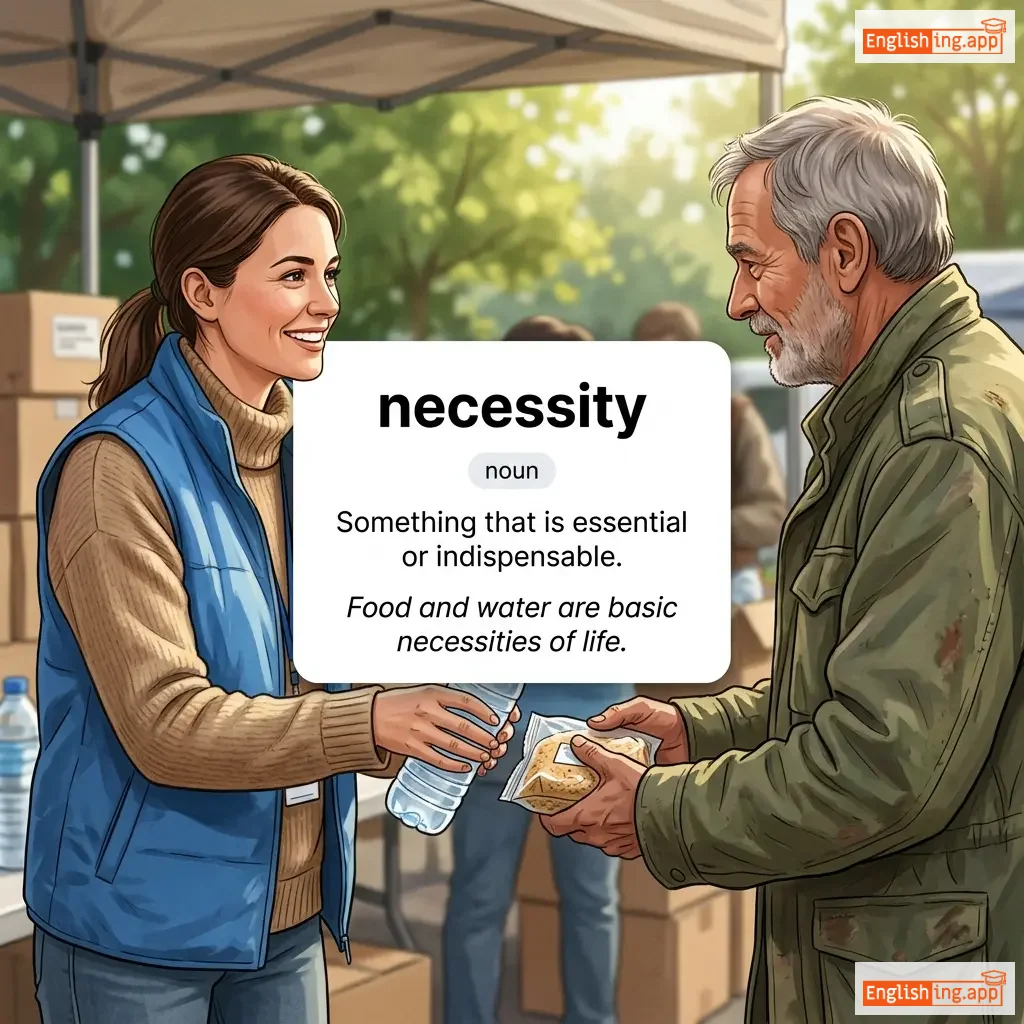
/nəˈses.ə.ti/
noun
(nèshìtì)
••••••
|
|
必要性
bìyàoxìng
••••••
|
the fact of being required or indispensable; something essential
••••••
|
Clean water is a basic necessity of life. |
干净的水是生活的基本必要性。
gānjìng de shuǐ shì shēnghuó de jīběn bìyàoxìng.
••••••
|
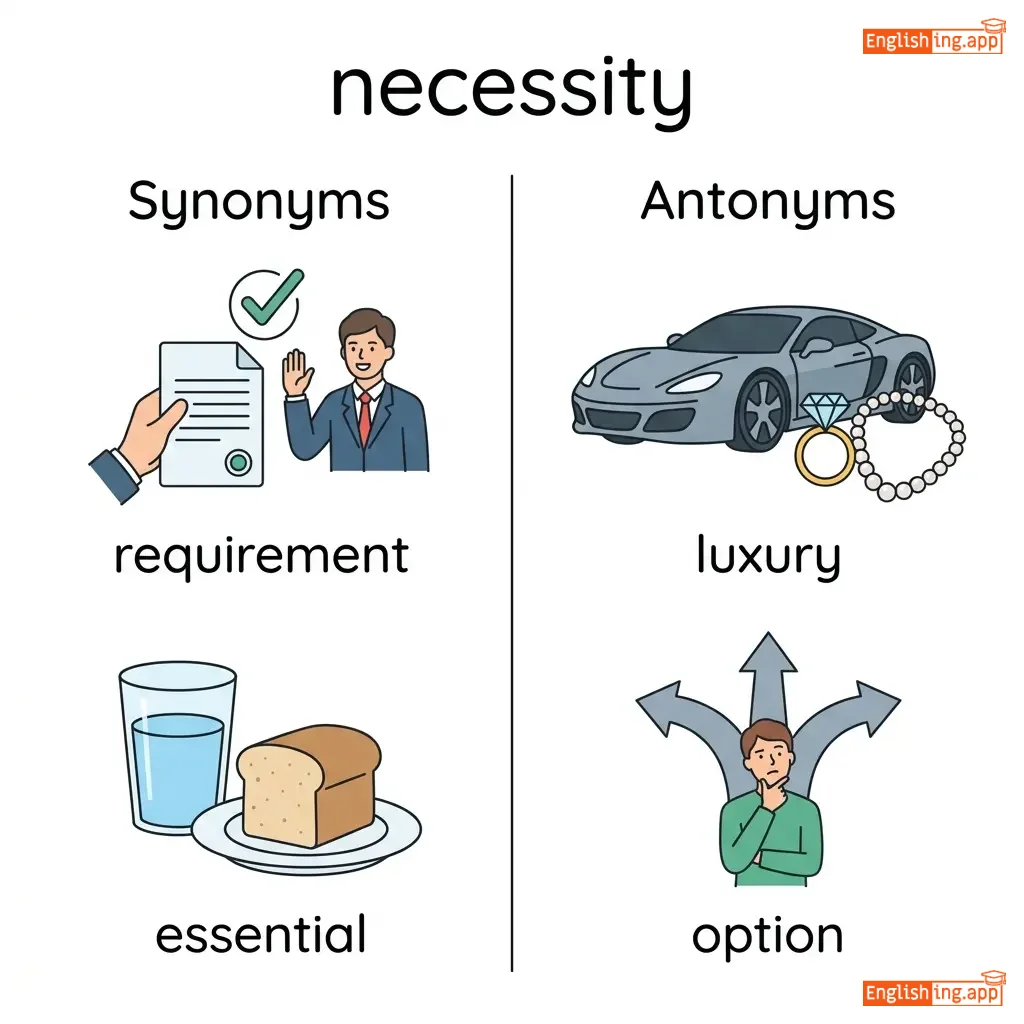
requirement, need, essential, must
••••••
|
luxury, option, choice, extra
••••••
|
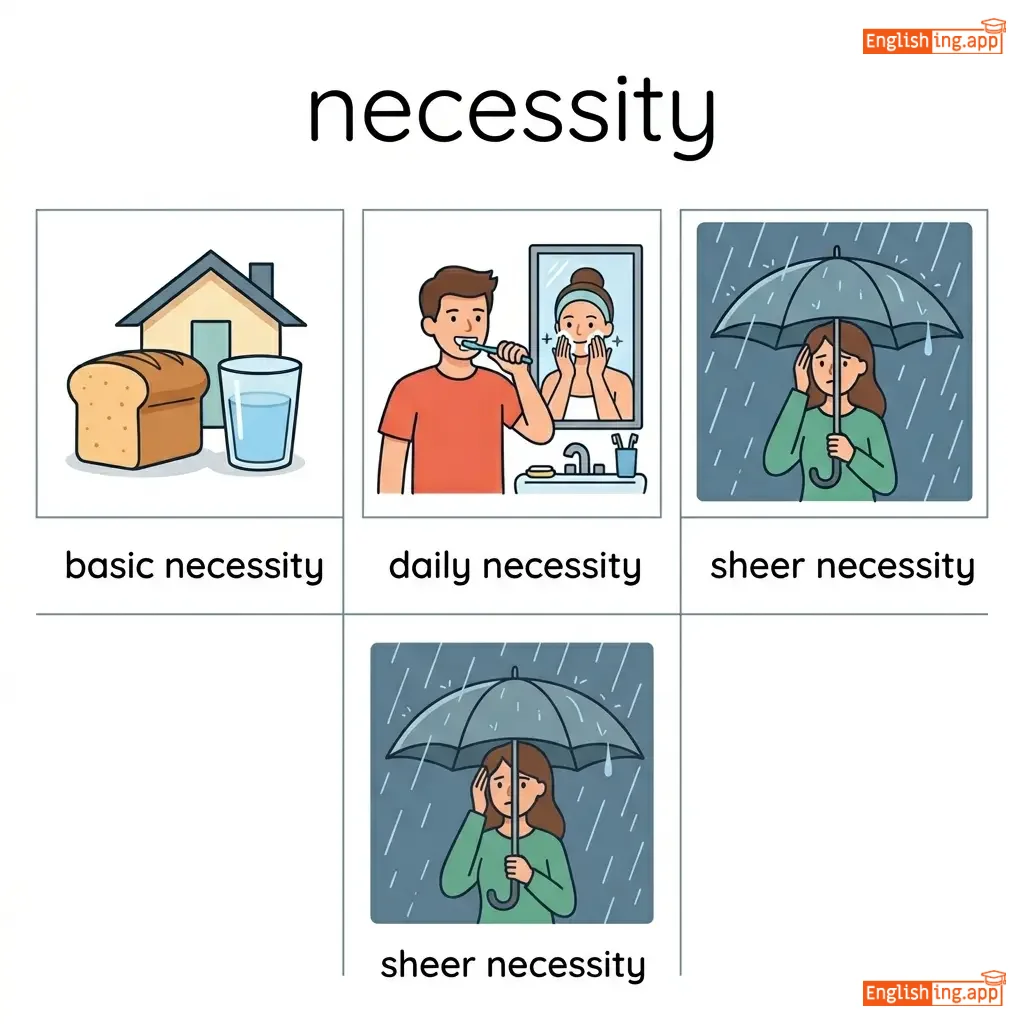
basic necessity, absolute necessity, out of necessity
••••••
|
必要性是我们生活中不可缺少的!
••••••
|
|
#914
🏭
|
/moʊld/
noun
(莫尔德)
••••••
|
- •••••• |
模具;霉菌
mo-er-de
••••••
|
a hollow container used to give shape to molten material; fungus
••••••
|
She poured chocolate into the mould to make candies.
希坡德巧克力进模具到做糖果
••••••
|
她把巧克力倒进模具里做糖果。
shi po de qiao ke li jin mo ju dao zuo tang guo
••••••
|
cast, form, template, frame
••••••
|
shapelessness, deformity
••••••
|
cake mould, plastic mould, break the mould
••••••
|
MoErDe 记忆法: mold 用 模具 来 定 形, fungus 就 在 一旁 发 霉
••••••
|
|
#915
🌼
|
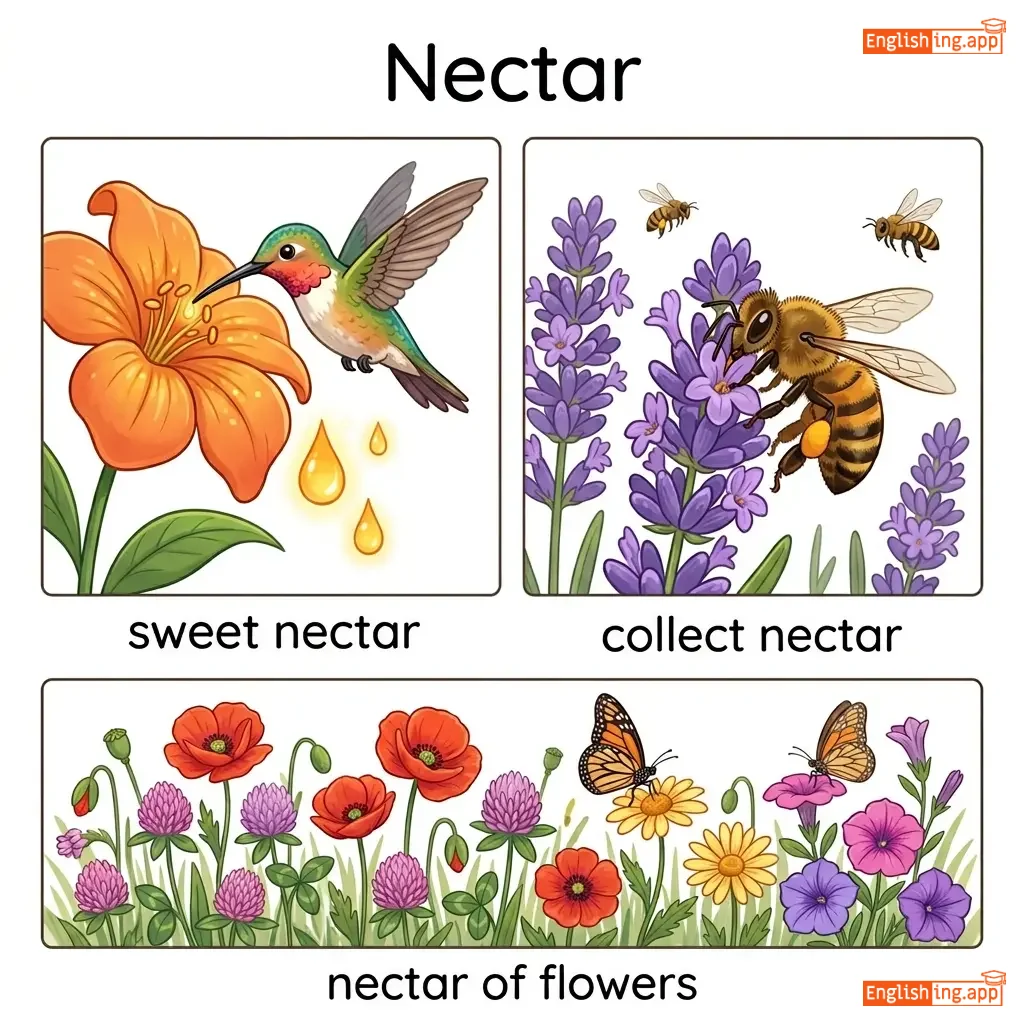
/ˈnek.tər/
noun
(花蜜)
••••••
|
|
由花朵产生的甜液体;任何美味的饮料
huāmì
••••••
|
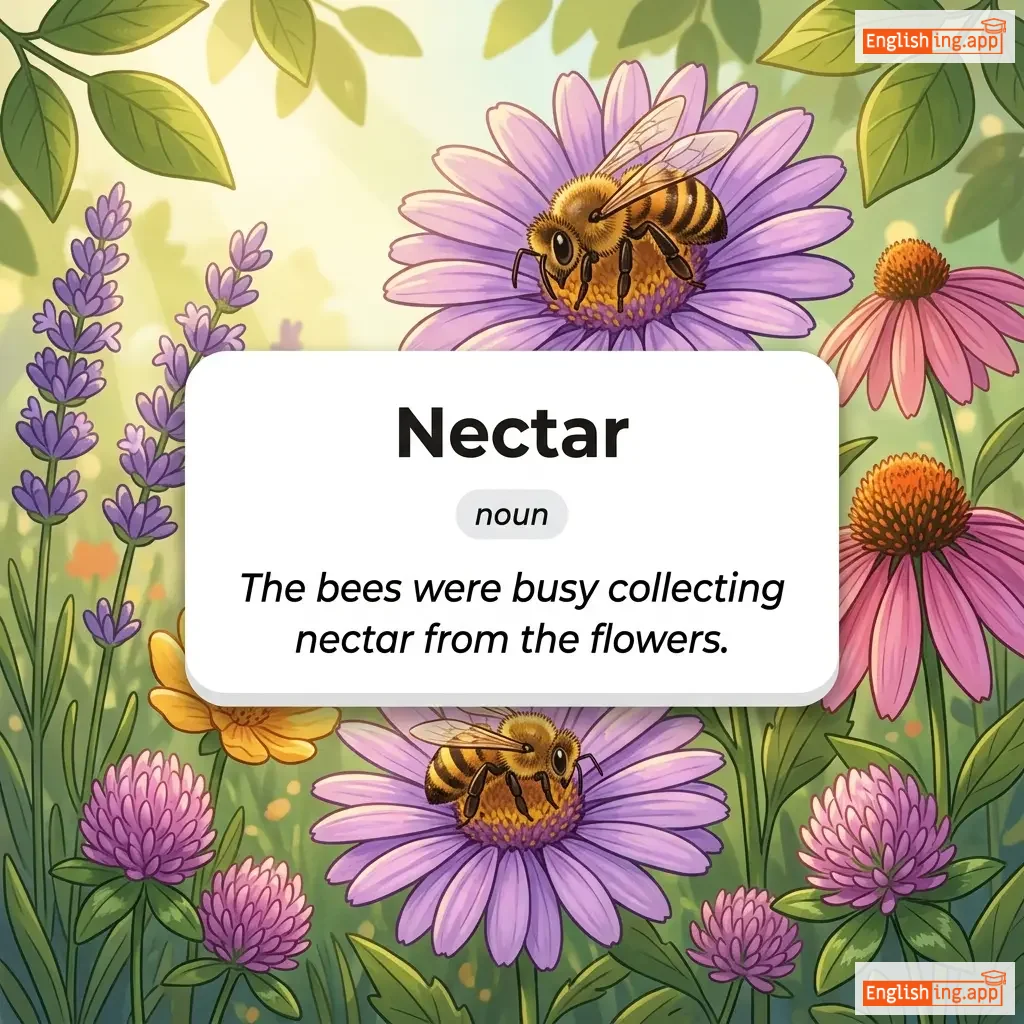
a sweet liquid produced by flowers; any delicious drink
••••••
|
Bees collect nectar from flowers to make honey. |
蜜蜂从花朵中收集花蜜来制作蜂蜜。
Mìfēng cóng huāduǒ zhōng shōují huāmì lái zhìzuò fēngmì.
••••••
|
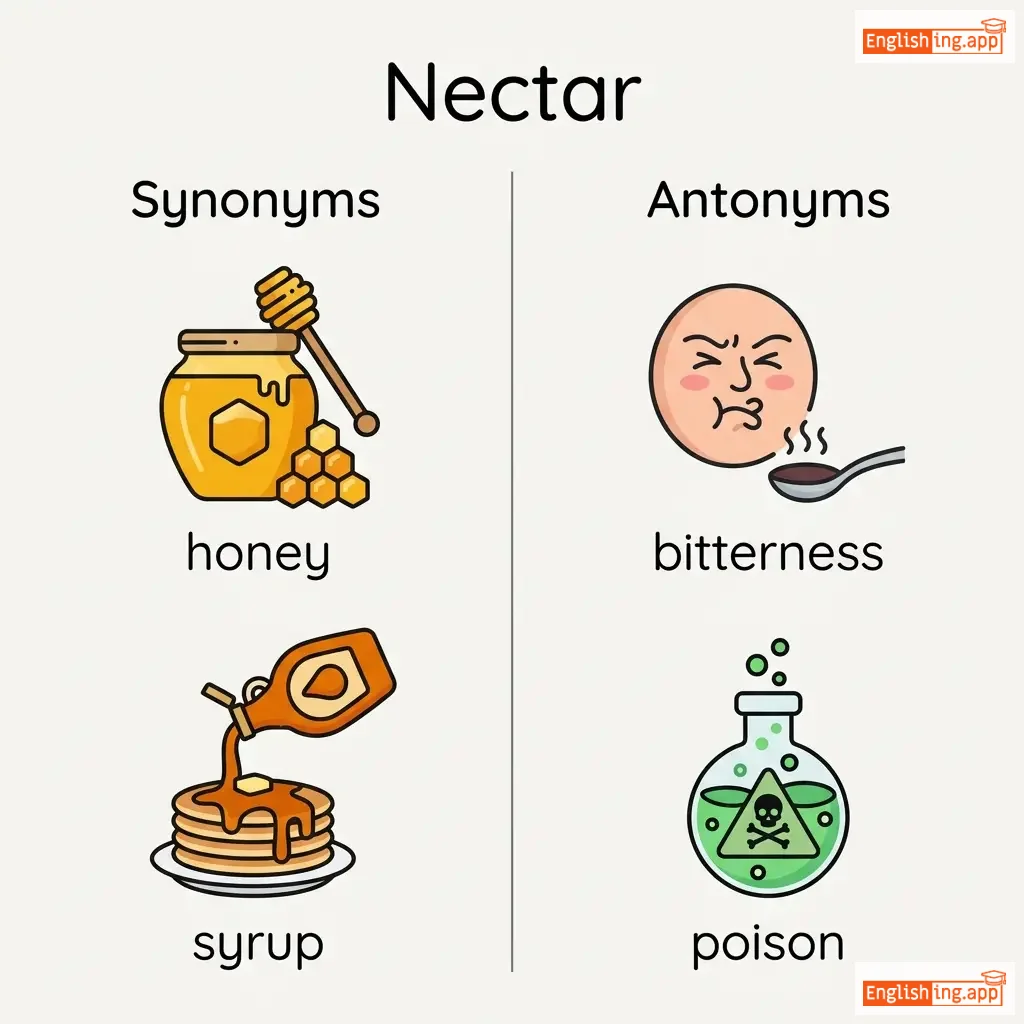
sweet liquid, ambrosia, honey, syrup
••••••
|
bitter liquid, poison
••••••
|
flower nectar, collect nectar, sweet nectar
••••••
|
Nectar in Chinese sounds as sweet as it is!
••••••
|
|
#916
🏔️
|
/ˈmaʊn.tɪn/
noun
(màuntīn)
••••••
|
- •••••• |
山
shan
••••••
|
a large natural elevation of earth and rock rising above the ground
••••••
|
They climbed the highest mountain in the region. |
他们攀登了该地区最高的山。
Tāmen pāndēngle gāi dìqū zuìgāo de shān.
••••••
|
peak, hill, summit, ridge
••••••
|
valley, plain, lowland
••••••
|
mountain range, mountain peak, climb mountain
••••••
|
山是大自然的一个巨大标志
••••••
|
|
#917
⚠️
|
/ˈneɡ.lɪ.dʒəns/
noun
(忽视)
••••••
|
- •••••• |
忽视
hushi
••••••
|
failure to take proper care in doing something; carelessness
••••••
|
The accident was caused by driver negligence.
事故是由司机的忽视引起的。
••••••
|
事故是由司机的忽视引起的。
shigu shi you siji de hushi yinqi de.
••••••
|
carelessness, neglect, oversight, inattention
••••••
|
care, attention, diligence, responsibility
••••••
|
criminal negligence, gross negligence, medical negligence
••••••
|
忽视就像没有照顾到的‘忽’,造成了‘视’的不幸后果。
••••••
|
|
#918
😢
|
/ˈmɔːr.nər/
noun
(莫纳)
••••••
|
- •••••• |
哀悼者
āi dào zhě
••••••
|
a person who attends a funeral or shows grief for someone who has died
••••••
|
The mourners gathered at the cemetery to pay their respects. |
哀悼者聚集在墓地,表示他们的敬意。
āi dào zhě jùjí zài mùdì, biǎoshì tāmen de jìngyì.
••••••
|
griever, bereaved person, funeral attendee
••••••
|
celebrant, rejoicer
••••••
|
chief mourner, mourners gathered, mourners wept
••••••
|
Mourners (哀悼者) are people who mourn for the dead.
••••••
|
|
#919
🤝
|
/nɪˌɡoʊ.siˈeɪ.ʃən/
noun
(谈判)
••••••
|
- •••••• |
旨在达成协议的讨论; 谈判
tanpan
••••••
|
discussion aimed at reaching an agreement; bargaining
••••••
|
The negotiation between the two companies lasted for weeks. |
两家公司之间的谈判持续了好几个星期。
Liǎng jiā gōngsī zhī jiān de tánpàn chíxù le hǎo jǐ gè xīngqī.
••••••
|
discussion, bargaining, talks, mediation
••••••
|
conflict, disagreement, deadlock
••••••
|
peace negotiation, contract negotiation, salary negotiation
••••••
|
谈判是为了达成协议的讨论
••••••
|
|
#920
🕯️
|
/ˈmɔːr.nɪŋ/
noun
(莫尔宁)
••••••
|
- •••••• |
哀悼
aidao
••••••
|
the expression of deep sorrow for someone who has died
••••••
|
The family is in mourning for their grandmother. |
家人为他们的祖母哀悼。
Jia ren wei tamen de zumu aidao.
••••••
|
grief, sorrow, bereavement, lamenting
••••••
|
celebration, joy, festivity
••••••
|
in mourning, period of mourning, mourning clothes
••••••
|
哀悼 (aidao) is mourning in Chinese, showing respect and sorrow for the departed.
••••••
|
Vocabulary Quiz
Test your vocabulary by matching words with their translations or meanings.
Login to take the quiz
Comments (0)
Share your thoughts and join the discussion.
Join the discussion by logging in
Login to CommentNo comments yet
Be the first to share your thoughts!