





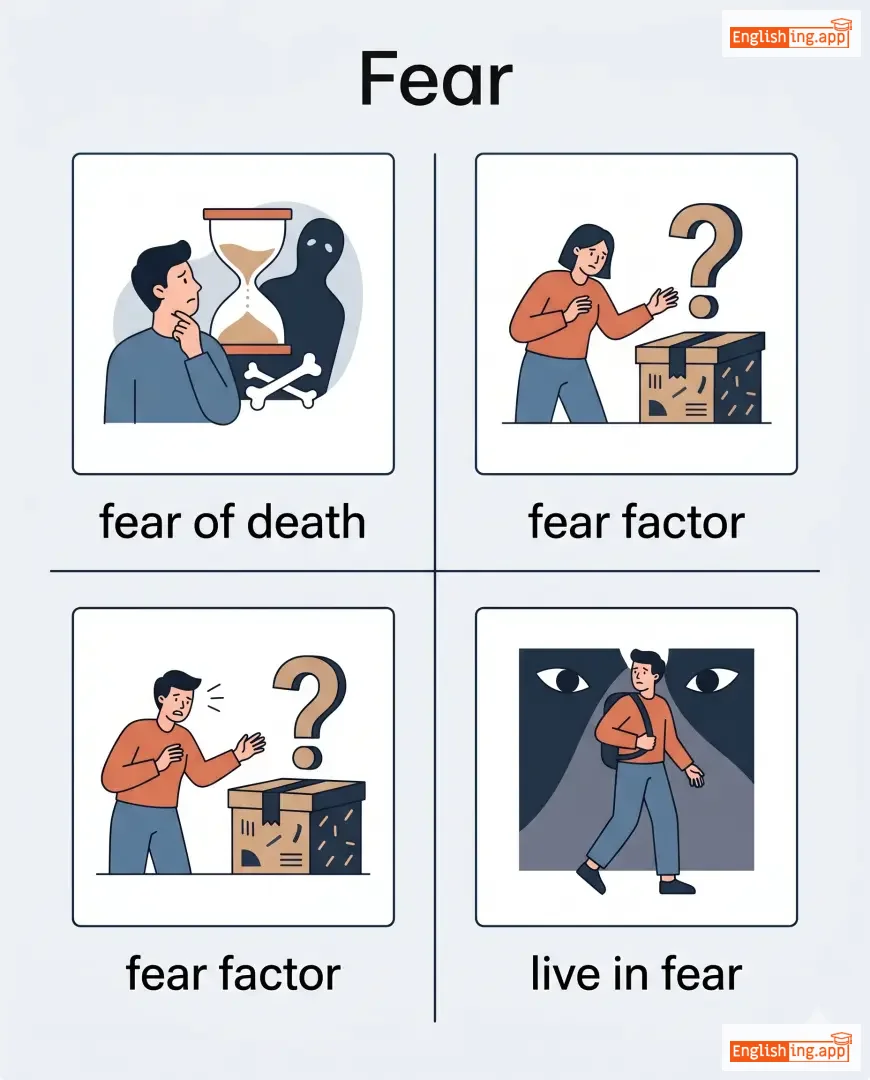
Swipe left or right, or use the buttons. Tap image to zoom.
例句翻译
单词
Lesson 22Lesson 22 - 遮罩切换
|
表情符号
|
单词 | Images | 翻译 | 含义 | 例句 | 例句翻译 | 同义词 | 反义词 | 搭配词 | 助记符 |
|---|---|---|---|---|---|---|---|---|---|---|
|
#421
🏢
|
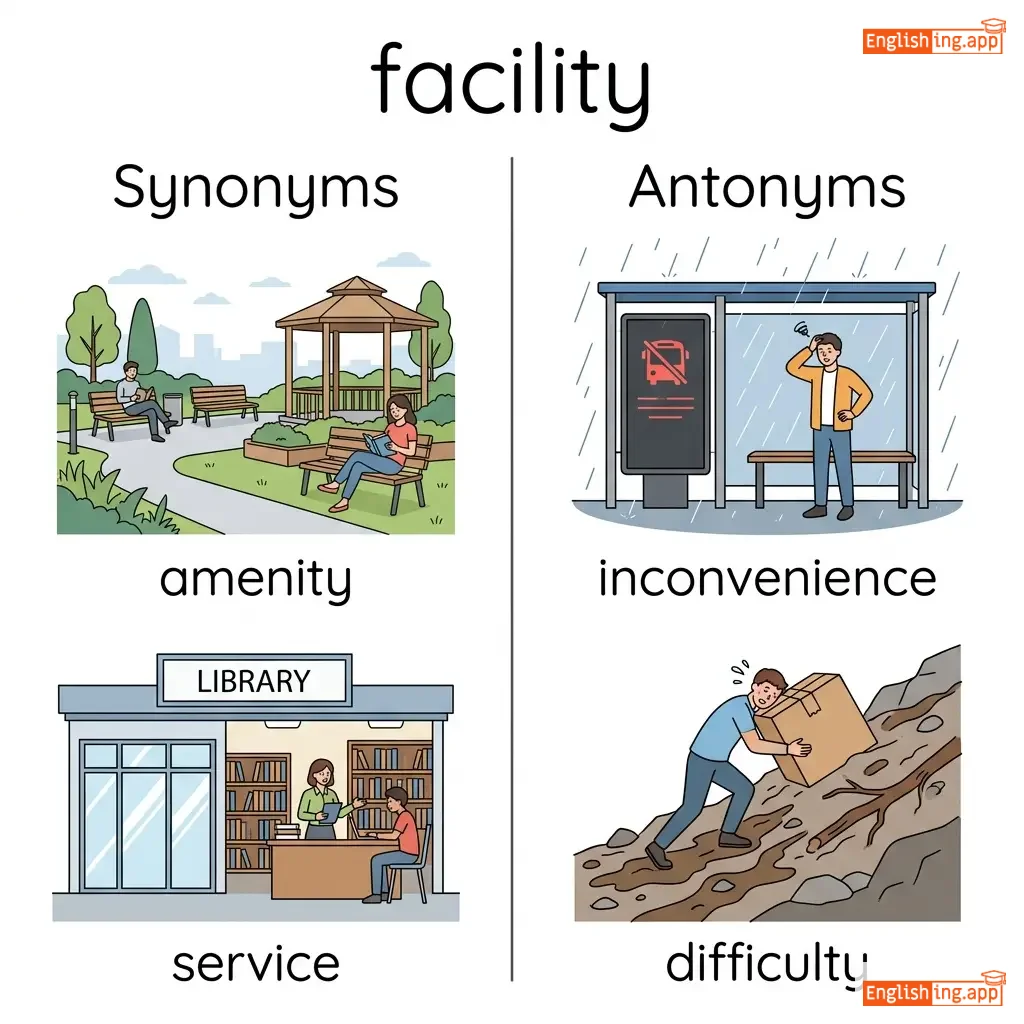
/fəˈsɪl.ə.ti/
noun
(设施)
••••••
|
|
设施; 便利
shèshī; biànlì
••••••
|
a building, service, or piece of equipment provided for a particular purpose
••••••
|
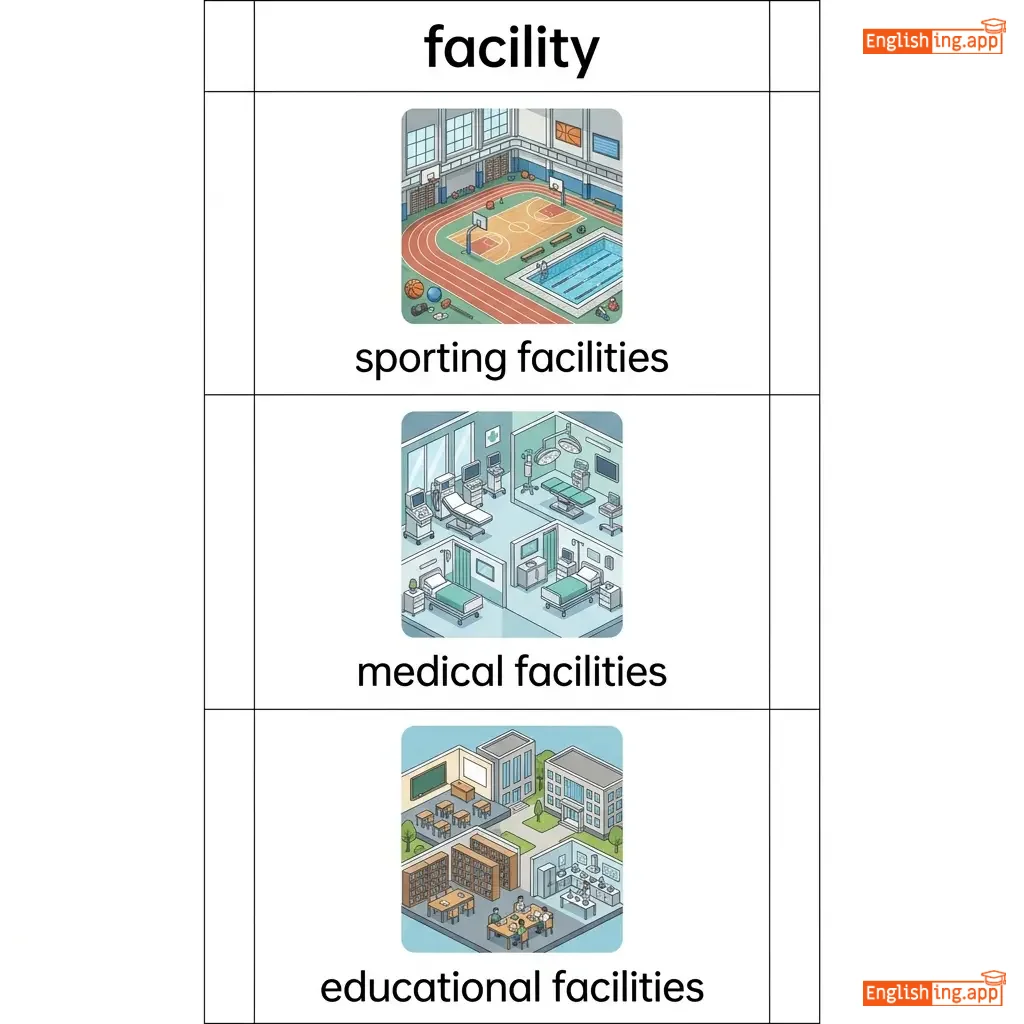
The new sports facility includes a swimming pool and gymnasium.
新的体育设施包括游泳池和健身房。
••••••
|
新的体育设施包括游泳池和健身房。
xīn de tǐyù shèshī bāokuò yóuyǒngchí hé jiànshēnfáng.
••••••
|
amenity, service, installation, resource
••••••
|
inconvenience, difficulty, obstacle, hindrance
••••••
|
sports facility, medical facility, research facility
••••••
|
Facility在中文中 = '设施' = 为某个特定用途提供的设施
••••••
|
|
#422
🪭
|
/fæn/
noun
(海皮南斯)
••••••
|
- •••••• |
粉丝; 扇子
fensi, shanzi
••••••
|
a person who has a strong interest in or admiration for a particular person or thing; a device for creating air current
••••••
|
She is a huge fan of classical music and attends every concert in the city.
她 是 一 个 古典 音乐 的 忠实 粉丝 , 并 参加 城市 中 的 每 一 场 音乐会。
••••••
|
她是古典音乐的忠实粉丝,并参加城市中的每一场音乐会。
ta shi gudian yinyue de zhongshi fensi, bing canjia chengshi zhong de mei yi chang yinyuehui.
••••••
|
enthusiast, admirer, supporter, devotee
••••••
|
critic, opponent, detractor, hater
••••••
|
sports fan, electric fan, fan base
••••••
|
‘粉丝’ (fensi) means both fan and noodles — remember fans follow like noodles stick together!
••••••
|
|
#423
👥
|
/ˈfæk.ʃən/
noun
(fǎkshēn)
••••••
|
- •••••• |
派系
paixi
••••••
|
a small organized dissenting group within a larger one
••••••
|
Different factions within the party disagreed about the new policy. |
党内的不同派系对新政策存在分歧。
dang nei de butong paixi dui xin zhengce cunzai fenqi.
••••••
|
group, sect, clique, wing
••••••
|
unity, whole, entirety, consensus
••••••
|
political faction, rival faction, faction within party
••••••
|
派系 (paixi) - 一群人因为不同意见而分裂出来的小团体。
••••••
|
|
#424
✨
|
/ˈfæn.si/
noun
(fánxī)
••••••
|
- •••••• |
幻想; 幻觉或想象
huànxiǎng, huànjué huò xiǎngxiàng
••••••
|
a feeling of liking or wanting something; imagination or fantasy
••••••
|
The child had a fancy for becoming a famous astronaut when he grew up. |
孩子长大后希望成为一名著名的宇航员。
Háizi zhǎng dà hòu xīwàng chéngwéi yī míng zhùmíng de yǔhángyuán.
••••••
|
whim, desire, imagination, fantasy
••••••
|
reality, fact, certainty, truth
••••••
|
take a fancy, flight of fancy, fancy dress
••••••
|
Fancy - Like dreaming of being a space hero, that's a fancy!
••••••
|
|
#425
⚠️
|
/ˈfeɪ.lɪŋ/
noun
(feiling)
••••••
|
- •••••• |
失败; 缺点; 弱点
shībài, quēdiǎn, ruòdiǎn
••••••
|
a weakness, especially in a person's character; a fault
••••••
|
His only failing is that he talks too much during meetings.
His only failing is that he talks too much during meetings.
••••••
|
他唯一的失败是他在会议中说得太多。
Tā wéiyī de shībài shì tā zài huìyì zhōng shuō dé tài duō.
••••••
|
weakness, fault, defect, shortcoming
••••••
|
strength, virtue, asset, advantage
••••••
|
personal failing, human failing, minor failing
••••••
|
失败是成功之母,解决问题才是目标。
••••••
|
|
#426
👋
|
/ˌfer.ˈwel/
noun
(费尔韦尔)
••••••
|
- •••••• |
告别
gàobié
••••••
|
an act of parting or of marking someone's departure
••••••
|
The company organized a farewell party for the retiring manager. |
公司为即将退休的经理举办了告别派对。
Gōngsī wèi jíjiāng tuìxiū de jīnglǐ jǔbànle gàobié pàiduì.
••••••
|
goodbye, departure, parting, send-off
••••••
|
welcome, greeting, arrival, hello
••••••
|
farewell party, bid farewell, farewell speech
••••••
|
告别 (gàobié) is how we say farewell in Chinese, marking a formal goodbye.
••••••
|
|
#427
❌
|
/ˈfeɪ.ljər/
noun
(费尔)
••••••
|
- •••••• |
失败
shibai
••••••
|
lack of success; an unsuccessful person, enterprise, or thing
••••••
|
The project's failure was due to poor planning and communication. |
项目的失败是由于计划和沟通不良。
Xiàngmù de shībài shì yóuyú jìhuà hé gōutōng bùliáng.
••••••
|
defeat, disappointment, breakdown, collapse
••••••
|
success, achievement, victory, triumph
••••••
|
complete failure, failure to act, failure rate
••••••
|
失败是走向成功的必经之路。
••••••
|
|
#428
😍
|
/ˌfæs.ɪˈneɪ.ʃən/
noun
(迷恋)
••••••
|
- •••••• |
迷恋; 吸引; 吸引力
mílian, xīyǐn, xīyǐnlì
••••••
|
the power to fascinate someone; the state of being intensely interested
••••••
|
Her fascination with ancient history led her to become an archaeologist. |
她对古代历史的迷恋让她成为了一名考古学家。
Tā duì gǔdài lìshǐ de míliàn ràng tā chéngwéi le yī míng kǎogǔ xuéjiā.
••••••
|
captivation, charm, allure, enchantment
••••••
|
boredom, disinterest, repulsion, aversion
••••••
|
hold fascination, fascination with science, endless fascination
••••••
|
迷恋 (mílian) = Fascination
••••••
|
|
#429
🧚♀️
|
/ˈfer.i.teɪl/
noun
(fēi lì tèl)
••••••
|
- •••••• |
童话故事
tonghua gushi
••••••
|
a children's story about magical and imaginary beings and lands
••••••
|
Children love listening to fairy-tales before bedtime. |
孩子们喜欢在睡觉前听童话故事。
Haizimen xihuan zai shuijiao qian ting tonghua gushi.
••••••
|
folk tale, fantasy, fable, story
••••••
|
reality, fact, truth, non-fiction
••••••
|
classic fairy-tale, fairy-tale ending, fairy-tale character
••••••
|
童话故事带来梦幻的魔法。
••••••
|
|
#430
🔮
|
/feɪt/
noun
(命运)
••••••
|
- •••••• |
命运
mingyun
••••••
|
the development of events beyond a person's control, regarded as determined by a supernatural power
••••••
|
Many people believe that fate determines the course of their lives. |
许多人相信命运决定了他们生活的轨迹。
xuduo renxin yi mingyun jueding le tamen shenghuo de guiji.
••••••
|
destiny, fortune, karma, providence
••••••
|
choice, free will, control, chance
••••••
|
twist of fate, sealed fate, tempt fate
••••••
|
Chinese '命运' (mingyun) and English 'fate' both speak to destiny's influence.
••••••
|
|
#431
🙏
|
/feɪθ/
noun
(fēiθ)
••••••
|
- •••••• |
信念; 信任; 宗教信仰;
xìnniàn, xìnrèn, zōngjiào xìnyǎng
••••••
|
complete trust or confidence in someone or something; strong belief in religion
••••••
|
She had unwavering faith in her team's ability to succeed.
她对她的团队成功的能力有着坚定不移的信念。
••••••
|
她对她的团队成功的能力有着坚定不移的信念。
Tā duì tā de tuánduì chénggōng de nénglì yǒu zhe jiāndìng bù yí de xìnniàn.
••••••
|
belief, trust, confidence, conviction
••••••
|
doubt, disbelief, skepticism, mistrust
••••••
|
religious faith, have faith, faith in humanity
••••••
|
信念坚定,就像信仰一样坚固。
••••••
|
|
#432
😴
|
/fəˈtiːɡ/
noun
(法提格)
••••••
|
|
疲劳
pilao
••••••
|
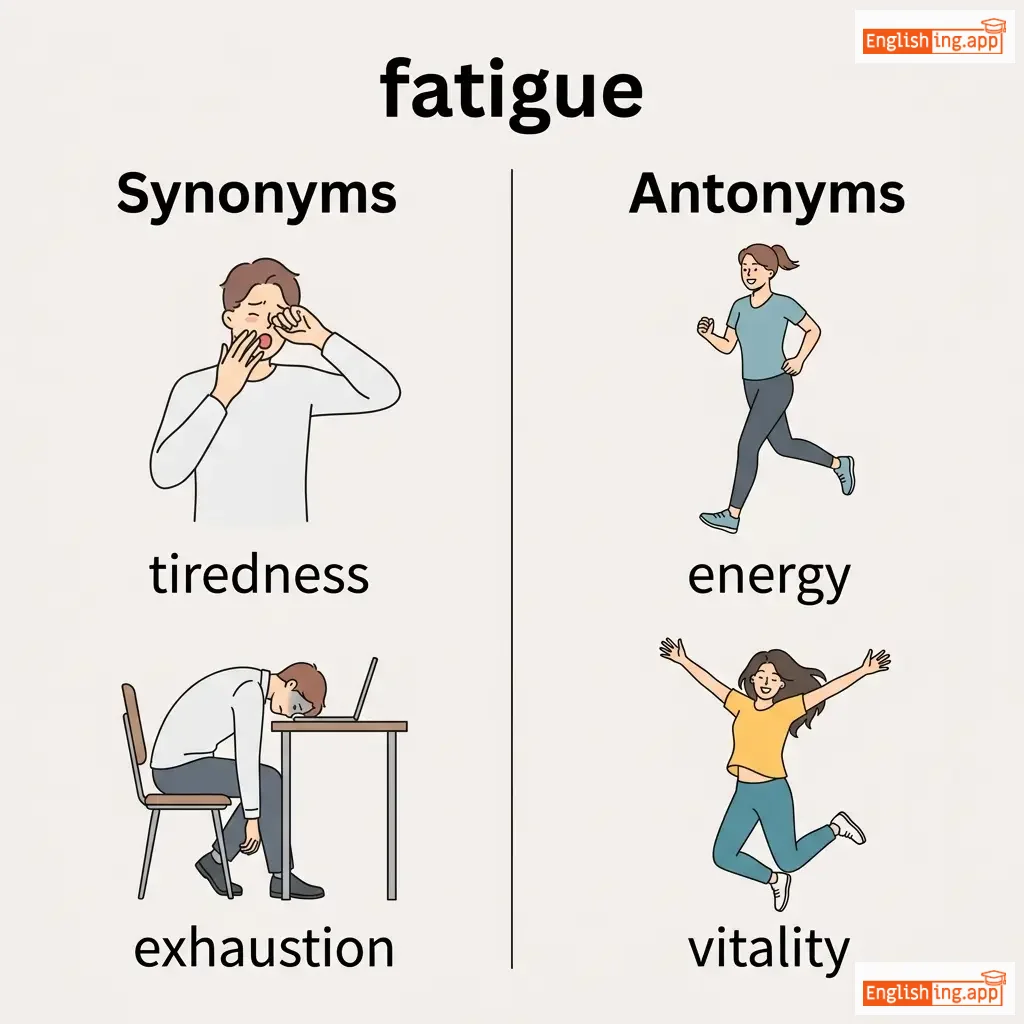
extreme tiredness resulting from mental or physical exertion or illness
••••••
|
After working for twelve hours straight, he was overcome by fatigue.
连续工作了十二小时后,他被疲劳击垮了。
••••••
|
连续工作了十二小时后,他被疲劳击垮了。
Lianxu gongzuo le shier xiaoshi hou, ta bei pilao ji kua le.
••••••
|
exhaustion, weariness, tiredness, burnout
••••••
|
energy, vitality, freshness, vigor
••••••
|
muscle fatigue, mental fatigue, chronic fatigue
••••••
|
Fatigue = 疲劳, similar pronunciation in Chinese.
••••••
|
|
#433
🎭
|
/feɪk/
noun
(feik)
••••••
|
- •••••• |
伪造品; 欺诈; 假物品
weizaopin, qizha, jiawupin
••••••
|
a thing that is not genuine; a forgery or sham
••••••
|
The painting was discovered to be a fake worth very little money.
这幅画被发现是伪造的,价值非常低。
••••••
|
这幅画被发现是一幅伪造品,价值非常低。
Zhe fu hua bei faxian shi yi fu weizaopin, jiazhi feichang di.
••••••
|
counterfeit, forgery, imitation, fraud
••••••
|
genuine, authentic, real, original
••••••
|
fake news, fake passport, fake jewelry
••••••
|
Fake 就是伪造的,我们要小心,别被骗。
••••••
|
|
#434
❌
|
/fɔːlt/
noun
(fǎlt)
••••••
|
- •••••• |
过错; 错误; 缺陷
guòcuò, cuòwù, quēxiàn
••••••
|
an unattractive or unsatisfactory feature; responsibility for an accident or misfortune
••••••
|
The accident was caused by a fault in the car's braking system.
事故是由汽车刹车系统的故障引起的。
••••••
|
事故是由汽车刹车系统的故障引起的。
Shìgù shì yóu qìchē shāchē xìtǒng de gùzhàng yǐnqǐ de.
••••••
|
defect, flaw, error, mistake
••••••
|
perfection, strength, virtue, merit
••••••
|
at fault, find fault, mechanical fault
••••••
|
Fault (错误) 是由于缺陷造成的不幸或责任。
••••••
|
|
#435
🤥
|
/ˈfɔːls.hʊd/
noun
(fàoshùd)
••••••
|
- •••••• |
虚伪; 谎言
xūwěi; huǎngyán
••••••
|
the state of being untrue; a lie
••••••
|
The politician was caught spreading falsehoods about his opponent.
那位政治家被抓到散播关于对手的谎言。
••••••
|
那位政治家被抓到散播关于对手的谎言。
Nà wèi zhèngzhìjiā bèi zhuā dào sànbō guānyú duìshǒu de huǎngyán.
••••••
|
lie, untruth, deception, dishonesty
••••••
|
truth, honesty, fact, reality
••••••
|
spread falsehood, deliberate falsehood, pure falsehood
••••••
|
Falsehood 在中文中表示虚伪或谎言,类似于不真实的言论。
••••••
|
|
#436
🤝
|
/ˈfeɪ.vər/
noun
(费弗)
••••••
|
- •••••• |
好意; 帮助; 仁慈
hao yi, bang zhu, ren ci
••••••
|
approval, support, or liking for someone or something; a kind or helpful act
••••••
|
Could you do me a favour and help me move this heavy box?
你能帮我一个忙,帮我搬动这个重箱子吗?
••••••
|
你能帮我一个忙,帮我搬动这个重箱子吗?
ni neng bang wo yi ge mang, bang wo ban dong zhe ge zhong xiang zi ma?
••••••
|
kindness, help, assistance, good turn
••••••
|
disfavour, hindrance, harm, disadvantage
••••••
|
ask a favour, return favour, curry favour
••••••
|
Favour sounds like ‘friend’, a person who helps you out.
••••••
|
|
#437
⭐
|
/feɪm/
noun
(fēi mù)
••••••
|
- •••••• |
名声
míngshēng
••••••
|
the condition of being known or talked about by many people
••••••
|
The young actor achieved international fame with his latest movie.
这位年轻演员凭借他最新的电影获得了国际声誉。
••••••
|
这位年轻演员凭借他最新的电影获得了国际声誉。
Zhe wei nianqing yanyuan pingjie ta zuixin de dianying huodele guoji shengyu.
••••••
|
renown, celebrity, reputation, prominence
••••••
|
obscurity, anonymity, unknown, insignificance
••••••
|
international fame, rise to fame, fame and fortune
••••••
|
Fame像中文的'名声',意味着被很多人知道。
••••••
|
|
#438
😨
|
/fɪər/
noun
(菲尔)
••••••
|
|
恐惧; 害怕
kǒngjù; hàipà
••••••
|
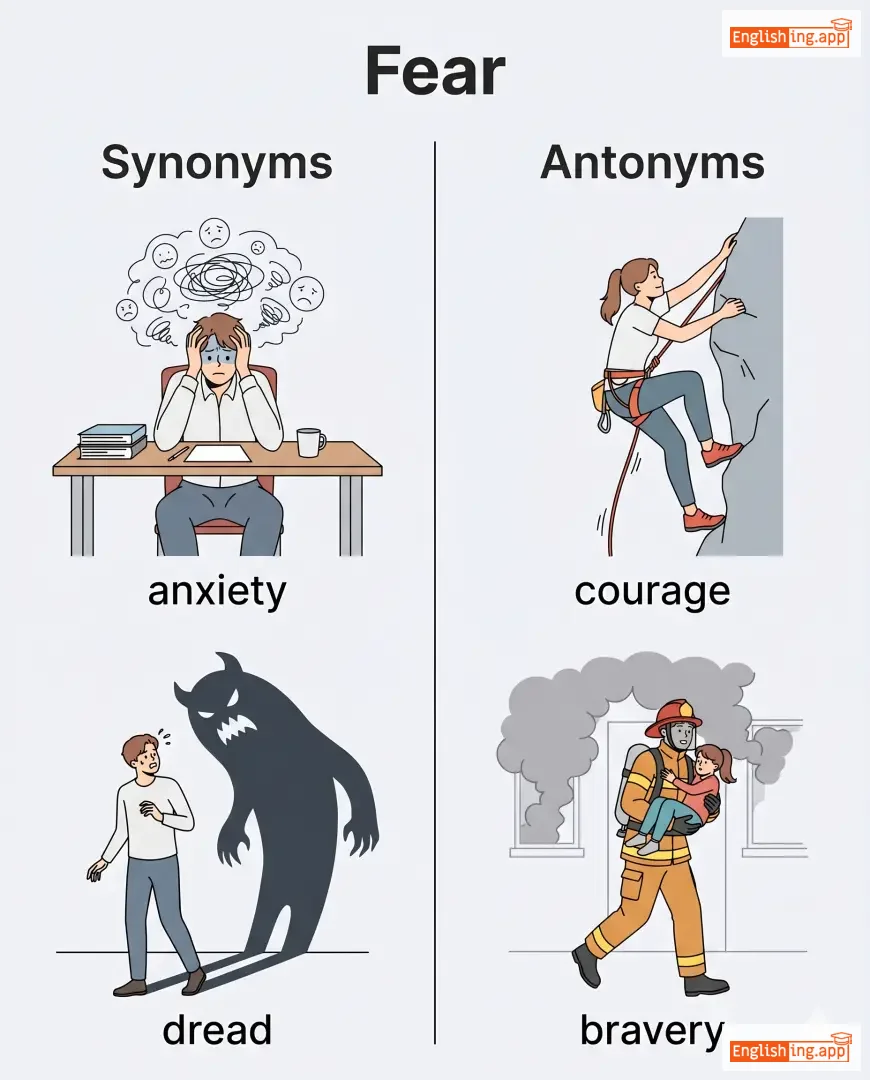
an unpleasant emotion caused by the belief that someone or something is dangerous
••••••
|
She overcame her fear of heights by taking rock climbing lessons. |
她通过参加攀岩课程克服了对高度的恐惧。
tā tōngguò cānjiā pān yán kèchéng kèfú le duì gāodù de kǒngjù.
••••••
|
anxiety, terror, dread, panic
••••••
|
courage, bravery, confidence, fearlessness
••••••
|
fear of failure, overcome fear, face fear
••••••
|
恐惧是我们害怕未知的事物时的感觉。
••••••
|
|
#439
🌾
|
/ˈfæm.ɪn/
noun
(fāmín)
••••••
|
- •••••• |
饥荒
jīhuāng
••••••
|
extreme scarcity of food; a period when food is extremely scarce
••••••
|
The severe drought led to widespread famine in the region.
严重的干旱导致该地区广泛的饥荒。
••••••
|
严重的干旱导致该地区广泛的饥荒。
Yánzhòng de gānhàn dǎozhì gāi dìqū guǎngfàn de jīhuāng.
••••••
|
starvation, hunger, scarcity, shortage
••••••
|
abundance, plenty, feast, surplus
••••••
|
widespread famine, famine relief, famine conditions
••••••
|
饥荒在中文中类似‘famine’
••••••
|
|
#440
🍽️
|
/fiːst/
noun
(fist)
••••••
|
- •••••• |
盛宴; 宴会
shengyan, yanhui
••••••
|
a large meal, typically one in celebration of something; an annual religious celebration
••••••
|
The wedding feast included traditional dishes from both families' cultures. |
婚礼盛宴包括了来自双方家庭文化的传统菜肴。
Hunli shengyan baokuo le laizi shuangfang jiating wenhua de chuantong caiyao.
••••••
|
banquet, celebration, festival, meal
••••••
|
famine, fast, starvation, hunger
••••••
|
wedding feast, feast day, feast your eyes
••••••
|
将‘盛宴’与‘庆祝’相联系,帮助记忆。
••••••
|
Vocabulary Quiz
Test your vocabulary by matching words with their translations or meanings.
Login to take the quiz
Comments (0)
Share your thoughts and join the discussion.
Join the discussion by logging in
Login to CommentNo comments yet
Be the first to share your thoughts!