




Swipe left or right, or use the buttons. Tap image to zoom.
例句翻译
单词
Lesson 33Lesson 33 - 遮罩切换
|
表情符号
|
单词 | Images | 翻译 | 含义 | 例句 | 例句翻译 | 同义词 | 反义词 | 搭配词 | 助记符 |
|---|---|---|---|---|---|---|---|---|---|---|
|
#641
🌊
|
/ˈɪn.flu.əns/
noun
(yǐnɡxiǎn)
••••••
|
- •••••• |
影响; 权力
yingxiang, quanli
••••••
|
the capacity to have an effect on the character, development, or behavior of someone or something
••••••
|
The teacher's positive influence helped the student overcome his learning difficulties. |
老师的积极影响帮助学生克服了学习困难。
laoshi de jiji yingxiang bangzhu xuesheng kekuole xuexi kunnan.
••••••
|
effect, impact, power, sway
••••••
|
ineffectiveness, powerlessness, weakness, insignificance
••••••
|
positive influence, bad influence, under influence
••••••
|
影响就像是在生活中塑造他人或事物的力量。
••••••
|
|
#642
📋
|
/ˈɪn.vɔɪs/
noun
(yīn wèi sī)
••••••
|
- •••••• |
发票
fapiao
••••••
|
a list of goods sent or services provided, with a statement of the sum due for these
••••••
|
The company sent an invoice for the office supplies delivered last week. |
公司发送了上周交付的办公用品的发票。
Gongsi fasongle shangzhou jiaofu de bangong yongpin de fapiao.
••••••
|
bill, statement, receipt, account
••••••
|
payment, settlement, remittance, credit
••••••
|
send invoice, unpaid invoice, invoice amount
••••••
|
发票,记住'发'就像发出的账单,类似'支付'的任务。
••••••
|
|
#643
⚖️
|
/ɪnˈdʒʌs.tɪs/
noun
(不公正)
••••••
|
|
不公正
bugongzheng
••••••
|
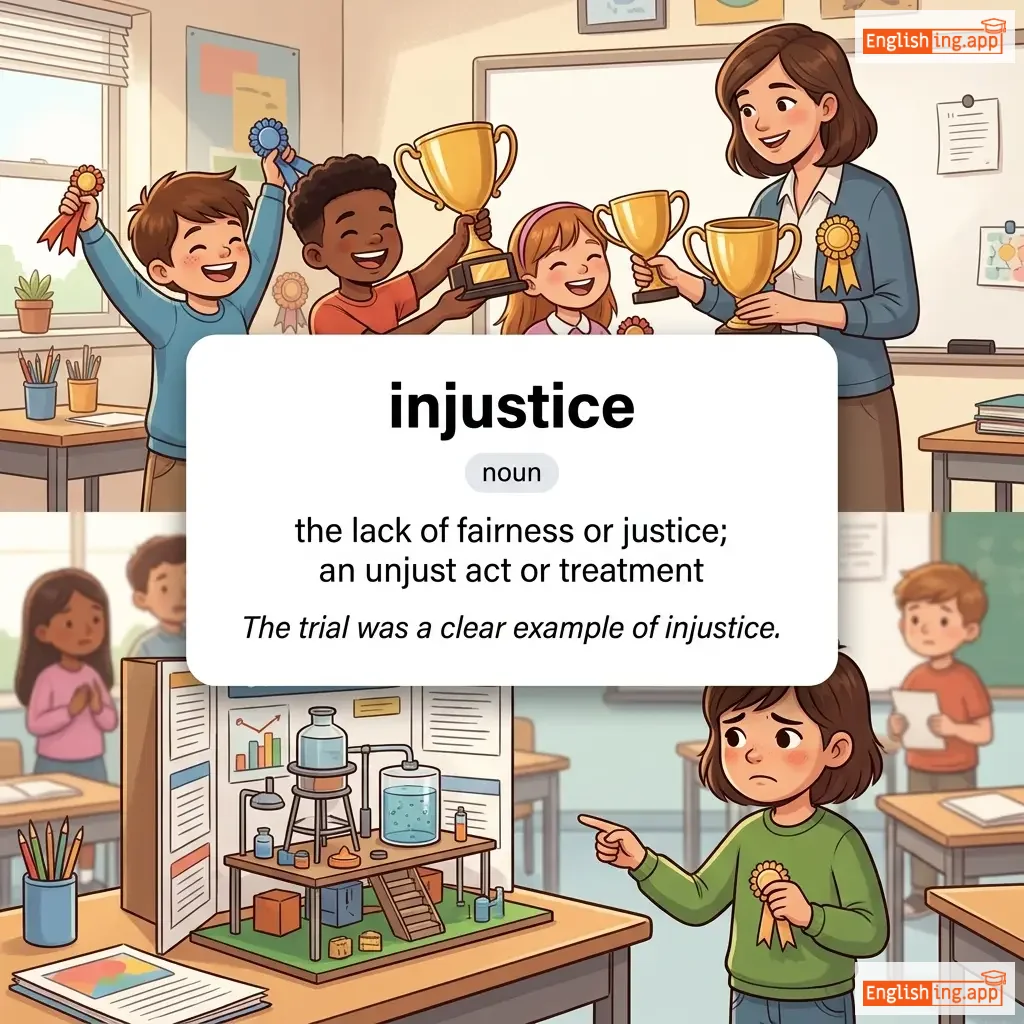
lack of fairness or justice; an unfair act or occurrence
••••••
|
The protesters marched against the injustice of racial discrimination in the legal system.
抗议者走上街头,反对种族歧视的不公正。
••••••
|
抗议者走上街头,反对种族歧视的不公正。
Kangyizhe zou shang jietou, fandui zhongzu qishixue de bugongzheng.
••••••
|
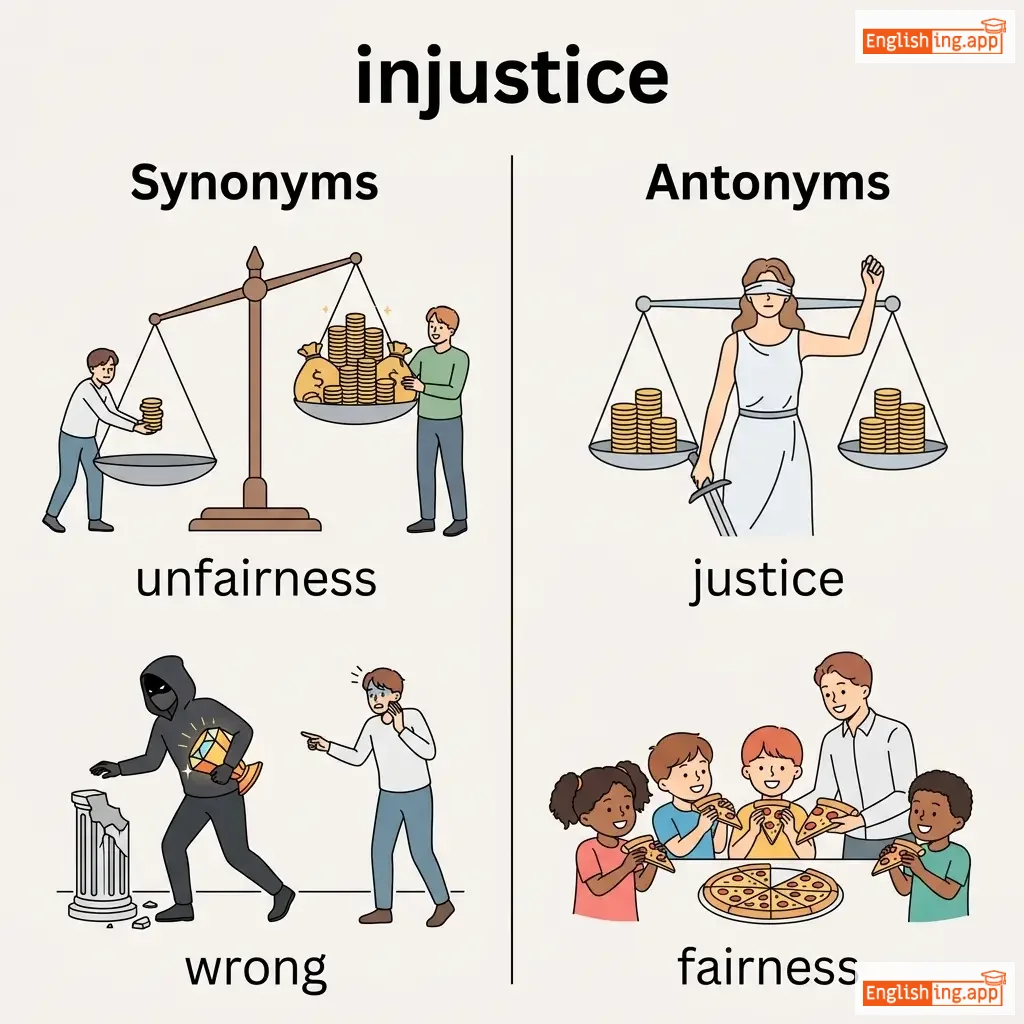
unfairness, inequity, wrongdoing, bias
••••••
|
justice, fairness, equity, righteousness
••••••
|
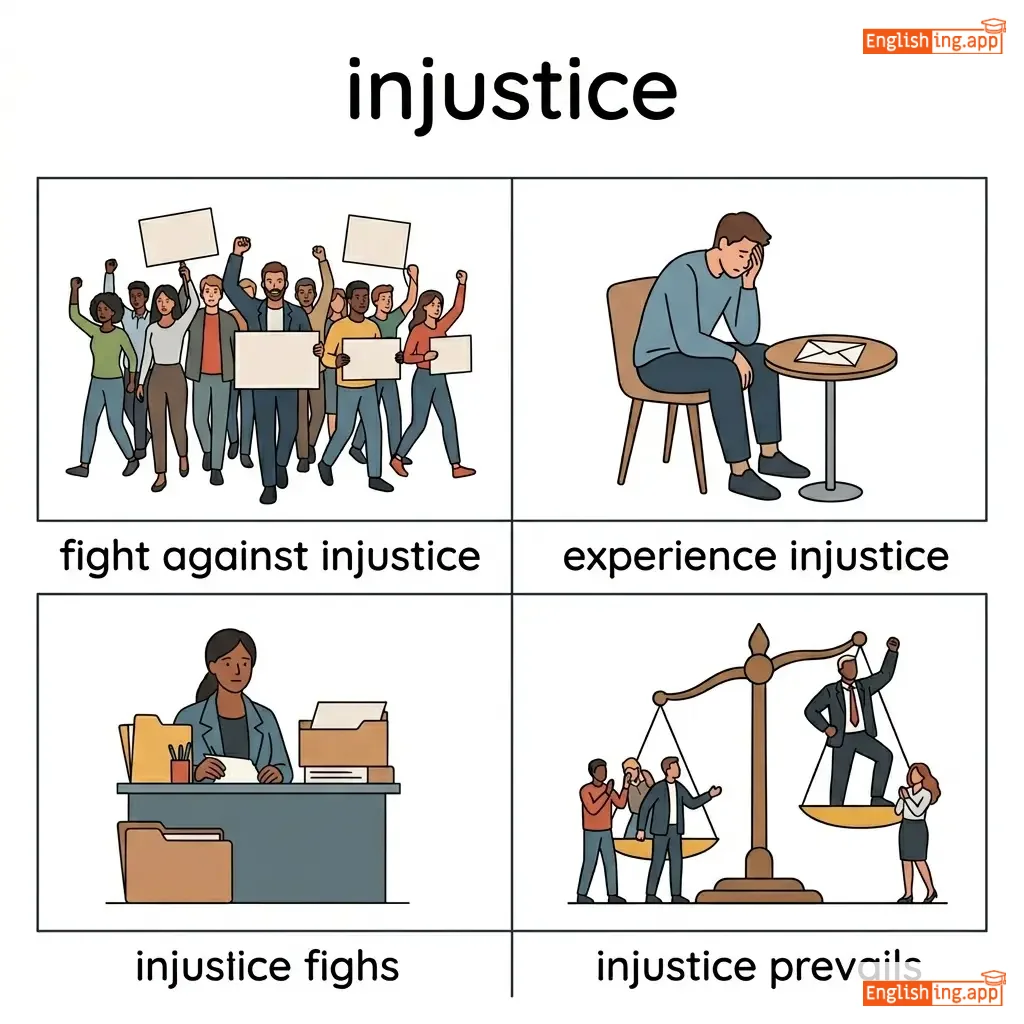
social injustice, fight injustice, grave injustice
••••••
|
Injustice in Chinese = 不公正 (Bugongzheng)
••••••
|
|
#644
💥
|
/ɪˈrʌp.ʃən/
noun
(伊鲁普修恩)
••••••
|
- •••••• |
突然的暴力入侵; 入侵或突袭; 突如其来的爆发或喷发
tūrán de bào lì rùqīn; rùqīn huò tūxí; tú rù qí lái de bào fā huò pēn fā
••••••
|
a sudden violent entry; an invasion or raid; a sudden outburst or eruption
••••••
|
The army's irruption into enemy territory caught the opposing forces completely off guard.
军队的突然闯入敌方领土使对方力量完全措手不及。
••••••
|
军队的突然闯入敌方领土使对方力量完全措手不及。
jūnduì de túrán chuǎngrù dífāng lǐngtǔ shǐ duìfāng lìliàng wánquán cuòshǒubùjí.
••••••
|
invasion, incursion, raid, eruption
••••••
|
withdrawal, retreat, evacuation, departure
••••••
|
sudden irruption, military irruption, irruption of violence
••••••
|
突如其来的冲击记住
••••••
|
|
#645
🖋️
|
/ɪŋk/
noun
(ink)
••••••
|
- •••••• |
墨水
mòshuǐ
••••••
|
a colored fluid used for writing, drawing, or printing; a dark liquid ejected by cuttlefish
••••••
|
The old fountain pen leaked ink all over his white shirt during the meeting.
老钢笔在会议期间把墨水洒在他的白衬衫上。
••••••
|
老钢笔在会议期间把墨水洒在他的白衬衫上。
Lǎo gāngbǐ zài huìyì qījiān bǎ mòshuǐ sǎ zài tā de bái chènshān shàng.
••••••
|
dye, pigment, fluid, tint
••••••
|
eraser, correction fluid, bleach, remover
••••••
|
fountain pen ink, black ink, ink cartridge
••••••
|
Ink = 墨水,掉在白衬衫上的黑色液体。
••••••
|
|
#646
🏝️
|
/ˌaɪ.səˈleɪ.ʃən/
noun
(ai sou lei shen)
••••••
|
- •••••• |
隔离
gelī
••••••
|
the process or fact of isolating or being isolated; separation from other people or things
••••••
|
The patient was kept in isolation to prevent the spread of the infectious disease.
病人被隔离,以防止传染病的传播。
••••••
|
病人被隔离,以防止传染病的传播。
Bìngrén bèi gélí, yǐ fángzhǐ chuánrǎn bìng de chuánbò.
••••••
|
separation, quarantine, seclusion, segregation
••••••
|
integration, connection, socialization, inclusion
••••••
|
social isolation, medical isolation, isolation ward
••••••
|
隔离就像把你放在一个与世隔绝的小岛上。
••••••
|
|
#647
🤯
|
/ɪnˈsæn.ə.ti/
noun
(因萨尼提)
••••••
|
- •••••• |
疯狂; 精神错乱
fēngkuáng; jīngshén cuòluàn
••••••
|
the state of being seriously mentally ill; extreme foolishness or irrationality
••••••
|
The defense lawyer argued that his client was not guilty by reason of insanity. |
辩护律师辩称,他的客户因精神错乱而不应被判有罪。
Biànhù lǜshī biànchēng, tā de kèhù yīn jīngshén cuòluàn ér bù yīng bèi pàn yǒu zuì.
••••••
|
madness, mental illness, lunacy, irrationality
••••••
|
sanity, rationality, mental health, clarity
••••••
|
temporary insanity, plea of insanity, drive to insanity
••••••
|
疯狂 (fēngkuáng) 是 Insanity 的中文表达。
••••••
|
|
#648
🍓
|
/dʒæm/
noun
(果酱)
••••••
|
- •••••• |
由水果和糖制成的甜酱;一种困难的情况;一个堵塞
you shuiguo he tang zhicheng de tian jiang; yi zhong kunnan de qingkuang; yi ge dusa
••••••
|
a sweet spread made from fruit and sugar; a difficult situation; a blockage
••••••
|
She spread strawberry jam on her toast for breakfast every morning. |
她每天早上在烤面包上涂上草莓果酱作为早餐。
Ta mei tian zaoshang zai kao mianbao shang tu shang caomei guojiang zuo wei zaocan.
••••••
|
preserve, jelly, marmalade, congestion
••••••
|
liquid, flow, clarity, solution
••••••
|
strawberry jam, traffic jam, jam jar
••••••
|
果酱(guojiang)可以带来甜蜜的美味!
••••••
|
|
#649
🐛
|
/ɪnˈsek.tɪ.saɪd/
noun
(yīn sè kè tí sài dé)
••••••
|
- •••••• |
杀虫剂
shāchóngjì
••••••
|
a substance used for killing insects; a chemical pesticide that targets insects
••••••
|
The farmer sprayed insecticide on his crops to protect them from harmful bugs. |
农民在作物上喷洒杀虫剂,以保护它们免受有害昆虫的侵害。
nóngmín zài zuòwù shàng pēnsǎ shāchóngjì, yǐ bǎohù tāmen miǎn shòu yǒuhài kūnchóng de qīnhài.
••••••
|
pesticide, bug spray, poison, fumigant
••••••
|
fertilizer, nutrients, organic treatment, natural repellent
••••••
|
spray insecticide, organic insecticide, insecticide resistance
••••••
|
杀虫剂 = 杀虫 + 剂 (化学)
••••••
|
|
#650
🎉
|
/ˌdʒæm.bəˈriː/
noun
(詹博瑞)
••••••
|
- •••••• |
嘉年华; 庆典;
jiāniánhuá, qìngdiǎn
••••••
|
a large celebration or party; a gathering with entertainment; a festive event
••••••
|
The scout jamboree brought together thousands of young people from around the world. |
童子军集会把来自世界各地的成千上万的年轻人聚集在一起。
Tóngzǐ jūn jíhuì bǎ láizì shìjiè gèdì de chéngqiān shàngwàn de niánqīng rén jùjí zài yīqǐ.
••••••
|
celebration, festival, party, gathering
••••••
|
funeral, mourning, solitude, isolation
••••••
|
scout jamboree, music jamboree, youth jamboree
••••••
|
詹博瑞 = 全球童子军庆祝活动
••••••
|
|
#651
😴
|
/ɪnˈsɒm.ni.ə/
noun
(失眠)
••••••
|
- •••••• |
失眠
shimian
••••••
|
habitual sleeplessness; inability to sleep; the condition of being unable to sleep
••••••
|
Her chronic insomnia made it difficult for her to concentrate during work hours. |
她的慢性失眠让她在工作时难以集中注意力。
tā de mànxìng shimian ràng tā zài gōngzuò shí nányǐ jízhōng zhùyìlì.
••••••
|
sleeplessness, wakefulness, restlessness, sleep disorder
••••••
|
sleepiness, drowsiness, restful sleep, sound sleep
••••••
|
chronic insomnia, suffer from insomnia, insomnia treatment
••••••
|
失眠(shimian)就像是‘失去的睡眠’,帮助记住这一困扰人们的状态。
••••••
|
|
#652
🧹
|
/ˈdʒæn.ɪ.tər/
noun
(janitor)
••••••
|
- •••••• |
清洁工, 看门人
qingjie gong, kanmenren
••••••
|
a person employed to clean and maintain a building; a caretaker
••••••
|
The school janitor worked late every evening to ensure the classrooms were spotless.
学校的清洁工每天晚上都工作到很晚,以确保教室保持干净。
••••••
|
学校的清洁工每天晚上都工作到很晚,以确保教室保持干净。
Xuexiao de qingjie gong mei tian wanshang dou gongzuo dao hen wan, yi quebao jiaoshi baochi ganjing.
••••••
|
caretaker, cleaner, custodian, maintenance worker
••••••
|
tenant, resident, visitor, guest
••••••
|
school janitor, building janitor, night janitor
••••••
|
在中文中,清洁工像 janitor 一样,负责保持建筑的干净。
••••••
|
|
#653
💎
|
/ɪnˈteɡ.rə.ti/
noun
(ɪnˈtɛɡrɪtɪ)
••••••
|
|
诚信; 正直; 道德的正直
chengxin; zhengzhi; daode de zhengzhi
••••••
|
the quality of being honest and having strong moral principles; moral uprightness
••••••
|
The politician's integrity was questioned when evidence of corruption came to light. |
当腐败证据浮出水面时,政治家的诚信受到了质疑。
dang fubai zhengju fuchu shuimian shi, zhengzhijia de chengxin shoudao le zhiyi.
••••••
|
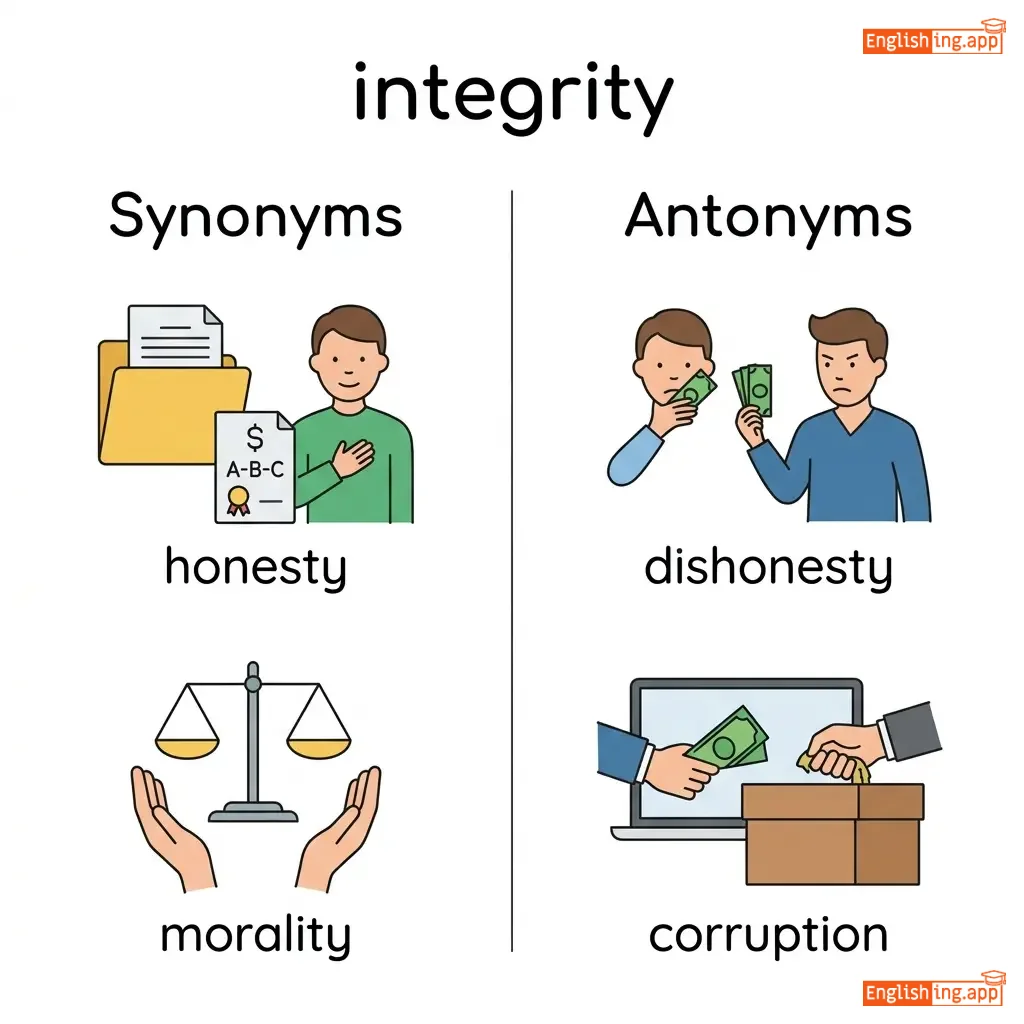
honesty, uprightness, morality, ethics
••••••
|
dishonesty, corruption, immorality, deceit
••••••
|
personal integrity, moral integrity, maintain integrity
••••••
|
诚信是道德正直的核心,体现个人的坚定立场。
••••••
|
|
#654
🫙
|
/dʒɑːr/
noun
(jar)
••••••
|
- •••••• |
罐子; 瓶子
guanzi, pingzi
••••••
|
a wide-mouthed container made of glass or pottery; to have a harsh or unpleasant effect
••••••
|
She stored homemade cookies in a large glass jar on the kitchen counter.
她把自制的饼干存放在厨房台面上的大玻璃罐子里。
••••••
|
她把自制的饼干存放在厨房台面上的大玻璃罐子里。
Ta ba zhi zhi de binggan cun fang zai chufang taimian shang de da boli guanzi li.
••••••
|
container, pot, vessel, canister
••••••
|
box, bag, plate, open container
••••••
|
glass jar, cookie jar, pickle jar
••••••
|
玻璃罐子中饼干像有魔法的秘密储藏!
••••••
|
|
#655
🗣️
|
/ɪnˈtɜː.prə.tər/
noun
(翻译员)
••••••
|
- •••••• |
口译员; 翻译员;
kouyi yuan, fanyi yuan
••••••
|
a person who translates orally from one language into another; someone who explains meaning
••••••
|
The international conference hired professional interpreters to translate speeches in real time. |
国际会议聘请了专业口译员来实时翻译演讲。
Guoji huiyi pinqian le zhuanye kouyi yuan lai shishi fanyi yanjiang.
••••••
|
translator, linguist, mediator, communicator
••••••
|
monolingual speaker, non-translator, silent person, mute
••••••
|
simultaneous interpreter, sign language interpreter, court interpreter
••••••
|
口译员 (kouyi yuan) uses 'kou' (mouth) and 'yi' (translation) to describe someone who translates orally.
••••••
|
|
#656
😠
|
/ˈdʒel.ə.si/
noun
(jealousy)
••••••
|
- •••••• |
嫉妒;对竞争对手的愤恨
jidu; dui jingzheng duishou de fenhen
••••••
|
a feeling of envy of someone or their achievements; resentment against a rival
••••••
|
His jealousy over his colleague's promotion led to tension in the workplace.
Hiz jealousy over his colleague's promotion led to tension in the workplace.
••••••
|
他对同事升职的嫉妒在工作场所造成了紧张。
Tā duì tóngshì shēngzhí de jídù zài gōngzuò chǎngsuǒ zàochéngle jǐnzhāng.
••••••
|
envy, resentment, covetousness, spite
••••••
|
admiration, generosity, contentment, happiness
••••••
|
burning jealousy, overcome jealousy, jealousy and envy
••••••
|
嫉妒的情感通常来自于害怕别人比自己更成功
••••••
|
|
#657
💕
|
/ˈɪn.tə.mə.si/
noun
(亲密)
••••••
|
- •••••• |
亲密; 亲近
qīnmì, qīnjìn
••••••
|
close familiarity or friendship; closeness; a private cozy atmosphere
••••••
|
The couple valued the emotional intimacy they shared more than material possessions. |
这对情侣比物质财富更珍视他们分享的情感亲密。
Zhè duì qínglǚ bǐ wùzhí cáifù gèng zhēnshì tāmen fēnxiǎng de qínggǎn qīnmì.
••••••
|
closeness, familiarity, affection, bond
••••••
|
distance, alienation, coldness, formality
••••••
|
emotional intimacy, physical intimacy, create intimacy
••••••
|
亲密 (intimacy) 是人与人之间最难描述的关系,像空气一样重要。
••••••
|
|
#658
😢
|
/ˌdʒer.ɪˈmaɪ.æd/
noun
(杰雷米亚德)
••••••
|
- •••••• |
长篇哀叹; 痛苦的抱怨; 灾难清单
cháng piān āi tàn; tòng kǔ de bào yuàn; zāinàn qīngdān
••••••
|
a long mournful complaint or lamentation; a list of woes; a prolonged expression of grief
••••••
|
The newspaper editorial was a jeremiad about the decline of moral values in society. |
报纸的社论是一篇关于社会道德价值观衰退的杰雷米亚德。
Bàozhǐ de shè lùn shì yī piān guānyú shèhuì dàodé jiàzhíguān shuāituì de jié léi mǐ yà dé.
••••••
|
lamentation, complaint, dirge, lament
••••••
|
celebration, praise, eulogy, triumph
••••••
|
bitter jeremiad, long jeremiad, political jeremiad
••••••
|
Think of a prolonged lament about society's moral decline, a jeremiad.
••••••
|
|
#659
💡
|
/ɪnˈven.ʃən/
noun
(发明)
••••••
|
|
发明;被发明的东西;创造性的发现
faming; bei faming de dongxi; chuangzaoxing de faxian
••••••
|
the action of inventing something; a thing that is invented; a creative discovery
••••••
|
Alexander Graham Bell's invention of the telephone revolutionized global communication forever.
亚历山大·格雷厄姆·贝尔发明电话,彻底改变了全球通讯。
••••••
|
亚历山大·格雷厄姆·贝尔发明电话,彻底改变了全球通讯。
Yàlìshāndà·gélèihāmǔ·bèi'ěr fāmíng diànhuà, chèdǐ gǎibiànle quánqiú tōngxùn.
••••••
|
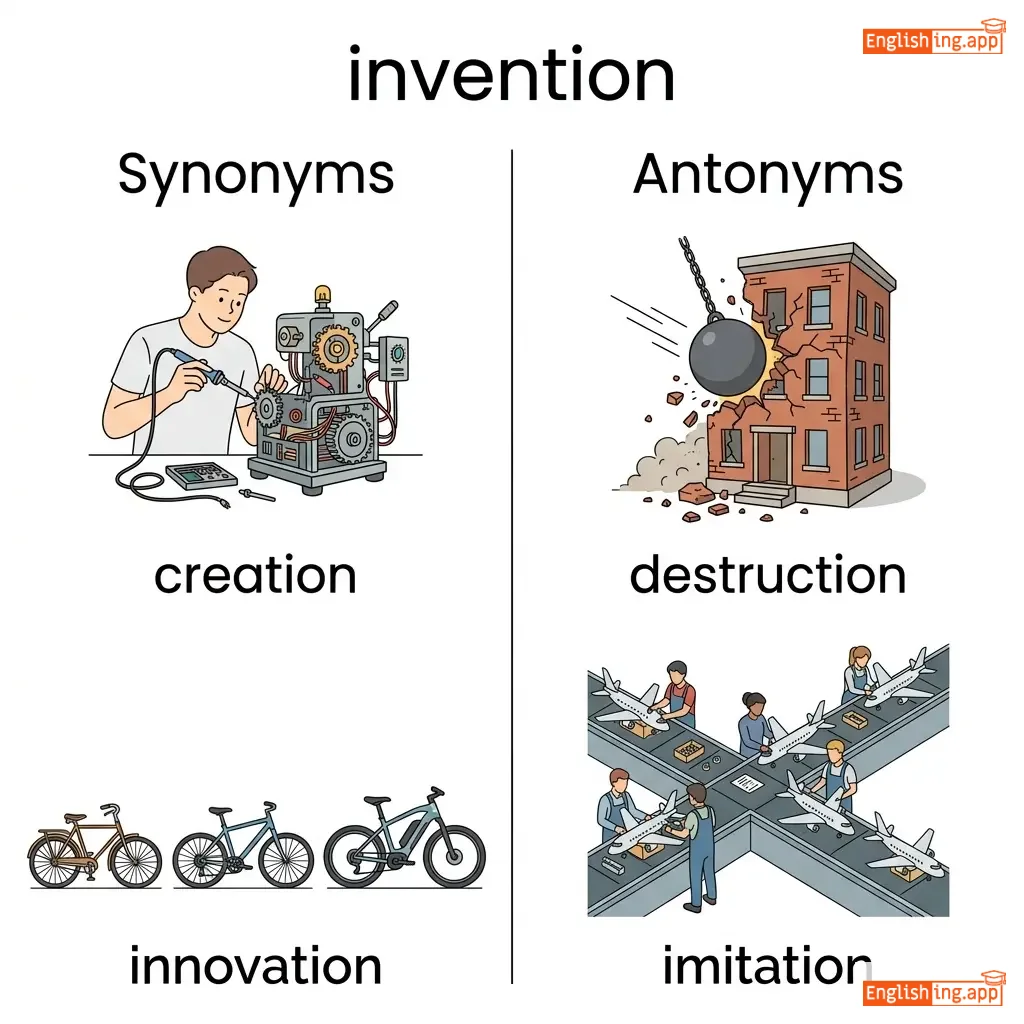
innovation, creation, discovery, device
••••••
|
imitation, copy, tradition, existing technology
••••••
|
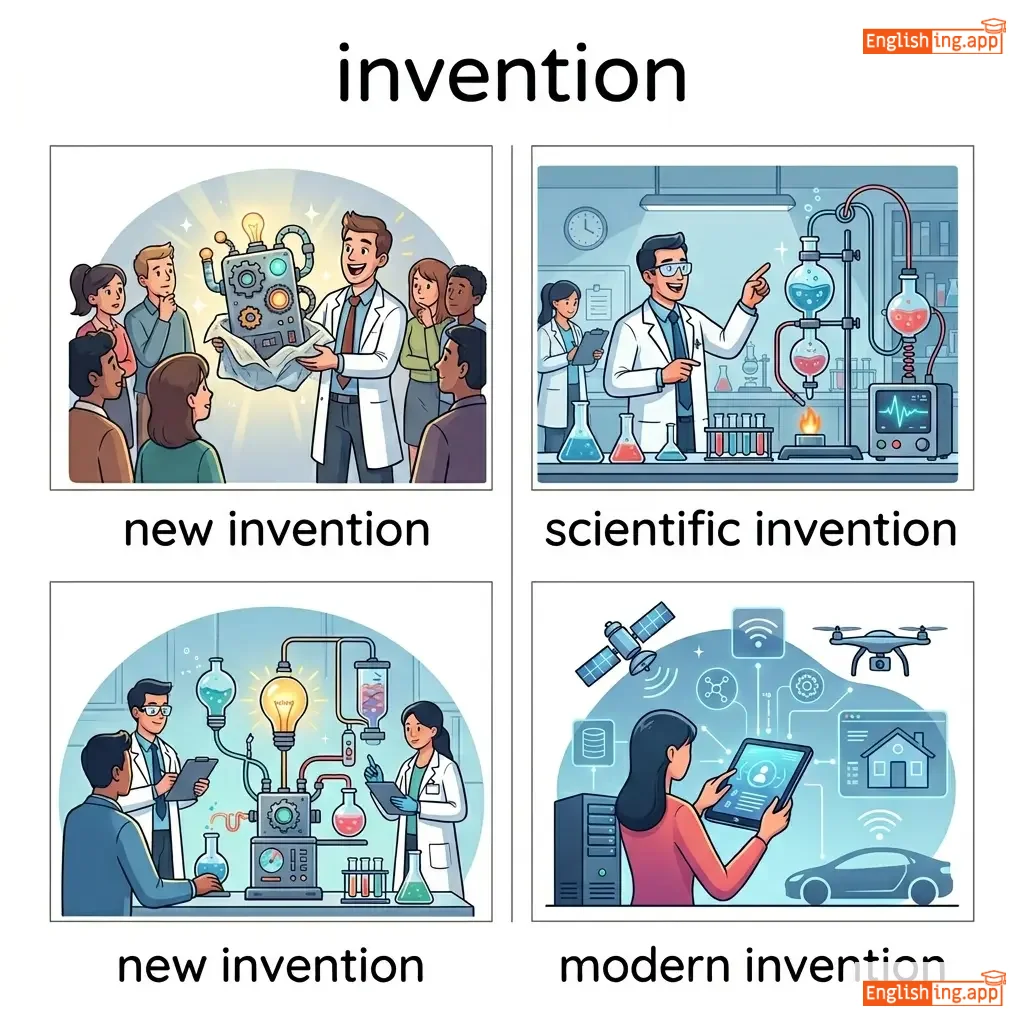
new invention, brilliant invention, patent invention
••••••
|
Invention = 发明 (Fāmíng) - 就像发明新东西一样创造新想法。
••••••
|
|
#660
💫
|
/dʒɜːrk/
noun
(dʒɜːrk)
••••••
|
|
震动;推撞;傻人
zhendong, tuizhuang, sharen
••••••
|
a quick, sharp, sudden movement; an abrupt pull or twist; a foolish person
••••••
|
The sudden jerk of the train caused passengers to lose their balance momentarily.
火车的突然震动使乘客暂时失去了平衡。
••••••
|
火车的突然震动使乘客暂时失去了平衡。
huoche de tudian zhendong shi chengke zan shi shiqu le pingheng.
••••••
|
jolt, twitch, spasm, fool
••••••
|
smooth movement, gentle motion, wise person, gradual change
••••••
|
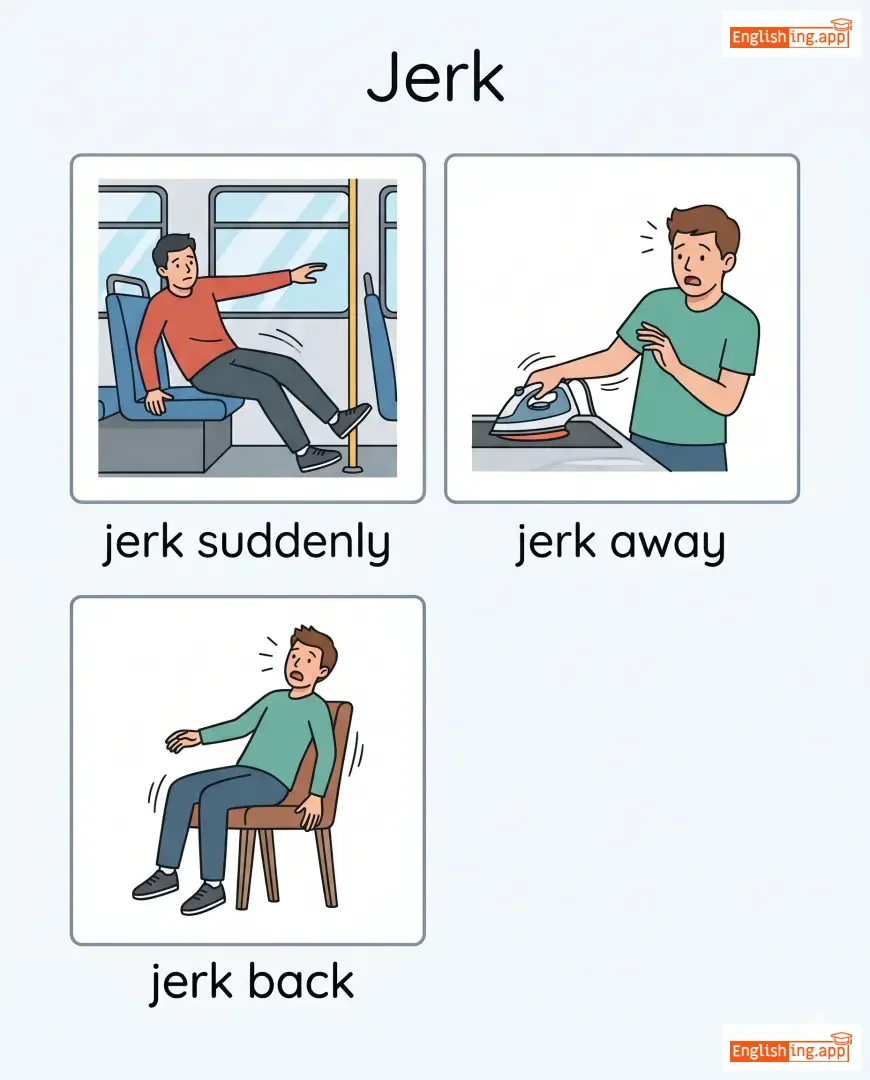
sudden jerk, knee jerk, jerk reaction
••••••
|
震动是Jerk的一种,傻人也可以很震动。
••••••
|
Vocabulary Quiz
Test your vocabulary by matching words with their translations or meanings.
Login to take the quiz
Comments (0)
Share your thoughts and join the discussion.
Join the discussion by logging in
Login to CommentNo comments yet
Be the first to share your thoughts!