




Swipe left or right, or use the buttons. Tap image to zoom.
例句翻译
单词
Lesson 52Lesson 52 - 遮罩切换
|
表情符号
|
单词 | Images | 翻译 | 含义 | 例句 | 例句翻译 | 同义词 | 反义词 | 搭配词 | 助记符 |
|---|---|---|---|---|---|---|---|---|---|---|
|
#1021
👋
|
/fiːl/
verb
(fíl)
••••••
|
|
感受; 经历; 触摸
gǎnshòu; jīnglì; chùmō
••••••
|
to experience an emotion or physical sensation; to touch something
••••••
|
I feel happy when I see my friends.
我看到我的朋友时感到很高兴。
••••••
|
我看到我的朋友时感到很高兴。
wǒ kàn dào wǒ de péngyǒu shí gǎndào hěn gāoxìng
••••••
|
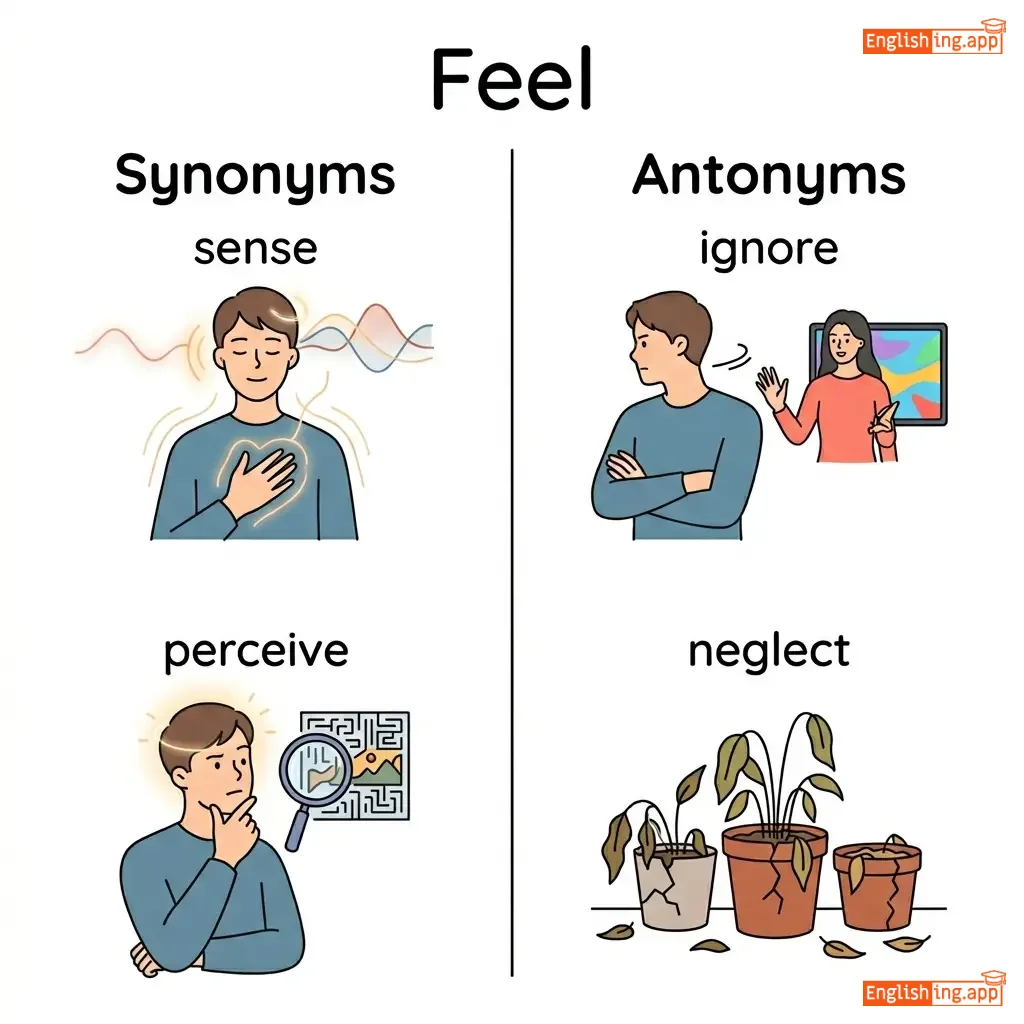
sense, touch, experience, perceive
••••••
|
ignore, overlook, miss, avoid
••••••
|
feel good, feel sad, feel comfortable
••••••
|
Feel is like '感受' in Chinese - feel joy just like '感受'
••••••
|
|
#1022
💰
|
/ˈpɜr.kwɪ.zɪt/
noun
(珀奎西特)
••••••
|
- •••••• |
附带福利
perkwuhzit
••••••
|
an additional benefit or privilege given to an employee beyond their regular salary; a special right or advantage
••••••
|
Company car was one of the perquisites of his executive position.
公司车是他担任该高管职位的附带福利之一。
••••••
|
公司车是他担任该高管职位的附带福利之一。
Gongsi che shi ta danren gaoguan zhiwei de fudai fuli zhi yi
••••••
|
benefit, privilege, perk, bonus
••••••
|
disadvantage, burden, penalty, loss
••••••
|
job perquisites, executive perquisites, company perquisites
••••••
|
Perquisite = Perk + Quiet + Sit; 想象你坐在办公桌前, 享受 salary 之外 的 extra 福利
••••••
|
|
#1023
🙏
|
/ˈpen.əns/
noun
(penens)
••••••
|
- •••••• |
忏悔; 为做错事所接受的惩罚
chàn huǐ
••••••
|
punishment that you accept for doing something wrong; an act of showing that you are sorry for sin
••••••
|
The monk performed penance for his past mistakes.
和尚因他的过去错误而进行忏悔。
••••••
|
和尚因他的过去错误而进行忏悔。
heshang yin tade guoqu cuowu er jinxing chanhui.
••••••
|
atonement, repentance, punishment, expiation
••••••
|
reward, praise, blessing, forgiveness
••••••
|
do penance, perform penance, acts of penance
••••••
|
忏悔是为纠正错误而承受的惩罚
••••••
|
|
#1024
🧠
|
/ˌpɜr.sənˈæl.ə.ti/
noun
(个性)
••••••
|
- •••••• |
个性
gèxìng
••••••
|
the combination of characteristics that form an individual's distinctive character; a famous person
••••••
|
She has a very outgoing and friendly personality.
她有非常外向和友好的个性。
••••••
|
她有非常外向和友好的个性。
Tā yǒu fēicháng wàixiàng hé yǒuhǎo de gèxìng.
••••••
|
character, nature, temperament, disposition
••••••
|
impersonality, anonymity, conformity
••••••
|
strong personality, charismatic personality, personality traits
••••••
|
个性是个人独特的特征,它能使一个人出名
••••••
|
|
#1025
✍️
|
/ˈpen neɪm/
noun
(pen neim)
••••••
|
- •••••• |
笔名
bǐmíng
••••••
|
a fictitious name used by an author instead of their real name; a pseudonym
••••••
|
Mark Twain was the pen-name of Samuel Clemens. |
马克·吐温是塞缪尔·克莱门斯的笔名。
Mǎkè Tǔwēn shì Sàimù'ěr Kèláiménzī de bǐmíng.
••••••
|
pseudonym, alias, nom de plume, assumed name
••••••
|
real name, given name, birth name
••••••
|
famous pen-name, use pen-name, adopt pen-name
••••••
|
笔名 - 书作者隐藏真实身份的名字。
••••••
|
|
#1026
👁️
|
/pərˈspek.tɪv/
noun
(视角)
••••••
|
- •••••• |
视角
shijiao
••••••
|
a particular attitude toward or way of regarding something; a point of view; the art of representing three-dimensional objects
••••••
|
From his perspective, the decision was completely wrong. |
从他的角度看,这个决定完全错误。
Cong ta de jiao du kan, zhe ge jueding wanquan cuo wu.
••••••
|
viewpoint, outlook, angle, standpoint
••••••
|
blindness, ignorance, narrow-mindedness
••••••
|
different perspective, global perspective, historical perspective
••••••
|
Perspective in Chinese: 'Shijiao' is your point of view on things!
••••••
|
|
#1027
💰
|
/ˈpen.ʃən/
noun
(养老金)
••••••
|
- •••••• |
养老金
yanglao jin
••••••
|
a regular payment made to someone who is no longer working because of age or disability
••••••
|
After retirement, he receives a monthly pension from the company.
退休后,他从公司领取每月养老金。
••••••
|
退休后,他从公司领取每月养老金。
tuixiu hou, ta cong gongsi lingqu mei yue yanglao jin.
••••••
|
retirement fund, allowance, annuity, benefit
••••••
|
salary, wage, active income
••••••
|
monthly pension, retirement pension, pension fund
••••••
|
中国的养老金是一种每月的支付,退休后会收到。
••••••
|
|
#1028
🔄
|
/pərˈvɜr.sə.ti/
noun
(堕落)
••••••
|
- •••••• |
堕落; 顽固;
duòluò; wángù;
••••••
|
deliberate determination to behave in an unreasonable or unacceptable way; the quality of being contrary or obstinate
••••••
|
His perversity in refusing help frustrated everyone.
他拒绝帮助的堕落让所有人都沮丧。
••••••
|
他拒绝帮助的堕落让所有人都沮丧。
tā jùjué bāngzhù de duòluò ràng suǒyǒu rén dōu jǔsàng.
••••••
|
obstinacy, contrariness, stubbornness, wilfulness
••••••
|
reasonableness, compliance, cooperation, flexibility
••••••
|
act of perversity, show perversity, human perversity
••••••
|
堕落意味着以不合理的方式反对一切。
••••••
|
|
#1029
👁️
|
/pərˈsep.ʃən/
noun
(感知)
••••••
|
|
感知; 理解
gǎnzhī; lǐjiě
••••••
|
the ability to see, hear, or become aware of something through the senses; a way of understanding
••••••
|
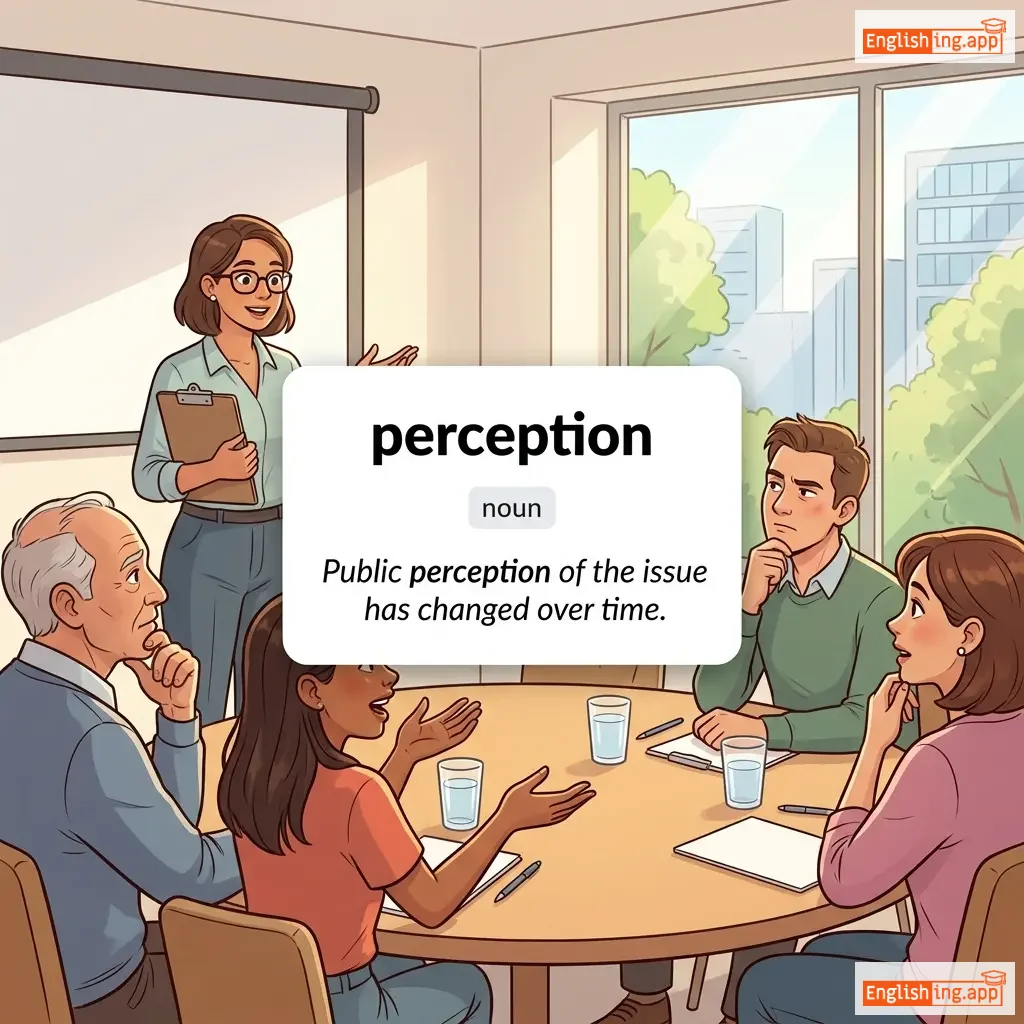
His perception of the situation was quite different from mine.
他对情况的感知与我的截然不同。
••••••
|
他对情况的感知与我的截然不同。
ta dui qingkuang de gǎnzhī yǔ wǒ de jiérán bùtóng.
••••••
|
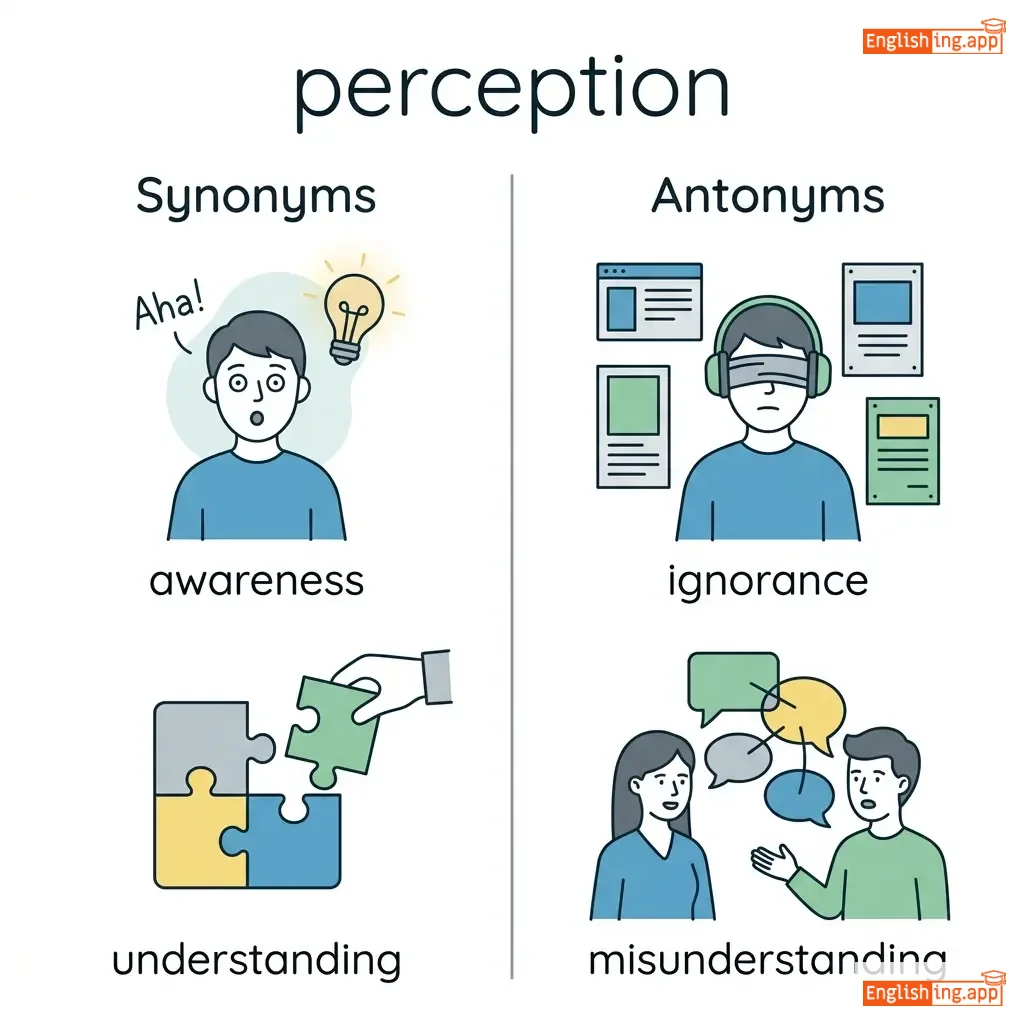
understanding, awareness, insight, comprehension
••••••
|
ignorance, misunderstanding, blindness, confusion
••••••
|
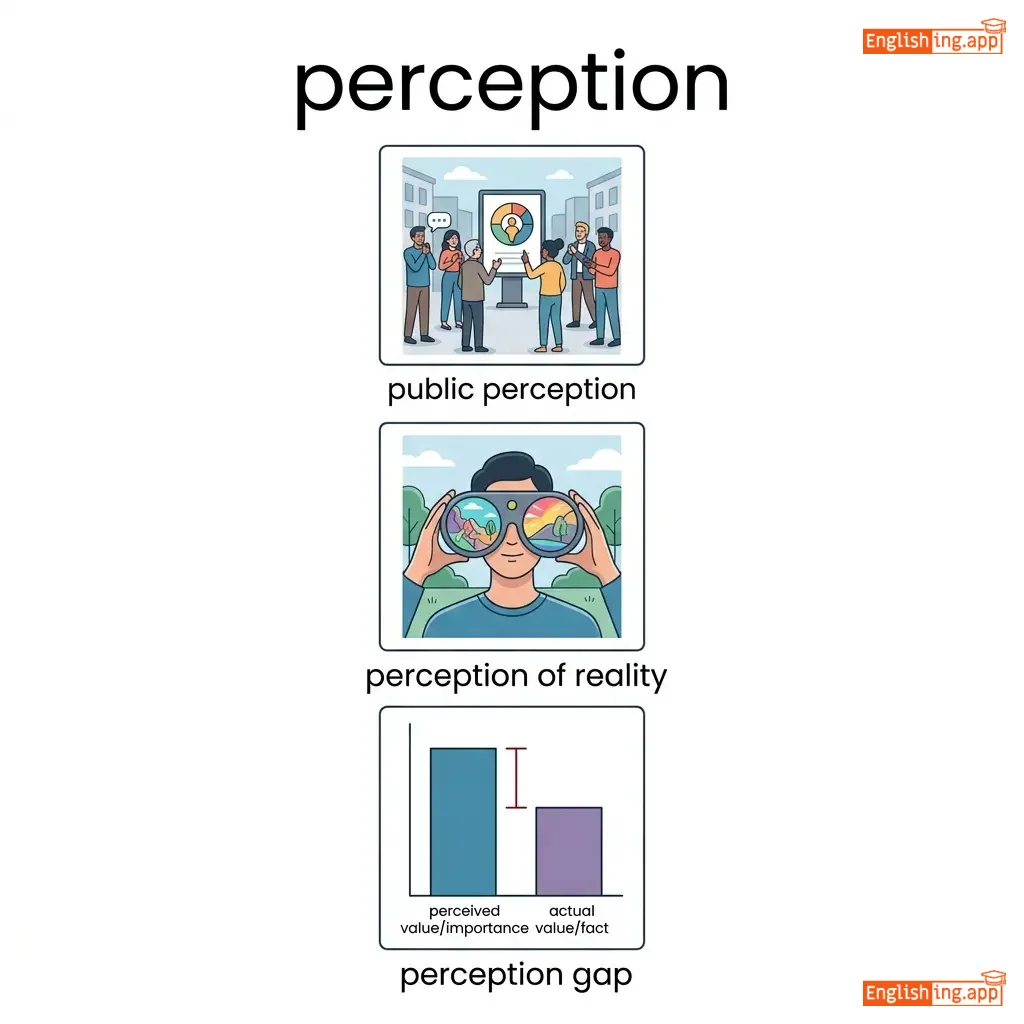
visual perception, false perception, change perception
••••••
|
Perception在中文中帮助我们用五感理解世界。
••••••
|
|
#1030
😔
|
/ˈpes.ə.mɪst/
noun
(悲观主义者)
••••••
|
- •••••• |
悲观主义者
biguān zhǔyì zhě
••••••
|
a person who tends to see the worst aspect of things or believes that the worst will happen; someone who lacks hope or confidence in the future
••••••
|
Being a pessimist, he always expected the worst outcome. |
作为一个悲观主义者,他总是预期最坏的结果。
zuòwéi yīgè bēiguān zhǔyì zhě, tā zǒng shì yùqī zuì huài de jiéguǒ
••••••
|
cynic, defeatist, doubter, negative thinker
••••••
|
optimist, idealist, positive thinker, hopeful person
••••••
|
confirmed pessimist, natural pessimist, born pessimist
••••••
|
悲观主义者 = 总是想到最坏的结果
••••••
|
|
#1031
✨
|
/pərˈfek.ʃən/
noun
(完美)
••••••
|
- •••••• |
完美
wanmei
••••••
|
the state of being complete and without flaws; the highest degree of excellence
••••••
|
The artist spent years trying to achieve perfection in his paintings. |
艺术家花了多年时间,试图在他的画作中实现完美。
Yishujia hua le duonian shijian, shitou zai tamen de huazu zhong shixian wanmei.
••••••
|
excellence, flawlessness, completeness, mastery
••••••
|
imperfection, flaw, defect, incompleteness
••••••
|
seek perfection, achieve perfection, pursuit of perfection
••••••
|
完美就像艺术作品中的每个细节,都是最完美的。
••••••
|
|
#1032
🔄
|
/feɪz/
noun
(fèi zī)
••••••
|
- •••••• |
阶段; 变化或发展的过程中一个明确的阶段或时期
jie duan; bian hua huo fa zhan de guo cheng zhong yi ge ming que de jie duan huo shi qi
••••••
|
a distinct period or stage in a process of change or development
••••••
|
The project is now in its final phase. |
该项目现在处于最后阶段。
Gai xiangmu xianzai chuyu zuihou jie duan.
••••••
|
stage, step, period, chapter
••••••
|
whole, entirety, completion
••••••
|
development phase, testing phase, final phase
••••••
|
Phase means 'jie duan' in Chinese, like the phase of a project.
••••••
|
|
#1033
🗡️
|
/ˈpɜr.fɪ.di/
noun
(per-fidi)
••••••
|
- •••••• |
背叛
bèipàn
••••••
|
deliberate breach of faith or trust; treachery; betrayal of trust
••••••
|
His perfidy shocked all who had trusted him.
他的背叛震惊了所有信任他的人。
••••••
|
他的背叛震惊了所有信任他的人。
Tā de bèipàn zhèngjīngle suǒyǒu xìnrèn tā de rén.
••••••
|
treachery, betrayal, faithlessness, disloyalty
••••••
|
loyalty, faithfulness, trustworthiness, honor
••••••
|
act of perfidy, political perfidy, shameless perfidy
••••••
|
记住 '背叛' 就是 'perfidi' 的背叛行为
••••••
|
|
#1034
😱
|
/ˈfoʊ.bi.ə/
noun
(恐惧症)
••••••
|
- •••••• |
极度的恐惧; 厌恶
jídù de kǒngjù; yànwù
••••••
|
an extreme or irrational fear of or aversion to something
••••••
|
She has a phobia of spiders.
她有蜘蛛恐惧症。
••••••
|
她有蜘蛛恐惧症。
Tā yǒu zhīzhū kǒngjù zhèng.
••••••
|
fear, terror, anxiety, dread
••••••
|
bravery, courage, fearlessness, confidence
••••••
|
social phobia, specific phobia, overcome phobia
••••••
|
恐惧症是对某事物的非理性恐惧,比如对蜘蛛的恐惧。
••••••
|
|
#1035
🎭
|
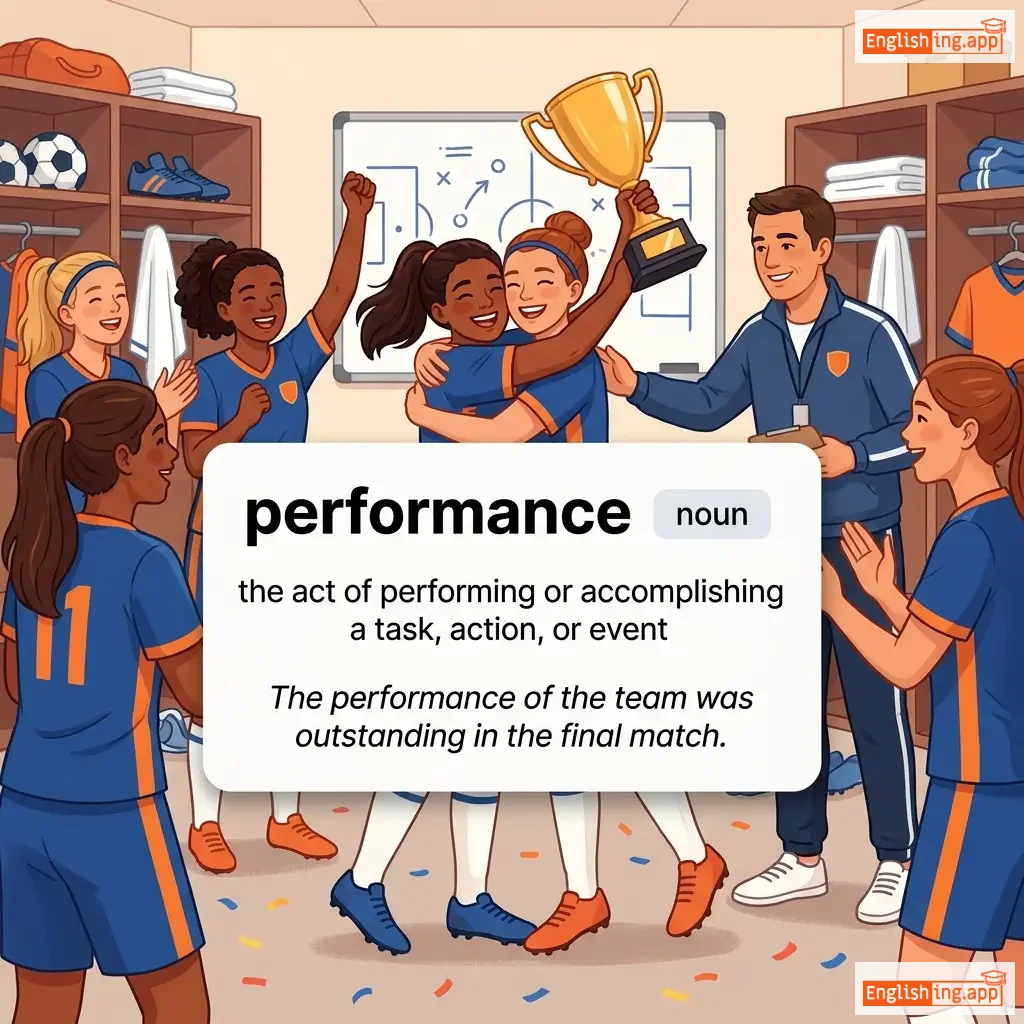
/pərˈfɔr.məns/
noun
(表演)
••••••
|
|
表现; 执行
biaoxian; zhixing
••••••
|
the action of presenting a play, concert, or other form of entertainment; how well someone does a task
••••••
|
The student's performance in the exam was excellent. |
学生在考试中的表现非常出色。
Xuesheng zai kaoshi zhong de biaoxian feichang chuse.
••••••
|
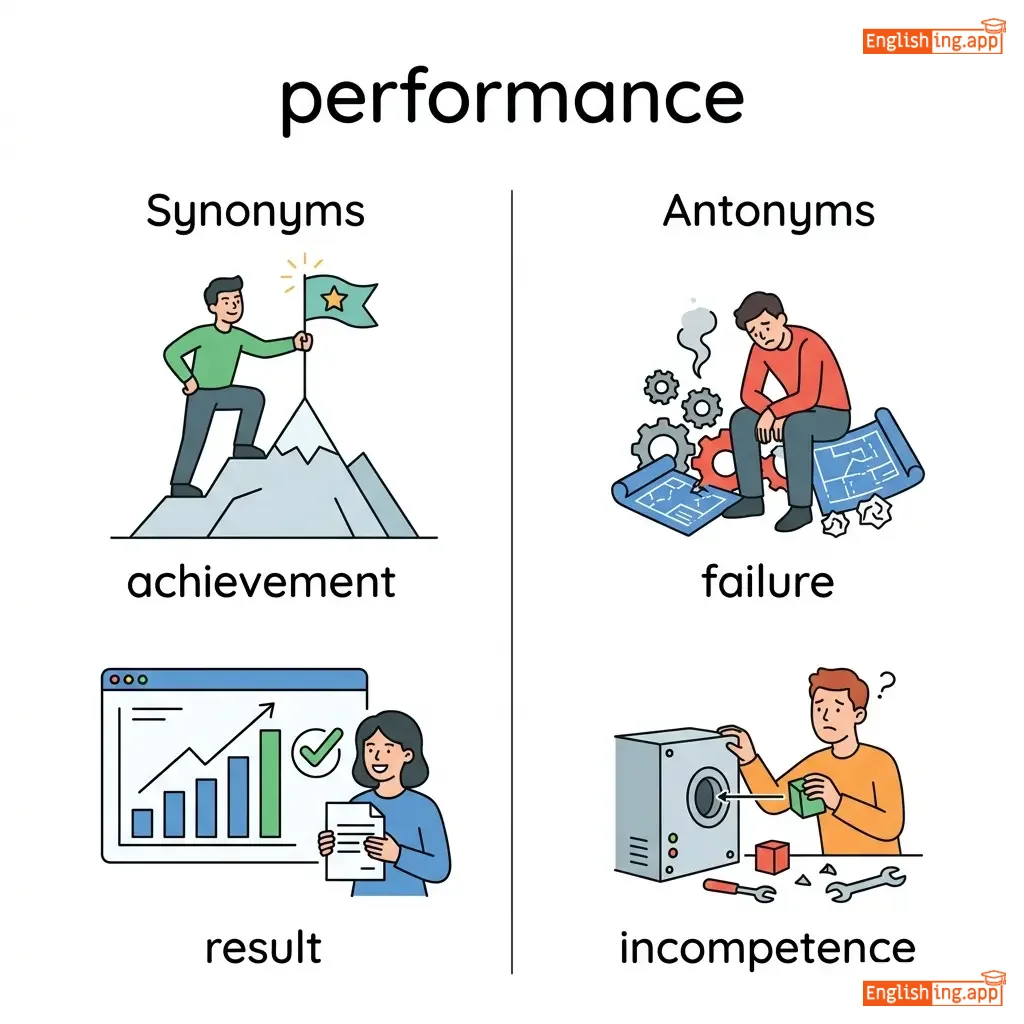
execution, accomplishment, presentation, show
••••••
|
failure, incompetence, poor showing
••••••
|
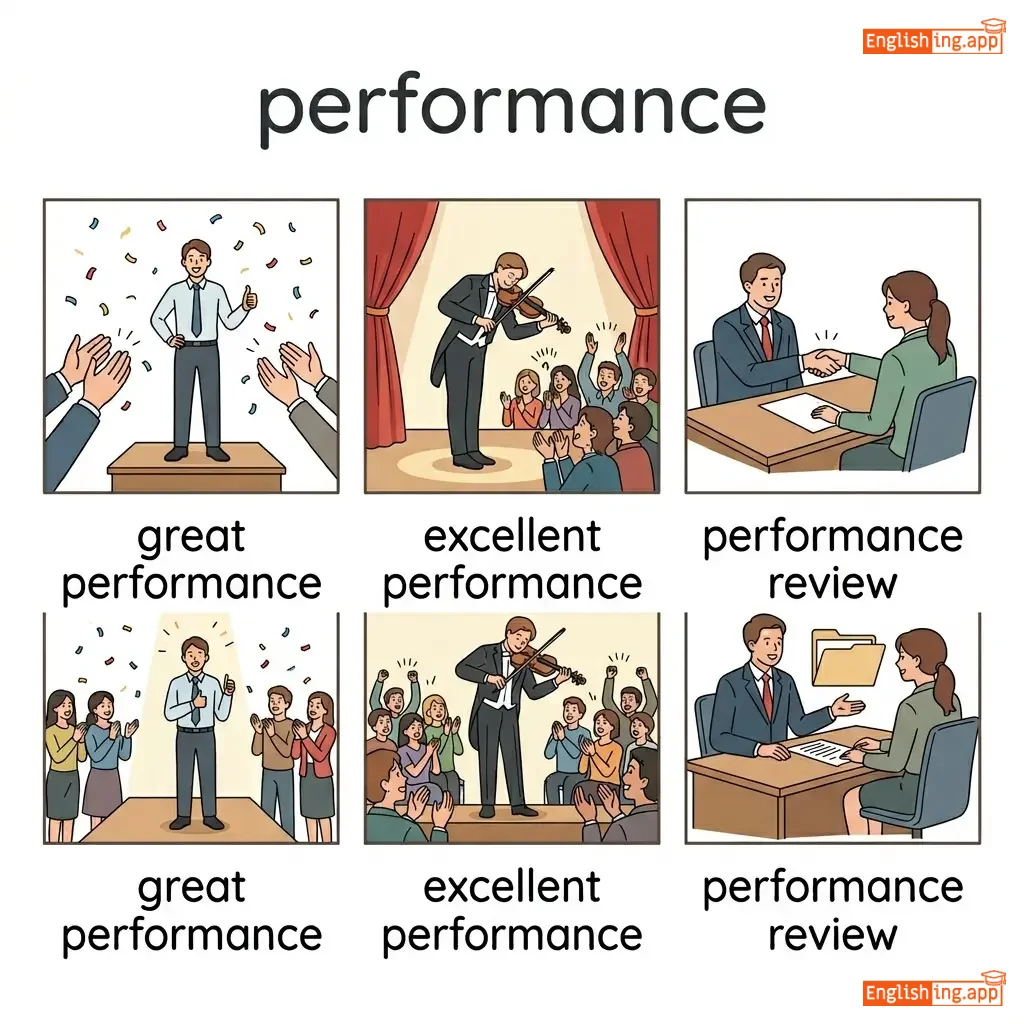
excellent performance, live performance, job performance
••••••
|
考试中的表现展示你的能力.
••••••
|
|
#1036
🙏
|
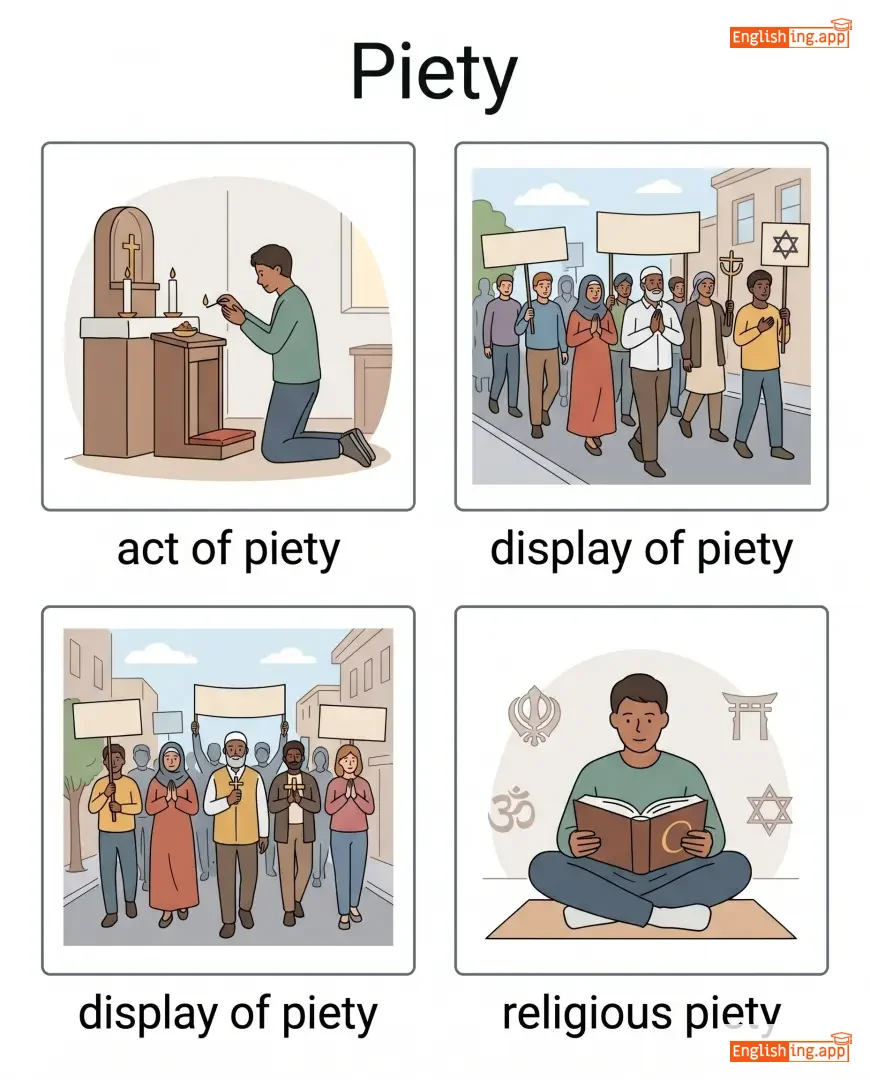
/ˈpaɪ.ə.ti/
noun
(pái ètí)
••••••
|
|
虔诚
qiánchéng
••••••
|
the quality of being religious or reverent; devout religious belief and practice
••••••
|
His piety was evident in his daily prayers.
His piety was evident in his daily prayers.
••••••
|
他的虔诚在他每天的祈祷中显而易见。
tā de qiánchéng zài tā měitiān de qídǎo zhōng xiǎn'ér yìjiàn.
••••••
|
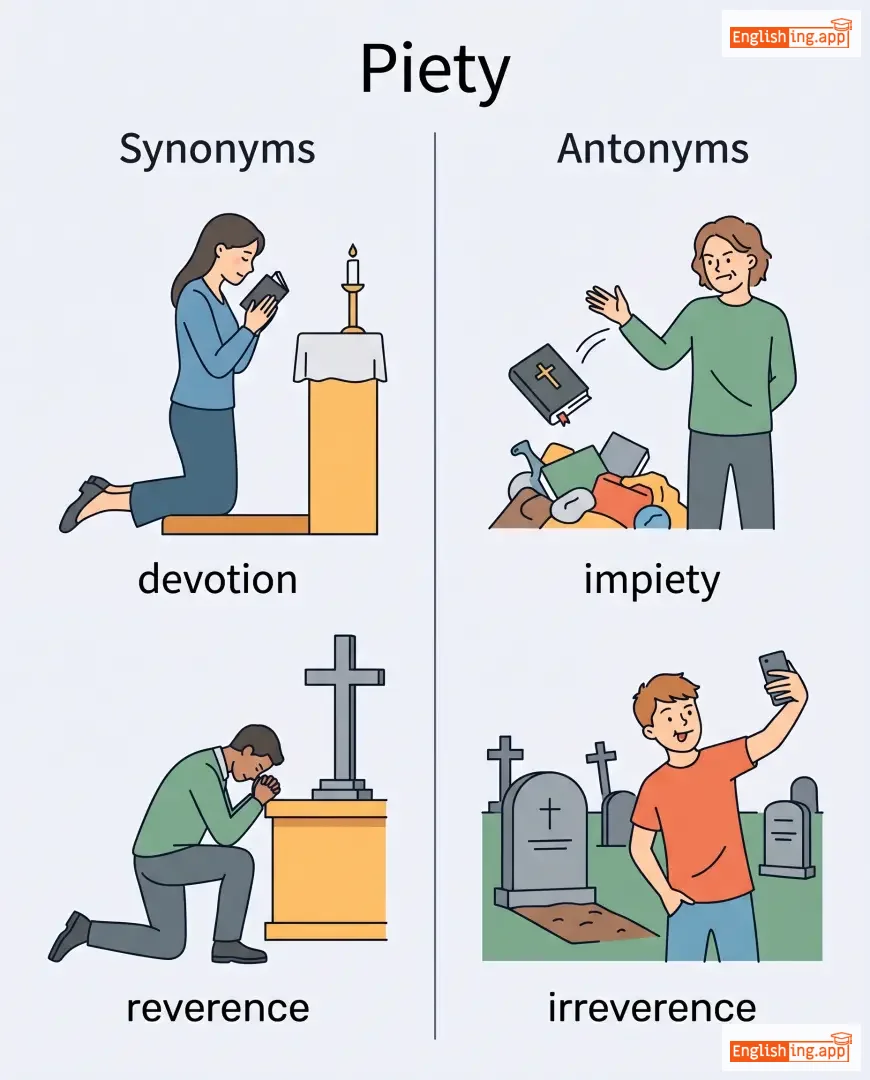
devotion, religiousness, godliness, spirituality
••••••
|
impiety, irreligion, godlessness, blasphemy
••••••
|
religious piety, filial piety, show piety
••••••
|
虔诚 = 信仰专一
••••••
|
|
#1037
🌸
|
/ˈpɜr.fjuːm/
noun
(香水)
••••••
|
- •••••• |
香水
xiang shui
••••••
|
a fragrant liquid made from essential oils and alcohol; a pleasant smell
••••••
|
She wore her favorite perfume to the party.
她穿着最喜欢的香水去参加聚会。
••••••
|
她穿着最喜欢的香水去参加聚会。
Ta chuanzhuo zui xihuan de xiangshui qu canjia juhui.
••••••
|
fragrance, scent, cologne, aroma
••••••
|
stench, odor, bad smell
••••••
|
expensive perfume, floral perfume, spray perfume
••••••
|
香水的香气让每个聚会充满了浪漫
••••••
|
|
#1038
🔓
|
/ˈpɪl.fər.ɪdʒ/
noun
(皮尔费拉日)
••••••
|
- •••••• |
窃盗(小额盗窃)
pilfuhrij
••••••
|
the theft of small amounts or items, especially from one's workplace
••••••
|
The company installed cameras to prevent pilferage.
公司安装了监控摄像头以防止盗窃。
••••••
|
公司安装了监控摄像头以防止盗窃。
gongsianzhuanglejiankongshexiangtouyifangzhidaoqie
••••••
|
theft, stealing, thievery, larceny
••••••
|
honesty, integrity, protection, security
••••••
|
prevent pilferage, workplace pilferage, inventory pilferage
••••••
|
PILferage mnemonic: PIL = pill 小药, FER = take away, AGE = time 偷走 office 的 small items
••••••
|
|
#1039
♾️
|
/ˈpɜr.mə.nəns/
noun
(pò mán nán sī)
••••••
|
- •••••• |
持久性
chíjiǔ xìng
••••••
|
the state or quality of lasting or remaining unchanged indefinitely; enduring nature
••••••
|
The permanence of the stone monument impressed all visitors.
石雕纪念碑的永久性给所有参观者留下了深刻的印象。
••••••
|
石雕纪念碑的永久性给所有参观者留下了深刻的印象。
Shí diāo jìniànbēi de chángjiǔ xìng gěi suǒyǒu cānguān zhě liú xiàle shēnkè de yìnxiàng.
••••••
|
durability, stability, endurance, lasting quality
••••••
|
temporariness, transience, impermanence, instability
••••••
|
sense of permanence, illusion of permanence, seek permanence
••••••
|
持久性意味着像石雕纪念碑一样永不改变。
••••••
|
|
#1040
🚶♂️
|
/ˈpɪl.ɡrɪm/
noun
(朝圣者)
••••••
|
- •••••• |
朝圣者; 旅行者
chaoshengzhe; lvxingzhe
••••••
|
a person who journeys to a sacred place for religious reasons; a traveler
••••••
|
The pilgrim walked for days to reach the holy shrine.
朝圣者走了好几天才到达圣地。
••••••
|
朝圣者走了好几天才到达圣地。
Chaoshengzhe zoule haojidian cai daoda shengdi.
••••••
|
devotee, worshiper, traveler, wanderer
••••••
|
resident, local, native, inhabitant
••••••
|
religious pilgrim, medieval pilgrim, pilgrim journey
••••••
|
朝圣者前往圣地,朝圣是宗教责任
••••••
|
Vocabulary Quiz
Test your vocabulary by matching words with their translations or meanings.
Login to take the quiz
Comments (0)
Share your thoughts and join the discussion.
Join the discussion by logging in
Login to CommentNo comments yet
Be the first to share your thoughts!