





Swipe left or right, or use the buttons. Tap image to zoom.
例句翻译
单词
Lesson 71Lesson 71 - 遮罩切换
|
表情符号
|
单词 | Images | 翻译 | 含义 | 例句 | 例句翻译 | 同义词 | 反义词 | 搭配词 | 助记符 |
|---|---|---|---|---|---|---|---|---|---|---|
|
#1401
😰
|
/ˈtɔːr.ment/
noun
(tóu-mén-tè)
••••••
|
- •••••• |
折磨; 痛苦
zhe-mo
••••••
|
severe physical or mental suffering; extreme pain or anguish
••••••
|
The prisoner endured years of torment in solitary confinement. |
囚犯在单独监禁中忍受了多年的折磨。
Qiúfàn zài dāndú jiānjìn zhōng rěnshòule duōnián de zhémó.
••••••
|
suffering, agony, anguish, torture, pain
••••••
|
comfort, relief, peace, pleasure, joy
••••••
|
mental torment, physical torment, years of torment, endure torment
••••••
|
折磨与痛苦连在一起
••••••
|
|
#1402
🔄
|
/ˌtrænsfərˈmeɪʃən/
noun
(转型)
••••••
|
|
转型
zhuanxing
••••••
|
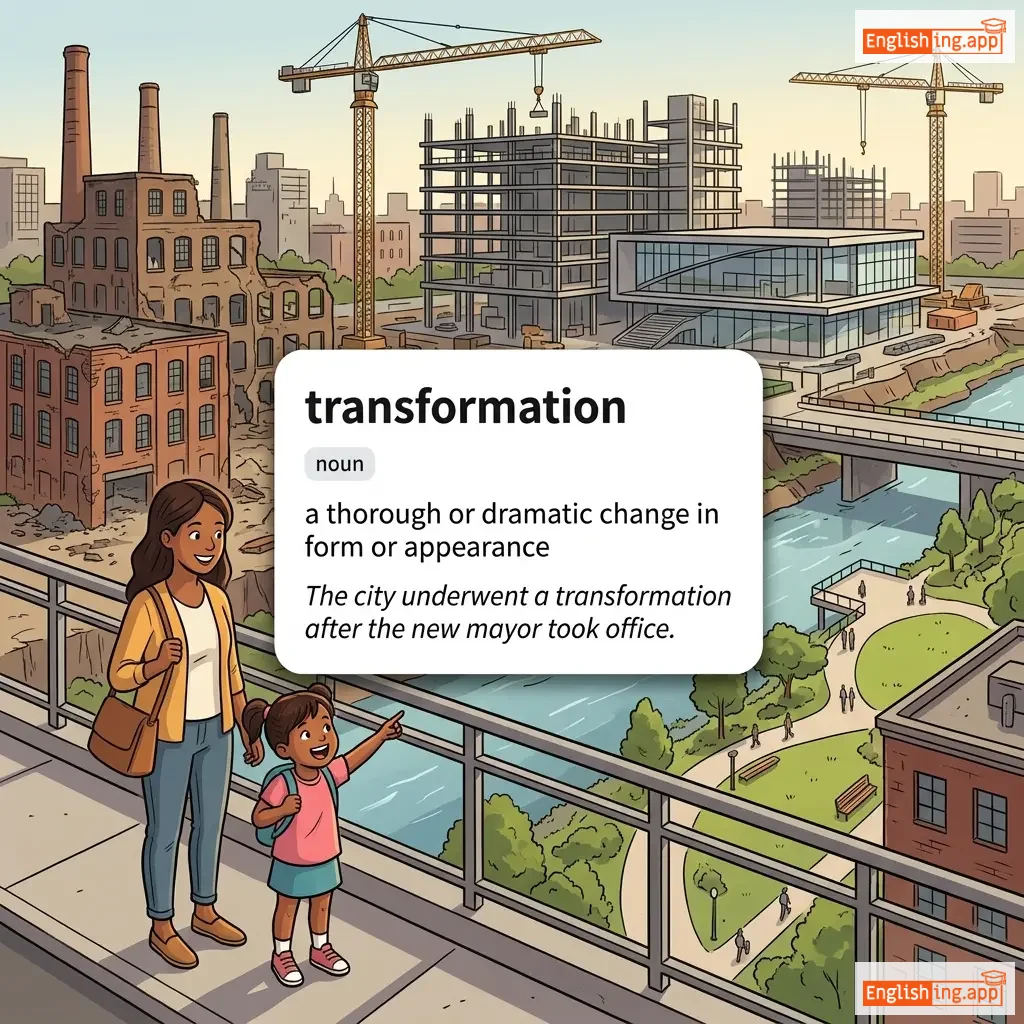
the action or process of changing something into a different form or structure
••••••
|
The transformation of the company took several years to complete.
公司的转型花了好几年。
••••••
|
公司的转型花了好几年。
Gōngsī de zhuǎnxíng huā le hǎo jǐ nián.
••••••
|
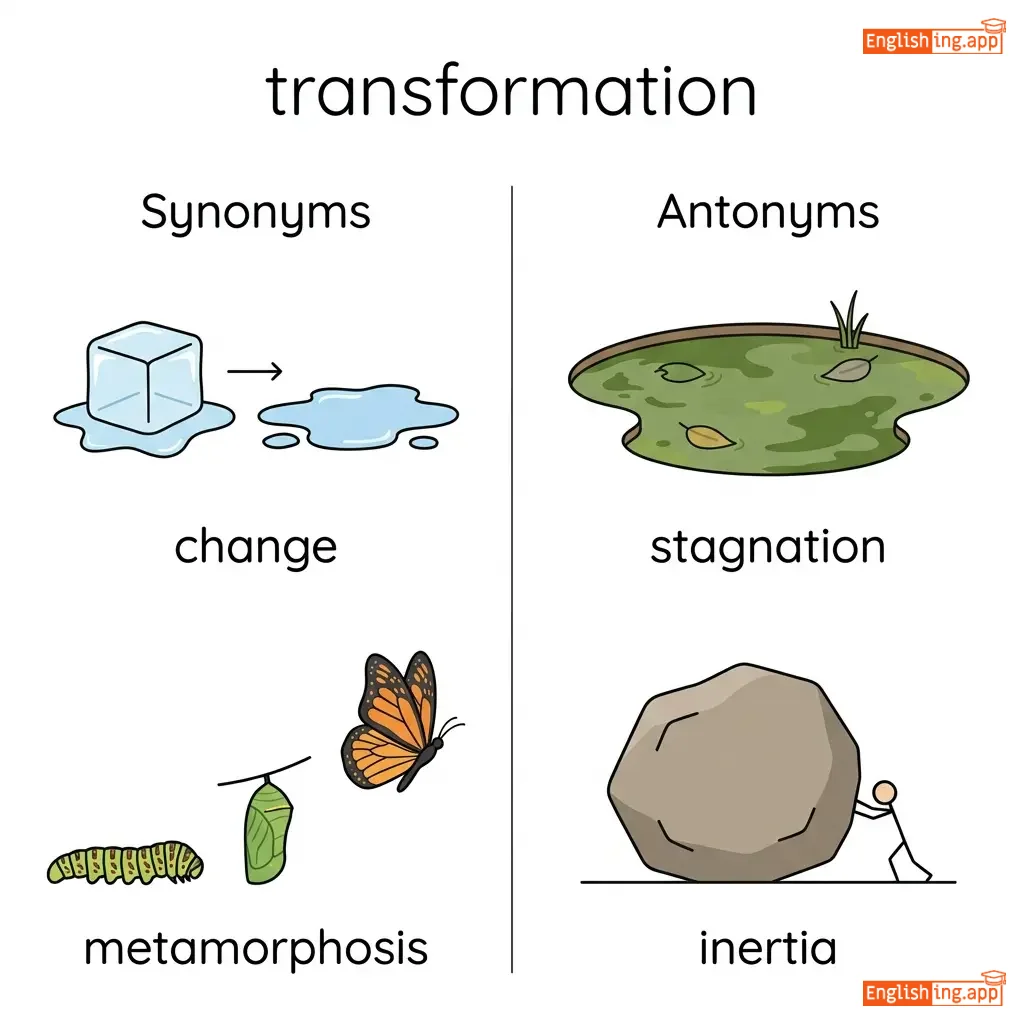
change, conversion, metamorphosis, alteration
••••••
|
stagnation, preservation, maintenance
••••••
|
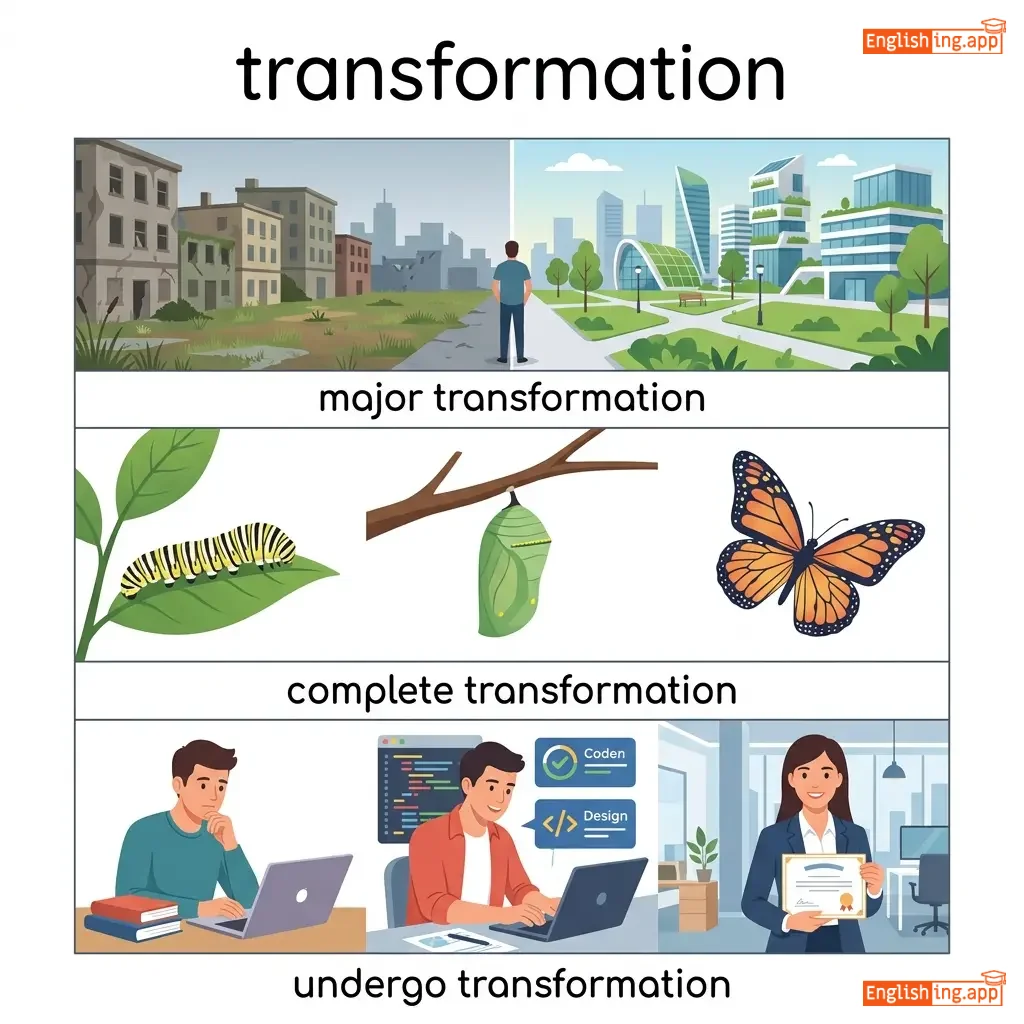
digital transformation, complete transformation, undergo transformation
••••••
|
转型 (改变形态) - 想象一个事物的形态变化。
••••••
|
|
#1403
🌊
|
/ˈtɒr.ənt/
noun
(湍流)
••••••
|
- •••••• |
急流; 洪流
tuanliu
••••••
|
a strong and fast-moving stream of water or other liquid; a sudden, violent, and copious outpouring
••••••
|
The heavy rain created a torrent of water rushing down the mountain. |
大雨造成了水流急速下山。
Da yu zaochengle shuiliu jisu xiashan.
••••••
|
flood, stream, rush, cascade, deluge
••••••
|
trickle, drip, drought, shortage
••••••
|
torrent of rain, torrent of abuse, raging torrent, mountain torrent
••••••
|
Torrent 指的是强大的水流,像山洪暴发时水流汹涌澎湃。
••••••
|
|
#1404
🔄
|
/trænˈzɪʃən/
noun
(转变)
••••••
|
|
过渡
guodu
••••••
|
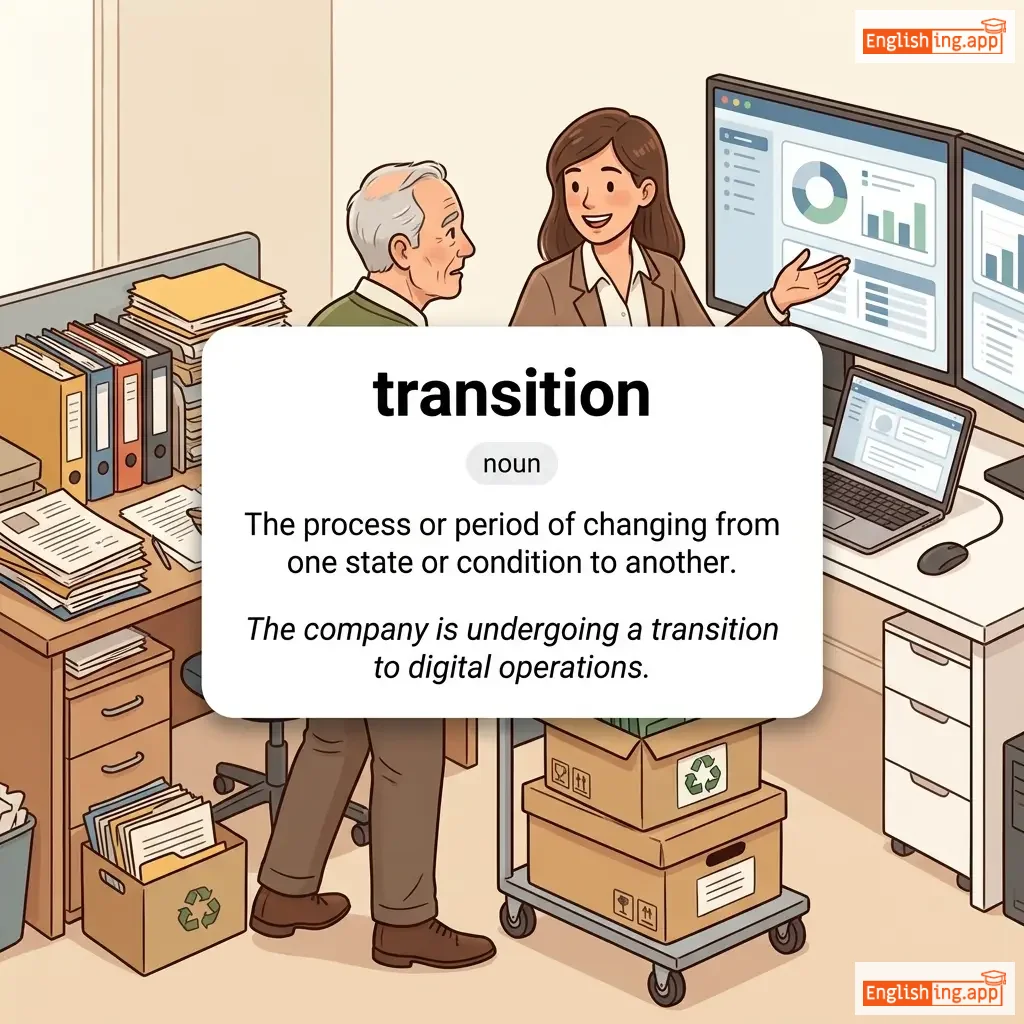
the process or period of changing from one state or condition to another
••••••
|
The transition from school to work can be challenging.
从学校到工作的过渡可能是具有挑战性的。
••••••
|
从学校到工作的过渡可能是具有挑战性的。
cong xuexiao dao gongzuo de guodu keneng shi juyou tiaozhanxing de.
••••••
|
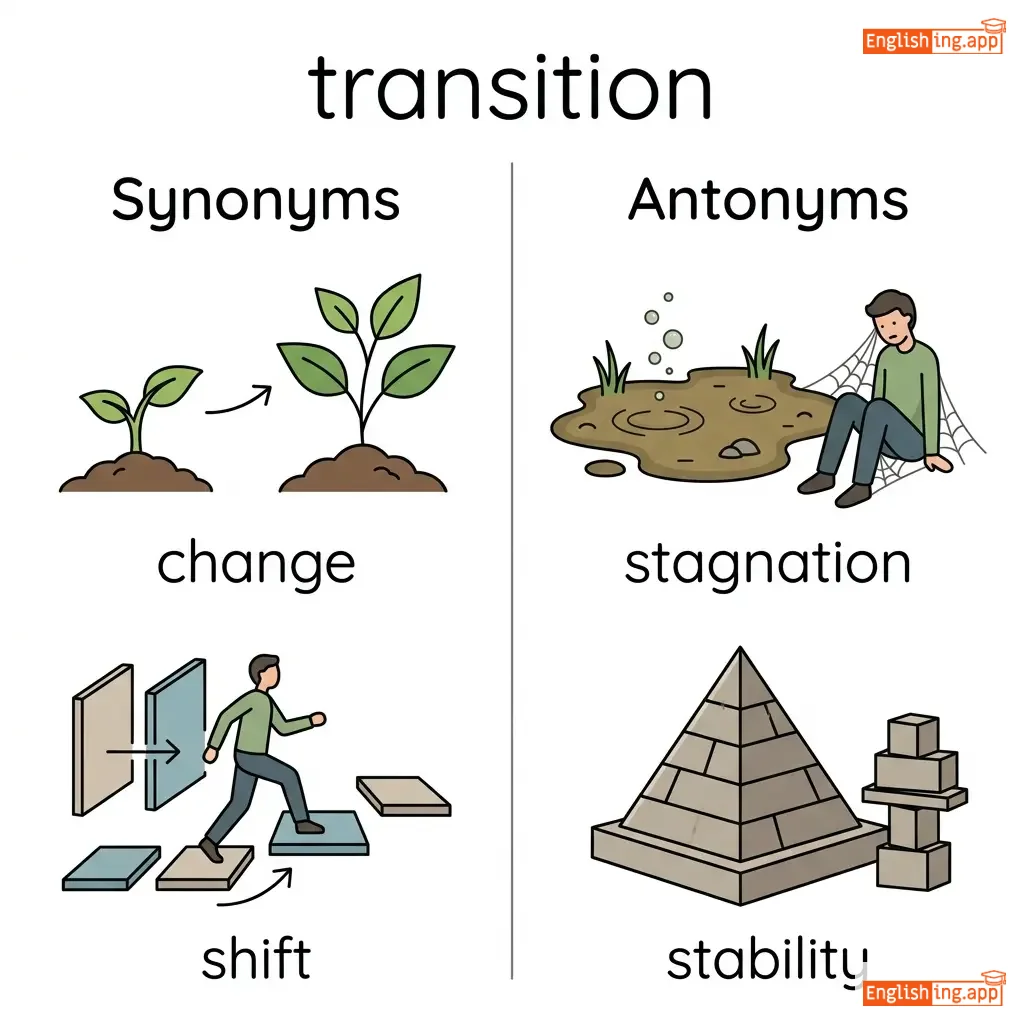
change, shift, passage, conversion
••••••
|
continuity, stability, permanence
••••••
|
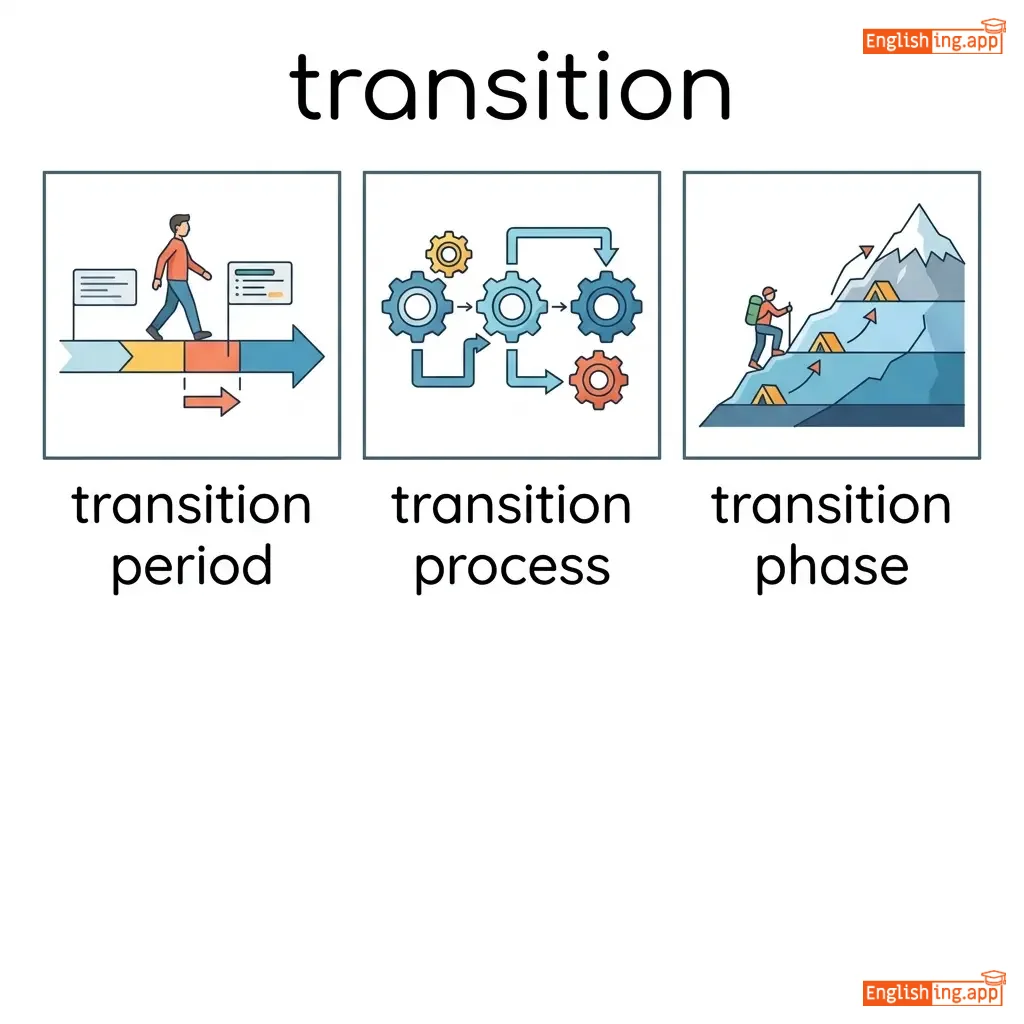
smooth transition, career transition, transition period
••••••
|
In Chinese, '过渡' means transition, representing a shift or change.
••••••
|
|
#1405
⚖️
|
/ˈtʌtʃ.stoʊn/
noun
(tāchīntūn)
••••••
|
- •••••• |
试金石; 标准
tachston
••••••
|
a standard or criterion by which something is judged or recognized; a test of genuineness
••••••
|
His honesty became the touchstone by which all other employees were measured. |
他的诚实成为了所有其他员工衡量的标准。
tā de chéngshí chéngwéile suǒyǒu qítā yuángōng héngliáng de biāozhǔn.
••••••
|
standard, criterion, benchmark, yardstick, measure
••••••
|
variable, uncertainty, inconsistency
••••••
|
touchstone of quality, moral touchstone, serve as a touchstone
••••••
|
诚实作为衡量标准
••••••
|
|
#1406
🪤
|
/træp/
noun
(træp)
••••••
|
- •••••• |
陷阱
xianjing
••••••
|
a device or enclosure designed to catch and retain animals, or a situation from which it is difficult to escape
••••••
|
The mouse was caught in the trap overnight.
老鼠在夜间被困在陷阱里。
••••••
|
老鼠在夜间被困在陷阱里。
Laoshu zai yejian bei kun zai xianjing li.
••••••
|
snare, catch, pitfall, ambush
••••••
|
freedom, escape, release
••••••
|
mouse trap, set a trap, fall into a trap
••••••
|
想象老鼠被困在陷阱中,就像‘trap’一样。
••••••
|
|
#1407
🛤️
|
/træk/
noun
(特拉克)
••••••
|
|
轨道
track
••••••
|
a rough path or minor road; a course or route followed; to follow or trace
••••••
|
The detective was able to track the suspect's movements through the city. |
侦探能够通过城市追踪嫌疑人的动向。
zhentan nenggou tongguo chengshi zhuizhong xianyiren de dongxiang.
••••••
|
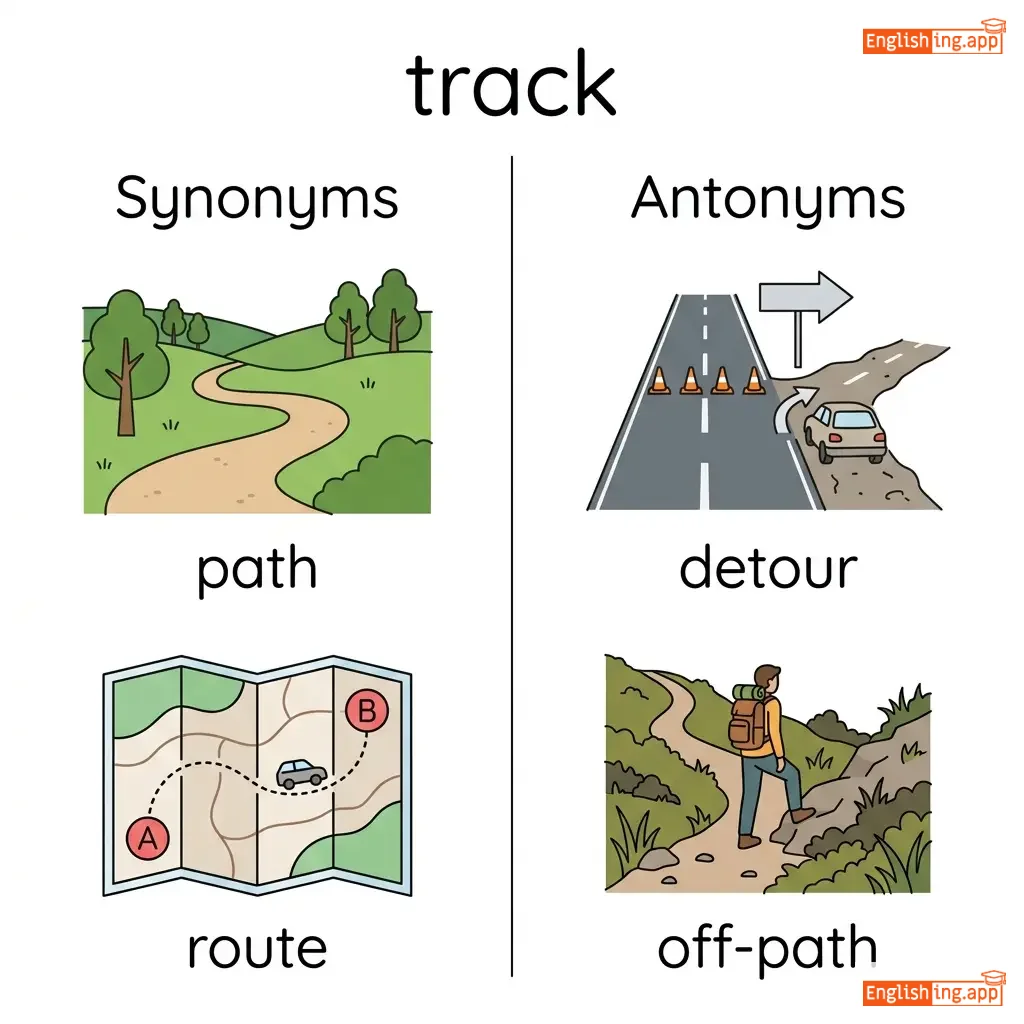
path, trail, route, follow, trace
••••••
|
lose, abandon, ignore
••••••
|
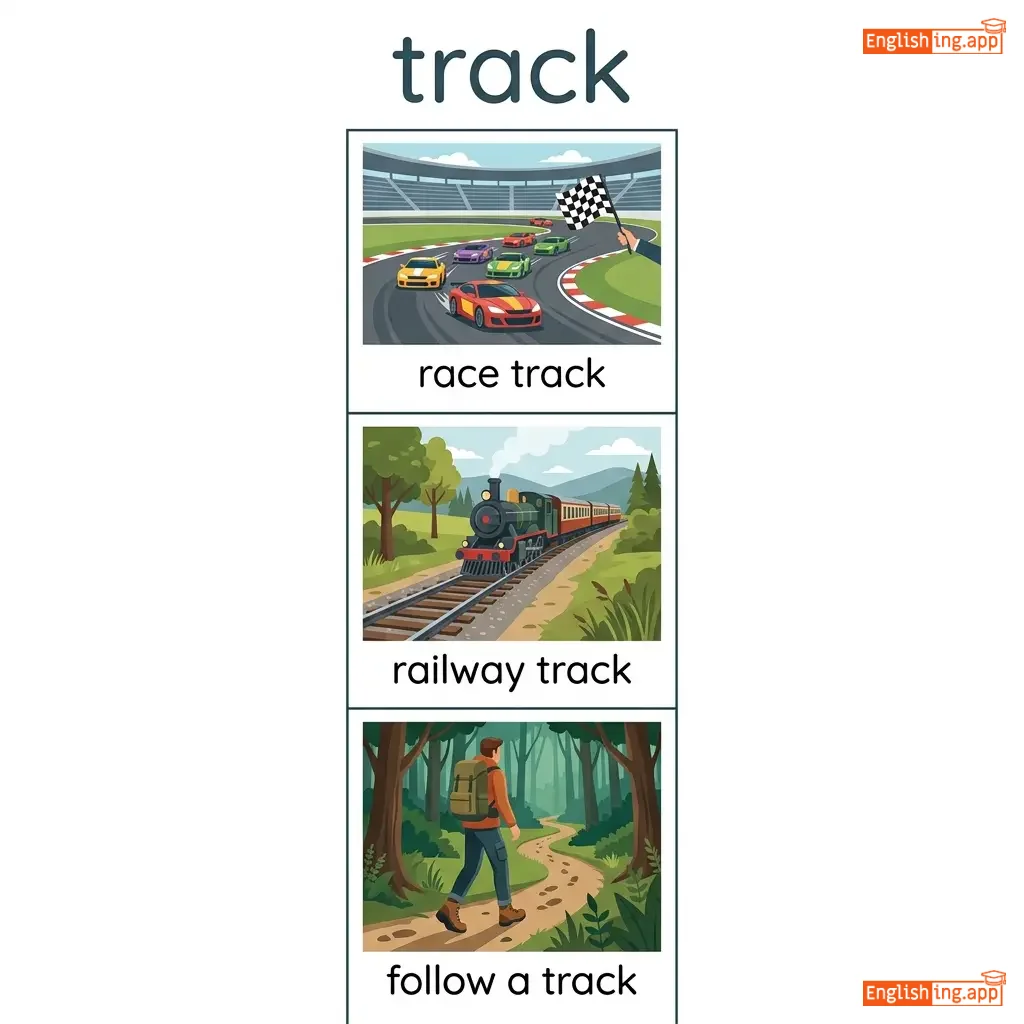
race track, train track, track record, keep track
••••••
|
Track – 一旦你追踪了路径,你就能找到目标。
••••••
|
|
#1408
🗑️
|
/træʃ/
noun
(垃圾)
••••••
|
- •••••• |
垃圾; 废物; 低质量或低价值的东西
laji; feiwu; di zhi liang huo di jiazhi de dongxi
••••••
|
waste material; refuse; something of poor quality or little value
••••••
|
Please take out the trash before you leave. |
请在离开之前拿出垃圾。
Qing zai likai zhihou na chu laji.
••••••
|
garbage, waste, rubbish, refuse
••••••
|
treasure, valuable, quality
••••••
|
take out trash, trash can, trash bag
••••••
|
垃圾像废物一样,应该在离开前丢掉
••••••
|
|
#1409
🏛️
|
/trəˈdɪʃ.ən/
noun
(chuántǒng)
••••••
|
- •••••• |
传统
chuantong
••••••
|
the transmission of customs or beliefs from generation to generation; a long-established custom or belief
••••••
|
It's a family tradition to gather for dinner every Sunday evening.
这是我们每周日晚上全家聚餐的传统。
••••••
|
这是我们每周日晚上全家聚餐的传统。
Zhe shi women mei zhou ri wanshang quanjia jucan de chuantong.
••••••
|
custom, heritage, convention, practice, ritual
••••••
|
innovation, modernization, change
••••••
|
family tradition, cultural tradition, oral tradition, break tradition
••••••
|
传统和家庭像每周聚餐一样紧密相连。
••••••
|
|
#1410
⚖️
|
/ˈtriːzən/
noun
(zuīliè)
••••••
|
- •••••• |
叛国罪
panguo zui
••••••
|
the crime of betraying one's country, especially by attempting to kill or overthrow the sovereign or government
••••••
|
He was accused of treason against the state.
他被指控犯有叛国罪。
••••••
|
他被指控犯有叛国罪。
Ta bei zhikong fan you panguo zui.
••••••
|
betrayal, sedition, treachery, disloyalty
••••••
|
loyalty, patriotism, allegiance
••••••
|
high treason, commit treason, accused of treason
••••••
|
Panguo Zui is a term for betrayal of the country, remember it sounds like 'betrayal'.
••••••
|
|
#1411
😢
|
/ˈtrædʒ.ə.di/
noun
(tragedy)
••••••
|
- •••••• |
悲剧; 灾难
beiju
••••••
|
an event causing great suffering, destruction, and distress; a serious drama with an unhappy ending
••••••
|
The earthquake was a tragedy that affected thousands of families.
地震是一场悲剧,影响了数千个家庭。
••••••
|
地震是一场悲剧,影响了数千个家庭。
Dìzhèn shì yī chǎng bēijù, yǐngxiǎngle shù qiān gè jiātíng.
••••••
|
disaster, catastrophe, calamity, misfortune, drama
••••••
|
comedy, fortune, blessing, success
••••••
|
great tragedy, personal tragedy, tragic event, family tragedy
••••••
|
Tragedy – 悲剧在中国是让人感到痛苦的灾难事件,地震就像一个悲剧。
••••••
|
|
#1412
💎
|
/ˈtreʒər/
noun
(tūlāng)
••••••
|
- •••••• |
宝藏
baozang
••••••
|
a quantity of precious metals, gems, or other valuable objects; something of great worth or value
••••••
|
The pirates buried their treasure on the island. |
海盗们把他们的宝藏埋在岛上。
Hǎidào men bǎ tāmen de bǎozàng mái zài dǎo shàng.
••••••
|
wealth, riches, valuables, fortune
••••••
|
trash, worthless, poverty
••••••
|
treasure chest, buried treasure, national treasure
••••••
|
宝藏 = 宝贝的藏匿地
••••••
|
|
#1413
🎓
|
/treɪˈniː/
noun
(特雷尼)
••••••
|
- •••••• |
实习生; 学徒
trainee
••••••
|
a person undergoing training for a particular job or profession; a novice learner
••••••
|
The medical trainee worked long hours to gain practical experience. |
医学实习生工作了很长时间,以获得实践经验。
yīxué shíxíshēng gōngzuò le hěn cháng shíjiān, yǐ huòdé shíjiàn jīngyàn.
••••••
|
apprentice, student, novice, intern, learner
••••••
|
expert, master, veteran, professional
••••••
|
medical trainee, management trainee, trainee program, new trainee
••••••
|
Trainee就像'train',想象一个实习生在火车上学习。
••••••
|
|
#1414
💊
|
/ˈtriːtmənt/
noun
(tritment)
••••••
|
- •••••• |
治疗
zhiliao
••••••
|
medical care given to a patient for an illness or injury; the action of treating someone or something
••••••
|
The doctor recommended a new treatment for her condition.
医生为她的病情推荐了新的治疗方法。
••••••
|
医生为她的病情推荐了新的治疗方法。
Yisheng wei tade bingqing tuijianle xinde zhiliaofangfa.
••••••
|
therapy, care, cure, medication
••••••
|
neglect, harm, damage
••••••
|
medical treatment, receive treatment, effective treatment
••••••
|
治疗让病人康复。
••••••
|
|
#1415
🧬
|
/treɪt/
noun
(treat)
••••••
|
- •••••• |
特质
te zhi
••••••
|
a distinguishing quality or characteristic of a person; an inherited feature
••••••
|
Patience is an important trait for anyone working with children.
耐心是与儿童一起工作的重要特质。
••••••
|
耐心是与儿童一起工作的重要特质。
Naixin shi yu ertong yiqi gongzuo de zhongyao tezhi.
••••••
|
characteristic, quality, feature, attribute, property
••••••
|
absence, lack, deficiency
••••••
|
personality trait, genetic trait, positive trait, character trait
••••••
|
特质 = 让一个人与众不同
••••••
|
|
#1416
📜
|
/ˈtriːti/
noun
(tīrìtì)
••••••
|
- •••••• |
条约
tiaoyue
••••••
|
a formally concluded and ratified agreement between countries or states
••••••
|
The peace treaty was signed after years of negotiations.
和平条约在多年谈判后签署。
••••••
|
和平条约在多年谈判后签署。
Heping tiaoyue zai duonian tanpan hou qianshu.
••••••
|
agreement, pact, accord, contract
••••••
|
war, conflict, disagreement
••••••
|
peace treaty, sign a treaty, international treaty
••••••
|
TIAOYUE (treaty) and SIGNING (sign treaty)
••••••
|
|
#1417
🗡️
|
/ˈtreɪ.tər/
noun
(trèitèr)
••••••
|
- •••••• |
叛徒
pàntú
••••••
|
a person who betrays someone or something, such as a friend, cause, or principle
••••••
|
The spy was branded a traitor to his country after being caught.
间谍在被捕后被贴上了叛国者的标签。
••••••
|
间谍在被捕后被贴上了叛国者的标签。
Jiàndié zài bèi bǔ hòu bèi tiē shàng le pànguó zhě de biāoqiān.
••••••
|
betrayer, turncoat, defector, backstabber, renegade
••••••
|
loyalist, patriot, supporter, ally
••••••
|
branded a traitor, political traitor, traitor to the cause
••••••
|
叛徒 – 背叛国家或朋友的人
••••••
|
|
#1418
🕳️
|
/trentʃ/
noun
(特伦奇)
••••••
|
- •••••• |
壕沟
háogōu
••••••
|
a long, narrow ditch; a deep furrow in the ground, especially one used for military defense
••••••
|
The soldiers dug a trench for protection during the battle.
士兵们在战斗期间挖掘了壕沟以保护自己。
••••••
|
士兵们在战斗期间挖掘了壕沟以保护自己。
shìbīngmen zài zhàndòu qījiān wājúle háogōu yǐ bǎohù zìjǐ.
••••••
|
ditch, furrow, channel, excavation
••••••
|
mound, hill, elevation
••••••
|
dig a trench, deep trench, war trench
••••••
|
壕沟 (háogōu) sounds like 'Haogou' and relates to trench.
••••••
|
|
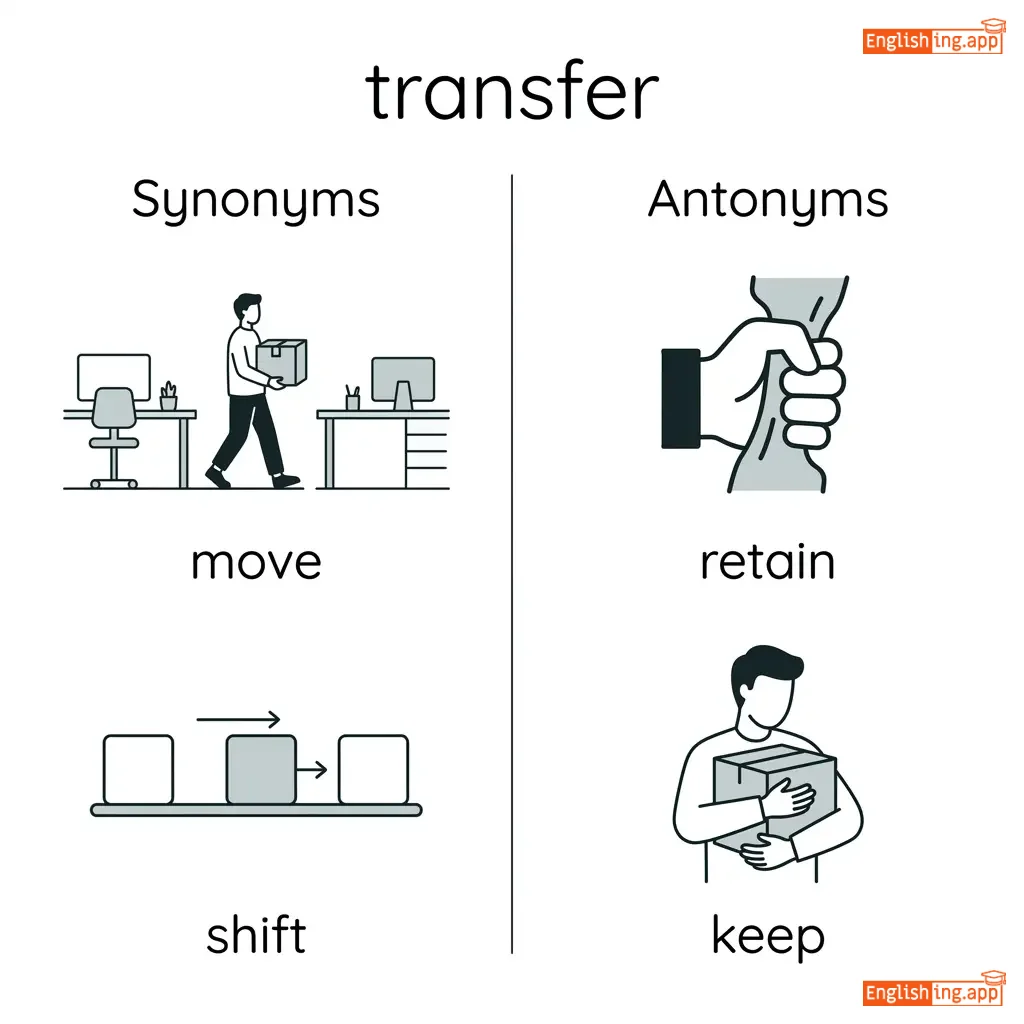
#1419
↔️
|
/ˈtræns.fər/
noun
(转移)
••••••
|
|
转移; 转调; 调动
zhuǎnyí
••••••
|
to move from one place to another; the action of moving something or someone to a different position
••••••
|
The company decided to transfer him to their branch office in London.
公司决定将他转移到伦敦的分公司办公室。
••••••
|
公司决定将他转移到伦敦的分公司办公室。
Gōngsī juédìng jiāng tā zhuǎnyí dào lúndūn de fēngōngsī bàngōngshì.
••••••
|
move, relocate, shift, transport, convey
••••••
|
retain, keep, maintain, stay
••••••
|
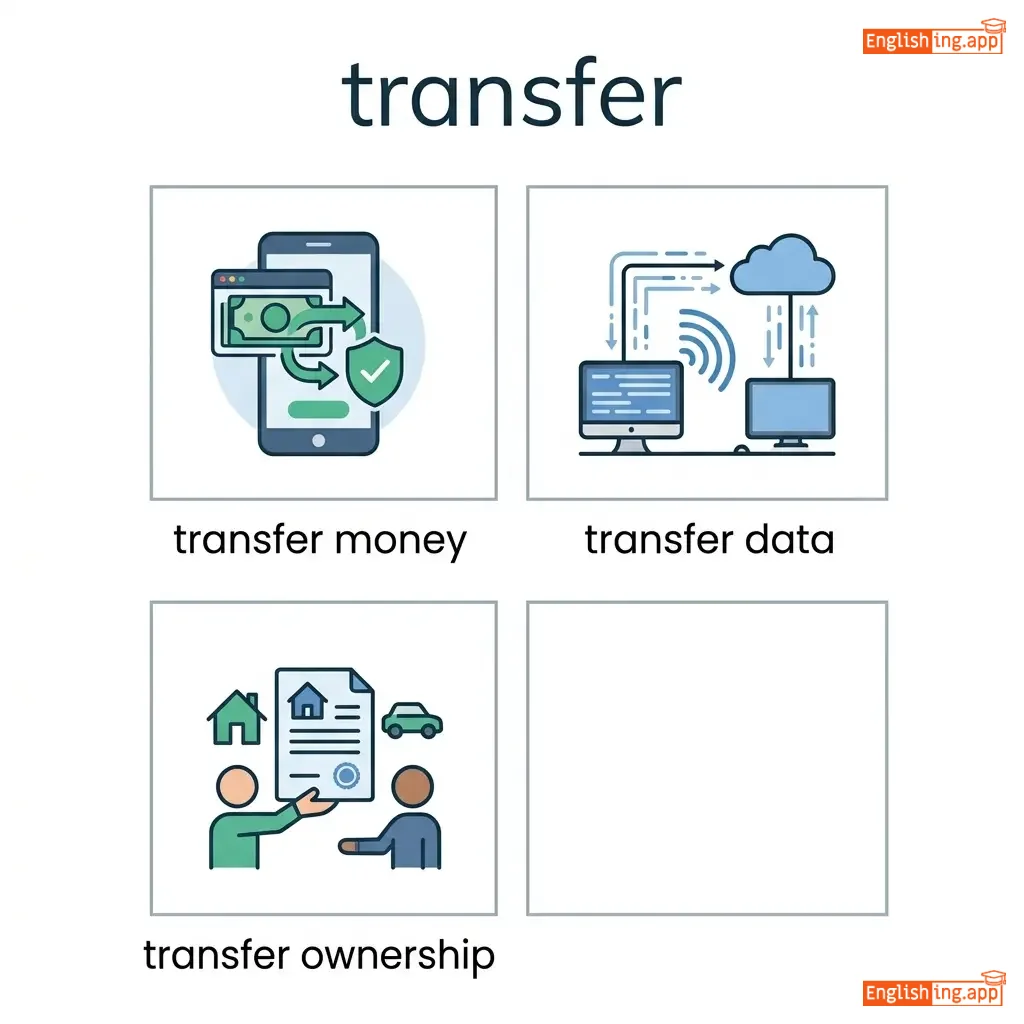
bank transfer, data transfer, job transfer, transfer payment
••••••
|
转移工作位置,传送信息。
••••••
|
|
#1420
📈
|
/trend/
noun
(趋势)
••••••
|
|
趋势; 潮流; 流行
qūshì; cháoliú; liúxíng
••••••
|
a general direction in which something is developing or changing; a fashion or style that is popular
••••••
|
The trend towards online shopping continues to grow. |
向在线购物的趋势持续增长。
Xiàng zàixiàn gòuwù de qūshì chíxù zēngzhǎng.
••••••
|
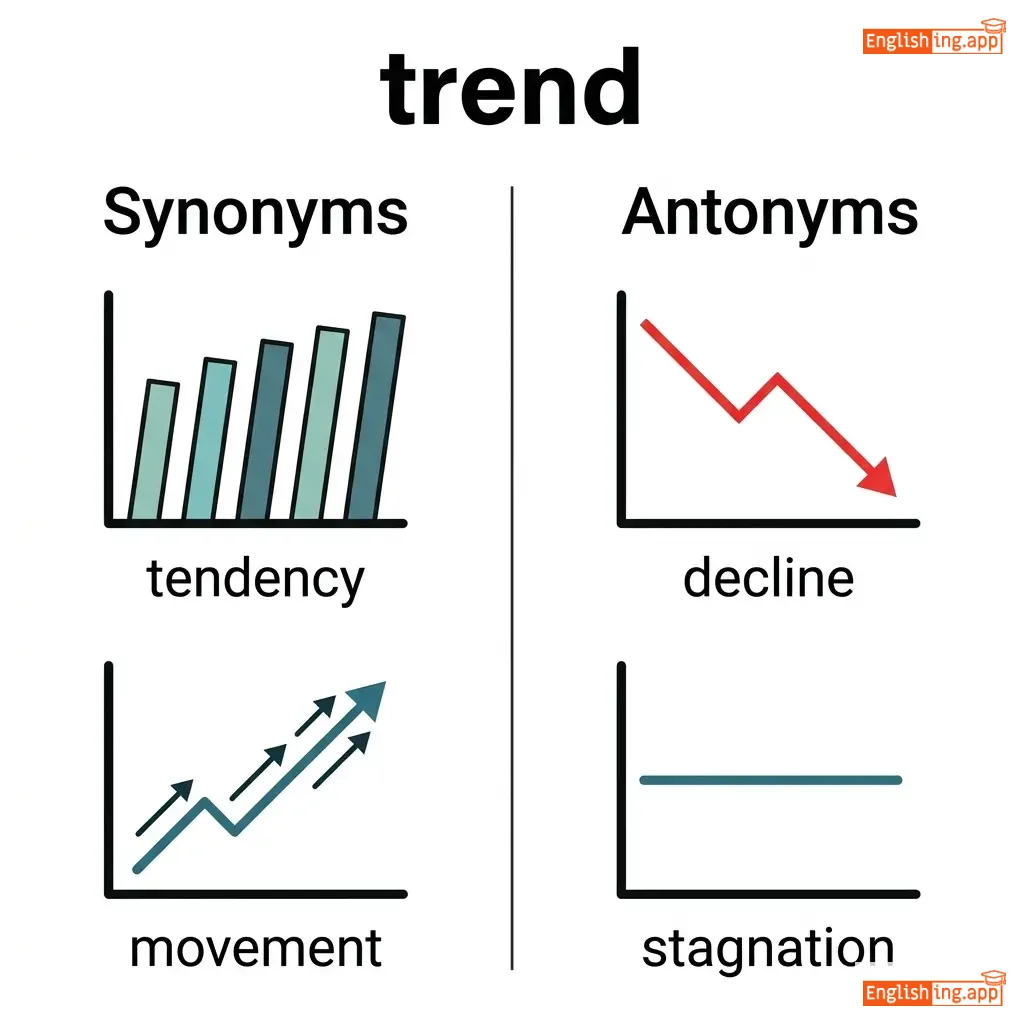
tendency, direction, pattern, fashion
••••••
|
stability, constancy, tradition
••••••
|
current trend, fashion trend, market trend
••••••
|
趋势 (qūshì) 就像时尚流行的方向
••••••
|
Vocabulary Quiz
Test your vocabulary by matching words with their translations or meanings.
Login to take the quiz
Comments (0)
Share your thoughts and join the discussion.
Join the discussion by logging in
Login to CommentNo comments yet
Be the first to share your thoughts!