

Swipe left or right, or use the buttons. Tap image to zoom.
例句翻译
单词
Lesson 19Lesson 19 - 遮罩切换
|
表情符号
|
单词 | Images | 翻译 | 含义 | 例句 | 例句翻译 | 同义词 | 反义词 | 搭配词 | 助记符 |
|---|---|---|---|---|---|---|---|---|---|---|
|
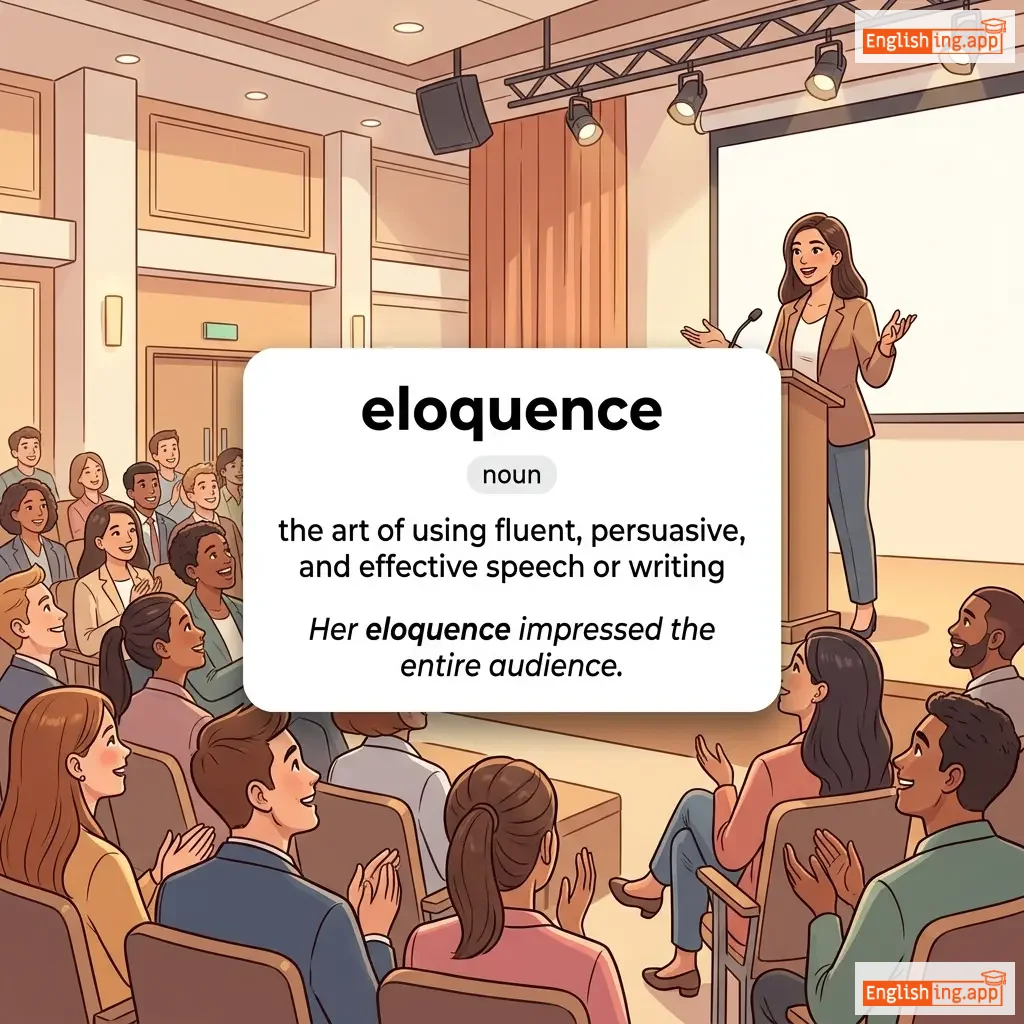
#361
🗣️
|
/ˈel.ə.kwəns/
noun
(雄辩)
••••••
|
|
雄辩
xióngbiàn
••••••
|
fluent or persuasive speaking or writing; the quality of being eloquent
••••••
|
The lawyer's eloquence convinced the jury of his client's innocence.
律师的雄辩说服了陪审团相信他客户的清白。
••••••
|
律师的雄辩说服了陪审团相信他客户的清白。
Lǜshī de xióngbiàn shuōfúle péishěntuán xiāngxìn tā kèhù de qīngbái.
••••••
|
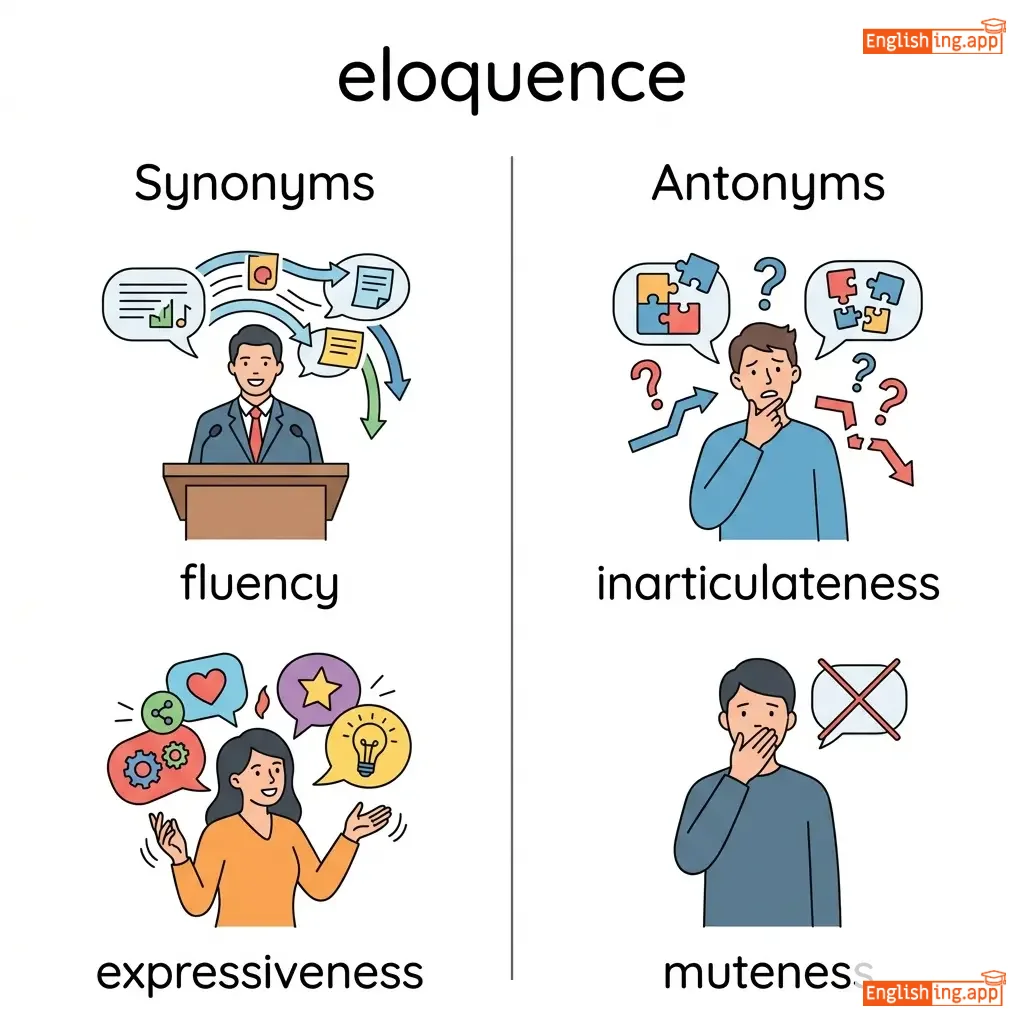
fluency, articulateness, persuasiveness, oratory
••••••
|
inarticulation, stammering, silence, muteness
••••••
|
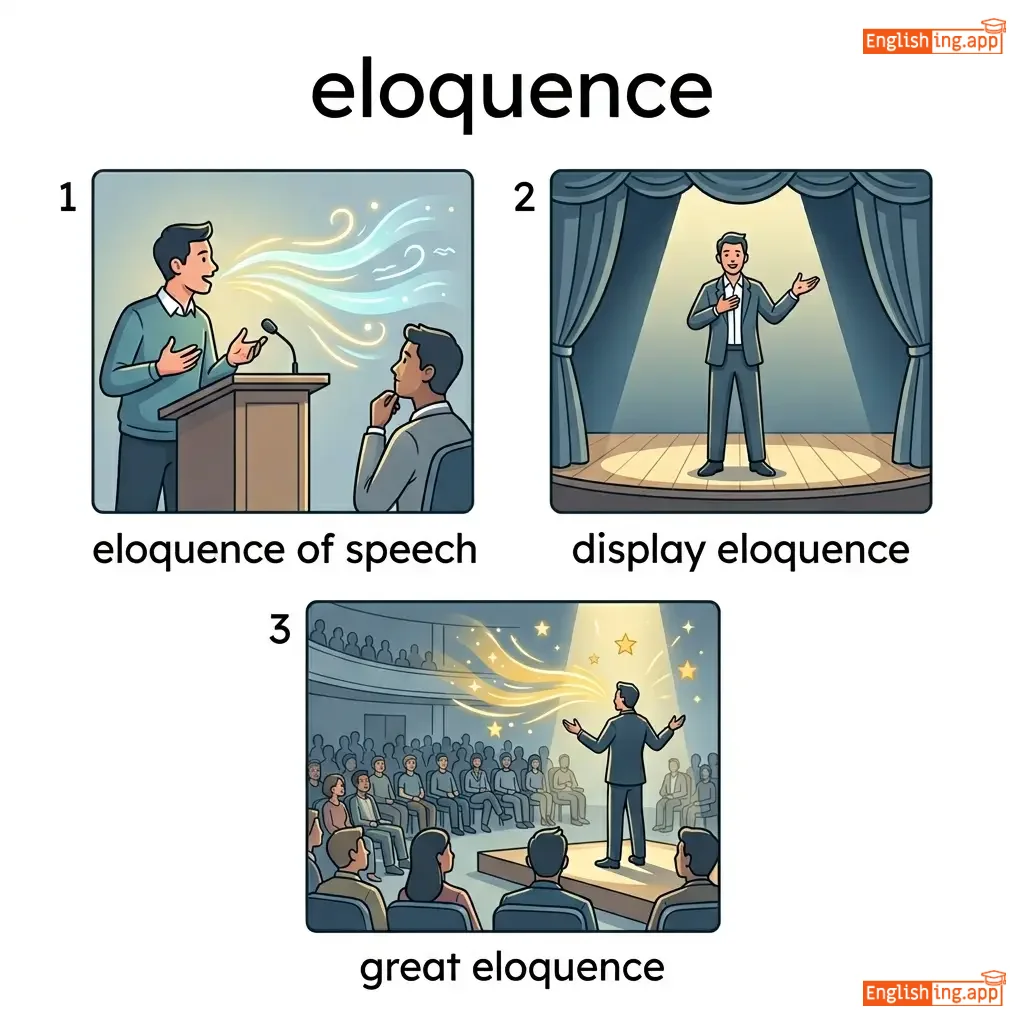
natural eloquence, speak with eloquence, eloquence of speech
••••••
|
雄辩是能够用话语改变他人看法的力量。
••••••
|
|
#362
😡
|
/ˈen.mə.ti/
noun
(恩怨)
••••••
|
- •••••• |
仇恨
chóu hèn
••••••
|
a state or feeling of active opposition or hostility
••••••
|
The enmity between the two families lasted for generations. |
两家族之间的仇恨持续了几代人。
Liǎng jiāzú zhī jiān de chóu hèn chíxù le jǐ dài rén.
••••••
|
hostility, hatred, animosity, antagonism
••••••
|
friendship, love, goodwill, harmony
••••••
|
deep enmity, mutual enmity, personal enmity
••••••
|
仇恨 (hatred) comes from enmity.
••••••
|
|
#363
🔓
|
/ɪˌmæn.sɪˈpeɪ.ʃən/
noun
(yīmánxìpèi)
••••••
|
- •••••• |
解放
jiefang
••••••
|
the fact or process of being set free from legal, social, or political restrictions
••••••
|
The emancipation of slaves was a significant moment in American history. |
奴隶的解放是美国历史上的一个重要时刻。
Nuli de jiefang shi Meiguo lishi shang de yige zhongyao shike.
••••••
|
liberation, freedom, release, independence
••••••
|
enslavement, bondage, captivity, oppression
••••••
|
emancipation proclamation, women's emancipation, political emancipation
••••••
|
Chinese and English: '解放' means 'liberation', just like 'Emancipation' in English.
••••••
|
|
#364
👨💼
|
/ˌɒn.trə.prəˈnɜːr/
noun
(企业家)
••••••
|
- •••••• |
组织和经营一个或多个企业的人
qiyejia
••••••
|
a person who organizes and operates a business or businesses
••••••
|
The young entrepreneur started her own tech company at age 22. |
这位年轻的企业家在22岁时创办了自己的科技公司。
Zhe wei nianqing de qiyejia zai 22 sui shi chuangbanle ziji de keji gongsi.
••••••
|
businessperson, innovator, founder, startup owner
••••••
|
employee, worker, follower, dependent
••••••
|
successful entrepreneur, young entrepreneur, serial entrepreneur
••••••
|
企业家是通过创新和决心推动社会进步的人。
••••••
|
|
#365
🏢
|
/ˈen.tə.praɪz/
noun
(en-ter-praiz)
••••••
|
- •••••• |
企业,特别是一个大胆或复杂的项目
qiye, tebie shi yige dadan huo fuza de xiangmu
••••••
|
a project or undertaking, especially a bold or complex one
••••••
|
The space exploration enterprise required years of planning and preparation.
太空探索企业需要多年的规划和准备。
••••••
|
太空探索企业需要多年的规划和准备。
Taikong tansuo qiye xuyao duonian de guihua he zhunbei.
••••••
|
venture, undertaking, business, project
••••••
|
inaction, passivity, idleness, stagnation
••••••
|
business enterprise, private enterprise, joint enterprise
••••••
|
In Chinese, '企业' represents an enterprise, much like a bold or complex project.
••••••
|
|
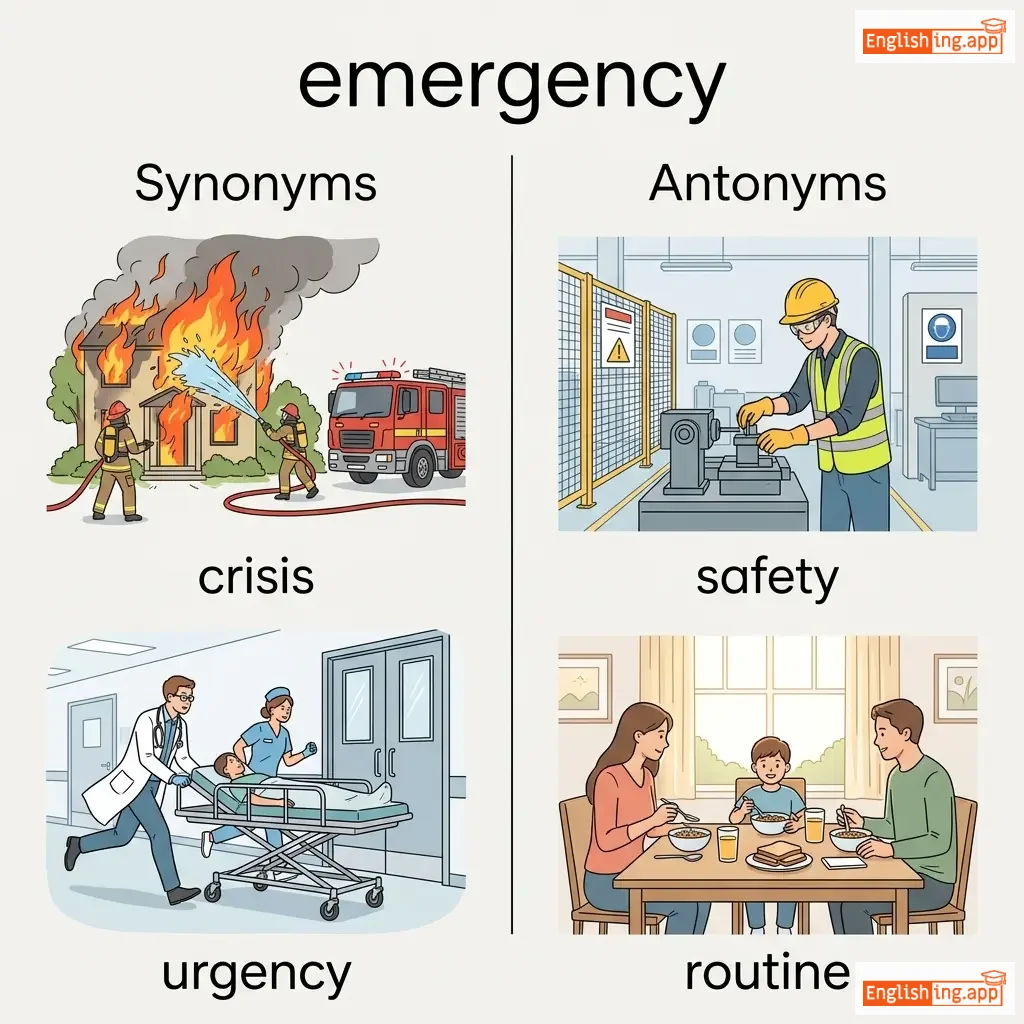
#366
🚨
|
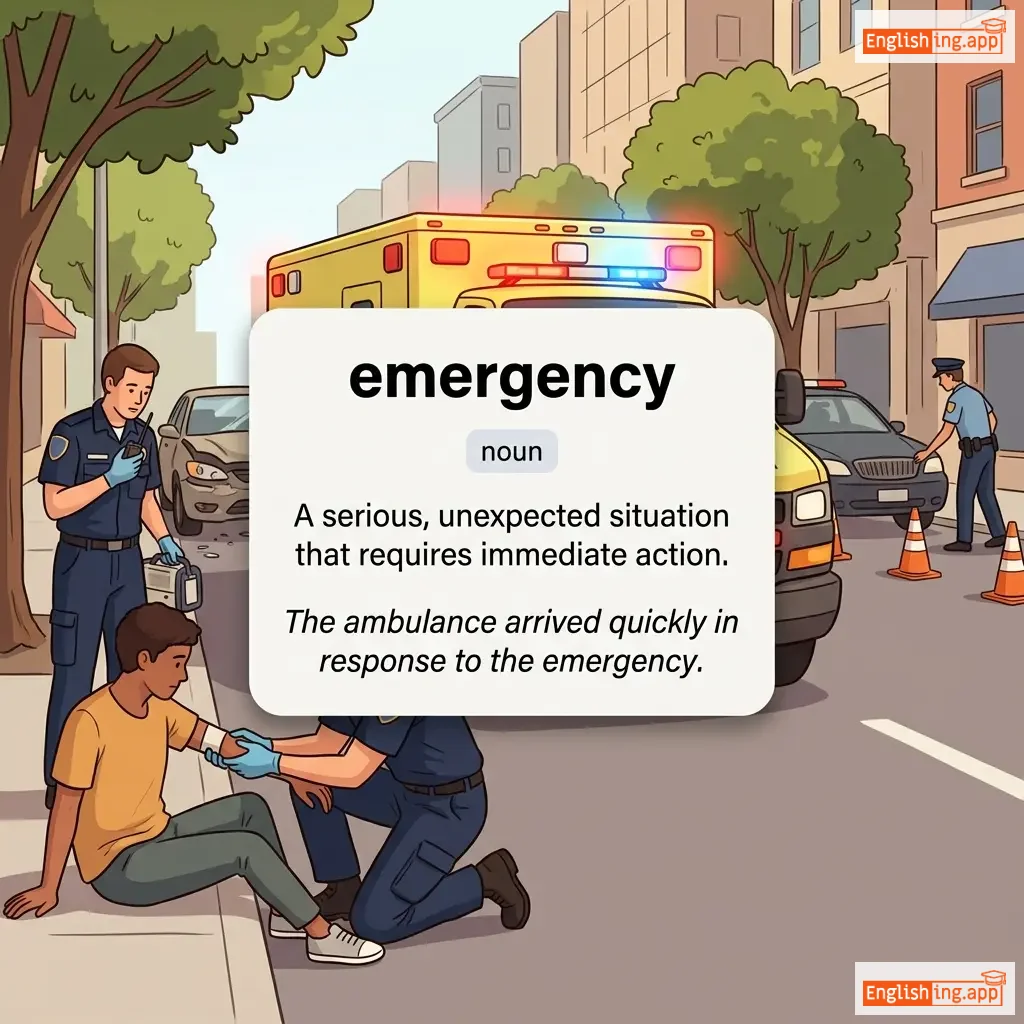
/ɪˈmɜː.dʒən.si/
noun
(紧急情况)
••••••
|
|
紧急情况
jinji qingkuang
••••••
|
a serious, unexpected, and often dangerous situation requiring immediate action
••••••
|
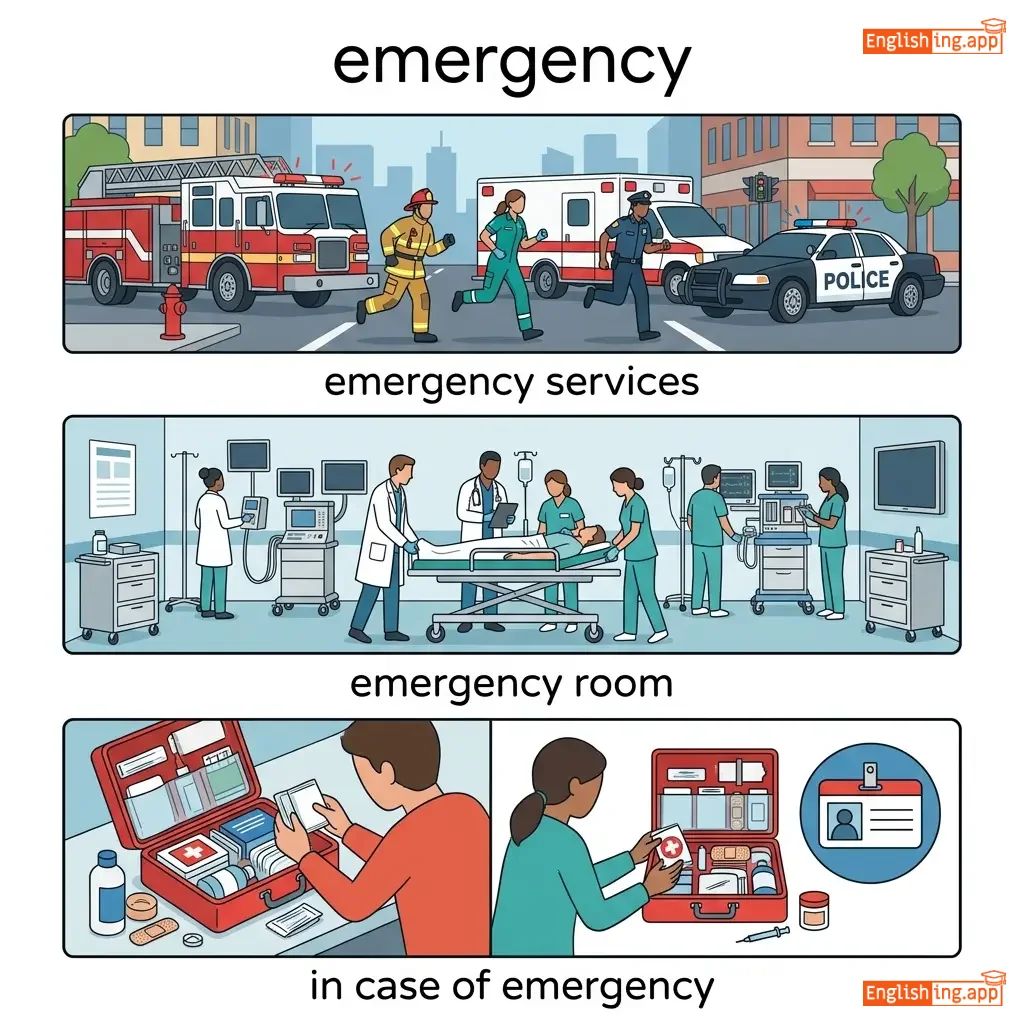
The hospital was prepared to handle any medical emergency.
医院已经做好准备处理任何医疗紧急情况。
••••••
|
医院已经做好准备处理任何医疗紧急情况。
Yiyuan yijing zuohao zhunbei chuli renhe yiliao jinji qingkuang.
••••••
|
crisis, urgency, disaster, catastrophe
••••••
|
routine, normalcy, calm, stability
••••••
|
emergency room, state of emergency, emergency services
••••••
|
In Chinese, '紧急情况' (jinji qingkuang) is used when urgent action is needed.
••••••
|
|
#367
🌟
|
/ˈem.ɪ.nəns/
noun
(埃米嫩斯)
••••••
|
- •••••• |
名声; 卓越
míngshēng, zhuóyuè
••••••
|
fame or recognized superiority; high rank or status
••••••
|
The professor achieved eminence in the field of quantum physics. |
教授在量子物理学领域获得了名声。
Jiàoshòu zài liàngzǐ wùlǐxué lǐngyù huòdéle míngshēng.
••••••
|
distinction, prominence, prestige, renown
••••••
|
obscurity, insignificance, anonymity, mediocrity
••••••
|
achieve eminence, rise to eminence, eminence in field
••••••
|
当你在领域中达到卓越时,你便获得了艾米嫩斯的名声
••••••
|
|
#368
🎭
|
/ˌen.təˈteɪn.mənt/
noun
(娱乐)
••••••
|
- •••••• |
娱乐
yule
••••••
|
the action of providing or being provided with amusement or enjoyment
••••••
|
The concert provided excellent entertainment for the entire family.
音乐会为全家人提供了极好的娱乐。
••••••
|
音乐会为全家人提供了极好的娱乐。
Yinyuehui wei quan jia ren tigong le jijiaode yule.
••••••
|
amusement, recreation, fun, diversion
••••••
|
boredom, work, duty, seriousness
••••••
|
entertainment industry, live entertainment, family entertainment
••••••
|
娱乐使我们开心,像娱乐这个词一样。
••••••
|
|
#369
❤️
|
/ɪˈmoʊ.ʃən/
noun
(情感)
••••••
|
- •••••• |
情感
qinggan
••••••
|
a strong feeling deriving from one's circumstances, mood, or relationships
••••••
|
Her face showed every emotion she was feeling inside. |
她的脸上展现了她内心的每一种情感。
Ta de lian shang zhanshian le ta neixin de mei yizhong qinggan.
••••••
|
feeling, sentiment, passion, mood
••••••
|
apathy, indifference, numbness, detachment
••••••
|
strong emotion, control emotions, emotional state
••••••
|
情感 (Chinese) – Emotion (English), both mean a strong feeling inside.
••••••
|
|
#370
🔥
|
/ɪnˈθjuː.zi.æz.əm/
noun
(热情)
••••••
|
- •••••• |
热情; 兴奋; 激情
rèqíng, xīngfèn, jīqíng
••••••
|
intense and eager enjoyment, interest, or approval
••••••
|
Her enthusiasm for the project inspired the entire team.
她对这个项目的热情鼓舞了整个团队。
••••••
|
她对这个项目的热情鼓舞了整个团队。
Tā duì zhège xiàngmù de rèqíng gǔwǔ le zhěnggè tuánduì.
••••••
|
passion, excitement, zeal, eagerness
••••••
|
apathy, indifference, disinterest, reluctance
••••••
|
great enthusiasm, show enthusiasm, lack enthusiasm
••••••
|
热情 - 你做任何事情都充满激情!
••••••
|
|
#371
❗
|
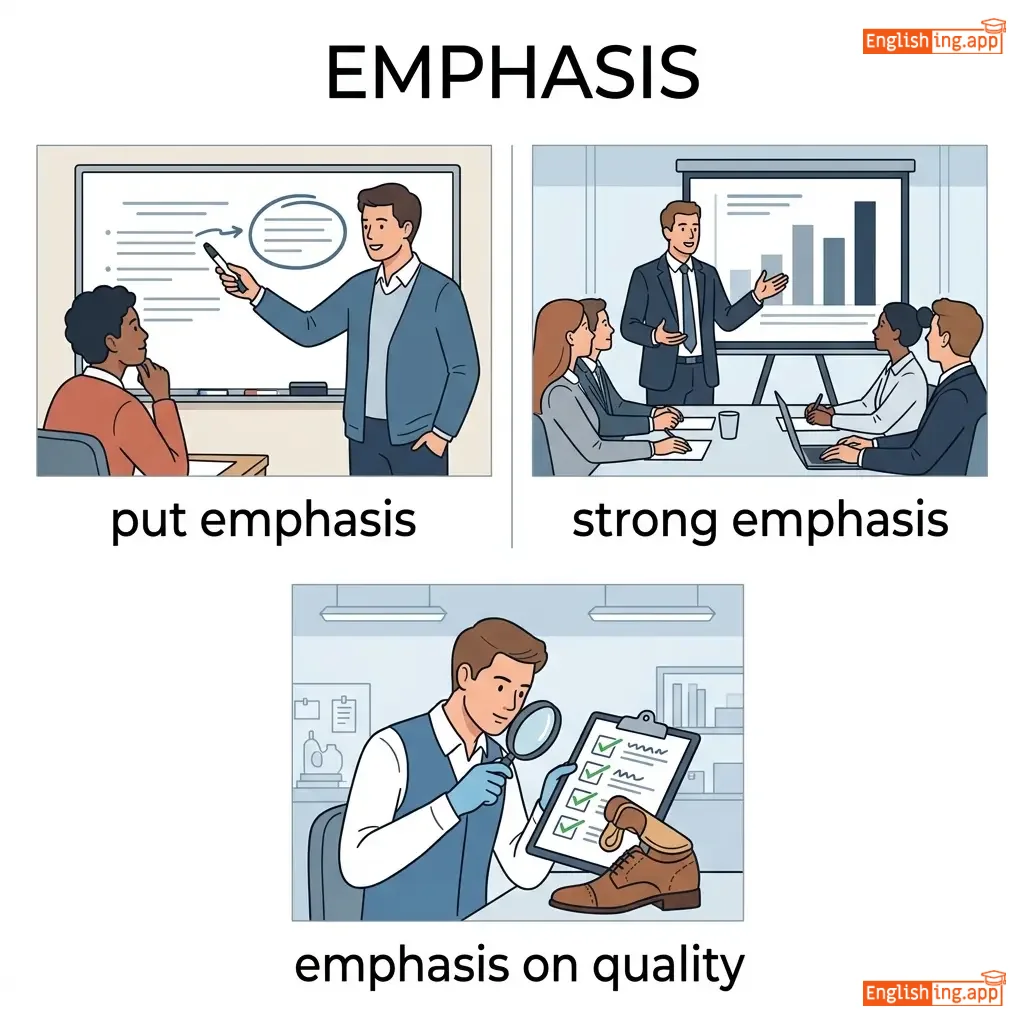
/ˈem.fə.sɪs/
noun
(强调)
••••••
|
|
强调; 重要性; 着重
qiangdiao, zhongyao, zhuozhong
••••••
|
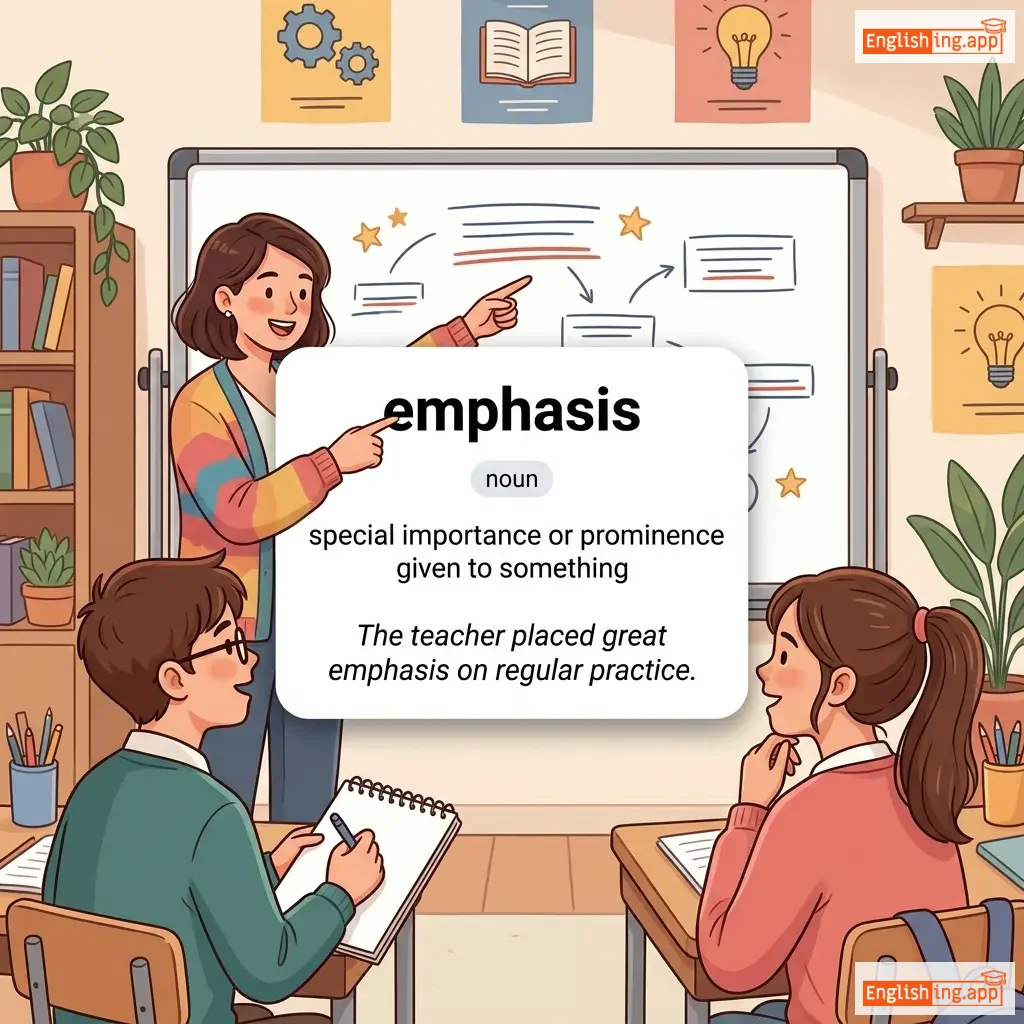
special importance, value, or prominence given to something
••••••
|
The teacher placed emphasis on the importance of regular study habits.
老师强调了定期学习习惯的重要性。
••••••
|
老师强调了定期学习习惯的重要性。
Laoshi qiangdiao le dingqi xuexi xiguan de zhongyao xing.
••••••
|
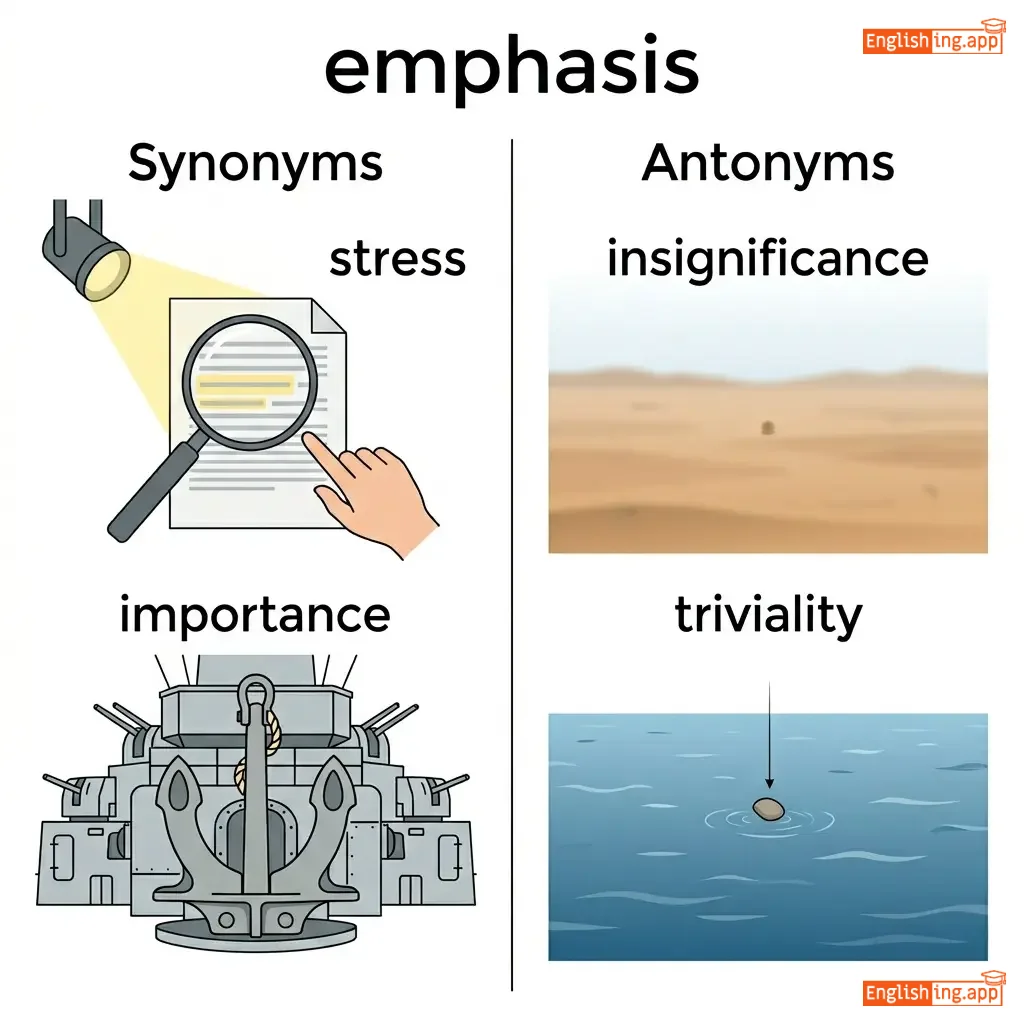
stress, importance, focus, priority
••••••
|
de-emphasis, neglect, understatement, minimization
••••••
|
place emphasis, give emphasis, emphasis on
••••••
|
Chinese '强调' ('qiangdiao') relates directly to emphasizing importance, like in 'emphasis'.
••••••
|
|
#372
🚪
|
/ˈen.trəns/
noun
(entrans)
••••••
|
- •••••• |
入口
rùkǒu
••••••
|
an opening that allows access to a place; the action of entering
••••••
|
The main entrance to the building was decorated with beautiful flowers.
大楼的主入口装饰着美丽的花朵。
••••••
|
大楼的主入口装饰着美丽的花朵。
Dàlóu de zhǔ rùkǒu zhuāngshìzhe měilì de huāduǒ.
••••••
|
doorway, entry, gateway, access
••••••
|
exit, departure, outlet, egress
••••••
|
main entrance, entrance exam, entrance fee
••••••
|
想象你进入一个美丽的建筑,通过一个装饰有鲜花的入口。
••••••
|
|
#373
🔚
|
/end/
noun
(恩德)
••••••
|
- •••••• |
结束; 终结; 结尾;
jie shu, zhong jie, jie wei
••••••
|
the final part of something; termination or conclusion
••••••
|
The end of the movie was unexpected and left everyone surprised.
电影的结局是意外的,所有人都感到惊讶。
••••••
|
电影的结局是意外的,所有人都感到惊讶。
Dianying de jieju shi yiwai de, suoyou ren dou gandao jingya.
••••••
|
conclusion, finish, termination, finale
••••••
|
beginning, start, commencement, opening
••••••
|
at the end, come to an end, end result
••••••
|
在中文中,'End'的意思是'结束'或'结尾'。
••••••
|
|
#374
📝
|
/ˈen.tri/
noun
(入口)
••••••
|
- •••••• |
入口; 注册
rùkǒu, zhùcè
••••••
|
an act of going or coming in; an item written or printed in a record
••••••
|
His entry into the competition was submitted just before the deadline. |
他在截止日期前提交了参加比赛的入口。
Tā zài jiézhǐ rìqī qián tíjiāo le cānjiā bǐsài de rùkǒu.
••••••
|
admission, registration, record, submission
••••••
|
exit, withdrawal, removal, departure
••••••
|
data entry, entry point, entry level
••••••
|
通过注册获取进入比赛的入口。
••••••
|
|
#375
🏃♂️
|
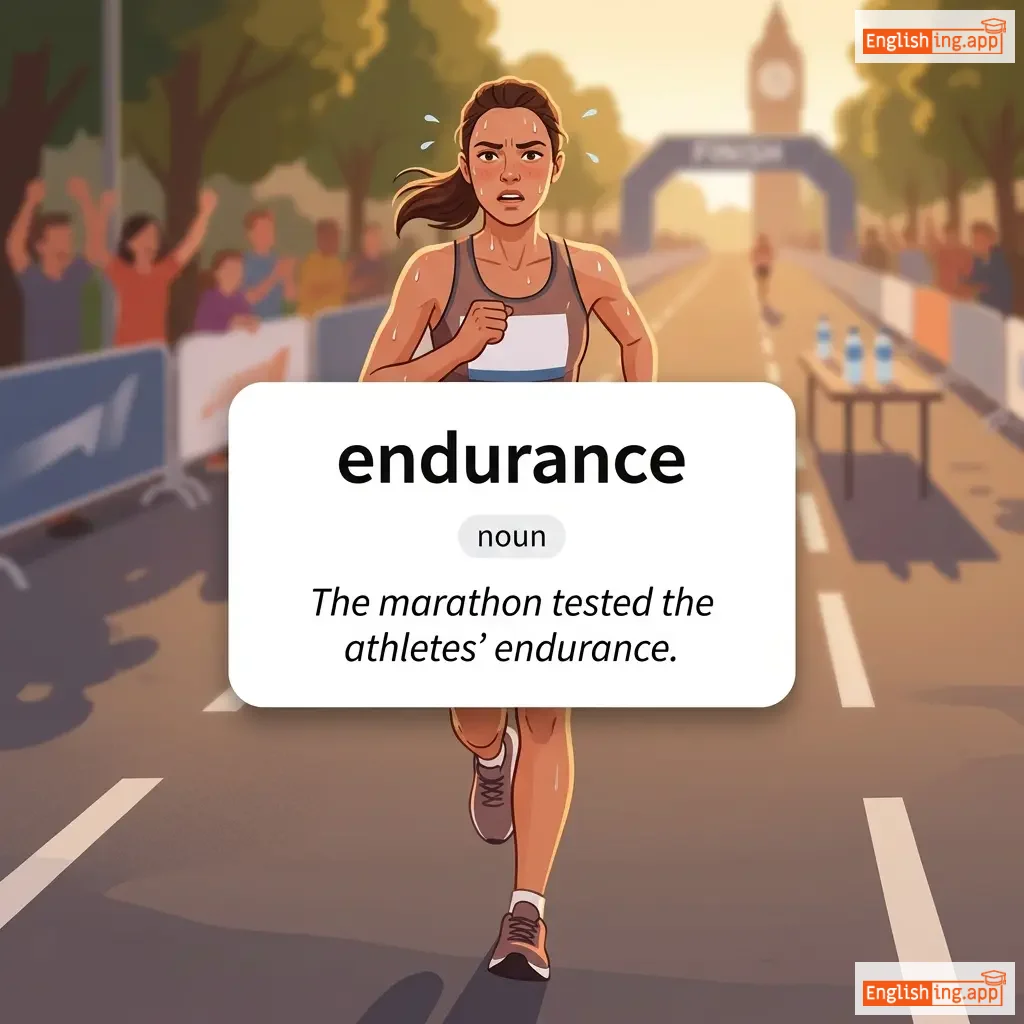
/ɪnˈdʊr.əns/
noun
(恩迪尤兰斯)
••••••
|
|
耐力
naili
••••••
|
the ability to endure an unpleasant or difficult process without giving way
••••••
|
Marathon runners need exceptional endurance to complete the race. |
马拉松选手需要非凡的耐力才能完成比赛。
Malasong xuan shou xuyao feifan de naili cai neng wancheng bisai.
••••••
|
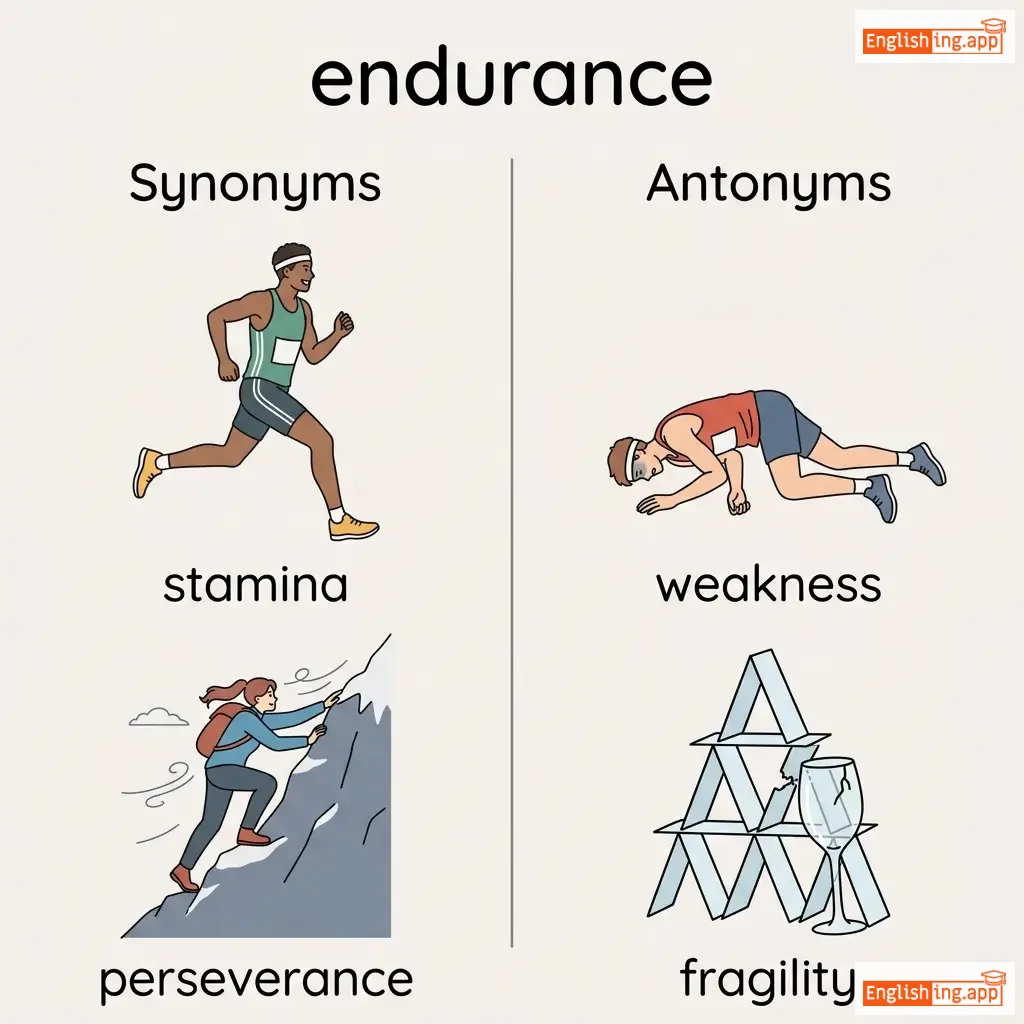
stamina, persistence, resilience, fortitude
••••••
|
weakness, frailty, giving up, quitting
••••••
|
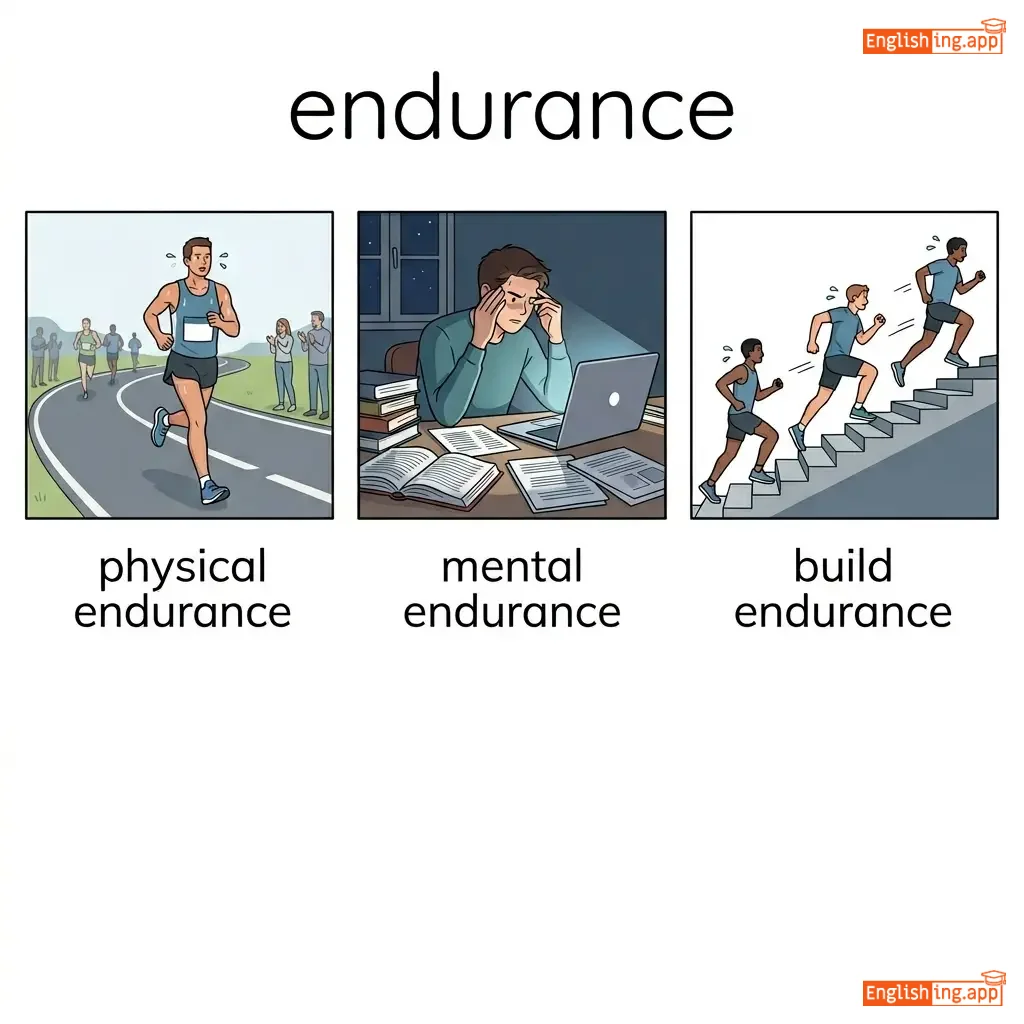
physical endurance, test endurance, build endurance
••••••
|
耐力让你能够完成艰难的比赛。
••••••
|
|
#376
🌍
|
/ɪnˈvaɪ.rən.mənt/
noun
(环境)
••••••
|
|
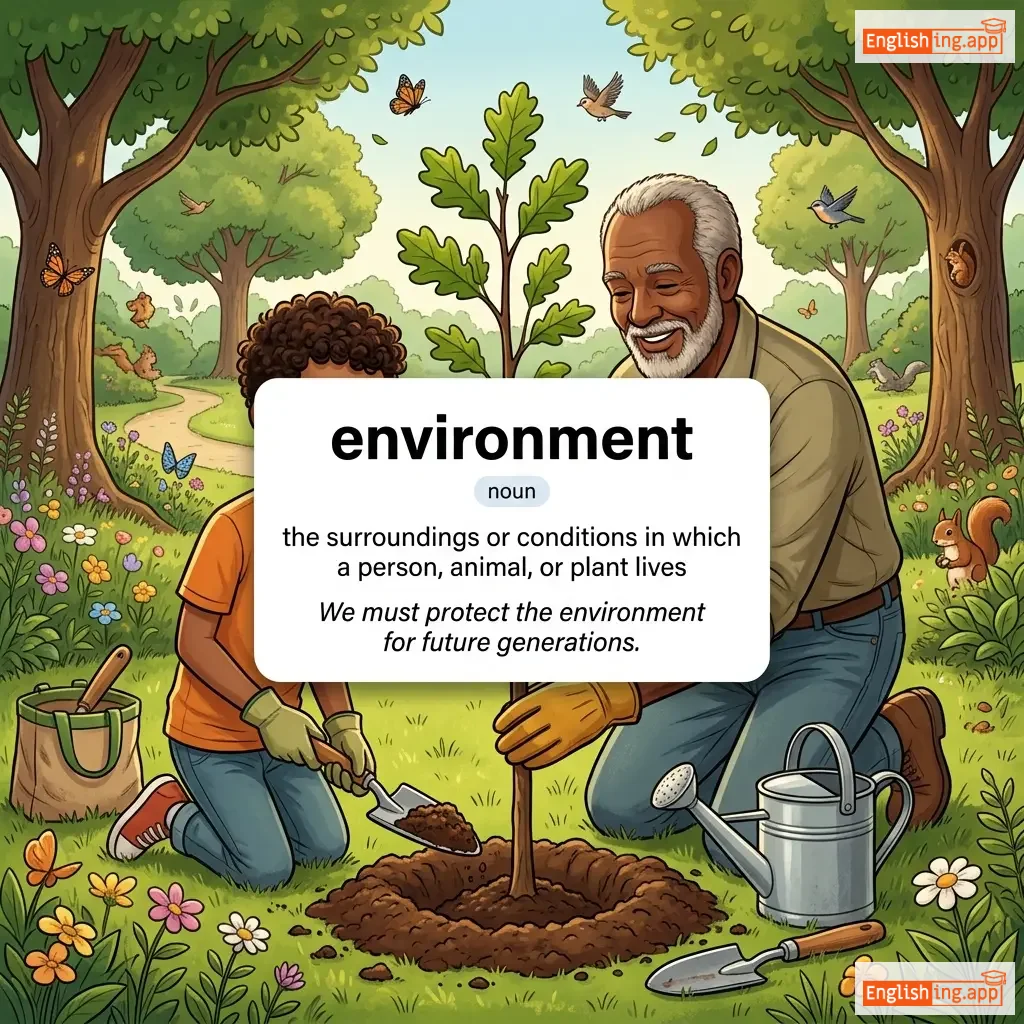
环境
huánjìng
••••••
|
the surroundings or conditions in which a person, animal, or plant lives
••••••
|
We must protect the environment for future generations.
我们必须为未来的世代保护环境。
••••••
|
我们必须为未来的世代保护环境。
Wǒmen bìxū wèi wèilái de shìdài bǎohù huánjìng.
••••••
|
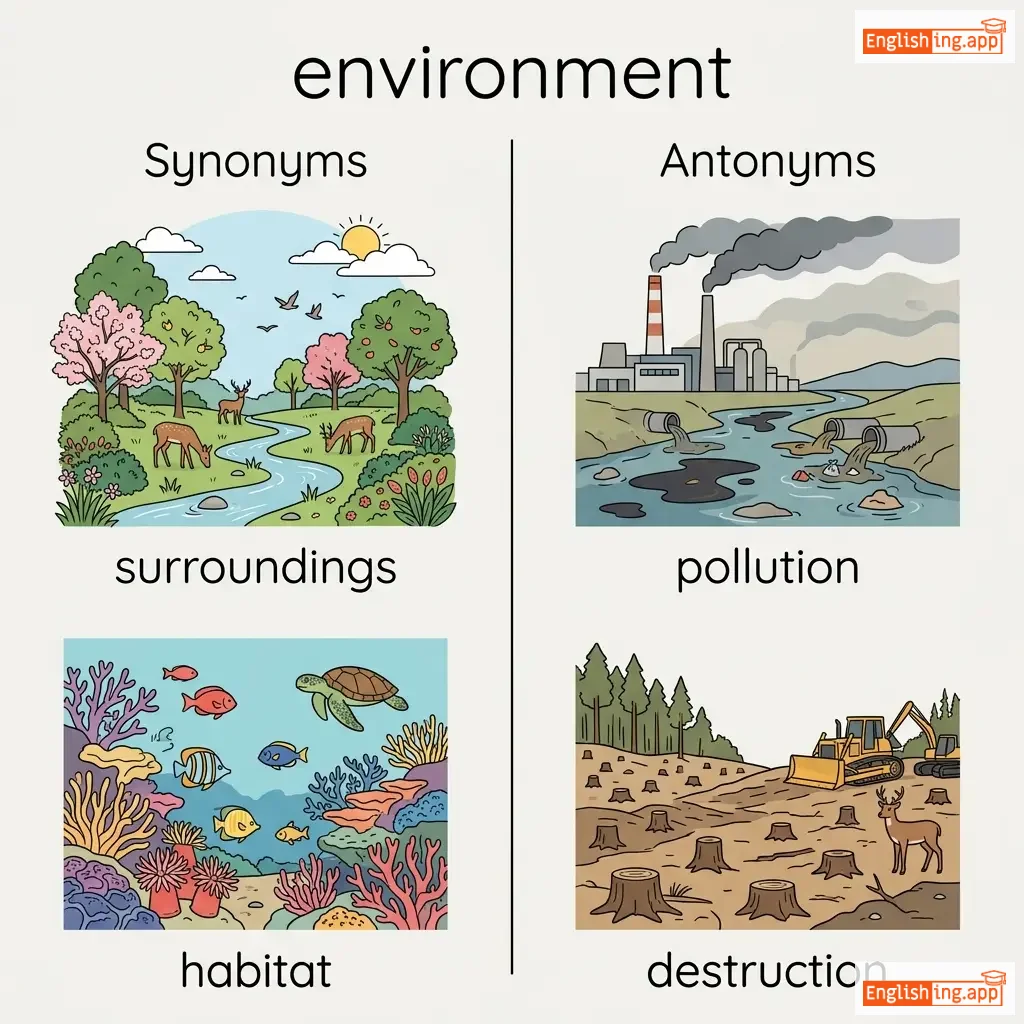
surroundings, habitat, ecosystem, atmosphere
••••••
|
vacuum, isolation, sterility, artificiality
••••••
|
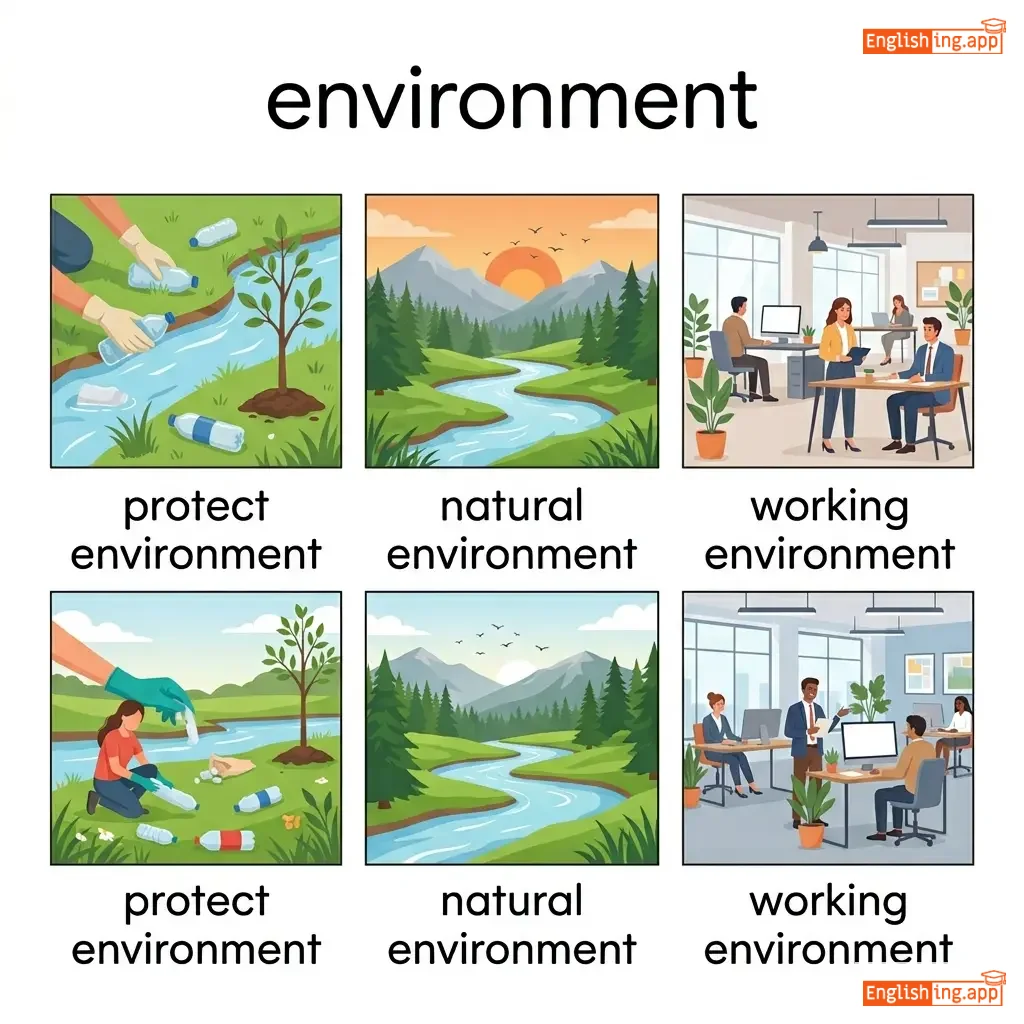
natural environment, work environment, protect environment
••••••
|
环境 (huánjìng) - 你的周围环境 (nǐ de zhōuwéi huánjìng) 就是你的生活环境.
••••••
|
|
#377
⚔️
|
/ˈen.ə.mi/
noun
(敌人)
••••••
|
- •••••• |
敌人
dí rén
••••••
|
a person who is actively opposed or hostile to someone or something
••••••
|
In the story, the hero had to face his greatest enemy. |
在故事中,英雄不得不面对他最大的敌人。
zài gù shì zhōng, yīng xióng bù dé bù miàn duì tā zuì dà de dí rén.
••••••
|
foe, adversary, opponent, rival
••••••
|
friend, ally, supporter, companion
••••••
|
sworn enemy, defeat enemy, enemy territory
••••••
|
敌人就是总是对抗英雄的对立面。
••••••
|
|
#378
📖
|
/ˈep.ɪk/
noun
(史诗)
••••••
|
- •••••• |
史诗
shishi
••••••
|
a long poem telling of heroic deeds; something heroic or grand in scale
••••••
|
The Iliad is one of the most famous epics in world literature. |
《伊利亚特》是世界文学中最著名的史诗之一。
Iliade shi shijie wenxue zhong zui zhuming de shishi zhi yi.
••••••
|
saga, legend, heroic poem, grand tale
••••••
|
short story, brief tale, minor work, simple narrative
••••••
|
epic poem, epic tale, epic journey
••••••
|
Epic = '史诗'在中文里指一部英雄的长诗或伟大的作品
••••••
|
|
#379
⚡
|
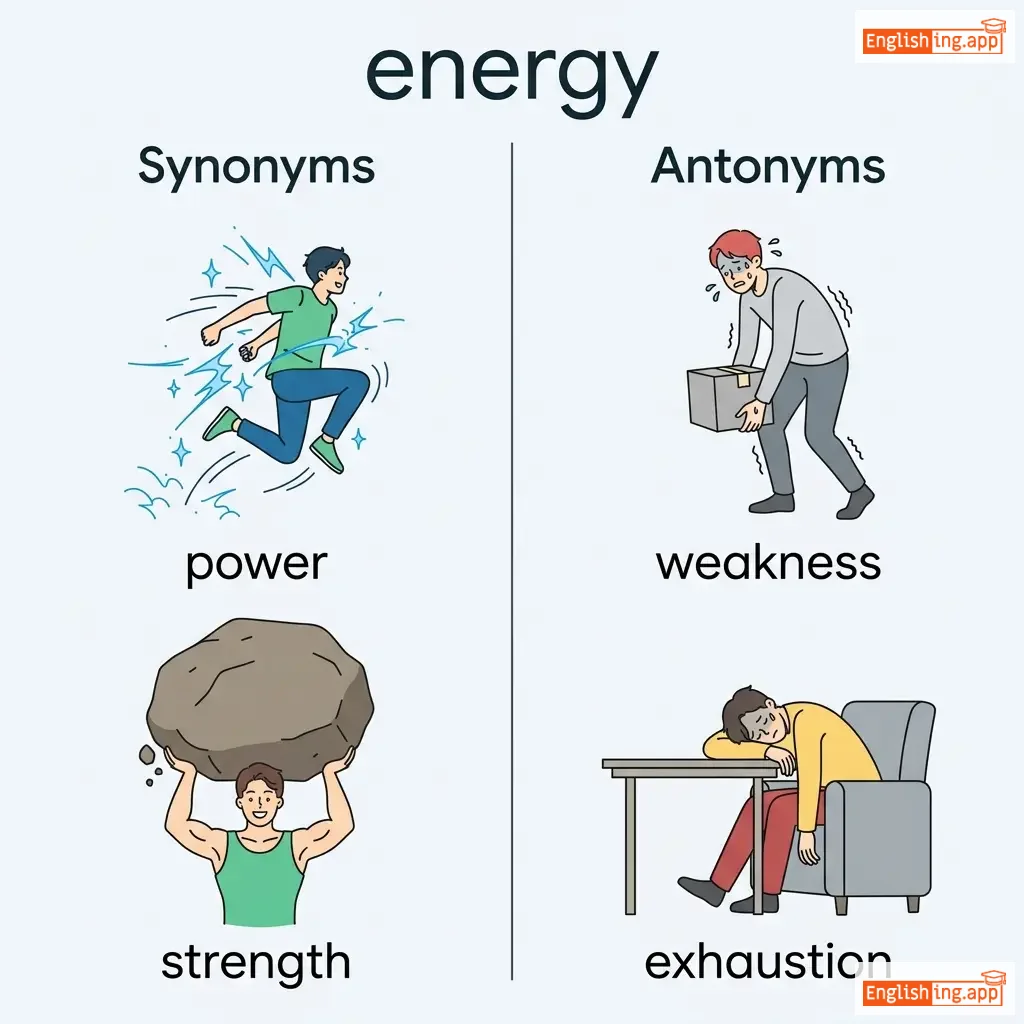
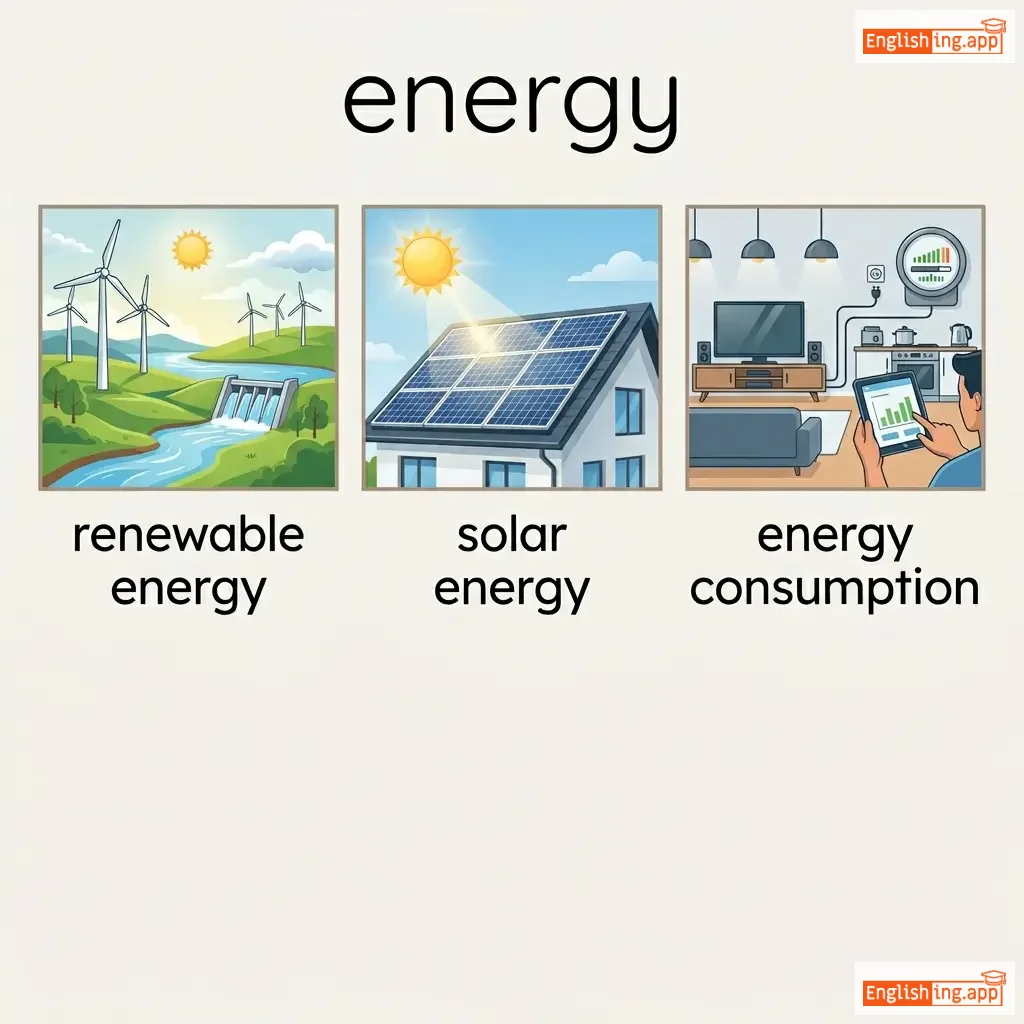
/ˈen.ər.dʒi/
noun
(能源)
••••••
|
|
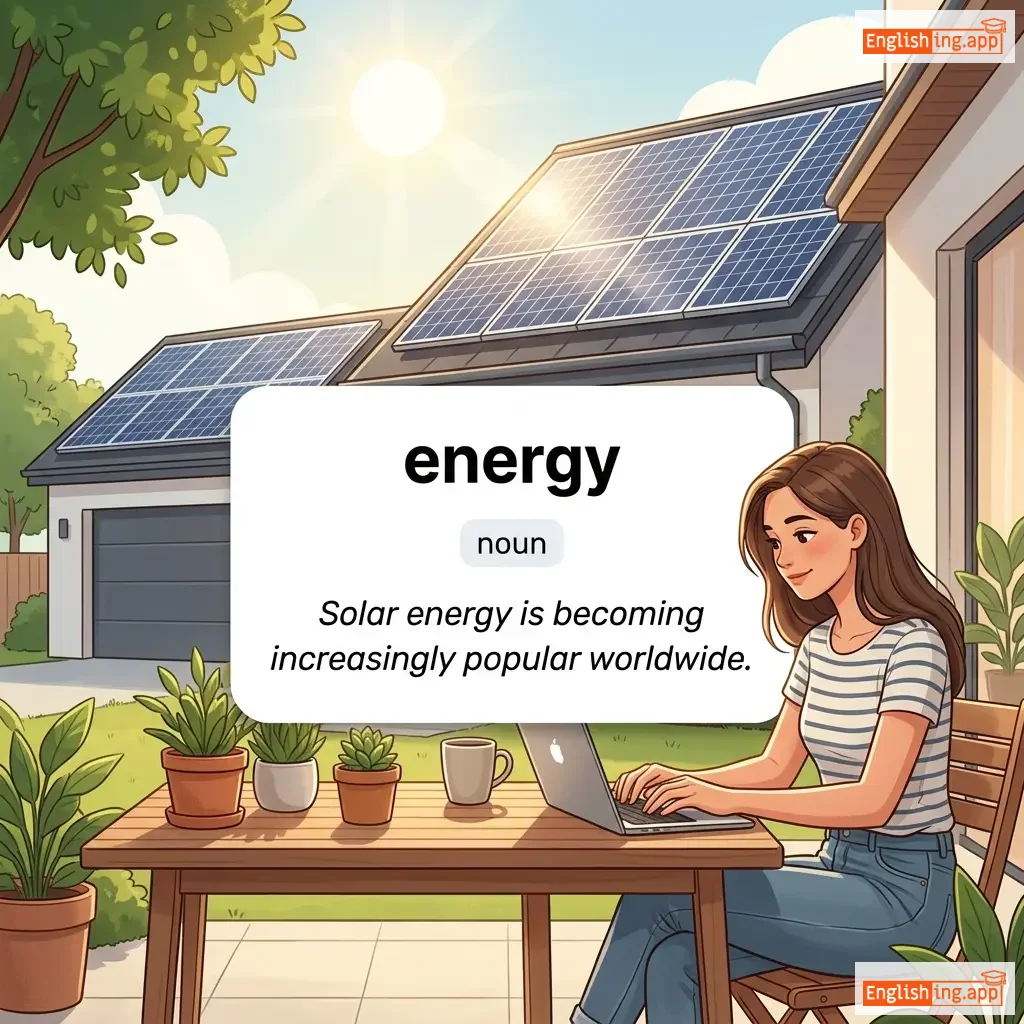
能量
néngliàng
••••••
|
the strength and vitality required for sustained physical or mental activity
••••••
|
After drinking coffee, she felt full of energy for the day ahead. |
喝完咖啡后,她感到充满了能量,准备迎接新的一天。
hē wán kāfēi hòu, tā gǎndào chōngmǎnle néngliàng, zhǔnbèi yíngjiē xīn de yītiān.
••••••
|
power, vigor, vitality, strength
••••••
|
lethargy, weakness, fatigue, exhaustion
••••••
|
renewable energy, high energy, energy level
••••••
|
能量让我们不断前行。
••••••
|
|
#380
🦠
|
/ˌep.ɪˈdem.ɪk/
noun
(流行病)
••••••
|
- •••••• |
流行病
liúxíngbìng
••••••
|
a widespread occurrence of an infectious disease in a community
••••••
|
The flu epidemic affected thousands of people across the country.
流感疫情影响了全国成千上万的人。
••••••
|
流感疫情影响了全国成千上万的人。
Liúgǎn yìqíng yǐngxiǎng le quánguó chéngqiān shàngwàn de rén.
••••••
|
outbreak, pandemic, plague, contagion
••••••
|
health, wellness, immunity, prevention
••••••
|
flu epidemic, epidemic outbreak, control epidemic
••••••
|
流行病好像流感的'流', 病就代表传播的病。
••••••
|
Vocabulary Quiz
Test your vocabulary by matching words with their translations or meanings.
Login to take the quiz
Comments (0)
Share your thoughts and join the discussion.
Join the discussion by logging in
Login to CommentNo comments yet
Be the first to share your thoughts!