



Swipe left or right, or use the buttons. Tap image to zoom.
例句翻译
单词
Lesson 30Lesson 30 - 遮罩切换
|
表情符号
|
单词 | Images | 翻译 | 含义 | 例句 | 例句翻译 | 同义词 | 反义词 | 搭配词 | 助记符 |
|---|---|---|---|---|---|---|---|---|---|---|
|
#581
⚓
|
/ˈhelmz.mən/
noun
(海姆斯曼)
••••••
|
- •••••• |
舵手; 船长
duò shǒu; chuán zhǎng
••••••
|
a person who steers a ship or boat; the person at the helm of a vessel
••••••
|
The experienced helmsman skillfully guided the yacht through the narrow channel during the storm. |
经验丰富的舵手在暴风雨中熟练地引导游艇通过狭窄的航道。
Jīngyàn fēngfù de duò shǒu zài bàofēngyǔ zhōng shúliàn de yǐndǎo yóutǐng tōngguò xiázhǎi de hángdào.
••••••
|
navigator, pilot, steersman, captain
••••••
|
passenger, crew member, landlubber, novice
••••••
|
experienced helmsman, skilled helmsman, ship's helmsman
••••••
|
No •••••• |
|
#582
🐝
|
/haɪv/
noun
(hāi fū)
••••••
|
- •••••• |
蜂巢; 一个充满活动的地方
fēng cháo; yī gè chōng mǎn huó dòng de dì fāng
••••••
|
a structure in which bees live and produce honey; a place full of busy activity
••••••
|
The garden was buzzing with activity as bees flew back and forth from their hive. |
花园里充满了活动,蜜蜂在它们的蜂巢之间来回飞翔。
huā yuán lǐ chōng mǎn le huó dòng, mì fēng zài tā men de fēng cháo zhī jiān lái huí fēi xiáng.
••••••
|
beehive, nest, colony, swarm
••••••
|
emptiness, solitude, inactivity, stillness
••••••
|
bee hive, hive of activity, busy hive
••••••
|
想象一个充满忙碌蜜蜂的花园,它们从蜂巢飞来飞去,像一个忙碌的工作场所。
••••••
|
|
#583
🆘
|
/help/
noun
(help)
••••••
|
|
帮助; 援助
bangzhu, yuanzhu
••••••
|
the action of helping someone to do something; assistance or support
••••••
|
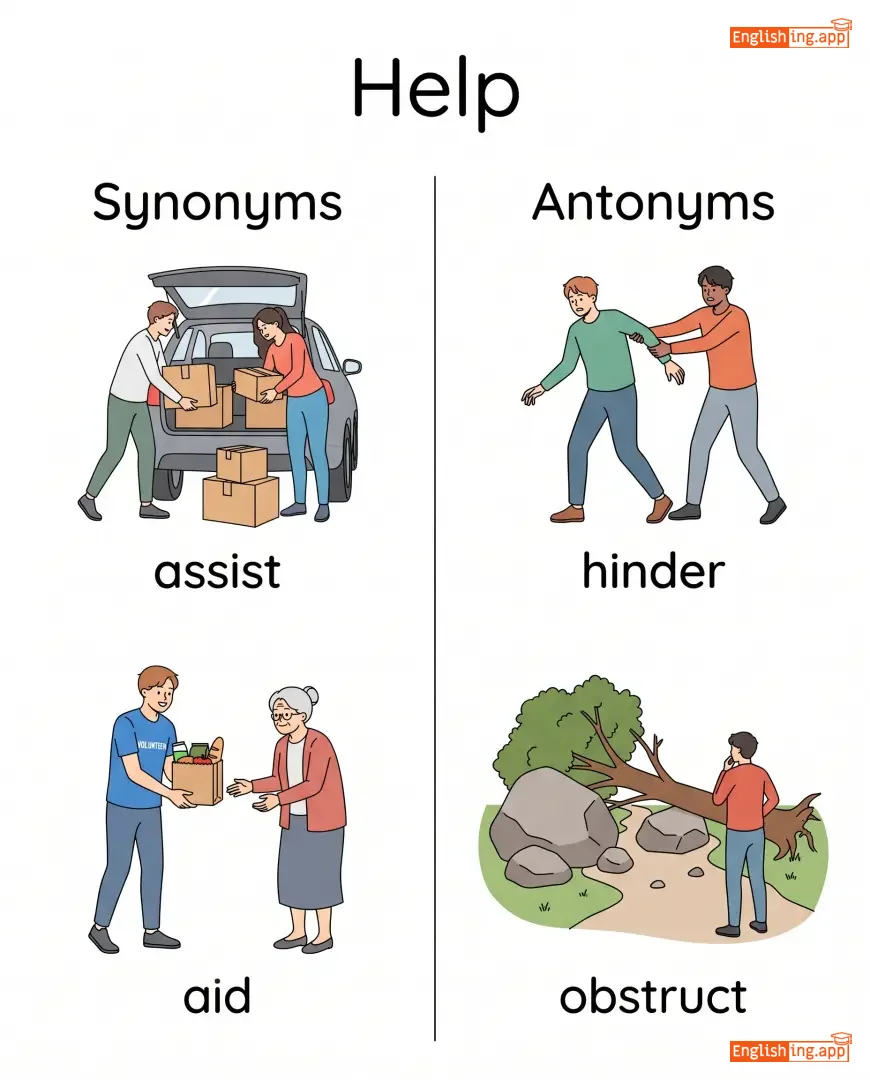
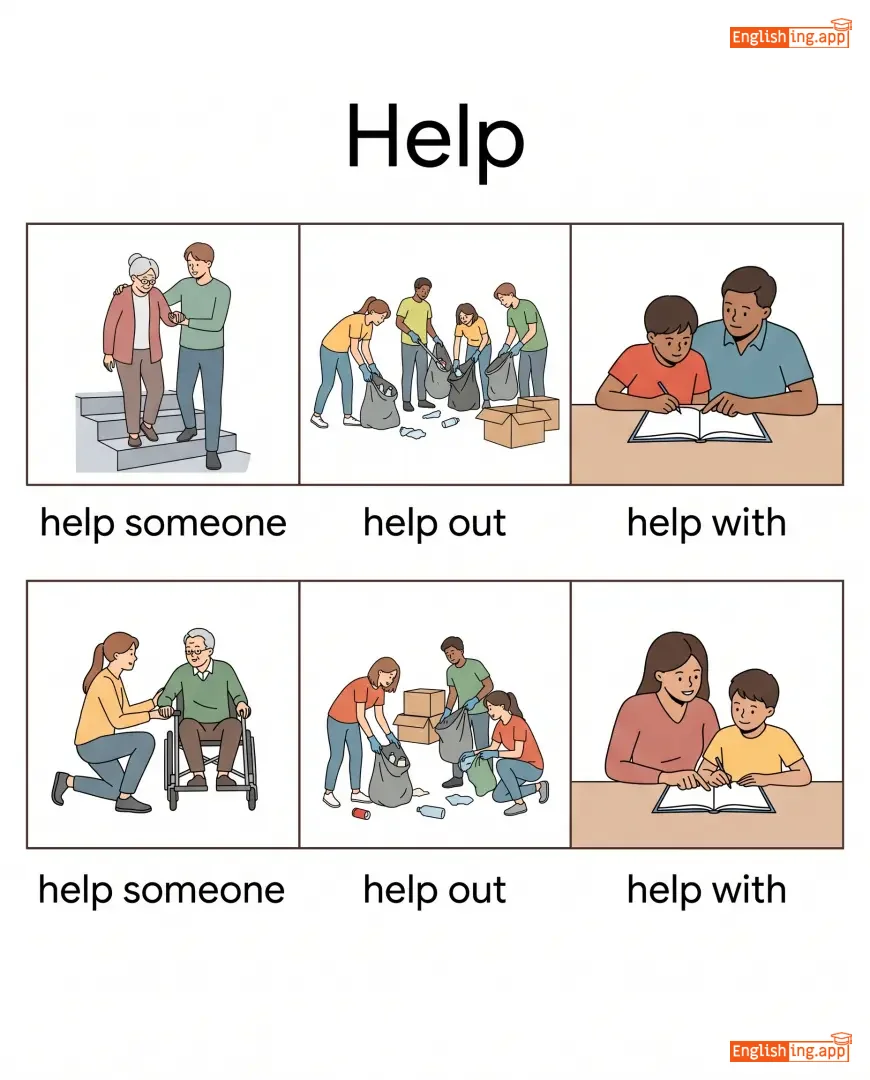
The volunteer offered his help to carry the elderly woman's groceries to her car. |
志愿者提供了帮助,将那位年长妇女的购物袋搬到她的车里。
Zhiyuan zhe tigong le bangzhu, jiang na wei nianzhang funv de gouwu dai ban dao ta de che li.
••••••
|
assistance, aid, support, service
••••••
|
hindrance, obstruction, harm, interference
••••••
|
ask for help, offer help, need help
••••••
|
Help = 帮助 (Bangzhu), 想象你需要帮助时,我们会说:'帮我一把。'
••••••
|
|
#584
🎭
|
/hoʊks/
noun
(hōkè sī)
••••••
|
- •••••• |
骗局; 欺骗; 愚弄
pianju, qipian, yunong
••••••
|
a humorous or malicious deception; something intended to trick or deceive people
••••••
|
The news about aliens landing turned out to be an elaborate hoax created by pranksters.
外星人着陆的新闻结果证明是一种由恶作剧者创造的精心策划的恶作剧。
••••••
|
外星人着陆的新闻结果证明是一种由恶作剧者创造的精心策划的恶作剧。
waixingren zhuolu de xinwen jieguo zhengming shi yizhong youmo huo eyi de qipian; yong lai yunong huo qipian taren de shiwuw.
••••••
|
deception, fraud, trick, scam
••••••
|
truth, fact, reality, authenticity
••••••
|
elaborate hoax, internet hoax, hoax call
••••••
|
A hoax is a trick that plays with the truth.
••••••
|
|
#585
🌿
|
/ˈhen.ə/
noun
(hèng nà)
••••••
|
- •••••• |
海娜
haina
••••••
|
a reddish-brown dye made from the powdered leaves of a tropical shrub, used to color hair and decorate skin
••••••
|
The bride's hands were beautifully decorated with intricate henna patterns for her wedding ceremony.
新娘的手被精美的指甲花纹装饰,用于她的婚礼仪式。
••••••
|
新娘的手被精美的指甲花纹装饰,用于她的婚礼仪式。
Xinliang de shou bei jingmei de zhi jia huawen zhuangshi, yong yu ta de hunli yishi.
••••••
|
mehndi, natural dye, temporary tattoo, body art
••••••
|
permanent ink, chemical dye, synthetic color, artificial pigment
••••••
|
henna tattoo, henna design, henna paste
••••••
|
海娜是一种传统的染料,用于婚礼等特殊场合装饰皮肤,尤其在中东和印度地区广泛使用。
••••••
|
|
#586
🎨
|
/ˈhɑː.bi/
noun
(hāo bì)
••••••
|
- •••••• |
爱好; 休闲活动; 消遣
ài hào, xiū xián huó dòng, xiāo qiǎn
••••••
|
an activity done regularly in one's leisure time for pleasure; a pastime or recreation
••••••
|
Photography became her favorite hobby after she received a camera for her birthday. |
摄影成为她的最爱爱好,在她生日时收到了相机。
Shèyǐng chéngwéi tā de zuì ài àihào, zài tā shēngrì shí shōudàole xiàngjī.
••••••
|
pastime, interest, pursuit, recreation
••••••
|
work, job, profession, obligation
••••••
|
favorite hobby, hobby horse, pursue hobby
••••••
|
爱好就是带来快乐的活动,就像摄影一样
••••••
|
|
#587
🏛️
|
/ˈher.ɪ.tɪdʒ/
noun
(遗产)
••••••
|
|
遗产
yichan
••••••
|
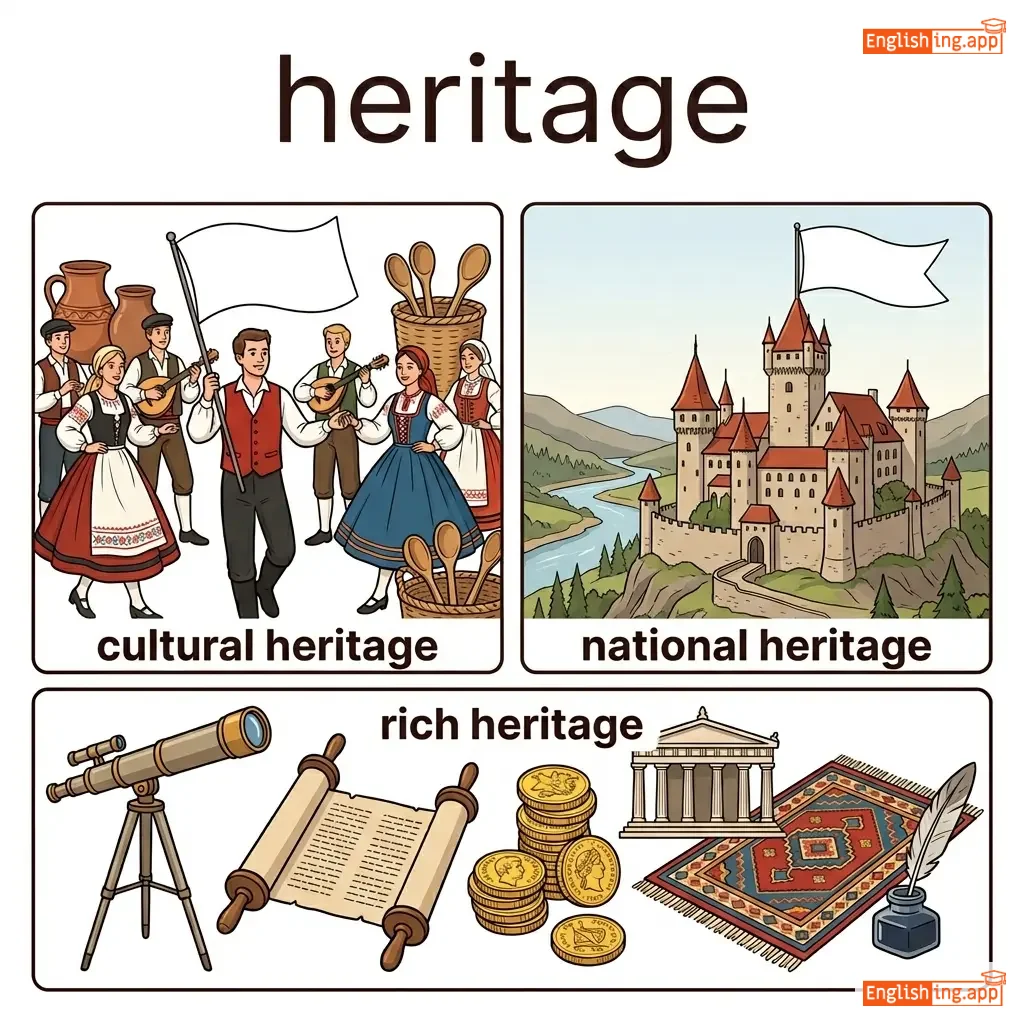
features belonging to the culture of a particular society that are passed down from previous generations
••••••
|
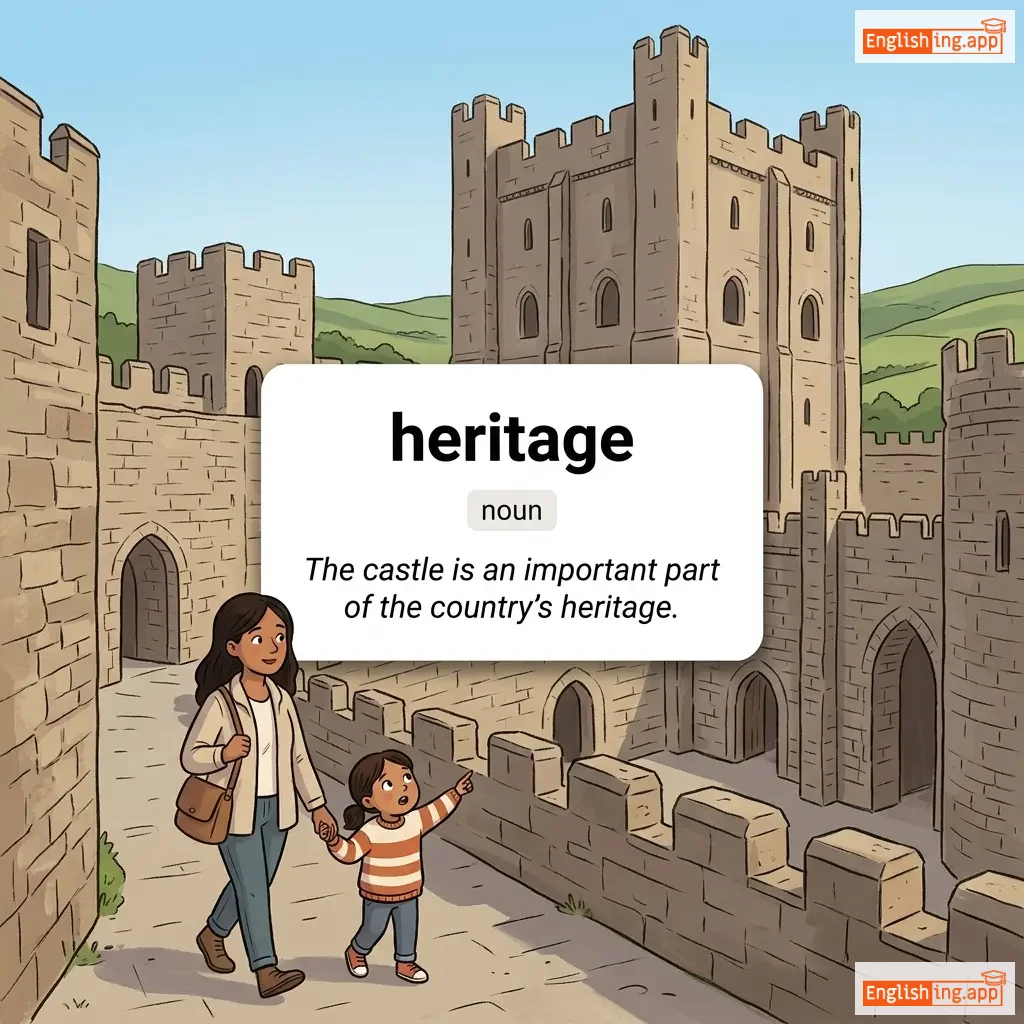
The ancient castle is an important part of the country's cultural heritage and attracts many tourists.
这座古老的城堡是该国文化遗产的重要部分,吸引了许多游客。
••••••
|
这座古老的城堡是该国文化遗产的重要部分,吸引了许多游客。
Zhe zuo gulao de chengbao shi gai guo wenhua yichan de zhongyao bufen, xiyin le xuduo youke.
••••••
|
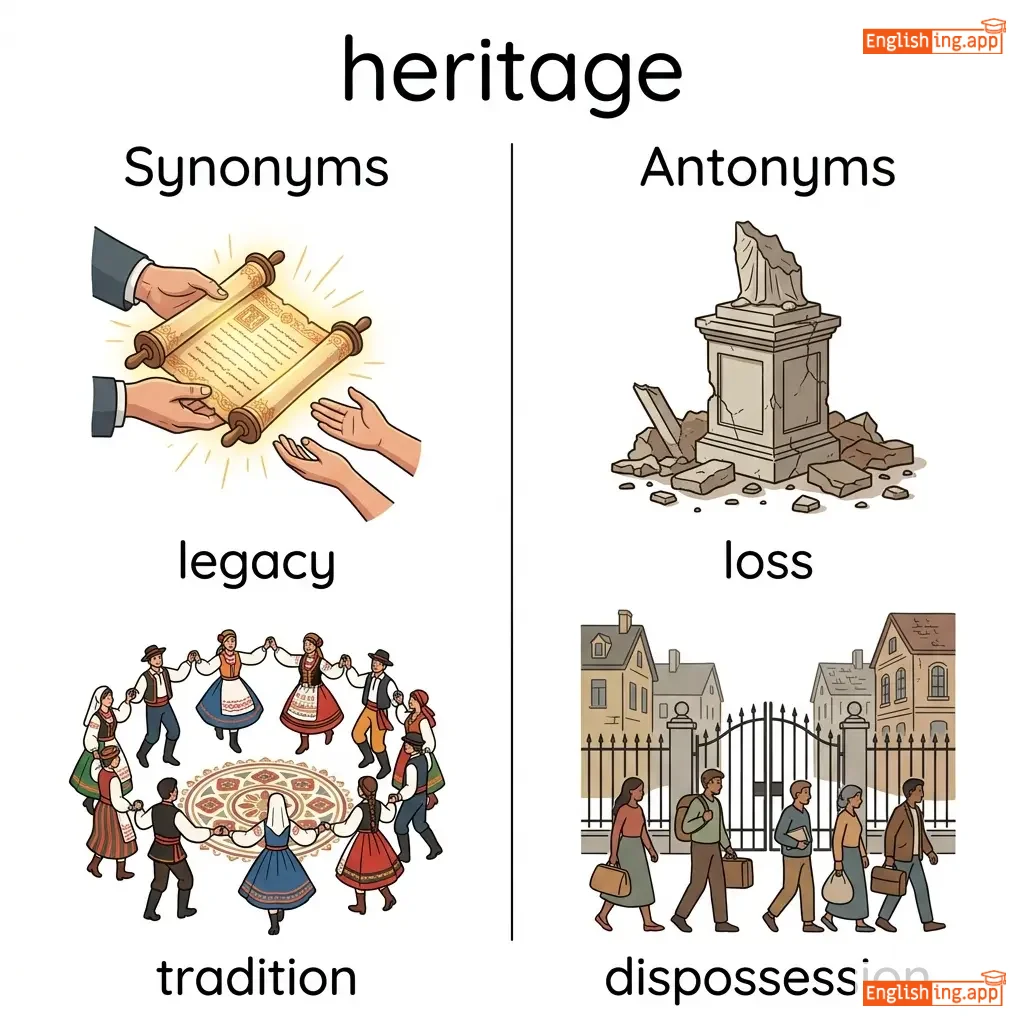
tradition, legacy, inheritance, culture
••••••
|
innovation, modernity, novelty, break from tradition
••••••
|
cultural heritage, world heritage, heritage site
••••••
|
遗产 (yichan) - 想象它是代代相传的文化财富。
••••••
|
|
#588
🕳️
|
/hoʊl/
noun
(hòuěr)
••••••
|
- •••••• |
洞; 孔;
dong, kong
••••••
|
a hollow place in a solid body or surface; an opening through something
••••••
|
The dog dug a deep hole in the backyard to bury its favorite bone. |
那只狗在后院挖了一个深洞来埋它最喜欢的骨头。
Na zhi gou zai houyuan wa le yi ge shen dong lai mai ta zui xihuan de gutou.
••••••
|
opening, cavity, gap, pit
••••••
|
solid, bump, protrusion, surface
••••••
|
deep hole, hole in the wall, make hole
••••••
|
洞是狗在后院挖的坑,埋它的骨头。
••••••
|
|
#589
🏕️
|
/ˈhɜː.mɪt/
noun
(隐士)
••••••
|
- •••••• |
作为宗教修行生活在孤独中的人;远离社会的人
zuòwéi zōngjiào xiūxíng shēnghuó zài gūdú zhōng de rén; yuǎnlí shèhuì de rén
••••••
|
a person living in solitude as a religious discipline; someone who withdraws from society
••••••
|
The old hermit lived alone in a small cabin deep in the mountains, away from civilization. |
这位年老的隐士住在山中的一间小屋里,远离文明。
Zhè wèi niánlǎo de yǐnshì zhù zài shānzhōng de yī jiān xiǎowū lǐ, yuǎnlí wénmíng.
••••••
|
recluse, ascetic, solitary, loner
••••••
|
socialite, extrovert, community person, gregarious person
••••••
|
mountain hermit, religious hermit, old hermit
••••••
|
隐士即孤独的修行者,远离社会,生活在大自然中。
••••••
|
|
#590
🙏
|
/ˈhɑː.mɪdʒ/
noun
(huò mà jié)
••••••
|
- •••••• |
致敬; 尊敬; 颂扬
zhì jìng, zūn jìng, sòng yáng
••••••
|
special honor or respect shown publicly; tribute paid to someone in recognition of their merit
••••••
|
The memorial service was a touching homage to the brave soldiers who sacrificed their lives. |
纪念活动是对那些为国捐躯的勇敢士兵的感人致敬。
Jinian huodong shi dui naxie wei guo juanqu de yonggan shibing de ganren zhijing.
••••••
|
tribute, honor, respect, reverence
••••••
|
disrespect, dishonor, insult, contempt
••••••
|
pay homage, homage to heroes, touching homage
••••••
|
致敬是对英雄的敬意,就像对牺牲的士兵致敬
••••••
|
|
#591
🤔
|
/ˌhez.ɪˈteɪ.ʃən/
noun
(犹豫)
••••••
|
- •••••• |
犹豫; 疑虑
youyu, yilu
••••••
|
the action of pausing or delaying; uncertainty or unwillingness to act
••••••
|
After a moment of hesitation, she decided to accept the challenging job offer from the company.
经过片刻的犹豫后,她决定接受公司提出的挑战性工作机会。
••••••
|
经过片刻的犹豫后,她决定接受公司提出的挑战性工作机会。
jingguo pianke de youyu hou, ta jue ding jie shou gongsi tichu de tiaozhanxing gongzuo jihui.
••••••
|
doubt, uncertainty, pause, indecision
••••••
|
certainty, confidence, decisiveness, determination
••••••
|
without hesitation, moment of hesitation, show hesitation
••••••
|
Hesitation – 犹豫: 在做决定之前先犹豫一下。
••••••
|
|
#592
😢
|
/ˈhoʊm.sɪk/
adjective
(hǎom-sìk)
••••••
|
- •••••• |
想家; 离家的悲伤
xiǎng jiā; lí jiā de bēi shāng
••••••
|
experiencing a longing for one's home during a period of absence from it; missing home
••••••
|
After three months studying abroad, Maria felt increasingly homesick for her family.
在国外学习三个月后,玛丽亚越来越想念她的家人。
••••••
|
在国外学习三个月后,玛丽亚越来越想念她的家人。
Zài guówài xuéxí sān gè yuè hòu, Mǎlìyà yuè lái yuè xiǎngniàn tā de jiārén.
••••••
|
nostalgic, longing, yearning, missing home
••••••
|
content, settled, comfortable, at home
••••••
|
feel homesick, homesick student, getting homesick
••••••
|
In Chinese, '想家' (xiǎng jiā) refers to homesickness, literally 'missing home.'
••••••
|
|
#593
🌟
|
/ˈheɪ.deɪ/
noun
(嘿 戴)
••••••
|
- •••••• |
黄金时期; 最辉煌的时刻; 顶峰时期
huángjīn shíqī; zuì huīhuáng de shíkè; dǐngfēng shíqī
••••••
|
the period of a person's or thing's greatest success, popularity, or vigor; prime time
••••••
|
During her heyday as a singer, she performed in sold-out concerts around the world. |
在她作为歌手的黄金时期,她在全球的售罄音乐会上表演。
Zài tā zuòwéi gēshǒu de huángjīn shíqī, tā zài quánqiú de shòu qìng yīnyuè huì shàng biǎoyǎn.
••••••
|
prime, golden age, peak, zenith
••••••
|
decline, downfall, nadir, low point
••••••
|
in heyday, heyday of success, past heyday
••••••
|
黄金时期就像你的'嘿 戴'—巅峰时刻。
••••••
|
|
#594
⚖️
|
/ˈhɑː.mɪ.saɪd/
noun
(凶杀)
••••••
|
- •••••• |
谋杀
mousha
••••••
|
the deliberate and unlawful killing of one person by another; murder
••••••
|
The detective was assigned to investigate the homicide that occurred downtown last night. |
侦探被指派调查昨晚发生在市中心的谋杀案。
Zhentan bei zhipai diaocha zuowan fasheng zai shizhongxin de mousha'an.
••••••
|
murder, killing, manslaughter, assassination
••••••
|
protection, preservation, life-saving, rescue
••••••
|
homicide investigation, homicide detective, commit homicide
••••••
|
No •••••• |
|
#595
👑
|
/ˈhaɪ.nəs/
noun
(hāi nài sī)
••••••
|
- •••••• |
陛下; 王室头衔
bì xià, wáng shì tóu xián
••••••
|
a title given to a person of royal rank; the quality or state of being high or elevated
••••••
|
Your Highness, the royal carriage is ready to take you to the state banquet this evening. |
陛下,皇家马车已准备好将您带到今晚的国宴。
Bì xià, huángjiā mǎchē yǐ zhǔnbèi hǎo jiāng nín dàodào jīnwǎn de guó yàn.
••••••
|
majesty, excellence, nobility, royalty
••••••
|
lowliness, commoner status, humbleness, ordinary rank
••••••
|
Your Highness, Royal Highness, address Highness
••••••
|
陛下 = 王室头衔 + 高贵
••••••
|
|
#596
⛪
|
/ˈhɑː.mə.li/
noun
(hóu mí lì)
••••••
|
|
布道; 乏味的道德讲座
budao; fawèi de dàodé jiǎngzuò
••••••
|
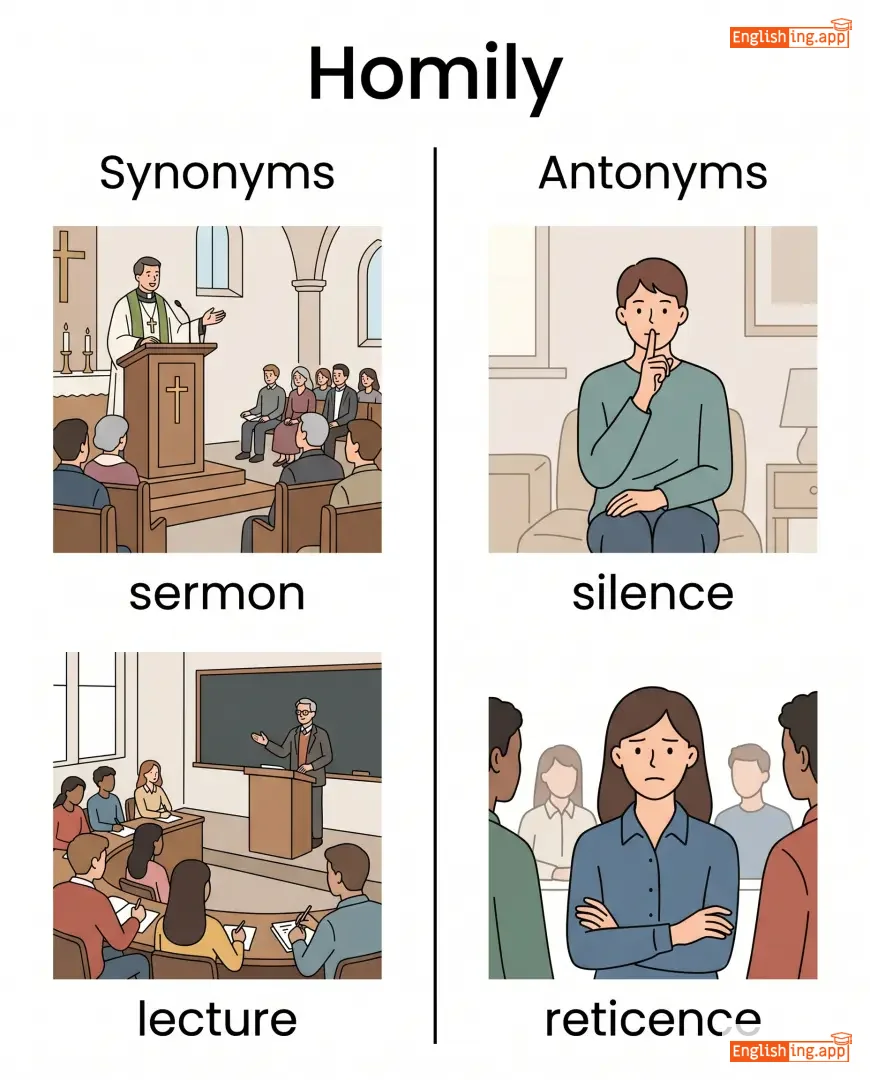
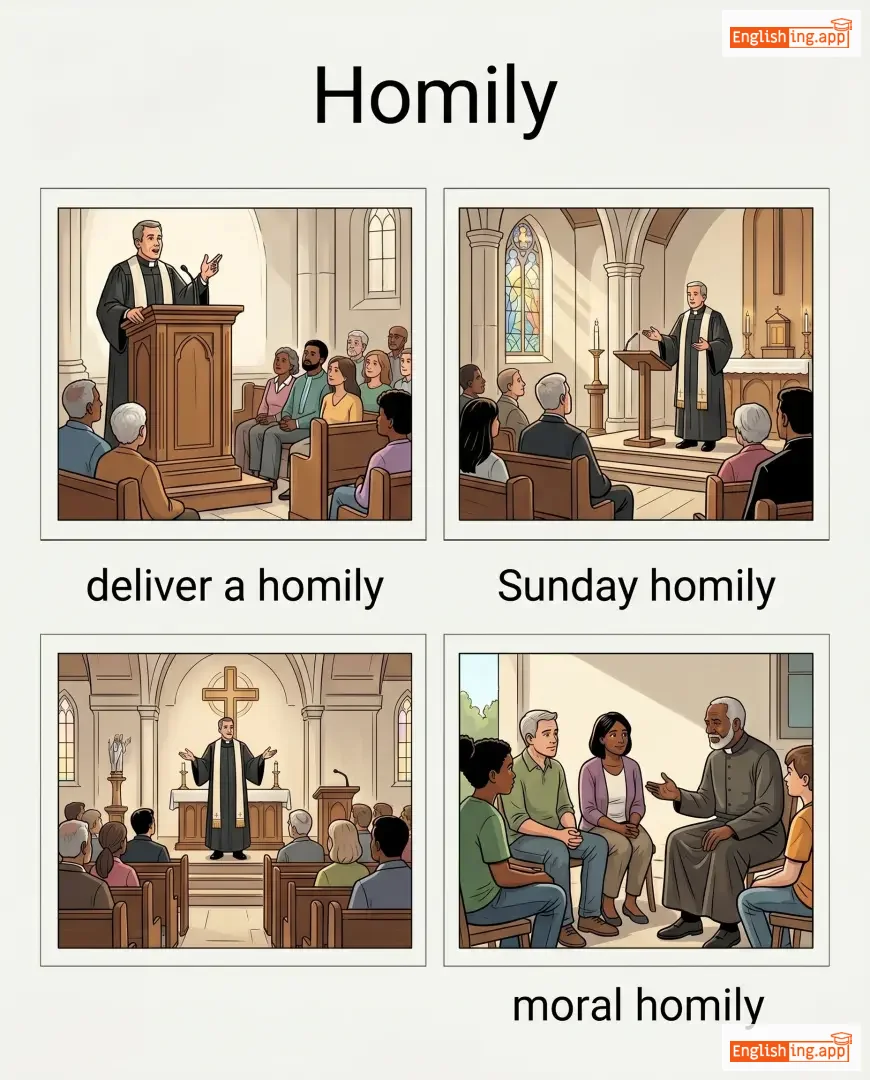
a religious discourse delivered as part of a church service; a tedious moralizing lecture
••••••
|
The priest delivered an inspiring homily about compassion and forgiveness during Sunday service. |
牧师在星期天的礼拜中发表了关于同情和宽恕的鼓舞人心的布道。
Mùshī zài xīngqītiān de lǐbài zhōng fābiǎo le guānyú tóngqíng hé kuānshù de gǔwǔ rénxīn de bùdào.
••••••
|
sermon, lecture, discourse, preaching
••••••
|
silence, quiet, wordlessness, muteness
••••••
|
Sunday homily, inspiring homily, deliver homily
••••••
|
布道 = 带来道德启示,帮助他人。
••••••
|
|
#597
🏔️
|
/hɪl/
noun
(希尔)
••••••
|
- •••••• |
小山丘; 山岗
xiaoshanqiu, shangan
••••••
|
a naturally raised area of land, not as high or craggy as a mountain
••••••
|
The children enjoyed rolling down the grassy hill behind their house during summer vacation. |
孩子们在夏季假期中,喜欢在他们家后面的草坡上滚下来。
Haizimen zai xiaji jiaqi zhong, xihuan zai tamen jia houbian de caopo shang gun xiala.
••••••
|
mound, elevation, rise, slope
••••••
|
valley, depression, hollow, plain
••••••
|
rolling hills, steep hill, grassy hill
••••••
|
小山丘(Hill)虽然不高,但在上面玩得很开心!
••••••
|
|
#598
😱
|
/ˈhɔːr.ər/
noun
(恐怖)
••••••
|
- •••••• |
恐怖; 强烈的恐惧感; 厌恶
kǒngbù, qiángliè de kǒngjù gǎn, yànwù
••••••
|
an intense feeling of fear, shock, or disgust; something that causes such feelings
••••••
|
The survivors described the horror of the earthquake that destroyed their entire village.
幸存者描述了地震的恐怖,地震摧毁了他们整个村庄。
••••••
|
幸存者描述了地震的恐怖,地震摧毁了他们整个村庄。
Xìngcún zhě miáoshùle dìzhèn de kǒngbù, dìzhèn cuīhuǐle tāmen zhěnggè cūnzhuāng.
••••••
|
terror, fear, dread, nightmare
••••••
|
delight, pleasure, joy, comfort
••••••
|
horror movie, horror story, in horror
••••••
|
恐怖的感觉如同大地震的破坏般深刻且难以忍受。
••••••
|
|
#599
🚧
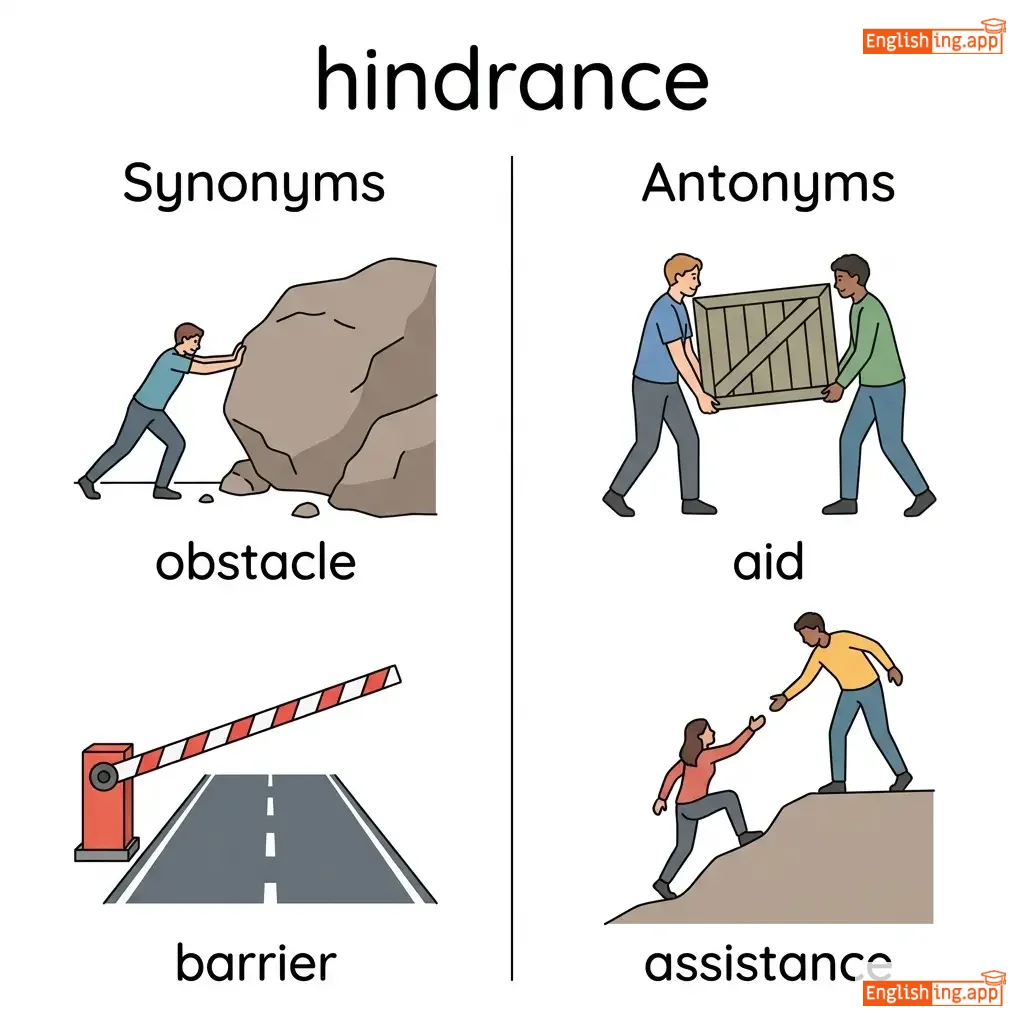
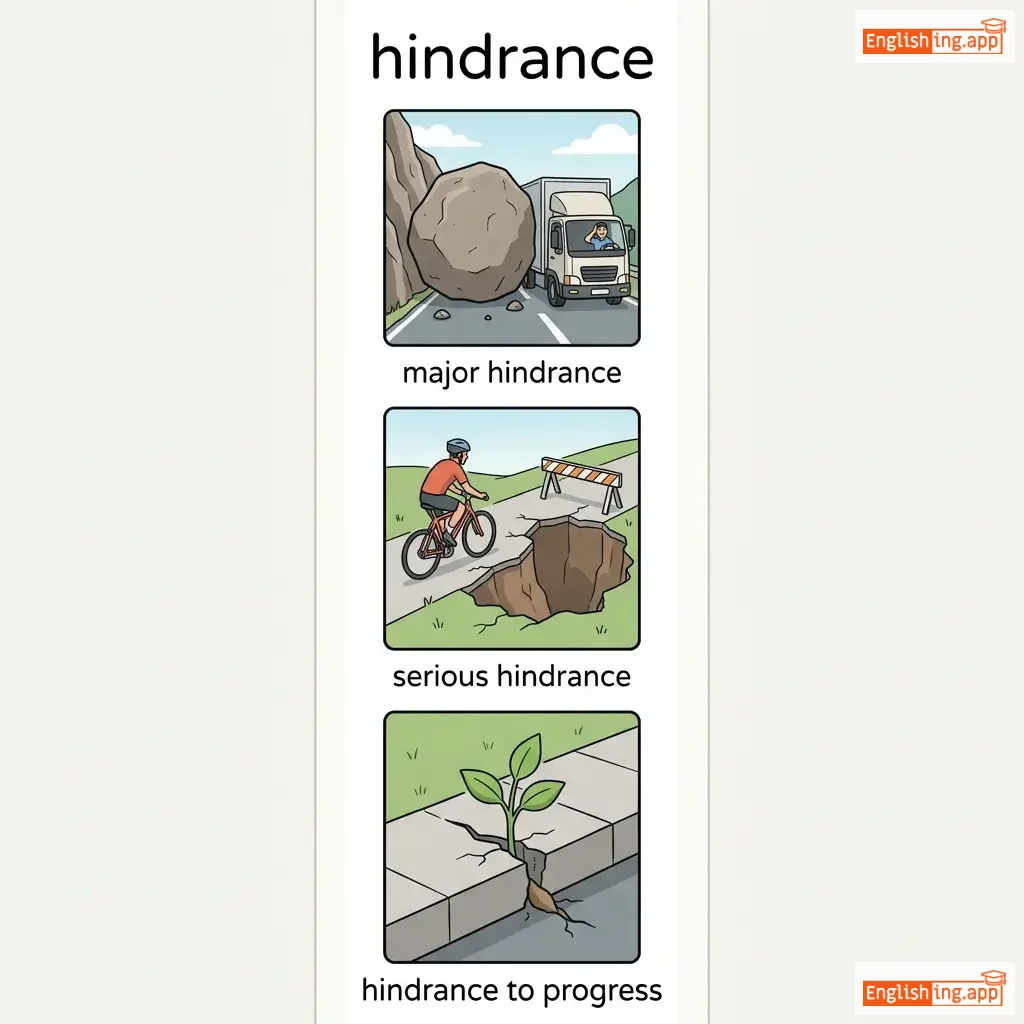
|
/ˈhɪn.drəns/
noun
(hin drens)
••••••
|
|
障碍; 阻碍;
zhang'ai, zu'ai
••••••
|
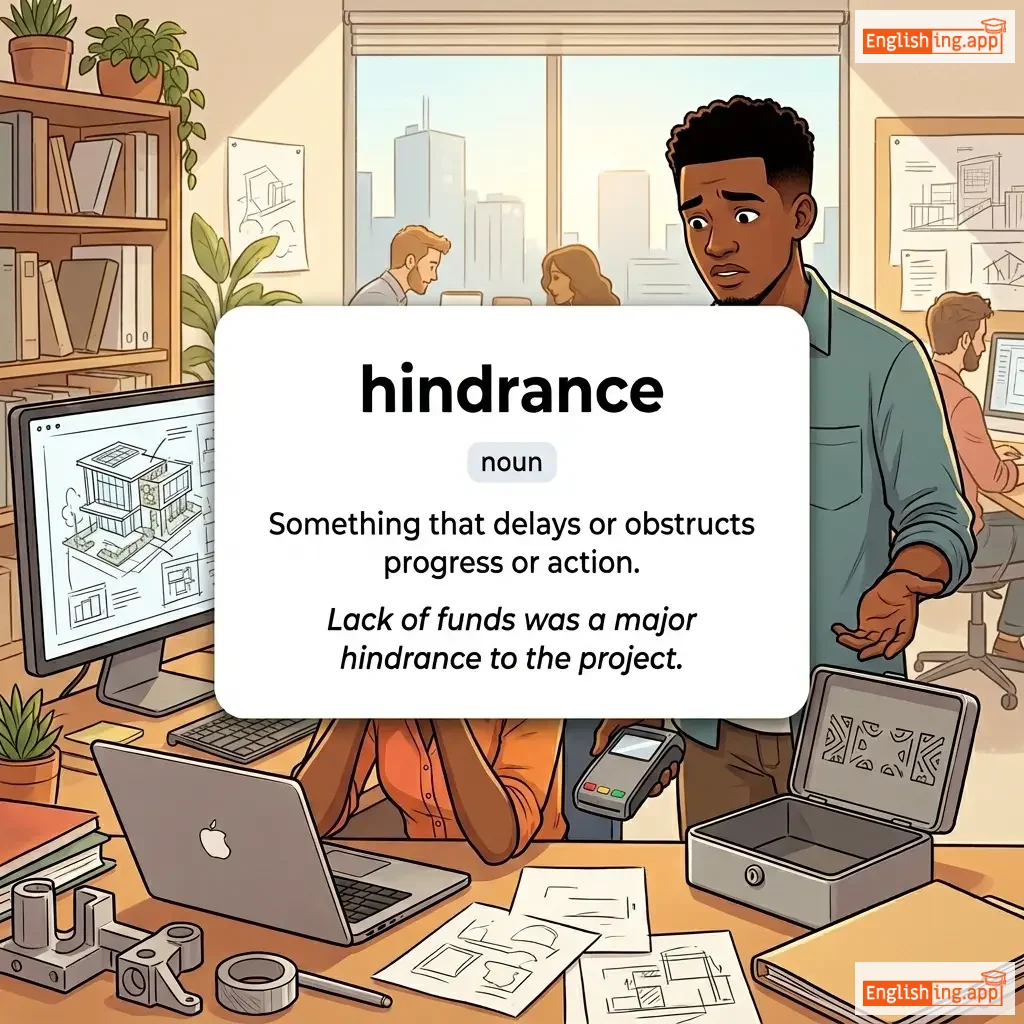
a thing that provides resistance, delay, or obstruction to something or someone
••••••
|
The heavy rain proved to be a major hindrance to the outdoor wedding ceremony. |
大雨证明是户外婚礼仪式的一个重大障碍。
Dayu zhengming shi huwai hunli yishi de yi ge zhongda zhua'ai.
••••••
|
obstacle, barrier, impediment, obstruction
••••••
|
help, assistance, facilitation, support
••••••
|
major hindrance, without hindrance, overcome hindrance
••••••
|
‘hin drens’像‘障碍’一样,是一种妨碍的存在。
••••••
|
|
#600
🏠
|
/ˌhɑː.spɪˈtæl.ə.ti/
noun
(待客之道)
••••••
|
- •••••• |
待客之道
daike zhidao
••••••
|
the friendly and generous reception and entertainment of guests or strangers
••••••
|
The hotel staff's exceptional hospitality made our vacation truly memorable and enjoyable.
酒店员工的热情好客让我们的假期变得非常难忘和愉快。
••••••
|
酒店员工的热情好客让我们的假期变得非常难忘和愉快。
Jiudian yuangong de rexing haoke rang women de jiari biande feichang nanwang he yukuai.
••••••
|
welcome, generosity, warmth, kindness
••••••
|
hostility, rudeness, coldness, inhospitality
••••••
|
warm hospitality, hospitality industry, show hospitality
••••••
|
待客之道是一种热情好客的精神,让每位客人都感到宾至如归。
••••••
|
Vocabulary Quiz
Test your vocabulary by matching words with their translations or meanings.
Login to take the quiz
Comments (0)
Share your thoughts and join the discussion.
Join the discussion by logging in
Login to CommentNo comments yet
Be the first to share your thoughts!