


Swipe left or right, or use the buttons. Tap image to zoom.
例句翻译
单词
Lesson 4Lesson 4 - 遮罩切换
|
表情符号
|
单词 | Images | 翻译 | 含义 | 例句 | 例句翻译 | 同义词 | 反义词 | 搭配词 | 助记符 |
|---|---|---|---|---|---|---|---|---|---|---|
|
#61
🚧
|
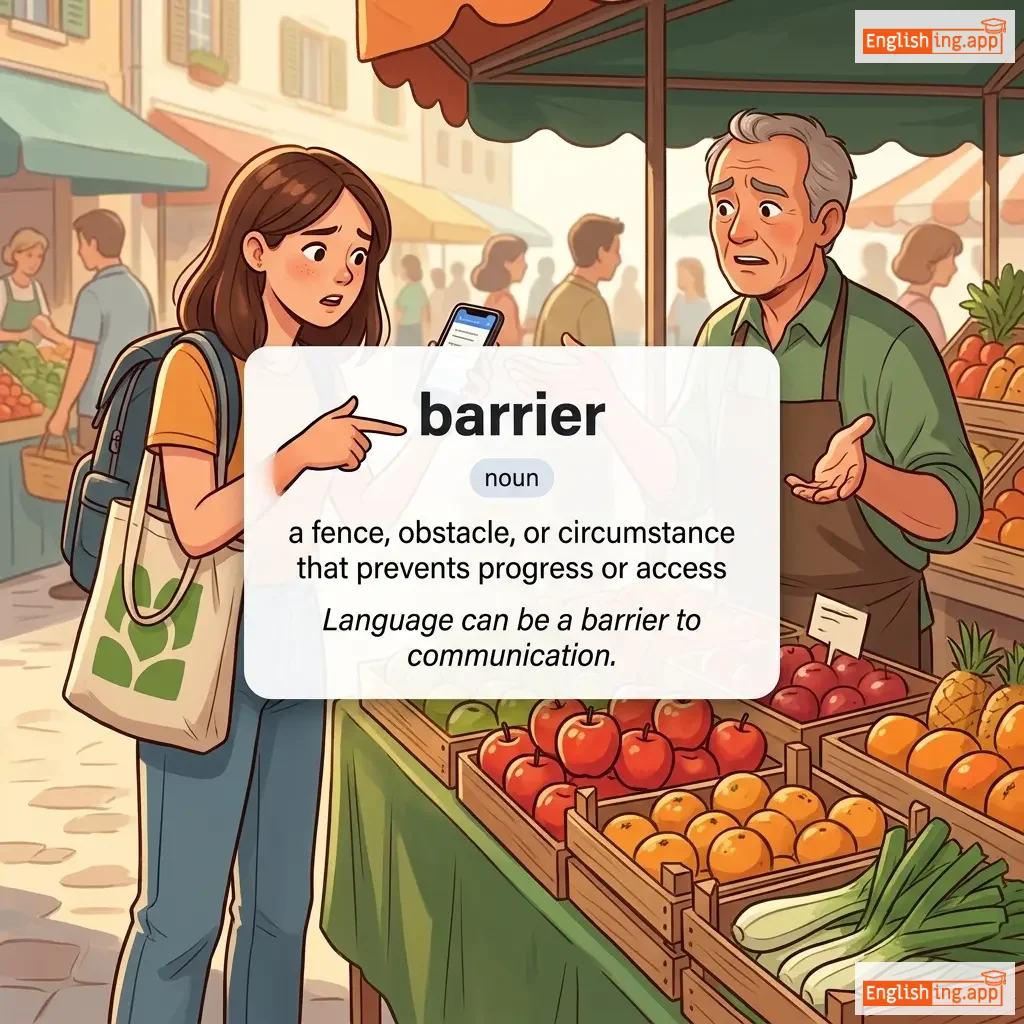
/ˈbær.i.ər/
noun
(bǎi lì ěr)
••••••
|
|
障碍
zhàng'ài
••••••
|
something that blocks or prevents movement or progress
••••••
|
The language barrier made communication difficult.
语言障碍使沟通变得困难。
••••••
|
语言障碍使沟通变得困难。
Yǔyán zhàng'ài shǐ gōutōng biàn dé kùnnán.
••••••
|
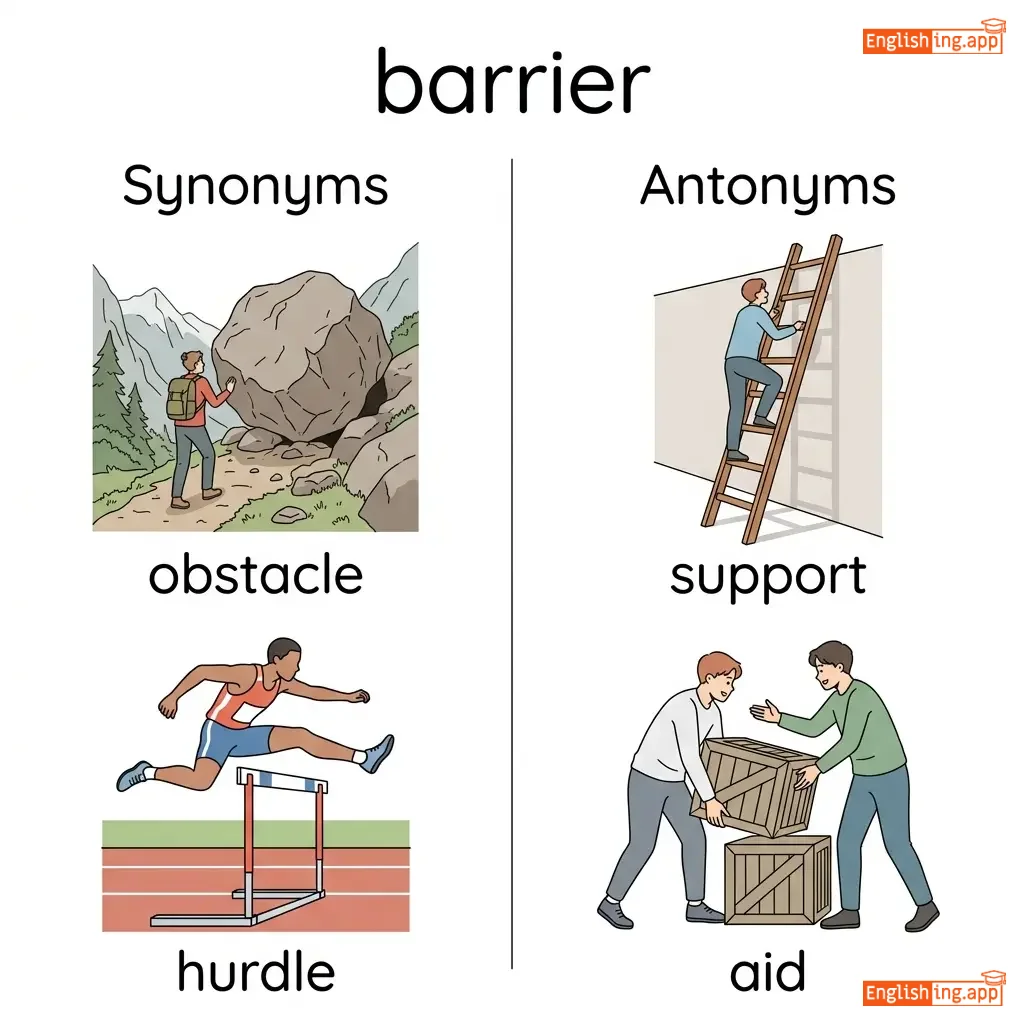
obstacle, blockade, hurdle, impediment
••••••
|
opening, gateway, passage
••••••
|
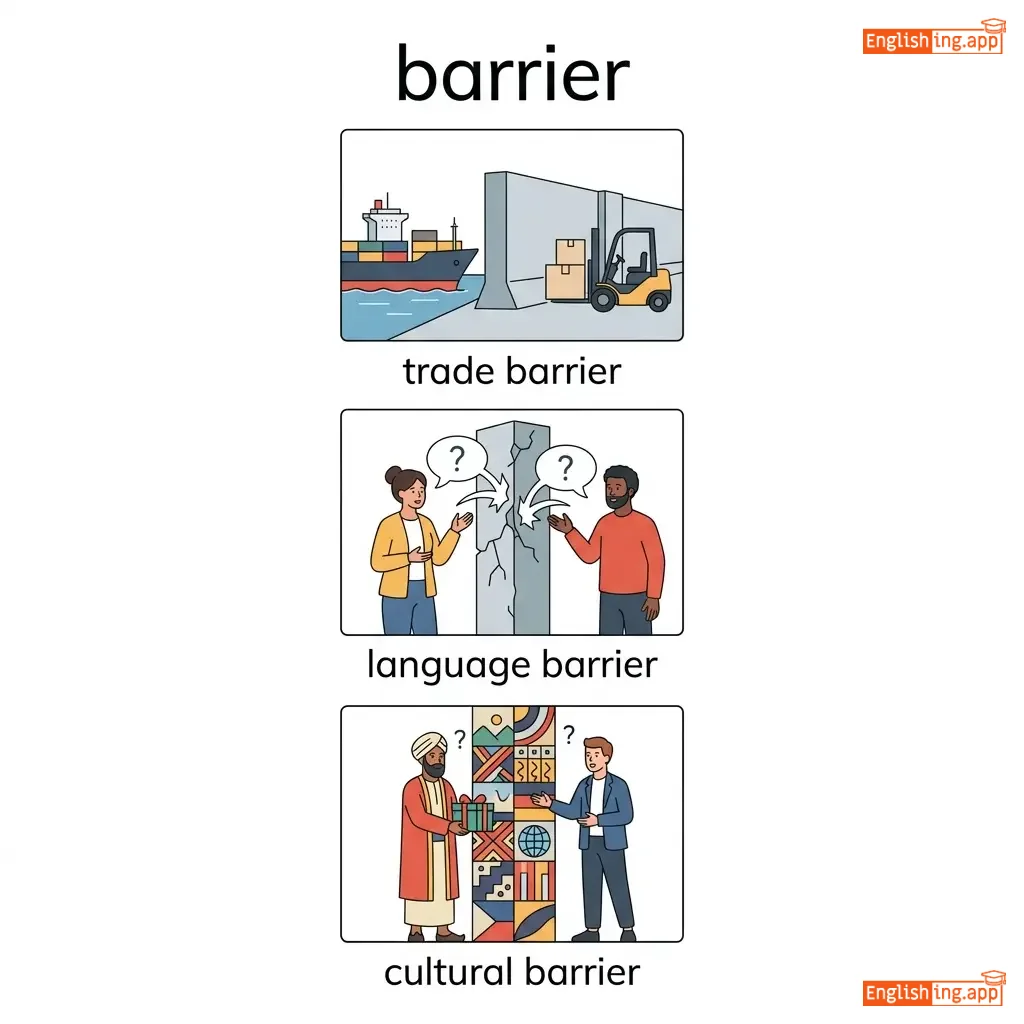
language barrier, trade barrier, sound barrier
••••••
|
障碍 (zhàng'ài) 阻挡了前进的路。
••••••
|
|
#62
🙏
|
/bɪˈliːf/
noun
(bɪˈliːf)
••••••
|
- •••••• |
信念; 信任
xìnniàn, xìnrèn
••••••
|
confidence in the truth or existence of something; trust or faith
••••••
|
His belief in justice never wavered. |
他对正义的信念从未动摇。
Tā duì zhèngyì de xìnniàn cóng wèi dòngyáo.
••••••
|
faith, trust, conviction, confidence
••••••
|
disbelief, doubt, skepticism, mistrust
••••••
|
religious belief, strong belief, personal belief, belief system
••••••
|
Chinese 'xìnniàn' and 'xìnrèn' show belief and trust in English.
••••••
|
|
#63
👻
|
/ˈbiː.ɪŋ/
noun
(bɪˈɪŋ)
••••••
|
- •••••• |
存在;一个生物;存在的状态
cunzai, yi ge shengwu, cunzai de zhuangtai
••••••
|
existence; a living creature; the state of existing
••••••
|
Every human being deserves respect and dignity. |
每个人类都有尊严和尊重的权利。
Mei ge renlei dou you zunyan he zhongzhong de quanli.
••••••
|
existence, creature, entity, life form
••••••
|
non-existence, void, nothingness
••••••
|
human being, living being, Supreme Being, well-being
••••••
|
Being means 'cunzai' in Chinese, think 'cunzai' like 'existence'.
••••••
|
|
#64
🎭
|
/bɪˈheɪ.vjər/
noun
(bɪˈheɪvjər)
••••••
|
- •••••• |
行为
xíngwéi
••••••
|
the way a person or animal acts or conducts themselves
••••••
|
His behaviour at the meeting was very professional.
他在会议上的行为非常专业。
••••••
|
他在会议上的行为非常专业。
Tā zài huìyì shàng de xíngwéi fēicháng zhuānyè.
••••••
|
conduct, manner, attitude, deportment
••••••
|
misbehaviour, misconduct
••••••
|
good behaviour, bad behaviour, social behaviour, animal behaviour
••••••
|
行为意味着一个人的行动,如在会议中表现得专业。
••••••
|
|
#65
🔥
|
/ˈbed.ləm/
noun
(贝德拉姆)
••••••
|
- •••••• |
混乱;嘈杂的混乱
hùnluàn; cáozā de hùnluàn
••••••
|
a scene of noisy confusion; chaos and disorder
••••••
|
The classroom was complete bedlam after the fire alarm.
火灾警报后,教室变得完全混乱。
••••••
|
火灾警报后,教室变得完全混乱。
Huǒzāi jǐngbào hòu, jiàoshì biàn dé wánquán hùnluàn.
••••••
|
chaos, mayhem, pandemonium, uproar
••••••
|
order, peace, calm, tranquility
••••••
|
complete bedlam, absolute bedlam, bedlam breaks out
••••••
|
Imagine a classroom after a fire alarm, filled with chaos and confusion.
••••••
|
|
#66
✨
|
/ˈbjuː.ti/
noun
(bjuːti)
••••••
|
- •••••• |
美丽
meili
••••••
|
the quality of being pleasing to look at; attractiveness
••••••
|
The beauty of the sunset took my breath away.
夕阳的美丽让我屏住了呼吸。
••••••
|
夕阳的美丽让我屏住了呼吸。
Xiyang de meili rang wo ping zhu le huxi.
••••••
|
attractiveness, elegance, charm, loveliness
••••••
|
ugliness, plainness, unsightliness
••••••
|
natural beauty, inner beauty, beauty contest, beauty salon
••••••
|
Beauty = 美丽 (Like how beautiful sunsets are in Chinese).
••••••
|
|
#67
👤
|
/ˈbeə.rər/
noun
(贝尔尔)
••••••
|
- •••••• |
持有者;文件持有者
chí yǒu zhě; wén jiàn chí yǒu zhě
••••••
|
a person who carries or brings something; holder of a document
••••••
|
The bearer of this message must deliver it quickly. |
这个信息的持有者必须快速送达它。
Zhège xìnxī de chí yǒu zhě bìxū kuàisù sòng dá tā.
••••••
|
carrier, messenger, holder, porter
••••••
|
receiver, recipient
••••••
|
message bearer, torch bearer, bearer bond, standard bearer
••••••
|
In Chinese, '持有者' means 'holder', similar to the English word 'bearer'.
••••••
|
|
#68
📿
|
/biːd/
noun
(bíd)
••••••
|
- •••••• |
珠子
zhuzi
••••••
|
a small round object with a hole through it for threading
••••••
|
She made a necklace with colorful beads. |
她用彩色的珠子做了项链。
Ta yong caise de zhuzi zuo le xianglian.
••••••
|
pearl, ball, sphere, ornament
••••••
|
flat disc, square piece
••••••
|
prayer beads, glass beads, bead necklace, wooden beads
••••••
|
In Chinese, '珠子' means beads, small but valuable for making jewelry.
••••••
|
|
#69
🛁
|
/bɑːθ/
noun
(bæθ)
••••••
|
- •••••• |
浴缸; 洗澡
yugang, xizao
••••••
|
the act of washing one's body; a container for bathing
••••••
|
I take a hot bath every evening. |
我每天晚上洗热水澡。
Wo mei tian wan shang xi re shui zao.
••••••
|
wash, bathing, soak
••••••
|
shower, quick wash
••••••
|
hot bath, bubble bath, bath towel, bath time
••••••
|
想象一个温暖的浴缸让你感到舒适。
••••••
|
|
#70
🏠
|
/ˈbeɪs.mənt/
noun
(bèi sī mèn tì)
••••••
|
- •••••• |
地下室
dixiashi
••••••
|
the lowest floor of a building, typically below ground level
••••••
|
We store old furniture in the basement. |
我们把旧家具存放在地下室。
Women ba jiu jiaju cunfang zai dixiashi.
••••••
|
cellar, underground floor, lower level
••••••
|
attic, top floor, upper level
••••••
|
basement apartment, basement stairs, basement storage
••••••
|
地下室是最冷的地方
••••••
|
|
#71
✅
|
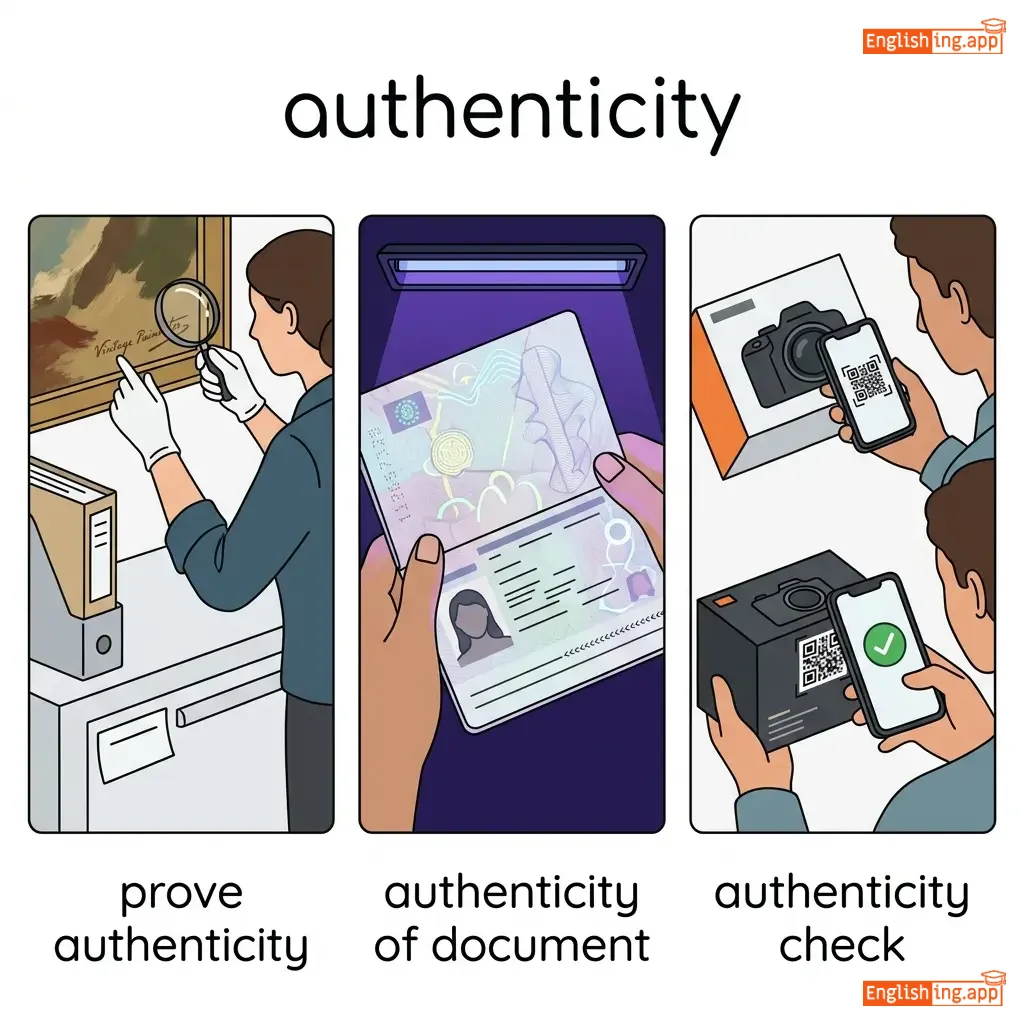
/ɔːˌθenˈtɪsɪti/
noun
(真实性)
••••••
|
|
真实性
zhēnshíxìng
••••••
|
the quality of being genuine or real; not copied or false
••••••
|
The authenticity of the ancient artifact was confirmed by experts. |
古代文物的真实性已由专家确认。
Gǔdài wénwù de zhēnshíxìng yǐ yóu zhuānjiā quèrèn.
••••••
|
genuineness, validity, legitimacy
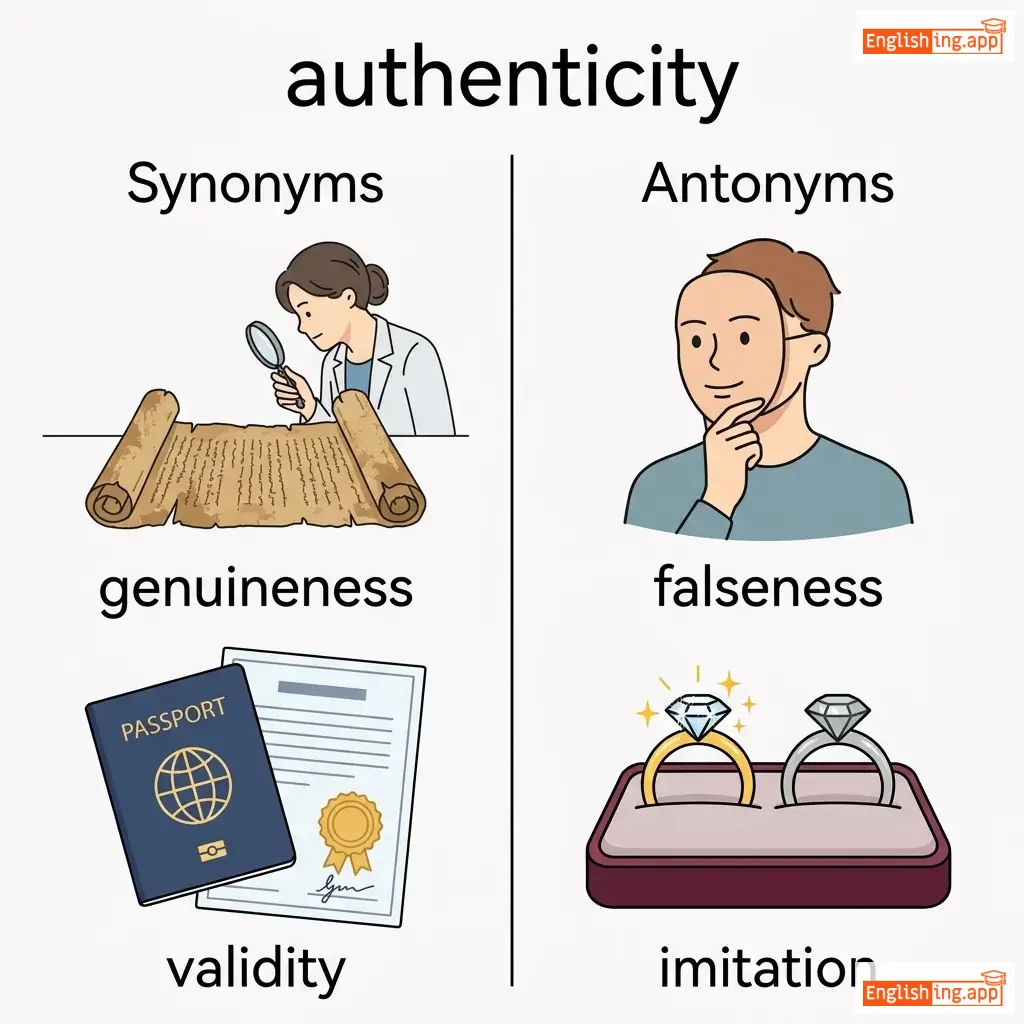
••••••
|
falseness, artificiality, counterfeit
••••••
|
authentic document, verify authenticity, question authenticity
••••••
|
Authenticity in Chinese: '真实性' sounds like 'genuine reality'.
••••••
|
|
#72
😡
|
/ˈbɑːrbərɪzəm/
noun
(野蛮主义)
••••••
|
- •••••• |
野蛮
yěmán
••••••
|
extreme cruelty or brutality; absence of culture and civilization
••••••
|
The barbarism of the war crimes shocked the entire international community.
战争罪行的野蛮行为震惊了整个国际社会。
••••••
|
战争罪行的野蛮行为震惊了整个国际社会。
Zhànzhēng zuìxíng de yěmán xíngwéi zhènjīngle zhěnggè guójì shèhuì.
••••••
|
brutality, savagery, cruelty, inhumanity
••••••
|
civilization, culture, refinement, humanity
••••••
|
acts of barbarism, moral barbarism, prevent barbarism
••••••
|
野蛮 (yěmán) = Barbarism
••••••
|
|
#73
⚔️
|
/bɑːrˈbeəriən/
noun
(巴尔巴里安)
••••••
|
- •••••• |
野蛮人; 未开化者;
yěmán rén; wèi kāihuà zhě
••••••
|
a person from an uncivilized group; someone who is cruel or brutal
••••••
|
The ancient Romans considered anyone outside their empire to be barbarians.
古罗马人认为所有在他们帝国之外的人都是野蛮人。
••••••
|
古罗马人认为所有在他们帝国之外的人都是野蛮人。
Gǔ luómǎ rén rènwéi suǒyǒu zài tāmen dìguó zhī wài de rén dōu shì yěmán rén.
••••••
|
savage, brute, vandal, primitive
••••••
|
civilized person, cultured individual, refined person
••••••
|
ancient barbarian, savage barbarian, barbarian invasion
••••••
|
Barbarian = Yěmán rén + Wèi kāihuà zhě
••••••
|
|
#74
💸
|
/ˈbæŋkrʌpt/
noun
(bànkràpt)
••••••
|
- •••••• |
破产
pòchǎn
••••••
|
a person unable to pay debts; having no money; completely lacking in something
••••••
|
The company went bankrupt after years of poor financial management. |
公司在多年糟糕的财务管理后破产了。
Gōngsī zài duōnián zāogāo de cáiwù guǎnlǐ hòu pòchǎnle.
••••••
|
insolvent, broke, ruined, failed
••••••
|
solvent, wealthy, prosperous, rich
••••••
|
go bankrupt, declare bankrupt, morally bankrupt
••••••
|
No •••••• |
|
#75
💥
|
/bæŋ/
noun
(bæŋ)
••••••
|
- •••••• |
突然的响声; 强烈的撞击或打击
tūrán de xiǎngshēng; qiángliè de zhuàngjí huò dǎjí
••••••
|
a sudden loud noise; a hard blow or hit
••••••
|
The door closed with a loud bang that woke everyone up. |
门关上时发出一声巨响,吵醒了所有人。
Mén guān shàng shí fāchū yī shēng jù xiǎng, chǎo xǐngle suǒyǒu rén.
••••••
|
crash, thud, slam, boom
••••••
|
whisper, silence, quiet
••••••
|
loud bang, big bang, door bang
••••••
|
在中文中,'bang' 就是一个让大家都醒来的大响声。
••••••
|
|
#76
🧳
|
/ˈbæɡɪdʒ/
noun
(行李)
••••••
|
- •••••• |
行李; 个人物品;
xínglǐ; gèrén wùpǐn;
••••••
|
suitcases and bags containing personal belongings; past experiences or problems that affect behavior
••••••
|
Please collect your baggage from the conveyor belt at the airport.
请从机场的传送带上取回您的行李。
••••••
|
请从机场的传送带上取回您的行李。
Qǐng cóng jīchǎng de chuánsòngdài shàng qǔ huí nín de xínglǐ.
••••••
|
luggage, belongings, suitcases
••••••
|
emptiness, freedom
••••••
|
check baggage, carry-on baggage, excess baggage
••••••
|
行李 (xínglǐ) = 行 (xíng) + 物 (wù) = 旅行
••••••
|
|
#77
🤝
|
/ˈbækɪŋ/
noun
(贝金)
••••••
|
- •••••• |
支持
zhīchí
••••••
|
help or support; financial or material support
••••••
|
The project received backing from several major investors. |
该项目获得了多个主要投资者的支持。
Gāi xiàngmù huòdéle duō gè zhǔyào tóuzī zhě de zhīchí.
••••••
|
support, assistance, endorsement, funding
••••••
|
opposition, hindrance, obstruction
••••••
|
financial backing, strong backing, political backing
••••••
|
Backing in Chinese is '支持', meaning support.
••••••
|
|
#78
🖼️
|
/ˈbækɡraʊnd/
noun
(bækɡraʊnd)
••••••
|
- •••••• |
背景
bèijǐng
••••••
|
the circumstances or situation that form the setting; a person's education, experience, or social circumstances
••••••
|
She has a strong background in mathematics and computer science.
她在数学和计算机科学方面有着强大的背景。
••••••
|
她在数学和计算机科学方面有着强大的背景。
Tā zài shùxué hé jìsuànjī kēxué fāngmiàn yǒuzhe qiángdà de bèijǐng.
••••••
|
setting, context, history, experience
••••••
|
foreground, future, inexperience
••••••
|
educational background, family background, background check
••••••
|
背景就像个人的根基,决定了他们的教育和经验。
••••••
|
|
#79
👨🎓
|
/ˈbætʃələr/
noun
(巴切洛尔)
••••••
|
- •••••• |
单身汉; 拥有大学学位的人
dānshēn hàn; yǒngyǒu dàxué xuéwèi de rén
••••••
|
an unmarried man; a person who holds a first degree from a university
••••••
|
He remained a bachelor all his life and earned a bachelor's degree in engineering. |
他一生都保持单身,并获得了工程学位。
Tā yīshēng dōu bǎochí dānshēn, bìng huòdéle gōngchéng xuéwèi.
••••••
|
single man, graduate, degree holder
••••••
|
married man, husband
••••••
|
bachelor's degree, eligible bachelor, confirmed bachelor
••••••
|
想象你是一个单身汉,拥有一个大学学位,就像一个Bachelor。
••••••
|
|
#80
🧠
|
/əˈweənəs/
noun
(awareness)
••••••
|
|
意识
yishi
••••••
|
knowledge or understanding of a situation or subject at the present time
••••••
|
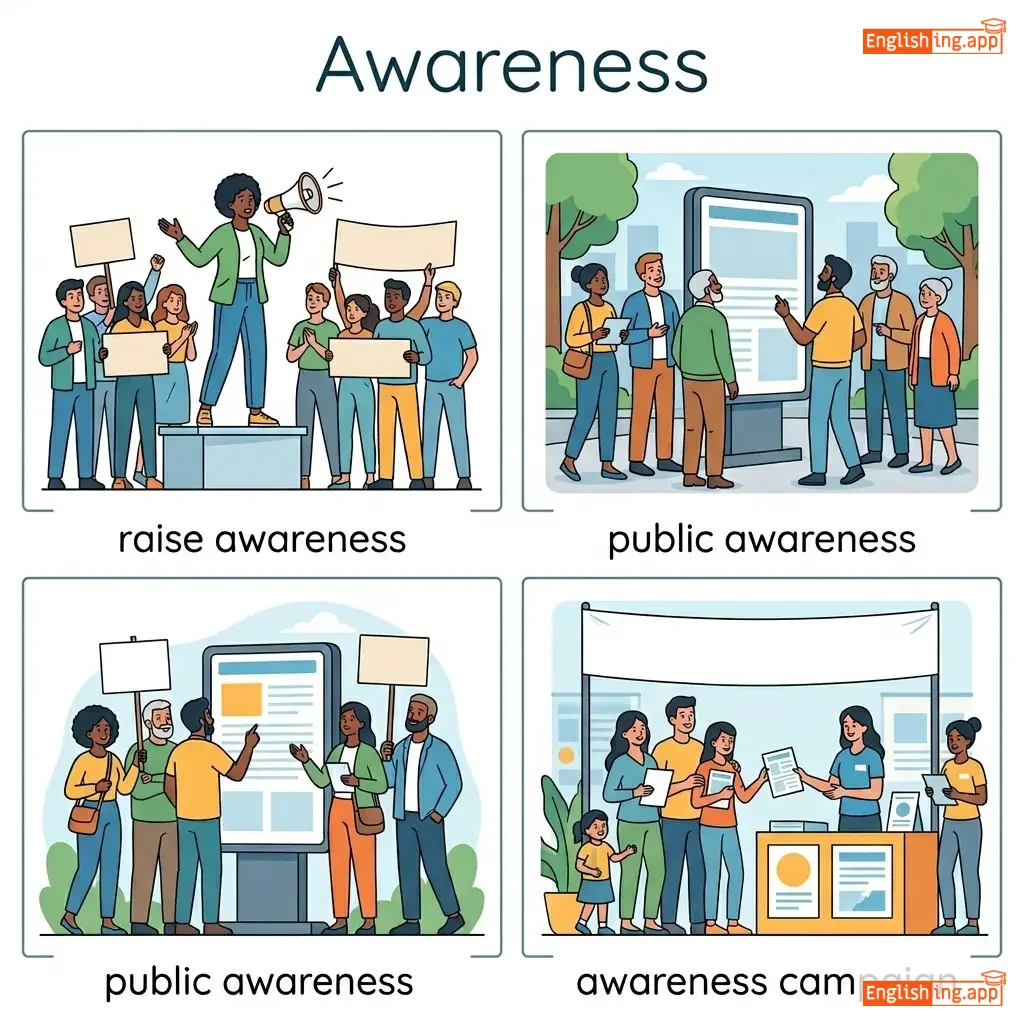
Public awareness about environmental issues has increased significantly. |
公众对环境问题的意识显著提高。
Gongzhong dui huanjing wenti de yishi xianzhu tigao.
••••••
|
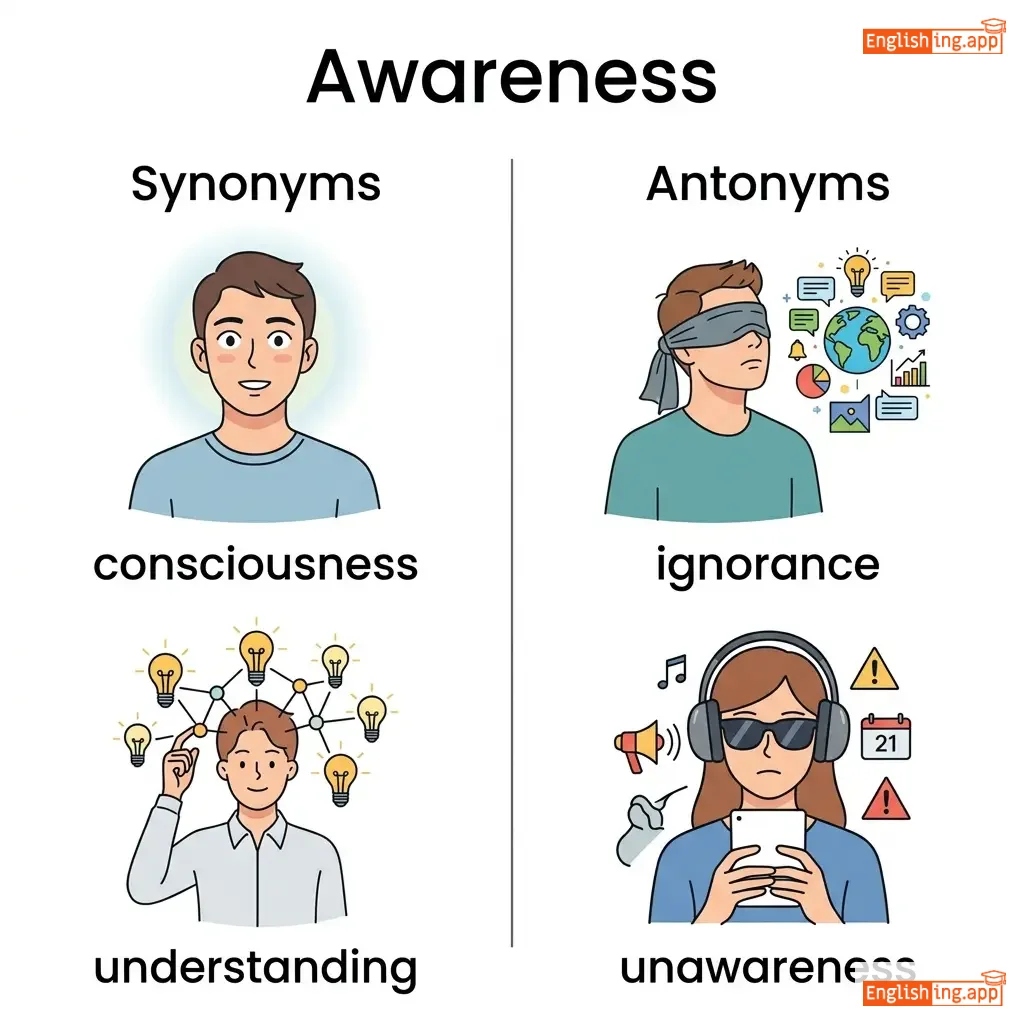
consciousness, knowledge, understanding
••••••
|
ignorance, unawareness, oblivion
••••••
|
raise awareness, public awareness, self-awareness
••••••
|
意识让你看见世界的真相
••••••
|
Vocabulary Quiz
Test your vocabulary by matching words with their translations or meanings.
Login to take the quiz
Comments (0)
Share your thoughts and join the discussion.
Join the discussion by logging in
Login to CommentNo comments yet
Be the first to share your thoughts!