



Swipe left or right, or use the buttons. Tap image to zoom.
例句翻译
单词
Lesson 35Lesson 35 - 遮罩切换
|
表情符号
|
单词 | Images | 翻译 | 含义 | 例句 | 例句翻译 | 同义词 | 反义词 | 搭配词 | 助记符 |
|---|---|---|---|---|---|---|---|---|---|---|
|
#681
🤸
|
/dʒʌmp/
noun
(跳)
••••••
|
|
跳跃
tiaoyue
••••••
|
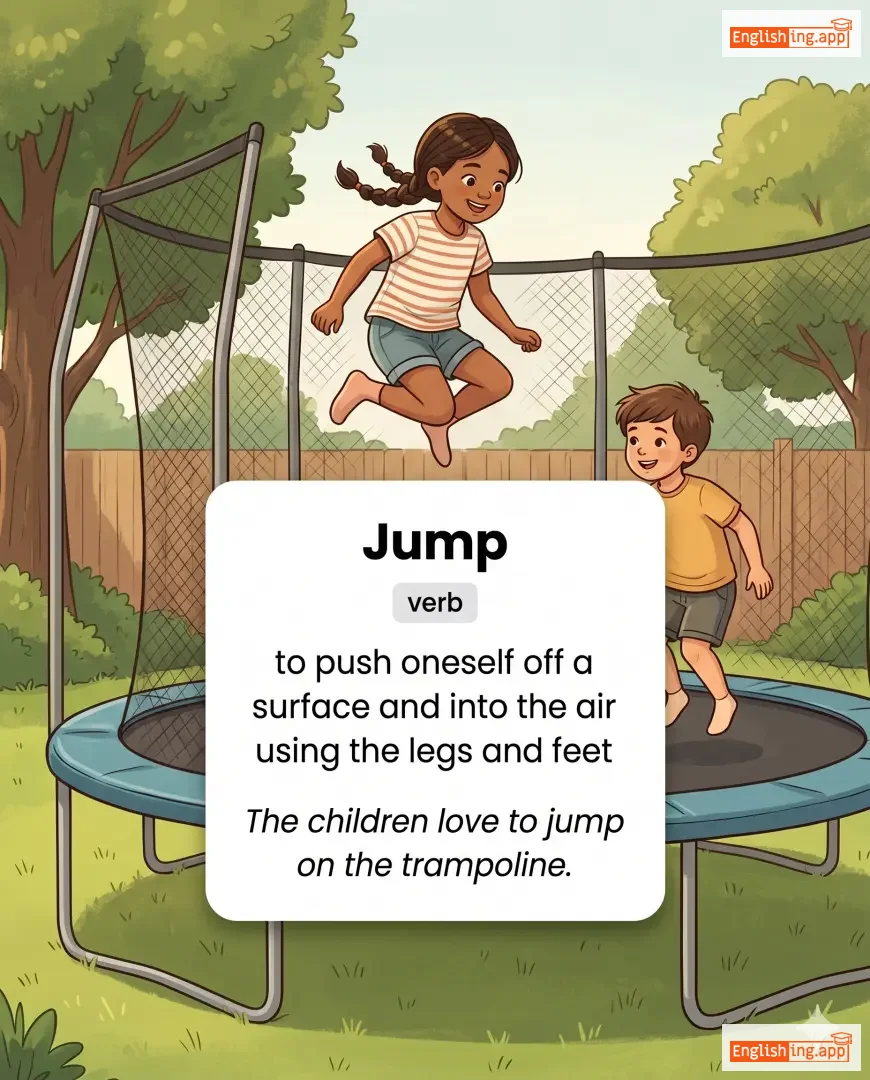
an act of jumping; a sudden movement upwards or forwards
••••••
|
The athlete made a perfect jump over the high bar.
运动员成功地跳过了高杆。
••••••
|
运动员成功地跳过了高杆。
Yundongyuan chenggong de tiaoguo le gao gan.
••••••
|
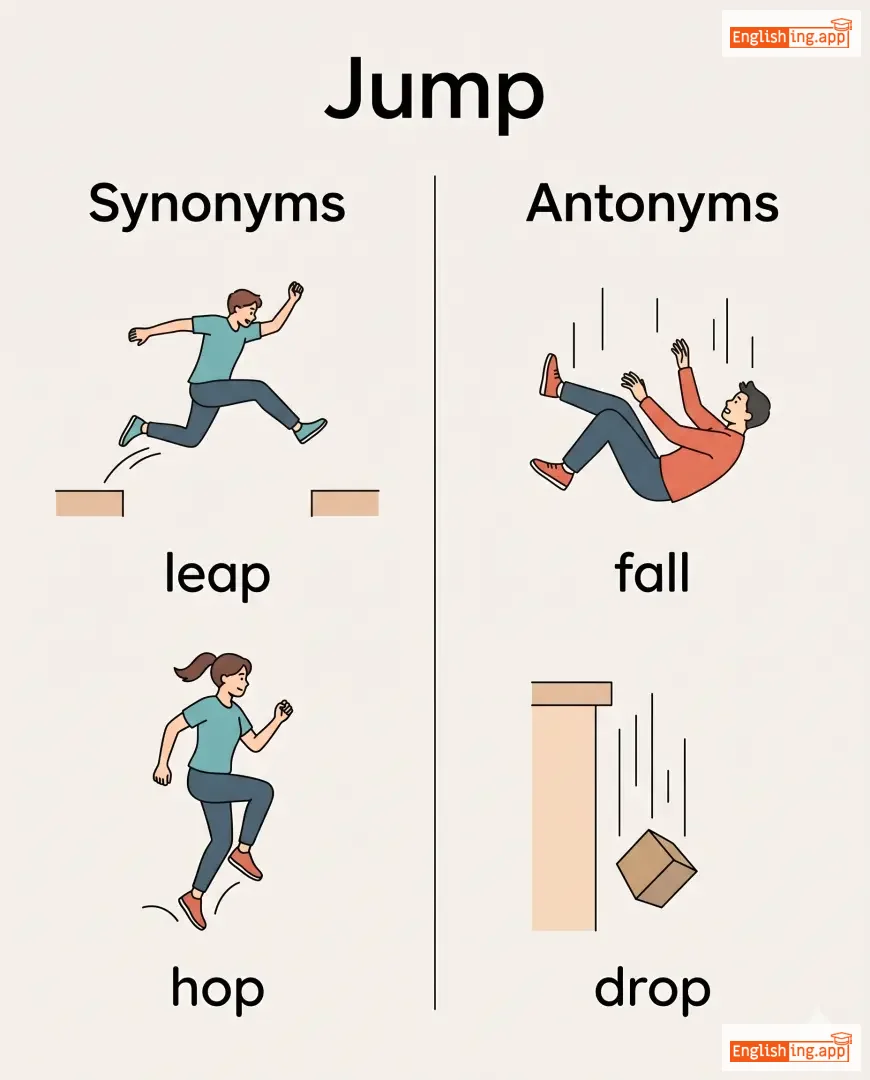
leap, bound, hop, spring
••••••
|
fall, drop, descend
••••••
|
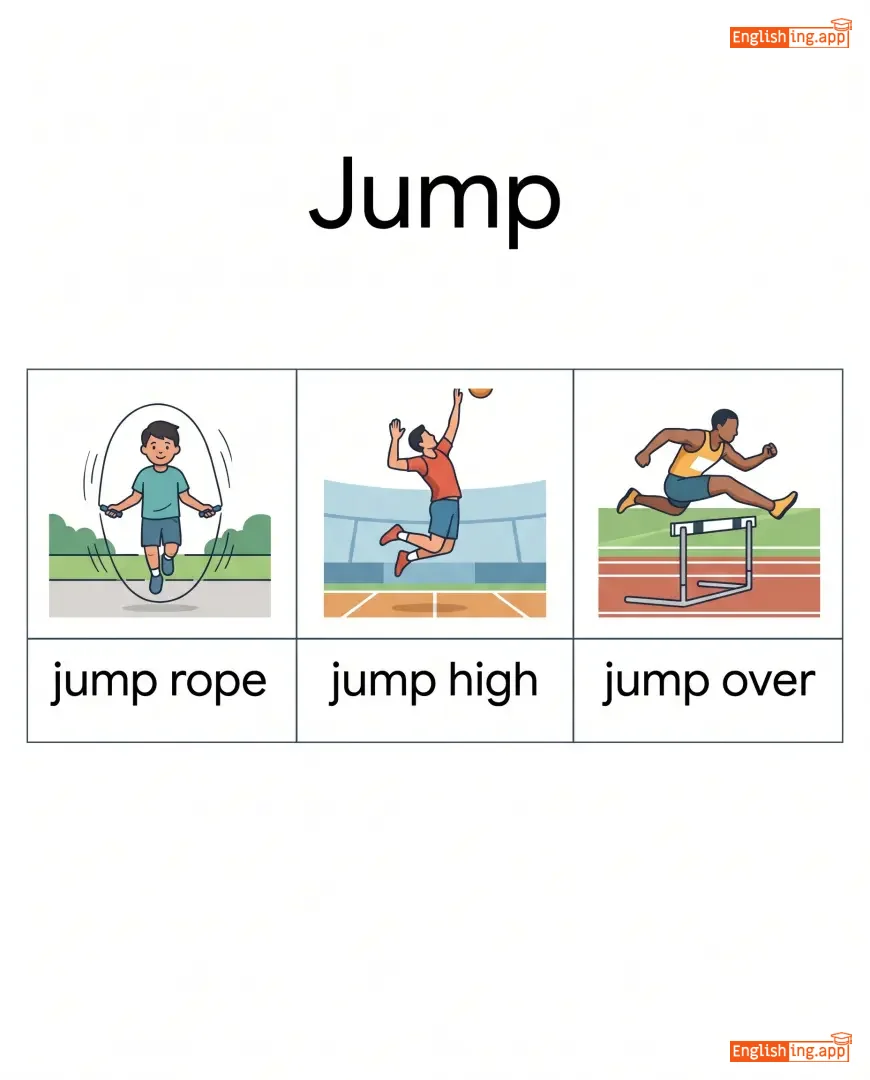
high jump, long jump, quantum jump
••••••
|
通过想到跳跃的动作来记住这个词。
••••••
|
|
#682
🧒
|
/ˈdʒuː.və.naɪl/
noun
(青少年)
••••••
|
- •••••• |
青少年; 未成年
qīngshàonián, wèi chéngnián
••••••
|
a young person below the age of adult criminal responsibility; relating to young people
••••••
|
The juvenile court handles cases involving young offenders under eighteen. |
少年法庭处理涉及十八岁以下青少年犯罪者的案件。
Shàonián fǎtíng chǔlǐ shèjí shíbā suì yǐxià qīngshàonián fànzuì zhě de ànjiàn.
••••••
|
young person, adolescent, minor, youth
••••••
|
adult, mature person, elder
••••••
|
juvenile court, juvenile delinquent, juvenile crime
••••••
|
Qīngshàonián sounds like juvenile, just like young offenders in China.
••••••
|
|
#683
👕
|
/ˈdʒʌm.pər/
noun
(ジャンパー)
••••••
|
- •••••• |
毛衣;
maoyi
••••••
|
a knitted garment worn on the upper body; a person or animal that jumps
••••••
|
She wore a warm woolen jumper during the cold winter evening.
她在寒冷的冬夜穿了一件温暖的羊毛跳绳衣。
••••••
|
她在寒冷的冬夜穿了一件温暖的羊毛跳绳衣。
Ta zai hanleng de dongye chuānle yī jiàn wēnnuǎn de yángmáo tiàoshéng yī.
••••••
|
sweater, pullover, jersey, cardigan
••••••
|
t-shirt, tank top, sleeveless top
••••••
|
woolen jumper, cable-knit jumper, school jumper
••••••
|
穿着毛衣(Jumper),抵御寒冷的冬季!
••••••
|
|
#684
🍛
|
/ˈkedʒ.ə.riː/
noun
(凯吉瑞)
••••••
|
- •••••• |
凯吉瑞
kaijirui
••••••
|
a European dish of cooked rice, fish, and hard-boiled eggs, originally from India
••••••
|
The breakfast menu featured traditional kedgeree with smoked haddock and eggs. |
早餐菜单上有传统的凯吉瑞,配有烟熏鳕鱼和鸡蛋。
Zǎocān càidān shàng yǒu chuántǒng de kǎijírùi, pèi yǒu yān xūn xuě yú hé jīdàn.
••••••
|
rice dish, pilaf, khichdi
••••••
|
raw ingredients, separate dishes
••••••
|
smoked haddock kedgeree, breakfast kedgeree, traditional kedgeree
••••••
|
凯吉瑞是一道经典的印度菜肴,欧洲也很流行,包含米饭、鱼和鸡蛋。
••••••
|
|
#685
🚗
|
/ˈdʒʌŋk.ʃən/
noun
(jian-kshun)
••••••
|
- •••••• |
交叉口
jiaochakou
••••••
|
a place where two or more roads or railway lines meet; a point where things join or connect
••••••
|
Turn left at the junction to reach the shopping center.
在交叉口左转,前往购物中心。
••••••
|
在交叉口左转,前往购物中心。
Zai jiaochakou zuozhuan, qianwang gouwu zhongxin.
••••••
|
intersection, crossroads, meeting point, connection
••••••
|
separation, division, dead end
••••••
|
railway junction, road junction, busy junction
••••••
|
交叉口: 在路口转弯,达到目标。
••••••
|
|
#686
🏰
|
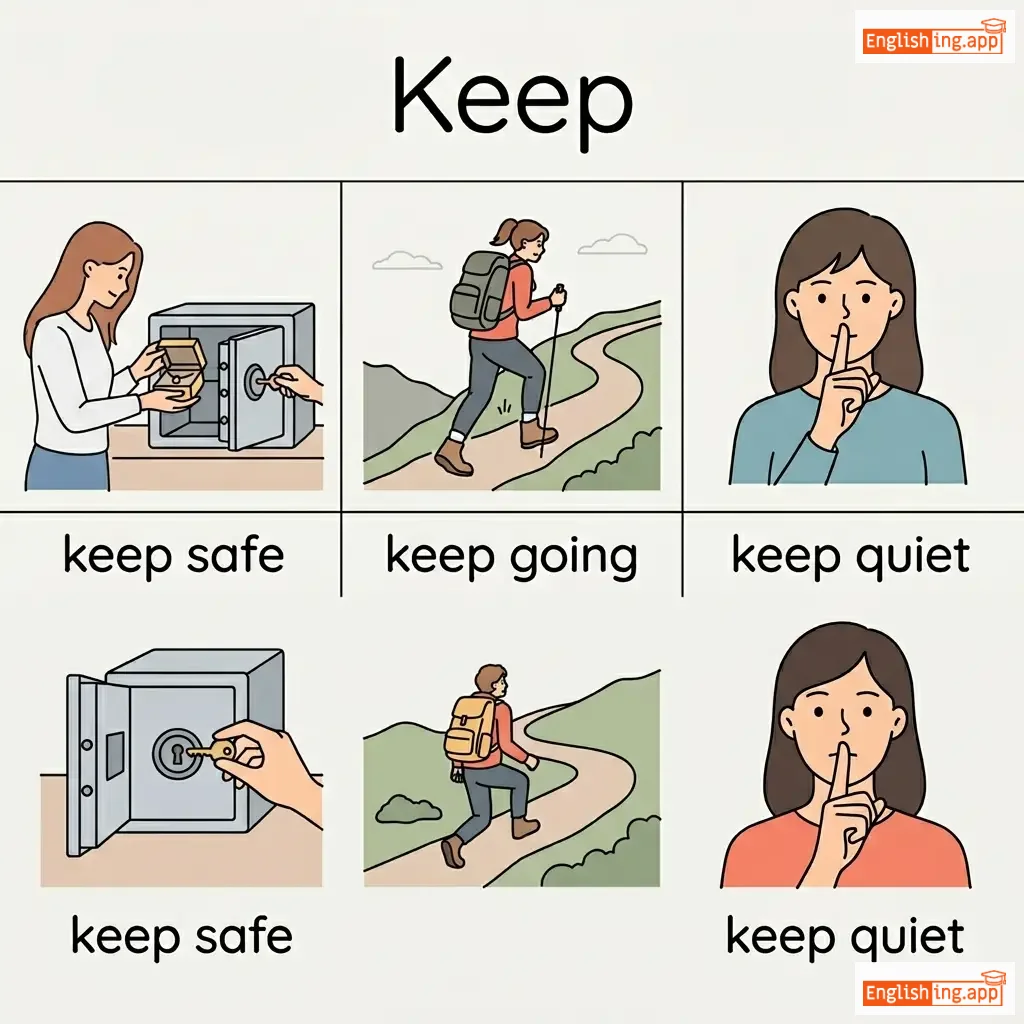
/kiːp/
noun
(kip)
••••••
|
|
生计; 城堡的最强部分
shengji; chengbao de zui qiang bufen
••••••
|
food and other things necessary for living; the strongest part of a castle
••••••
|
He worked hard to earn his keep and support his family. |
他努力工作以谋生并支持他的家人。
Tā nǔlì gōngzuò yǐ móu shēng bìng zhīchí tā de jiārén.
••••••
|
maintenance, sustenance, support, upkeep
••••••
|
abandonment, neglect, deprivation
••••••
|
earn one's keep, for keeps, castle keep
••••••
|
Keep = 生计, 是生活中必需的东西
••••••
|
|
#687
⏰
|
/ˈdʒʌŋk.tʃər/
noun
(jiang-ke)
••••••
|
- •••••• |
关键时刻
guan jian shi ke
••••••
|
a particular point in events or time; a critical moment when important decisions must be made
••••••
|
At this juncture, we need to make a crucial decision about our future. |
在这个关键时刻,我们需要做出关于未来的重要决策。
Zai zhege guanjian shike, women xuyao zuochu guanyu weilai de zhongyao juece.
••••••
|
moment, point, stage, crossroads
••••••
|
continuity, stability, routine
••••••
|
critical juncture, this juncture, important juncture
••••••
|
Juncture - 当你处于做出关键决策的时刻
••••••
|
|
#688
🔐
|
/ˈkiː.pər/
noun
(kīpér)
••••••
|
- •••••• |
守卫者; 看护人;
shouwei zhe; kanhu ren
••••••
|
a person whose job it is to guard or take care of something or someone; a goalkeeper
••••••
|
The zoo keeper fed the animals every morning at eight o'clock.
动物园管理员每天早上八点喂食动物。
••••••
|
动物园管理员每天早上八点喂食动物。
Dongwuyuan guanliyuan meitian zaoshang badi dian weishi dongwu.
••••••
|
guardian, caretaker, custodian, warden
••••••
|
destroyer, neglector, abandoner
••••••
|
zoo keeper, goal keeper, secret keeper
••••••
|
Remember: a 'Keeper' guards like a 'shouwei zhe' in Chinese!
••••••
|
|
#689
🌳
|
/ˈdʒʌŋ.ɡəl/
noun
(丛林)
••••••
|
- •••••• |
密林; 丛林;
mìlín, cónglín
••••••
|
a dense forest in a tropical climate; a place of bewildering complexity or ruthless struggle
••••••
|
The explorer got lost in the dense Amazon jungle for three days.
探险者在密集的亚马逊丛林中迷路了三天。
••••••
|
探险者在密集的亚马逊丛林中迷路了三天。
Tànxiǎn zhě zài mìjí de Yàmǎxùn cónglín zhōng mílùle sān tiān.
••••••
|
forest, rainforest, wilderness, thicket
••••••
|
desert, clearing, city, civilization
••••••
|
dense jungle, tropical jungle, concrete jungle
••••••
|
在丛林中,迷路是常事,就像探险者在亚马逊的迷失一样。
••••••
|
|
#690
🐕
|
/ˈken.əl/
noun
(ke-nel)
••••••
|
- •••••• |
狗舍; 养犬或寄养犬的场所
gǒu shè; yǎng quǎn huò jì yǎng quǎn de chǎng suǒ
••••••
|
a small shelter for a dog; an establishment for the breeding or boarding of dogs
••••••
|
The dog slept comfortably in his wooden kennel in the backyard.
狗狗在后院的木狗舍里舒适地睡着了。
••••••
|
狗狗在后院的木狗舍里舒适地睡着了。
Gǒu gǒu zài hòuyuàn de mù gǒu shè lǐ shūshì de shuì zháo le.
••••••
|
doghouse, shelter, boarding house, pen
••••••
|
open space, freedom, wild habitat
••••••
|
dog kennel, boarding kennel, breeding kennel
••••••
|
狗狗在自己的狗舍里睡得很好。
••••••
|
|
#691
👶
|
/ˈdʒuː.ni.ər/
noun
(junior)
••••••
|
- •••••• |
初级; 新手; 下属
chūjí; xīnshǒu; xiàshǔ
••••••
|
a person who is younger or lower in rank than someone else; relating to young people
••••••
|
The junior employee was eager to learn from senior colleagues.
这个初级员工渴望向资深同事学习。
••••••
|
这个初级员工渴望向资深同事学习。
Zhège chūjí yuángōng kěwàng xiàng zīshēng tóngshì xuéxí.
••••••
|
younger, subordinate, novice, apprentice
••••••
|
senior, elder, superior, veteran
••••••
|
junior employee, junior school, junior partner
••••••
|
Junior in Chinese sounds like someone eager to learn and grow.
••••••
|
|
#692
⛽
|
/ˈker.ə.siːn/
noun
(煤油)
••••••
|
- •••••• |
煤油
meiyou
••••••
|
a combustible hydrocarbon liquid widely used as a fuel in lamps and heating systems
••••••
|
The old lamp burned kerosene to provide light during power outages.
老式的灯燃烧煤油以在停电时提供光源。
••••••
|
老式的灯燃烧煤油以在停电时提供光源。
laoshi de deng ranshao meiyou yi zai tingdian shi tigong guangyuan.
••••••
|
paraffin oil, lamp oil, heating oil
••••••
|
electric power, solar energy, gas
••••••
|
kerosene lamp, kerosene heater, kerosene stove
••••••
|
煤油在停电时点亮灯光,就像给灯具提供动力一样。
••••••
|
|
#693
🗑️
|
/dʒʌŋk/
noun
(ジャンク)
••••••
|
- •••••• |
垃圾; 废品
laji, feipin
••••••
|
old or discarded articles that are considered useless or of little value; things of poor quality
••••••
|
He cleaned out the garage and threw away all the old junk. |
他清理了车库,扔掉了所有旧的垃圾。
ta qingli le cheku, reng diao le suoyou jiu de laji.
••••••
|
rubbish, trash, waste, clutter
••••••
|
treasure, valuable, asset, quality item
••••••
|
old junk, junk food, junk mail
••••••
|
Junk in Chinese is '垃圾,' just like junk is trash.
••••••
|
|
#694
🍅
|
/ˈketʃ.ʌp/
noun
(凯驰普)
••••••
|
- •••••• |
番茄酱
fānqié jiàng
••••••
|
a thick sauce made chiefly from tomatoes, vinegar, and spices
••••••
|
She squeezed some ketchup on her french fries before eating them. |
她在吃薯条前挤了一些番茄酱。
Tā zài chī shǔtiáo qián jǐle yīxiē fānqié jiàng.
••••••
|
tomato sauce, condiment, relish
••••••
|
plain food, unseasoned
••••••
|
tomato ketchup, squeeze ketchup, ketchup bottle
••••••
|
记住:'凯驰普'就是我们常搭配薯条的番茄酱。
••••••
|
|
#695
🪐
|
/ˈdʒuː.pɪ.tər/
noun
(朱庇特)
••••••
|
- •••••• |
木星; 罗马神话中的主神
mùxīng; luómǎ shénhuà zhōng de zhǔshén
••••••
|
the largest planet in our solar system; the chief god of Roman mythology
••••••
|
Jupiter is known for its massive size and distinctive red spot.
朱庇特因其巨大的体积和独特的红斑而闻名。
••••••
|
朱庇特因其巨大的体积和独特的红斑而闻名。
Zhūbìtè yīn qí jùdà de tǐjī hé dútè de hóngbān ér wénmíng.
••••••
|
giant planet, gas giant, Jove
••••••
|
small planet, terrestrial planet
••••••
|
planet Jupiter, Jupiter's moons, Jupiter's atmosphere
••••••
|
朱庇特的名字可以通过巨大的体积让你记住他是最大的行星!
••••••
|
|
#696
🤿
|
/ˈket.əl/
noun
(水壶)
••••••
|
- •••••• |
水壶
shuǐ hú
••••••
|
a container used for boiling water, typically with a lid, spout, and handle
••••••
|
The electric kettle whistled when the water reached boiling point.
电水壶在水达到沸点时发出了哨声。
••••••
|
电水壶在水达到沸点时发出了哨声。
diàn shuǐ hú zài shuǐ dádào fèi diǎn shí fā chū le shào shēng.
••••••
|
teapot, boiler, pot, vessel
••••••
|
cooler, freezer, ice bucket
••••••
|
electric kettle, tea kettle, boiling kettle
••••••
|
烧水的水壶,响声提醒水开了!
••••••
|
|
#697
🏩
|
/ˌdʒʊə.rɪsˈdɪk.ʃən/
noun
(yú lì sī dí kè shùn)
••••••
|
- •••••• |
司法管辖权
sifa guanxiajquan
••••••
|
the official power to make legal decisions and judgments; the extent of this power
••••••
|
This case falls under the jurisdiction of the federal court. |
此案件属于联邦法院的司法管辖范围。
cǐ ànjiàn shǔyú liánbāng fǎyuàn de sīfǎ guǎnxiá quánwéi.
••••••
|
authority, power, control, domain
••••••
|
powerlessness, anarchy, lawlessness
••••••
|
legal jurisdiction, federal jurisdiction, court jurisdiction
••••••
|
司法管辖权决定法院可以在哪些地区做出判决。
••••••
|
|
#698
🔑
|
/kiː/
noun
(ki)
••••••
|
- •••••• |
钥匙
yaoshi
••••••
|
a small piece of shaped metal used to operate a lock; something that provides a means of access
••••••
|
She lost her house key and couldn't get inside until the locksmith arrived.
她丢失了她的房子钥匙,直到锁匠到来之前无法进入。
••••••
|
她丢失了她的房子钥匙,直到锁匠到来之前无法进入。
Tā diūshīle tā de fángzi yàoshi, zhídào suǒjiàng dàolái zhīqián wúfǎ jìnrù.
••••••
|
opener, access, solution, clue
••••••
|
lock, barrier, obstacle
••••••
|
house key, car key, master key
••••••
|
Yàoshi = Yào shi kāi suǒ.
••••••
|
|
#699
⚙️
|
/ˈdʒʌs.tɪs/
noun
(司法)
••••••
|
|
正义; 法官; 公正
zhèngyì, fǎguān, gōngzhèng
••••••
|
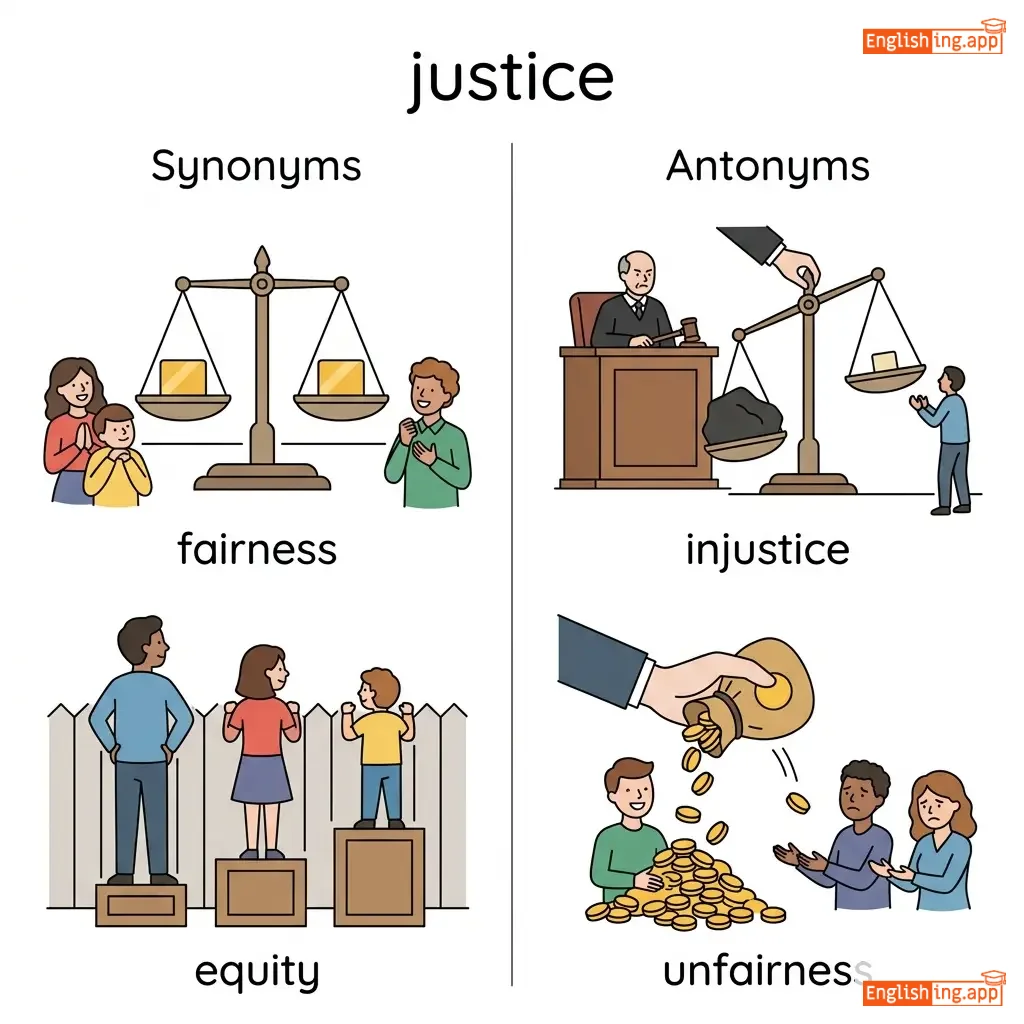
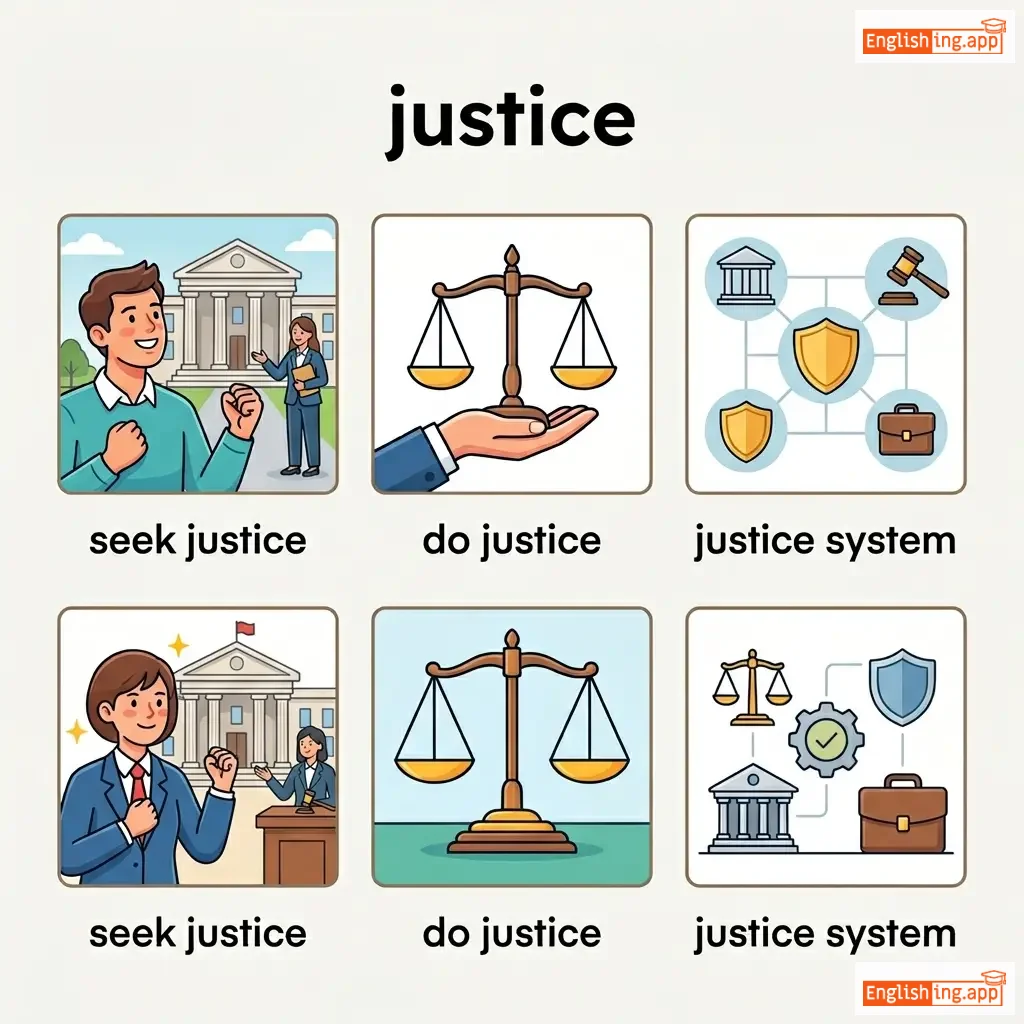
just behavior or treatment; the quality of being fair and reasonable; a judge in a court of law
••••••
|
The family sought justice for their loved one through the legal system.
家庭通过法律系统寻求正义。
••••••
|
家庭通过法律系统寻求正义。
Jiātíng tōngguò fǎlǜ xìtǒng xúnqiú zhèngyì.
••••••
|
fairness, righteousness, equity, impartiality
••••••
|
injustice, unfairness, bias, prejudice
••••••
|
social justice, criminal justice, justice system
••••••
|
Justice in Chinese, 'zhèngyì', is what judges in courts uphold.
••••••
|
|
#700
🦵
|
/kɪk/
noun
(kik)
••••••
|
|
踢; 用脚踢
ti; yong jiao ti
••••••
|
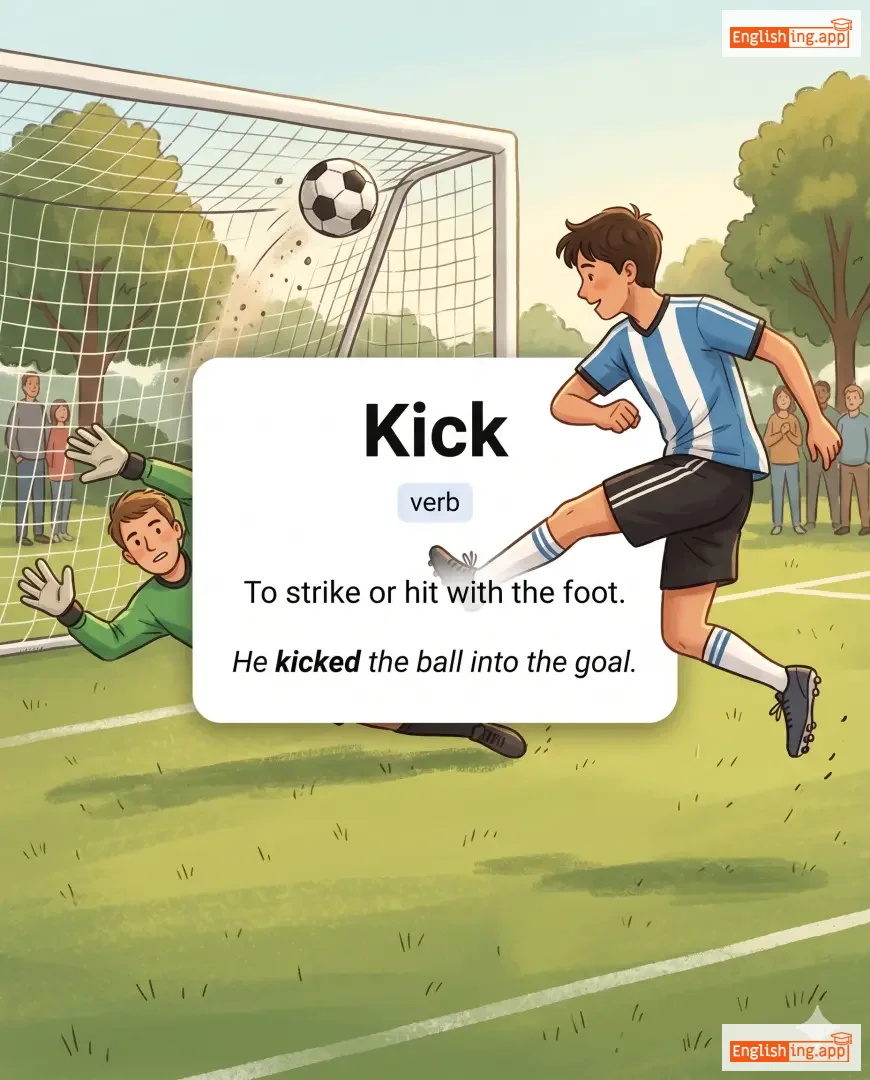
a blow or forceful thrust with the foot; a sudden strong feeling of excitement
••••••
|
The soccer player scored a goal with a powerful kick from outside the penalty area. |
足球运动员在禁区外用力踢出了一个进球。
zuqiu yundongyuan zai jinqu wai yongli tichu le yige jinqiu.
••••••
|
boot, strike, blow, thrust
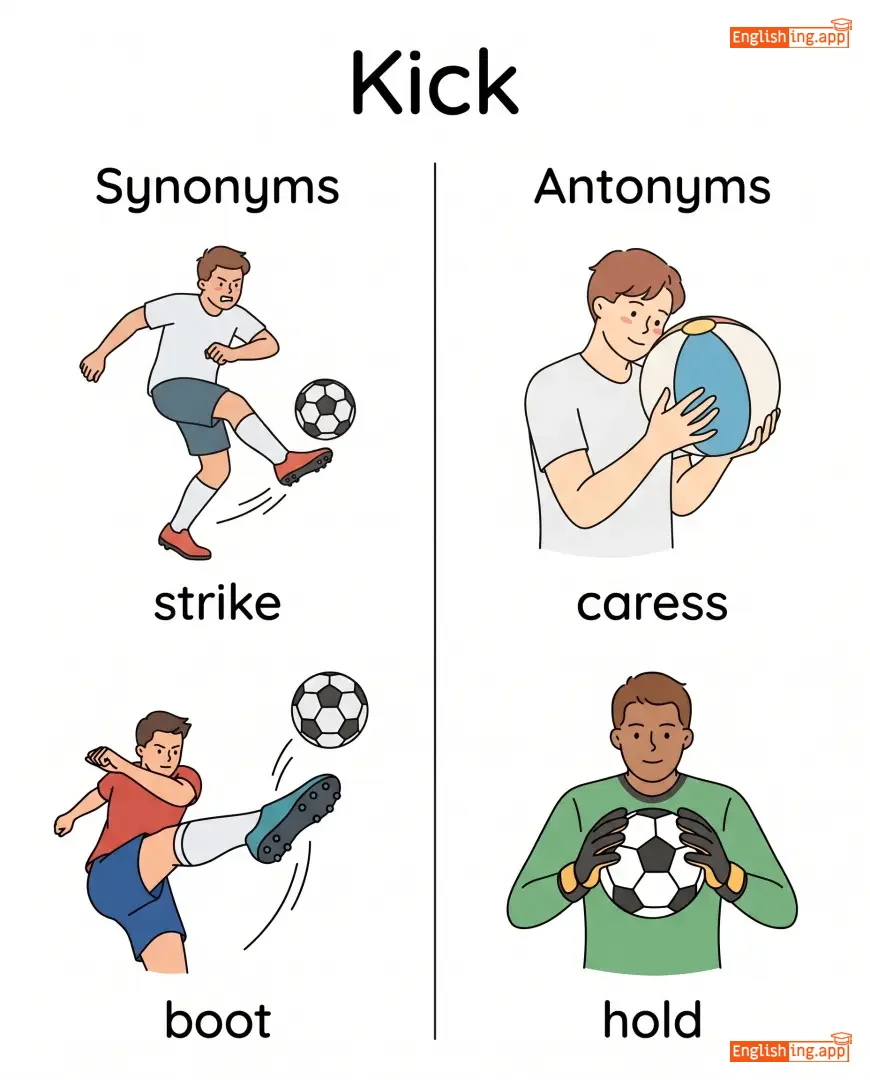
••••••
|
caress, gentle touch, pat
••••••
|
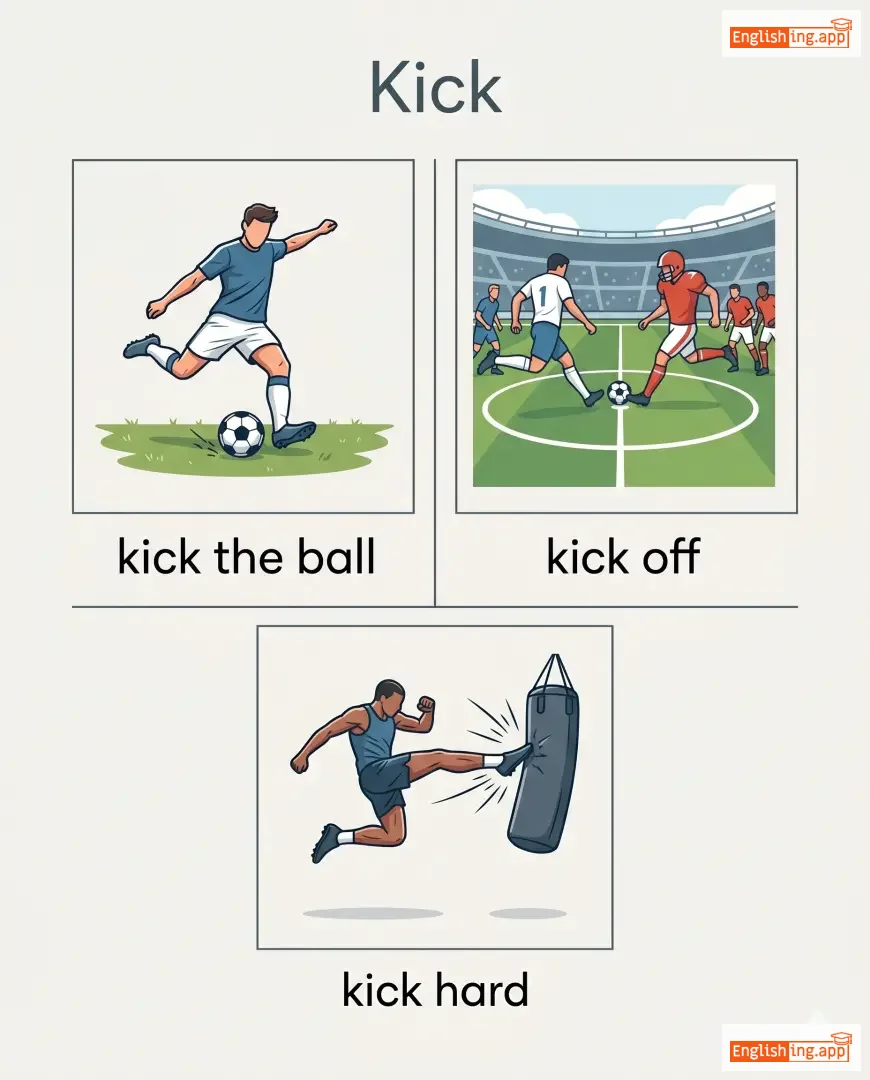
penalty kick, free kick, powerful kick
••••••
|
用脚踢足球时,你会突然感到一种强烈的兴奋,就像进球一样。
••••••
|
Vocabulary Quiz
Test your vocabulary by matching words with their translations or meanings.
Login to take the quiz
Comments (0)
Share your thoughts and join the discussion.
Join the discussion by logging in
Login to CommentNo comments yet
Be the first to share your thoughts!