

Swipe left or right, or use the buttons. Tap image to zoom.
例句翻译
单词
Lesson 51Lesson 51 - 遮罩切换
|
表情符号
|
单词 | Images | 翻译 | 含义 | 例句 | 例句翻译 | 示例表达翻译 | 同义词 | 反义词 | 搭配词 | 助记符 |
|---|---|---|---|---|---|---|---|---|---|---|---|
|
#1001
🦴
|
/ˈpɔl.zi/
noun
(palsy)
••••••
|
- •••••• |
麻痹
mábì
••••••
|
paralysis, especially that which is accompanied by involuntary tremors; loss of muscle control
••••••
|
The elderly man suffered from palsy in his hands.
这位老人双手因麻痹而痛苦。
••••••
|
这位老人双手因麻痹而痛苦。
Zhè wèi lǎorén shuāngshǒu yīn mábì ér tòngkǔ.
••••••
|
- •••••• |
paralysis, tremor, shaking, weakness
••••••
|
strength, steadiness, control, stability
••••••
|
cerebral palsy, suffer from palsy, hand palsy
••••••
|
麻痹 = 肌肉失去控制,通常伴随颤抖
••••••
|
|
#1002
🧱
|
/pɑrˈtɪʃ.ən/
noun
(pārtīshēn)
••••••
|
|
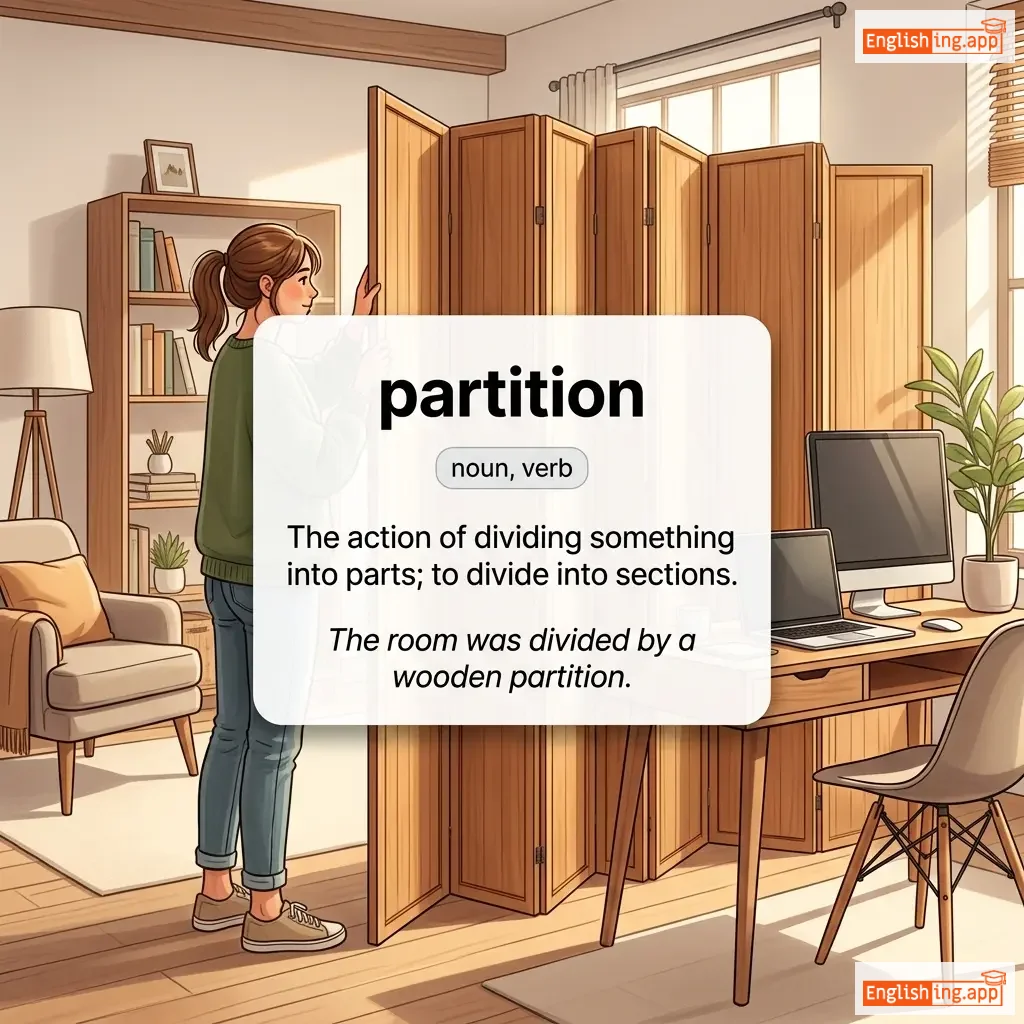
隔断;分隔房间或空间的墙壁或屏幕
gēduàn; fēngé fángjiān huò kōngjiān de qiángbì huò píngmù
••••••
|
a division into parts; a wall or screen that divides a room or space
••••••
|
The partition between offices provided privacy for workers.
办公室之间的隔断为工人提供了隐私。
••••••
|
办公室之间的隔断为工人提供了隐私。
bàngōngshì zhījiān de gēduàn wéi gōngrén tígōngle yǐnsī.
••••••
|
- •••••• |
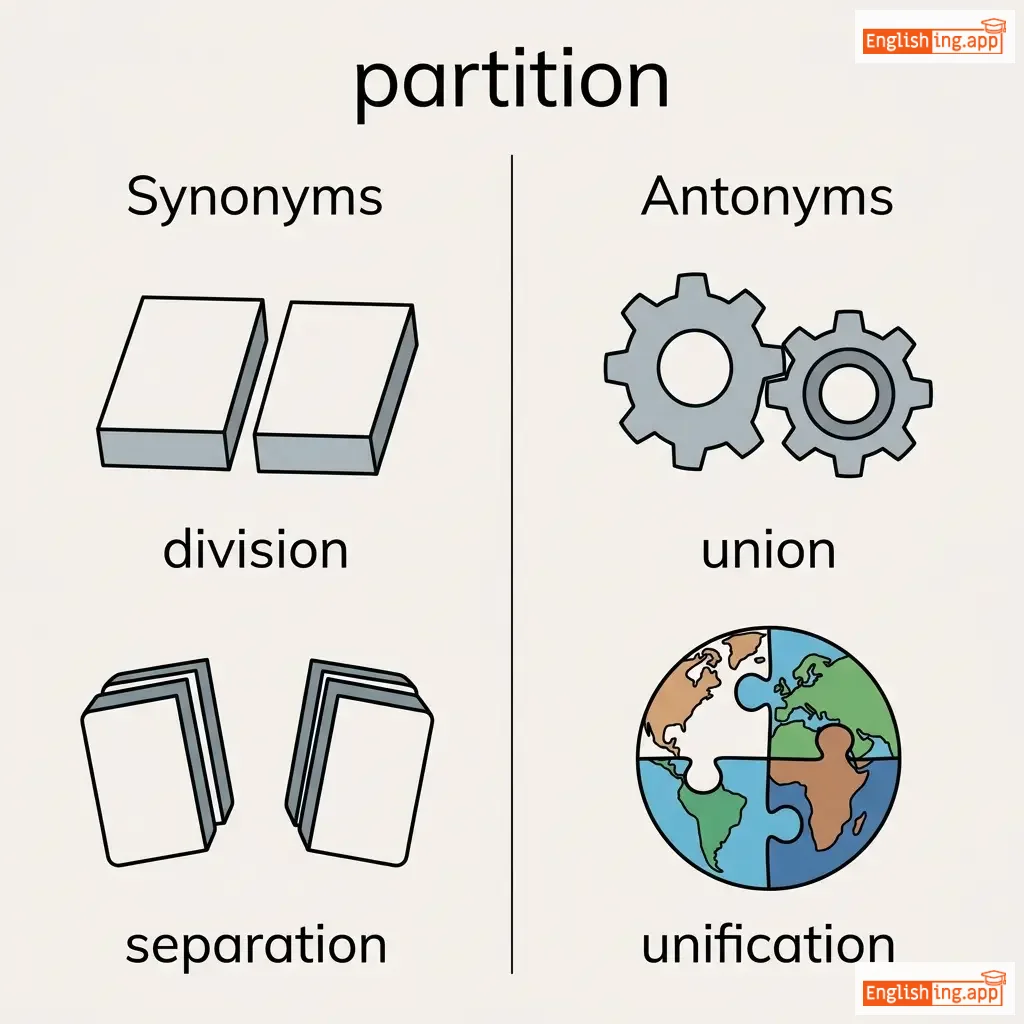
division, separation, wall, barrier
••••••
|
union, connection, integration, merger
••••••
|
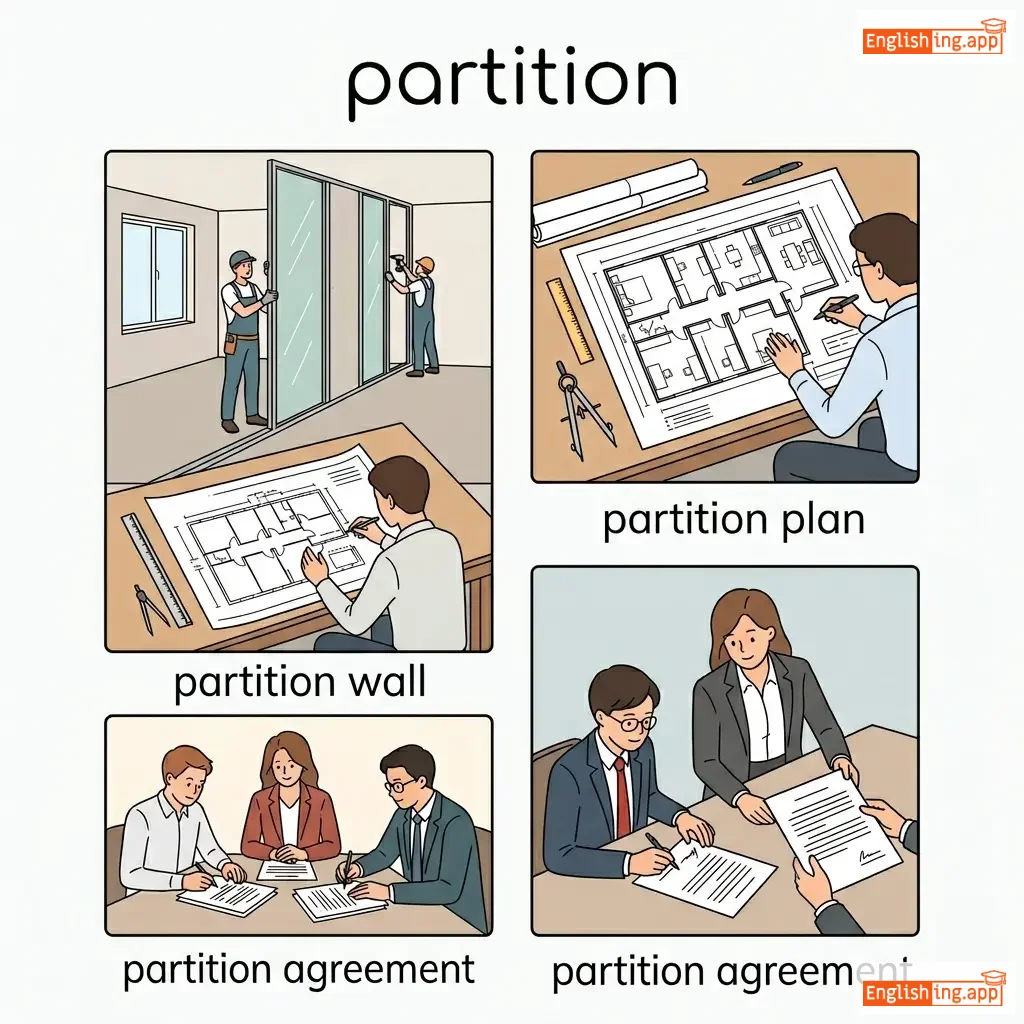
office partition, create partition, remove partition
••••••
|
隔断为每个人提供私密空间。
••••••
|
|
#1003
😱
|
/ˈpæn.ɪk/
noun
(pànìkè)
••••••
|
- •••••• |
恐慌
konghuang
••••••
|
sudden uncontrollable fear or anxiety; a state of widespread fear and anxiety
••••••
|
The fire alarm caused panic among the students.
火警铃声引起了学生们的恐慌。
••••••
|
火警铃声引起了学生们的恐慌。
Huǒ jǐng líng shēng yǐn qǐ le xué shēng men de kǒng huāng.
••••••
|
- •••••• |
terror, fear, alarm, fright
••••••
|
calm, peace, composure, tranquility
••••••
|
panic attack, cause panic, widespread panic
••••••
|
恐慌就像火警铃声,突然让大家感到害怕。
••••••
|
|
#1004
❤️
|
/ˈpæʃ.ən/
noun
(帕西恩)
••••••
|
- •••••• |
热情
paxien
••••••
|
strong enthusiasm or excitement for something; intense emotion or feeling
••••••
|
Her passion for music led her to become a professional singer.
她对音乐的热情促使她成为一名职业歌手。
••••••
|
她对音乐的热情促使她成为一名职业歌手。
Ta dui yin yue de re qing cushi ta cheng wei yi ming zhiye geshou
••••••
|
- •••••• |
enthusiasm, fervor, zeal, love
••••••
|
indifference, apathy, coldness, disinterest
••••••
|
burning passion, passion for music, passionate about
••••••
|
Passion 就是 热情 on the heart, 想象 一盏 lit 灯 照亮 the stage.
••••••
|
|
#1005
🌴
|
/ˈpær.ə.daɪs/
noun
(天堂)
••••••
|
- •••••• |
天堂; 完美幸福的地方或状态; 理想的地方
tiāntáng; wánměi xìngfú de dìfāng huò zhuàngtài; lǐxiǎng de dìfāng
••••••
|
heaven; a place or state of perfect happiness; an ideal or perfect place
••••••
|
The tropical island was like paradise for the tourists.
热带岛屿对游客来说就像天堂一样。
••••••
|
热带岛屿对游客来说就像天堂一样。
Rèdài dǎoyǔ duì yóukè lái shuō jiù xiàng tiāntáng yīyàng.
••••••
|
- •••••• |
heaven, utopia, bliss, perfection
••••••
|
hell, nightmare, misery, suffering
••••••
|
tropical paradise, earthly paradise, lost paradise
••••••
|
Paradise = 天堂 (一个完美的地方)
••••••
|
|
#1006
🎲
|
/ˈpæs.taɪm/
noun
(pāsutàim)
••••••
|
- •••••• |
消遣
xiāoqiǎn
••••••
|
an activity done regularly for enjoyment; a hobby or recreational activity
••••••
|
Reading books is her favorite pastime during weekends. |
阅读书籍是她在周末的最爱消遣。
Yuèdú shūjí shì tā zài zhōumò de zuì ài xiāoqiǎn.
••••••
|
- •••••• |
hobby, recreation, amusement, leisure activity
••••••
|
work, chore, duty, obligation
••••••
|
favorite pastime, popular pastime, enjoy pastime
••••••
|
消遣是我们放松和享受生活的一部分。
••••••
|
|
#1007
⭐
|
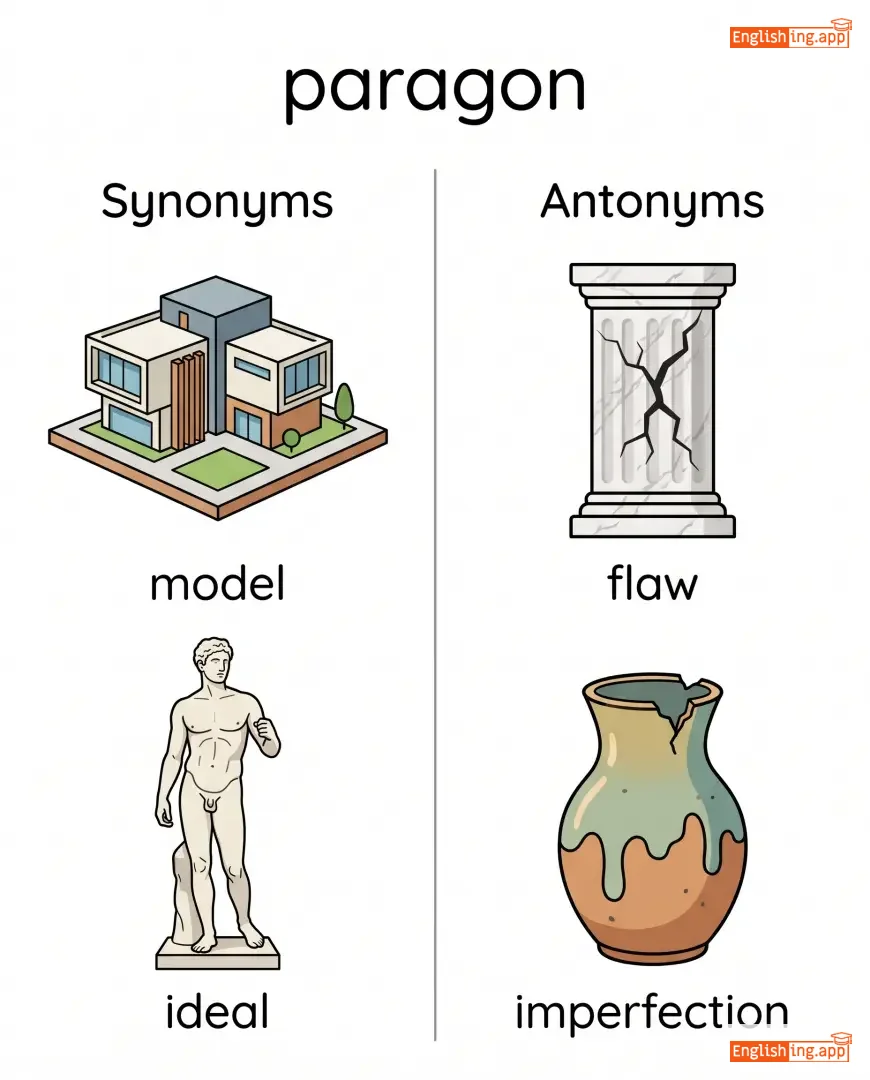
/ˈpær.ə.ɡɑn/
noun
(帕拉贡)
••••••
|
|
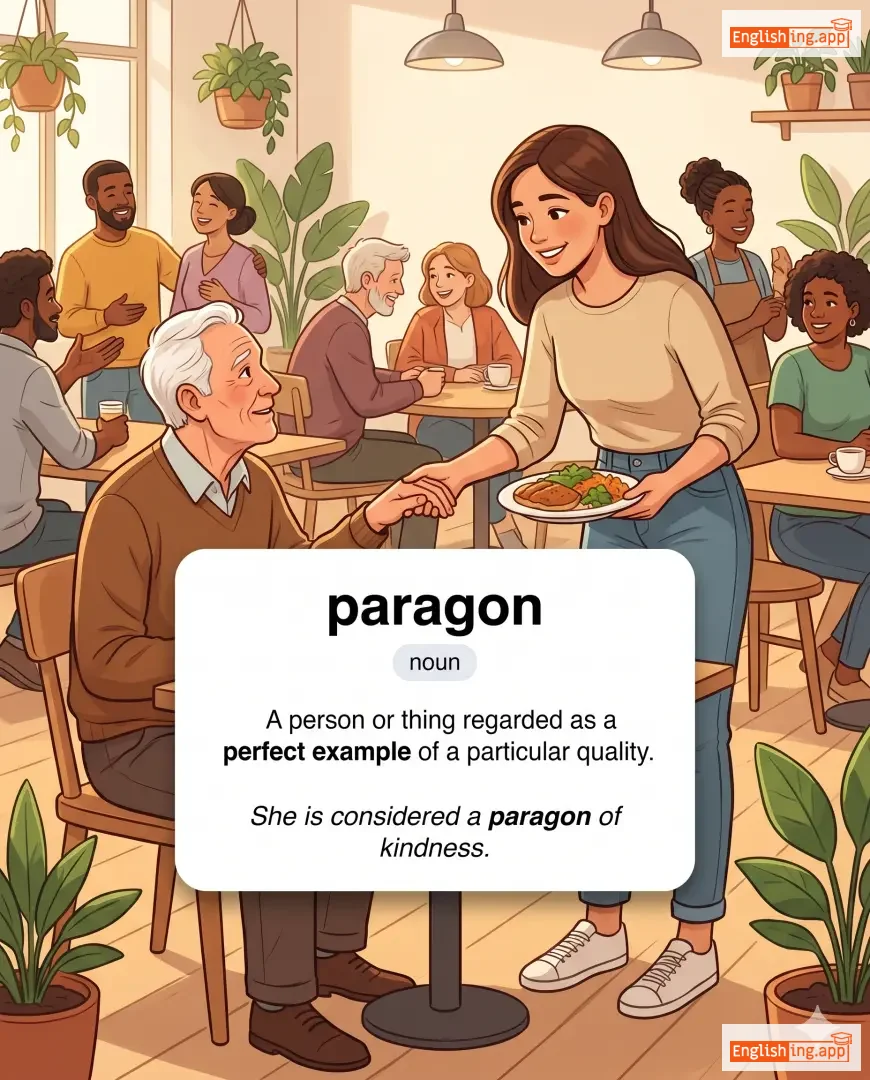
完美典范
wanmei dianfan
••••••
|
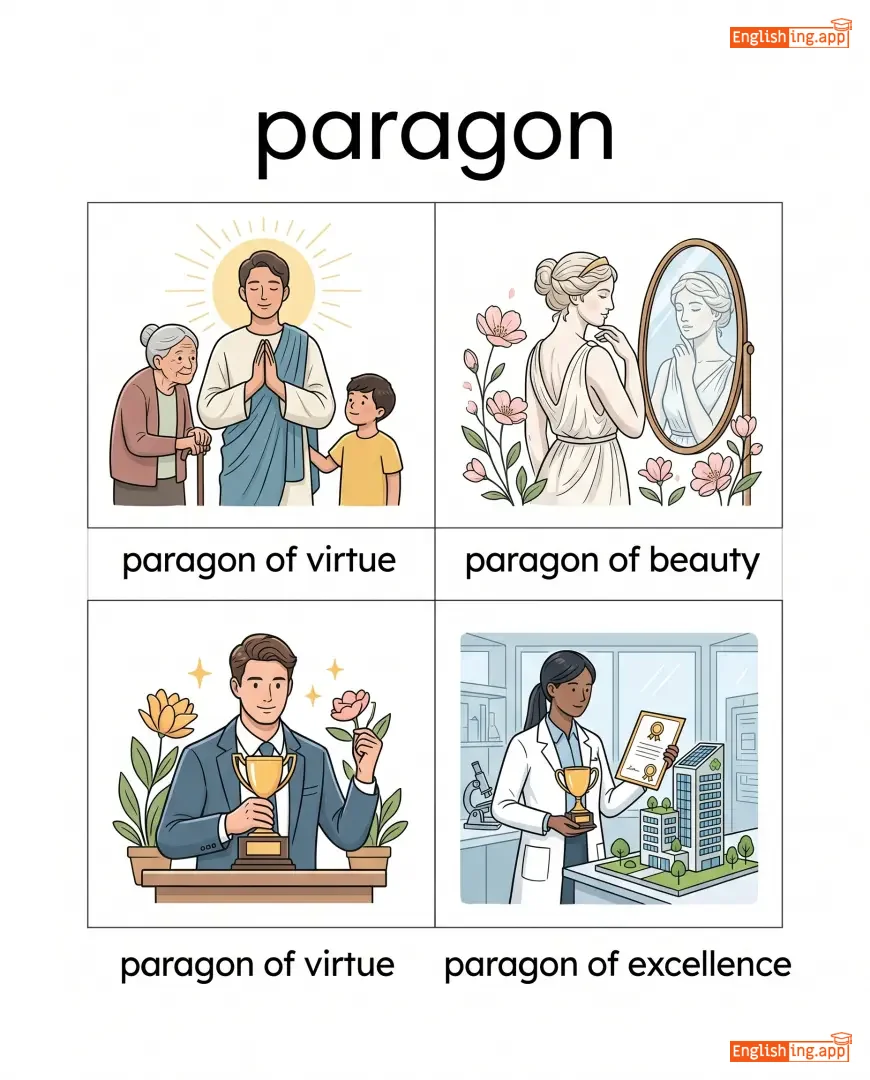
a person or thing regarded as a perfect example of a particular quality; a model of excellence
••••••
|
She was considered a paragon of virtue and kindness. |
她被认为是美德和善良的完美典范。
ta bei renwei shi meide he shanliang de wanmei dianfan.
••••••
|
- •••••• |
model, ideal, epitome, exemplar
••••••
|
worst example, failure, disgrace, disappointment
••••••
|
paragon of virtue, perfect paragon, moral paragon
••••••
|
帕拉贡是完美的典范,是任何人的楷模
••••••
|
|
#1008
🩹
|
/pætʃ/
noun
(pǎtí)
••••••
|
- •••••• |
补丁
bǔdīng
••••••
|
a small piece of material used to mend a hole; a small area of something different
••••••
|
She sewed a patch over the hole in her jeans. |
她在她的牛仔裤上的洞上缝了一个补丁。
Tā zài tā de niúzǎikù shàng de dòng shàng fèng le yīgè bǔdīng.
••••••
|
- •••••• |
repair, mend, piece, cover
••••••
|
hole, tear, damage, opening
••••••
|
eye patch, sew patch, cloth patch
••••••
|
补丁可以想象为修补衣物的小片,修补牛仔裤的洞。
••••••
|
|
#1009
🚫
|
/pəˈræl.ə.sɪs/
noun
(瘫痪)
••••••
|
- •••••• |
瘫痪
tānhuàn
••••••
|
the loss of the ability to move part or all of the body; complete inability to act or function
••••••
|
The accident left him with paralysis in his legs.
事故使他双腿瘫痪。
••••••
|
事故使他双腿瘫痪。
Shìgù shǐ tā shuāngtuǐ tānhuàn.
••••••
|
- •••••• |
immobility, disability, incapacitation, palsy
••••••
|
mobility, movement, function, activity
••••••
|
spinal paralysis, complete paralysis, temporary paralysis
••••••
|
记住瘫痪就像是身体的每个部分都被冻结,无法动弹。
••••••
|
|
#1010
🧘
|
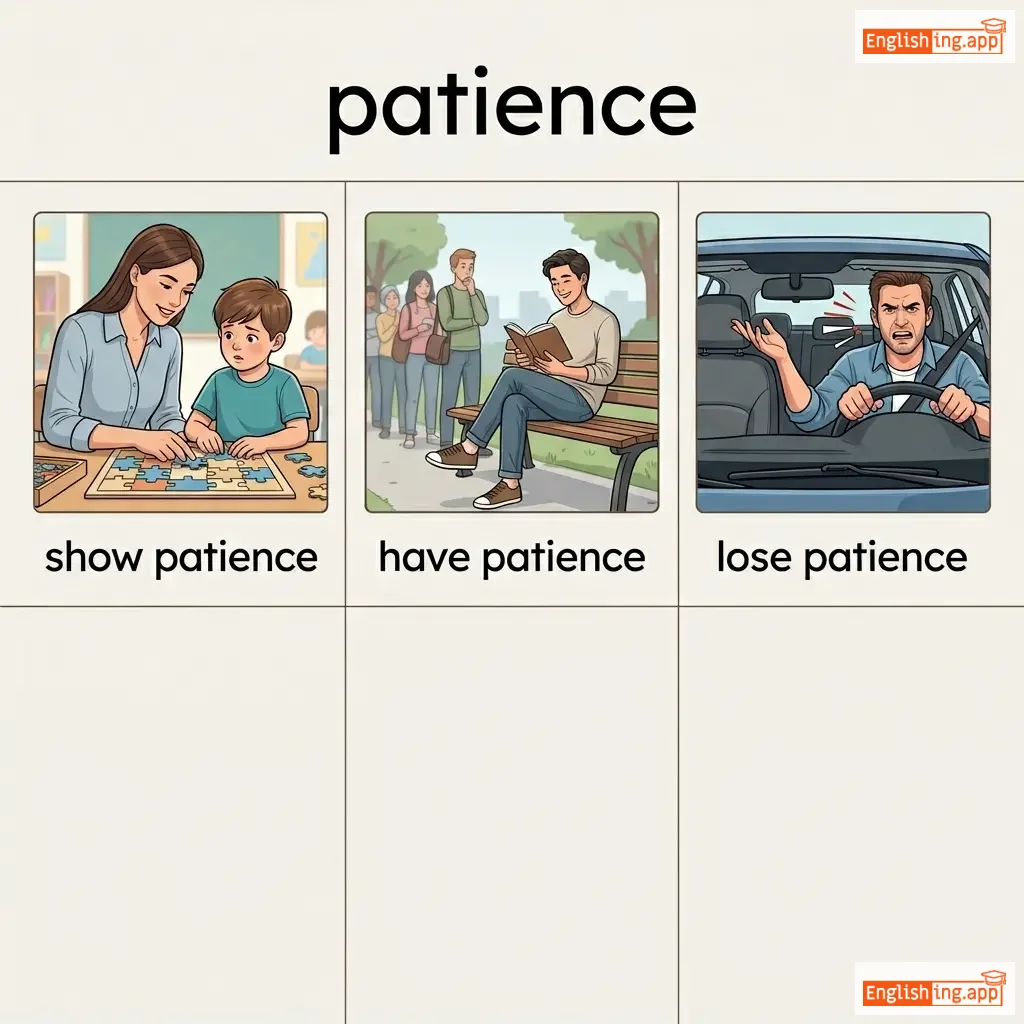
/ˈpeɪ.ʃəns/
noun
(peishens)
••••••
|
|
耐心; 宽容
nàixīn; kuānróng
••••••
|
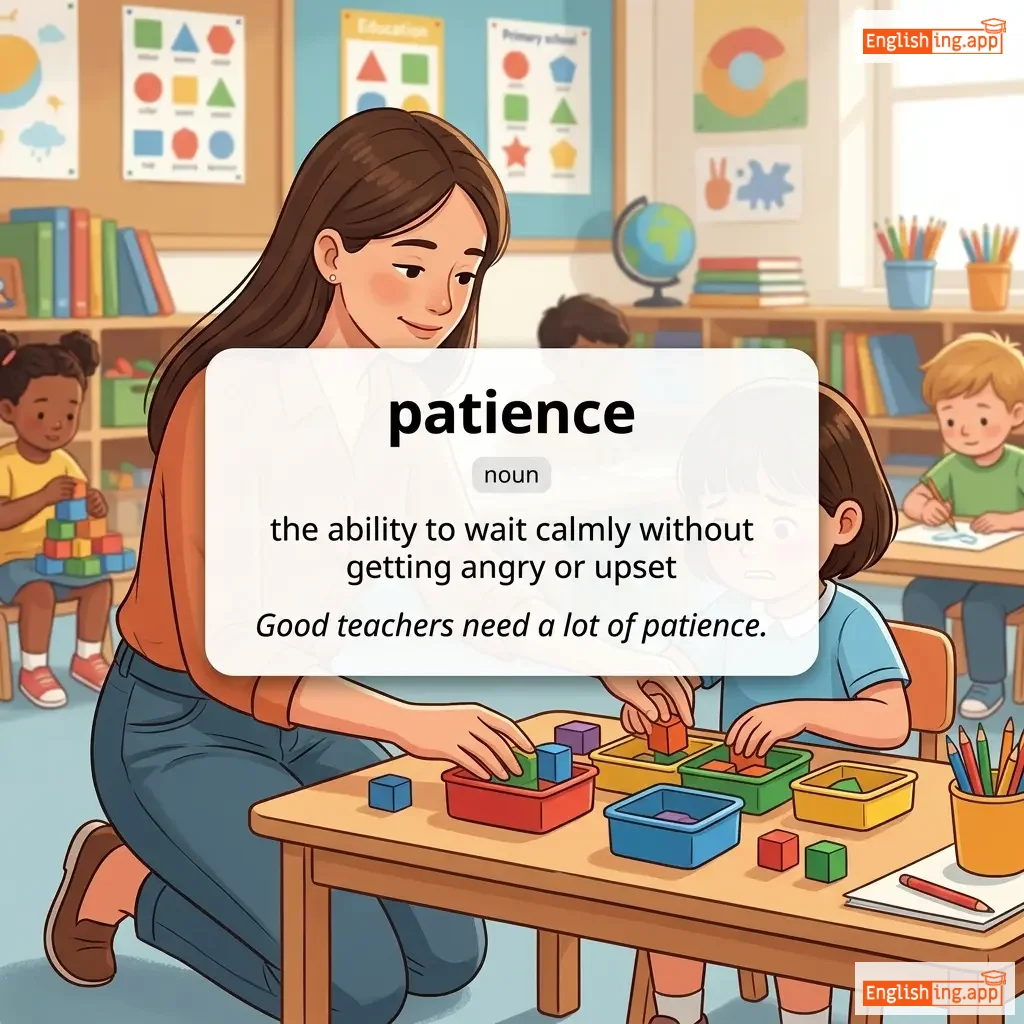
the ability to wait calmly without becoming annoyed; tolerance and understanding
••••••
|
Teaching young children requires a lot of patience.
Teaching young children requires a lot of patience.
••••••
|
教导小孩子需要很多耐心。
Jiàodǎo xiǎo háizi xūyào hěn duō nàixīn.
••••••
|
- •••••• |
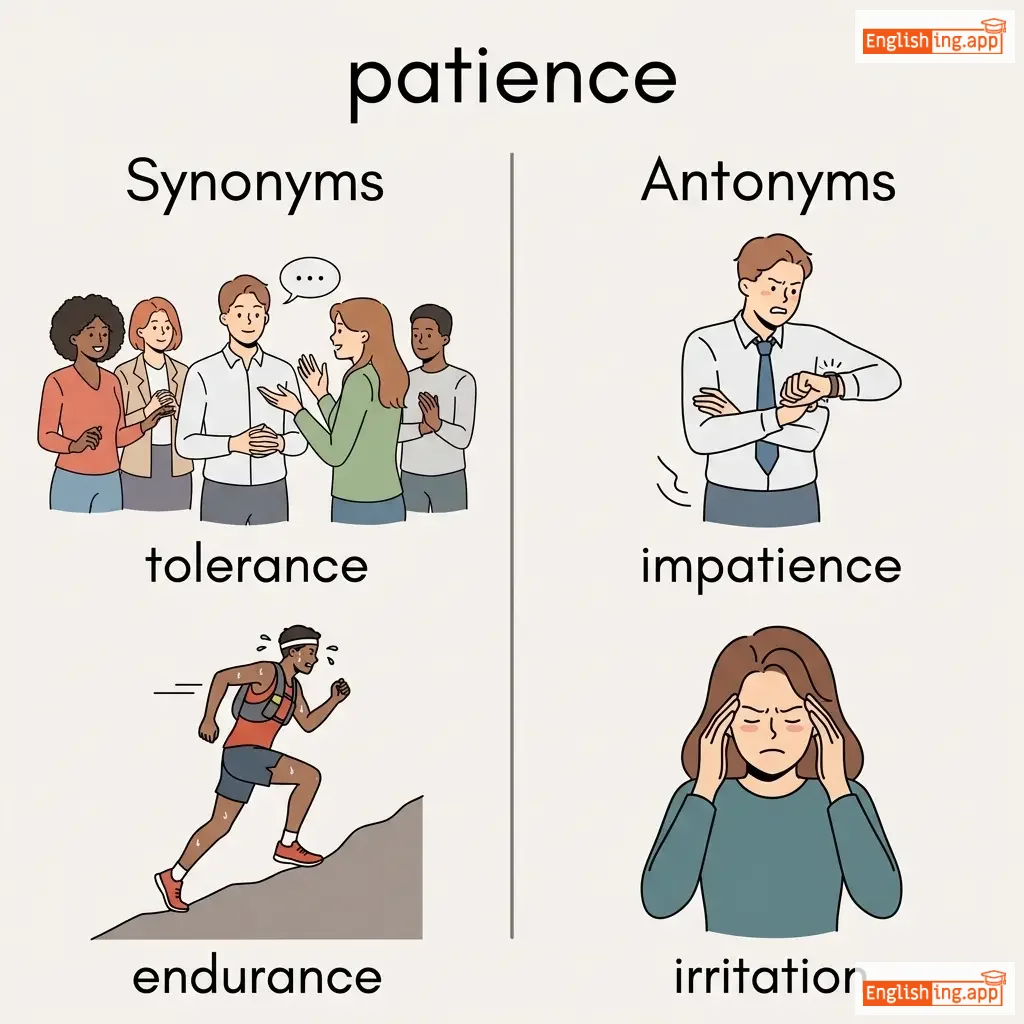
tolerance, endurance, perseverance, calmness
••••••
|
impatience, intolerance, irritability, restlessness
••••••
|
have patience, lose patience, test patience
••••••
|
耐心就是成功的关键!
••••••
|
|
#1011
🦠
|
/ˈpær.ə.saɪt/
noun
(寄生虫)
••••••
|
- •••••• |
寄生虫
jìshēngchóng
••••••
|
an organism that lives on or in another organism and benefits at its expense; a person who depends on others
••••••
|
The dog was treated for intestinal parasites.
狗已经接受了肠道寄生虫的治疗。
••••••
|
狗已经接受了肠道寄生虫的治疗。
Gǒu yǐjīng jiēshòule chángdào jìshēngchóng de zhìliáo.
••••••
|
- •••••• |
bloodsucker, leech, freeloader, dependent
••••••
|
host, provider, benefactor, supporter
••••••
|
intestinal parasite, blood parasite, remove parasite
••••••
|
寄生虫就像那些一直依赖别人帮助的人。
••••••
|
|
#1012
📦
|
/ˈpɑr.səl/
noun
(包裹)
••••••
|
- •••••• |
包裹; 土地块
baoguo; tudi kuai
••••••
|
an object or collection of objects wrapped in paper for carrying or sending by mail; a piece of land
••••••
|
The postman delivered a parcel to our door. |
邮递员把包裹送到我们门口。
You di yuan ba baoguo song dao women men kou.
••••••
|
- •••••• |
package, bundle, packet, shipment
••••••
|
contents, loose items, unwrapped goods
••••••
|
mail parcel, deliver parcel, wrap parcel
••••••
|
包裹从邮递员到门口
••••••
|
|
#1013
🙏
|
/ˈpɑr.dən/
noun
(帕顿)
••••••
|
- •••••• |
宽恕; 原谅;
kuanshu
••••••
|
forgiveness; the action of forgiving or being forgiven for an error or offense
••••••
|
I beg your pardon for interrupting the meeting. |
打扰会议,我请求宽恕。
daru huiyi, wo qingqiu kuanshu.
••••••
|
- •••••• |
forgiveness, excuse, amnesty, mercy
••••••
|
punishment, condemnation, blame, accusation
••••••
|
beg pardon, grant pardon, presidential pardon
••••••
|
Pardon in English, '宽恕' in Chinese – a formal way of saying sorry and asking for forgiveness.
••••••
|
|
#1014
🎭
|
/ˈpær.ə.di/
noun
(帕洛迪)
••••••
|
- •••••• |
仿作
pa luo di
••••••
|
an imitation of a particular style for comic effect; a humorous exaggerated copy
••••••
|
The comedy show featured a parody of famous politicians.
这档喜剧节目以对知名政治家的仿作来制造滑稽效果。
••••••
|
这档喜剧节目以对知名政治家的仿作来制造滑稽效果。
Zhe dang xiju jie mu yi dui zhi ming zheng zhi jia de fang zuo lai zhi zao hua ji xiao guo
••••••
|
- •••••• |
satire, spoof, mockery, caricature
••••••
|
original, tribute, sincere imitation, homage
••••••
|
musical parody, political parody, create parody
••••••
|
Parody 记忆法: para = 平行, dy = 呀 的笑声; 想象一个 平行舞台 上 的 人模仿名人, 笑点 就 出现
••••••
|
|
#1015
🙋
|
/pɑrˈtɪs.ə.pənt/
noun
(pātìsīpànt)
••••••
|
- •••••• |
参与者
canyu zhe
••••••
|
a person who takes part in something; someone who participates in an activity or event
••••••
|
Every participant in the marathon received a medal.
每个马拉松参与者都收到了奖牌。
••••••
|
每个马拉松参与者都收到了奖牌。
Mei ge malasong canyu zhe dou shoudao le jiangpai.
••••••
|
- •••••• |
contestant, competitor, member, attendee
••••••
|
observer, spectator, non-participant, bystander
••••••
|
active participant, willing participant, conference participant
••••••
|
参与者是参加活动的人,如马拉松参赛者。
••••••
|
|
#1016
-
|
noun
(爱国者)
••••••
|
- •••••• |
爱国者
ai guo zhe
••••••
|
- •••••• | - •••••• |
爱国者热爱他的国家。
Patriot loves his country
••••••
|
爱国之心
ai guo zhi xin
••••••
|
- •••••• | - •••••• | - •••••• |
Patriot = 爱国者, 想象 一个 Heart 把 国旗 背在 背上, ai guo zhe 保卫 nation
••••••
|
|
#1017
-
|
noun
(派特恩)
••••••
|
- •••••• |
图案
tuan
••••••
|
- •••••• | - •••••• | - •••••• | - •••••• | - •••••• | - •••••• | - •••••• |
Pattern means tuan, something that repeats like a design
••••••
|
|
#1018
-
|
noun
(暂停)
••••••
|
|
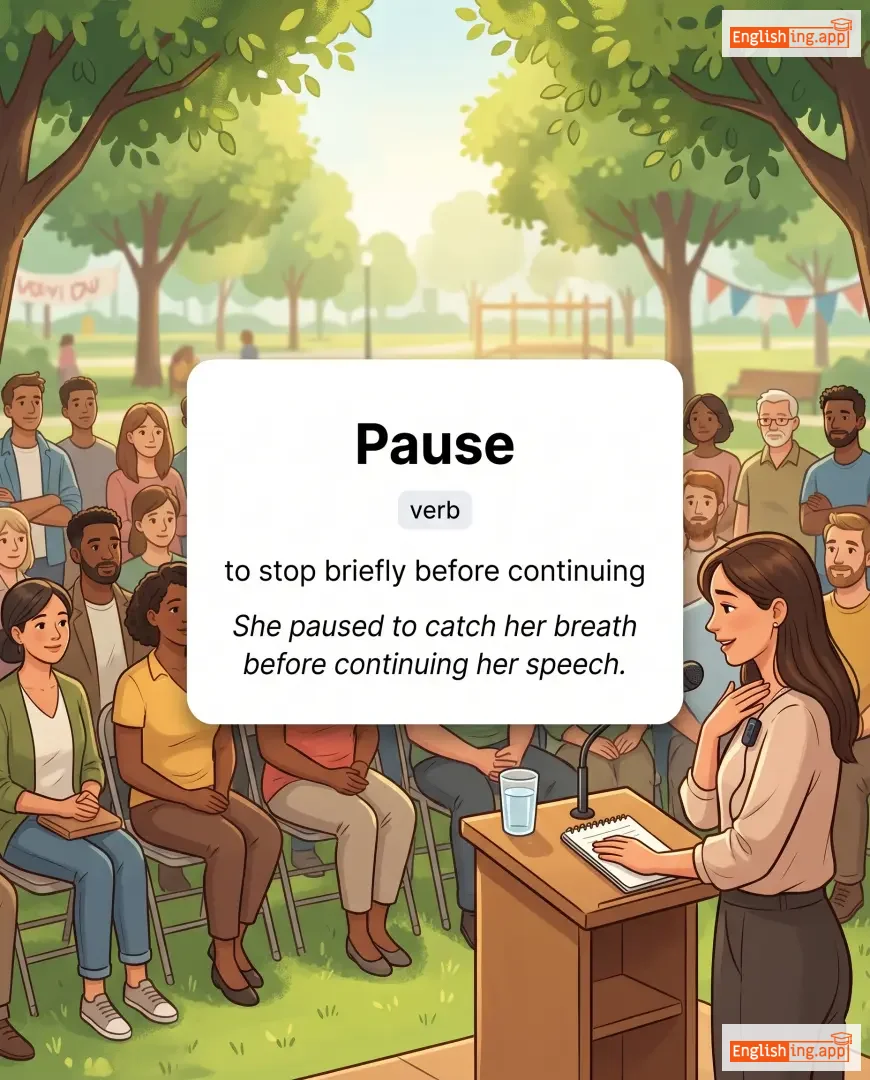
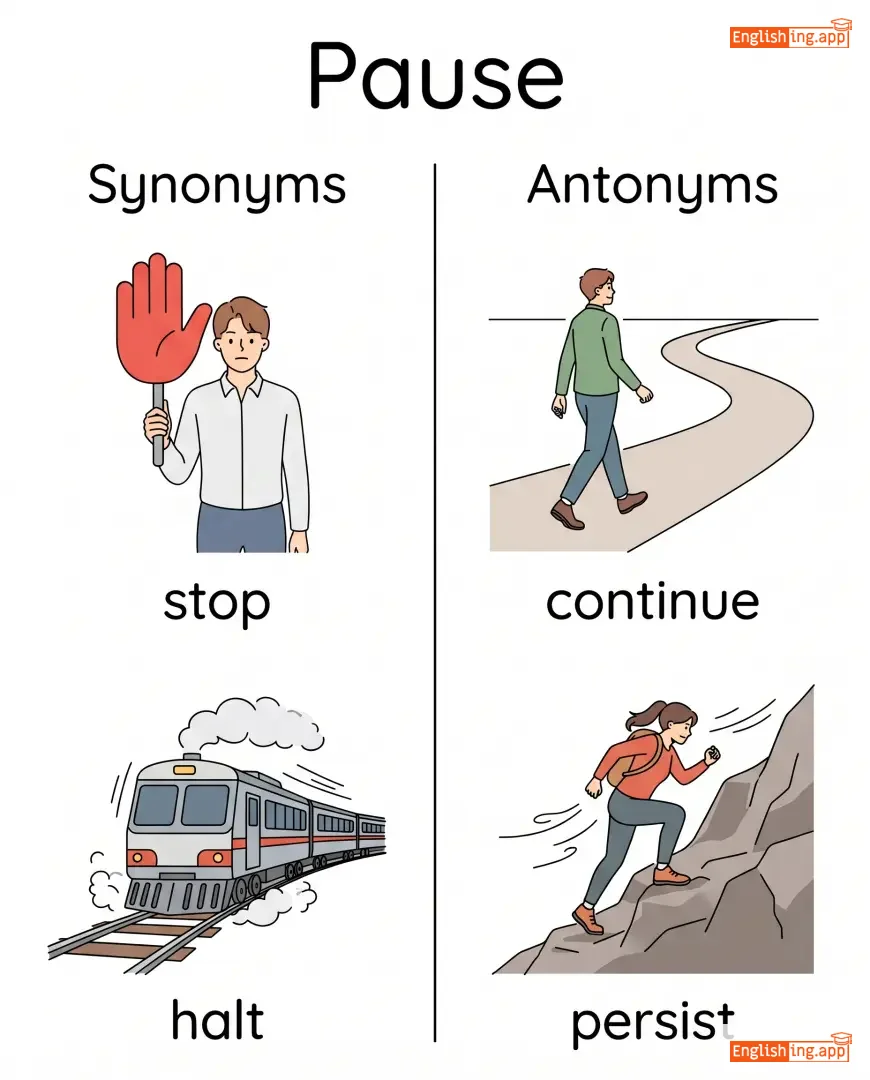
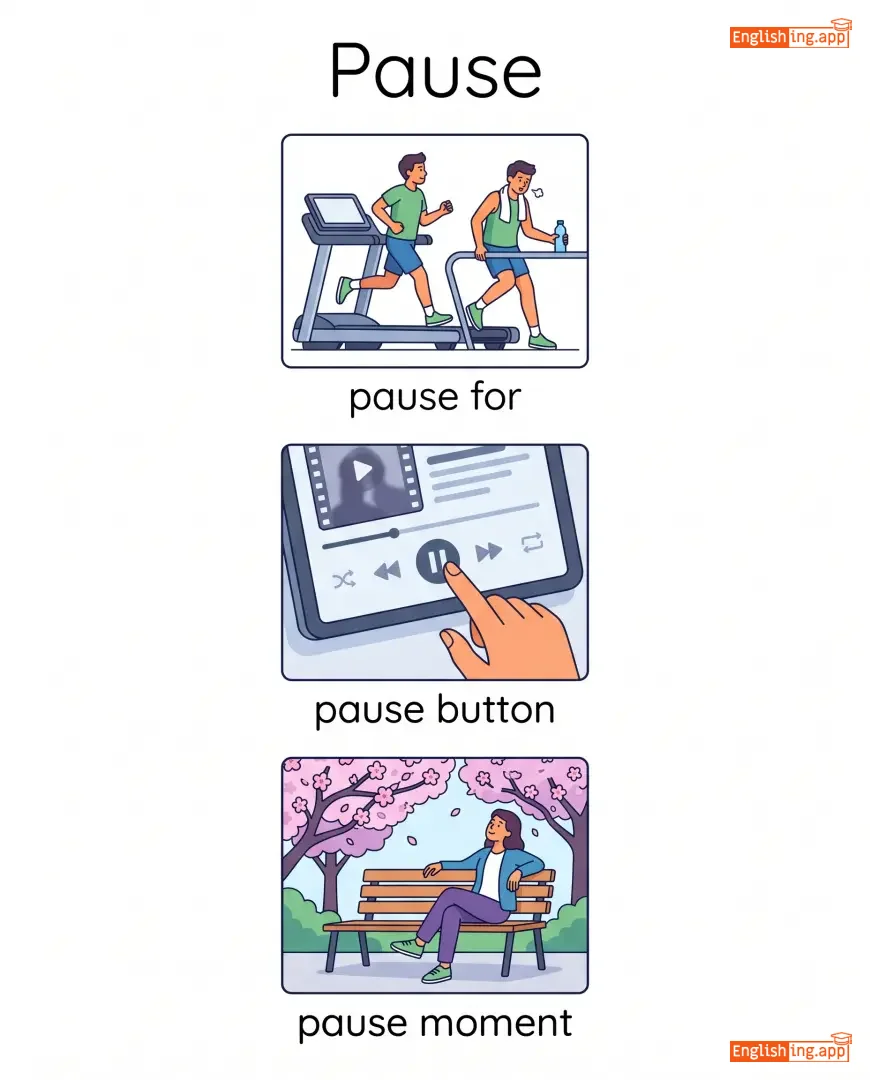
暂停
zanting
••••••
|
- •••••• | - •••••• | - •••••• | - •••••• | - •••••• | - •••••• | - •••••• |
In Chinese, '暂停' means to take a break. Just pause for a while!
••••••
|
|
#1019
-
|
noun
(peke)
••••••
|
- •••••• |
啄
zhuo
••••••
|
- •••••• | - •••••• | - •••••• | - •••••• | - •••••• | - •••••• | - •••••• |
想象鸟用嘴啄物体 – 'zhuo'.
••••••
|
|
#1020
-
|
noun
(行人)
••••••
|
- •••••• |
行人
xíngrén
••••••
|
- •••••• | - •••••• | - •••••• | - •••••• | - •••••• | - •••••• | - •••••• |
In Chinese, '行人' refers to a pedestrian walking on the street.
••••••
|
Vocabulary Quiz
Test your vocabulary by matching words with their translations or meanings.
Login to take the quiz
Comments (0)
Share your thoughts and join the discussion.
Join the discussion by logging in
Login to CommentNo comments yet
Be the first to share your thoughts!