




Swipe left or right, or use the buttons. Tap image to zoom.
例句翻译
单词
Lesson 23Lesson 23 - 遮罩切换
|
表情符号
|
单词 | Images | 翻译 | 含义 | 例句 | 例句翻译 | 同义词 | 反义词 | 搭配词 | 助记符 |
|---|---|---|---|---|---|---|---|---|---|---|
|
#441
💭
|
/ˈfiː.lɪŋ/
noun
(菲灵)
••••••
|
- •••••• |
感觉; 情感; 情绪
gǎn jué, qíng gǎn, qíng xù
••••••
|
an emotional state or reaction; the capacity to experience physical sensations
••••••
|
She had a strange feeling that something important was about to happen. |
她有一种奇怪的感觉,觉得有什么重要的事情即将发生。
Tā yǒu yī zhǒng qí guài de gǎn jué, jué dé yǒu shén me zhòng yào de shì qíng jí jiāng fā shēng.
••••••
|
emotion, sensation, sentiment, impression
••••••
|
numbness, insensitivity, apathy, indifference
••••••
|
gut feeling, hurt feelings, mixed feelings
••••••
|
Feeling = 感觉,感情的情绪
••••••
|
|
#442
👆
|
/ˈfɪŋ.ɡər/
noun
(fīnggě)
••••••
|
- •••••• |
手指
shǒuzhǐ
••••••
|
any of the four long thin parts of the hand (or five, if the thumb is included)
••••••
|
She pointed with her finger to show the direction to the museum.
她用手指指向博物馆的方向。
••••••
|
她用手指指向博物馆的方向。
Tā yòng shǒuzhǐ zhǐxiàng bówùguǎn de fāngxiàng.
••••••
|
digit, pointer, appendage, extremity
••••••
|
palm, fist, hand, thumb
••••••
|
index finger, ring finger, finger food
••••••
|
Chinese: '手指' means 'finger', remember it by thinking of your 'shǒuzhǐ' pointing.
••••••
|
|
#443
🐅
|
/fəˈroʊ.ʃəs/
adjective
(fèiruòshāsī)
••••••
|
- •••••• |
凶猛,残忍,激烈
xiōngměng, cánrěn, jīliè
••••••
|
savagely fierce, cruel, or violent; extremely aggressive
••••••
|
The ferocious storm destroyed many houses in the coastal area. |
凶猛的暴风摧毁了沿海地区的许多房屋。
Xiōngměng de bàofēng cuīhuǐle yánhǎi dìqū de xǔduō fángwū.
••••••
|
fierce, savage, brutal, vicious
••••••
|
gentle, mild, tame, peaceful
••••••
|
ferocious animal, ferocious attack, ferocious storm
••••••
|
像猛烈的风暴一样,摧毁一切。
••••••
|
|
#444
🔍
|
/ˈfɪŋ.ɡər.prɪnt/
noun
(指纹)
••••••
|
- •••••• |
指纹
zhǐwén
••••••
|
an impression or mark made on a surface by a person's fingertip; unique identification pattern
••••••
|
The police found his fingerprints on the door handle at the crime scene.
警方在犯罪现场的门把手上找到了他的指纹。
••••••
|
警方在犯罪现场的门把手上找到了他的指纹。
Jǐngfāng zài fànzuì xiànchǎng de mén bǎshǒu shàng zhǎodàole tā de zhǐwén.
••••••
|
thumbprint, impression, mark, trace
••••••
|
erasure, clean surface, unmarked, blank
••••••
|
take fingerprints, fingerprint scanner, unique fingerprint
••••••
|
指纹 – Fingerprint – 每个指纹都是独一无二的。
••••••
|
|
#445
⚡
|
/fəˈrɑː.sə.ti/
noun
(费罗西蒂)
••••••
|
|
残忍; 凶猛
cánrěn, xiōngměng
••••••
|
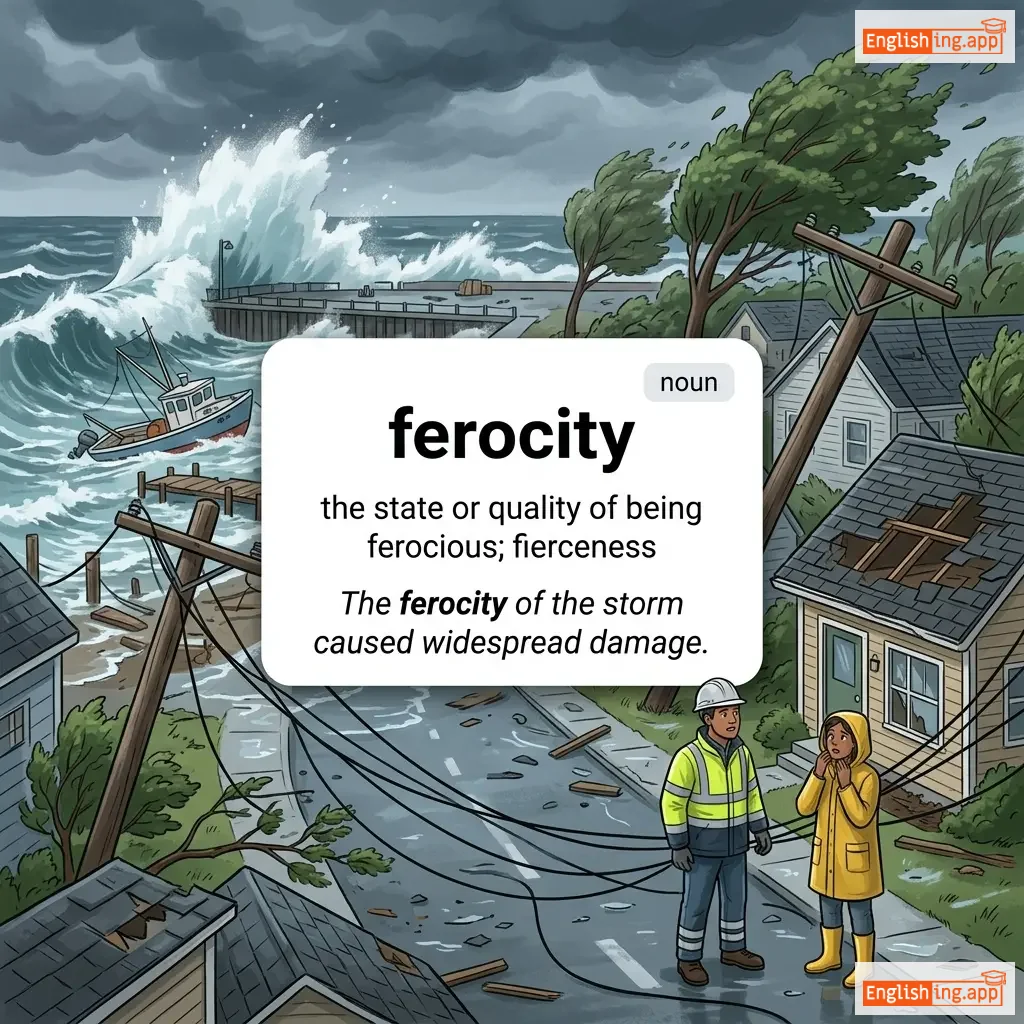
the state or quality of being ferocious; savage fierceness
••••••
|
The ferocity of the lion's attack surprised even the experienced zookeeper.
狮子的猛烈攻击甚至让经验丰富的动物园管理员感到震惊。
••••••
|
狮子的猛烈攻击甚至让经验丰富的动物园管理员感到震惊。
Shīzi de měngliè gōngjí shènzhì ràng jīngyàn fēngfù de dòngwùyuán guǎnlǐyuán gǎndào zhènjīng.
••••••
|
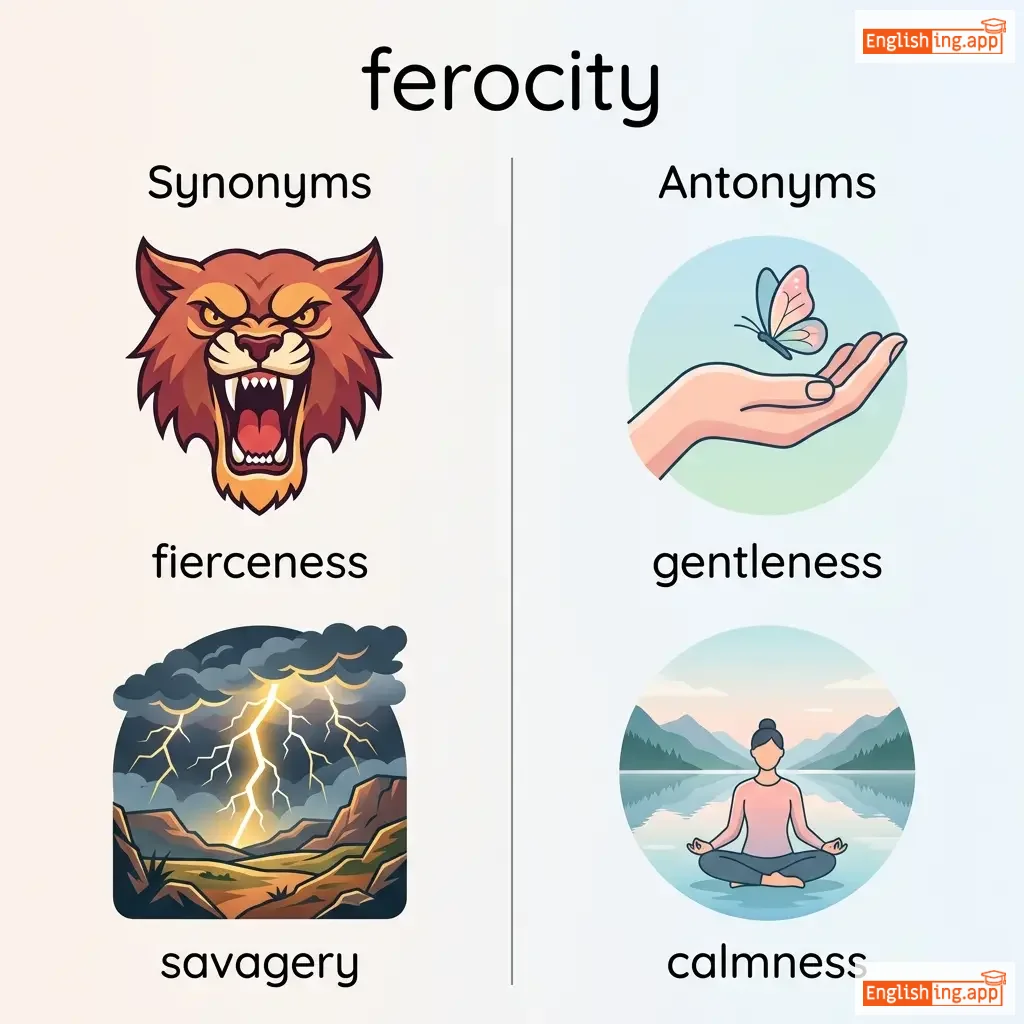
fierceness, brutality, savagery, violence
••••••
|
gentleness, mildness, tameness, docility
••••••
|
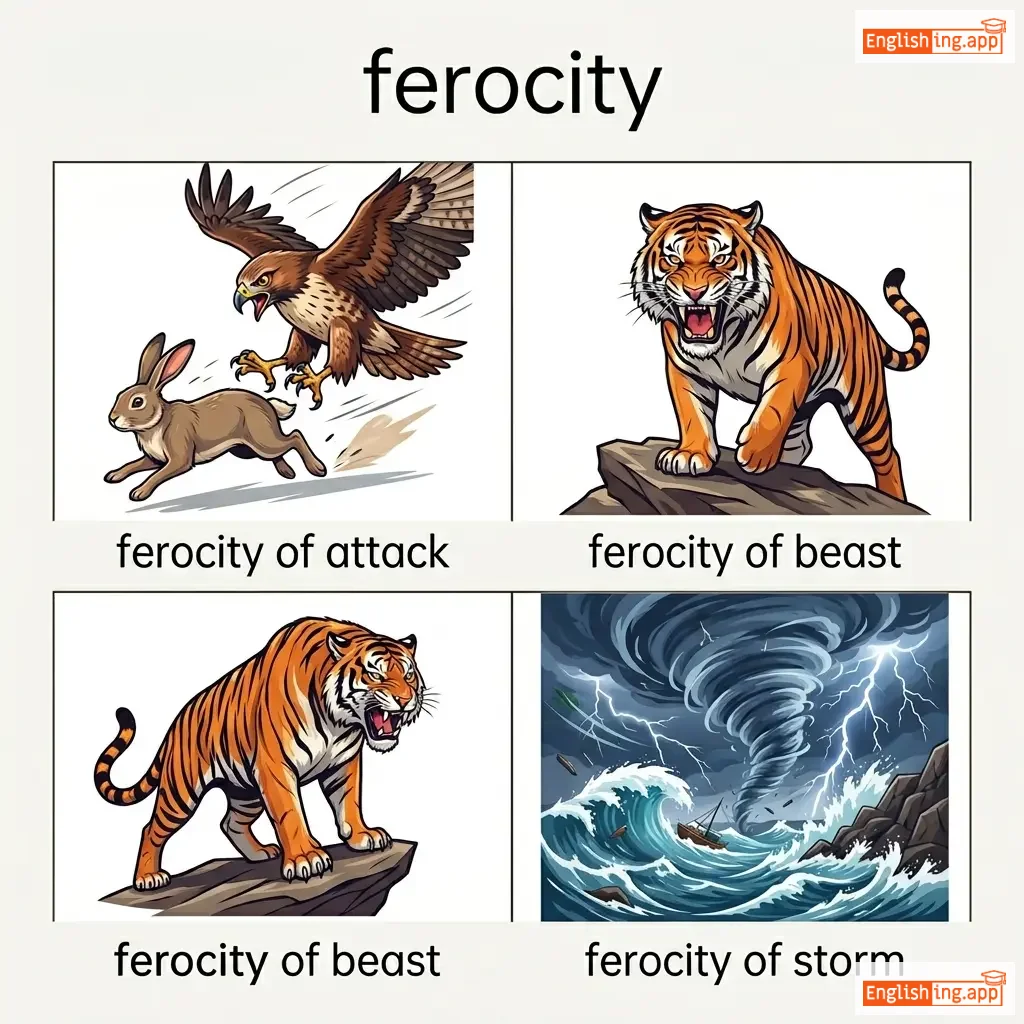
unleash ferocity, display ferocity, ferocity of attack
••••••
|
Ferocity in Chinese sounds fierce, remember 'fero' for wild, fierce as 'xiōngměng'.
••••••
|
|
#446
🔥
|
/faɪər/
noun
(huǒ)
••••••
|
- •••••• |
火
huo
••••••
|
combustion or burning, in which substances combine chemically with oxygen from the air
••••••
|
The fire in the fireplace provided warmth and a cozy atmosphere. |
壁炉中的火提供了温暖和舒适的氛围。
bilu zhong de huo tigongle wennuan he shushi de fenwei.
••••••
|
flame, blaze, combustion, inferno
••••••
|
water, ice, cold, frost
••••••
|
catch fire, fire alarm, house fire
••••••
|
火提供温暖和光亮,生活的基本需求。
••••••
|
|
#447
🌱
|
/ˈfɜːr.taɪl/
adjective
(fɜːr.taɪl)
••••••
|
- •••••• |
肥沃的
fei wo de
••••••
|
capable of producing abundant vegetation or crops; able to conceive children
••••••
|
The fertile soil in this region makes it perfect for growing vegetables. |
这个地区的肥沃土壤使其成为种植蔬菜的理想之地。
zhe ge di qu de fei wo tu rang shi qi cheng wei zhong zhi shu cai de li xiang zhi di.
••••••
|
productive, fruitful, rich, abundant
••••••
|
barren, sterile, infertile, unproductive
••••••
|
fertile soil, fertile land, fertile imagination
••••••
|
肥沃的土壤种植蔬菜,肥沃的身体能孕育生命
••••••
|
|
#448
✊
|
/fɪst/
noun
(拳头)
••••••
|
- •••••• |
拳头; 拳击
quantou, quanji
••••••
|
a person's hand when the fingers are bent in toward the palm and held there tightly
••••••
|
He raised his fist in victory after winning the championship match.
他在赢得冠军比赛后举起了拳头。
••••••
|
他在赢得冠军比赛后举起了拳头。
Ta zai yingde guanjun bisai hou juqi le quantou.
••••••
|
clenched hand, knuckles, punch, grip
••••••
|
open hand, palm, fingers extended, flat hand
••••••
|
clench fist, shake fist, iron fist
••••••
|
握紧拳头,象征力量和胜利。
••••••
|
|
#449
🌾
|
/fərˈtɪl.ə.ti/
noun
(费尔特利蒂)
••••••
|
|
生育能力
shengyu nengli
••••••
|
the ability to conceive children or young; the quality of being fertile
••••••
|
Modern medicine has helped many couples overcome fertility problems.
现代医学帮助许多夫妇克服了生育问题。
••••••
|
现代医学帮助许多夫妇克服了生育问题。
Xiandai yixue bangzhu xuduo fufu kefu le shengyu wenti.
••••••
|
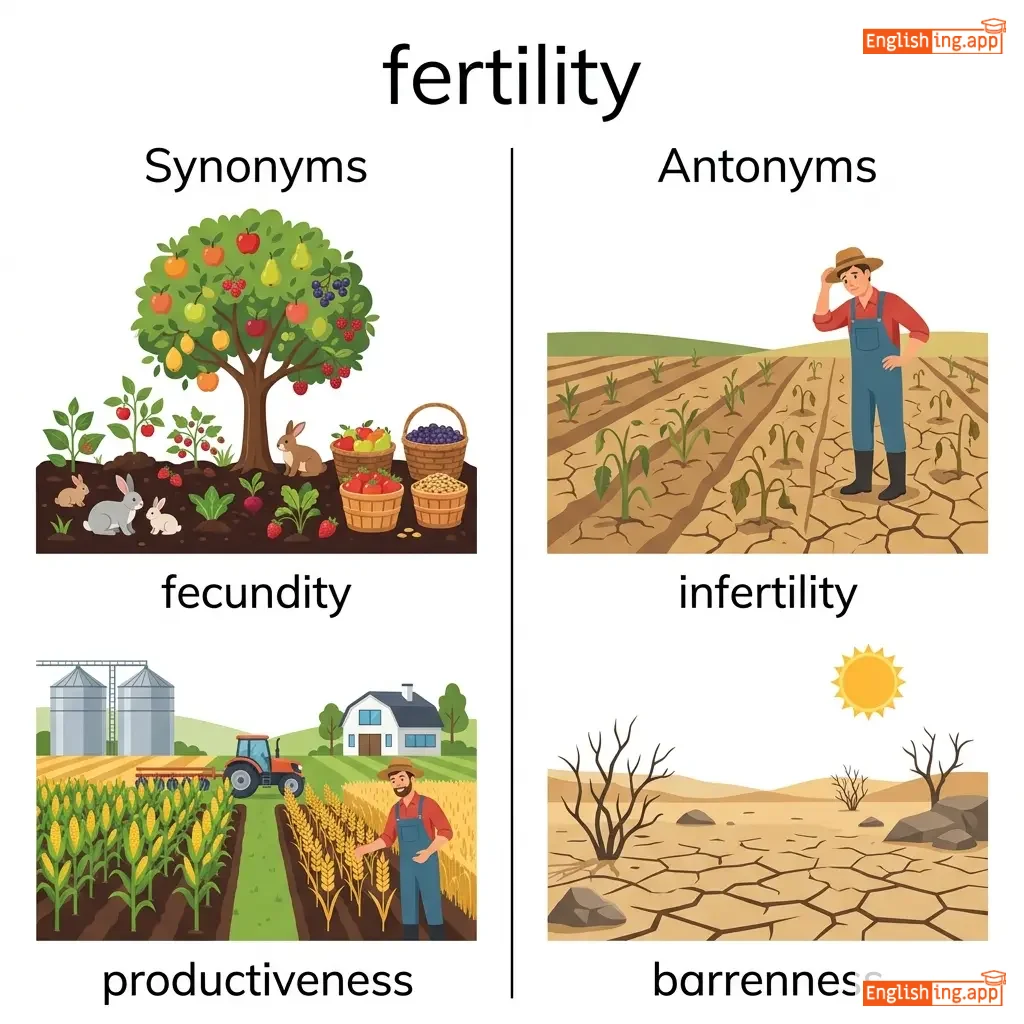
fecundity, productiveness, richness, abundance
••••••
|
infertility, barrenness, sterility, unproductiveness
••••••
|
soil fertility, fertility rate, fertility treatment
••••••
|
Fertility in Chinese is '生育能力', meaning 'ability to give birth'.
••••••
|
|
#450
🔥
|
/fleɪm/
noun
(fuleim)
••••••
|
- •••••• |
火焰
huoyan
••••••
|
a hot glowing body of ignited gas that is generated by something on fire
••••••
|
The candle flame flickered gently in the evening breeze.
蜡烛的火焰在晚风中微微闪烁。
••••••
|
蜡烛的火焰在晚风中微微闪烁。
lazhu de huoyan zai wanfeng zhong weiwei shanshuo.
••••••
|
blaze, fire, flare, light
••••••
|
darkness, shadow, cold, ice
••••••
|
candle flame, flame of fire, eternal flame
••••••
|
Flame, just like 'huoyan' (火焰) in Chinese!
••••••
|
|
#451
🎉
|
/ˈfes.tə.vəl/
noun
(fèstíval)
••••••
|
- •••••• |
节日; 庆典;
jiérì, qìngdiǎn
••••••
|
a day or period of celebration, typically for religious reasons; an organized series of concerts, films, etc.
••••••
|
The music festival attracted thousands of visitors from around the world.
音乐节吸引了来自世界各地的成千上万的游客。
••••••
|
音乐节吸引了来自世界各地的成千上万的游客。
Yīnyuè jié xīyǐnle láizì shìjiè gèdì de chéngqiān shàngwàn de yóukè.
••••••
|
celebration, festivity, carnival, fair
••••••
|
mourning, solemnity, funeral, wake
••••••
|
music festival, film festival, religious festival
••••••
|
‘Festival’ 带来了快乐和音乐,每个节日都有一个独特的庆典。
••••••
|
|
#452
⚡
|
/flæʃ/
noun
(flash)
••••••
|
- •••••• |
闪光; 闪烁
shǎn guāng; shǎn shuò
••••••
|
a sudden brief burst of bright light; a very brief moment
••••••
|
There was a bright flash of lightning followed by thunder.
有一道明亮的闪电,接着是雷声。
••••••
|
有一道明亮的闪电,接着是雷声。
Yǒu yī dào míng liàng de shǎn diàn, jiē zhe shì léi shēng.
••••••
|
burst, gleam, glint, sparkle
••••••
|
darkness, dimness, shadow, dullness
••••••
|
camera flash, flash of light, flash memory
••••••
|
Flash 和闪烁
••••••
|
|
#453
💍
|
/ˌfiː.ɑːnˈseɪ/
noun
(菲安斯)
••••••
|
- •••••• |
未婚夫
weihunfu
••••••
|
a man who is engaged to be married
••••••
|
Sarah introduced her fiance to her parents during the family dinner.
莎拉在家庭聚餐时向父母介绍了她的未婚夫。
••••••
|
莎拉在家庭聚餐时向父母介绍了她的未婚夫。
Shala zai jiating jucan shi xiang fumu jieshao le ta de weihunfu.
••••••
|
betrothed, intended, husband-to-be, groom-to-be
••••••
|
ex-boyfriend, stranger, bachelor, single man
••••••
|
meet fiance, introduce fiance, fiance's family
••••••
|
Weihunfu, 未来丈夫
••••••
|
|
#454
🤥
|
/ˈflæt.ər.ər/
noun
(弗拉特尔)
••••••
|
- •••••• |
奉承者
fèngchéng zhě
••••••
|
a person who lavishes praise, often insincerely and in order to gain advantage
••••••
|
The king was surrounded by flatterers who only told him what he wanted to hear. |
国王被奉承者围绕,他们只告诉他他想听的话。
Guówáng bèi fèngchéng zhě wéirào, tāmen zhǐ gàosù tā tā xiǎng tīng de huà.
••••••
|
sycophant, toady, brown-noser, bootlicker
••••••
|
critic, honest person, truth-teller, frank speaker
••••••
|
shameless flatterer, court flatterer, beware of flatterers
••••••
|
奉承者 (fèngchéng zhě) means someone who flatters to gain advantages, just like a flatterer.
••••••
|
|
#455
💎
|
/ˌfiː.ɑːnˈseɪ/
noun
(费安塞)
••••••
|
- •••••• |
未婚妻
wei hun qi
••••••
|
a woman who is engaged to be married
••••••
|
John bought a beautiful engagement ring for his fiancee. |
约翰为他的未婚妻买了一枚漂亮的订婚戒指。
Yuehan wei tā de wèihūnqī mǎile yī méi piàoliang de dìnghūn jièzhǐ.
••••••
|
betrothed, intended, wife-to-be, bride-to-be
••••••
|
ex-girlfriend, stranger, bachelorette, single woman
••••••
|
beloved fiancee, fiancee's dress, propose to fiancee
••••••
|
Fiancee = 未婚妻,准备结婚的女性
••••••
|
|
#456
🎭
|
/ˈflæt.ər.i/
noun
(恭维)
••••••
|
- •••••• |
恭维
gōngwéi
••••••
|
excessive and insincere praise, given especially to further one's own interests
••••••
|
His constant flattery made everyone suspicious of his true motives. |
他不断的恭维使大家怀疑他的真实动机。
Tā bù duàn de gōngwéi shǐ dà jiā huái yí tā de zhēn shí dòng jī.
••••••
|
adulation, praise, compliments, sweet talk
••••••
|
criticism, honesty, frankness, bluntness
••••••
|
empty flattery, false flattery, resist flattery
••••••
|
恭维有时是一种巧妙的策略,目的是为了自己的利益而让别人对你产生好感。
••••••
|
|
#457
🤝
|
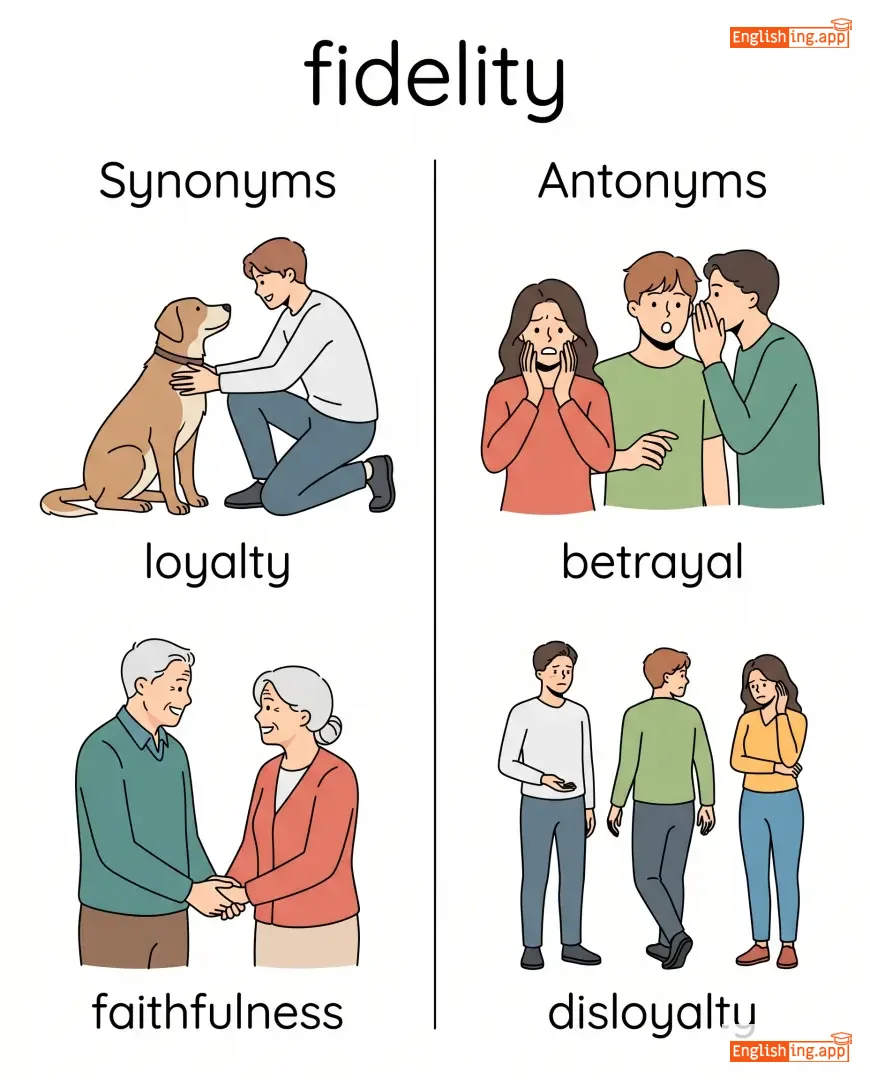
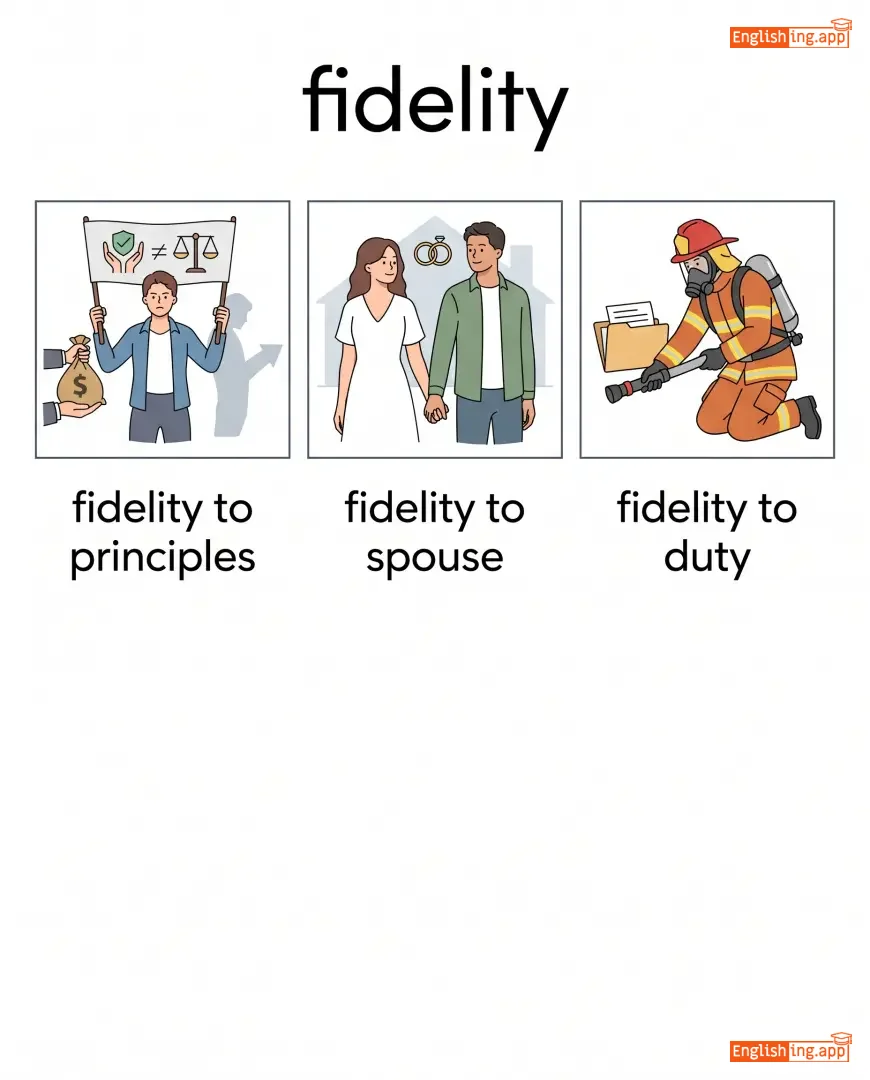
/fɪˈdel.ə.ti/
noun
(忠诚)
••••••
|
|
忠诚
zhōngchéng
••••••
|
faithfulness to a person, cause, or belief; accuracy in reproducing or copying
••••••
|
The dog's fidelity to its owner was remarkable and touching.
狗对主人的忠诚令人敬佩且感人。
••••••
|
狗对主人的忠诚令人敬佩且感人。
Gǒu duì zhǔrén de zhōngchéng lìng rén jìngpèi qiě gǎnrén.
••••••
|
loyalty, faithfulness, devotion, allegiance
••••••
|
infidelity, disloyalty, betrayal, unfaithfulness
••••••
|
marital fidelity, brand fidelity, high fidelity
••••••
|
忠诚代表了对他人的信任和承诺。
••••••
|
|
#458
👅
|
/ˈfleɪ.vər/
noun
(fú léi wéi)
••••••
|
- •••••• |
风味
fengwei
••••••
|
the distinctive taste of a food or drink; a particular quality or atmosphere
••••••
|
The soup had a rich flavour of herbs and spices from the garden.
汤里有来自花园的丰富香草和香料味。
••••••
|
汤里有来自花园的丰富香草和香料味。
Tang li you laizi huayuan de fengfu xiangcao he xiangliao wei.
••••••
|
taste, savor, essence, aroma
••••••
|
blandness, tastelessness, flavorlessness, dullness
••••••
|
natural flavour, artificial flavour, flavour enhancer
••••••
|
In Chinese, '风味' means the flavor of food, just like the essence of taste.
••••••
|
|
#459
🔢
|
/ˈfɪɡ.jər/
noun
(数字)
••••••
|
- •••••• |
数字; 形象; 数量;
shuzi, xingxiang, shuliang
••••••
|
a number, especially one which forms part of official statistics; the shape of a human body
••••••
|
The sales figure for this quarter exceeded all expectations. |
这个季度的销售数字超过了所有的预期。
zhe ge jidu de xiaoshou shuzi chao guo le suoyou de yuqi.
••••••
|
number, digit, shape, form
••••••
|
reality, substance, fact, truth
••••••
|
key figure, figure out, round figure
••••••
|
数字代表数字,形状如同人体的轮廓。
••••••
|
|
#460
🥩
|
/fleʃ/
noun
(flesh)
••••••
|
- •••••• |
肉
rou
••••••
|
the soft substance consisting of muscle and fat that is found between the skin and bones
••••••
|
The doctor examined the wound to check if it had penetrated the flesh. |
医生检查了伤口,看看它是否已经穿透了肉体
yisheng jiancha le shangkou, kankan ta shi fou yijing chuantou le routi
••••••
|
meat, tissue, muscle, skin
••••••
|
bone, skeleton, spirit, soul
••••••
|
flesh and blood, fresh flesh, flesh wound
••••••
|
Flesh in Chinese is 'rou', which sounds like 'meat'.
••••••
|
Vocabulary Quiz
Test your vocabulary by matching words with their translations or meanings.
Login to take the quiz
Comments (0)
Share your thoughts and join the discussion.
Join the discussion by logging in
Login to CommentNo comments yet
Be the first to share your thoughts!