

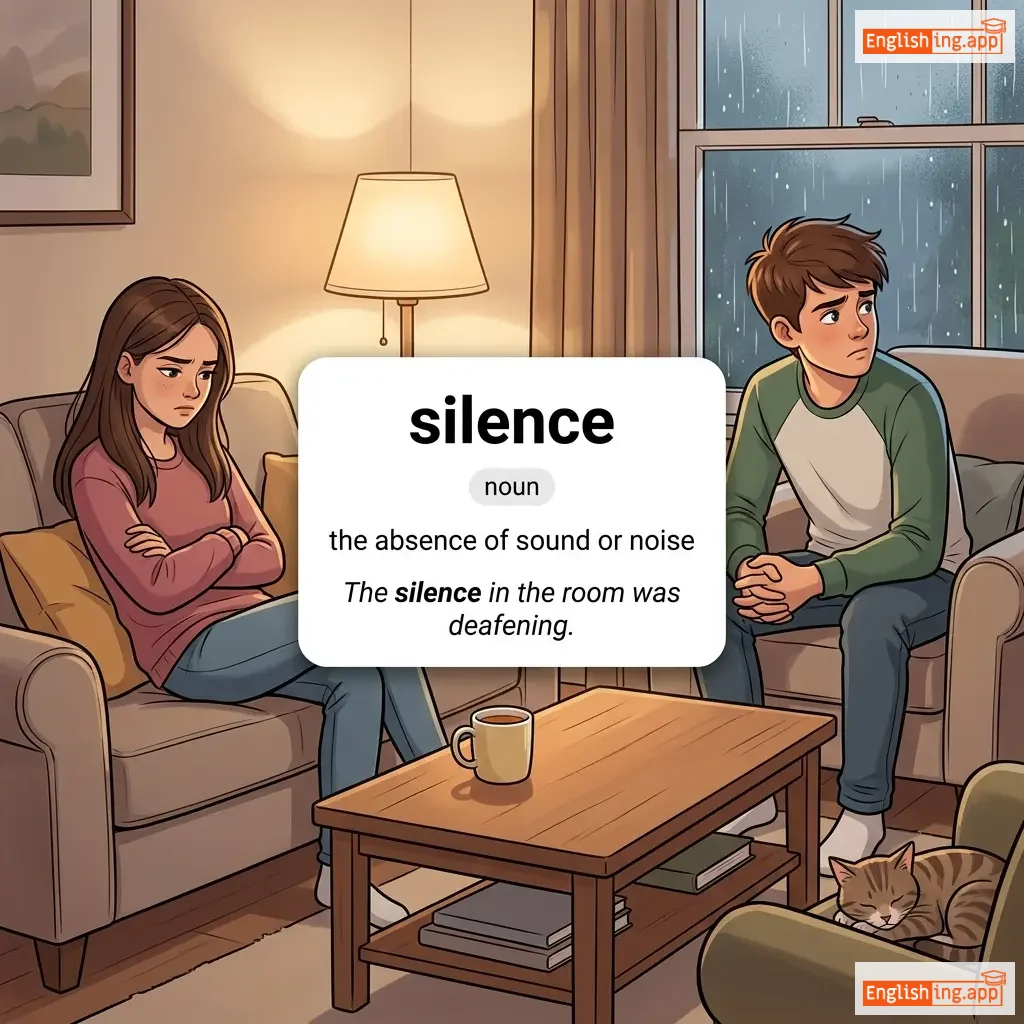
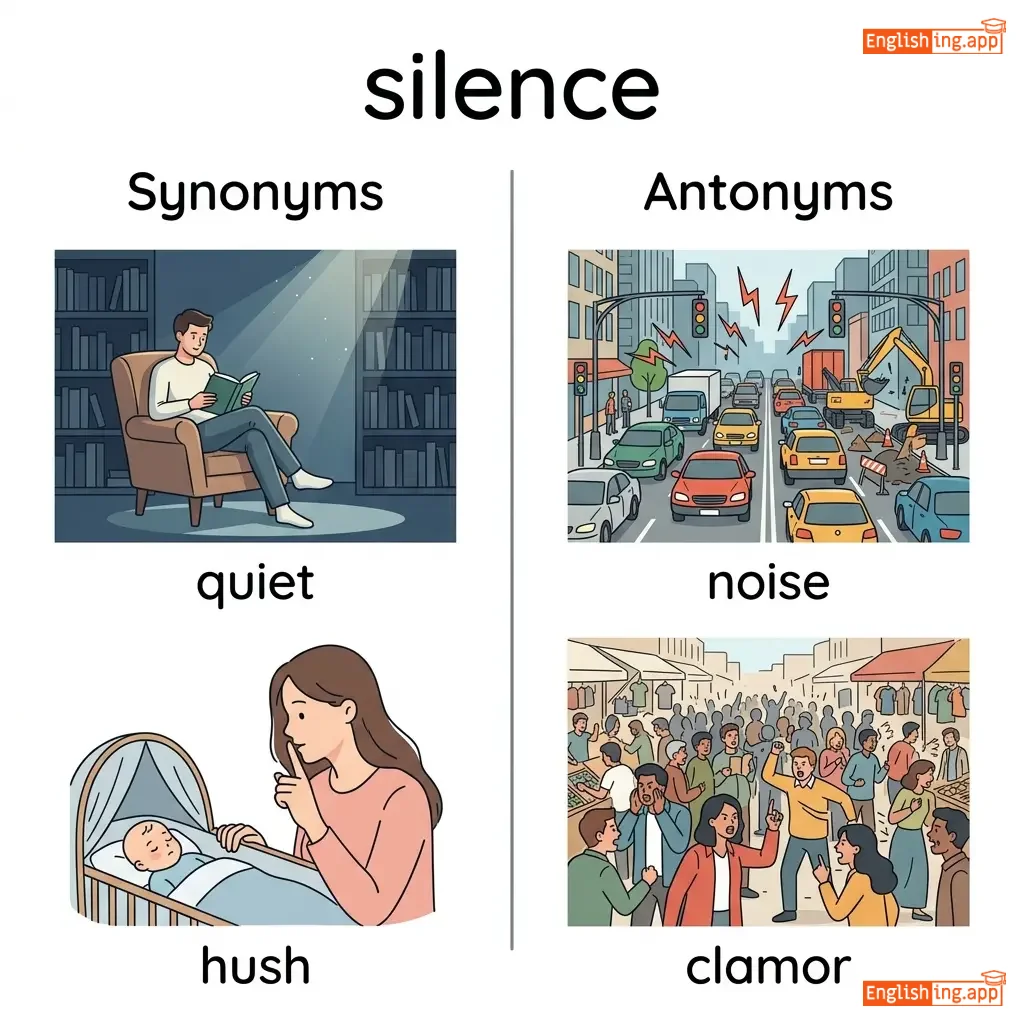
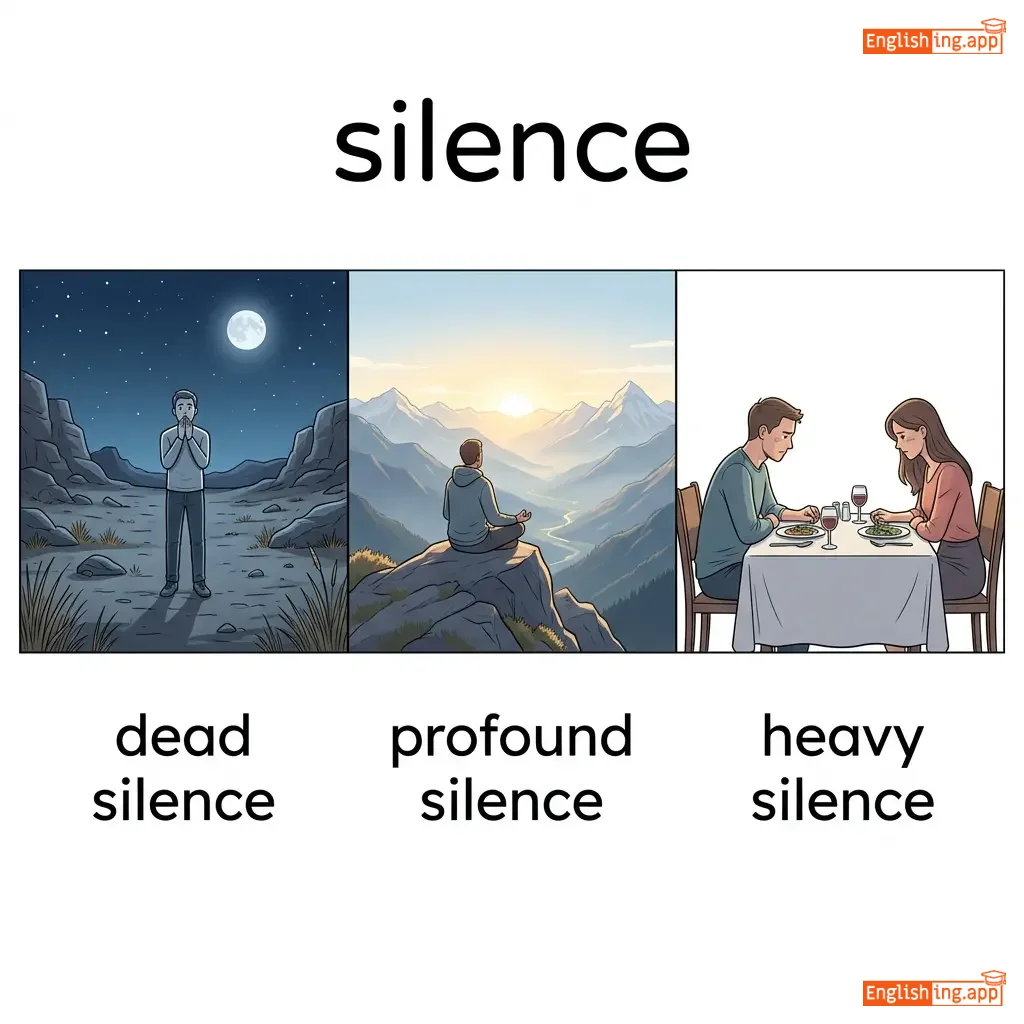
Swipe left or right, or use the buttons. Tap image to zoom.
例句翻译
单词
Lesson 65Lesson 65 - 遮罩切换
|
表情符号
|
单词 | Images | 翻译 | 含义 | 例句 | 例句翻译 | 同义词 | 反义词 | 搭配词 | 助记符 |
|---|---|---|---|---|---|---|---|---|---|---|
|
#1281
🏖️
|
/ʃɔːr/
noun
(shor)
••••••
|
- •••••• |
海岸; 岸边; 沙滩
shor
••••••
|
the land along the edge of a sea, lake, or other body of water
••••••
|
We walked along the shore collecting seashells.
我们沿着海岸走,捡贝壳。
••••••
|
我们沿着海岸走,捡贝壳。
Wǒmen yánzhe hǎi'àn zǒu, jiǎn bèiké.
••••••
|
coast, beach, waterfront, seashore
••••••
|
inland, interior
••••••
|
sandy shore, rocky shore, opposite shore, lake shore
••••••
|
In Chinese, '海岸' (hǎi'àn) means shore, similar to 'shor' in English.
••••••
|
|
#1282
🔄
|
/sɪˈmɪlɪtjuːd/
noun
(相似度)
••••••
|
- •••••• |
相似; 类似
xiangsi; leisi
••••••
|
the quality or state of being similar; resemblance
••••••
|
The similitude between the two paintings suggested they were by the same artist.
这两幅画之间的相似性表明它们是由同一位艺术家创作的。
••••••
|
这两幅画之间的相似性表明它们是由同一位艺术家创作的。
Zhe liang fu hua zhijian de xiangsi xing biaoming tamen shi you tongyi wei yishujia chuangzuo de.
••••••
|
similarity, resemblance, likeness, correspondence
••••••
|
difference, dissimilarity, contrast
••••••
|
bear similitude, exact similitude, close similitude
••••••
|
相似就像两幅画有共同的特征。
••••••
|
|
#1283
📉
|
/ˈʃɔːr.tɪdʒ/
noun
(短缺)
••••••
|
- •••••• |
短缺
shortij
••••••
|
a lack or deficiency of something that is needed or expected
••••••
|
There is a severe water shortage in the region.
该地区严重缺水。
••••••
|
该地区严重缺水。
gai di qu yan zhong que shui
••••••
|
scarcity, deficit, lack, deficiency
••••••
|
abundance, surplus, excess, plenty
••••••
|
water shortage, food shortage, housing shortage, staff shortage
••••••
|
Shortage mnemonic: 想象一个 store 的货架 空空 标着 shortage 把它拆成 short age 来记 资源 不足 就是 short age
••••••
|
|
#1284
🎯
|
/sɪmˈplɪsɪti/
noun
(简单)
••••••
|
- •••••• |
简单; 清晰
jiandan; qingxi
••••••
|
the quality of being simple; lack of complexity or intricacy
••••••
|
The beauty of the design lies in its simplicity. |
设计的美丽在于它的简单性。
Shèjì de měilì zàiyú tā de jiǎndān xìng.
••••••
|
plainness, clarity, straightforwardness, ease
••••••
|
complexity, complication, intricacy
••••••
|
elegant simplicity, deceptive simplicity, apparent simplicity
••••••
|
简单让一切变得清晰易懂,记住简单就是美。
••••••
|
|
#1285
❌
|
/ˈʃɔːrt.kʌm.ɪŋ/
noun
(短缺)
••••••
|
- •••••• |
缺陷; 不足; 缺点
quēxiàn; bùzú; quēdiǎn
••••••
|
a fault or failure to meet a certain standard; a deficiency
••••••
|
Despite his many talents, he has some shortcomings.
尽管他有许多才华,他仍然有一些短处。
••••••
|
尽管他有许多才华,他仍然有一些短处。
Jǐnguǎn tā yǒu xǔduō cáihuá, tā réngrán yǒu yīxiē duǎnchù.
••••••
|
flaw, defect, weakness, fault
••••••
|
strength, virtue, advantage, merit
••••••
|
personal shortcoming, major shortcoming, serious shortcoming, obvious shortcoming
••••••
|
‘短处’即为缺陷,说明有地方不够完美。
••••••
|
|
#1286
💛
|
/sɪnˈserɪti/
noun
(真诚)
••••••
|
- •••••• |
真诚
zhencheng
••••••
|
the quality of being free from pretense or deceit; honesty
••••••
|
His sincerity in apologizing was evident to everyone.
他在道歉时的真诚对所有人都显而易见。
••••••
|
他在道歉时的真诚对所有人都显而易见。
Tā zài dàoqiàn shí de zhēnchéng duì suǒyǒu rén dōu xiǎn ér yìjiàn.
••••••
|
honesty, genuineness, truthfulness, authenticity
••••••
|
insincerity, dishonesty, pretense, deception
••••••
|
deep sincerity, absolute sincerity, question sincerity
••••••
|
In Chinese, '真诚' signifies deep sincerity, clear from any pretense.
••••••
|
|
#1287
⛩️
|
/ʃraɪn/
noun
(shrain)
••••••
|
- •••••• |
圣地; 神殿; 圣坛
shengdi; shendian; shengtan
••••••
|
a holy or sacred place dedicated to a specific deity, ancestor, hero, or saint
••••••
|
Pilgrims visit the shrine to pray for good health.
朝圣者前往圣地为健康祈祷。
••••••
|
朝圣者前往圣地为健康祈祷。
Chaoshengzhe qianwang shengdi wei jiankang qidao.
••••••
|
temple, sanctuary, altar, chapel
••••••
|
profane place, secular building
••••••
|
holy shrine, sacred shrine, Buddhist shrine, roadside shrine
••••••
|
圣地就是朝圣之地,献给信仰。
••••••
|
|
#1288
📍
|
/ˌsɪtʃuˈeɪʃən/
noun
(情况)
••••••
|
- •••••• |
情况; 事态
qingkuang; shitai
••••••
|
a set of circumstances in which one finds oneself; a state of affairs
••••••
|
We need to assess the current situation before making any decisions. |
我们需要在做出任何决定之前评估当前情况。
wo men xu yao zai zuo chu ren he jue ding zhi qian ping gu dang qian qing kuang.
••••••
|
circumstances, condition, state, position, scenario
••••••
|
resolution, solution, conclusion
••••••
|
difficult situation, current situation, handle situation
••••••
|
情况 = problem
••••••
|
|
#1289
🤒
|
/ˈsɪk.nəs/
noun
(sickness)
••••••
|
- •••••• |
疾病; 病痛
jíbìng; bìngtòng
••••••
|
the state of being ill; a disease or illness
••••••
|
She took time off work due to sickness.
她因病休假。
••••••
|
她因病休假。
Tā yīn bìng xiūjià.
••••••
|
illness, disease, ailment, malady
••••••
|
health, wellness, fitness, vigor
••••••
|
motion sickness, morning sickness, chronic sickness, mental sickness
••••••
|
想象生病时不想工作,休息就能恢复。
••••••
|
|
#1290
🏢
|
/ˈskaɪˌskreɪpər/
noun
(sī-kài-sī-kuài-pēi-ěr)
••••••
|
- •••••• |
摩天大楼
mó tiān dà lóu
••••••
|
a very tall building of many stories
••••••
|
The new skyscraper dominates the city's skyline. |
这座新的摩天大楼主导着城市的天际线。
Zhè zuò xīn de mó tiān dà lóu zhǔ dǎo zhe chéng shì de tiān jì xiàn.
••••••
|
high-rise, tower, building, edifice
••••••
|
bungalow, cottage, low-rise
••••••
|
tall skyscraper, modern skyscraper, glass skyscraper
••••••
|
高耸入云的建筑!
••••••
|
|
#1291
📶
|
/ˈsɪɡ.nəl/
noun
(信号)
••••••
|
- •••••• |
信号
xinhao
••••••
|
a gesture, action, or sound that conveys information or instruction
••••••
|
The traffic signal turned red, so we stopped.
交通信号灯变红了,我们停了下来。
••••••
|
交通信号灯变红了,我们停了下来。
jiāotōng xìnhào dēng biàn hóng le, wǒmen tíng le xiàlái
••••••
|
sign, indication, cue, gesture
••••••
|
silence, stillness, inaction
••••••
|
traffic signal, phone signal, warning signal, clear signal
••••••
|
红灯信号告诉我们该停下来了。
••••••
|
|
#1292
🗣️❌
|
/ˈslændər/
noun
(slāndér)
••••••
|
- •••••• |
诽谤
fěibàng
••••••
|
the action of making false spoken statements damaging to someone's reputation
••••••
|
The politician sued the newspaper for slander. |
政治家因诽谤起诉了报纸。
zhèngzhìjiā yīn fěibàng qǐsùle bàozhǐ.
••••••
|
defamation, libel, calumny, vilification
••••••
|
praise, commendation, tribute
••••••
|
malicious slander, spread slander, slander campaign
••••••
|
诽谤: 散播谎言,破坏他人声誉。
••••••
|
|
#1293
✍️
|
/ˈsɪɡ.nə.tʃər/
noun
(xìnzhèng)
••••••
|
- •••••• |
签名
qianming
••••••
|
a person's name written in their own handwriting as identification or authorization
••••••
|
Please put your signature at the bottom of the document.
请在文件底部签名。
••••••
|
请在文件底部签名。
Qǐng zài wénjiàn dǐbù qiānmíng.
••••••
|
autograph, name, mark, sign
••••••
|
anonymity, unsigned
••••••
|
digital signature, handwritten signature, forged signature, valid signature
••••••
|
签名作为身份验证
••••••
|
|
#1294
💬
|
/slæŋ/
noun
(俚语)
••••••
|
- •••••• |
俚语; 非正式语言
lǐyǔ; fēi zhèngshì yǔyán
••••••
|
very informal language that is usually spoken rather than written
••••••
|
The teenagers used slang that their parents couldn't understand.
青少年使用了父母无法理解的俚语。
••••••
|
青少年使用了父母无法理解的俚语。
Qīngshàonián shǐyòngle fùmǔ wúfǎ lǐjiě de lǐyǔ.
••••••
|
colloquialism, vernacular, jargon, informal language
••••••
|
formal language, standard language, proper speech
••••••
|
street slang, modern slang, internet slang
••••••
|
In Chinese, '俚语' (lǐyǔ) refers to informal, often misunderstood language.
••••••
|
|
#1295
⭐
|
/sɪɡˈnɪf.ɪ.kəns/
noun
(xīng yì)
••••••
|
- •••••• |
重要性
zhòng yào xìng
••••••
|
the quality of being worthy of attention; importance
••••••
|
The discovery has great significance for medical research.
这个发现对医学研究具有重要意义。
••••••
|
这个发现对医学研究具有重要意义。
Zhège fāxiàn duì yīxué yánjiū jùyǒu zhòngyào yìyì.
••••••
|
importance, meaning, consequence, relevance
••••••
|
insignificance, irrelevance, triviality
••••••
|
great significance, historical significance, statistical significance, cultural significance
••••••
|
想象重要性就是一个巨大的信号,影响着科研的走向。
••••••
|
|
#1296
👕
|
/sliːv/
noun
(slīv)
••••••
|
- •••••• |
袖子
xiùzi
••••••
|
the part of a garment that covers the arm
••••••
|
She rolled up her sleeves before starting to cook. |
她在开始做饭前卷起了袖子。
Tā zài kāishǐ zuòfàn qián juǎn qǐle xiùzi.
••••••
|
arm covering, cuff, armhole
••••••
|
sleeveless, bare arm
••••••
|
long sleeve, short sleeve, roll up sleeves
••••••
|
袖子 - 卷起准备开始
••••••
|
|
#1297
🤫
|
/ˈsaɪ.ləns/
noun
(sàilèns)
••••••
|
|
沉默
chenmo
••••••
|
complete absence of sound; the refusal to speak or make noise
••••••
|
The teacher asked for silence during the exam. |
老师要求考试期间保持沉默。
Lǎoshī yāoqiú kǎoshì qíjiān bǎochí chénmò.
••••••
|
quiet, stillness, hush, calm
••••••
|
noise, sound, chatter, commotion
••••••
|
awkward silence, dead silence, moment of silence, break the silence
••••••
|
在沉默中,思考更清晰。
••••••
|
|
#1298
🍞
|
/slaɪs/
noun
(slàis)
••••••
|
- •••••• |
切片; 薄片
qie pian; bao pian
••••••
|
a thin, flat piece cut from something larger
••••••
|
Would you like a slice of pizza? |
你想要一片披萨吗?
Nǐ xiǎng yào yī piàn pīsà ma?
••••••
|
piece, portion, segment, cut
••••••
|
whole, entirety, complete piece
••••••
|
thin slice, thick slice, slice of bread
••••••
|
切片披萨: 薄且美味
••••••
|
|
#1299
👯
|
/ˌsɪm.ɪˈlær.ə.ti/
noun
(相似性)
••••••
|
- •••••• |
相似性; 类似性
similarity
••••••
|
the quality or state of being similar; resemblance
••••••
|
There is a striking similarity between the two paintings.
这两幅画之间有惊人的相似性。
••••••
|
这两幅画之间有惊人的相似性。
Zhè liǎng fú huà zhī jiān yǒu jīngrén de xiāngsìxìng.
••••••
|
resemblance, likeness, correspondence, parallel
••••••
|
difference, dissimilarity, contrast, distinction
••••••
|
striking similarity, close similarity, remarkable similarity, family similarity
••••••
|
相似性和 similarity 是一样的
••••••
|
|
#1300
🛝
|
/slaɪd/
noun
(滑梯)
••••••
|
- •••••• |
滑梯
huá tī
••••••
|
a smooth surface for sliding down; a piece of playground equipment
••••••
|
The children enjoyed playing on the slide at the park.
孩子们在公园的滑梯上玩得很开心。
••••••
|
孩子们在公园的滑梯上玩得很开心。
Háizimen zài gōngyuán de huátī shàng wán de hěn kāixīn.
••••••
|
chute, ramp, slope, glide
••••••
|
climb, ascent, stairs
••••••
|
playground slide, water slide, emergency slide
••••••
|
和孩子一起在滑梯上玩
••••••
|
Vocabulary Quiz
Test your vocabulary by matching words with their translations or meanings.
Login to take the quiz
Comments (0)
Share your thoughts and join the discussion.
Join the discussion by logging in
Login to CommentNo comments yet
Be the first to share your thoughts!